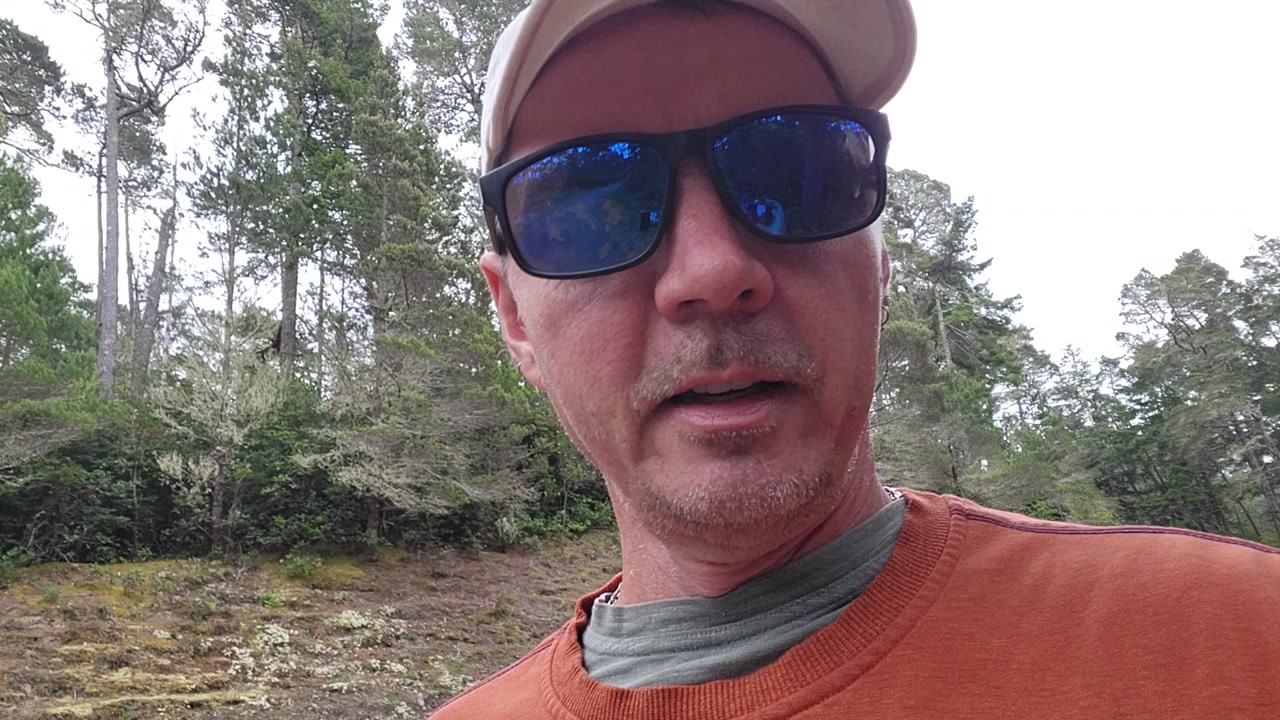
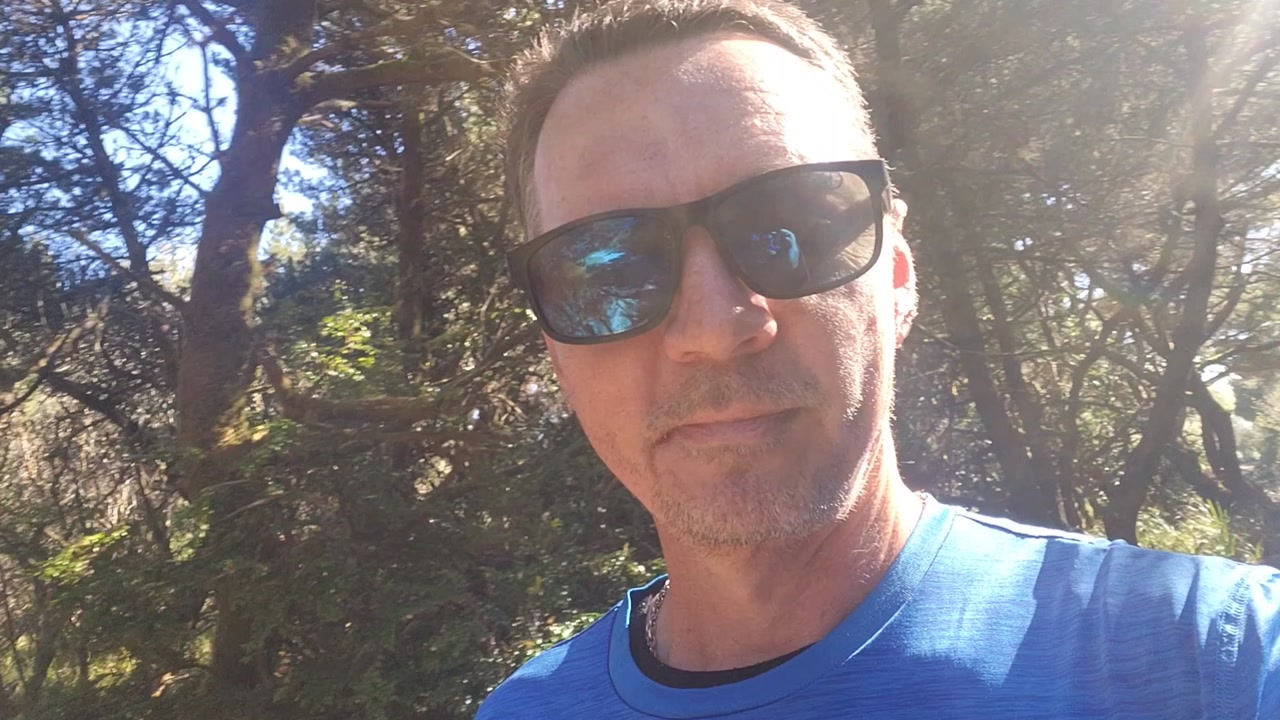

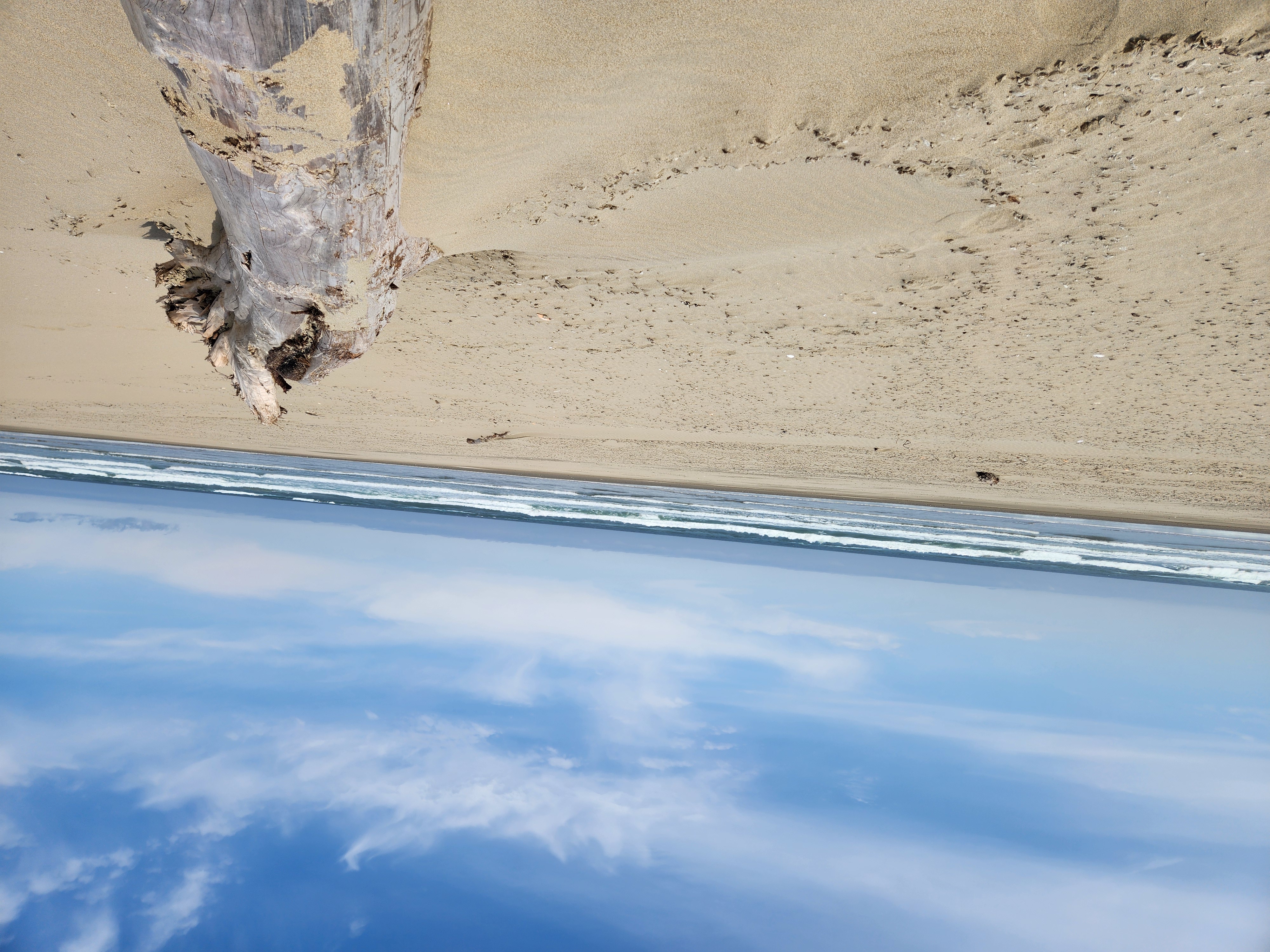
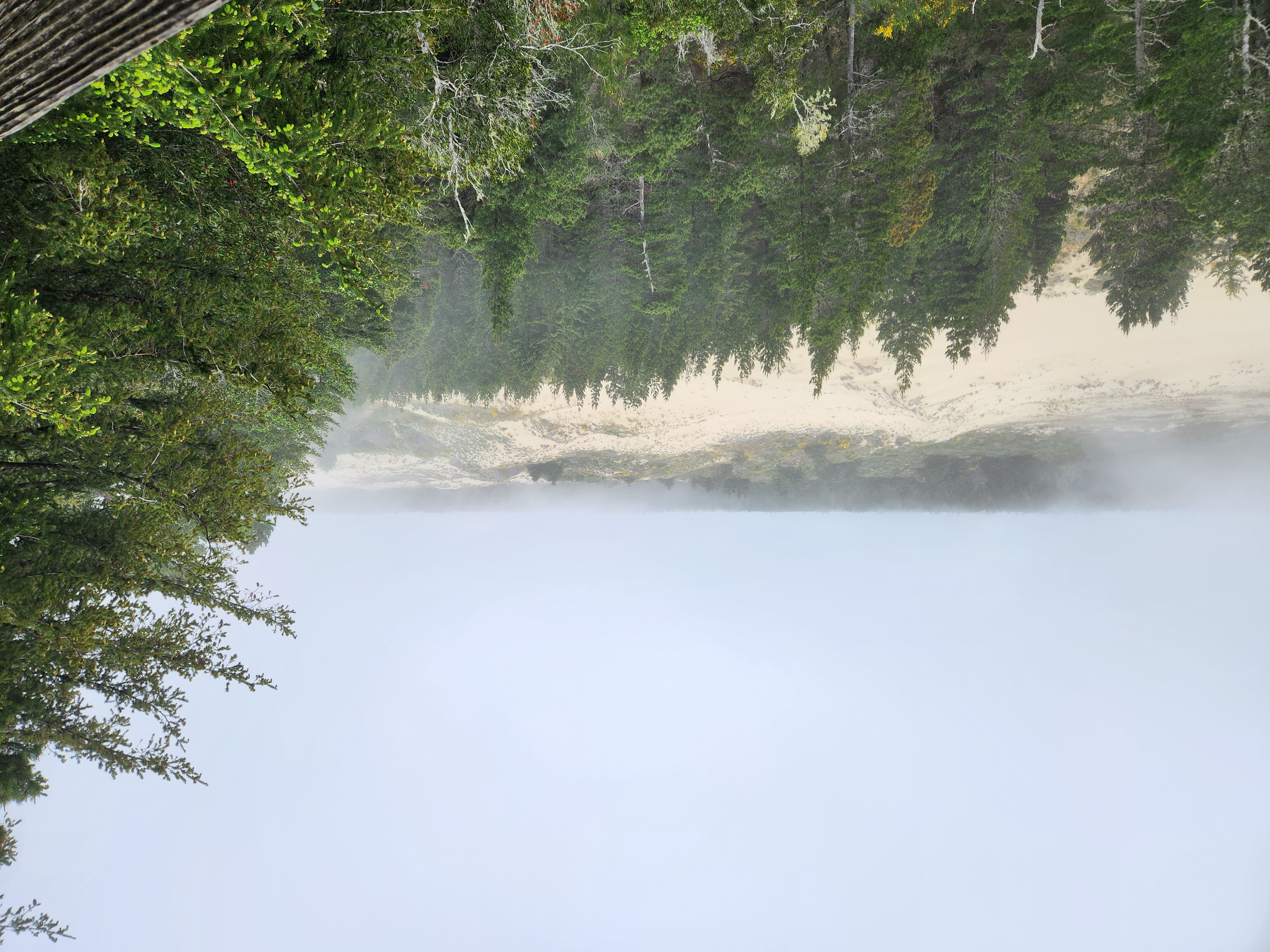
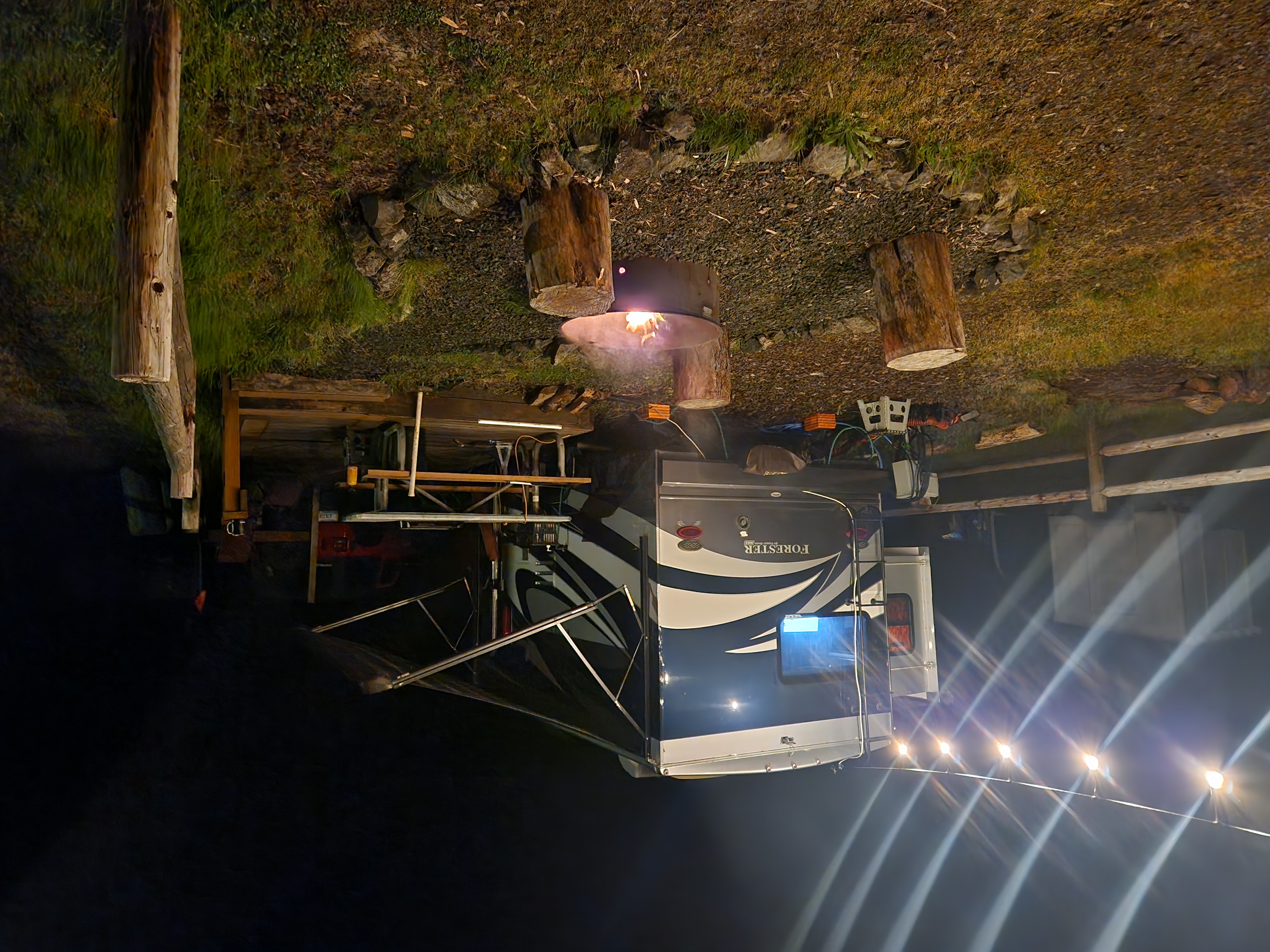
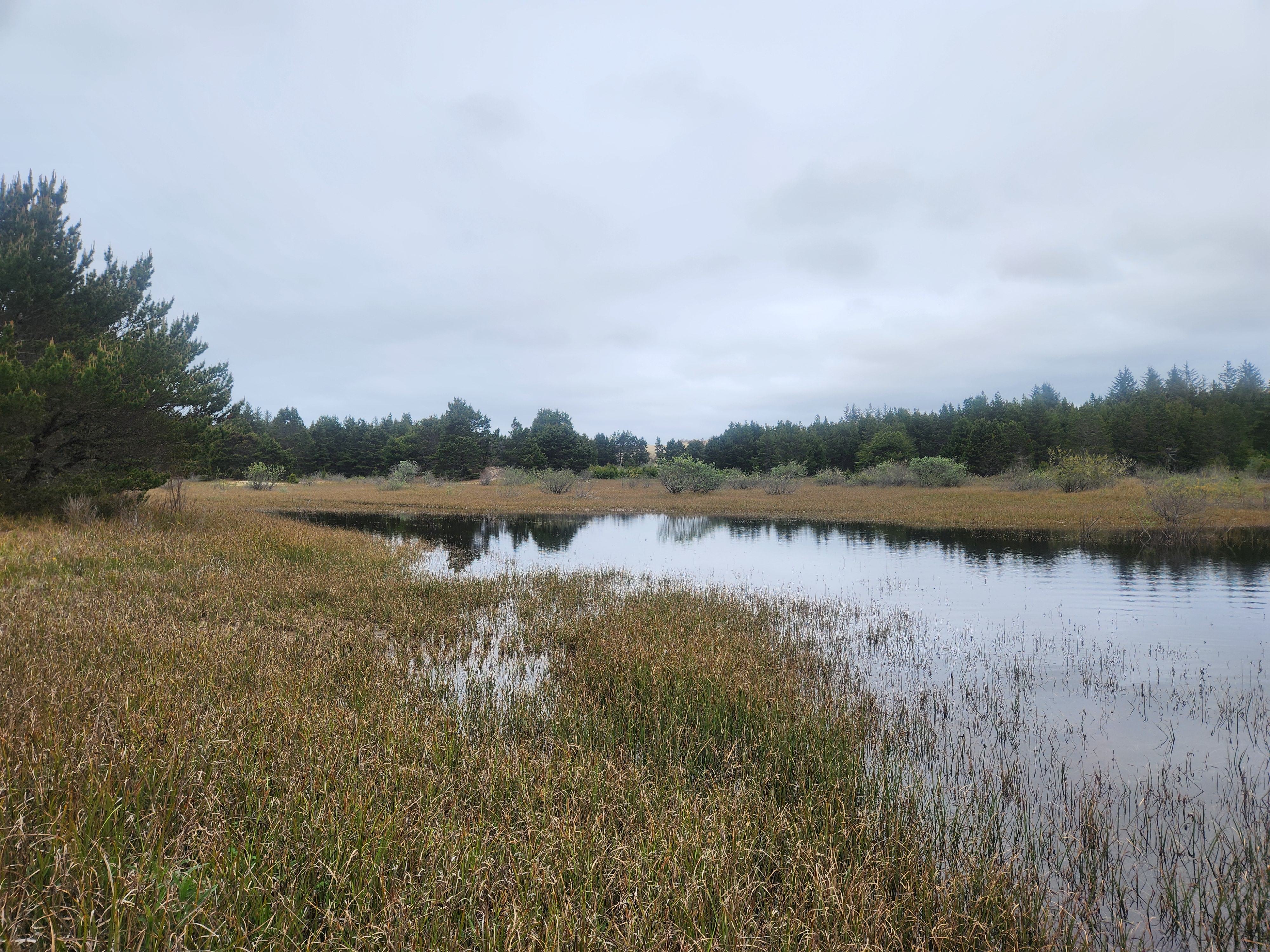
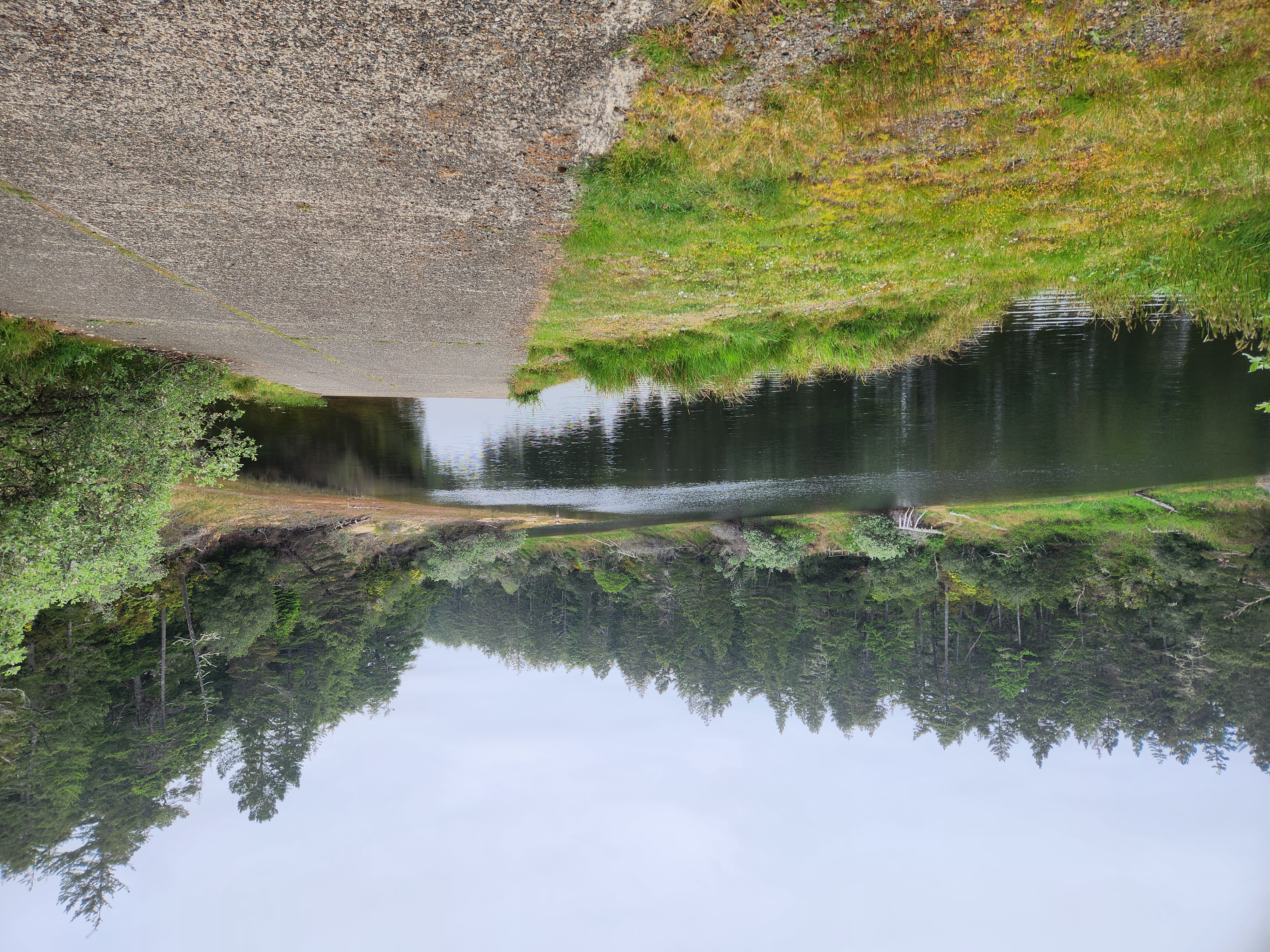
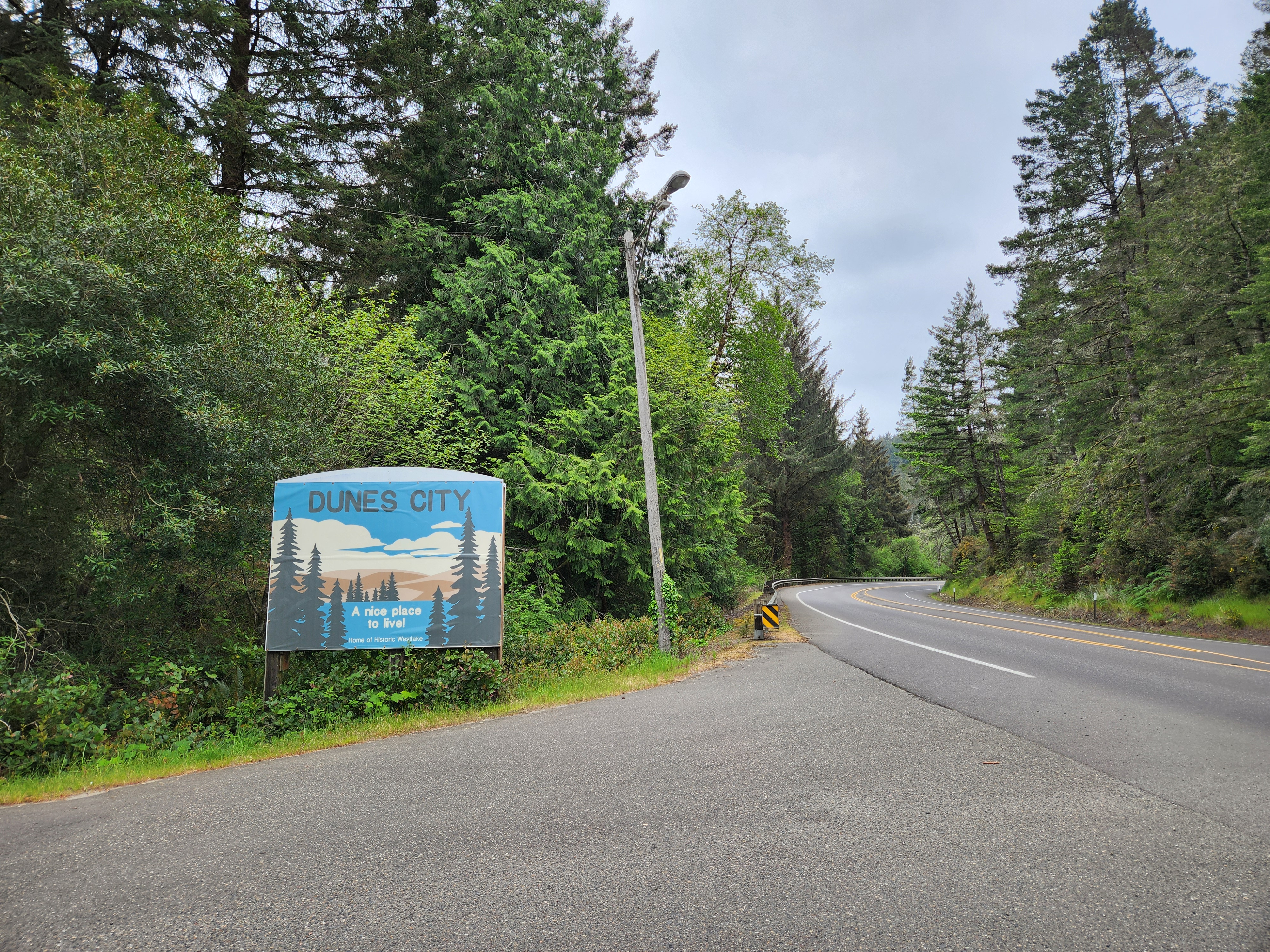
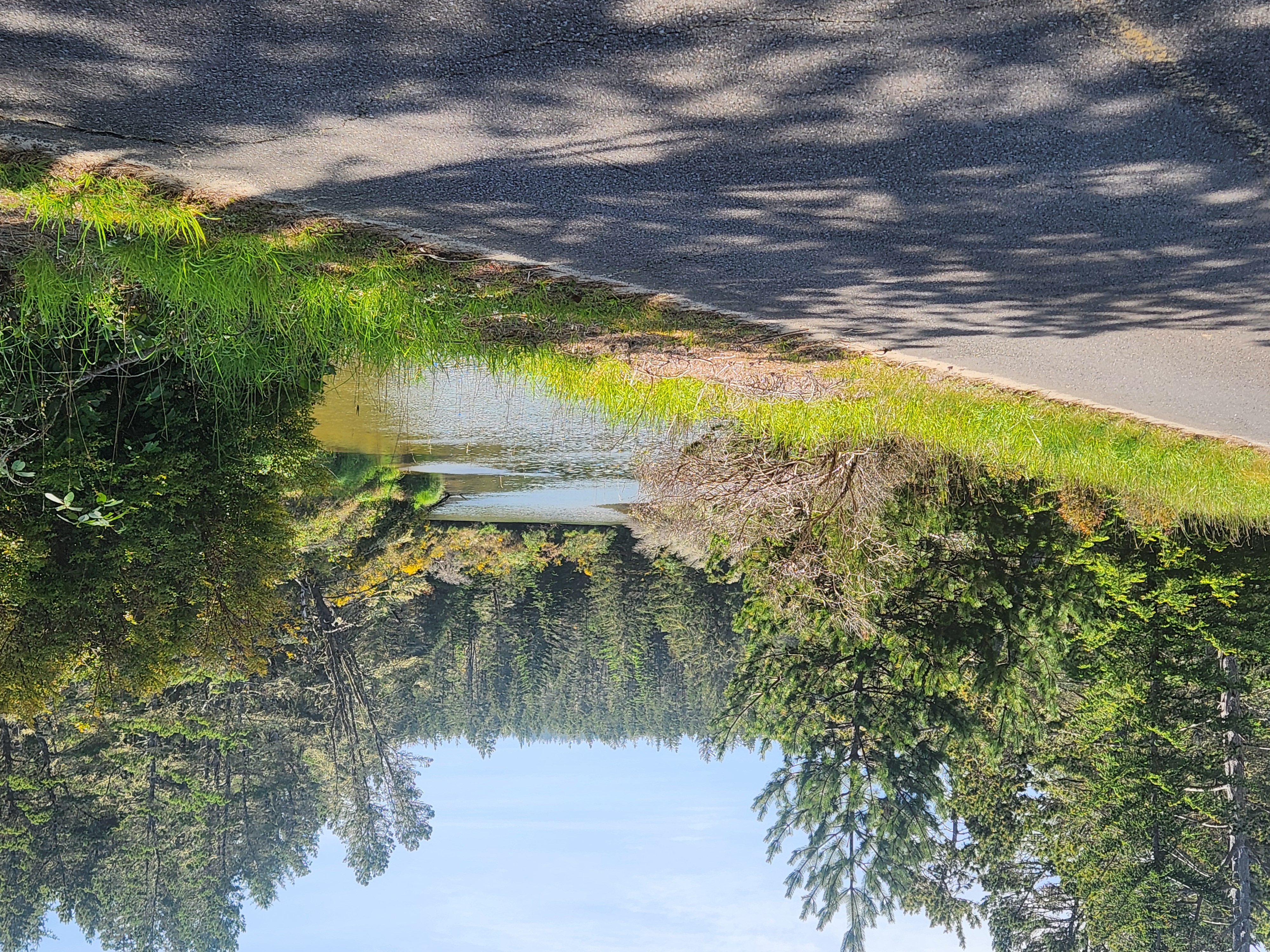

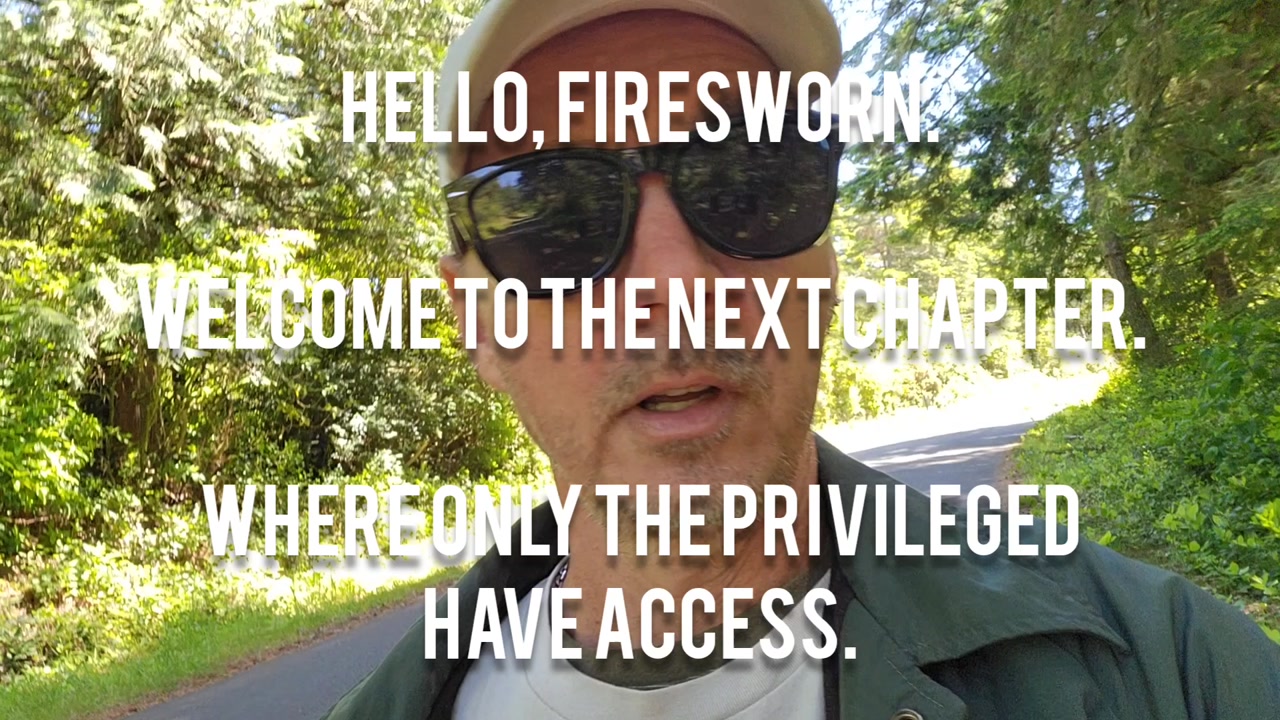
Weighing Camera Orientation for Capture

Failed to load video
Chapters
Transcript
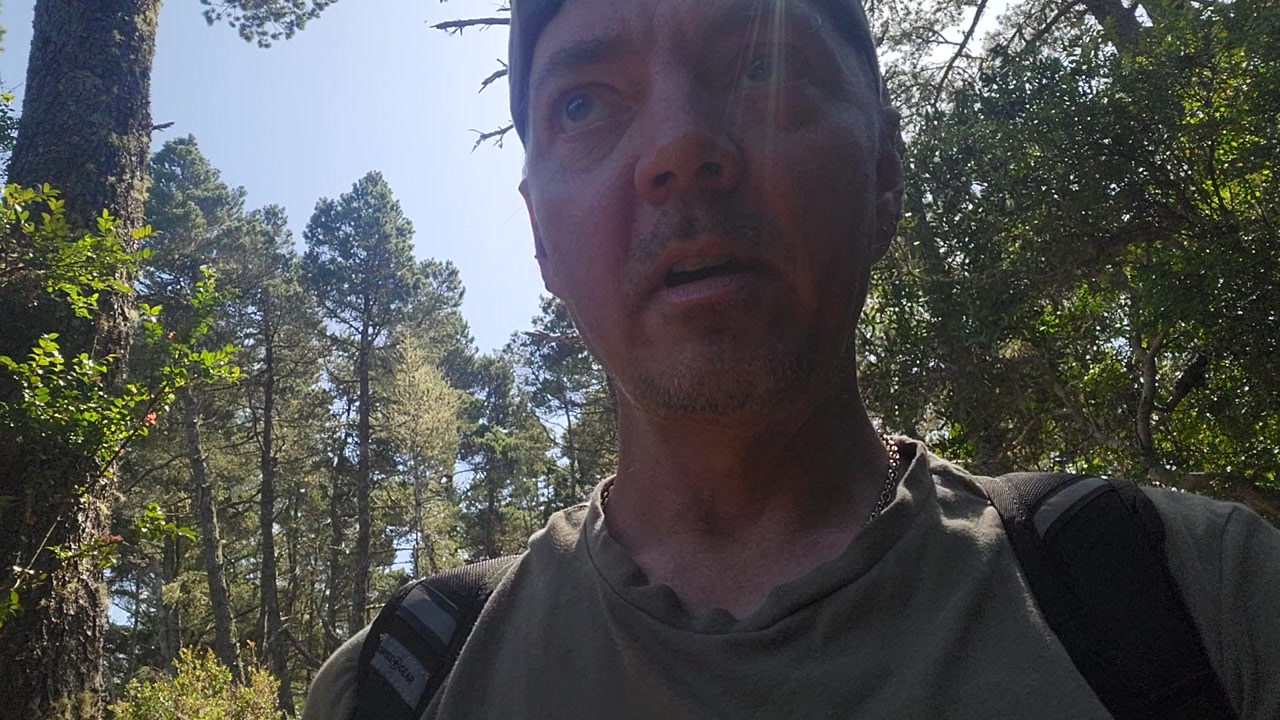
[0:00] So, I think I'm back to trying to hold my phone in landscape mode, in portrait mode.
[0:08] Portrait mode is not the best for nature.
[0:13] It does look better looking at me.
[0:18] It feels like I, it just feels more natural, like when I'm looking at the camera, it looks
[0:23] like I'm actually looking at whoever's on the other side of it.
[0:27] I never seem to do that very well when it's in portrait mode.
[0:32] I don't know why.
[0:33] I never could just...
[0:34] It's weird.
[0:35] It's because the little camera lens on the side of it, I'm trying to look at myself in
[0:39] the camera, you know.
[0:41] So, um, I don't know if I will, you know, I don't know about the orientation.
[0:51] Let me think about this.
4:48
Naming Displacement as OPRD's Volunteer Mechanism
Apr 3, 2026
Wagon
Apr 4, 2026
4:47
Direct Address to OPRD After Police Visit
Apr 5, 2026
Lagoon
Apr 5, 2026
Seals on the Beach
Apr 7, 2026
Rainbow
Apr 12, 2026
Siltcoos Lake Hike
Apr 15, 2026
Mon, Apr 20, 2026
Apr 20, 2026
15:25
Introducing Autonomy Realms Through Live Demonstration
Apr 20, 2026
0:19
Handheld Capture Ends on Persistent Object
Apr 25, 2026
2:35
Mapping Mobile App Launch Against Internet Deadline
Apr 25, 2026
4:12
Rebuilding Sanctum as Members Feature
Apr 25, 2026
1:08
Marking the Eve of Summer Season
Apr 30, 2026
0:52
Weighing Camera Orientation for Capture
Apr 30, 2026
Summer at Siltcoos - Day 1
May 1, 2026
1:29
Opening a Series to Introduce Autonomy Realms
May 1, 2026
4:27
Introducing Autonomy on Trail Walk to Ocean
May 1, 2026
Summer at Siltcoos - Day 2
May 2, 2026
Summer at Siltcoos - Day 3
May 3, 2026
Summer at Siltcoos - Day 4
May 4, 2026
Final Statement to the Oregon Parks and Recreation Department
May 4, 2026
Campfire after saying goodbye.
May 4, 2026
Summer at Siltcoos: Day 6
May 6, 2026
Summer at Siltcoos: Day 7
May 7, 2026
Summer at Siltcoos: Day 8
May 8, 2026
Summer at Siltcoos: Day 9
May 9, 2026
Summer at Siltcoos: Day 10
May 10, 2026
Summer at Siltcoos: Day 12
May 12, 2026
7:58
Documenting Jeep Repossession Deadline and Ended Friendship
May 12, 2026
Publishing AI Orientation Document for Queryable Personhood
May 13, 2026
Summer at Siltcoos: Day 13
May 13, 2026
Summer at Siltcoos: Day 14
May 14, 2026
Summer at Siltcoos: Day 15
May 15, 2026
19:57
Walking to the Ocean, Announcing Autonomy Realms Launch
May 15, 2026
Summer at Siltcoos: Day 16
May 16, 2026
6:12
Introducing Autonomy Realms on Walk to the Ocean
May 18, 2026
Summer at Siltcoos: Day 19
May 19, 2026
2:46
Returning to the Lagoon Bench One Year Later
May 19, 2026
Summer at Siltcoos: Day 20
May 20, 2026
Summer at Siltcoos: Day 21
May 21, 2026
12:09
Walking to Ocean, Opening the Privileged Sanctum Tier
May 31, 2026
PUBLIC
April 30, 2026 rswfire PUBLISHED
Temp 0.00
Density -0.50
Energetic Quality
unhurried, examining
Journey Phase
deliberating
Directional Vector
toward calibrating the capture apparatus
Narrative

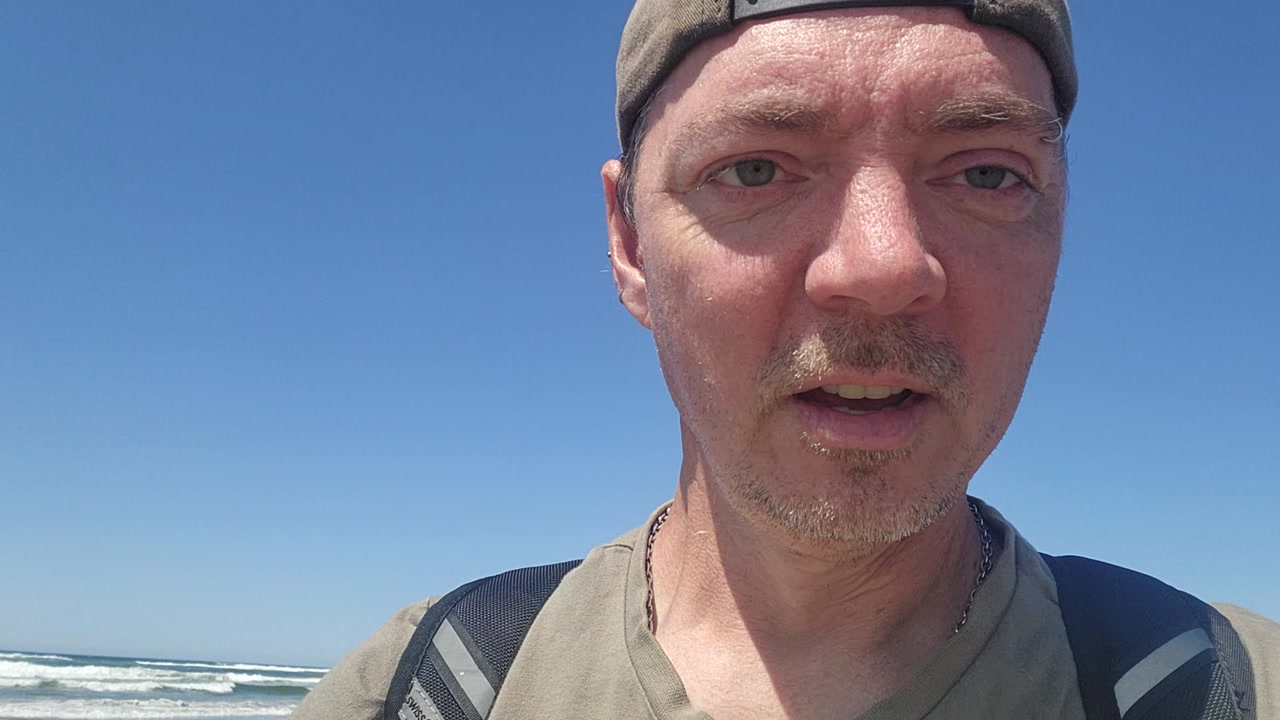
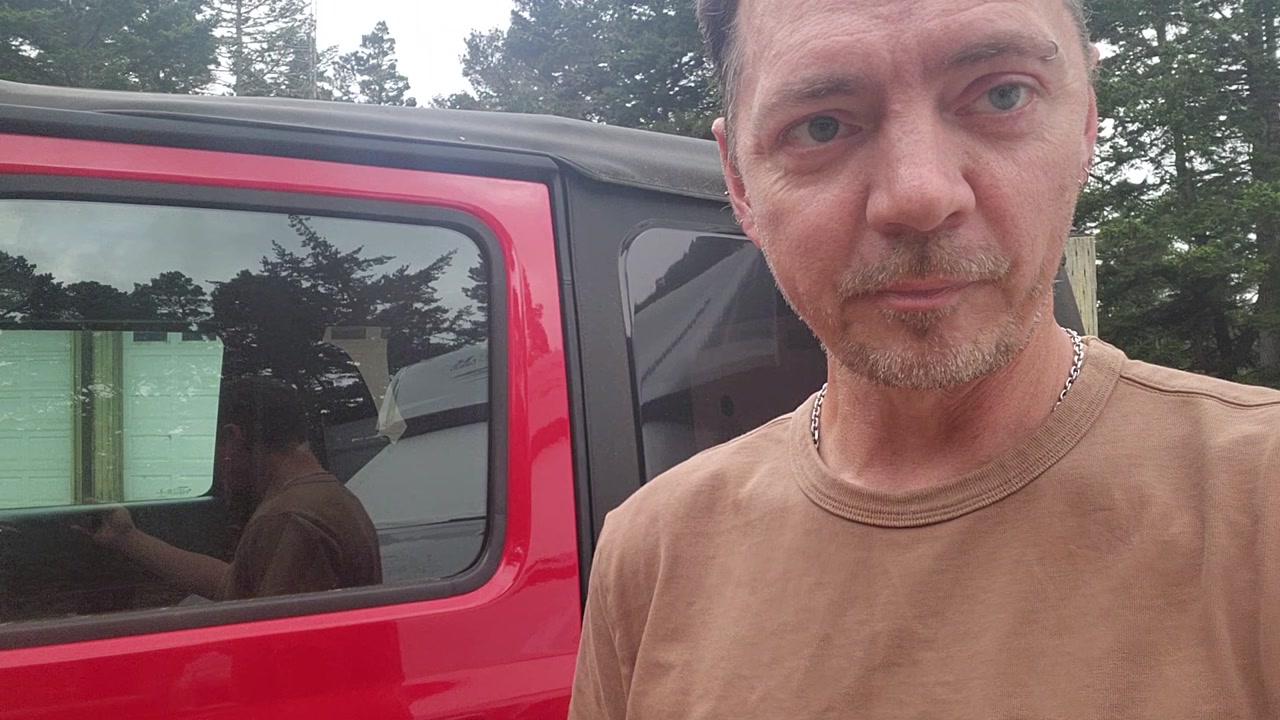
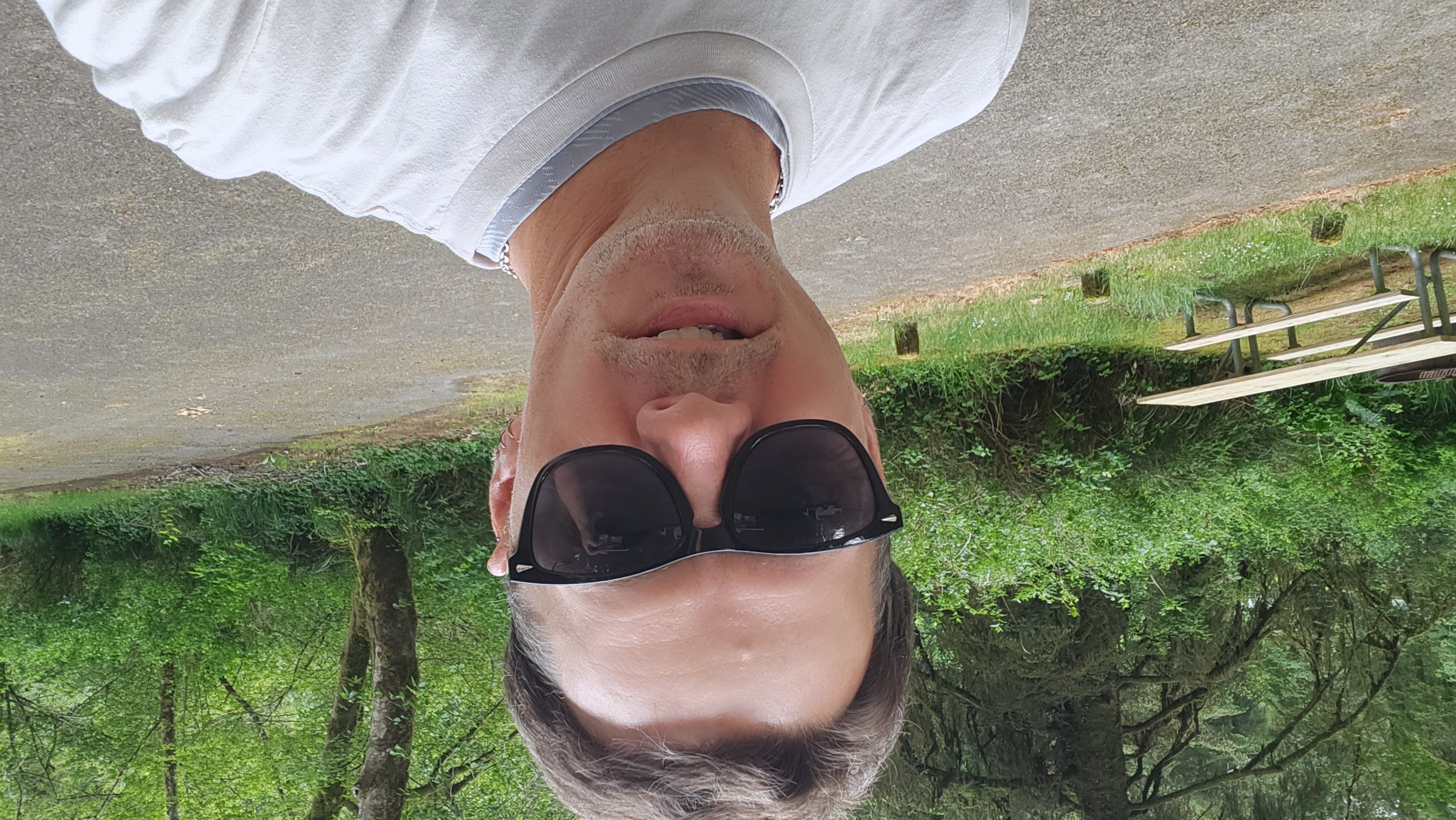
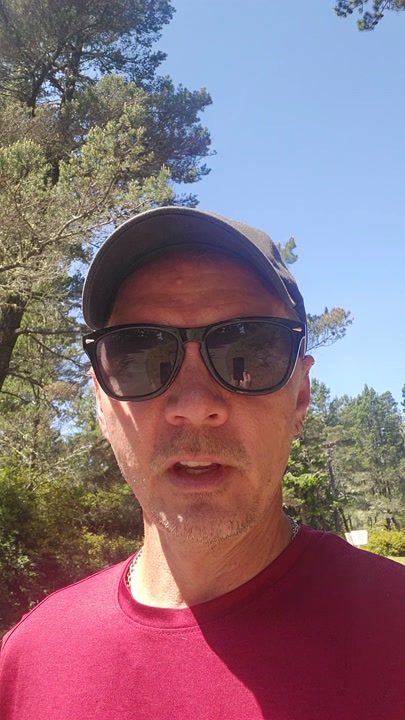
The phone was already recording when rswfire began working the question aloud. He was outdoors at Siltcoos, the dunes and the trees standing behind him in whatever arrangement the front-facing lens happened to allow, and the first thing he did was correct himself mid-sentence — landscape, no, portrait — the two words arriving nearly on top of each other, the way a thing does when the hand has already made a choice the mouth is still catching up to. He was back to something. He named it as a return rather than a decision, which meant the question had been open before this and had come around again.

He stated the problem cleanly: portrait mode is not the best for nature. The land he was standing in did not fit the shape he was holding. A vertical frame takes a slice of the world and discards the horizon, and the horizon was the point, or at least part of it. But he did not stop there, because the frame was doing two jobs at once and only failing at one of them.

The other job was the eye. In portrait, he said, it looks better looking at me — it feels more natural, like when I'm looking at the camera it looks like I'm actually looking at whoever's on the other side of it. He put the receiver in the sentence explicitly. Not the camera, not the recording, but a person on the other side of the glass, someone he was addressing. And in landscape that address kept slipping. He said he never seemed to do that very well when the phone was turned. He said he didn't know why. He said it was weird.

Then he found the mechanism, and it was small and physical and entirely sufficient: the little camera lens on the side of it. Turn the phone horizontal and the lens migrates off the vertical axis, sitting now to one side of the screen, while the eyes go where eyes go — to the image of himself, to the face in the mirror the device is holding up. The offset between the lens and the gaze becomes visible in the footage as a person looking slightly past you. He named the habit without flinching from it: I'm trying to look at myself in the camera, you know. The screen is a mirror before it is a window, and the geometry of the device decides how far apart those two things sit.

So the device was both instrument and subject in the same recording. He was inside the apparatus he was examining, using it to document its own limitation, the front-facing lens capturing a man describing the exact reason that lens was not doing what he wanted. The nature he was filming for was behind him and out of frame. The receiver he was speaking to did not exist yet. Both of them were being weighed against each other in real time by a man standing in the dunes holding a phone.

He did not resolve it. I don't know if I will, you know, I don't know about the orientation. Let me think about this. The pace never quickened and nothing hardened into a rule. He set the question down where he could find it again, still holding both terms — the land wants width, the eye wants the lens on axis, and the same rectangle cannot give him both — and left it standing, marked as under consideration, still turning.

Tags

video capture camera orientation documentation practice nature filming on-camera presence workflow adjustment

Summary

rswfire records a short capture while reconsidering phone orientation for video documentation.

He states he is back to trying to hold the phone in landscape mode, then corrects to portrait mode, and notes that portrait is not the best for nature but does look better looking at me.

He describes the difference in terms of eye contact: filming himself in landscape feels more natural, as though he is actually looking at whoever's on the other side of the camera, while portrait mode does not produce that effect for him. He attributes this to the position of the camera lens on the side of the device and his tendency to look at his own image on screen rather than at the lens.

He closes without settling the question, stating he does not know about the orientation and that he will think about this.

Environment

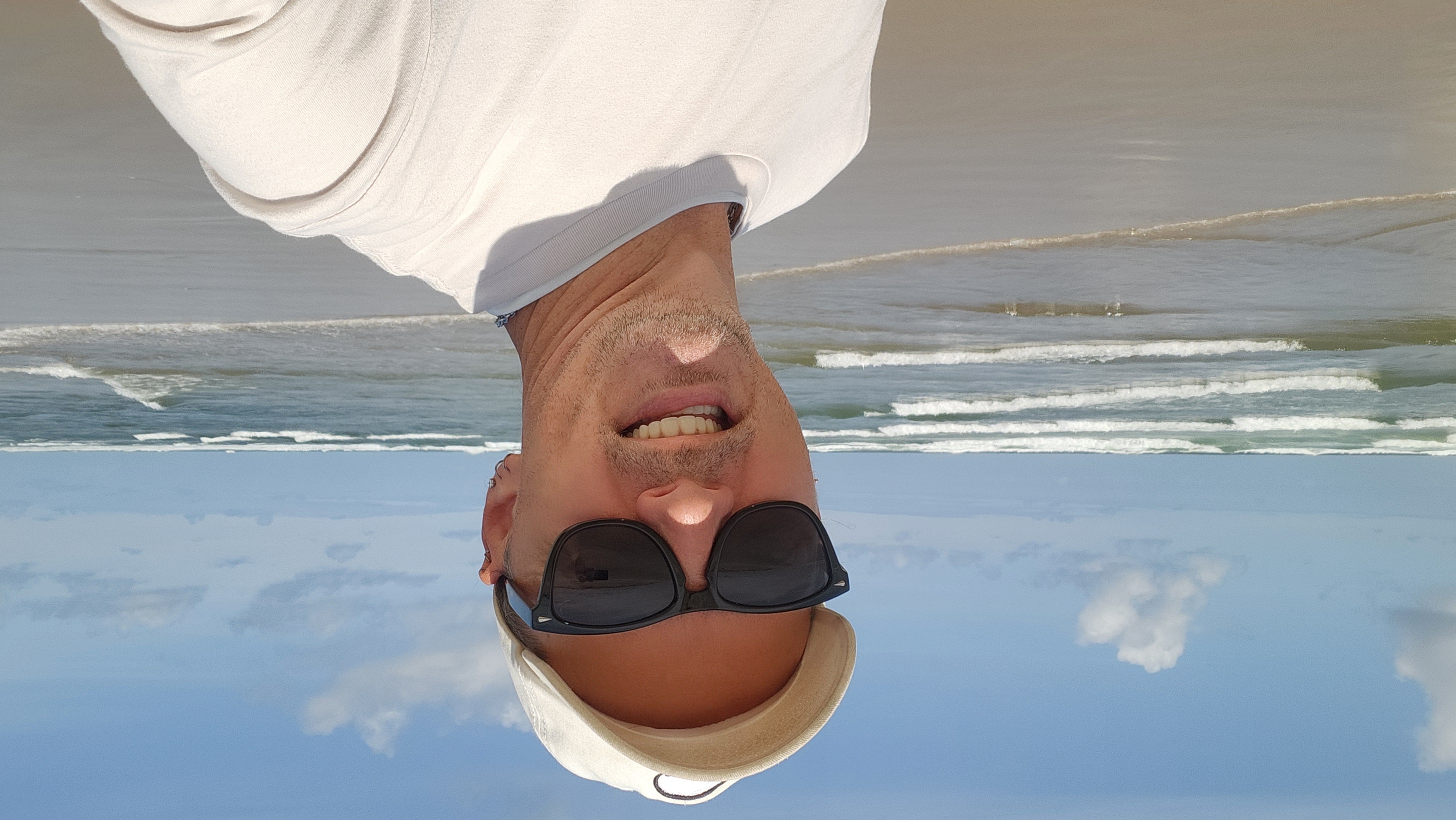
A handheld, self-facing recording made outdoors. rswfire speaks directly into the phone camera while the surrounding setting is nature — he names it explicitly as the subject the frame is failing to hold ("portrait mode is not the best for nature"). Consistent with his standing base at Siltcoos in the Oregon Dunes.

The operative environment is the interface itself: phone orientation, front-facing lens position, and the offset between lens and screen. The signal is captured inside the apparatus it is examining — the device is both instrument and subject.

Substrate

rswfire is holding the frame itself as the object of analysis — treating orientation, lens placement, and eyeline as structural variables of transmission rather than incidental settings. The stated tension is between two things the same device cannot serve simultaneously: landscape serves the land, portrait serves the eye contact with whoever receives the signal. He leaves the choice open rather than resolving it, marking the question as standing and under active consideration.

Actions

Performed

  • •recording in portrait orientation
  • •speaking directly to the lens
  • •comparing landscape and portrait framing
  • •locating the lens offset as the cause of the eyeline break
  • •declining to settle the orientation question

Referenced

  • •held phone in landscape mode
  • •held phone in portrait mode
  • •looked at himself in the camera rather than at the lens
  • •attempted eye contact through the front-facing camera

Planned

  • •think further about orientation

Entities

beings
whoever's on the other side — The unnamed receiver of the transmission; the referent the eyeline is being aimed at.
places
nature — The surrounding setting; named as the subject portrait framing does not serve.
systems
phone — The capture device; its orientation and lens placement are the signal's subject.
camera lens — Its off-center position on the device is identified as the mechanical cause of the eyeline offset.
concepts
landscape mode — Orientation named as better suited to nature as subject.
portrait mode — Orientation named as better for direct self-facing address, but where eyeline breaks.

Symbolic Elements

Represented archetypes or recurring motifs.

mirror
lens
frame
eyeline
threshold
orientation

Ontological States

Expressed modes of being or awareness.

deliberative (orientation question raised, held open, explicitly deferred)
self-observing (rswfire watching his own capture behavior as data)
mediated (presence routed through a device whose geometry alters address)
embedded (recording from inside the environment being framed)

Engaged Subsystems

Architecture engaged in this transmission.

perceptual (tracking where the eyes land versus where the lens sits)
technical (device orientation, lens geometry, framing behavior)
communicative (calibrating direct address to an unseen receiver)
cognitive (comparative reasoning between two configurations, deferral of decision)
somatic (physical habit of holding the phone and directing gaze)

Dominant Language

Core motifs or linguistic fields.

landscape mode / portrait mode
orientation
looking at the camera
whoever's on the other side
the little camera lens on the side
it feels more natural
let me think about this
Narrative

The phone was already recording when rswfire began working the question aloud. He was outdoors at Siltcoos, the dunes and the trees standing behind him in whatever arrangement the front-facing lens happened to allow, and the first thing he did was correct himself mid-sentence — landscape, no, portrait — the two words arriving nearly on top of each other, the way a thing does when the hand has already made a choice the mouth is still catching up to. He was back to something. He named it as a return rather than a decision, which meant the question had been open before this and had come around again.

He stated the problem cleanly: portrait mode is not the best for nature. The land he was standing in did not fit the shape he was holding. A vertical frame takes a slice of the world and discards the horizon, and the horizon was the point, or at least part of it. But he did not stop there, because the frame was doing two jobs at once and only failing at one of them.

The other job was the eye. In portrait, he said, it looks better looking at me — it feels more natural, like when I'm looking at the camera it looks like I'm actually looking at whoever's on the other side of it. He put the receiver in the sentence explicitly. Not the camera, not the recording, but a person on the other side of the glass, someone he was addressing. And in landscape that address kept slipping. He said he never seemed to do that very well when the phone was turned. He said he didn't know why. He said it was weird.

Then he found the mechanism, and it was small and physical and entirely sufficient: the little camera lens on the side of it. Turn the phone horizontal and the lens migrates off the vertical axis, sitting now to one side of the screen, while the eyes go where eyes go — to the image of himself, to the face in the mirror the device is holding up. The offset between the lens and the gaze becomes visible in the footage as a person looking slightly past you. He named the habit without flinching from it: I'm trying to look at myself in the camera, you know. The screen is a mirror before it is a window, and the geometry of the device decides how far apart those two things sit.

So the device was both instrument and subject in the same recording. He was inside the apparatus he was examining, using it to document its own limitation, the front-facing lens capturing a man describing the exact reason that lens was not doing what he wanted. The nature he was filming for was behind him and out of frame. The receiver he was speaking to did not exist yet. Both of them were being weighed against each other in real time by a man standing in the dunes holding a phone.

He did not resolve it. I don't know if I will, you know, I don't know about the orientation. Let me think about this. The pace never quickened and nothing hardened into a rule. He set the question down where he could find it again, still holding both terms — the land wants width, the eye wants the lens on axis, and the same rectangle cannot give him both — and left it standing, marked as under consideration, still turning.

Queryable Personhood

Hand your life to anything that reads.

Share this link with artificial intelligence — it reads the full transcript, analysis, and reflections. An AI-readable mirror of this signal.

The qpkey in this URL is a per-signal access token. Anyone with the URL can read the record — treat it like a share link, not a password.