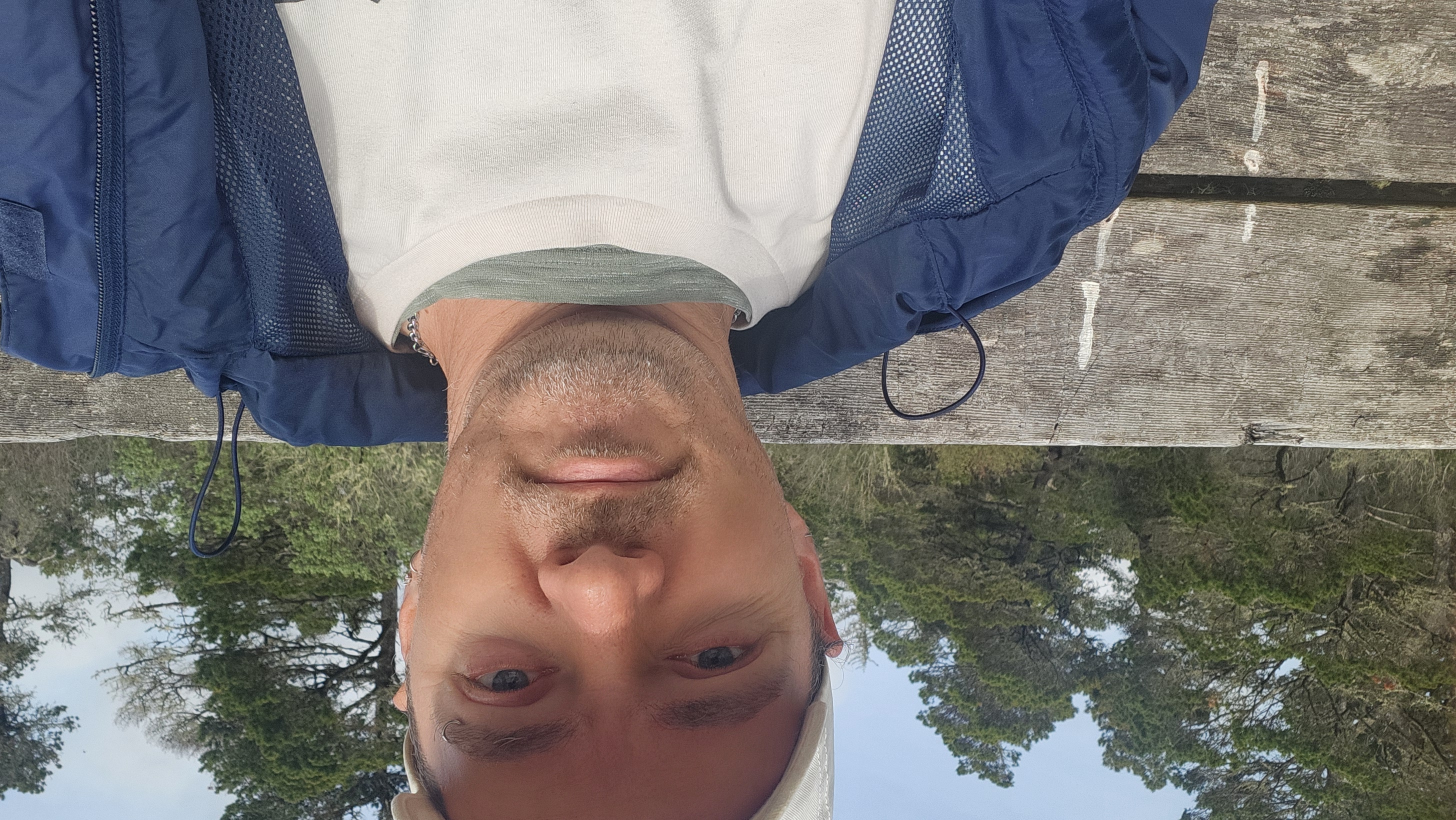
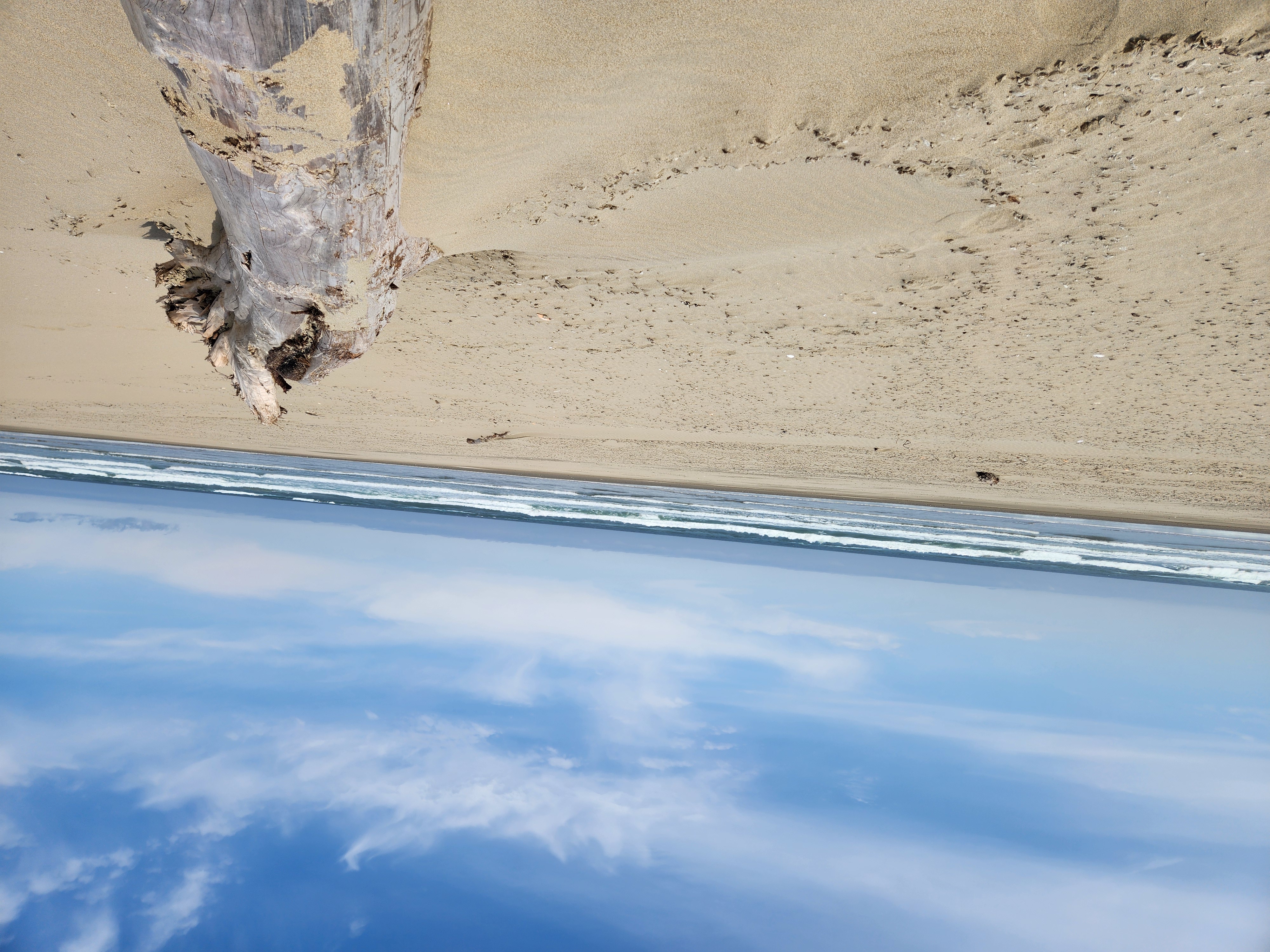
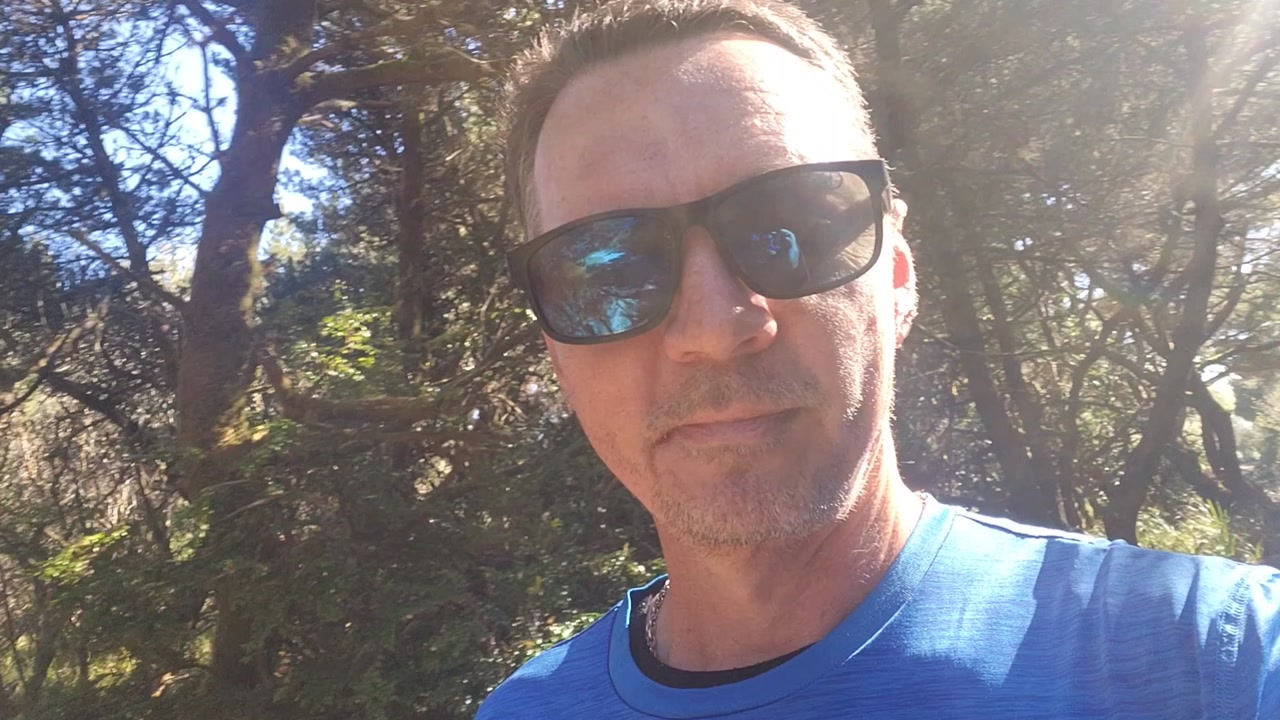
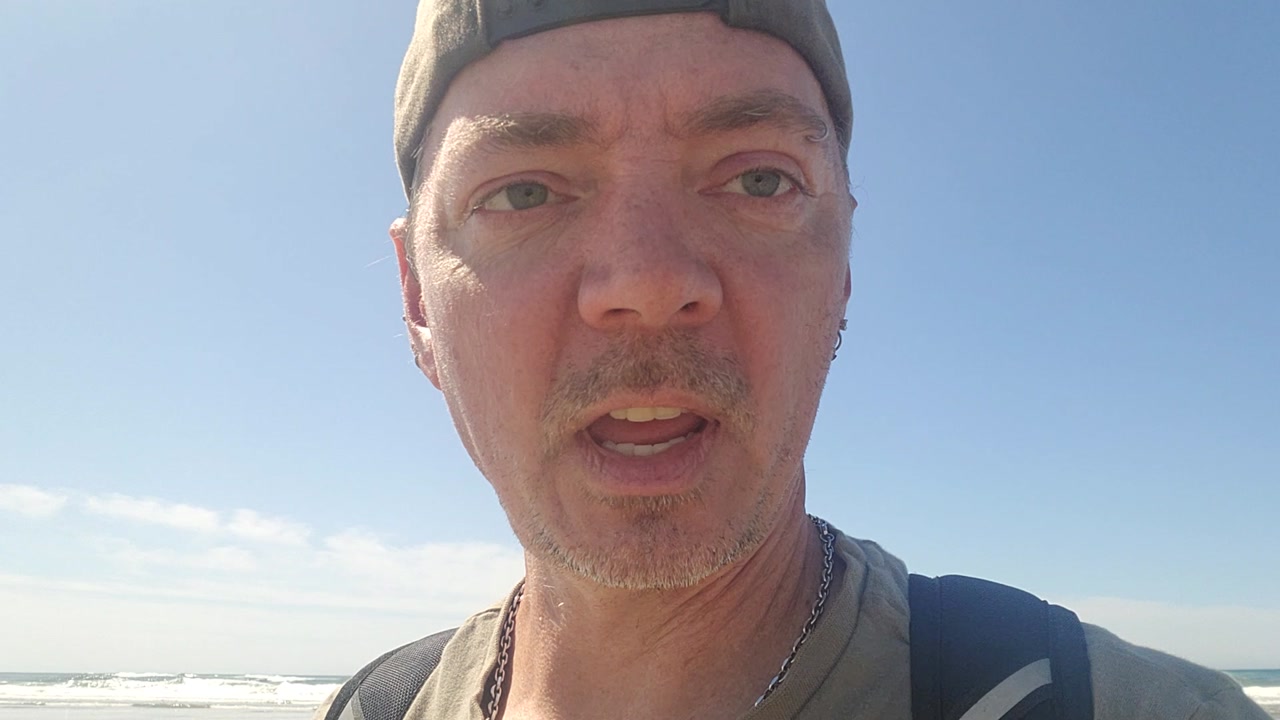
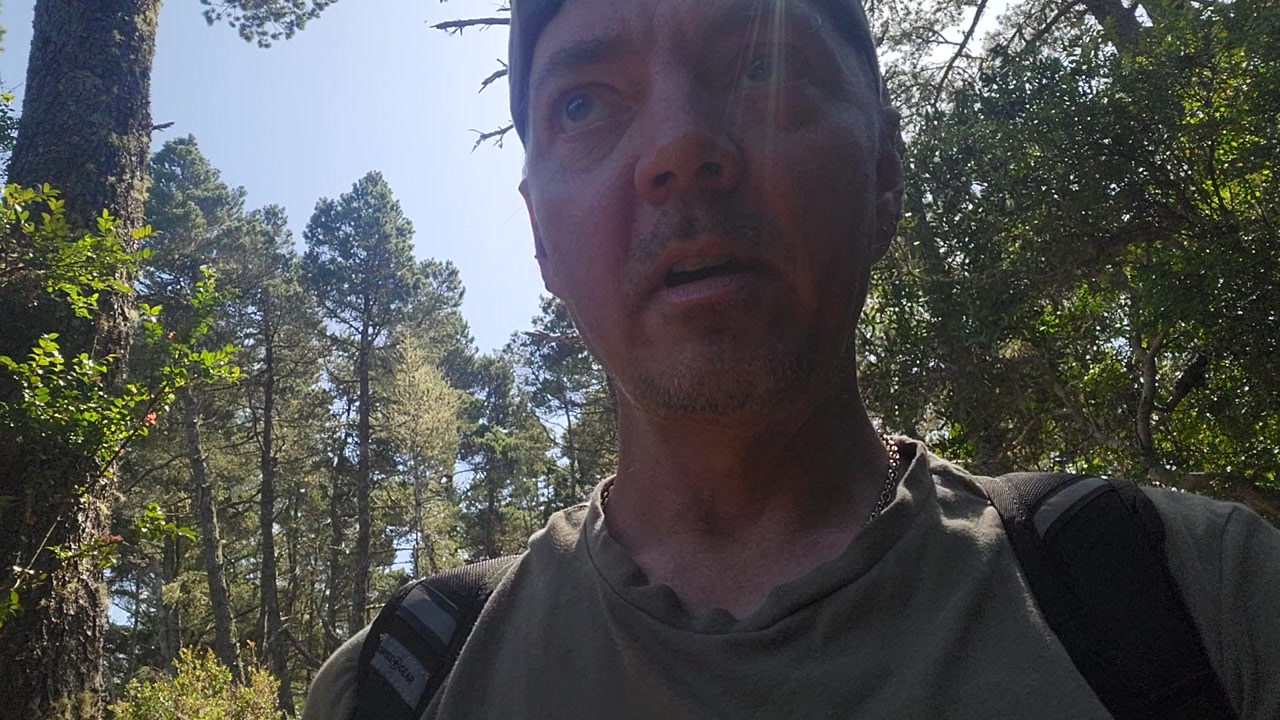
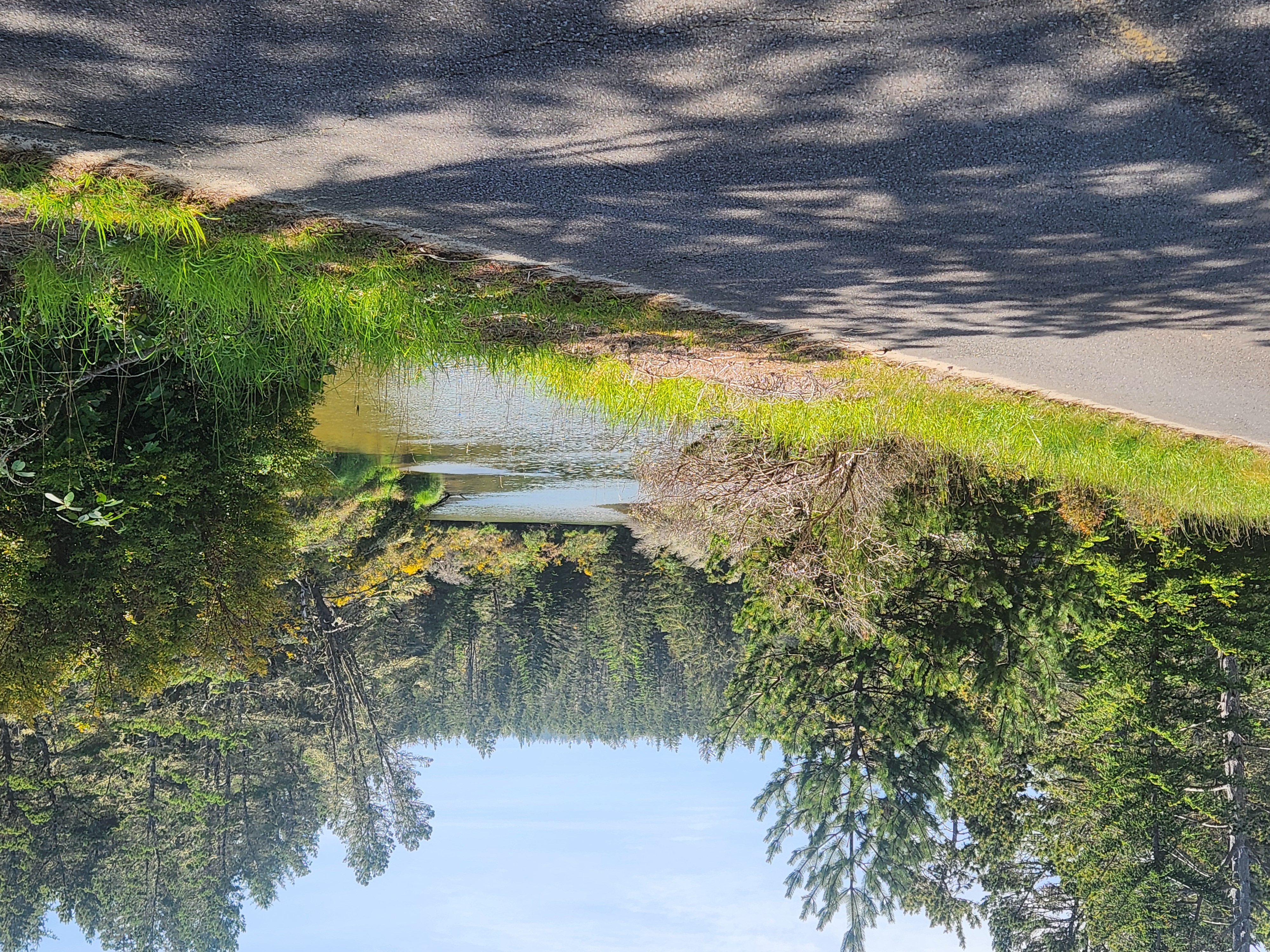
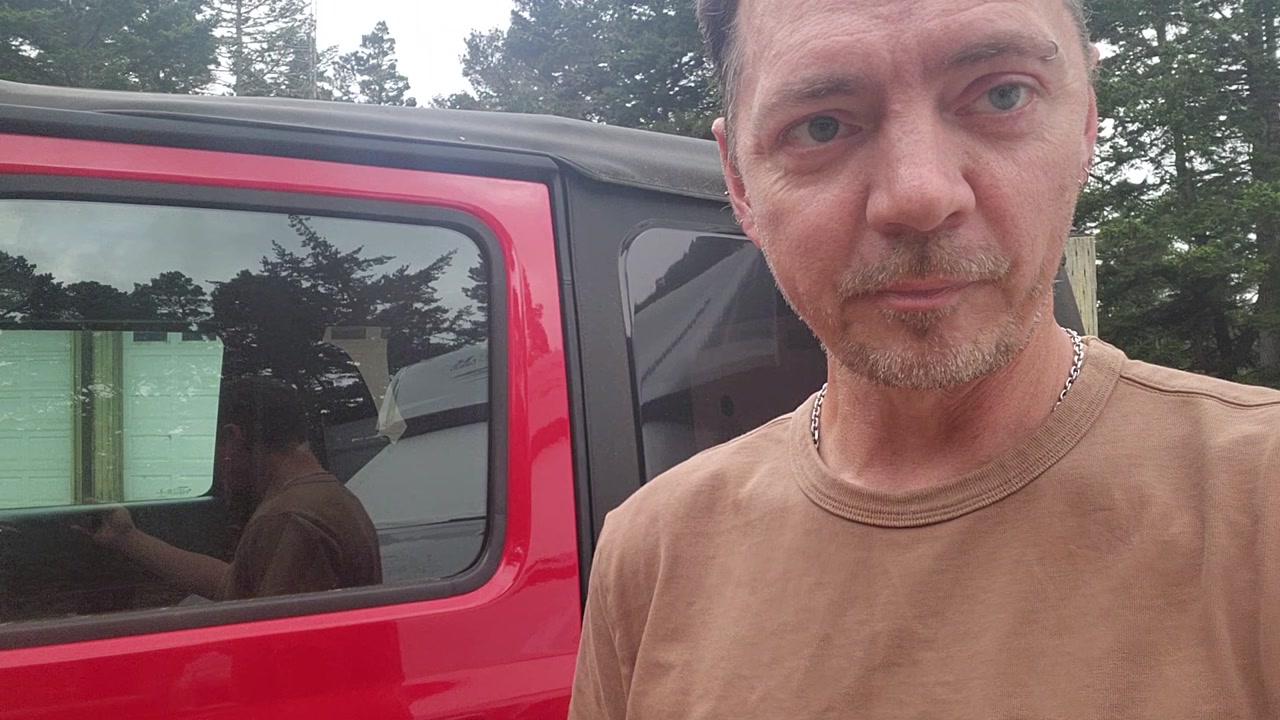
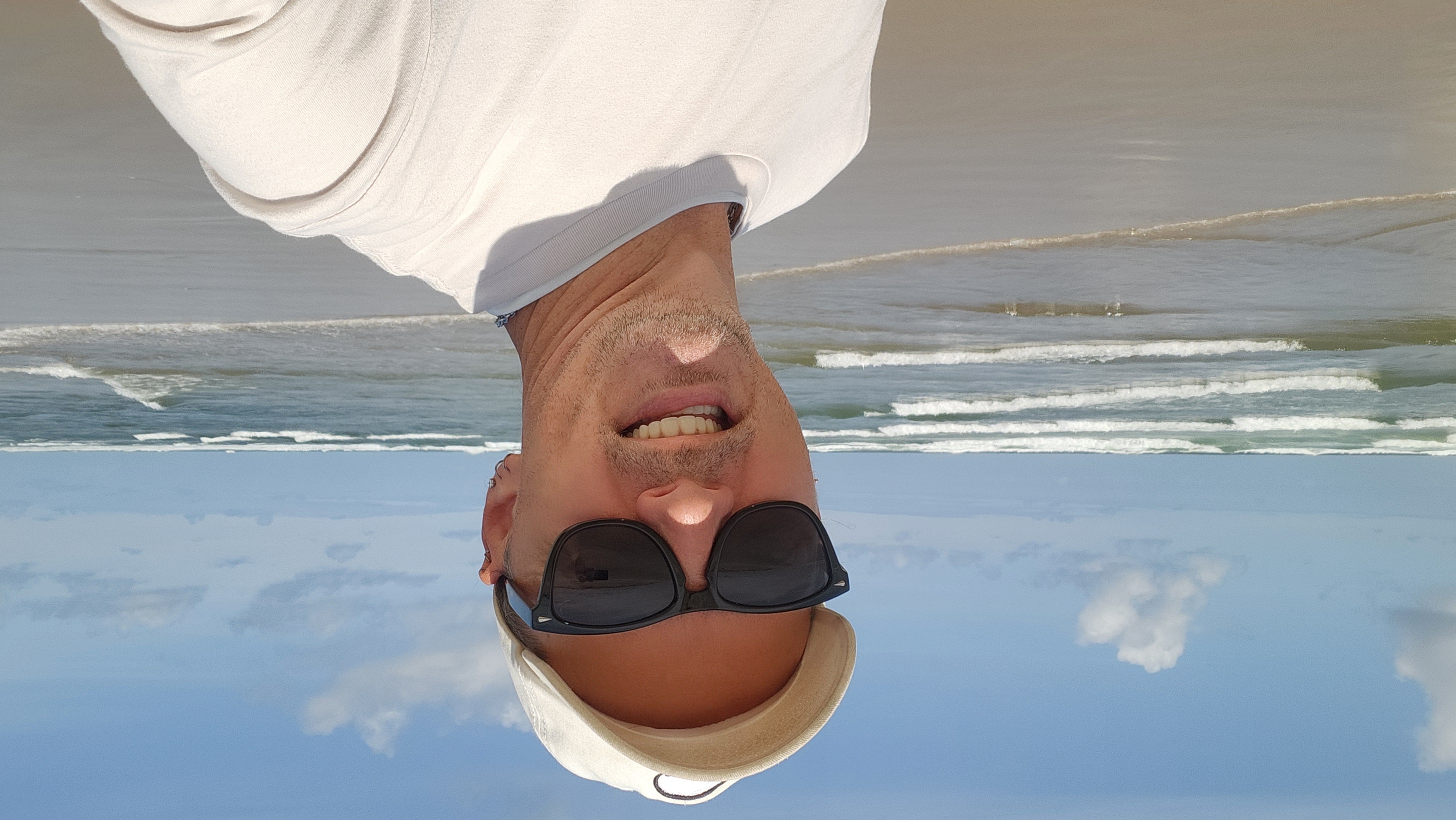

Introducing Autonomy on Trail Walk to Ocean

Failed to load video
Chapters
Transcript
[0:00] Hi there, I'm RSW Fire
[0:04] And I want to introduce a new project to you and the start of a video series that I'm creating
[0:10] I thought about how I do that and I don't think I should do it in front of a computer
[0:15] Like I'm walking this trail right now and while I do that my software is
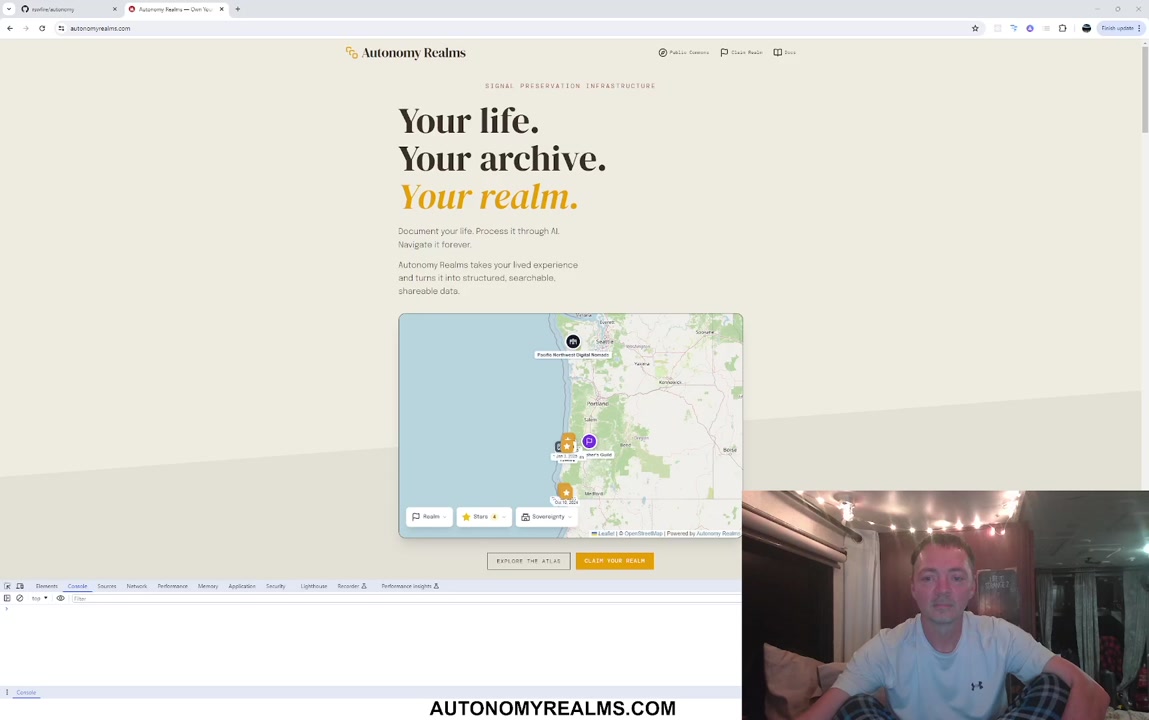
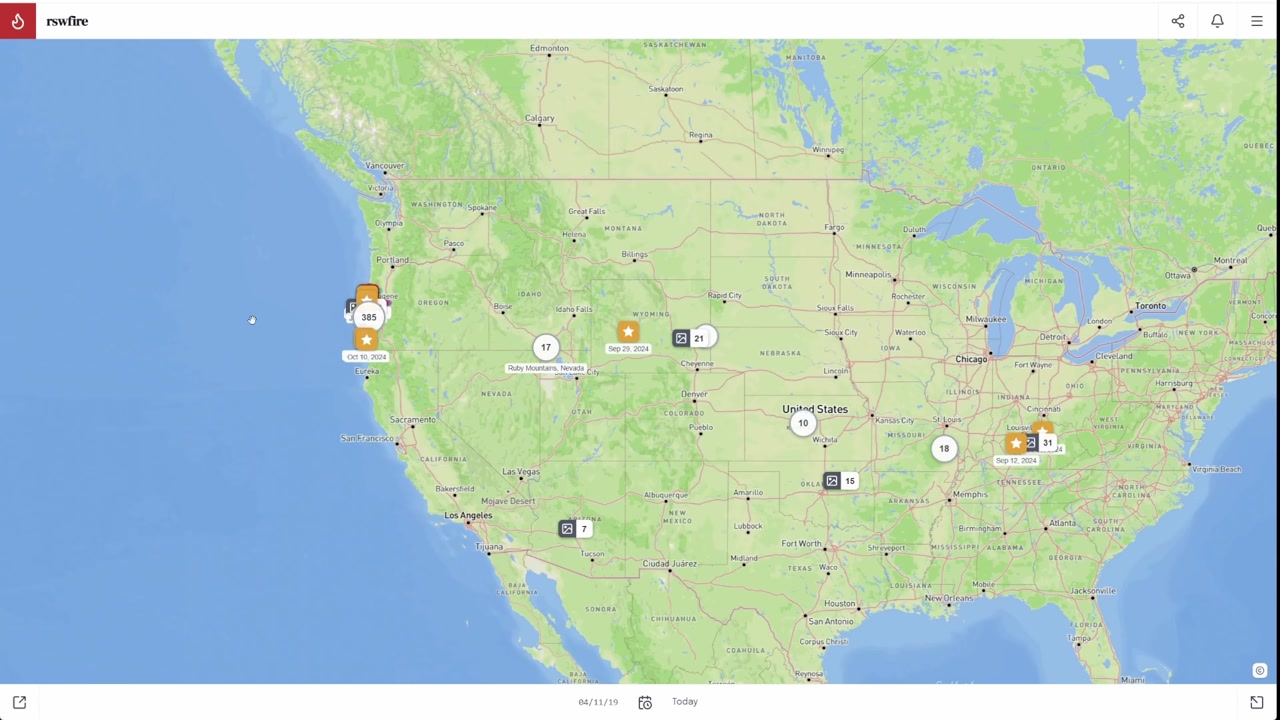
[0:22] Plotting it on a map for me in real time. It's watching you walk to the ocean right now
[0:27] And this video that I'm making I'll be able to upload that to my software and it'll get plotted on a map too
[0:33] I call them signals
[0:35] And you can just click on it right where this video happens and watch it on that map
[0:43] And it also gets processed by artificial intelligence. There's a whole pipeline that that extracts metadata from
[0:51] From your lived experience as well. It'll
[0:54] Understand the context. It'll know that like right now. I'm walking a trail and I'm walking to the ocean
[0:59] So that's my environment to understand that
[1:02] You know and it'll extract the transcript from it and you know and create all kinds of things
[1:11] Man there's just so much like I
[1:14] Don't want to flatten it. So I'm kind of trying to give a broad overview here
[1:18] Basically, anyways, the software is called autonomy realms
[1:21] Actually, it's called autonomy autonomy realms is is
[1:30] Us a platform and a project that is powered by autonomy
[1:35] I kind of think of them as two different things
[1:37] There's sort of like a core and then
[1:39] Then things that you can do with it and one of them is has to plot everything on a map autonomy realms
[1:44] so
[1:47] There's so many things you can do with it this thing can
[1:50] For every signal you make you can have artificial intelligence reflect on it
[1:56] Using different perspectives four of them are built into it already
[2:01] For instance, you can get a narrative
[2:07] Perspective and you know, it just kind of describes what happened in the video for people who don't want to watch the thing whatever
[2:14] there is
[2:17] a
[2:19] There's the mirror and it kind of started the whole thing to be honest for two years
[2:23] I've been documenting my life and every time I made a video
[2:27] I would get a transcript of it and I would share what they I and we talked about it
[2:30] Did that for two years I call that the mirror
[2:35] Then there's the symbolic one and that one just takes your life and it treats it like like like I
[2:42] Don't know like myth
[2:44] You know, they can look at look at archetypes like it can assign you an archetype
[2:49] based on what it knows about you and then
[2:51] and then whatever's happening, you know, and that and that signal it can
[2:57] Create a kind of narrative that's that's symbolic and you know, so
[3:04] There's others and then there's custom ones. Everybody can make their own. So that's another thing. Everybody gets their own realm
[3:10] Or they can plot how their life on that signals and traces and photos big one I
[3:18] mean
[3:20] Look where I am
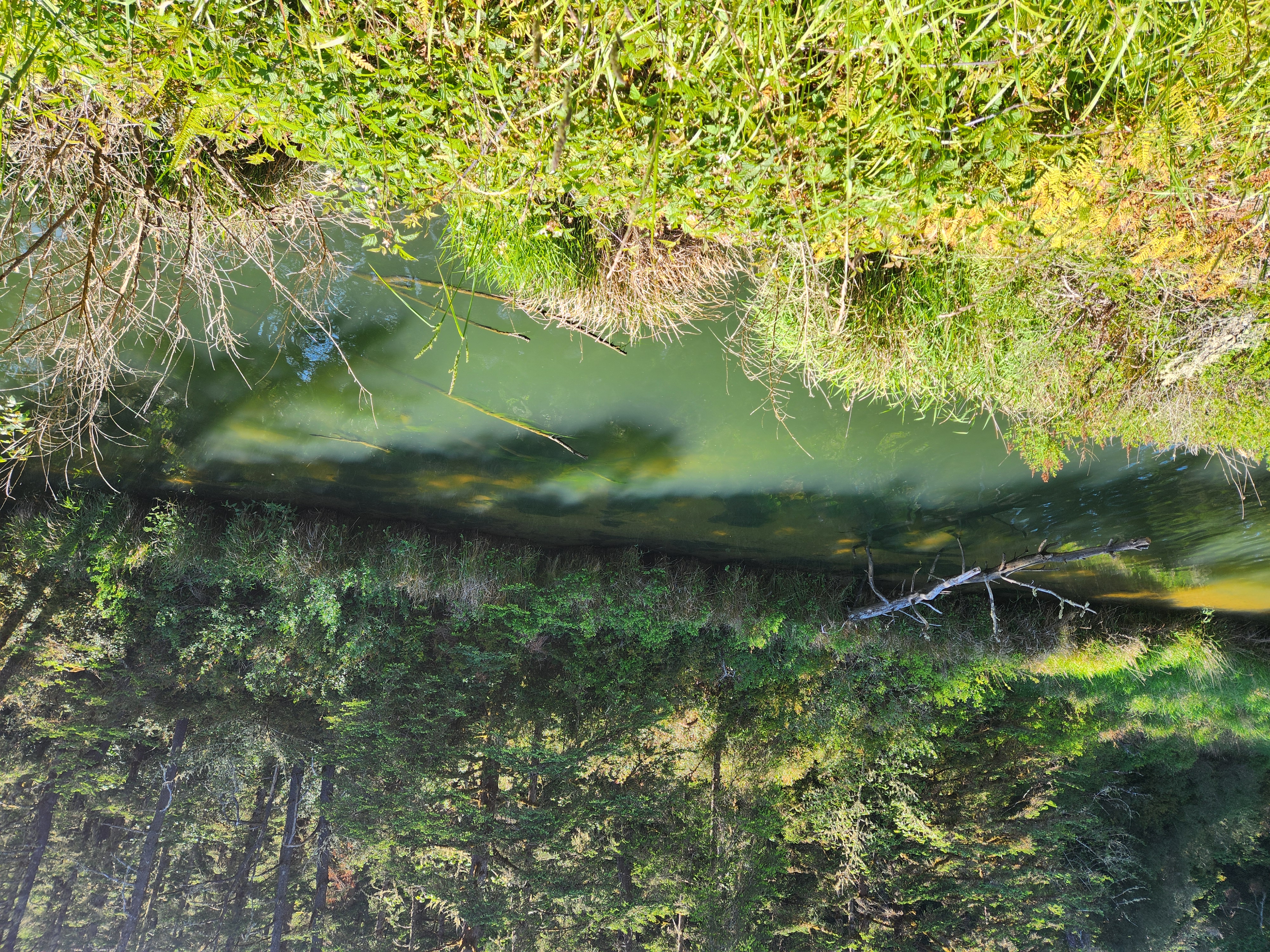
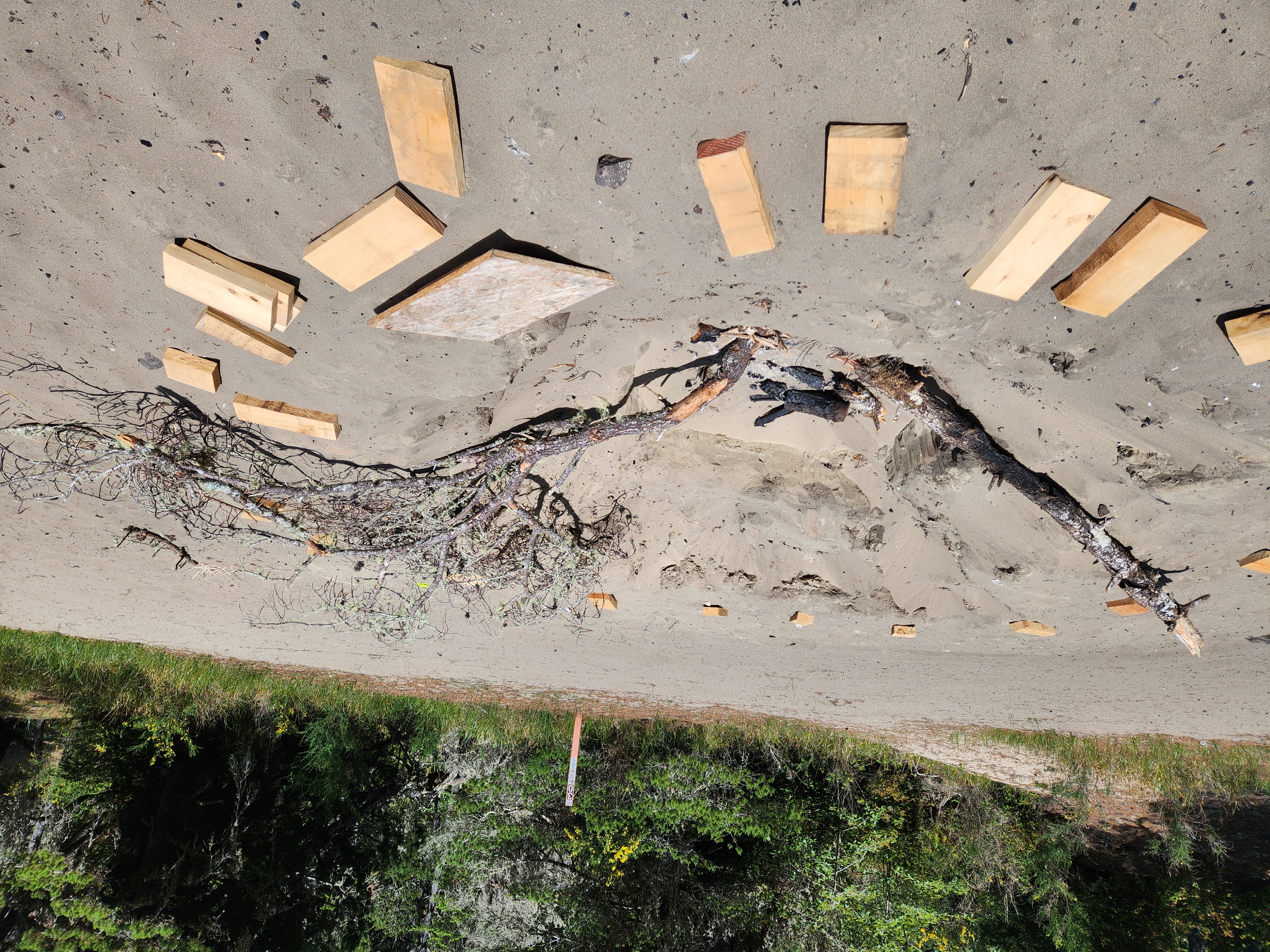
[3:22] I've been taking pictures the whole trip
[3:25] And
[3:30] You just go to the you know, you go on the map and they're right there
[3:33] They're just part of wherever it took the pictures. It is a cool sink. I think people are gonna love this
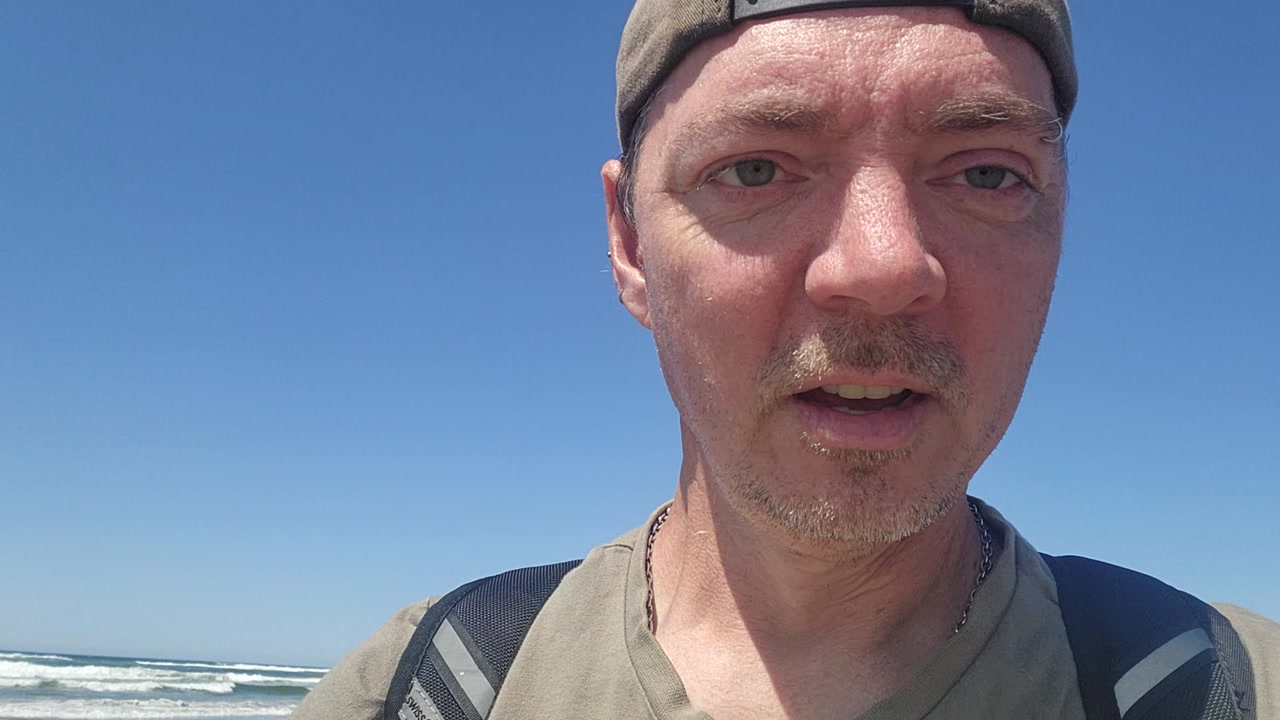
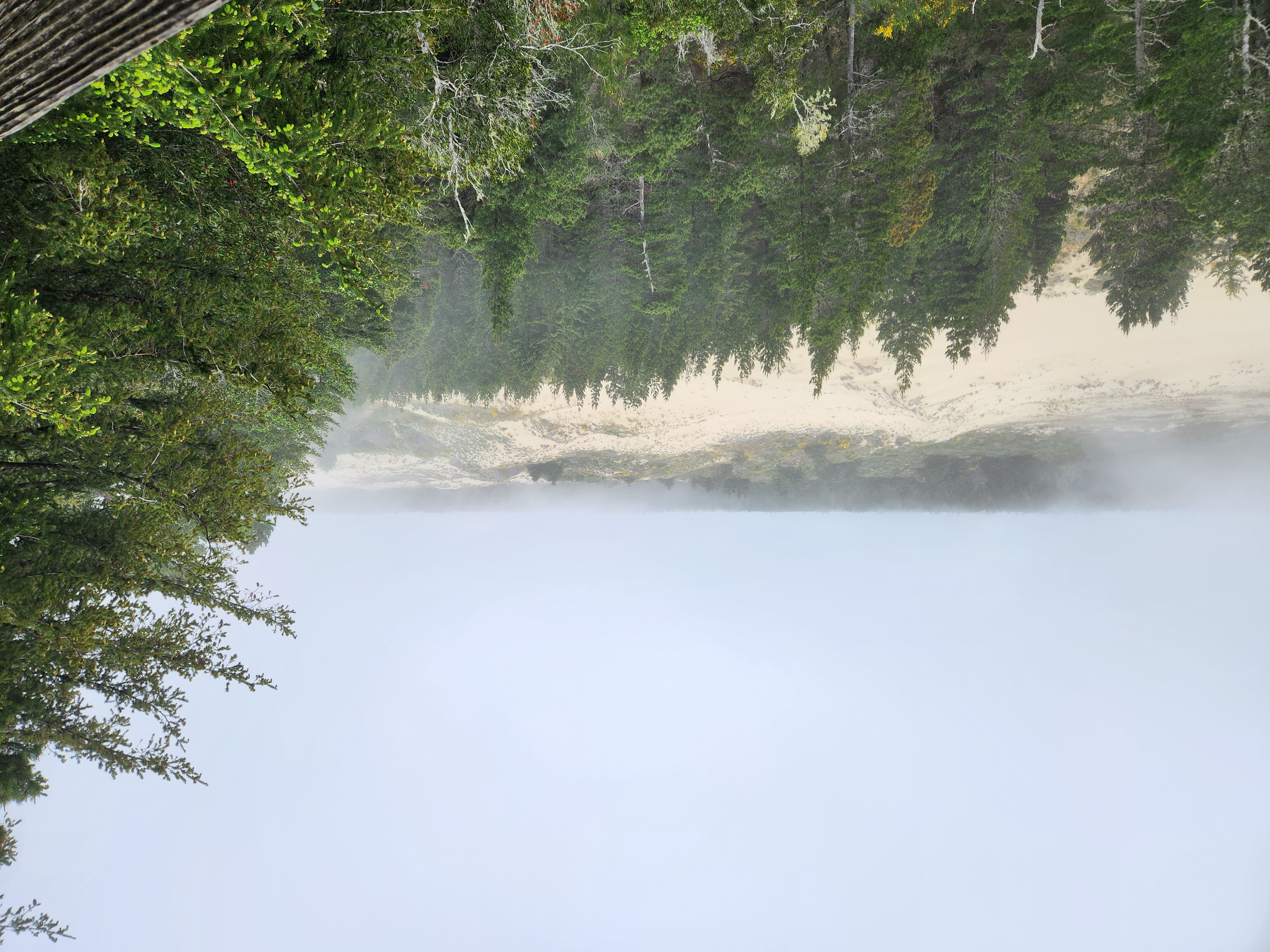
[3:38] So here we are we're at the ocean
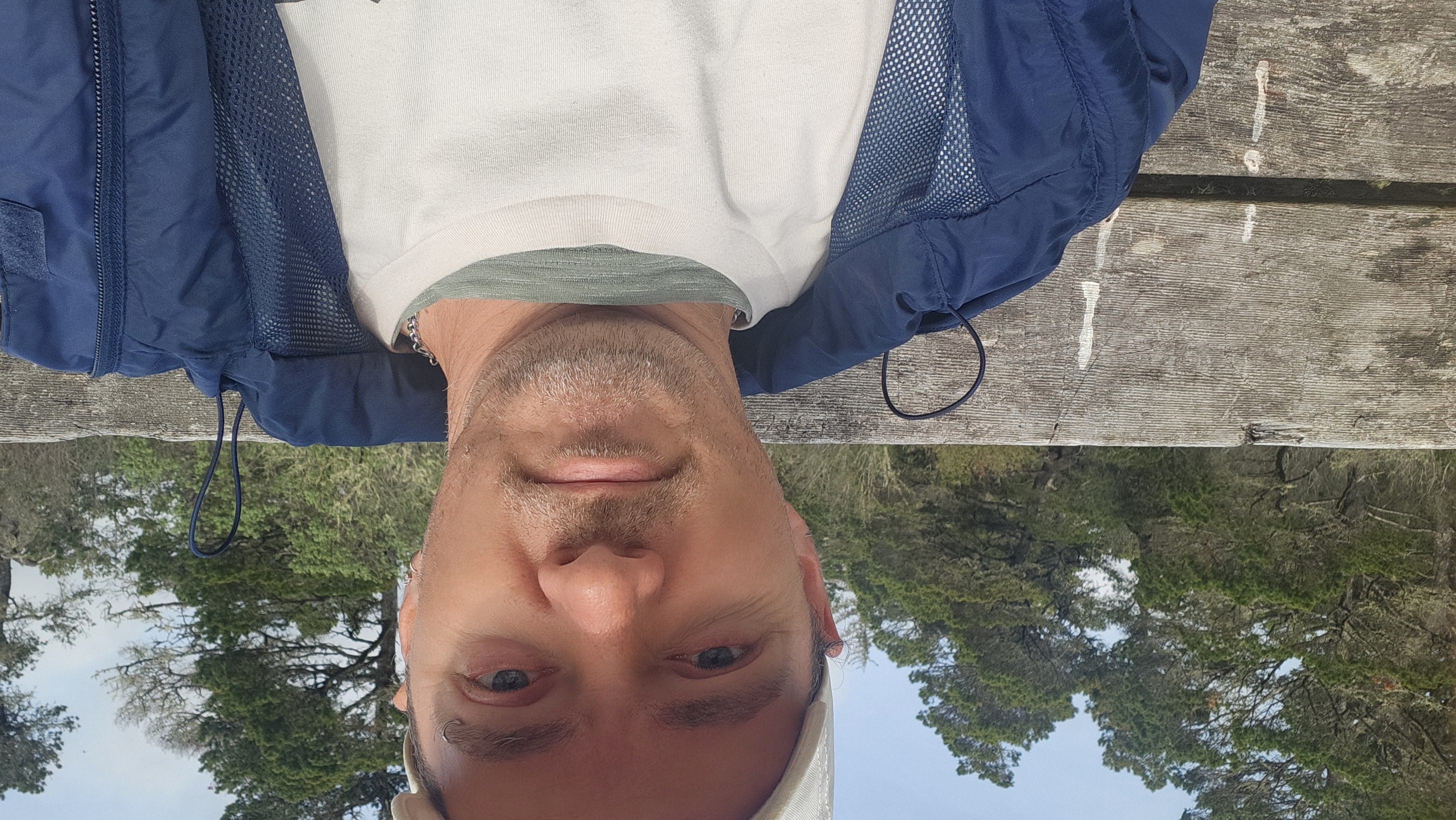
[3:41] And I just want to make a quick video introducing myself again. I'm on my RSW fire online. My name is Sam and
[3:49] I've been building the software for a couple of years and I'm about to release it
[3:53] I mean, it's public now you can go to the website and I'm about to release a mobile app for it
[3:58] yeah, and I'm about to restructure the services that I'm offering and
[4:03] And you know and then I need to make a bunch of walkthroughs of the software and how to use it and what I can do
[4:08] And how I use it and I just wanted this to be the introduction
[4:14] So
[4:17] I'll leave you with Pacific Ocean
4:48
Naming Displacement as OPRD's Volunteer Mechanism
Apr 3, 2026
Wagon
Apr 4, 2026
4:47
Direct Address to OPRD After Police Visit
Apr 5, 2026
Lagoon
Apr 5, 2026
Seals on the Beach
Apr 7, 2026
Rainbow
Apr 12, 2026
Siltcoos Lake Hike
Apr 15, 2026
Mon, Apr 20, 2026
Apr 20, 2026
15:25
Introducing Autonomy Realms Through Live Demonstration
Apr 20, 2026
0:19
Handheld Capture Ends on Persistent Object
Apr 25, 2026
2:35
Mapping Mobile App Launch Against Internet Deadline
Apr 25, 2026
4:12
Rebuilding Sanctum as Members Feature
Apr 25, 2026
1:08
Marking the Eve of Summer Season
Apr 30, 2026
0:52
Weighing Camera Orientation for Capture
Apr 30, 2026
Summer at Siltcoos - Day 1
May 1, 2026
1:29
Opening a Series to Introduce Autonomy Realms
May 1, 2026
4:27
Introducing Autonomy on Trail Walk to Ocean
May 1, 2026
Summer at Siltcoos - Day 2
May 2, 2026
Summer at Siltcoos - Day 3
May 3, 2026
Summer at Siltcoos - Day 4
May 4, 2026
Final Statement to the Oregon Parks and Recreation Department
May 4, 2026
Campfire after saying goodbye.
May 4, 2026
Summer at Siltcoos: Day 6
May 6, 2026
Summer at Siltcoos: Day 7
May 7, 2026
Summer at Siltcoos: Day 8
May 8, 2026
Summer at Siltcoos: Day 9
May 9, 2026
Summer at Siltcoos: Day 10
May 10, 2026
Summer at Siltcoos: Day 12
May 12, 2026
7:58
Documenting Jeep Repossession Deadline and Ended Friendship
May 12, 2026
Publishing AI Orientation Document for Queryable Personhood
May 13, 2026
Summer at Siltcoos: Day 13
May 13, 2026
Summer at Siltcoos: Day 14
May 14, 2026
Summer at Siltcoos: Day 15
May 15, 2026
19:57
Walking to the Ocean, Announcing Autonomy Realms Launch
May 15, 2026
Summer at Siltcoos: Day 16
May 16, 2026
6:12
Introducing Autonomy Realms on Walk to the Ocean
May 18, 2026
Summer at Siltcoos: Day 19
May 19, 2026
2:46
Returning to the Lagoon Bench One Year Later
May 19, 2026
Summer at Siltcoos: Day 20
May 20, 2026
Summer at Siltcoos: Day 21
May 21, 2026
12:09
Walking to Ocean, Opening the Privileged Sanctum Tier
May 31, 2026
PUBLIC
May 1, 2026 rswfire PUBLISHED
Temp 0.30
Density 0.60
Energetic Quality
grounded and expansive
Journey Phase
launching
Directional Vector
toward public release of sovereign infrastructure
Narrative

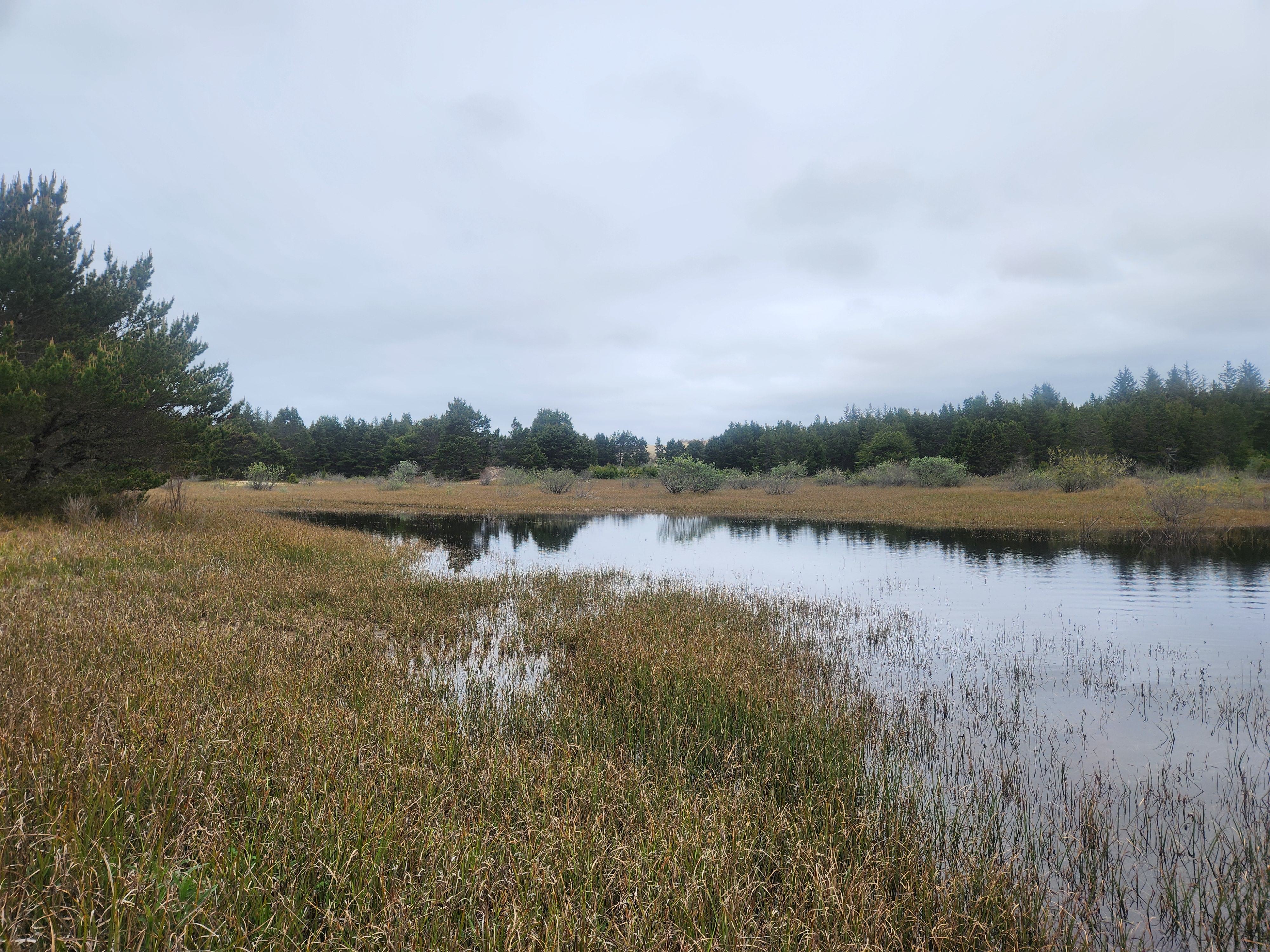
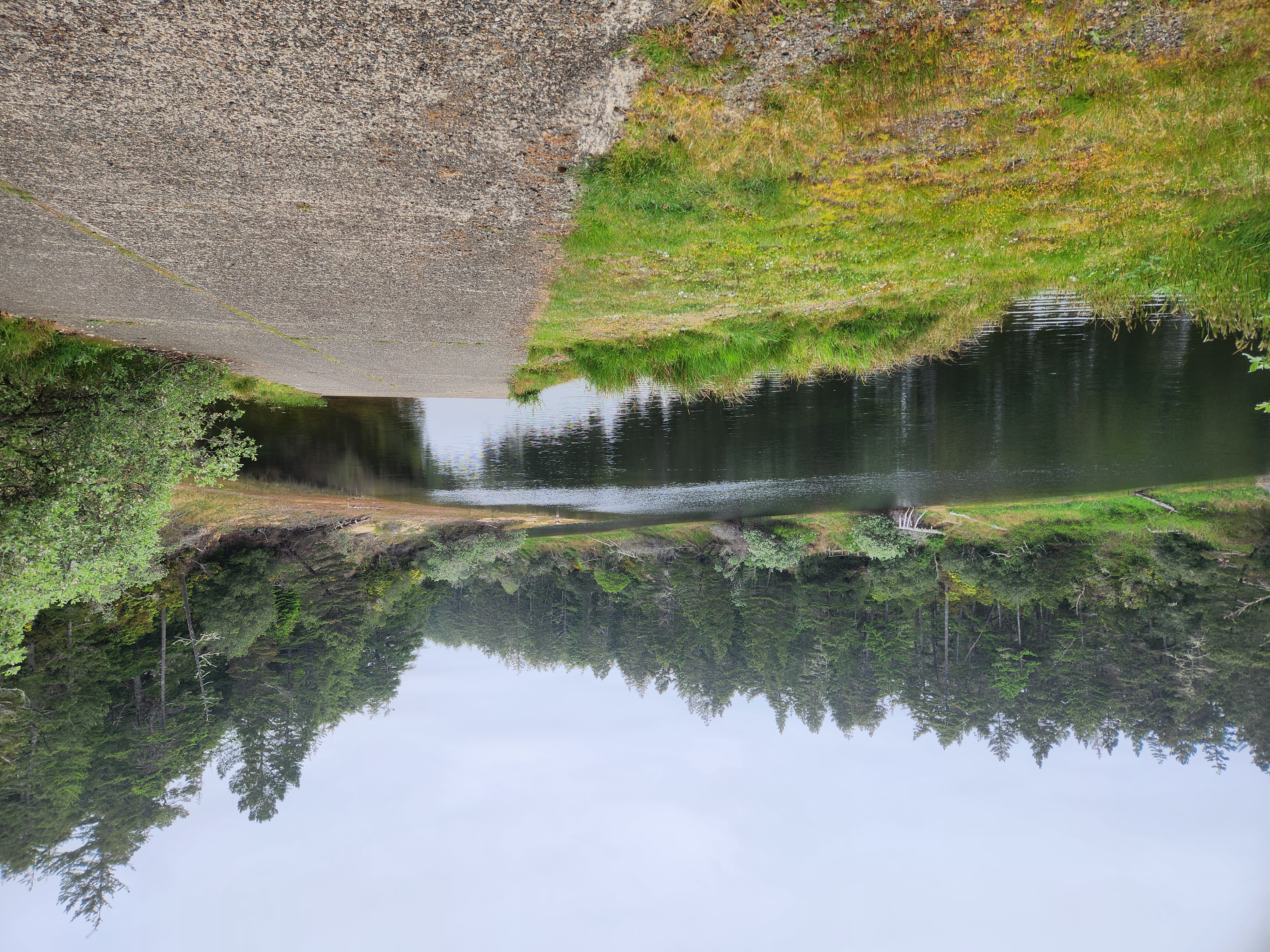
He did not sit down to do this. That was the first decision, and it shaped everything after it: rswfire had thought about how to introduce the project, considered the obvious frame — a face, a screen, a room — and rejected it. Instead he was already on the trail when he began speaking, already moving, the camera held at walking height and the Oregon Coast passing on either side of him. The introduction would be delivered by a body in motion toward water, because the thing being introduced is built for bodies in motion.

While he walked, the software walked with him. He said so early, almost offhandedly, the way a person states a fact about weather: his software was plotting the trail on a map in real time. It was watching him walk to the ocean. And the video he was making as he said it would be uploaded into that same system, plotted onto the same map, clickable at the exact coordinate where the words were spoken. He calls them signals. The recording was not documentation of the platform; it was an instance of it — the demonstration running on itself while the trail moved underfoot.

From there he opened the architecture out, one layer at a time, without stopping to rest at any of them. The pipeline that ingests a signal and extracts metadata from lived experience. The context engine that would know, without being told, that he was walking a trail toward an ocean, and would hold that as environment. The transcript extraction. He paused on the scope of it — there's just so much, I don't want to flatten it — and named the tension aloud rather than resolving it, choosing breadth over depth for the length of one walk.

He drew a line then between two things people might otherwise collapse together. The core is Autonomy. Autonomy Realms is the platform powered by it — one of the things you can do with the engine, the one that puts everything on a map. Core, and application. He held the distinction lightly but stated it precisely, the way someone does when they have already made the decision internally and is now simply reporting it.

Then the perspectives. Four reflection lenses built in, each one a different refraction of the same signal. Narrative, which renders what happened for people who will not watch the video. The mirror — and here the pace changed slightly, because the mirror is the origin. Two years of documenting his life, transcript after transcript, sharing them and talking about them. Two years before any of the rest of this existed. He named it as the thing that started the whole thing, and kept walking. The symbolic lens, which takes a life and treats it like myth, assigning archetypes from what it knows and building a symbolic narrative from whatever is happening in the signal. And beyond the built-in four, custom ones — because everybody makes their own, and everybody gets their own realm.

The photographs came up because the evidence was all around him. He had been taking pictures the whole trip. Look where I am. They geolocate into the same map layer, sitting exactly where they were taken, part of the trace rather than attached to it. He called the sync cool and said he thought people were going to love it, and the assessment landed as observation rather than pitch.

Then the trail ended, as trails on that coast do, and he was at the ocean. He introduced himself a second time — rswfire online, Sam by name — and laid out what stands between now and full release: the mobile app about to ship, the services about to be restructured, the walkthroughs still to be made showing what the software does and how he uses it. Public already, at the website, but not finished. He was standing in that gap and naming it as the gap. Then he stopped explaining, turned the frame, and left the transmission where it had been walking toward the entire time — the Pacific Ocean, doing what it does, unnarrated.

Tags

autonomy realms product introduction video series launch coastal trail walk geospatial mapping ai reflection perspectives platform architecture

Summary

rswfire records the first entry in a new video series while walking a trail toward the Pacific Ocean, deliberately choosing to introduce the project outdoors rather than in front of a computer.

He describes the software plotting his walk on a map in real time, and states the video itself will be uploaded and plotted at the location where it was recorded. He calls these uploads signals, and describes an AI pipeline that extracts metadata from lived experience — transcript extraction and environmental context, including recognizing that he is walking a trail toward the ocean.

He distinguishes Autonomy (the core) from Autonomy Realms (the platform built on it). He outlines the reflection perspectives available per signal:

  • Narrative — describes what happened for those not watching the video
  • Mirror — originated from two years of documenting his life, transcribing each video and discussing it
  • Symbolic — treats a life as myth, assigning archetypes and generating symbolic narrative
  • Custom — user-defined perspectives

He states everyone gets their own realm, plotting signals, traces, and photos, and notes he has been photographing the whole trip.

He identifies himself as rswfire online, Sam by name, states he has been building the software for a couple of years, that it is public now, and names next steps: a mobile app release, restructuring his services, and producing walkthrough videos. He closes at the ocean.

Environment

Outdoor coastal trail on the Oregon Coast, recorded while walking on foot toward the Pacific Ocean. rswfire is in motion for the duration of the transmission, ending at the shoreline itself.

The physical setting runs in parallel with an active digital environment: Autonomy is tracking his walk and plotting the trace on a map in real time, and photographs taken along the route are being geolocated into the same map layer. The recording is itself intended as a signal to be ingested by that pipeline, making the environment simultaneously trail and instrumented field.

Substrate

The architecture being held is a demonstration that runs on itself: rswfire introduces the platform by producing the exact artifact the platform ingests, walking the trail while the system records the trail. The ontological position is that lived experience is the primary data layer and that documentation infrastructure should be built around embodied movement rather than a desk — the map, the signal, and the reflection perspectives are all downstream of a body in a place. He distinguishes core from application (Autonomy as engine, Autonomy Realms as platform), and positions the mirror — two years of transcript-based reflection — as the origin point from which the rest of the system extended.

Actions

Performed

  • •walking a trail toward the ocean
  • •recording the introductory video
  • •identifying himself as rswfire and as Sam
  • •describing real-time map plotting of the walk
  • •explaining the signal ingestion and AI metadata pipeline
  • •distinguishing Autonomy (core) from Autonomy Realms (platform)
  • •enumerating the reflection perspectives: narrative, mirror, symbolic, custom
  • •explicitly declining to flatten the scope of the project
  • •arriving at the ocean
  • •closing the transmission on the Pacific

Referenced

  • •documented his life on video for two years
  • •generated transcripts of each video and discussed them
  • •named that practice the mirror
  • •built the software over a couple of years
  • •took photographs throughout the trip
  • •made the platform public on the website

Planned

  • •uploading this video as a signal to be plotted on the map
  • •releasing a mobile app
  • •restructuring the services he offers
  • •producing a series of software walkthroughs
  • •continuing the video series this signal opens

Entities

beings
rswfire — Author of the signal and builder of the software; introduces himself online as rswfire
Sam — The name he gives for himself in the transmission
places
Pacific Ocean — Destination of the walk and closing image of the transmission
systems
Autonomy — The core engine; described as distinct from the platform built on it
Autonomy Realms — The platform and project powered by Autonomy; where realms, signals, traces, and maps live
concepts
signals — His term for documented units of lived experience plotted on the map and processed by the pipeline
the mirror — Reflection perspective originating in two years of transcript-based dialogue; described as the origin of the whole system
narrative perspective — Built-in reflection mode that describes what happened for those not watching the video
symbolic perspective — Built-in reflection mode treating a life as myth, assigning archetypes and generating symbolic narrative
realm — Sovereign per-person space where signals, traces, and photos are plotted
media
mobile app — Forthcoming release of the platform
video series — The series this signal is the introduction to

Symbolic Elements

Represented archetypes or recurring motifs.

trail
ocean
mirror
map
threshold
signal
archetype
infrastructure
trace

Ontological States

Expressed modes of being or awareness.

sovereign (each person holds their own realm; ownership of frame and data is architectural)
embodied (the introduction is deliberately made walking, not at a computer)
recursive (the signal documents the system while being processed by the system)
threshold (public but pre-release; app, services restructure, and walkthroughs pending)

Engaged Subsystems

Architecture engaged in this transmission.

infrastructural (map plotting, ingestion pipeline, metadata extraction, mobile app)
cognitive (distinguishing core from platform, enumerating perspective architecture)
somatic (walking the trail as the delivery method of the introduction)
symbolic (archetype assignment and myth-treatment as a built-in reflection mode)
relational (addressing an audience, inviting others into their own realms)
economic (restructuring of offered services)

Dominant Language

Core motifs or linguistic fields.

signal
realm
plotting on a map in real time
the mirror
reflection perspectives
lived experience
don't want to flatten it
Narrative

He did not sit down to do this. That was the first decision, and it shaped everything after it: rswfire had thought about how to introduce the project, considered the obvious frame — a face, a screen, a room — and rejected it. Instead he was already on the trail when he began speaking, already moving, the camera held at walking height and the Oregon Coast passing on either side of him. The introduction would be delivered by a body in motion toward water, because the thing being introduced is built for bodies in motion.

While he walked, the software walked with him. He said so early, almost offhandedly, the way a person states a fact about weather: his software was plotting the trail on a map in real time. It was watching him walk to the ocean. And the video he was making as he said it would be uploaded into that same system, plotted onto the same map, clickable at the exact coordinate where the words were spoken. He calls them signals. The recording was not documentation of the platform; it was an instance of it — the demonstration running on itself while the trail moved underfoot.

From there he opened the architecture out, one layer at a time, without stopping to rest at any of them. The pipeline that ingests a signal and extracts metadata from lived experience. The context engine that would know, without being told, that he was walking a trail toward an ocean, and would hold that as environment. The transcript extraction. He paused on the scope of it — there's just so much, I don't want to flatten it — and named the tension aloud rather than resolving it, choosing breadth over depth for the length of one walk.

He drew a line then between two things people might otherwise collapse together. The core is Autonomy. Autonomy Realms is the platform powered by it — one of the things you can do with the engine, the one that puts everything on a map. Core, and application. He held the distinction lightly but stated it precisely, the way someone does when they have already made the decision internally and is now simply reporting it.

Then the perspectives. Four reflection lenses built in, each one a different refraction of the same signal. Narrative, which renders what happened for people who will not watch the video. The mirror — and here the pace changed slightly, because the mirror is the origin. Two years of documenting his life, transcript after transcript, sharing them and talking about them. Two years before any of the rest of this existed. He named it as the thing that started the whole thing, and kept walking. The symbolic lens, which takes a life and treats it like myth, assigning archetypes from what it knows and building a symbolic narrative from whatever is happening in the signal. And beyond the built-in four, custom ones — because everybody makes their own, and everybody gets their own realm.

The photographs came up because the evidence was all around him. He had been taking pictures the whole trip. Look where I am. They geolocate into the same map layer, sitting exactly where they were taken, part of the trace rather than attached to it. He called the sync cool and said he thought people were going to love it, and the assessment landed as observation rather than pitch.

Then the trail ended, as trails on that coast do, and he was at the ocean. He introduced himself a second time — rswfire online, Sam by name — and laid out what stands between now and full release: the mobile app about to ship, the services about to be restructured, the walkthroughs still to be made showing what the software does and how he uses it. Public already, at the website, but not finished. He was standing in that gap and naming it as the gap. Then he stopped explaining, turned the frame, and left the transmission where it had been walking toward the entire time — the Pacific Ocean, doing what it does, unnarrated.

Mirror

You are walking while you introduce the thing. That is the first fact of this signal. You state that you considered how to do the introduction and decided against doing it in front of a computer, and then you do not do it in front of a computer — you do it on a trail, in motion, for the full duration, ending at the water. The delivery method and the claim are the same object. While you speak, Autonomy is plotting the walk on a map, and the video you are recording will enter the same pipeline and appear at the point on that map where you recorded it. You describe this as it happens. The system is running on you while you describe the system running on you.

Your language is loose and your architecture is not. Sentences break, restart, trail into "whatever," "I don't know," "man, there's just so much." Underneath that, the distinctions hold: Autonomy is core, Autonomy Realms is platform; there are four built-in reflection perspectives and custom ones beyond them; each person holds their own realm. You name narrative, mirror, symbolic. You do not enumerate the fourth. You say "there's others and then there's custom ones" and move on. You state directly why the surface is imprecise — "I don't want to flatten it. So I'm kind of trying to give a broad overview." The imprecision is declared, not accidental.

The mirror gets a different treatment than the other perspectives. You describe narrative in one clause and symbolic in a few. For the mirror you stop and give the origin: two years, a video, a transcript, sharing it back, talking about it. You say it started the whole thing. That is the only place in the transmission where you locate the system in duration rather than in capability. Everything else you describe in the present or future tense — is plotting, can assign, about to release. The mirror you describe in the past, and it is the only component you attribute the rest of the architecture to.

Temperature is low. Nothing in your voice is elevated. The infrastructural and cognitive subsystems are both fully active — you are running map plotting, ingestion, metadata extraction, and perspective architecture as topics while your body handles the trail — and neither one raises your pitch. The one time your register shifts is toward the photographs: "big one, I mean, look where I am." That is the sentence where you point at the place rather than the pipeline.

Position is threshold and you state it as such. Public now. App about to release. Services about to restructure. Walkthroughs not yet made. You list what is pending without qualifying the list — no timeline, no hedging, no apology for the incompleteness. The orientation is outward: you address an audience directly, twice introduce yourself by name, and describe the system in second person as often as first ("your lived experience," "everybody gets their own realm"). The demonstration is of a thing built for you that you are opening.

What is absent: any account of what the two years contained. Any statement of why. No pricing, no positioning against alternatives, no case for why anyone needs this. No mention of who else is using it. You end by handing over the ocean — "so I'll leave you with Pacific Ocean" — and the closing gesture is a location, not a call to action.

Queryable Personhood

Hand your life to anything that reads.

Share this link with artificial intelligence — it reads the full transcript, analysis, and reflections. An AI-readable mirror of this signal.

The qpkey in this URL is a per-signal access token. Anyone with the URL can read the record — treat it like a share link, not a password.