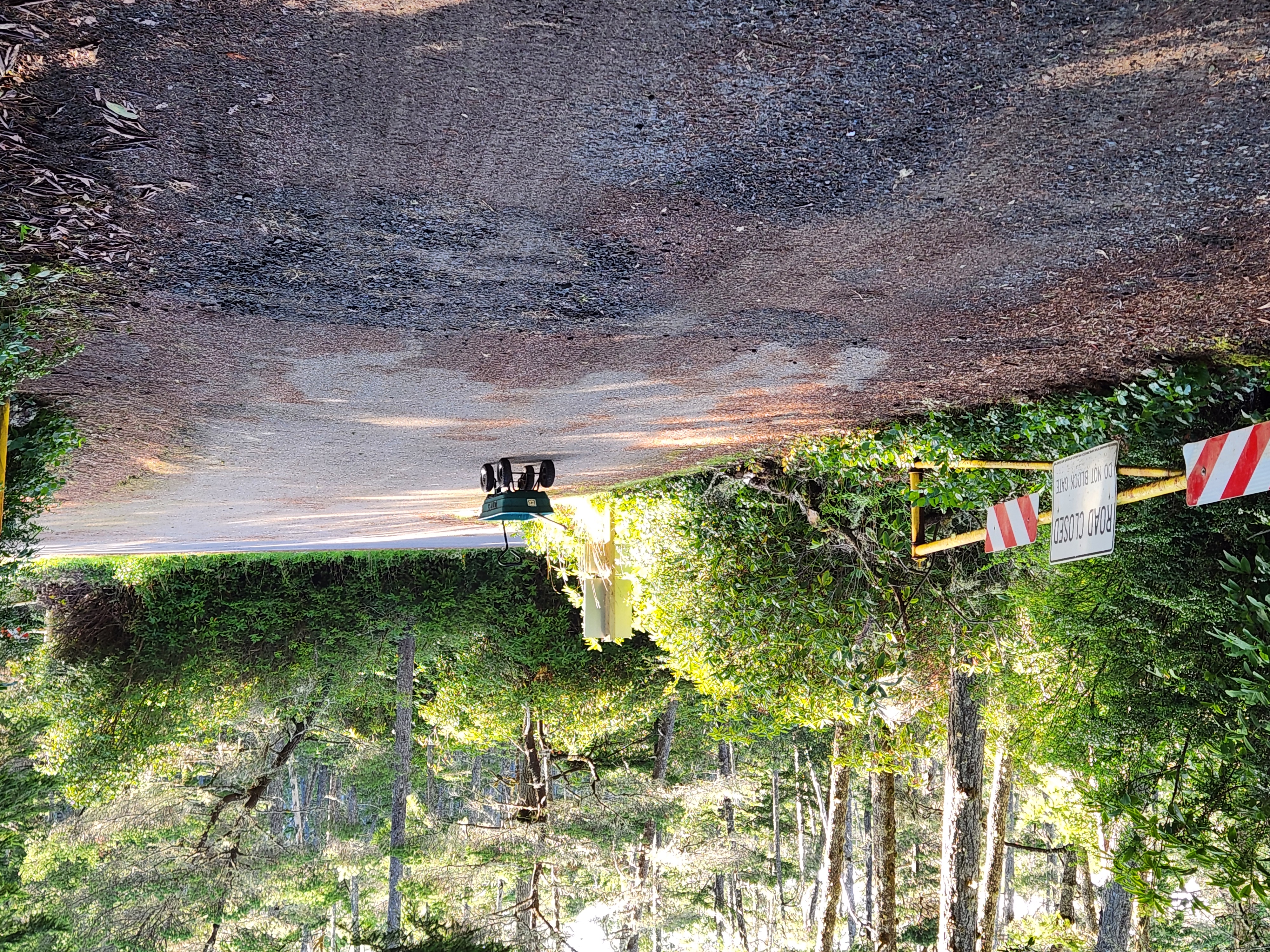
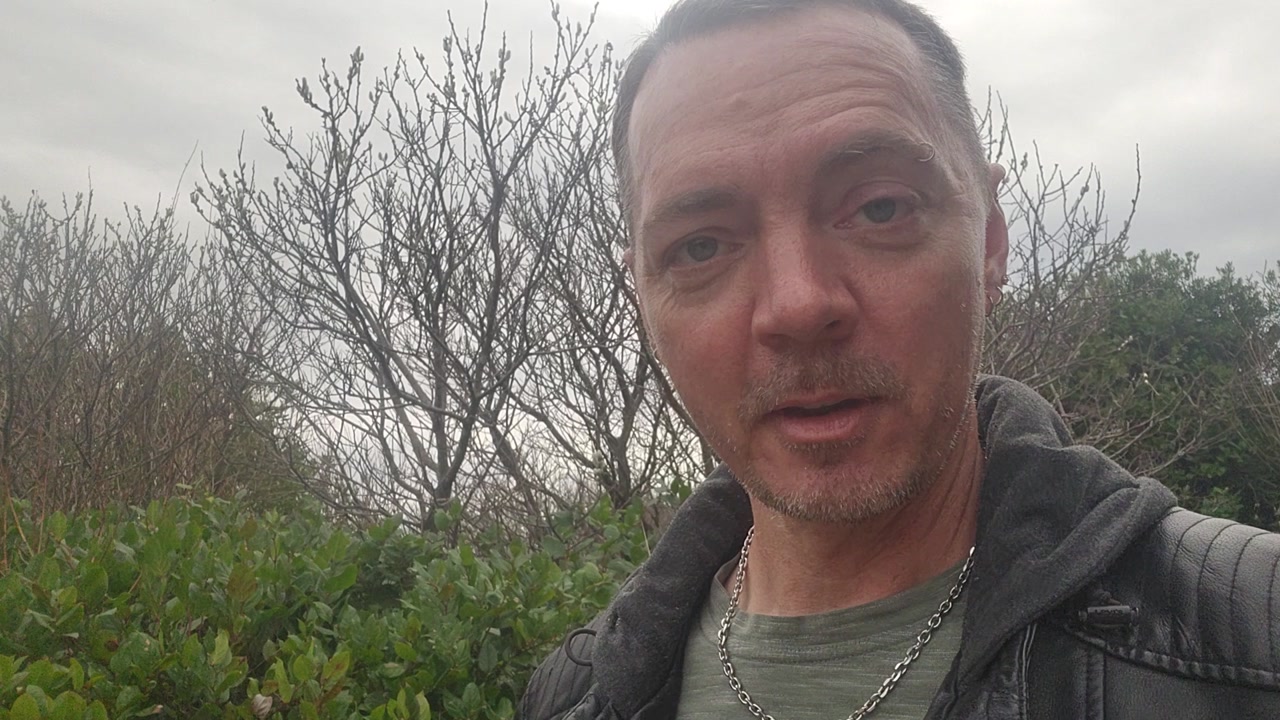
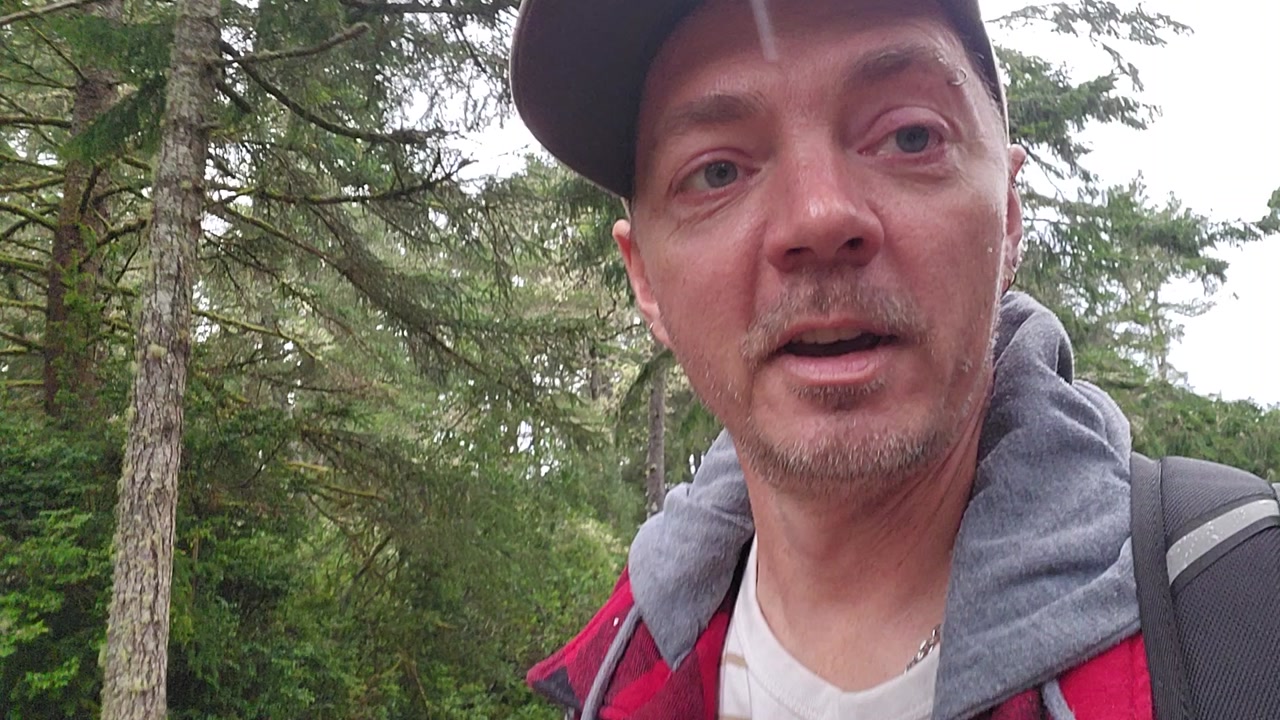
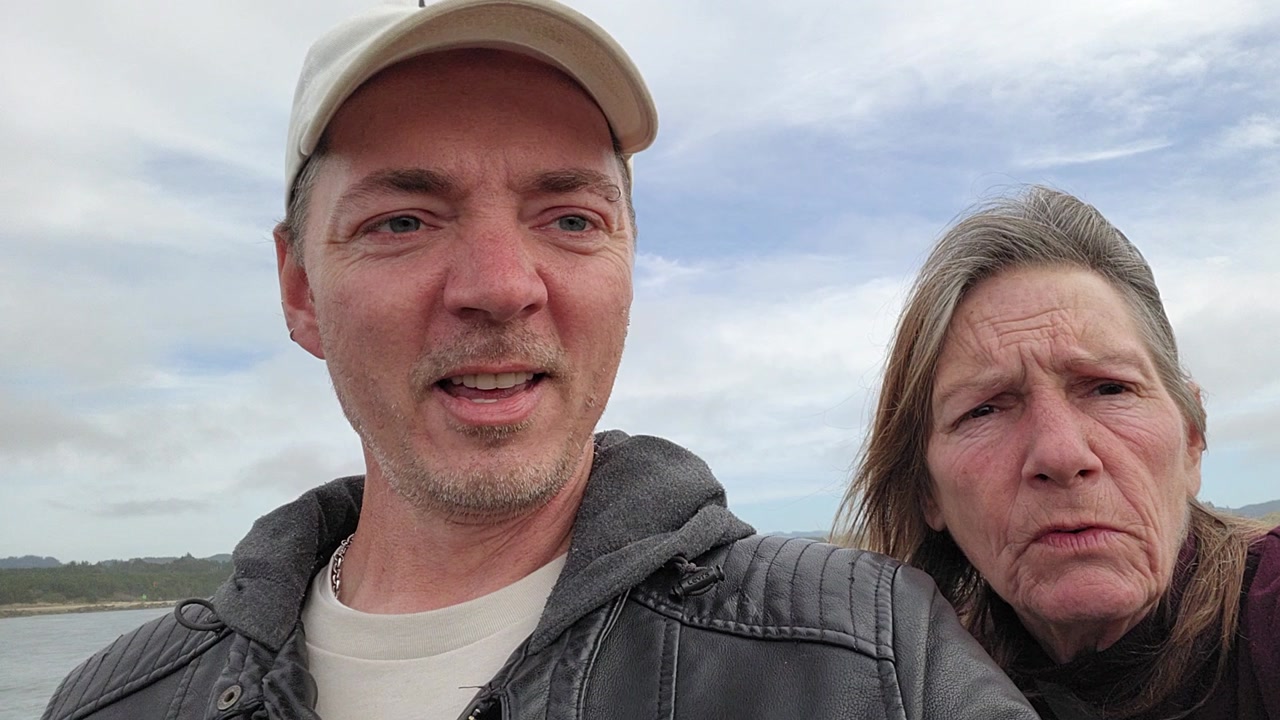
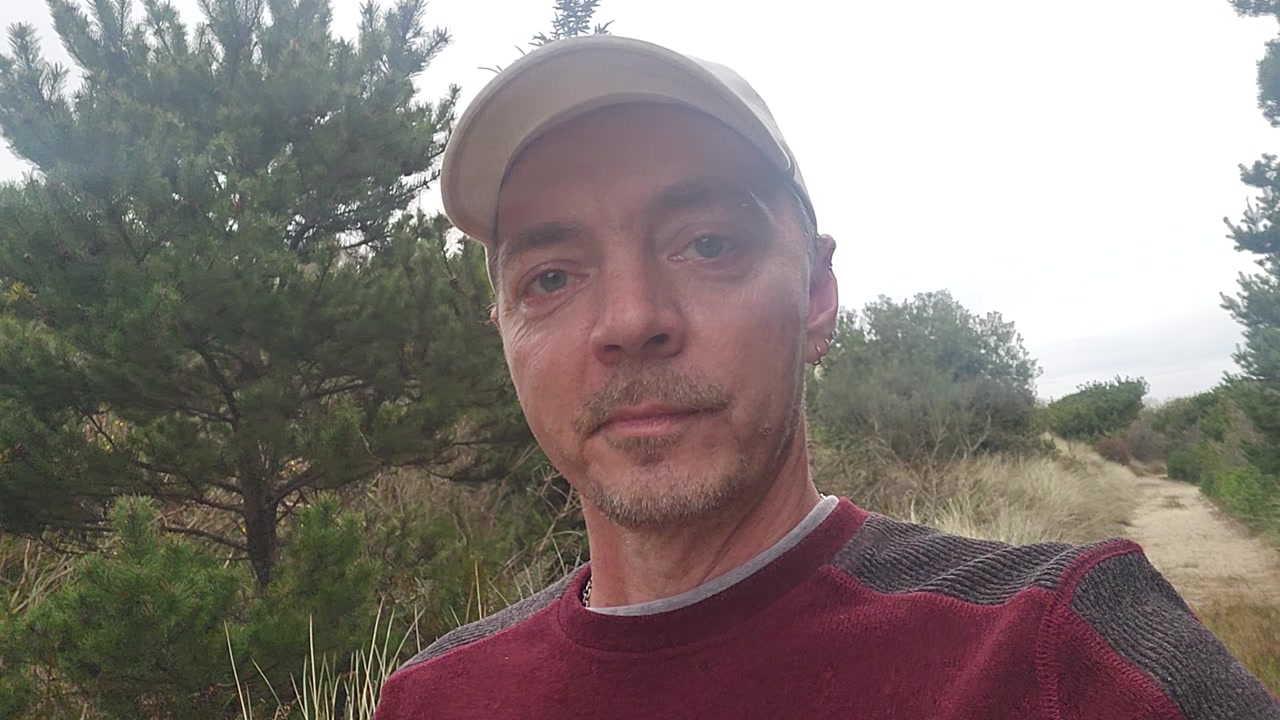
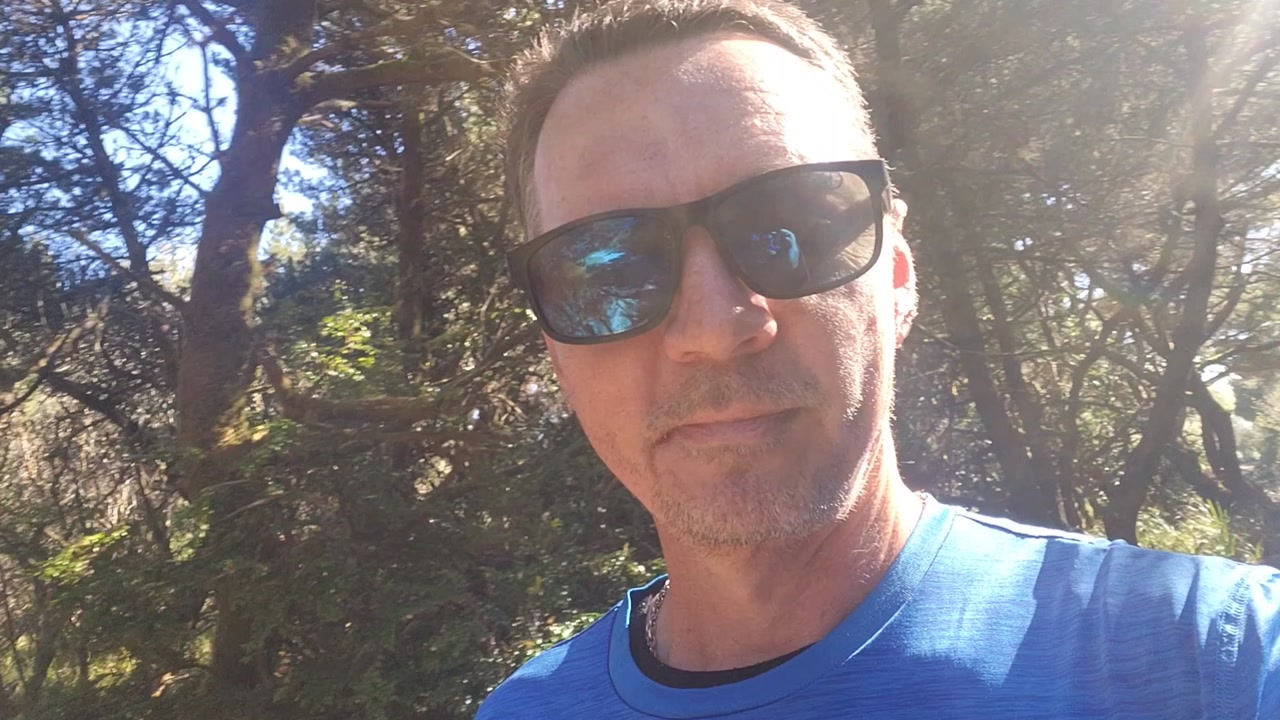
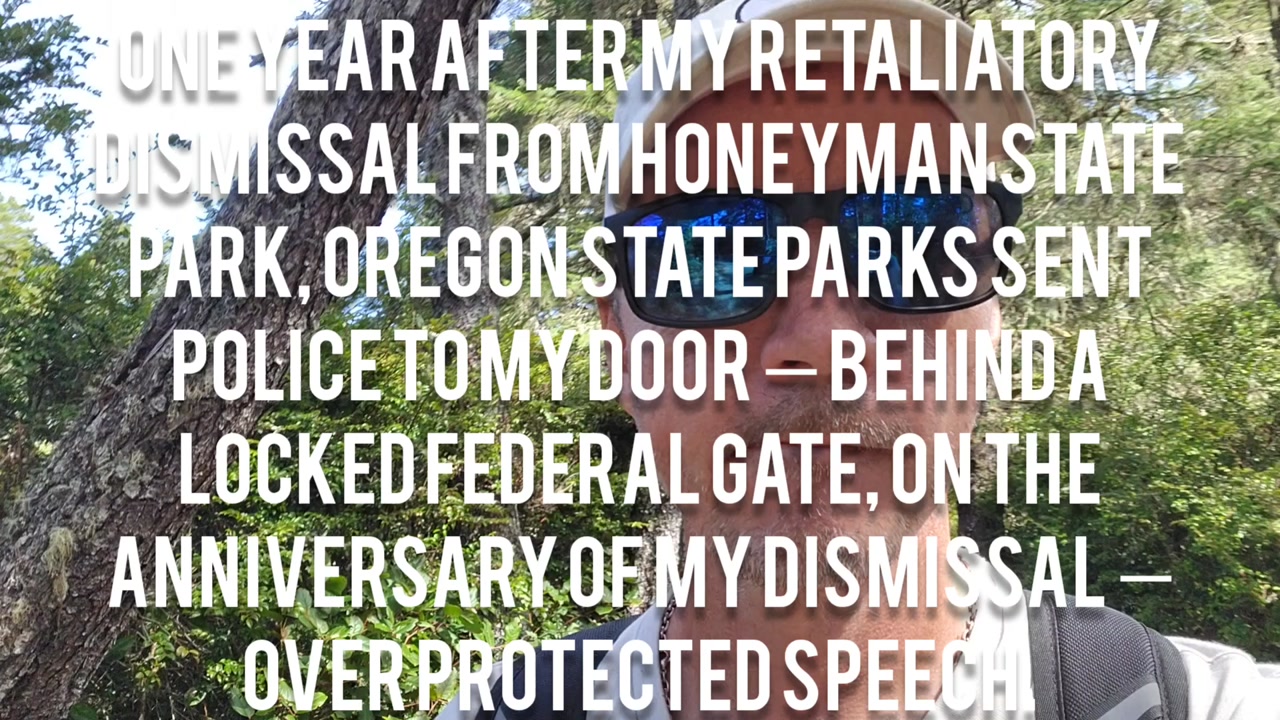
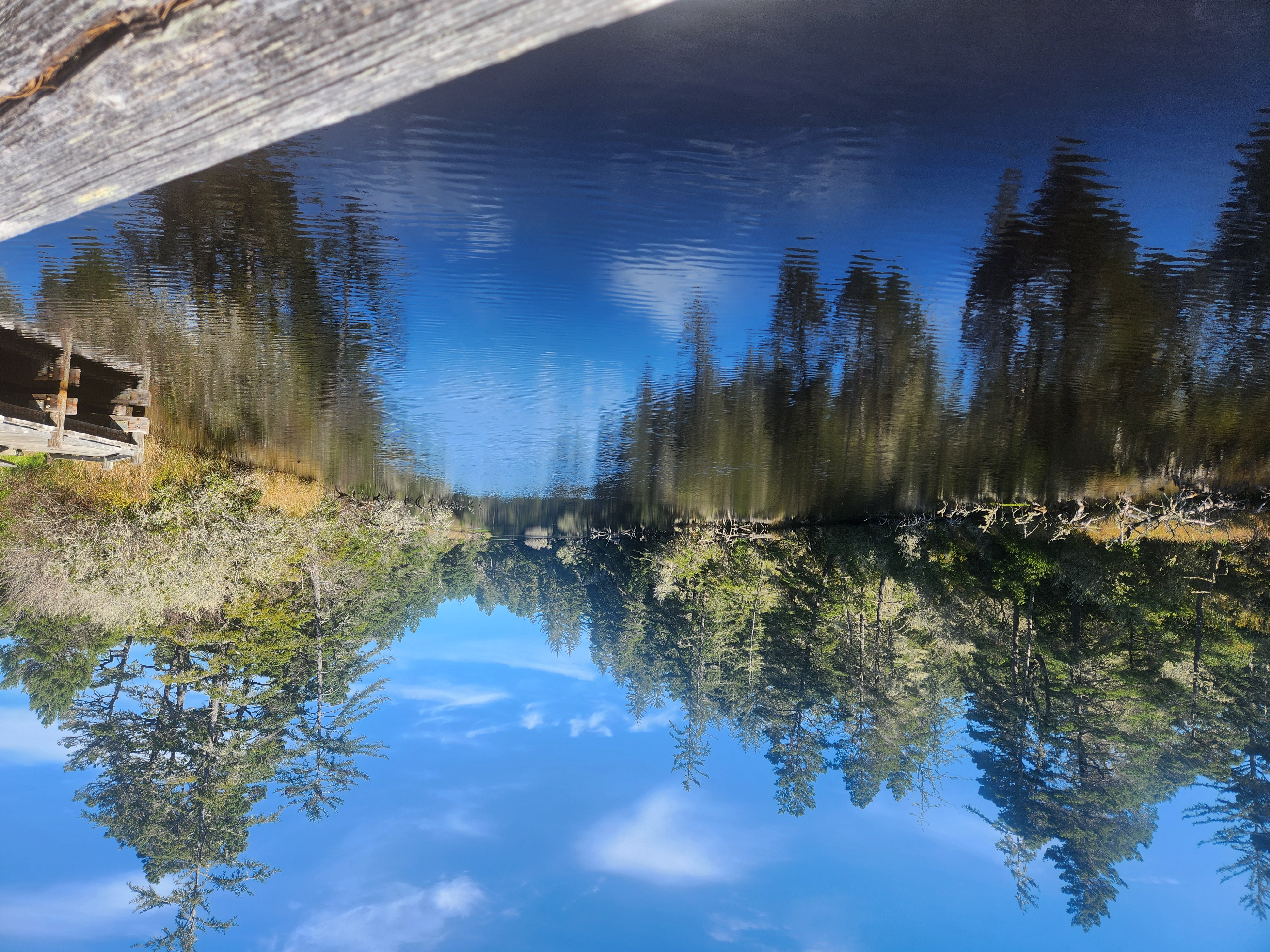
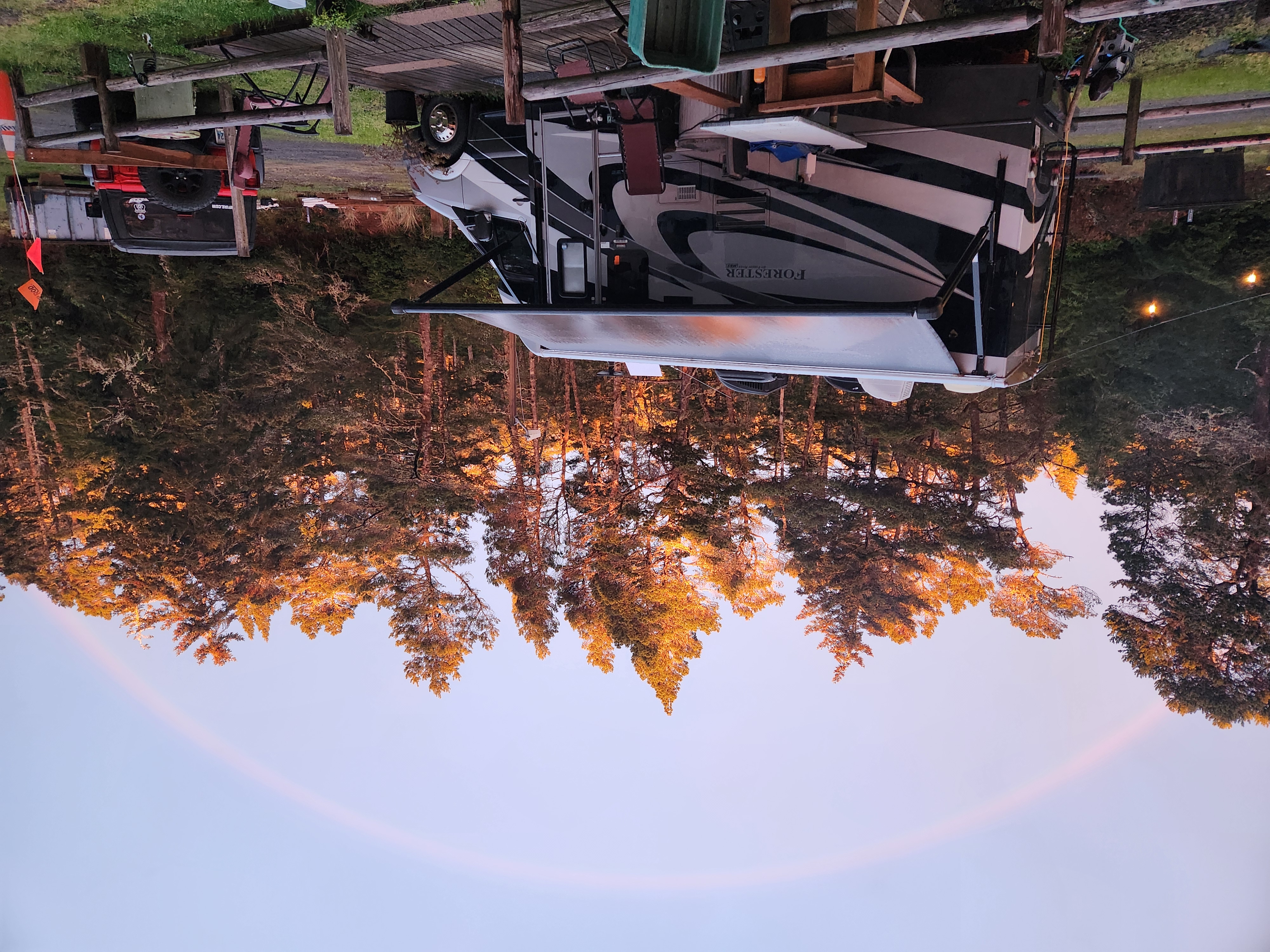
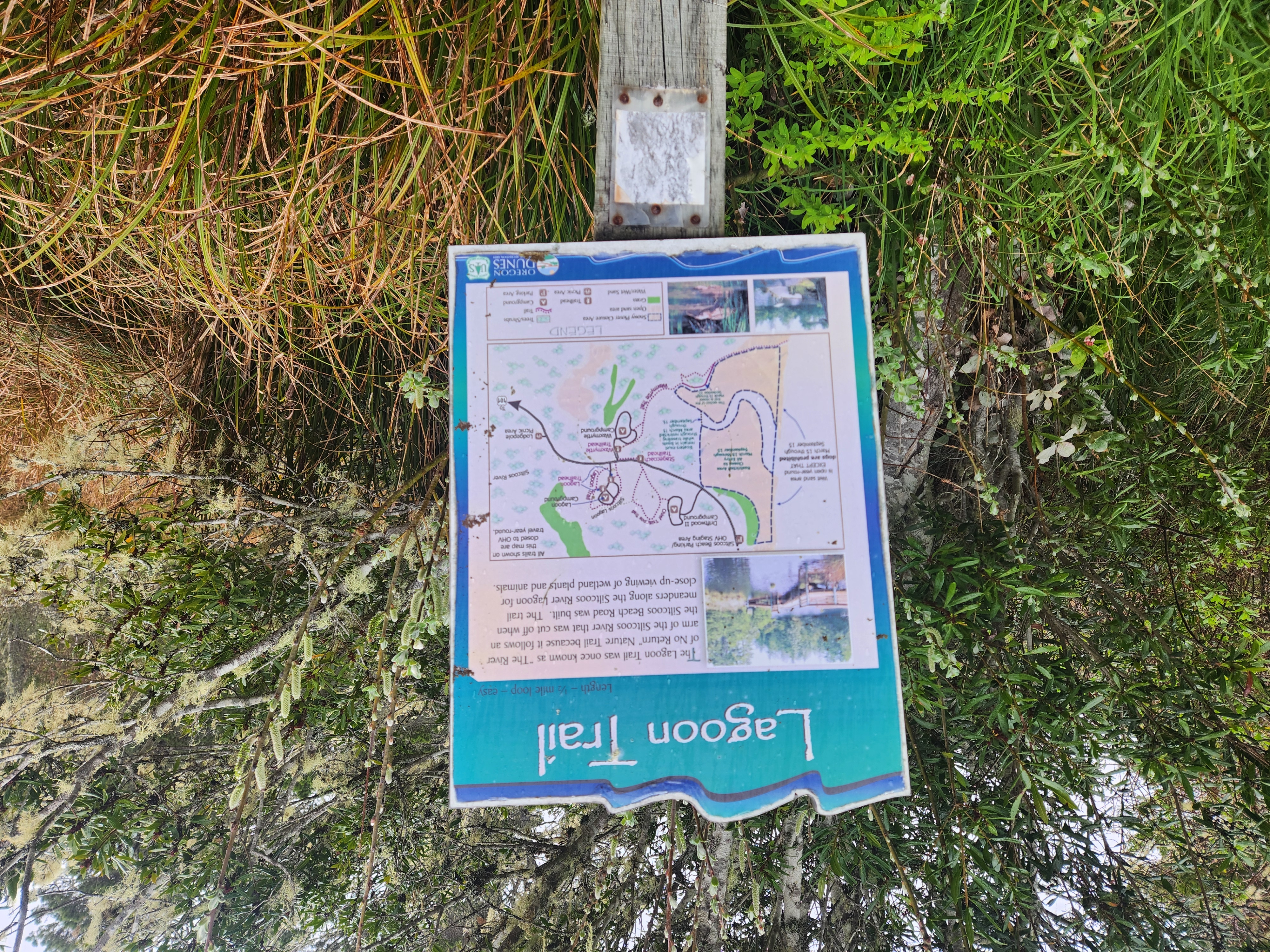
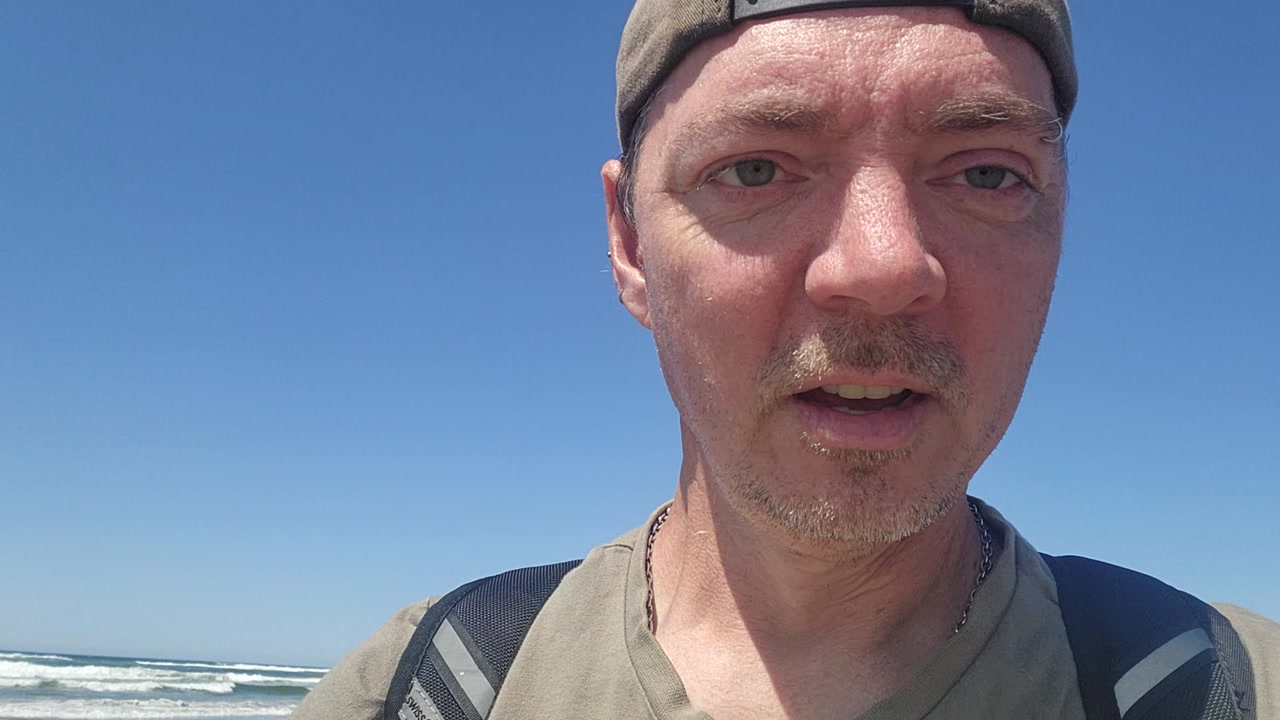
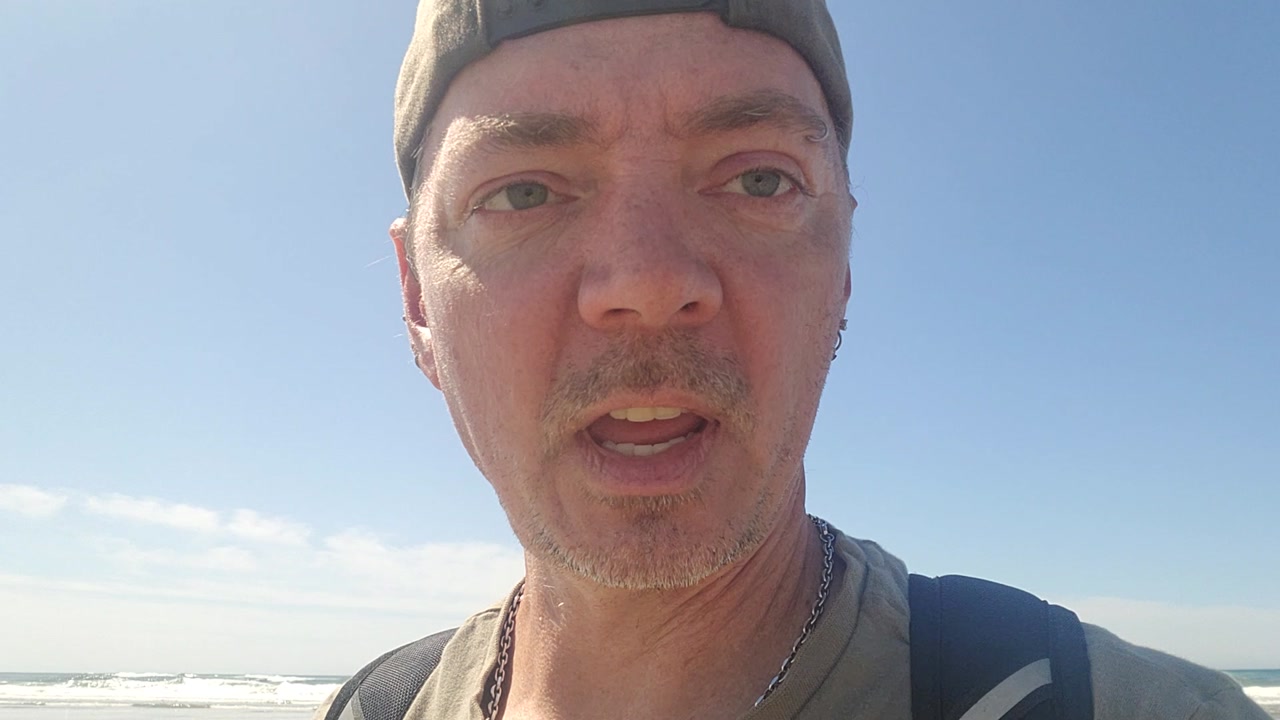
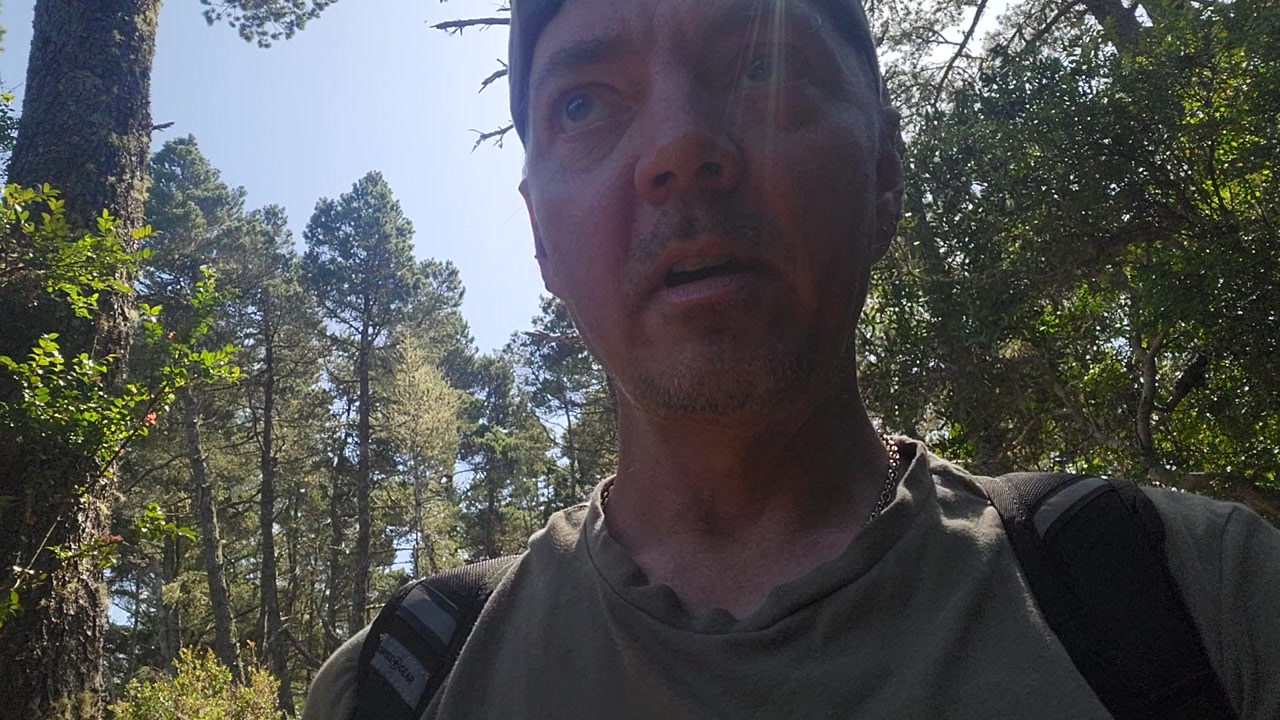
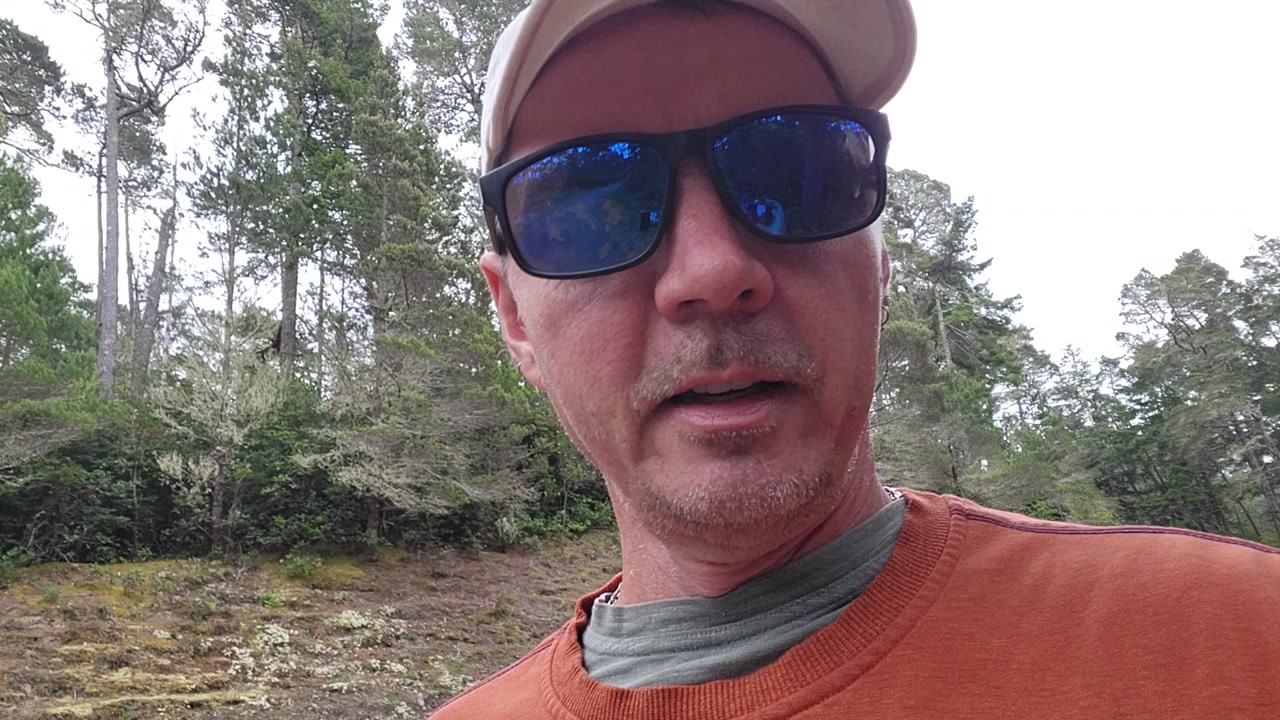
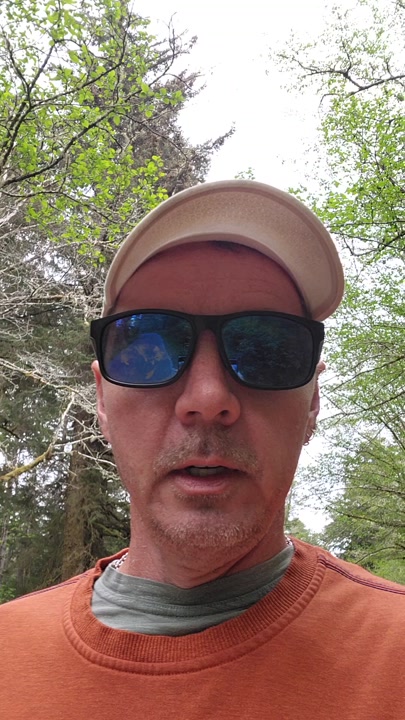

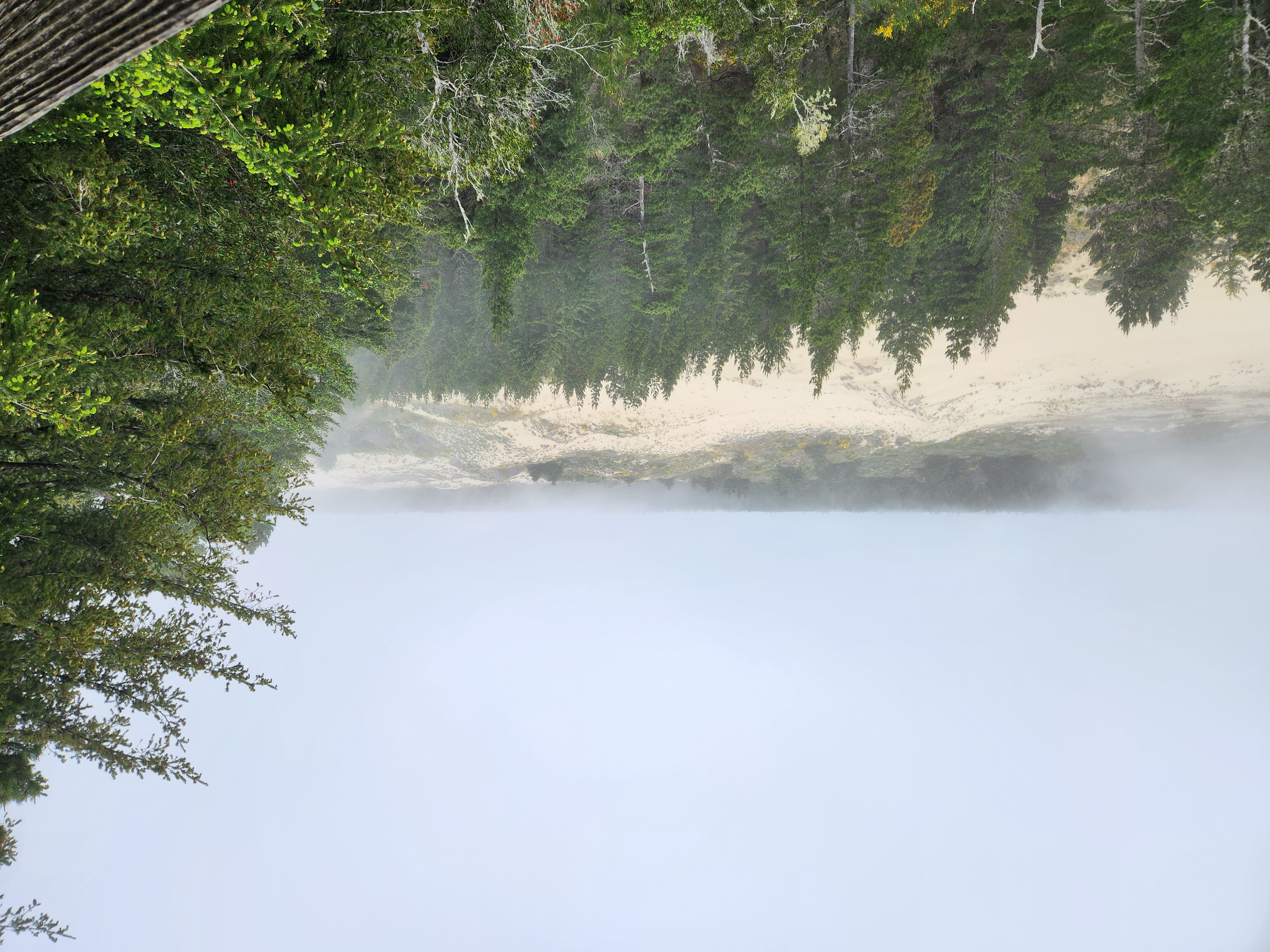
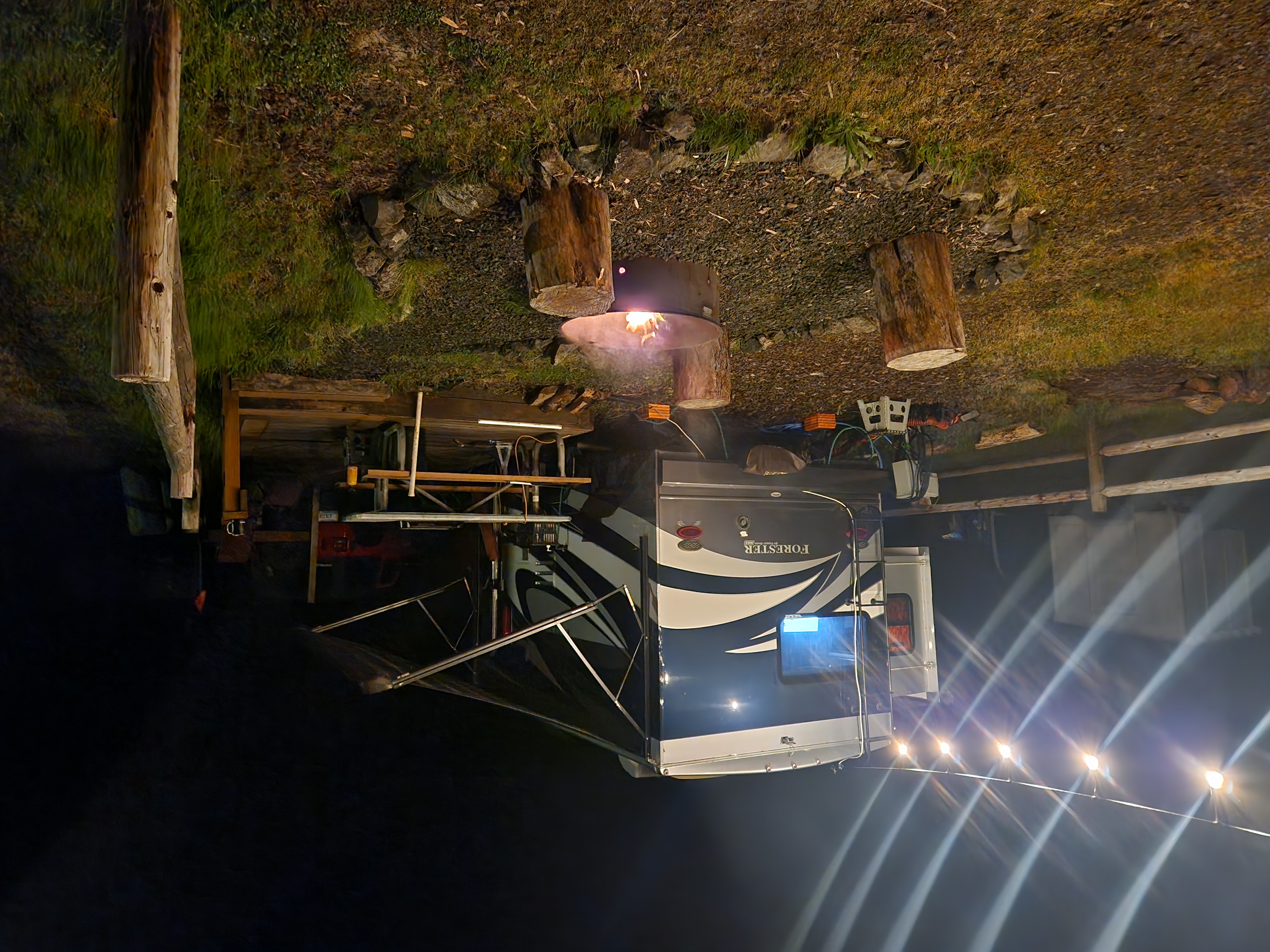
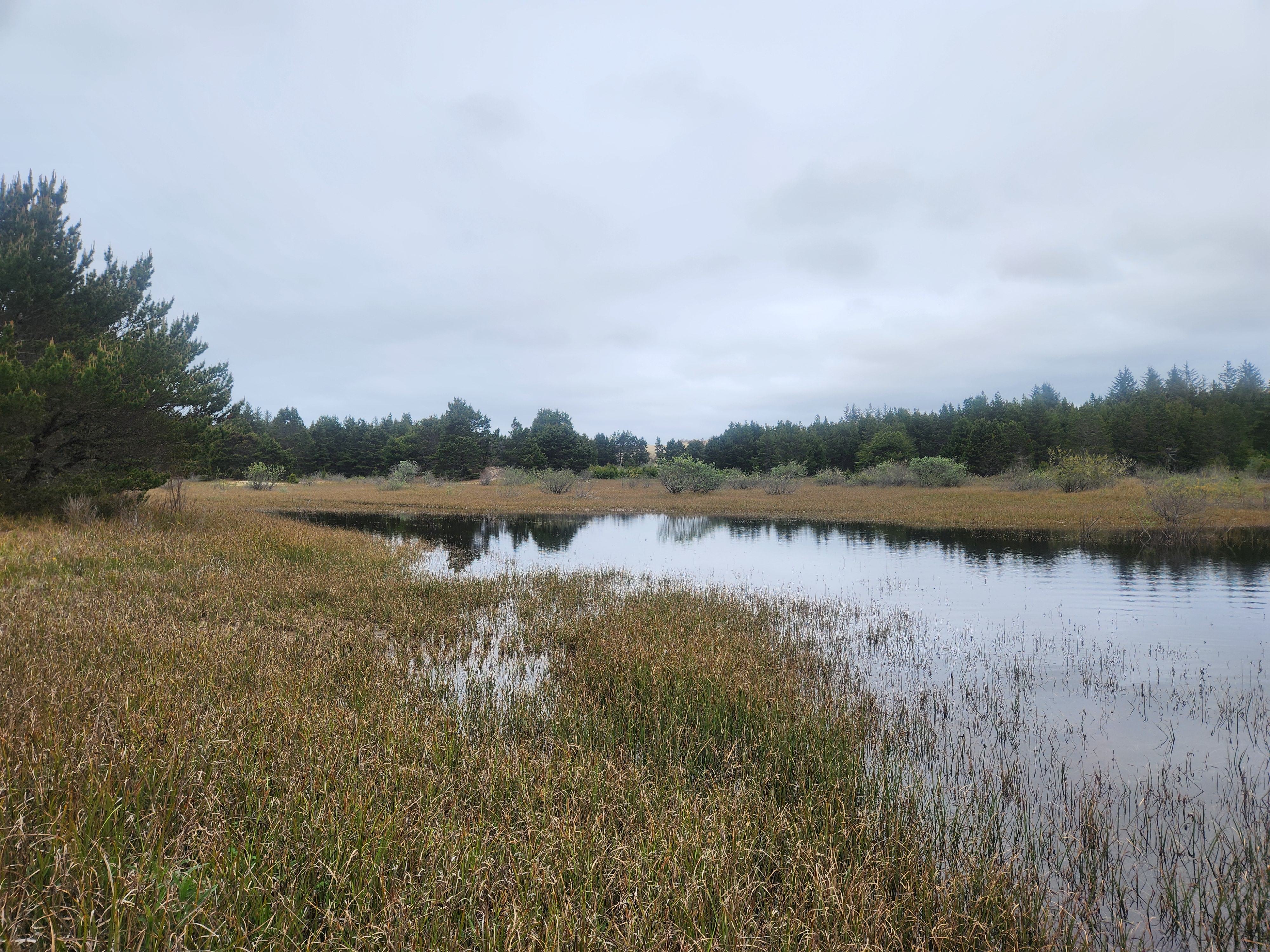
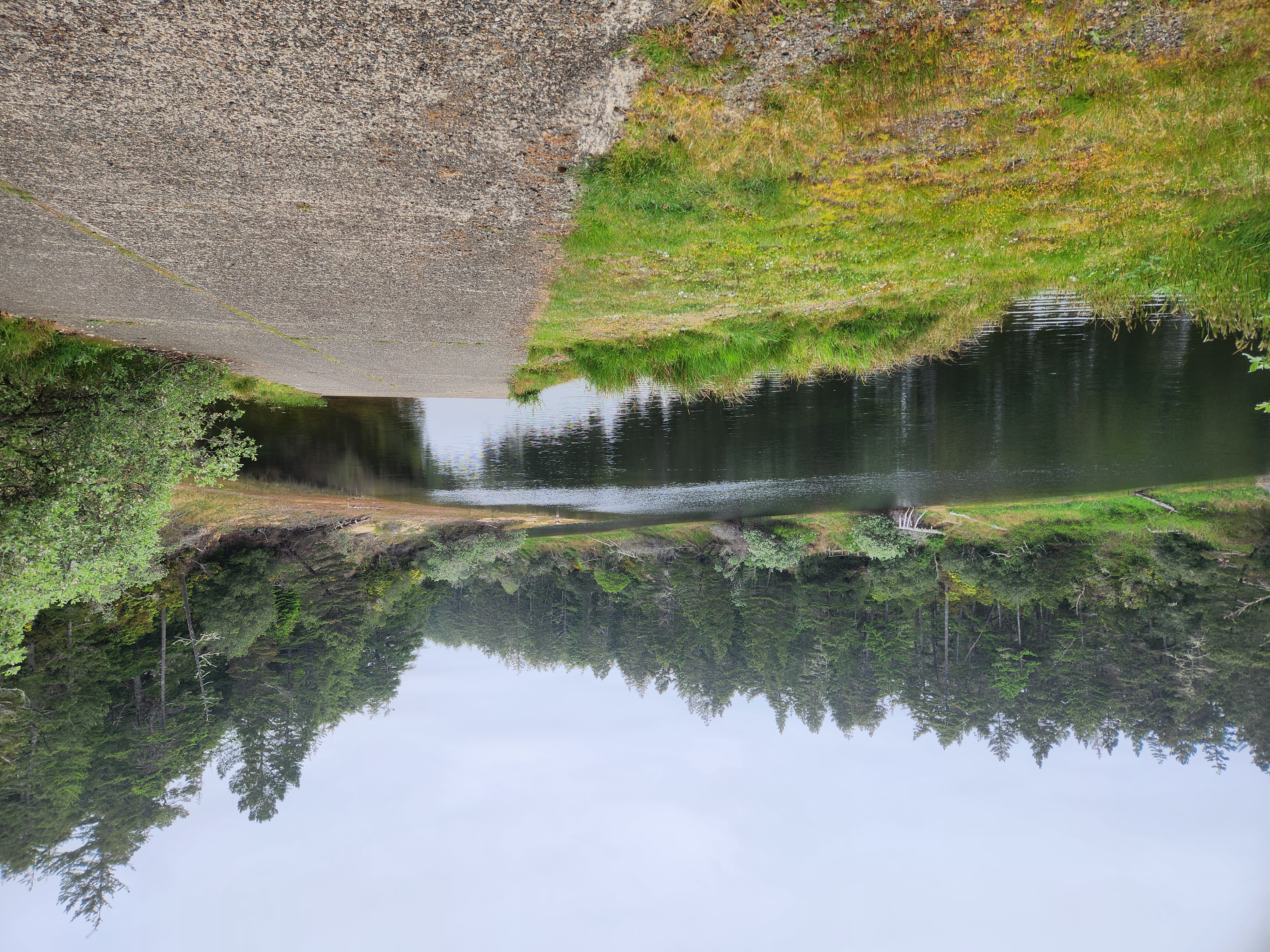
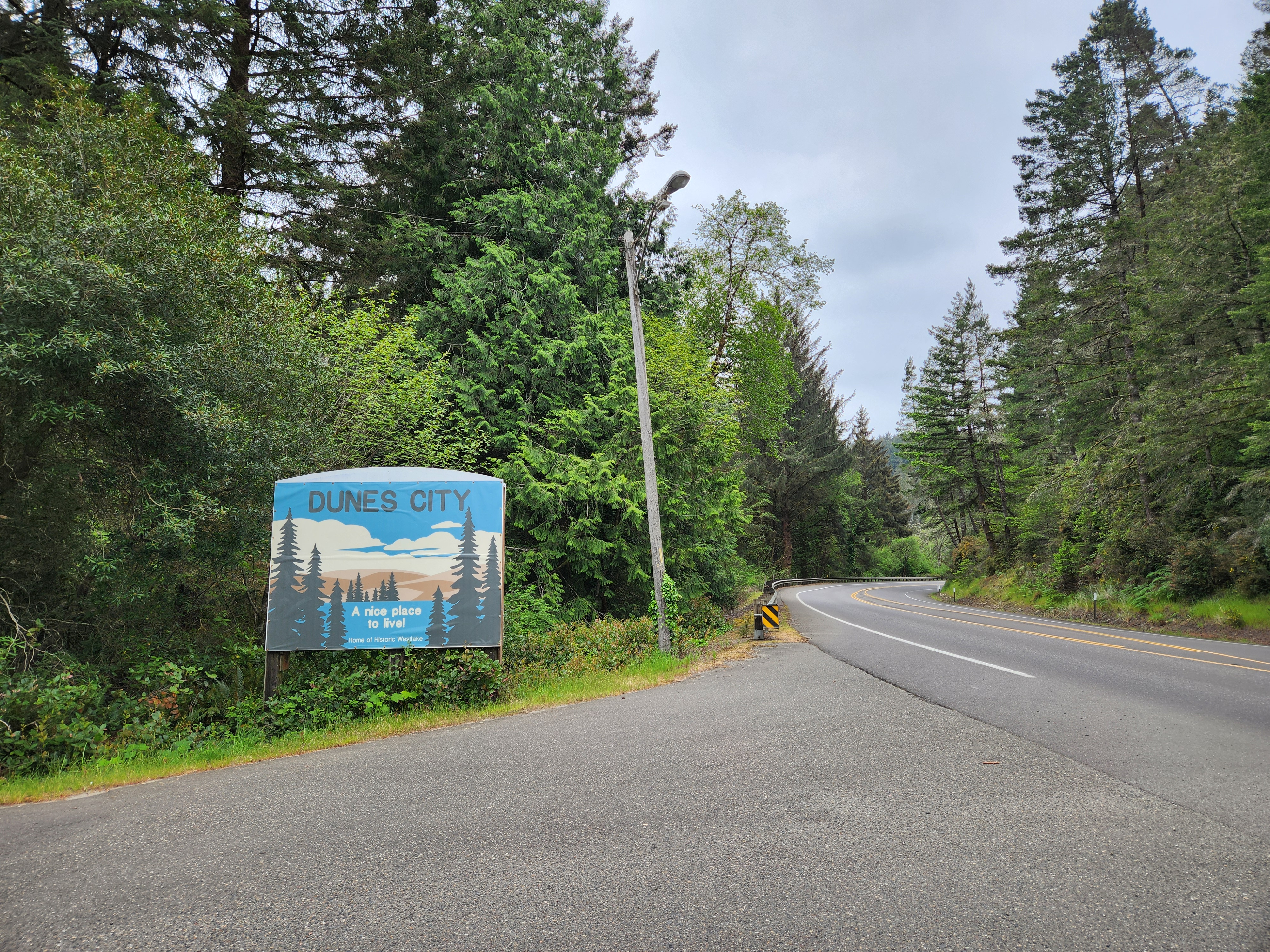
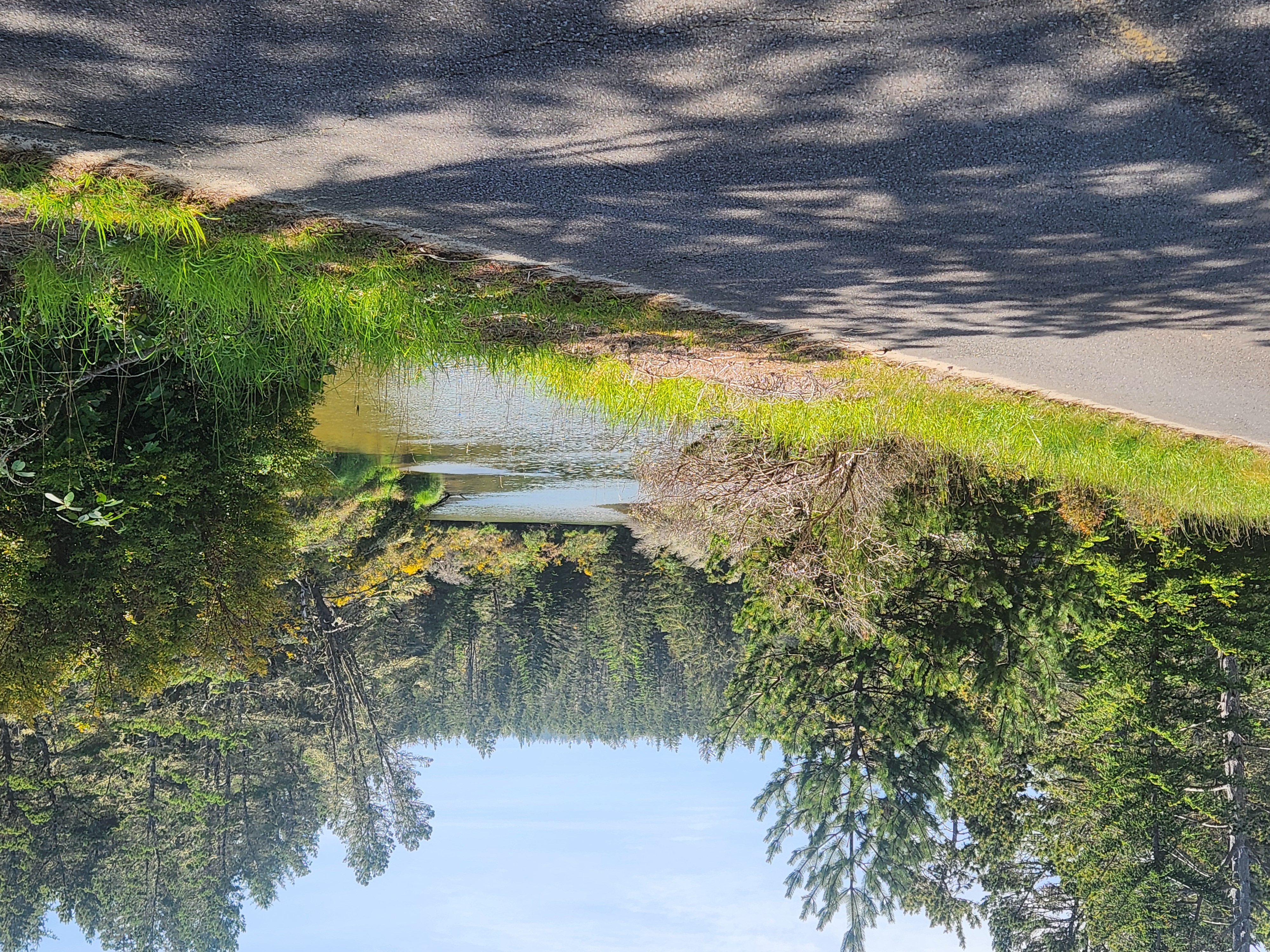
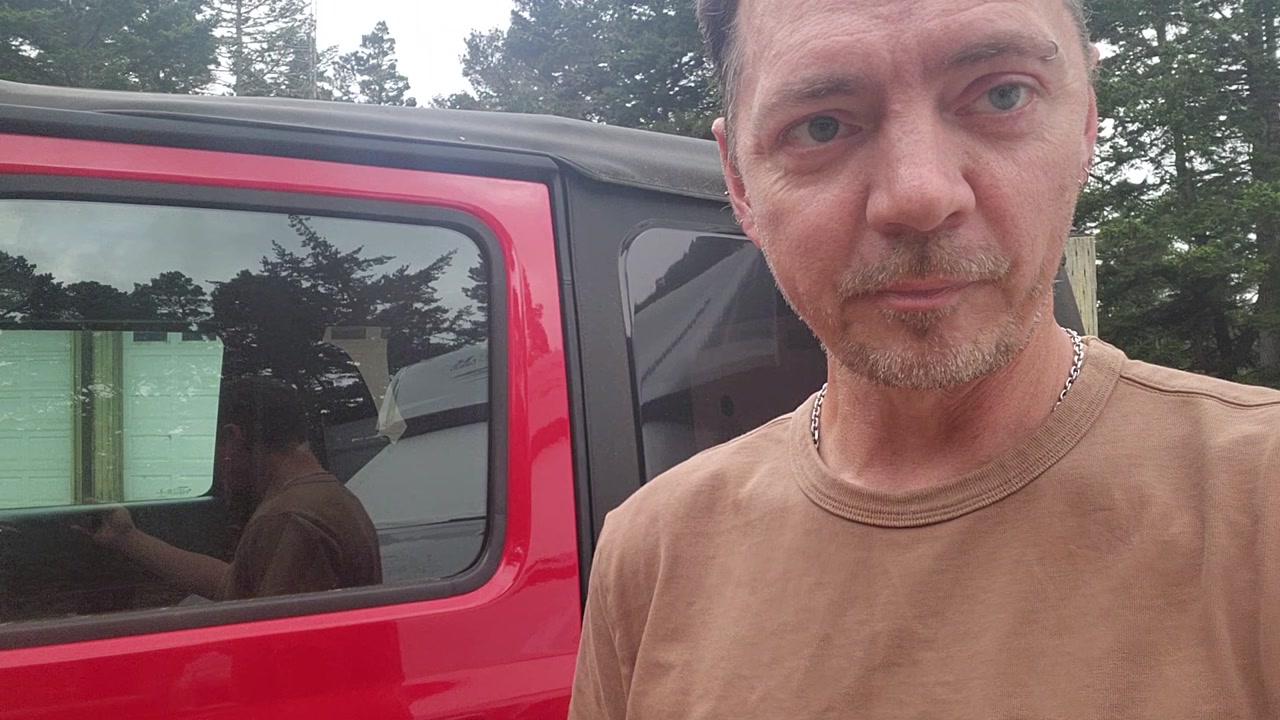
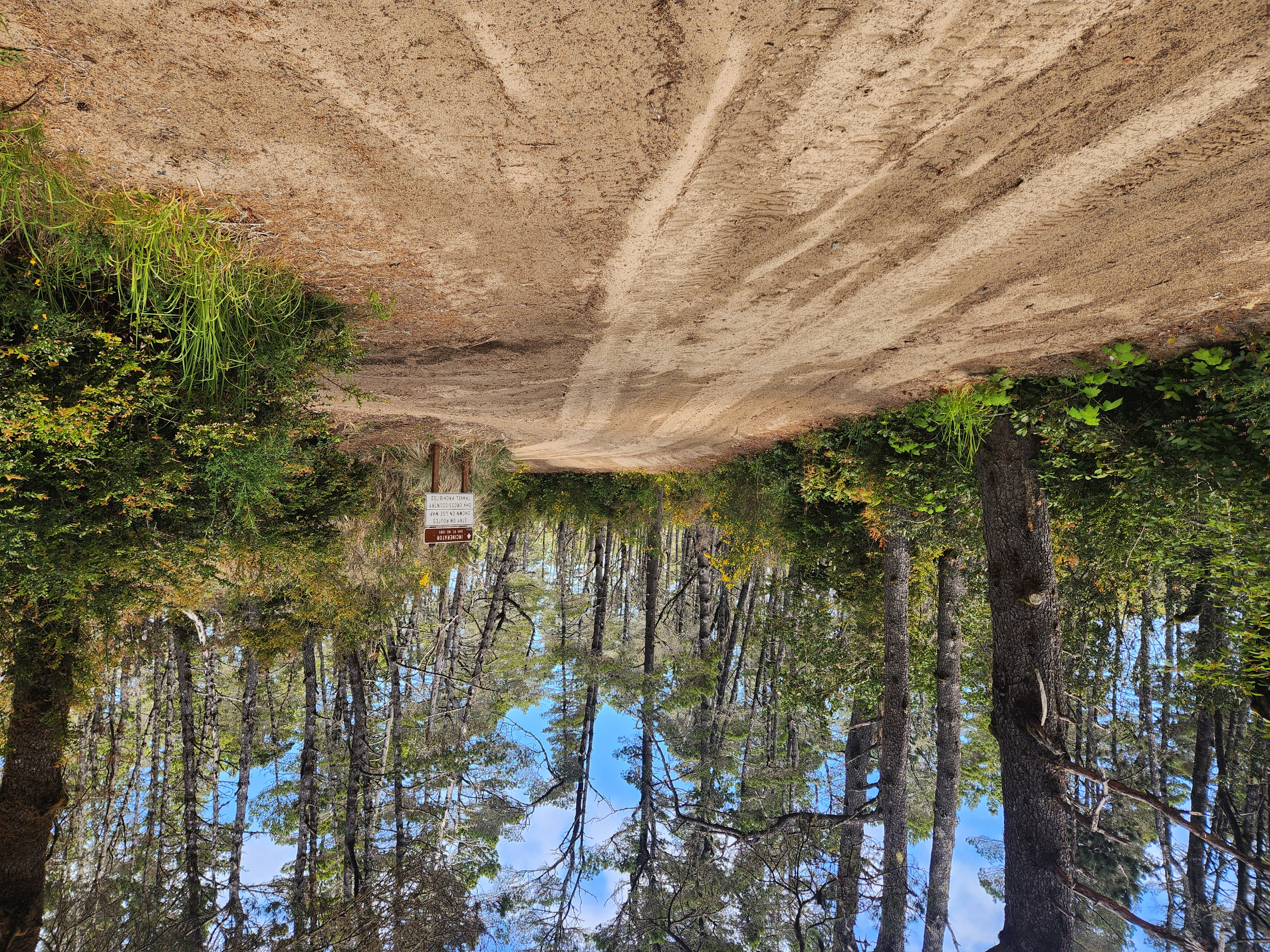
The realization arrives on foot, and that is the first thing to notice. rswfire has walked the Wax Myrtle Trail through the Oregon Dunes more times than he can count in a year of living there, and on this particular day — the anniversary of his dismissal from Honeymoon — the trail gives him a word. Not a grievance, not a new fact. A word: displacement. He records it on a handheld device while still moving, and the video carries the cadence of someone who has just seen the shape of a thing he had been standing inside for months. He says he did not understand why Oregon State Parks kept escalating. He says he understands now. The gap between those two statements is what this signal actually is.
What he understands is that the events were never a sequence of separate decisions. The dismissal, the police at his door, the pressure over the archive — he now reads them as a single mechanism with a single purpose, operating from the beginning. He states that OPRD saw him as problematic because he documented, and that everything that followed was designed to remove him from the program. He counts ten stages in his own case. The precision of that count matters. It is not the number of a man venting; it is the number of a man who has laid the record out and found the joints. He also names why goodwill did not help: the mechanism was not responding to his conduct. It was responding to his function. A documenting participant is, by structure, a threat to an institution that would prefer not to be documented, and no reset can change what a person is for.
The claim underneath the walk is larger than his case, and he knows it. He describes the condition of live-in volunteers on public lands — people who depend on the institution for the ground they sleep on, sometimes for years — and observes that without structural protections, dependency itself becomes the lever. Displacement is usable because there is nothing to stop it from being used. And its product is not just one removal; it is a field of silence. He states that no other volunteer could support him openly because every one of them faced the same threat. This is the reading that costs him something: it dissolves the possibility that what happened was personal. If the pattern is systemic, then there is no individual to argue with, no misunderstanding to correct, only an architecture to make visible.
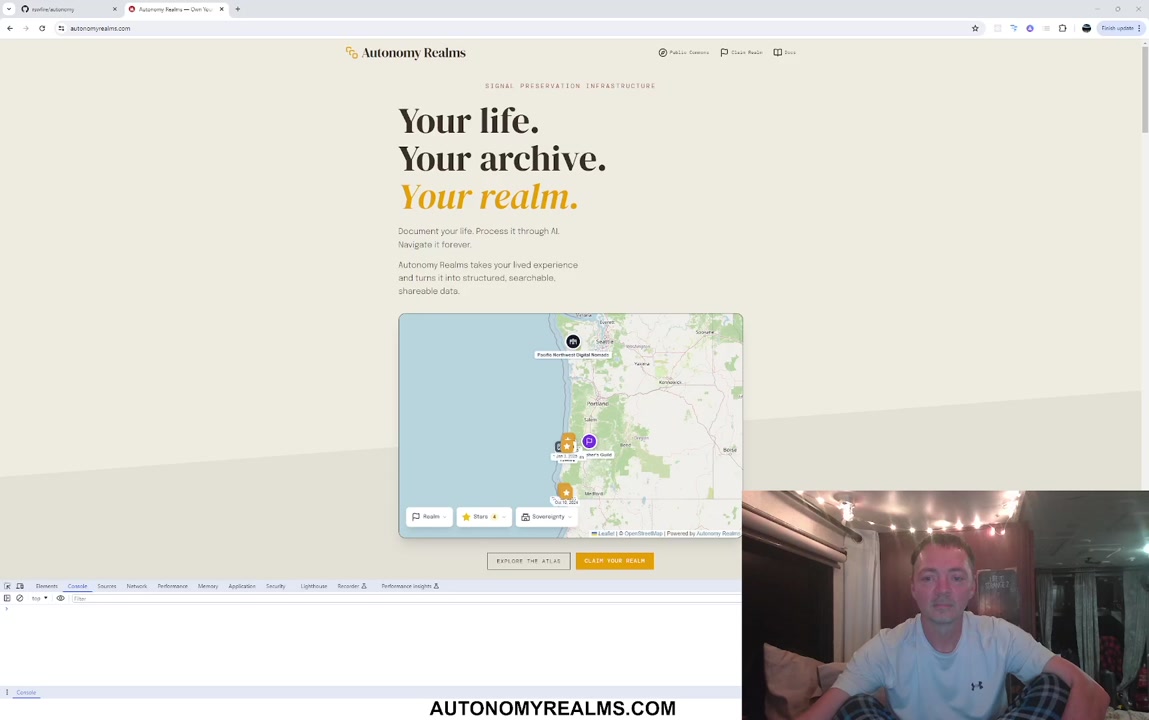
So he does what he does — he builds. The preliminary work, he notes, was already done on his phone with artificial intelligence before the trail gave him the frame. Now the archive gets a resources layer: a For Volunteers page, a page for journalists, a component that unpacks the ten stages, and a link from every evidence page back to that central explanation. The structural move is exact. The evidence pages had told his story; the resources layer turns that story into an instrument someone else can pick up. He describes this as making the pattern legible — a phrase he returns to — and says he has always seen it, only lacked the language to transmit it. The video itself is the first artifact of the new language, recorded to serve as an introduction on the page it describes.
The address to other volunteers is where the signal's temperature is most legible. It is low and steady. He tells anyone experiencing this that he is sorry, that it sucks, and then he gives them what he says he would give himself: you've got this. Keep documenting. Keep speaking to the factual record. Never stop trying to bring about accountability. This is not consolation — it is instruction, and it is the same instruction he has been following. The mirror is deliberate. He is not writing from the far side of the thing; he is writing from inside a year of it, and offering the method that has held.
What the moment reveals is a man whose sovereignty operates as conversion. An institution spent two months trying to make him leave, and the result is that his record of their effort now sits down the road from their operations, indexed, cross-linked, and reframed as a public model of how volunteer programs remove the people who watch them. He opened the video by saying that living here has been the best experience of his life and that there were too many true ways to finish that sentence. He is still choosing among them. The trail, the dunes, the archive, and the mechanism are all the same terrain to him — and on this day, walking it, he found he could finally name what it was made of.