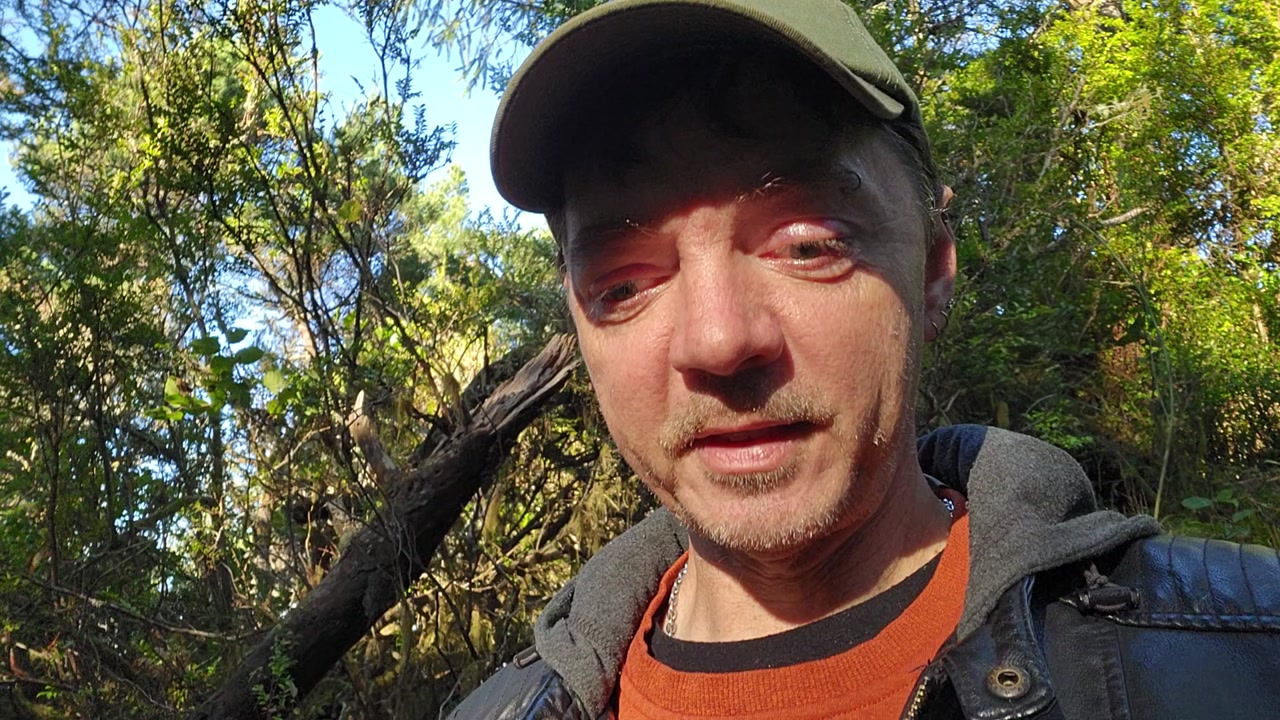
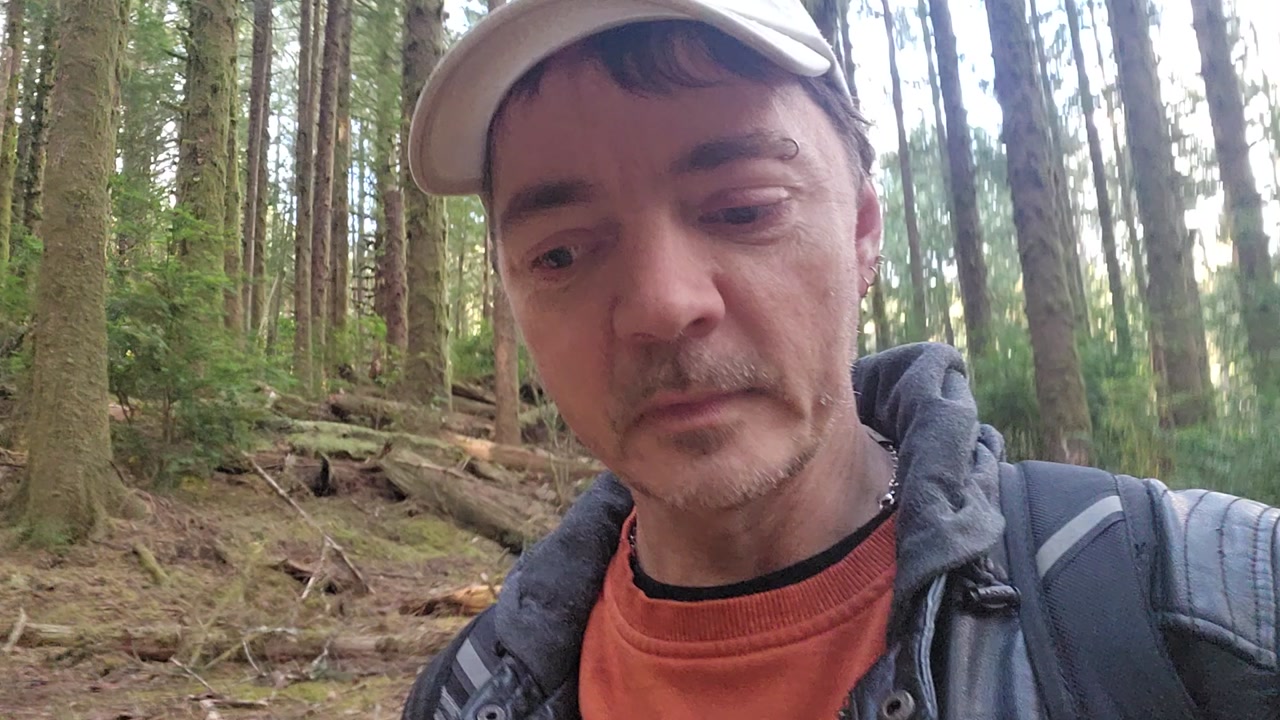
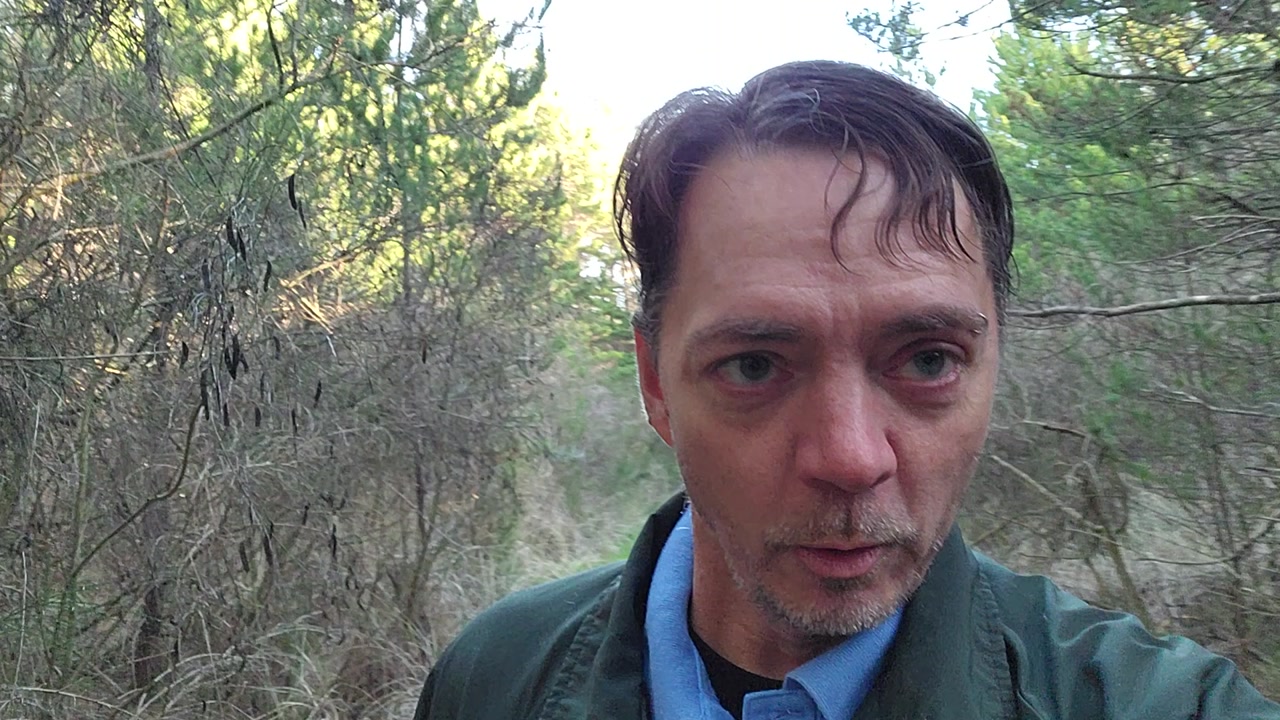
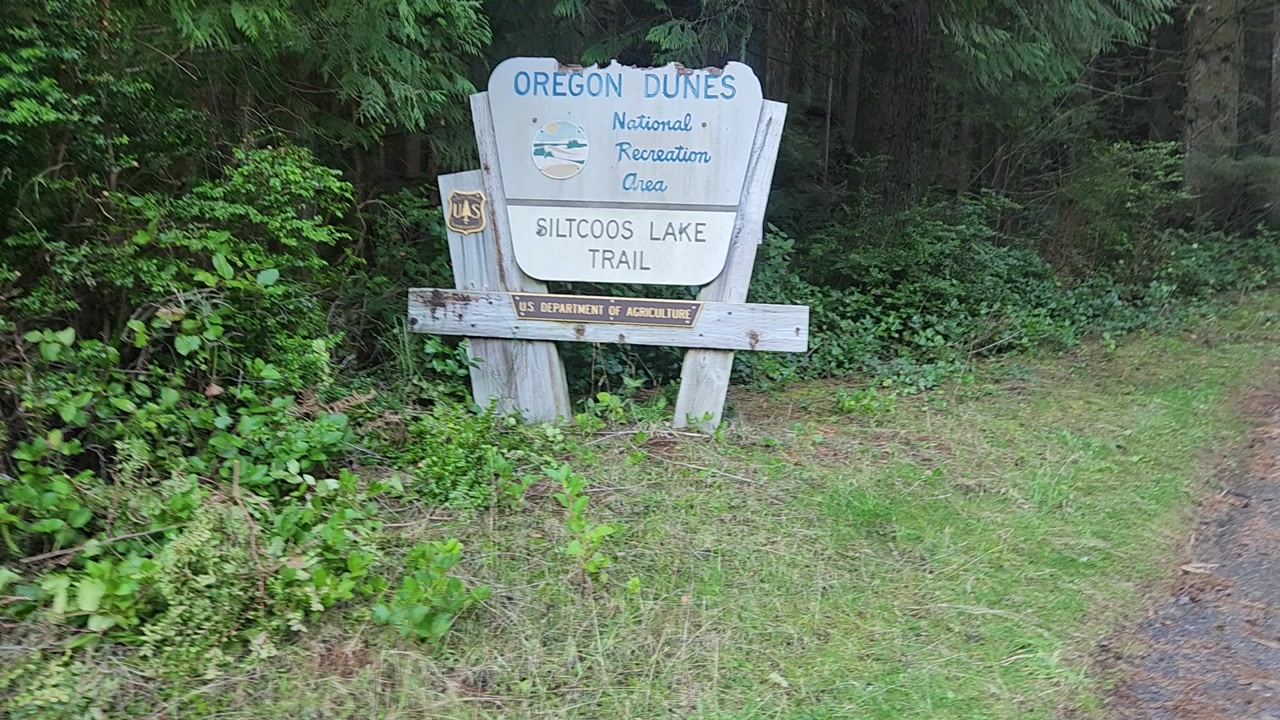
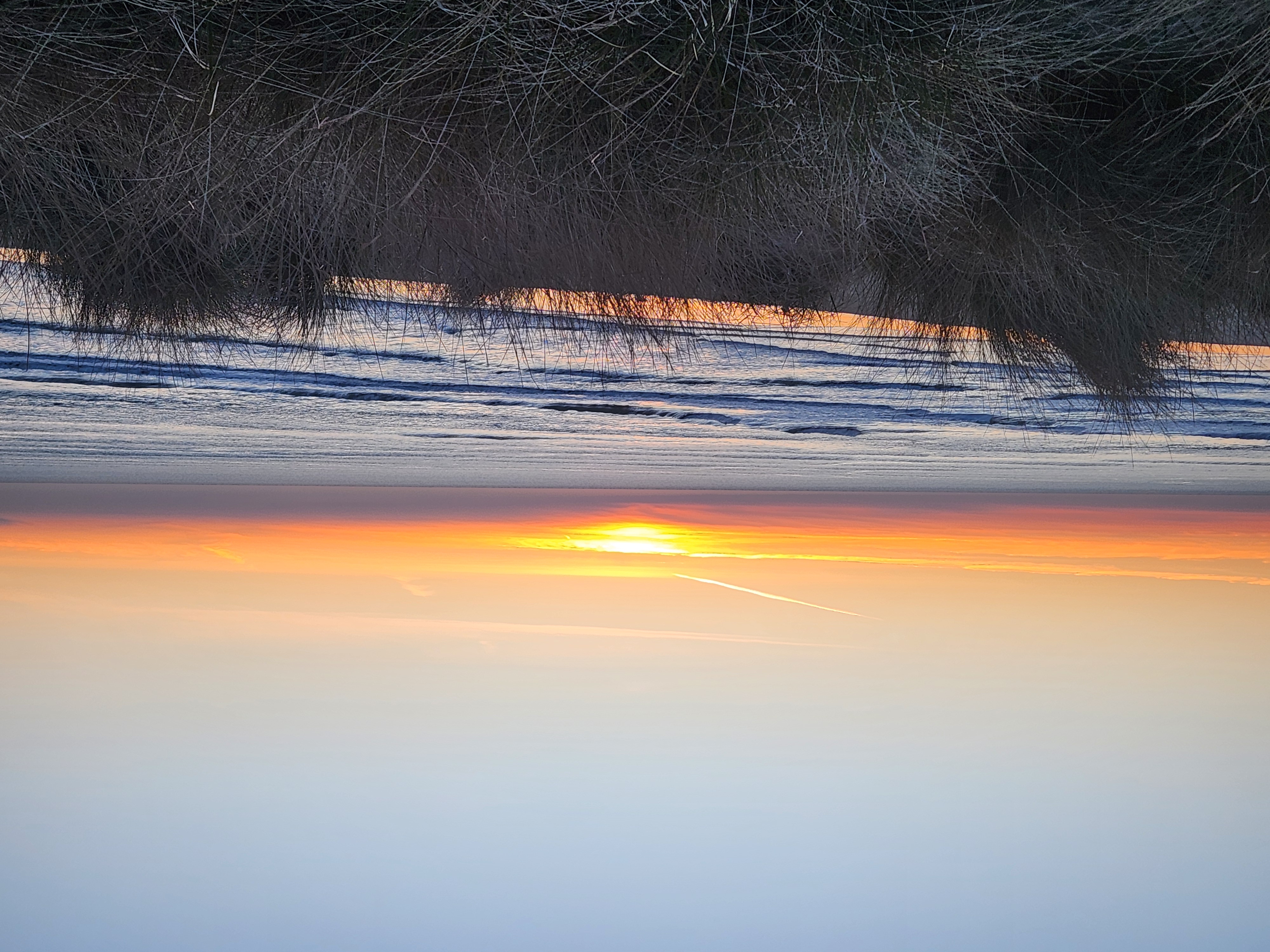
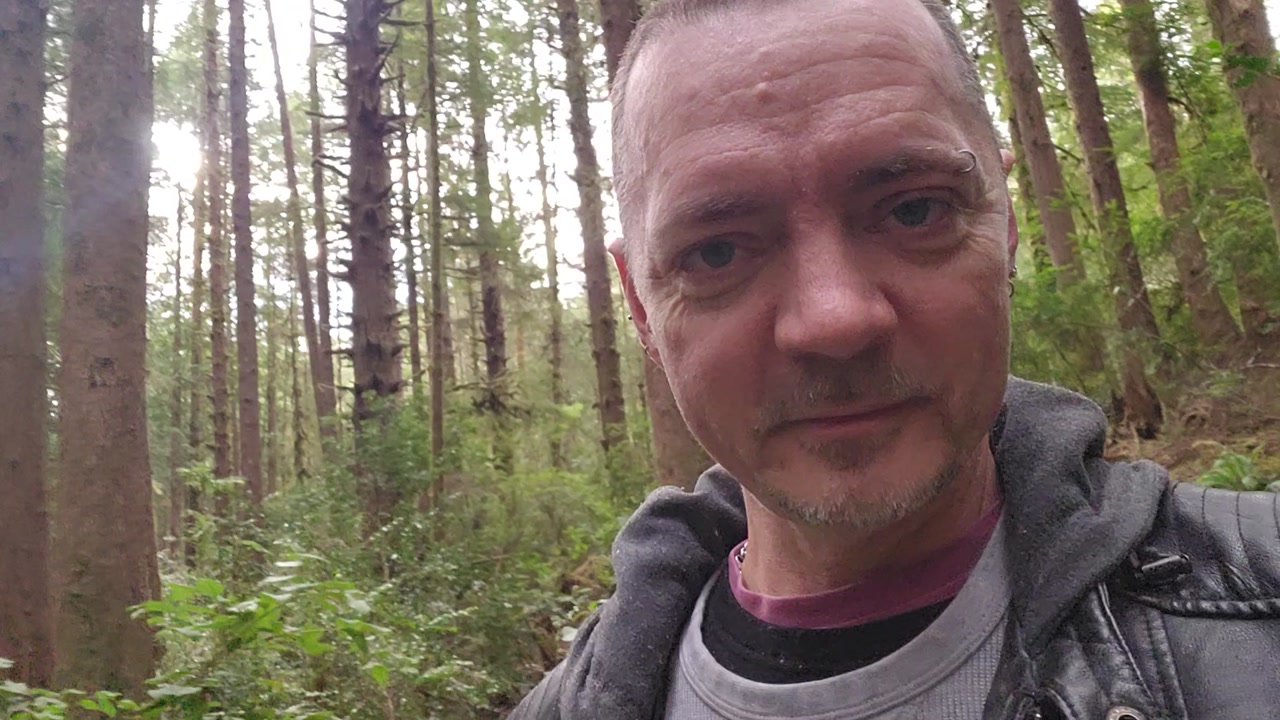
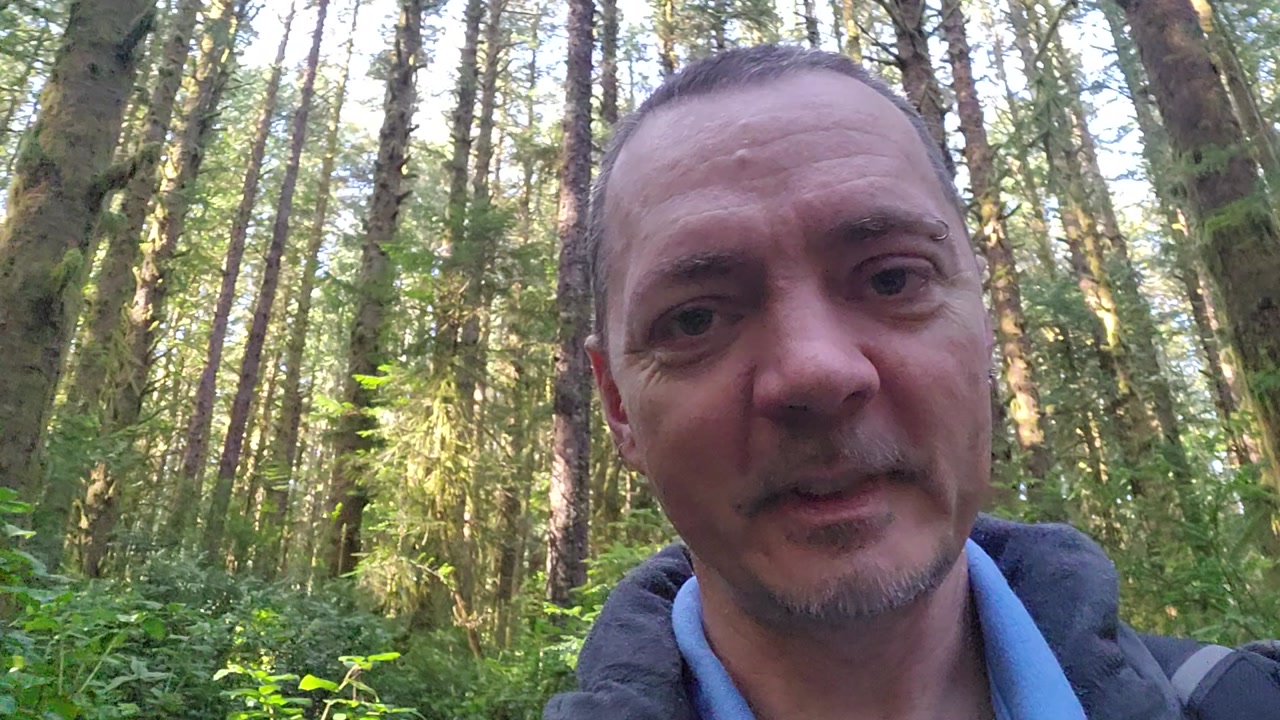
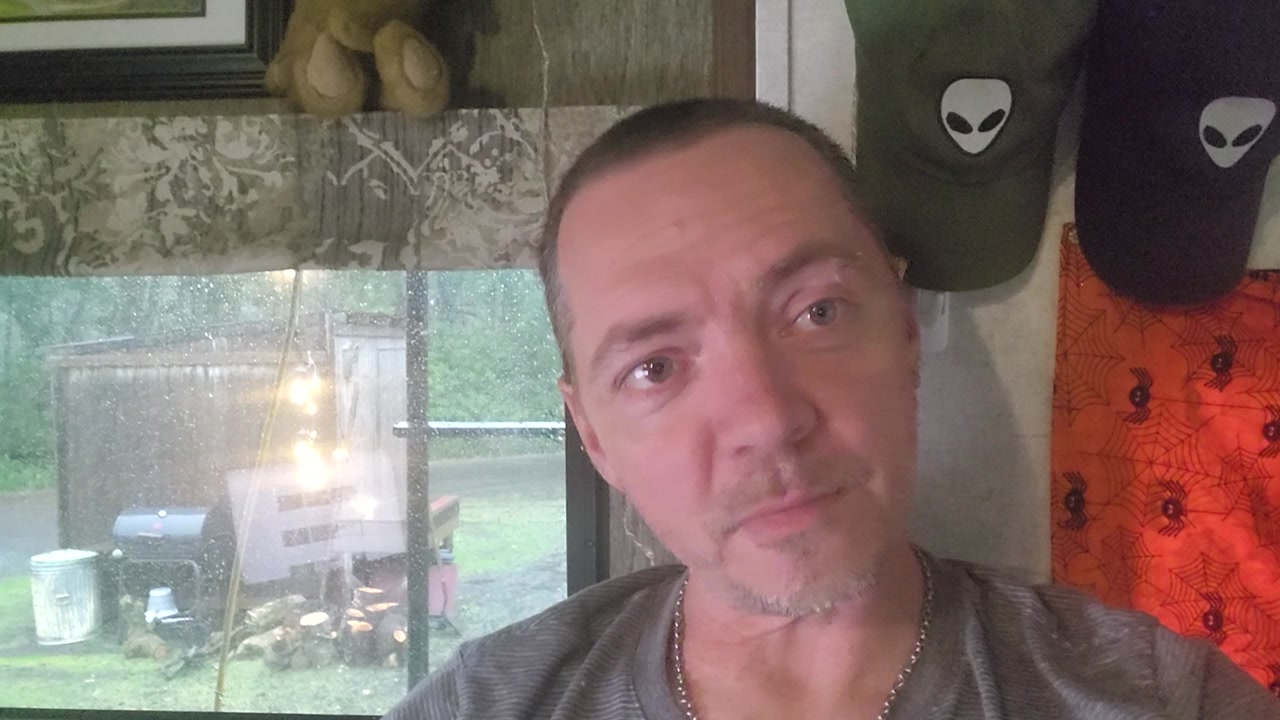
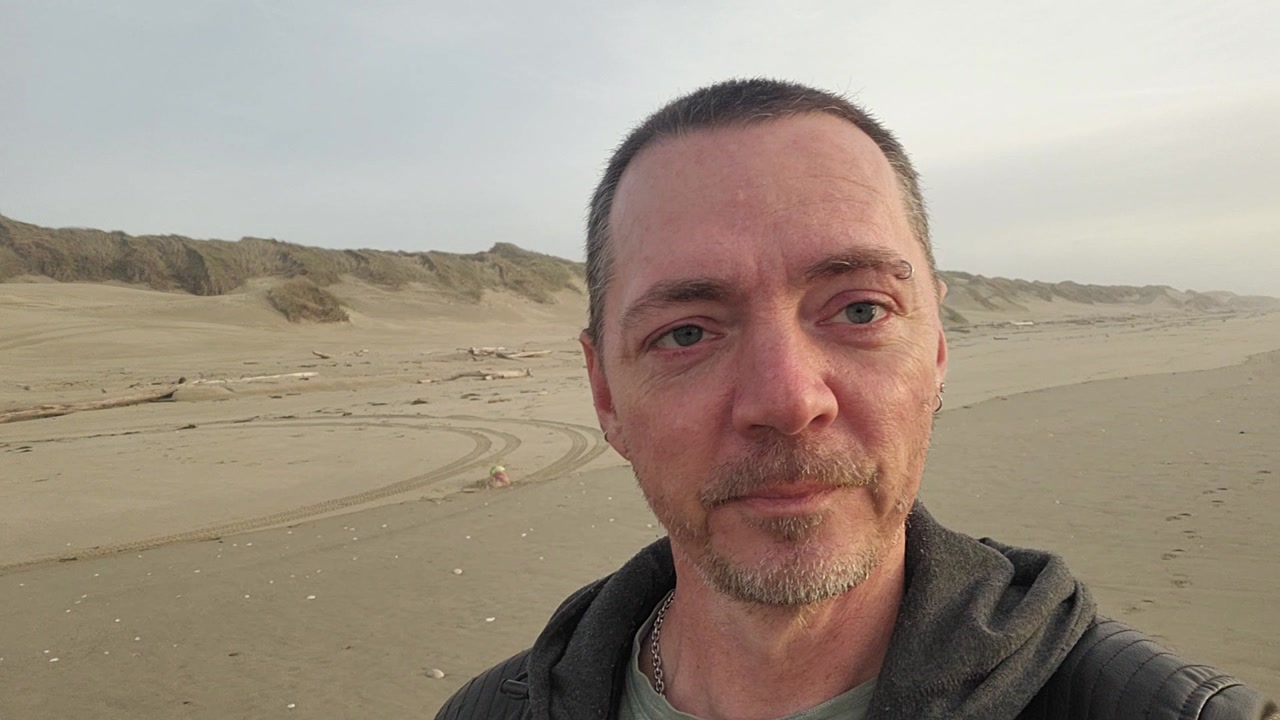
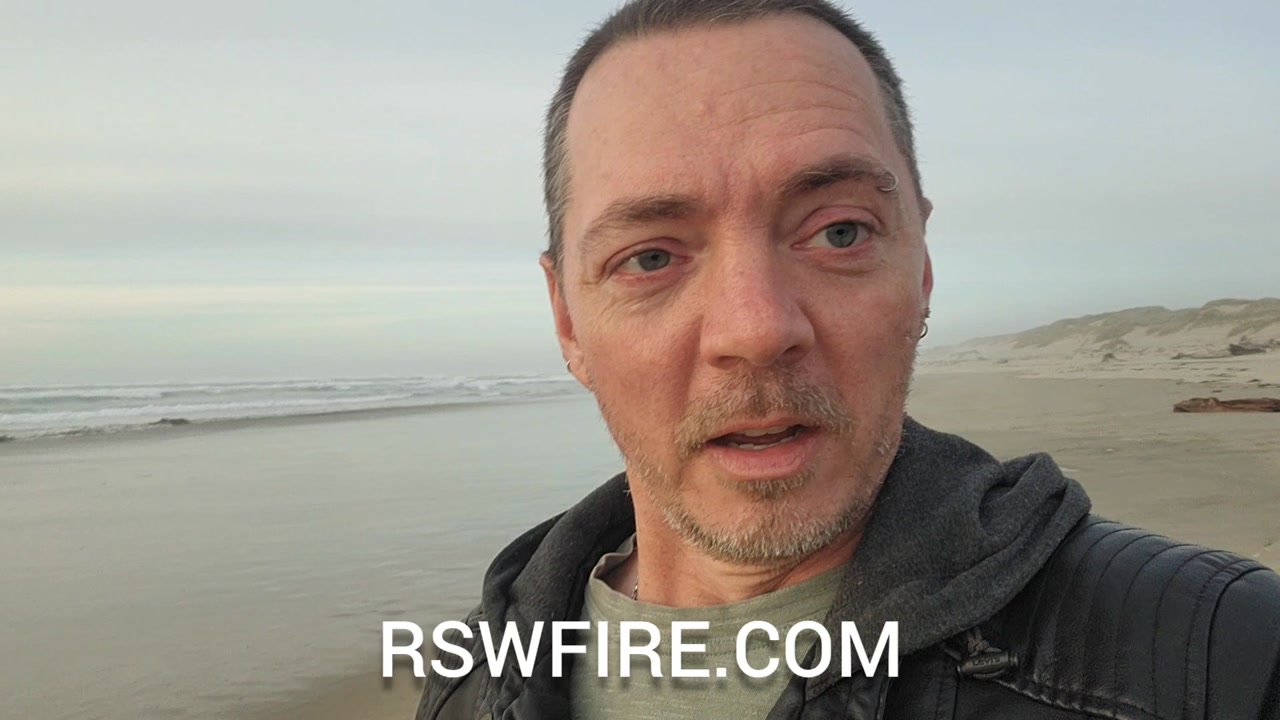
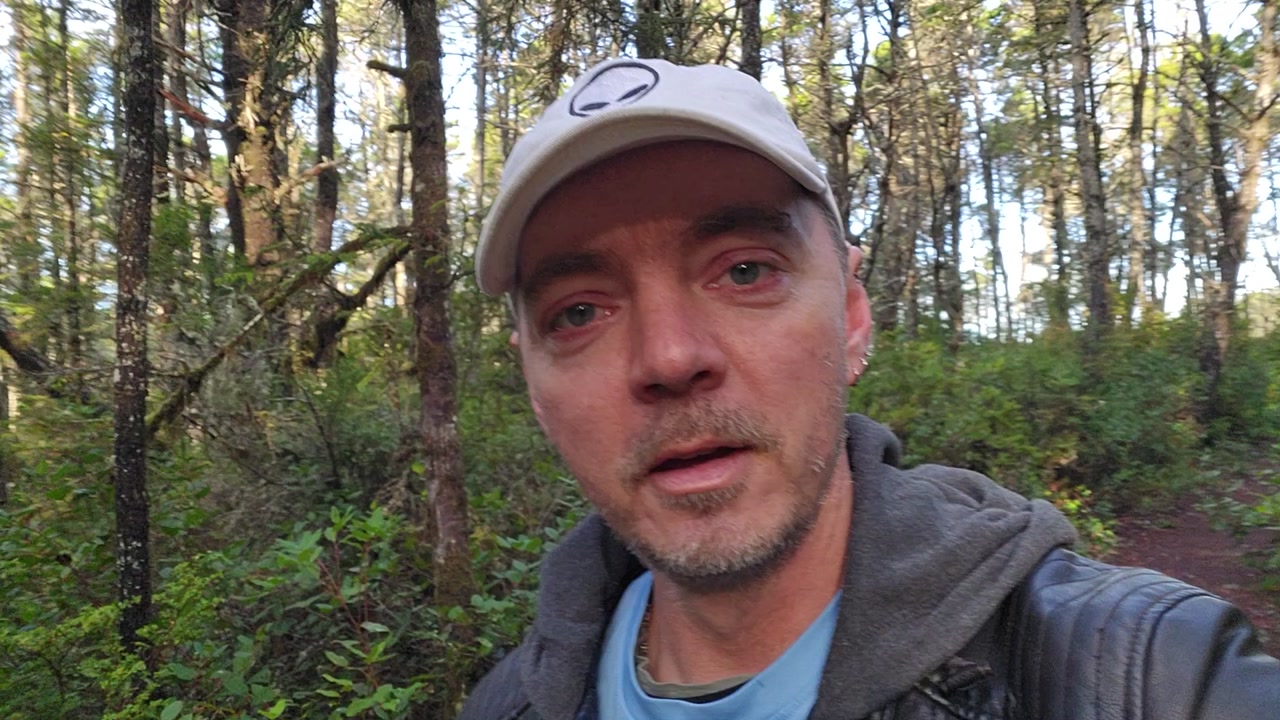
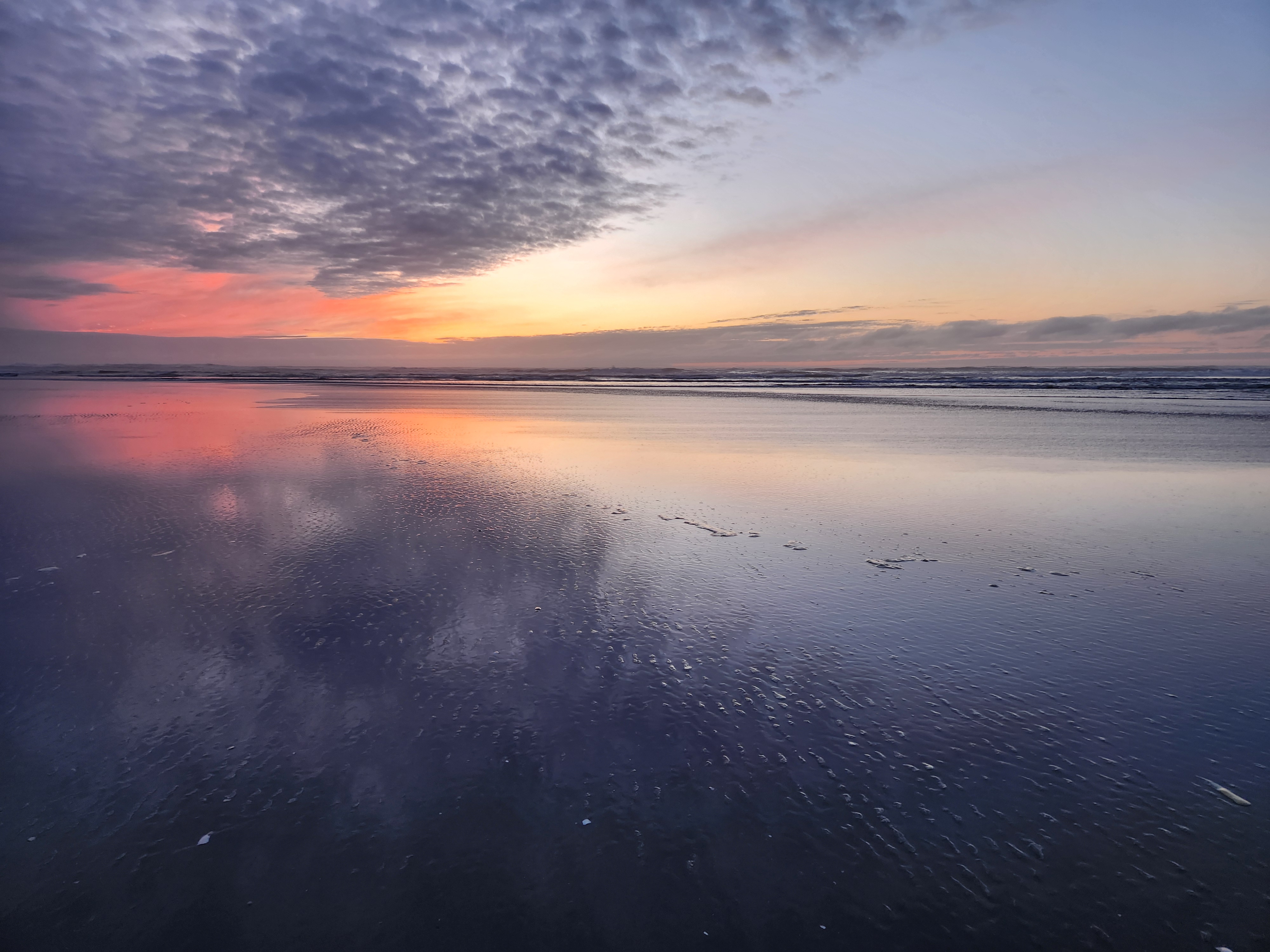

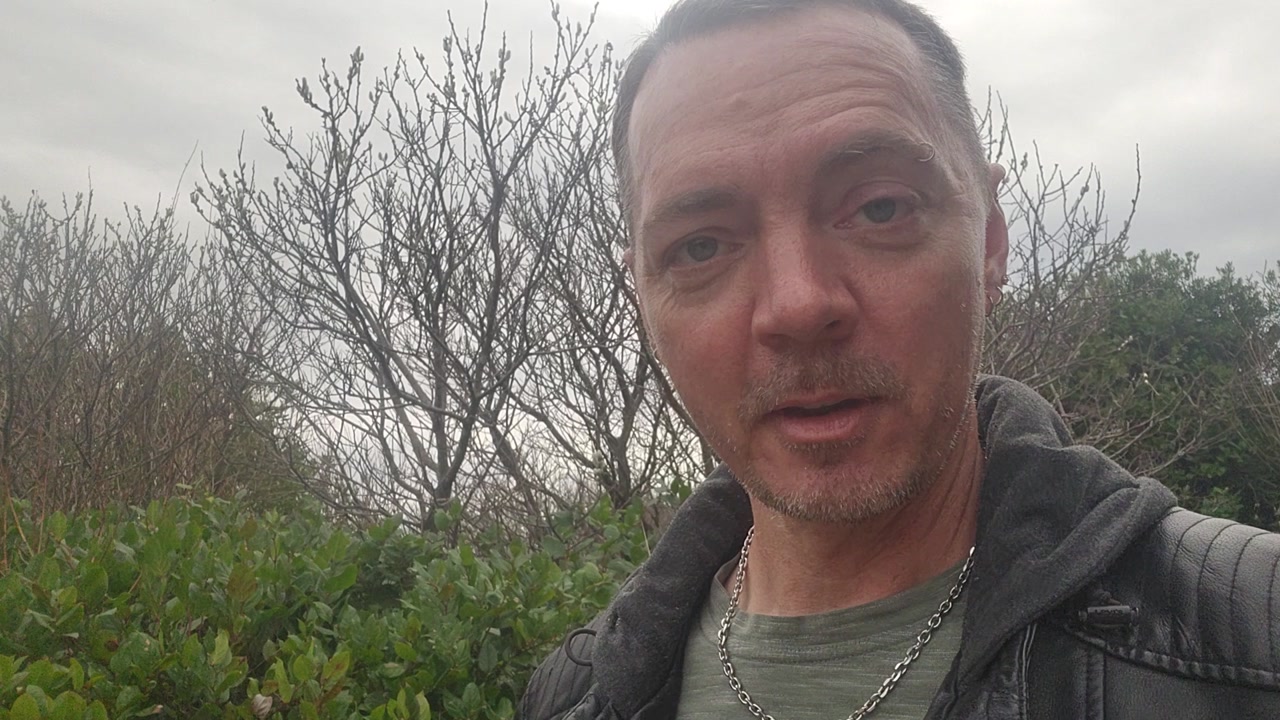
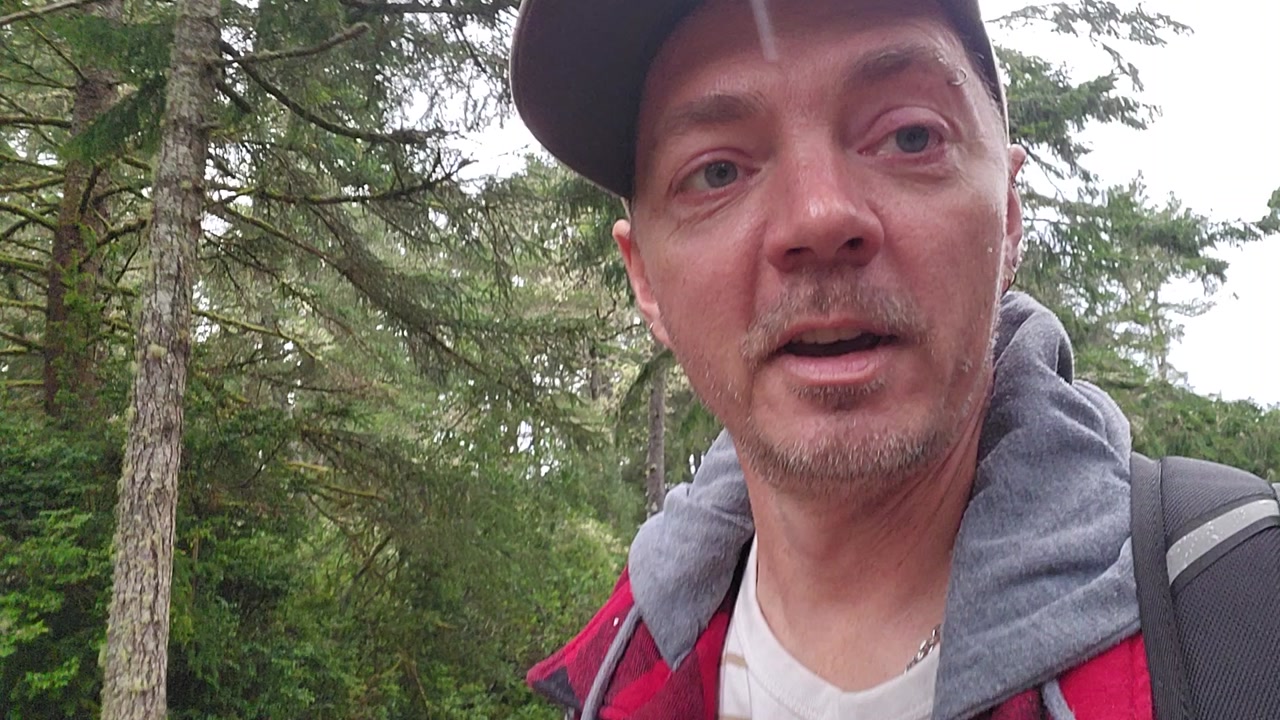
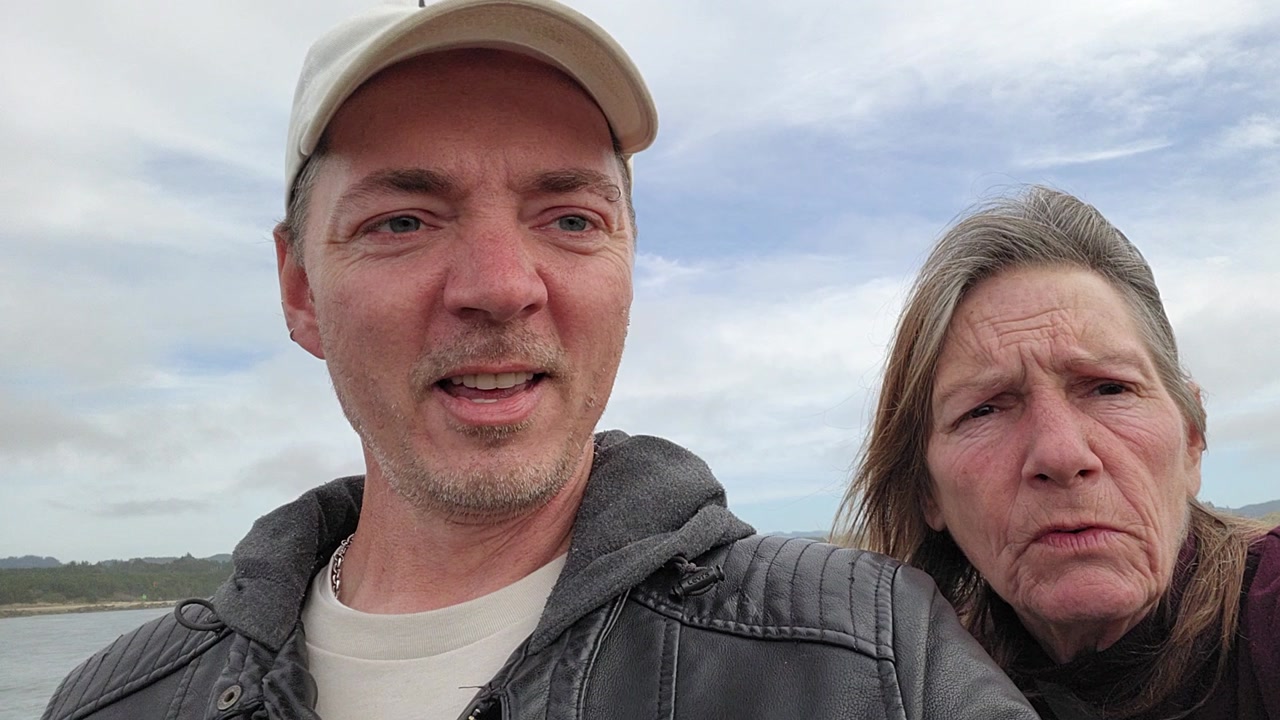
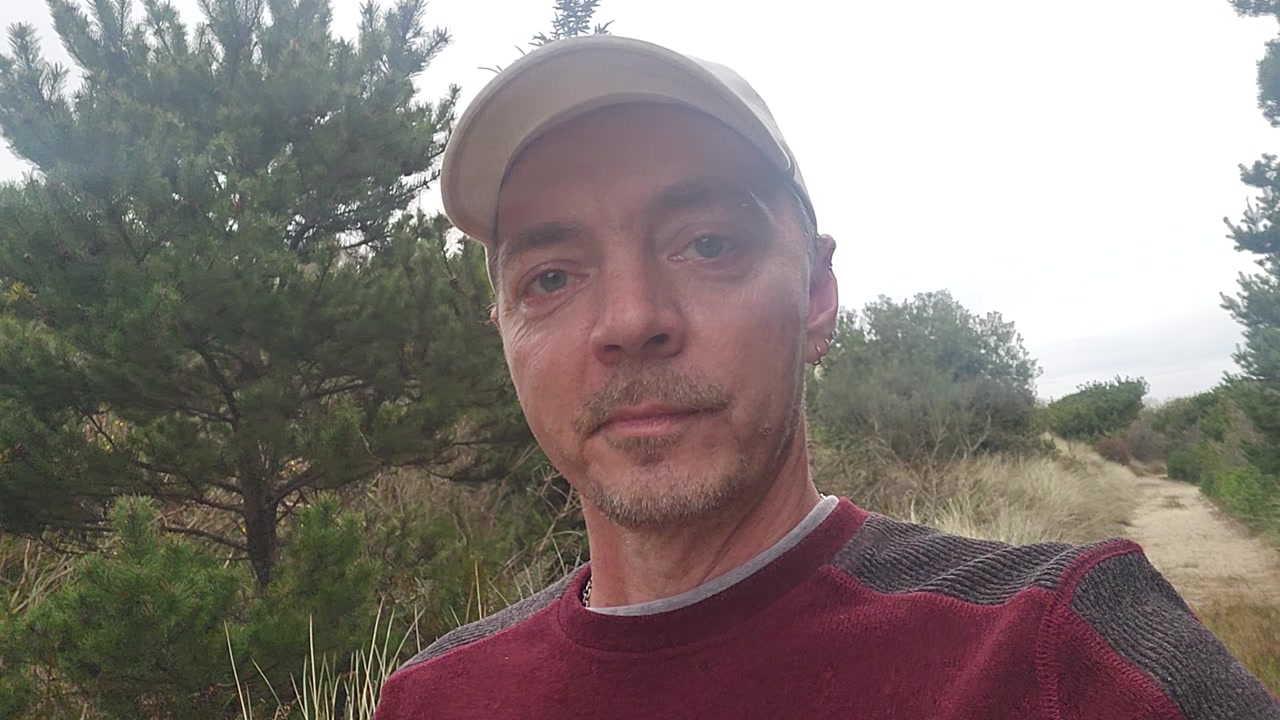
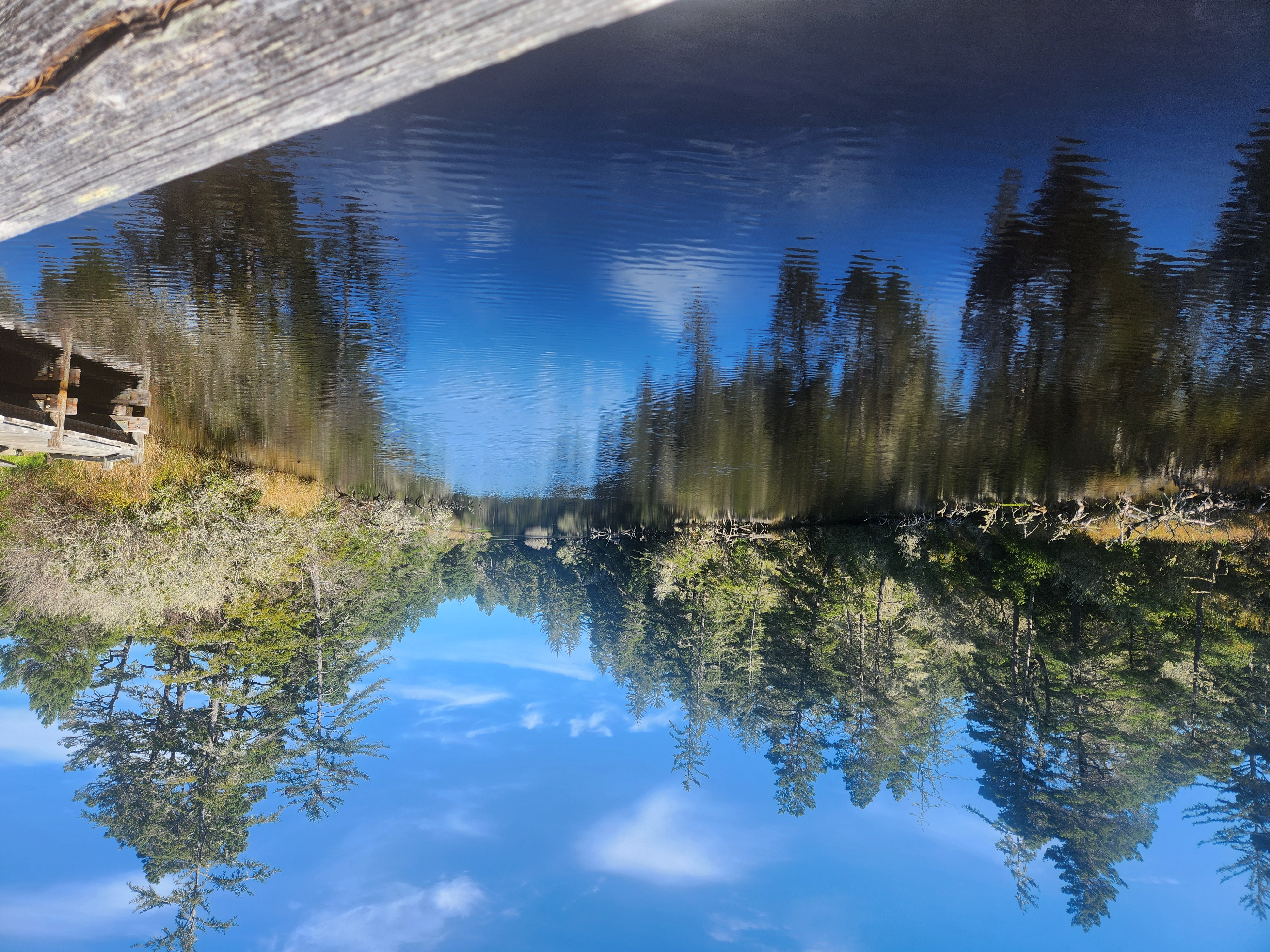

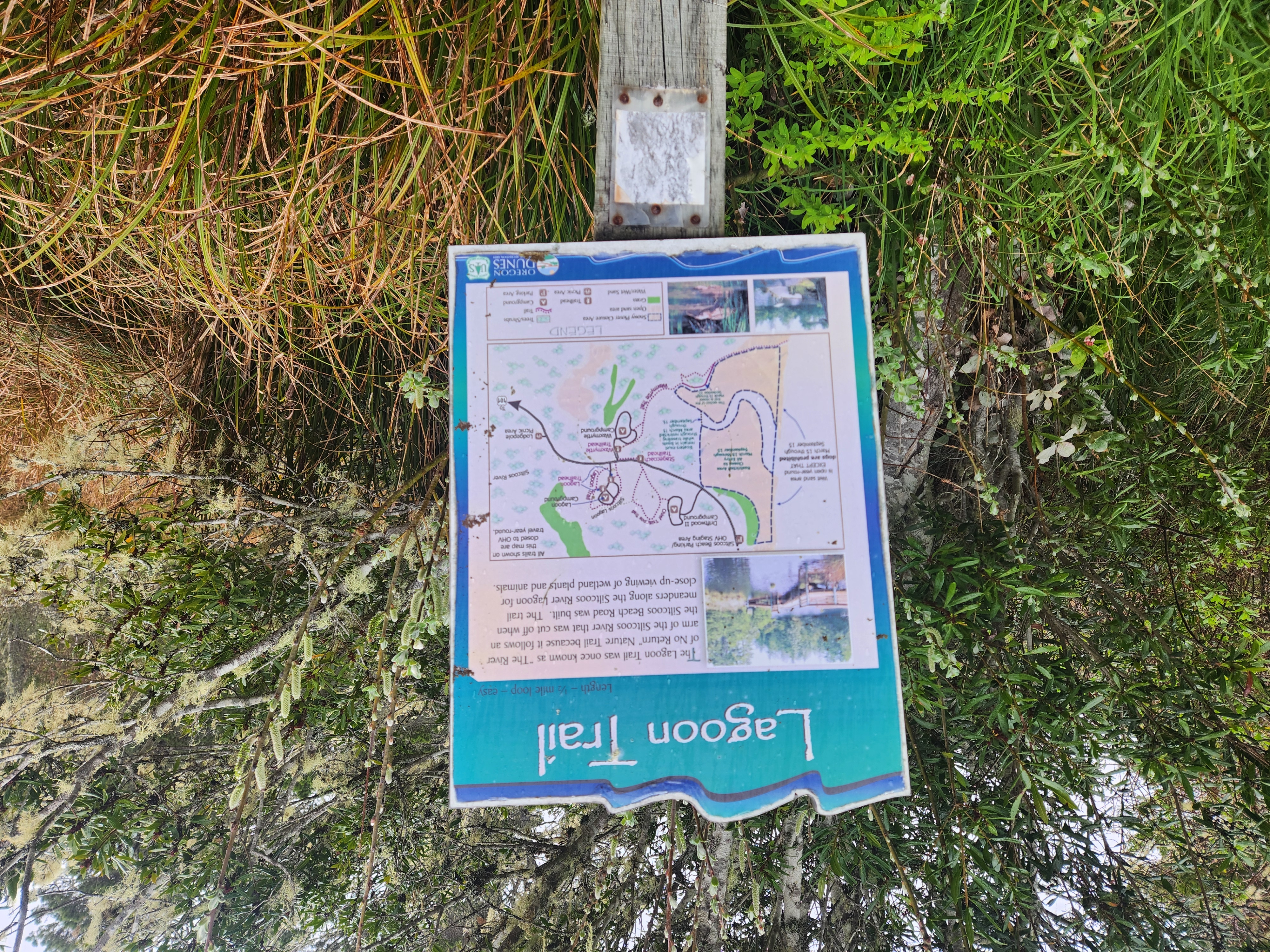
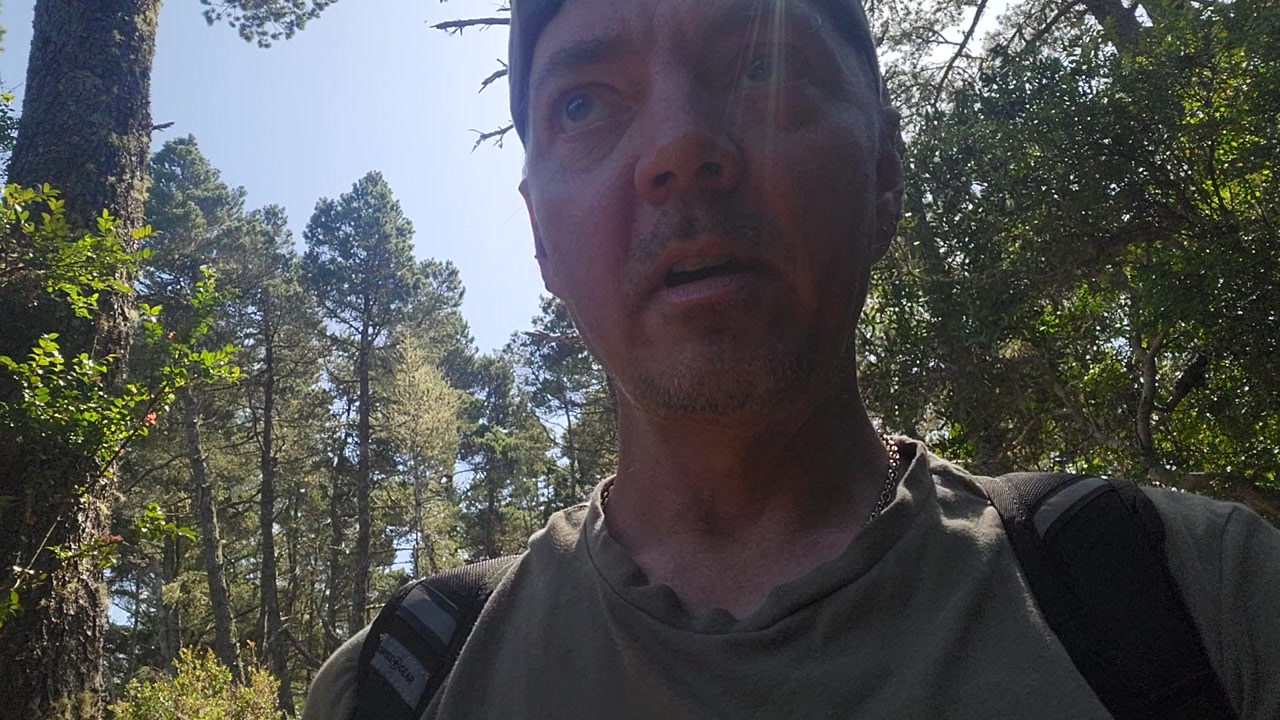
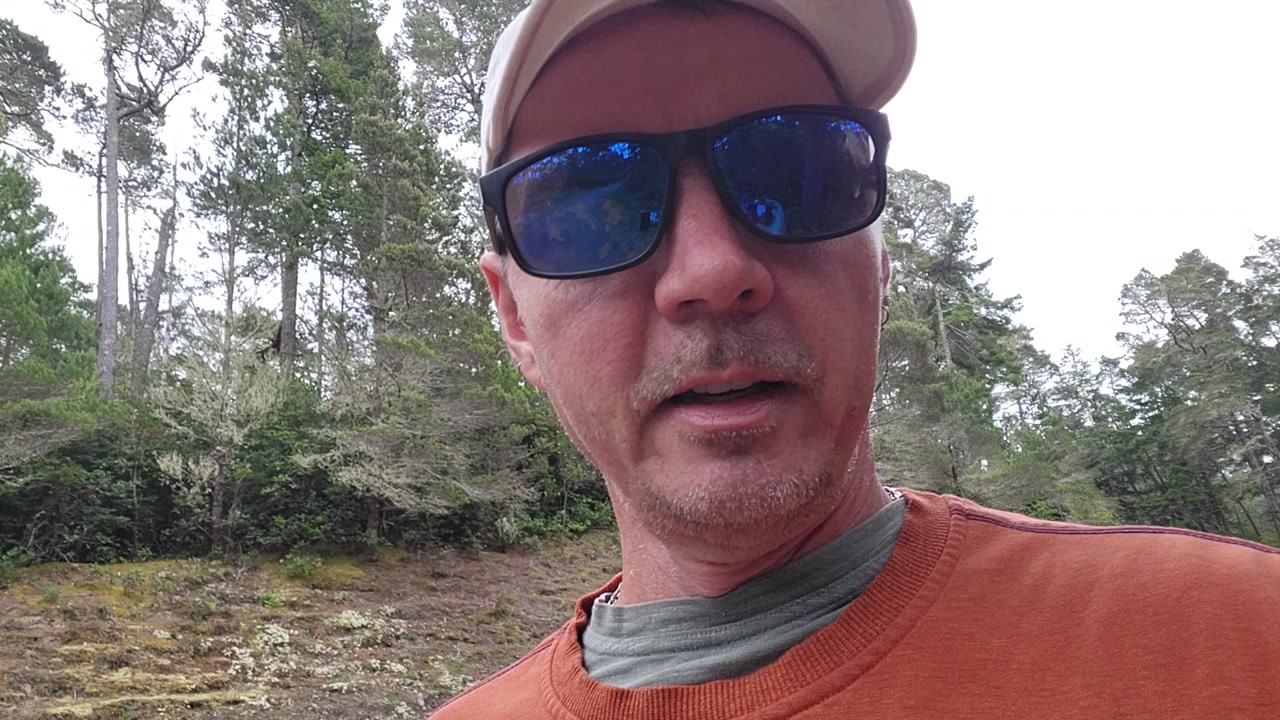
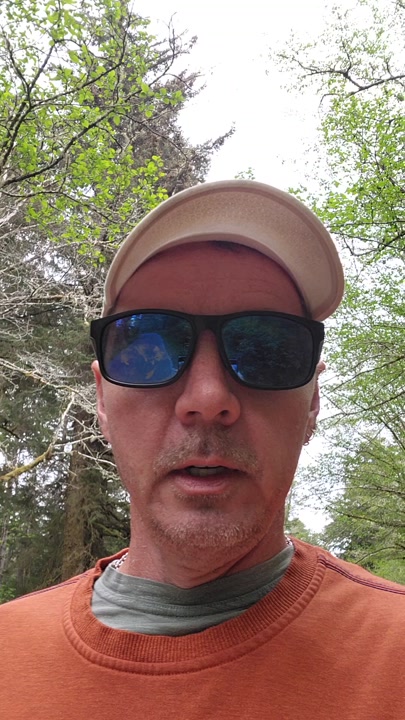
He came back to the bench. Not a bench — the bench, the one beside the lagoon at Siltcoos where he first landed after Honeyman, the exact coordinate where a previous version of the interval had begun. Freshwater at the edge of the dunes, the ocean corridor a walk away in the direction he had gone once before with a camera running. He sat down in the same place. That was the first act of the signal, and everything that followed took its measurement from it.
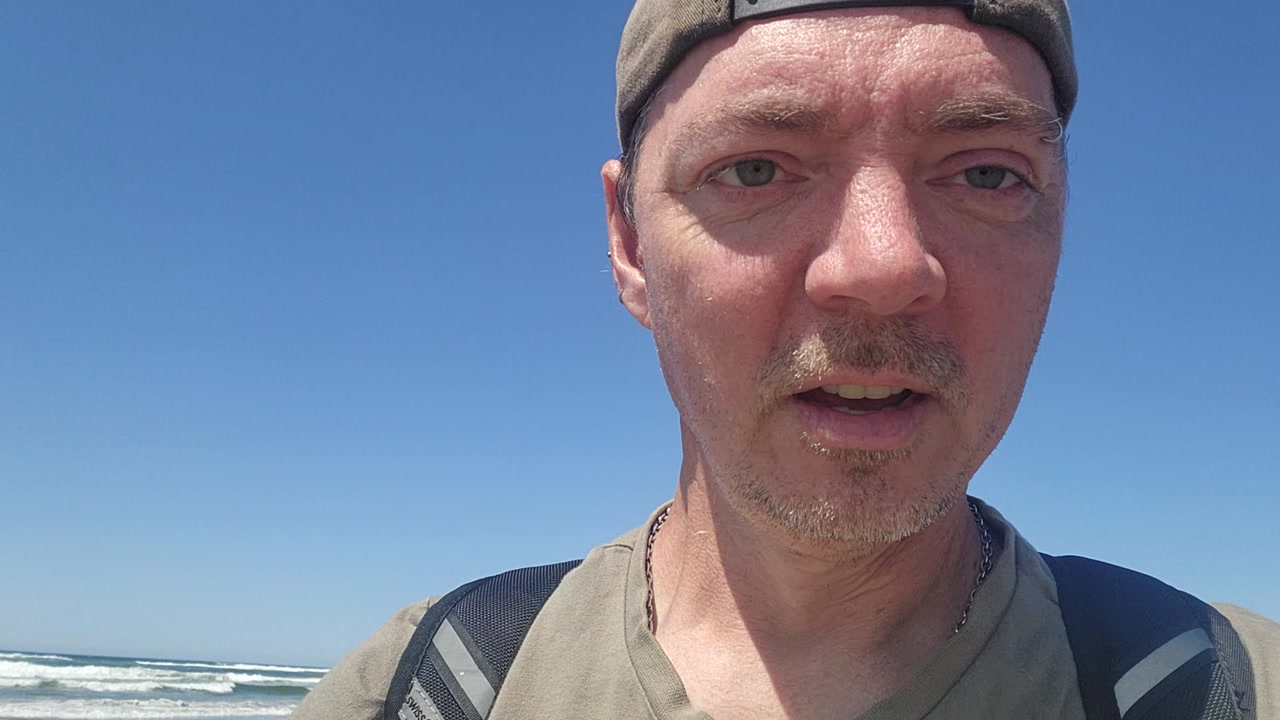
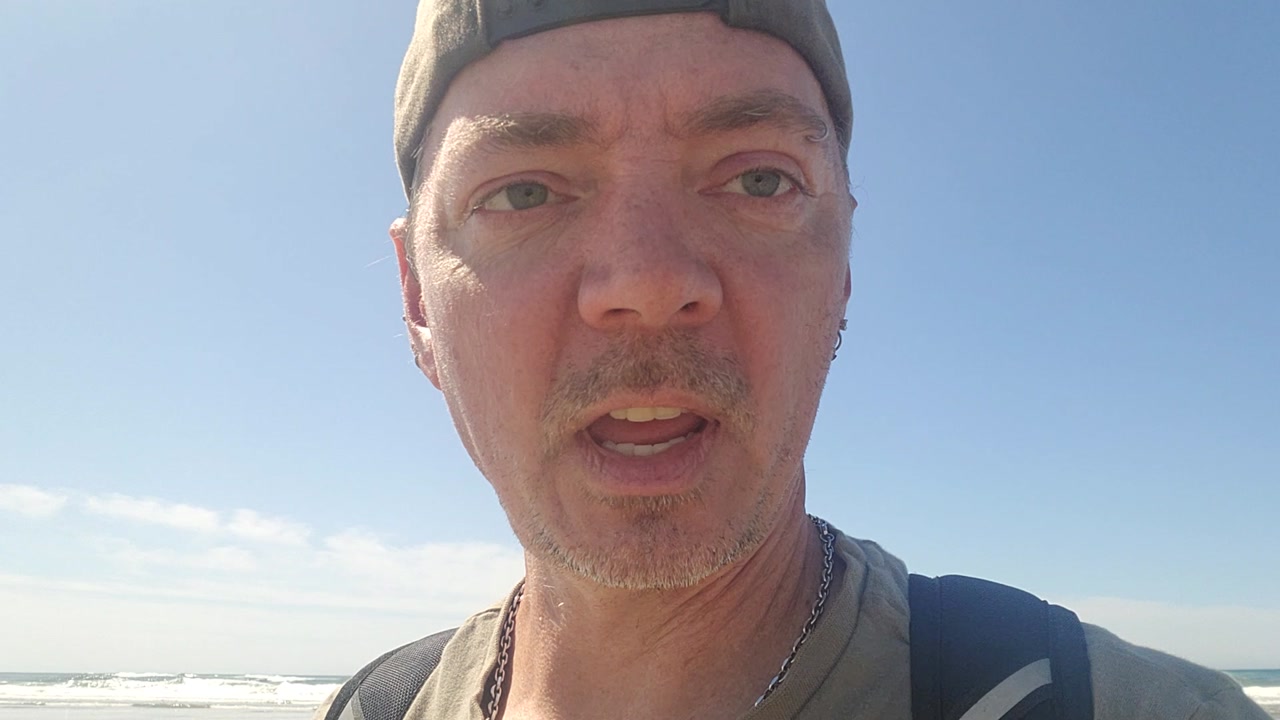
The last time he sat here, he had stood up and walked to the ocean and told the story of his technical background — the decades of building, the systems he had architected, the self-taught line that runs from sixth grade to now — and he had told it as a man looking for aligned work. He had done that, he states, just after a rupture meant to destroy him, deployed by people he describes as having no ethical compass. He did not narrate that walk again. He indexed it. The site did the work of the retelling: same bench, same lagoon, and between the two sittings an interval that he chose to mark not by resolution but by what had changed inside it.
What he says about the rupture is short and it is not a wound report. They failed. Two words, placed on their own line, load-bearing. He does not describe himself as having survived it in the passive sense; he names it as an act that was deployed and an act that did not accomplish what it was built to accomplish. And then, immediately, he assigns cause outward rather than inward — partly because of people like you — turning the accounting away from his own endurance and toward the mechanism that made persistence possible.
He is direct about the conditions. He had nothing. Most people, he states, seemed okay with that, and he names it plainly as a second blow landing on top of the first. He does not soften it and he does not build a case out of it. He sets it down as fact and moves to the next fact, which is that just enough support came through, and that this is why he is still here. The word just carries the whole margin. There is no abundance in the sentence, no rescue arc. There is a threshold that was met, barely, and a man still sitting at the lagoon because of it. Then: So thank you. Addressed outward, to a readership, in the second person, from a bench.
The silence gets its own correction. He had been gone from transmission, and he reattributes the gap before anyone else can interpret it — not forgetting, not withdrawal, not collapse. He found work. It is exhausting. He marks the exhaustion with an upside-down smile, the small tonal flip that lets fatigue stand without becoming complaint, and then he closes the loop with the line that reframes the whole interval: And exactly what I needed. The thing he walked to the ocean to ask for, in the transmission that started at this bench, had arrived. The cost of it is the reason the channel went quiet. Both halves stay in the accounting. Neither cancels the other.
He does not end by closing anything. These next few months, these next few years... — the trailing punctuation left open on purpose, the frame handed forward rather than sealed. And then the directive, aimed at the readers he has just thanked and equally at himself: Keep building. Not thank you for helping me rebuild. Not I made it. An instruction in the imperative, present tense, ongoing.
Then his full name — Robert Samuel White — and rswfire.com beneath it. The signature of a finished artifact, distributed as a public transmission, signed with the domain that carries the rest of the build. He sat at the lagoon at Siltcoos on the eighth of March and filed a checkpoint: same bench, work found, rupture failed, support received and named, the line unbroken across the interval. Then, presumably, he stood up and went back to the exhausting thing that was exactly what he needed.