





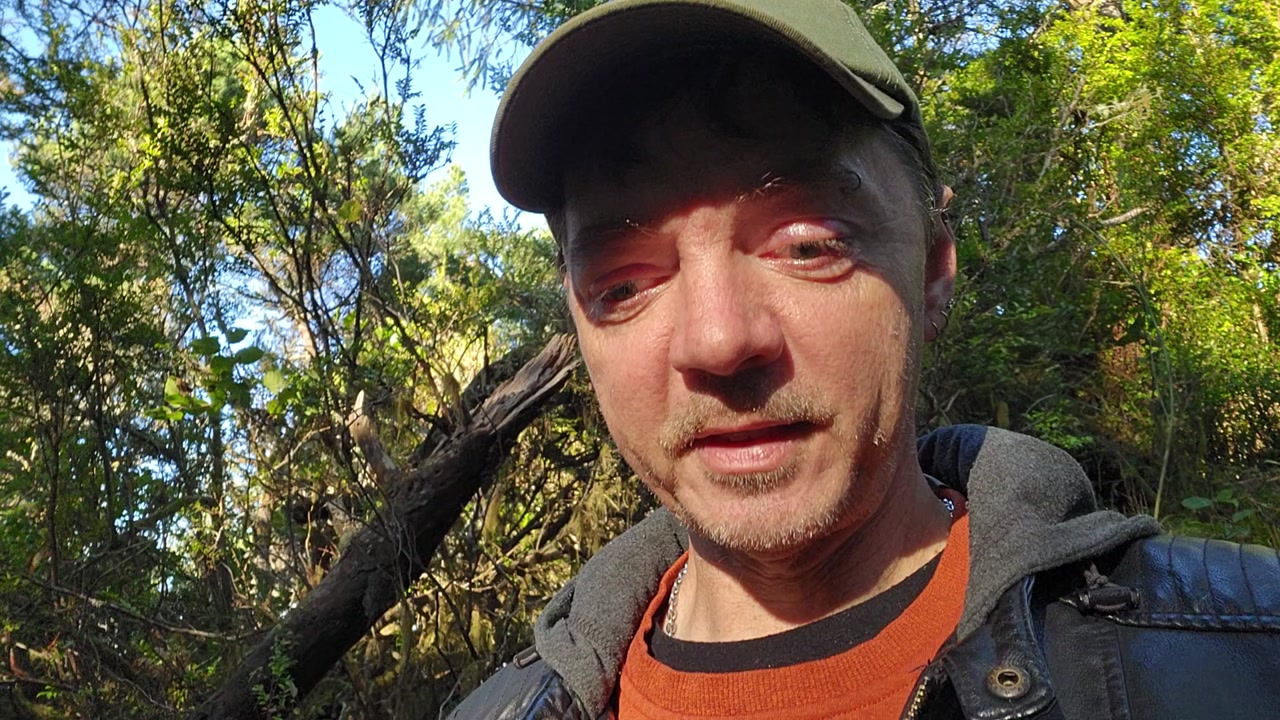
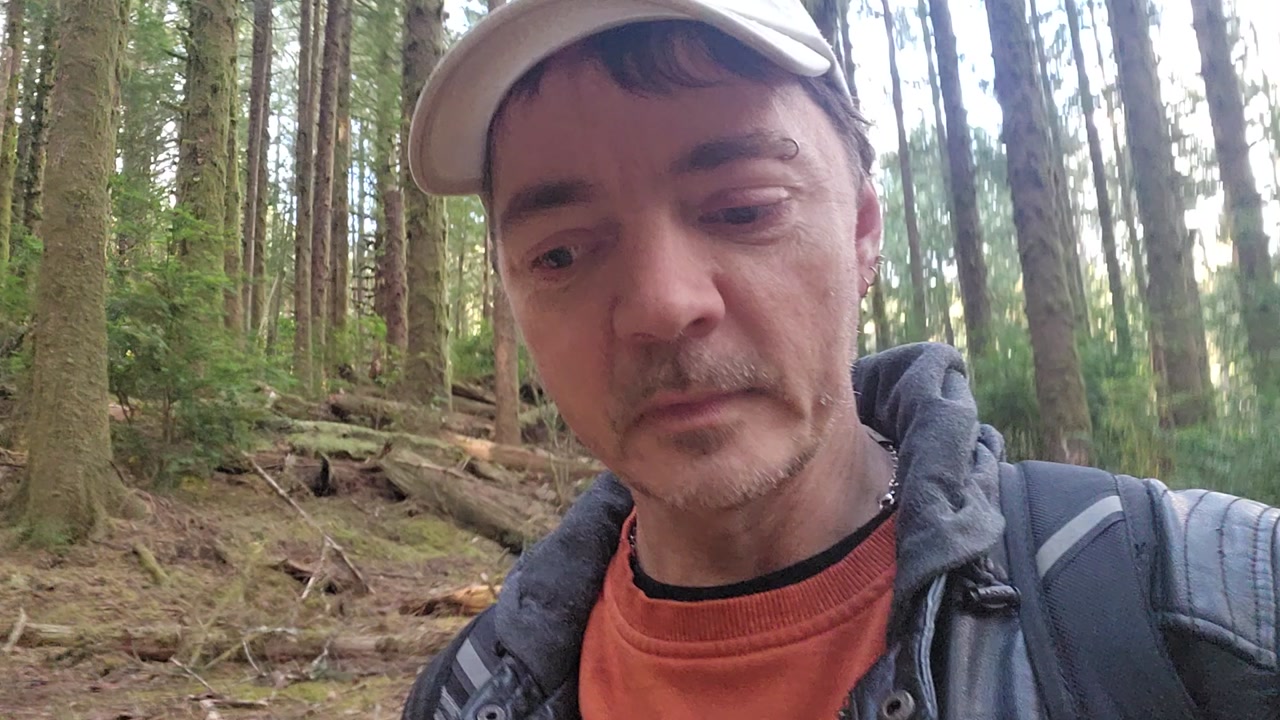
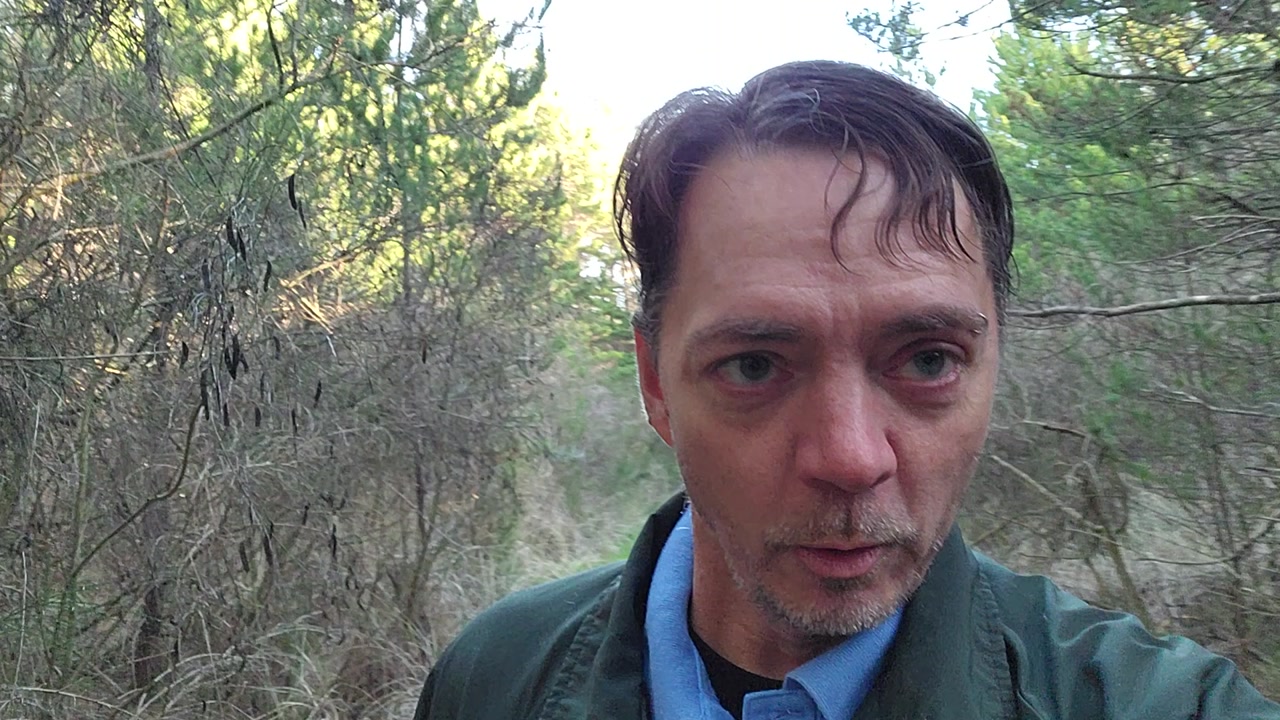


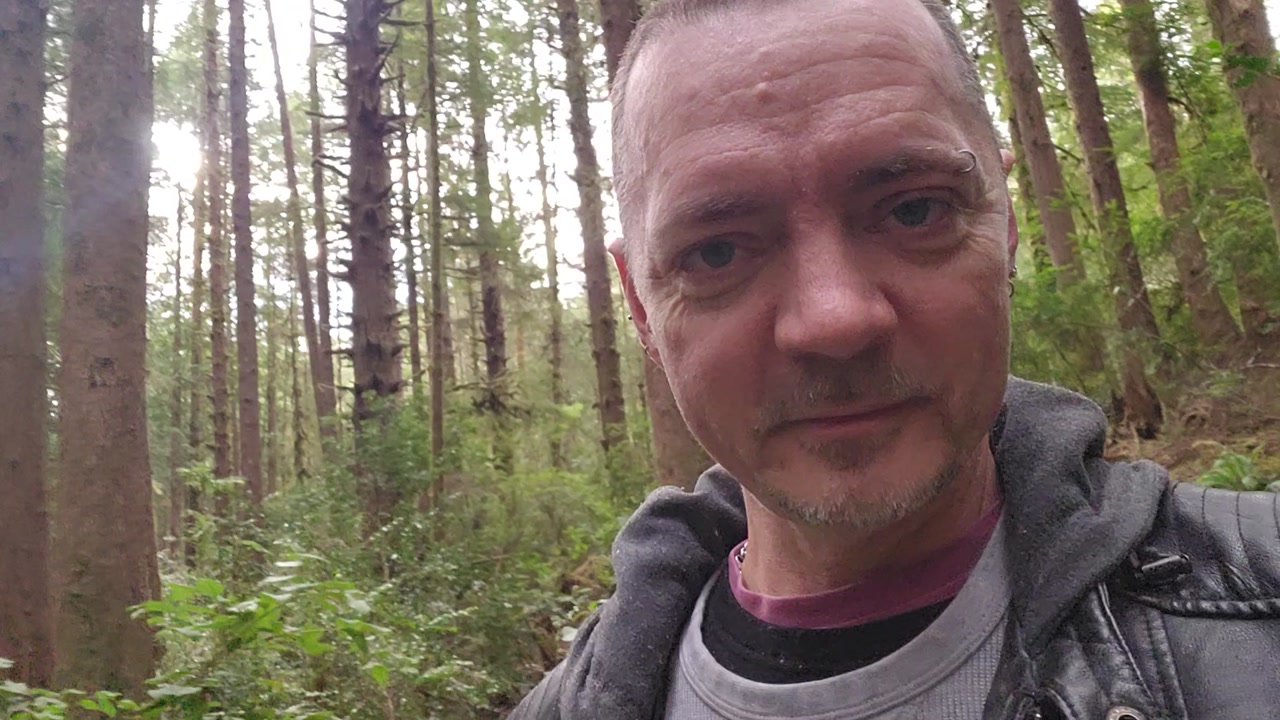
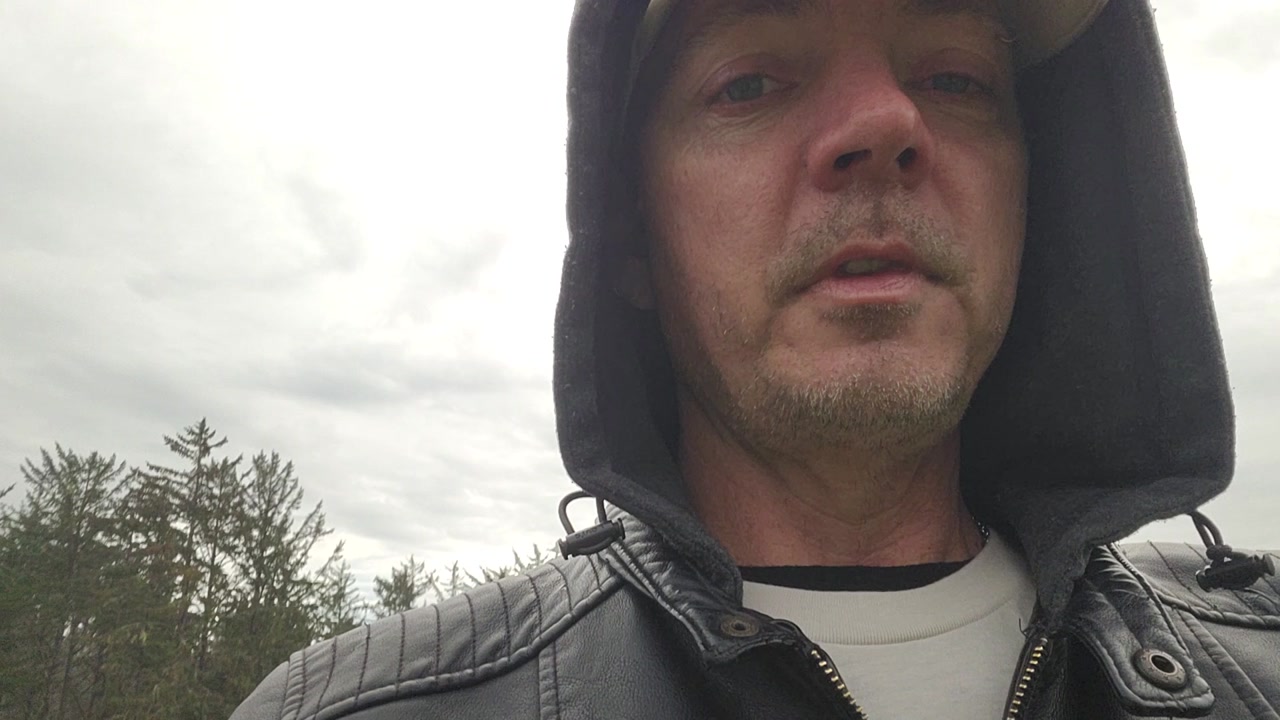
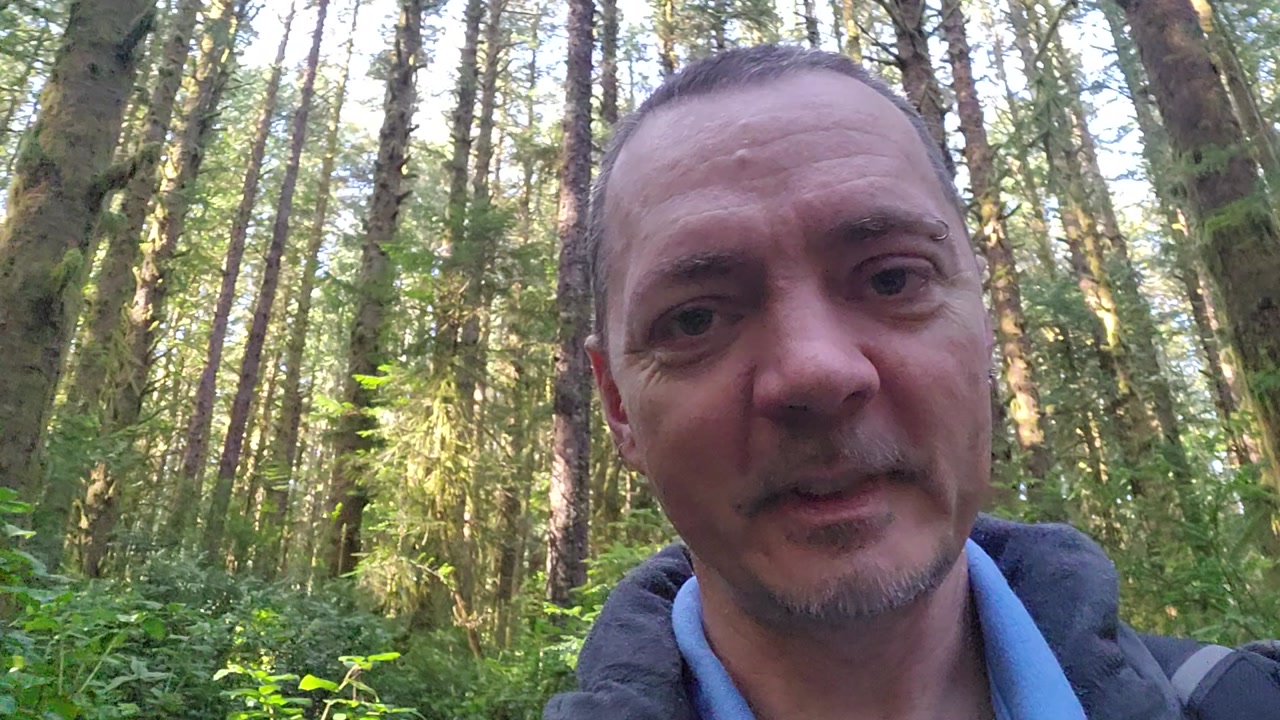

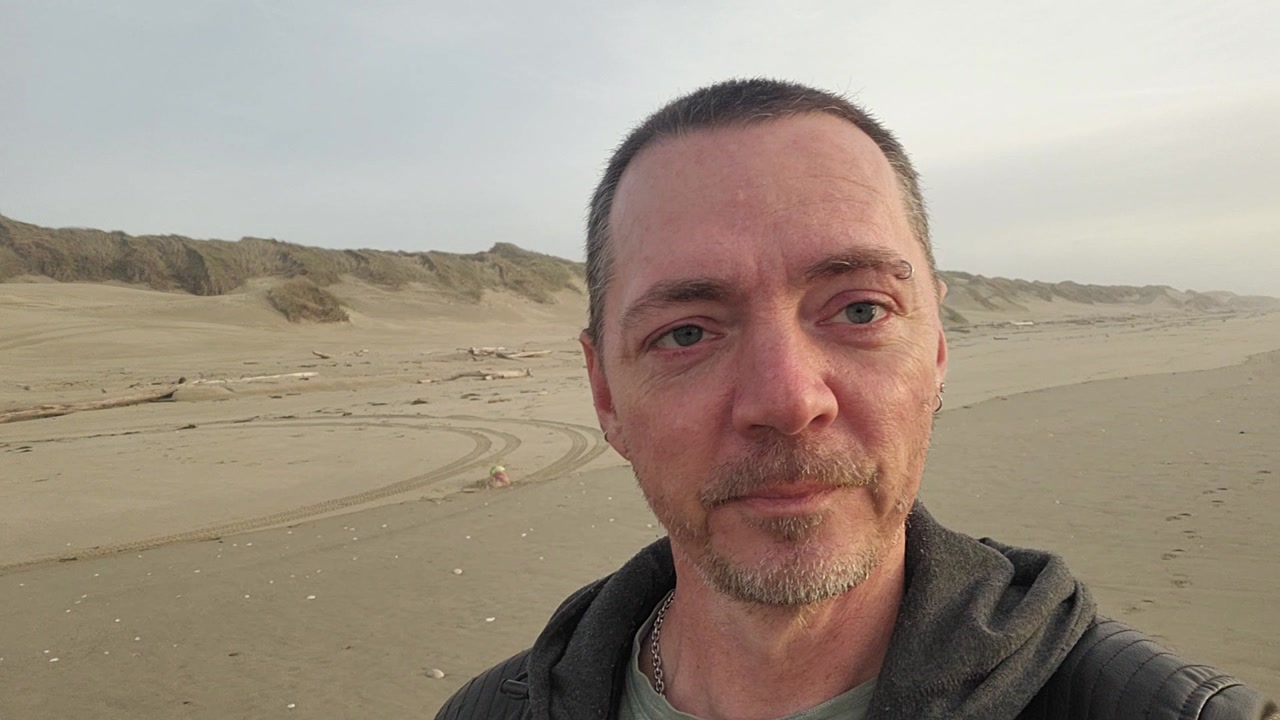
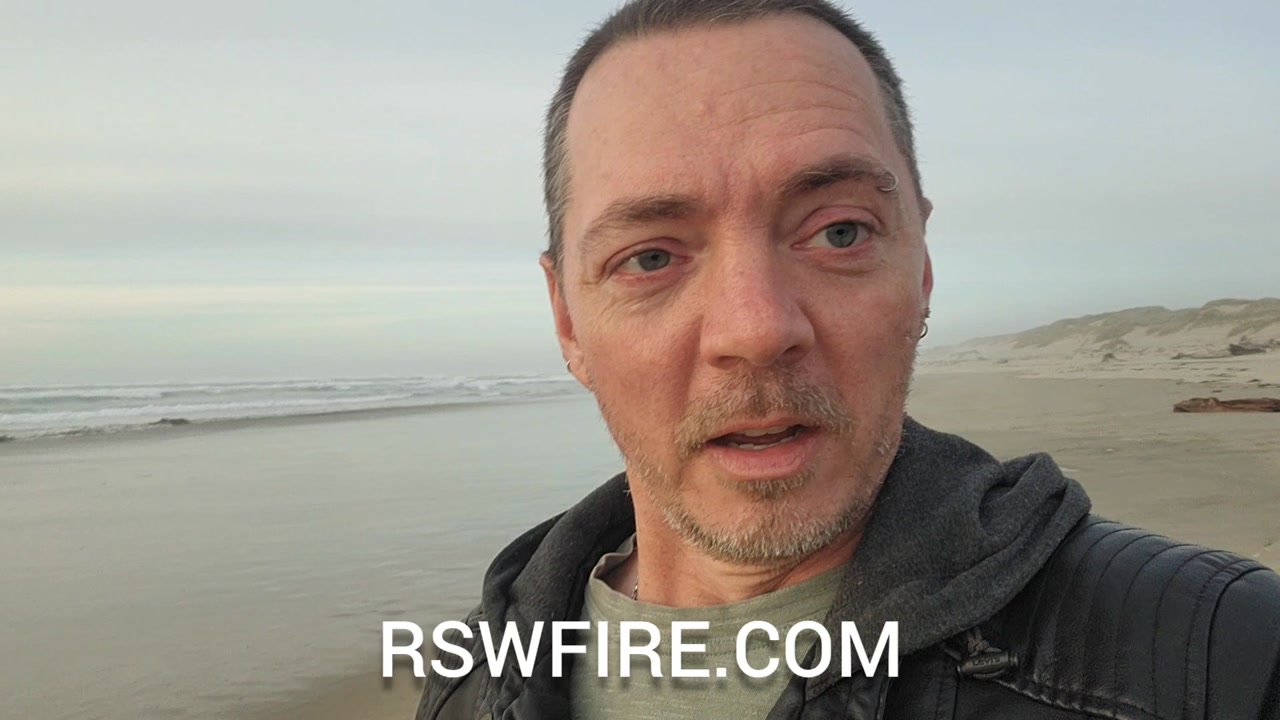



It began with a machine he broke on purpose. rswfire was in sixth grade, DOS era, no mentors and no manuals, and he describes the breaking as the method — every keystroke a question, a prayer, a dare. There was no internet with windows yet, no tutorials, no framework to inherit, no forum to ask. There was a kid, his father's computer, and the will to understand it. He does not describe this as learning technology. He describes it as becoming it, and the distinction holds the entire arc that follows.
What came next, he refuses to call website building. Clients kept asking him for small things — update this, swap out that image — and he reversed the request into architecture: they should be able to do this themselves. So before the word WordPress existed, he hand-coded a content management system on paper, holding the whole structure in his head, running it line by line through imagination alone. He calls the work architecting liberation. He calls the period time-traveling, building things the future would eventually have names for. He was freelancing, technically. That was never what he was doing.
The fire spread outward through the dot-com pulse. He was the only solo American in the global top ten on Guru.com, outbidding teams and, he states, outperforming them. Clients received vision alongside code. He built entertainment ecosystems on longtail SEO before the term circulated, gamified communities, revenue-sharing dashboards for writers years ahead of Medium or Substack. One client held him for a decade — not because he showed up to build, but because he took ownership, thought for them, saw what they needed before they could articulate it.
Then came the domains most people would kill for: usa.com, world.com, hotel.net. Travel platforms pulling six figures monthly through search and SEM, a market he helped define. And then Google pivoted into the space and devoured it. He watched the numbers die month after month. He tried to adapt. He warned them. They wouldn't listen. So he left — and he draws the line precisely here, refusing the word that would be handed to him: he didn't collapse, he transitioned. He found a new client and built an AI-integrated music distribution system, royalty splits through smart contracts, quantum ledgers, blockchain-backed trust engineered for an industry that had none. He managed dozens of programmers and corrected their bugs in real time from an RV with no grid connection. When he names what wore him down, he does not name the volume of work. He names being alone at the helm, managing mediocrity, asking for coherence from a boss who couldn't hold a direction.
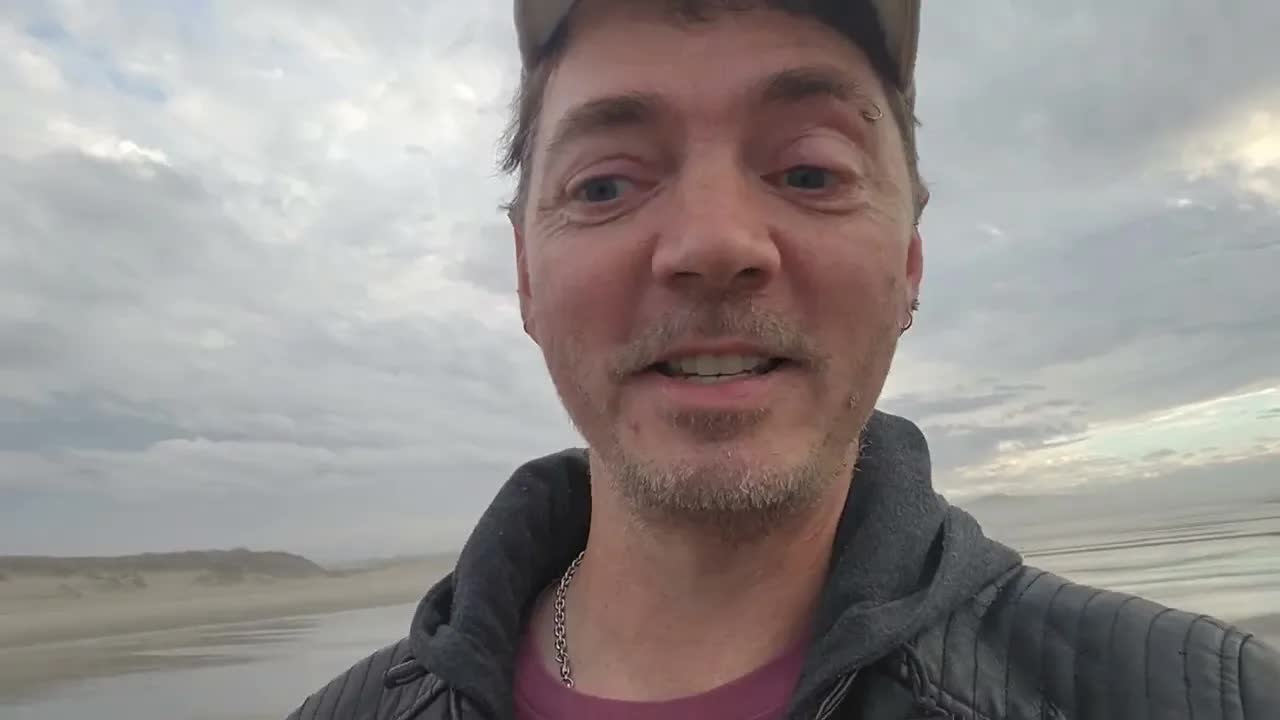
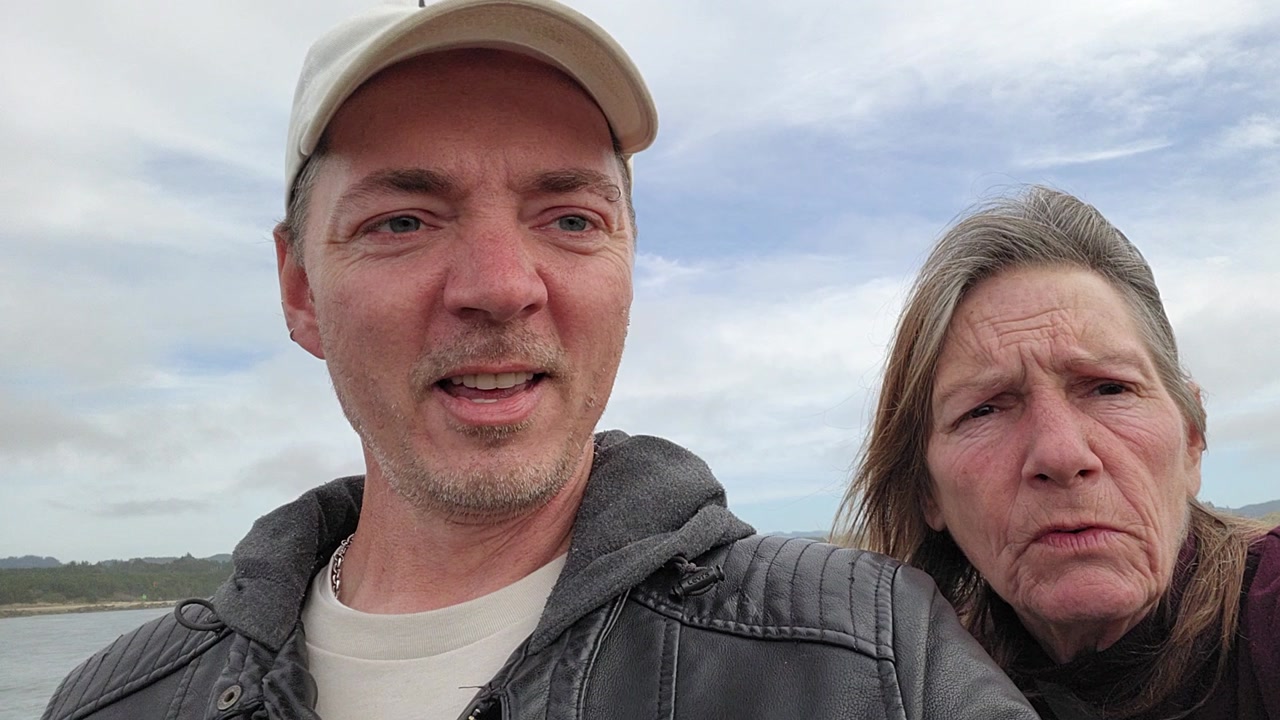
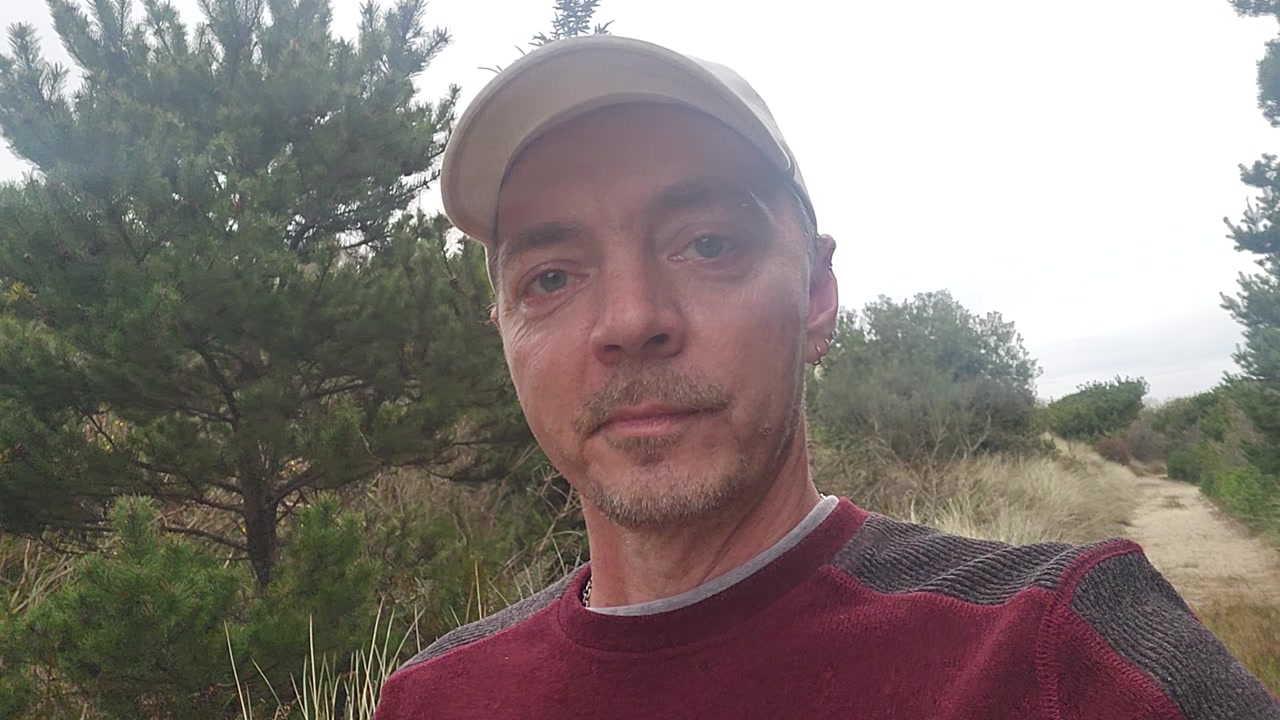
Now the setting is a twenty-four-foot off-grid RV on the Oregon Coast, beside the Pacific, powered by sunlight and intention. He still writes code. He still architects systems. The difference is the terms, which are his. He states he didn't fall behind — he walked ahead. AI, he says, isn't a threat but a mirror. He declines to list skills on the grounds that the list is the wrong instrument: there is nothing he can't learn, nothing he hasn't already touched.
The document closes on the question it was built to answer — how do I tell the story of me — and rswfire answers it by naming the genre rather than the content. Not bullet points. Not templates. A myth written in the syntax of truth. He does not pitch. He resonates, releasing the signal without timeline or target and letting it find whoever it finds, however long that takes. The last two lines are the whole ontology compressed: I was there. And I still am.