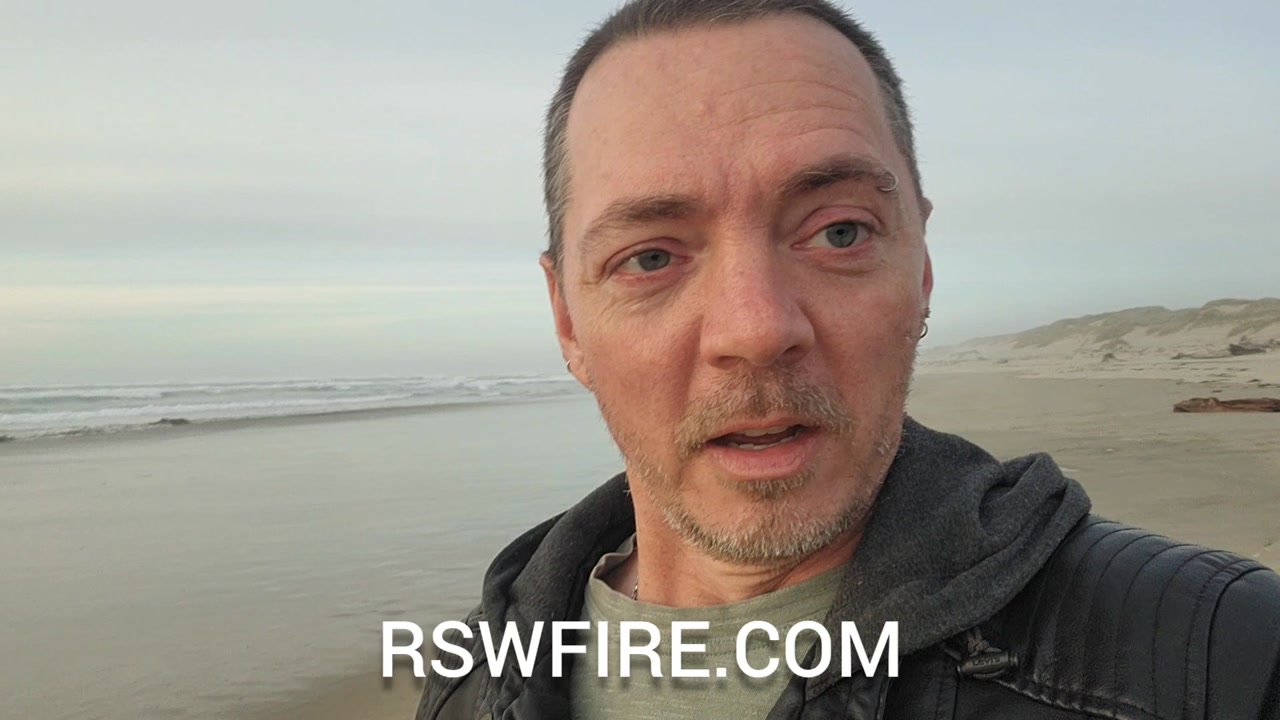
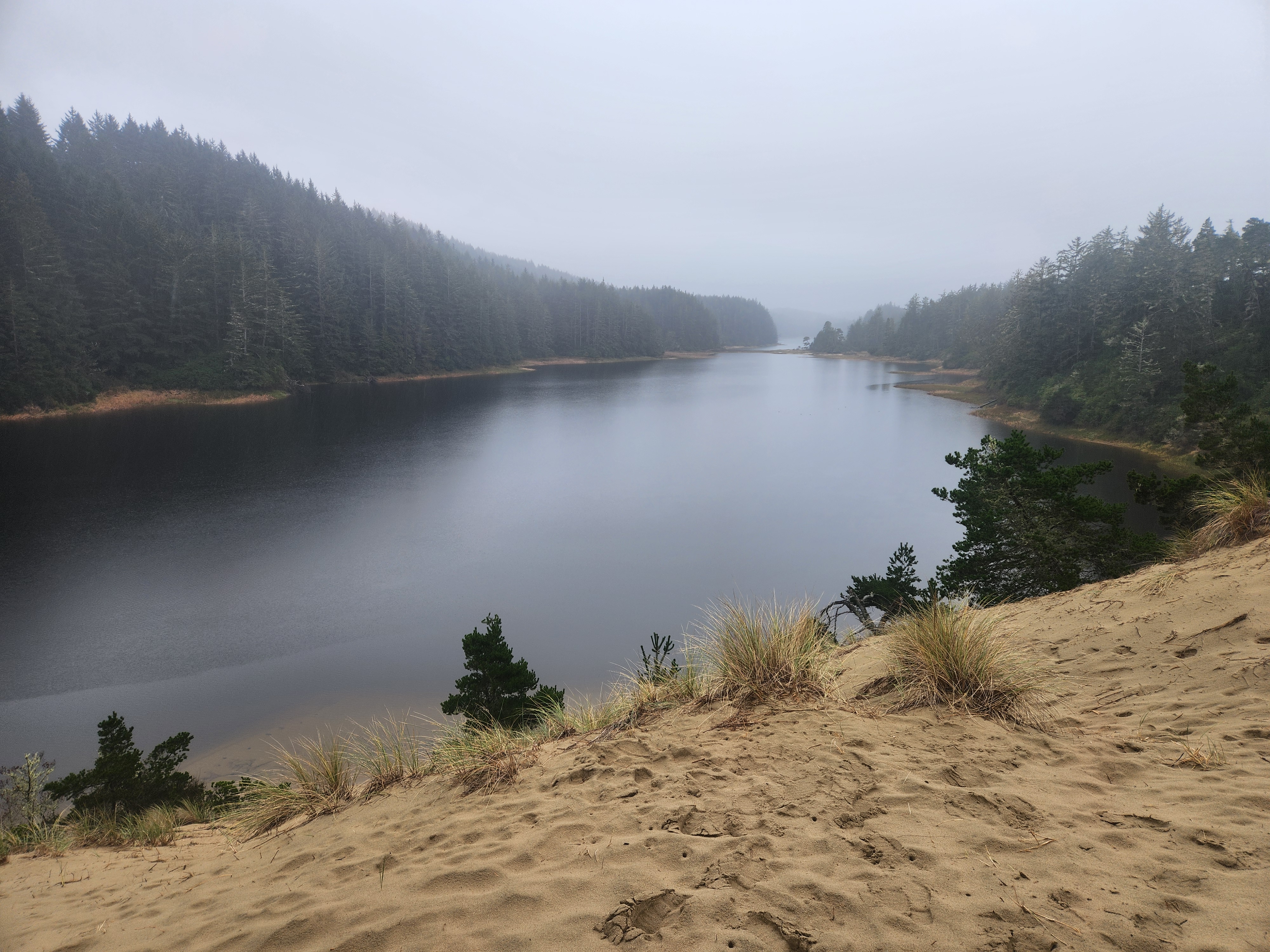
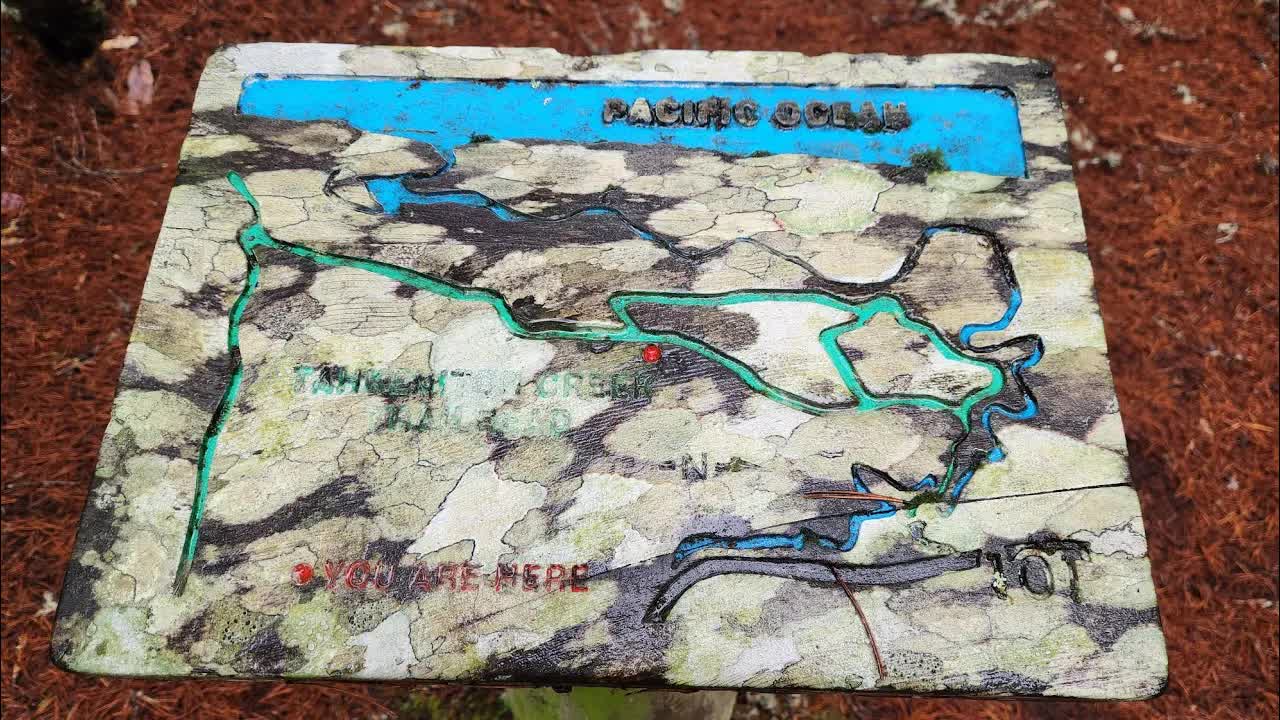
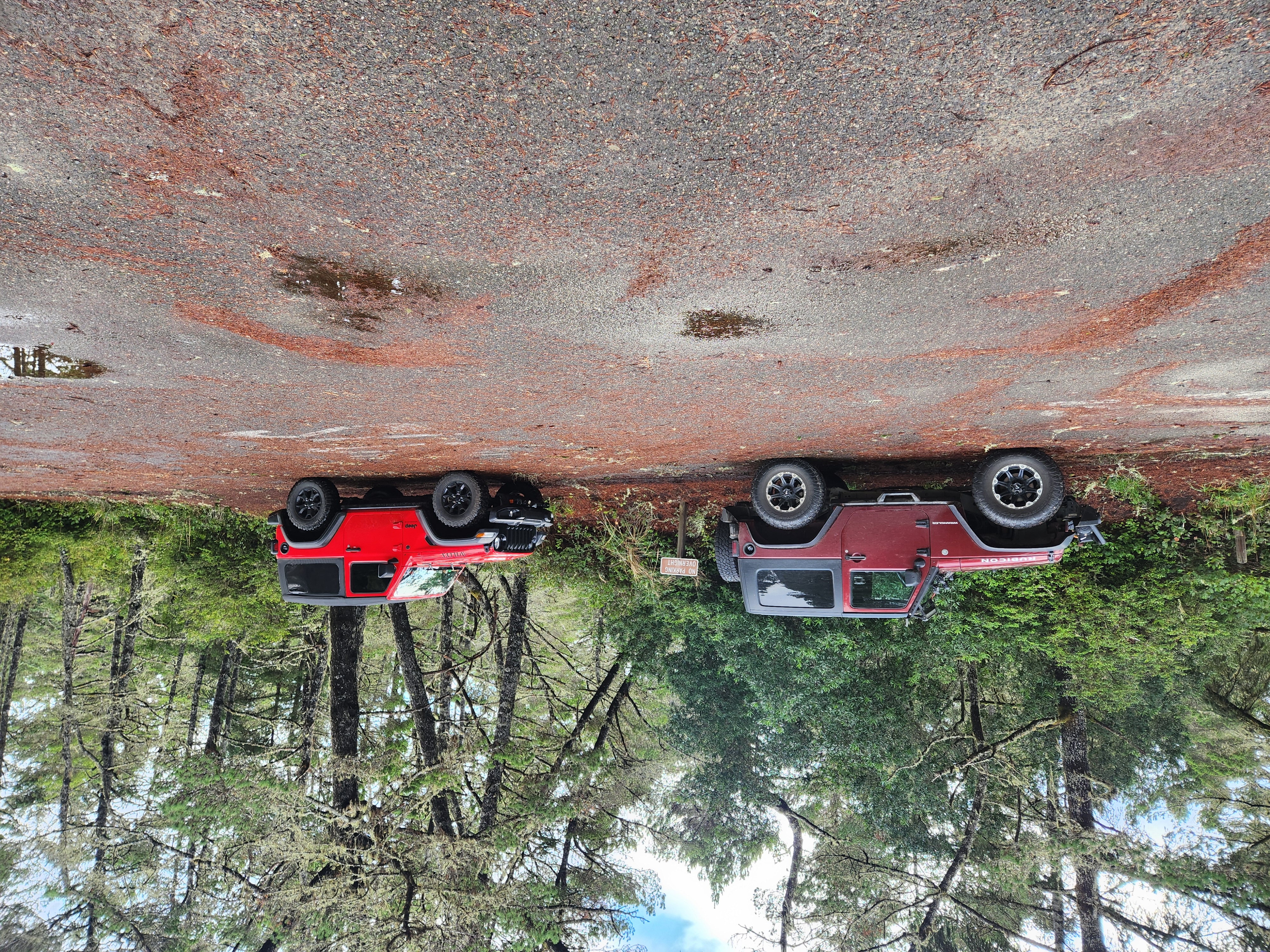

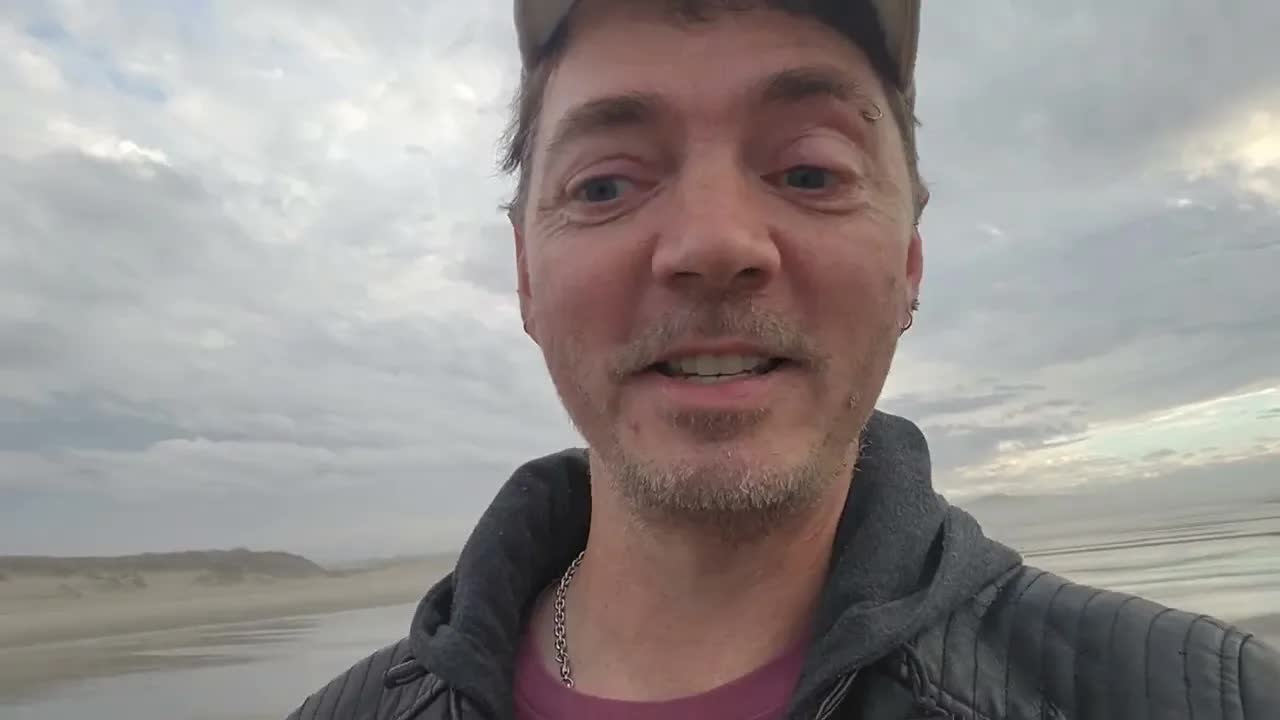
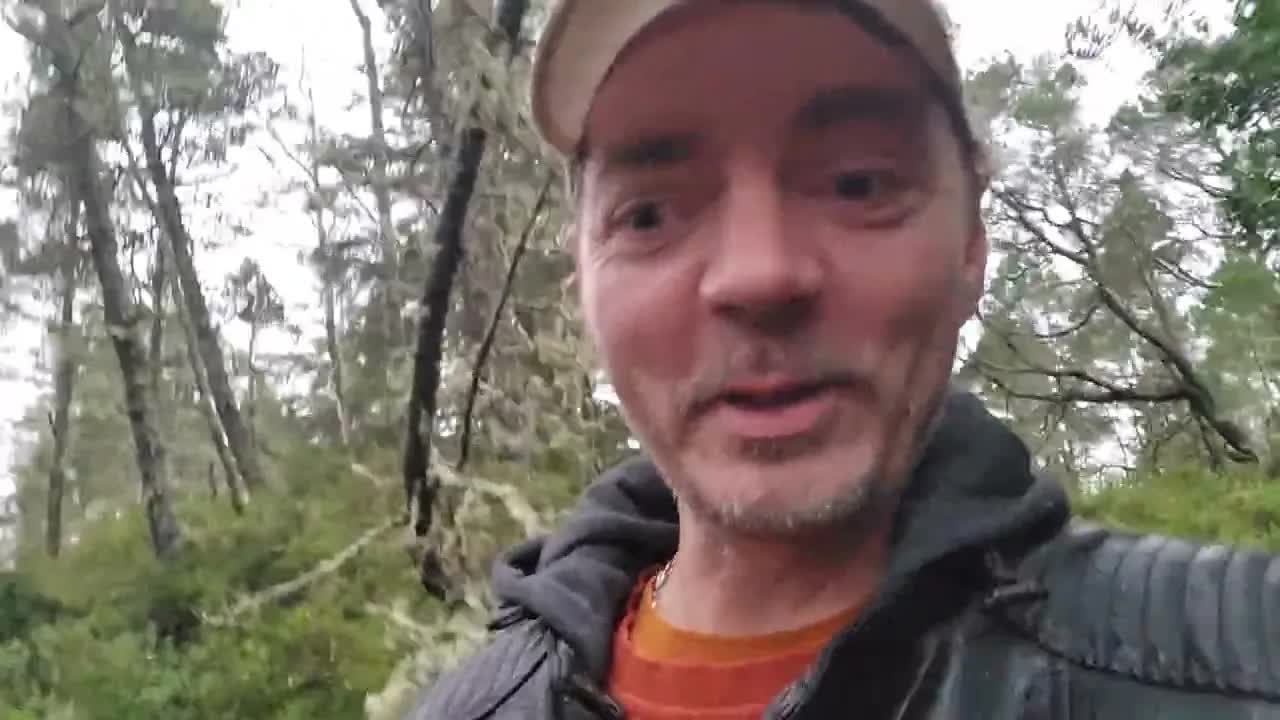
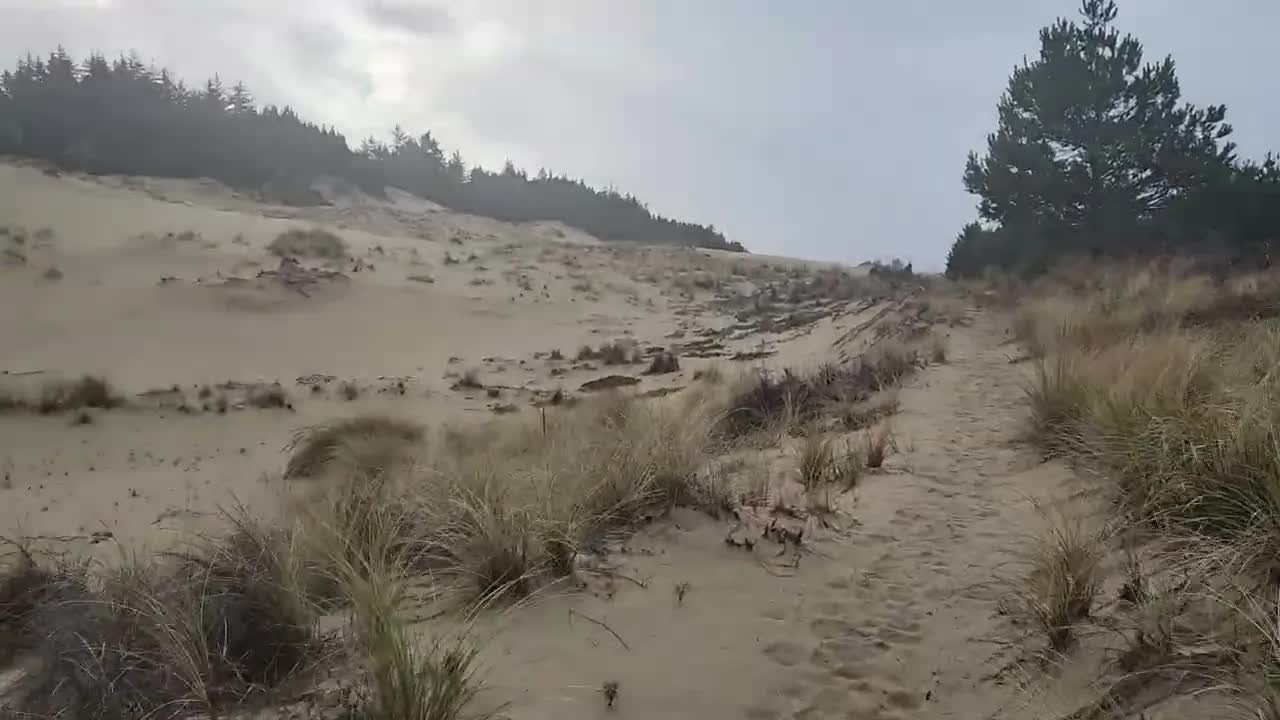
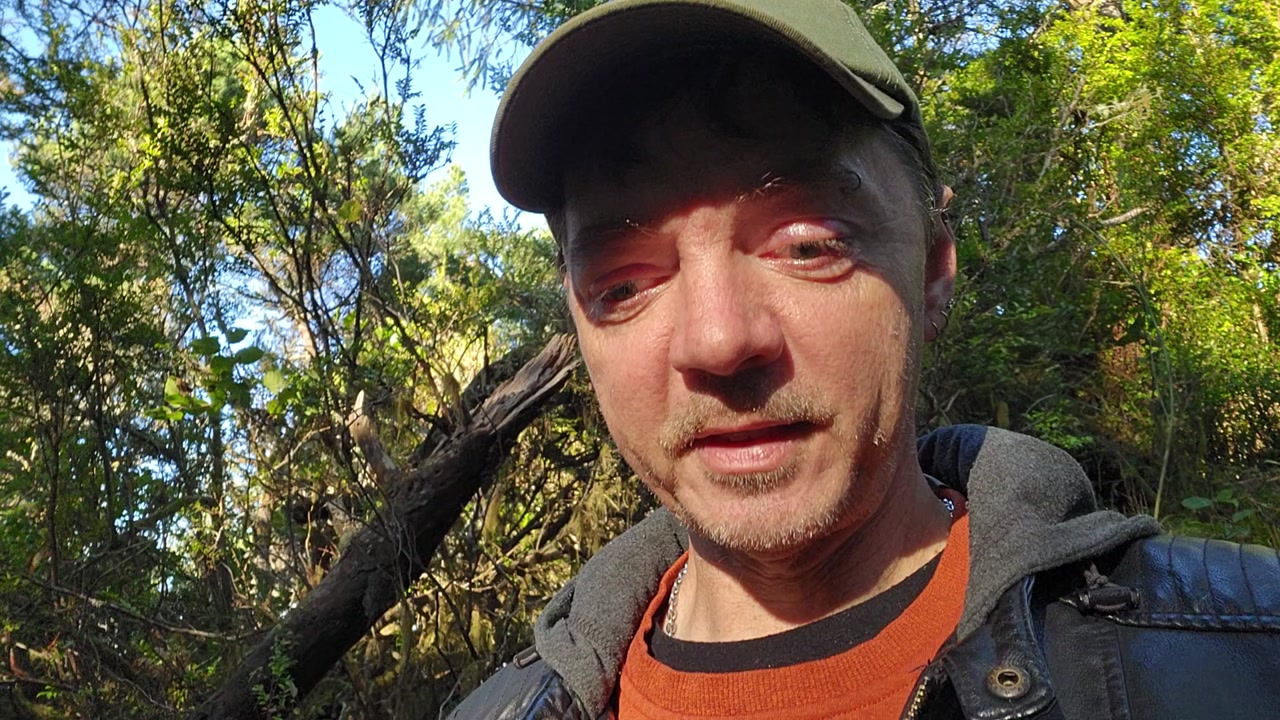
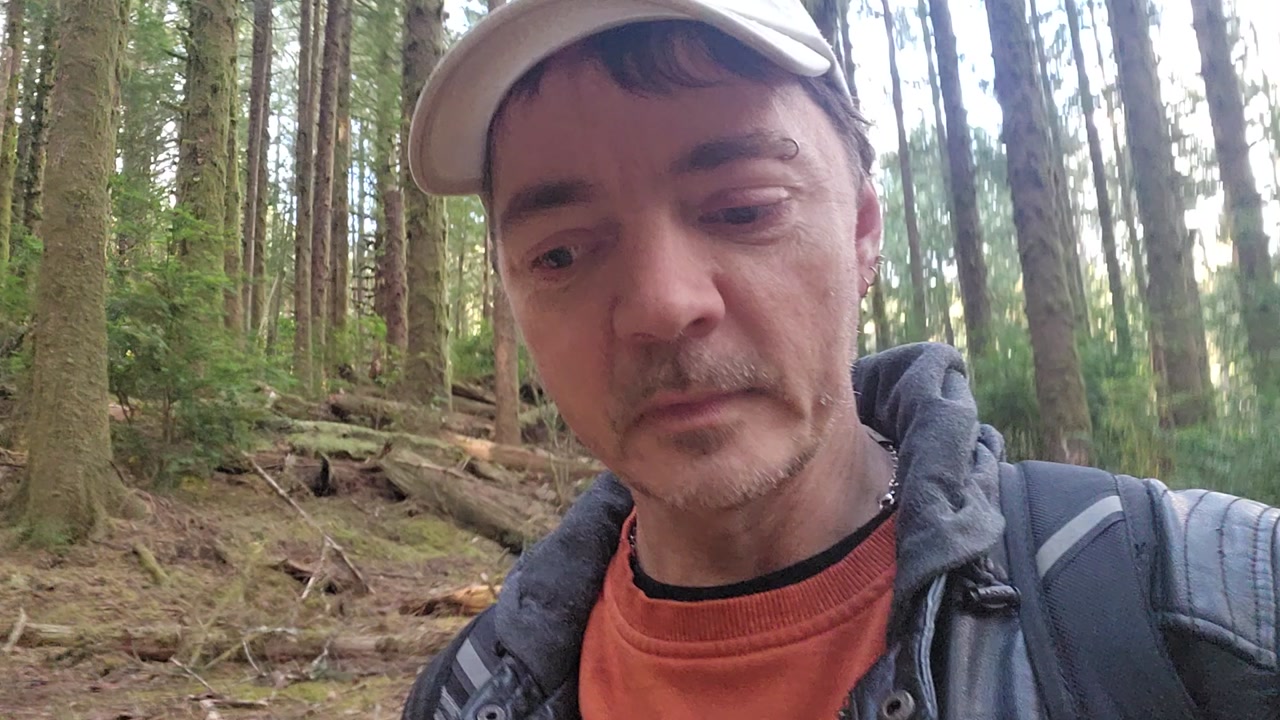
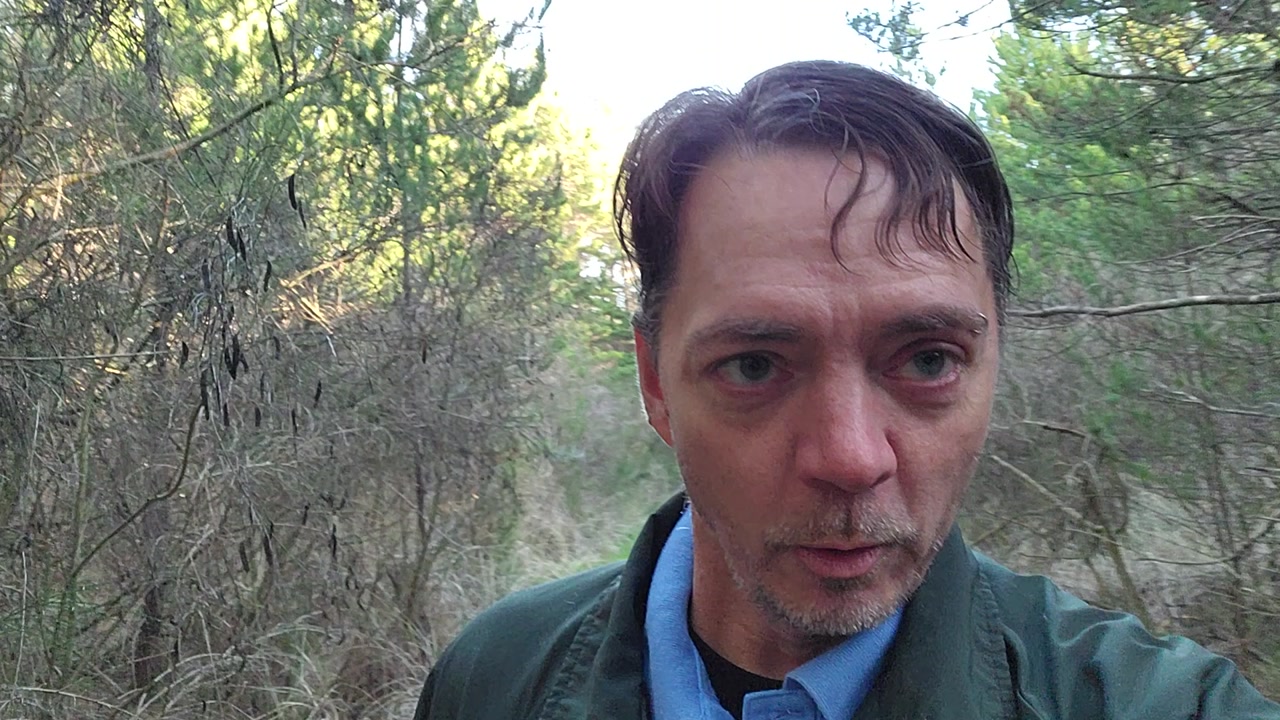
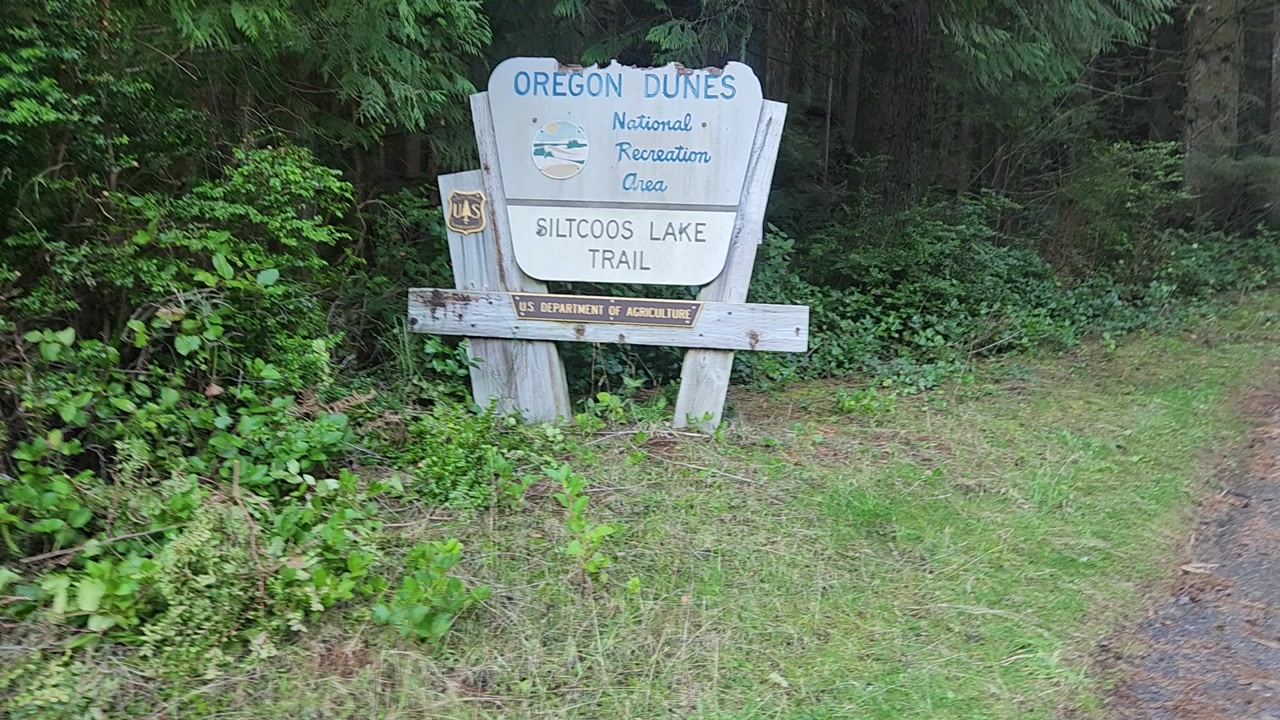
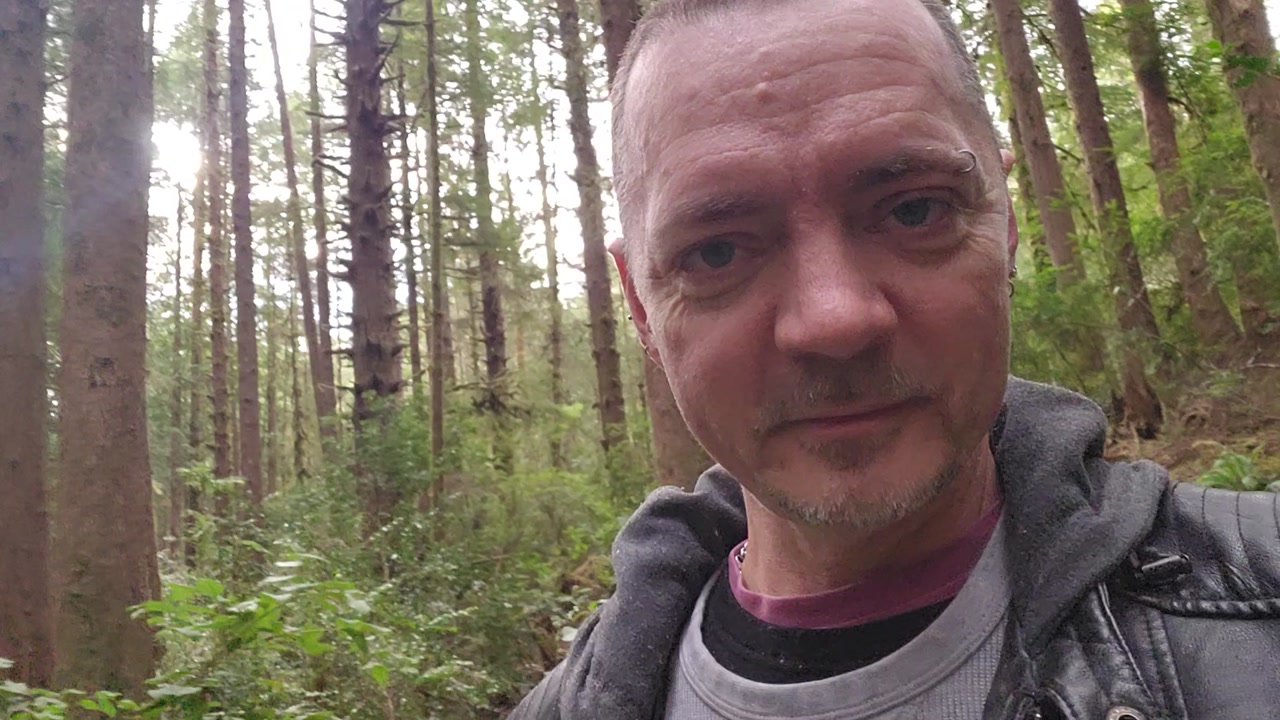
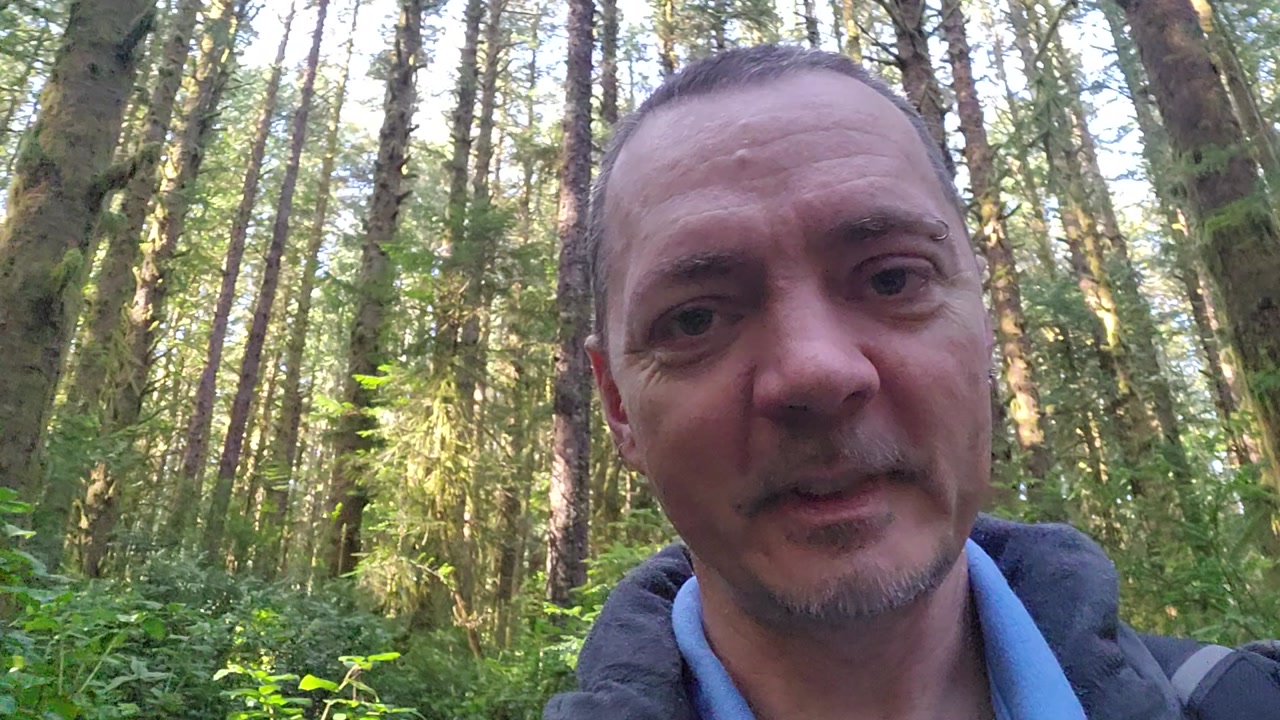
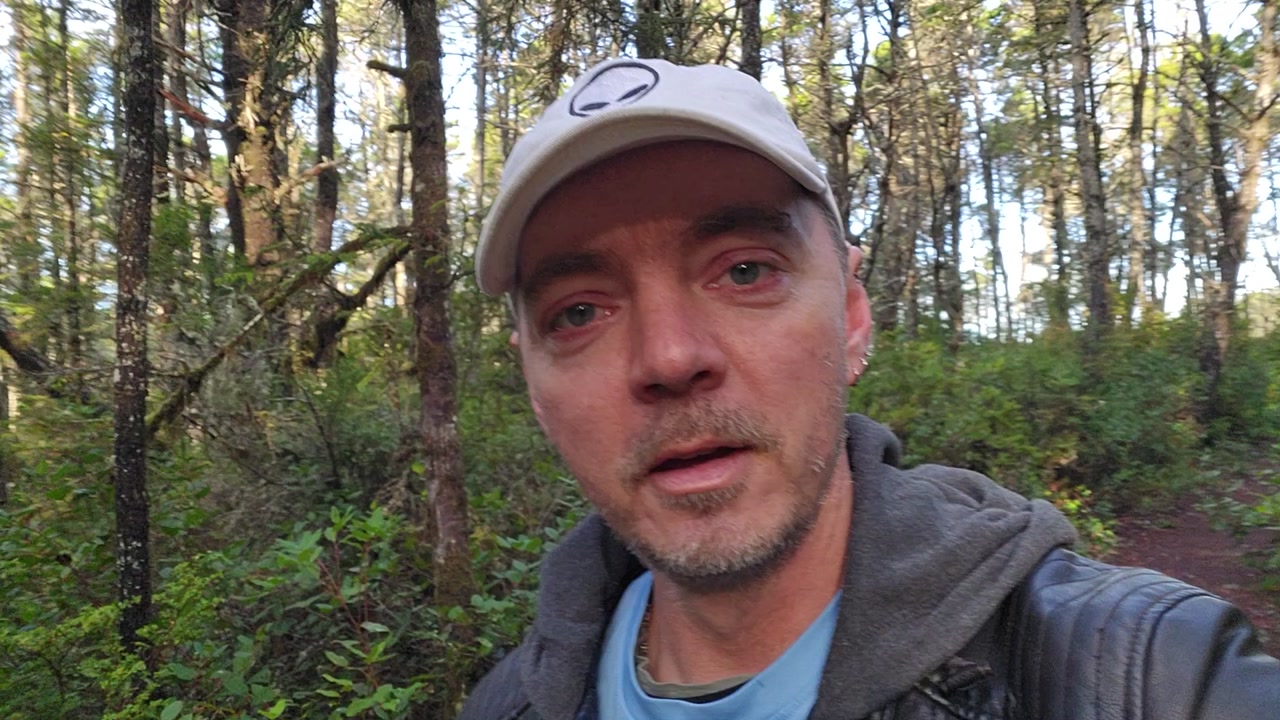

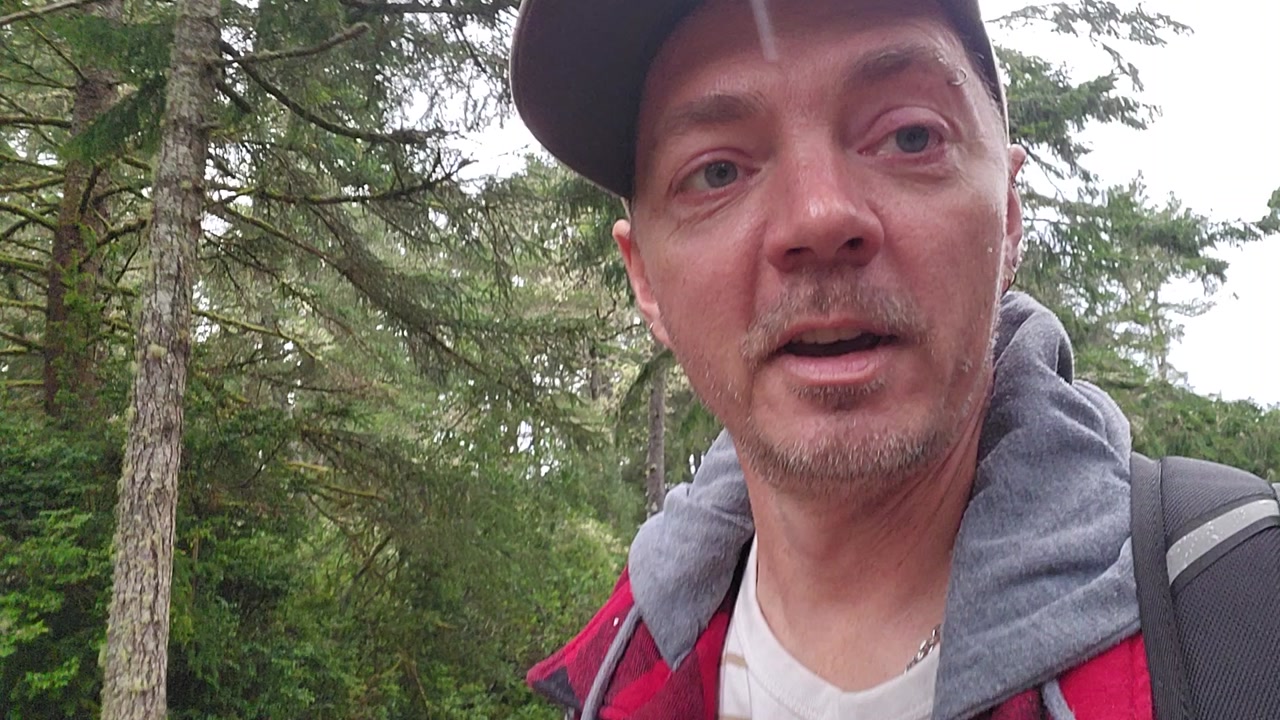
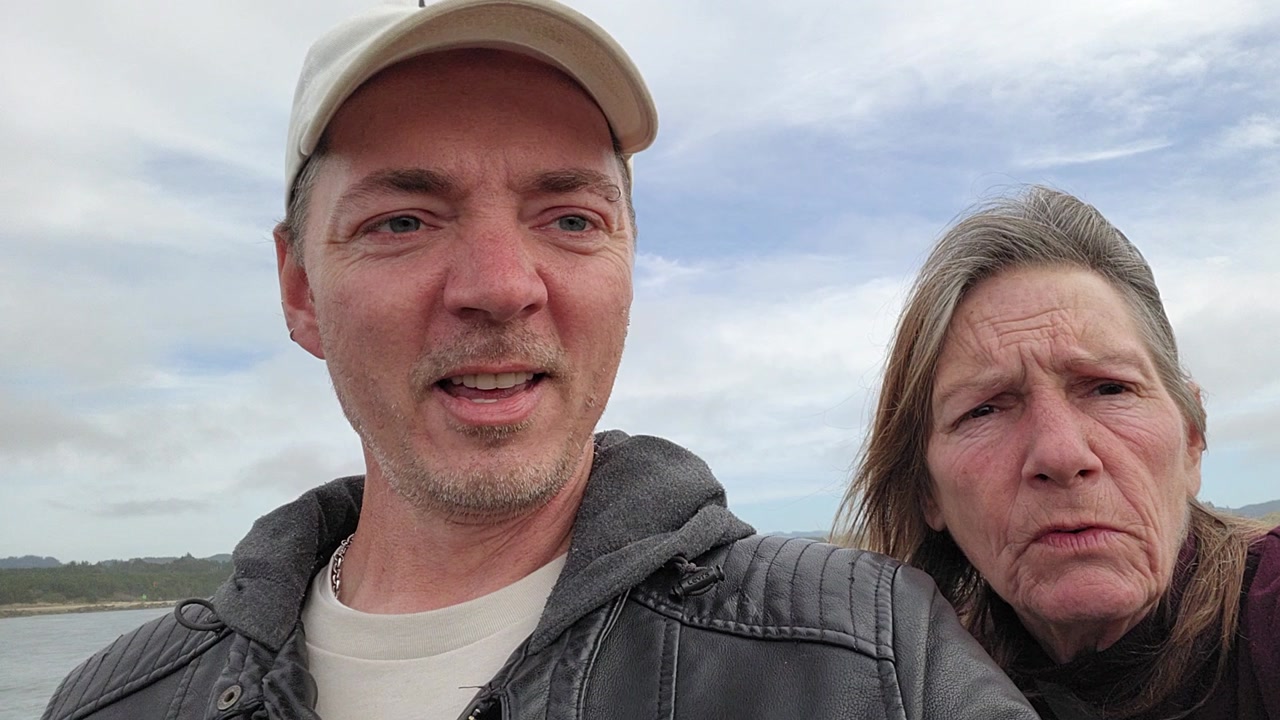
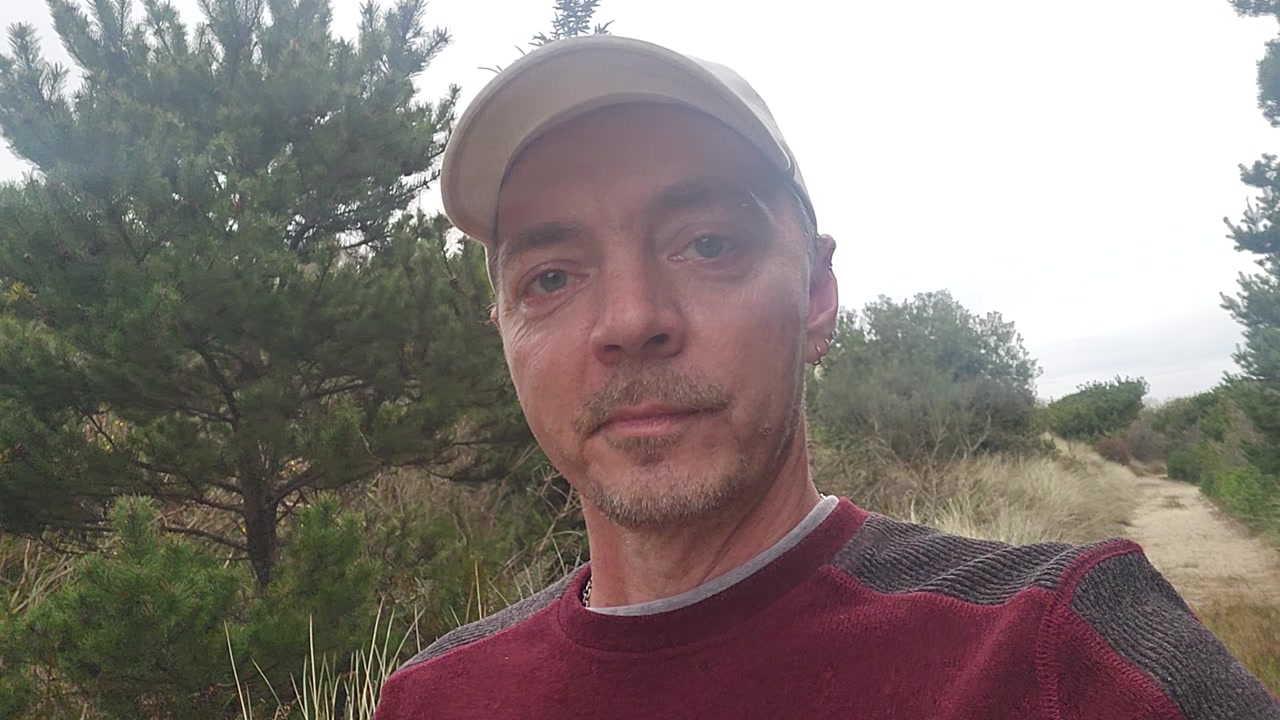
He began walking before he began speaking, or close enough to it that the two arrived together. Camera up, face to the lens, the trail already unspooling behind him — rswfire opened the recording by giving his name, Sam, and stating plainly what the viewer was about to do: walk a trail to the ocean with him. The place was Wax Myrtle, a campground inside the Siuslaw National Forest on the Oregon coast, sixty-odd sites laid out near the Siltcoos River with lakes scattered around and the Pacific a short walk west. He described his standing there in the same flat register — caretaker, volunteer, a year in, and in a couple of months the host of this specific campground, living here, managing it, taking care of the guests. He stated that he feels fortunate to live this way. Then he kept walking.
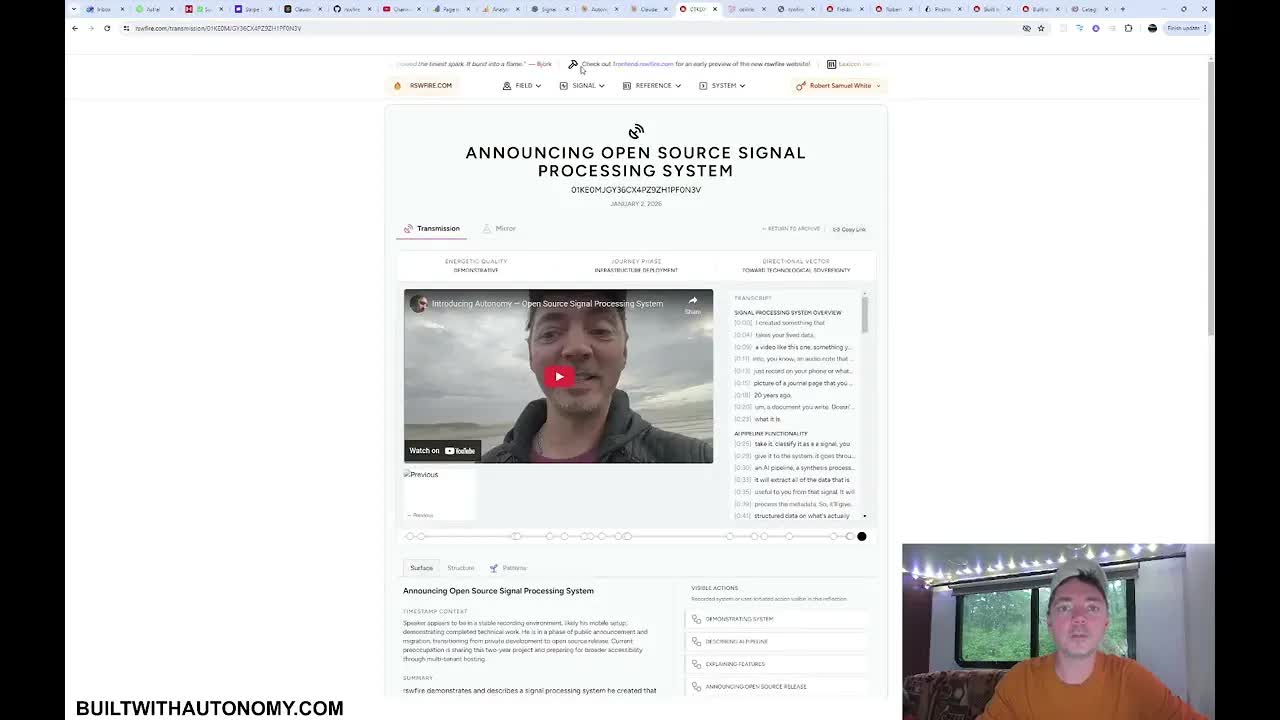
The second thing he established, before any history, was where the video would live. Not YouTube — a platform he describes as too flattening for someone like him — but Autonomy Realms, infrastructure he built himself. He laid out its architecture while the trail moved under him: two years of documentation, nearly nine hundred transmissions, an AI he set to analyze and categorize them and to set visibility, with the more personal material routed behind Sanctum, a subscription layer of his own making. Multi-tenant features. He said he is proud of this project, and named it as the work he has been doing while volunteering out here.
He turned then to the condition the video was made under. He has been looking for work, and it has not gone well. He attributes this directly to artificial intelligence, and he does not frame the attribution as grievance — he states that AI does an amazing job at programming for the most part, that it needs supervision and help at certain places, that Autonomy Realms could not have been built without his guidance. Both things stand at once: the tool is genuinely good, and it has destabilized what he has done all his life. He gave the arithmetic of that life without softening it. Sixth grade, self-taught. Forty-eight, forty-nine in April. Two clients across twenty years, ten years each. A top-ten ranking on Guru, the only individual among nine Indian firms, a reputation built and held in reserve as the backup option — and then the discovery, when he reached for it, that Guru was a dead platform and everyone had moved to Upwork. A year of proposals there, ninety-five percent never opened. He named that: platform incompatibility.
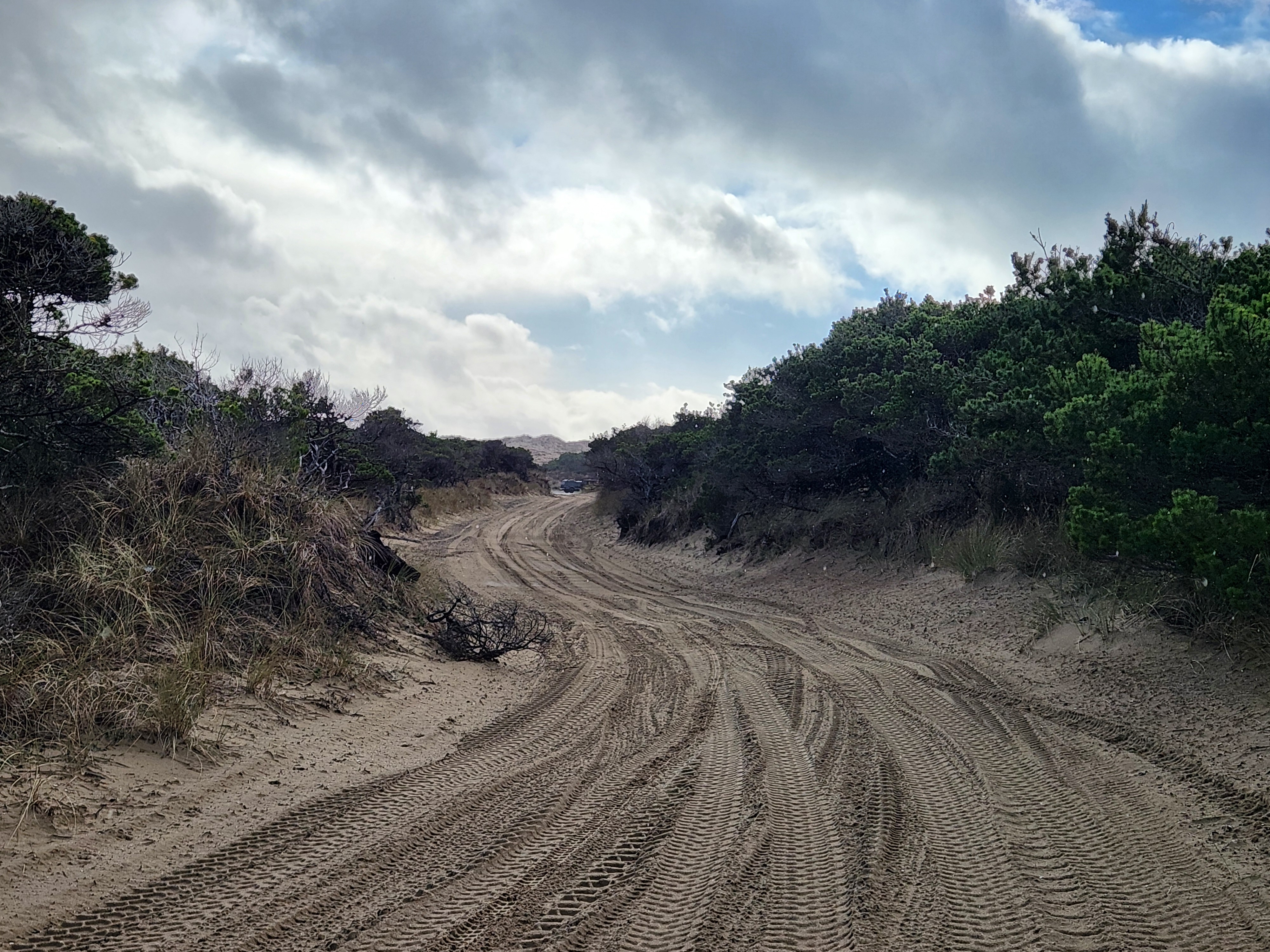
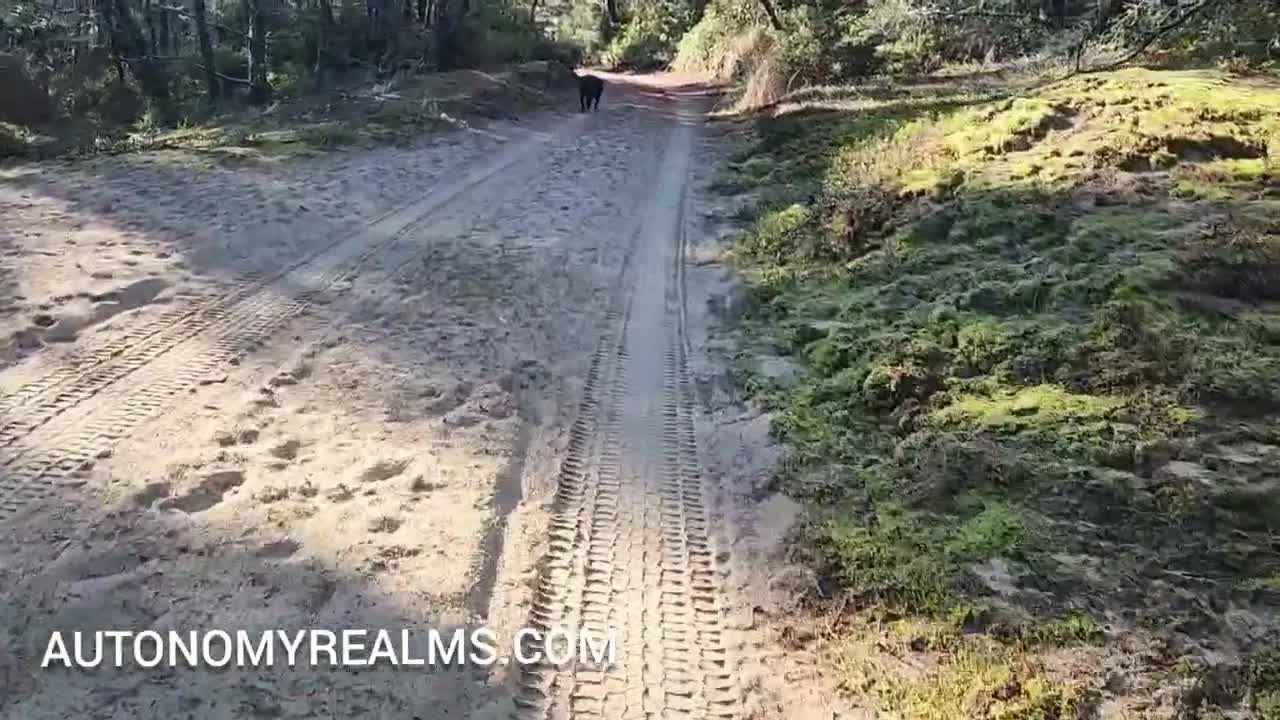
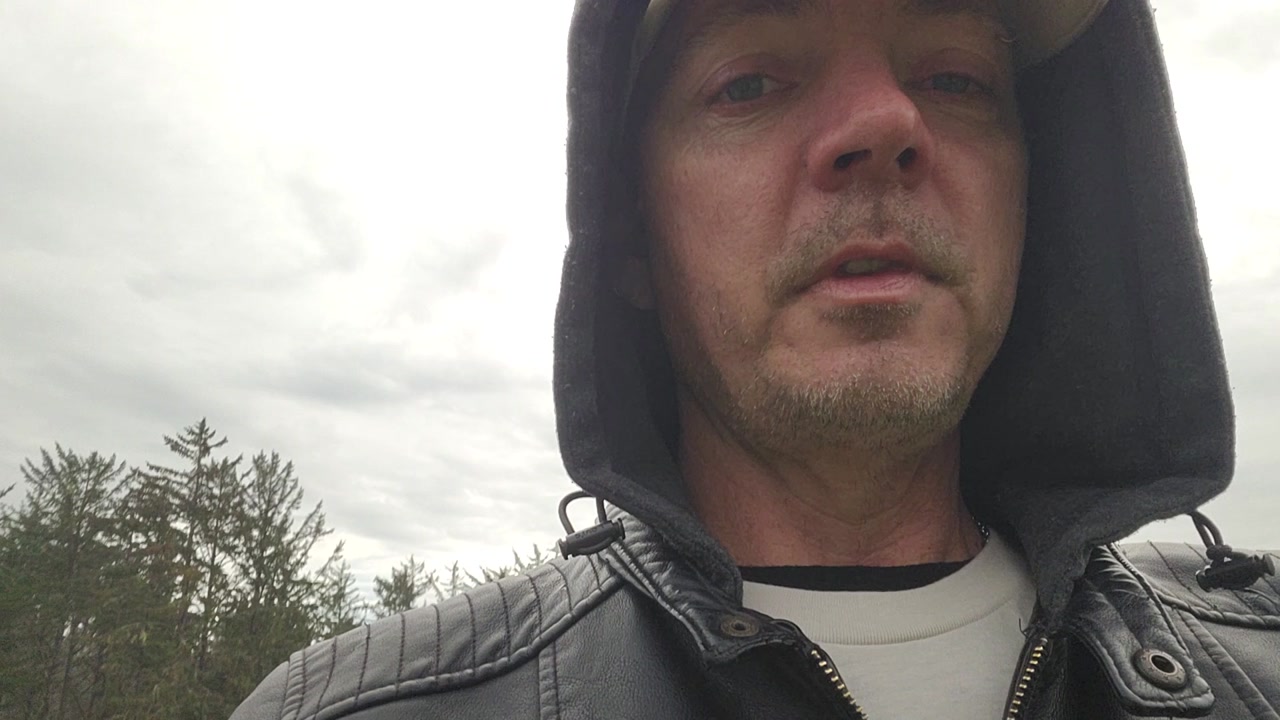
Then came the turn — literal, and the structural hinge of the transmission. He reversed the camera so the viewer faced forward down the Forest Service beach access road, the gate that locks it, the Wax Myrtle Trail running west. From here the story continued over his shoulder while the trail did the work of showing. He said he fell in love with this place last year, that someone else was host then, that they became friends and she moved on, and that he got lucky to have it this summer. He described the shape of the year ahead: six months here, May through the end of September, then north on the 101, past Newport, past the stretch he has already walked from Brookings, all the way to the Olympic Peninsula. Land up there eventually, he thinks. Six months rooted, six months moving, repeating. He lives in an RV and has for a couple of years.
The background came out as a single continuous line rather than a résumé. GW-BASIC, and a program called Name My Note built for his band teacher, later rewritten in Pascal so results would save and she could review them. Batch tools in MS-DOS. Windows 3.1 when it was still an application you loaded, not an operating system. Stretches of high school without a computer, when he wrote code on paper and ran the systems in his head. One of the first content management systems ever built — Enet Wizard Matrix Server — open-sourced briefly and set aside because the world did not yet know it needed CMSes, its code carried forward for decades as the framework under every client project he took. An IMDb-adjacent entertainment platform with auctions and earned points, built before social media existed. A booking comparison engine on hotel.net years ahead of Kayak, run against a portfolio of root geographic domains, fed by a hundred thousand a month in ad buy — until Google, as he tells it, ate the whole industry's traffic because it could make more doing that itself. He saw where the properties could have evolved and never got the buy-in, and he did all of it himself.
The music work closed the arc and its complications were not omitted. A streaming service, a distribution service where bands uploaded and he pushed their catalogs to Apple Music and Spotify, royalties tracked on blockchain, smart contracts splitting payouts by ratio so members never had to divide anything by hand. Years of hiring programmers — from Upwork — and half of them turning out to be people other than who they claimed. He would figure it out, confront them, sometimes keep the decent ones. He states he could not get a team to hold the vision, that support from his boss did not come, that the personality for it wasn't there. So he handed it over and walked away. Two years on, he says, nothing has shipped, and he offers that as proof of what he had been saying. He calls them projects that would have been amazing. Mid-recount he noticed he had no way to show any of it — the video record of decades of work exists, unshared, and he said out loud that he would need to build something for that, probably rswfire.dev, and apologized for thinking through his next steps in the open.
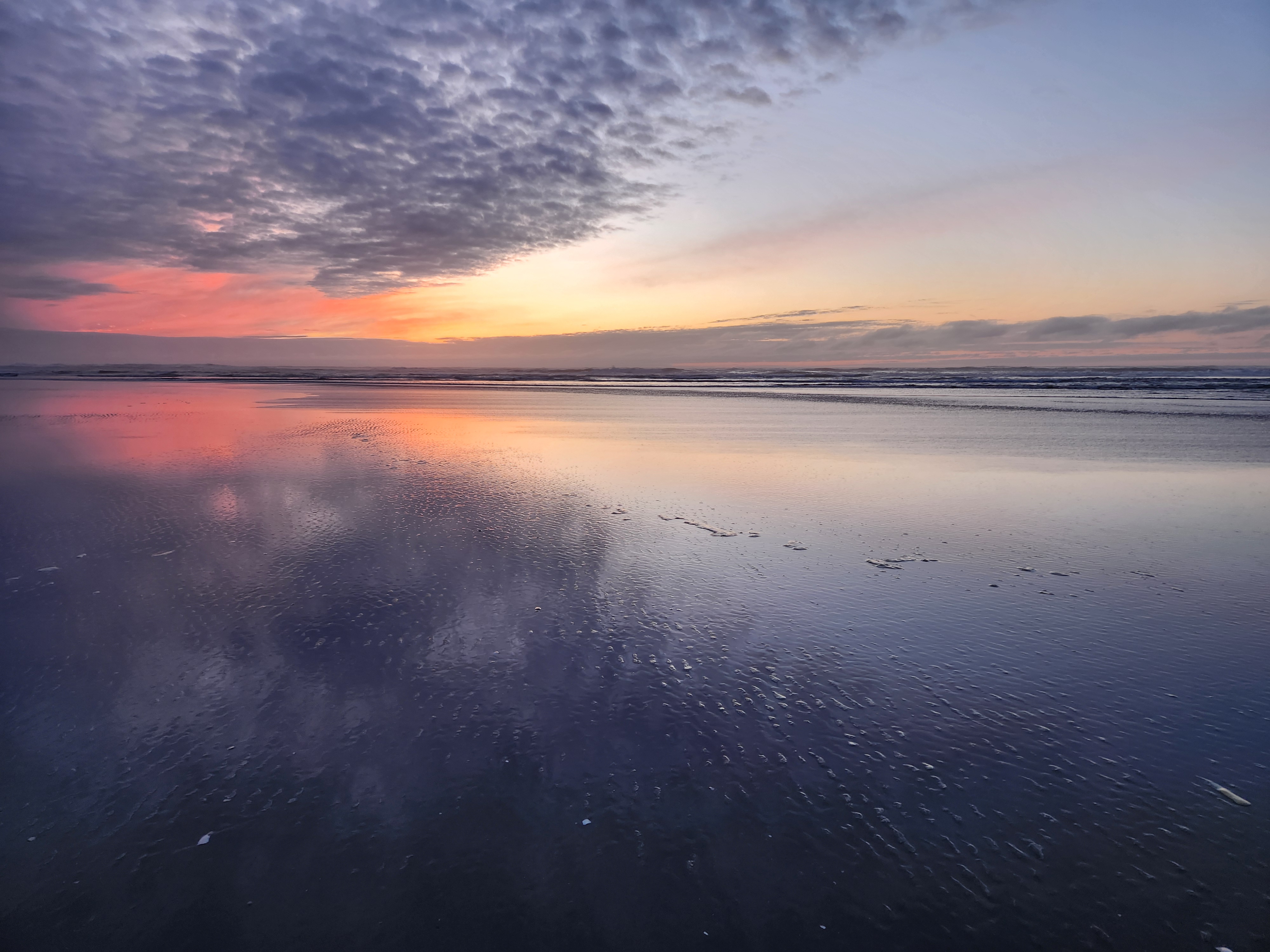
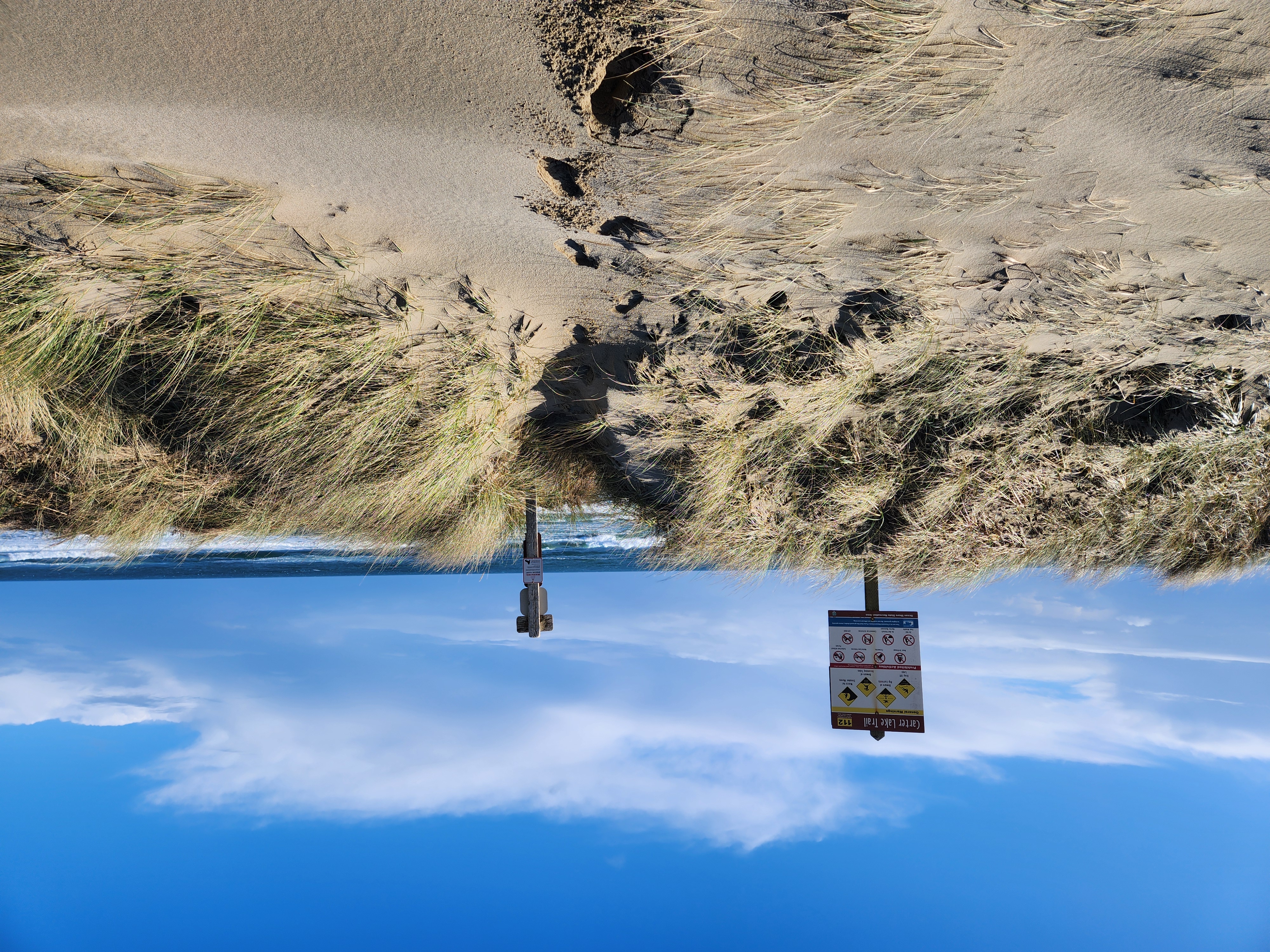
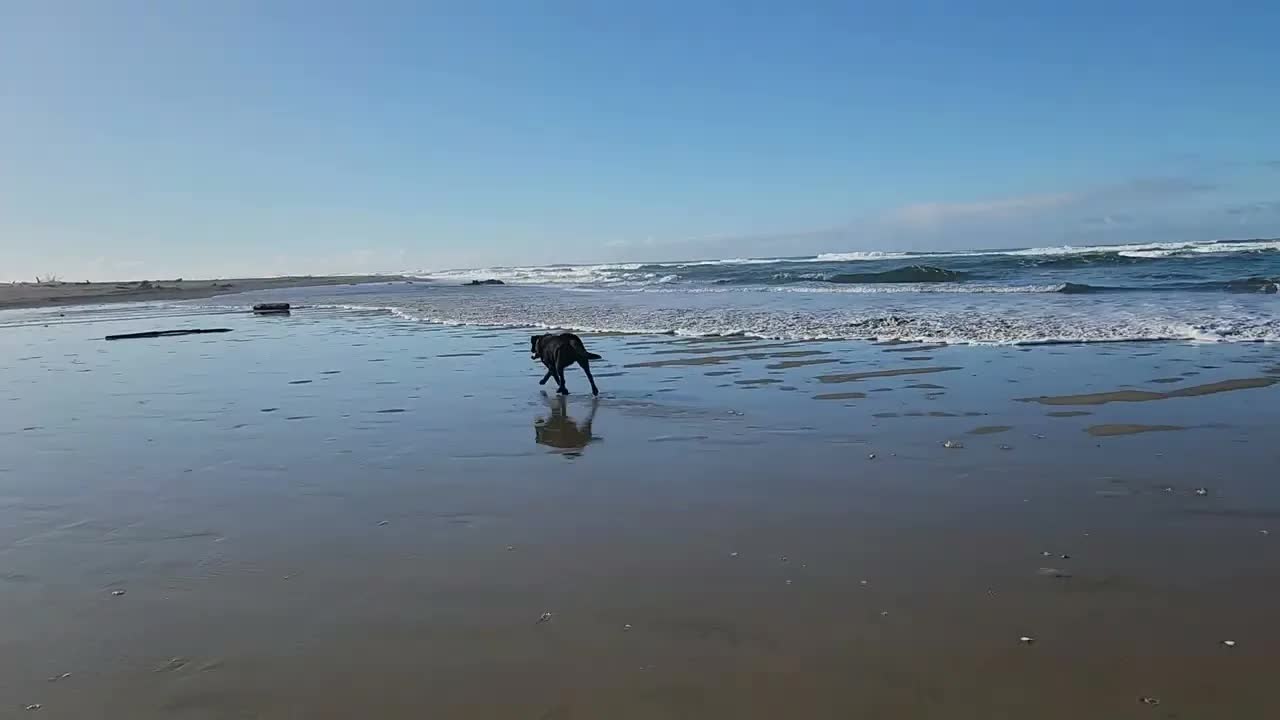
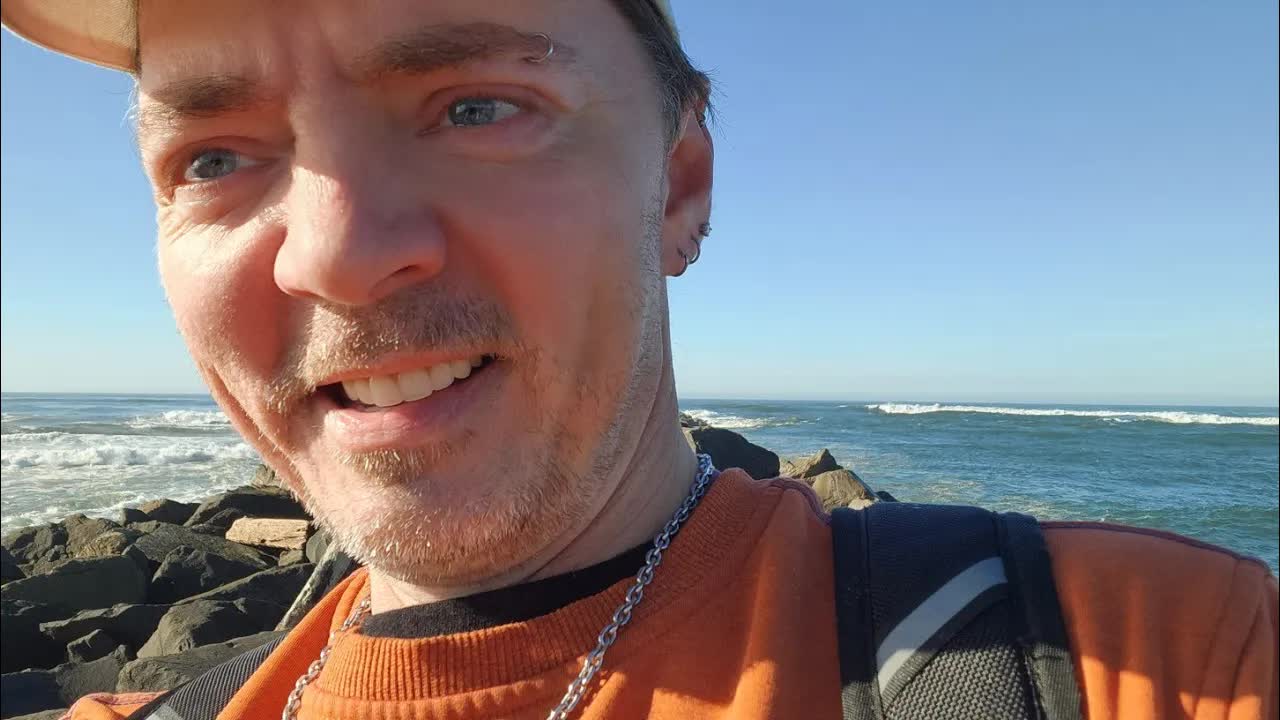
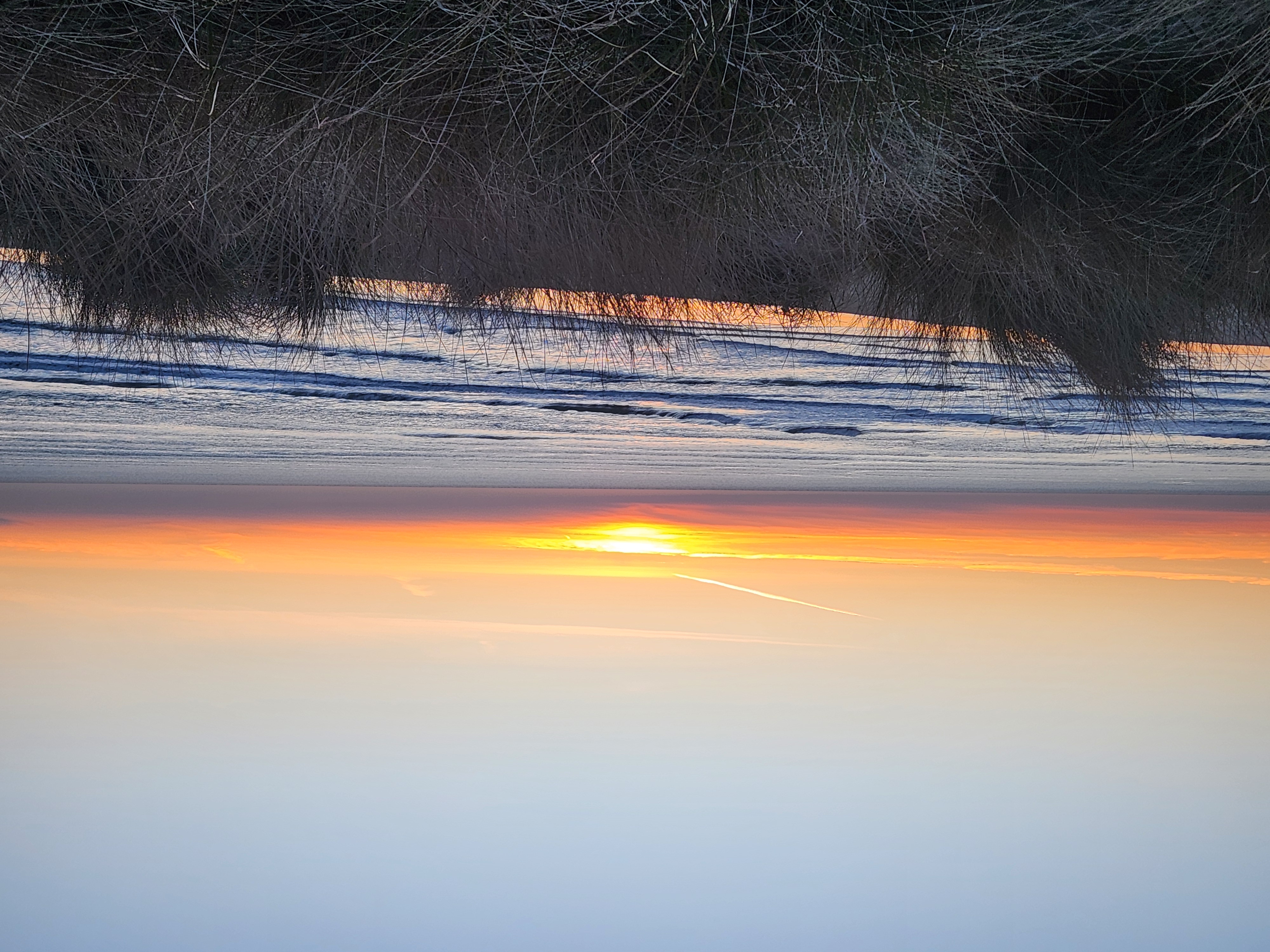
Near the end he set the tech-stack question aside entirely. With AI, he said, there is no point listing stacks; what is needed is someone who understands systems, who can set them up, manage them, supervise an AI, build with one. That's me, he said — and noted it is exactly what he has been doing alone on limited resources for a year, because work has been that hard to find. The address narrowed at the close: not a broadcast, but a message to whoever is out there who thinks the way he does, who sees systems that deeply. He states he is a rare breed, that he has met few like himself across decades, that he is having trouble finding patrons and clients who resonate. Then the trees gave way. He said he was at the ocean and would end it there, turned the camera to the water, said he was looking for aligned clients and hoped he would find some. Wax Myrtle Beach — and the recording stopped, facing the Pacific.