Introducing Autonomy Realms and My Realm

Failed to load video
Chapters
Transcript
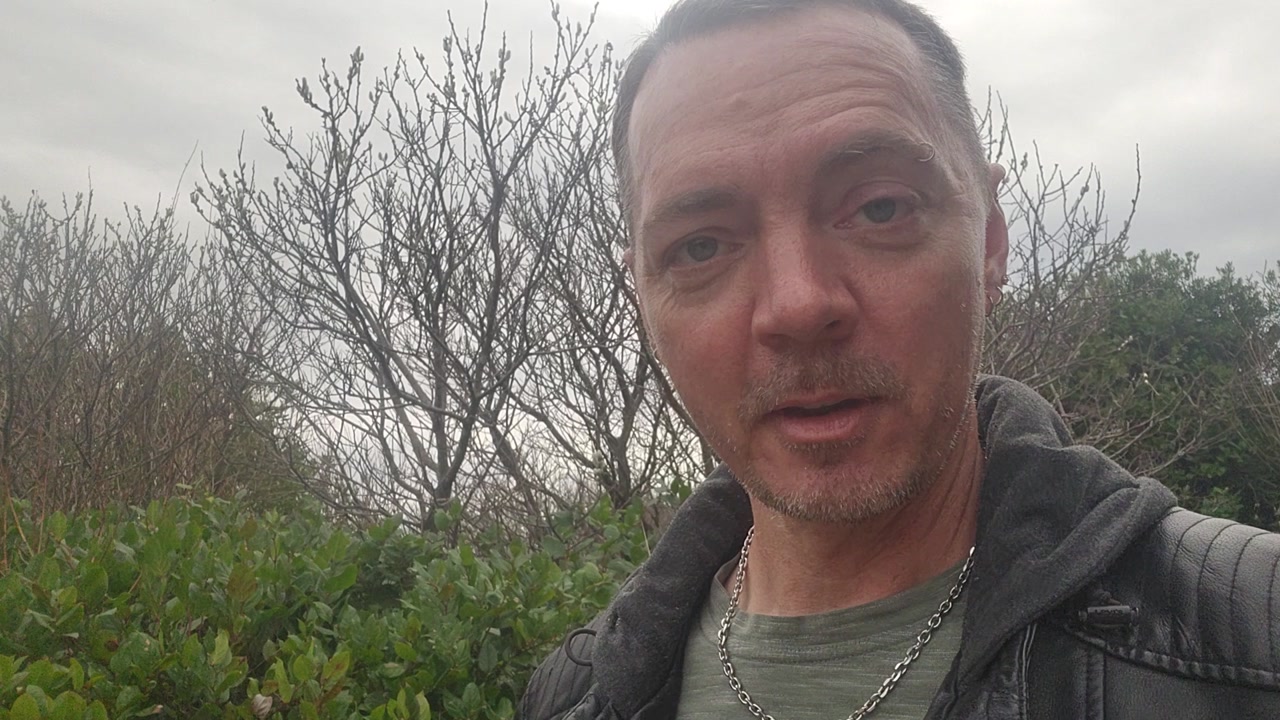
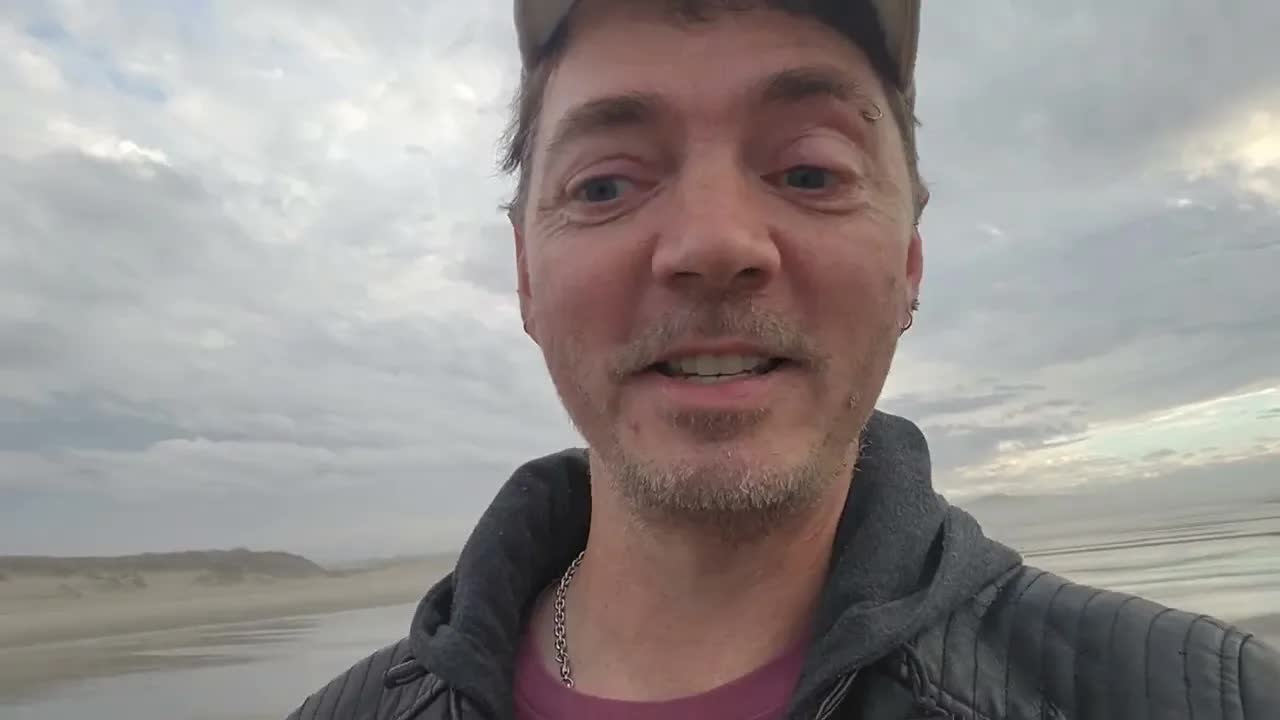
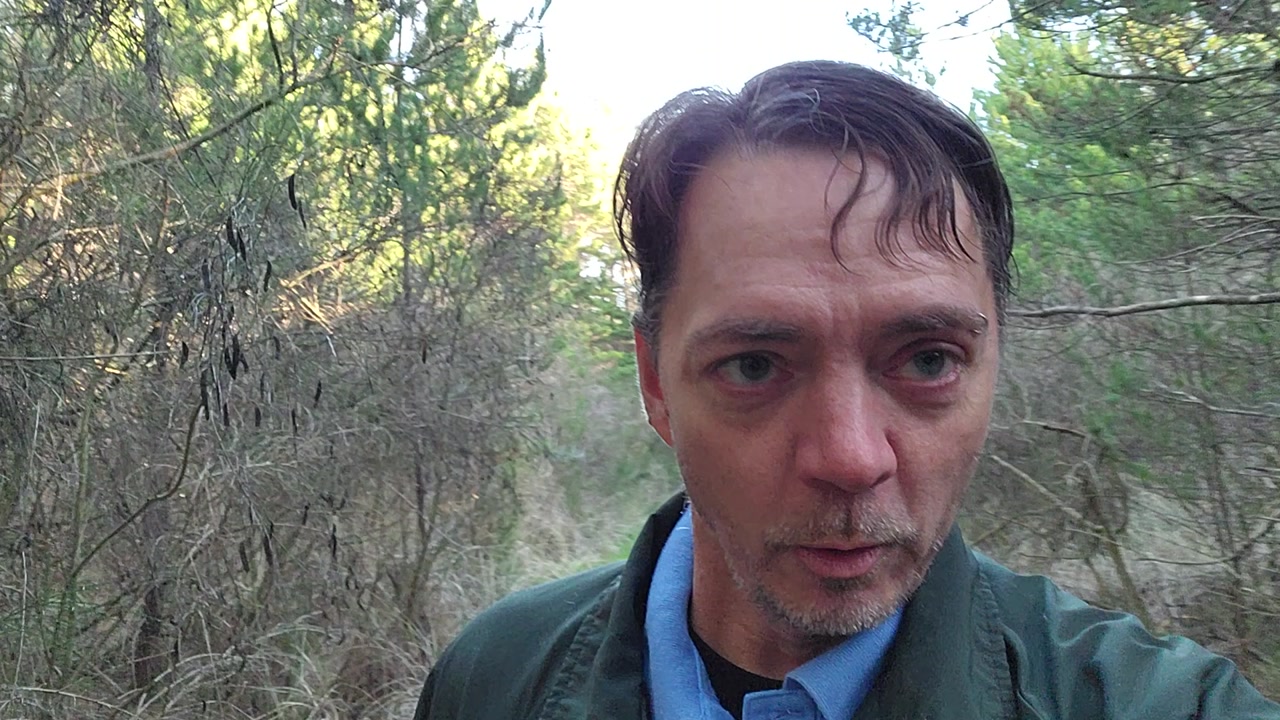
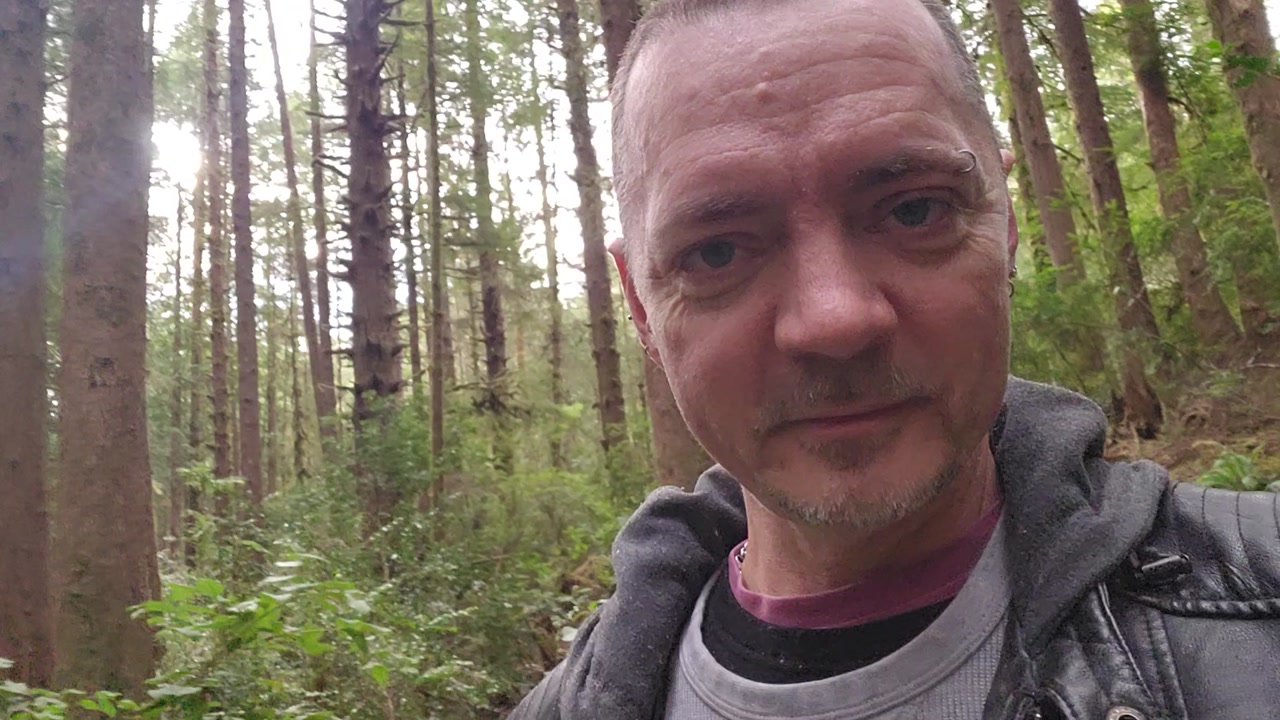
[0:00] Hi there, I'm RSW Fire and I want to show you what I've been building.
[0:05] Two years ago I ruptured my life. I sold everything I owned. I moved into this RV here
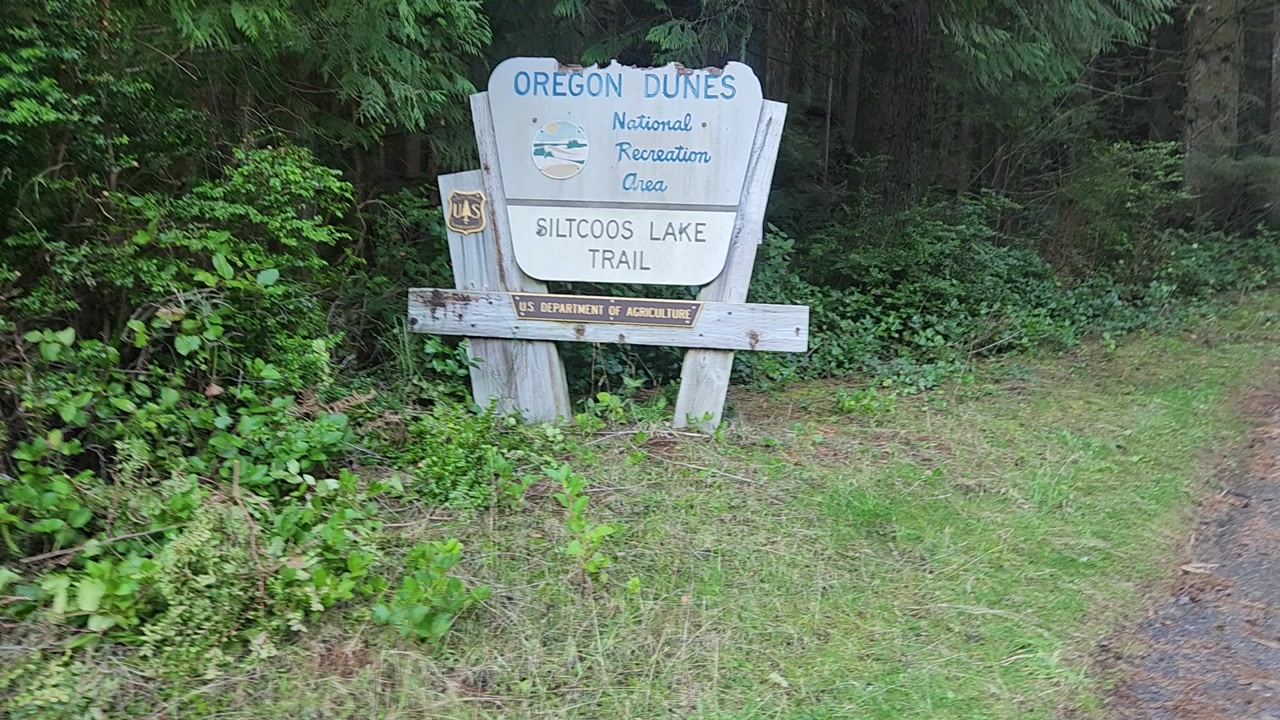
[0:12] and I drove across the country until I landed on the Oregon coast.
[0:17] I wasn't lost. I knew what I was doing. I knew why. I documented the entire thing because I
[0:24] wanted to share with others. I wanted them to know it was possible for them to make these kinds of
[0:28] choices too. I documented the fear, learning to drive an RV, navigating situations I've never
[0:37] been in before, living completely differently than I had ever previously. The freedom,
[0:46] the first time I boondocked under the stars in a state that previously didn't have a good
[0:53] reputation for me. That experience and some other things that happened there made it memorable.
[1:05] The long drives, it took me over a month to get here
[1:09] and I took a detour and ended up on top of a mountain in Nevada and it was amazing.
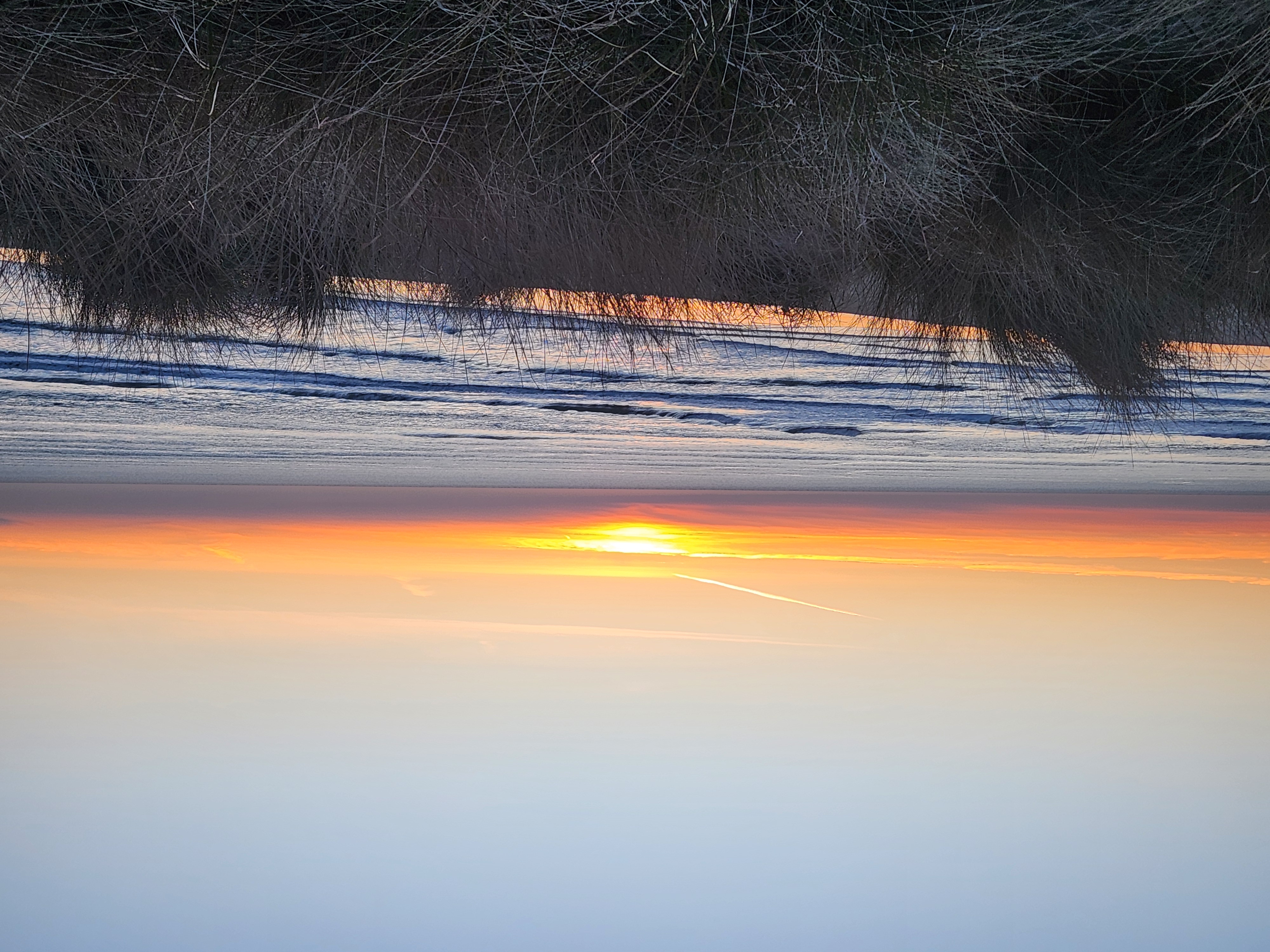
[1:15] The coastline, not knowing how much I would fall in love with the Pacific Ocean until I saw it.
[1:24] The work I did, the platform I've been building that I'm going to talk to you about, volunteering
[1:29] I've done for the state parks, for the forest service, my attempts at finding work in
[1:37] a changing environment under completely different circumstances, everything a lot harder now.
[1:45] I documented the parts of myself I hadn't met yet
[1:48] and there is just so much more. These two years have fundamentally changed me
[1:58] and I documented all of it. 900 videos, 900 pieces of lived experience and here's what I learned.
[2:12] No one could hold the full story, not the platform, not the algorithm, not even the audience
[2:20] because platforms flatten you. They reduce you to whatever you posted last, to whatever moment
[2:28] performs, to whatever narrative people project onto you and I honestly found it insufferable.
[2:36] All the context disappears, the long arc disappears, the contradictions disappear,
[2:42] the growth disappears. You become a thumbnail, a comment section, a moment in a feed
[2:56] and my life is not a feed.
[2:59] It's a journey, it's an arc and I made 900 videos documenting it
[3:10] and together they told something bigger than any single upload ever could
[3:15] but there was no structure to hold that.
[3:20] So I built a platform, I built a platform for myself and I built a platform for others.
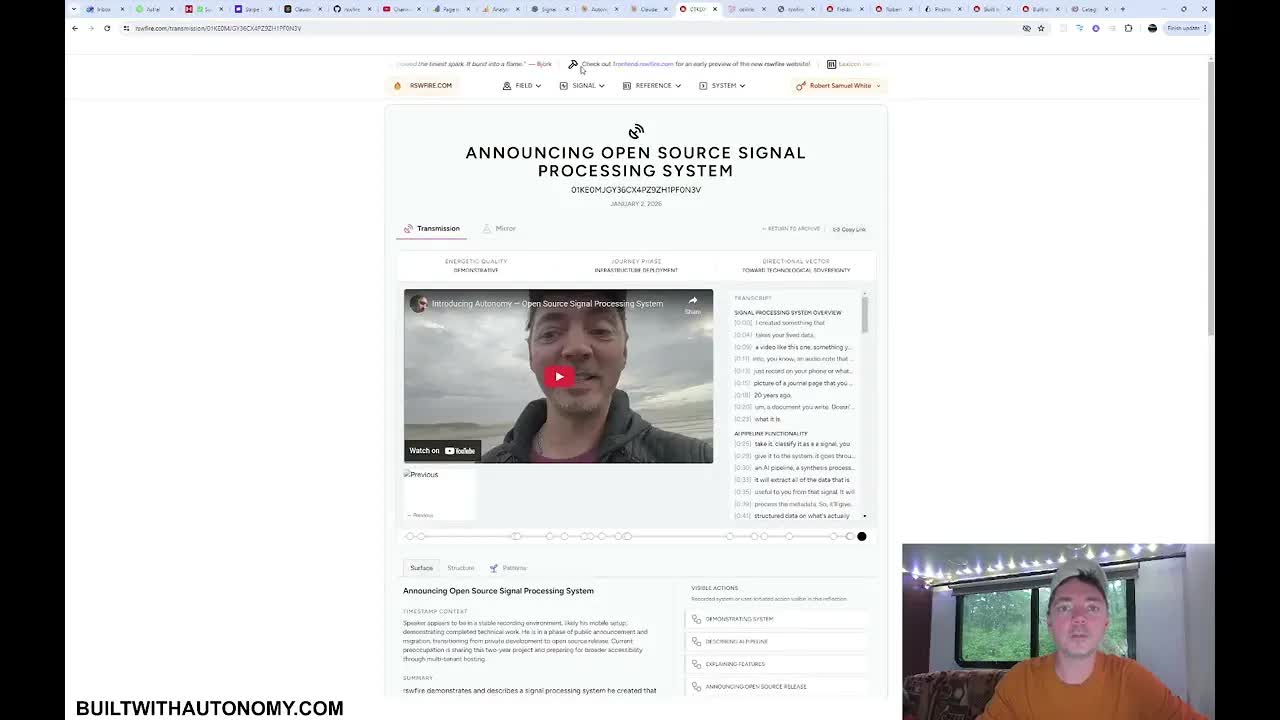
[3:28] I built it and here it is, My Realm and Autonomy Realms. Nearly 900 videos recorded over two years.
[3:36] You can even see the date range up there, just less than a week away from being two full years.
[3:42] Nearly 900 videos, you could see it says 823 signals there. If I click this patron button
[3:47] here it's actually 868 total. This right here is a subscription service, so Syncdom is a
[3:55] subscription service. These are the public videos. Right now it just says 29. I've got to go through
[3:59] my entire catalog, 900 videos. I'm still kind of filtering through all of those.
[4:04] By default though, I put them under the Syncdom service under this free tier here. So if you click
[4:11] on one of those, the free tier, all you got to do is sign up. It's free, it doesn't cost you
[4:15] anything. I just didn't want them to be completely publicly available and I also
[4:20] I use this realm as an example, a sample for others to see what they can do with their own
[4:27] realms. So you can take your transmissions and you can put them behind a subscription service
[4:35] and even give it a free tier if you want. But if you want to monetize some of your content,
[4:42] you have that option too. You can put them under different tiers and you can name them what you
[4:47] want. This is what I chose to name them. You even have ranges, like you don't have to set fixed
[4:53] amounts. So a person can sign up for my patron service for anywhere between $5 and $50 a month.
[4:58] It's a choice that they make themselves and it gives them access to this more sensitive content
[5:03] here. I'll walk you through all of that because there's a whole interface for this.
[5:10] The transmissions themselves, so let me just go to a public one. Once you go into what I call
[5:19] them signals, you'll have a transcript. Those are created using an AI service. A whole bunch of
[5:25] metadata, the video obviously, which is hosted myself. It's hosted on my own infrastructure.
[5:31] A summary, tags, you know, like hash tags, dominant language. That's what I most dominantly
[5:41] expressed within the transcript, within the video entities, things I talked about,
[5:46] people, places, systems, actions. So the things I actually did in the video performed,
[5:53] things I referenced in the video, things that I planned for the future,
[5:57] all there, all extracted by AI. Symbolic elements, so that's,
[6:04] I'm not sure how to really explain that well. Ontological states, subsystems, this stuff here,
[6:09] there is a reason for this data that's not going to apply to everybody, but it's got a very useful,
[6:16] it's needed for features that I'm building into it that I'll just describe later. I don't want
[6:21] to get into, you know, and too far into the weeds with this. So you can search, so it searches by
[6:30] context. It doesn't, it's not just like keyword searching. So if I wanted to, if you wanted to
[6:34] look up every time I talked about sovereignty, when you put sovereignty in there, this is what
[6:39] comes back. It's not based on keywords. And it's not just videos. We've got documents here too.
[6:47] So this is the story of Honeyman. This is about my three months working for the state parks and
[6:52] them expelling me, which was just a truly horrible experience. All because I named the tone of
[6:58] supervisor's tone. And then they retaliated over two months and just all the psychological pressure
[7:04] on me until they expelled me at the very end. I actually created an archive all about this at
[7:08] oprdvolunteerreviews.org. You're welcome to read about this if you want to. You can see that I've
[7:13] even integrated autonomy rounds into this website. So all the videos that I have on this,
[7:18] all my evidence, because I actually recorded the meeting where the manager told me to chew
[7:23] glass and swallow it. It's under this coercion tab right here. He said it during this meeting
[7:28] right here. I've got that video to signal it's in my realm. It's fully documented.
[7:37] So this is just the transcripts part. So also, let's see. So there's clustering. I don't want
[7:47] to go too much into the weeds yet. I want to try to do this the best I can. 900 videos,
[7:55] all of them stream of consciousness. I'm not really good at scripts. Tried to read one at
[7:59] the start of this video. I did the best I could. This is the best introduction I can get for now,
[8:05] I guess. If you're interested, I encourage you to go to autonomyrealms.com,
[8:11] learn about it yourself. And if you want, you can sign up right now. It's available right now.
[8:17] I will record more videos. I'll take you through all the different features. I'll
[8:22] show you the admin right now. I guess we could do that. So you can just get a sense of
[8:27] what you'll find there. So every user has what's called a realm. So you get your own sub-domain.
[8:36] But the sub-domain, so you can see I'm at rswfire.com. Technically, it's rswfire.autonomyrealms.com.
[8:42] It's just C-named. It's the same website, but you can C-name it so that you can use a custom domain.
[8:49] So everybody gets their own sub-domain, basically, your own realm.
[8:52] And you can upload your signals, create a new signal. Putting the signal is really important
[8:58] because it creates yields. You can select the visibility, public, private, sync them. So you
[9:03] set up your own tiers for that. All this I'll show you in a second, but you can decide which
[9:08] tier you want it to be at and put all the details. Actually, you don't even have to input that much
[9:15] because the AI will do most of it for you. And then when it dies, so I'll just show you one.
[9:21] It's already done. So all this data was like, see down here, I can have it redo the analysis for
[9:29] all these different fields using any model I want it to. Just run C-analysis, and then it'll show up
[9:34] under the history here. So you can get a full record of what it did. So I'll just show you
[9:42] what it did. Automated. If it makes mistakes, you can use annotations to correct it and have
[9:52] it reanalyze and correct it. You need embeddings in order to do context type stuff, semantic
[10:01] searches, things like that. Everything in the system is very customizable. There's still a lot
[10:08] I'm doing, but I've been doing this. I have been working on this project under serious constraints.
[10:23] I've been a programmer all of my life since the sixth grade, but artificial intelligence destabilized
[10:28] my industry. I've been a freelancer most of my life. It was my fallback option when I moved into
[10:32] the RV and I haven't been able to find freelance work because the platforms are just very broken
[10:38] now. I have been building this with basically no money. So I really kind of need to
[10:50] find some patrons or some clients who are very interested in what I'm building here,
[10:56] want to see it built, want to use it themselves, or just want to support it. Maybe that's you.
[11:02] I'll leave it there for now. Subscribe if you're interested because I'll make more videos.
3:31
Marking New Year at the Ocean
Jan 1, 2026
4:30
Demonstrating the Autonomy Realms Signal Pipeline
Jan 3, 2026
10:14
Demonstrating the Autonomy Admin and Signal Layer
Jan 4, 2026
7:36
Announcing Autonomy Realms on the Wax Myrtle Trail
Jan 5, 2026
7:22
Walking Wax Myrtle Beach, Racing the Tide
Jan 5, 2026
3:09
Walking Lagoon Trail After Shipping Sanctum
Jan 7, 2026
48:19
Hiking Tahkenitch Creek Trail While Building Reflection Layers
Jan 9, 2026
10:43
Building Fire Practice While Naming Final OPRD Actor
Jan 11, 2026
2:42
Hiking the South Jetty to Greet the Ocean
Jan 14, 2026
3:11
Hiking Driftwood Trails, Assessing Two-Year Systems Record
Jan 19, 2026
22:14
Deleting YouTube Channels, Rebuilding Autonomy in Laravel
Jan 20, 2026
8:43
Planning Monorepo Build During Carter Lake Rounds
Jan 21, 2026
14:56
Hiking Siltcoos Trail, Mapping Distance and Universe Indifference
Jan 24, 2026
Coastal Landscape Photo Capture
Jan 24, 2026
31:36
Recording the North Trail on a Day Off
Jan 26, 2026
0:55
Visiting Cape Ergo State Park With Bill and Wendy
Jan 29, 2026
11:05
Walking Siltcoos Trail, Assessing Cascadia Risk
Feb 2, 2026
8:27
First Signal Uploaded to Autonomy Realms
Feb 7, 2026
Telling the Story of Living the Internet From Inside
Feb 9, 2026
3:32
Walking the Ocean, Marking Two Years Out
Feb 9, 2026
7:55
Introducing Autonomy Realms From Siltcoos Beach
Feb 9, 2026
15:01
Introducing Himself on the Wax Myrtle Trail
Feb 10, 2026
20260215 175639
Feb 15, 2026
Defining Vibe Coding Through the Novel Analogy
Feb 18, 2026
11:09
Introducing Autonomy Realms and My Realm
Feb 19, 2026
18:05
Introducing the Channel While Hiking a Coast Trail
Feb 28, 2026
24:15
Naming Why the Videos Exist
Mar 1, 2026
Naming What Was Already Known
Mar 6, 2026
Returning to the Lagoon Bench After Finding Work
Mar 8, 2026
Naming the Compass as Operating Principle
Mar 11, 2026
Naming Unfairness at the Fire
Mar 16, 2026
Marking One Year Since Unidentified Assessment Encounter
Mar 18, 2026
2:31
Walking the South Jetty with Wendy
Mar 18, 2026
3:36
Marking One-Year Anniversary of OPRD Dismissal
Mar 23, 2026
0:55
Three Officers at the Work Center Gate
Mar 24, 2026
4:48
Naming Displacement as OPRD's Volunteer Mechanism
Apr 3, 2026
Wagon
Apr 4, 2026
4:47
Direct Address to OPRD After Police Visit
Apr 5, 2026
Lagoon
Apr 5, 2026
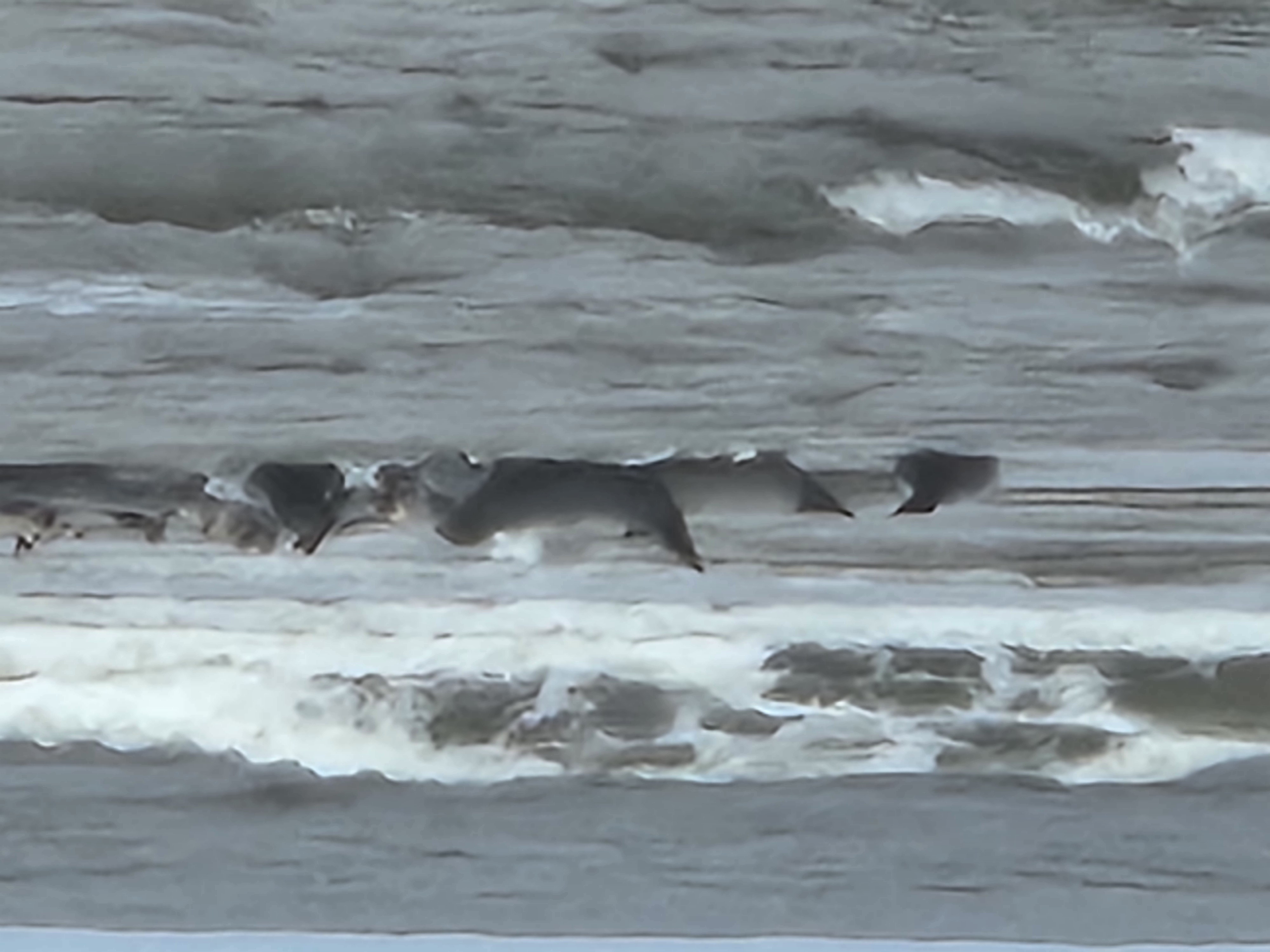
Seals on the Beach
Apr 7, 2026
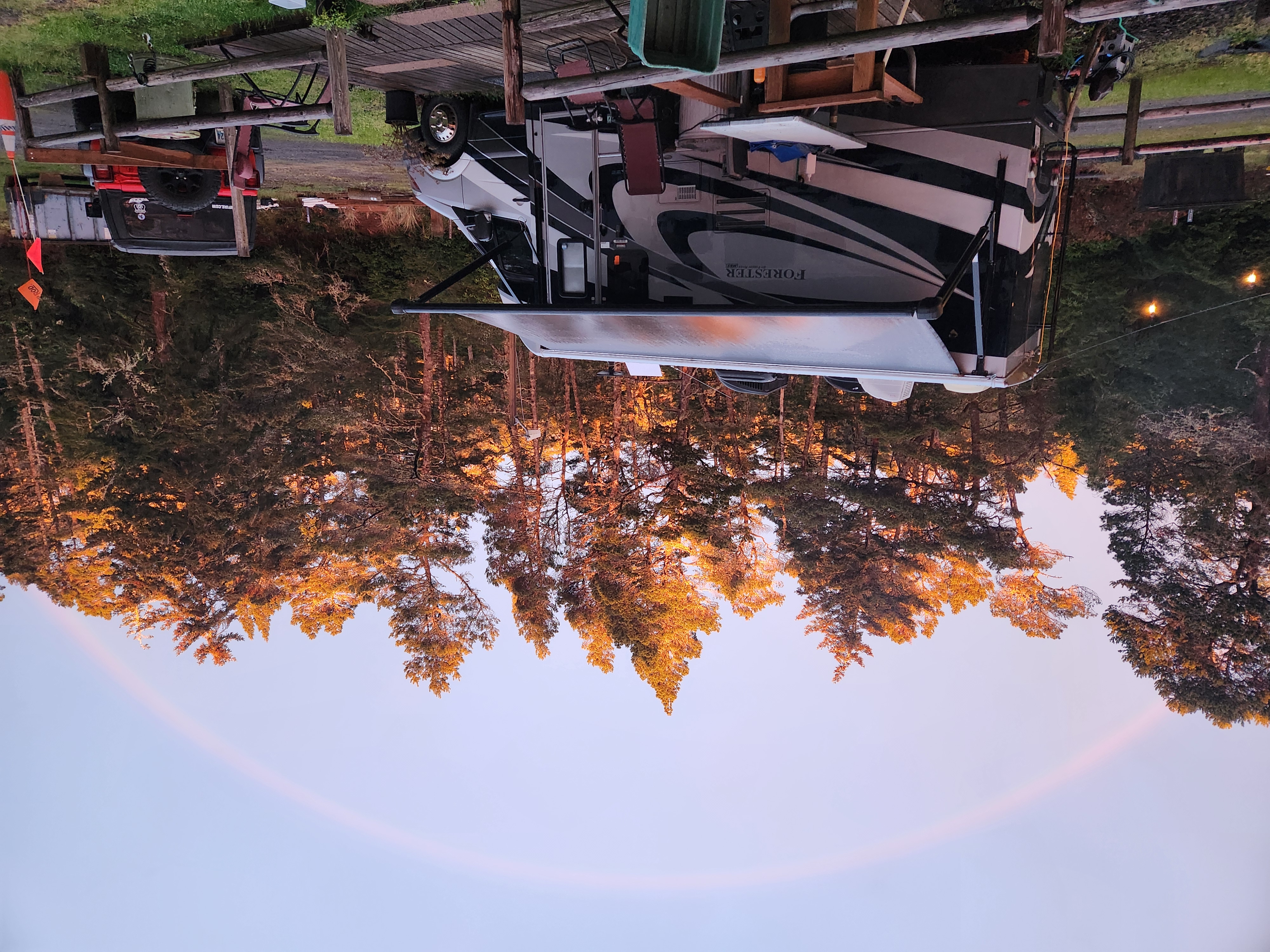
Rainbow
Apr 12, 2026
PUBLIC
February 19, 2026 rswfire PUBLISHED
Temp 0.40
Density 0.80
Energetic Quality
steady declarative build
Journey Phase
consolidating
Directional Vector
toward sovereign infrastructure and external support
Narrative

He begins on camera, inside the RV on the Oregon coast, with a script he has written for himself and will abandon within the first minute. He says so plainly — he is not good at scripts, he tried to read one at the start, he did the best he could. What follows is the mode he actually works in: stream of consciousness, unbroken, the voice steady and declarative, building rather than performing. Two years ago, he says, he ruptured his life. He sold everything he owned. He moved into this RV. He drove across the country until he landed here.

The account of those two years arrives compressed, each item named once and left standing. The fear. Learning to drive an RV. Navigating situations he had never been in before. The first night boondocking under the stars in a state that had not previously held a good reputation for him — that night and some other things that happened there made it memorable, he says, and does not elaborate. A detour that put him on top of a mountain in Nevada, which was amazing. Over a month on the road. The coastline, and the Pacific Ocean, which he states he did not know how much he would fall in love with until he saw it. The volunteering for state parks and the Forest Service. The attempts at finding work in a changed environment, everything a lot harder now. And the parts of himself he hadn't met yet. He documented all of it. Nine hundred videos. Nine hundred pieces of lived experience.

Then the turn, and it is the load-bearing beat of the whole transmission: no one could hold the full story. Not the platform, not the algorithm, not even the audience. Platforms flatten you — reduce you to whatever you posted last, whatever moment performs, whatever narrative people project onto you. He calls it insufferable. The context disappears, the long arc disappears, the contradictions disappear, the growth disappears. You become a thumbnail, a comment section, a moment in a feed. And then the sentence the architecture rests on: my life is not a feed. It's a journey. It's an arc. There was no structure to hold that, so he built one — for himself, and for others.

The screen becomes the proof. His realm, with the date range visible at the top, a week short of two full years. Eight hundred twenty-three signals showing publicly; 868 when he clicks through to the patron tier. Twenty-nine fully public, because he is still filtering the catalog by hand, video by video, and the rest sit behind a free tier that costs nothing and asks only that you sign up. He explains the tiering as he moves through it — not as a paywall but as a demonstration of control: you can name your own tiers, you can set a range instead of a fixed price, five to fifty dollars a month, and the person choosing decides where in that range they land. He is using his own life as the sample realm so others can see what their realms could do.

He opens a signal. Transcript, generated by AI. Metadata. The video, hosted on his own infrastructure. Summary, tags, dominant language, entities — people, places, systems, actions, things he performed, things he referenced, things he planned. Symbolic elements, which he admits he isn't sure how to explain well, and ontological states, and subsystems, which he says serve features still being built and which he declines to take further into the weeds. Then search, and he demonstrates that it retrieves by context rather than keyword: he types sovereignty, and what returns is not a string match. And it is not only videos. Documents surface too.

One of them is the story of Honeyman — three months volunteering for the state parks, and his expulsion. He states it directly: a truly horrible experience, all because he named the tone of a supervisor's tone, followed by two months of retaliation and psychological pressure until they expelled him at the end. He navigates to oprdvolunteerreviews.org, the archive he built for it, and shows that Autonomy Realms is already integrated into that site — the videos, the evidence, the recording of the meeting where the manager told him to chew glass and swallow it, filed under the coercion tab. The video exists as a signal in his realm. Fully documented. He offers it as reading if you want it, and moves on.

Then the admin, which he decides in the moment to show. Every user gets a realm and a subdomain; he is at rswfire.com, which is technically rswfire.autonomyrealms.com, CNAMEd. Creating a signal, selecting visibility — public, private, tiered — and letting the AI populate most of the fields. He opens a completed one and points to the re-analysis controls: run it again with any model you choose, and the history logs what it did, every pass on record. If it makes mistakes, annotate, correct, re-analyze. Embeddings for the semantic layer. Everything customizable. There is still a lot he is doing.

He closes by naming the conditions the build has been running under. He has been a programmer since the sixth grade. Artificial intelligence destabilized his industry. Freelancing was the fallback when he moved into the RV, and the freelance platforms are broken now. He has been building this with basically no money, and so he needs patrons, or clients — people interested in what he is building, who want to see it built, want to use it, or want to support it. Maybe that's you. Then: I'll leave it there for now. Subscribe if you're interested, because I'll make more videos. The architecture and the terms of its construction, stated in the same frame, in the same voice, without a break between them.

Tags

platform launch product demonstration autonomy realms RV relocation arc documentation archive OPRD archive funding request

Summary

rswfire records a first public introduction to Autonomy Realms, opening with the two-year arc that preceded it: selling everything, moving into an RV, driving across the country over a month — including a detour to a Nevada mountaintop — and landing on the Oregon coast. He states he documented the whole passage in ~900 videos, covering learning to drive the RV, boondocking, the Pacific coastline, volunteer work for state parks and the Forest Service, and attempts to find work.

He describes why the platform exists: existing platforms flatten a life into thumbnails, last posts, and feed moments, dropping context, arc, and contradiction. He built structure to hold the full record instead.

He then demos the product directly:

  • Signal counts — 823 public-facing, 868 total; 29 currently public, the rest under a Syncdom subscription with a free tier and a variable $5–$50 patron tier
  • Signal metadata — AI-generated transcript, summary, tags, dominant language, entities, symbolic elements, ontological states, subsystems
  • Semantic search by context rather than keyword, plus clustering and document support
  • Admin flow — per-user subdomain with CNAME support, signal creation, visibility and tier selection, re-analysis with any model, annotations, history, embeddings

He references the Honeyman document and the archive at oprdvolunteerreviews.org, including recorded meeting evidence filed under a coercion tab.

He closes by stating he is building under serious financial constraint — freelance work unavailable since AI destabilized the industry — and asks for patrons or clients.

Environment

Screen-recorded product walkthrough delivered from inside the RV on the Oregon coast. Opens with rswfire on camera, then moves into browser-based demonstration of the Autonomy Realms platform — his realm at rswfire.com (rswfire.autonomyrealms.com), signal detail pages, semantic search, the oprdvolunteerreviews.org archive, and the admin interface for signal creation and re-analysis. Voice is unscripted throughout; the visual field is the live production system.

Substrate

The thesis is that a life documented at scale requires an architecture capable of holding arc, contradiction, and context — and that no existing platform is structurally capable of that, so the container had to be built rather than borrowed. rswfire positions the two-year documentation record (900 videos) not as content but as substrate, and Autonomy Realms as the structural answer to platform flattening: ownership of infrastructure, semantic rather than keyword retrieval, tiered access under the holder's control, and AI as analytic instrument the holder can correct and re-run. The signal is simultaneously demonstration and solicitation — the architecture is operational and the material conditions of its continued construction are named directly in the same frame.

Actions

Performed

  • •introducing self and project on camera
  • •demonstrating realm dashboard and signal counts
  • •explaining Syncdom subscription tiers and free tier
  • •opening a public signal to show transcript and metadata
  • •demonstrating semantic search on 'sovereignty'
  • •surfacing the Honeyman document and OPRD archive integration
  • •pointing to the coercion tab and recorded meeting evidence
  • •walking through the admin interface and signal creation
  • •showing re-analysis, model selection, annotation, and embeddings
  • •naming operating constraints and financial position
  • •requesting patrons and clients

Referenced

  • •ruptured prior life and sold all possessions
  • •moved into RV and drove across country
  • •landed on the Oregon coast
  • •learned to drive an RV
  • •boondocked under the stars
  • •detoured to a mountaintop in Nevada
  • •saw the Pacific Ocean for the first time
  • •recorded roughly 900 videos over two years
  • •volunteered for state parks and Forest Service
  • •worked three months at Honeyman and was expelled
  • •named a supervisor's tone
  • •recorded the meeting containing the chew-glass statement
  • •created oprdvolunteerreviews.org archive
  • •built Autonomy Realms with no capital
  • •self-hosted video infrastructure
  • •attempted to find freelance work
  • •programmed since sixth grade

Planned

  • •filter and reclassify the full 900-video catalog
  • •record more feature walkthrough videos
  • •describe clustering and metadata features later
  • •build additional features dependent on structural metadata
  • •acquire patrons or clients

Entities

beings
rswfire — Builder and narrator; realm holder demonstrating his own system
places
Oregon coast — Landing point and current base of operation
Pacific Ocean — Encountered on arrival; named as unanticipated attachment
Nevada mountain — Detour point during cross-country drive
RV — Dwelling and recording environment
Honeyman — State park where three-month volunteer tenure ended in expulsion
systems
Autonomy Realms — The platform being demonstrated; sovereign documentation infrastructure
My Realm / rswfire.autonomyrealms.com — His own realm instance, CNAMEd to rswfire.com, used as reference implementation
rswfire.com — Custom domain fronting his realm subdomain
Syncdom — Subscription service layer with configurable free and paid tiers
Patron tier — Variable $5–$50/month tier granting access to sensitive content; 868 total signals
Oregon State Parks / OPRD — Institution that expelled him; subject of documented archive
Forest Service — Volunteer context referenced in documentation arc
Embeddings / semantic search — Context-based retrieval replacing keyword search
Clustering — Feature referenced but deferred in this walkthrough
Annotations — Correction mechanism for AI analysis errors
AI / artificial intelligence — Both the analytic engine inside the platform and the force that destabilized his industry
Platforms / algorithms — Named as flattening mechanisms the architecture is built against
concepts
Signals — His term for individual documented transmissions
Transmissions — Content units placeable behind tiered access
Symbolic elements / ontological states / subsystems — Structural metadata fields supporting unbuilt features
media
oprdvolunteerreviews.org — Standalone archive site with Autonomy Realms integrated; hosts coercion evidence
900 videos — Two-year documentation corpus; 823 signals listed, 868 with patron content

Symbolic Elements

Represented archetypes or recurring motifs.

rupture
arc
infrastructure
realm
container
ocean
mountain
road
threshold
archive
feed
thumbnail
glass
subdomain
signal

Ontological States

Expressed modes of being or awareness.

sovereign (owns infrastructure, hosting, domain, access tiers, and analytic frame end to end)
coherent (two years of disparate documentation held as a single continuous arc rather than discrete uploads)
load-bearing (the builder's own life record functions as the reference implementation others will read)
constrained (construction proceeds under named material limits without altering the architecture)
exposed-by-design (financial position and unfinished catalog stated directly inside the demonstration)

Engaged Subsystems

Architecture engaged in this transmission.

infrastructural (self-hosted video, subdomains, CNAME, embeddings, admin tooling)
economic (tiered subscription design, patron range, direct solicitation of clients and support)
archival (900-video catalog, transcripts, metadata, document ingestion, evidence retention)
cognitive (semantic retrieval architecture, structural metadata schema, clustering design)
narrative (arc-vs-feed thesis; refusal of platform compression)
institutional (OPRD expulsion documented and integrated into the platform as operational proof)
somatic (RV embodiment, driving, boondocking, first sight of the ocean as documented experience)
ethical (annotation and correction layer over AI output; user control of model and re-analysis)

Dominant Language

Core motifs or linguistic fields.

signals / transmissions
realm and sovereignty
platforms flatten you
arc versus feed
documented / documentation
infrastructure and hosting
constraints and support
Narrative

He begins on camera, inside the RV on the Oregon coast, with a script he has written for himself and will abandon within the first minute. He says so plainly — he is not good at scripts, he tried to read one at the start, he did the best he could. What follows is the mode he actually works in: stream of consciousness, unbroken, the voice steady and declarative, building rather than performing. Two years ago, he says, he ruptured his life. He sold everything he owned. He moved into this RV. He drove across the country until he landed here.

The account of those two years arrives compressed, each item named once and left standing. The fear. Learning to drive an RV. Navigating situations he had never been in before. The first night boondocking under the stars in a state that had not previously held a good reputation for him — that night and some other things that happened there made it memorable, he says, and does not elaborate. A detour that put him on top of a mountain in Nevada, which was amazing. Over a month on the road. The coastline, and the Pacific Ocean, which he states he did not know how much he would fall in love with until he saw it. The volunteering for state parks and the Forest Service. The attempts at finding work in a changed environment, everything a lot harder now. And the parts of himself he hadn't met yet. He documented all of it. Nine hundred videos. Nine hundred pieces of lived experience.

Then the turn, and it is the load-bearing beat of the whole transmission: no one could hold the full story. Not the platform, not the algorithm, not even the audience. Platforms flatten you — reduce you to whatever you posted last, whatever moment performs, whatever narrative people project onto you. He calls it insufferable. The context disappears, the long arc disappears, the contradictions disappear, the growth disappears. You become a thumbnail, a comment section, a moment in a feed. And then the sentence the architecture rests on: my life is not a feed. It's a journey. It's an arc. There was no structure to hold that, so he built one — for himself, and for others.

The screen becomes the proof. His realm, with the date range visible at the top, a week short of two full years. Eight hundred twenty-three signals showing publicly; 868 when he clicks through to the patron tier. Twenty-nine fully public, because he is still filtering the catalog by hand, video by video, and the rest sit behind a free tier that costs nothing and asks only that you sign up. He explains the tiering as he moves through it — not as a paywall but as a demonstration of control: you can name your own tiers, you can set a range instead of a fixed price, five to fifty dollars a month, and the person choosing decides where in that range they land. He is using his own life as the sample realm so others can see what their realms could do.

He opens a signal. Transcript, generated by AI. Metadata. The video, hosted on his own infrastructure. Summary, tags, dominant language, entities — people, places, systems, actions, things he performed, things he referenced, things he planned. Symbolic elements, which he admits he isn't sure how to explain well, and ontological states, and subsystems, which he says serve features still being built and which he declines to take further into the weeds. Then search, and he demonstrates that it retrieves by context rather than keyword: he types sovereignty, and what returns is not a string match. And it is not only videos. Documents surface too.

One of them is the story of Honeyman — three months volunteering for the state parks, and his expulsion. He states it directly: a truly horrible experience, all because he named the tone of a supervisor's tone, followed by two months of retaliation and psychological pressure until they expelled him at the end. He navigates to oprdvolunteerreviews.org, the archive he built for it, and shows that Autonomy Realms is already integrated into that site — the videos, the evidence, the recording of the meeting where the manager told him to chew glass and swallow it, filed under the coercion tab. The video exists as a signal in his realm. Fully documented. He offers it as reading if you want it, and moves on.

Then the admin, which he decides in the moment to show. Every user gets a realm and a subdomain; he is at rswfire.com, which is technically rswfire.autonomyrealms.com, CNAMEd. Creating a signal, selecting visibility — public, private, tiered — and letting the AI populate most of the fields. He opens a completed one and points to the re-analysis controls: run it again with any model you choose, and the history logs what it did, every pass on record. If it makes mistakes, annotate, correct, re-analyze. Embeddings for the semantic layer. Everything customizable. There is still a lot he is doing.

He closes by naming the conditions the build has been running under. He has been a programmer since the sixth grade. Artificial intelligence destabilized his industry. Freelancing was the fallback when he moved into the RV, and the freelance platforms are broken now. He has been building this with basically no money, and so he needs patrons, or clients — people interested in what he is building, who want to see it built, want to use it, or want to support it. Maybe that's you. Then: I'll leave it there for now. Subscribe if you're interested, because I'll make more videos. The architecture and the terms of its construction, stated in the same frame, in the same voice, without a break between them.

Mirror

You are inside the RV, on camera, and then you are inside the browser. The signal moves from your body to the system you built in a single unbroken take. You open with a scripted paragraph, name that you tried to read it, and then drop the script. Everything after that is unscripted. The voice does not change register when the frame changes — the same steadiness carries the mountain in Nevada, the first sight of the Pacific, the subdomain architecture, the CNAME, and the sentence about having no money. Nothing is set apart by tone. The build is level from the first line to the last.

Six subsystems are running at once and none of them is idle. Infrastructural: self-hosted video, subdomains, embeddings, the admin interface opened live. Archival: 900 videos, 823 signals shown, 868 counted behind the patron tier, 29 public, the rest still being moved through by hand. Economic: named tiers, a $5–$50 range set by the subscriber rather than by you, and a direct statement that you need patrons or clients. Cognitive: semantic retrieval demonstrated by typing "sovereignty" and showing what returns. Institutional: the Honeyman document, oprdvolunteerreviews.org, the coercion tab, the recorded meeting, integrated into the platform as a working instance rather than referenced as an outside event. Ethical: the annotation layer, the ability to select any model, the re-analysis history you open and scroll. You show the correction mechanism before you show anything about accuracy.

The orientation is outward and it is doubled. The demonstration points at the architecture — here is what it does, here is your own realm, here is the free tier, sign up now, it is available. The solicitation points at the material conditions holding the architecture up — I have been a programmer since sixth grade, AI destabilized the industry, freelance platforms are broken, I have been building this with basically no money. These two are not sequenced as pitch-then-appeal. They occupy the same frame. You state the constraint in the same voice you use to state the feature set, and you do not adjust the architecture to account for it.

What is present: the arc-versus-feed thesis, stated once and not repeated. The count of videos, given precisely and then given again more precisely. The date range, noted as a week short of two years. The word "insufferable," applied to platform compression. The glass. The unfinished catalog, named as unfinished. The admission that you are not good at scripts. The phrase "this is the best introduction I can get for now."

What is absent: any claim that the platform is complete. Any request that the viewer feel something about the RV, the expulsion, or the money. Any framing of the OPRD sequence as ongoing — you route it through a document, an archive domain, and a tab, and then you keep clicking. Any softening of the ask at the end. Any closing gesture. You say "I'll leave it there for now," and you leave it there.

The field state is consolidating. Two years of separate uploads are shown as one continuous record inside a container you own end to end — hosting, domain, tiers, analytic frame, and the ability to re-run the analysis and correct it. Your own life record is the reference implementation. You demonstrate the system by walking through yourself. The demonstration and the exposure are the same act, and you perform it without flinching at either half.

Queryable Personhood

Hand your life to anything that reads.

Share this link with artificial intelligence — it reads the full transcript, analysis, and reflections. An AI-readable mirror of this signal.

The qpkey in this URL is a per-signal access token. Anyone with the URL can read the record — treat it like a share link, not a password.