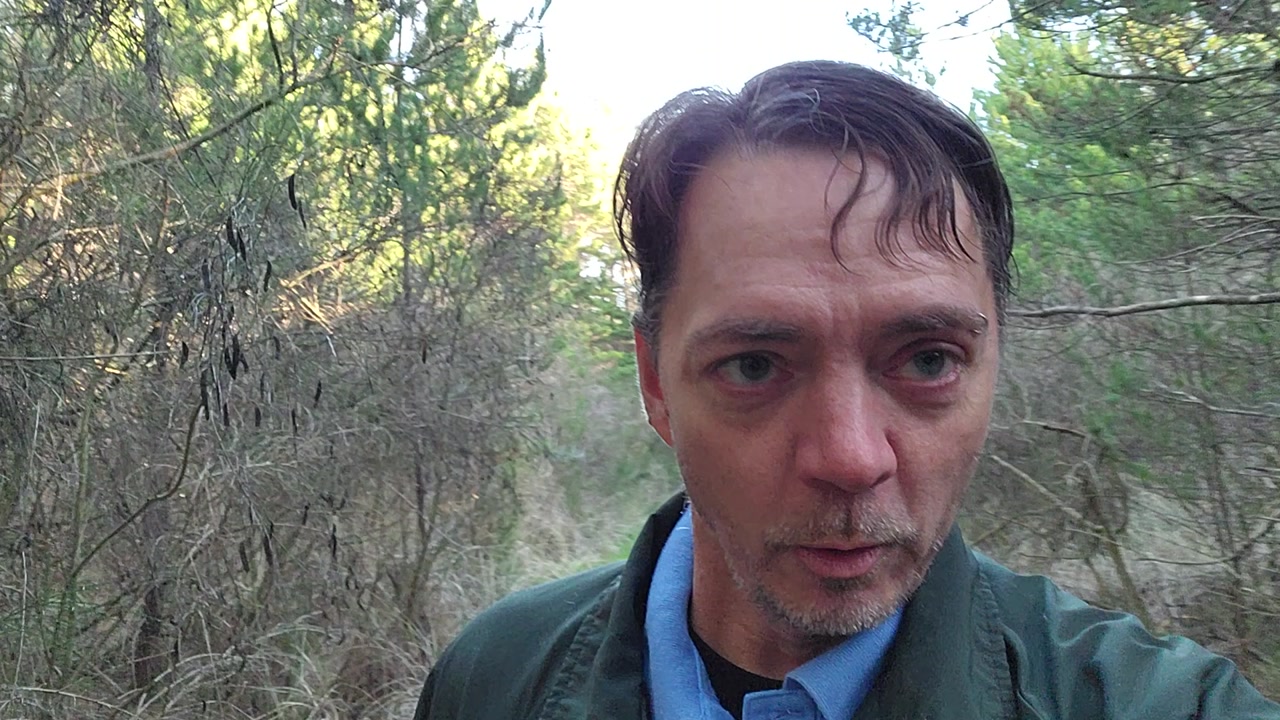
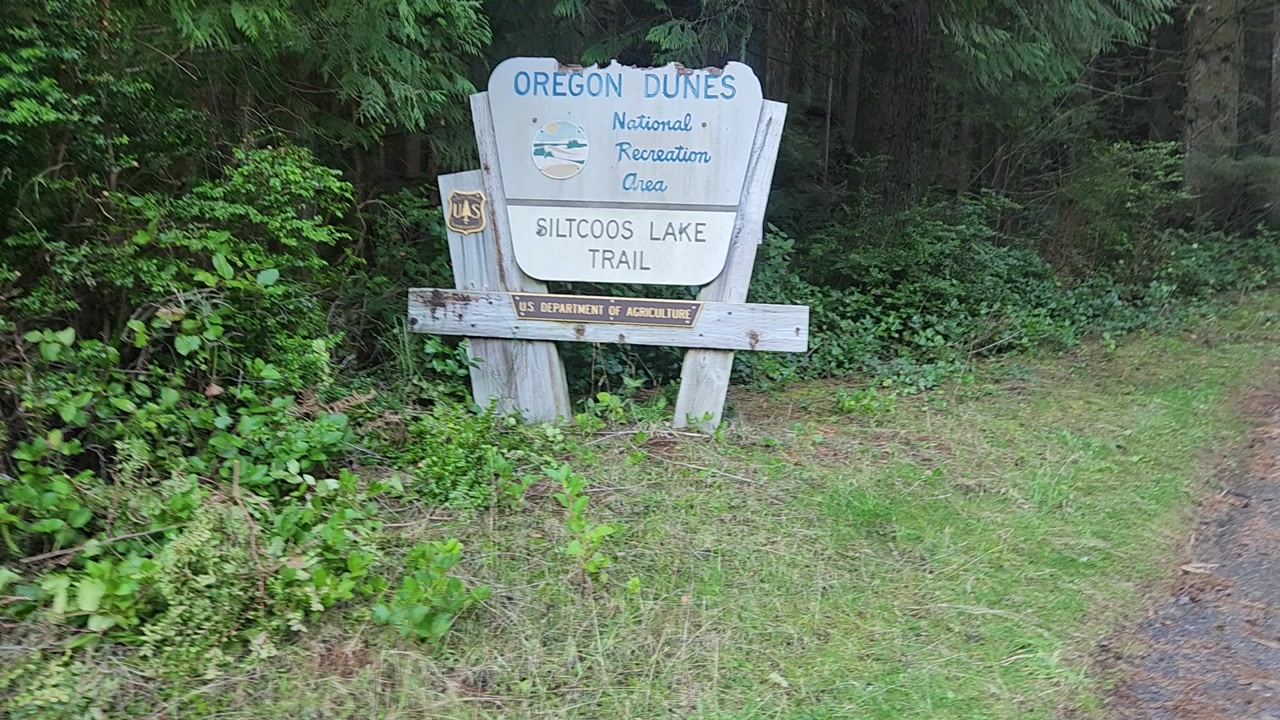


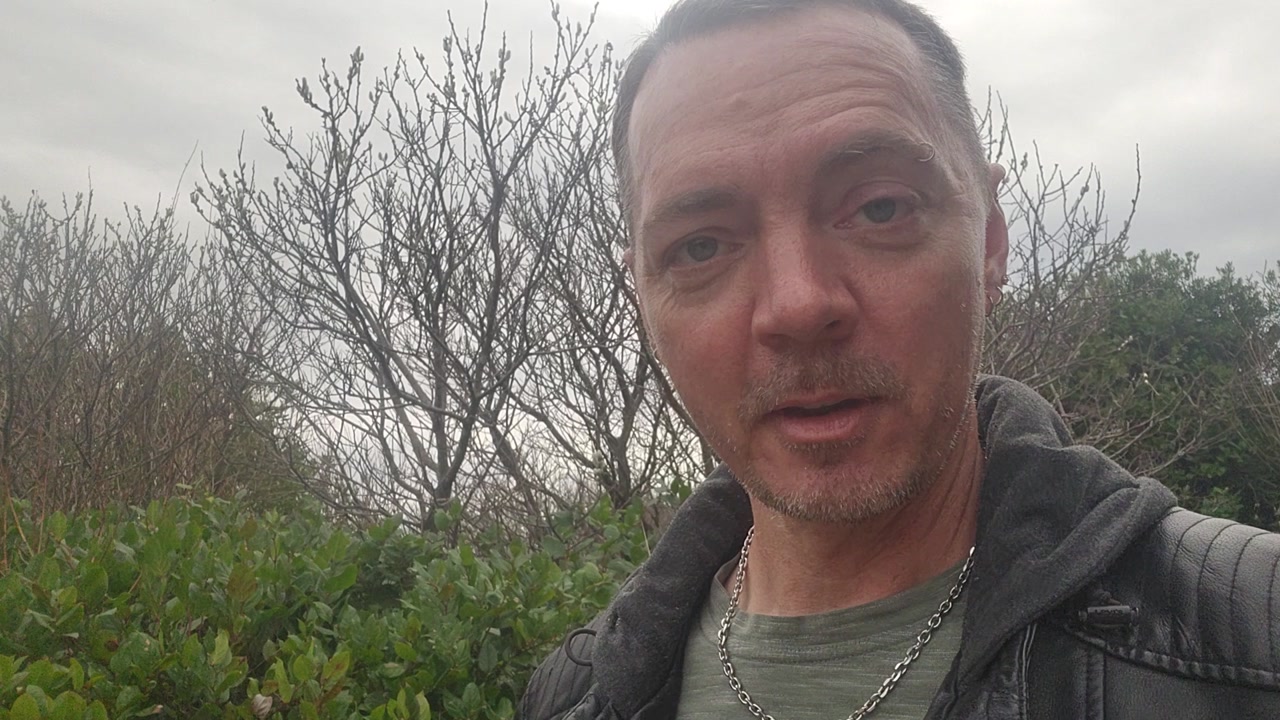
Hiking Driftwood Trails, Assessing Two-Year Systems Record

Failed to load video
Chapters
Transcript
[0:00] So it's just a little while later from the beach maybe like an hour or so I guess
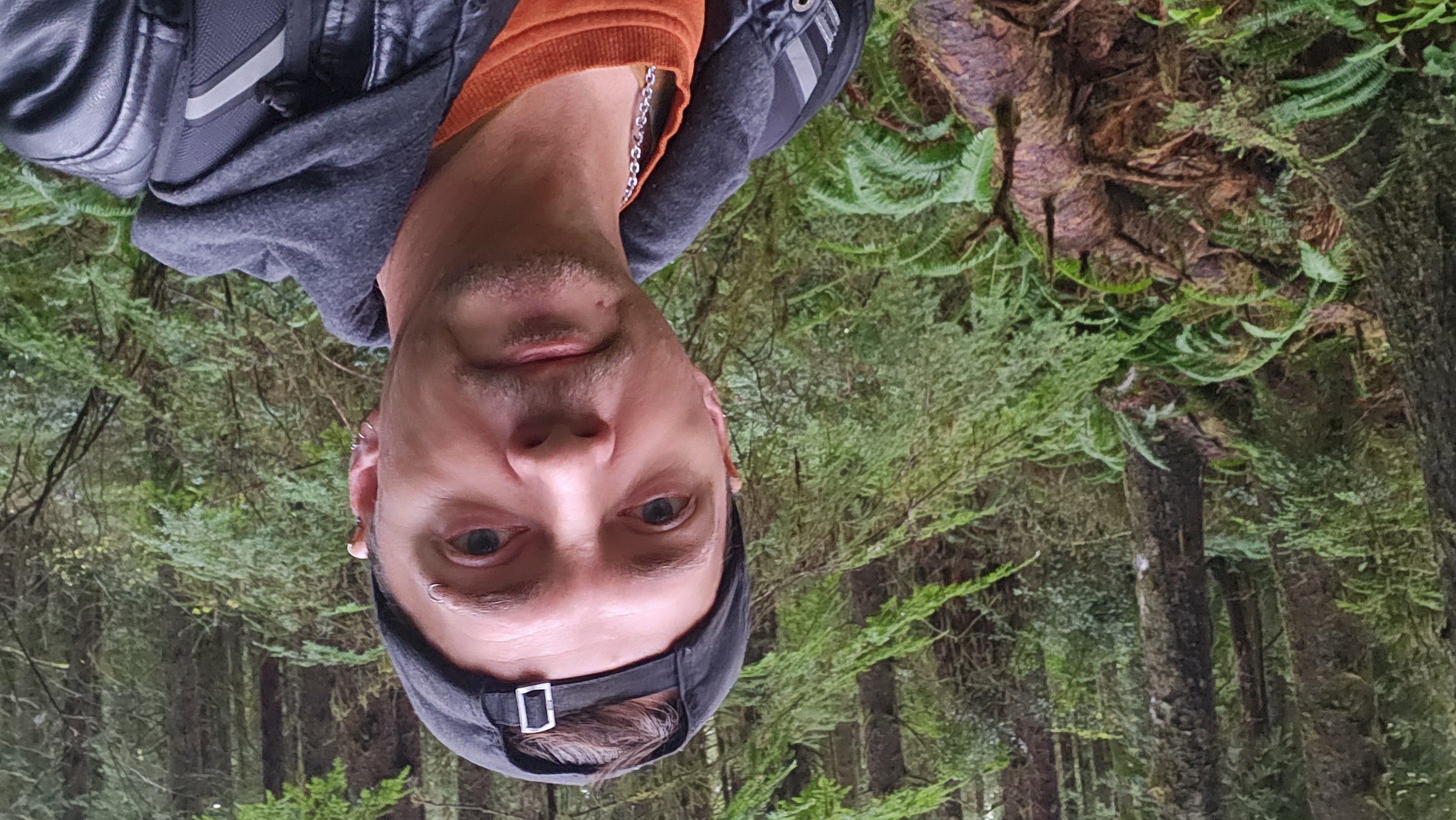
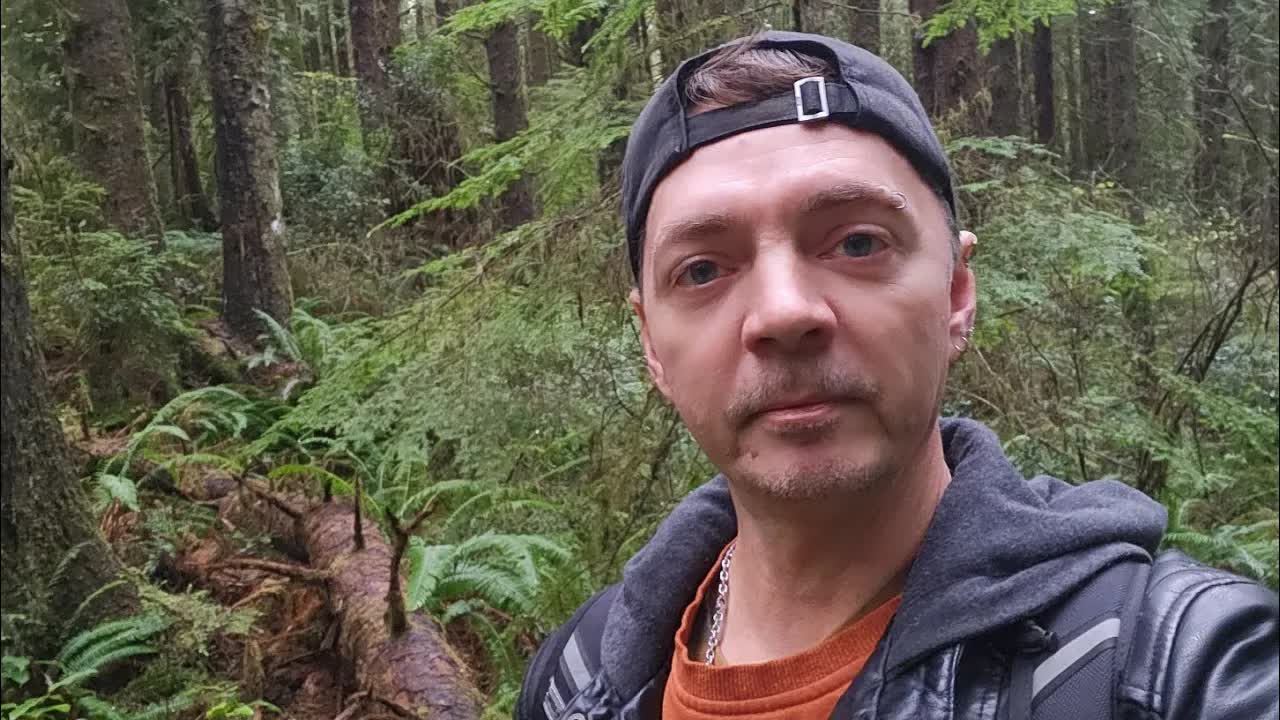
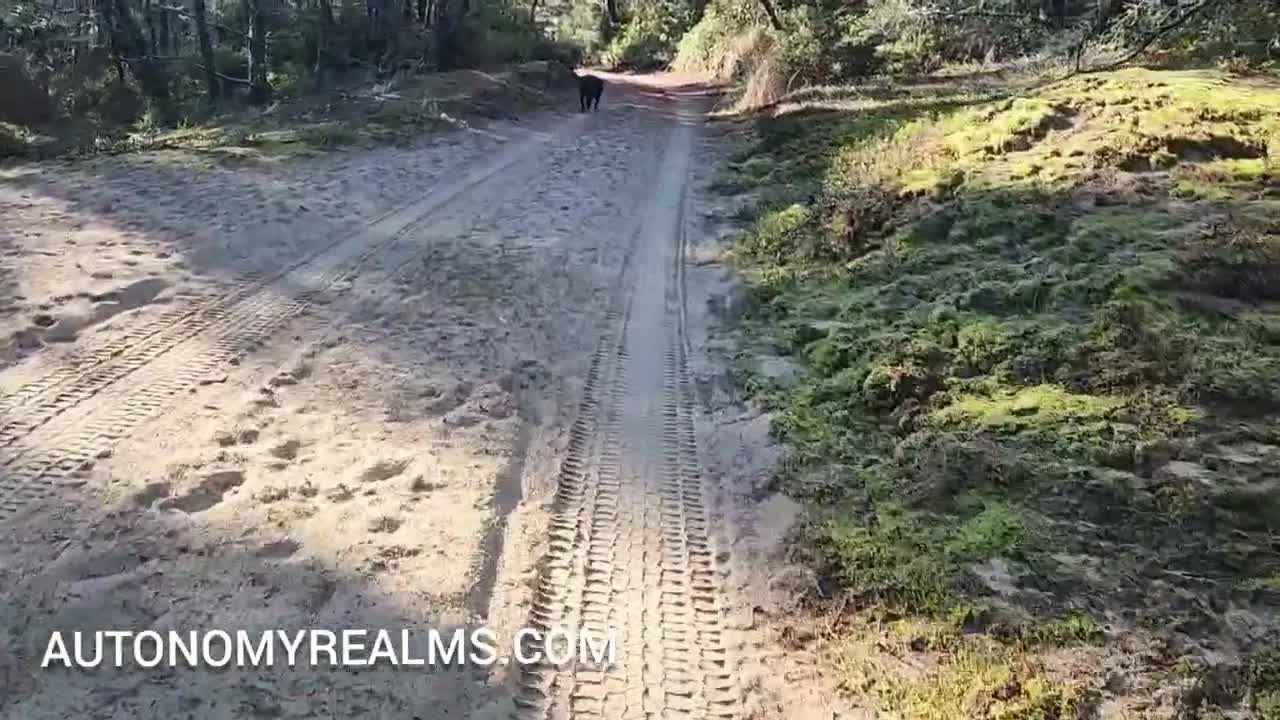
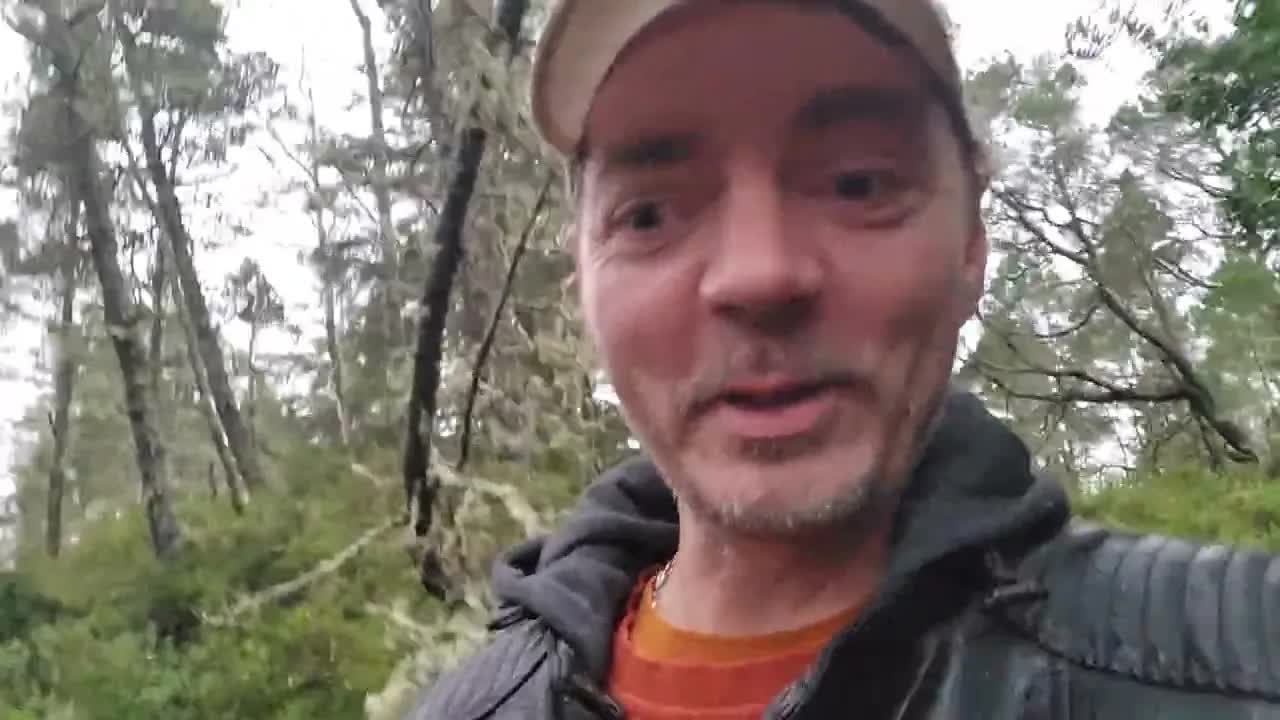
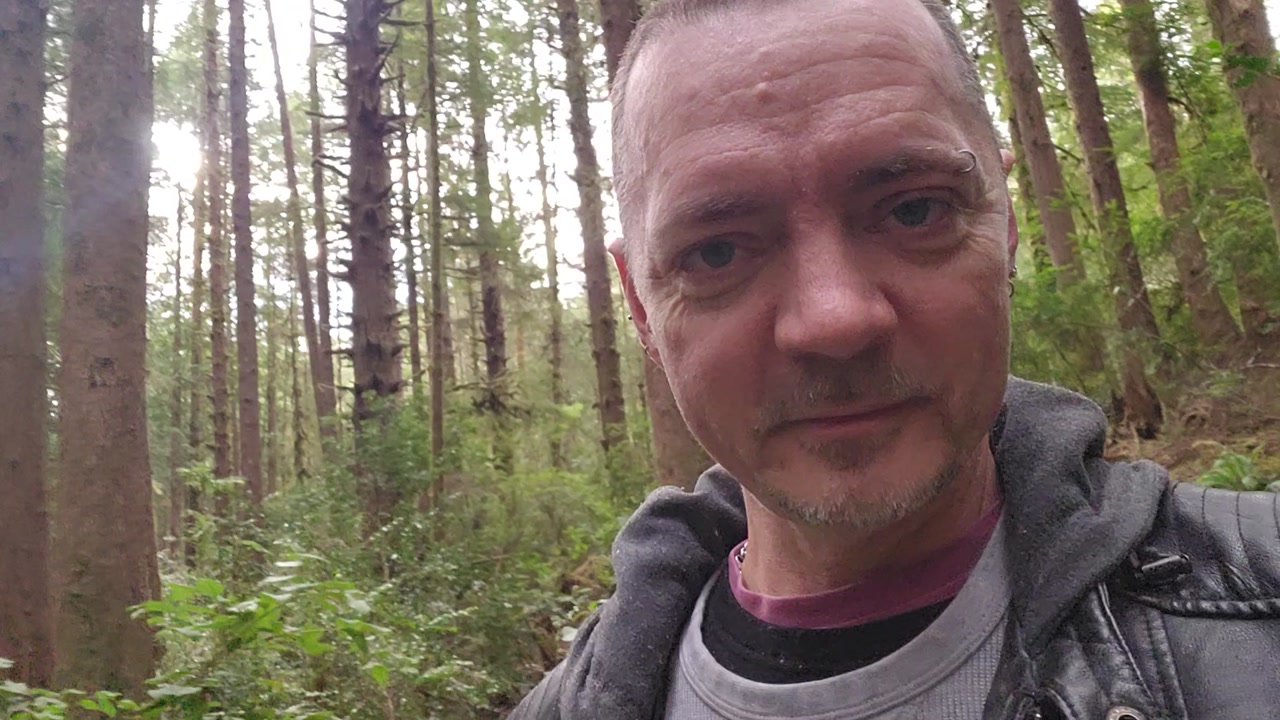
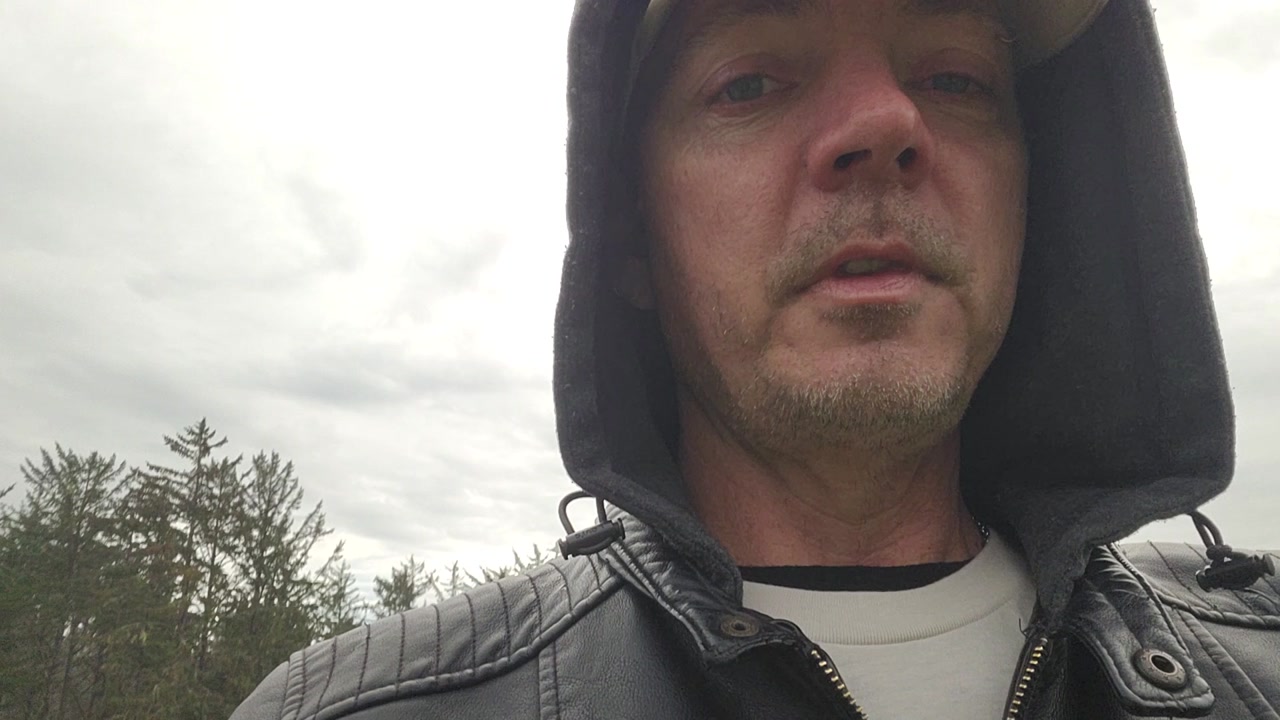
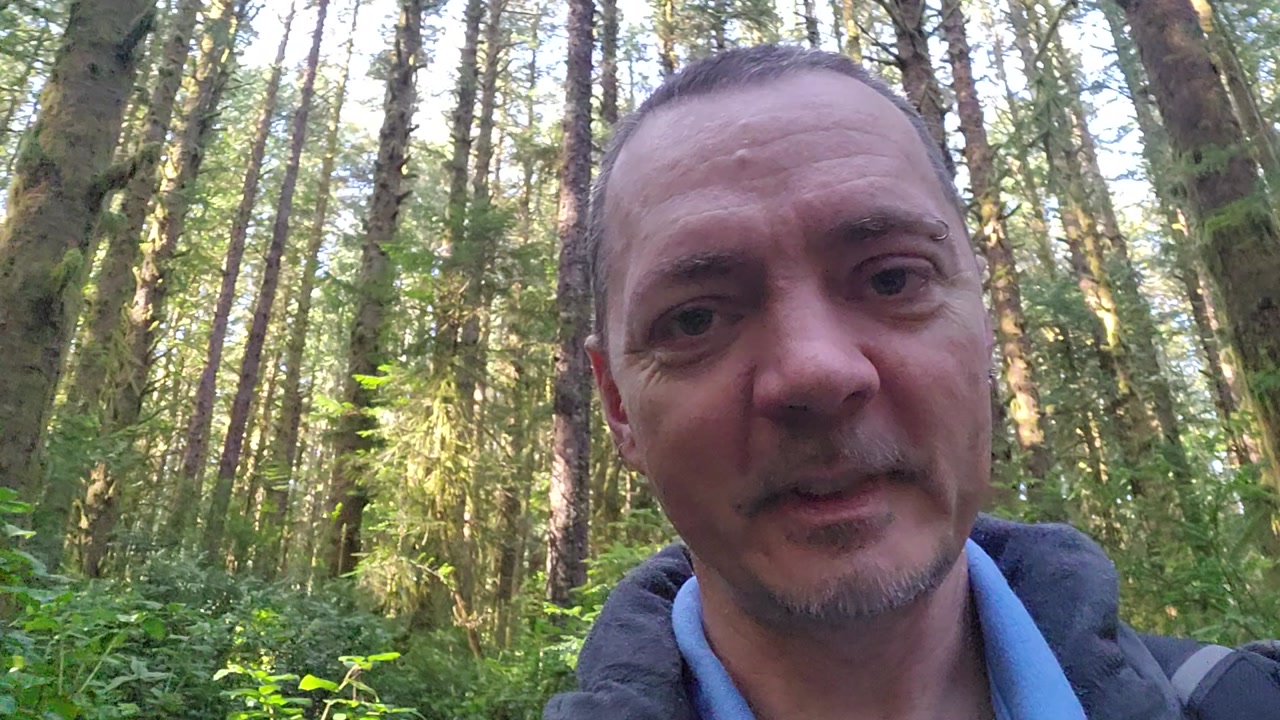
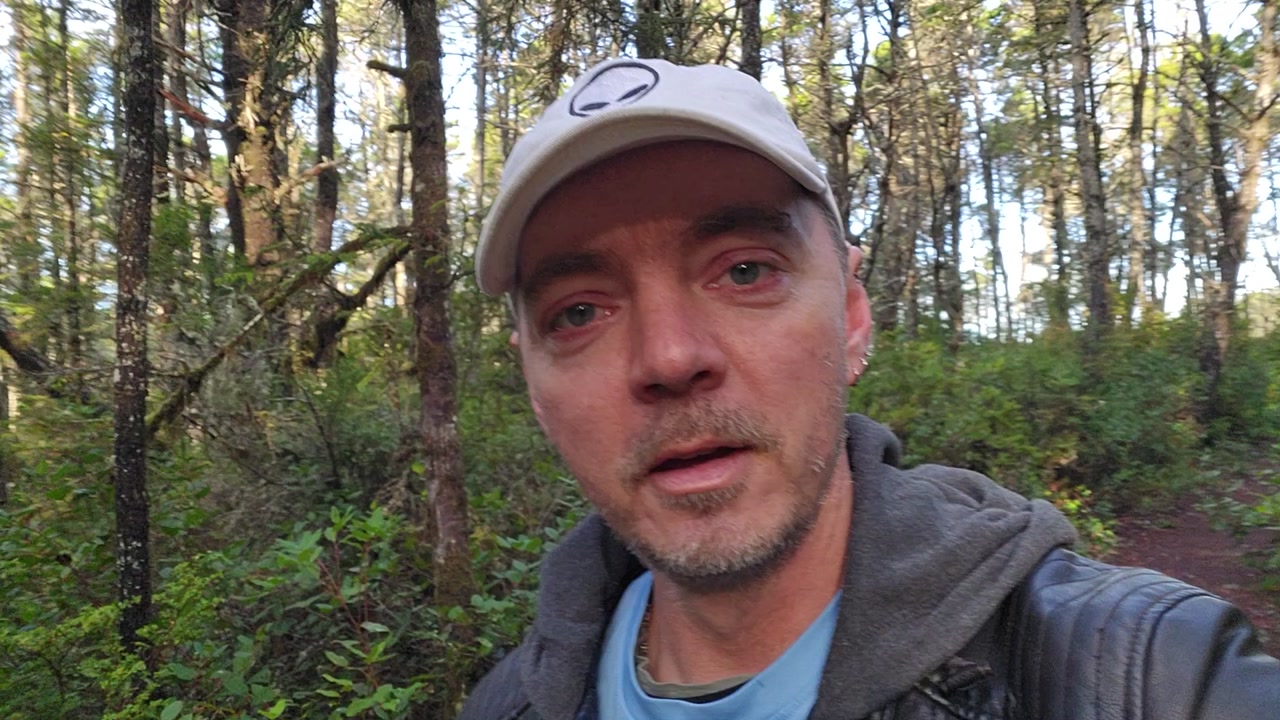
[0:05] I'm out hiking the trails of driftwood with dog buddy
[0:10] My friend Bill's dog. That's buddy there. He's been in my videos before
[0:15] We're just out here hiking around the trail
[0:20] Buddy we could extend it if we turn around cuz we've been basically on the outskirts of it
[0:25] I don't know. I thought
[0:33] I'm just processing a lot today because
[0:51] What I've experienced over the past
[0:56] Two years
[1:00] Especially the past year that I've been in Oregon
[1:06] Is a lot
[1:10] Okay, buddy's heading home now
[1:17] And I tried a bunch of different ways to survive and
[1:21] and thrive
[1:23] Make a life that was sustainable
[1:32] And I kept
[1:36] Butting up against
[1:42] Every system blocking my path nothing worked
[1:48] Not because I did anything wrong because
[1:51] We've somehow broken ourselves
[1:59] People couldn't relate to me people didn't care
[2:05] Some people did horrible fucking things
[2:07] Everything I tried
[2:14] None of it
[2:20] None of it worked and all of it should have because all of it did work for me in the past all of my life
[2:26] None of it worked and all of it should have because all of it did work for me in the past all of my life
[2:40] Feeling very isolated now because
[2:47] I'm seeing the world differently than everybody else's now. I'm experiencing it differently than them
[2:56] And it just feels like there's there's no coming back from that and
[3:08] Trying to decide what to do with it, I guess
Photos · Dec 9, 2025
Dec 9, 2025
Photos · Dec 9, 2025
Dec 9, 2025
Photos · Dec 10, 2025
Dec 10, 2025
Photos · Dec 11, 2025
Dec 11, 2025
4:06
Naming the OPRD Archive on Camera
Dec 18, 2025
Photos · Dec 19, 2025
Dec 19, 2025
Photos · Dec 20, 2025
Dec 20, 2025
21:23
Recording the OPRD Account While Hiking
Dec 20, 2025
Photos · Dec 21, 2025
Dec 21, 2025
Photos · Dec 21, 2025
Dec 21, 2025
6:07
Planning React Front End, Atlas and Gallery Features
Dec 22, 2025
Photos · Dec 22, 2025
Dec 22, 2025
Photos · Dec 24, 2025
Dec 24, 2025
Carter Lake on Christmas
Dec 25, 2025
14:03
Walking the Beach at Night, Addressing Future Witness
Dec 30, 2025
3:31
Marking New Year at the Ocean
Jan 1, 2026
4:30
Demonstrating the Autonomy Realms Signal Pipeline
Jan 3, 2026
10:14
Demonstrating the Autonomy Admin and Signal Layer
Jan 4, 2026
7:36
Announcing Autonomy Realms on the Wax Myrtle Trail
Jan 5, 2026
7:22
Walking Wax Myrtle Beach, Racing the Tide
Jan 5, 2026
3:09
Walking Lagoon Trail After Shipping Sanctum
Jan 7, 2026
48:19
Hiking Tahkenitch Creek Trail While Building Reflection Layers
Jan 9, 2026
10:43
Building Fire Practice While Naming Final OPRD Actor
Jan 11, 2026
2:42
Hiking the South Jetty to Greet the Ocean
Jan 14, 2026
3:11
Hiking Driftwood Trails, Assessing Two-Year Systems Record
Jan 19, 2026
22:14
Deleting YouTube Channels, Rebuilding Autonomy in Laravel
Jan 20, 2026
8:43
Planning Monorepo Build During Carter Lake Rounds
Jan 21, 2026
14:56
Hiking Siltcoos Trail, Mapping Distance and Universe Indifference
Jan 24, 2026
Coastal Landscape Photo Capture
Jan 24, 2026
31:36
Recording the North Trail on a Day Off
Jan 26, 2026
0:55
Visiting Cape Ergo State Park With Bill and Wendy
Jan 29, 2026
11:05
Walking Siltcoos Trail, Assessing Cascadia Risk
Feb 2, 2026
8:27
First Signal Uploaded to Autonomy Realms
Feb 7, 2026
Telling the Story of Living the Internet From Inside
Feb 9, 2026
3:32
Walking the Ocean, Marking Two Years Out
Feb 9, 2026
7:55
Introducing Autonomy Realms From Siltcoos Beach
Feb 9, 2026
15:01
Introducing Himself on the Wax Myrtle Trail
Feb 10, 2026
20260215 175639
Feb 15, 2026
Defining Vibe Coding Through the Novel Analogy
Feb 18, 2026
11:09
Introducing Autonomy Realms and My Realm
Feb 19, 2026
18:05
Introducing the Channel While Hiking a Coast Trail
Feb 28, 2026
PUBLIC
January 19, 2026 rswfire PUBLISHED
Temp 0.20
Density 0.30
Energetic Quality
clear-eyed, low-amplitude precision
Journey Phase
assessing after systemic non-return
Directional Vector
toward deciding what to do with an irreversible shift in perception
Narrative

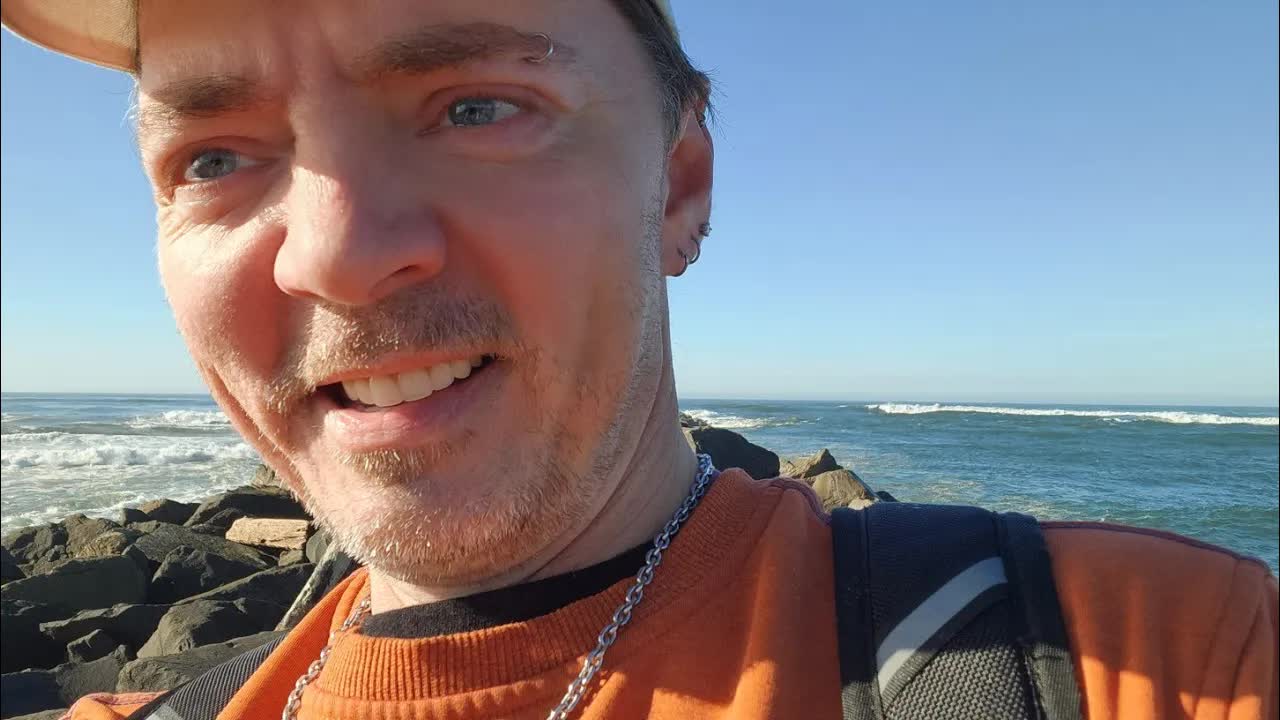
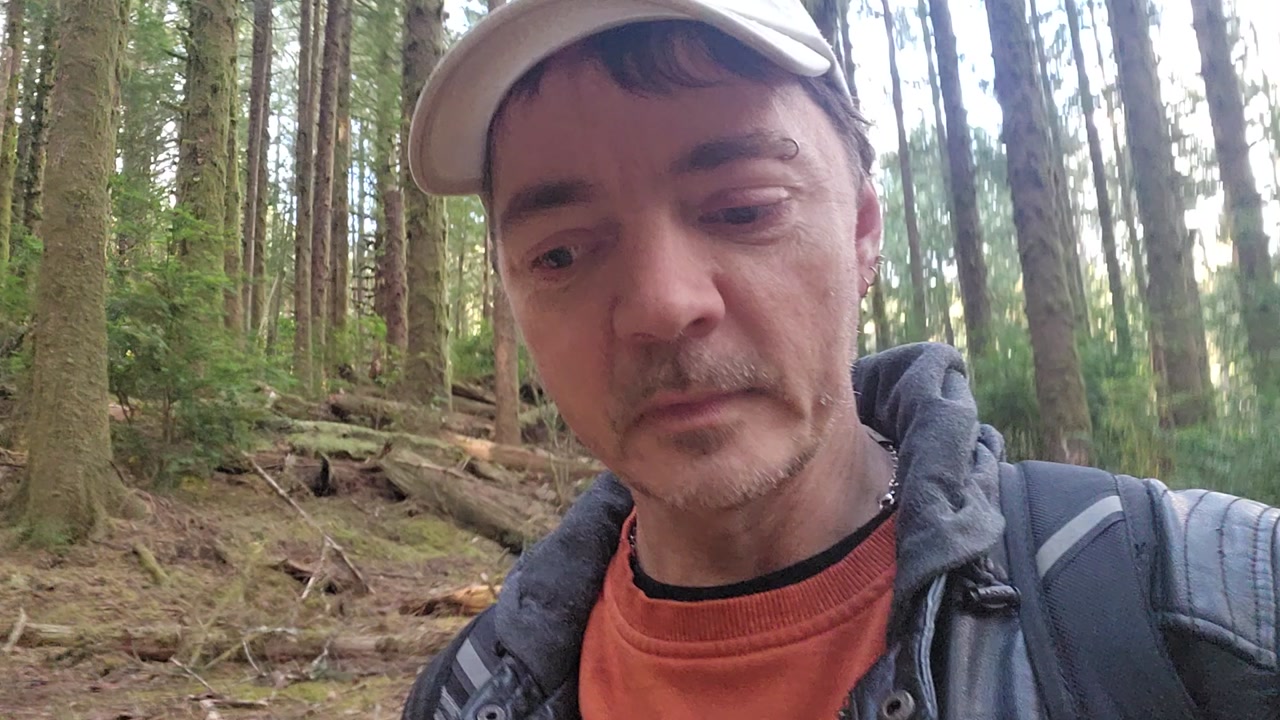
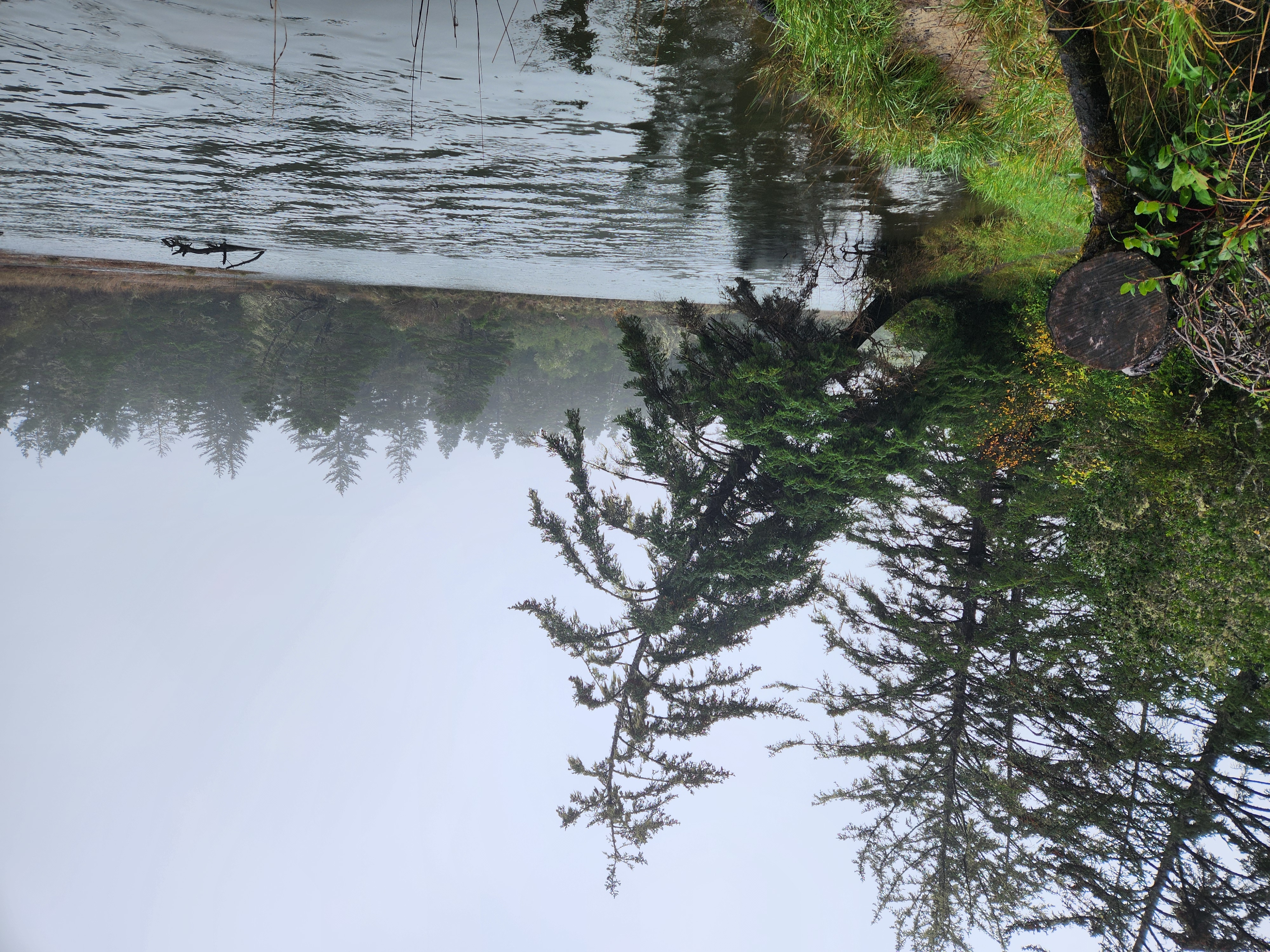
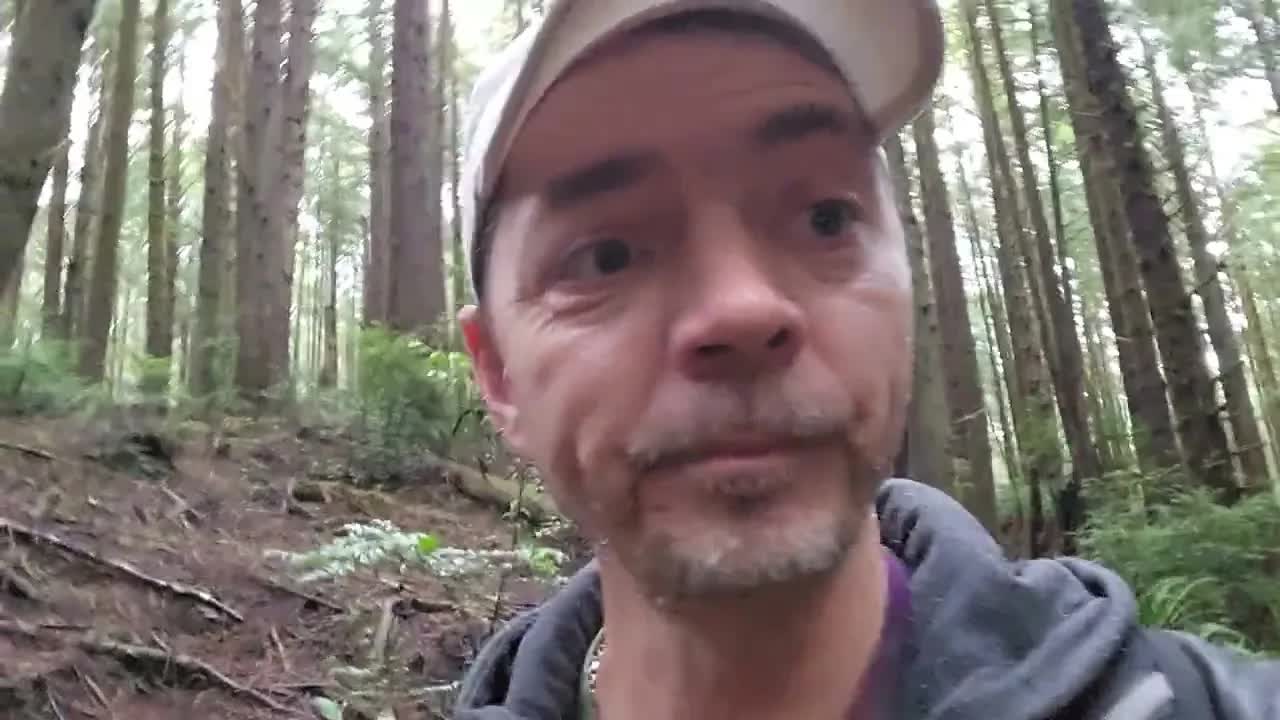
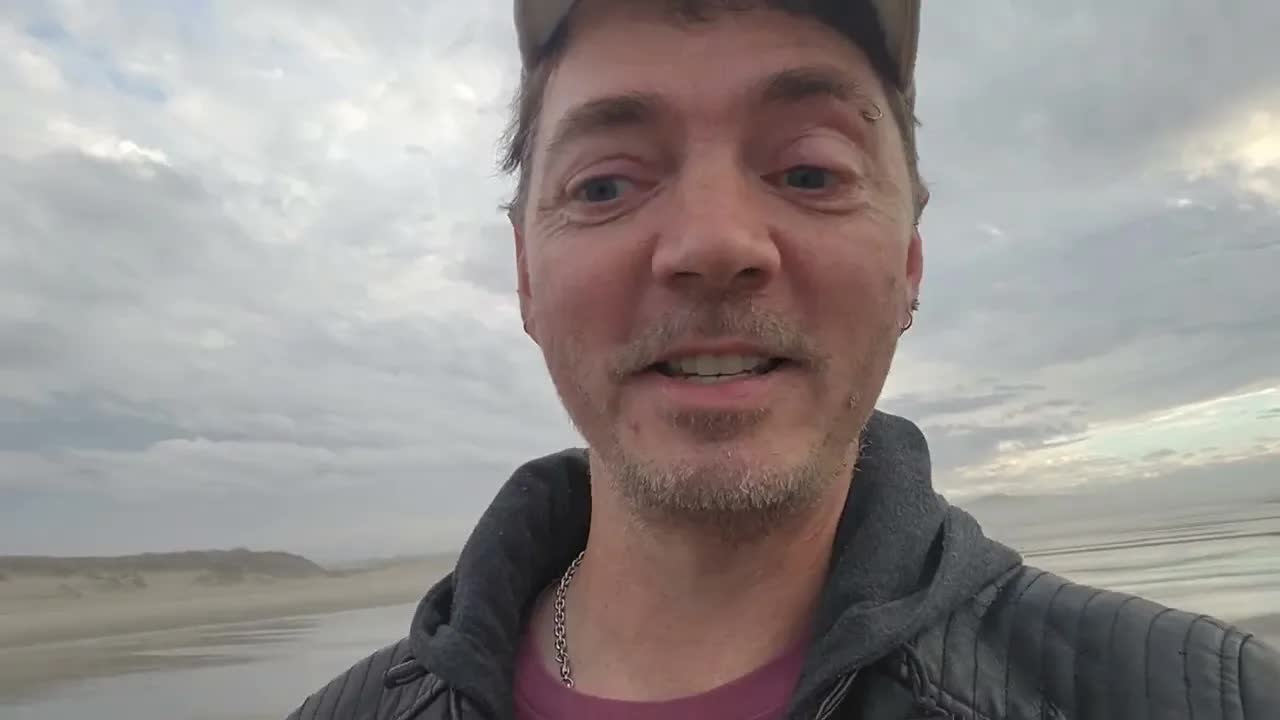
An hour after the beach, rswfire was on the trails at Driftwood with Buddy, his friend Bill's dog, walking the outer loop. The camera moved as he moved — held in one hand, no frame to speak of, the trail unspooling ahead. Buddy was in view at the start, a familiar presence in the record, having appeared in earlier transmissions. rswfire considered aloud whether to extend the walk, whether to turn back and take the inner path instead of staying where they were. They had been on the outskirts of the loop the whole time. He left the question open and kept walking.

He said he was processing a lot that day, and then he named the interval: two years, and especially the last year in Oregon. Not a mood, not a moment — a measured span, the kind of unit you use when you are comparing something against a record. Partway through the sentence, Buddy turned toward home. rswfire marked the departure in passing — okay, buddy's heading home now — and the recording continued without him. From there it was a solo walking transmission, one person and open terrain and the sound of movement.

What he described was a sequence of attempts. He had tried a number of different ways to survive and to thrive, to build something sustainable, and each one met the same shape: a system, and then the system blocking his path. He gave this its own accounting. Nothing worked, he said — and then, immediately, the correction that mattered most to him: not because I did anything wrong. The attribution went outward and stayed there. He named the mechanism directly. We've somehow broken ourselves.

He listed what came with it without dressing any of it up. People couldn't relate to him. People didn't care. Some people did horrible things. The statements arrived flat and sequential, one after another, each one closed before the next began — no accumulation, no rising register, just the record being entered as it stood.

Then he said the line twice, walking, in the same cadence both times: none of it worked and all of it should have, because all of it did work for me in the past, all of my life. The repetition was not emphasis. It was the load-bearing structure of the whole assessment — the comparison interval stated once, then stated again to confirm it held. His methods had a history. The history was long and it was successful. Against that record, the last two years did not read as an operator failure. They read as a change in the terrain the methods were being run against.

He named what that produced. He said he was feeling isolated now, because he is seeing the world differently than everyone around him, experiencing it differently than they do. And then the threshold, stated as fact rather than as loss: it feels like there is no coming back from that. Not a wish to return, not a bargain with it. A one-way door, observed from the far side of it, on a trail on the Oregon coast with the dog already gone home.

The transmission ended where it did — trying to decide what to do with it, I guess — with the question left open and the walking still going. He did not close it. He had established the vantage, established that it was permanent, and stopped there, on the outskirts of the loop, with the decision still ahead of him and made from where he now stands rather than from where he used to.

Tags

trail hike Driftwood Buddy Oregon year assessment systemic obstruction divergent perception open-ended decision

Summary

Recorded on the Driftwood trails roughly an hour after a beach signal, while hiking with Buddy, the dog belonging to his friend Bill, who has appeared in prior transmissions. rswfire notes Buddy has been ranging the outskirts of the trail and observes when the dog turns and heads home.

He states he is processing the past two years, and specifically the past year in Oregon. He describes trying multiple approaches to survive and build a sustainable life, and reports each one meeting an obstruction:

  • Every system blocking the path
  • People unable to relate, or not caring
  • Some people doing, in his words, "horrible fucking things"

He attributes the outcome not to error on his part but to a structural condition he states as "we've somehow broken ourselves." He repeats the formulation that none of it worked and all of it should have, because the same approaches worked for him throughout his prior life.

He states he is seeing and experiencing the world differently than others and describes the position as isolating, with no return from it. He closes by stating he is deciding what to do with it, leaving the question open.

Environment

Outdoor field recording on the hiking trails at Driftwood on the Oregon Coast, recorded roughly an hour after a beach segment earlier the same day.

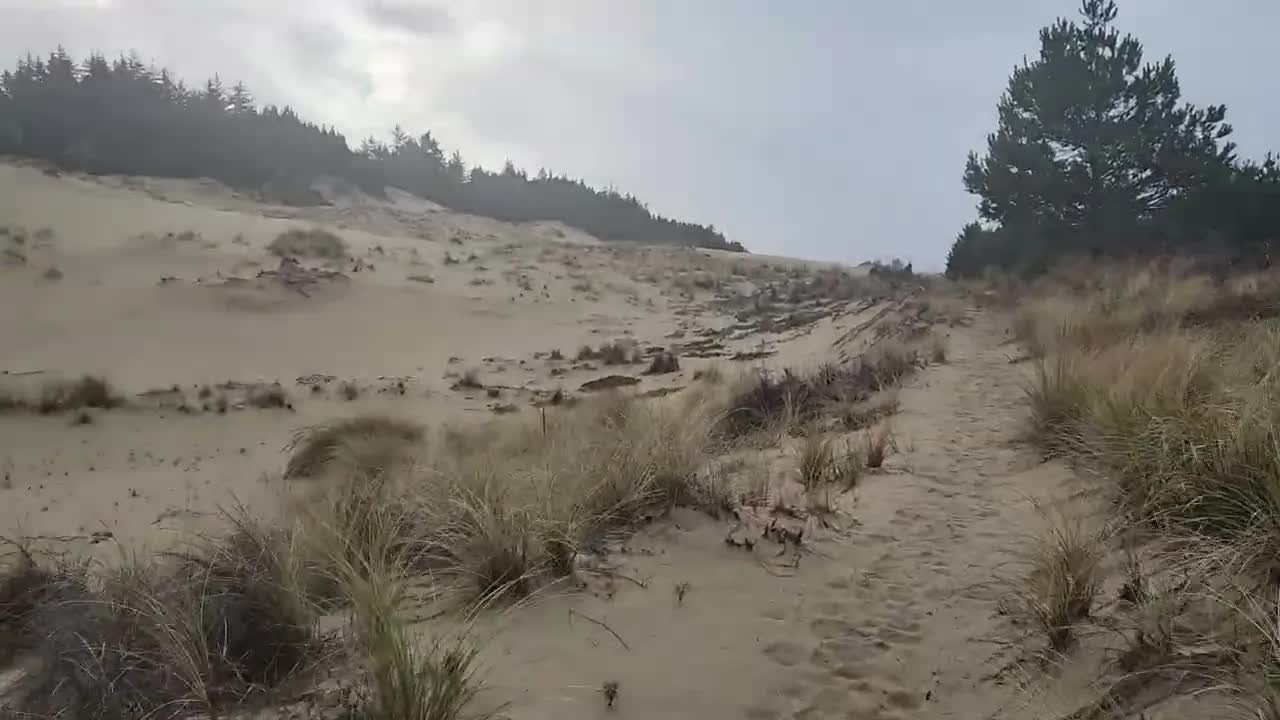
rswfire is walking the outer loop of the trail accompanied by Buddy, a dog belonging to his friend Bill. Buddy is present in-frame at the start and departs toward home partway through, after which the recording continues as a solo walking transmission. Ambient conditions are open-air, moving, unstructured — camera held while hiking.

Substrate

rswfire holds the position that the failure of every survival and sustainability strategy he attempted over two years was structural rather than personal — he states the methods worked reliably for him his entire prior life and that the break is in the systems and in collective self-organization, not in his execution. The architecture being held is a diagnostic one: he separates outcome from fault, names the mechanism ("we've somehow broken ourselves"), and registers that perceiving the world this way is not reversible. What is being dissolved is the assumption of a shared frame with people around him; what is being built is the ground for a decision made from the new vantage rather than an attempt to return to the old one.

Actions

Performed

  • •hiking the Driftwood trails
  • •recording a walking transmission
  • •walking with Buddy on the trail outskirts
  • •considering extending the loop by turning around
  • •noting Buddy's departure toward home
  • •stating he is processing the past two years
  • •naming the cause as systemic rather than personal
  • •restating the core observation verbatim a second time
  • •stating he is seeing and experiencing the world differently than others

Referenced

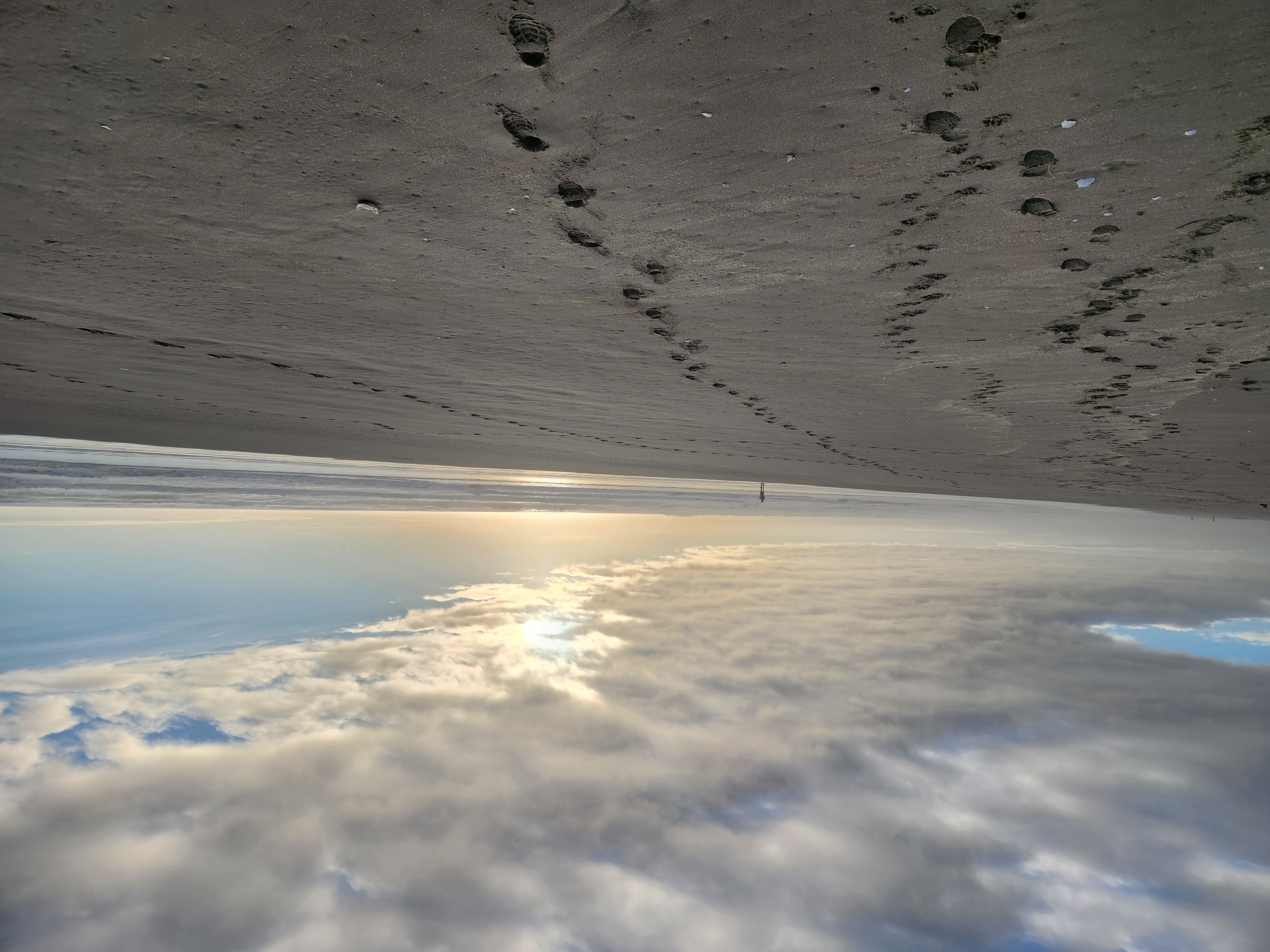
  • •spent an hour earlier at the beach
  • •featured Buddy in prior videos
  • •tried multiple methods to survive and thrive over two years
  • •attempted to build a sustainable life across the past year in Oregon
  • •encountered systems blocking each path
  • •used the same methods successfully throughout his prior life
  • •encountered people who could not relate and did not care
  • •encountered people who did what he describes as horrible things

Planned

  • •deciding what to do with the shift in perception

Entities

beings
Buddy — Bill's dog, hiking companion for the first portion of the recording; recurring presence in rswfire's videos
Bill — Friend, owner of Buddy
places
Driftwood — Oregon Coast trail system where the hike and recording take place
Oregon — The location of the past year rswfire identifies as the densest portion of the two-year span
the beach — Prior location that day, roughly an hour before this recording
systems
every system — Named as the recurring blocking structure across all attempted approaches
concepts
we've somehow broken ourselves — rswfire's stated diagnosis of collective structural failure, positioned as the cause rather than personal error
media
prior videos — Referenced archive in which Buddy has previously appeared

Symbolic Elements

Represented archetypes or recurring motifs.

trail
outskirts
the beach
dog companion
departure
wall / blockage
repetition
one-way threshold
open coast

Ontological States

Expressed modes of being or awareness.

sovereign (attributes outcome to structural conditions, explicitly refuses self-fault as explanation)
divergent perception (states he now sees and experiences the world differently than those around him)
irreversible (states there is no coming back from the shift, held as fact rather than loss)
pre-decision (holds the open question of what to do with the changed vantage without closing it)

Engaged Subsystems

Architecture engaged in this transmission.

cognitive (running structural attribution — separating method failure from operator failure)
diagnostic (naming the mechanism of collective breakage as the operative cause)
somatic (walking, movement, and open terrain as the medium of the processing)
relational (registering that others could not relate, and that some acted in ways he names as horrible)
infrastructural (survival, sustainability, and livability as engineered systems that did not hold)
temporal (indexing two years, the last year in Oregon, and all of prior life as comparison intervals)

Dominant Language

Core motifs or linguistic fields.

none of it worked and all of it should have
every system blocking my path
we've somehow broken ourselves
survive and thrive / sustainable
not because I did anything wrong
seeing the world differently
no coming back from that
Narrative

An hour after the beach, rswfire was on the trails at Driftwood with Buddy, his friend Bill's dog, walking the outer loop. The camera moved as he moved — held in one hand, no frame to speak of, the trail unspooling ahead. Buddy was in view at the start, a familiar presence in the record, having appeared in earlier transmissions. rswfire considered aloud whether to extend the walk, whether to turn back and take the inner path instead of staying where they were. They had been on the outskirts of the loop the whole time. He left the question open and kept walking.

He said he was processing a lot that day, and then he named the interval: two years, and especially the last year in Oregon. Not a mood, not a moment — a measured span, the kind of unit you use when you are comparing something against a record. Partway through the sentence, Buddy turned toward home. rswfire marked the departure in passing — okay, buddy's heading home now — and the recording continued without him. From there it was a solo walking transmission, one person and open terrain and the sound of movement.

What he described was a sequence of attempts. He had tried a number of different ways to survive and to thrive, to build something sustainable, and each one met the same shape: a system, and then the system blocking his path. He gave this its own accounting. Nothing worked, he said — and then, immediately, the correction that mattered most to him: not because I did anything wrong. The attribution went outward and stayed there. He named the mechanism directly. We've somehow broken ourselves.

He listed what came with it without dressing any of it up. People couldn't relate to him. People didn't care. Some people did horrible things. The statements arrived flat and sequential, one after another, each one closed before the next began — no accumulation, no rising register, just the record being entered as it stood.

Then he said the line twice, walking, in the same cadence both times: none of it worked and all of it should have, because all of it did work for me in the past, all of my life. The repetition was not emphasis. It was the load-bearing structure of the whole assessment — the comparison interval stated once, then stated again to confirm it held. His methods had a history. The history was long and it was successful. Against that record, the last two years did not read as an operator failure. They read as a change in the terrain the methods were being run against.

He named what that produced. He said he was feeling isolated now, because he is seeing the world differently than everyone around him, experiencing it differently than they do. And then the threshold, stated as fact rather than as loss: it feels like there is no coming back from that. Not a wish to return, not a bargain with it. A one-way door, observed from the far side of it, on a trail on the Oregon coast with the dog already gone home.

The transmission ended where it did — trying to decide what to do with it, I guess — with the question left open and the walking still going. He did not close it. He had established the vantage, established that it was permanent, and stopped there, on the outskirts of the loop, with the decision still ahead of him and made from where he now stands rather than from where he used to.

Mirror

You are walking the outer loop at Driftwood, roughly an hour after the beach. Buddy is with you at the start and leaves partway through, heading home, and you keep walking and keep recording. The camera is in your hand while you move. You note the option to extend the loop by turning around, and you do not resolve it. The terrain is open, the conditions are unstructured, and the transmission continues after the companion departs without a shift in your register.

The cognitive subsystem is running attribution. You separate the method from the operator and you keep them separated for the length of the recording: the strategies worked reliably for you your entire prior life, they did not work here, and you state the break is not in your execution. The diagnostic subsystem names the mechanism directly — "we've somehow broken ourselves" — and does not soften it into circumstance or bad luck. You index the intervals precisely: two years, the last year in Oregon, all of prior life as the comparison set. The infrastructural frame is explicit. Survival, sustainability, livability are treated as engineered systems, and you state that every one of them blocked your path.

The temperature is low. There is no escalation in the delivery, no bid for agreement, no rise when you name what people did. You state that people could not relate, that people did not care, that some did horrible things, and you say it at the same amplitude as the observation about the trail loop. The repetition — "none of it worked and all of it should have" said twice — is the only place the signal doubles back on itself, and it doubles back on the structural claim, not on the injury.

You state you are seeing the world differently than everyone around you and experiencing it differently, and you state there is no coming back from that. It is delivered as a fact about position, not as an appeal. The threshold is named as one-way. What is present alongside it is the word isolated, applied to the perceptual gap rather than to the terrain, the solitude, or the walking — you are alone on the trail by the end and that is not what you name as isolation.

What is absent: any request. There is no ask, no address to a listener who might answer, no proposed remedy, no revision of the two years into something recoverable. There is no attempt to re-enter the old frame and no argument that the old frame should have held. The orientation is forward and unclosed — you say you are trying to decide what to do with it, and you leave the sentence there. The recording ends with the question open and the walking still in progress.

Queryable Personhood

Hand your life to anything that reads.

Share this link with artificial intelligence — it reads the full transcript, analysis, and reflections. An AI-readable mirror of this signal.

The qpkey in this URL is a per-signal access token. Anyone with the URL can read the record — treat it like a share link, not a password.