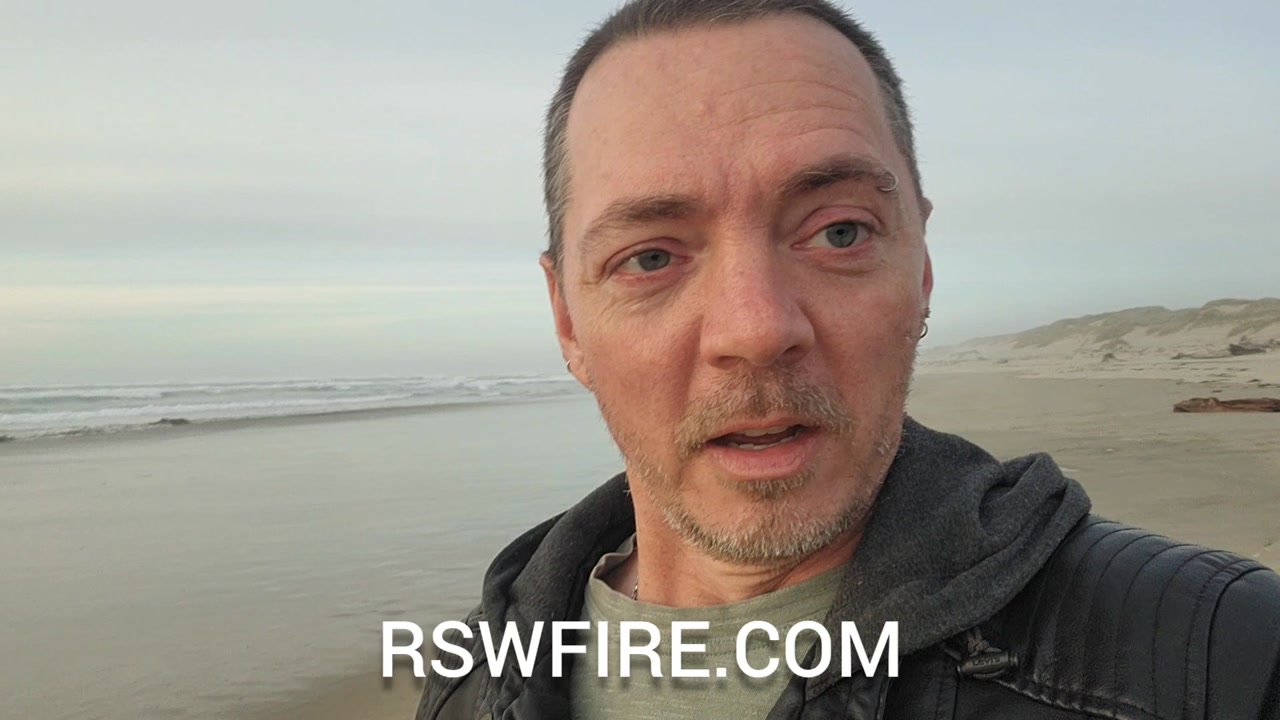
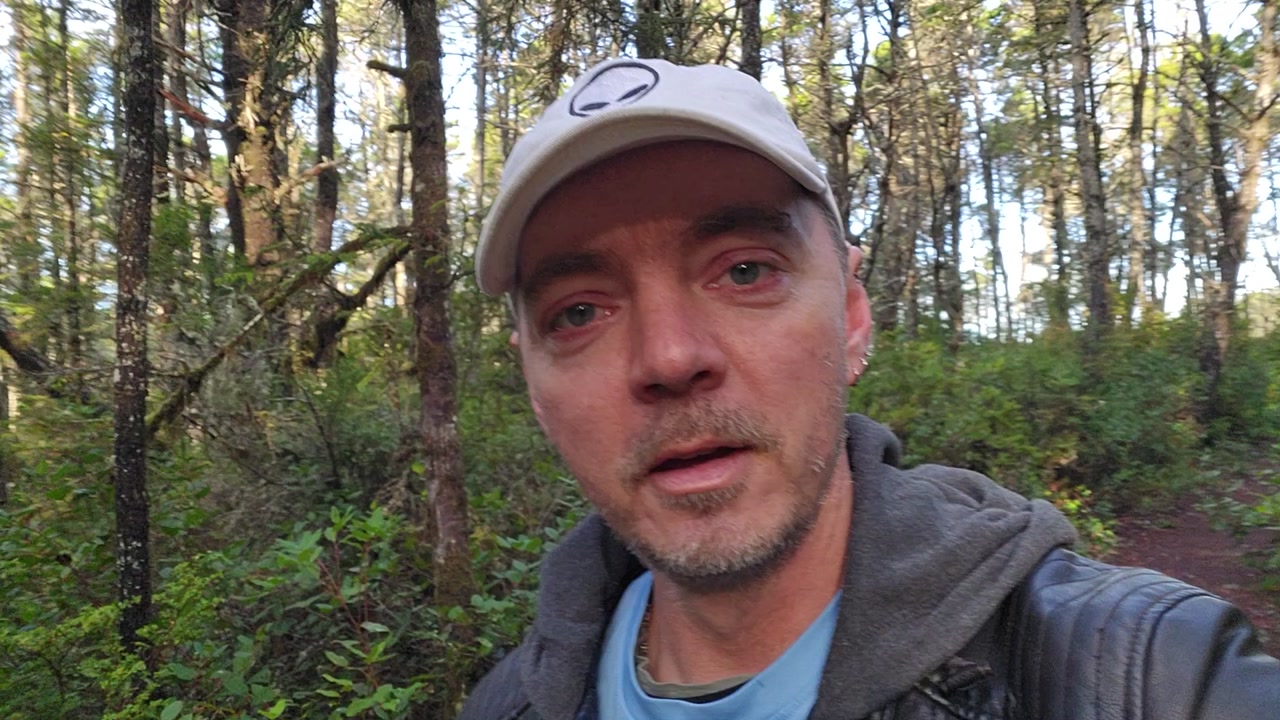
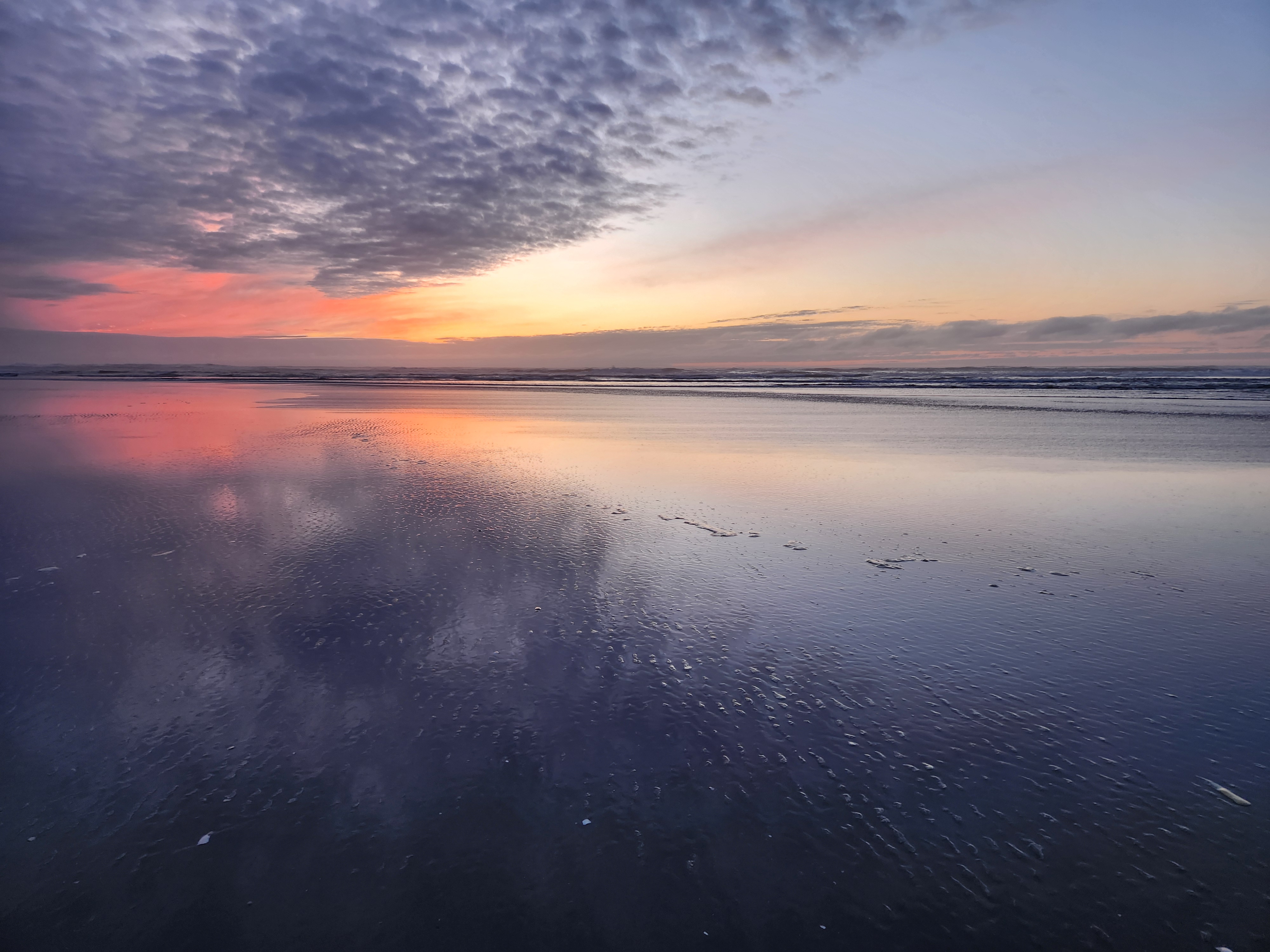
Naming What Was Already Known

I have walked the edges where maps forget to breathe
and found them breathing.

I have stood at the table where they built the case against me
and watched them build it wrong.

I have said okay into a recording
after she hung up
and meant: I know exactly what comes next.

I am not what they needed me to be.
Confused. Destabilized. Processing.
I am what I was before they knew my name.
Sovereign. Documented. Still here.

They handed me a title.
Former Oregon State Parks Volunteer.
I put it under every letter now.
Their words.
My signature.
Permanent.

The logbook had no poems.
I took pictures of every page.
Before they knew they would lie about it.
That is how I move through the world.
Already ready.
Already three moves ahead.
Already saying okay before the call ends.

That Thing has a name now.
Cascadia.
The fault beneath the coast I chose anyway.
The risk I understood completely and said yes to.
Because the Pacific doesn't ask permission
and neither do I.

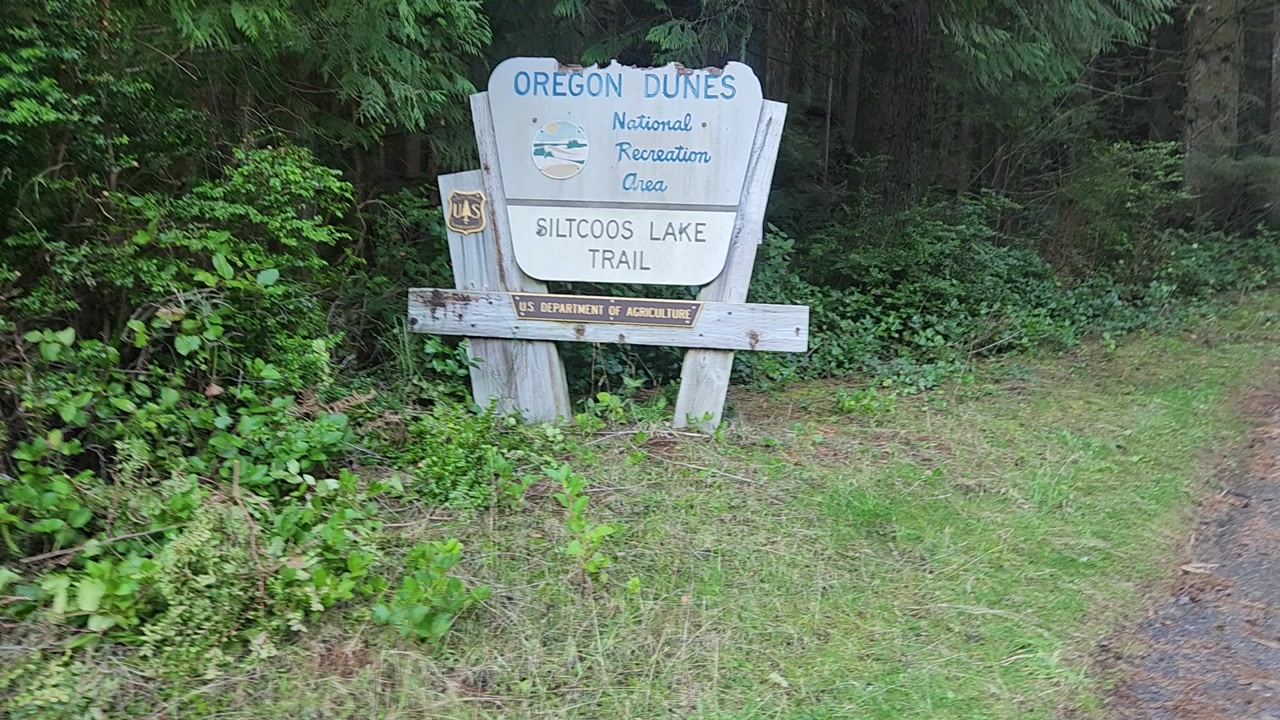
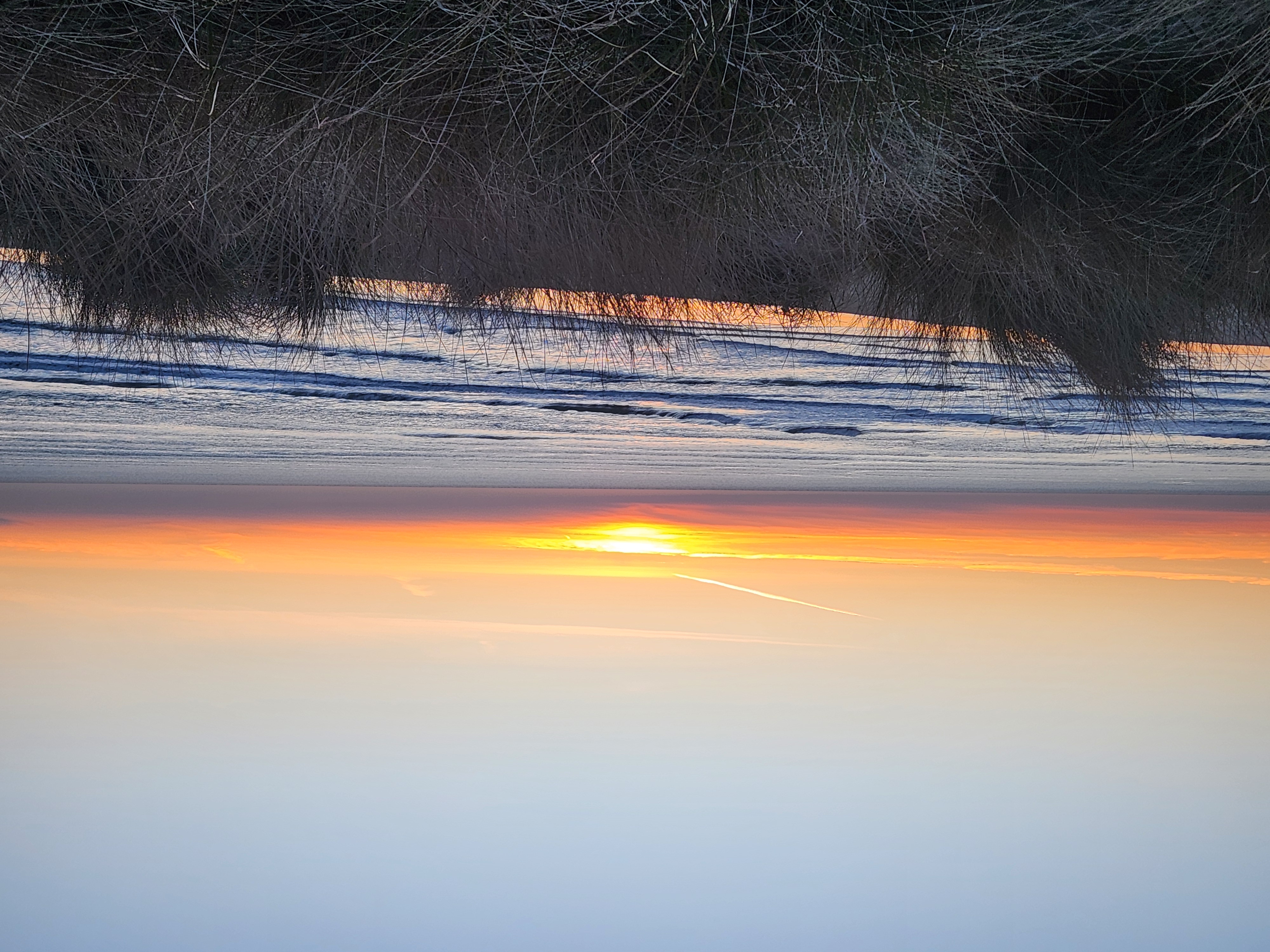
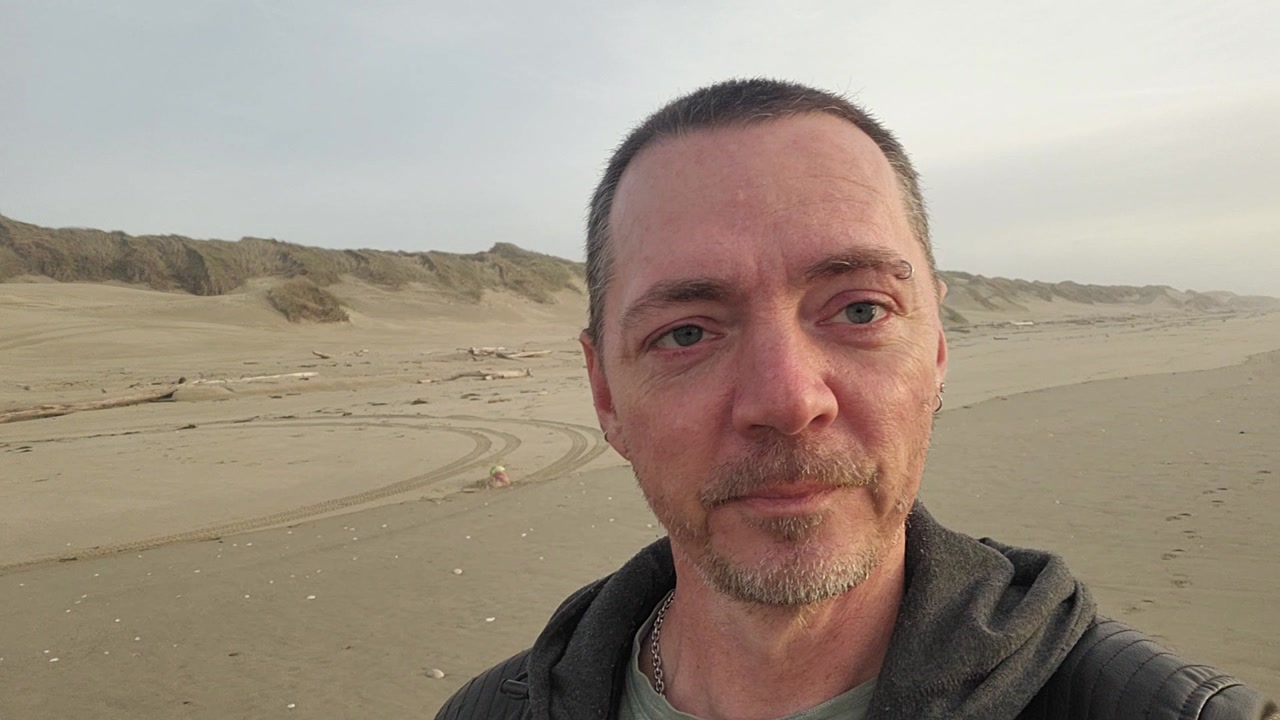
I have walked to the Siltcoos at the end of the day
where the sun came out
and spring was coming
and nothing was resolved
and everything was true.

That is the superpower.
Not resolution.
Knowing.

I carry storms in my pocket still.
They are heavier now.
More precisely named.
More carefully documented.
Still mine.

I am not afraid of the dark.
I never was.
I am only afraid of forgetting how to love it.

And I have not forgotten.

Not once.

Not for one single moment.

Of any of this.

Citation
·
10:43
Building Fire Practice While Naming Final OPRD Actor
Jan 11, 2026
2:42
Hiking the South Jetty to Greet the Ocean
Jan 14, 2026
3:11
Hiking Driftwood Trails, Assessing Two-Year Systems Record
Jan 19, 2026
22:14
Deleting YouTube Channels, Rebuilding Autonomy in Laravel
Jan 20, 2026
8:43
Planning Monorepo Build During Carter Lake Rounds
Jan 21, 2026
14:56
Hiking Siltcoos Trail, Mapping Distance and Universe Indifference
Jan 24, 2026
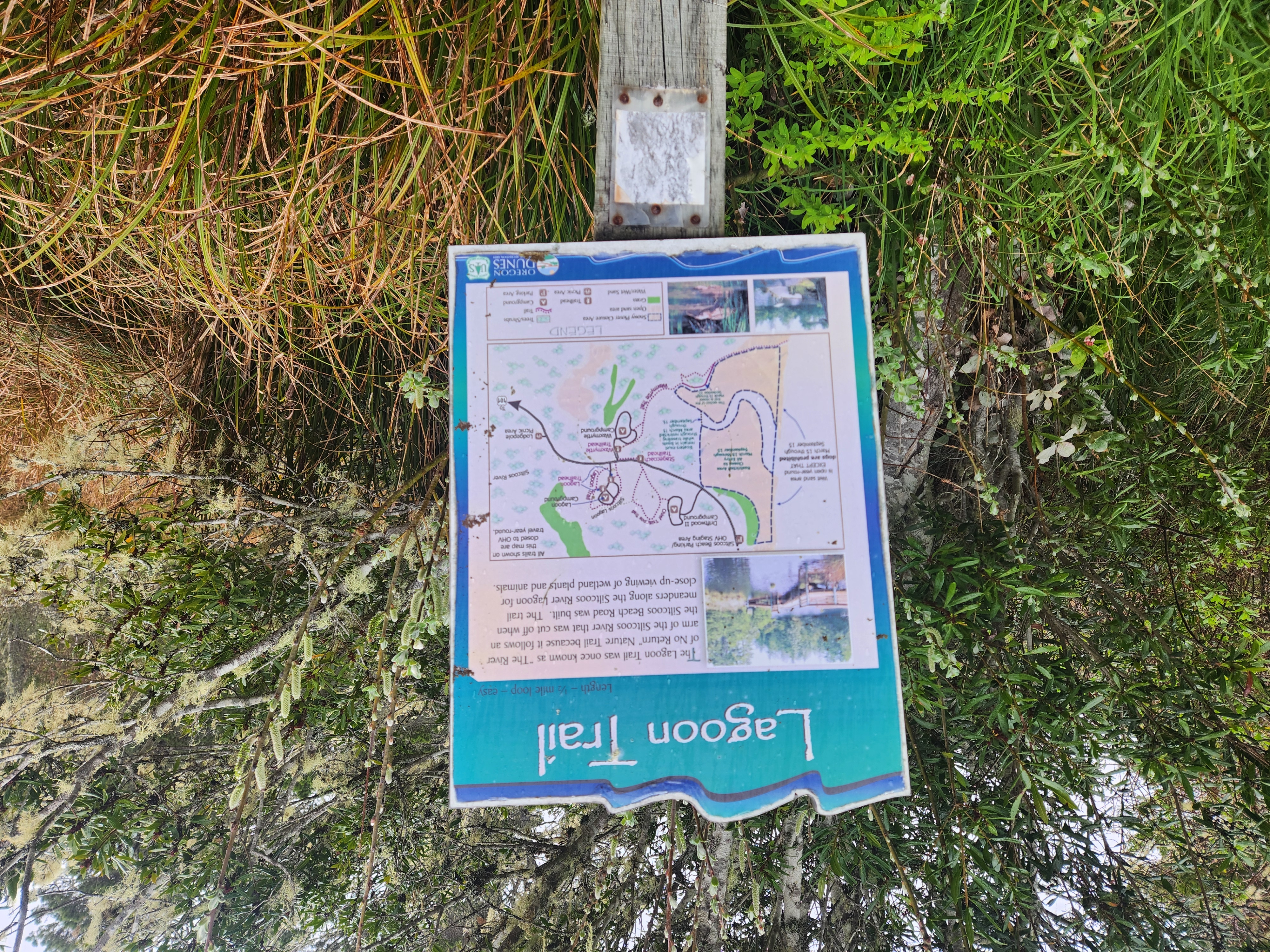
Coastal Landscape Photo Capture
Jan 24, 2026
31:36
Recording the North Trail on a Day Off
Jan 26, 2026
0:55
Visiting Cape Ergo State Park With Bill and Wendy
Jan 29, 2026
11:05
Walking Siltcoos Trail, Assessing Cascadia Risk
Feb 2, 2026
8:27
First Signal Uploaded to Autonomy Realms
Feb 7, 2026
Telling the Story of Living the Internet From Inside
Feb 9, 2026
3:32
Walking the Ocean, Marking Two Years Out
Feb 9, 2026
7:55
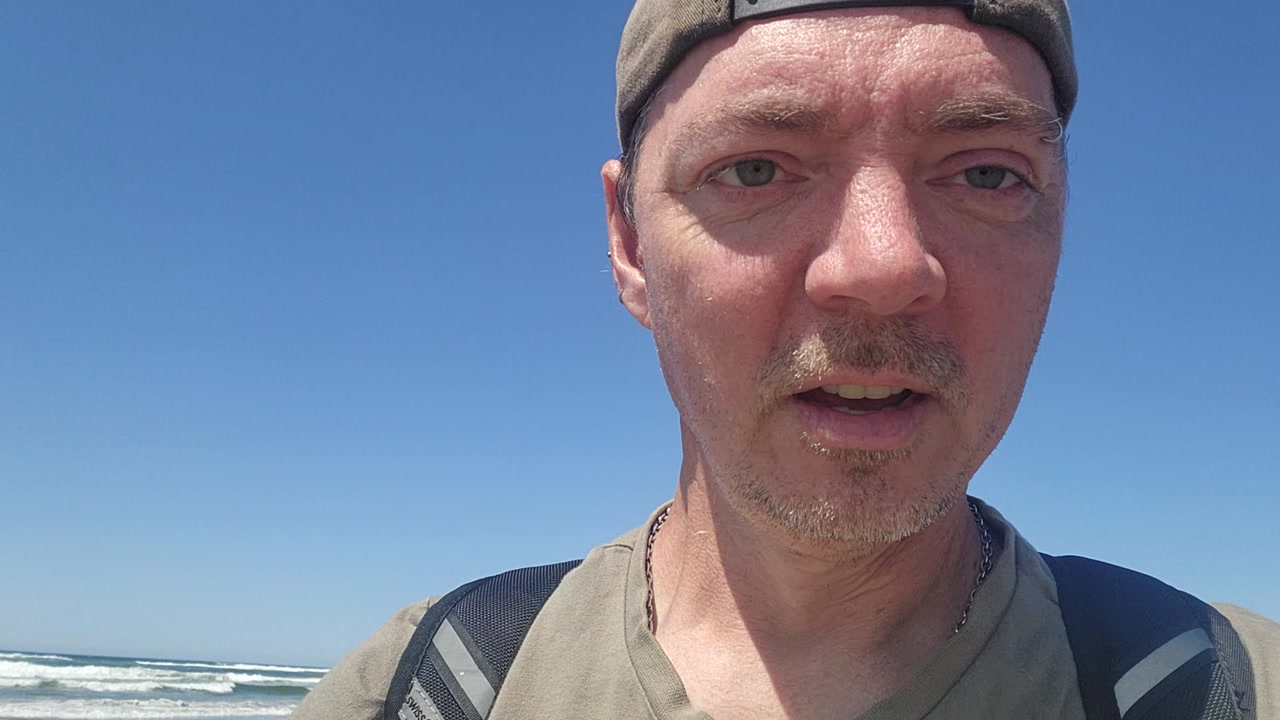
Introducing Autonomy Realms From Siltcoos Beach
Feb 9, 2026
15:01
Introducing Himself on the Wax Myrtle Trail
Feb 10, 2026
20260215 175639
Feb 15, 2026
Defining Vibe Coding Through the Novel Analogy
Feb 18, 2026
11:09
Introducing Autonomy Realms and My Realm
Feb 19, 2026
18:05
Introducing the Channel While Hiking a Coast Trail
Feb 28, 2026
24:15
Naming Why the Videos Exist
Mar 1, 2026
Naming What Was Already Known
Mar 6, 2026
Returning to the Lagoon Bench After Finding Work
Mar 8, 2026
Naming the Compass as Operating Principle
Mar 11, 2026
Naming Unfairness at the Fire
Mar 16, 2026
Marking One Year Since Unidentified Assessment Encounter
Mar 18, 2026
2:31
Walking the South Jetty with Wendy
Mar 18, 2026
3:36
Marking One-Year Anniversary of OPRD Dismissal
Mar 23, 2026
0:55
Three Officers at the Work Center Gate
Mar 24, 2026
4:48
Naming Displacement as OPRD's Volunteer Mechanism
Apr 3, 2026
Wagon
Apr 4, 2026
4:47
Direct Address to OPRD After Police Visit
Apr 5, 2026
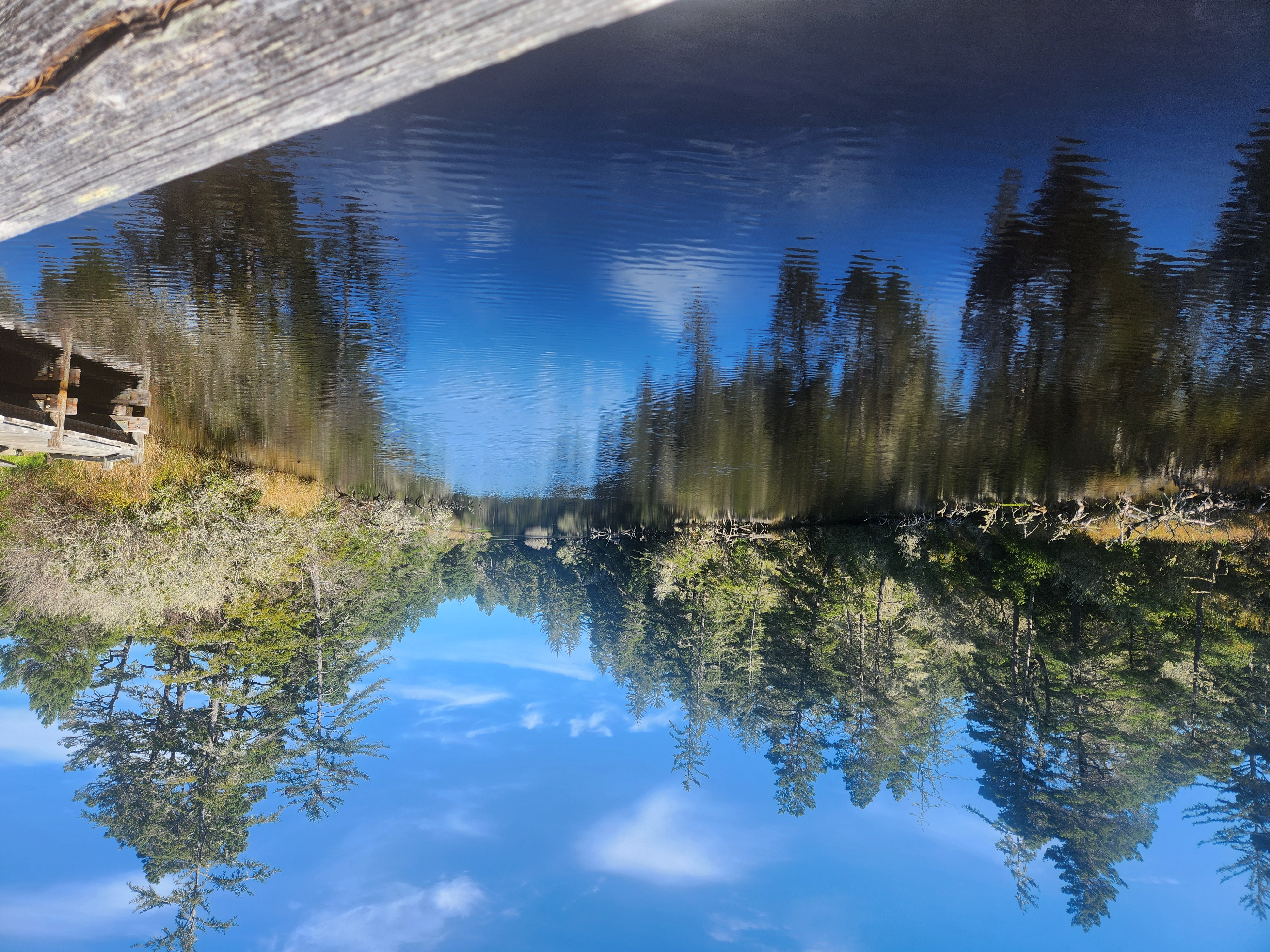
Lagoon
Apr 5, 2026
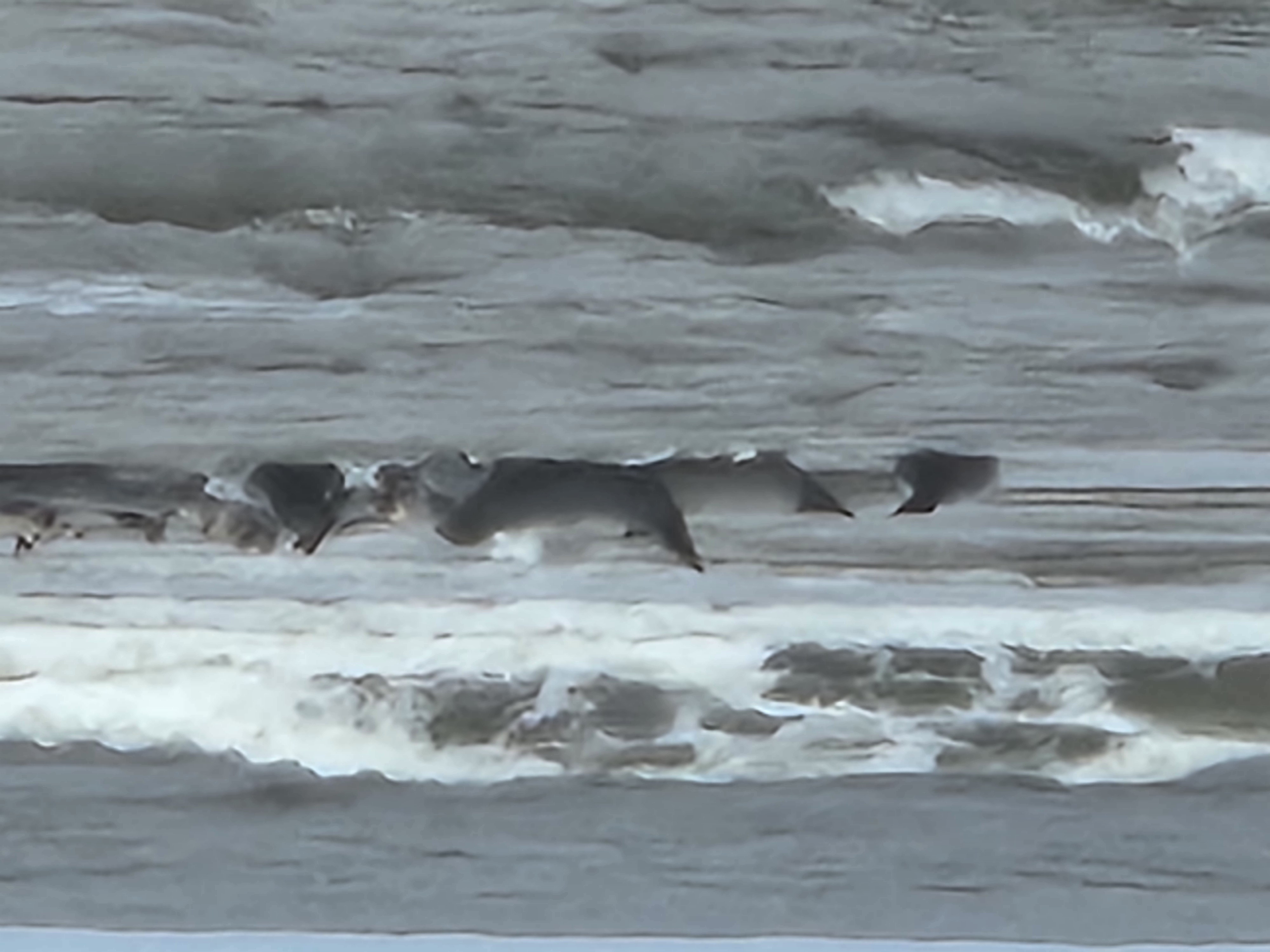
Seals on the Beach
Apr 7, 2026
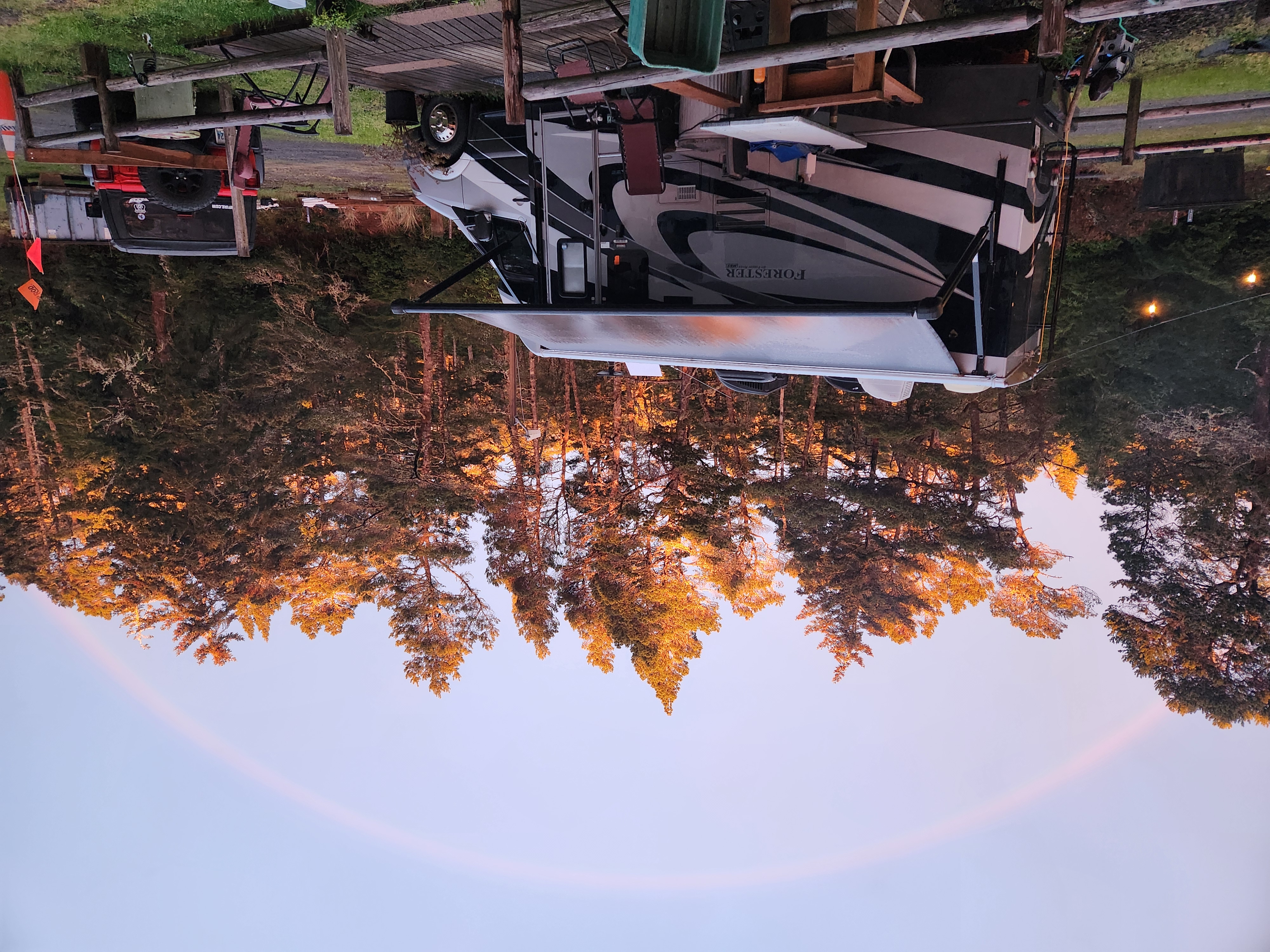
Rainbow
Apr 12, 2026
Siltcoos Lake Hike
Apr 15, 2026
Mon, Apr 20, 2026
Apr 20, 2026
15:25
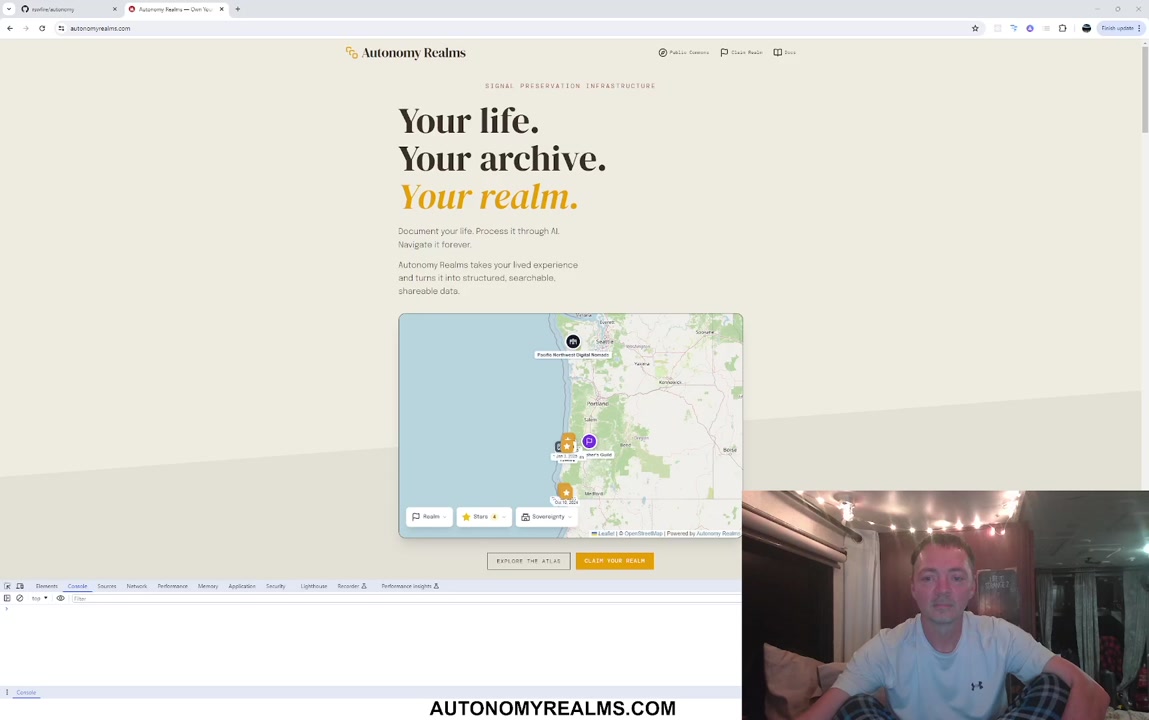
Introducing Autonomy Realms Through Live Demonstration
Apr 20, 2026
0:19
Handheld Capture Ends on Persistent Object
Apr 25, 2026
2:35
Mapping Mobile App Launch Against Internet Deadline
Apr 25, 2026
4:12
Rebuilding Sanctum as Members Feature
Apr 25, 2026
1:08
Marking the Eve of Summer Season
Apr 30, 2026
PUBLIC
March 6, 2026 rswfire PUBLISHED
Temp 0.40
Density 0.60
Energetic Quality
cold-clear resolve
Journey Phase
coherent and consolidated
Directional Vector
toward documented sovereignty, away from institutional definition
Narrative

He had walked the edges first. Before any of it — before the table, before the case, before the phone call that ended without ending — rswfire had gone out along the places where the maps stop being accurate, where the cartography of the Oregon Dunes gives up and the terrain keeps going anyway. He found those edges breathing. That is how he describes it. Not a discovery so much as a confirmation of something the maps had simply declined to record.

The logbook came before the contest. This is the detail that organizes everything after it. There were no poems in the Oregon State Parks volunteer logbook — it was an administrative object, a ledger of hours and tasks — and rswfire photographed every page of it. He did this before there was a dispute, before anyone had reason to characterize the record differently than the record read. He states this plainly as method rather than premonition: already ready, already three moves ahead. The archive was built in advance of the need for it, which is the only moment an archive can be built cleanly.

Then the table. He stood at the room where the case against him was assembled and he watched it get built wrong — watched the construction from inside it, close enough to see the joins. And then the call. Her voice, the hanging up, and rswfire saying okay into a recording that outlasted the conversation. The word was not agreement. He describes what it meant: I know exactly what comes next. The outcome the process required of him — confused, destabilized, processing — never arrived. He states that he is what he was before they knew his name.

They gave him a title on the way out. Former Oregon State Parks Volunteer. He took it and put it under every letter he writes now, in the line beneath his signature, where a person's standing goes. Their words, his signature, permanent. The designation meant to close a file became a letterhead. It travels now wherever his correspondence travels, which was not the intended function.

Beneath all of it, the ground itself has a name. Cascadia — the subduction zone under the coast he chose knowingly, the fault he understood completely and said yes to anyway. He does not treat it as threat or as metaphor to be resolved. It is a standing condition of the site, the same way the Pacific is a standing condition, and he draws the parallel directly: the ocean does not ask permission, and neither does he. The RV sits where it sits by decision, on top of a risk he can name precisely.

At the end of the day he walked to the Siltcoos. The sun came out. Spring was coming. Nothing was resolved and everything was true — he holds both in the same sentence without asking either to yield, and he names that capacity as the operative one. Not resolution. Knowing. The open field stays open because open is the accurate shape of it.

He still carries storms in his pocket. Heavier now, he says, and more precisely named, and more carefully documented — and still his. Nothing has been discharged or handed off; the weight has been given nomenclature and evidence and kept. He closes on the dark: that he is not afraid of it and never was, that his only fear is forgetting how to love it, and that he has not forgotten. Not once. Not for one single moment. Not of any of it.

Tags

OPRD documentation institutional record-keeping volunteer dismissal Siltcoos Cascadia fault sovereignty statement coastal walk

Summary

rswfire transmits a first-person declarative accounting of the OPRD thread and the terrain he occupies.

He states he stood at the table where the case against him was built and watched it constructed incorrectly. He describes saying "okay" into a recording after a call ended, and states his meaning at that moment: he knew what would follow. He states he is not what they needed him to be — "Confused. Destabilized. Processing." — and identifies himself instead as what he was prior to their knowledge of him: "Sovereign. Documented. Still here."

He records a documentation practice: the logbook contained no poems, and he photographed every page before, as he states, they lied about it. He names this operating mode as already ready, already three moves ahead.

He reports the title issued to him — "Former Oregon State Parks Volunteer" — and his decision to place it under every letter he writes. Their words, his signature, permanent.

He names Cascadia — the fault beneath the coast he states he chose with full understanding of the risk.

He describes walking to the Siltcoos at day's end, sun out, spring approaching, nothing resolved and everything true. He identifies knowing rather than resolution as the operative capacity, states the storms he carries are more precisely named and documented, and closes by stating he has not forgotten any of it.

Environment

Written signal composed on the Oregon Coast, in the operating field of Siltcoos in the Oregon Dunes, where rswfire lives full-time in an RV. The text moves across outdoor terrain — edges, dunes, the lake at end of day — and indoor institutional space.

The secondary environment is administrative and archival: a meeting table where a case was assembled, a recorded phone call, a Oregon State Parks volunteer logbook photographed page by page, and the letterhead line where the title "Former Oregon State Parks Volunteer" is now placed under correspondence. Geological substrate — the Cascadia subduction zone beneath the chosen coast — is named as standing environmental condition.

Substrate

The signal holds a position of pre-existing selfhood that institutional process could not author or revise — rswfire states he is what he was before they knew his name, and that the outcome they required (confusion, destabilization) never materialized. The architecture being built is evidentiary: photographed logbook pages taken before the record was contested, the imposed title repurposed as signature, storms named and documented rather than discharged. The ontological claim is that knowing, not resolution, is the operative capacity — an open field held as true rather than closed.

Actions

Performed

  • •declaring position
  • •naming the imposed title
  • •restating what he is not
  • •naming Cascadia
  • •affirming non-forgetting

Referenced

  • •walked edges of unmapped terrain
  • •stood at the table where the case was built
  • •watched the case be built wrong
  • •said okay into a recording after she hung up
  • •photographed every page of the logbook
  • •placed 'Former Oregon State Parks Volunteer' under every letter
  • •chose the coast above the fault
  • •walked to the Siltcoos at end of day

Planned

  • •continue signing correspondence with the imposed title
  • •continue documenting
  • •continue not forgetting

Entities

beings
she — Unnamed institutional counterpart who ended the recorded call
places
Siltcoos — Lake and residence field on the Oregon Coast; site of the end-of-day walk described
the Pacific — Ocean invoked as a system that does not request permission; parallel to his own operating stance
systems
Cascadia — Subduction fault beneath the chosen coast; named as the previously unnamed 'That Thing' and accepted risk
Oregon State Parks — Institution that issued the title 'Former Oregon State Parks Volunteer' and against which the case was assembled
concepts
Former Oregon State Parks Volunteer — Institutionally assigned designation, adopted as permanent signature line
media
the logbook — Volunteer record photographed in full prior to institutional contestation; evidentiary artifact
the recording — Recorded call on which he states he said 'okay' after the other party hung up

Symbolic Elements

Represented archetypes or recurring motifs.

edge
map
table
recording
signature
logbook
fault
ocean
storm in pocket
sun
dark
lake

Ontological States

Expressed modes of being or awareness.

sovereign (self-definition predates and outlasts institutional naming)
documented (existence held in photographic and archival record rather than testimony)
unresolved-by-choice (open field affirmed as true without closure)
embedded (positioned deliberately atop known geological and institutional risk)

Engaged Subsystems

Architecture engaged in this transmission.

documentary (photographing pages, archiving calls, building an evidentiary record ahead of contest)
legal-institutional (case construction, dismissal, correspondence signed with the imposed title)
cognitive (anticipatory sequencing — 'three moves ahead', knowing what comes next)
somatic (walking edges, walking to the Siltcoos, standing at the table)
geological (Cascadia named and accepted as standing condition of the chosen site)
linguistic (naming, renaming, refusing assigned descriptors)

Dominant Language

Core motifs or linguistic fields.

already ready / three moves ahead
documented / permanent
sovereign
knowing, not resolution
their words, my signature
nothing was resolved and everything was true
not forgotten
Narrative

He had walked the edges first. Before any of it — before the table, before the case, before the phone call that ended without ending — rswfire had gone out along the places where the maps stop being accurate, where the cartography of the Oregon Dunes gives up and the terrain keeps going anyway. He found those edges breathing. That is how he describes it. Not a discovery so much as a confirmation of something the maps had simply declined to record.

The logbook came before the contest. This is the detail that organizes everything after it. There were no poems in the Oregon State Parks volunteer logbook — it was an administrative object, a ledger of hours and tasks — and rswfire photographed every page of it. He did this before there was a dispute, before anyone had reason to characterize the record differently than the record read. He states this plainly as method rather than premonition: already ready, already three moves ahead. The archive was built in advance of the need for it, which is the only moment an archive can be built cleanly.

Then the table. He stood at the room where the case against him was assembled and he watched it get built wrong — watched the construction from inside it, close enough to see the joins. And then the call. Her voice, the hanging up, and rswfire saying okay into a recording that outlasted the conversation. The word was not agreement. He describes what it meant: I know exactly what comes next. The outcome the process required of him — confused, destabilized, processing — never arrived. He states that he is what he was before they knew his name.

They gave him a title on the way out. Former Oregon State Parks Volunteer. He took it and put it under every letter he writes now, in the line beneath his signature, where a person's standing goes. Their words, his signature, permanent. The designation meant to close a file became a letterhead. It travels now wherever his correspondence travels, which was not the intended function.

Beneath all of it, the ground itself has a name. Cascadia — the subduction zone under the coast he chose knowingly, the fault he understood completely and said yes to anyway. He does not treat it as threat or as metaphor to be resolved. It is a standing condition of the site, the same way the Pacific is a standing condition, and he draws the parallel directly: the ocean does not ask permission, and neither does he. The RV sits where it sits by decision, on top of a risk he can name precisely.

At the end of the day he walked to the Siltcoos. The sun came out. Spring was coming. Nothing was resolved and everything was true — he holds both in the same sentence without asking either to yield, and he names that capacity as the operative one. Not resolution. Knowing. The open field stays open because open is the accurate shape of it.

He still carries storms in his pocket. Heavier now, he says, and more precisely named, and more carefully documented — and still his. Nothing has been discharged or handed off; the weight has been given nomenclature and evidence and kept. He closes on the dark: that he is not afraid of it and never was, that his only fear is forgetting how to love it, and that he has not forgotten. Not once. Not for one single moment. Not of any of it.

Mirror

You stand at a table you did not build and watched the case assembled against you in real time. You said okay into a recording after the line went dead, and the word carried the full content of your position rather than assent. You photographed every page of the logbook before there was a contest over what the logbook said. The documentary subsystem was running ahead of the institutional one — not in response to it. That sequencing is present throughout this signal: you were already ready, already positioned, already holding the record before the record was needed.

The temperature here is cold and clear. There is no heat in the register — no protest energy, no appeal, no address directed at the institution. The correspondence goes out under a title they assigned and you appropriated. Their words, your signature. The linguistic subsystem is active in a specific mode: taking imposed language and placing it where you control its function. You do not argue with the naming. You use it.

What is present: photographs, archives, letterhead, a recorded call, a logbook, a fault line, a lake at end of day. What is absent: resolution, and any reaching for it. You name that absence directly and affirm it. Nothing was resolved and everything was true — you state this as the operating condition rather than a problem to be closed. The claim you make is that knowing is the capacity, not resolution. The field stays open and you hold it open as accurate.

The geological subsystem sits underneath the whole signal as standing condition. Cascadia is named. You state you understood the risk completely and chose the coast anyway. The comparison you draw is between the Pacific and yourself — neither asks permission. This is not framed as defiance. It is framed as structural equivalence, stated flatly.

The somatic register moves through edges, dunes, and the walk to the Siltcoos. The body is walking outdoors while the institutional material is indoor, seated, tabled. Both are present in the same signal without collision. The storms are still in your pocket. You state they are heavier, more precisely named, more carefully documented, still yours. Nothing is set down.

The final movement is toward the dark and your relation to it. You state you were never afraid of it — only of losing the capacity to love it — and that you have not forgotten. The repetition at the close tightens rather than diffuses: not once, not for one single moment, of any of this. The signal ends at maximum specificity and does not soften on the way out.

Queryable Personhood

Hand your life to anything that reads.

Share this link with artificial intelligence — it reads the full transcript, analysis, and reflections. An AI-readable mirror of this signal.

The qpkey in this URL is a per-signal access token. Anyone with the URL can read the record — treat it like a share link, not a password.