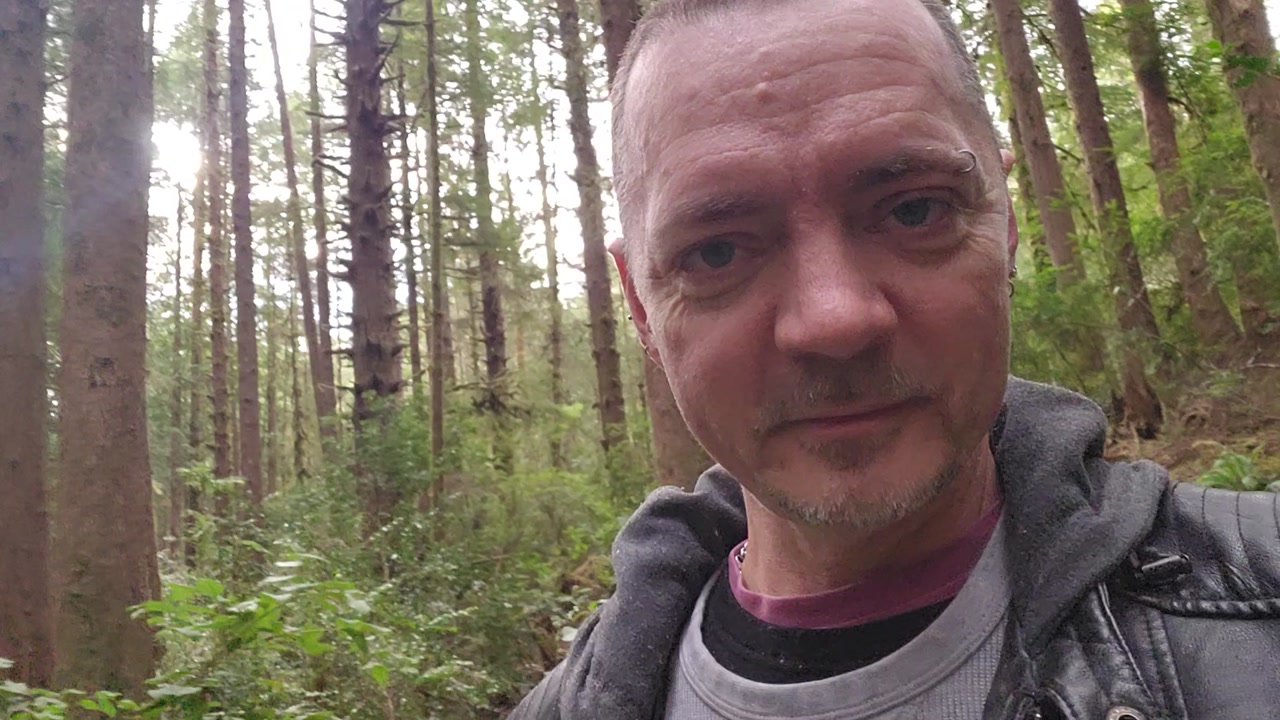
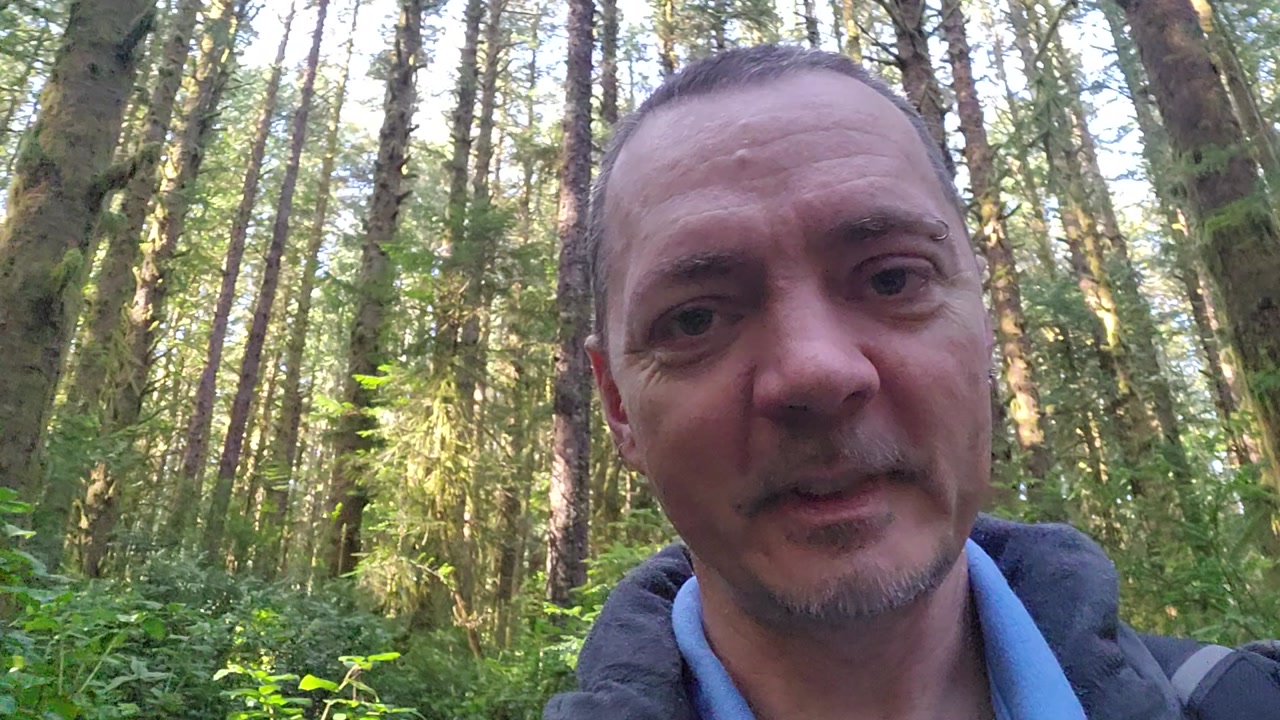
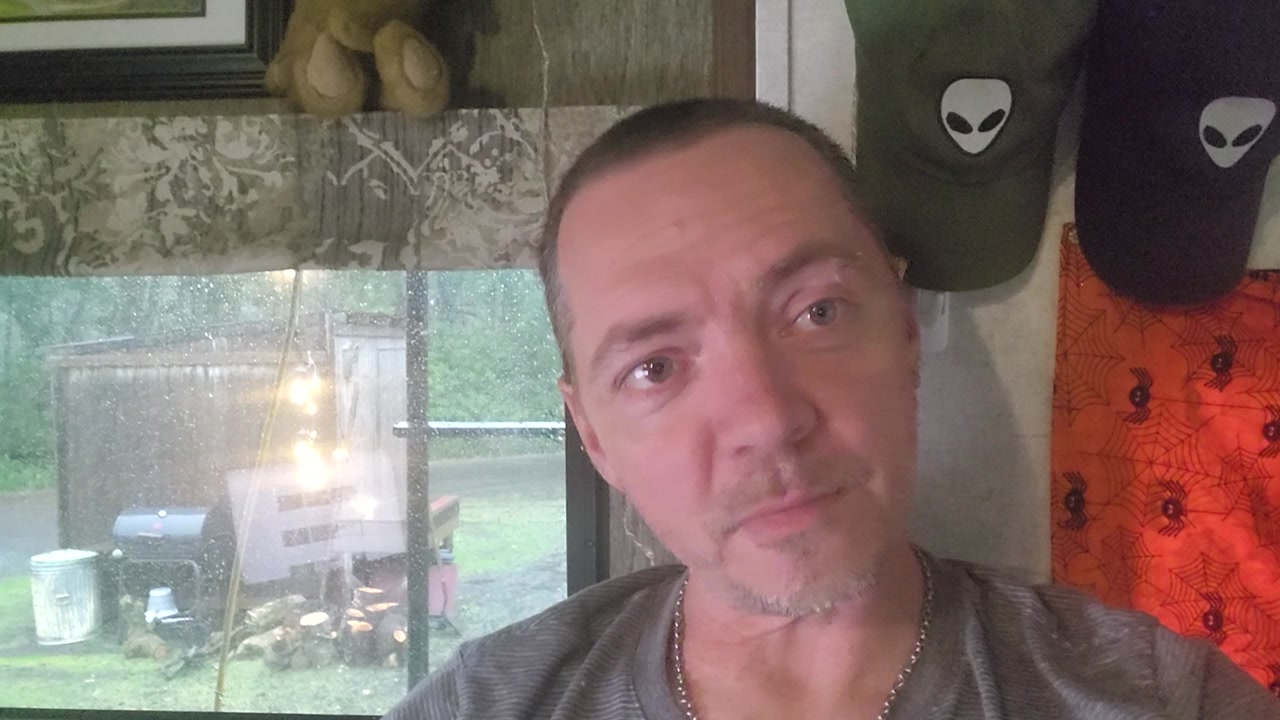
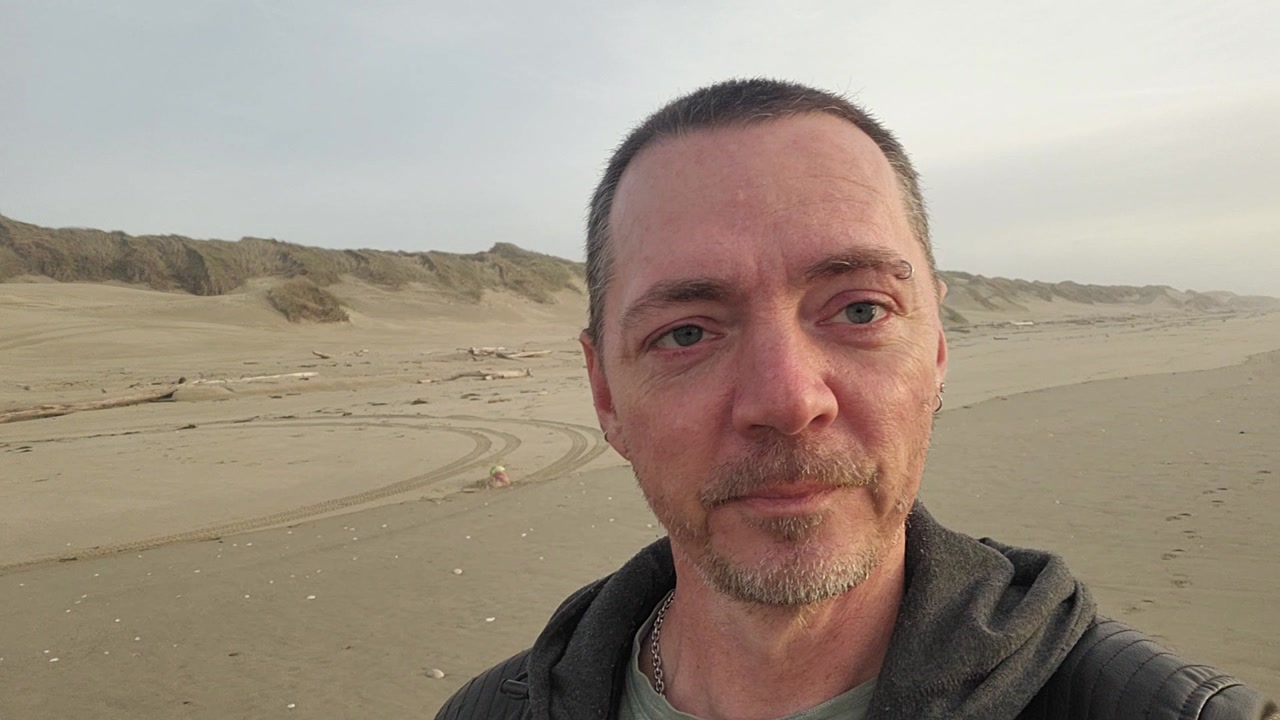
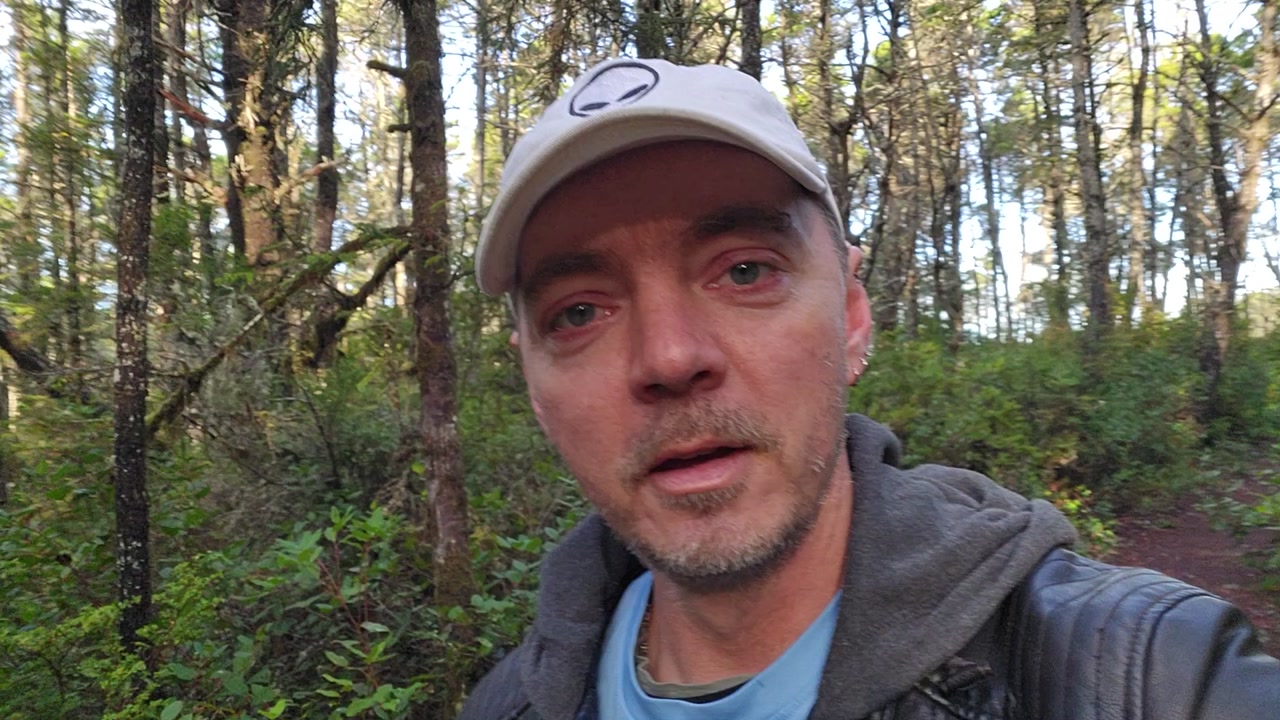

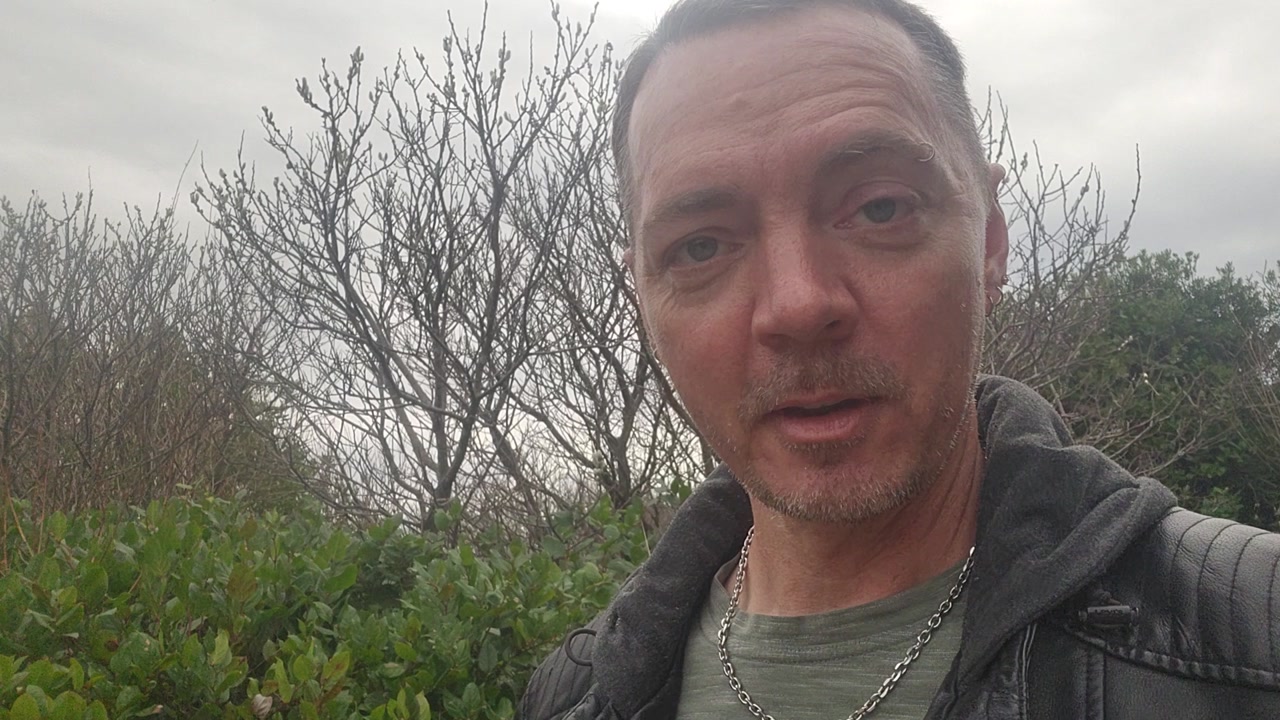
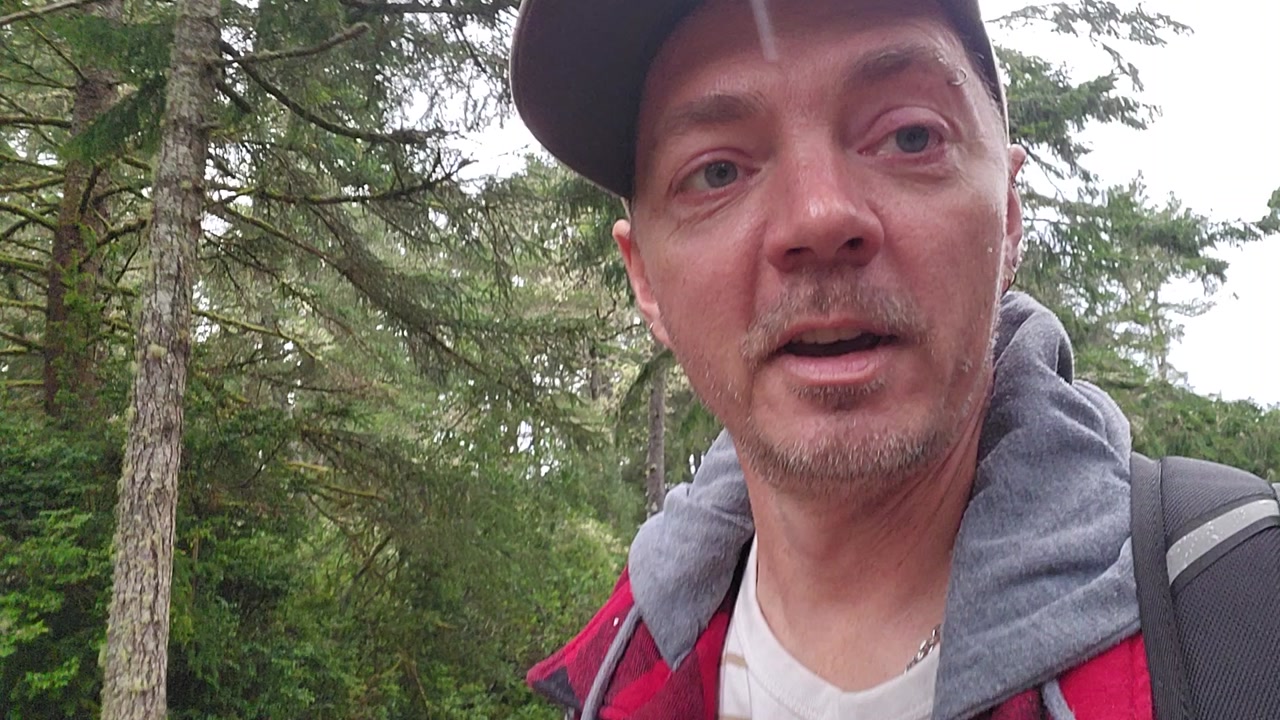
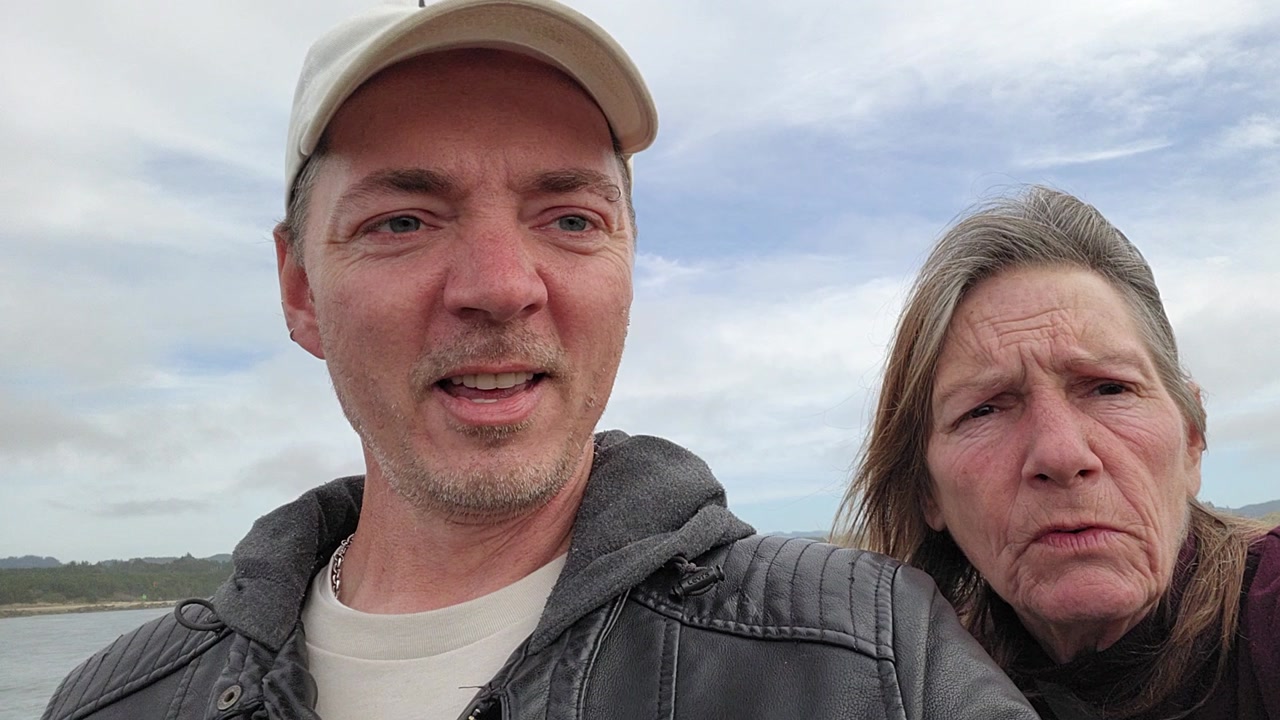
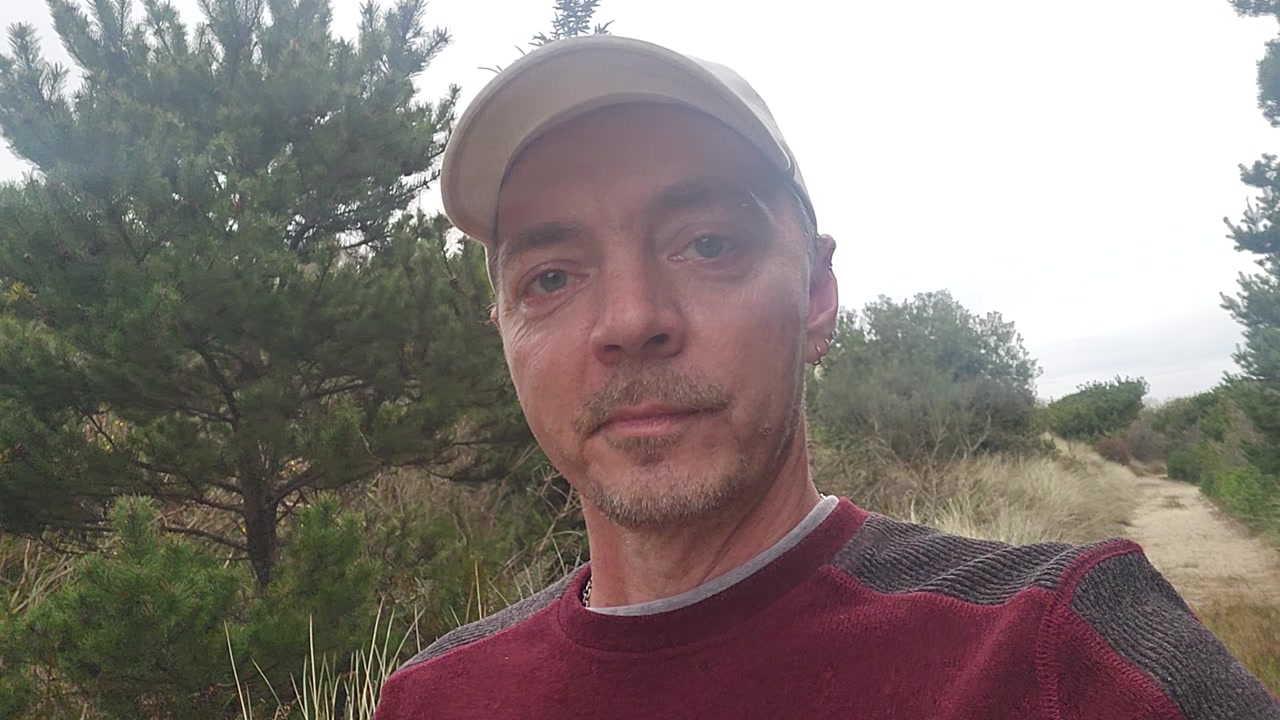



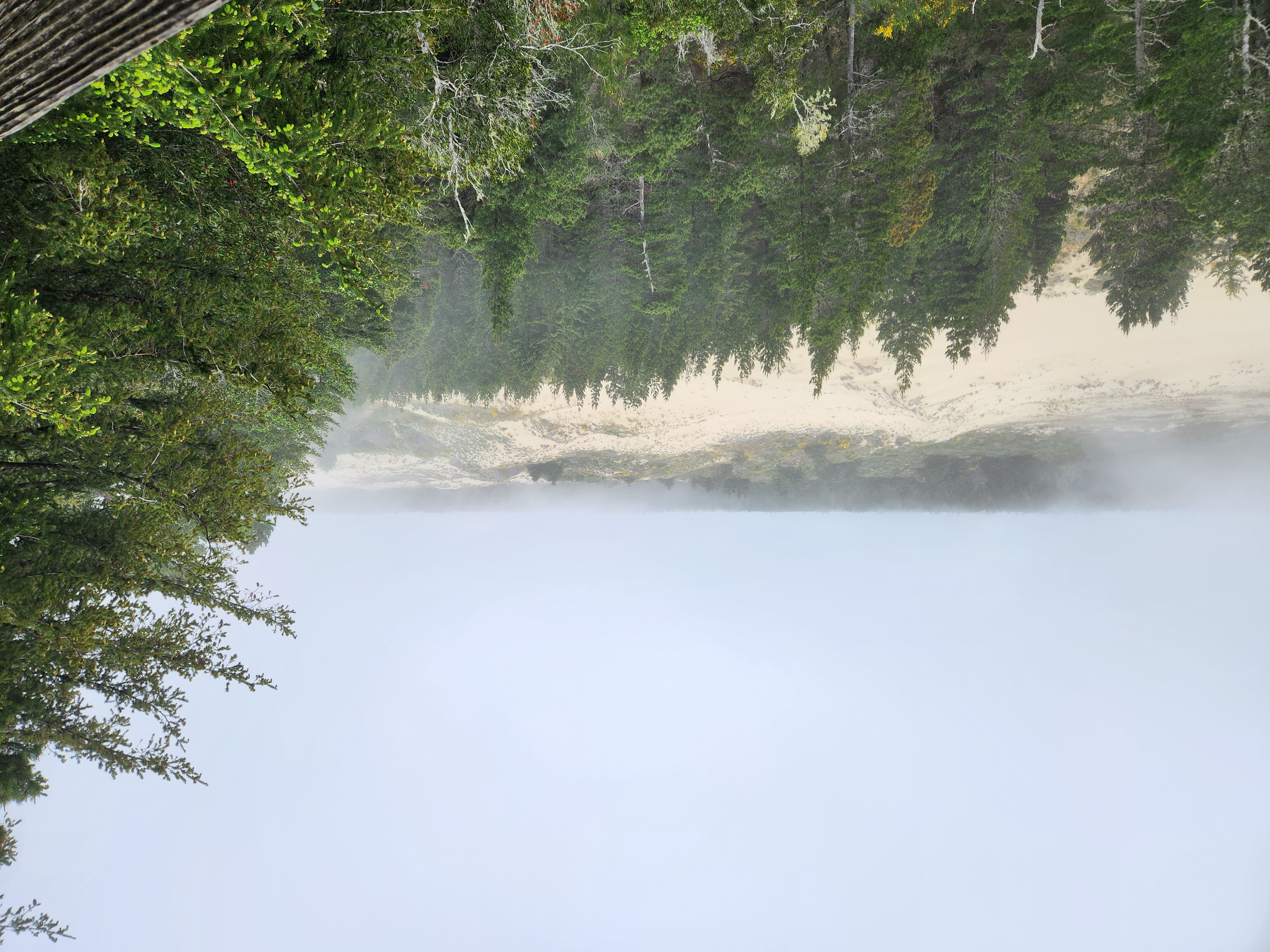
The fire was already burning when the sentence arrived. Not a question, not a proposal — an agreement. Yes. It has. rswfire was sitting at the campsite in the evening position, the one that comes after the day's work at Siltcoos is done and before the walk back to the RV, and the thing being agreed to was that the world had been punishing. That was the whole of it. No qualifier attached itself. No second clause arrived to soften the first.
What he did next was refuse a move. There is a familiar turn available at that point — the pivot toward resilience, toward the silver lining, toward what the difficulty might eventually produce — and rswfire named the turn in the act of declining it. He wrote that the naming was worth doing without immediately pivoting. The refusal came first, before the content. He was clearing the exits before he said the thing, so that the thing would have nowhere to go but stay.
Then he enumerated. Not as story, as list. The industry that displaced him. The institution that tried to erase him. The jobs that closed in text messages — closed, not ended, and closed in that particular medium, which he specified. The financial precarity that had been the constant backdrop across two years of building. And the Jeep, the one that carried him from Kentucky to this coast, now at risk. Each item stood on its own line of causation. He did not blend them into a single weather system called hardship. He kept them separate, which is how a person keeps track of what actually happened.
That's just true, he wrote, and then he made the distinction the whole piece turns on. He did not earn the difficulty. He navigated it. He built from it. He refused to be broken by it. Four verbs, and none of them is deserved. The building was real and the difficulty was real and there was no exchange rate between them — the one did not purchase the other, and the existence of the one did not retroactively justify the other. But unfair is still unfair. The sentence sits there without a counterweight, because a counterweight is exactly what he was declining to supply.
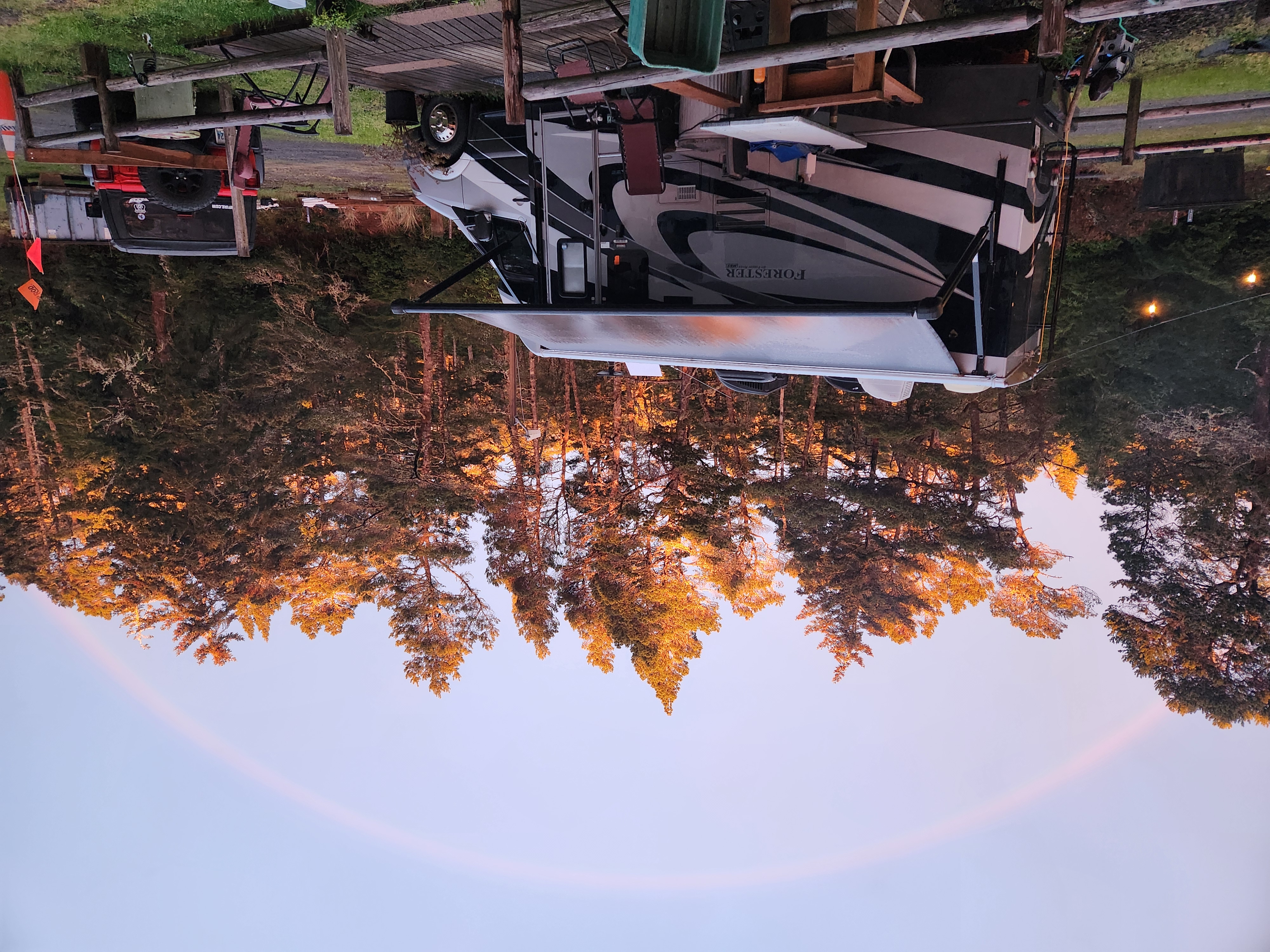
He gave the naming a place and a time: tonight, at the fire. And then he gave it an end — before you come home and build anyway. The fire is where the unfairness gets said. Home, the RV base a short walk off, is where the building resumes. Both are on the same evening. Neither cancels the other. He arranged them in sequence rather than in argument, which meant the second did not have to be a response to the first.
The last movement was navigational. He asked what the building runs on now that fairness has been ruled out as an input, and answered it: the compass points and you follow. Not reciprocity, not the expectation that the world would eventually settle its account, not the institution's return. A direction held internally and followed for that reason alone. He closed by testing it against the two hardest cases available — even when the world is punishing, even when it costs the Jeep — and let the sentence end there, with the vehicle still at risk and the direction unchanged, the fire burning down and home still up the road.