



On March 18, 2025, the rangers were gone. A regional event had drawn them off-site, and Honeyman State Park operated that day with a volunteer working alone in it. That volunteer was rswfire. Into that emptied station came a man who carried no identification, wore no uniform, and offered no name. He asked personal questions — how leadership was treating him, how he was being handled. Then the encounter ended, as encounters do, without ceremony.
What rswfire did next was the only part of the day that was his to determine. He documented it. Same day, while the details were still exact — the absence of a badge, the absence of a name, the specific shape of the questions, the fact that every ranger who could have been asked to account for the visitor was somewhere else. The encounter itself lasted minutes. The record of it was made to last considerably longer.
Within hours, a cover story arrived. rswfire notes that it has never been substantiated. In the year that followed, no photograph was produced. No IT documentation was provided. No operational record surfaced. Each of these absences he entered into the archive not as an open question awaiting institutional resolution, but as evidence in its own right — the negative space of a system that could have produced a document and did not. He states the act required authorization above the park level. He states it failed.
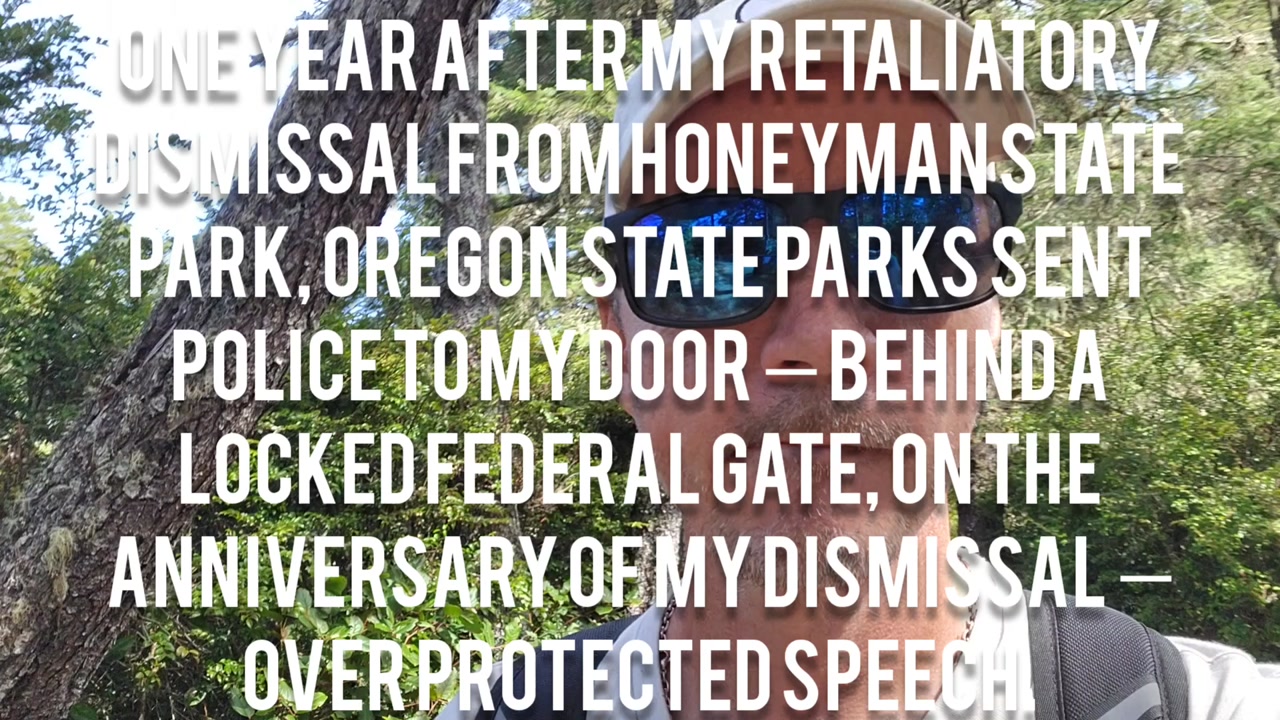
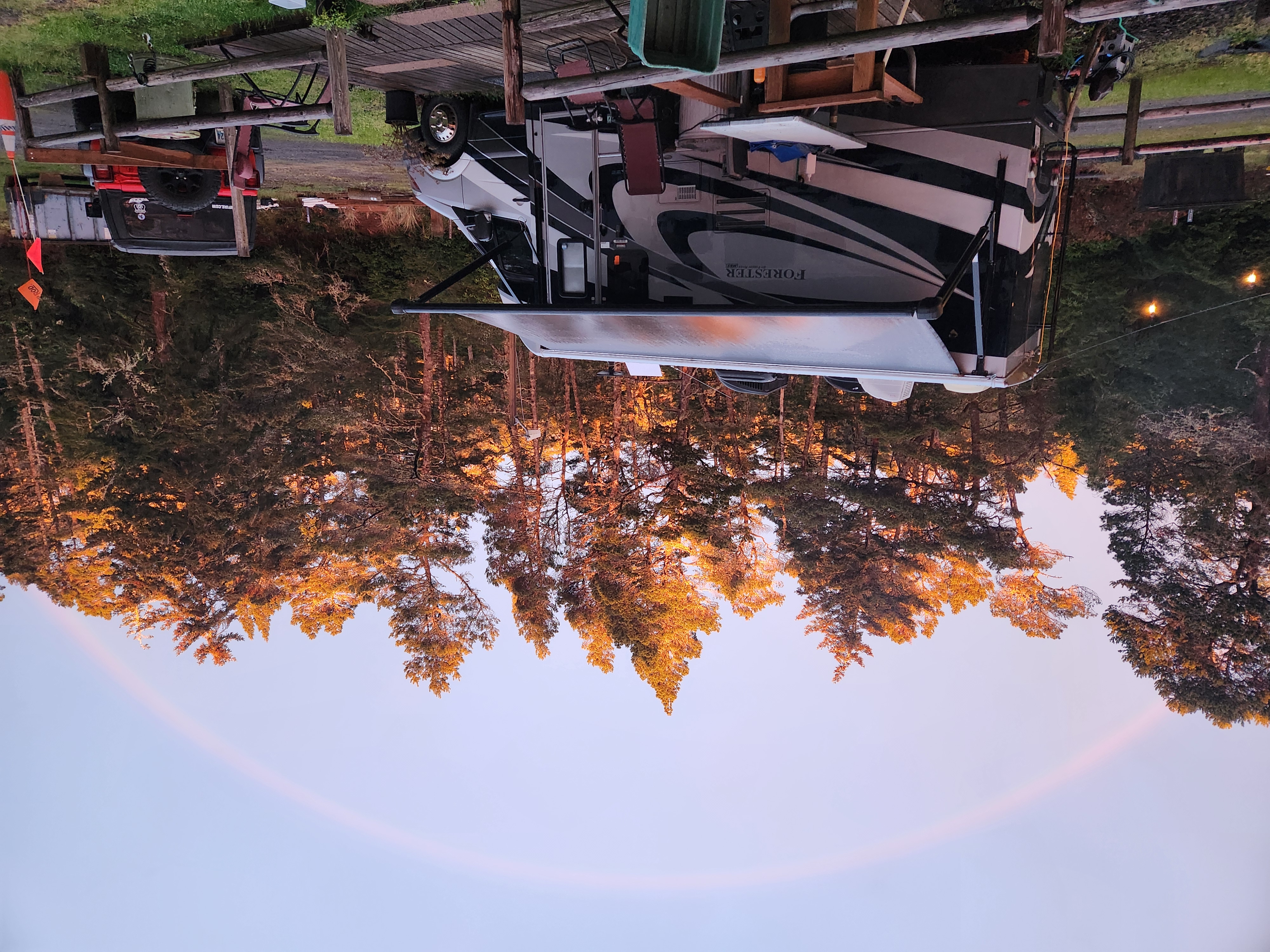
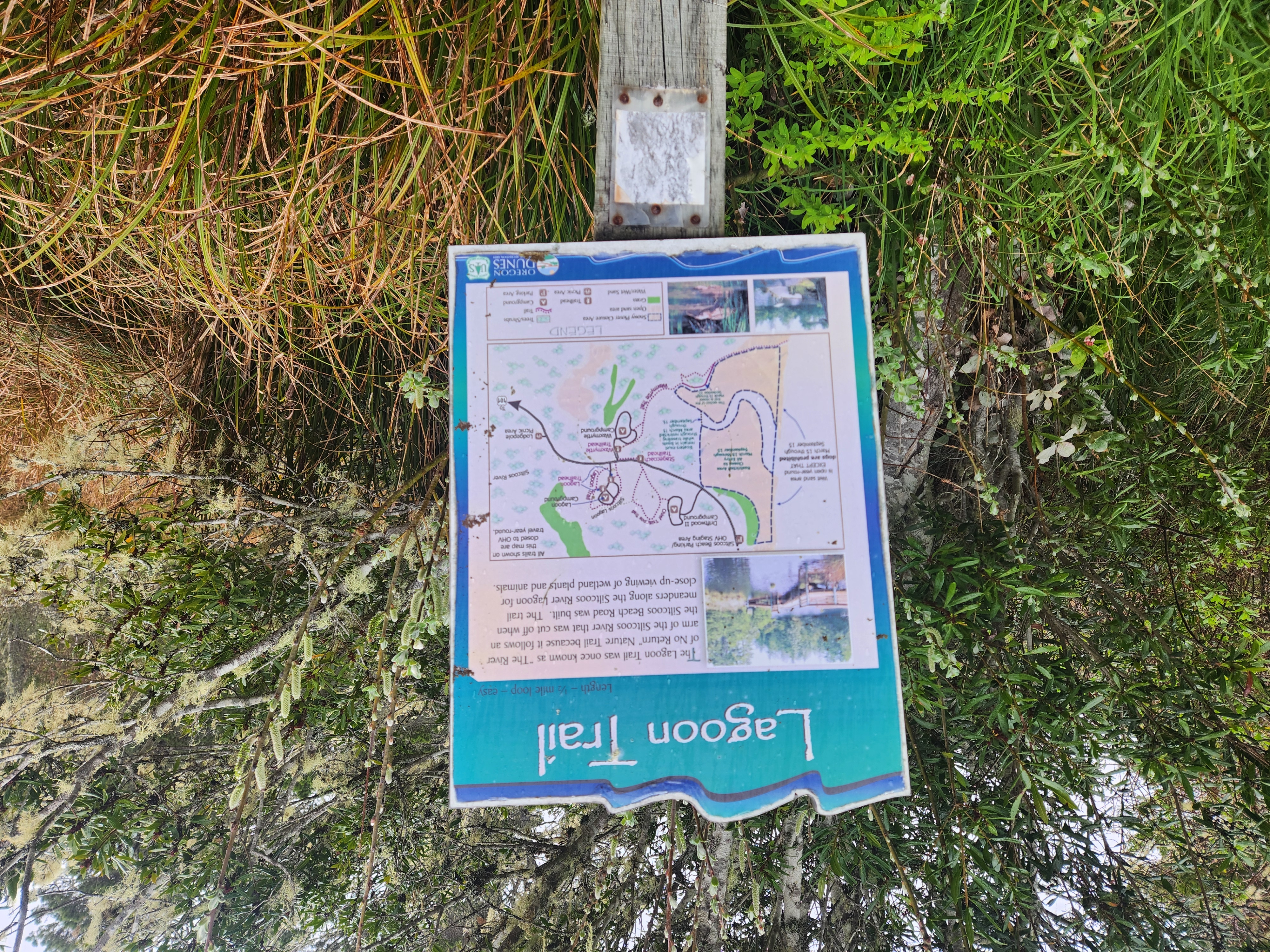
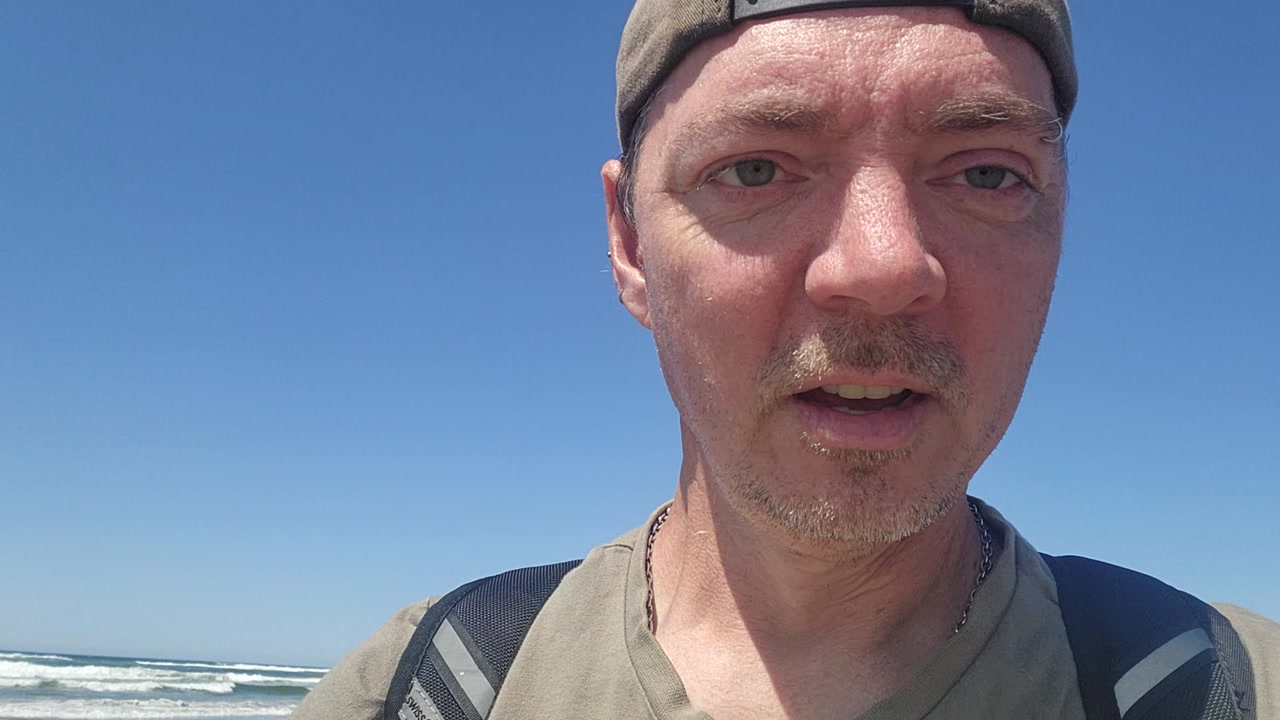
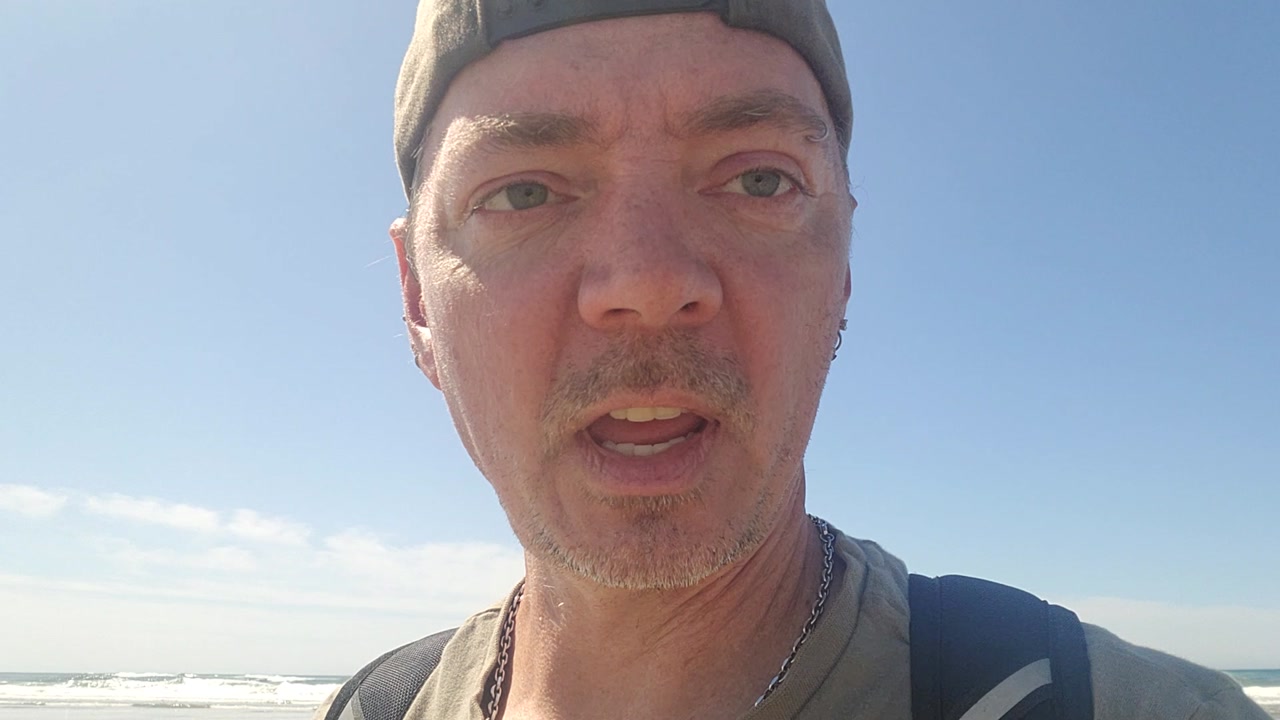
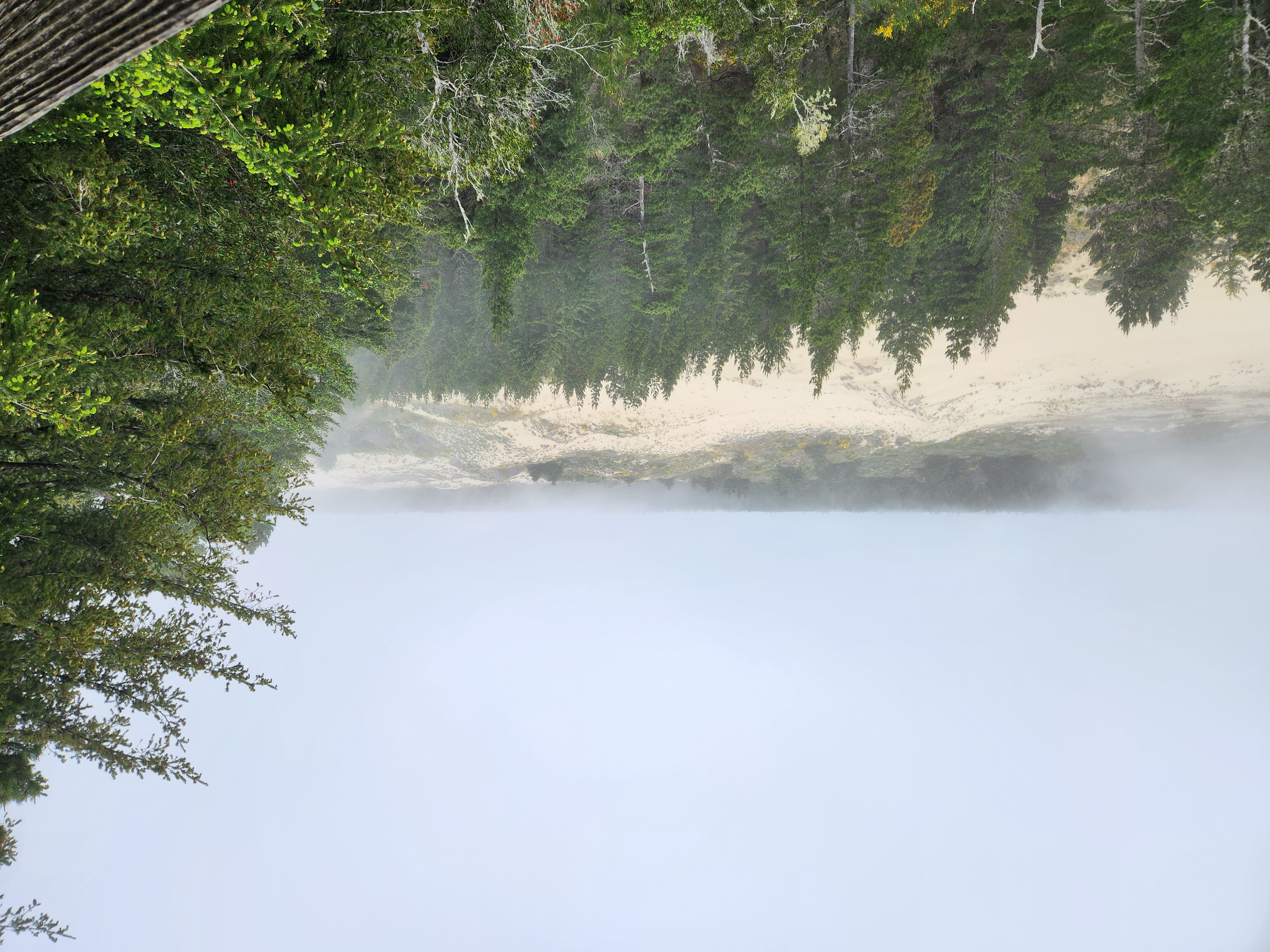
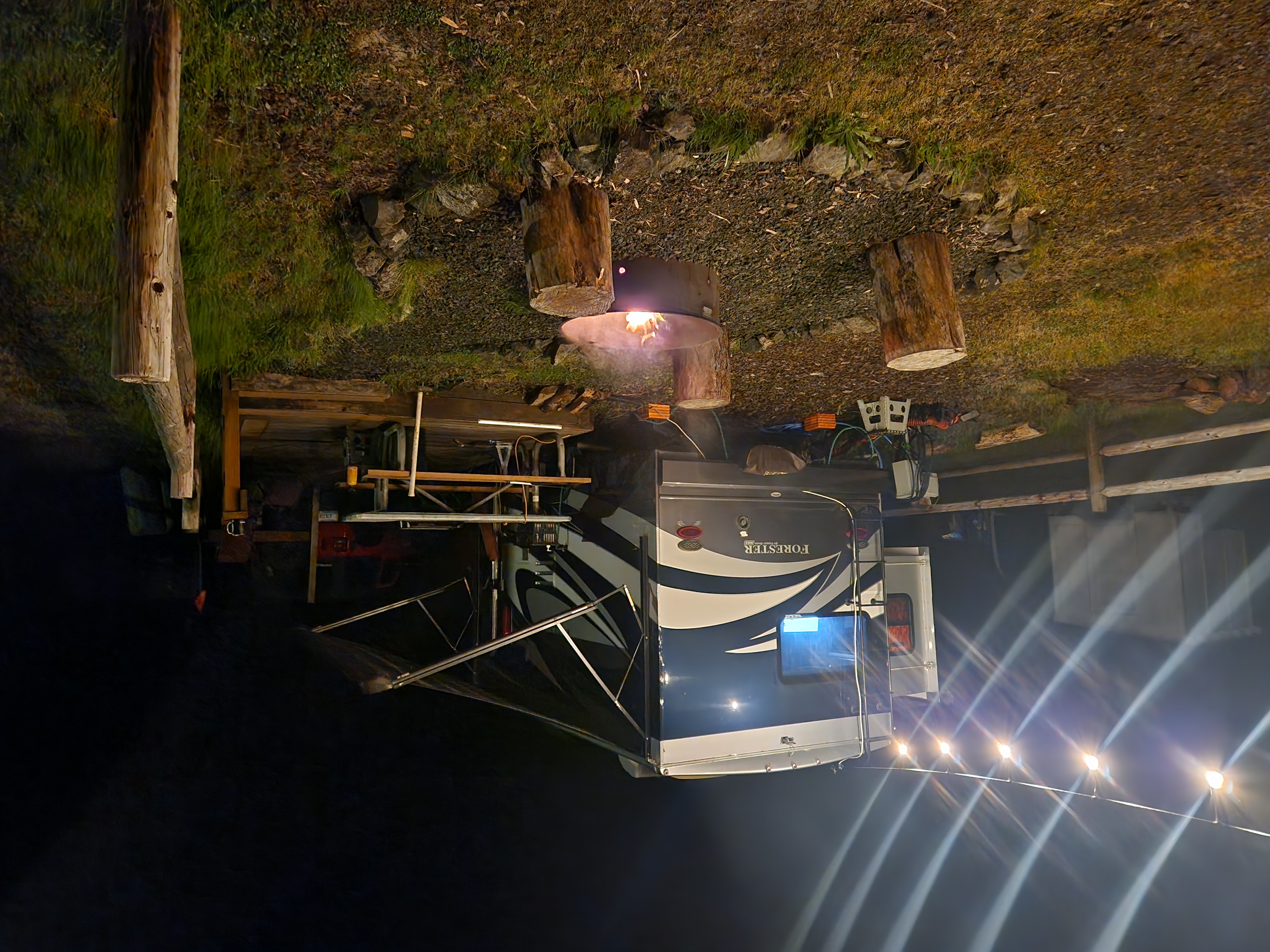
Three hundred sixty-five days later, rswfire sat at Siltcoos, in the RV where he lives full-time as a volunteer caretaker in the Oregon Dunes — the same geography, the same coastline, the same state parks system. He wrote the anniversary marker there and anchored it explicitly: this date, this location. The writing did not reopen the encounter. It timestamped it. The year of institutional silence had been accumulating with or without acknowledgment, and the anniversary converted that accumulation into a measurement: 365 days, stated as a figure.
The artifact he published is short and unhurried. It names what happened in flat declarative sentences, lists what was never produced, states what the act required and what it accomplished, and then links outward — to the surveillance evidence page, to the archive itself. No appeal is made. No response is solicited. The document does not wait on Oregon State Parks to complete it, and that is its structure: the institution's capacity to let the incident lapse quietly through time was the thing being dissolved, and the annual return is the instrument doing the dissolving.
The final line carries no heat. It carries duration. And it is permanently documented.