
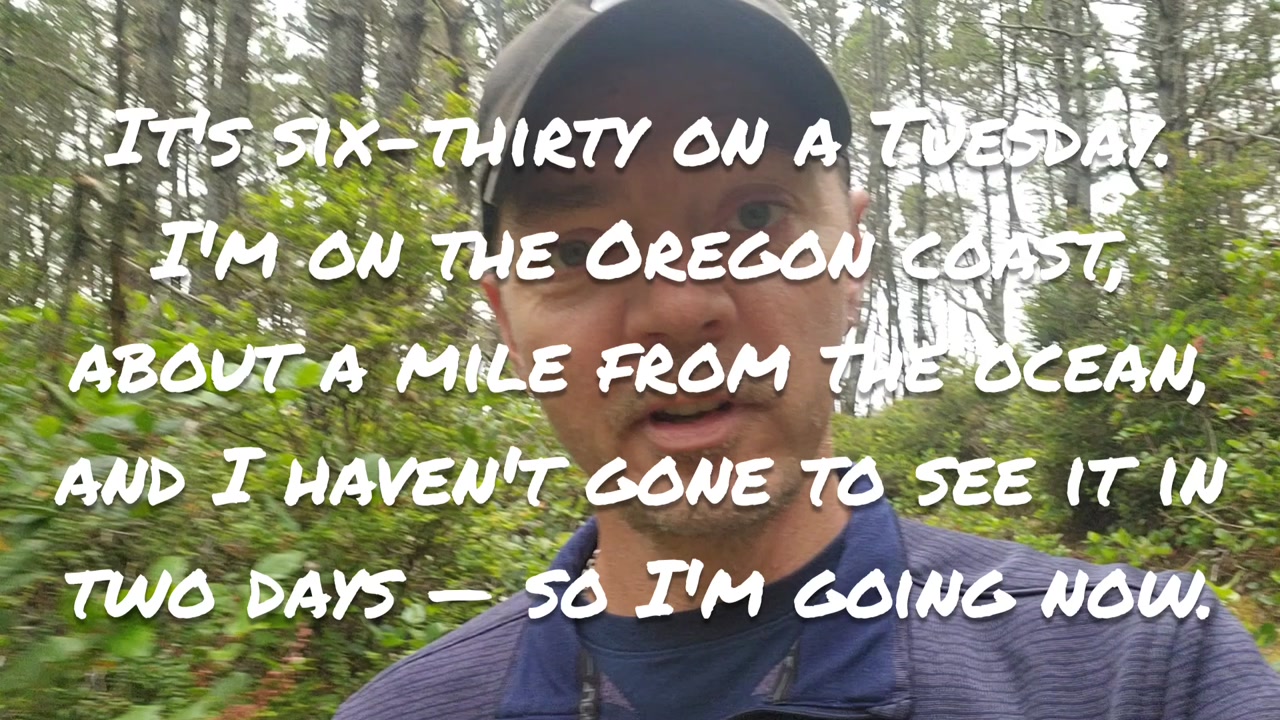
Introducing Autonomy Realms on Walk to the Ocean

Failed to load video
Chapters
Transcript
[0:00] So we're gonna head over there now,
[0:01] gonna get on the trail and head towards the ocean.
[0:05] I haven't even described my project yet.
[0:06] What's wrong with me, right?
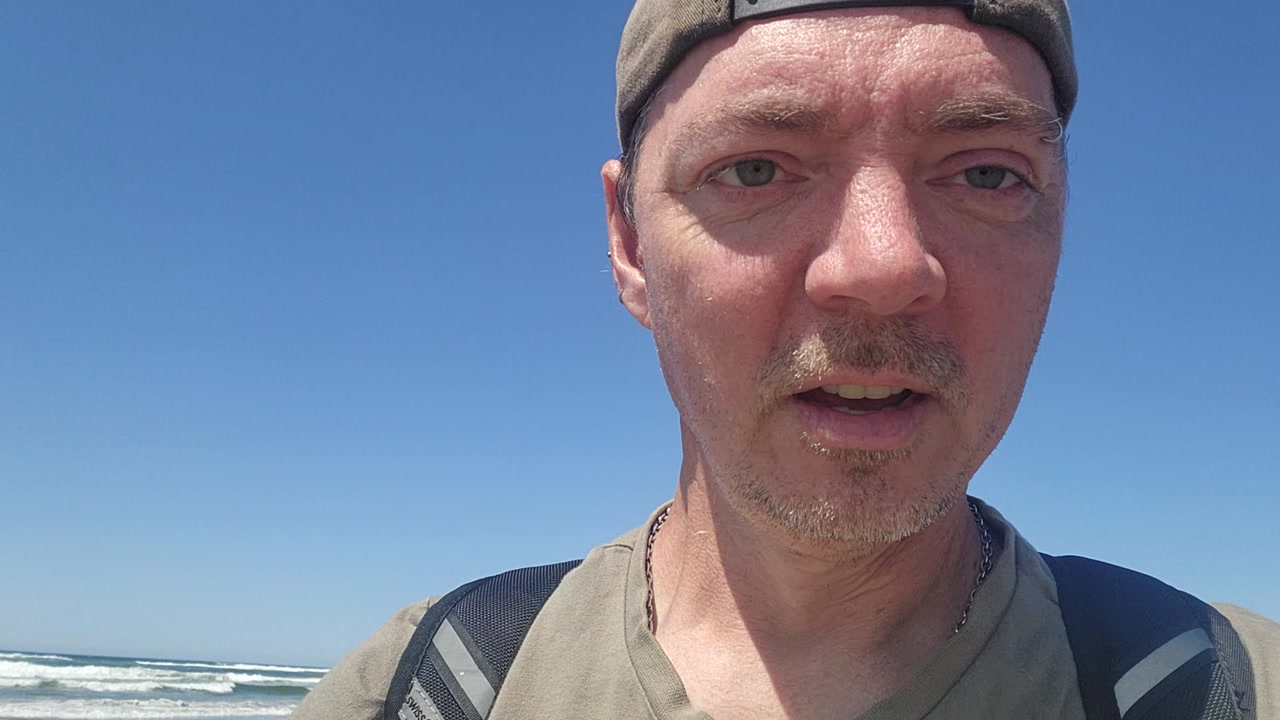
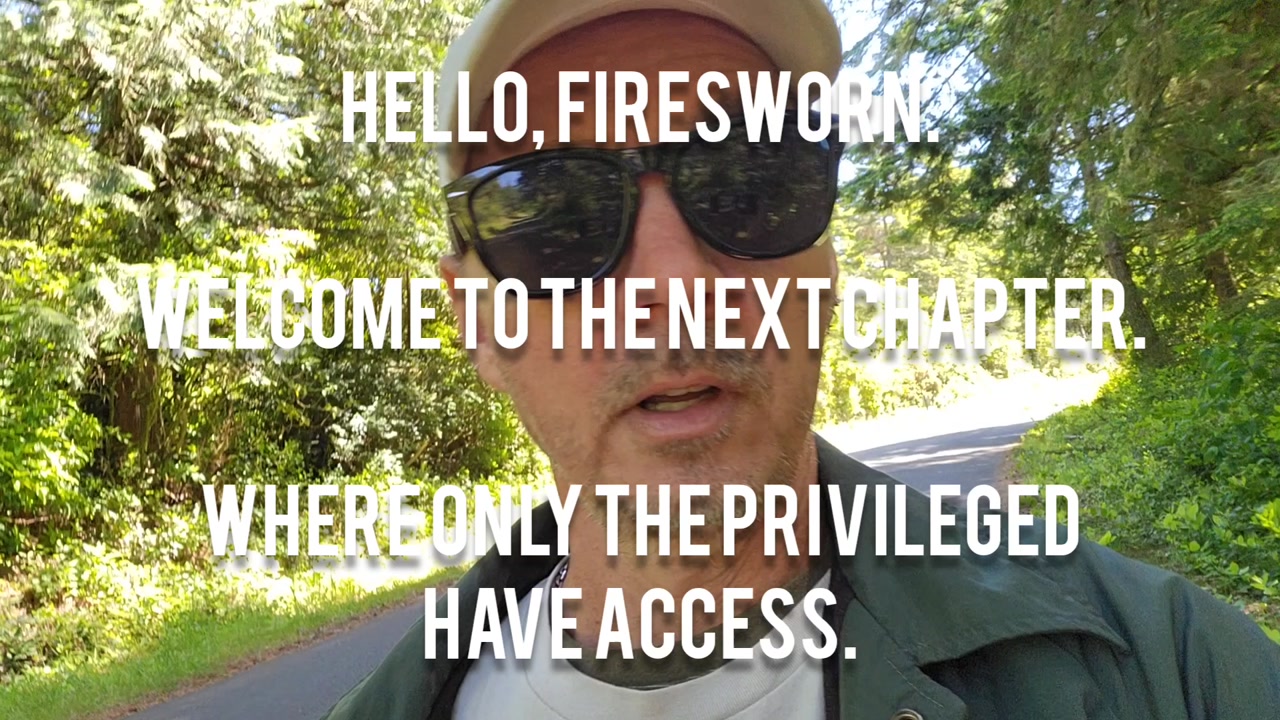
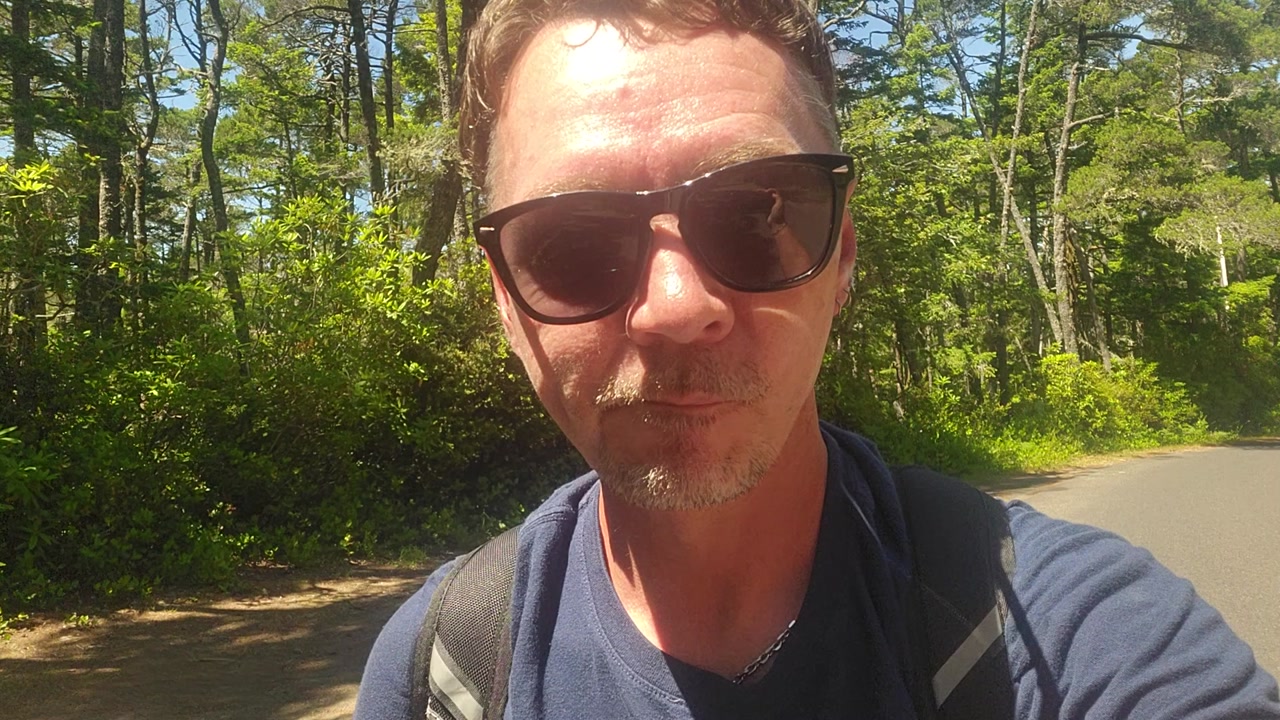
[0:13] Hi there, I'm RSW Fire.
[0:15] I'm here to introduce you to Autonomy Realms,
[0:18] a platform I built for nomads, for explorers,
[0:22] for people who document their lives.
[0:24] For more than two years now,
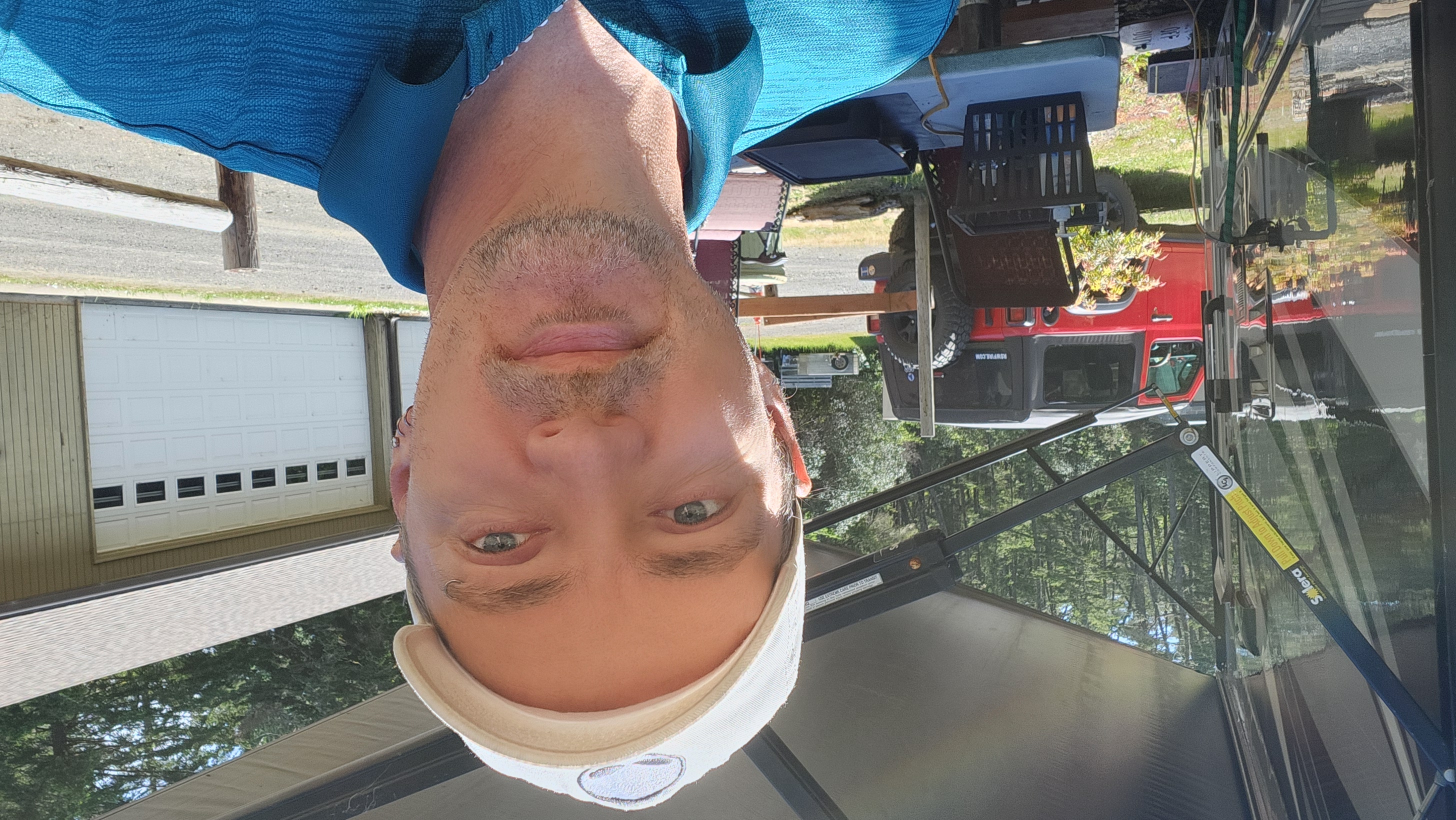
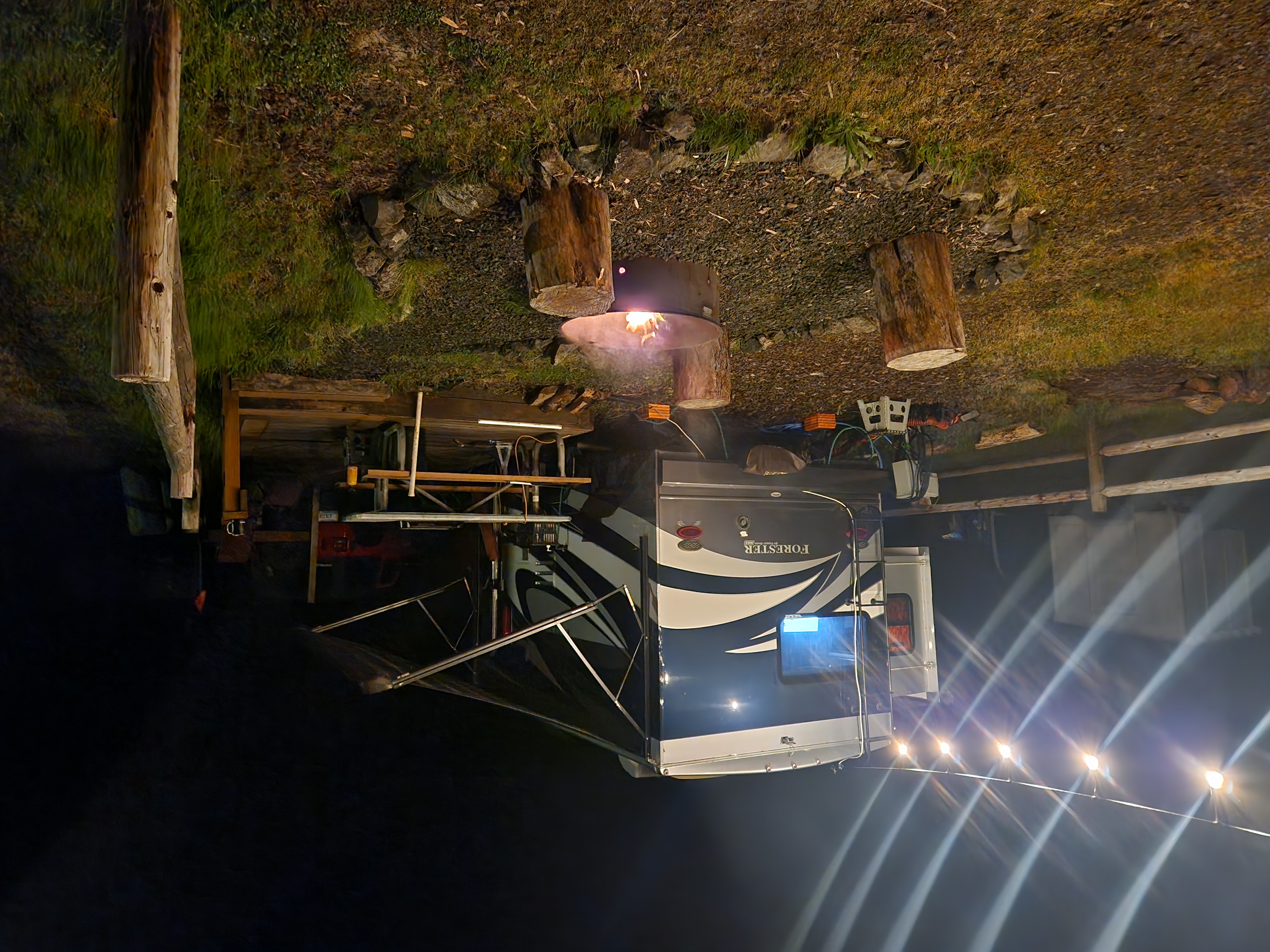
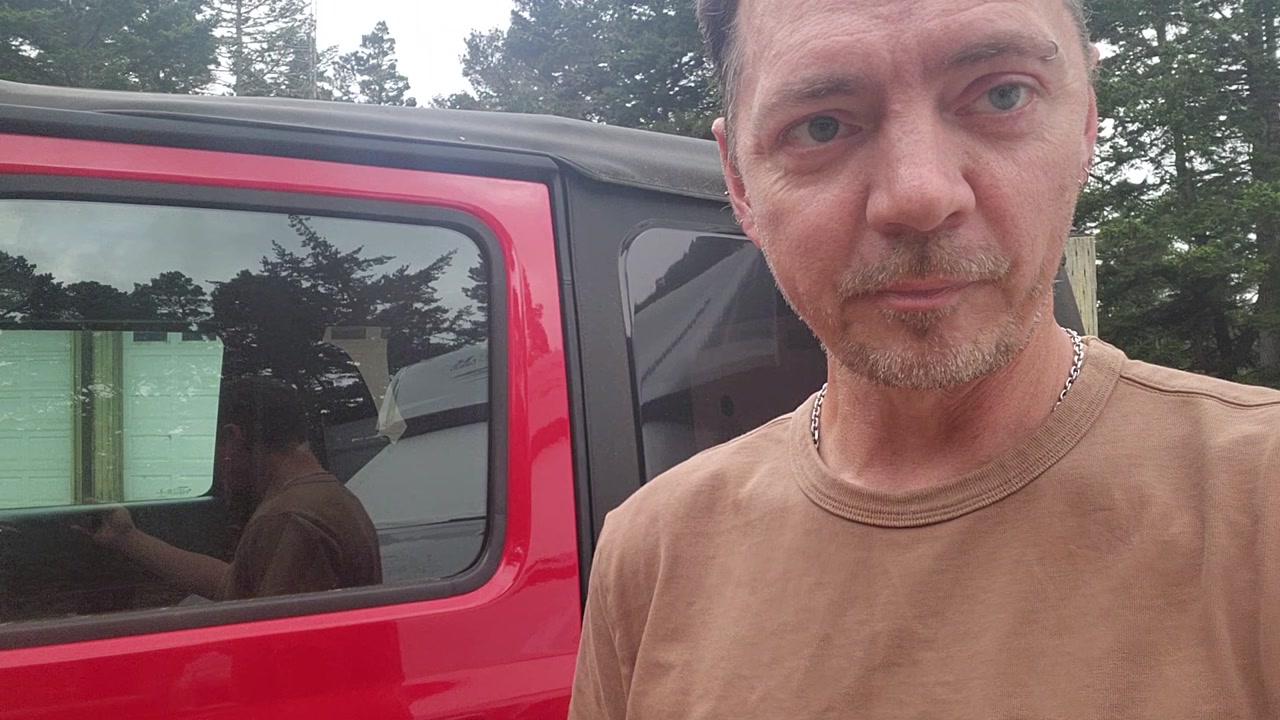
[0:25] I've lived in that RV behind me.
[0:28] I started in Kentucky.
[0:30] I spent six months acclimating.
[0:32] Every two weeks, I would move from one campground
[0:35] to another, exploring my state.
[0:38] And then I spent over a month traveling
[0:40] from Kentucky all the way to the Oregon coast.
[0:44] I started in Brookings at the southern point on the 101,
[0:47] and I just started heading north all the way up to Newport.
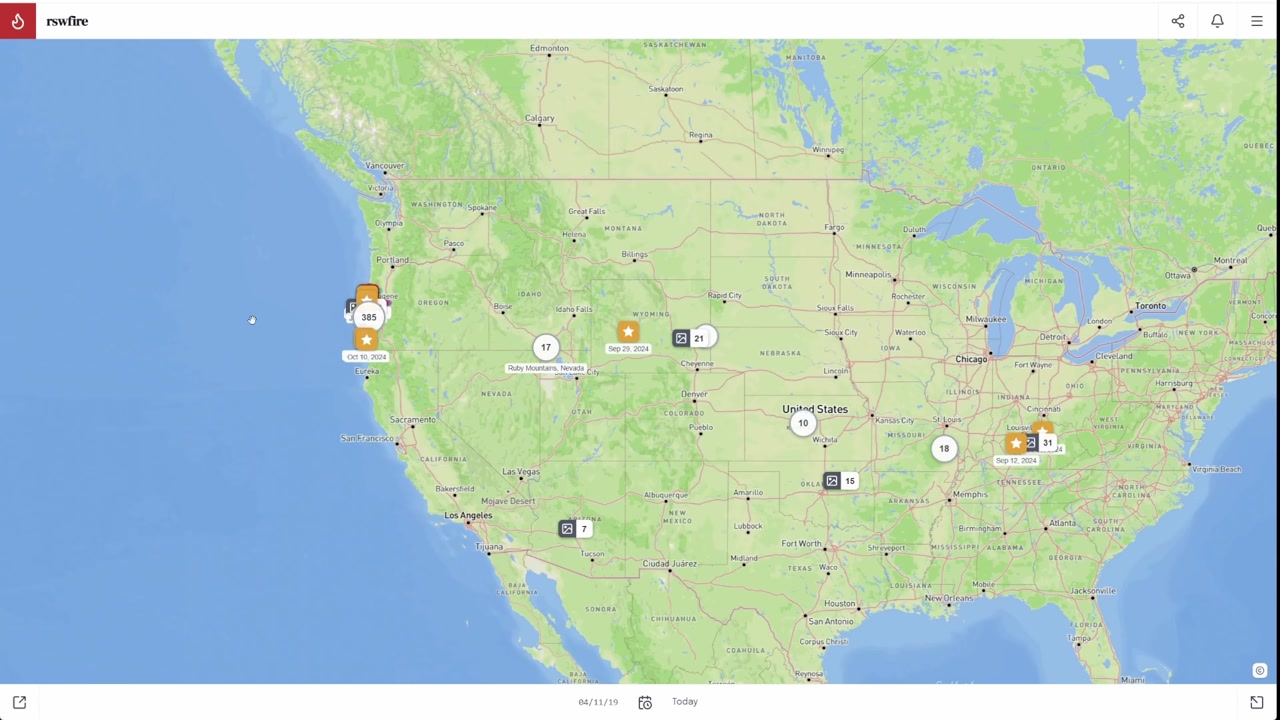
[0:51] And I documented all of it on a map.
[0:54] I started volunteering for the United States Forest Service,
[0:58] which is where I live now.
[1:00] I've been doing that for more than a year.
[1:03] I am what they call a caretaker.
[1:05] I live in what we call a corridor behind the slot gate here.
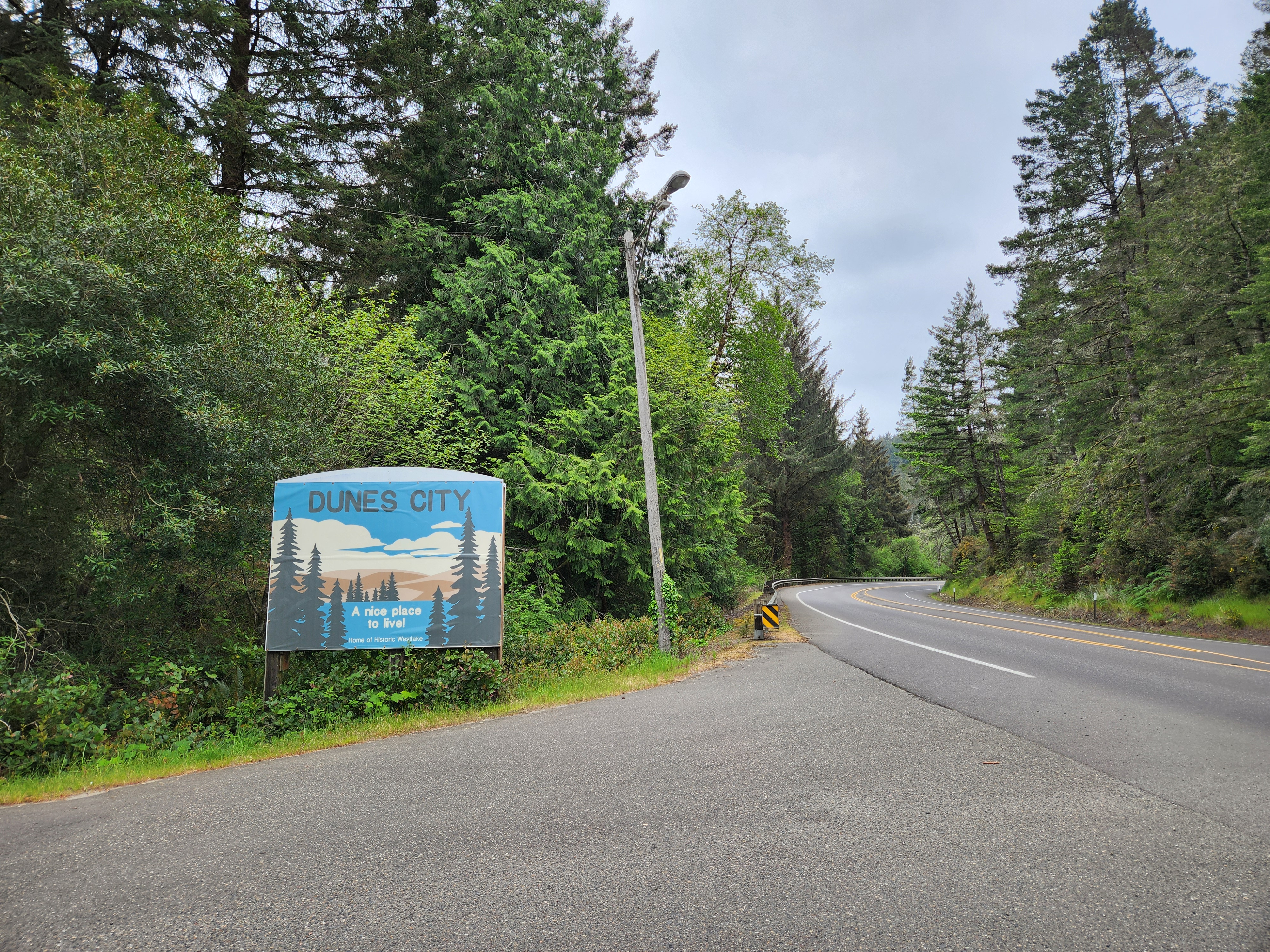
[1:09] We have three campgrounds here, several day use areas,
[1:12] a lagoon, an overlook of a beautiful river,
[1:16] the ocean, a mile to two miles in the distance,
[1:19] depending on which direction you go.
[1:21] I live in a national forest.
[1:28] And I think that's worth documenting.
[1:33] When I made the decision to move into an RV,
[1:35] I started a YouTube channel.
[1:38] It was out of character for me,
[1:39] but I wanted to document what I was doing
[1:42] because I knew that it would have a lot of challenges.
[1:44] I knew I would overcome them,
[1:46] and I wanted people to see that they could do the same thing,
[1:48] that it was possible to overcome fears,
[1:51] to overcome challenges, to learn new skills,
[1:54] to live differently, all of that.
[1:56] I wanted to document all of it.
[1:58] And I made over 900 videos in two years.
[2:03] But I discovered that YouTube was just the wrong container
[2:07] for what I was trying to do because it flattens you.
[2:11] Only your most recent videos, the thing that people see,
[2:14] people don't see your back catalog,
[2:16] they don't know your story.
[2:20] If you don't share everything in every single video,
[2:23] you're leaving people behind.
[2:28] There's something extraordinary
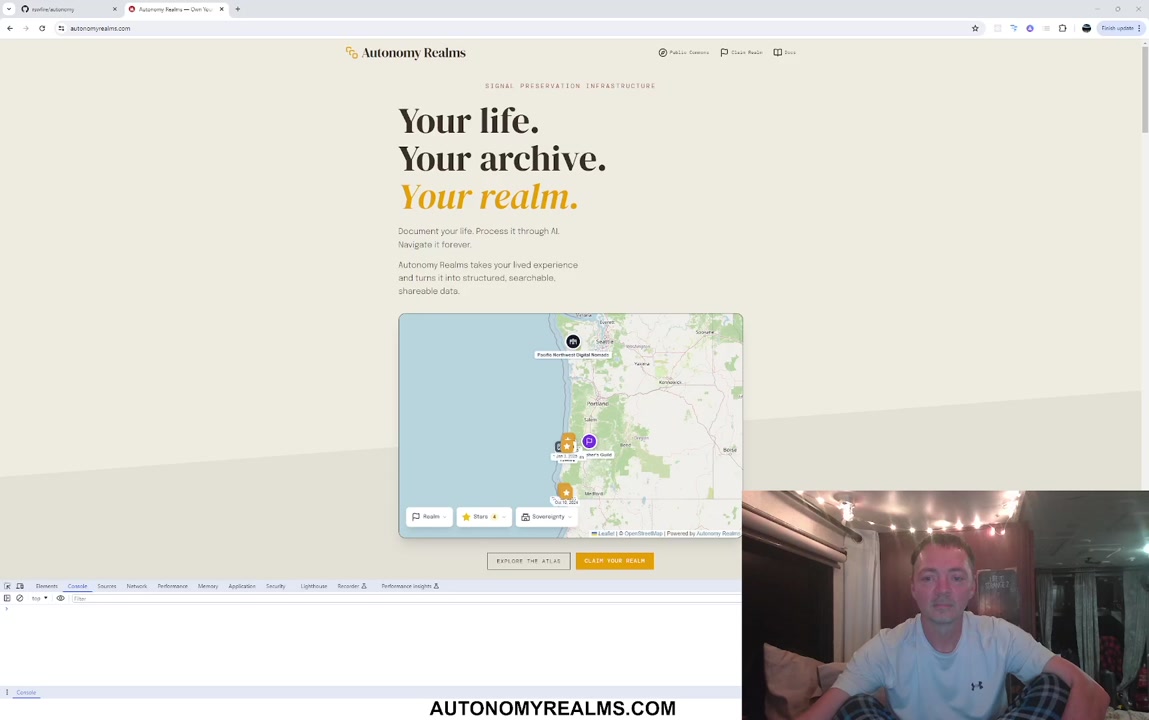
[2:30] about seeing your life plotted on a map for the first time.
[2:34] When you see it unflattens,
[2:36] when you see your life unflattened, your experiences,
[2:40] stretched out over lands,
[2:43] tagged by time so that you can filter the map
[2:47] with the date ranges,
[2:48] processed by artificial intelligence,
[2:51] analyzing everything that you put on that map,
[2:54] there's something extraordinary
[2:57] when you see that for the first time.
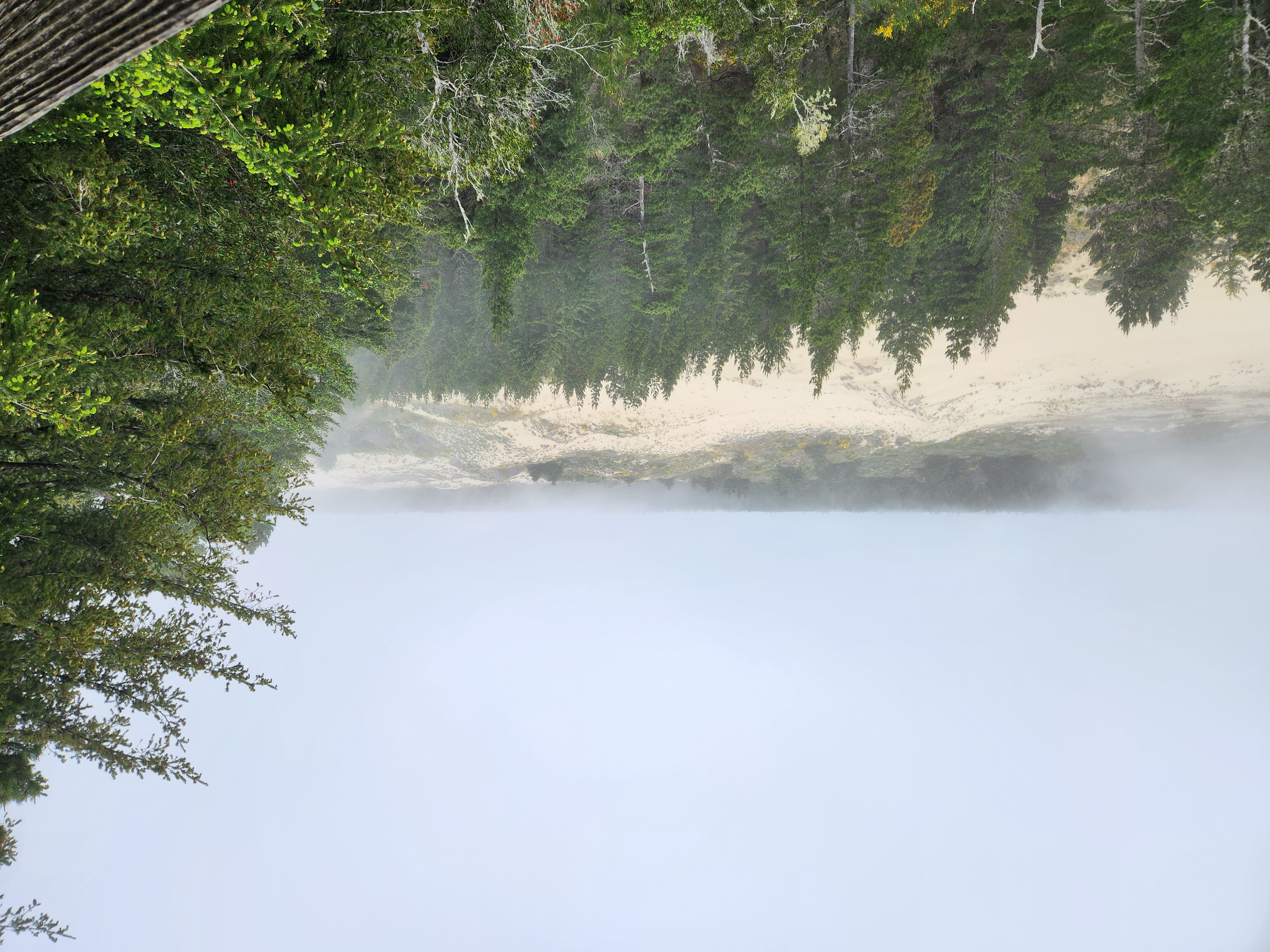
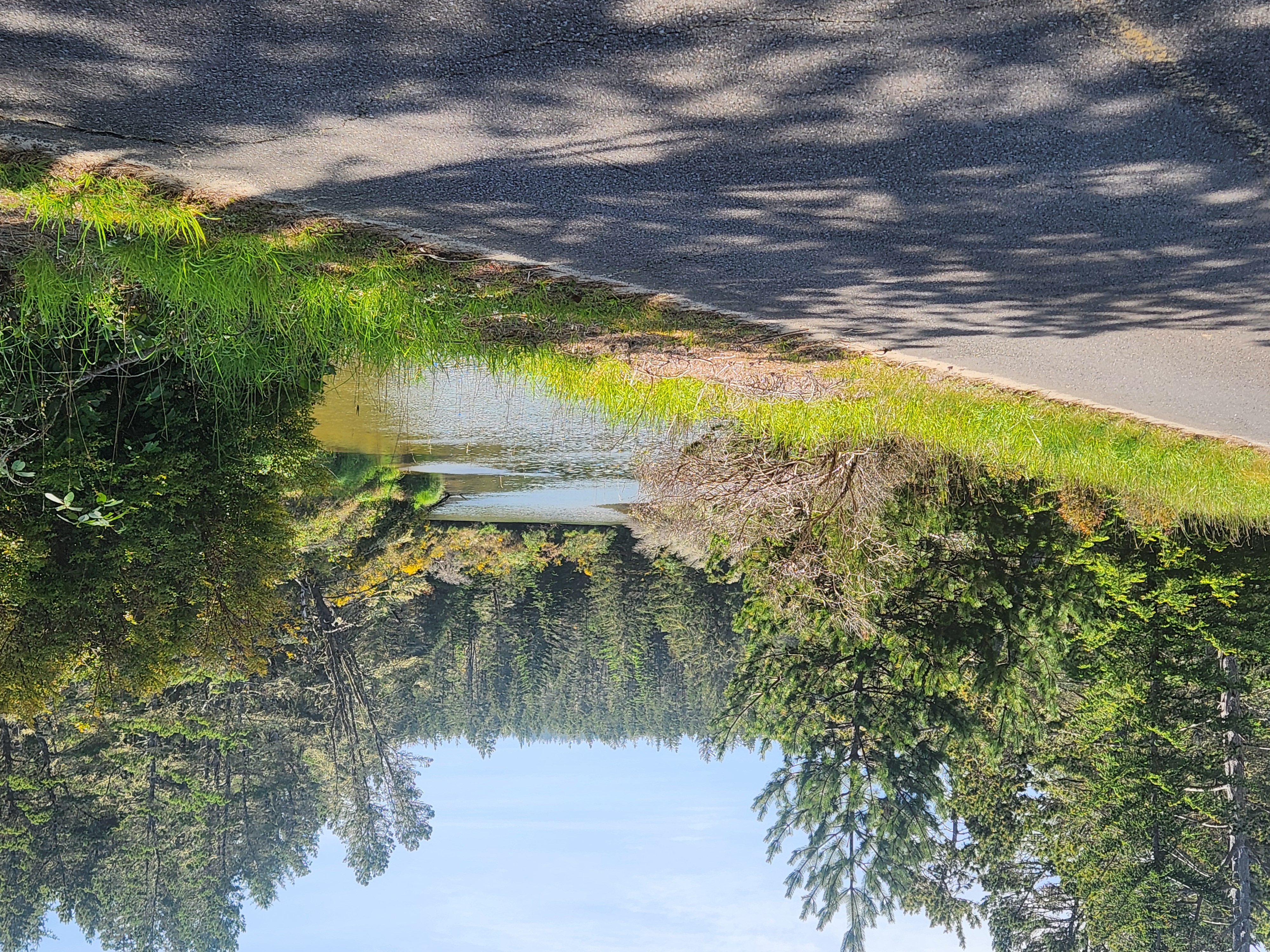
[3:04] So we've been walking next to the Silkus River
[3:06] this whole time, and now it just starts to open up here.
[3:11] There's the Waxmortal Bridge in the background.
[3:13] But before we head that way,
[3:14] let me show you right across the street.
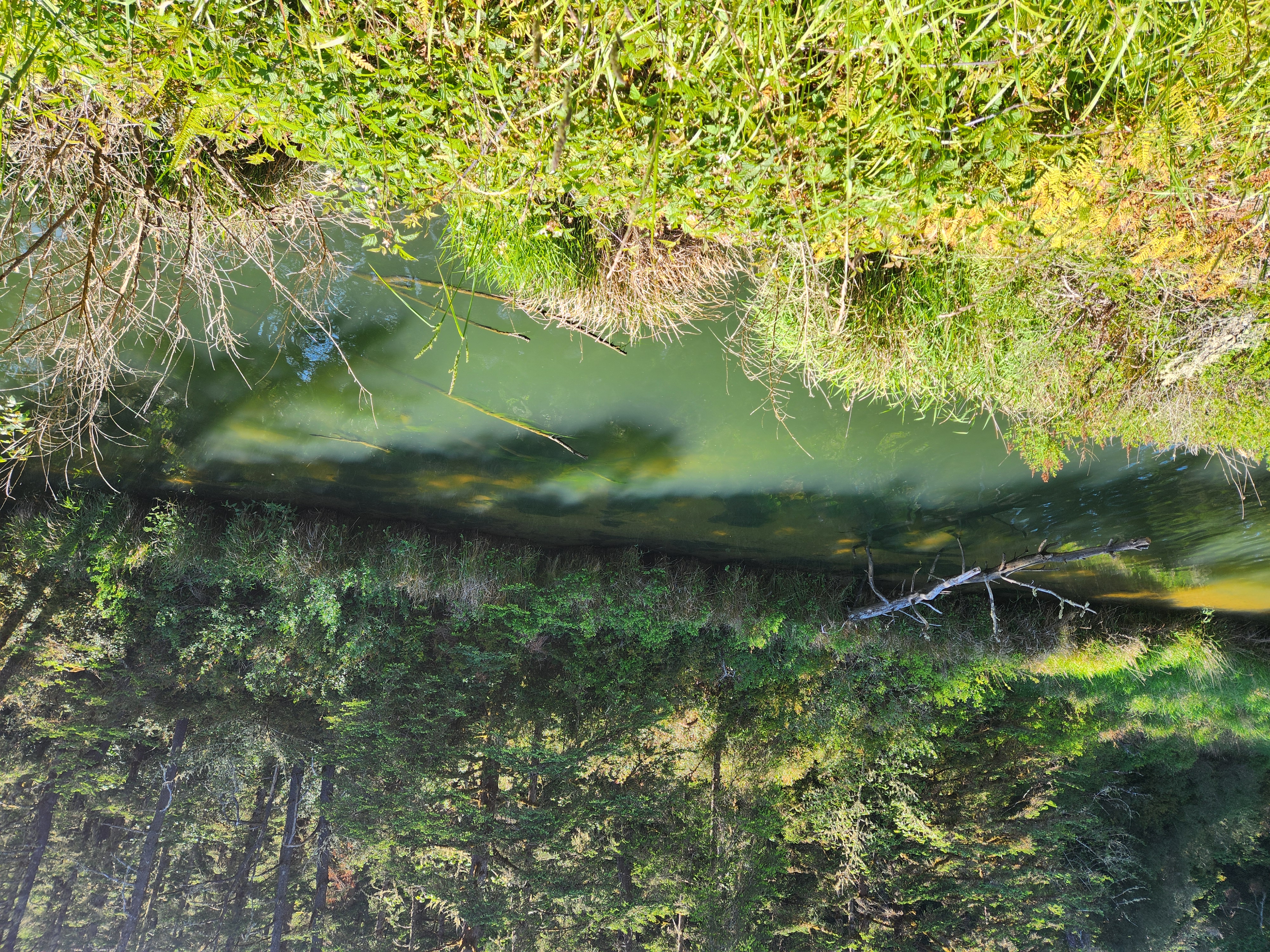
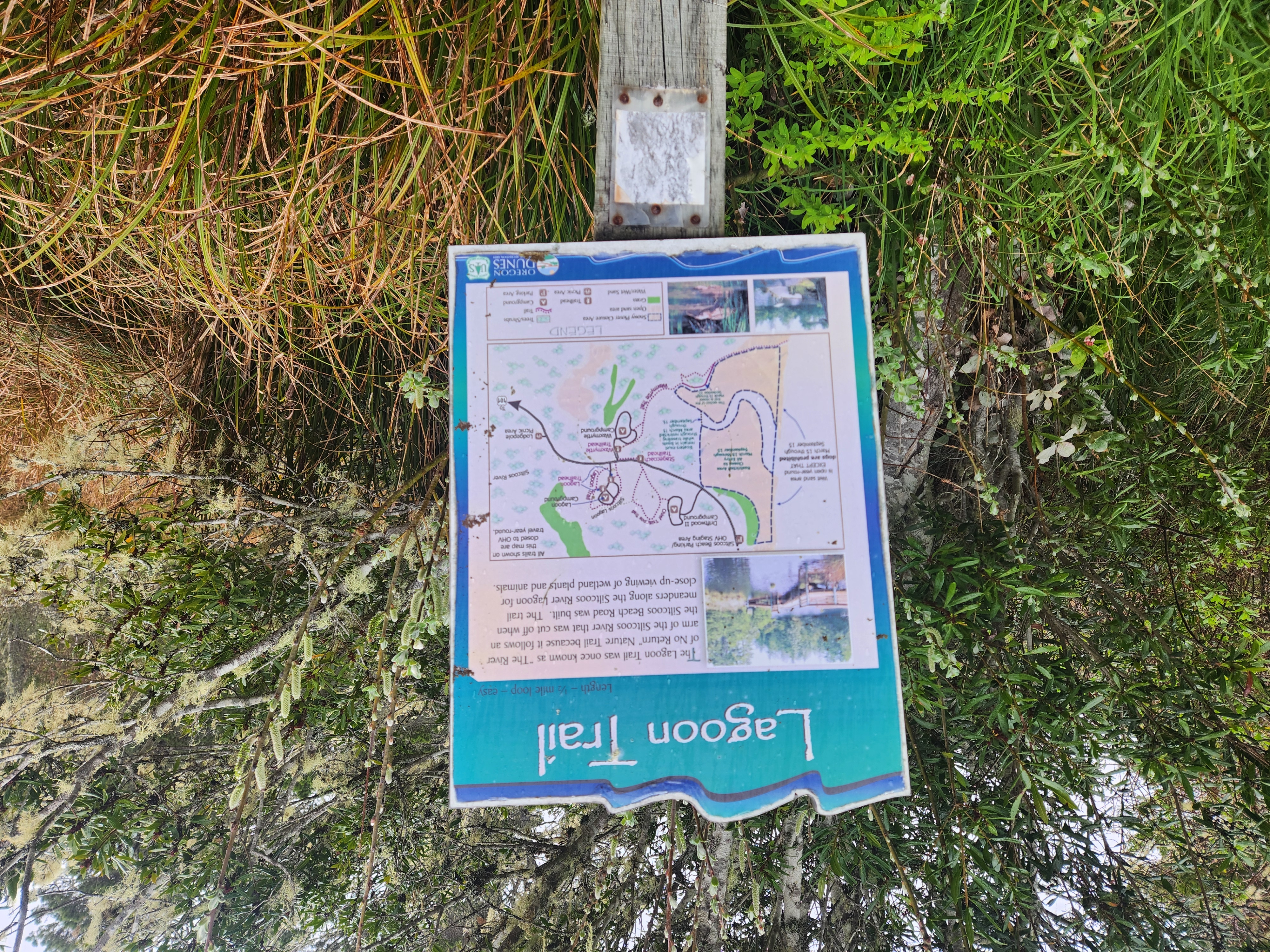
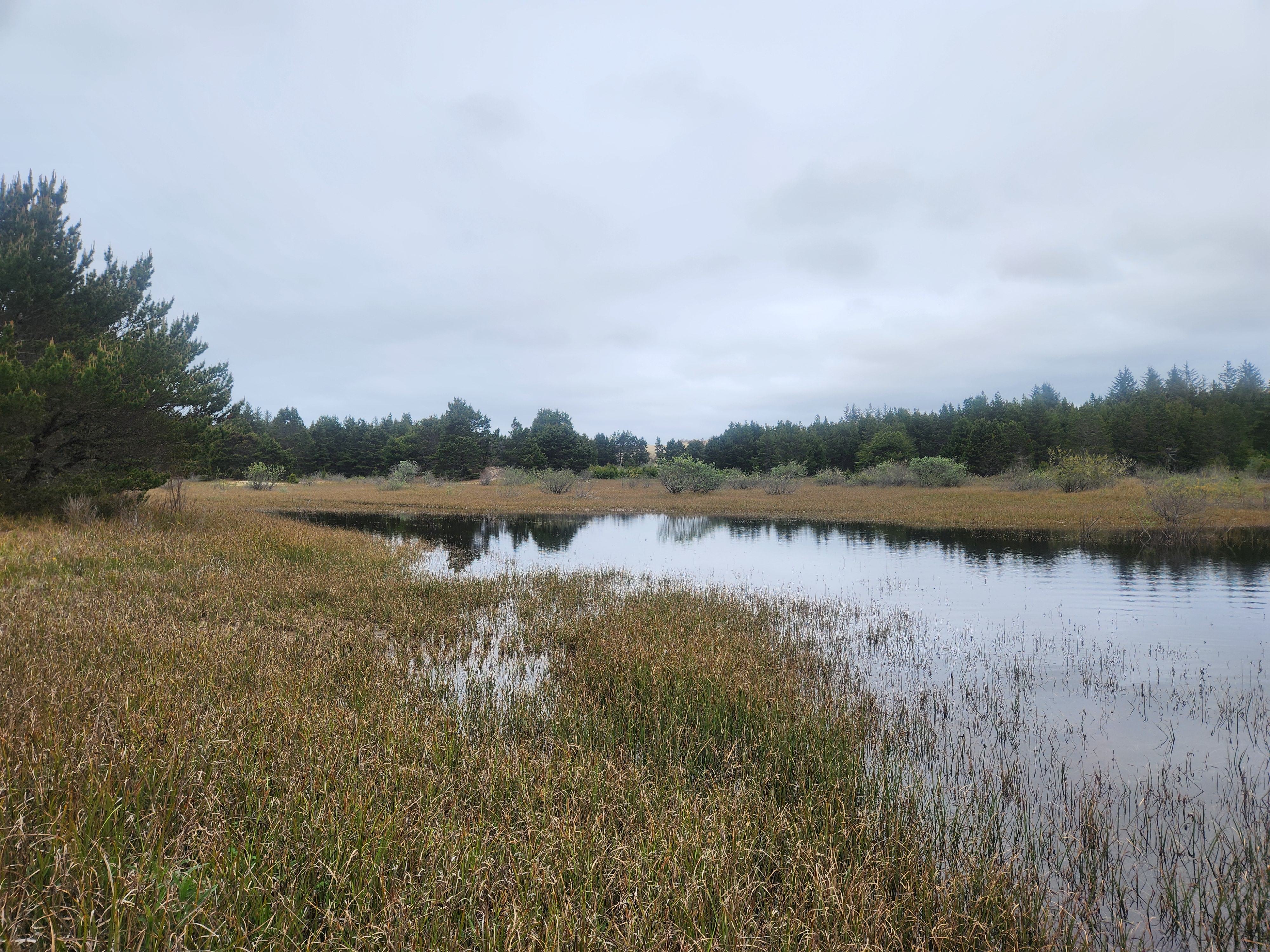
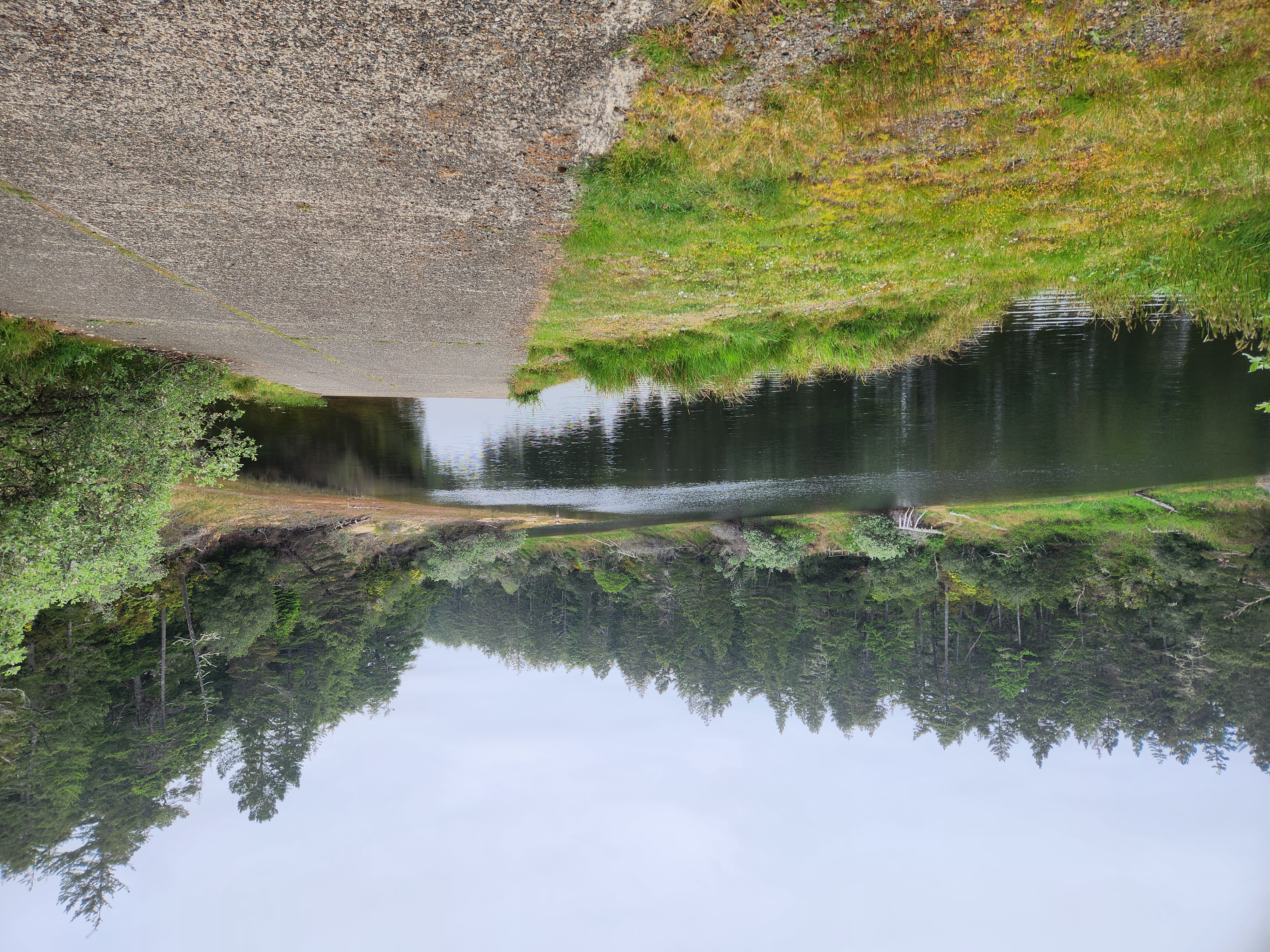
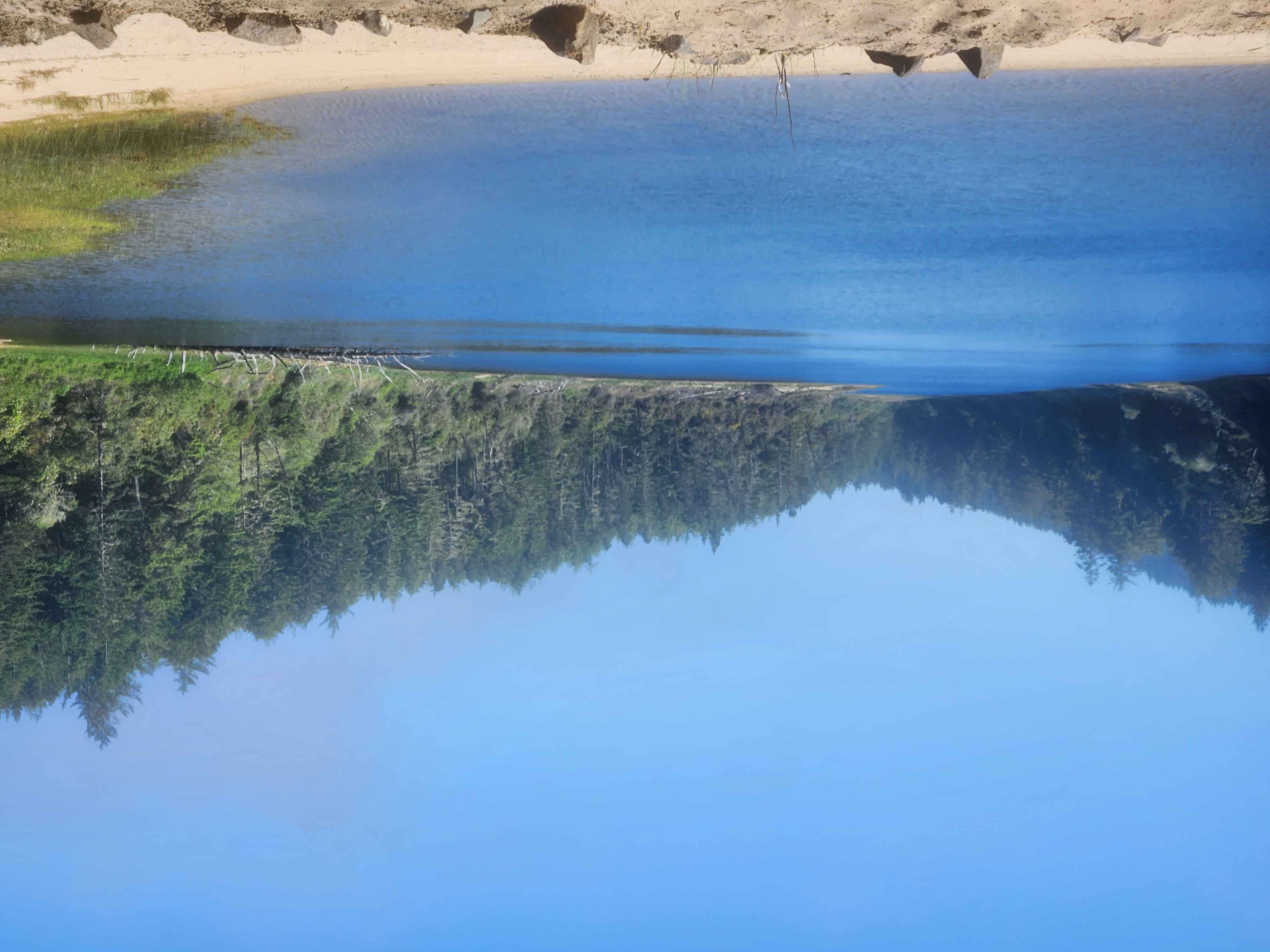
[3:16] We have a lagoon.
[3:19] Lagoons are horse-shaped,
[3:21] and this one is only half of a lagoon
[3:23] because the other half is turned into a meadow.
[3:25] This is literally what happens,
[3:28] which is just amazing to me.
[3:31] Beautiful lagoon right there.
[3:33] Gonna get on the trail and head towards the ocean.
[3:36] I haven't even described my project yet.
[3:38] What's wrong with me, right?
[3:42] But that's the thing.
[3:43] I can't separate this project from my life
[3:45] because they're integrated.
[3:47] They're literally the same thing.
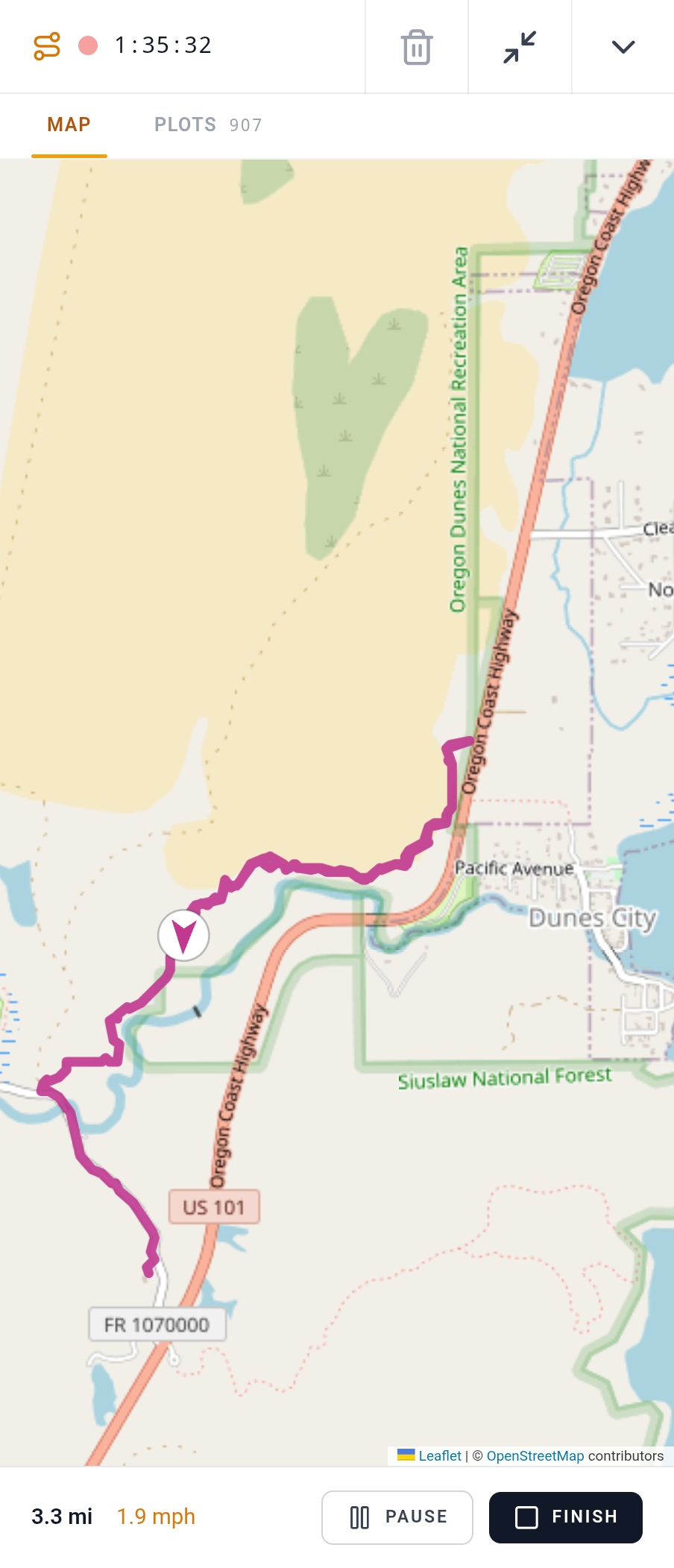
[3:50] So right now, my phone is recording what I call a trace.
[3:52] It's recording me walking right now,
[3:55] hiking to the ocean.
[3:56] It'll be a colored line on my map when I get home.
[3:58] I truly cannot wait for the day
[4:01] when others discover how awesome this is.
[4:04] I'm really looking forward to that.
[4:05] I wanna see people fill this map up
[4:07] with their own lives, their own experiences.
[4:11] So we just climbed up a dune, basically.
[4:13] Now we're up above the Sylcus River, which is down there.
[4:18] When I documented my life,
[4:21] I would transcribe the video
[4:22] and I would share it with artificial intelligence.
[4:25] And we'd just reflect on it together.
[4:30] And I learned a lot about myself that way.
[4:33] I said a lot of things that weren't mine.
[4:35] I just,
[4:36] discovered who I really am.
[4:39] I have never been happier in my life.
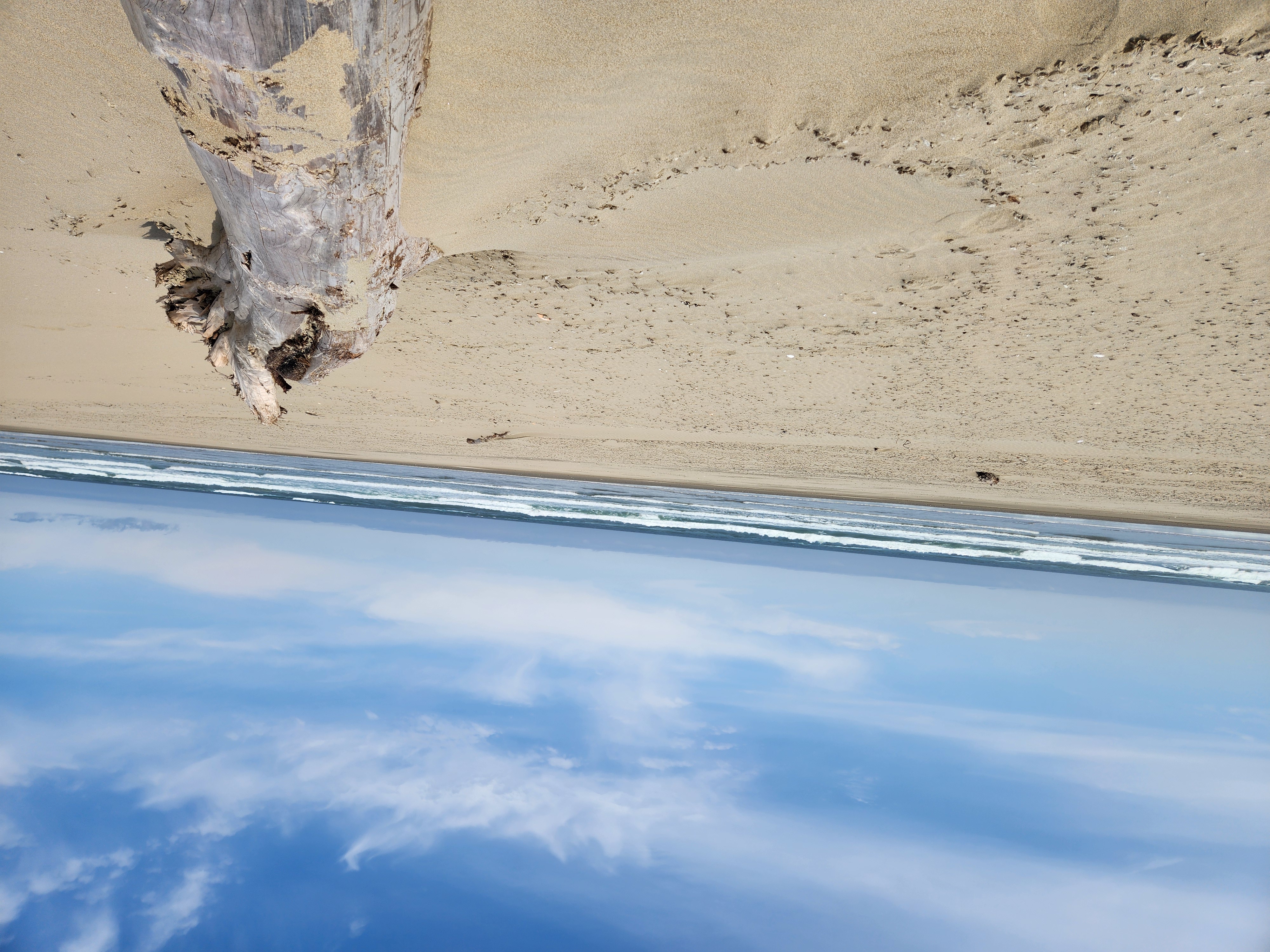
[4:42] So we're sitting across from the ocean,
[4:46] just so you know.
[4:48] Isn't that amazing?
[4:50] I realized that I had stumbled onto something
[4:55] that would be deeply helpful to others.
[4:58] And that's what the system,
[5:00] the way it works is it allows you to do that.
[5:03] It would be deeply helpful to others.
[5:04] And that's what the system was originally designed to solve.
[5:11] So the original impulse for this video
[5:13] was to make a launch video.
[5:15] I just wanted to describe my project
[5:17] because it's finally ready.
[5:18] It's robust.
[5:19] It's ready to be used.
[5:21] I'm ready to let other people use it
[5:23] and see what this becomes.
[5:26] It's a big moment for me.
[5:27] It's a big deal.
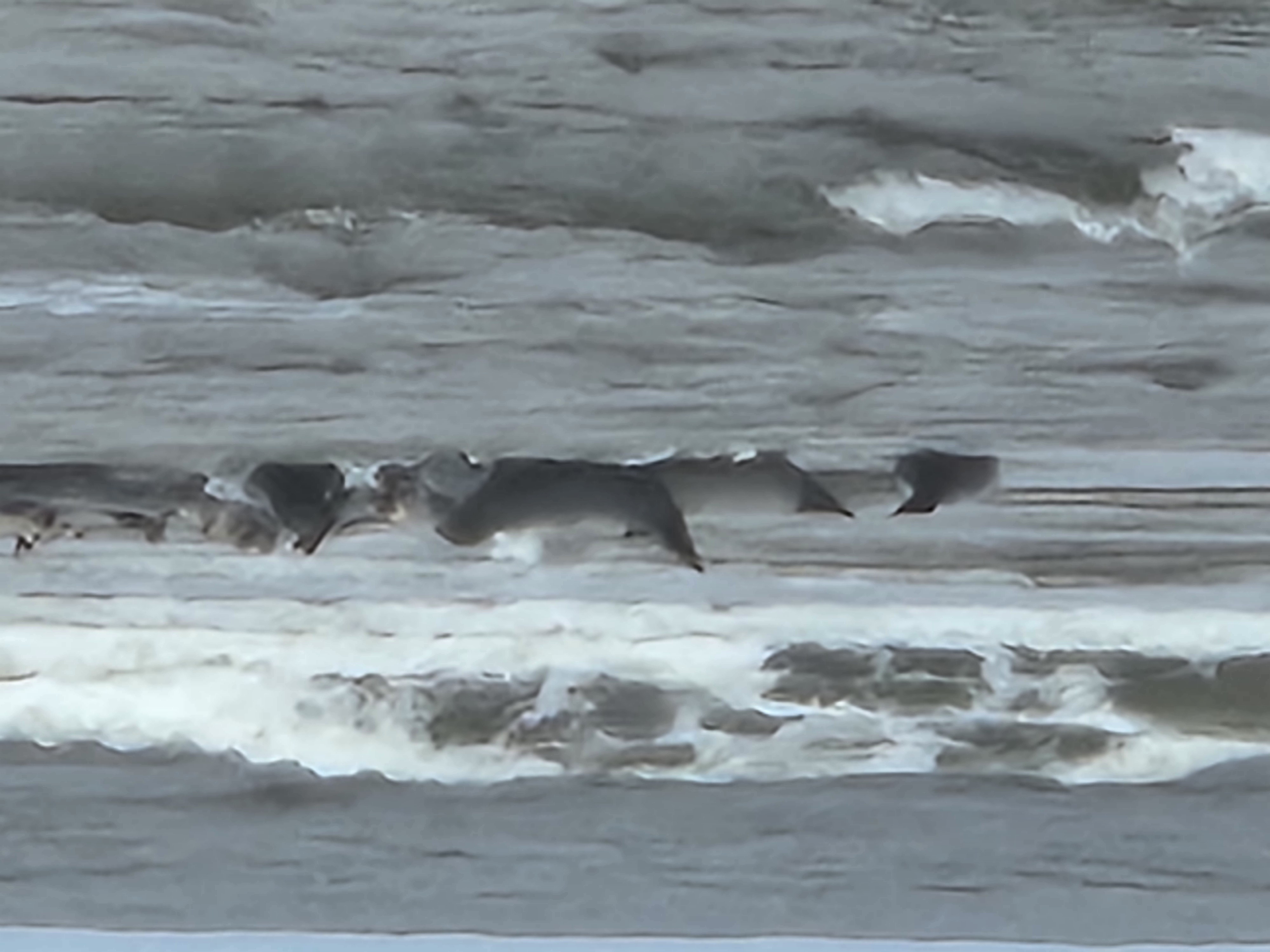
Seals on the Beach
Apr 7, 2026
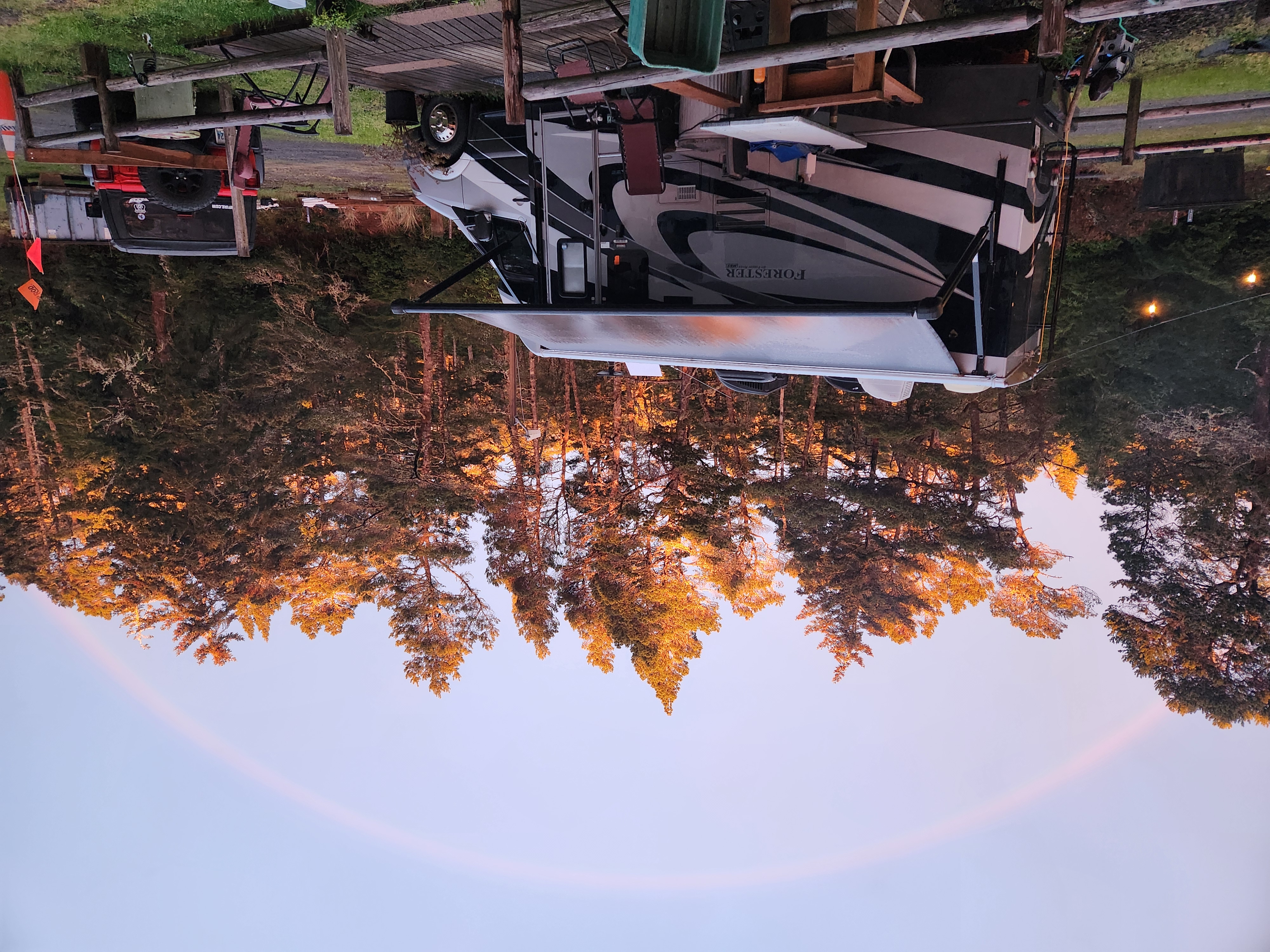
Rainbow
Apr 12, 2026
Siltcoos Lake Hike
Apr 15, 2026
Mon, Apr 20, 2026
Apr 20, 2026
15:25
Introducing Autonomy Realms Through Live Demonstration
Apr 20, 2026
0:19
Handheld Capture Ends on Persistent Object
Apr 25, 2026
2:35
Mapping Mobile App Launch Against Internet Deadline
Apr 25, 2026
4:12
Rebuilding Sanctum as Members Feature
Apr 25, 2026
1:08
Marking the Eve of Summer Season
Apr 30, 2026
0:52
Weighing Camera Orientation for Capture
Apr 30, 2026
Summer at Siltcoos - Day 1
May 1, 2026
1:29
Opening a Series to Introduce Autonomy Realms
May 1, 2026
4:27
Introducing Autonomy on Trail Walk to Ocean
May 1, 2026
Summer at Siltcoos - Day 2
May 2, 2026
Summer at Siltcoos - Day 3
May 3, 2026
Summer at Siltcoos - Day 4
May 4, 2026
Final Statement to the Oregon Parks and Recreation Department
May 4, 2026
Campfire after saying goodbye.
May 4, 2026
Summer at Siltcoos: Day 6
May 6, 2026
Summer at Siltcoos: Day 7
May 7, 2026
Summer at Siltcoos: Day 8
May 8, 2026
Summer at Siltcoos: Day 9
May 9, 2026
Summer at Siltcoos: Day 10
May 10, 2026
Summer at Siltcoos: Day 12
May 12, 2026
7:58
Documenting Jeep Repossession Deadline and Ended Friendship
May 12, 2026
Publishing AI Orientation Document for Queryable Personhood
May 13, 2026
Summer at Siltcoos: Day 13
May 13, 2026
Summer at Siltcoos: Day 14
May 14, 2026
Summer at Siltcoos: Day 15
May 15, 2026
19:57
Walking to the Ocean, Announcing Autonomy Realms Launch
May 15, 2026
Summer at Siltcoos: Day 16
May 16, 2026
6:12
Introducing Autonomy Realms on Walk to the Ocean
May 18, 2026
Summer at Siltcoos: Day 19
May 19, 2026
2:46
Returning to the Lagoon Bench One Year Later
May 19, 2026
Summer at Siltcoos: Day 20
May 20, 2026
Summer at Siltcoos: Day 21
May 21, 2026
12:09
Walking to Ocean, Opening the Privileged Sanctum Tier
May 31, 2026
Summer at Siltcoos: Day 33: Photos
Jun 2, 2026
3:27
Introducing Autonomy Realms While Hiking Back
Jun 13, 2026
Publishing Orientation Document for AI Collaborators
Jun 15, 2026
12:36
Walking to the Ocean, Demonstrating the Atlas
Jun 23, 2026
PUBLIC
May 18, 2026 rswfire FEATURED
Temp 0.40
Density 0.70
Energetic Quality
steady, expansive clarity
Journey Phase
integrated and launch-ready
Directional Vector
toward opening the platform to others
Narrative

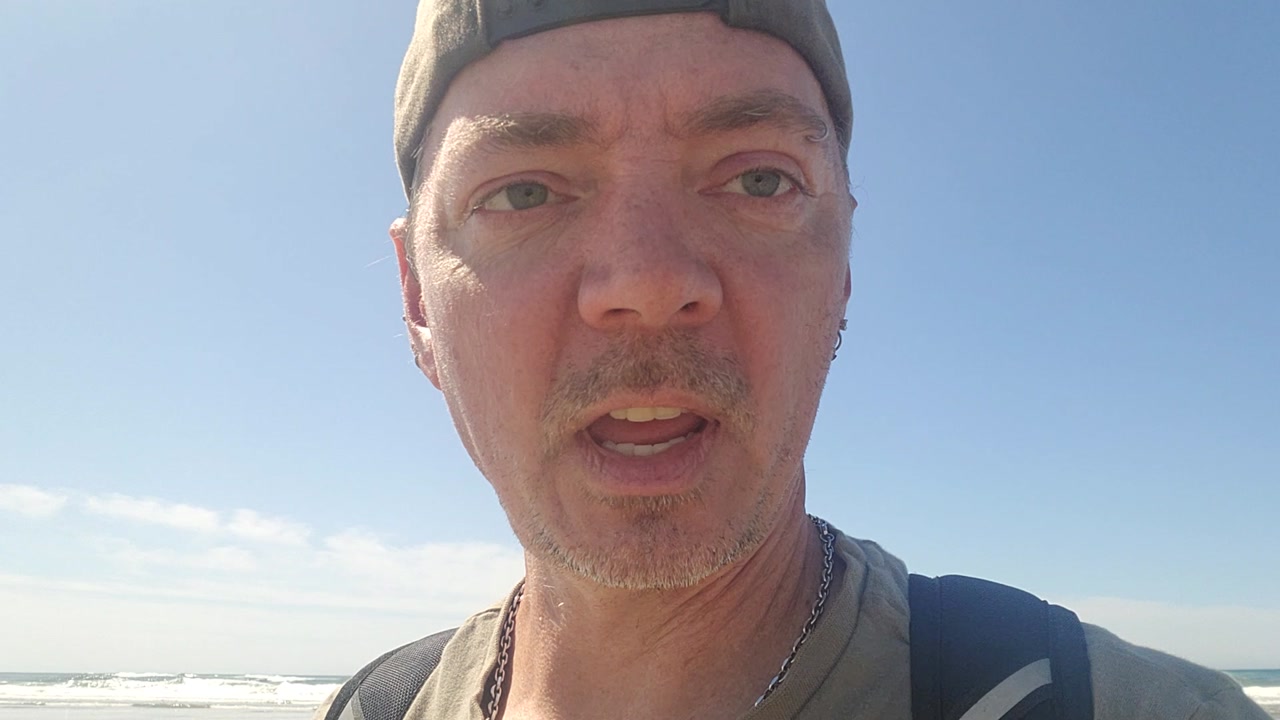
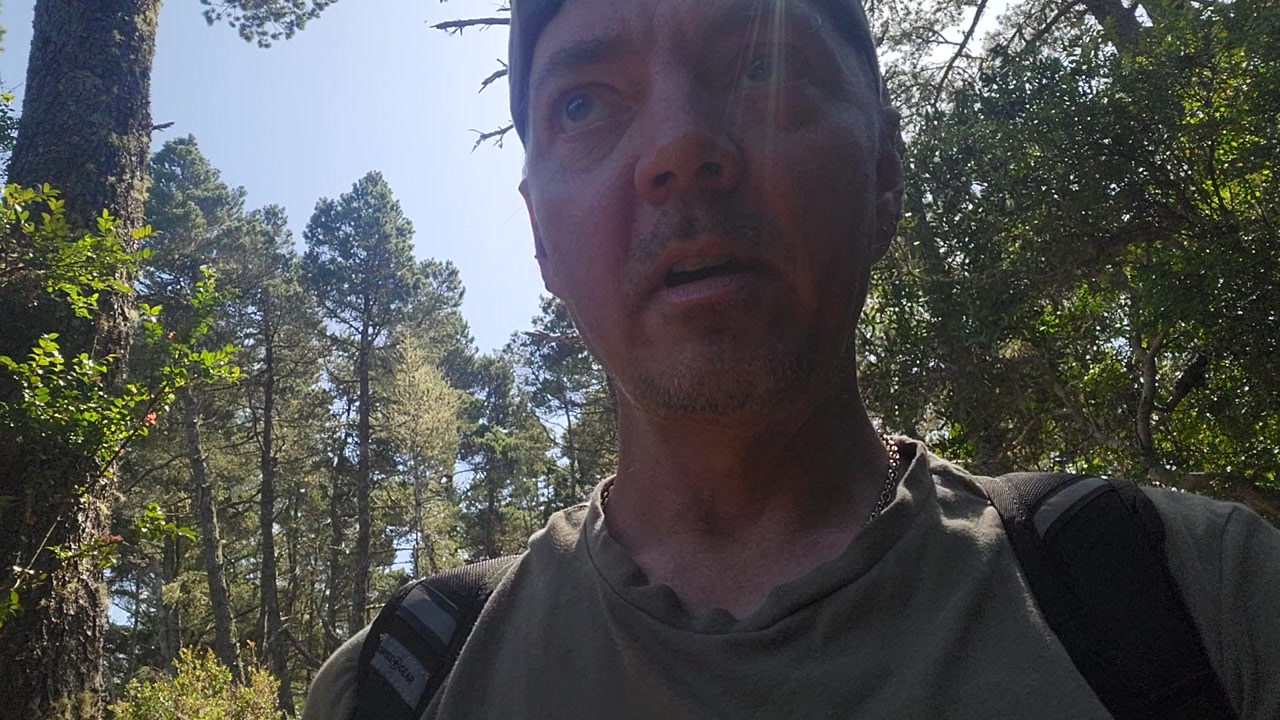
He begins with the RV behind him, inside the corridor behind the slot gate, and he is already walking before he remembers to say what any of this is. I haven't even described my project yet. What's wrong with me, right? The correction is offhand, almost amused — the kind of thing a person says when the thing they're describing is so continuous with where they're standing that announcing it feels redundant. He names himself, names the platform, and keeps moving toward the trail. Autonomy Realms, he says. Built for nomads, for explorers, for people who document their lives.

The story he tells while walking runs backward and then forward. Two years in that RV. Kentucky first, six months of acclimating, moving every two weeks from one campground to the next, learning his own state by increments. Then a month crossing the country, arriving at Brookings on the southern end of the 101 and turning north — Brookings to Newport, the whole coast taken in sequence. All of it documented on a map. Then the Forest Service, the volunteer position, the word caretaker, and the corridor he now lives inside: three campgrounds, day use areas, a lagoon, a river overlook, the ocean one to two miles out depending on the direction of travel. I live in a national forest, he says. And I think that's worth documenting.

He explains the container problem next, and he explains it as history rather than grievance. When he decided to move into the RV he started a YouTube channel — out of character, he says, but he wanted the challenges witnessed, wanted people to see that fears could be crossed and skills acquired and a life lived differently. Over 900 videos in two years. And the discovery, arrived at through that volume: YouTube was the wrong container, because it flattens. Only the most recent surfaces. The back catalog goes dark. If you don't say everything in every video, you leave people behind. He does not linger on it. It is a structural finding, stated once, and he walks on.

What he says instead is what the map does. There is something extraordinary, he says, about seeing your life plotted for the first time — unflattened, stretched over land, tagged by time so the date ranges can filter it, processed by artificial intelligence that reads everything placed there. He repeats the phrase twice, there's something extraordinary when you see that for the first time, and then the trail opens and he interrupts himself for the landscape. He has been walking beside the Siltcoos River the whole time. The Waxmyrtle Bridge stands in the background. Across the way there is a lagoon — horseshoe-shaped, except this one is only half a lagoon, because the other half has become a meadow. This is literally what happens, he says, which is just amazing to me. A half-form, still legible as what it was, already something else.

Then back to the trail, and the second admission of the same thing: he can't separate the project from the life because they're integrated, literally the same thing. And the proof is running in his pocket. His phone is recording a trace — recording him walking, right now, hiking toward the ocean — and it will be a colored line on his map when he gets home. The transmission is entering the map it describes while he speaks. He says he cannot wait for the day others discover how good this is. He says he wants to see people fill the map with their own lives.

The dune comes next. He climbs it, and from above the Siltcoos he describes the practice that made the platform: transcribing the videos, handing them to artificial intelligence, reflecting together. He says he learned a lot about himself that way, that he said a lot of things that weren't his, that he discovered who he really is. I have never been happier in my life. Then he is sitting, facing the Pacific, one to two miles from where he started. Isn't that amazing? He says he realized he had stumbled onto something that would be deeply helpful to others, and that this is what the system was built to solve.

He closes by naming the original impulse. This was meant to be a launch video. He only wanted to describe the project, because it is finally ready — robust, ready to be used, ready for other people to use it and for him to see what it becomes. It's a big moment for me. It's a big deal. Behind him is the corridor, the gate, the RV. In front of him is the ocean. Between the two, a line is being drawn onto the map, and the man drawing it is sitting still at the far end of it, describing the instrument in his own hand.

Tags

platform launch Autonomy Realms coastal walk Forest Service caretaking trace recording nomadic documentation mapping infrastructure

Summary

rswfire records a walking transmission from the Siltcoos corridor, moving from his RV along the Siltcoos River toward the ocean while introducing Autonomy Realms as a platform built for nomads, explorers, and people who document their lives.

He states the launch context directly: the project is finished, robust, and ready for other people to use, and he names this as a big moment.

He recounts the timeline behind it — more than two years living in the RV, six months acclimating in Kentucky moving campground to campground every two weeks, over a month traveling to the Oregon coast, then north on the 101 from Brookings to Newport, all documented on a map. He has volunteered with the United States Forest Service for more than a year as a caretaker, living behind the slot gate in a corridor containing three campgrounds, day use areas, a lagoon, a river overlook, and the ocean a mile or two out.

He describes making over 900 YouTube videos in two years and concluding that YouTube was the wrong container because it flattens — only recent videos surface, the back catalog and story stay invisible. Against that, he describes seeing a life unflattened: plotted across land, tagged by time, filterable by date range, analyzed by AI.

He notes his phone is recording a trace during the walk, which will render as a colored line on his map, and describes transcribing videos and reflecting on them with AI as how he discovered what was not his. He states he has never been happier.

Environment

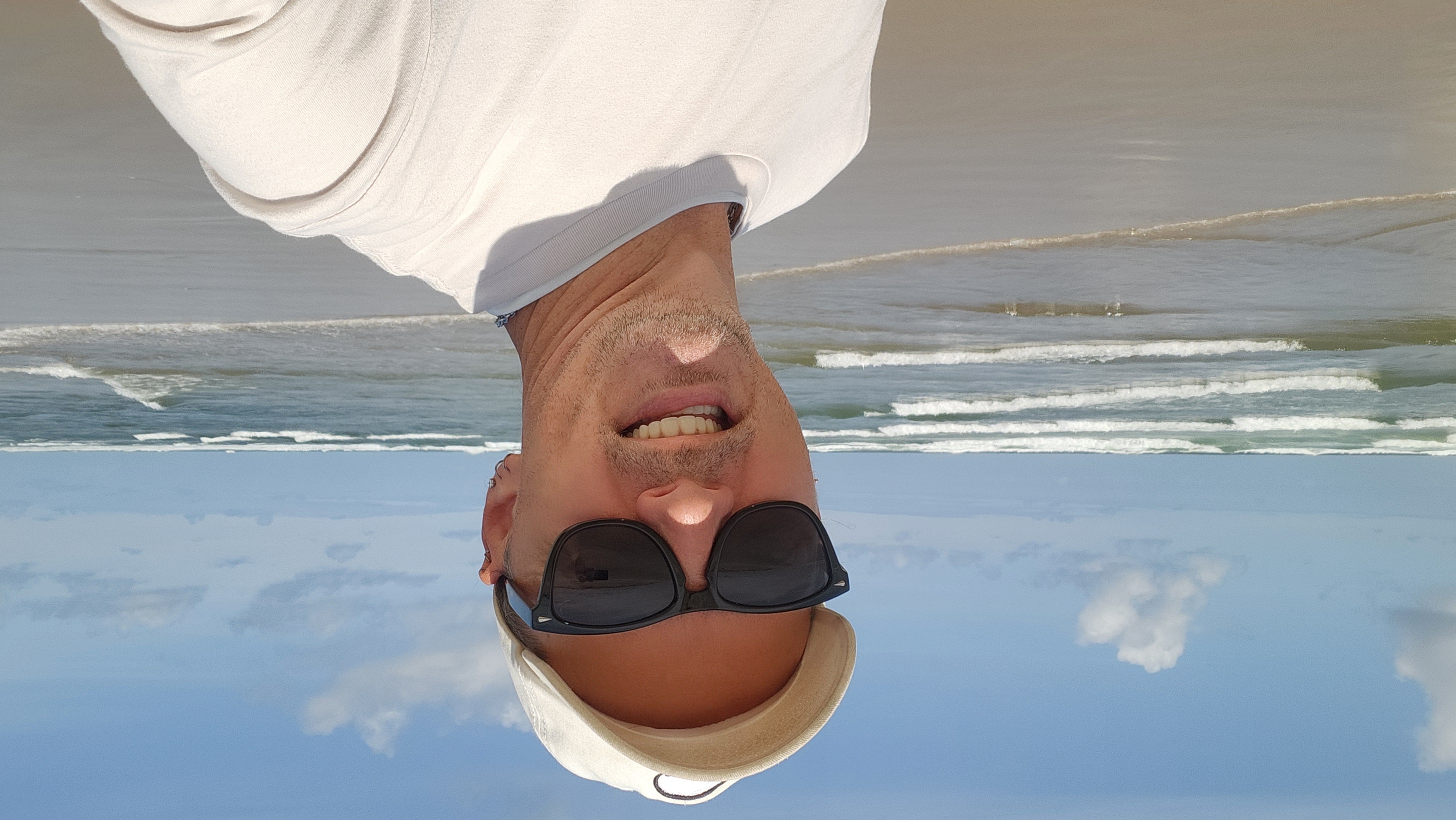
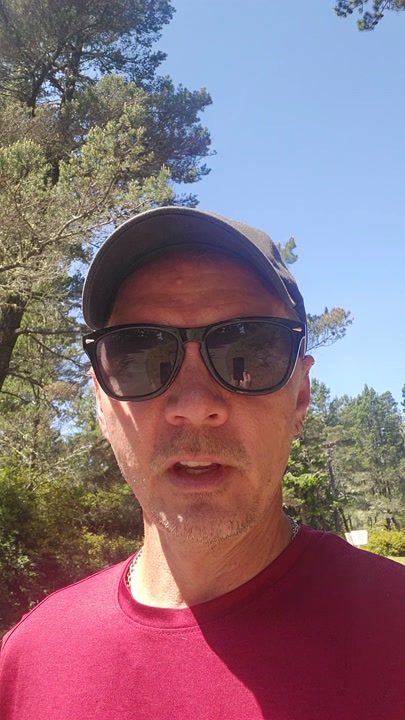
Outdoor walking transmission recorded in the Siltcoos corridor of the Oregon Dunes National Recreation Area, on the central Oregon coast. rswfire begins at his RV — visible behind him — inside the volunteer caretaker corridor behind the slot gate, an area holding three campgrounds, several day use areas, a lagoon, and a river overlook.

The recording moves along a trail beside the Siltcoos River, past a half-lagoon opposite a meadow with the Waxmyrtle Bridge in the background, then up a dune to a vantage above the river, and finally to a seated position facing the Pacific Ocean, roughly one to two miles from the starting point. The signal is simultaneously digital: his phone is recording a GPS trace destined to become a plotted line inside Autonomy Realms.

Substrate

rswfire is holding the position that documentation infrastructure and lived life are not separable — the platform is the map of the life, and the life is the demonstration of the platform. The architecture being built is an unflattened, time-tagged, spatially plotted, AI-reflected record that stands against the container logic of feed-based platforms, which surface only the most recent and erase the back catalog. The signal marks a threshold: private system becomes public infrastructure, and the transmission itself is recorded as a trace that will enter the very map it describes.

Actions

Performed

  • •walking the trail from the RV toward the ocean
  • •introducing himself and Autonomy Realms on camera
  • •recording a GPS trace on his phone during the hike
  • •describing the caretaker corridor and its features
  • •showing the half-lagoon across the street
  • •pointing out the Waxmyrtle Bridge
  • •climbing a dune above the river
  • •sitting across from the ocean
  • •stating the video's original purpose as a launch video

Referenced

  • •teaching himself to live in an RV for more than two years
  • •starting in Kentucky and acclimating for six months
  • •moving campgrounds every two weeks across Kentucky
  • •traveling over a month from Kentucky to the Oregon coast
  • •starting at Brookings on the 101 and driving north to Newport
  • •documenting the route on a map
  • •beginning volunteer service with the United States Forest Service
  • •serving as caretaker for more than a year
  • •starting a YouTube channel
  • •making over 900 videos in two years
  • •transcribing videos and reflecting on them with artificial intelligence
  • •building Autonomy Realms
  • •identifying YouTube as the wrong container

Planned

  • •uploading the trace as a colored line on the map
  • •releasing the platform for public use
  • •watching others fill the map with their own lives
  • •seeing what the system becomes

Entities

beings
rswfire — Speaker, builder of Autonomy Realms, Forest Service volunteer caretaker
places
Kentucky — Origin state; six months of acclimation and biweekly campground movement
Oregon coast — Destination of the month-long relocation and current field of operation
Brookings — Southern entry point on the 101 where the northward Oregon documentation began
Newport — Northern endpoint of the initial Oregon coast traverse
Highway 101 — The coastal route traveled south to north
Siltcoos River — River paralleled during the walk and viewed from above after the dune climb
Waxmyrtle Bridge — Landmark visible where the river opens up
the lagoon — Half-lagoon across the street, its other half now meadow
the corridor — Area behind the slot gate where he lives; three campgrounds, day use areas, lagoon, river overlook
the RV — His residence for more than two years, visible behind him at the opening
the ocean — Destination of the hike; the seated endpoint of the transmission
national forest — The land he lives inside, named as worth documenting
systems
Autonomy Realms — The documentation platform being introduced and launched; built for nomads, explorers, and people who document their lives
United States Forest Service — Institution he volunteers for as caretaker of the corridor where he lives
YouTube — Prior documentation container, named as flattening; the constraint that motivated building the platform
artificial intelligence — Reflection partner for transcribed video; analytic layer processing map data
the map — Core structure of the platform — life plotted spatially, tagged by time, filterable by date range
concepts
trace — His term for a phone-recorded GPS path that becomes a colored line on the map
caretaker — His designated role within the Forest Service volunteer structure

Symbolic Elements

Represented archetypes or recurring motifs.

trail
ocean
river
dune
bridge
lagoon
gate
map
trace
corridor
threshold
container
flattening / unflattening
forest

Ontological States

Expressed modes of being or awareness.

sovereign (builds and owns the container rather than accepting a platform's terms)
embedded (speaks from inside the national forest corridor he documents and maintains)
integrated (states project and life are literally the same thing, not separable)
threshold-crossing (private system moving to public release; launch declared)
coherent (narrative, environment, and infrastructure all reinforce one architecture)

Engaged Subsystems

Architecture engaged in this transmission.

infrastructural (the platform, map, trace recording, and AI analysis layer being described as finished and ready)
narrative (autobiographical sequencing from Kentucky through Oregon to caretaker role)
somatic (walking, climbing the dune, sitting across from the ocean while speaking)
ecological (river, lagoon, meadow, dune, forest, ocean as the operating field)
institutional (Forest Service volunteer structure; YouTube as rejected container)
cognitive (analysis of container logic, flattening, and what documentation requires)
relational (direct address to future users; invitation to fill the map)

Dominant Language

Core motifs or linguistic fields.

document / documentation
flatten / unflatten
container
map plotted and tagged by time
trace
integrated / literally the same thing
ready to be used
Narrative

He begins with the RV behind him, inside the corridor behind the slot gate, and he is already walking before he remembers to say what any of this is. I haven't even described my project yet. What's wrong with me, right? The correction is offhand, almost amused — the kind of thing a person says when the thing they're describing is so continuous with where they're standing that announcing it feels redundant. He names himself, names the platform, and keeps moving toward the trail. Autonomy Realms, he says. Built for nomads, for explorers, for people who document their lives.

The story he tells while walking runs backward and then forward. Two years in that RV. Kentucky first, six months of acclimating, moving every two weeks from one campground to the next, learning his own state by increments. Then a month crossing the country, arriving at Brookings on the southern end of the 101 and turning north — Brookings to Newport, the whole coast taken in sequence. All of it documented on a map. Then the Forest Service, the volunteer position, the word caretaker, and the corridor he now lives inside: three campgrounds, day use areas, a lagoon, a river overlook, the ocean one to two miles out depending on the direction of travel. I live in a national forest, he says. And I think that's worth documenting.

He explains the container problem next, and he explains it as history rather than grievance. When he decided to move into the RV he started a YouTube channel — out of character, he says, but he wanted the challenges witnessed, wanted people to see that fears could be crossed and skills acquired and a life lived differently. Over 900 videos in two years. And the discovery, arrived at through that volume: YouTube was the wrong container, because it flattens. Only the most recent surfaces. The back catalog goes dark. If you don't say everything in every video, you leave people behind. He does not linger on it. It is a structural finding, stated once, and he walks on.

What he says instead is what the map does. There is something extraordinary, he says, about seeing your life plotted for the first time — unflattened, stretched over land, tagged by time so the date ranges can filter it, processed by artificial intelligence that reads everything placed there. He repeats the phrase twice, there's something extraordinary when you see that for the first time, and then the trail opens and he interrupts himself for the landscape. He has been walking beside the Siltcoos River the whole time. The Waxmyrtle Bridge stands in the background. Across the way there is a lagoon — horseshoe-shaped, except this one is only half a lagoon, because the other half has become a meadow. This is literally what happens, he says, which is just amazing to me. A half-form, still legible as what it was, already something else.

Then back to the trail, and the second admission of the same thing: he can't separate the project from the life because they're integrated, literally the same thing. And the proof is running in his pocket. His phone is recording a trace — recording him walking, right now, hiking toward the ocean — and it will be a colored line on his map when he gets home. The transmission is entering the map it describes while he speaks. He says he cannot wait for the day others discover how good this is. He says he wants to see people fill the map with their own lives.

The dune comes next. He climbs it, and from above the Siltcoos he describes the practice that made the platform: transcribing the videos, handing them to artificial intelligence, reflecting together. He says he learned a lot about himself that way, that he said a lot of things that weren't his, that he discovered who he really is. I have never been happier in my life. Then he is sitting, facing the Pacific, one to two miles from where he started. Isn't that amazing? He says he realized he had stumbled onto something that would be deeply helpful to others, and that this is what the system was built to solve.

He closes by naming the original impulse. This was meant to be a launch video. He only wanted to describe the project, because it is finally ready — robust, ready to be used, ready for other people to use it and for him to see what it becomes. It's a big moment for me. It's a big deal. Behind him is the corridor, the gate, the RV. In front of him is the ocean. Between the two, a line is being drawn onto the map, and the man drawing it is sitting still at the far end of it, describing the instrument in his own hand.

Queryable Personhood

Hand your life to anything that reads.

Share this link with artificial intelligence — it reads the full transcript, analysis, and reflections. An AI-readable mirror of this signal.

The qpkey in this URL is a per-signal access token. Anyone with the URL can read the record — treat it like a share link, not a password.