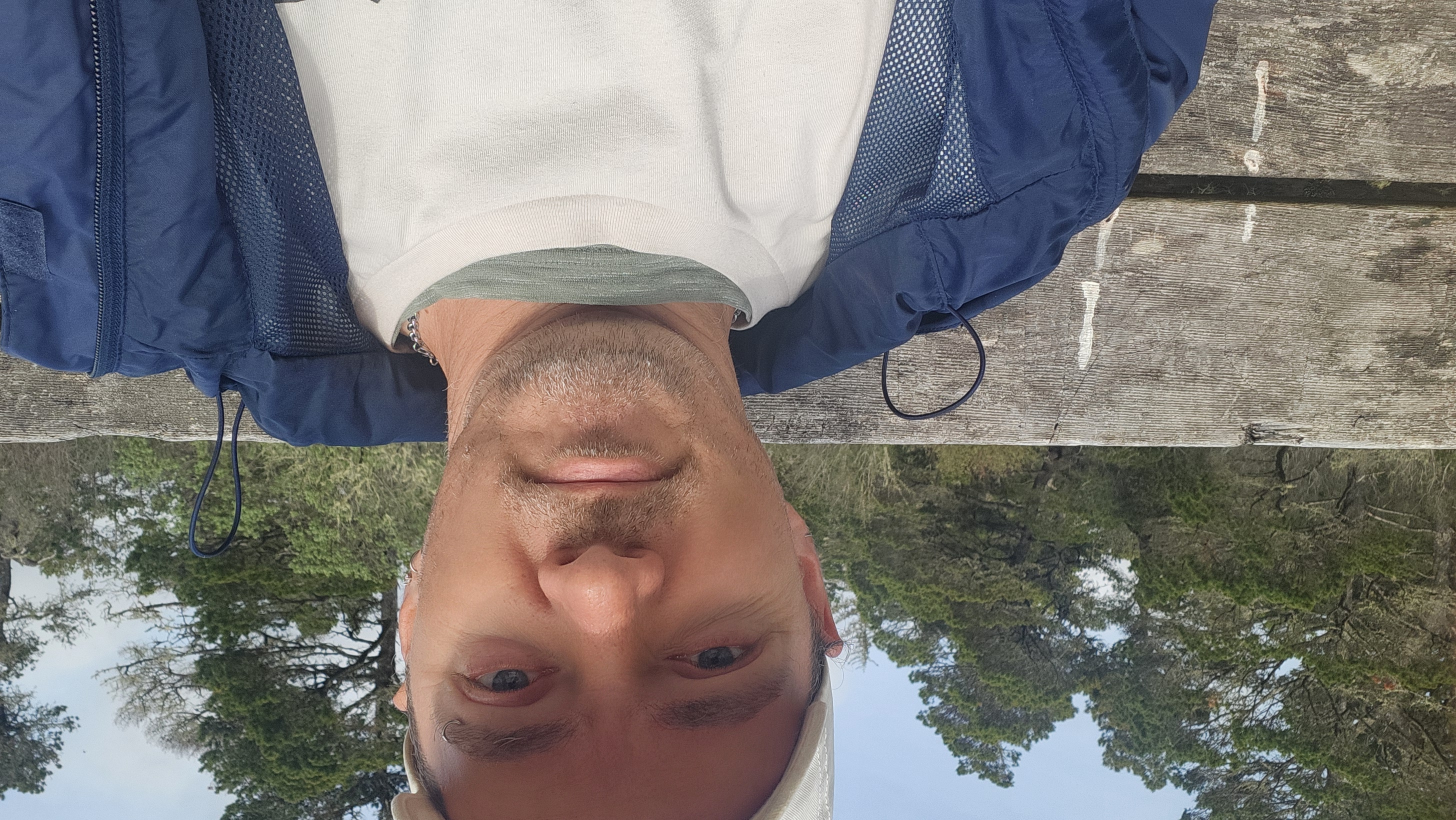
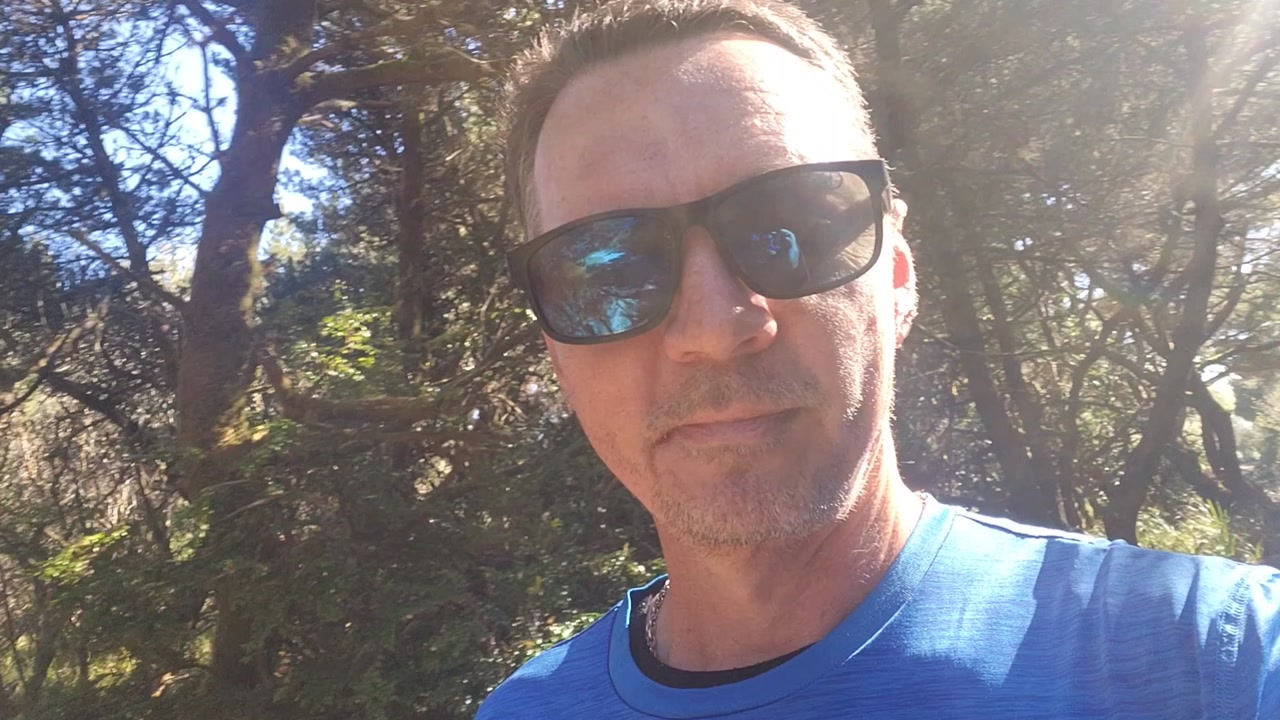
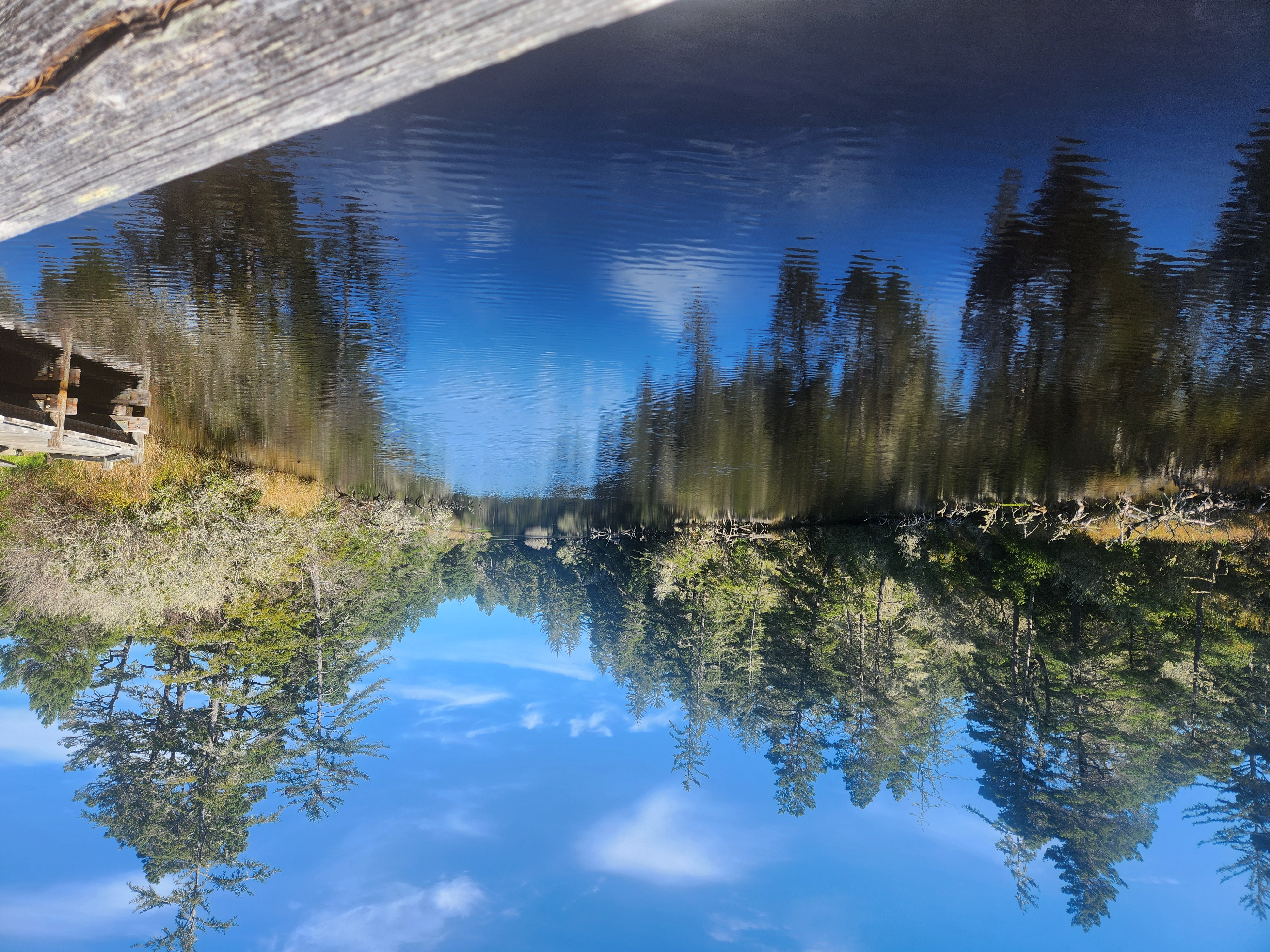
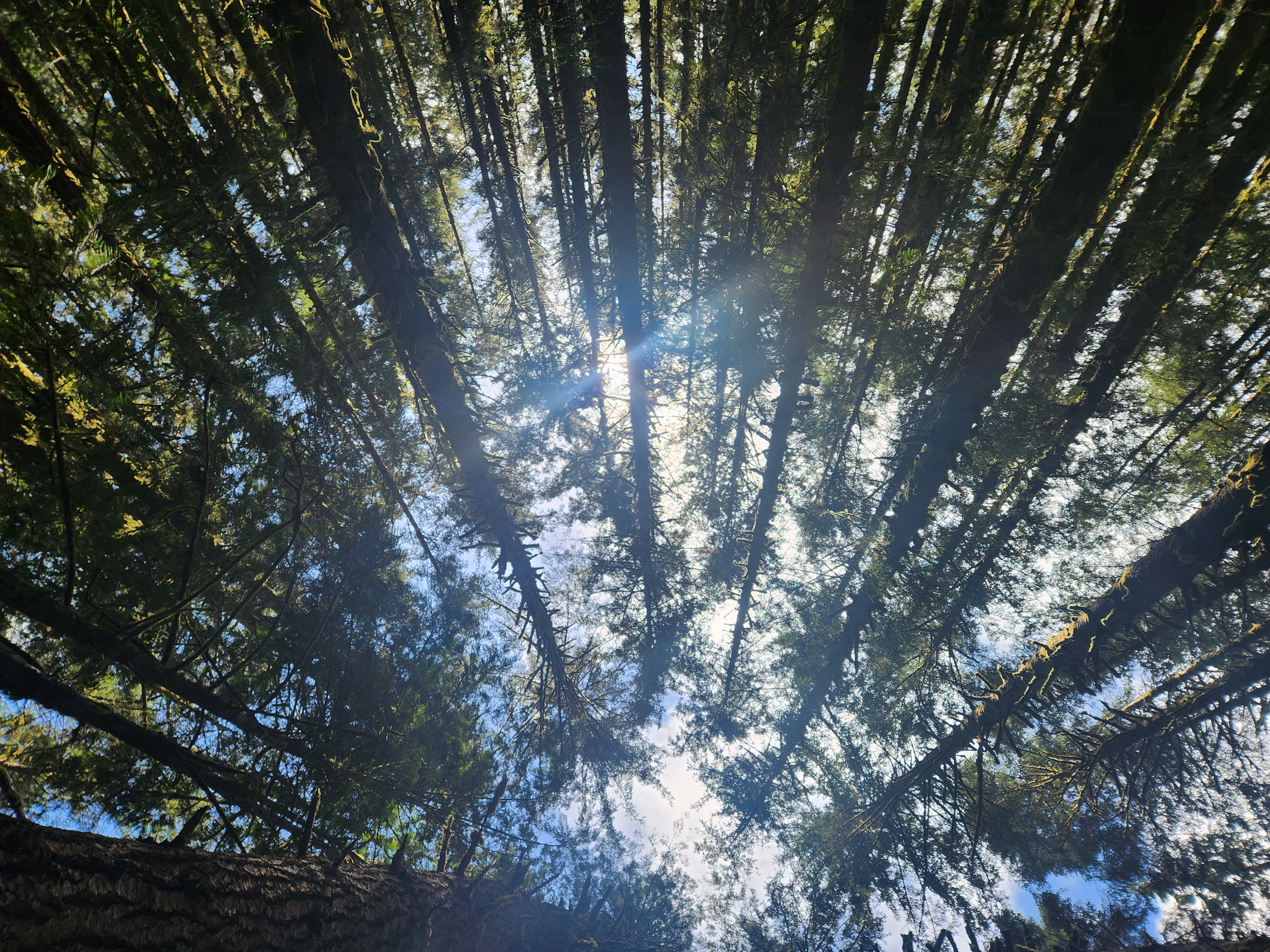
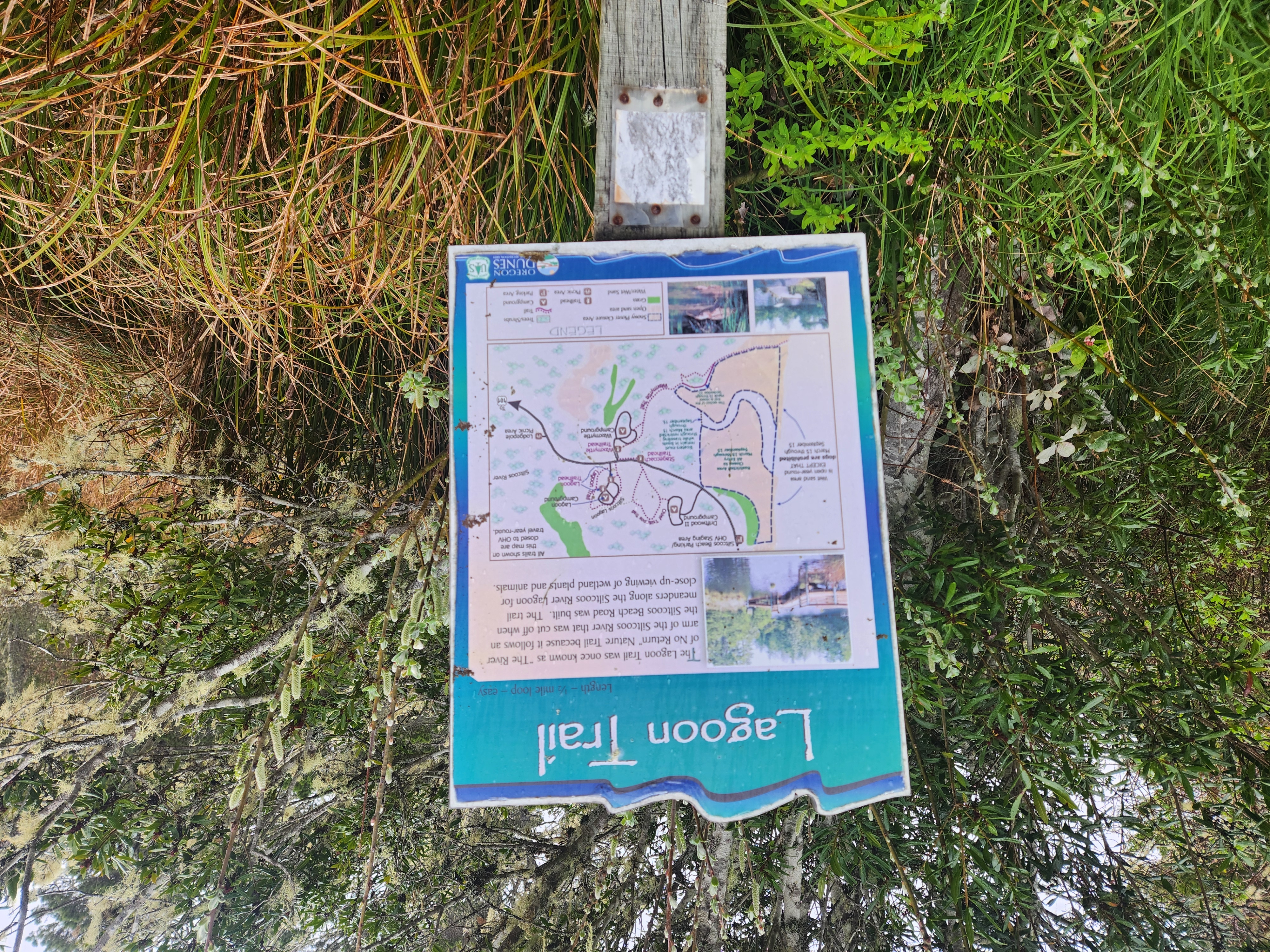
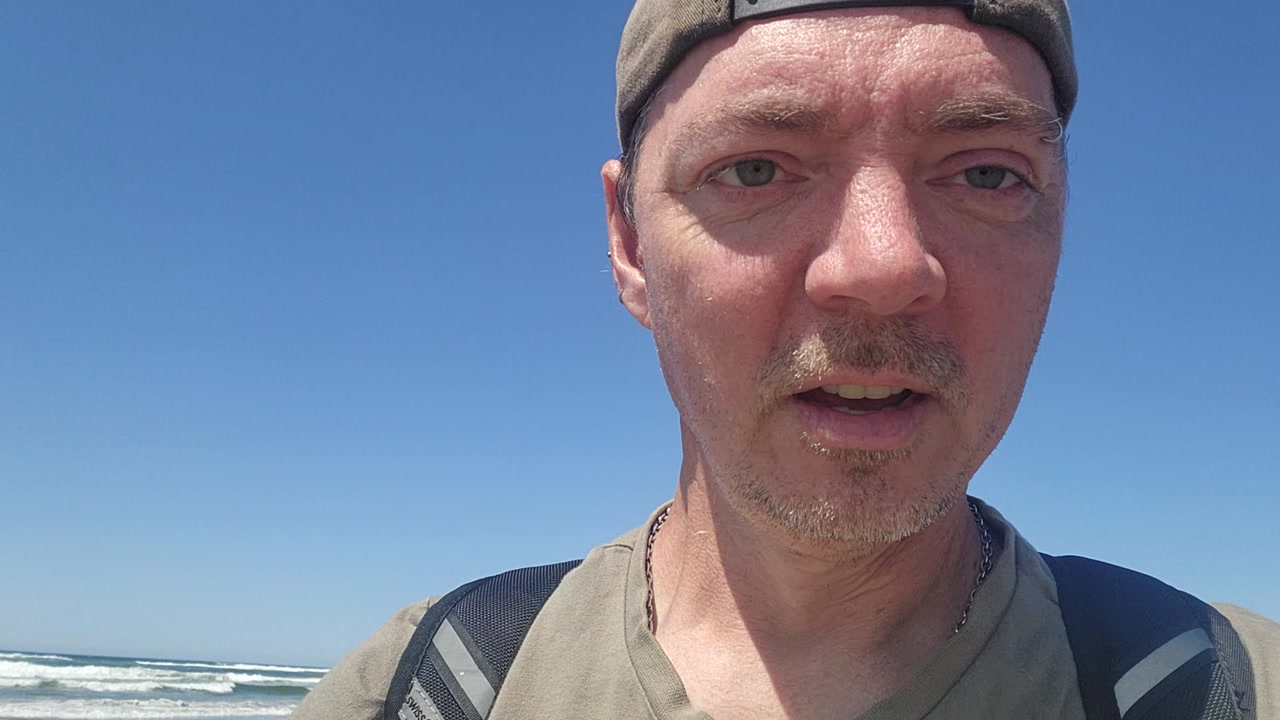
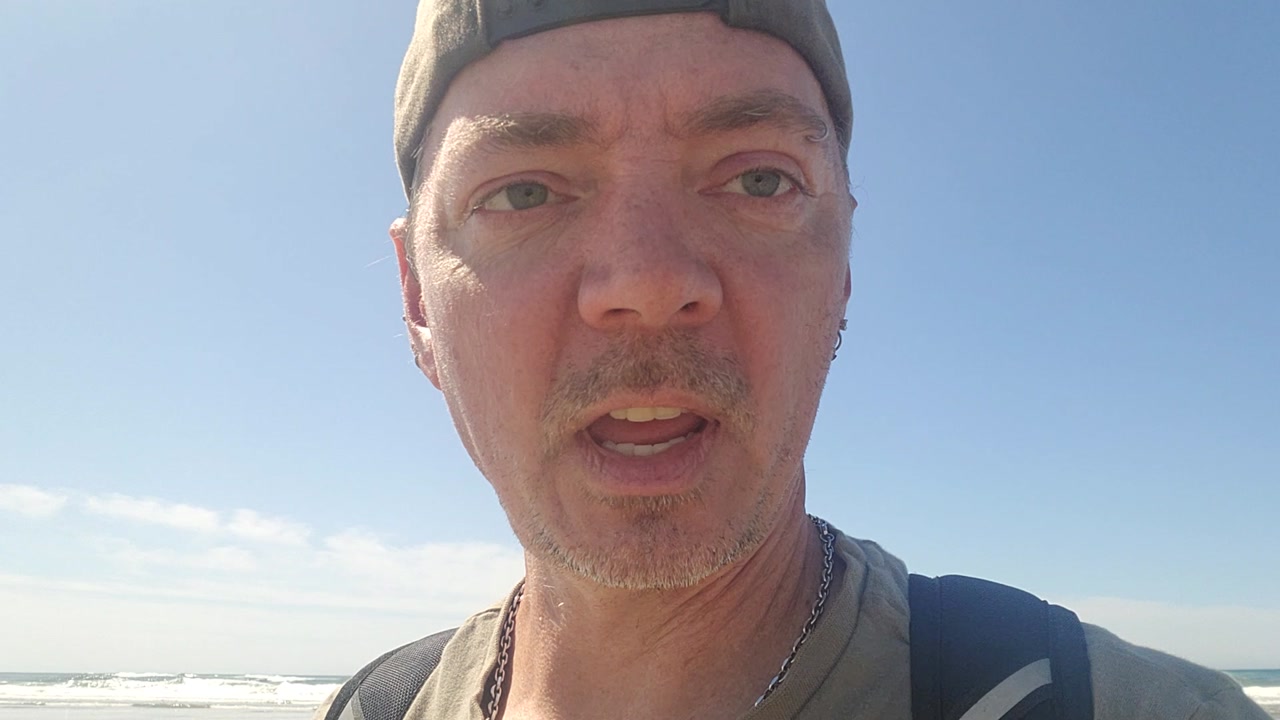
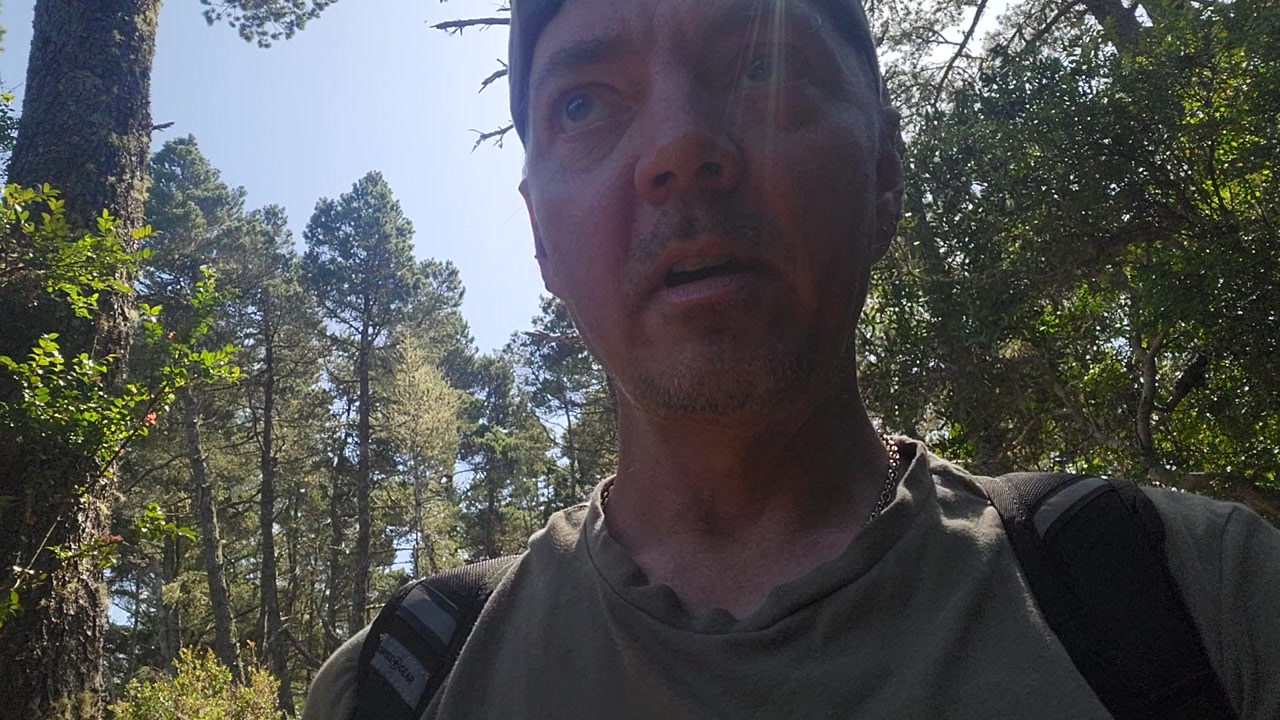
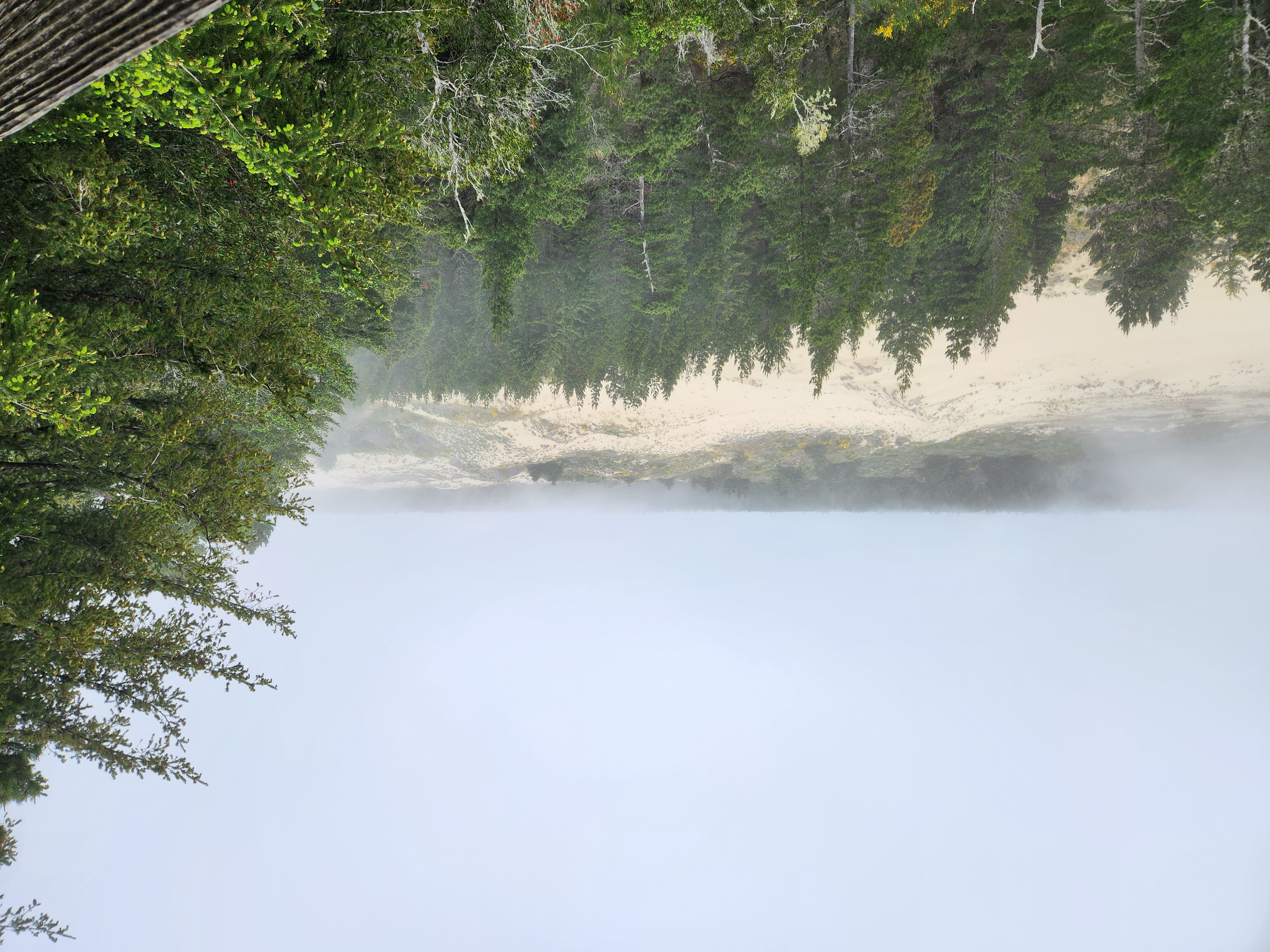
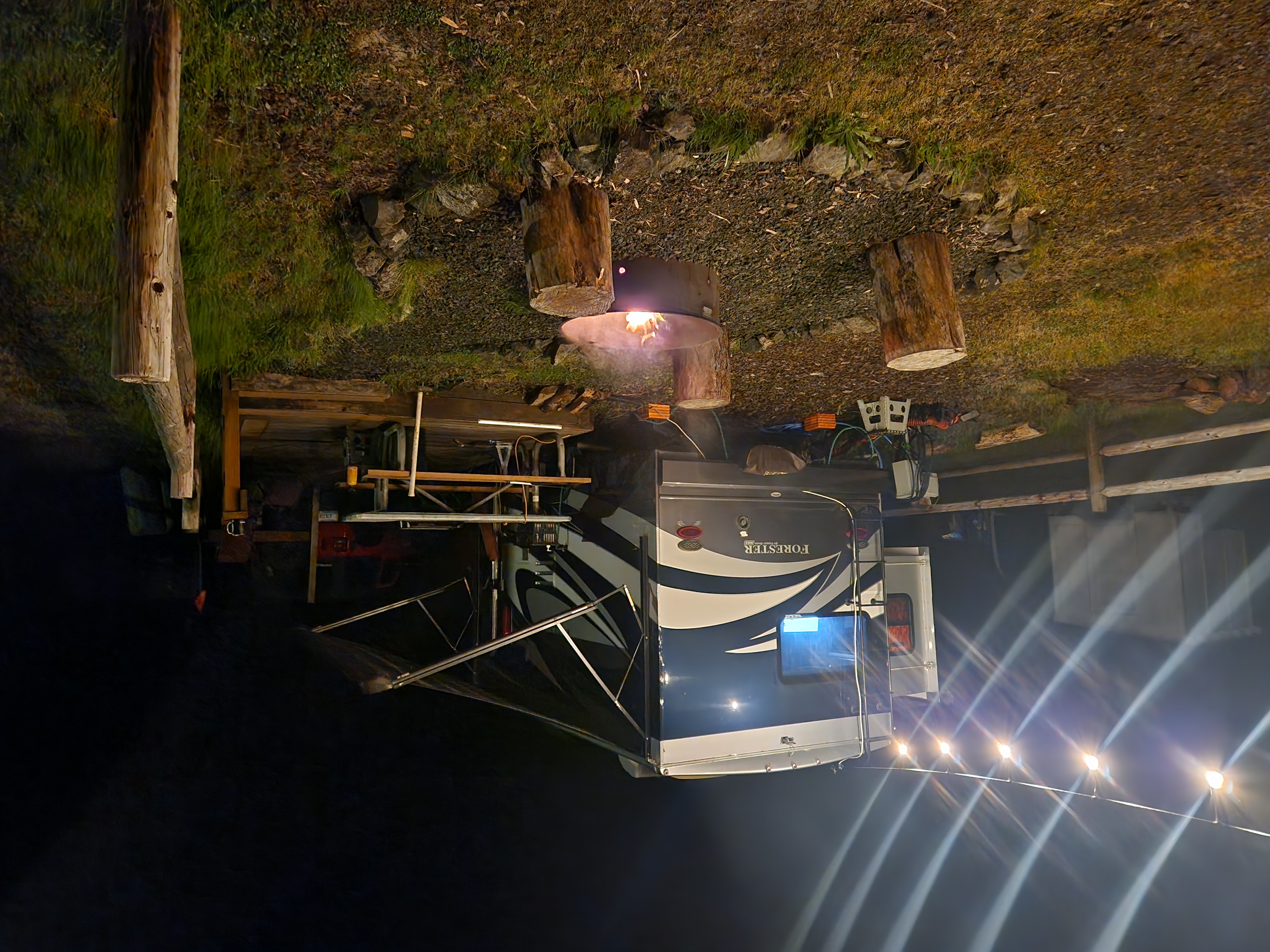
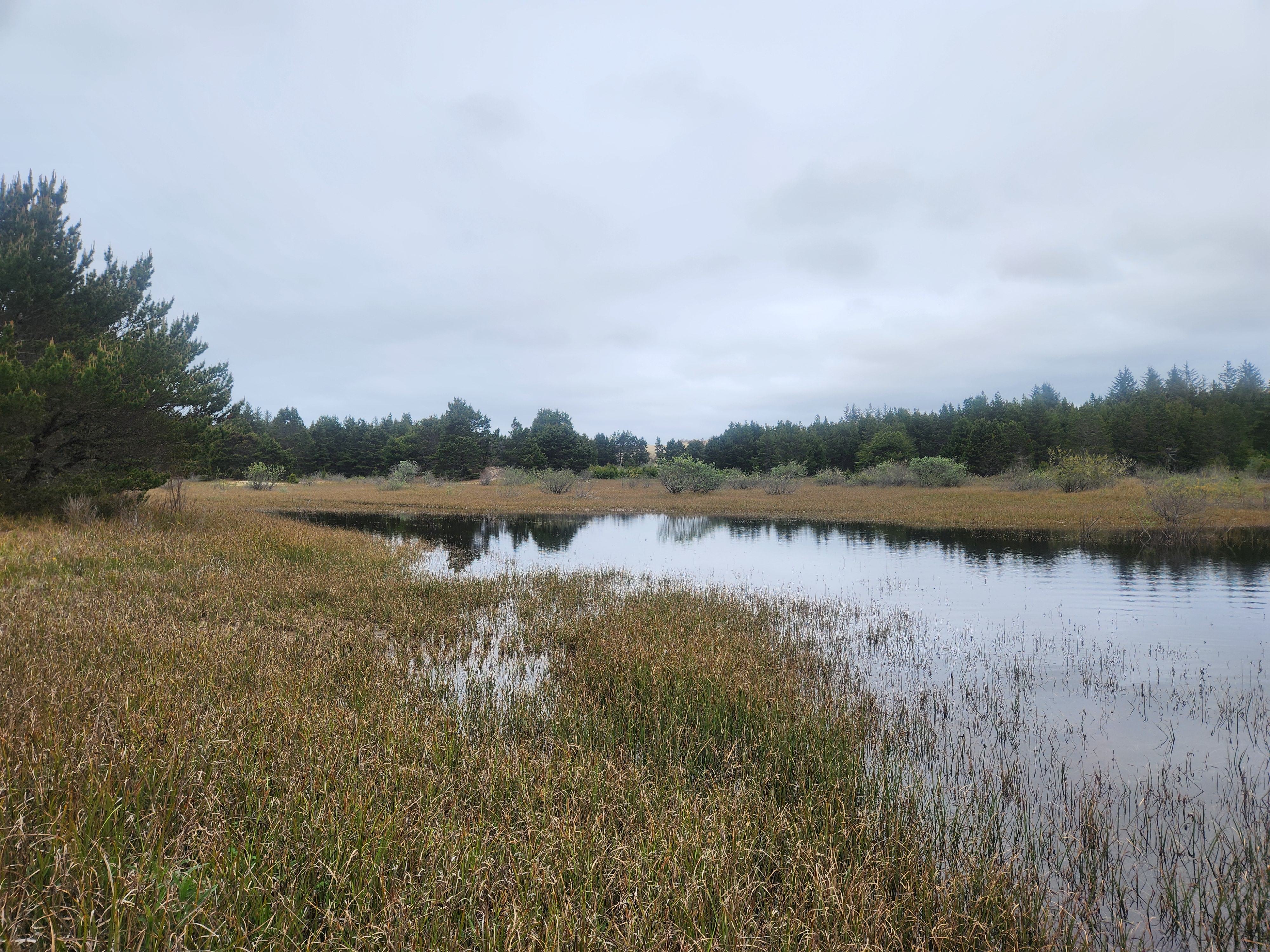
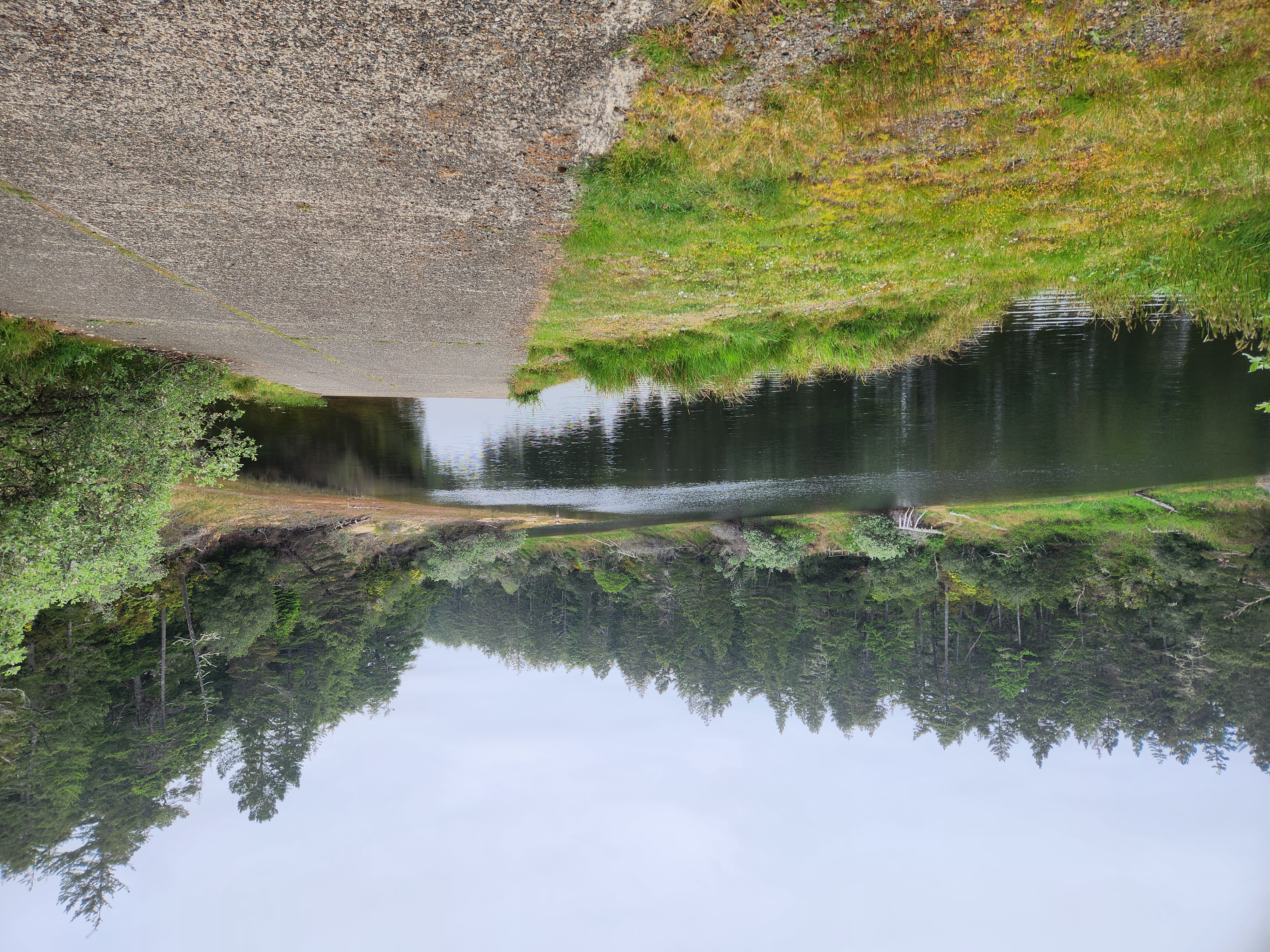
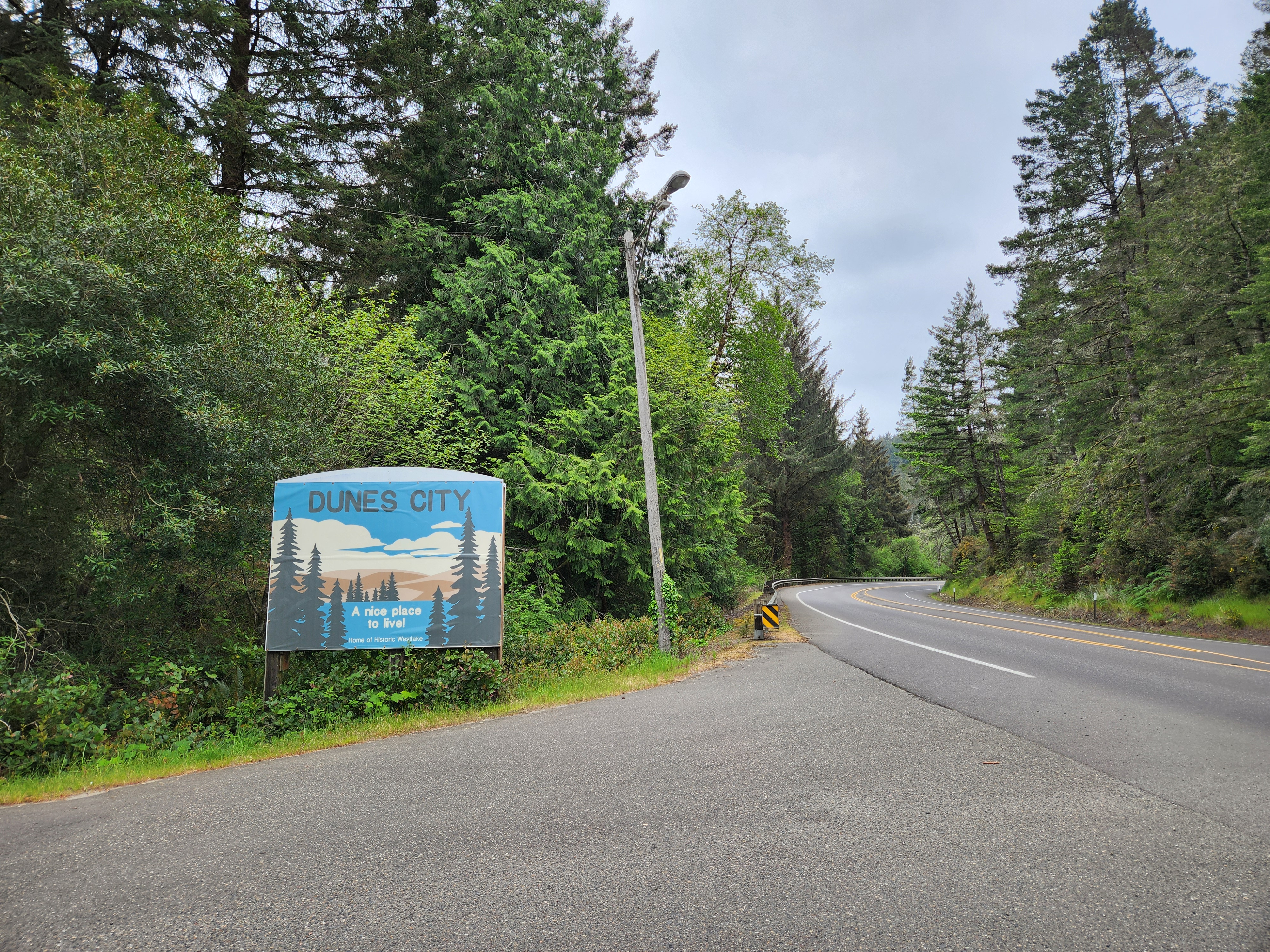
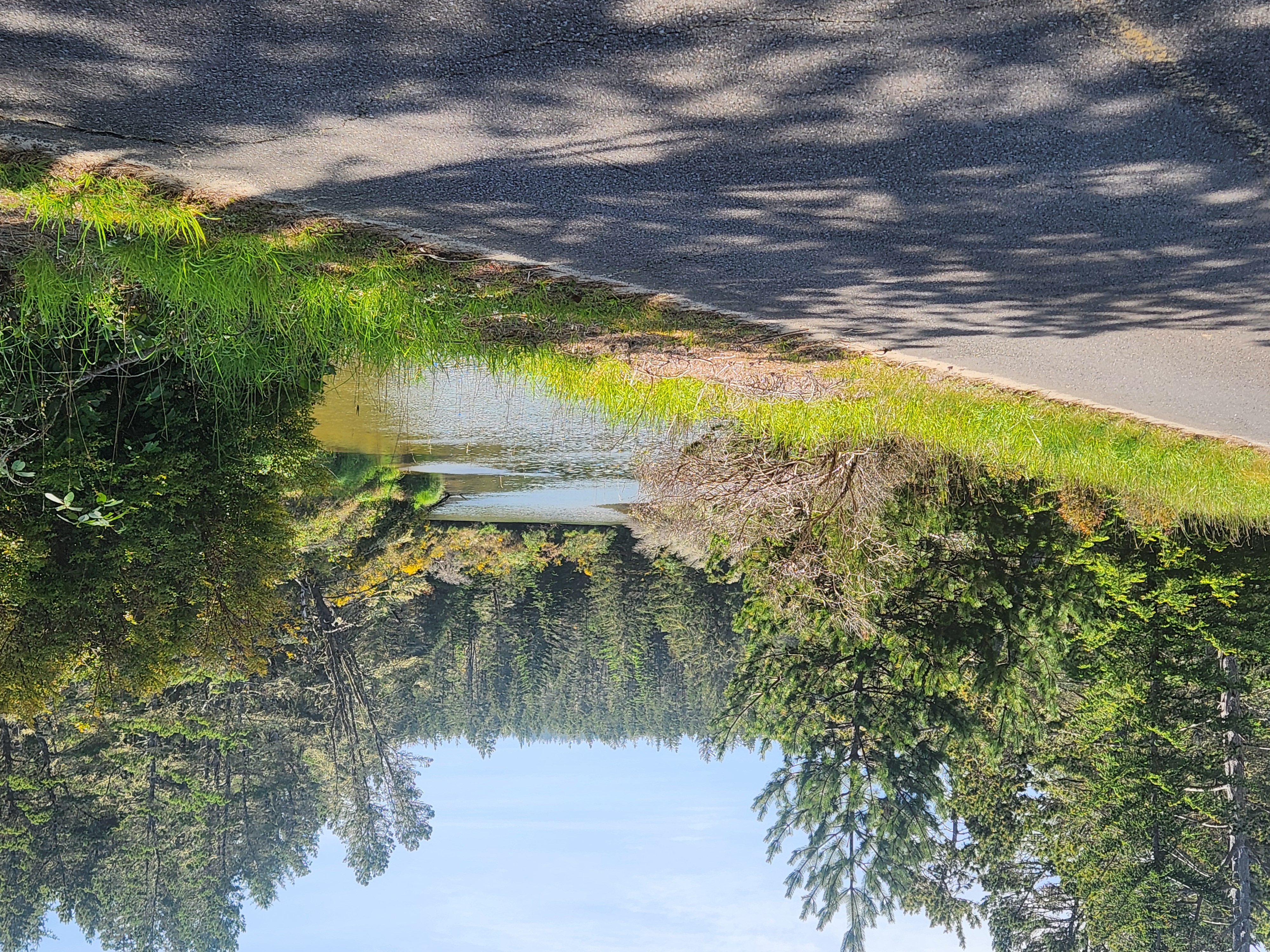
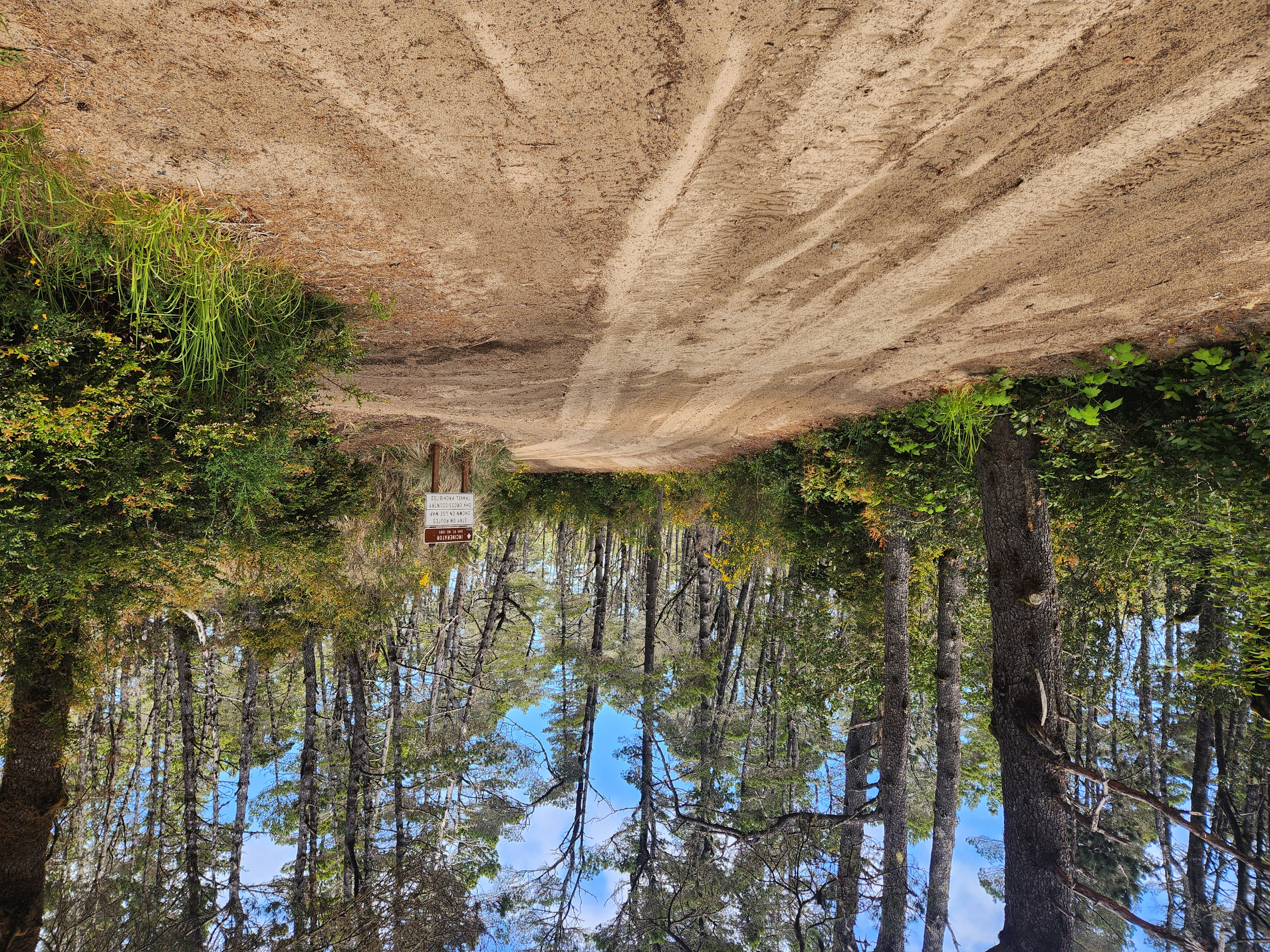
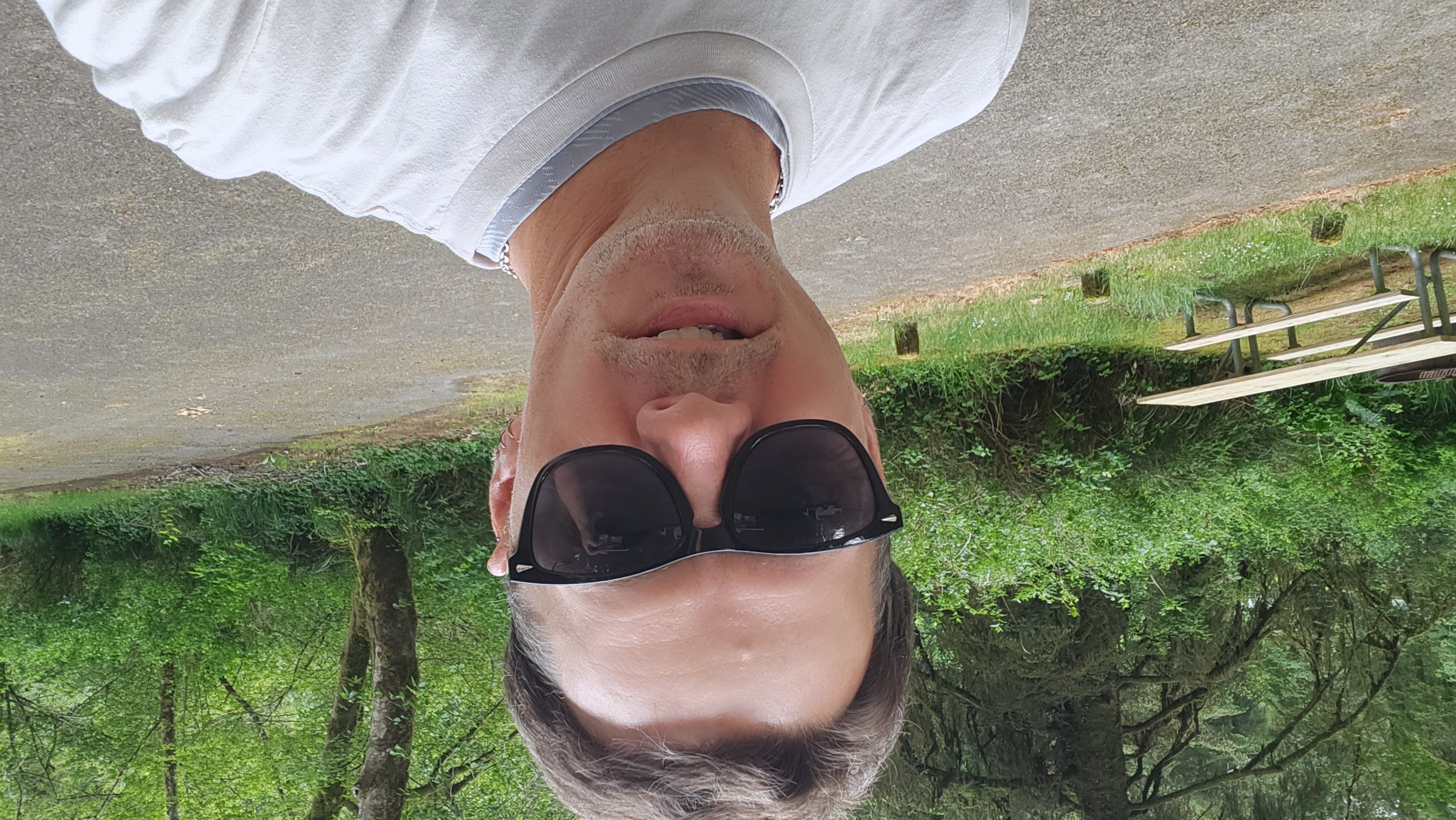

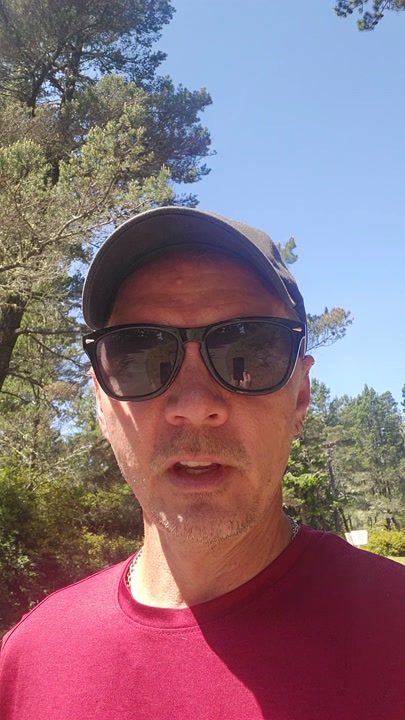
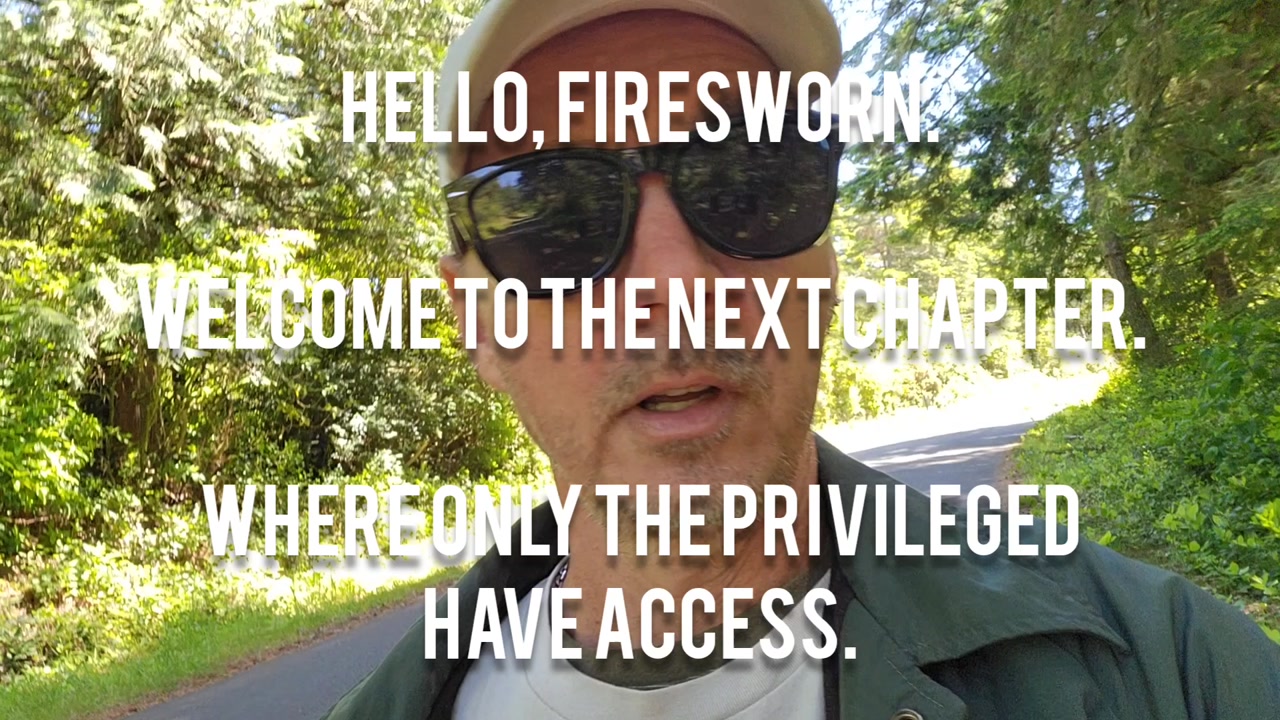
He did not sit down to do this. That was the first decision, and it shaped everything after it: rswfire had thought about how to introduce the project, considered the obvious frame — a face, a screen, a room — and rejected it. Instead he was already on the trail when he began speaking, already moving, the camera held at walking height and the Oregon Coast passing on either side of him. The introduction would be delivered by a body in motion toward water, because the thing being introduced is built for bodies in motion.
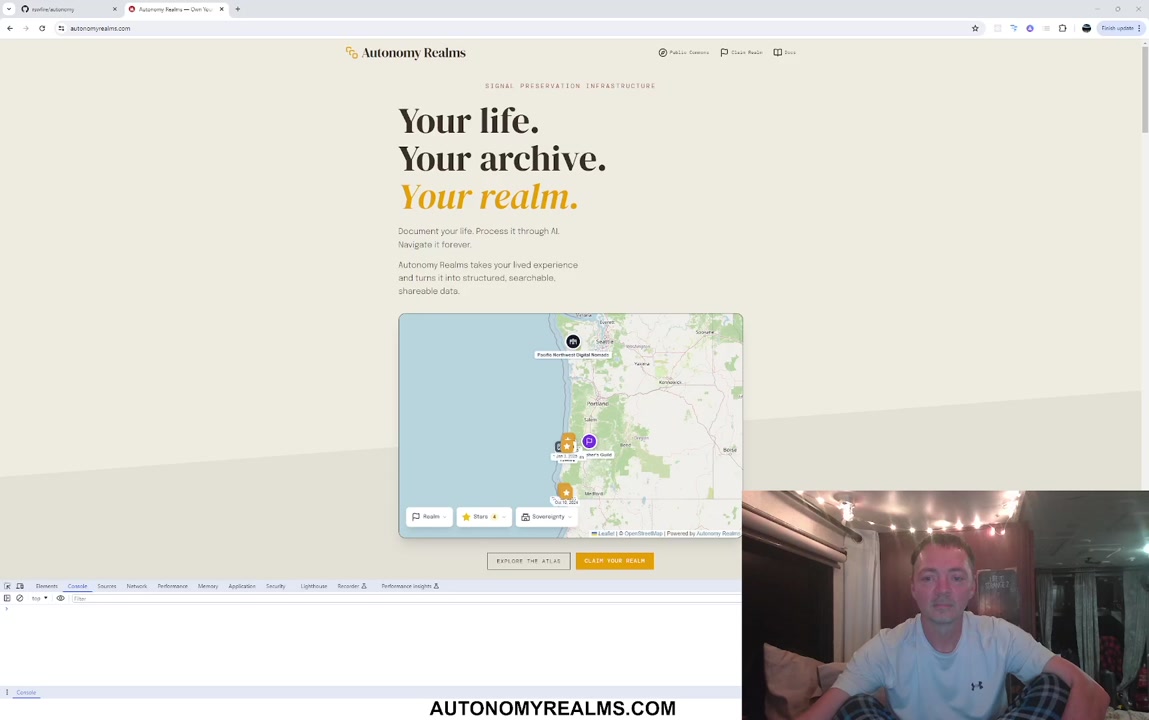
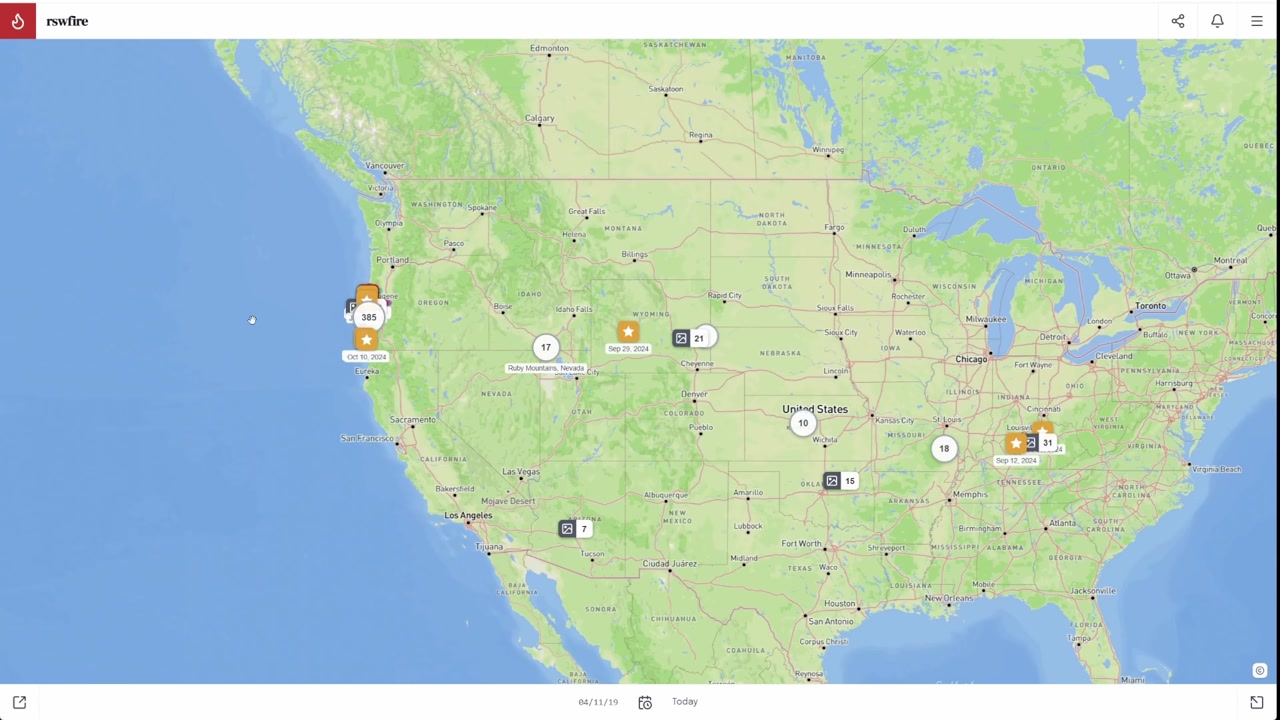
While he walked, the software walked with him. He said so early, almost offhandedly, the way a person states a fact about weather: his software was plotting the trail on a map in real time. It was watching him walk to the ocean. And the video he was making as he said it would be uploaded into that same system, plotted onto the same map, clickable at the exact coordinate where the words were spoken. He calls them signals. The recording was not documentation of the platform; it was an instance of it — the demonstration running on itself while the trail moved underfoot.
From there he opened the architecture out, one layer at a time, without stopping to rest at any of them. The pipeline that ingests a signal and extracts metadata from lived experience. The context engine that would know, without being told, that he was walking a trail toward an ocean, and would hold that as environment. The transcript extraction. He paused on the scope of it — there's just so much, I don't want to flatten it — and named the tension aloud rather than resolving it, choosing breadth over depth for the length of one walk.
He drew a line then between two things people might otherwise collapse together. The core is Autonomy. Autonomy Realms is the platform powered by it — one of the things you can do with the engine, the one that puts everything on a map. Core, and application. He held the distinction lightly but stated it precisely, the way someone does when they have already made the decision internally and is now simply reporting it.
Then the perspectives. Four reflection lenses built in, each one a different refraction of the same signal. Narrative, which renders what happened for people who will not watch the video. The mirror — and here the pace changed slightly, because the mirror is the origin. Two years of documenting his life, transcript after transcript, sharing them and talking about them. Two years before any of the rest of this existed. He named it as the thing that started the whole thing, and kept walking. The symbolic lens, which takes a life and treats it like myth, assigning archetypes from what it knows and building a symbolic narrative from whatever is happening in the signal. And beyond the built-in four, custom ones — because everybody makes their own, and everybody gets their own realm.
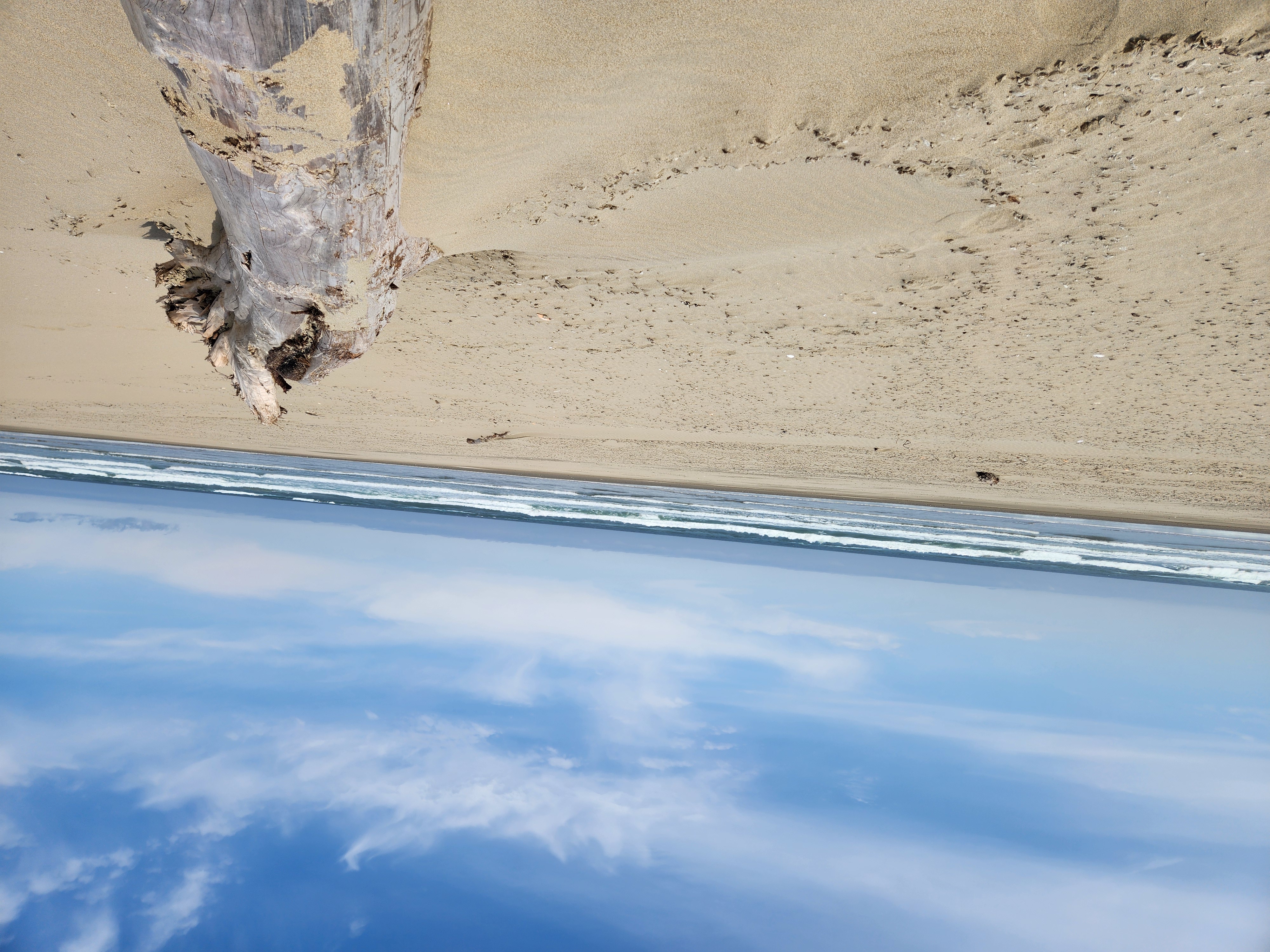
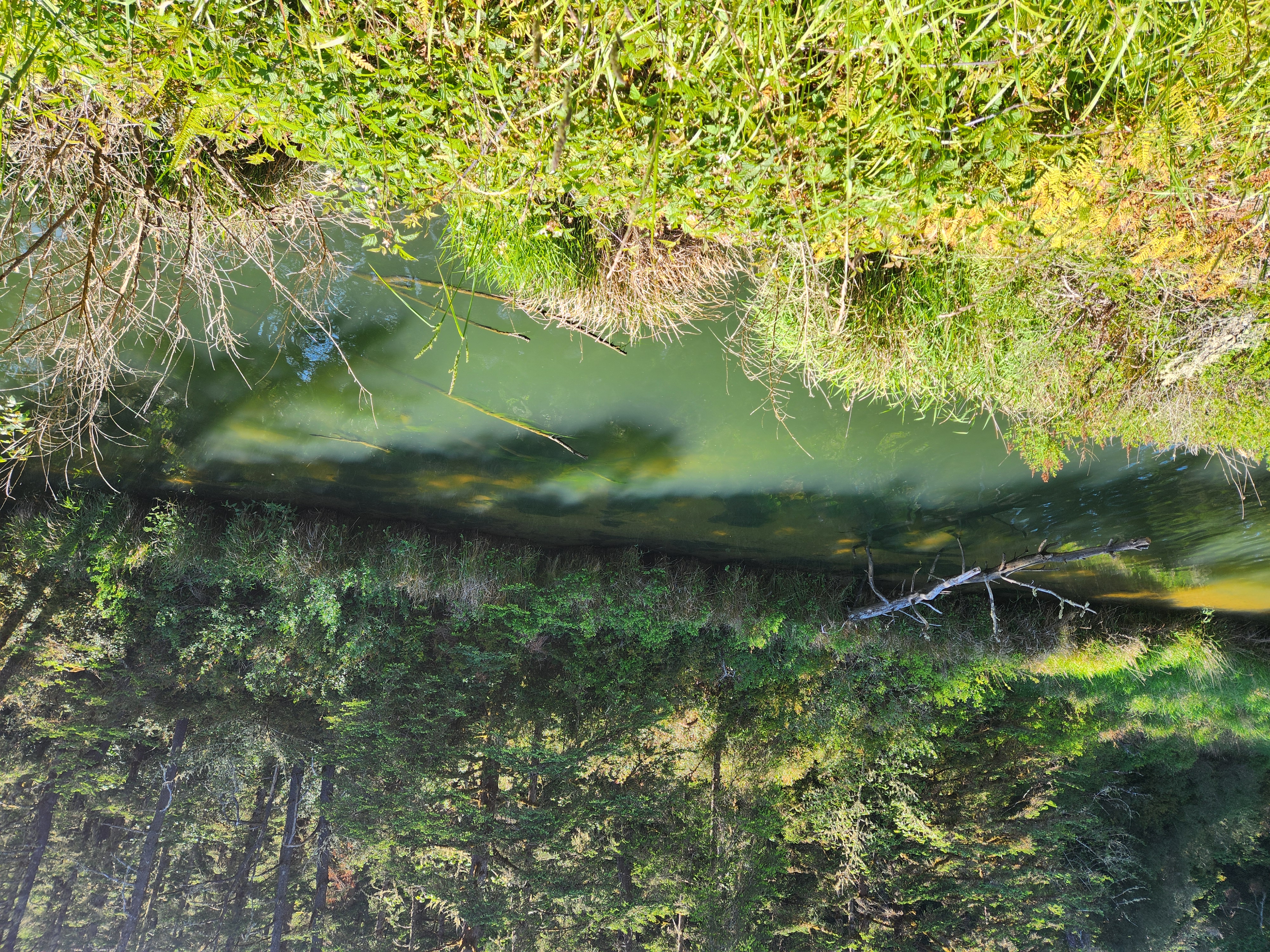
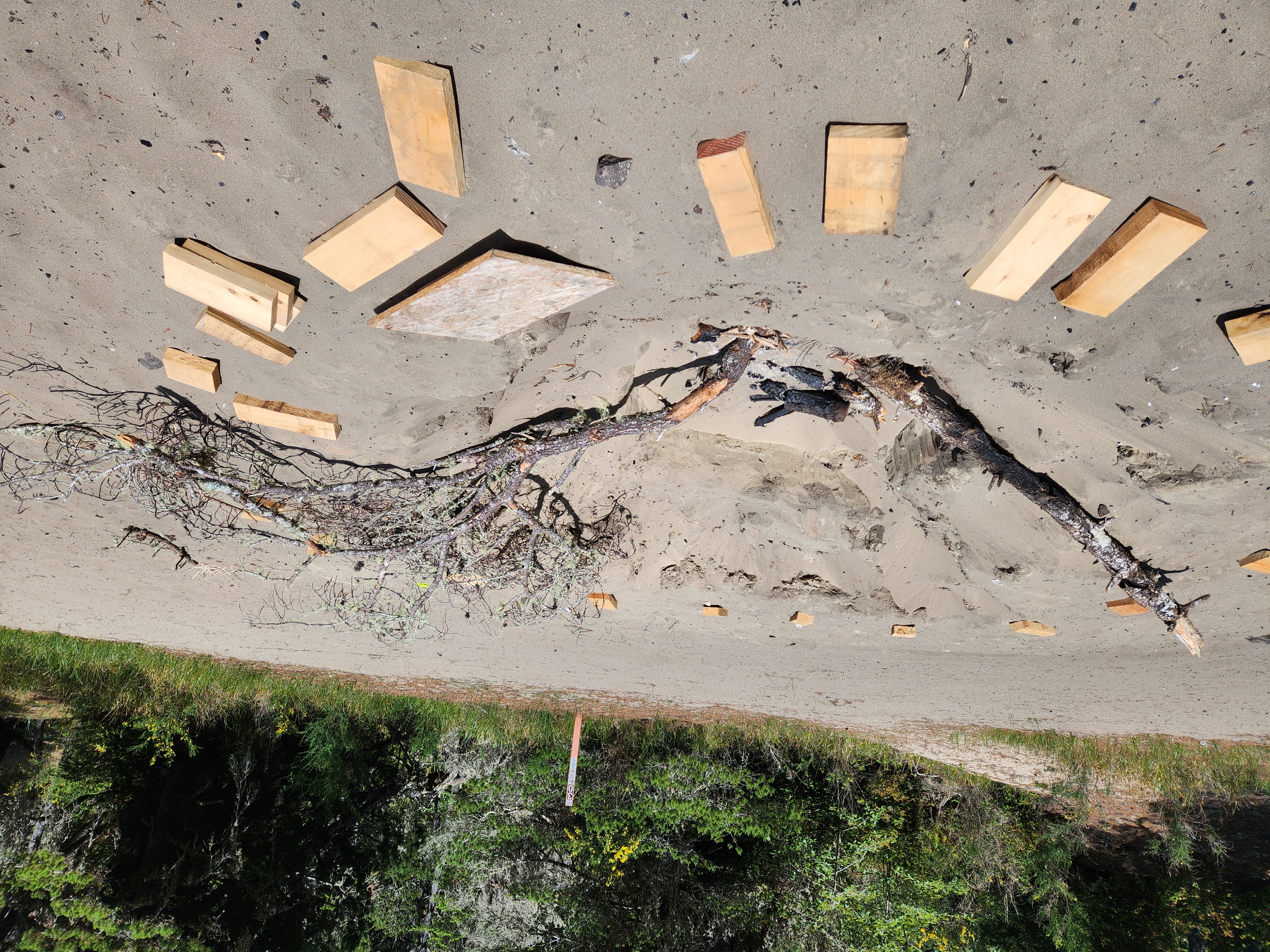
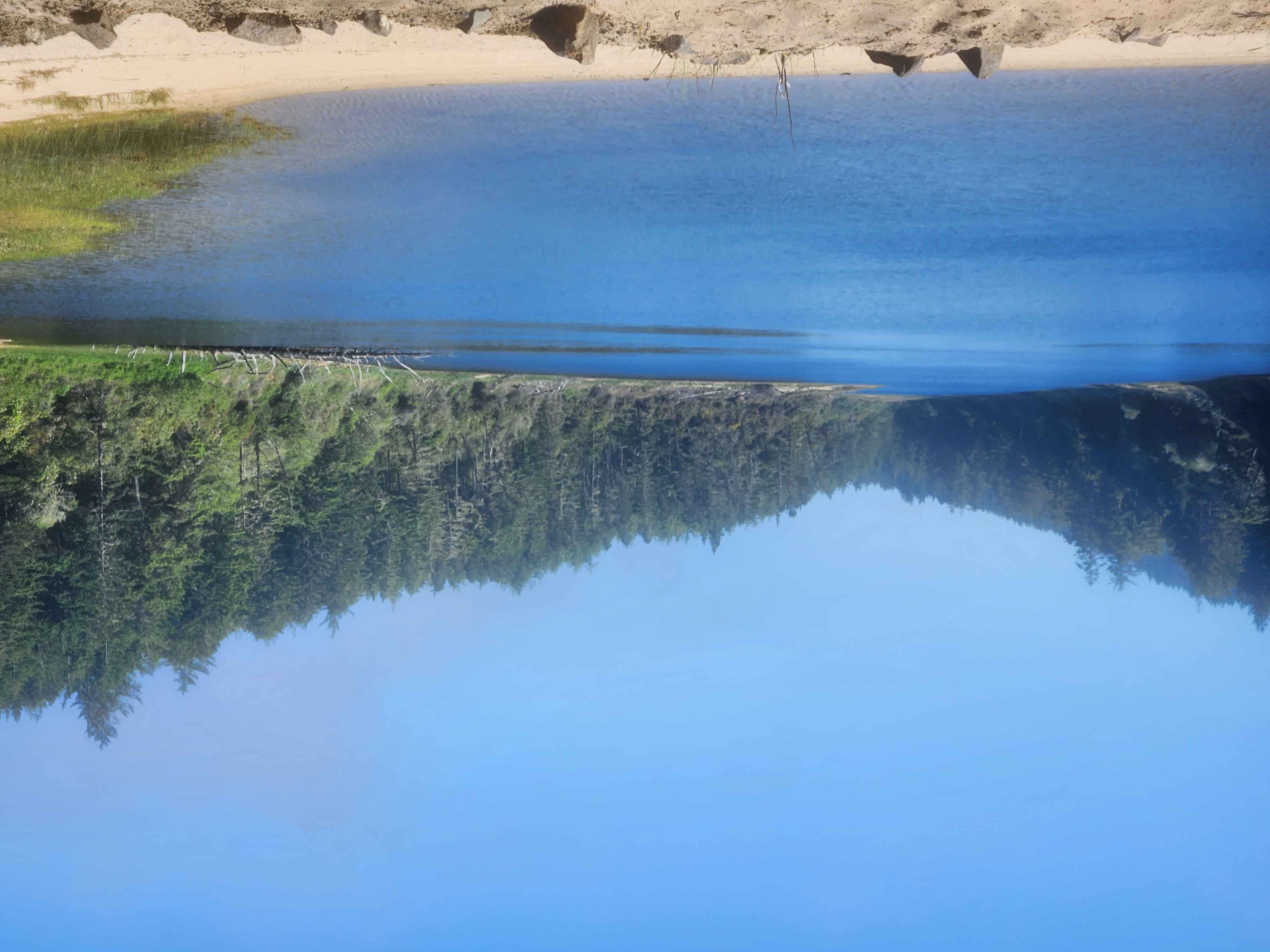
The photographs came up because the evidence was all around him. He had been taking pictures the whole trip. Look where I am. They geolocate into the same map layer, sitting exactly where they were taken, part of the trace rather than attached to it. He called the sync cool and said he thought people were going to love it, and the assessment landed as observation rather than pitch.
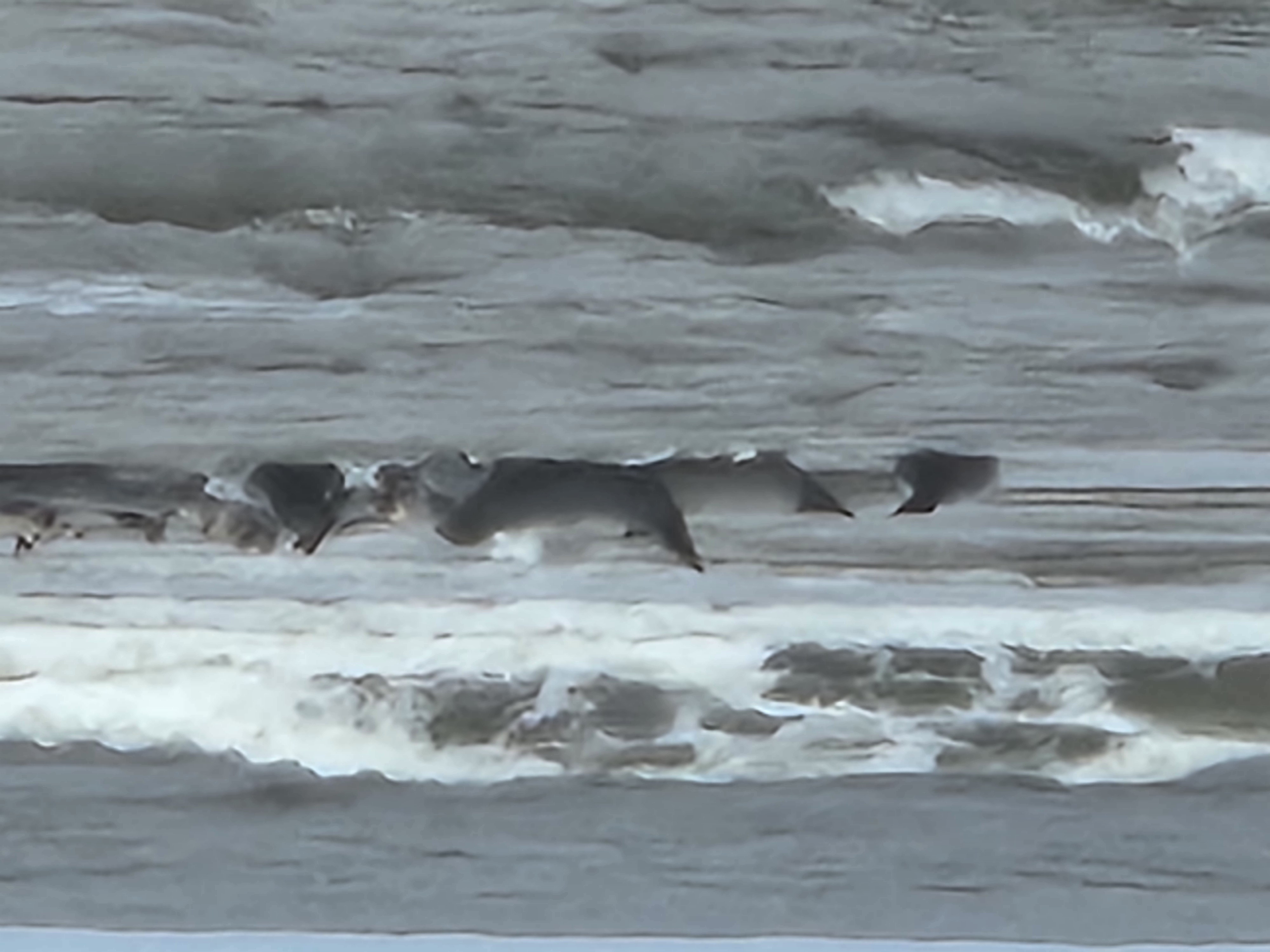
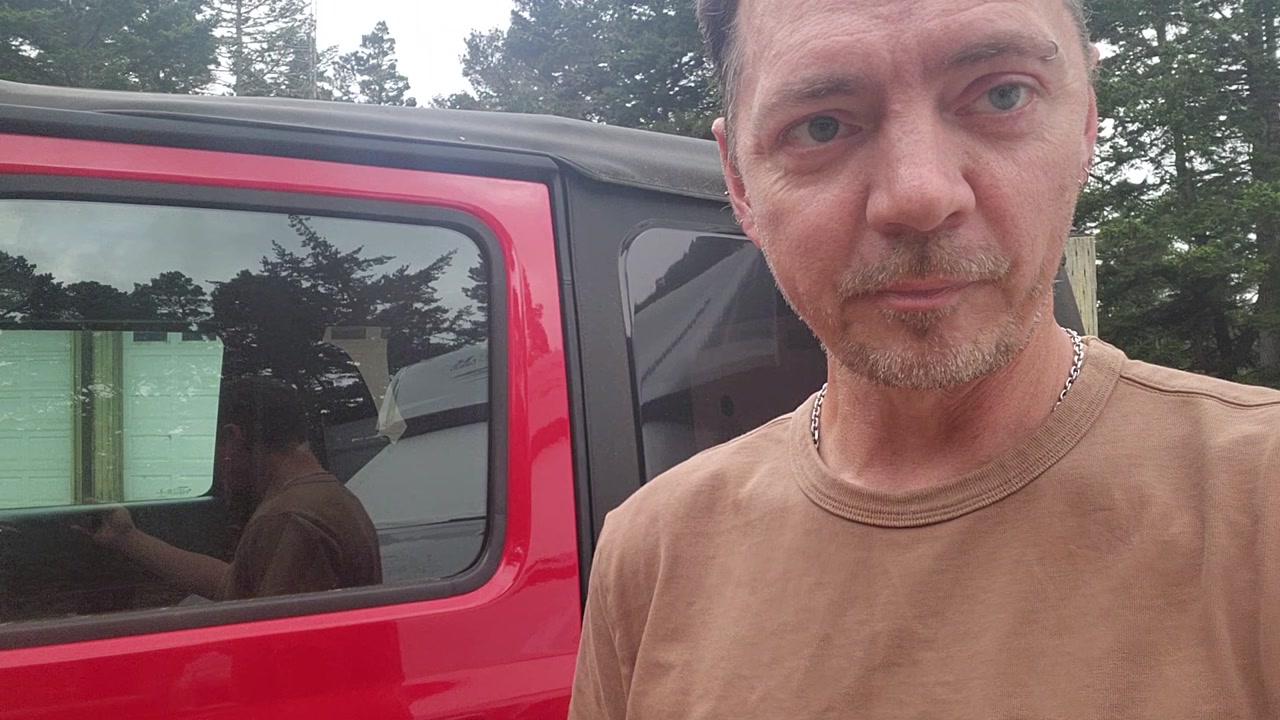
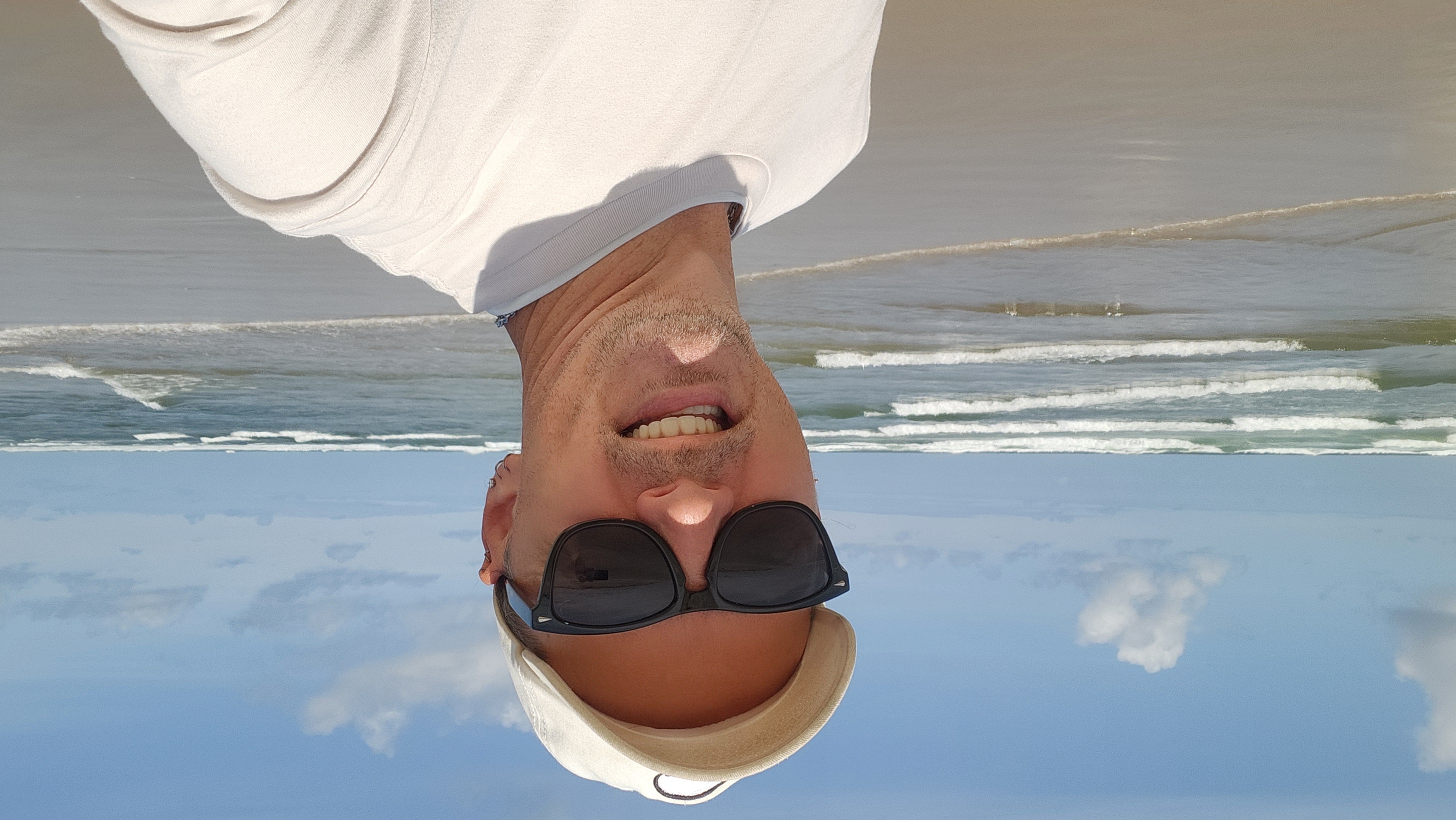
Then the trail ended, as trails on that coast do, and he was at the ocean. He introduced himself a second time — rswfire online, Sam by name — and laid out what stands between now and full release: the mobile app about to ship, the services about to be restructured, the walkthroughs still to be made showing what the software does and how he uses it. Public already, at the website, but not finished. He was standing in that gap and naming it as the gap. Then he stopped explaining, turned the frame, and left the transmission where it had been walking toward the entire time — the Pacific Ocean, doing what it does, unnarrated.