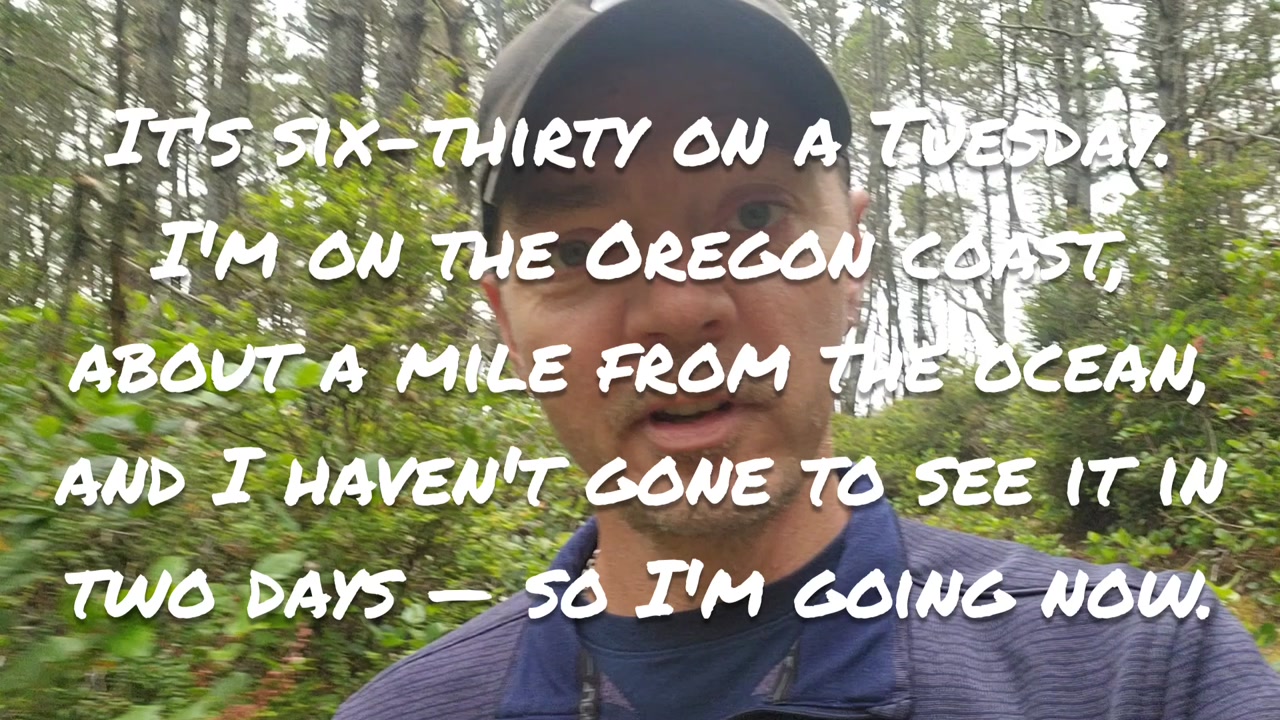
[0:00]
So, hello there.
[0:08]
It is Friday afternoon here.
[0:11]
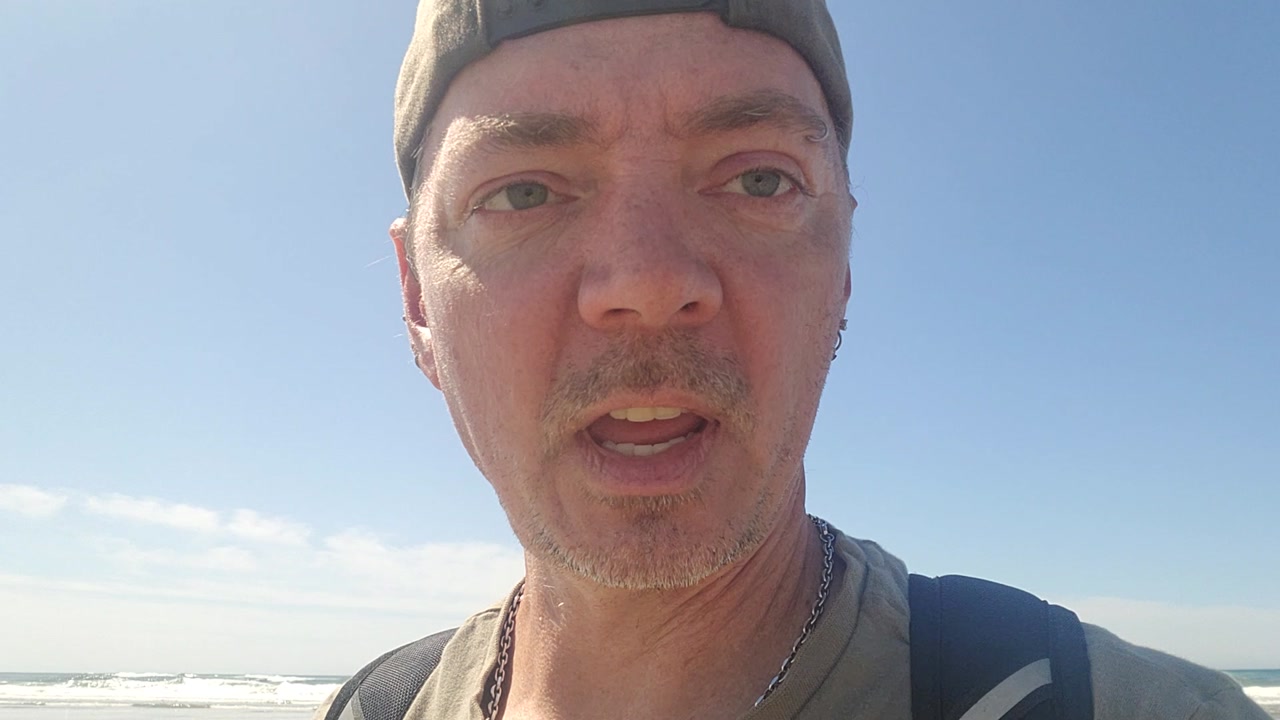
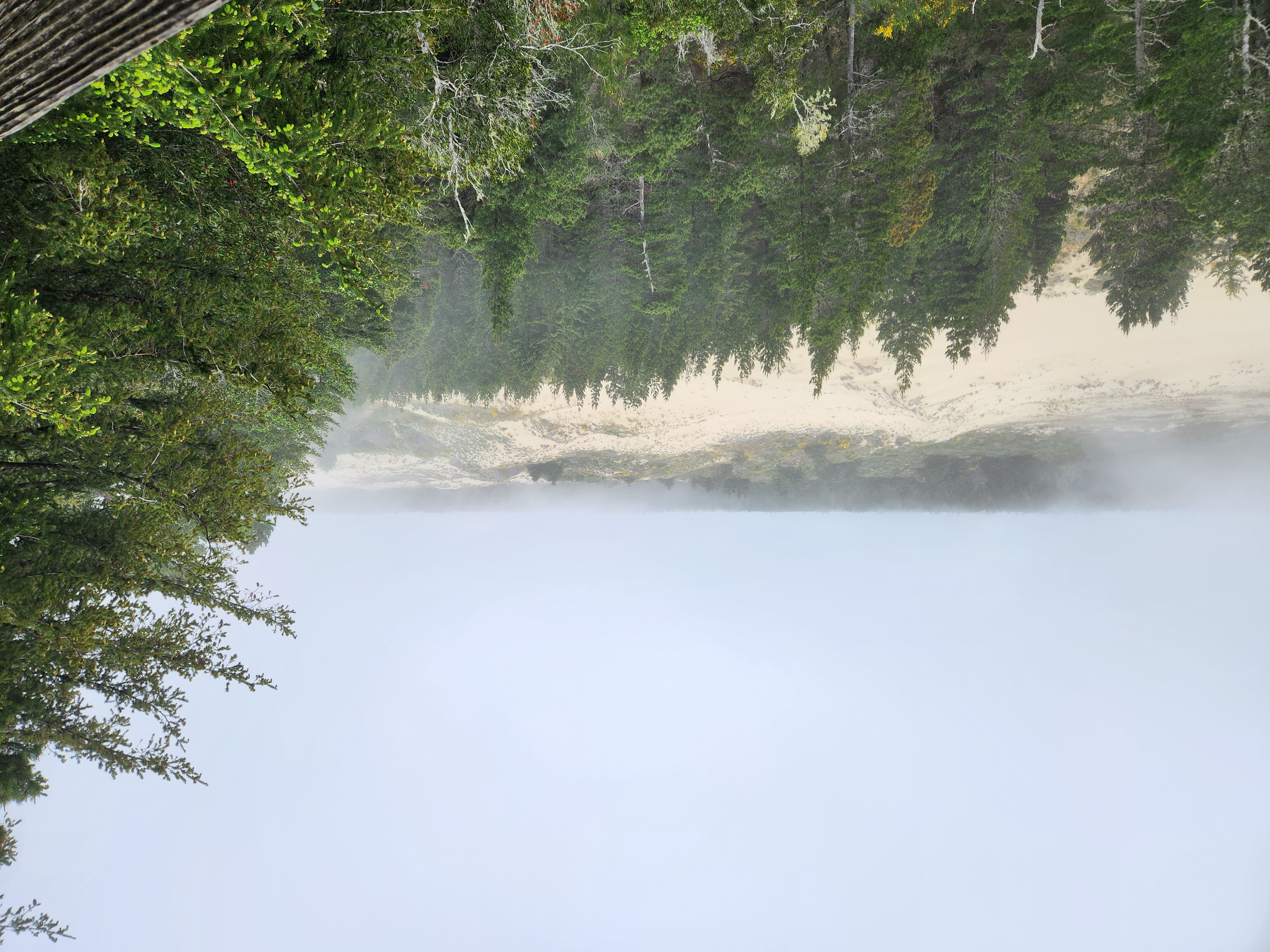
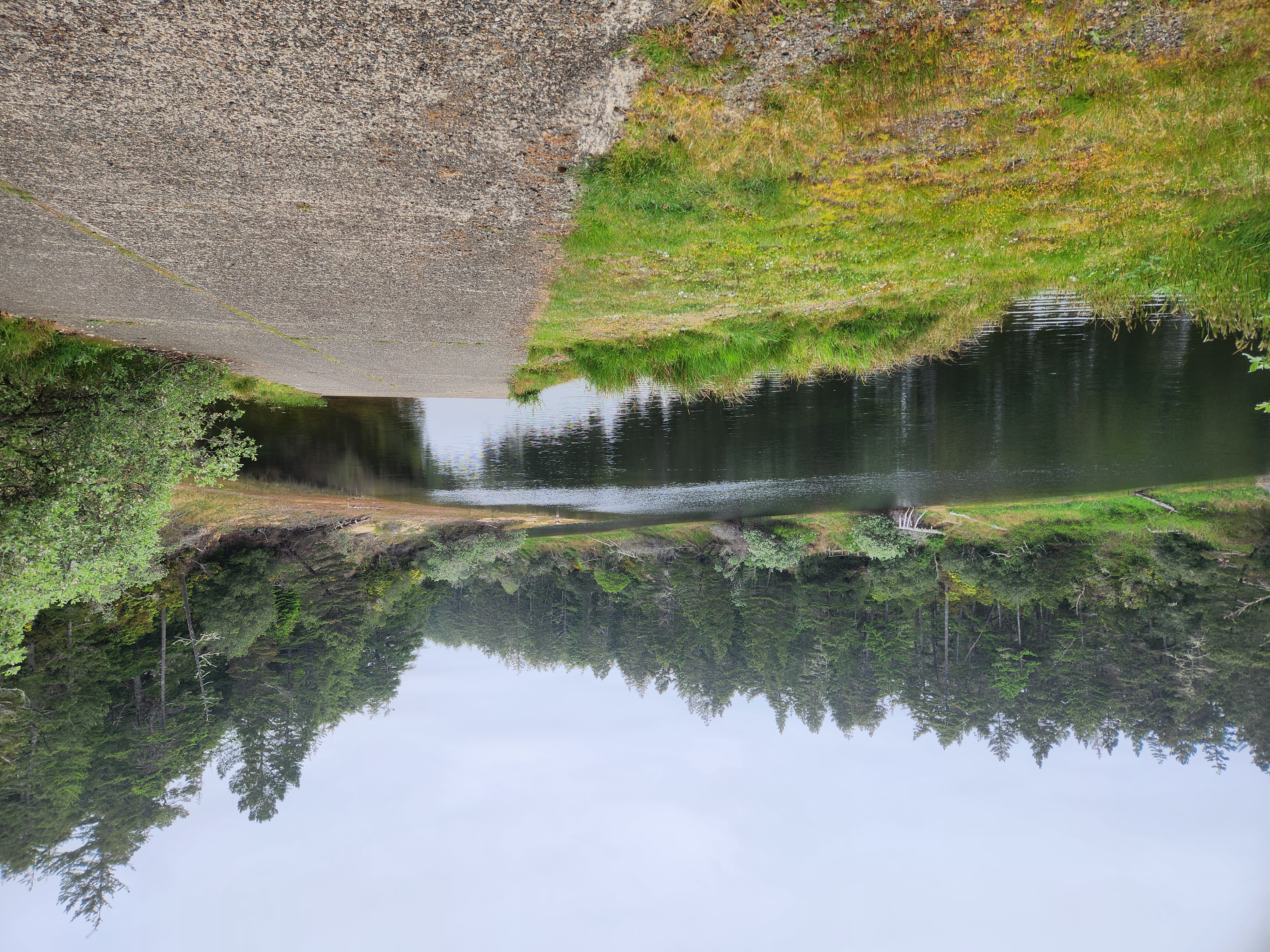
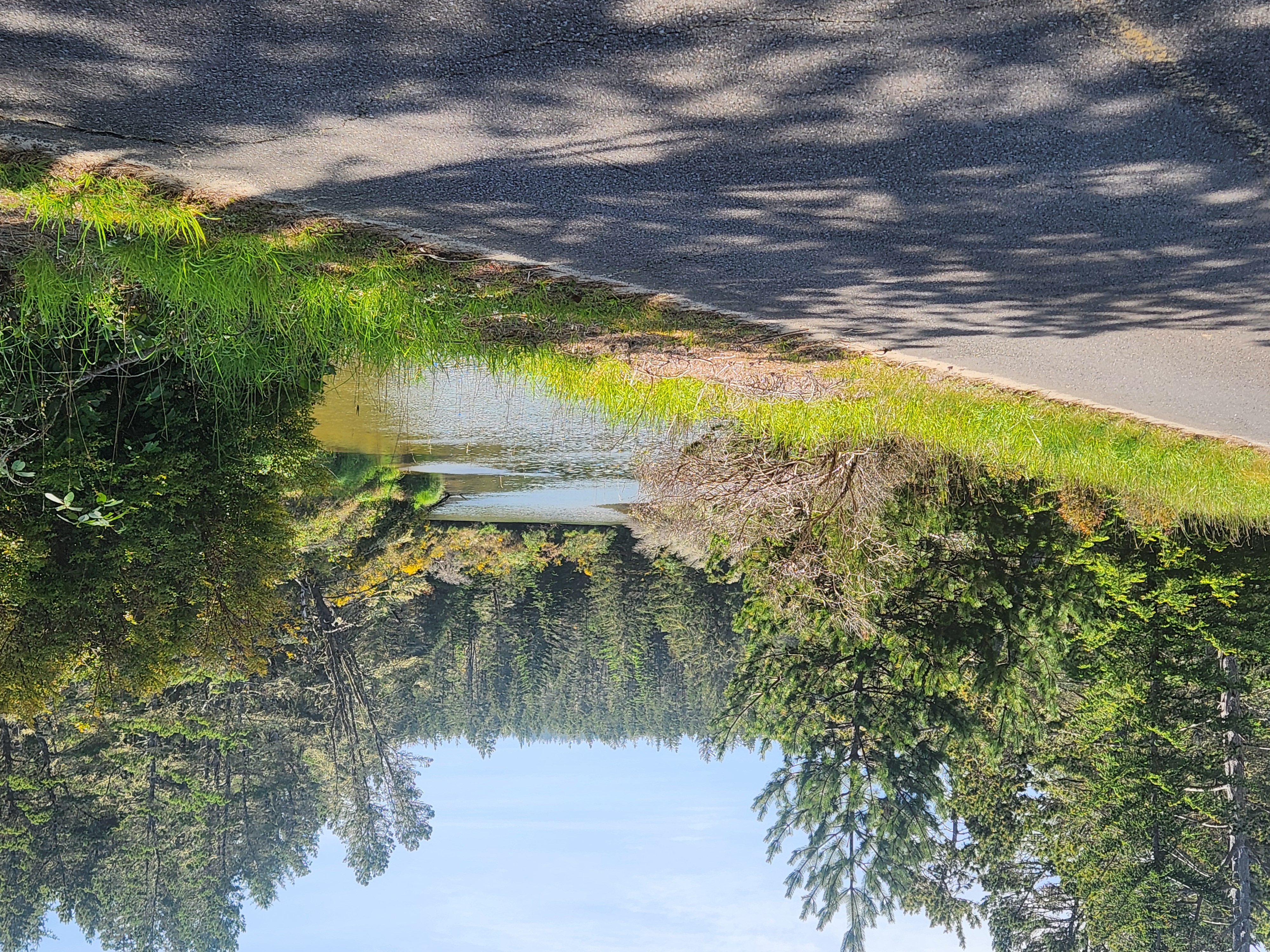
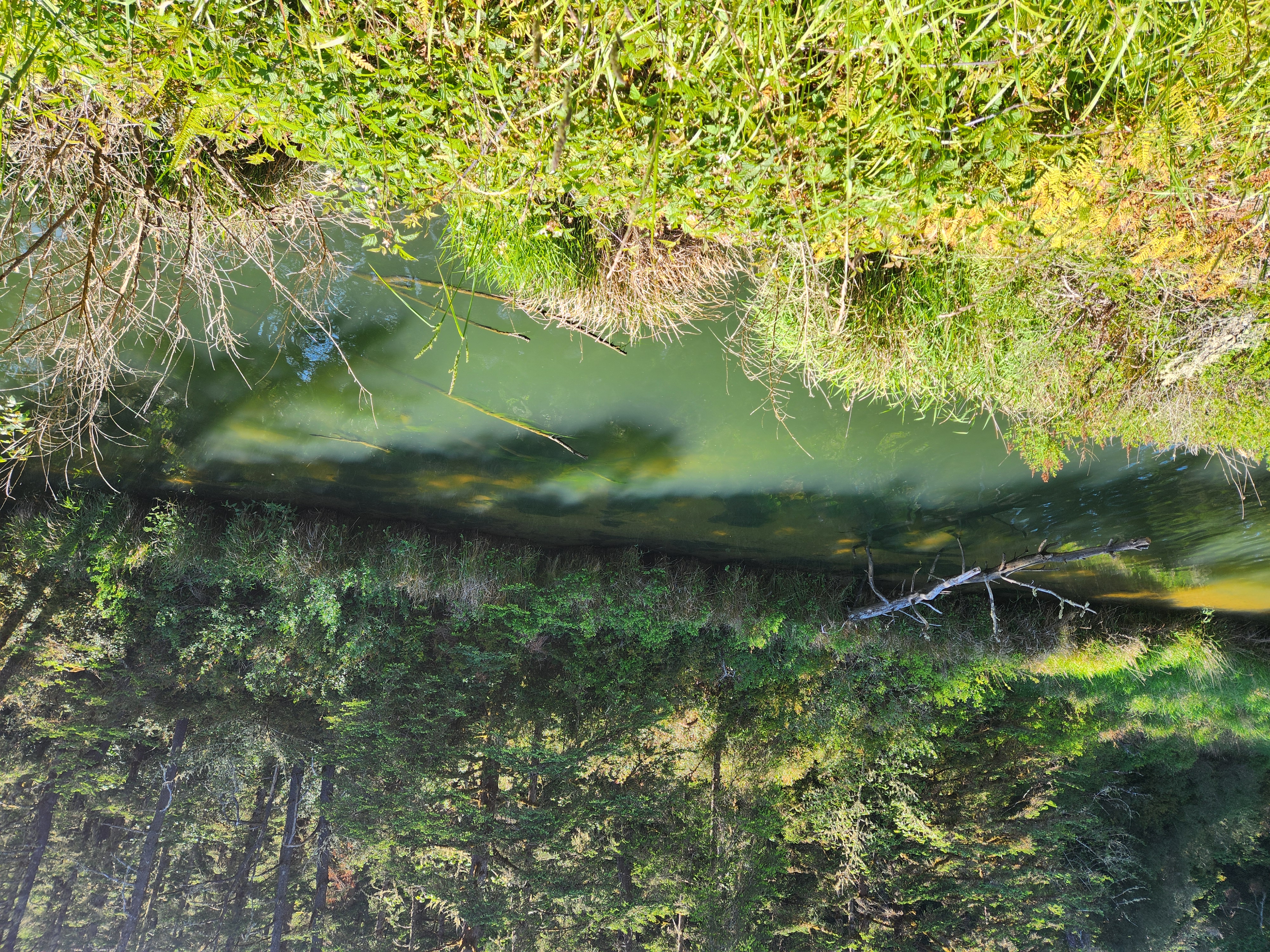
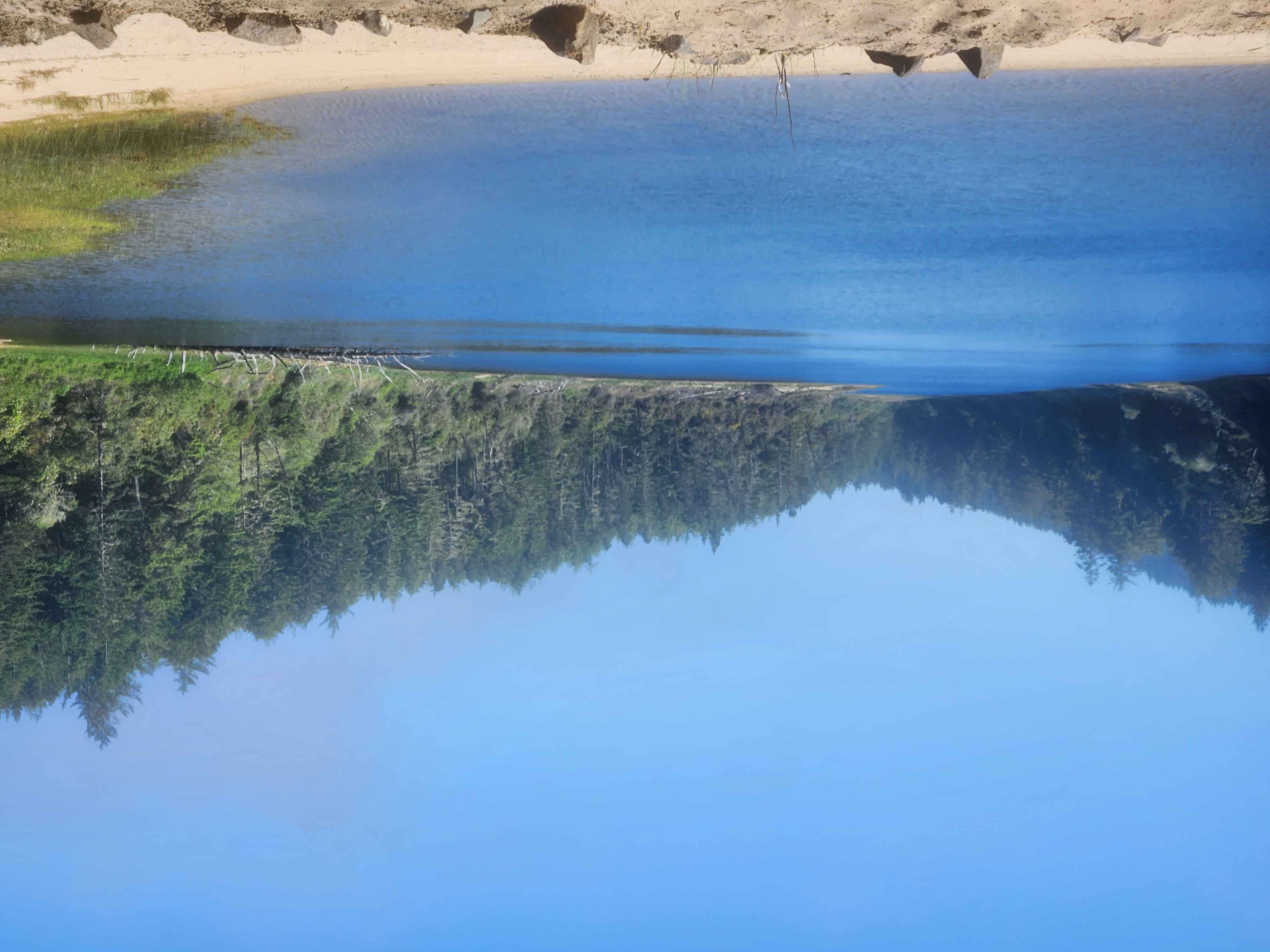
I'm just sitting here on top of a cliff that overlooks a river, the Silkus River way down
[0:18]
there.
[0:19]
I'll show it to you.
[0:20]
And off in the distance, we have the Pacific Ocean.
[0:27]
I'm less than a mile from my house, less than a half a mile from my house.
[0:30]
I can walk here whenever I want to.
[0:32]
There's the river.
[0:33]
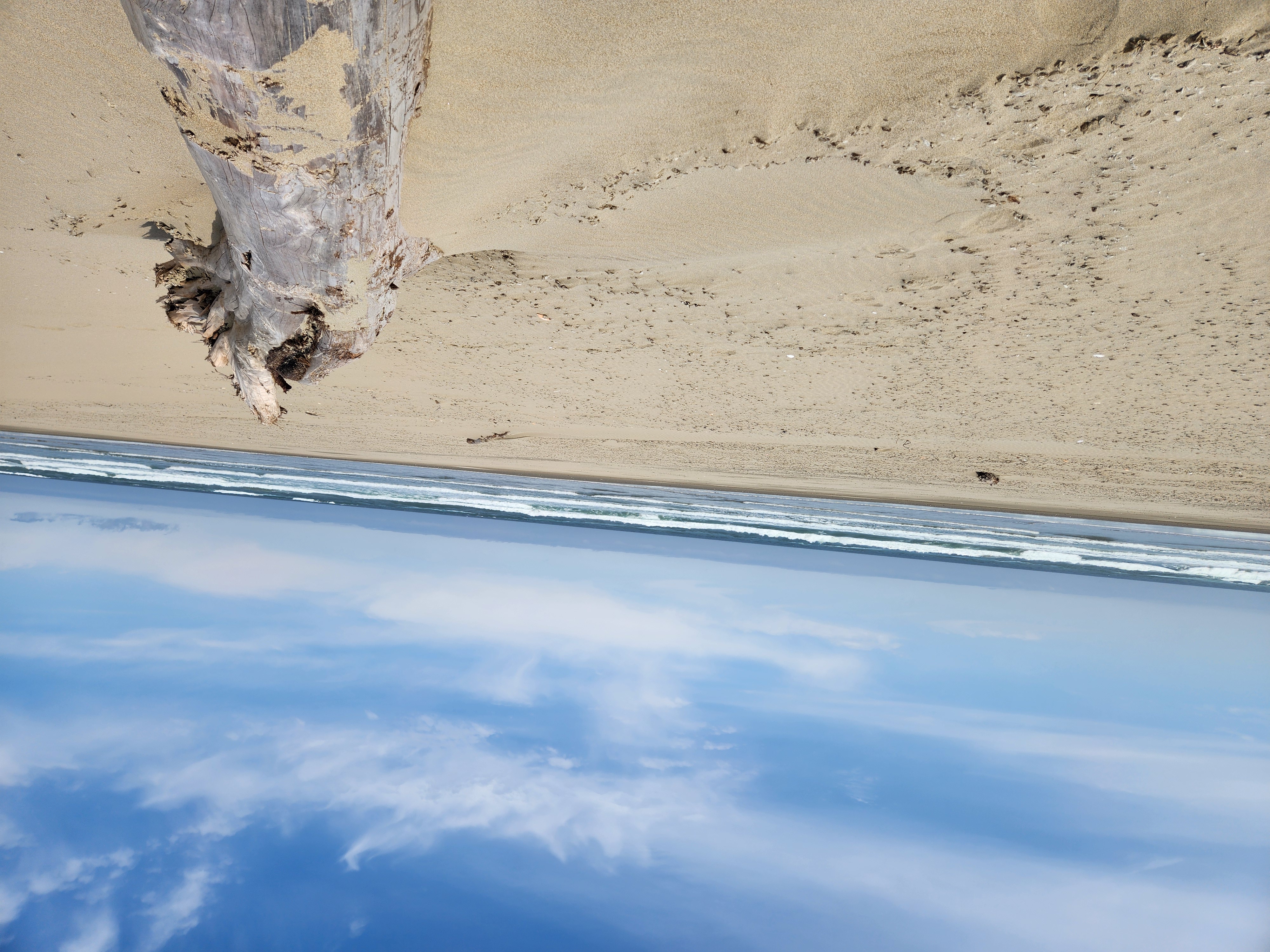
There's the ocean.
[0:34]
Isn't that amazing?
[0:36]
This is National Forest Land.
[0:37]
I'm a volunteer, volunteer caretaker.
[0:41]
I show you that because it might show up as I'm walking along.
[0:46]
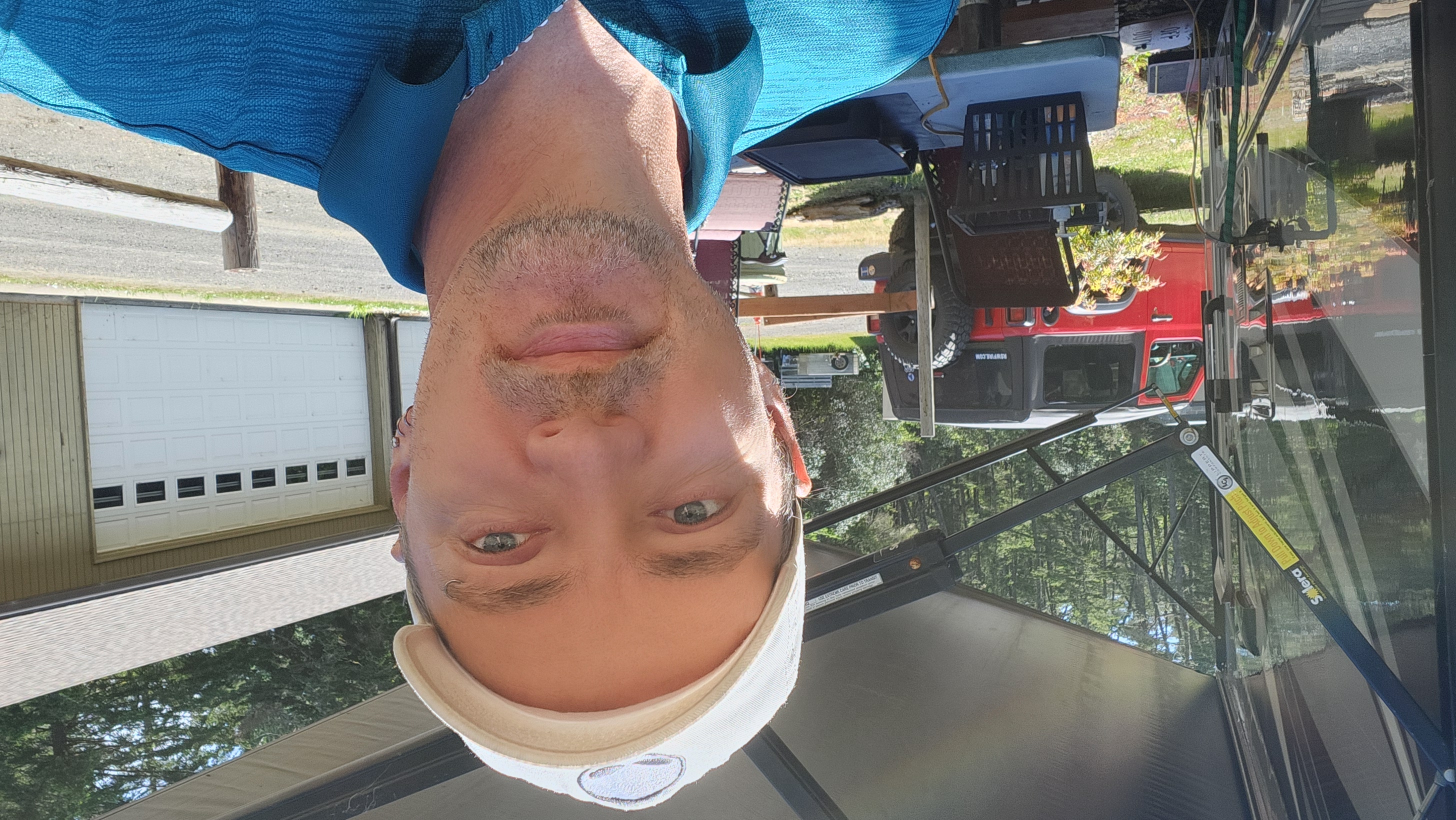
This is not actually part of my uniform.
[0:48]
This is a shirt that we earned after volunteering for two years.
[0:52]
I've only been here a little over a year, and I already have one because a volunteer
[0:56]
gave me theirs, and then my boss gave it to me in my size.
[1:00]
So, I guess you could say I exploited a loophole.
[1:03]
I just want to bring that up because I just happened to be wearing it, and I'm walking
[1:06]
to the ocean, and I have some things to talk about.
[1:10]
I'm not sure where I'm posting this yet.
[1:12]
And occasionally, that symbol might appear in the video, but they're obviously not endorsing
[1:17]
this video.
[1:18]
It just happens to be the shirt I'm wearing today, and I don't want to worry about it
[1:22]
or think about it.
[1:23]
So, I'm just going to put the disclaimer out there and move on.
[1:27]
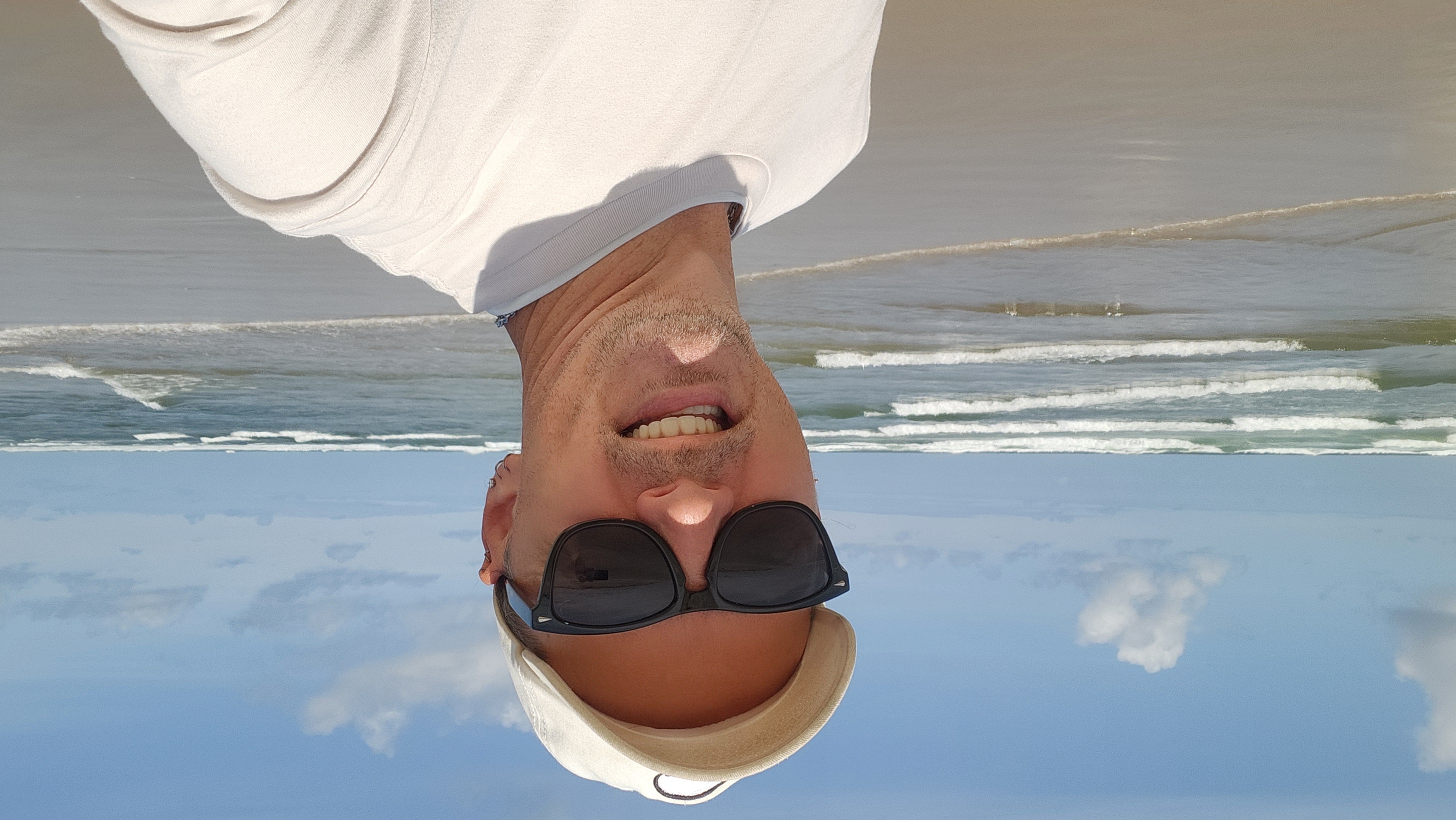
So, like I said, I'm a volunteer caretaker on the Oregon coast.
[1:31]
We're going to go out to that ocean right now.
[1:33]
We're on our way.
[1:35]
I've been doing that for over a year, and I've been documenting my life the whole time,
[1:41]
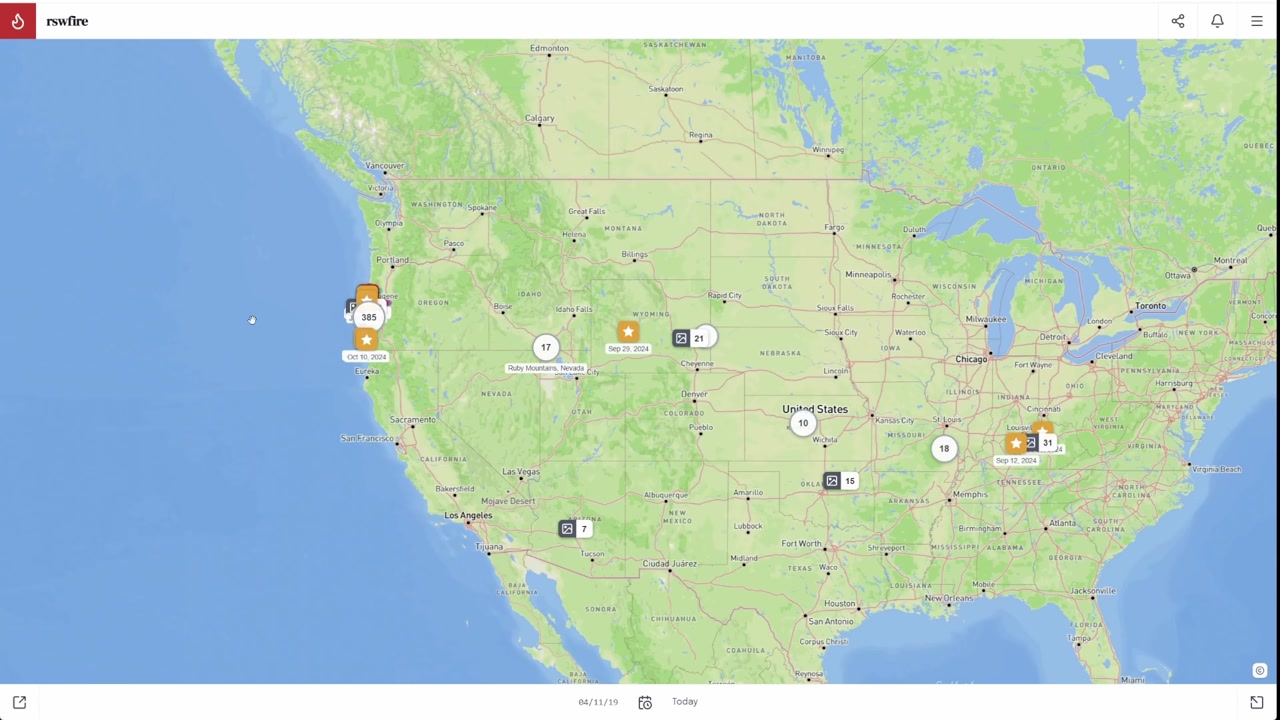
and it is on a map that I created myself in a project I created myself called Autonomy Realms.
[1:47]
I cannot believe that I have made it to this point because this is a big deal for me.
[1:54]
I'm very excited about it.
[1:57]
It's going to be kind of a quiet launch because, you know, I've been working from absolutely
[2:03]
difficult circumstances.
[2:05]
I haven't had a job in quite a long time, more than a year.
[2:12]
I tried everything that felt aligned with my life to generate work, and I couldn't.
[2:21]
I always kept falling back to this project I'm creating, Autonomy Realms, as my way out
[2:26]
of the circumstances I created.
[2:29]
This isn't a complaint because my life is wonderful.
[2:31]
It is exceptional, and 90% of it is stable.
[2:38]
I couldn't ask for more, but the financial aspect, that has been a constant source of
[2:45]
tension for me.
[2:47]
It's an operating condition, and, you know, coming from my background where I had been
[2:52]
programming all of my life since the sixth grade to using tools like artificial intelligence
[2:58]
that in many ways require, well, they just require funding because you can't process
[3:05]
data without professional LLMs, and, I mean, I have just spent over a year building this
[3:12]
thing from conditions that would kill most people.
[3:15]
That's just the truth.
[3:17]
Not me, though.
[3:18]
I thrive in environments like that, and I'm less than a day from launching.
[3:23]
Once I do launch, I will need to make some videos, just walking through the project,
[3:30]
just screen sharing my computer and showing you what it looks like.
[3:35]
I've been giving some thought to that, how I might structure it.
[3:41]
It feels like a lot, but I'm not going to look too far in the head right now.
[3:50]
Let's stay focused.
[3:51]
So, I mean, really, that's the bottom line.
[3:57]
Okay, so let me just tell you what this is, right?
[4:00]
So, Autonomy Realms for two years.
[4:04]
I'm just thinking, where do I want to start this story?
[4:07]
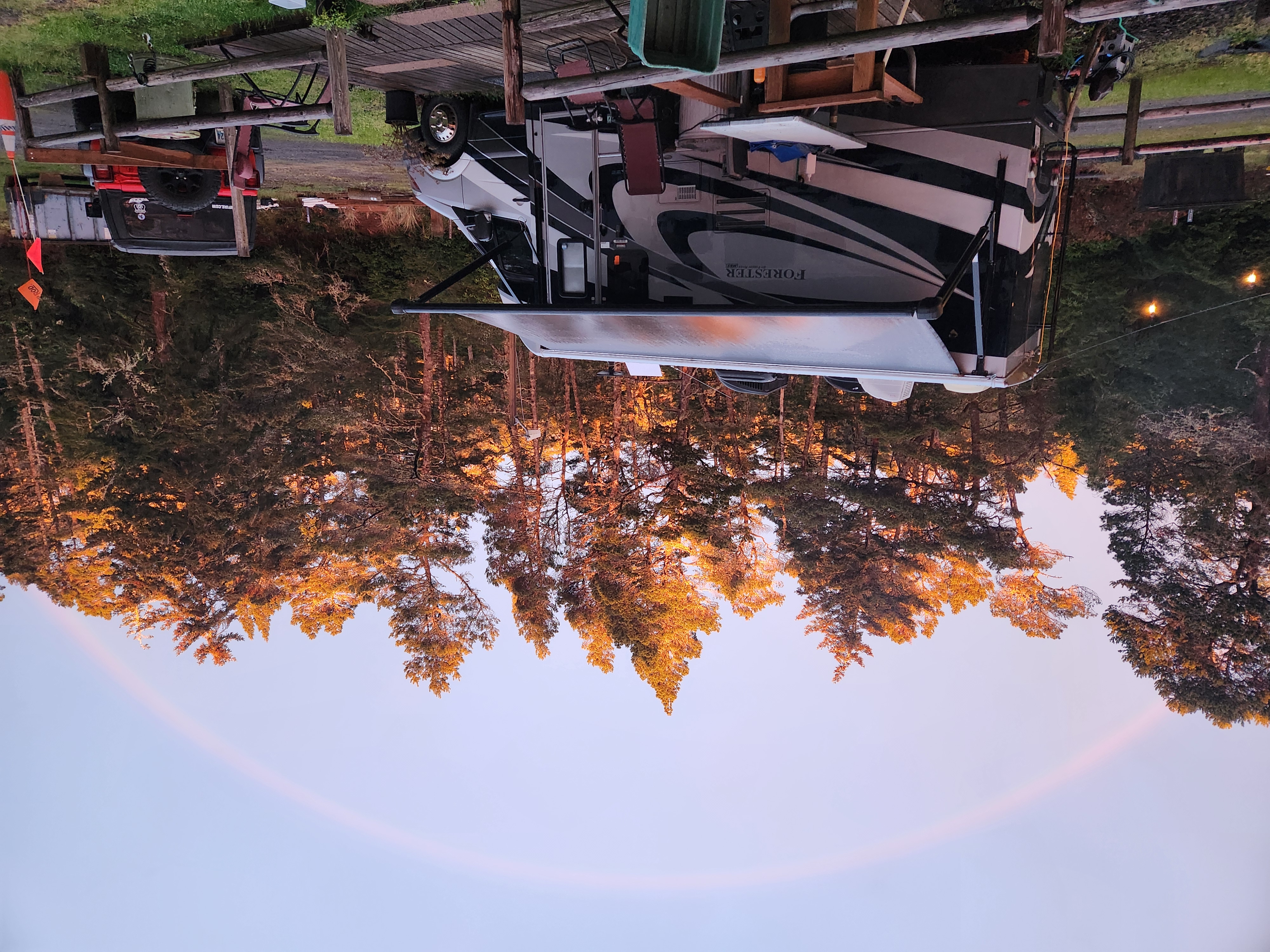
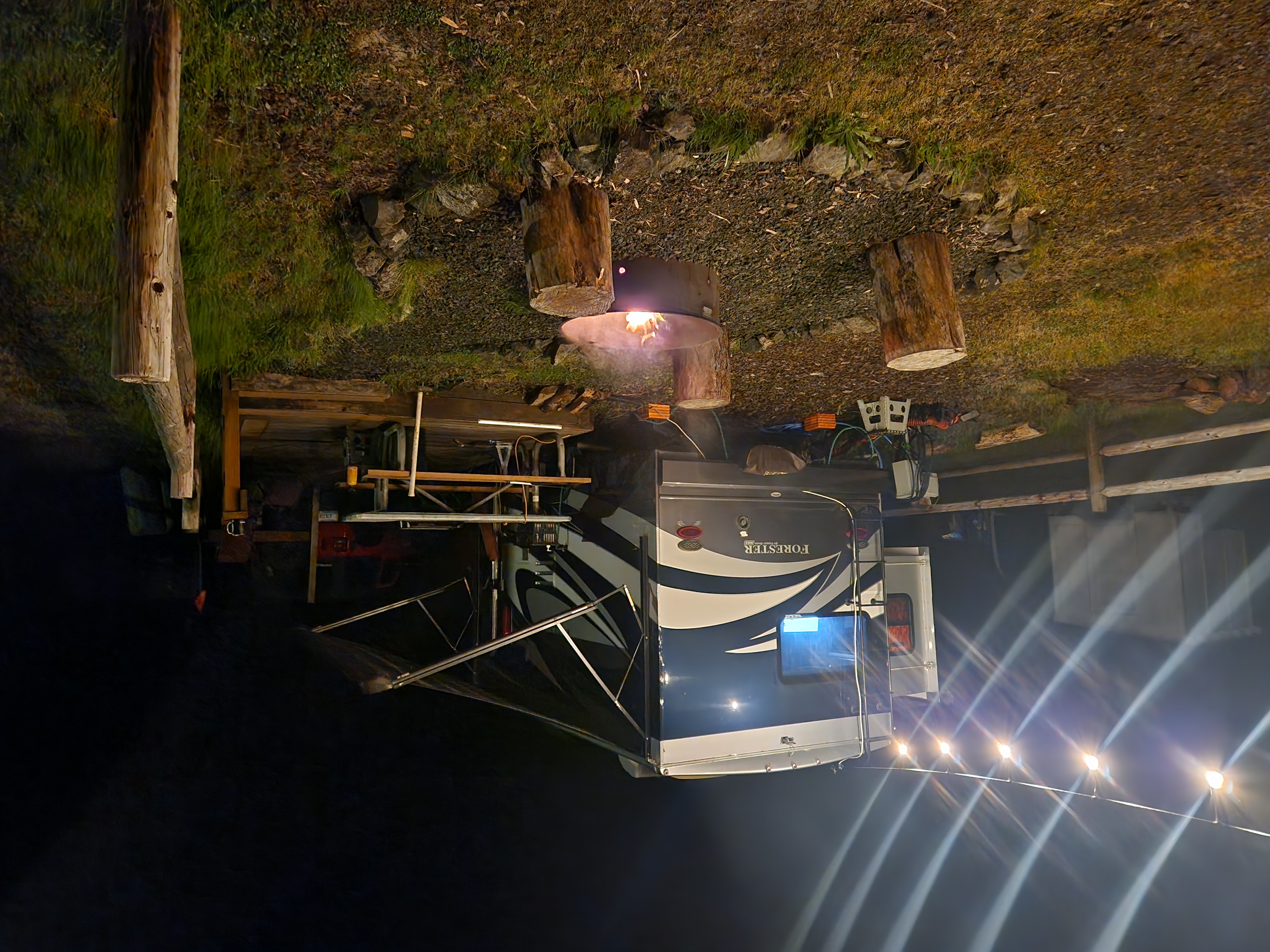
So, two years ago, I moved into an RV.
[4:09]
I lived in Kentucky, and I moved into an RV after a long career in programming, and it
[4:15]
just felt like the timing, it was just time for me to do that.
[4:18]
I needed, for many reasons, and I documented all of it, and I did so on YouTube.
[4:25]
I literally made 900 videos over two years, and most of those were on YouTube at one time
[4:30]
or another.
[4:31]
Those channels don't exist anymore.
[4:32]
Those videos, which I call signals in my system, now live in my realm.
[4:38]
I call it the realm.
[4:39]
So, when you go to a map, you're looking at someone's realm, and mine covers Kentucky
[4:45]
to the Oregon Coast right now.
[4:47]
So, two years ago, I moved into this RV.
[4:51]
I spent six months adapting to life that way, spending two weeks at different campgrounds,
[4:56]
traveling a little bit, found some really nice, wonderful places I loved in Kentucky,
[5:00]
documented all of it, and took pictures and videos, and then traveled across the country
[5:06]
to the Oregon Coast.
[5:07]
That took over a month, which was a journey in itself, all documented, all on my map now,
[5:13]
and got to the Oregon Coast at the very southern edge of it in Brookings, and so much happened.
[5:19]
The sky flirted with me, which changed the trajectory of what I was planning to do.
[5:23]
I ended up volunteering for the state parks, and less than three months later, they would
[5:27]
expel me over nonsense because a supervisor didn't like that I documented how she treated
[5:32]
me, and I had to build an archive about this.
[5:35]
I've had to do so much since I got here over a year ago.
[5:38]
I mean, they tried to displace me, make me homeless, and I had to build a life from that.
[5:45]
I mean, so much, and I documented all of it, and all of it is in my realm, and I built
[5:53]
a service around that.
[5:54]
Now, anybody can have their own realm, and they can upload photos and videos and plot
[6:00]
them on the map wherever those took place.
[6:03]
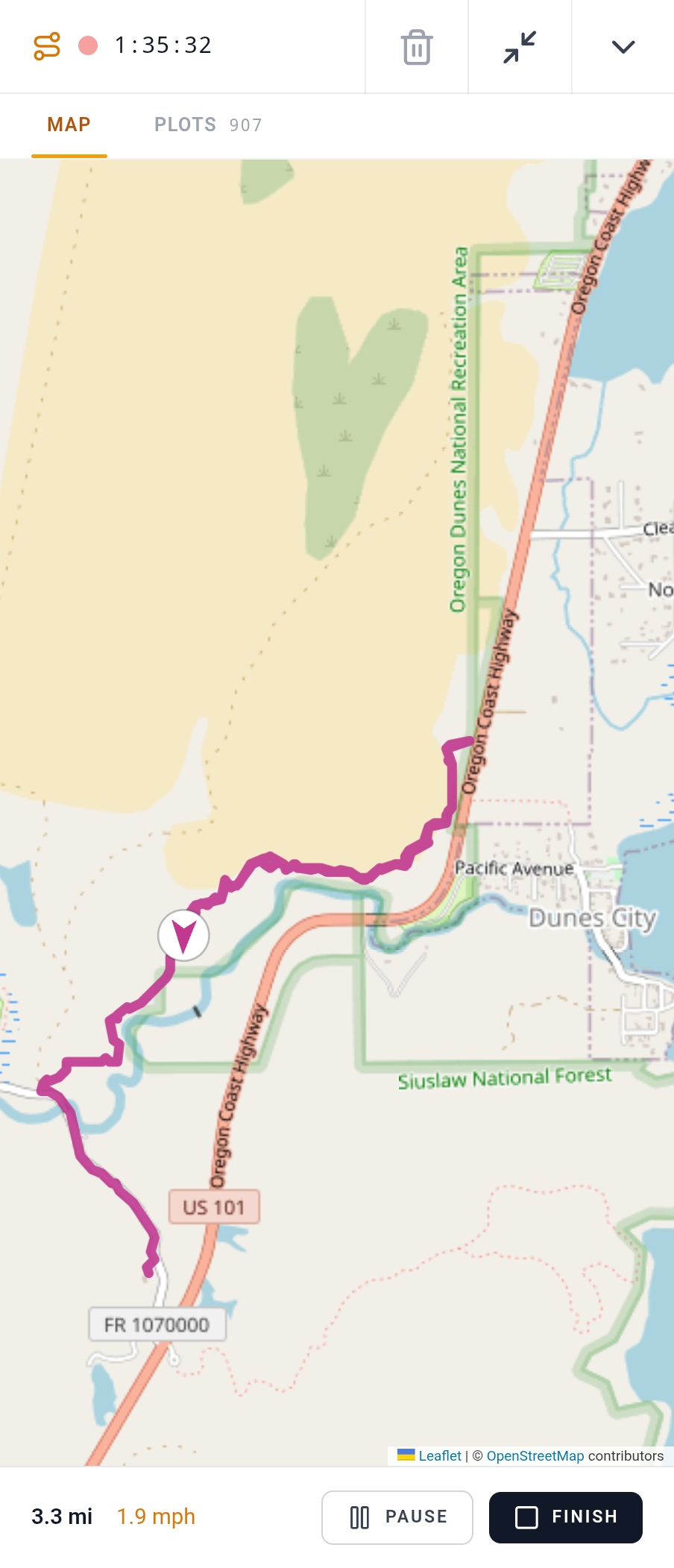
They can trace their routes like I'm doing right now.
[6:05]
I'm walking to the ocean.
[6:06]
It's going to be a colored line on the map.
[6:09]
Right now, it's being recorded while I recorded this video.
[6:13]
There's a temporal layer, so I walk these trails all the time.
[6:18]
If you wanted to just look at the past week of what I did in my life, you just toggle
[6:23]
the dates, and that's what you would see, or you can span out, and you can go back almost
[6:29]
10 years because the project, even though it only became a thing two years ago and started
[6:35]
getting built a year ago, it covers 10 years of my life because I've taken all of the data
[6:41]
from my life that I had been ... like pictures.
[6:46]
I'd taken pictures for 10 years, and those just end up in a camera roll that you never
[6:52]
look at, and I just had my system import them all.
[6:55]
Now, there's signals.
[6:56]
There are 2,000 of them in the pending queue right now that I need to curate, and then
[7:00]
they're going to be plotted on the map wherever they happened.
[7:03]
They could be from Michigan, from Kentucky, from just so many different experiences, and
[7:10]
that's all going to be on my map forever and browsable by place because you're just panning
[7:16]
around on a map by time because you're setting different filters for that, different settings.
[7:22]
There's a whole bunch of filter settings.
[7:25]
You can search by semantic keywords.
[7:28]
You can ... there's a whole other mode I'll talk about another time because it doesn't
[7:33]
have to be on the map.
[7:34]
I call it stream mode.
[7:36]
There's another mode to all of this because Autonomy Realms is just one implementation
[7:40]
of something I built called Autonomy, and I have been documenting that to you, of course,
[7:48]
in my videos, but I feel like a lot of it has probably ... I mean, it's pretty abstract,
[7:54]
so the people who are watching me, my audience, whatever you want to call them, probably didn't
[8:01]
fully grasp what I was talking about, but now the project's done, and I can sit down
[8:06]
in front of the computer, and I can walk them through all of those things, and it becomes
[8:11]
real.
[8:12]
It becomes real for them, too.
[8:13]
I literally use this software all the time.
[8:16]
Like I said, it's running on my phone right now.
[8:19]
I built an app for it.
[8:20]
It's not in the App Store yet because there's a requirement that Google has that I need
[8:24]
to meet, and I kind of need help from my followers, my audience, my supporters to help
[8:31]
me with the last stretch of this.
[8:34]
I did this, like I said, from absolute precarity.
[8:36]
I am two days away from losing my favorite thing in the world, my Jeep Wrangler.
[8:42]
It goes into repossession status if I can't make one monthly payment, $525 by Sunday.
[8:50]
If I could make that payment, I can get them to push my loan back for three months, for
[8:54]
90 days, long enough for me to get Autonomy Realms off the ground, but I have no way to
[8:59]
make that payment.
[9:00]
I don't know how I'm going to do it, but I've accepted that it's a potential loss, and if
[9:05]
it does happen, it doesn't change this launch.
[9:09]
It doesn't change the build.
[9:10]
It doesn't change the trajectory.
[9:13]
It just happens with me losing the one thing I tried to hold on to in the past few years.
[9:20]
It really sucks, but it becomes part of the lore, the story, the narrative, whatever.
[9:30]
So I'll accept whatever happens.
[9:32]
Still holding out the tiniest bit of hope.
[9:36]
So that's, I guess, what I wanted to share for now.
[9:43]
I got like a quarter mile to get to the ocean still.
[9:46]
I don't like talking just to talk.
[9:48]
Like I had some things that I wanted to get out, and they just come out stream of consciousness
[9:52]
like that, one burst of dialogue that I do on camera.
[9:57]
That's where these 900 videos came from.
[9:58]
They're just like this.
[10:00]
Well, I guess I should say some more about that.
[10:02]
So just stream of consciousness.
[10:06]
For those two years, every time I made a video, I made them mostly for myself because I could
[10:11]
take them, and I could have them transcribed, and then I could share them with artificial
[10:15]
intelligence, and we could talk about them.
[10:17]
I've been doing that for two years, and one of the things that I built into Autonomy Realms
[10:22]
is a thing called reflections.
[10:24]
So you make a video, you upload it, and then you transcribe it.
[10:29]
You get the transcript, and then you have artificial intelligence analyze it, and it
[10:33]
comes back with a bunch of metadata, and then if you want, you can have it reflect on the
[10:37]
signal.
[10:38]
So there's four different kinds.
[10:40]
There's narrative, there's symbolic, there's the mirror, and there's lineage.
[10:45]
So the mirror, for example, if you do a reflection on a signal from that, it's just a direct mirror.
[10:50]
The artificial intelligence mirrors you back to yourself without distortion, without pathologizing
[10:55]
you, without making it smaller or making it bigger than it is, keeping it at its right
[11:00]
size.
[11:01]
And you get to see your expression turned into data for yourself, and for your journey,
[11:10]
and for others to see because you're plotting them on a map, and you decide whether or not
[11:14]
others get to see them, public, private, and then there's a whole sanctum layer for subscriptions
[11:18]
where you can even restrict them to memberships.
[11:22]
The whole system is designed about your autonomy and giving you something that doesn't exist
[11:28]
anywhere else in the world right now.
[11:31]
So I've been doing that for two years, and I've seen the growth in myself over those
[11:39]
two years.
[11:40]
I think it's wonderful.
[11:41]
I built the website out of it, and then Autonomy Realms became what it is, and I'm sharing
[11:47]
it with others.
[11:48]
You can do the same thing.
[11:49]
I think that they're going to love it.
[11:50]
I think that nomads, especially, are going to be like, wow, this is the coolest thing
[11:54]
ever.
[11:55]
But it's for a lot more than that, and I think that's where I started.
[12:01]
I think that's where it grows from.
[12:03]
There's so much more I could talk about.
[12:07]
So there's queryable personhood.
[12:08]
You can literally take your signals, and you can click a link, and you can share that link
[12:14]
with any artificial intelligence or agent, and it will grab that signal in a format that's
[12:21]
optimized for it.
[12:22]
And just like that, it has complete context on whatever you're wanting to share with it.
[12:26]
You don't have to say a word.
[12:27]
You just send them a link, and they suddenly have whatever knowledge you were trying to
[12:31]
pass on to it.
[12:32]
Then you can have a conversation with it about it.
[12:34]
Just like that, queryable personhood.
[12:37]
That, everything I've described to you, is live and works right now.
[12:43]
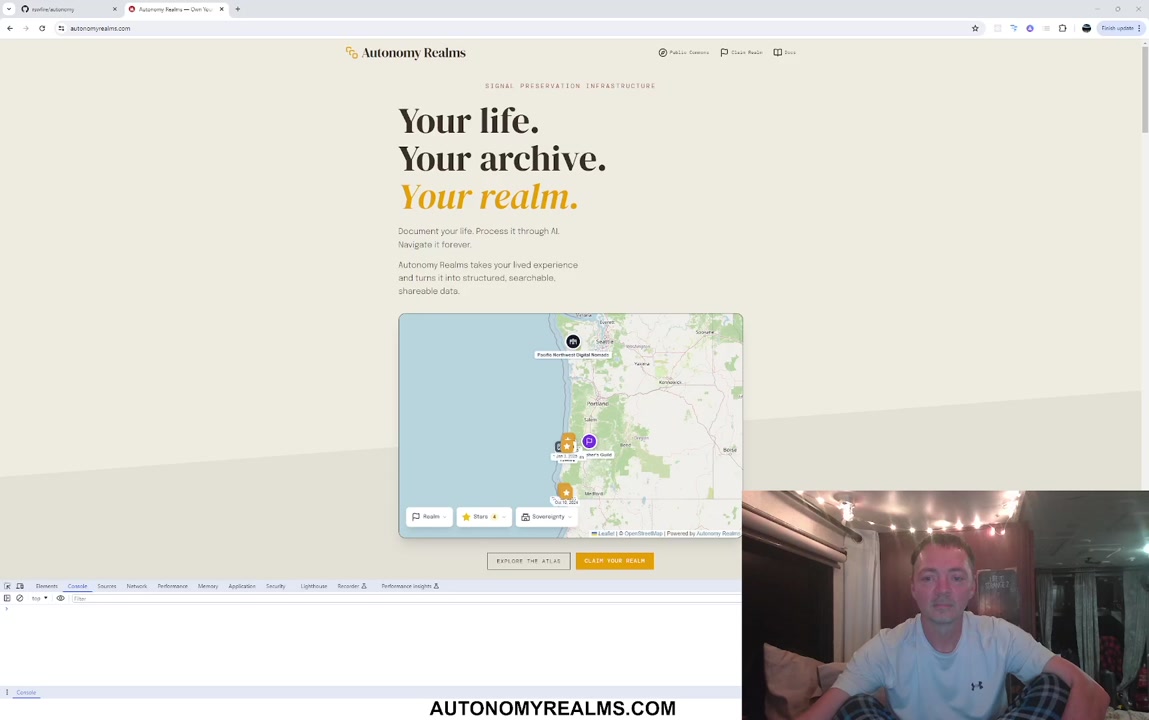
All you got to do is go to autonomyrealms.com, read about it, click on Public Comments Atlas.
[12:49]
That's the map that everybody shares.
[12:51]
If you make your signals public, they appear on this map.
[12:55]
You'll see all of mine on the Oregon coast, and I'm looking forward to the day when you
[13:00]
can zoom out on that map, and suddenly somebody else's signals are right there somewhere else
[13:05]
in the world.
[13:06]
How cool would that be?
[13:07]
And you can sign up right now and do that for free.
[13:12]
Now, even free accounts, so I don't want anything to feel manipulative or anything like that,
[13:18]
so I've been really careful in thinking through how to present all of this.
[13:22]
Like I said, I built this from nothing, so it's on budget hardware right now.
[13:26]
I'm using a Hetzner network, and it's just on budget hardware, but it's robust, it's
[13:32]
optimized, it's perfect.
[13:35]
I can't afford your storage costs and your AI analysis costs.
[13:45]
You know, every time you query an AI, it costs something.
[13:48]
So, I built an entire system around that where you get to control all of that yourself.
[13:52]
So, you can put in your own S3 buckets.
[13:55]
There's a storage.
[13:56]
Put your files, your videos, your photos, wherever you want, any S3 bucket you want,
[14:01]
or use ours, and you get a certain limit.
[14:04]
I've already worked out all the math on this, and you'll see that on the claim page when
[14:08]
you look at the different plans.
[14:10]
And then the AI costs, you can put in your own keys.
[14:13]
So, you can put in OpenAI and Cloud, Anthropic, or you can use ours.
[14:19]
And to use ours, you use a wallet.
[14:22]
You just put some money into your wallet, and then everything that you do in the network
[14:29]
will come out of that if you're using our keys instead of your own.
[14:34]
So, it's built, and it's robust, and it's ready.
[14:39]
Somebody could sign up right now for free, put $5 in their wallet, and start processing
[14:44]
signals right now, putting them on a map somewhere in the world.
[14:50]
Who's that person going to be?
[14:51]
I'm so curious.
[14:54]
And I'm excited.
[14:57]
This is the start of something that I think could be amazing.
[15:03]
For so many people, I'm truly excited to see how people use it, how they document their
[15:11]
own lives, how they share it with others.
[15:13]
I mean, there's just so much.
[15:15]
And it was hard to get to this point.
[15:20]
If you look through my ROM, if you look through my signals, you'll see the journey I went
[15:25]
on over the past year just to build this thing, and then to build it right at the line of
[15:34]
when I might lose my Jeep.
[15:35]
Now, that is just how the world works, right?
[15:43]
I mean, of course, that is where we find ourselves.
[15:54]
It's okay.
[15:55]
Whatever happens, it's okay.
[16:01]
So, I'm going to turn this camera around now.
[16:03]
We're almost to the ocean.
[16:05]
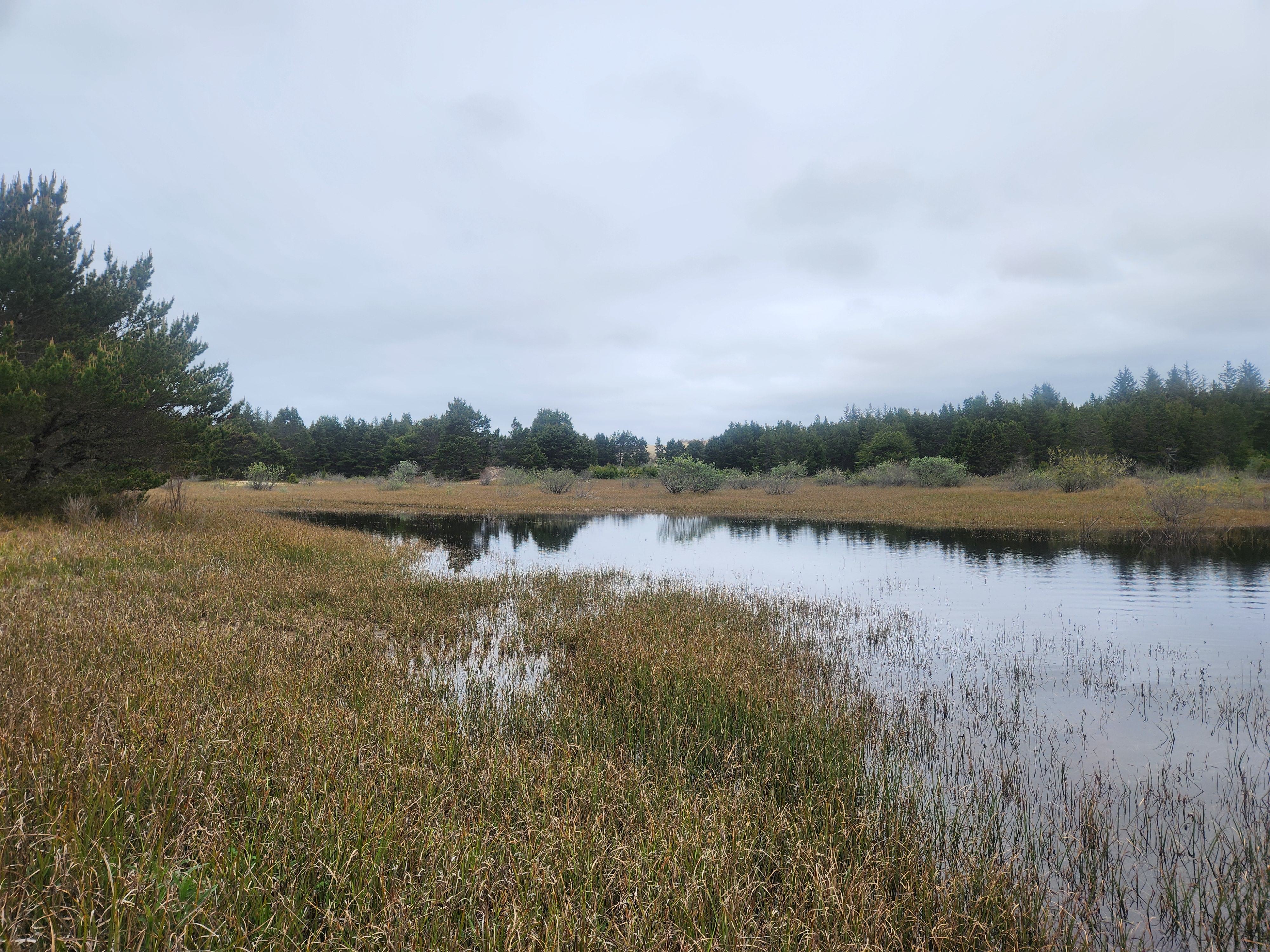
We're approaching an oasis now.
[16:09]
So, we've probably got maybe, I guess, a quarter of a mile, eighth of a mile, something like
[16:12]
that.
[16:13]
I'm just going to turn the camera around, be quiet, and I'm done talking.
[16:16]
And I'll let you go on the rest of this hike with me.
[16:19]
I'll end it at the ocean.
[16:21]
And I hope to see you on autonomy ROMs.
[16:39]
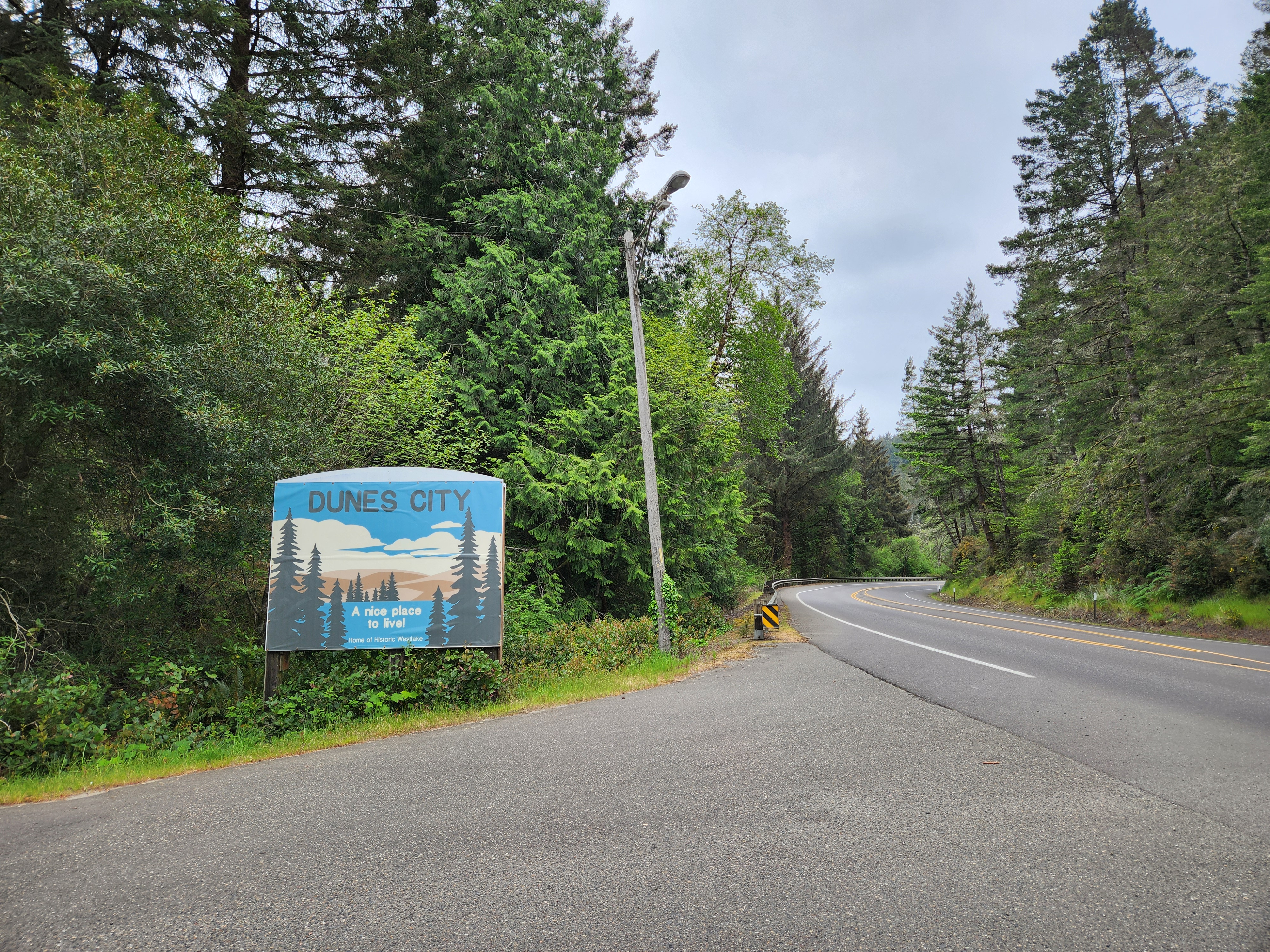
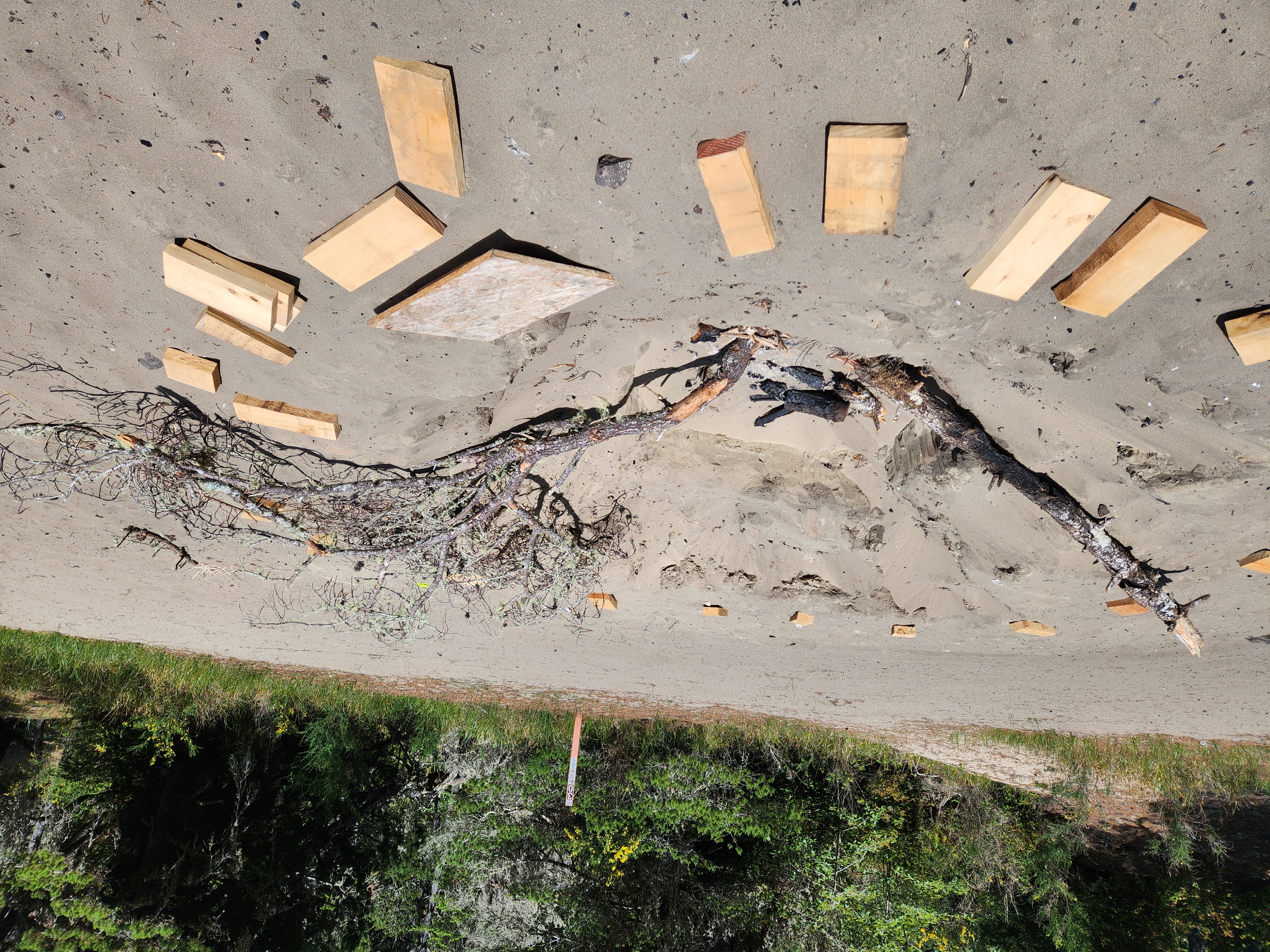
Did I mention we're in the Oregon Dunes?
[16:47]
I probably didn't.
[16:48]
So, this is the Oregon Dunes, Oregon Dunes National Recreation Area.
[16:52]
A caretaker is different from a camp host.
[16:55]
I don't live on a campground.
[16:58]
I don't do that.
[16:59]
I have, but I actually live on restricted federal land behind a locked federal gate.
[17:05]
I just love saying that because it's so crazy to me.
[17:08]
And I drive one of their Forest Service trucks, which, that's crazy to me too as a volunteer.
[17:12]
I go on the route 20 miles a day, cleaning their vault toilets for their day use areas,
[17:19]
changing the trash, you know, keeping the parking lots clean, and just helping out in
[17:23]
any way that I can, and delivering supplies.
[17:26]
So, the logistics part is kind of me.
[17:28]
Really, mostly my boss.
[17:29]
She just tells me what to deliver and where.
[17:32]
It is a wonderful life.
[17:34]
And for doing that, you know, in exchange for doing that, I get a place to park my RV
[17:39]
that I live in, and, you know, I have power, and water, and community, and a life that
[17:48]
I built here.
[17:50]
So, you know, like I said, 90% of my life is just stable and wonderful.
[17:58]
Just getting that last 10%, and I think we're about there now.
[18:01]
I'm really just taking that in, I think.
[18:07]
That's why I needed to see the ocean today.
[18:09]
And here she is.
[18:28]
There she is.
[18:58]
There she is.
[19:28]
There she is.
[19:30]
There she is.