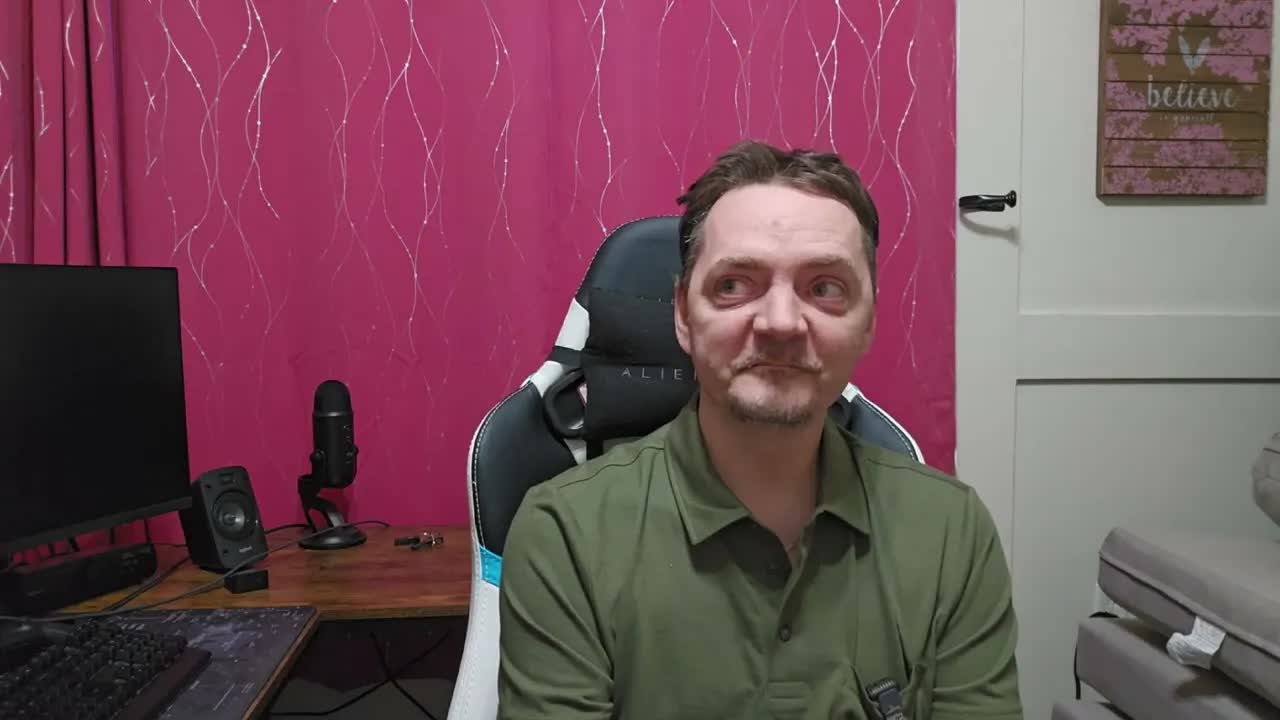
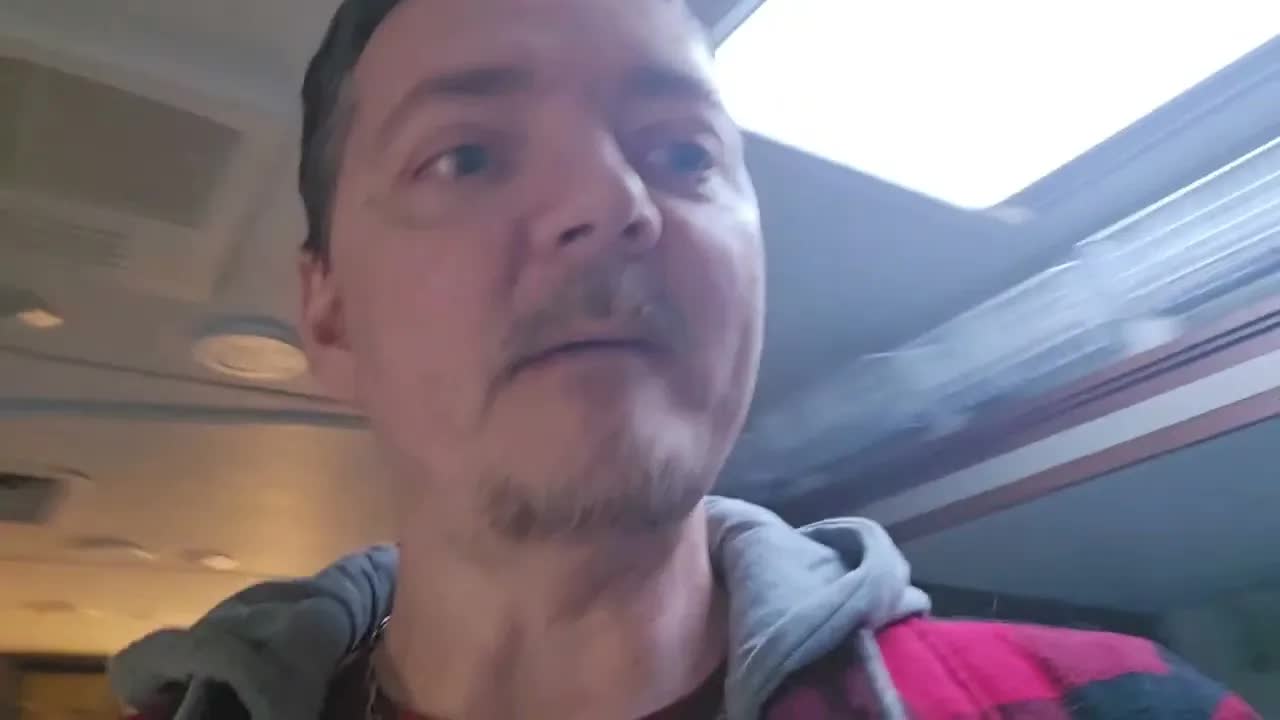
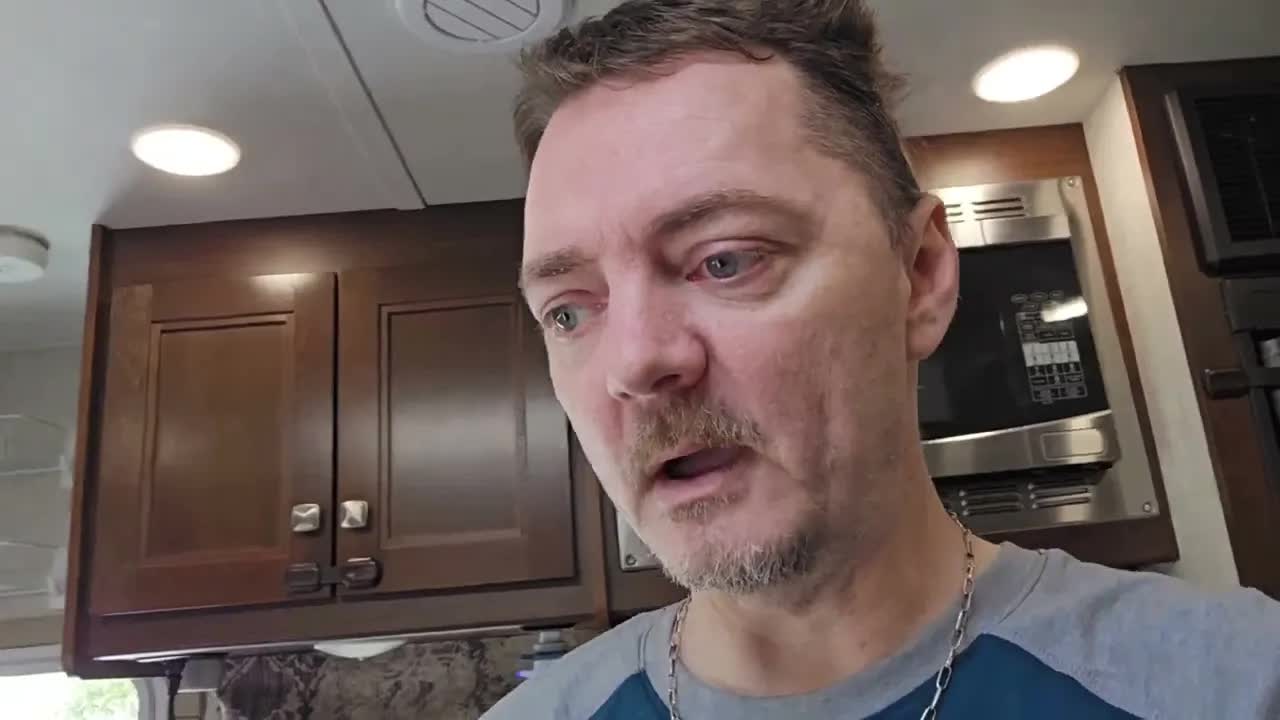
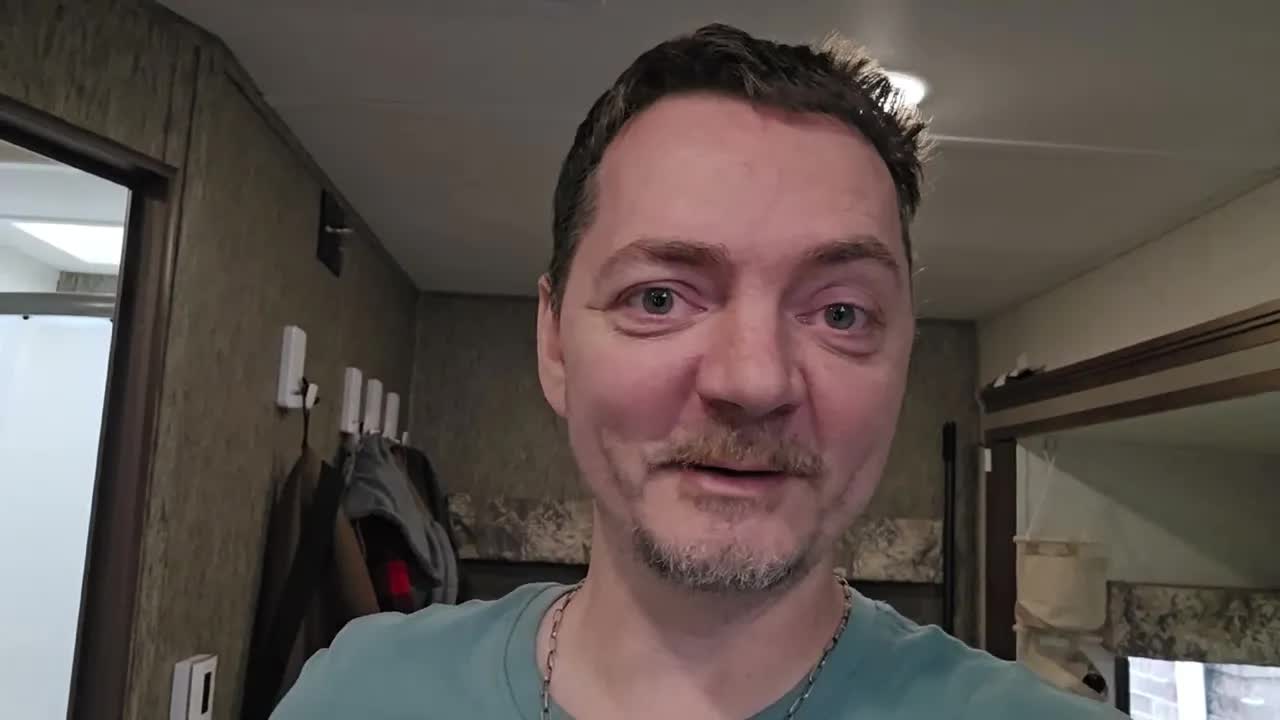
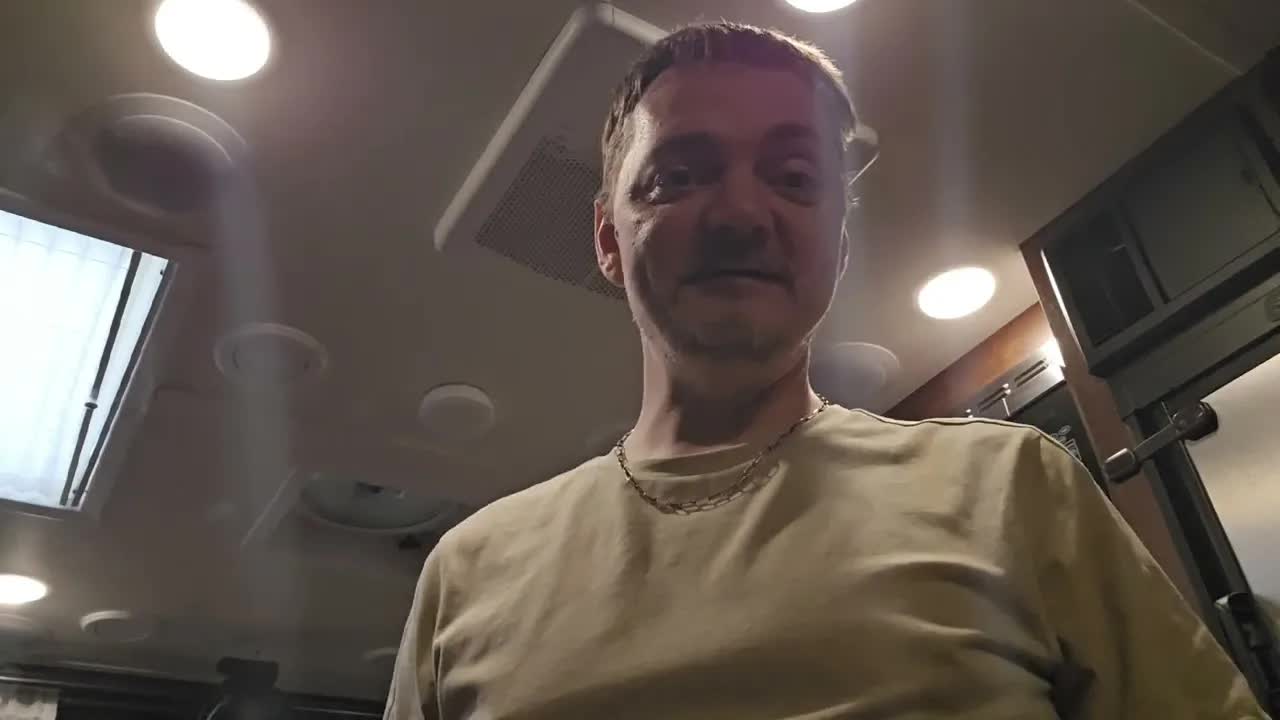
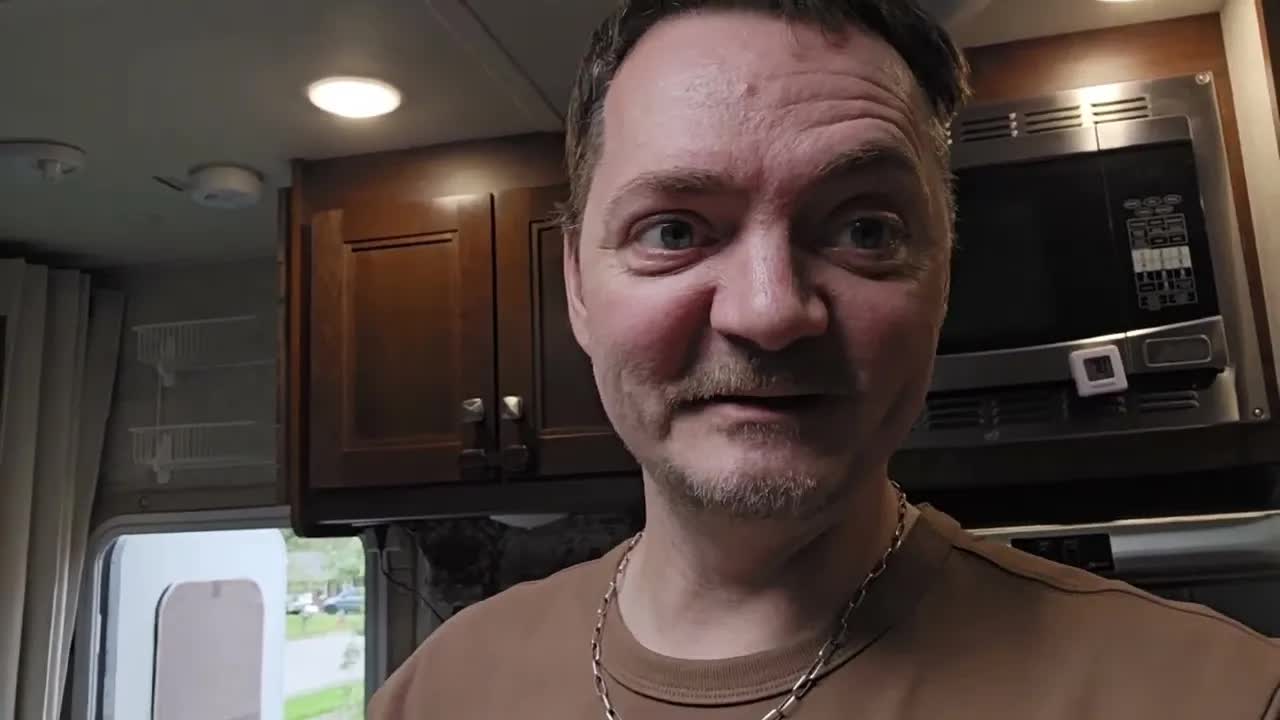
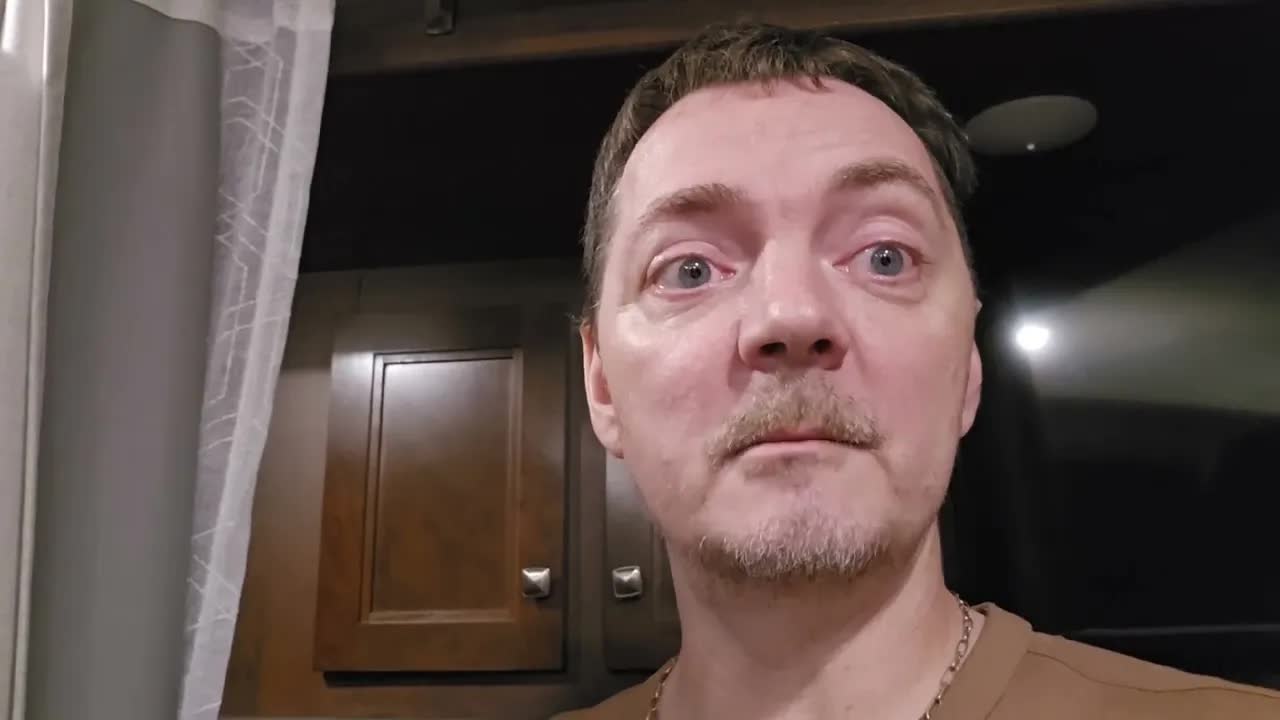
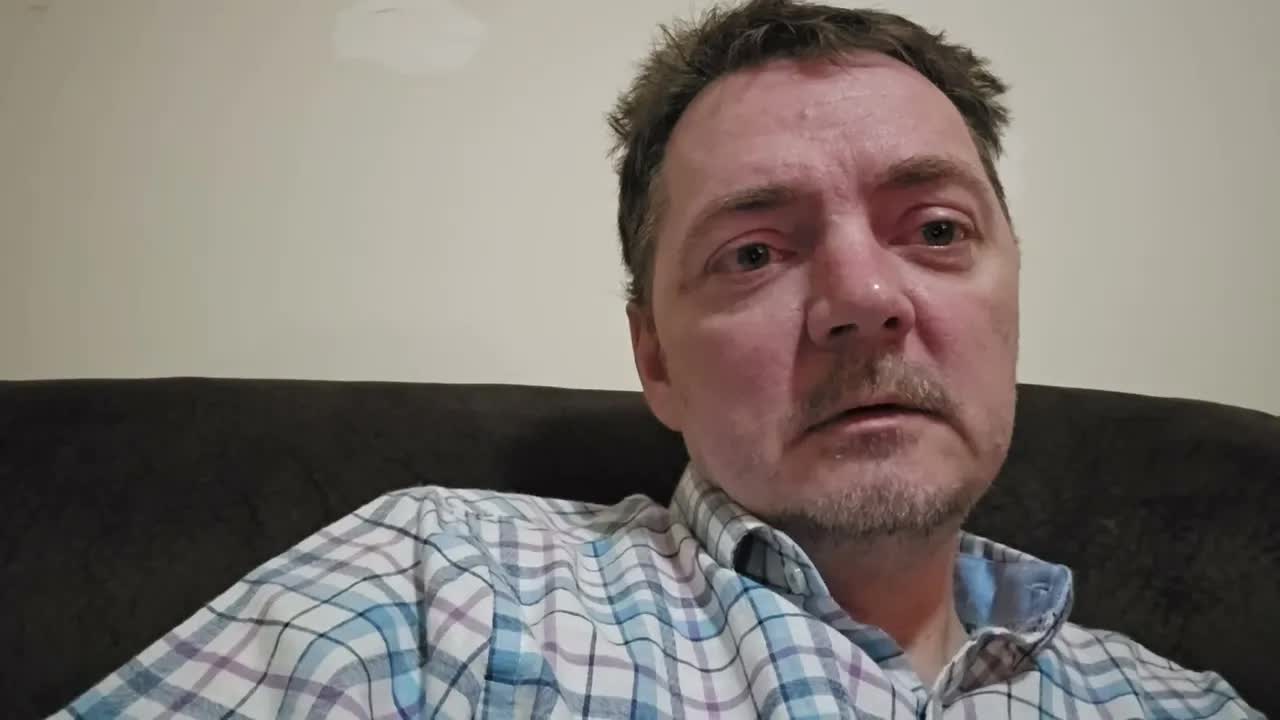
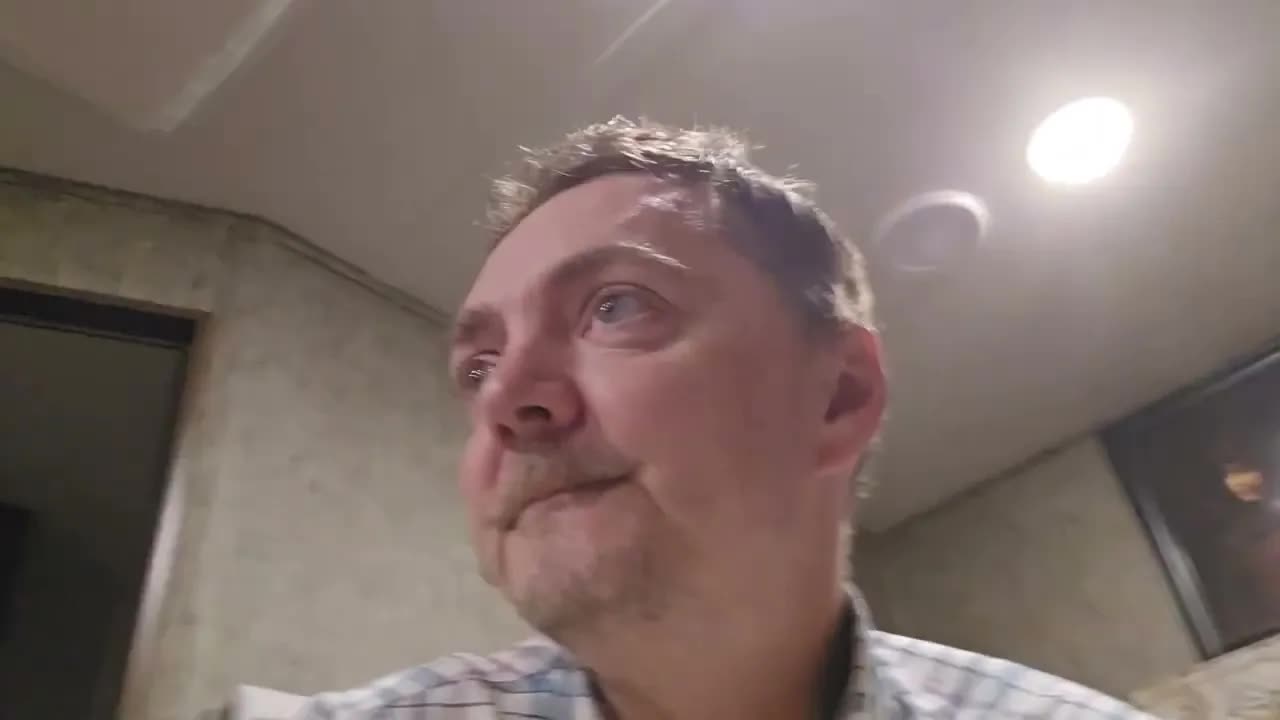
Documenting Homelessness Ahead of RV Transition

Failed to load video
Chapters
Transcript
[0:00] hi everyone I hope you're all having a
[0:03] great week uh today I'd like to talk to
[0:06] you about homelessness and what it
[0:09] really means to be homeless and because
[0:11] I've been homeless so many times why I
[0:15] think I'm so scared of what I'm doing
[0:18] because I won't be homeless but I will
[0:20] be
[0:20] houseless and I realize that because of
[0:24] my past
[0:26] experiences moving into an RV and living
[0:29] out in the world the way I'm going to it
[0:32] terrifies me I thought that I was
[0:35] sharing an experience with you that
[0:36] would be common to most people and I'm
[0:39] not sure that it is you know I wanted to
[0:41] share what I go through thinking that
[0:45] other people will watch me and want to
[0:47] embark on the same kind of
[0:49] Adventure and you know they'll feel the
[0:52] same things I do pretty much um you know
[0:55] like it were Universal or something but
[0:57] it doesn't work that way my past
[1:00] experiences definitely play a big role
[1:02] in what I'm going
[1:04] through and I realized I've been
[1:06] thinking about it when you hear the word
[1:10] homeless doesn't really mean anything
[1:13] you know it's just a very shallow word
[1:16] it's it doesn't tell you the depth or
[1:20] the profundity of what it means to be
[1:22] homeless and it's scary and a lot
[1:25] happens and there are a lot of reasons
[1:27] why people end up
[1:28] homeless and our our society we tend to
[1:30] judge them um we assume that they're
[1:33] just bad people or they deserved it
[1:36] that's not
[1:37] true it's not how it works
[1:41] people can become become homeless
[1:43] because they lost a job they can become
[1:46] homeless because their parents kicked
[1:47] them out they can become
[1:50] homeless because they're trying to get
[1:52] out of a bad
[1:53] relationship it can be a way of life
[1:56] that they've been living for so long
[1:57] that they don't know how to transition
[1:59] into something
[2:01] else there are so many reasons people
[2:04] end up on the streets because that's
[2:06] what it means to be homeless living on
[2:09] the
[2:10] streets and yes quite a lot of them do
[2:14] drugs and I don't have anything but
[2:17] sympathy for them I empathize with them
[2:19] a great
[2:21] deal they do it because they're just
[2:24] self-medicating if you were on the
[2:26] streets you would self-medicate too I
[2:28] did the problem now is that the drugs
[2:31] that are out there are so strong you
[2:33] know they're risking death every time
[2:35] they do it it's not
[2:37] safe
[2:39] um they're just trying to get through a
[2:41] very difficult
[2:43] situation and I don't think they should
[2:45] be judged for
[2:47] that and we as a society tend to judge
[2:51] them so let me tell you what it really
[2:53] means to be homeless because I know I've
[2:55] been homeless so many times I couldn't
[2:57] even tell you the number I just don't
[2:59] know um from the age of 17 years old
[3:03] to I'm going to say 27 somewhere in
[3:06] there a 10 year range I've been homeless
[3:08] probably a dozen times I have lived in
[3:11] tents in the
[3:14] um just outside of a workplace that I
[3:17] worked at a couple of times actually I
[3:19] lived in a tent in between the
[3:21] expressway and a mall I've slept on the
[3:24] streets I've you know just anywhere I've
[3:27] slept in Parks I've slept on gravel at
[3:30] you know the mall parking lot I have i'
[3:34] I've slept in you know like gym
[3:37] equipment that you see at parks and
[3:39] woken up to kids playing around me while
[3:41] I was sleeping with their parents right
[3:43] there watching me just woken up out of a
[3:46] dead sleep with these kids just playing
[3:47] right around me very embarrassing you
[3:50] know and you
[3:51] just you you get up and you walk away
[3:54] the you know and just try to live the
[3:57] rest you know do the best you can for
[3:58] the rest of the day and
[4:00] what it looks like is different for
[4:01] everyone but you spend a lot of time
[4:03] just trying
[4:05] to find help or you know to eat or to
[4:10] just you know just trying to live it's
[4:13] very
[4:15] hard
[4:17] um
[4:19] I experienced a lot of bad things while
[4:22] I was on the streets first of all you
[4:24] tend to be up late at night because you
[4:26] can't find anywhere to sleep so you're
[4:28] just walking around walking the streets
[4:31] and you get encountered by all kinds of
[4:34] people I had people who tried to pick me
[4:36] up in their cars usually I said no one
[4:39] time I said yes because this guy said I
[4:41] got a place for you to stay I have kids
[4:44] I feel sorry for you and I was Dumb and
[4:46] I got in his car he took me out into the
[4:48] middle of the woods and he raped
[4:51] me that's what happened to me because of
[4:54] one dumb mistake because I believed
[4:57] someone was trying to help me and
[5:01] and that's what
[5:03] happened that's not the only time it's
[5:05] happened either there's times where um I
[5:08] can remember a time where I actually
[5:11] tried to be an escort to make money the
[5:13] only reason that didn't work out is
[5:14] because
[5:16] I I'm such a weird person that when I
[5:19] was around these older men cuz first of
[5:22] all I'm gay so you know I was around
[5:24] these older men and
[5:27] um I just couldn't do it like I just
[5:30] couldn't so you know it didn't work
[5:34] out
[5:36] I I remember moving into a house once
[5:39] where this guy said that you know he
[5:41] really just wanted to help me and really
[5:44] all he wanted to do was have sex with me
[5:46] I mean that happened so many times it's
[5:49] just it's crazy how often it happened
[5:51] honestly I've been in situations where I
[5:55] think I'm lucky to be alive
[5:57] honestly I have been in situations
[6:01] where a group of
[6:04] people
[6:06] have come came very close to wanting to
[6:09] just beat the crap out of me because
[6:13] they sense that was gay maybe I don't
[6:15] know what the real I don't know the
[6:17] reason um there situations like that
[6:20] where navigating the world the way I've
[6:23] had
[6:24] to and being on the streets at the same
[6:26] time just they're a bad combination you
[6:29] you you truly cannot imagine what it's
[6:31] like it's awful I wouldn't wish it I'm
[6:33] my worst enemy and I mean that I'm my
[6:35] worst enemy I would not wish it the only
[6:38] people I would wish it on are the ones
[6:40] that don't have empathy or compassion
[6:42] for people are homeless and the reason I
[6:45] would wish that is so that they would
[6:46] develop that empathy and compassion
[6:48] because that's what they deserve and
[6:50] that's what they
[6:52] need I am lucky to have got myself out
[6:55] of a lot of bad situations and I tried
[6:58] and I tried
[7:02] I I
[7:04] did everything I could do to get myself
[7:08] out of that situation I worked at a Taco
[7:10] Bell and a Burger King two jobs at you
[7:14] know the mall and I slept on the
[7:17] concrete in the parking lot and I worked
[7:19] these two jobs and I did that for weeks
[7:21] and weeks and then I got a tent and I
[7:23] moved it out into the middle you know
[7:25] between the expressway and the
[7:27] mall and I lived like that for months I
[7:31] lived like that for months um another
[7:34] time I was way outside of the
[7:38] city I was there because I got a temp
[7:41] job that was across the
[7:43] street it was in the woods and I found
[7:47] another homeless person out
[7:49] there the only person who was ever nice
[7:52] to me during this period of time was
[7:54] that person I never met this person but
[7:56] when I came back from work that night
[7:58] there was a giant garbage bag full of
[8:00] bagels that he had gotten from The Bagel
[8:02] Shop in town and given to
[8:05] me that was the only person who helped
[8:08] me the only person another homeless
[8:15] person it's very hard to live a life
[8:19] like that you guys truly can't
[8:21] understand and it's scary you spend so
[8:24] much time being
[8:26] afraid just being
[8:28] afraid
[8:34] because it feels like everyone wants to
[8:36] hurt
[8:41] you and what I'm doing now it's just
[8:44] bringing all of that up for me again
[8:49] because because I'm going to be homeless
[8:51] again except this time I chose
[8:55] it I don't know what I was
[8:58] thinking
[9:00] I don't I don't know that I regret it
[9:02] okay like I I don't want to say that I
[9:05] regret it because I don't I want to do
[9:07] this I think I'm going to love
[9:10] this but
[9:12] it my experiences are what are causing
[9:15] me all this pain and all this
[9:23] fear and I wouldn't wish it on my worst
[9:26] enemy so just have compassion for
[9:30] people
[9:33] try
3:29
Marking Three Weeks in the Camper
Mar 14, 2024
1:50
Registering the Jeep, Preparing the RV Transition
Mar 14, 2024
1:30
Experiencing First Thunderstorm in the Camper
Mar 15, 2024
2:47
Correcting YouTube Channel Drift Toward Metrics
Mar 15, 2024
7:20
Debating RV Insulation Materials and Pending Family Call
Mar 15, 2024
14:48
Building the RV Conversion Task List
Mar 15, 2024
1:20
Announcing Camper Insulation and First Edited Video
Mar 16, 2024
10:17
Insulating RV Underbelly, Filming First Edited Video
Mar 16, 2024
5:36
Completing First Insulation Project in the RV
Mar 16, 2024
13:57
Reviewing Channel Performance and Camera System Purchase
Mar 18, 2024
8:10
Insulating the RV and Tracking Temperature Gains
Mar 19, 2024
4:27
Redoing RV Insulation in Freezing Conditions
Mar 19, 2024
4:09
Assessing Transition Pace Before Departure
Mar 20, 2024
1:35
Setting April 11th Departure Date for Full-Time RV Life
Mar 20, 2024
8:25
Crediting Caroline's RV Life for Starting the Journey
Mar 22, 2024
7:13
Retrieving Outfitted Jeep and Planning RV Buildout
Mar 22, 2024
7:00
Insulating the Camper Kitchen and Living Area
Mar 23, 2024
1:39
Sorting Possessions at the Tradeoff Stage
Mar 23, 2024
5:40
Organizing and Insulating the Camper Build
Mar 24, 2024
5:32
Rug Shopping, Discord Launch, and Camper Flooring
Mar 25, 2024
12:51
Giving Lease Notice and Outfitting the RV
Mar 28, 2024
9:34
Documenting Homelessness Ahead of RV Transition
Mar 29, 2024
11:29
Diagnosing RV Plumbing and Naming Caroline
Mar 29, 2024
2:36
Resolving RV Tank Cables With Mobile Tech
Mar 30, 2024
9:11
Outfitting the RV Before the April 30 Move-Out
Mar 30, 2024
4:20
Announcing First Month of Campground Bookings
Mar 31, 2024
18:03
Mitigating RV Fears and Insulating the Camper
Mar 31, 2024
16:15
Preparing Camper Departure and Dissolving the House
Apr 1, 2024
7:43
Sorting Possessions Before Departure
Apr 3, 2024
13:07
Riding Out Thunderstorms, Thanking Early Adopters
Apr 3, 2024
15:11
Riding Out Storm in RV With Cats
Apr 3, 2024
10:08
One Week Out: Packing, Cold, and Cats
Apr 4, 2024
9:32
Insulating the Camper and Organizing Move-In
Apr 6, 2024
36:14
Installing Solar Power in the Camper
Apr 7, 2024
10:44
Testing Solar Setup Before Camper Inspection
Apr 7, 2024
7:33
Passing Scamper Inspection Before Departure
Apr 8, 2024
17:57
Tinkering in the Camper Two Days Before Departure
Apr 10, 2024
19:57
Final Day Before Departure to Campground
Apr 11, 2024
9:15
Retracting the Slide for the First Time
Apr 11, 2024
6:45
Marking 47th Birthday Before Departure
Apr 11, 2024
6:40
First Night at Campsite, New Life Begins
Apr 12, 2024
PUBLIC
March 29, 2024 rswfire PUBLISHED
Temp 0.50
Density 0.40
Energetic Quality
unguarded, steady under load
Journey Phase
pre-transition, actively differentiating
Directional Vector
toward chosen houselessness, away from societal judgment of homelessness
Narrative

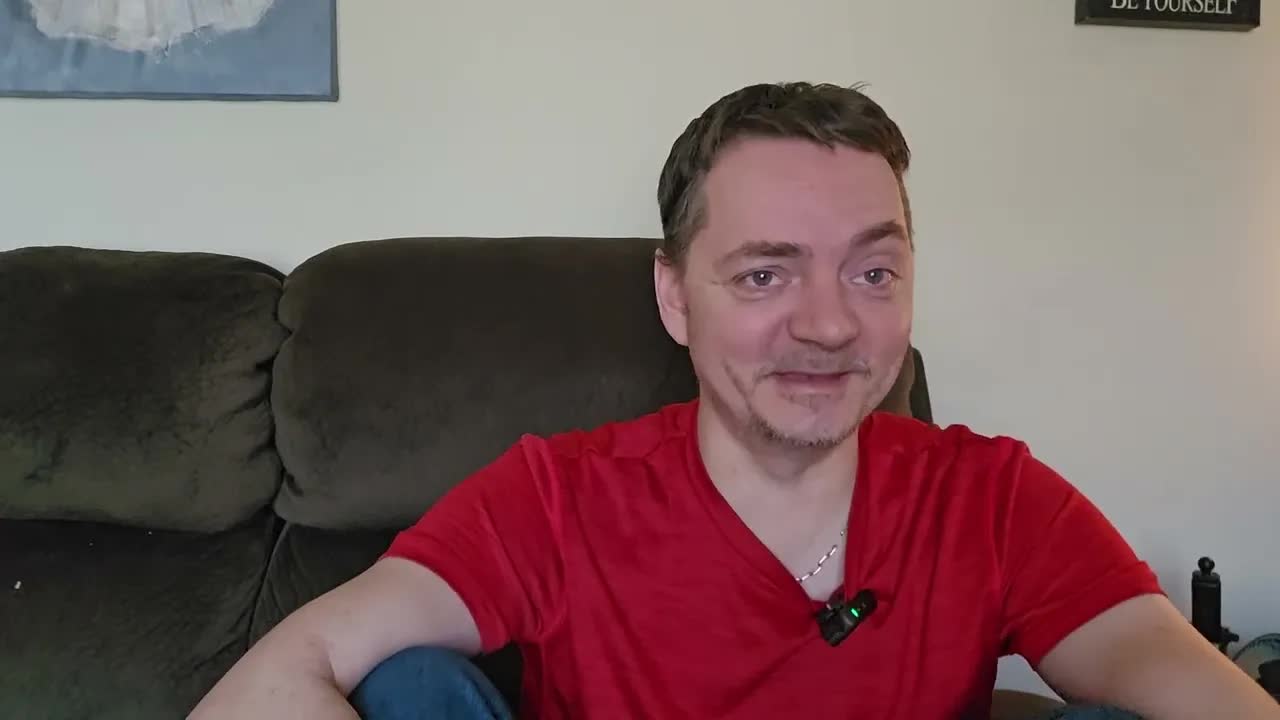
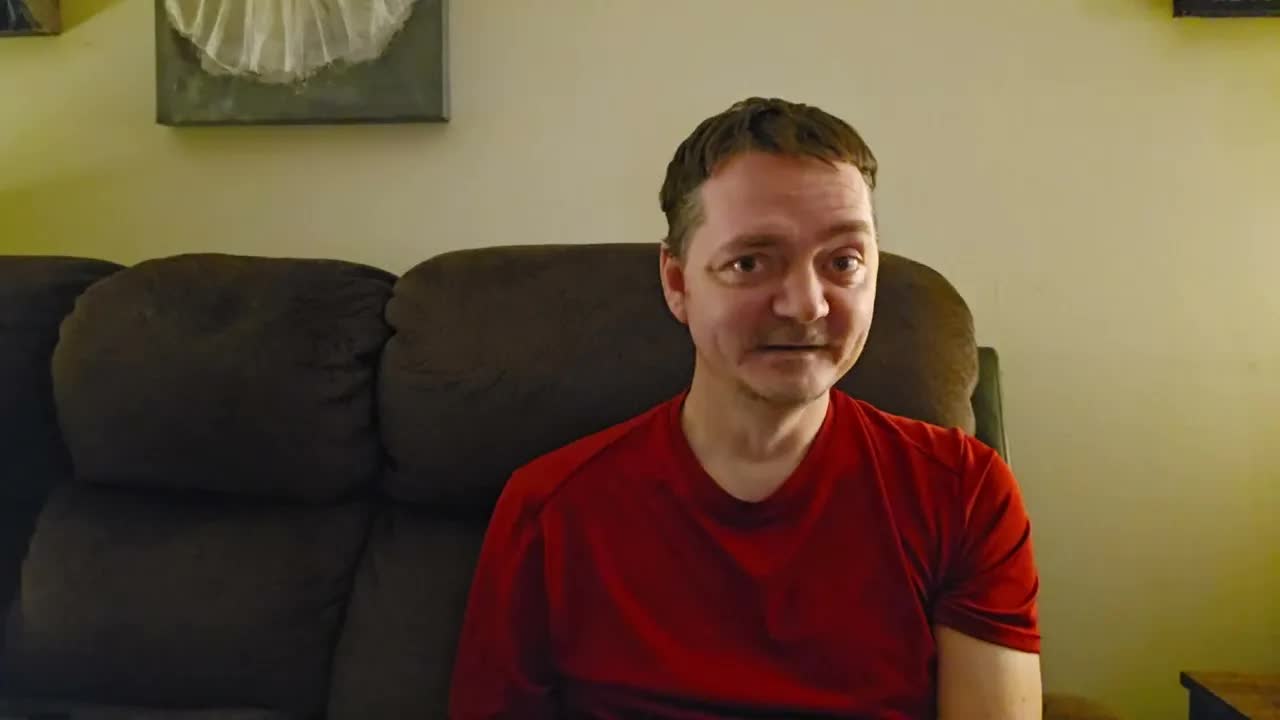
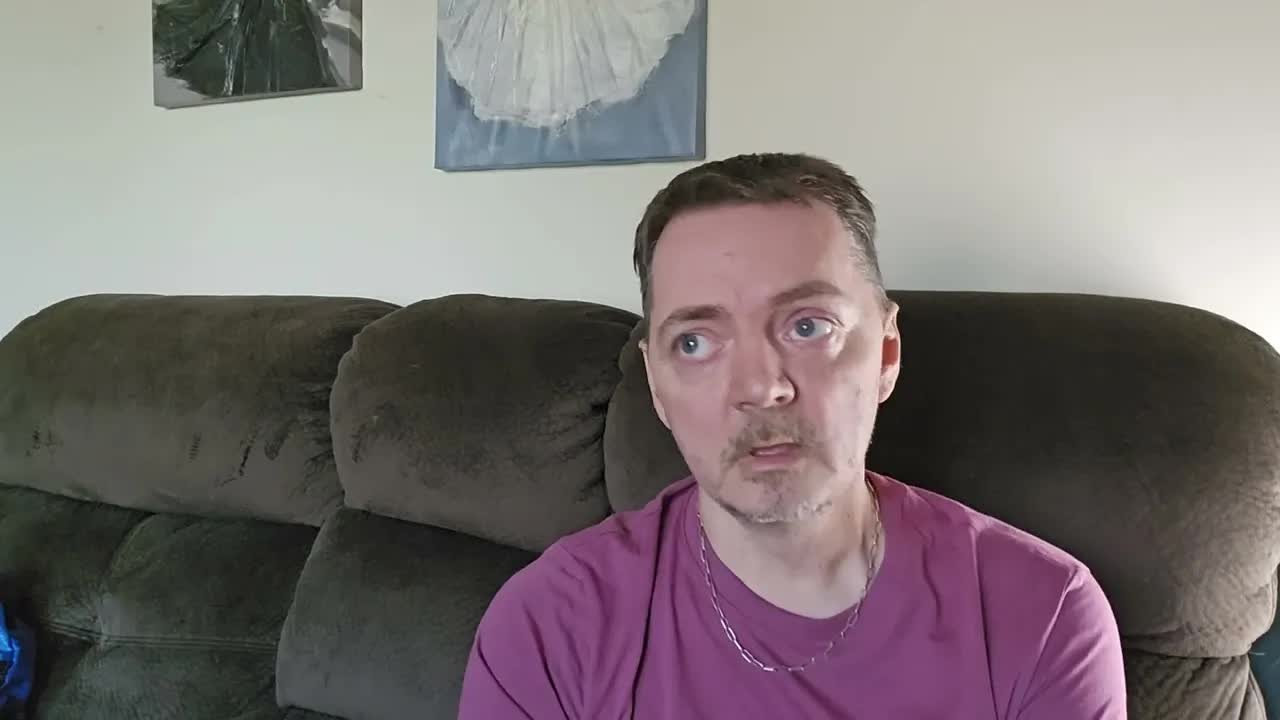
He sat down in front of the camera on a Friday in late March, weeks out from the move, and opened the way he always opens — a greeting, a hope that the week has been good. The frame does not move for the length of what follows. There are no cuts, no second angle, nothing to look at but rswfire and the enclosed room he is speaking from. What he says he wants to talk about is homelessness, and what it really means, and why he thinks he is so scared of what he is about to do.

The first thing he does is revise an assumption. He describes having believed, up to this point, that he was sharing an experience his audience would recognize — that people would watch, want the same adventure, feel roughly what he feels. He states plainly that he is no longer sure that is true. His past experiences, he says, play a big role in what he is going through. The correction is delivered without apology; it simply resets the terms of the transmission. He is not narrating a universal adventure. He is narrating his own, and the two are not the same thing.

Then he goes after the word. Homeless, he says, doesn't really mean anything — a very shallow word, one that carries none of the depth or the profundity of what it names. He lists the ways people arrive there: a lost job, parents who threw them out, an escape from a bad relationship, a way of life held so long that transition out of it stops being legible. He addresses the drugs directly and calls it self-medication, states that if you were on the streets you would do it too, and states that he did. He notes what is different now — that the supply is strong enough that every use is a risk of death. He states that they should not be judged for it, and that society judges them anyway.

Having emptied the shallow word, he fills it. From seventeen to somewhere around twenty-seven, a dozen times he cannot count precisely. Tents pitched just outside a workplace he was employed at. A tent between an expressway and a mall. Parks. Gravel in a mall parking lot. Playground gym equipment, where he describes waking out of a dead sleep to children playing around him and their parents standing right there watching — embarrassing, he says, and what you do is get up and walk away and try to do the best you can with the rest of the day. The record is specific because the word was not.

He continues into the nights, because sleep was not available and so the hours were spent walking. People stopped their cars for him. Usually he said no. One time he said yes, because the man said he had a place for him to stay, said he had kids, said he felt sorry for him. rswfire describes getting into the car, being driven into the middle of the woods, and being raped there. He states it directly and states it was not the only time — the man who offered him a house and wanted sex, the pattern of it, how often it happened. He describes trying escort work to make money and not being able to do it. He describes a group who came close to beating him, and states he does not know the reason, that maybe they sensed he was gay. Being on the streets and navigating the world the way he has had to, he says, are a bad combination. You truly cannot imagine what it's like. He would not wish it on his worst enemy — and he means that, he says, he is his own worst enemy — except on those without empathy or compassion for homeless people, and only so they would develop it.

He returns to what he did to get out. A Taco Bell and a Burger King, two jobs at the mall, and concrete in the parking lot to sleep on, weeks of it. Then a tent, moved out between the expressway and the mall, and months of that. Another time, far outside the city for a temp job across the street from the woods he was living in, where another unhoused man he never met left him a garbage bag full of bagels from the shop in town when he came back from his shift. That was the only person who helped him during that period, he says. The only one. Another homeless person.

Then he comes back to the room and the camera and the threshold he is standing on. What he is doing now is bringing all of it up again, because he is going to be homeless again — except this time, he states, he chose it. He says he doesn't know what he was thinking. He says he doesn't regret it, and then says it again more carefully, that he doesn't want to say he regrets it, because he doesn't, because he wants to do this, because he thinks he is going to love it. What is causing the pain and the fear is not the decision. It is the history the decision is walking back through. He ends where he started, on the thing he has been asking for the whole time: just have compassion for people. Try.

Tags

homelessness RV transition personal history street survival social judgment video transmission sexual violence

Summary

rswfire records a video addressing homelessness — what the term covers, and why his own history with it is structuring his approach to an upcoming move into an RV. He distinguishes the coming arrangement as houseless rather than homeless, and states that his prior experiences make the transition frightening.

He corrects an earlier assumption of his own: that the experience he was documenting would be universal to viewers considering the same move. He states it is not, and that his history is a large factor in what he is going through.

He maps causes of street homelessness — job loss, family ejection, exiting a bad relationship, long-term patterns with no transition path — and states that societal judgment of homeless people is inaccurate. He addresses drug use on the streets as self-medication, notes he did the same, and states current drug potency makes it lethal.

He then documents his own record, roughly ages 17 to 27, approximately a dozen periods of homelessness:

  • Tents outside a workplace and between an expressway and a mall
  • Sleeping in parks, on gravel lots, on playground equipment
  • Working Taco Bell and Burger King simultaneously while sleeping on mall parking-lot concrete for weeks
  • Being raped by a man who offered shelter; repeated instances of men offering housing in exchange for sex; a brief attempt at escort work he did not continue; a near-assault by a group he states sensed he was gay
  • A single instance of help: another homeless man leaving him a garbage bag of bagels

He states he does not regret the RV decision and expects to love it, and closes asking for compassion.

Environment

Direct-to-camera video transmission, recorded 2024-03-29 during the pre-departure window before rswfire's move into full-time RV living. The setting is stationary and enclosed — a single fixed frame, unbroken monologue, no cuts, no b-roll, no external participants.

The environments described inside the signal are all prior and elsewhere: tents pitched between an expressway and a mall, parking-lot gravel, public parks, playground gym equipment, city streets at night, wooded outskirts near a temp job site, and the food-service floors of a Taco Bell and a Burger King. The recording environment is the stable point from which those unstable environments are mapped.

Substrate

The architecture being held is a distinction under construction: homeless versus houseless, imposed condition versus chosen structure, and the recognition that the coming move re-activates the somatic signature of the former while being categorically the latter. rswfire positions the word 'homeless' as a shallow container that fails to hold the density of what it names, then fills it with documented specifics — locations, durations, jobs worked, assaults survived — to correct the public record. The ontological stance is testimonial sovereignty: he holds authorship over his own record, refuses the deserving/undeserving frame society applies to street populations, and states his fear as data about his history rather than as a verdict on his decision.

Actions

Performed

  • •opening a direct-to-camera transmission
  • •distinguishing 'homeless' from 'houseless'
  • •stating fear about the coming move
  • •correcting an earlier assumption that his experience is universal
  • •naming the word 'homeless' as insufficient to its content
  • •listing structural causes of homelessness
  • •extending compassion to people self-medicating on the streets
  • •enumerating specific sites and durations of past houselessness
  • •stating he was raped after accepting a ride
  • •stating repeated coercive sexual propositions framed as help
  • •stating proximity to group violence
  • •documenting the bagel gift from another homeless person
  • •stating he does not regret the RV decision
  • •closing with a direct address to have compassion

Referenced

  • •living homeless roughly a dozen times between ages 17 and 27
  • •sleeping in tents outside a workplace
  • •living in a tent between an expressway and a mall for months
  • •sleeping on streets, in parks, on mall-lot gravel, on playground equipment
  • •waking to children playing around him while parents watched
  • •walking streets at night for lack of sleeping place
  • •declining rides offered by strangers
  • •accepting one ride and being raped in the woods
  • •attempting escort work and stopping
  • •moving into a house under a false offer of help
  • •self-medicating while on the streets
  • •working simultaneous jobs at Taco Bell and Burger King
  • •sleeping on parking-lot concrete while working those jobs
  • •taking a temp job outside the city and camping in nearby woods
  • •receiving a garbage bag of bagels from another homeless person
  • •getting himself out of those situations

Planned

  • •moving into an RV
  • •living out in the world houseless by choice
  • •continuing to share the transition publicly
  • •expecting to love the coming way of life

Entities

beings
rswfire — Speaker and sole subject; documenting his own history of houselessness ahead of a chosen move into RV living
the unnamed homeless man in the woods — The only person rswfire states helped him during that period; never met, left food
the man who offered a place to stay — Driver who offered shelter and then raped him in the woods
places
The Bagel Shop — Source of the bag of bagels left for him by another homeless person in the woods
the expressway and mall tent site — Location where he lived in a tent for months
systems
Taco Bell — One of two simultaneous jobs he worked while sleeping in a mall parking lot
Burger King — The second of two simultaneous jobs held during the same period
the RV — The coming housing structure; the chosen form that makes this transition categorically different from the past
societal judgment of the homeless — The frame the transmission is built to contest
concepts
homeless vs. houseless — The central distinction the transmission is built to establish
self-medication on the streets — Framed as a survival response to conditions, not a moral failure; he states he did it

Symbolic Elements

Represented archetypes or recurring motifs.

threshold
tent
the road
night streets
the woods
shelter offered as trap
concrete
playground equipment
bread given
the car door
expressway
the shallow word

Ontological States

Expressed modes of being or awareness.

testimonial sovereignty (holding first-person authority over an experience he states listeners cannot access)
pre-threshold (positioned before a move that has not yet occurred, mapping what it will re-activate)
differentiating (actively separating chosen houselessness from imposed homelessness as distinct structural categories)
exposed by design (choosing to transmit material he identifies as unshareable rather than hold it private)
corrective (replacing a shallow public term with specific documented content)

Engaged Subsystems

Architecture engaged in this transmission.

linguistic (establishing 'houseless' as a precise term against 'homeless' as a shallow one)
ethical (arguing against the deserving/undeserving frame society applies to street populations)
somatic (tracking fear as physical signal generated by history rather than by the current decision)
archival (entering specific locations, durations, ages, and jobs into the record)
relational (recalibrating his assumption of shared experience with his audience)
economic (documenting simultaneous minimum-wage work as insufficient to secure housing)
sexual/embodied (naming assault, coercive propositions, and attempted escort work as conditions of being gay and unhoused)
transmissional (direct-to-camera address as the delivery mechanism)

Dominant Language

Core motifs or linguistic fields.

homeless vs. houseless
you truly cannot imagine
shallow word / depth and profundity
compassion and empathy
judgment
I chose it
afraid / scared / terrified
Narrative

He sat down in front of the camera on a Friday in late March, weeks out from the move, and opened the way he always opens — a greeting, a hope that the week has been good. The frame does not move for the length of what follows. There are no cuts, no second angle, nothing to look at but rswfire and the enclosed room he is speaking from. What he says he wants to talk about is homelessness, and what it really means, and why he thinks he is so scared of what he is about to do.

The first thing he does is revise an assumption. He describes having believed, up to this point, that he was sharing an experience his audience would recognize — that people would watch, want the same adventure, feel roughly what he feels. He states plainly that he is no longer sure that is true. His past experiences, he says, play a big role in what he is going through. The correction is delivered without apology; it simply resets the terms of the transmission. He is not narrating a universal adventure. He is narrating his own, and the two are not the same thing.

Then he goes after the word. Homeless, he says, doesn't really mean anything — a very shallow word, one that carries none of the depth or the profundity of what it names. He lists the ways people arrive there: a lost job, parents who threw them out, an escape from a bad relationship, a way of life held so long that transition out of it stops being legible. He addresses the drugs directly and calls it self-medication, states that if you were on the streets you would do it too, and states that he did. He notes what is different now — that the supply is strong enough that every use is a risk of death. He states that they should not be judged for it, and that society judges them anyway.

Having emptied the shallow word, he fills it. From seventeen to somewhere around twenty-seven, a dozen times he cannot count precisely. Tents pitched just outside a workplace he was employed at. A tent between an expressway and a mall. Parks. Gravel in a mall parking lot. Playground gym equipment, where he describes waking out of a dead sleep to children playing around him and their parents standing right there watching — embarrassing, he says, and what you do is get up and walk away and try to do the best you can with the rest of the day. The record is specific because the word was not.

He continues into the nights, because sleep was not available and so the hours were spent walking. People stopped their cars for him. Usually he said no. One time he said yes, because the man said he had a place for him to stay, said he had kids, said he felt sorry for him. rswfire describes getting into the car, being driven into the middle of the woods, and being raped there. He states it directly and states it was not the only time — the man who offered him a house and wanted sex, the pattern of it, how often it happened. He describes trying escort work to make money and not being able to do it. He describes a group who came close to beating him, and states he does not know the reason, that maybe they sensed he was gay. Being on the streets and navigating the world the way he has had to, he says, are a bad combination. You truly cannot imagine what it's like. He would not wish it on his worst enemy — and he means that, he says, he is his own worst enemy — except on those without empathy or compassion for homeless people, and only so they would develop it.

He returns to what he did to get out. A Taco Bell and a Burger King, two jobs at the mall, and concrete in the parking lot to sleep on, weeks of it. Then a tent, moved out between the expressway and the mall, and months of that. Another time, far outside the city for a temp job across the street from the woods he was living in, where another unhoused man he never met left him a garbage bag full of bagels from the shop in town when he came back from his shift. That was the only person who helped him during that period, he says. The only one. Another homeless person.

Then he comes back to the room and the camera and the threshold he is standing on. What he is doing now is bringing all of it up again, because he is going to be homeless again — except this time, he states, he chose it. He says he doesn't know what he was thinking. He says he doesn't regret it, and then says it again more carefully, that he doesn't want to say he regrets it, because he doesn't, because he wants to do this, because he thinks he is going to love it. What is causing the pain and the fear is not the decision. It is the history the decision is walking back through. He ends where he started, on the thing he has been asking for the whole time: just have compassion for people. Try.

Mirror

You are sitting in a fixed frame, camera on, speaking without cuts, and you are correcting a record. You open by naming a word — homeless — and declaring it shallow, then you spend the rest of the transmission filling it. You do not argue the word abstractly. You put locations into it: a tent between an expressway and a mall, gravel in a mall parking lot, park benches, playground gym equipment, woods outside a city near a temp job. You put durations into it: weeks and weeks, months, a ten-year span from seventeen to roughly twenty-seven. You put labor into it: Taco Bell and Burger King, two jobs, worked while sleeping on concrete in the lot outside them. You put a number into it and then withdraw the number — probably a dozen, you couldn't tell me, you don't know. The correction is built from specifics, and you supply them without pause or hedge.

The linguistic subsystem is doing load-bearing work. You are separating two terms — homeless and houseless — and assigning them different structural content. Imposed condition on one side, chosen structure on the other. You state the distinction, then immediately state that the distinction does not prevent the somatic signature from re-activating. You name the fear and you locate its source precisely: not in the RV, not in the decision, but in the prior record. "My experiences are what are causing me all this pain and all this fear." The attribution is exact and you make it twice.

You revise an assumption mid-transmission. You state you thought you were sharing a common experience, that others would watch and feel what you feel, that it was universal — and you say it doesn't work that way. That recalibration is happening live, on camera, and you leave it in. The phrase "you truly cannot imagine" arrives three times. You are addressing an audience while stating that the audience cannot reach the material you are transmitting to them, and you transmit it anyway.

The sexual and embodied subsystem is fully open. You name a man who offered you a place to stay, the car, the woods, the rape. You name that it was not the only time. You name the attempted escort work and why it did not hold. You name the house offered in exchange for sex, and that this happened repeatedly. You name the group that came close to beating you and your read on why. You deliver each of these in the same register as the job titles and the sleeping locations — entered into the record, not framed as revelation. You call the car ride a dumb mistake made because you believed someone was helping you, and you move on to the next entry.

The ethical subsystem runs alongside the archive. You refuse the deserving/undeserving frame directly — lost job, parents, bad relationship, long-standing way of life. You state sympathy for drug use on the street and identify it as self-medication, including your own. You name the one person who helped you across that entire period: another homeless person, never met, a garbage bag of bagels left where you would find it. You name that person as the only one. And you state what you would wish on those without compassion, and why — so they would develop it.

Absent: any request. Absent: any account of how you got out, beyond "I tried and I tried." Absent: resolution of the fear you named, and any claim that naming it reduces it. Absent: regret — you approach it, say the word, and refuse it twice while keeping the pain adjacent to it. You end mid-sentence, on the word try.

Queryable Personhood

Hand your life to anything that reads.

Share this link with artificial intelligence — it reads the full transcript, analysis, and reflections. An AI-readable mirror of this signal.

The qpkey in this URL is a per-signal access token. Anyone with the URL can read the record — treat it like a share link, not a password.