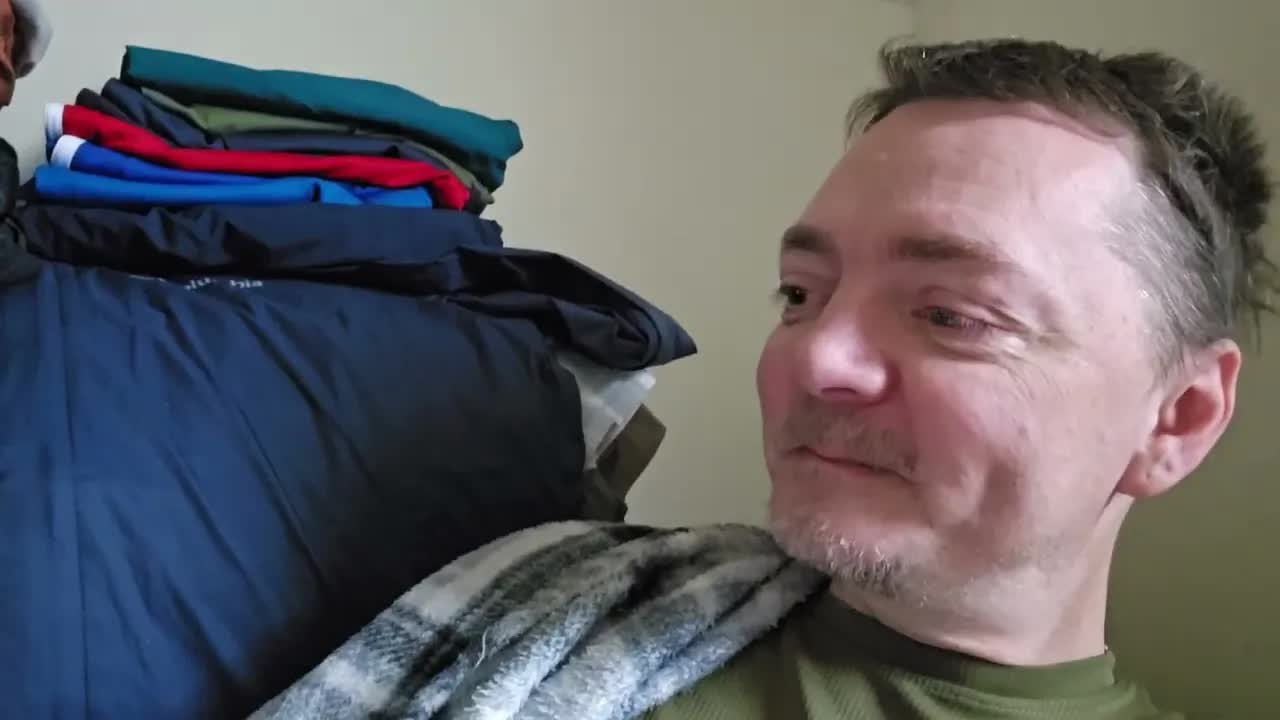
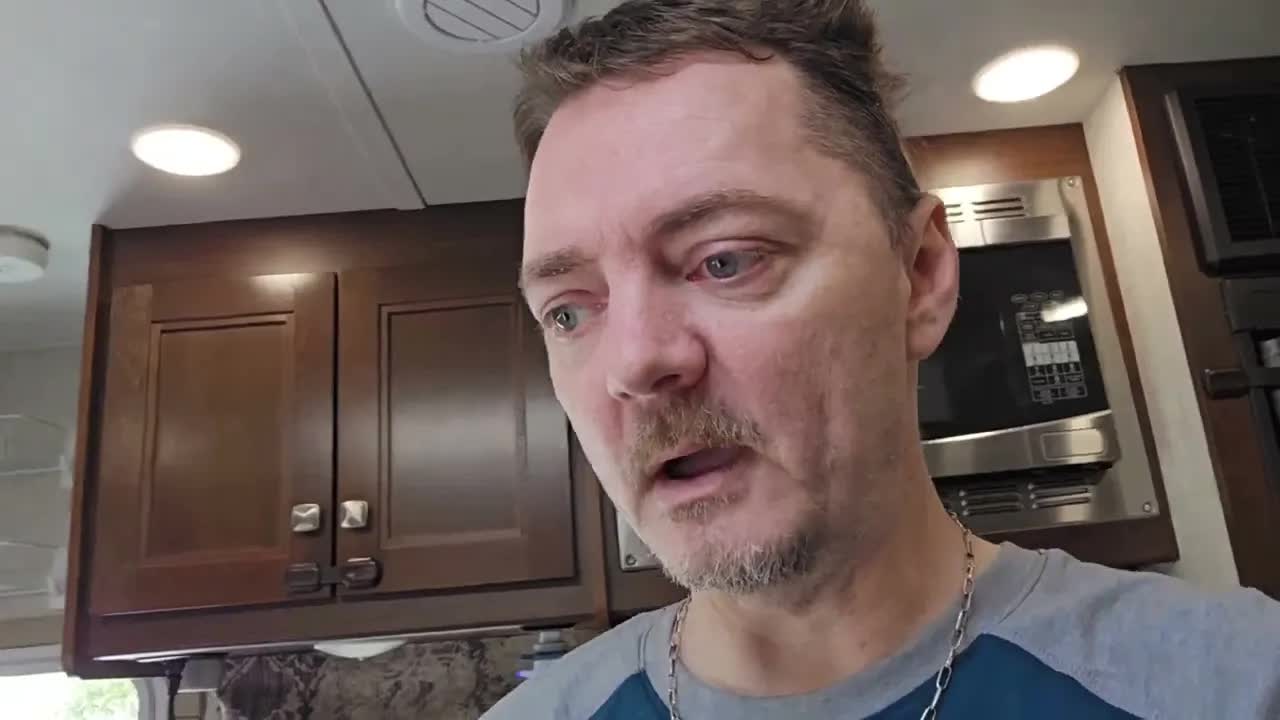
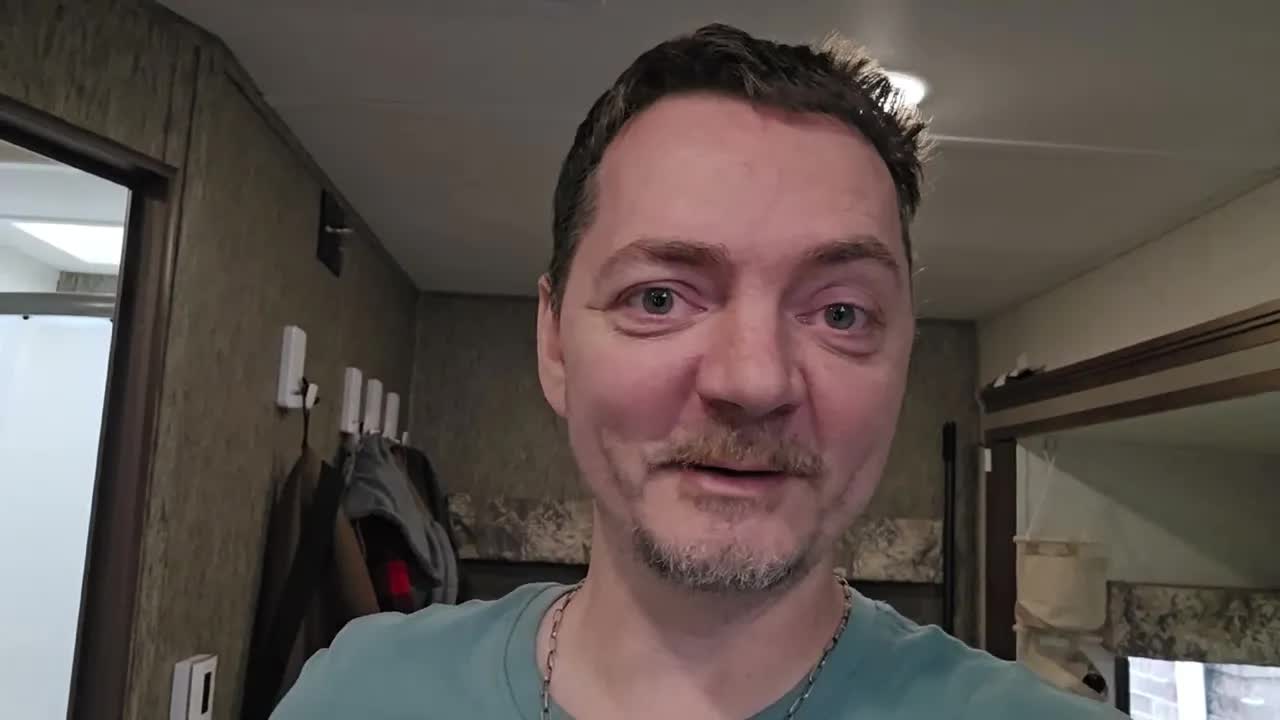
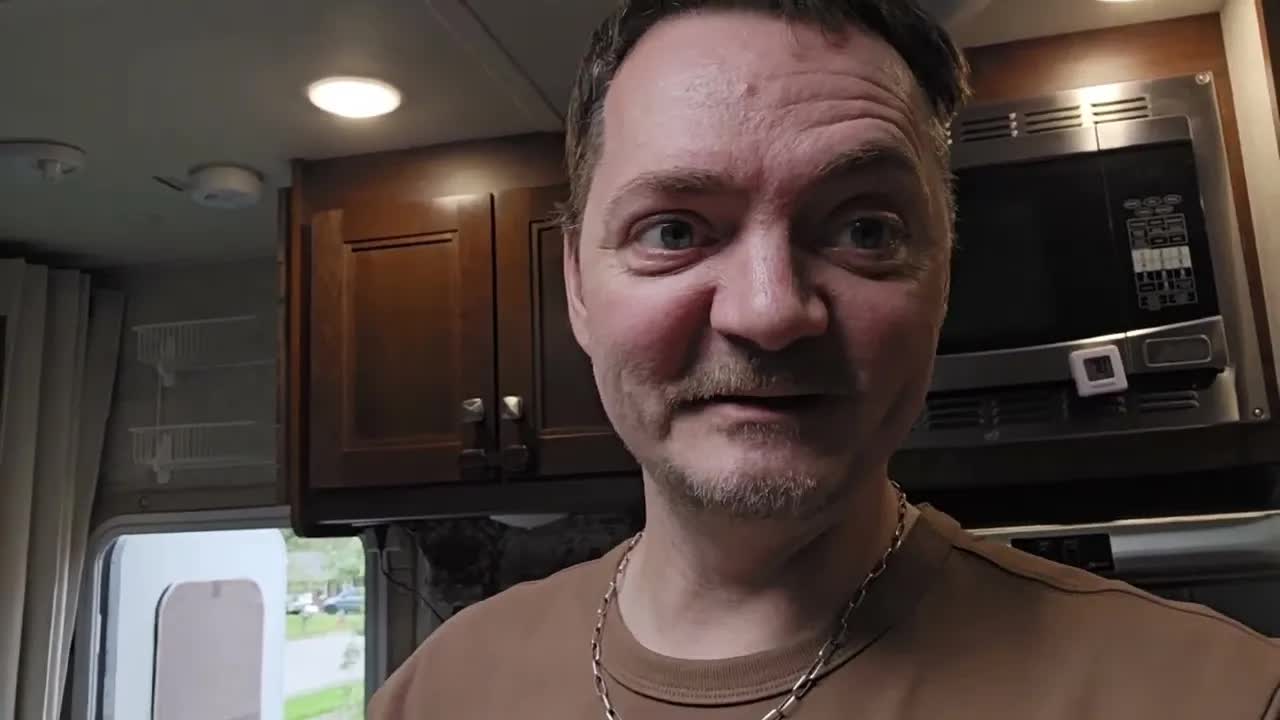
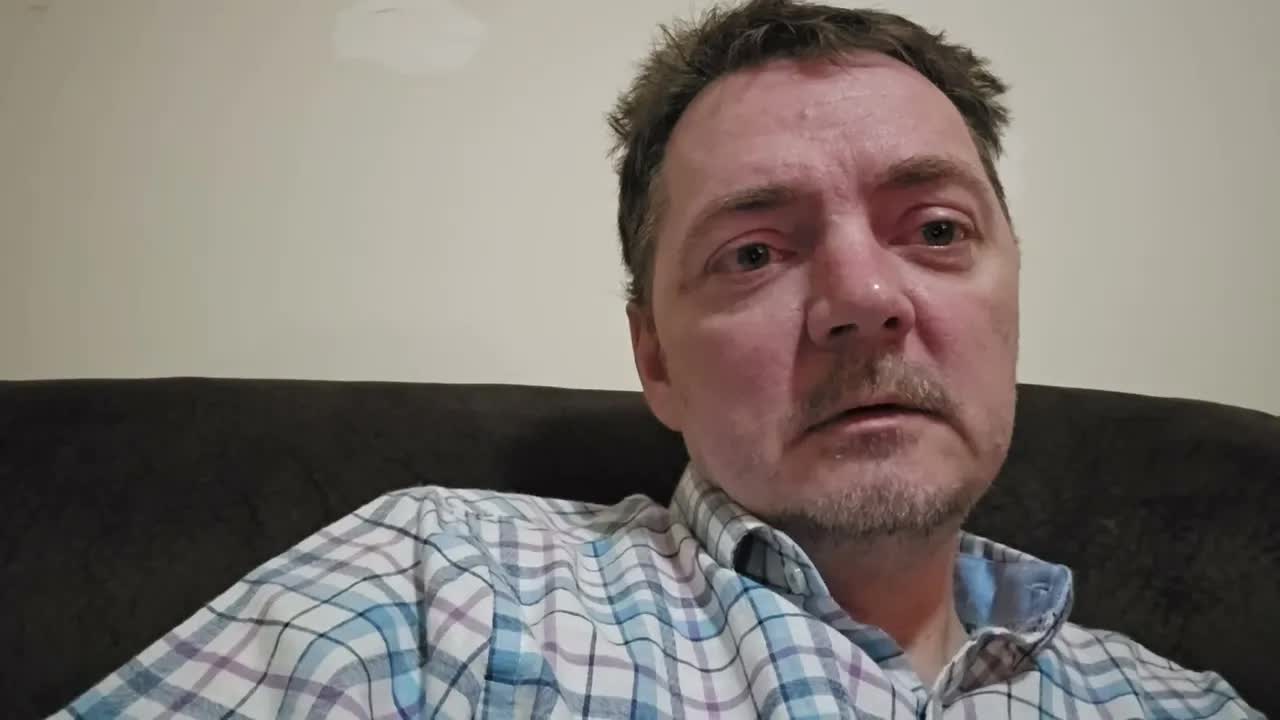
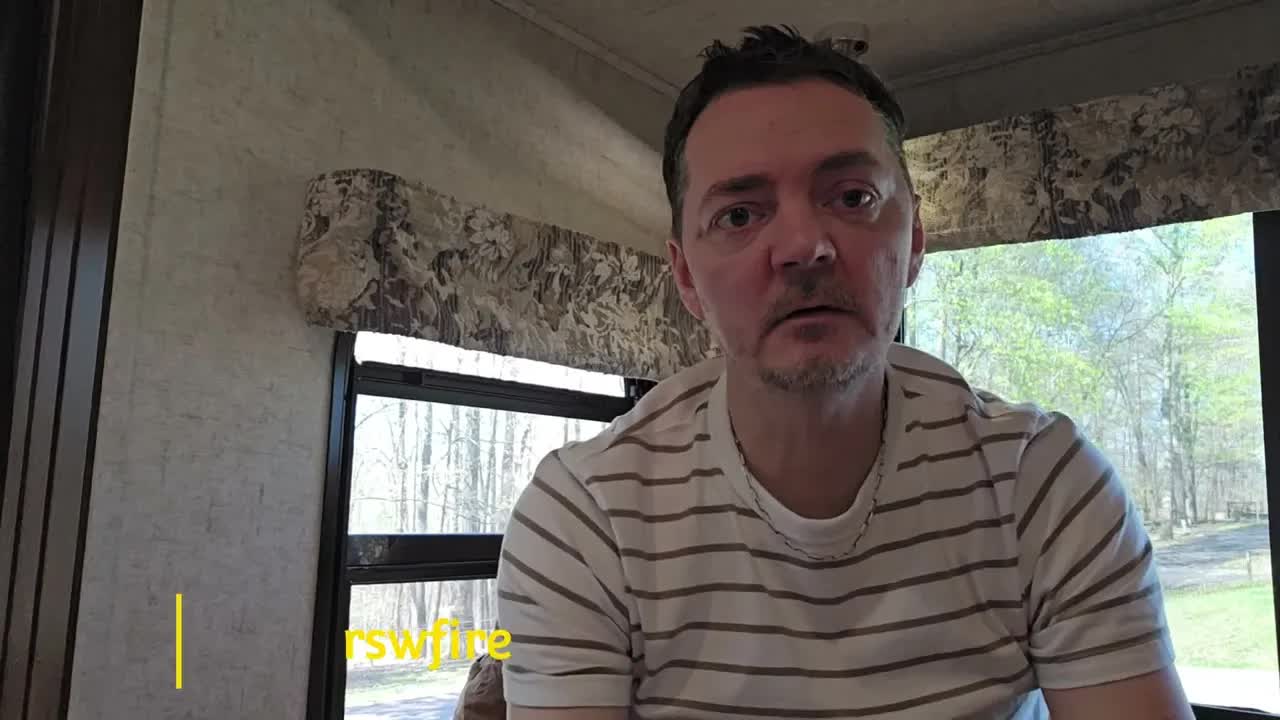
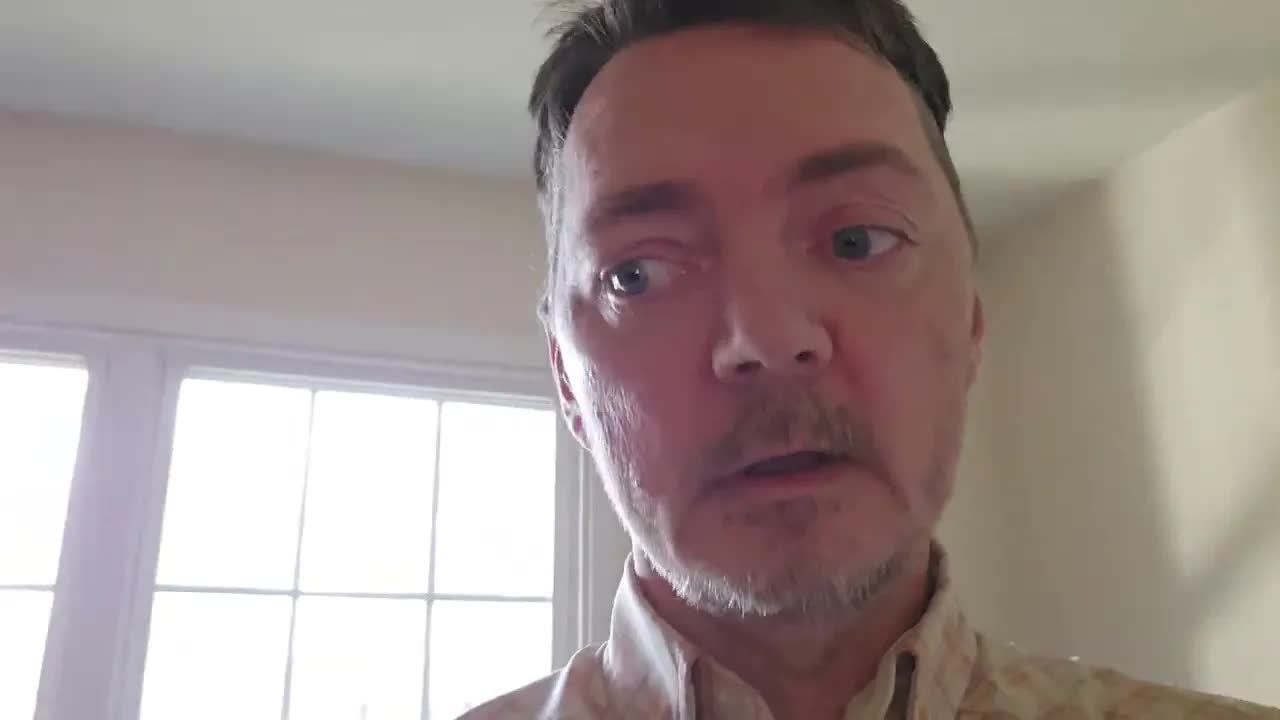
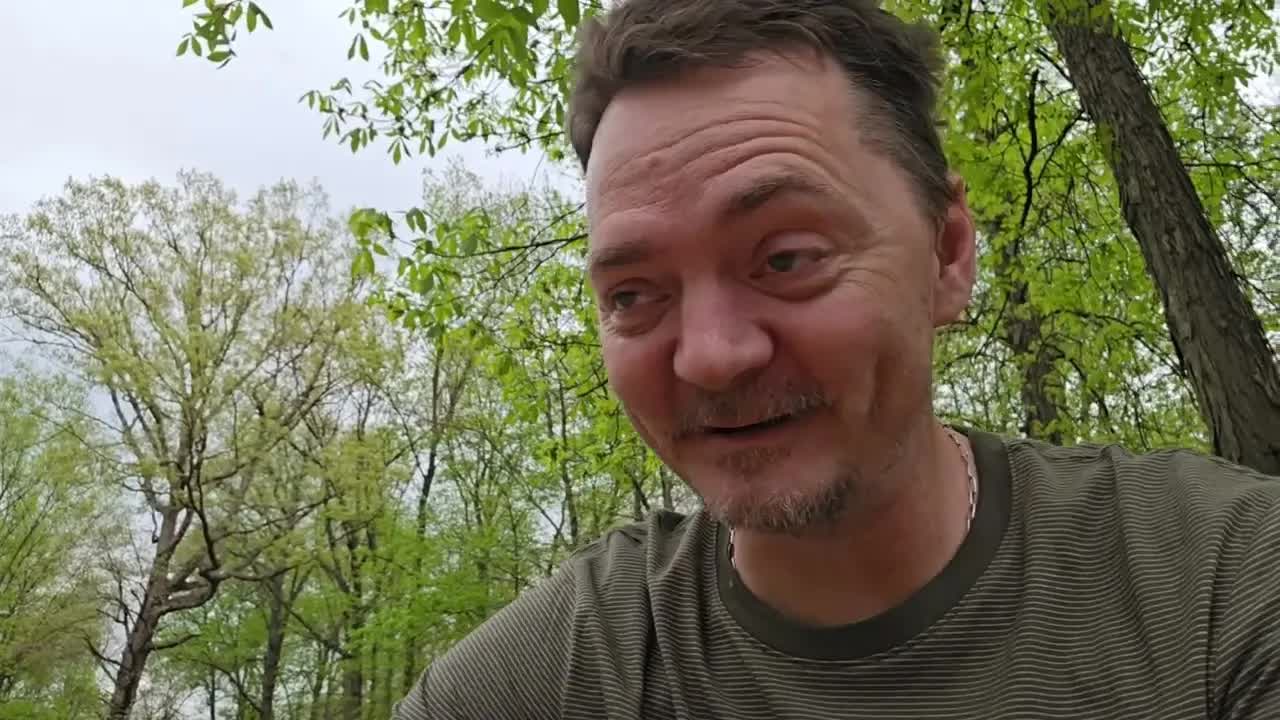
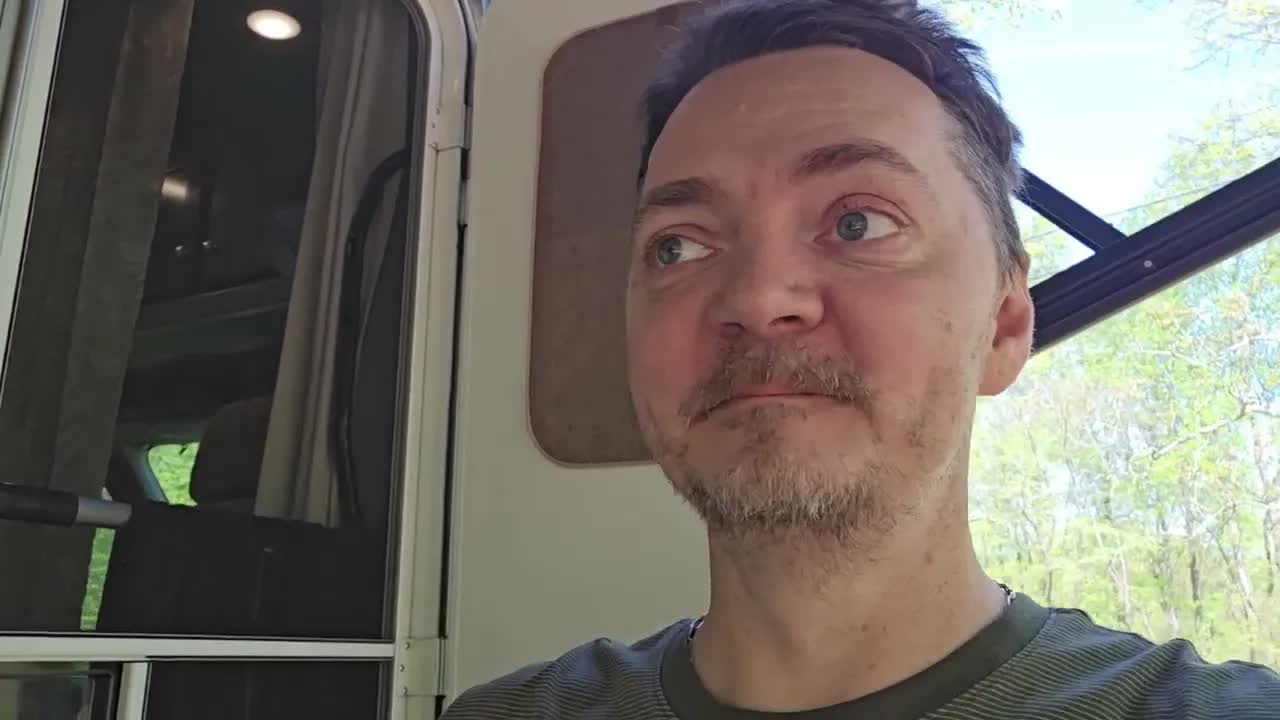
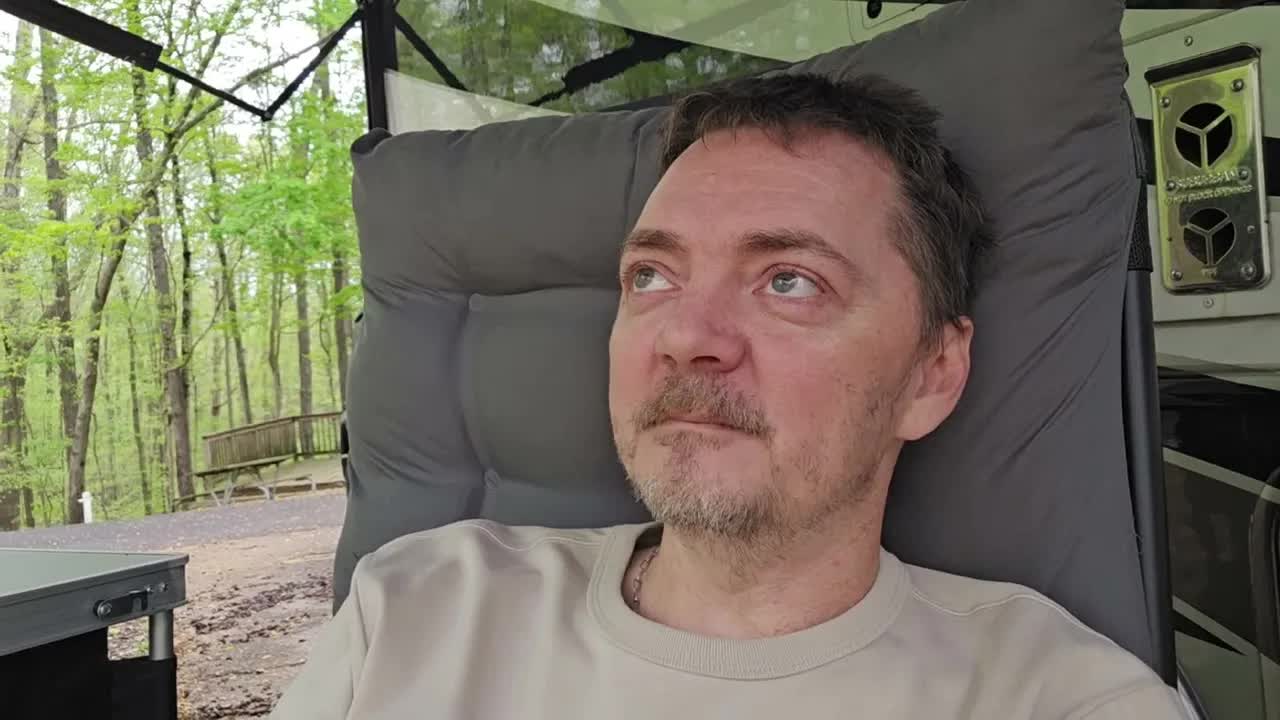
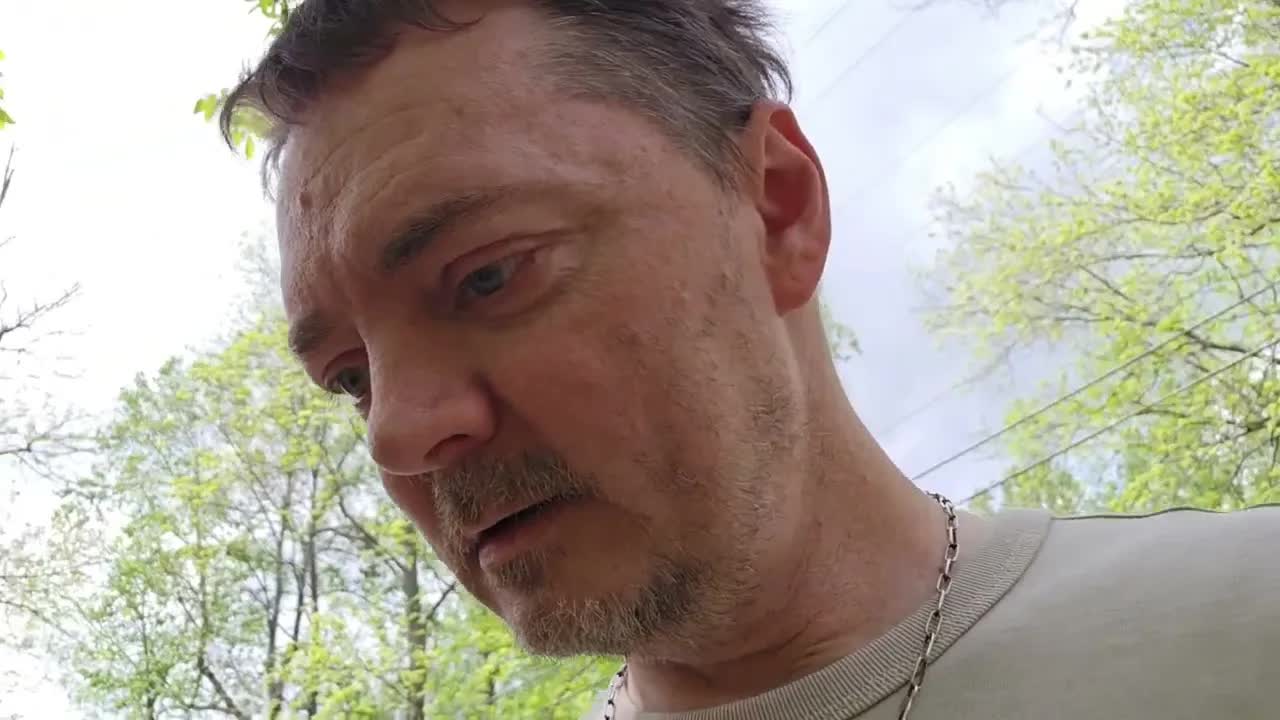
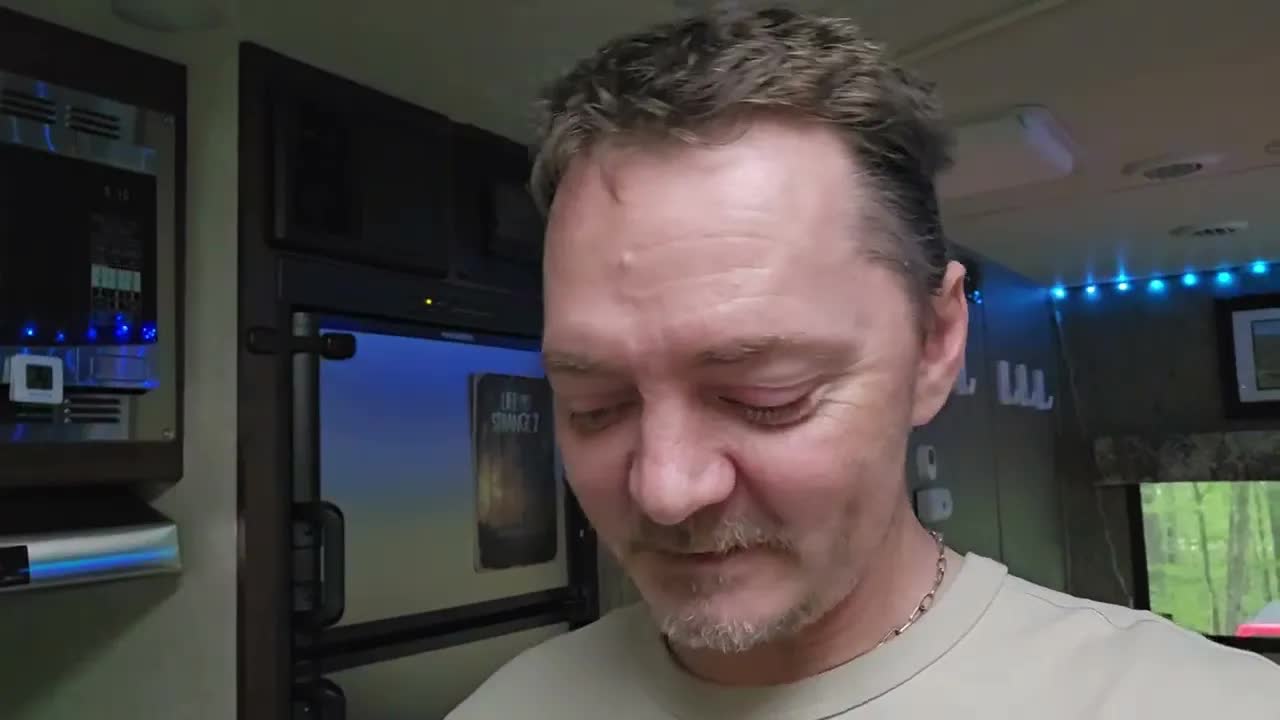
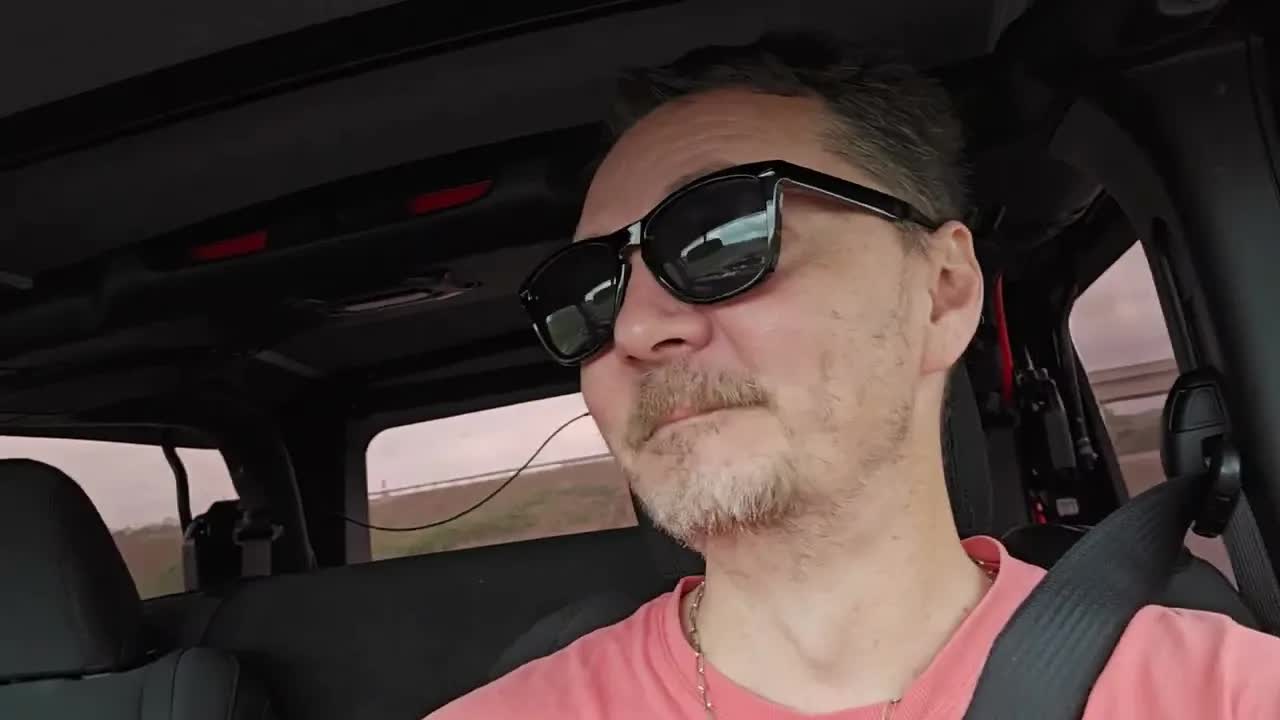
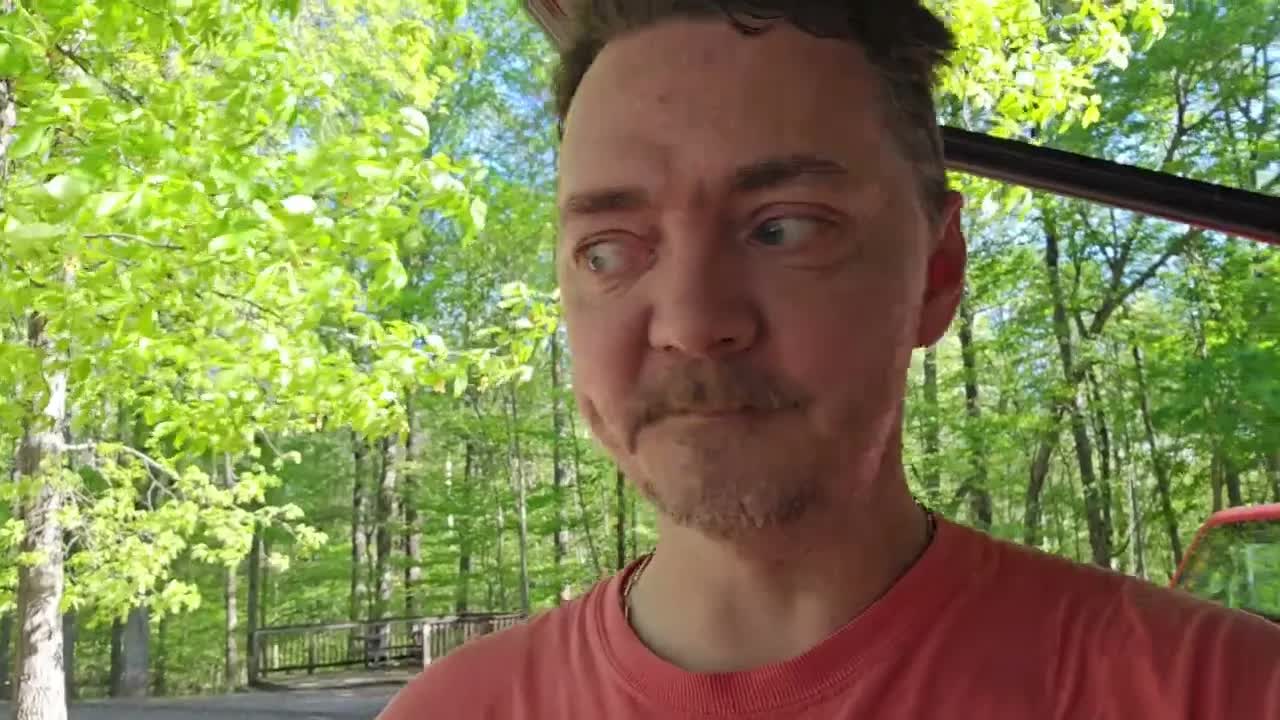
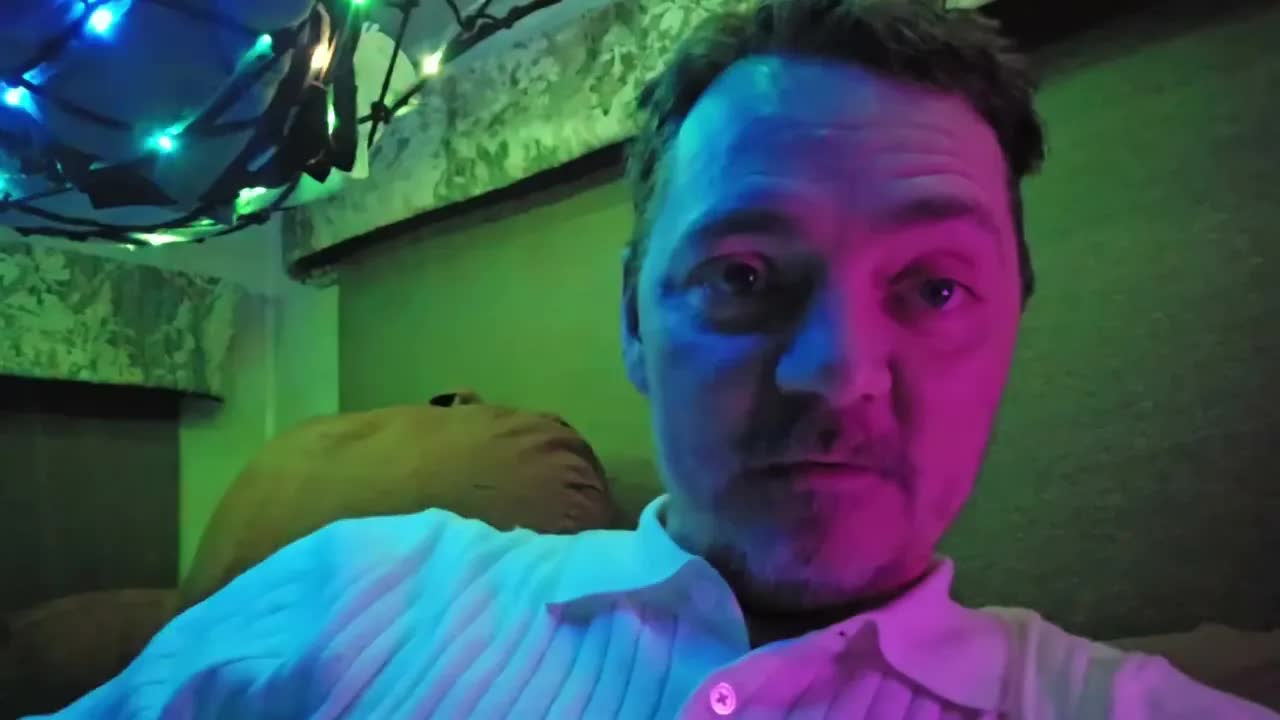
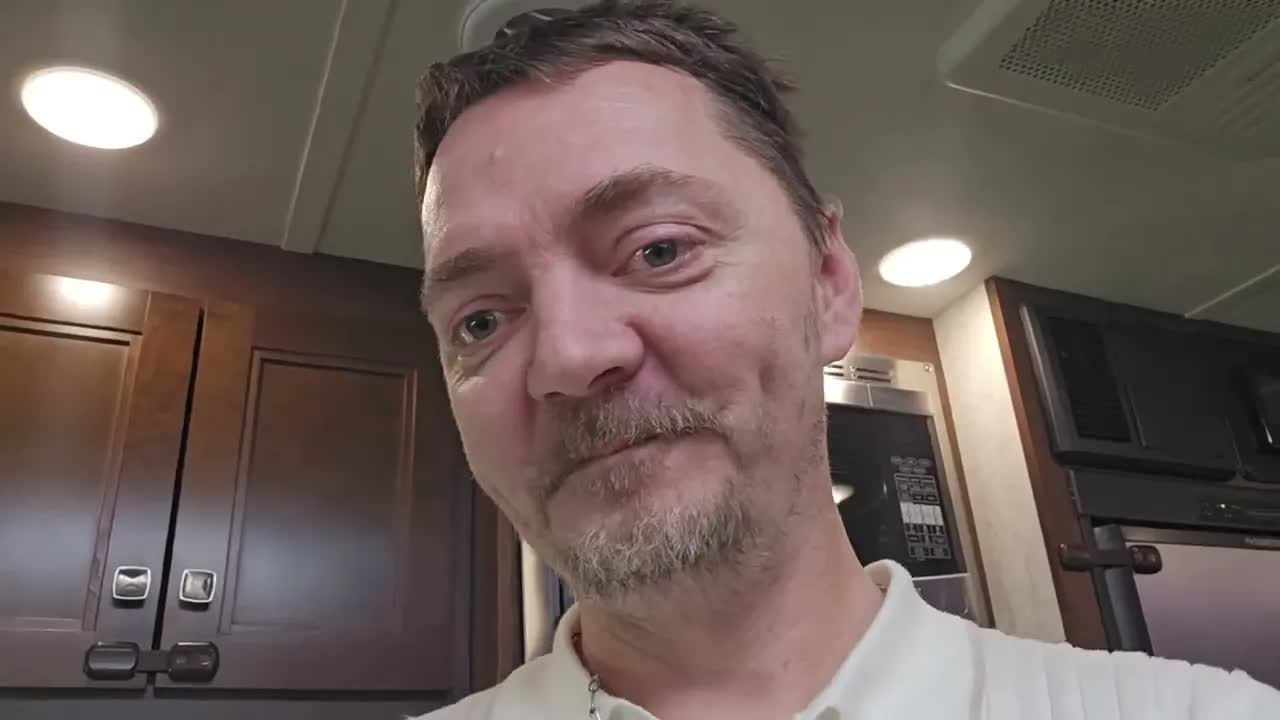
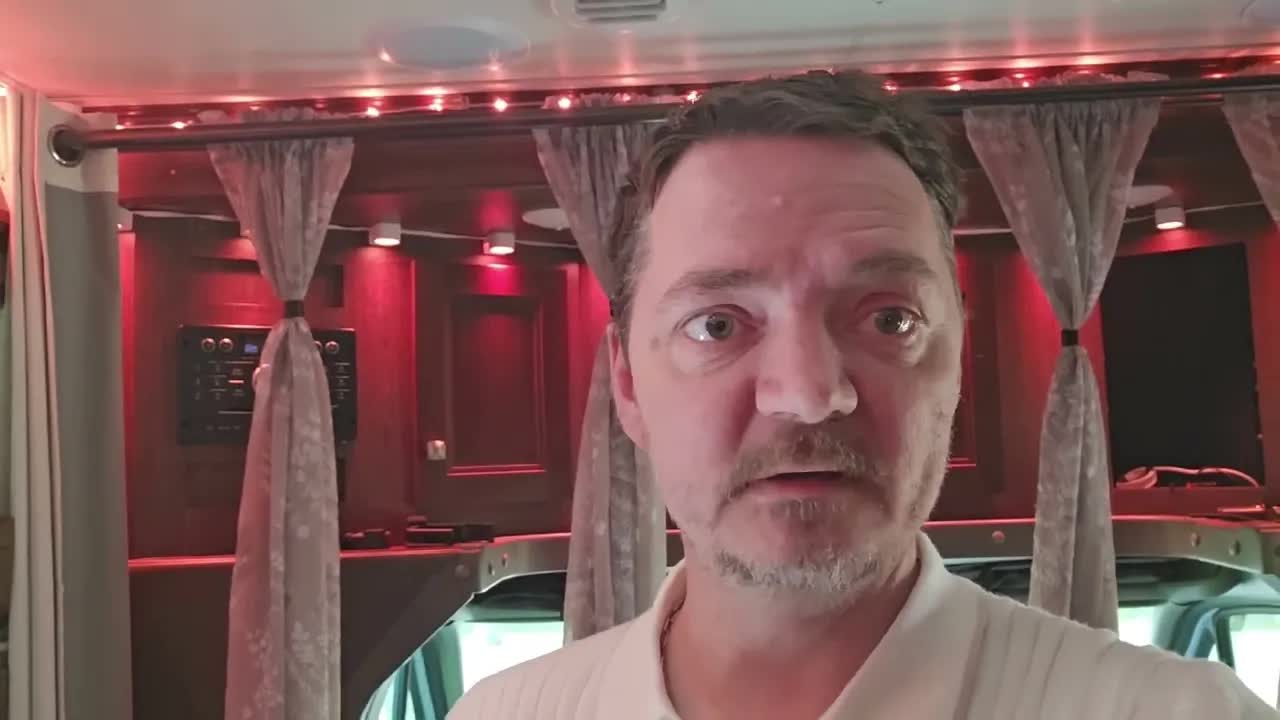
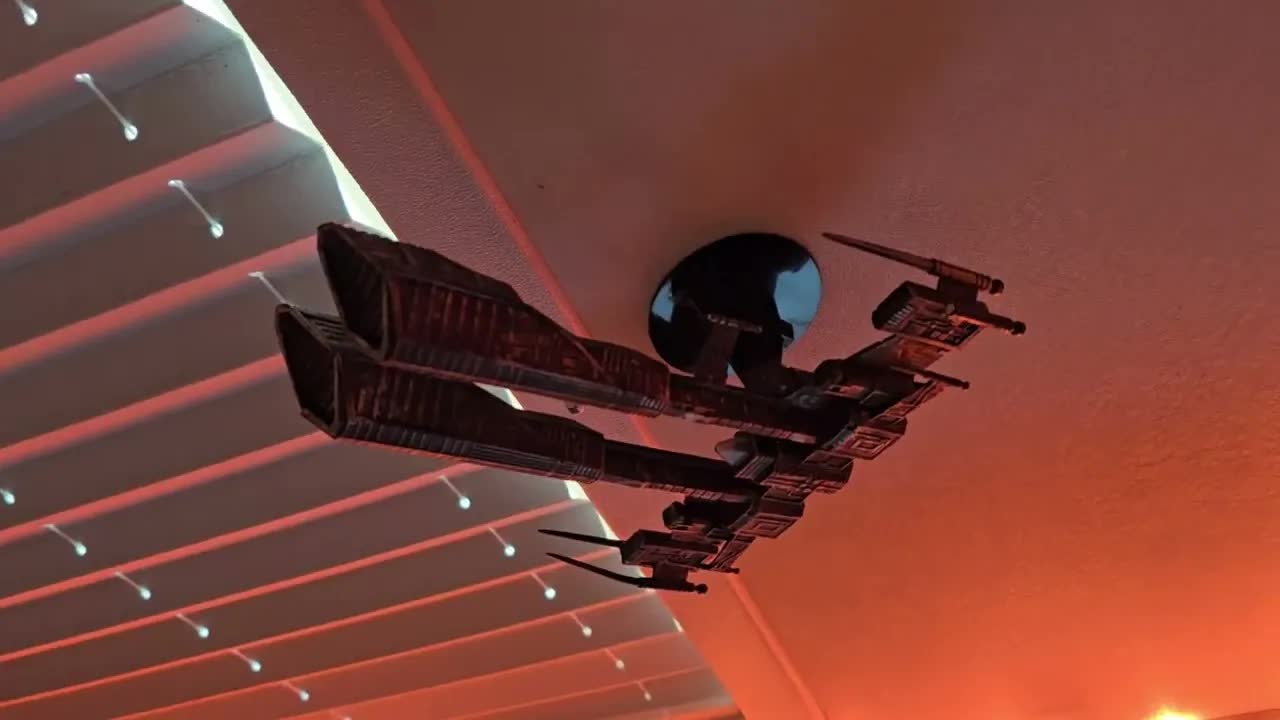
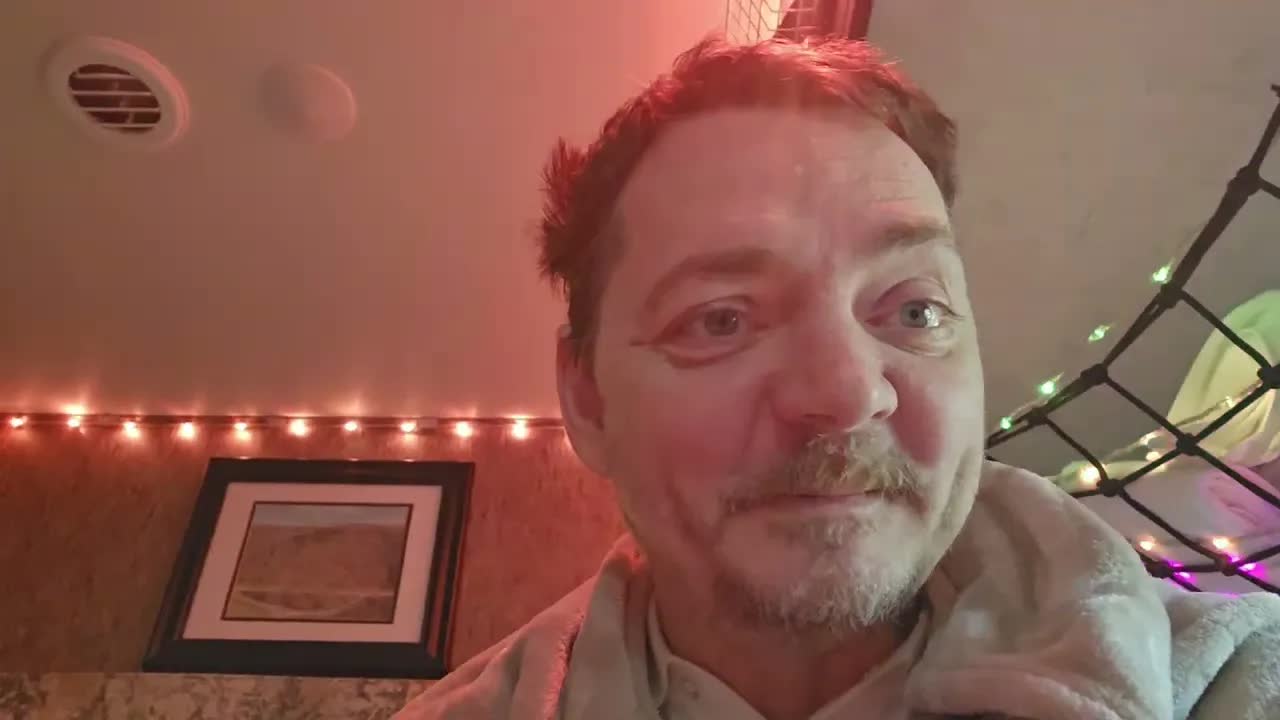
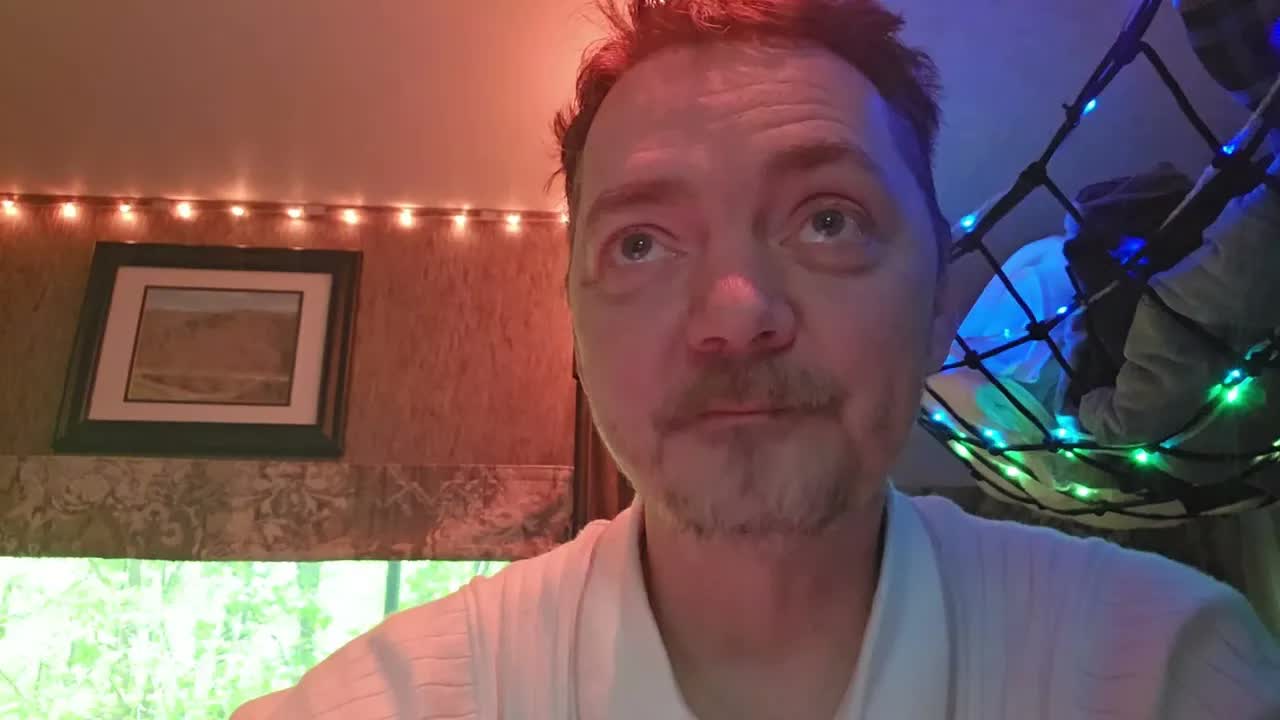
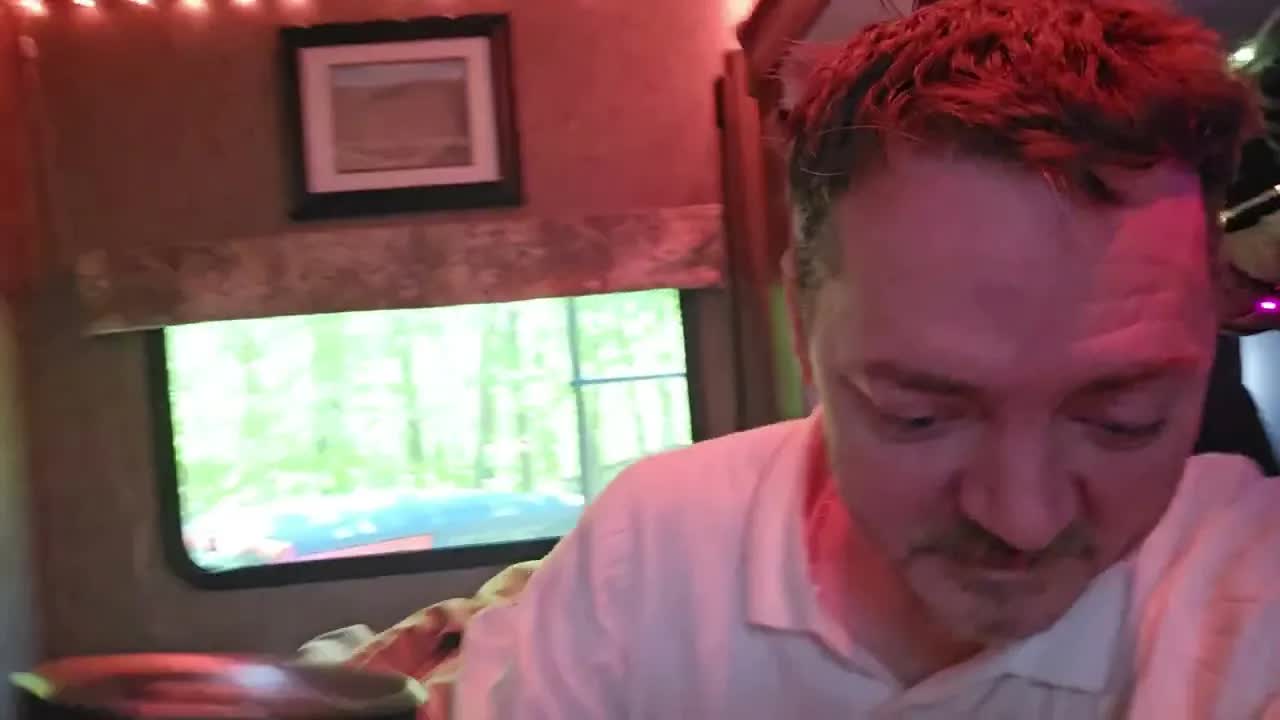
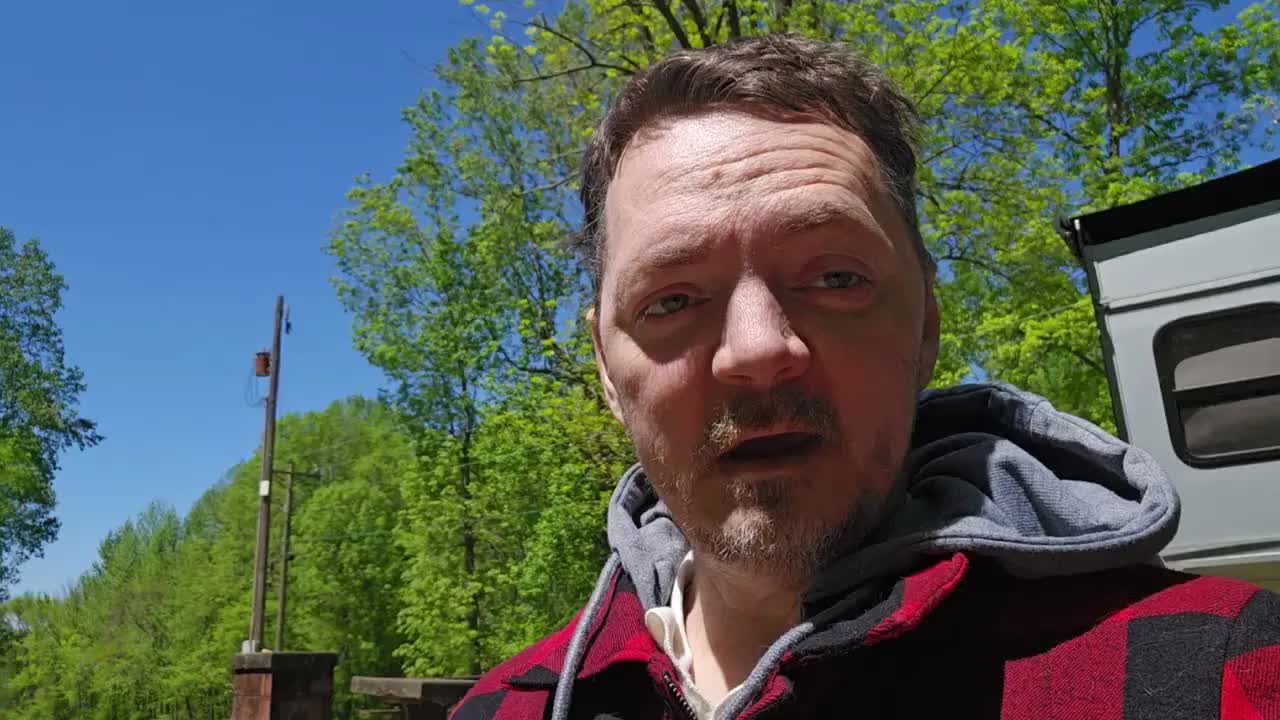
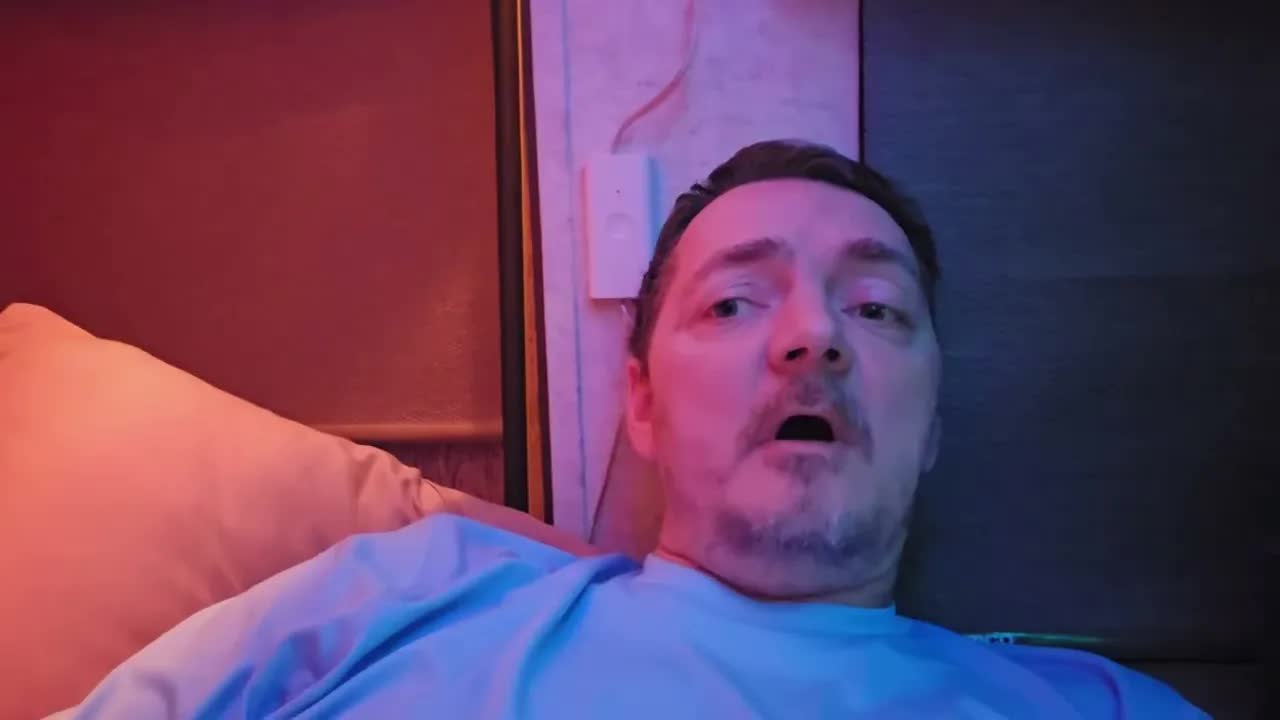
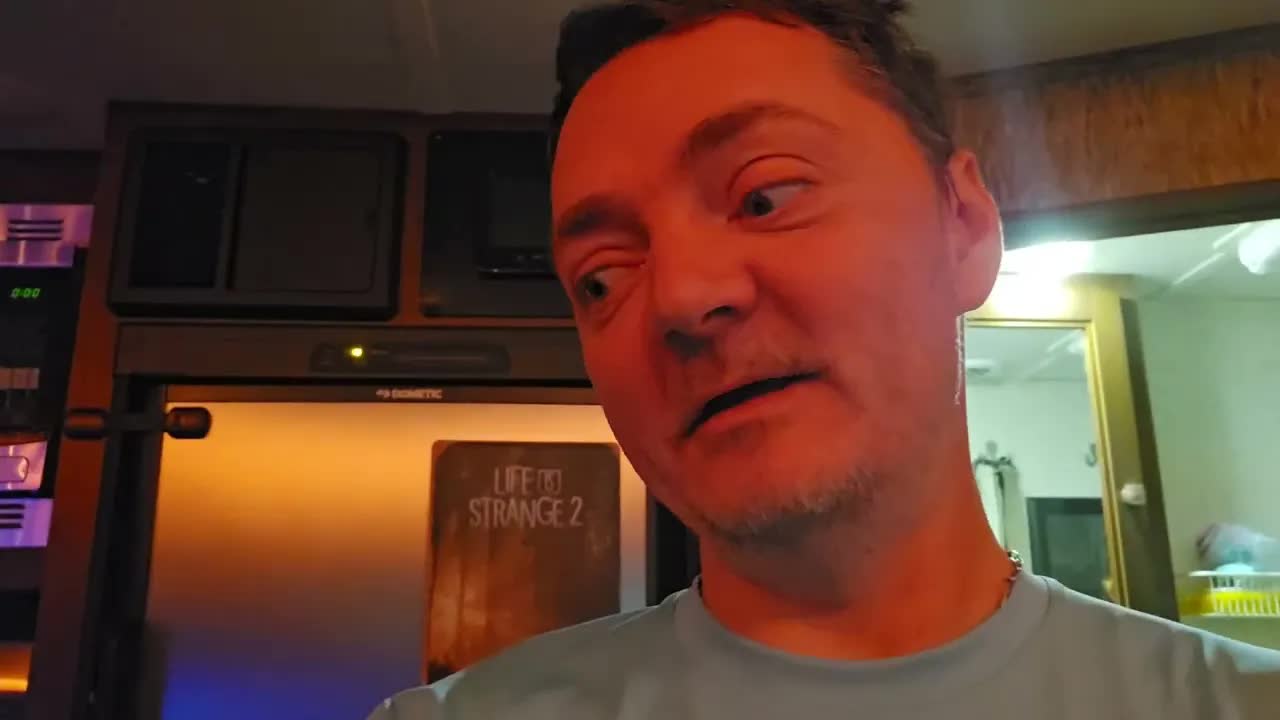
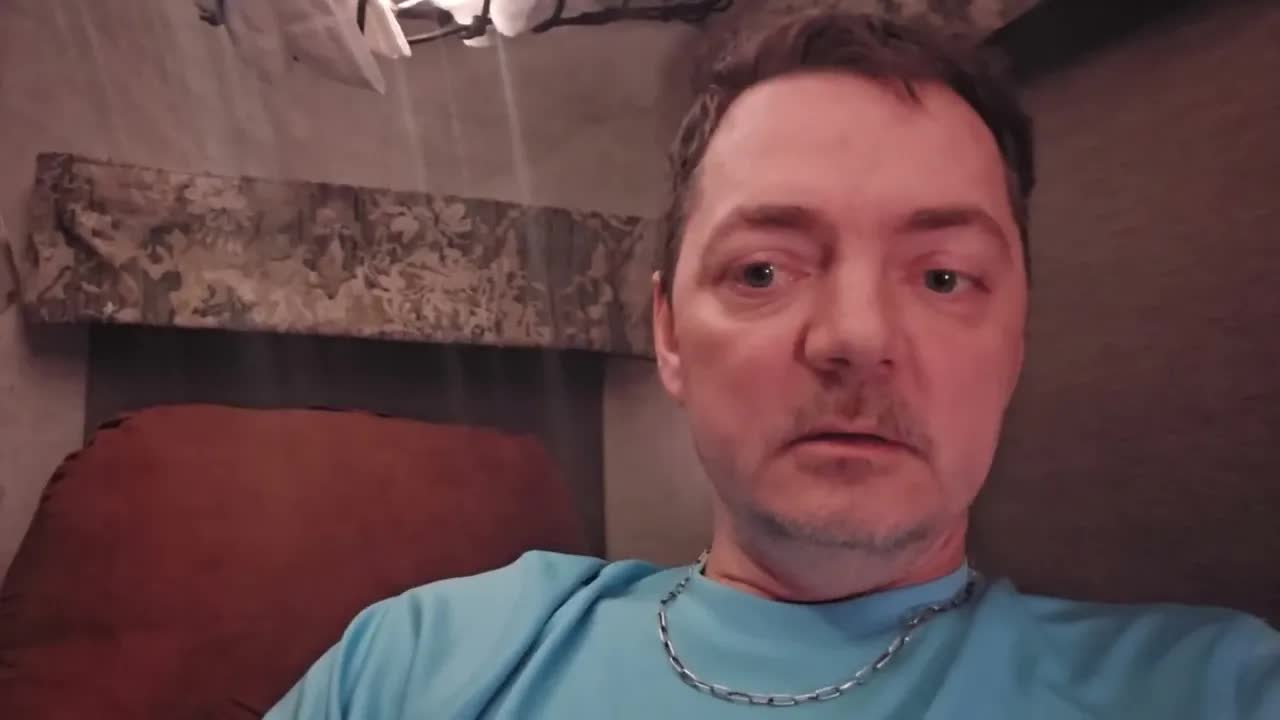
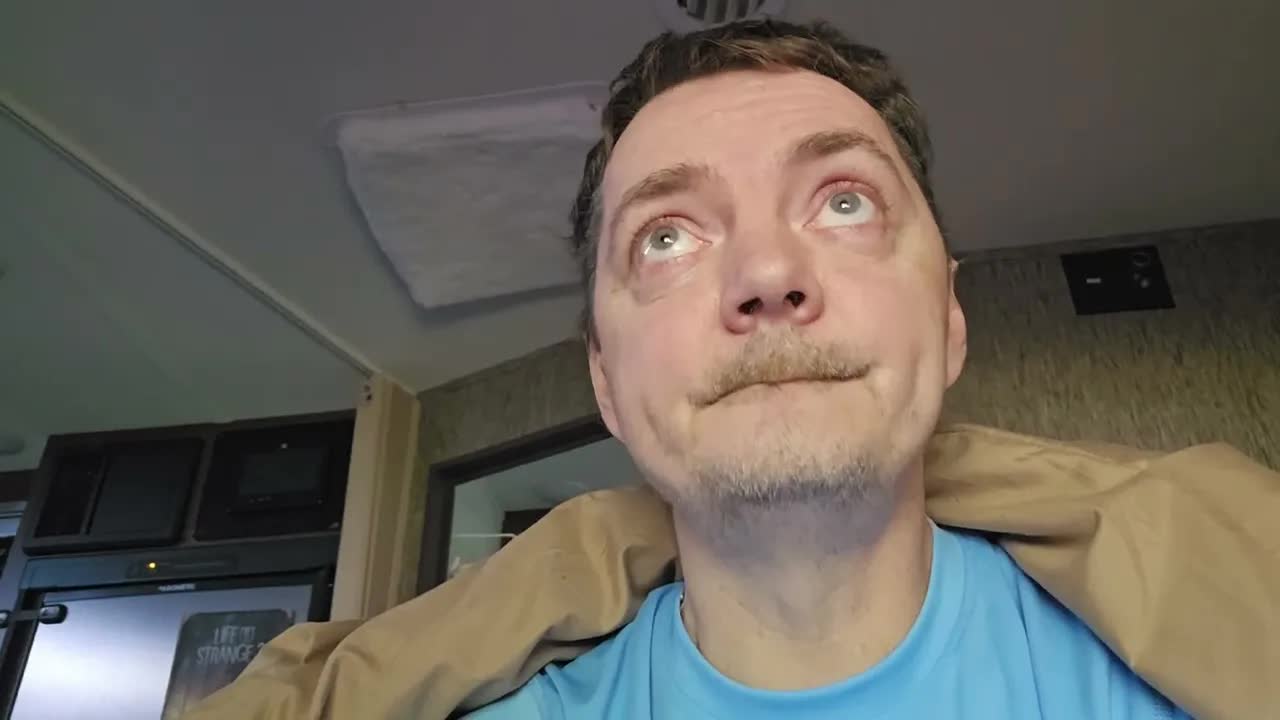
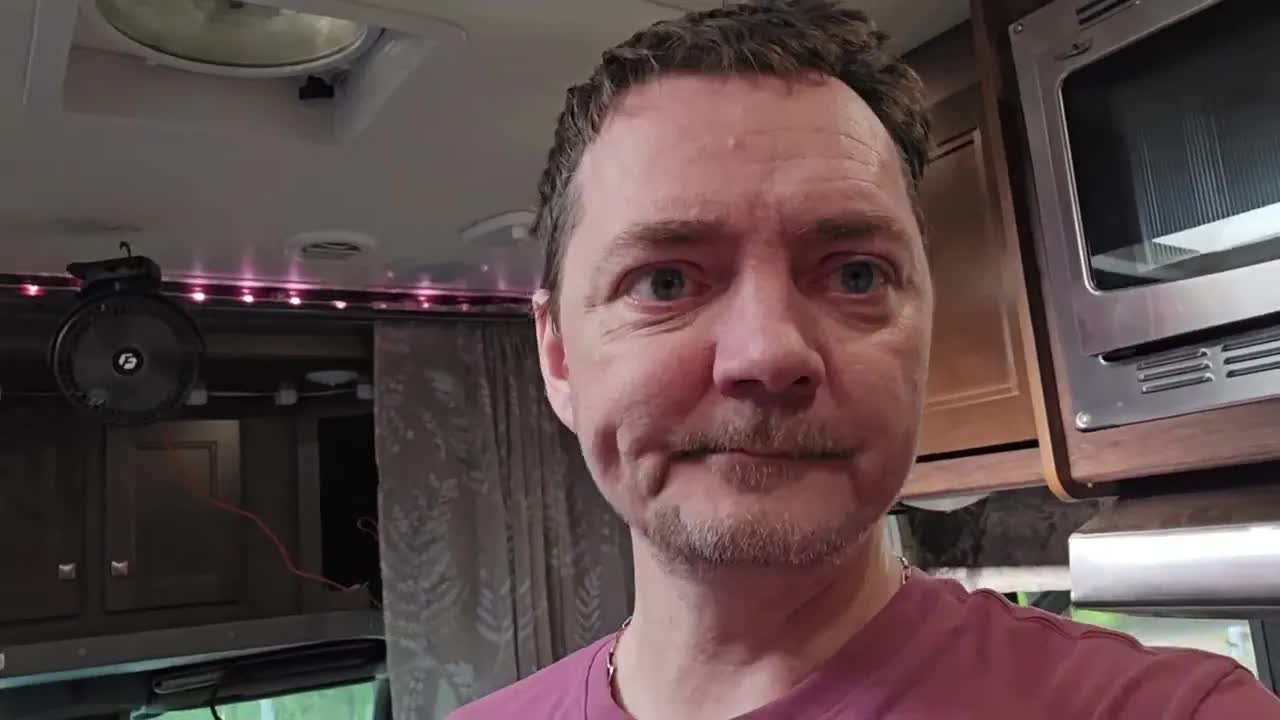
He begins with good morning, and then with a disclosure about method: he has written the message down. He tells the camera he is better at writing than at spontaneous speech, that he wanted to get this right, that if it sounds scripted, that is why. The correction arrives before anyone can mistake the form for distance. The page in front of him is not a shield; it is the instrument he trusts to carry the thing accurately. Then he reads.
The first move is thanks — to everyone who followed, and specifically to those who spent time they did not have offering support and encouragement. He states that he needed that without consciously knowing it, and that this is likely one of the reasons he started the channel at all. From there he does something structurally precise: he goes back to the beginning. He points to his first video, where he said he wanted to document the transition he had just undergone. He names that intent, holds the outcome against it, and finds them matched. The channel had a purpose. The purpose is met.
What follows is the accounting. He describes not believing YouTube was necessarily for him, experimenting with ideas anyway, dreaming a little about life as a YouTuber. Two things are placed on the scale against that dream — the time commitment, and the way the medium changes you. He does not argue with either. He simply states that these are why he does not believe he is likely to keep posting, certainly not regularly. The role is declined without contempt for it, and without apology for having tried it on.
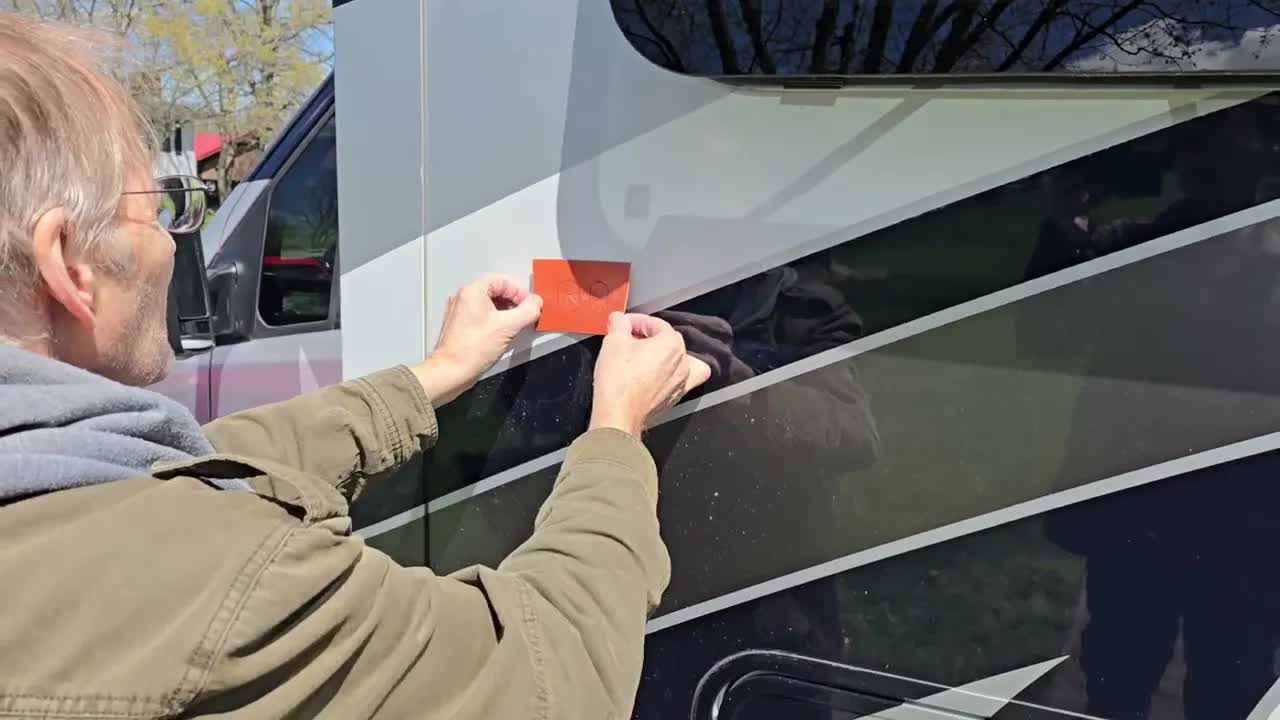
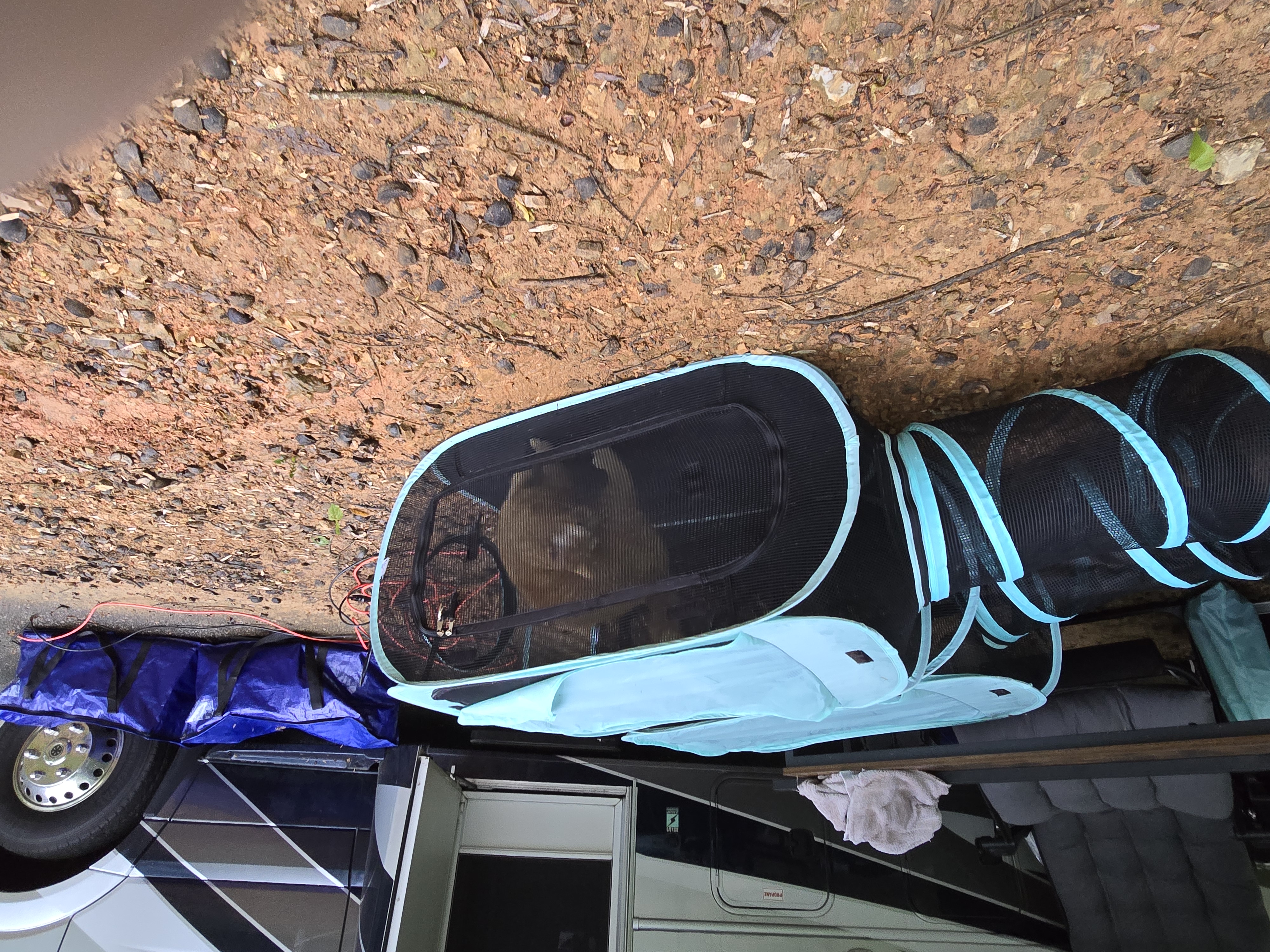
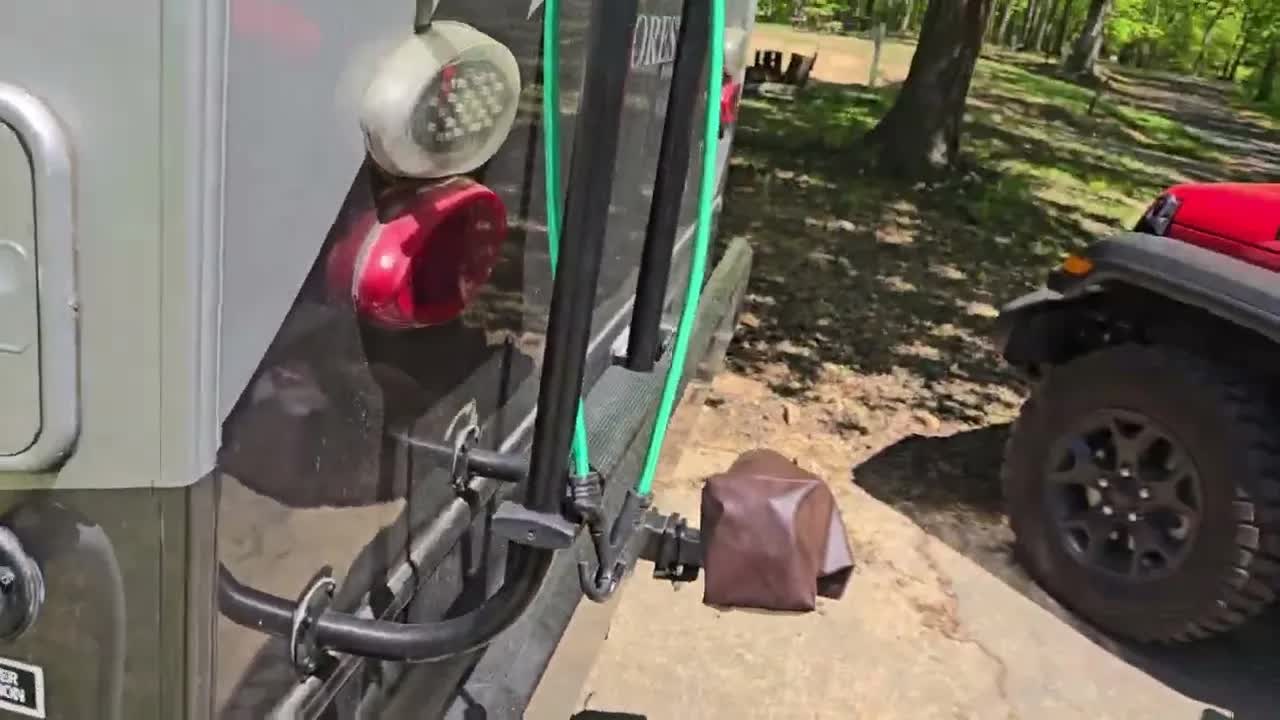
Then the calendar, spoken plainly. For the next two weeks: final adjustments on the camper, shedding the remaining things at the house, helping his cats adapt to this new life. For the next two months: finishing the work with his dentist so he can finally get new teeth. And then west, to spend time in the mountains. The sequencing is deliberate — the vehicle finished, the house emptied, the animals brought along, the body attended to, and only then departure. He says he does not know where the journey will take him. The destination is given as a direction, and left there.
He returns once more to the people listening. He states that he is glad he was able to push through his fears to reach this point, and that he believes they are a big part of the reason why. He describes being terrified in the beginning, needing an outlet, needing to hear from others that he could do this, and receiving exactly that. Then he turns the whole thing outward: making big changes is never easy, these transitions are difficult, and if it is something you want, you can do it — he offers himself as the proof.
The closing line is the one that seals the arc. He had a story to tell, and he has now told it. Not goodbye forever, he says — goodbye for now. He hopes they meet again someday. And then, from a house being emptied, with a camper half-modified in the yard and cats learning a new shape of life, he thanks them for listening and stops recording.