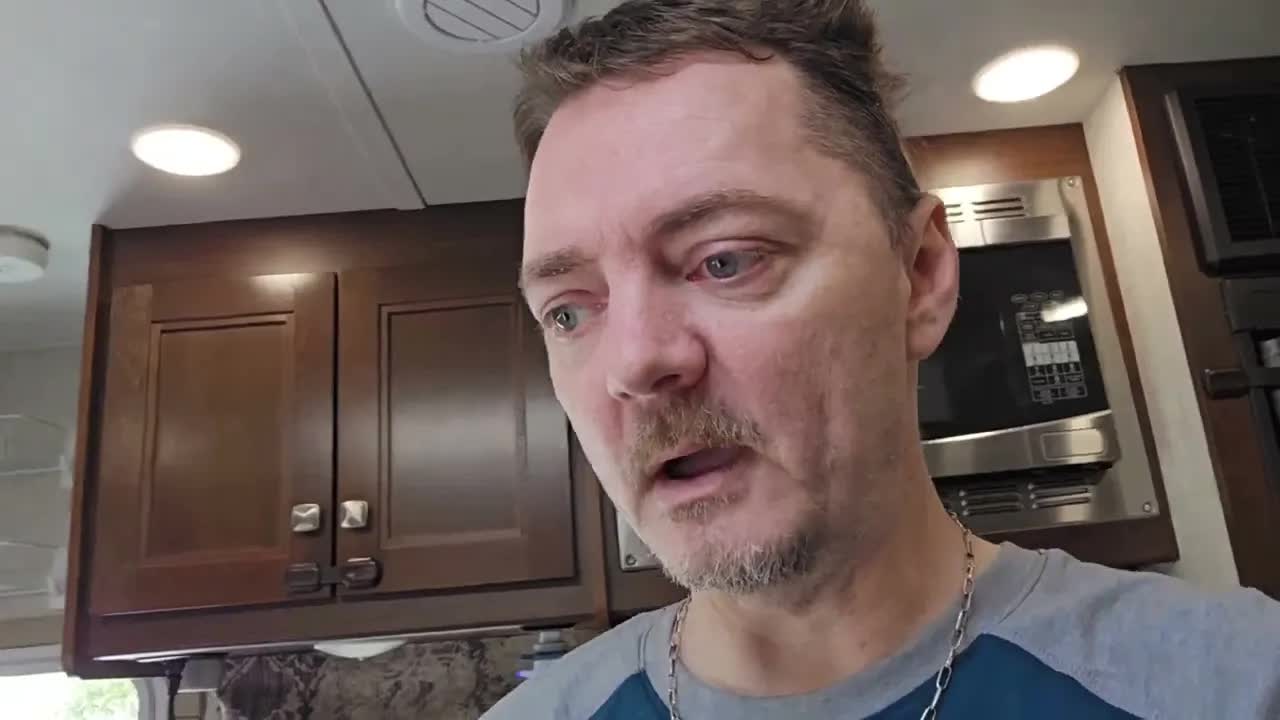


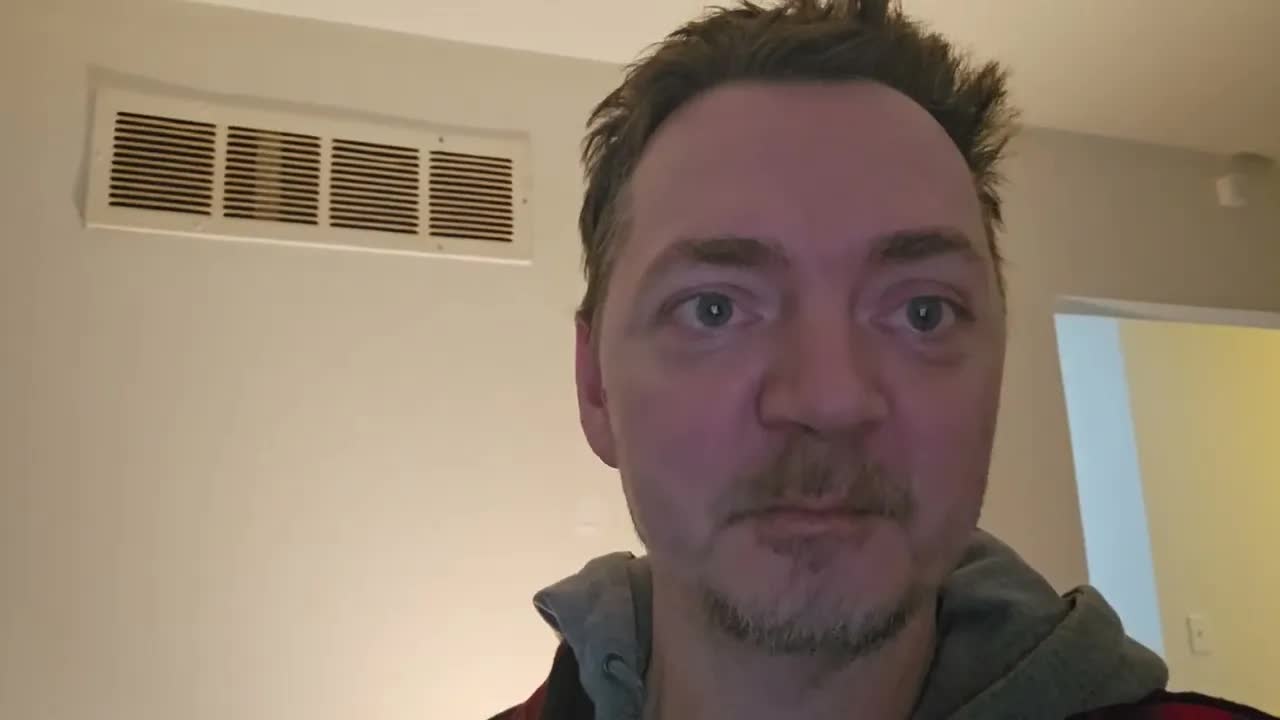

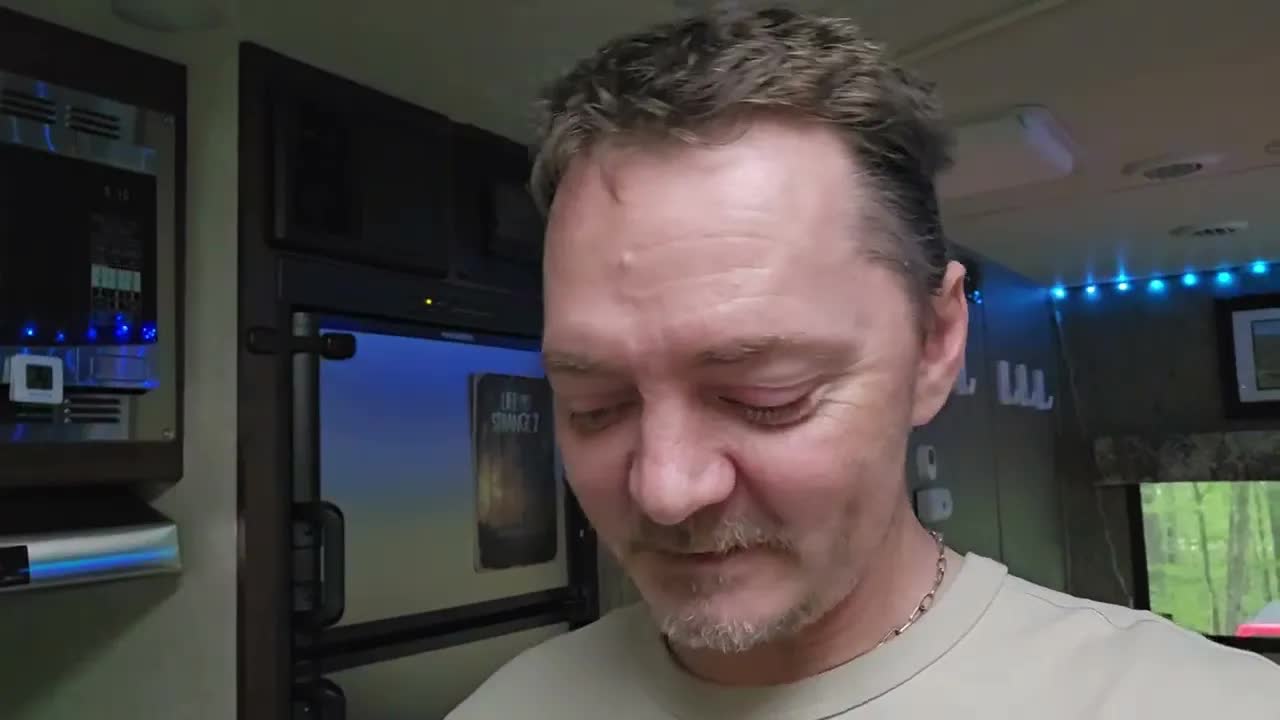








The house was mostly empty by then. rswfire moved through it at six in the evening with the deliberate rhythm of someone finishing a job — clothes going into their places, boxes accounted for, the accumulated weight of a residence being reduced to what would fit in a camper. He was waiting on packages from Amazon. When they arrived, he and the cats would go back. The day had been productive; he said so plainly. A lot got done in this house.
He had music on while he worked. That was the ordinary condition of the room — the sound of a man clearing out a space, hands occupied, attention distributed across the small logistics of departure. Then "Chasing Cars" came on, and the room changed shape. He described it simply: it made him kind of sad. What surfaced with the song was not the house or the packing or the cats waiting to travel. It was a woman at the park.
She had been camping there. He had been nice to her — he says this without softening it into a defense. She was super nice. He thought she was probably lonely, and his mother had said the same thing independently, which he notes: she seemed sad, seemed lonely. He had gotten that vibe too. And then, days later, at seven in the morning, driving around toward the front of the park, he saw her site with all her things out. He hadn't known she was leaving. She was getting ready to go. He drove on.
That was the whole of it — a drive past a campsite at seven in the morning, and a hand not extended. But rswfire brings it forward into the empty house and does not let it stay a small thing. She was reaching out, he says, and he did not present his hand to her. He locates the failure precisely where he means to locate it: I failed. I failed. Not a misunderstanding, not her timing, not the hour. His own conduct measured against his own stated standard — he tries to inspire people, tries to be there for people — and found short of it. He also names the earlier record honestly: if you look at my videos, you'll see my response was thank God she's gone.
Then he does the thing that makes the recording what it is. Acknowledgment, he states, is not enough. Try to understand them. And he traces the mechanism down to its floor: people scare me. Humans scare me way more than animals or any other kind of danger in the world. Because of that, he reacts defensively to every encounter with a person he doesn't know. He puts the whole chain in one line — the reflex, its source, and its ownership. That's on me. That was me not living consciously.
He states what changes next. Next time he will remind himself that not everybody is a threat, set that part aside, and have a genuine encounter with someone. He notes that he used to be able to do that, when he was younger, and that his life experiences are a large part of why he is the way he is now. He is working on it.
The message itself had been recorded a couple of days earlier, before he had considered leaving YouTube. He carried it into this evening anyway and delivered it — to camera, in a house he was leaving, between one dwelling and the next, with packages still on their way. The recording was not the note before the work. He said so at the end: this video is an example of that.