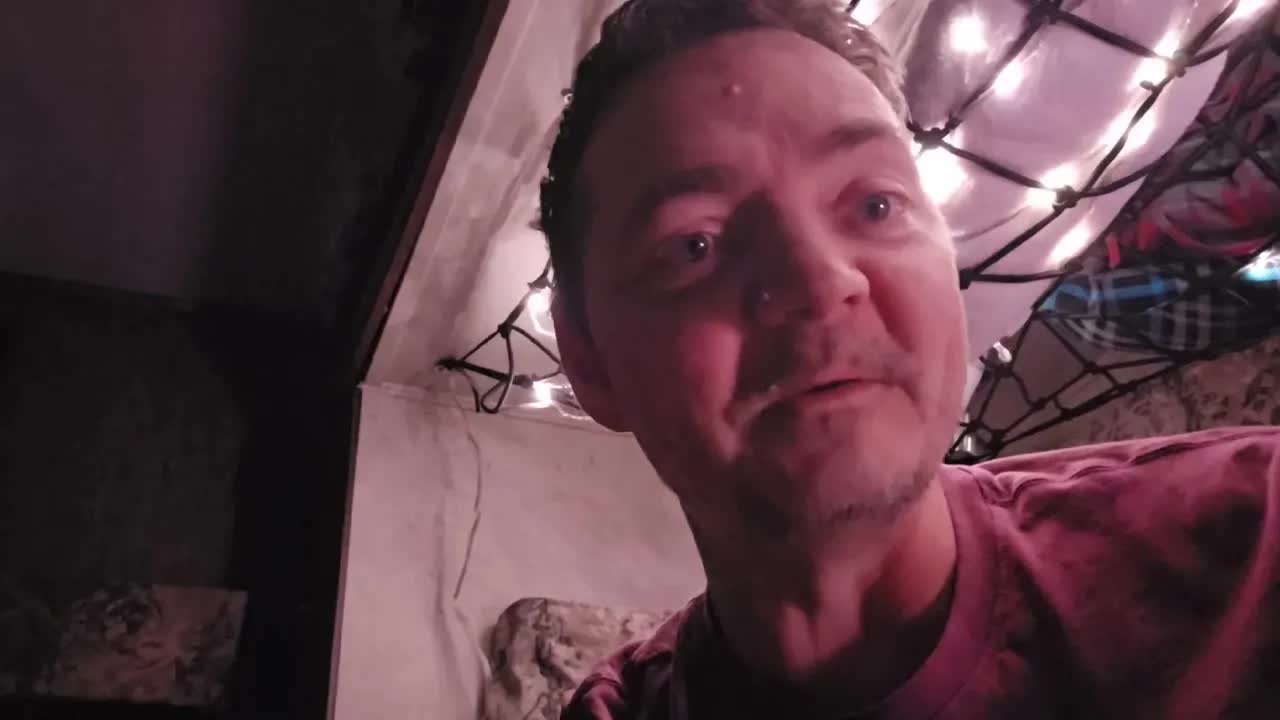

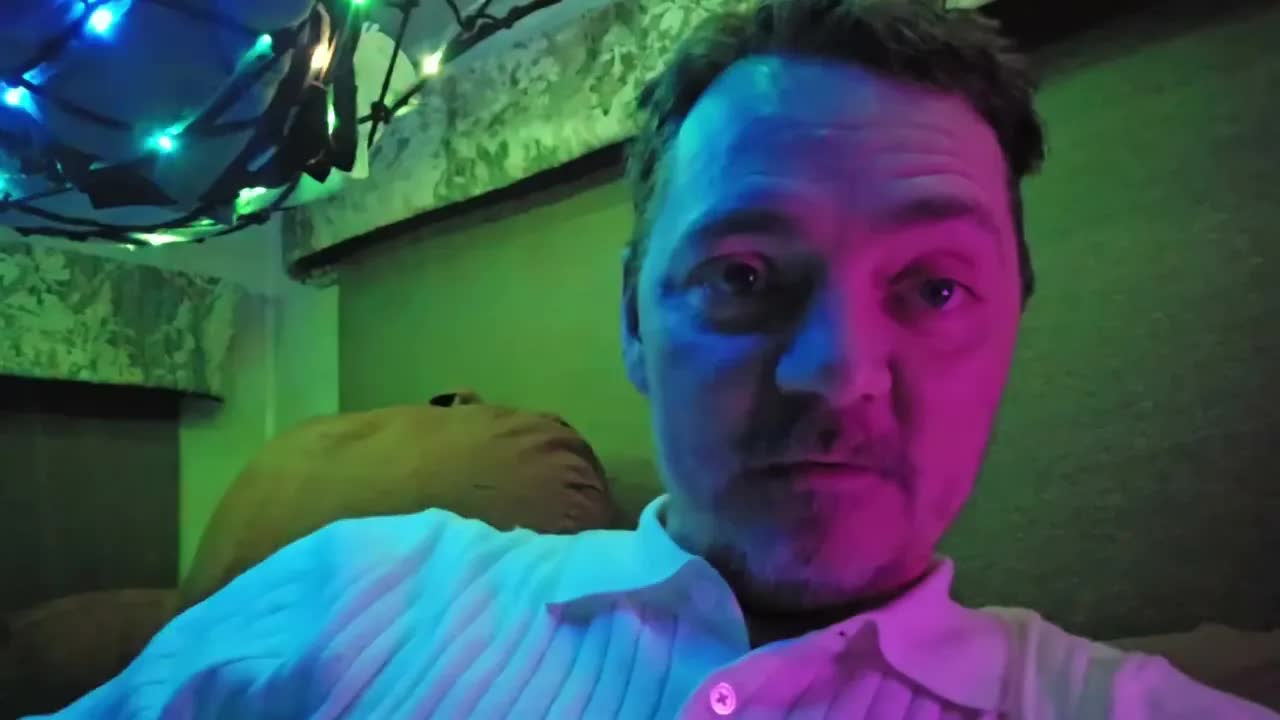
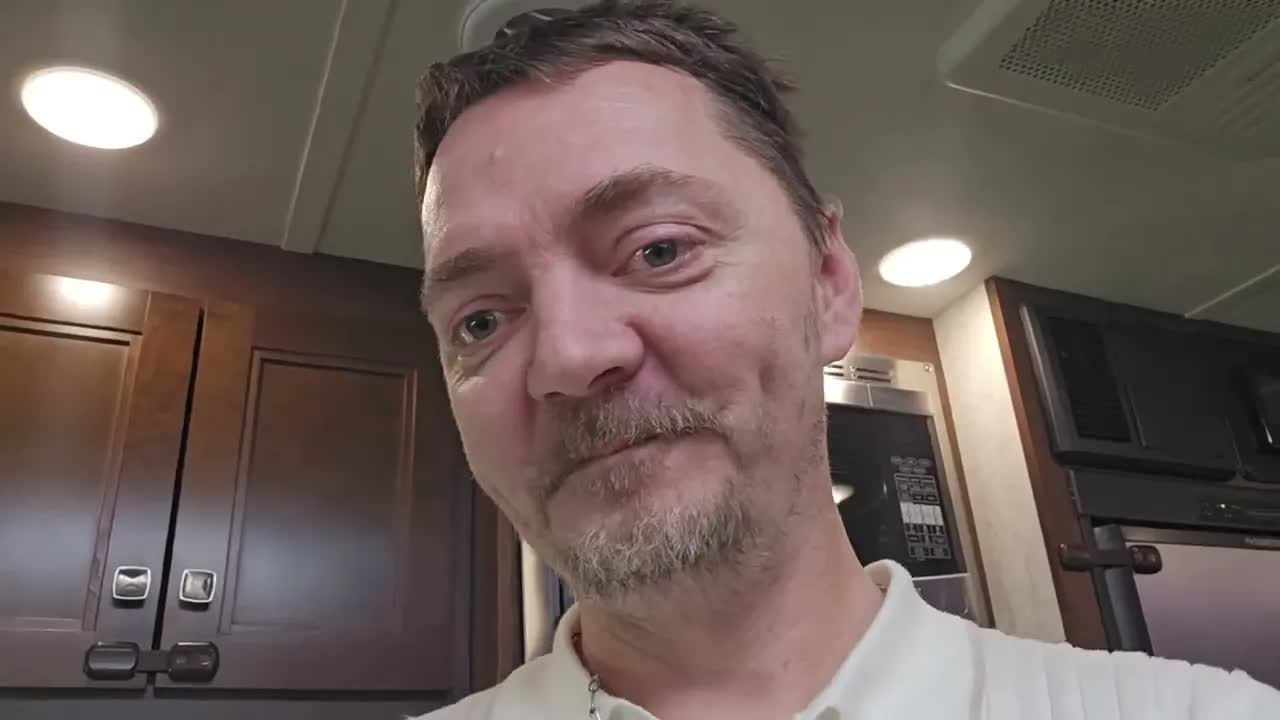

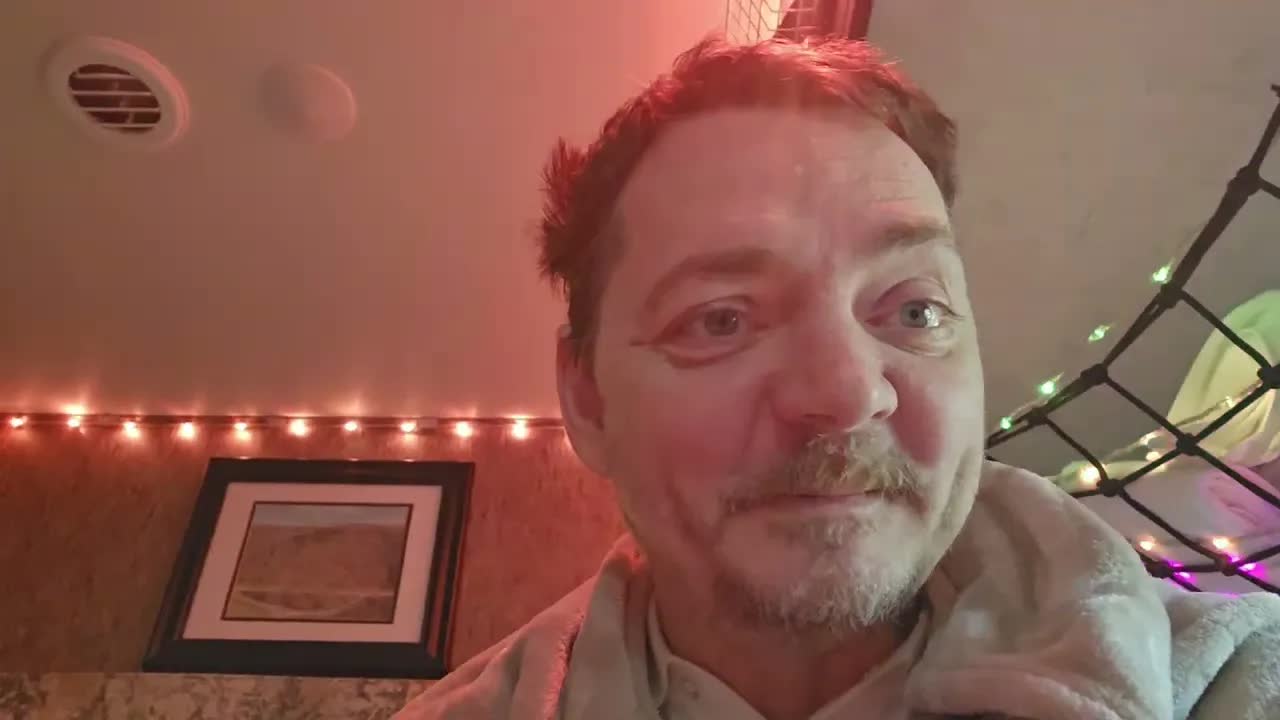


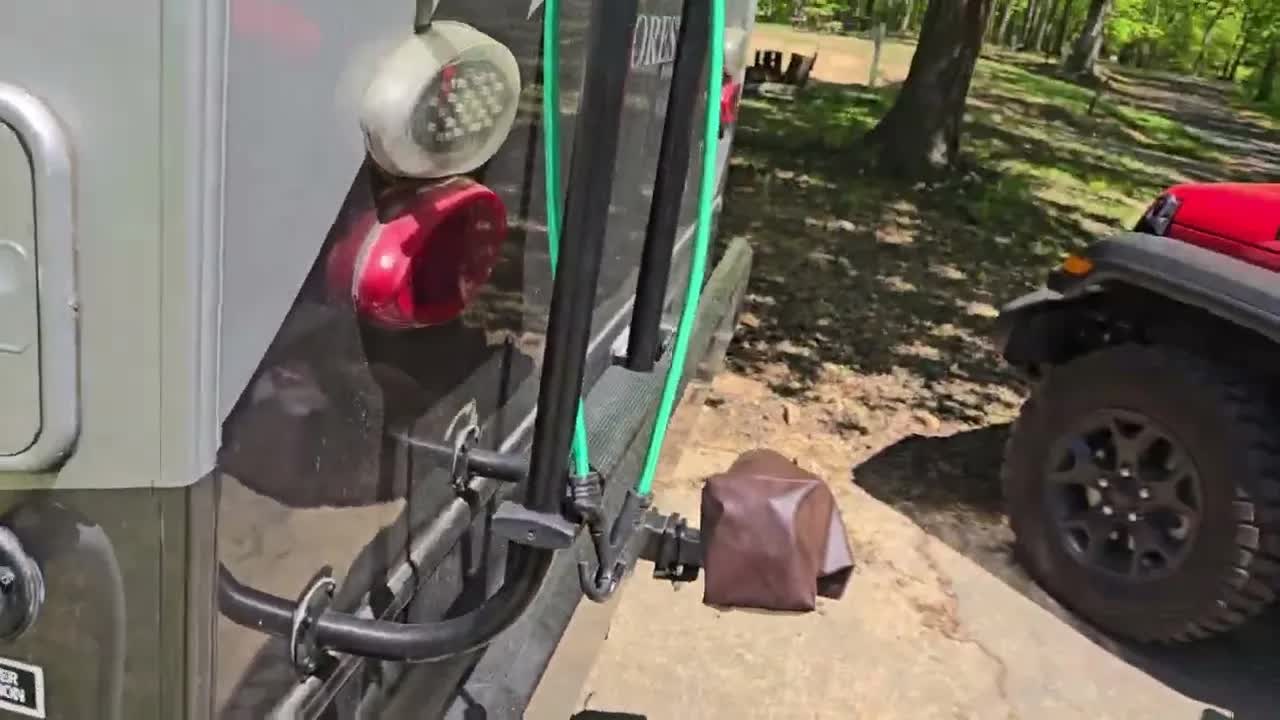




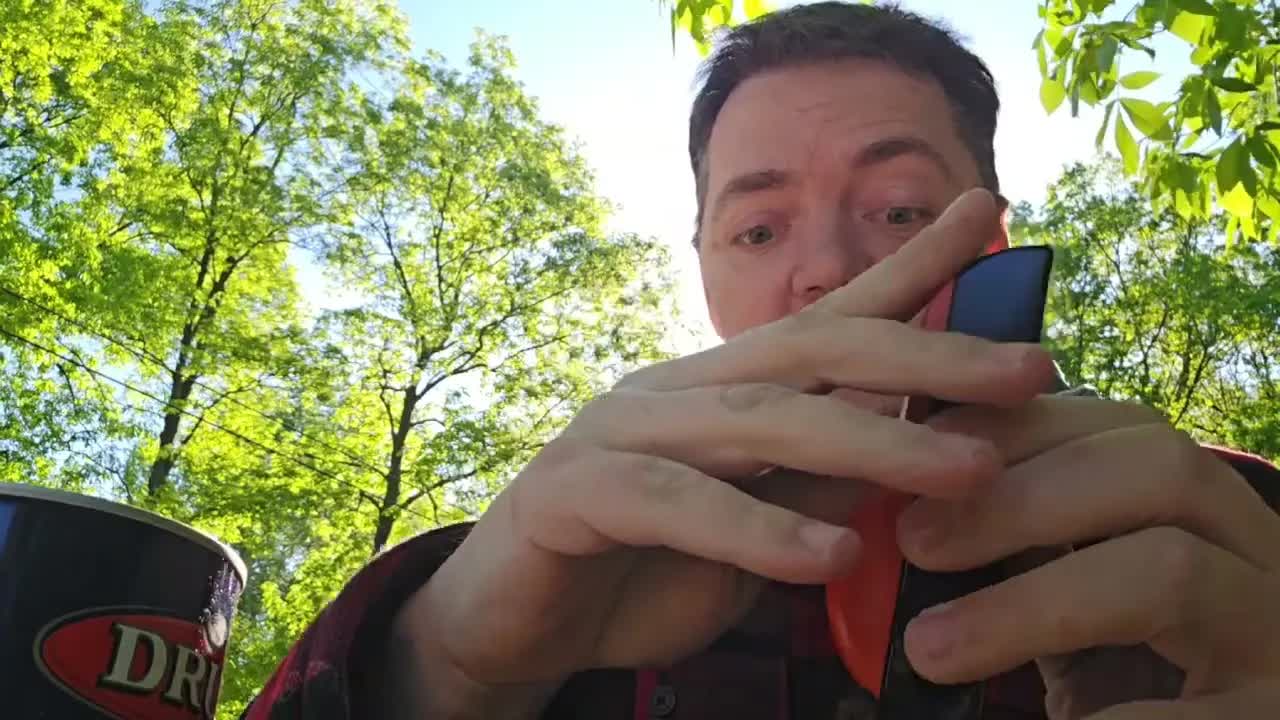
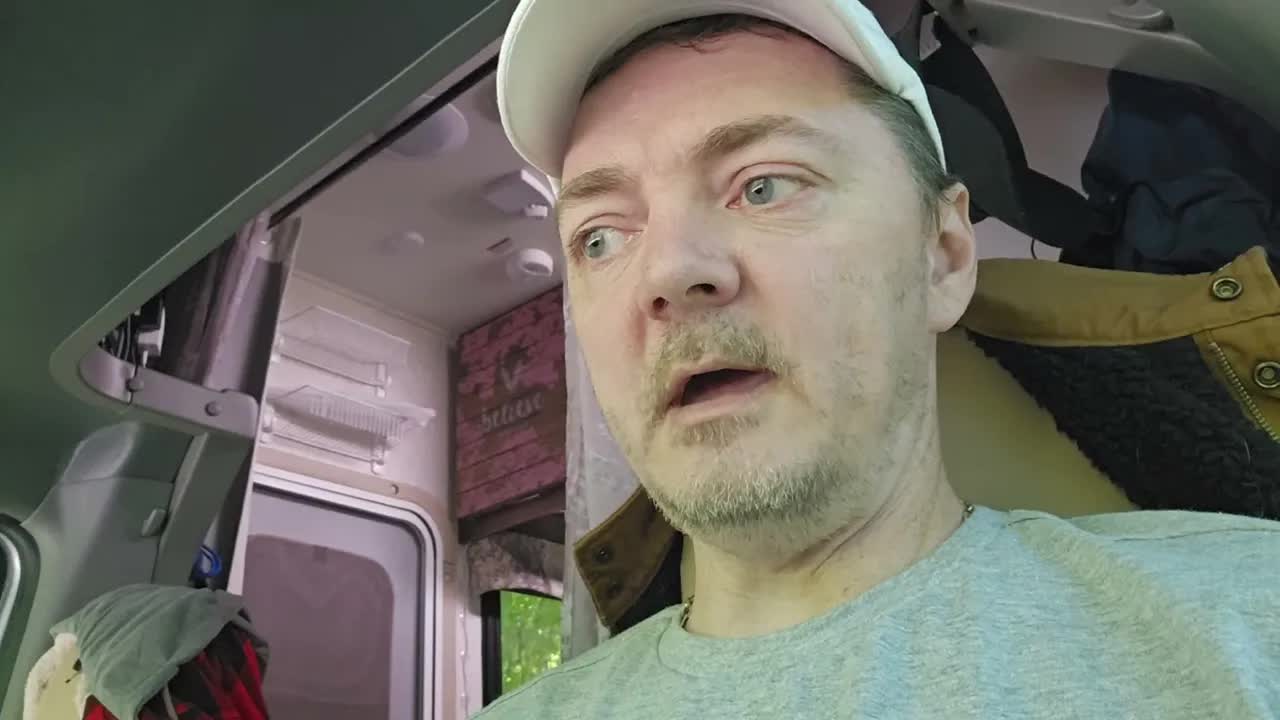
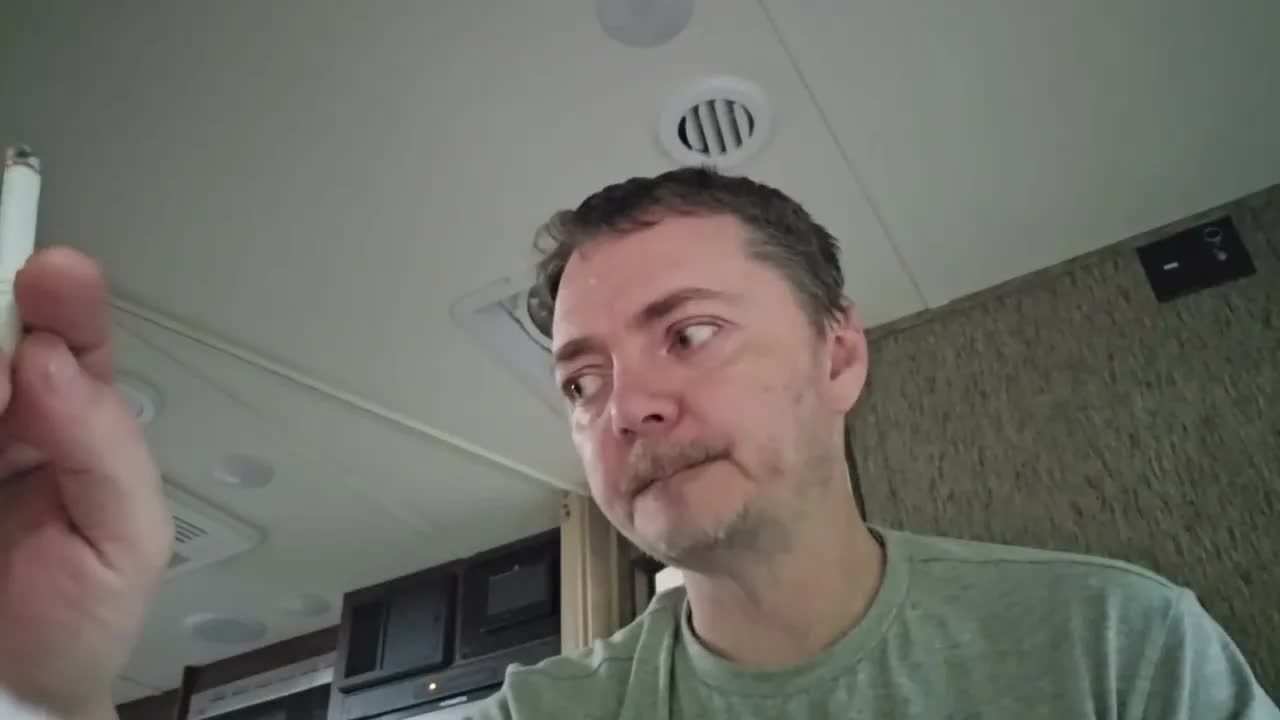
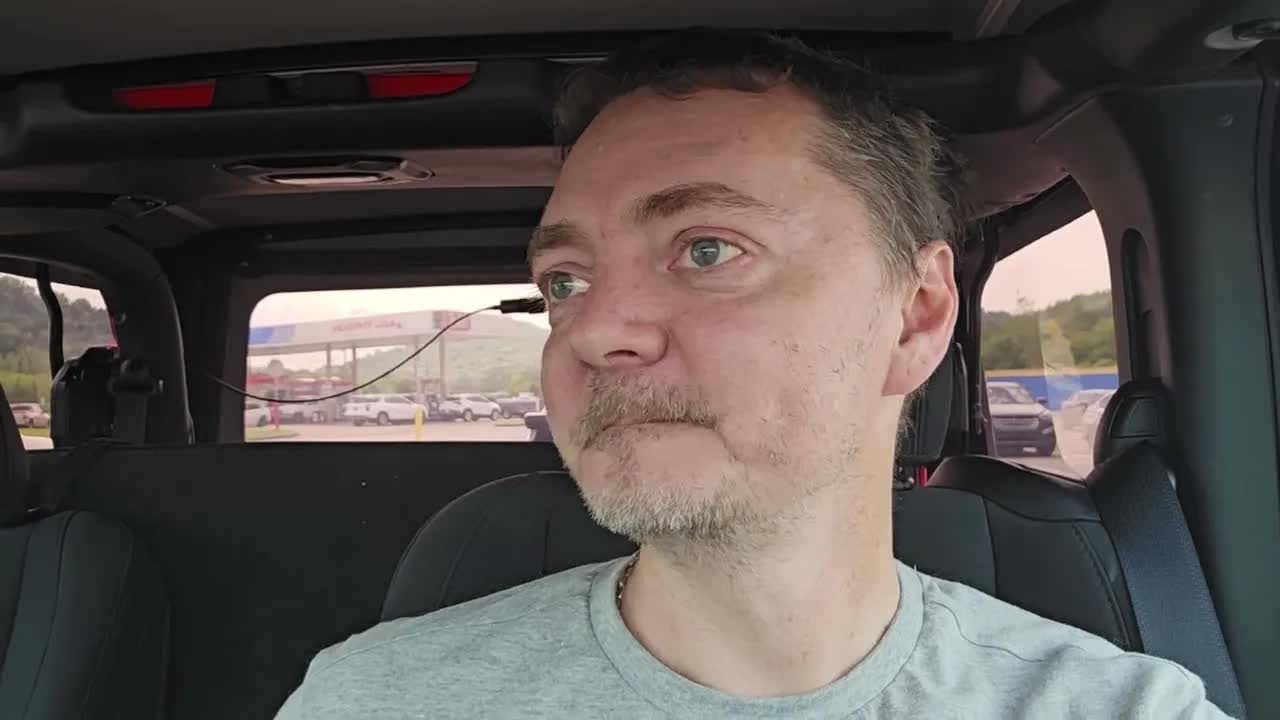
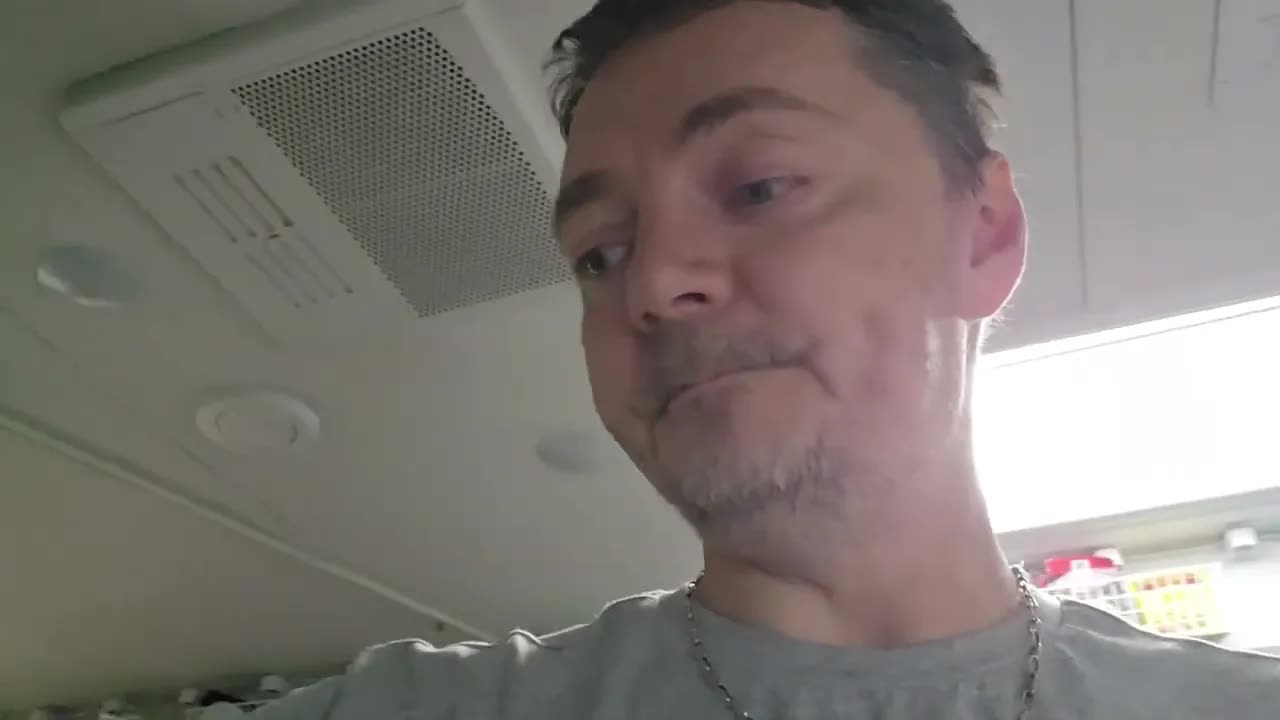
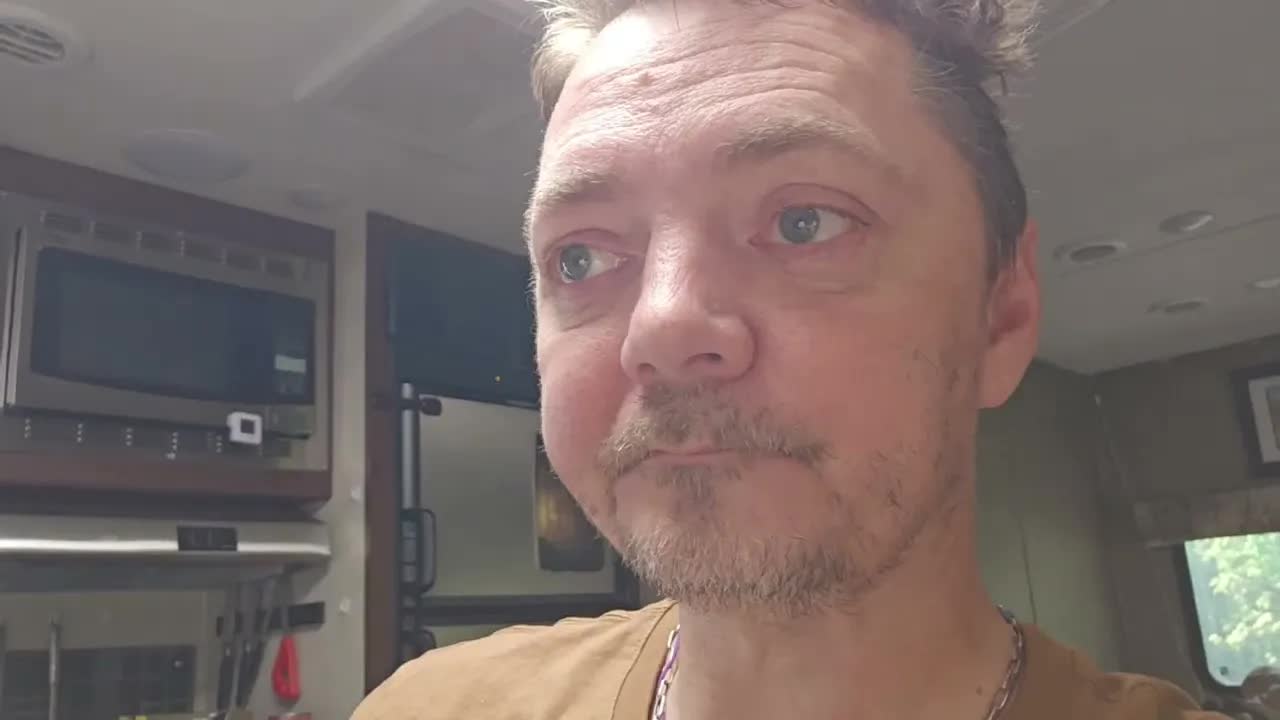

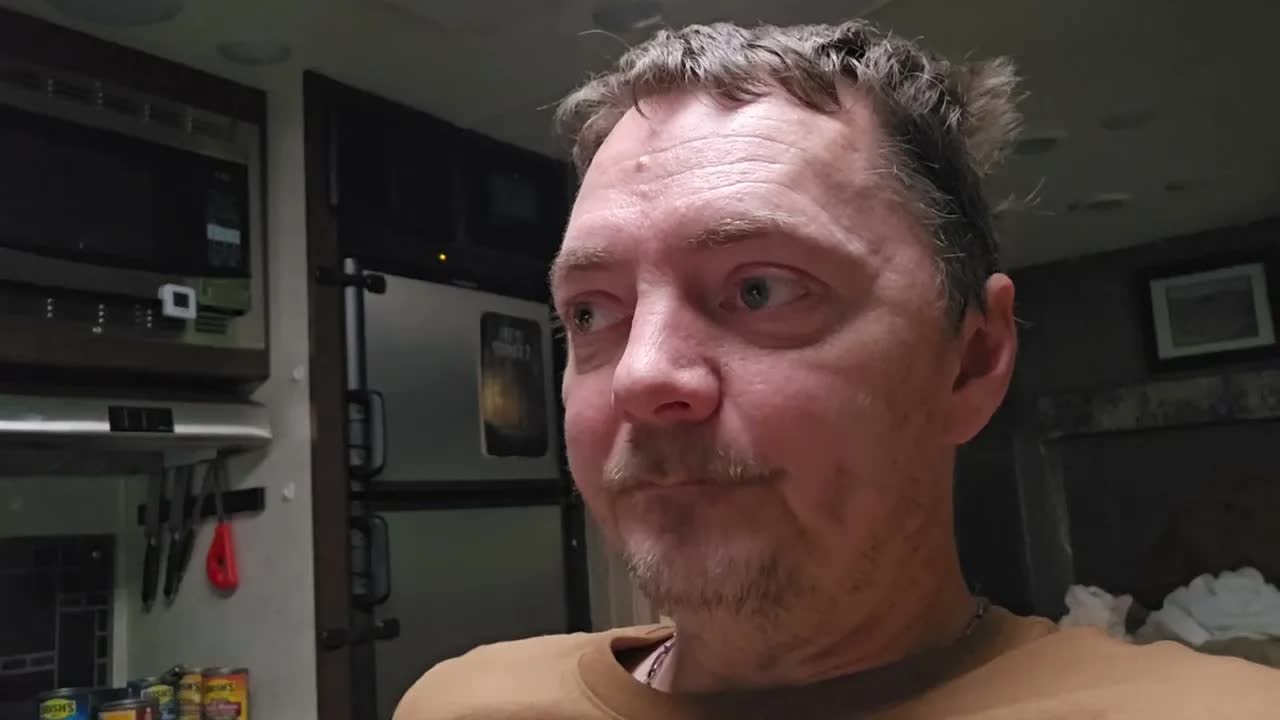


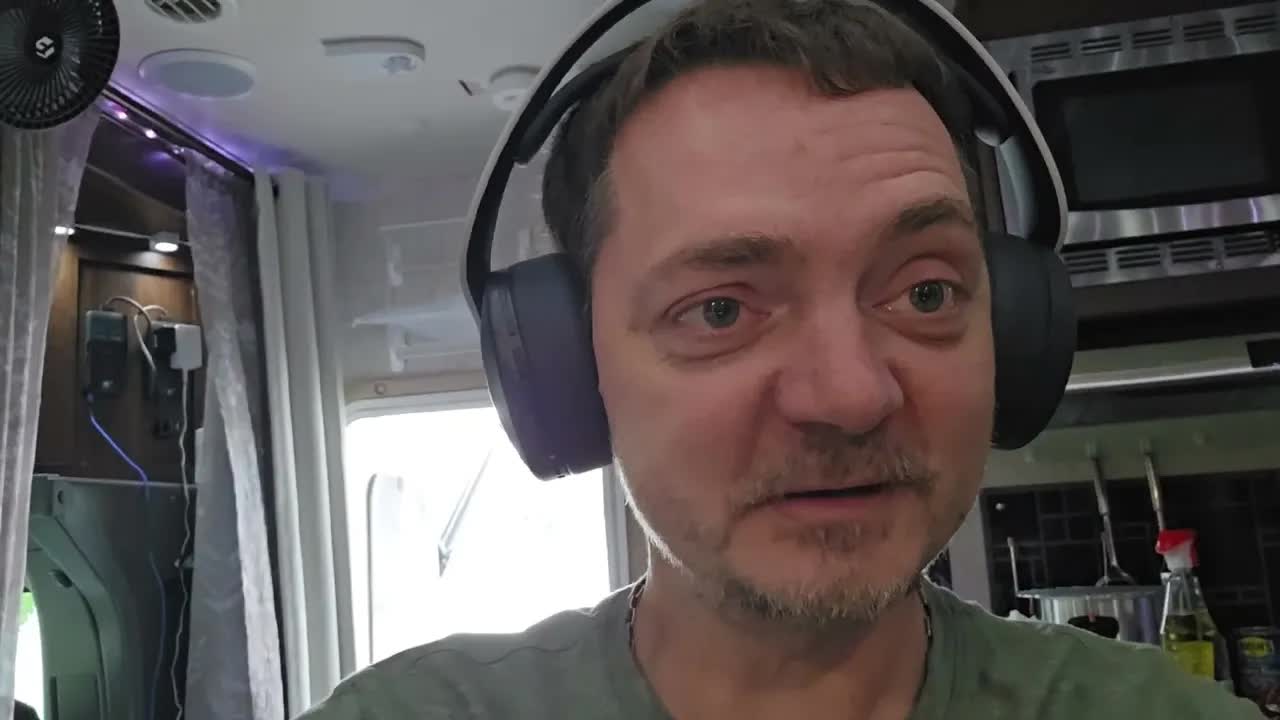

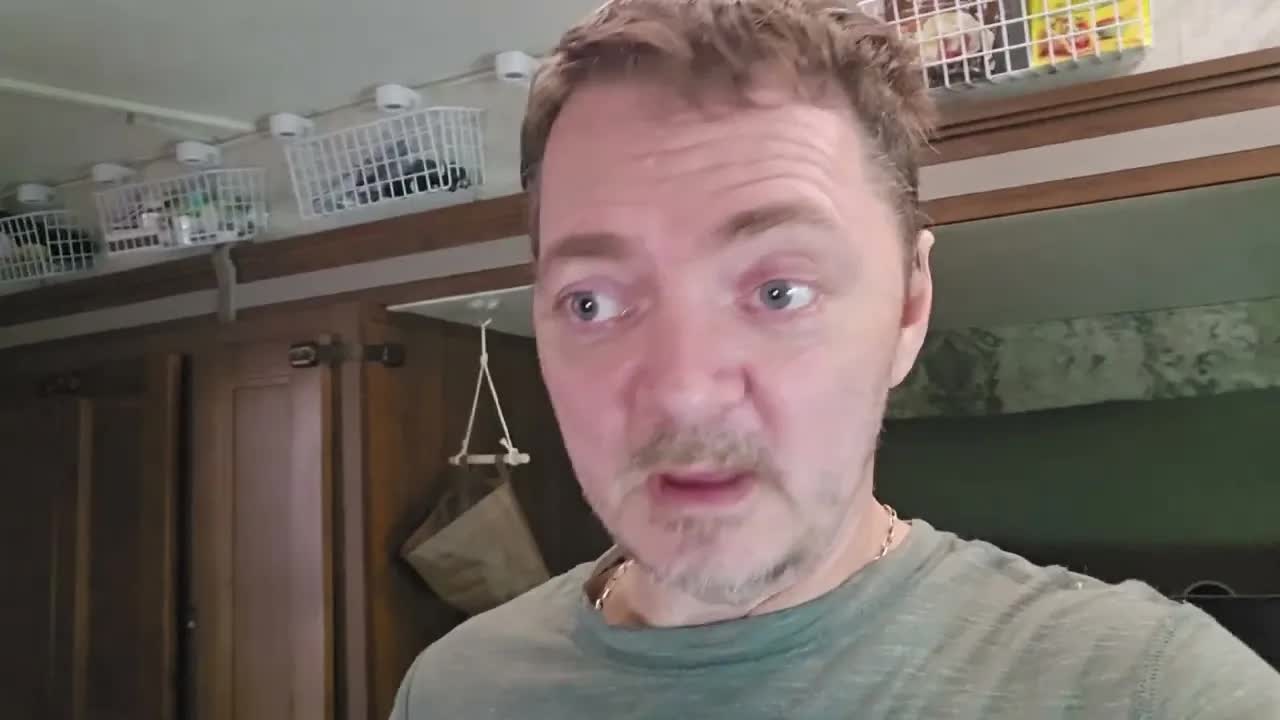
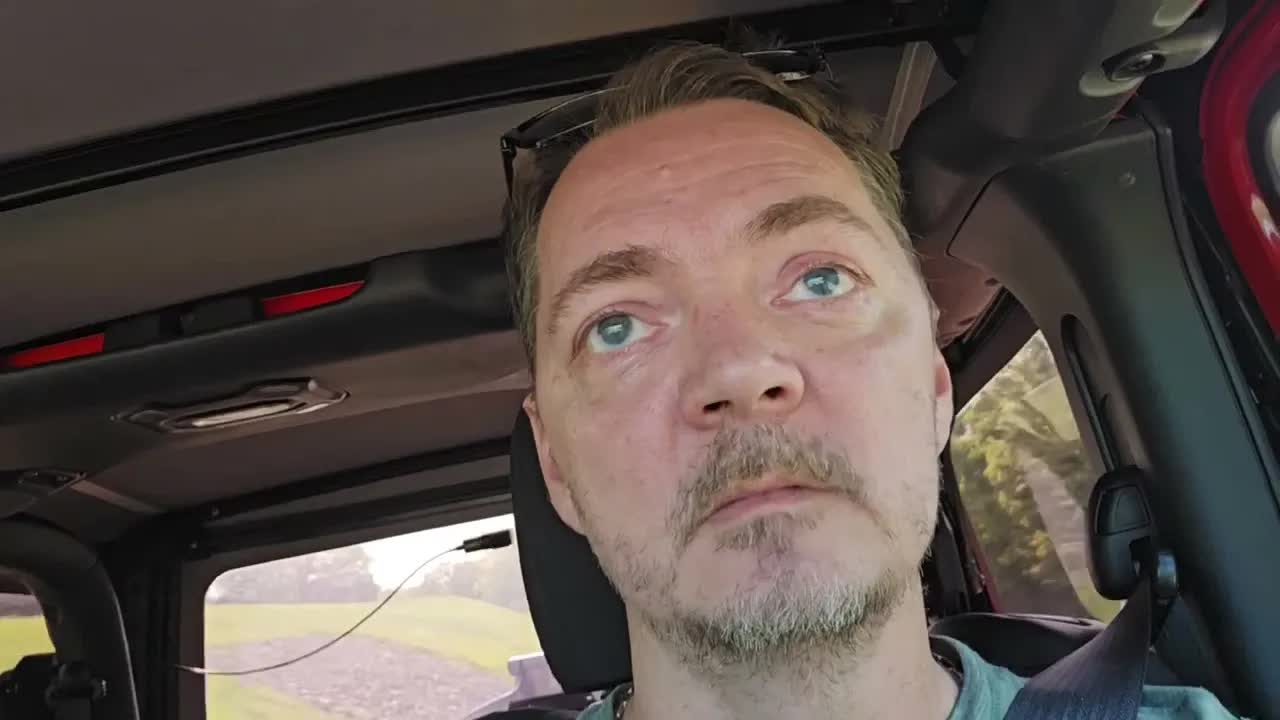
He woke maybe twenty minutes before he started recording — he says so himself, unsure of the exact interval, offering the estimate the way a person does when the clock isn't the thing being tracked. The camera came up front-facing, used as a mirror, a practice he names aloud mid-signal as something he does all the time. So the first thing in frame is his own face looking back at him, and behind that, the interior of a space already halfway packed.
Bailey was feeling better. That was the opening report, delivered before anything else, the way a household's condition gets logged before the day's agenda. And then, almost immediately, the thought that had been unfinished since yesterday arrived in a form he could state: he doesn't want to replace one set of controls with another. He had left something. He was not looking for a better-managed version of it.
He put the platform on the table and described what he had watched happen on it, repeatedly. People start to think they own you. You could be talking to these people forever, and one thing said wrong — one thing they don't like — and they unsubscribe. He named it as a feature of the arrangement rather than a failure of any particular audience, and then widened it: that's just how our society has become. The conclusion he drew from it was not about strategy. It was about whether freedom is available inside a structure built that way. He said he didn't know that you can be free on here. He said he was contemplating and struggling with that, and he left it there, open, without deciding.
Then the register shifted without breaking. He said he felt better. He said he wasn't afraid right now — stated flatly, as an observation of the present moment, no argument attached to it. There was a lot to do. They were going to be on a beach tomorrow, and that was exciting, and he was looking forward to it. The day's work was packing; the horizon was the ocean, one sleep out.
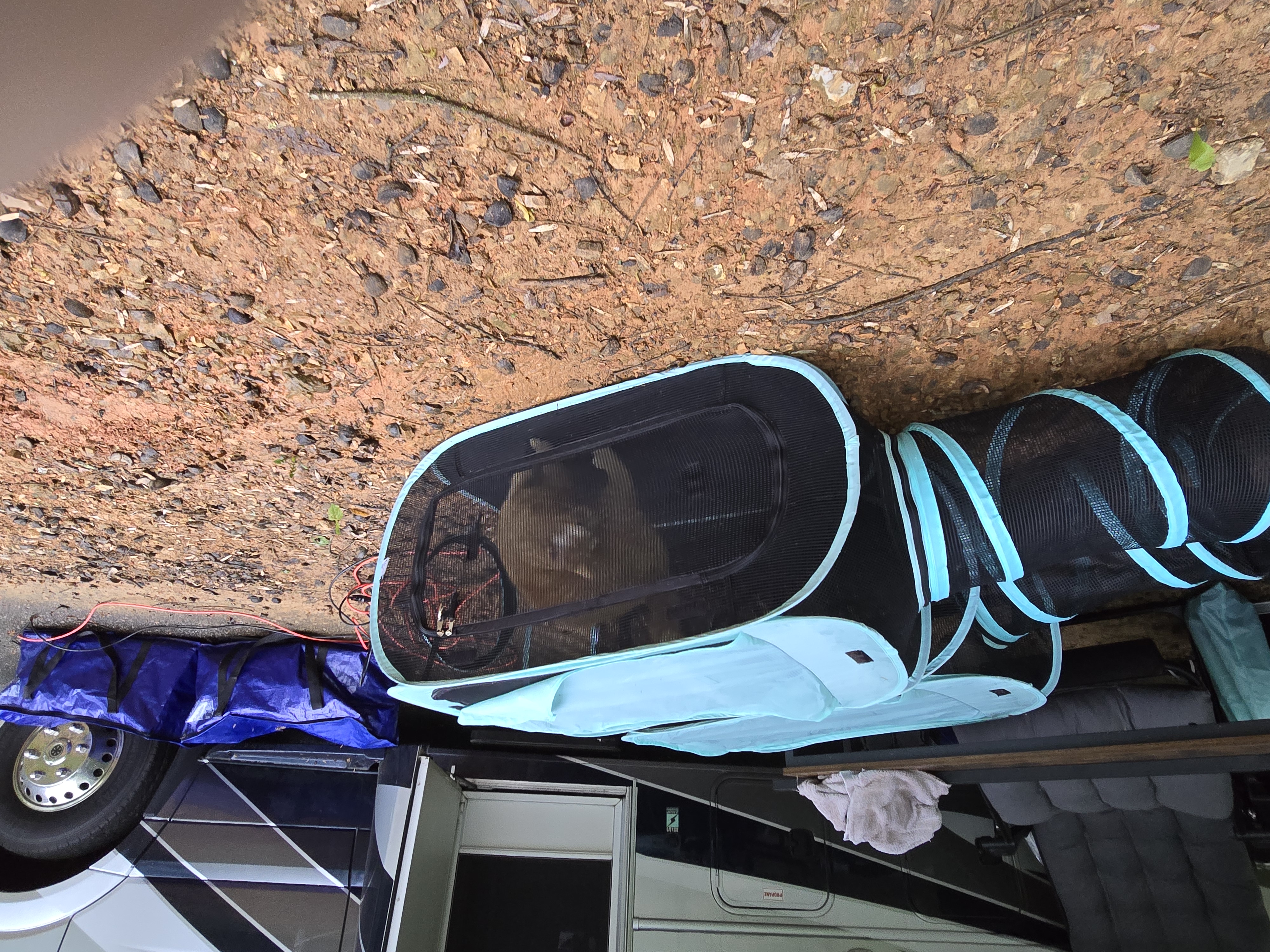
A cat got on his lap. The recording turned on that, structurally — he was now stuck, held in place by an animal's decision, and he narrated the arithmetic of it aloud: how are you going to disturb that. Bailey was the one who wanted out, and he knew it, and Bailey knew he knew. Oliver didn't want to go outside; Oliver stayed in with him. The whole exchange happened at the speed of a morning, with the animals setting the pace and rswfire describing his own constraint with something closer to amusement than impatience.
Out of that constraint he named a sequence. He gets up. He goes outside. He gets their stuff ready and they go outside — except Oliver, who doesn't. Then he makes his coffee, over under the desk, over there where all that stuff is. Then they start the day. He called it a new morning ritual and said it twice, once as a thought forming and once as a thing established. The platform question stayed open behind it, unanswered by design. The ritual did not wait for the answer. It was already running, in a space being emptied for departure, with the beach a day out and the coffee within arm's reach.