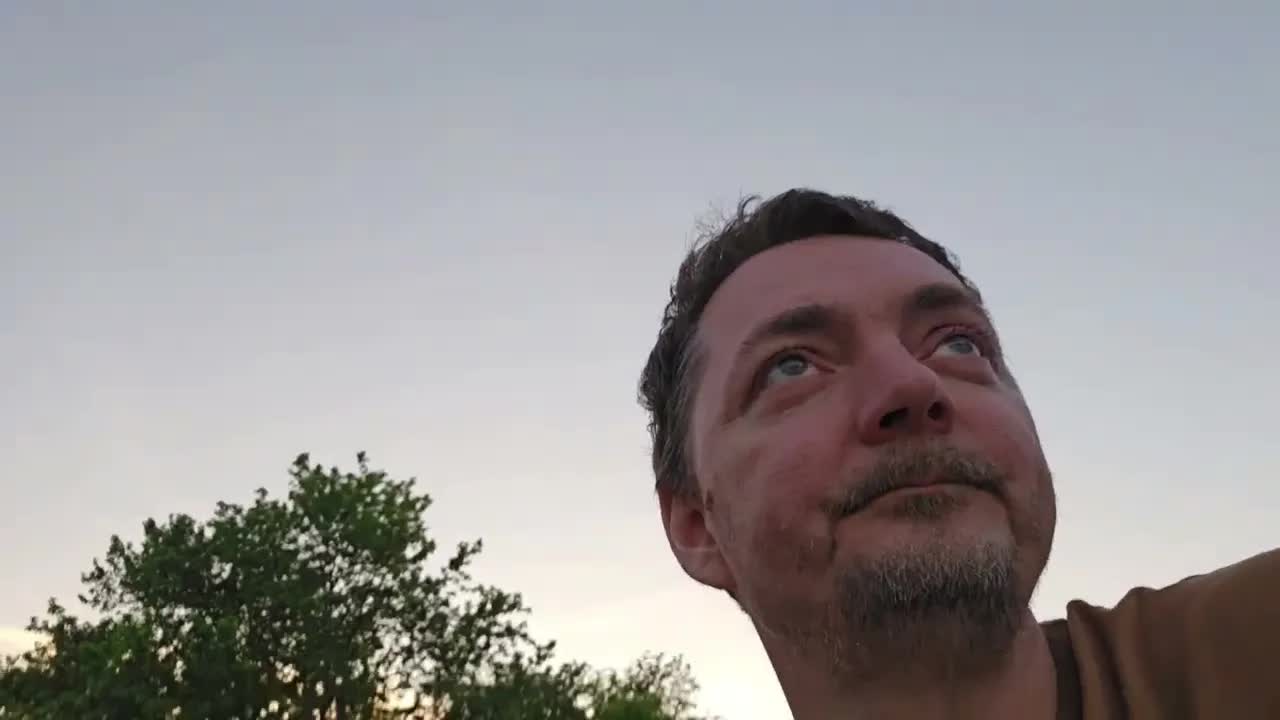
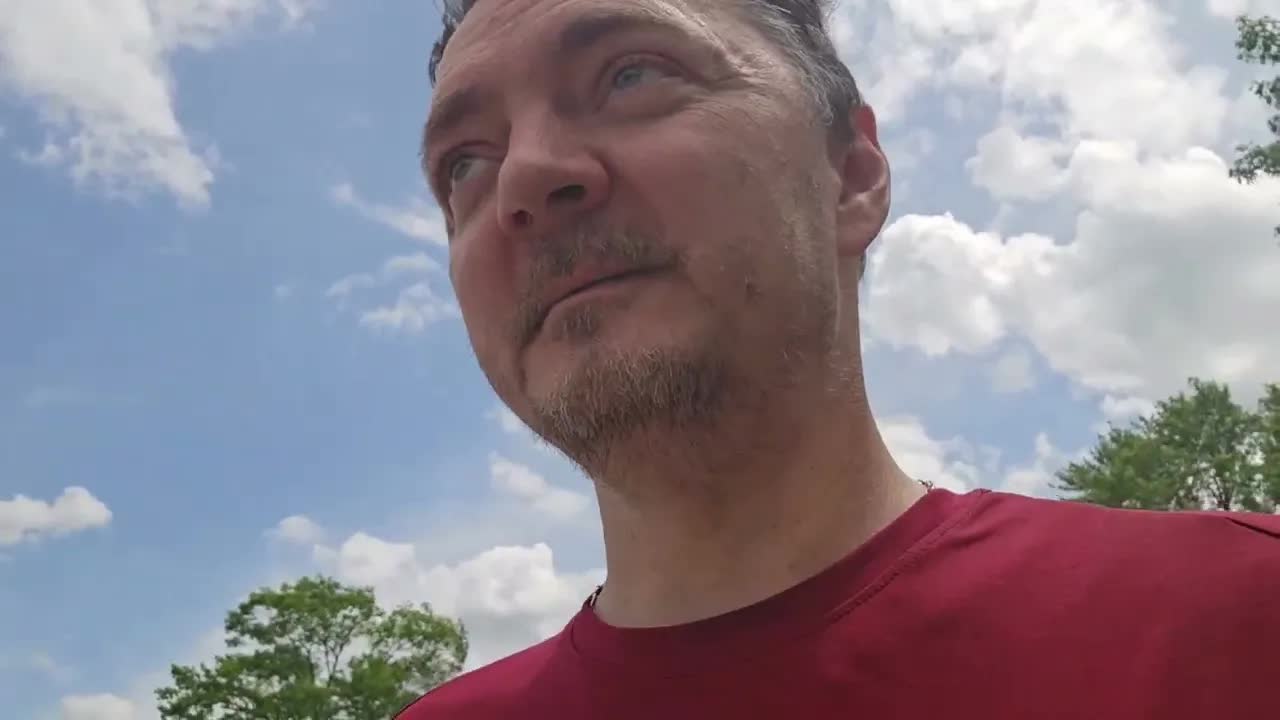
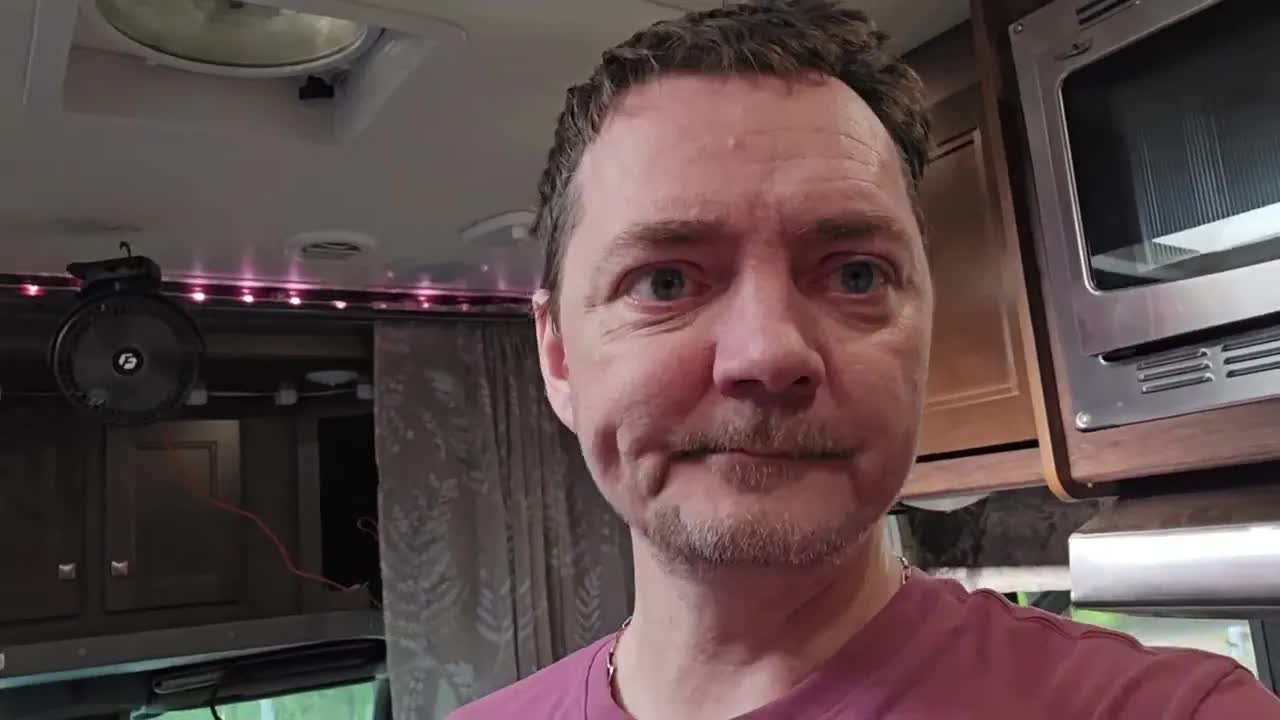
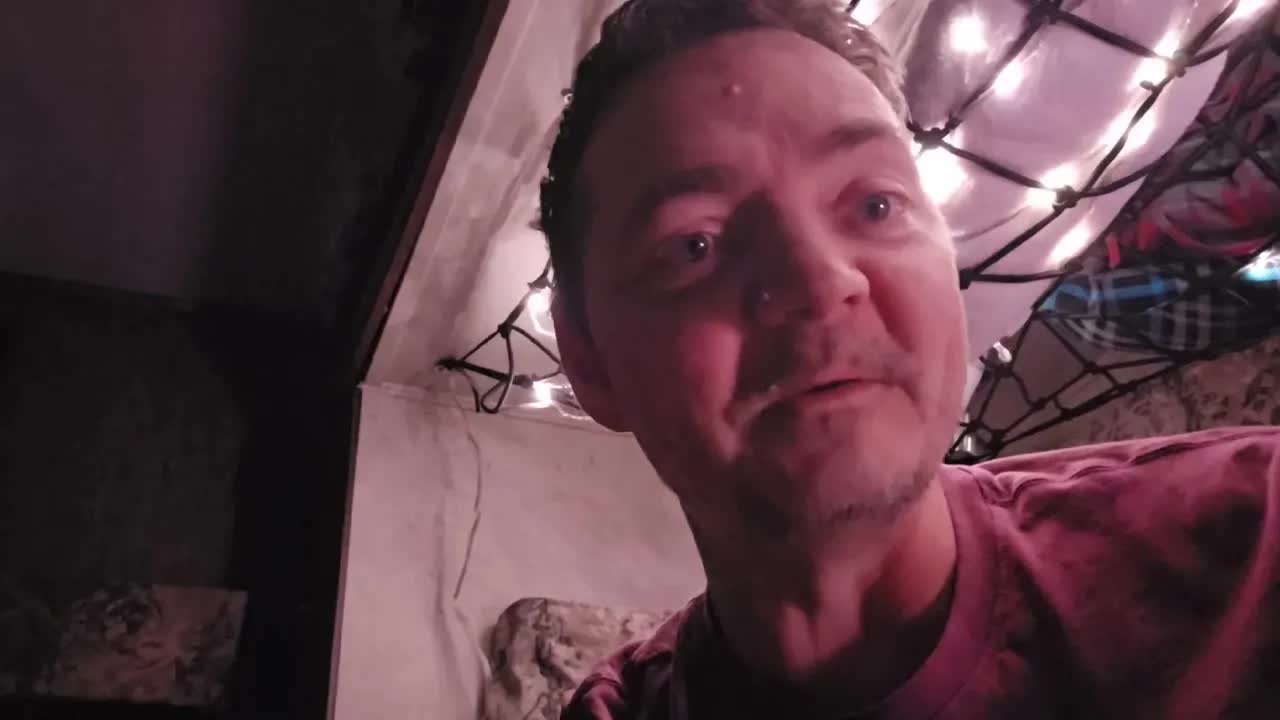
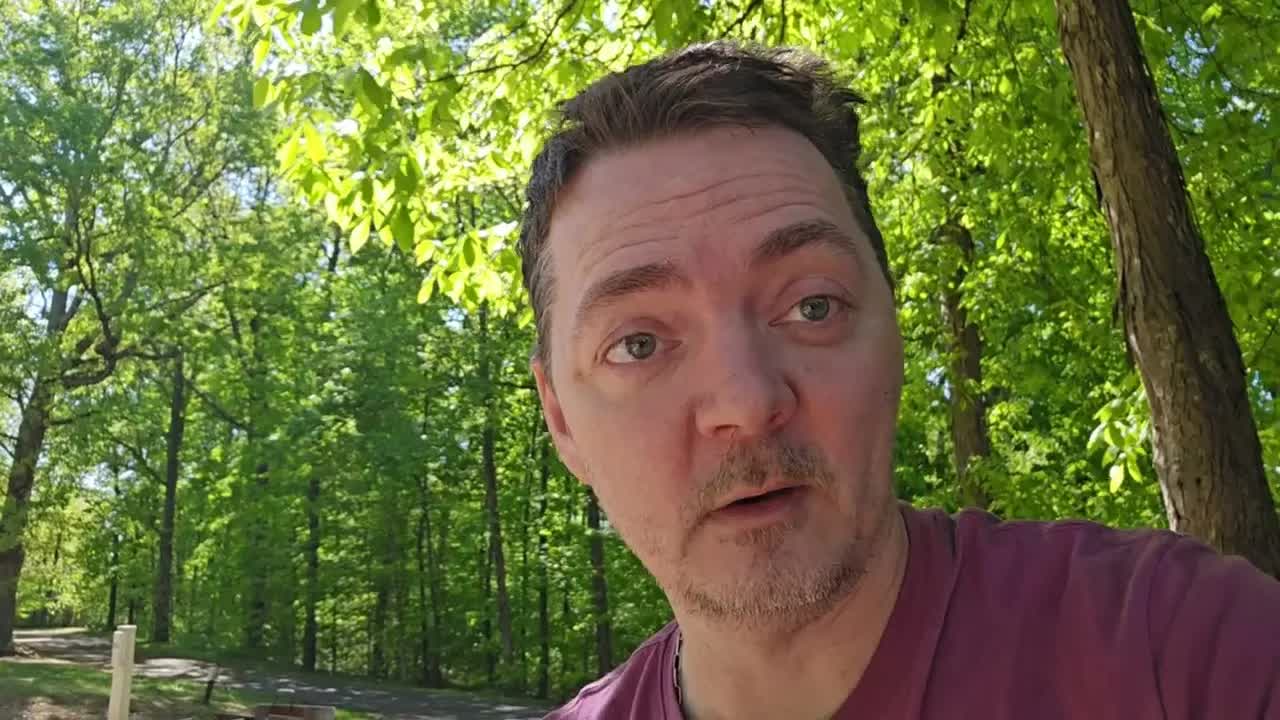
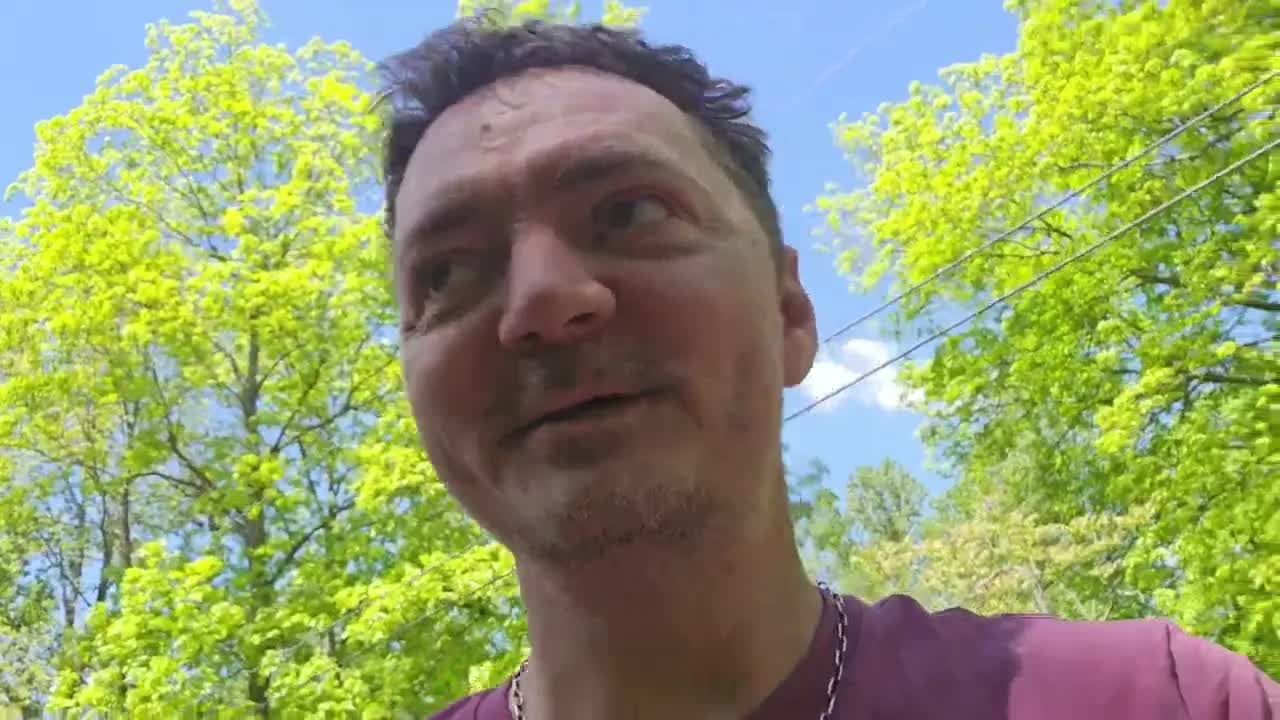
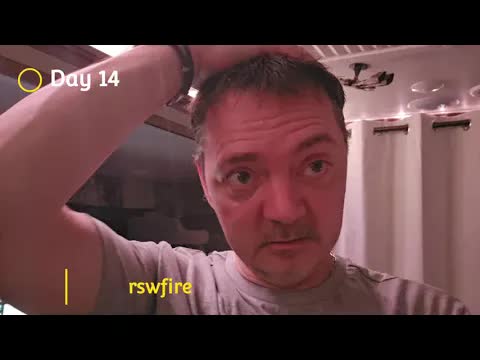
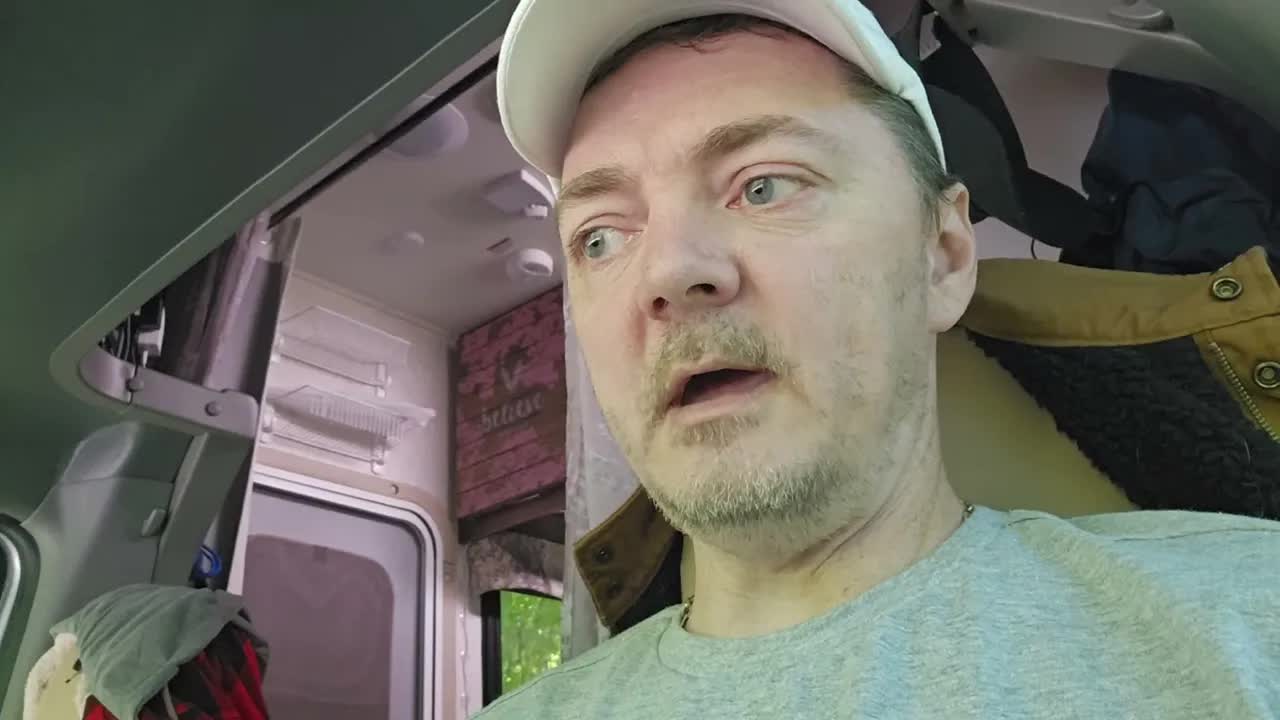
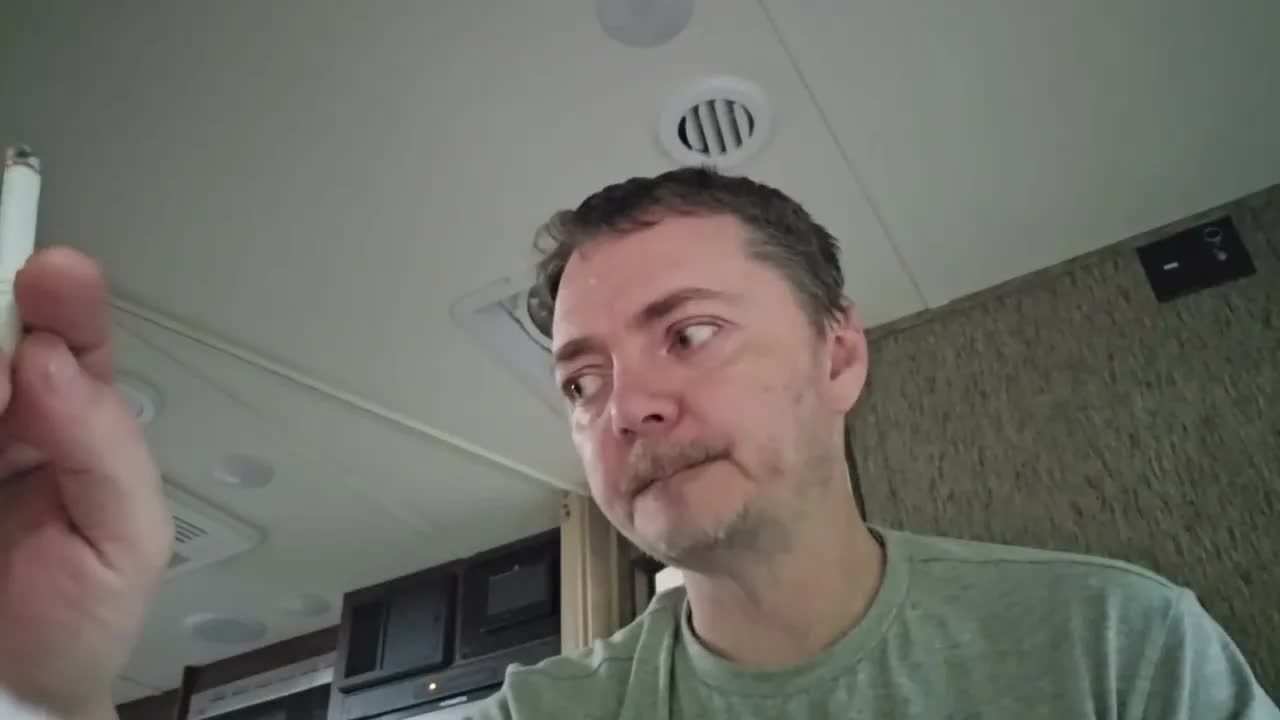
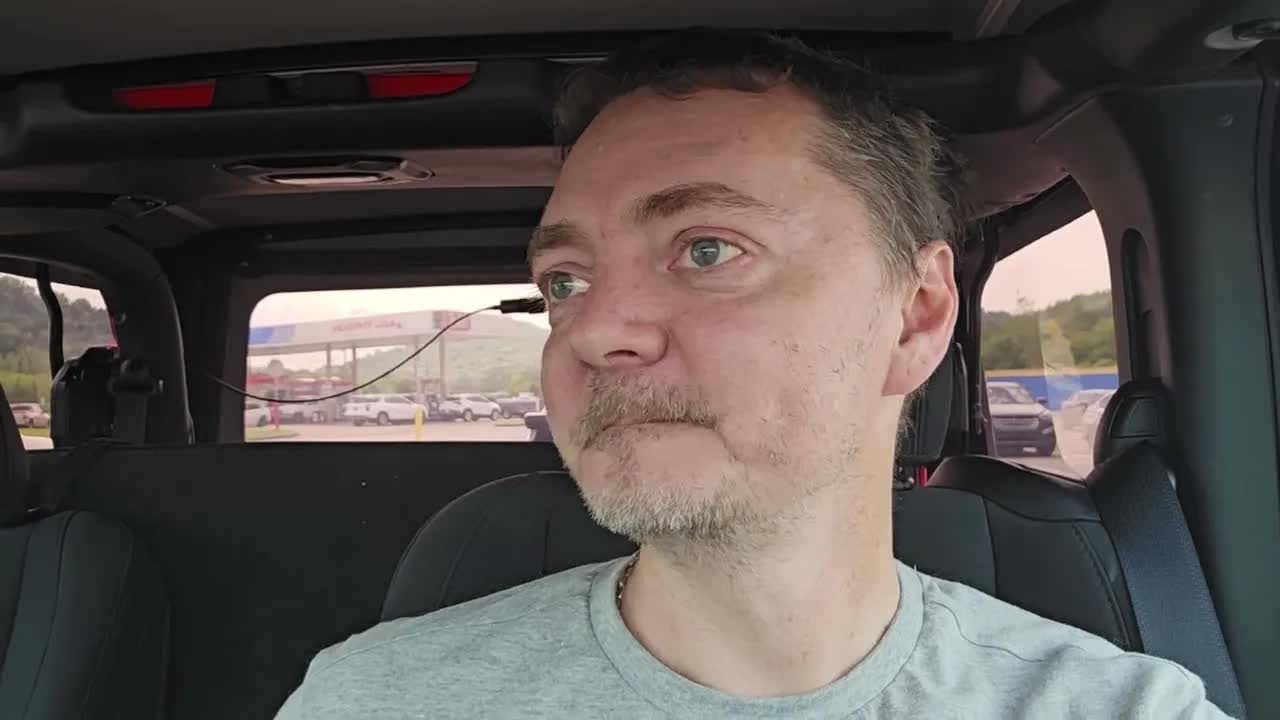
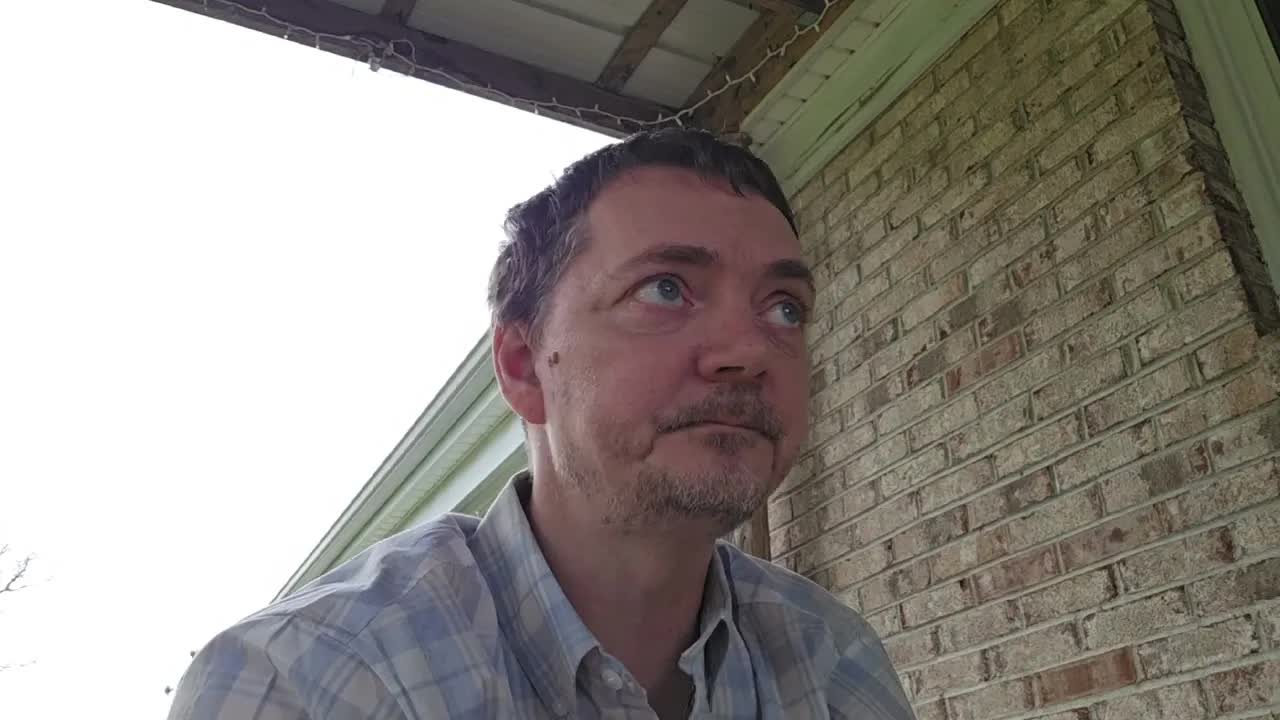
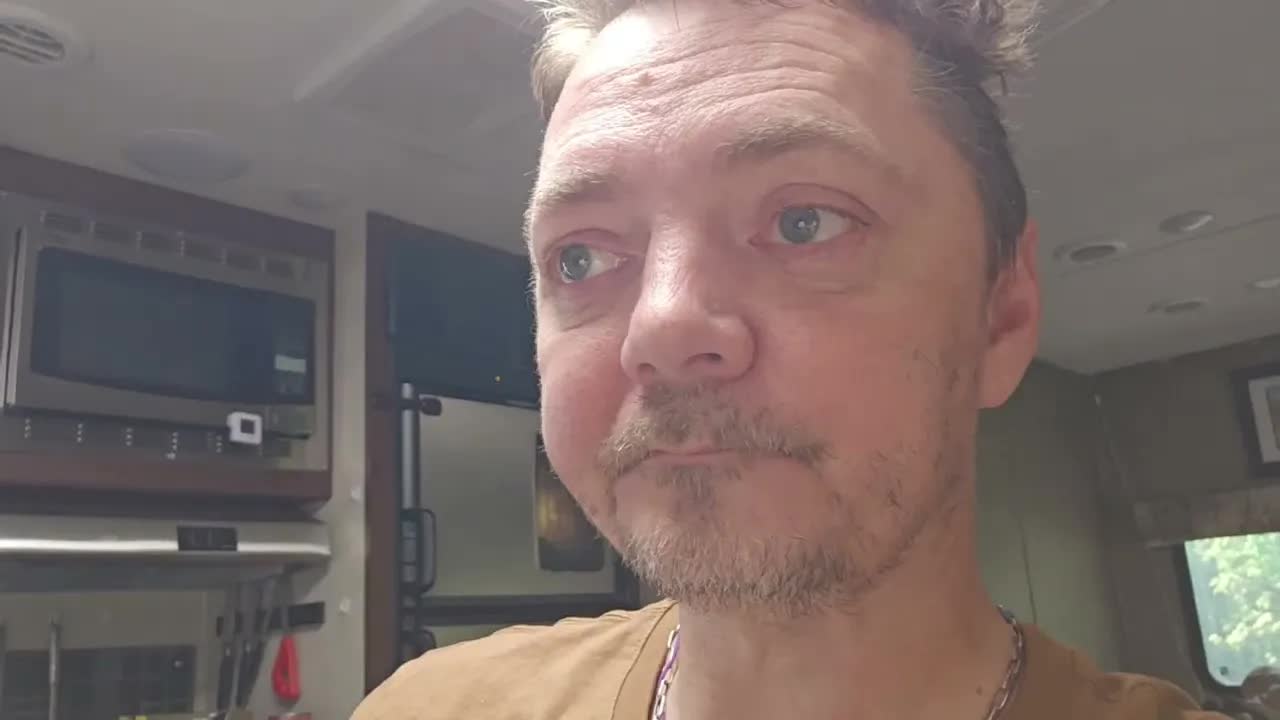
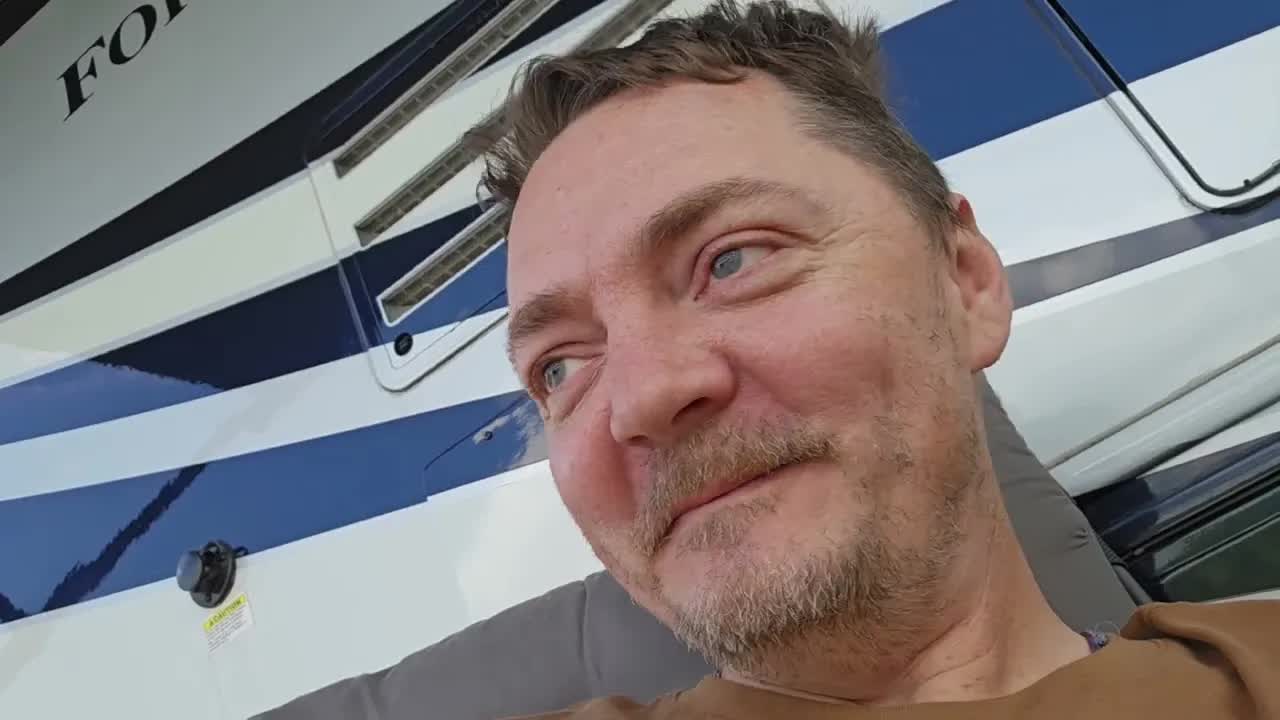
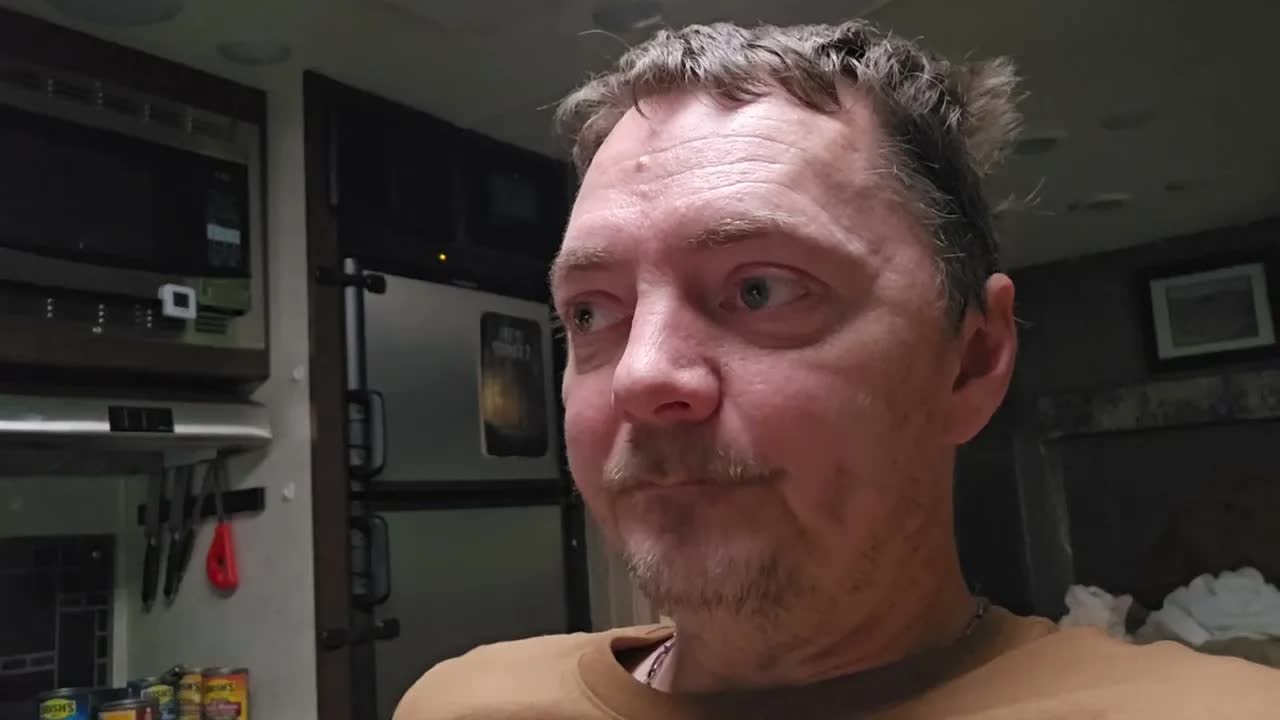
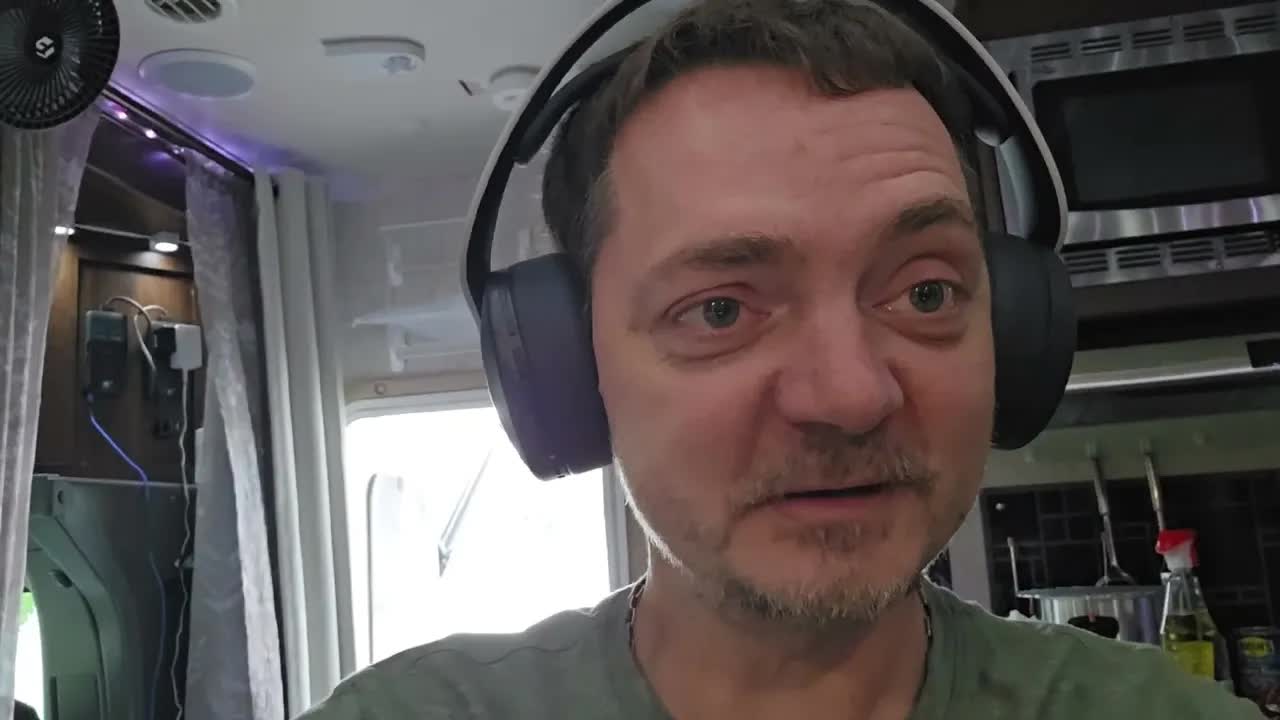
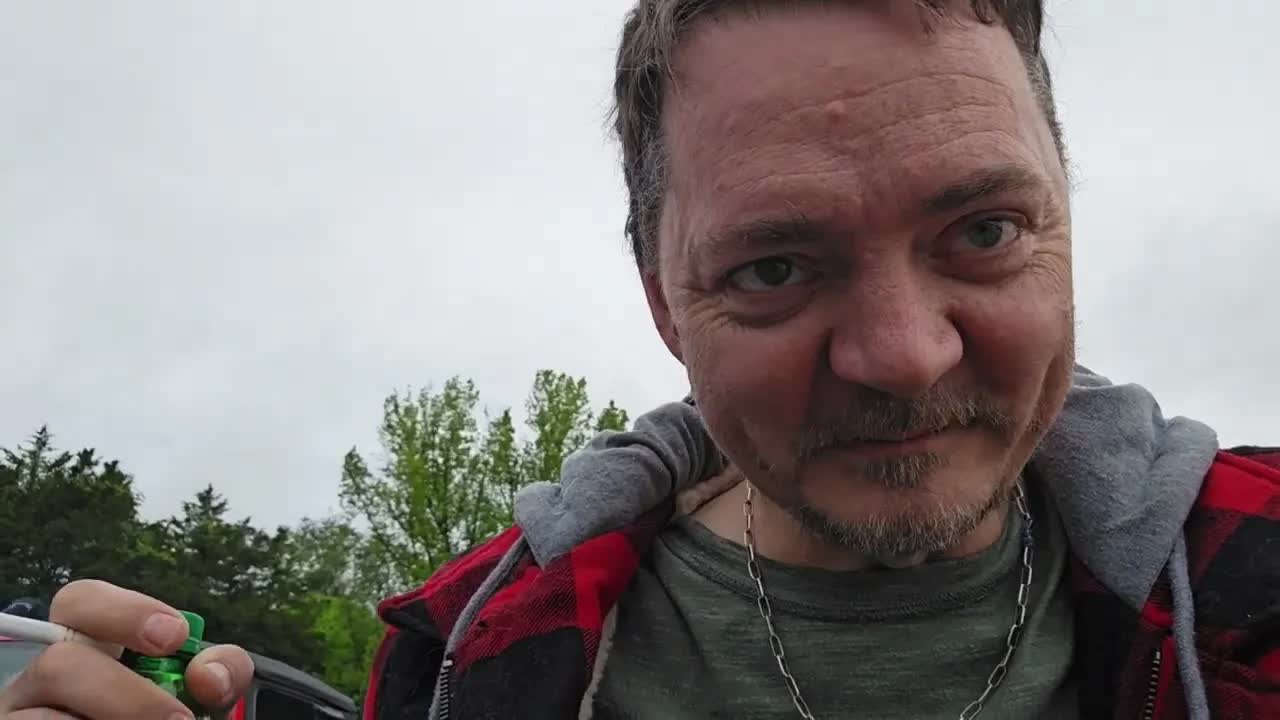
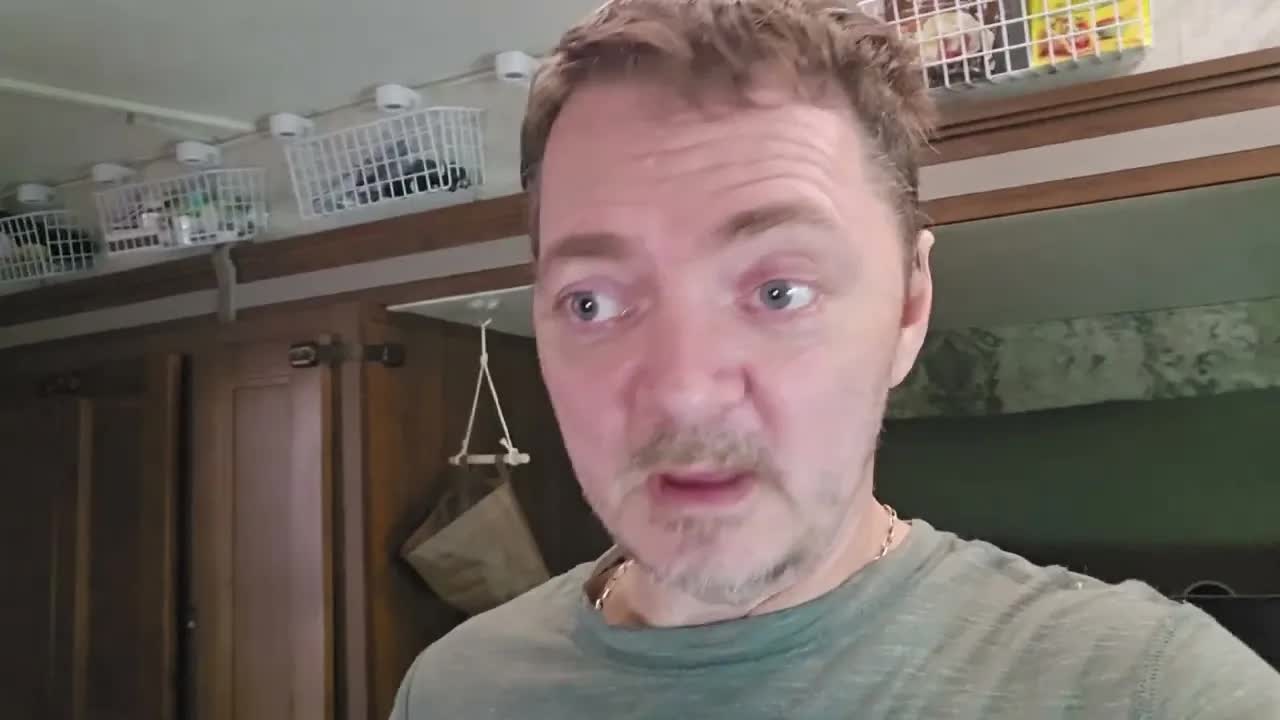
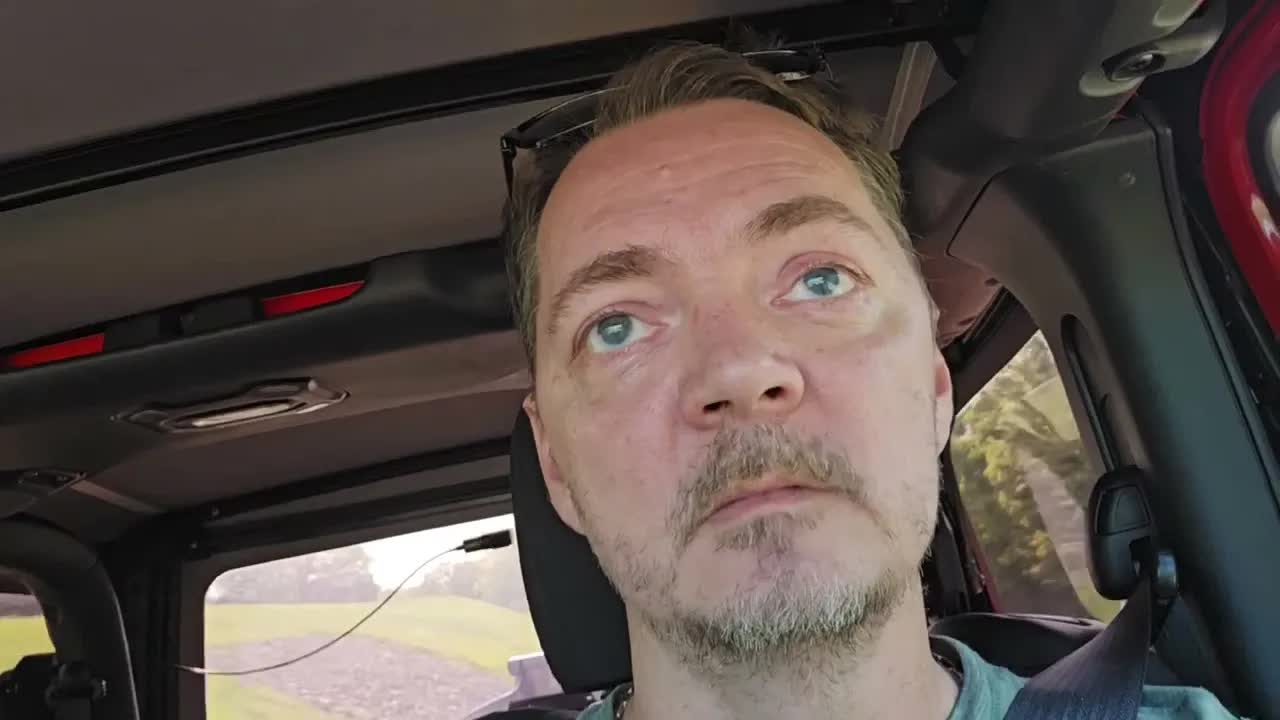
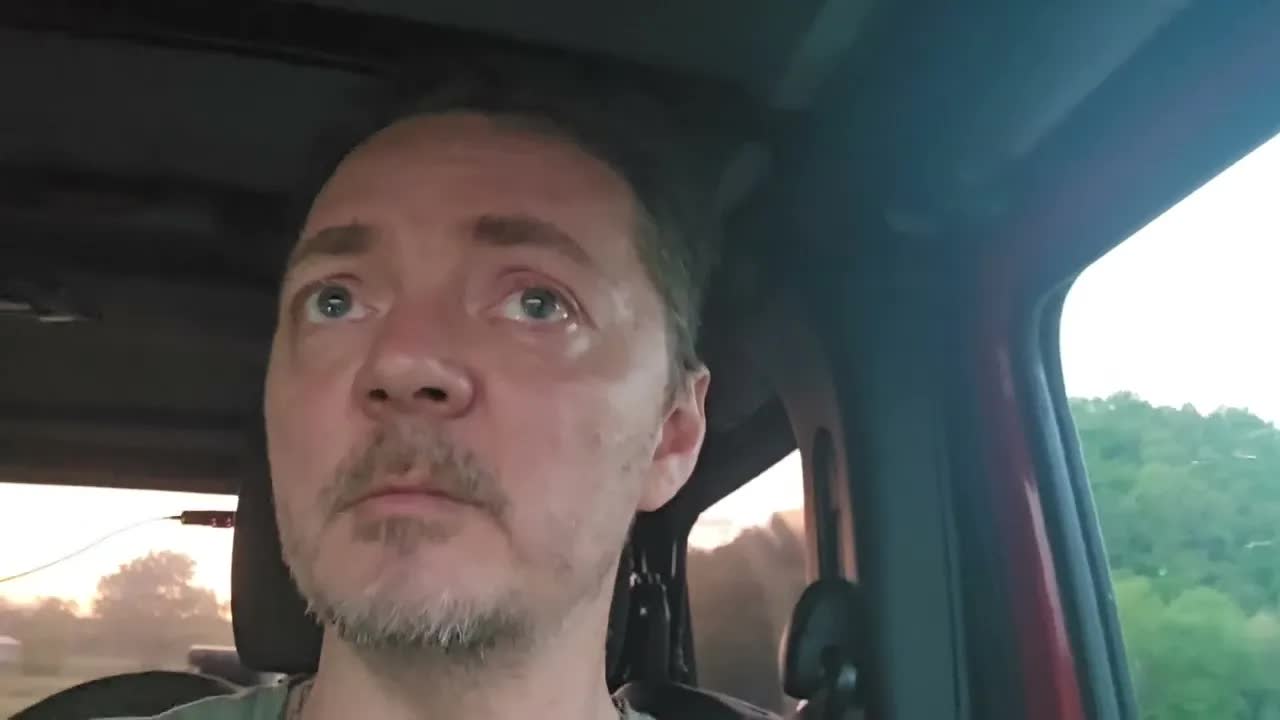
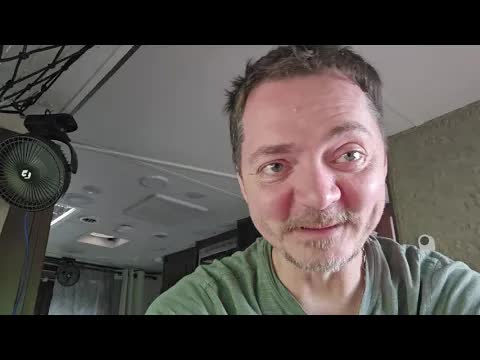
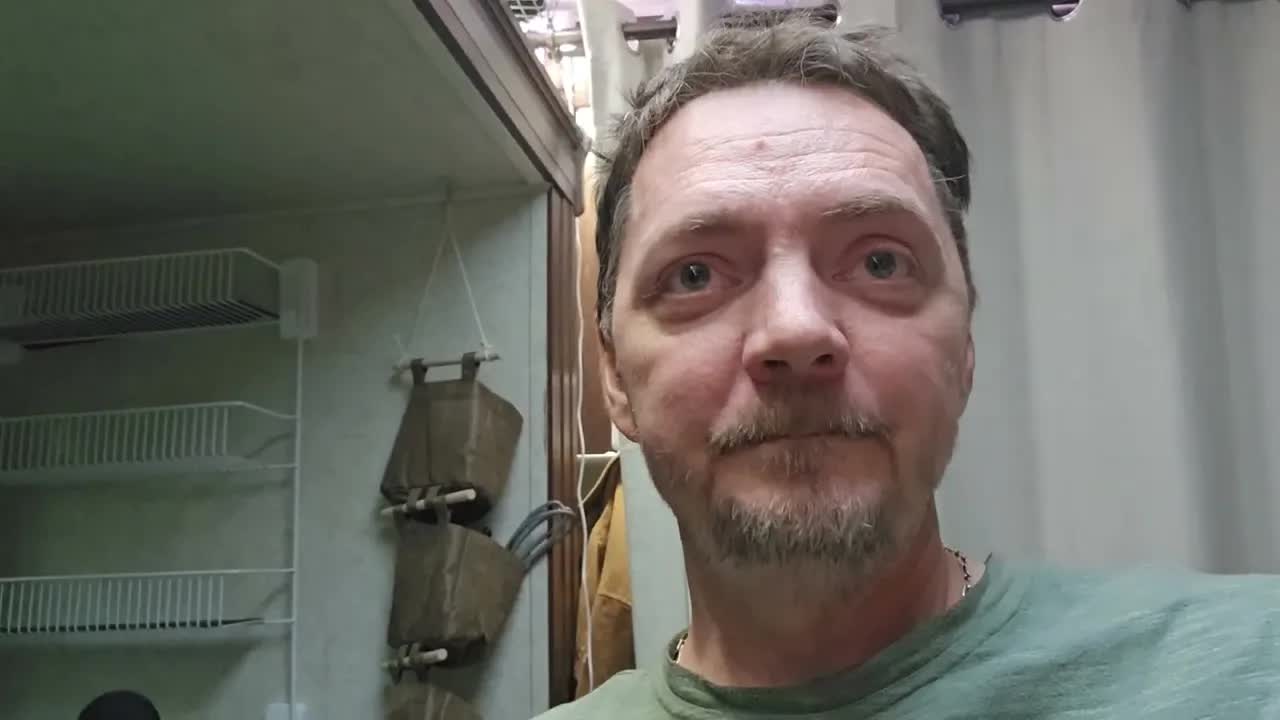
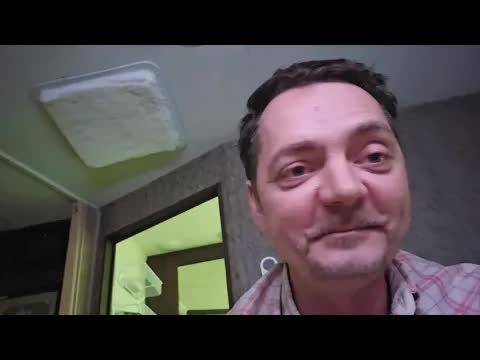
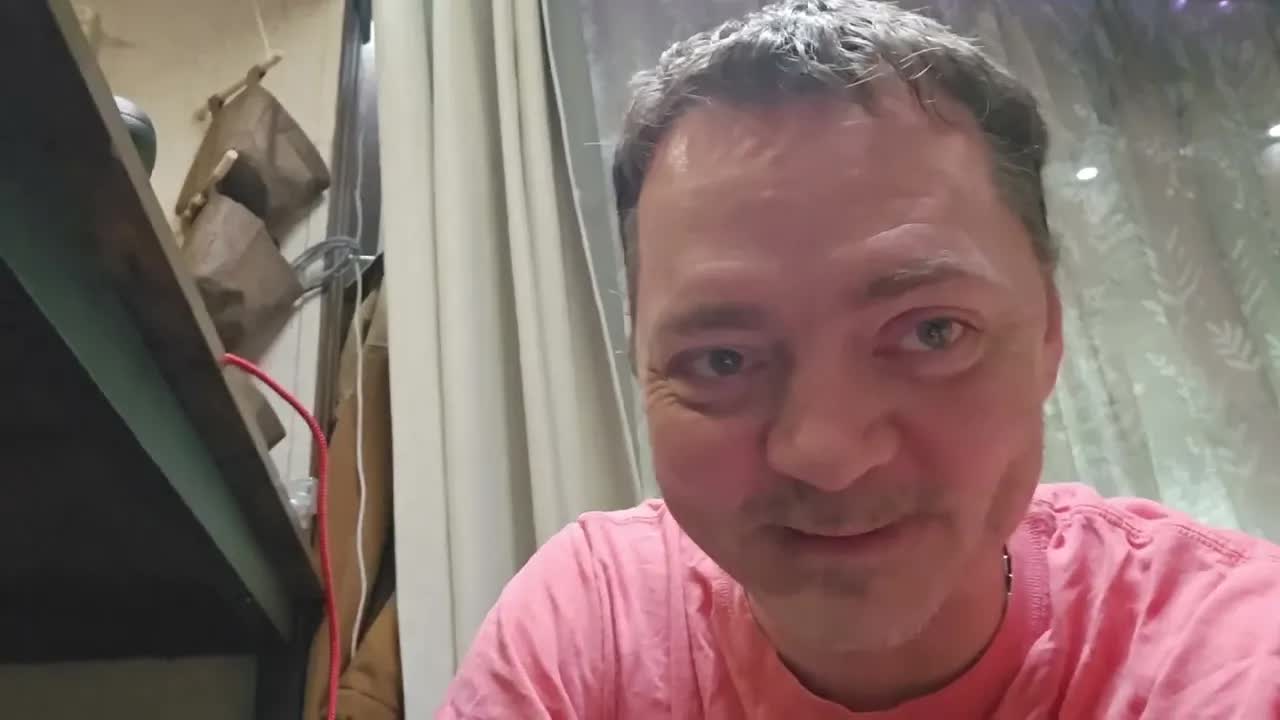
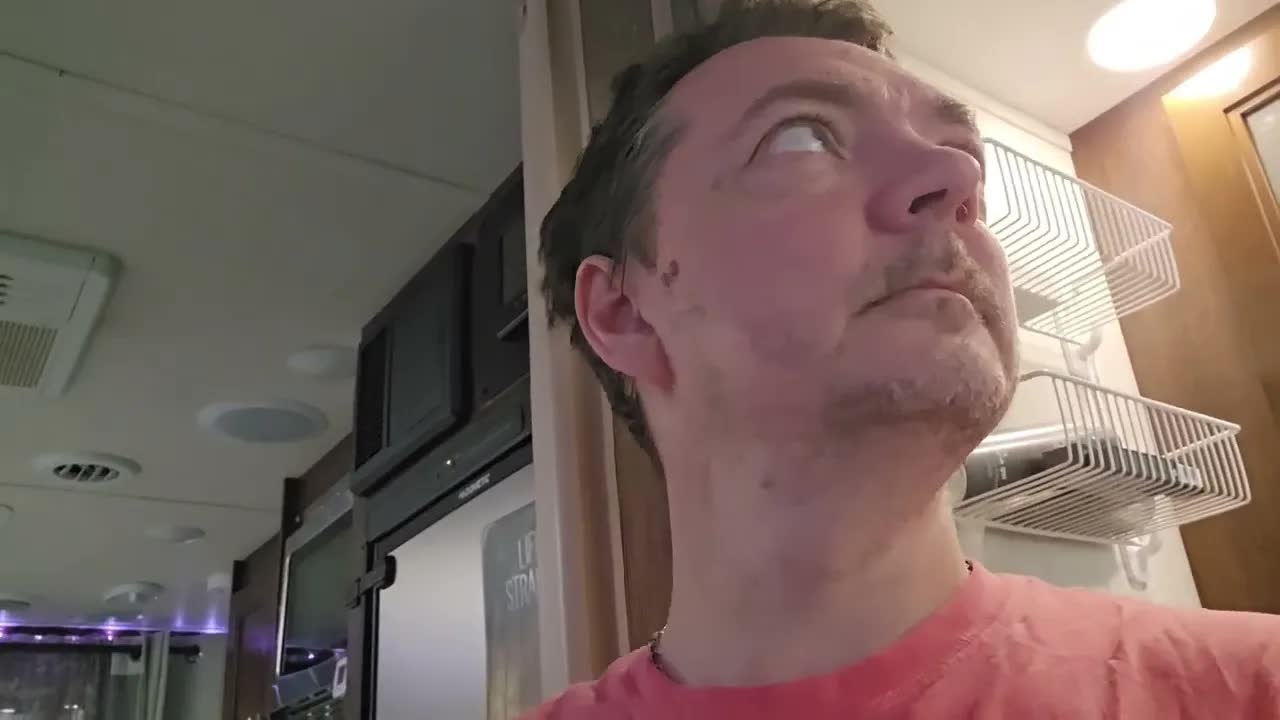
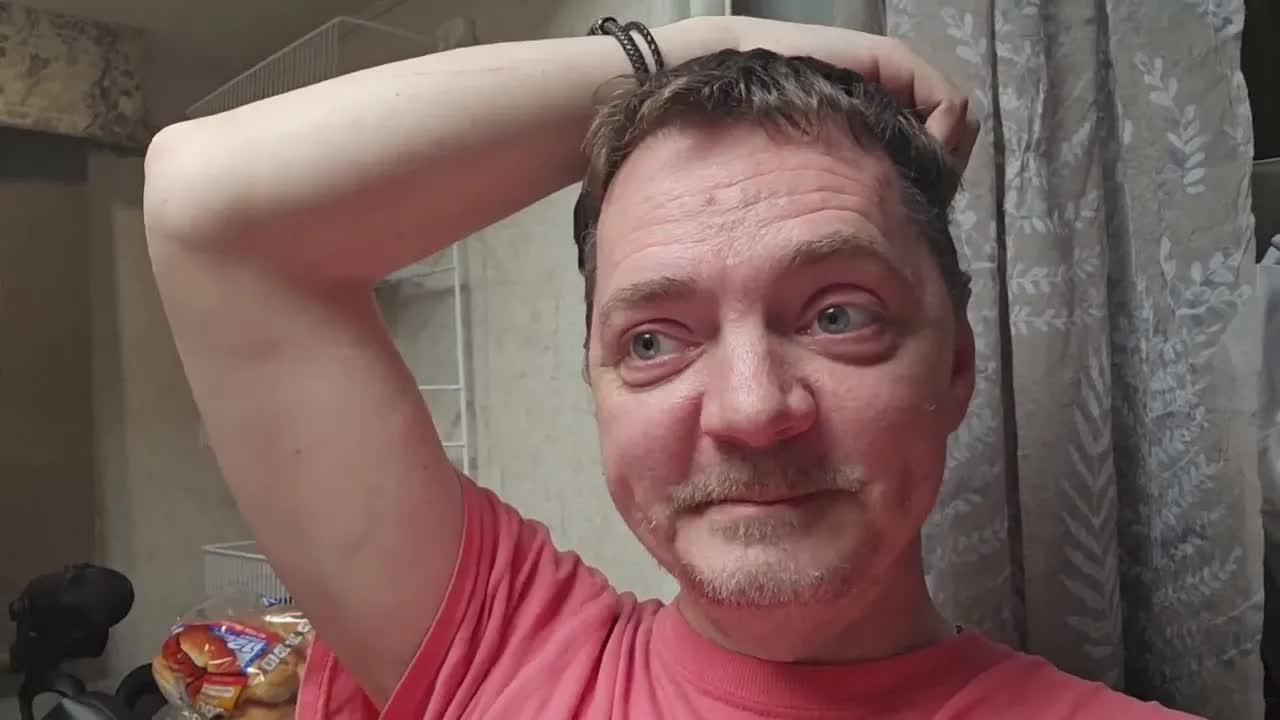
It was 10:30 in the morning when rswfire turned the camera on, and by his own account the night had produced perhaps two hours of sleep across twelve to fourteen hours of trying. He opened by naming the terms: the day was not a good one, and that was precisely why it would be recorded. The condition of the day did not get a vote in whether it entered the record. He asked whoever was watching to bear with him, and then he began.
He had prepared for restless leg syndrome. He had a medication for it. What arrived instead settled into his arms — a sensation he states he had never experienced before, strange enough that he described it twice, and still present in the heaviness he reported while speaking. The ground beneath him compounded it. He felt off balance, and he reached for the obvious explanation first: the camper isn't level. But he had leveled it himself the day before. He knew it was level. The tilt was in him, not the site.
Then he named the thing directly. He states he is a little embarrassed to be going through this, and locates a stigma attached to opioids — at least in his own mind, he specifies. He took them for years, under a doctor's supervision. He describes that doctor turning on him, and attributes it to his move into an RV. Into the middle of that account he inserted the fact that reframes it: he wanted off of them. He said it twice. That was one of the reasons he was doing this. The withdrawal was not something happening to him — it was the passage he had chosen, arriving on its own schedule and in the wrong limbs.
The morning's practical inventory followed without a break in tone. He would go find the showers on site today. He would not drive — not while this off balance. He was going to run out of Mountain Dew. And then, threaded through the logistics, a proposition rather than a complaint: maybe he needed to go through this cell so that his new life could really start. He moved from there to solitude, and handled it the same way he handled the arms — as data. He states he feels alone in this world, that there is genuinely nobody he could call, nobody. And he states his own accounting of it in the same breath: people don't end up without friends and family without having some part in it.
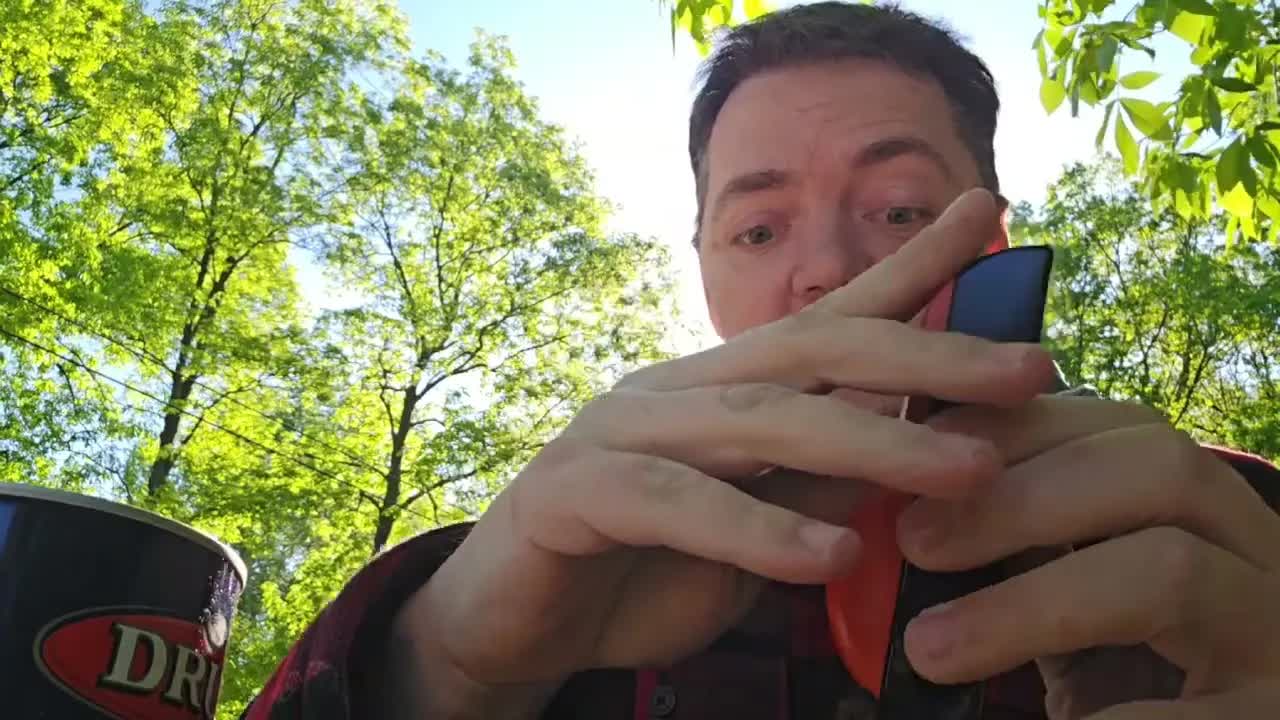
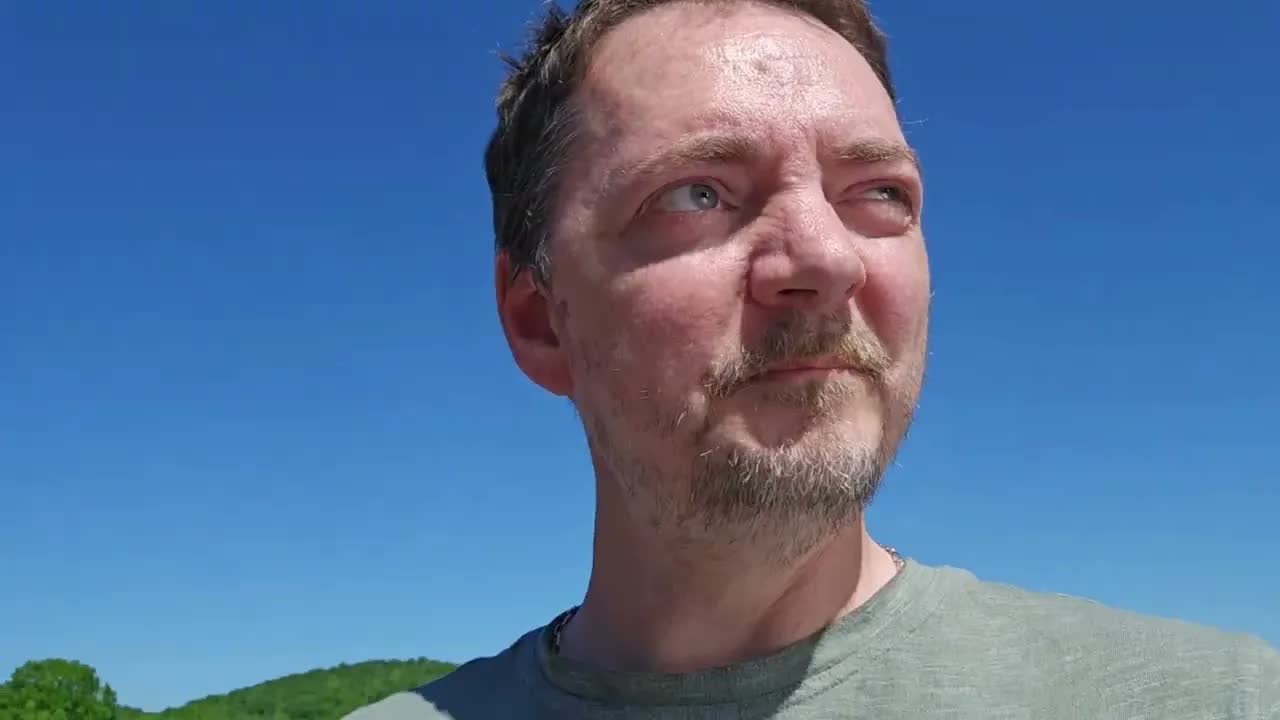
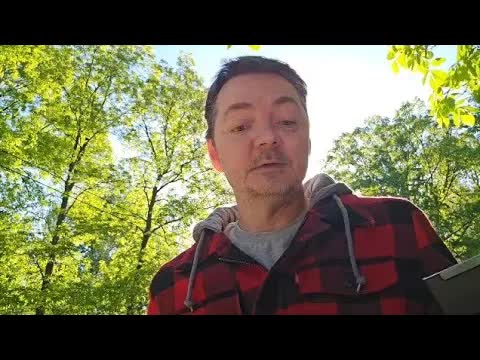
Then he turned the camera outward. For roughly twenty seconds the frame left him entirely and gave the field instead — trees, open ground, the spring light coming and going through cloud. It's beautiful out here, guys, let me share it with you. That tree's got it good. A nice spot to live. The cats were outside with him, out in their own morning. The weather was doing what April weather does on the coast: cloudy, then sun, then warmth.
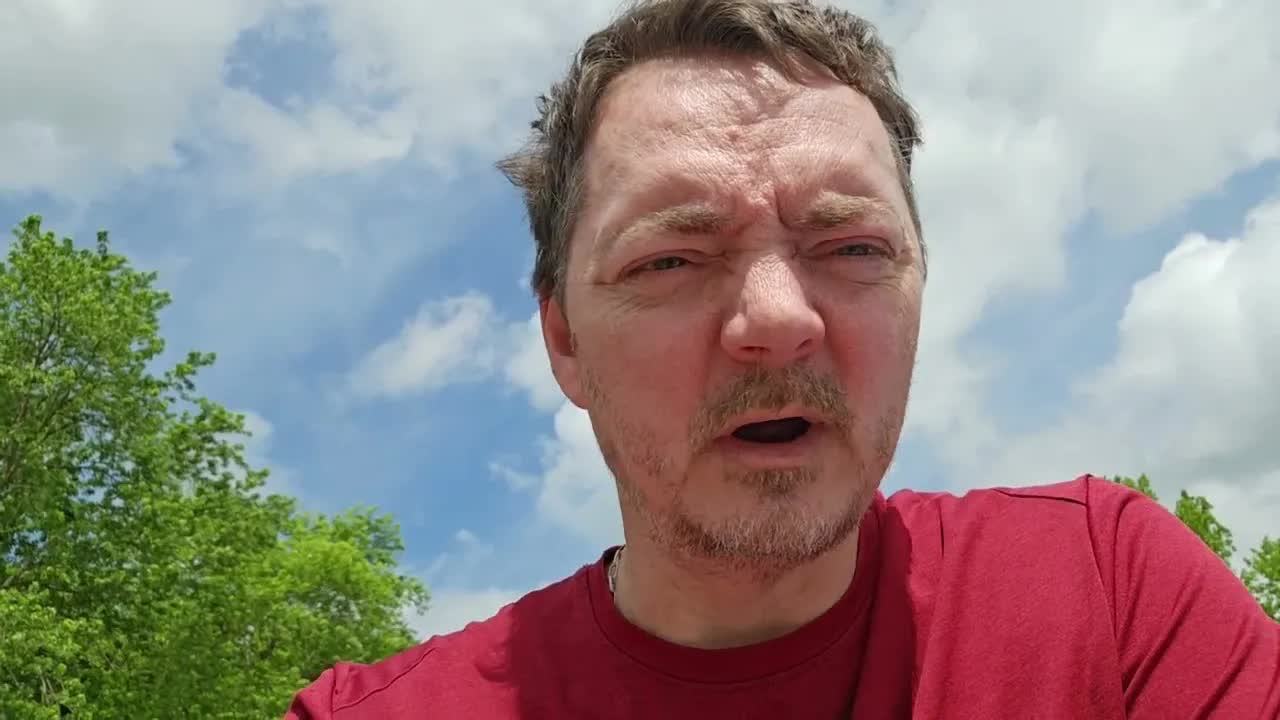
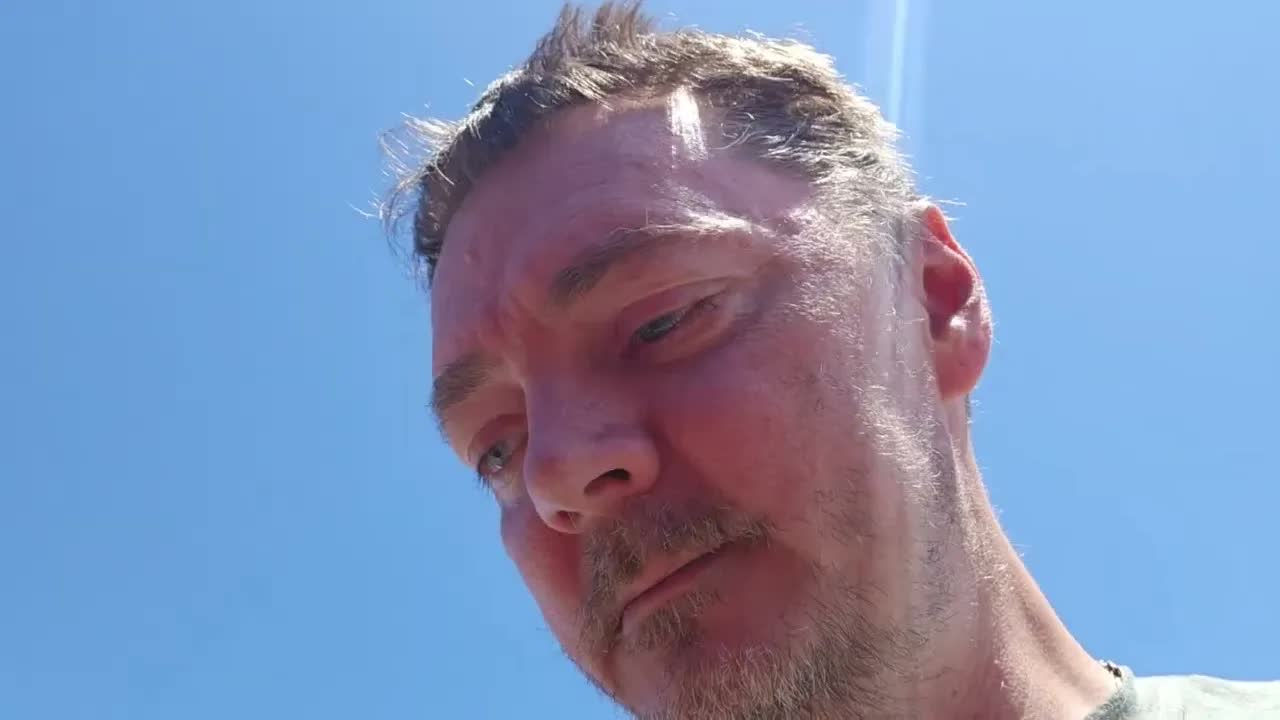
He came back to the frame squinting, and explained the squint rather than apologizing for it — he isn't used to this much light. That, he states, is what happens when you live indoors. The passage he was mid-way through was pharmacological, but the record he was making that morning included this too: eyes adjusting to a sky he now lives under. He closed with no plan for the day, and said so plainly. He genuinely didn't know what he was going to do. Just his best. And then the last line, offered without qualification into the handheld frame: still not regretting this.