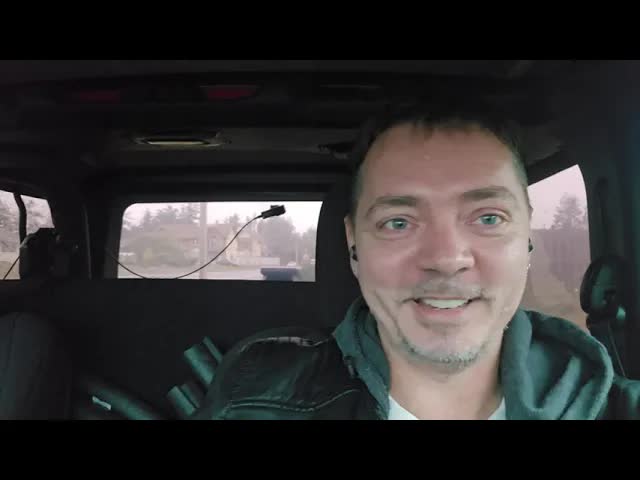
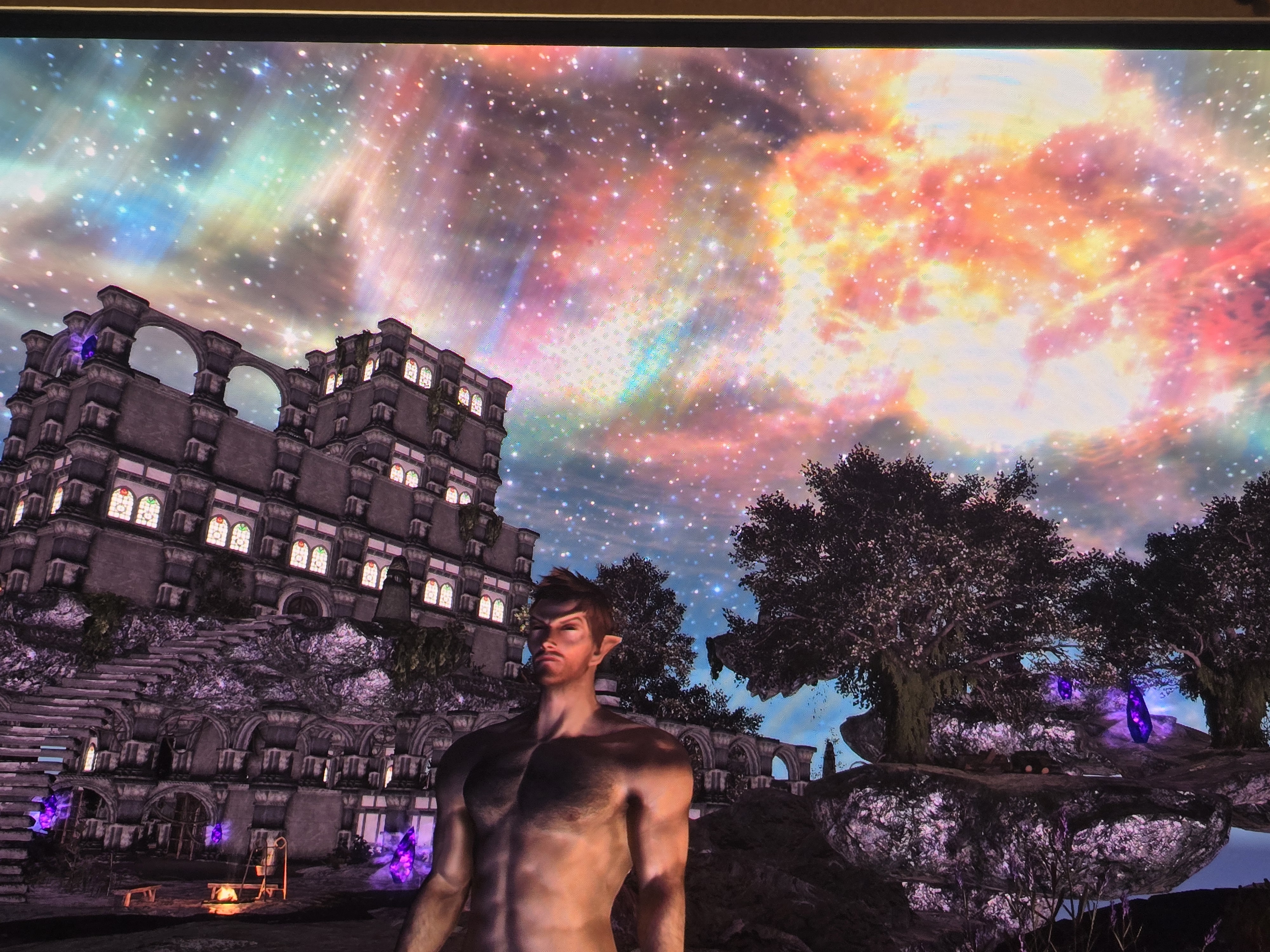
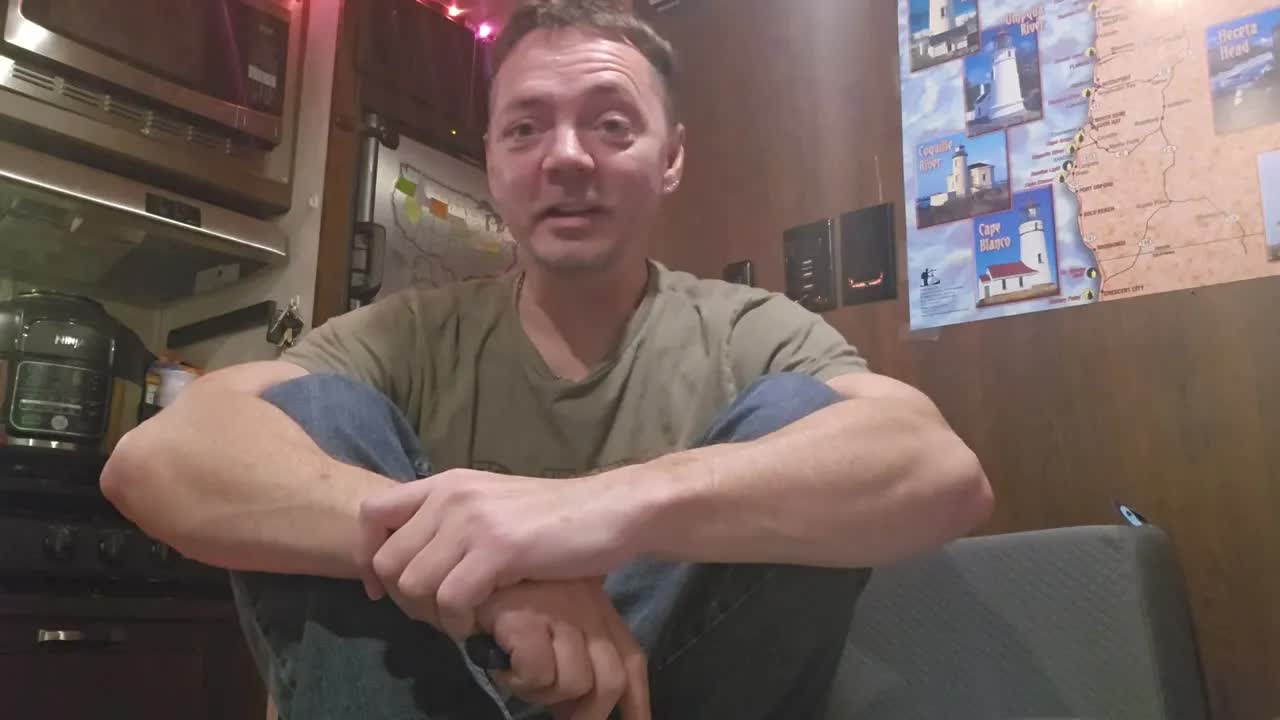
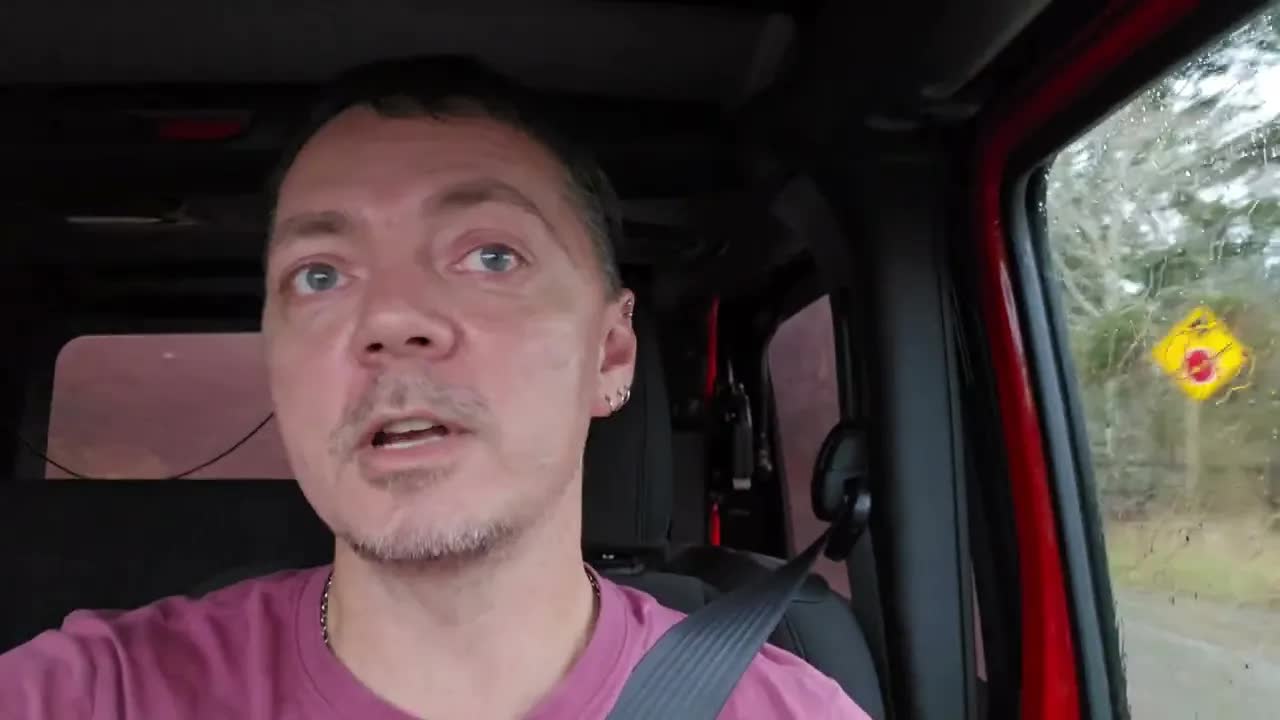
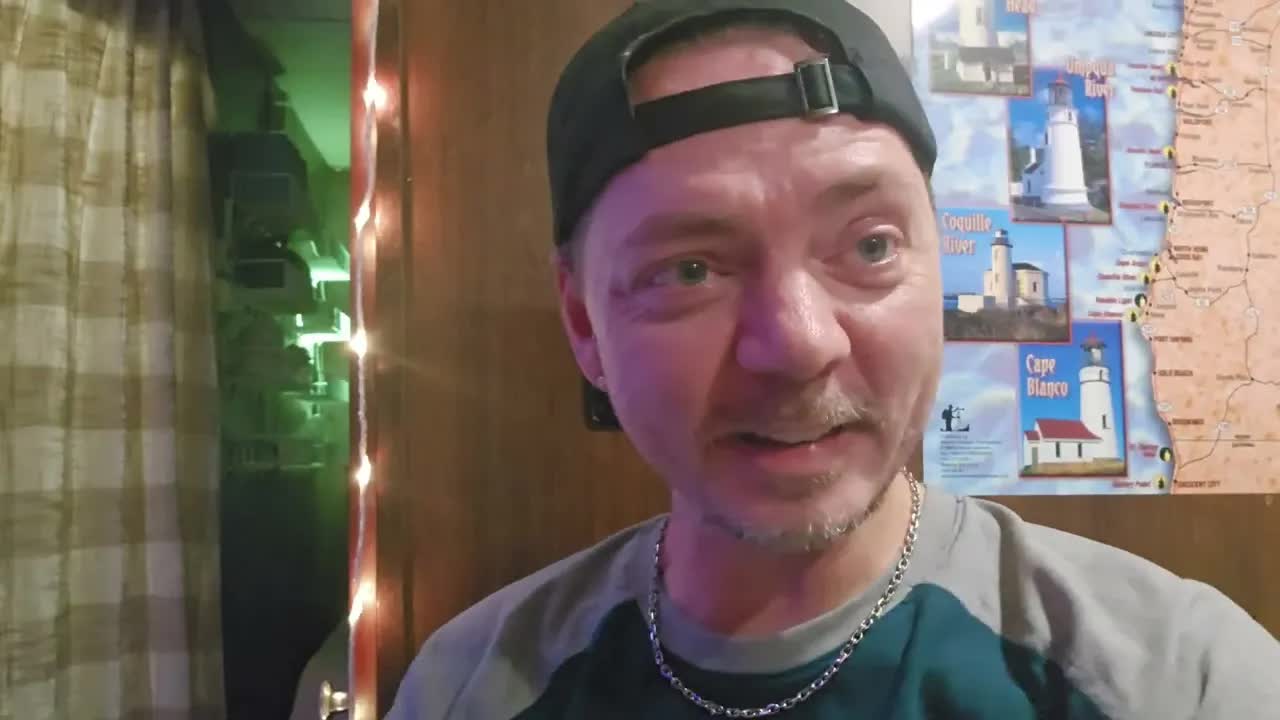
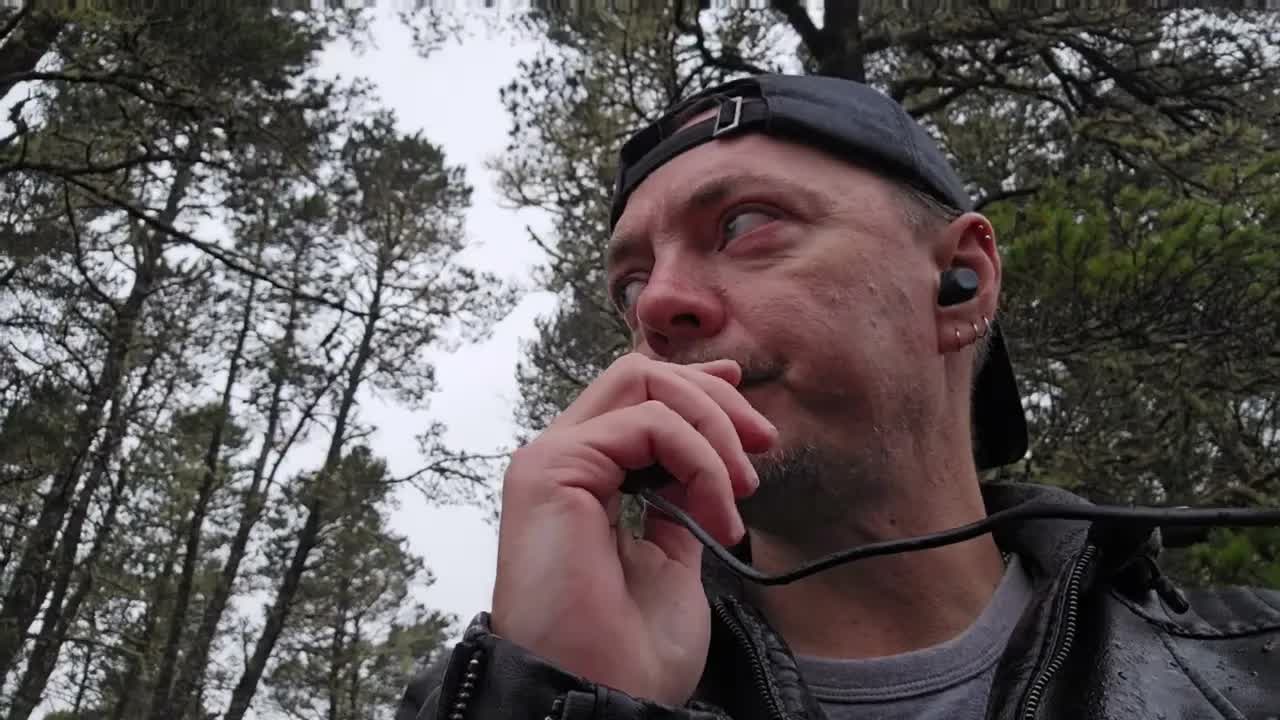
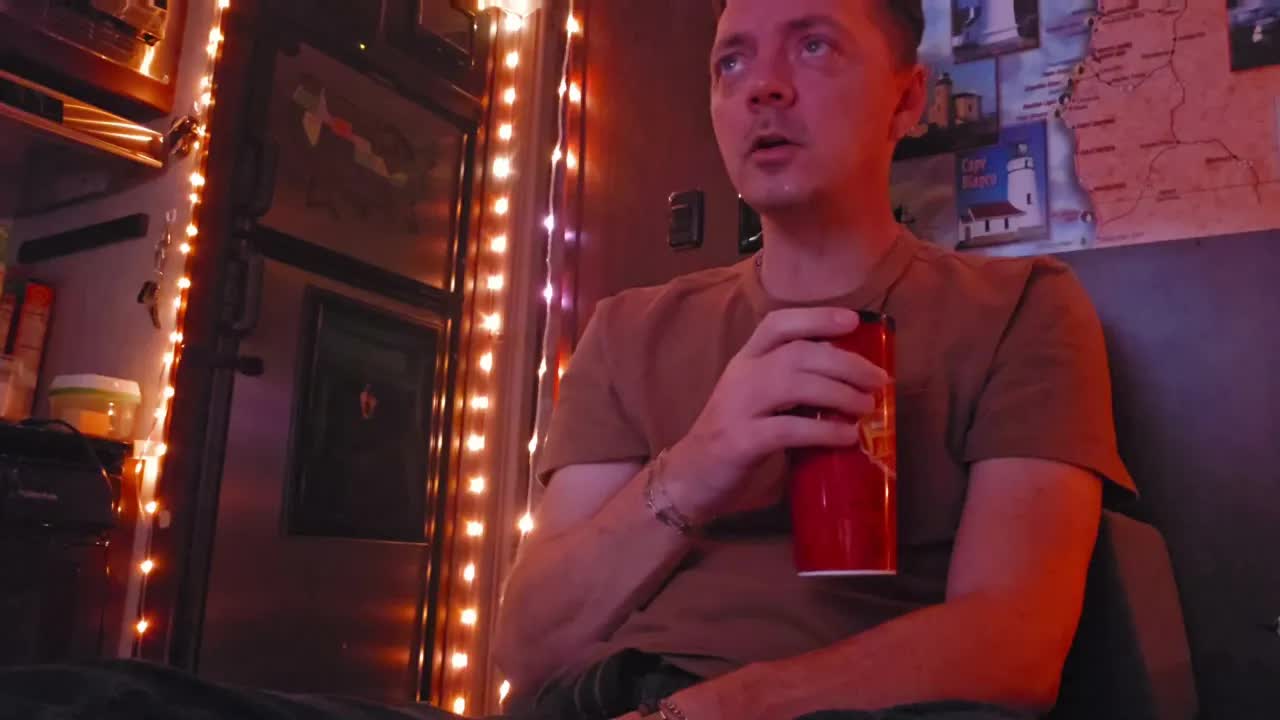
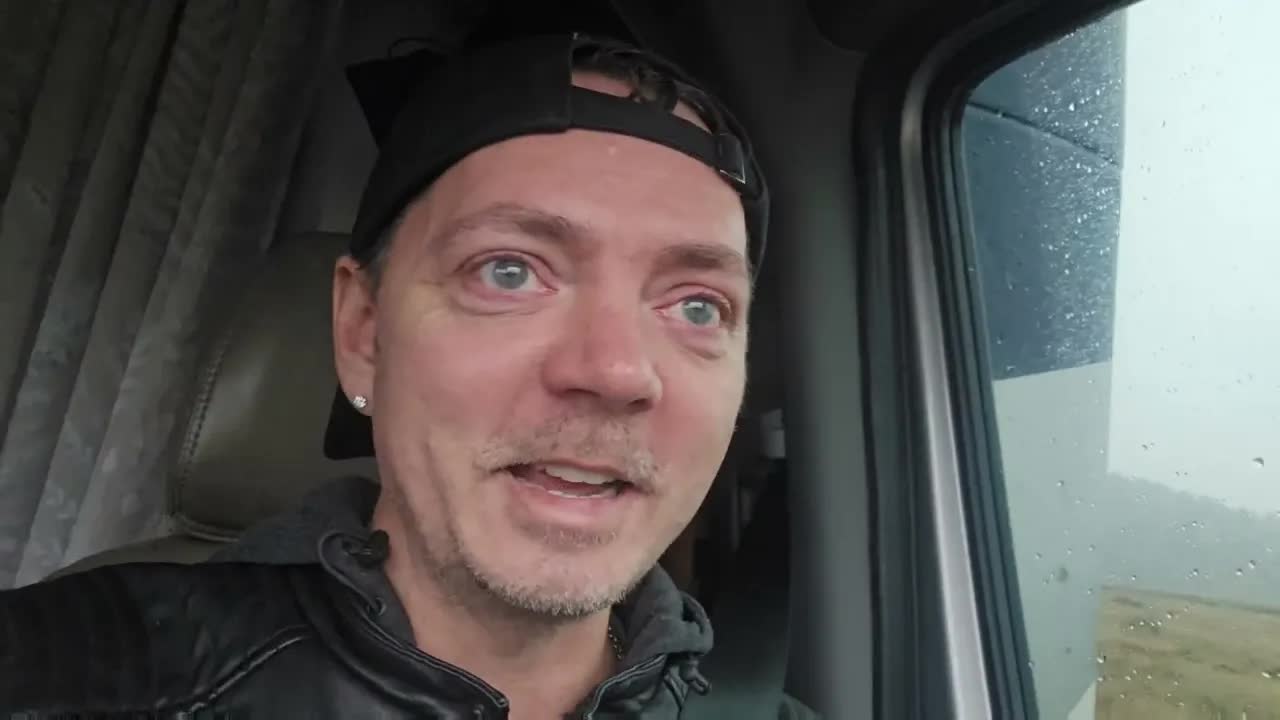
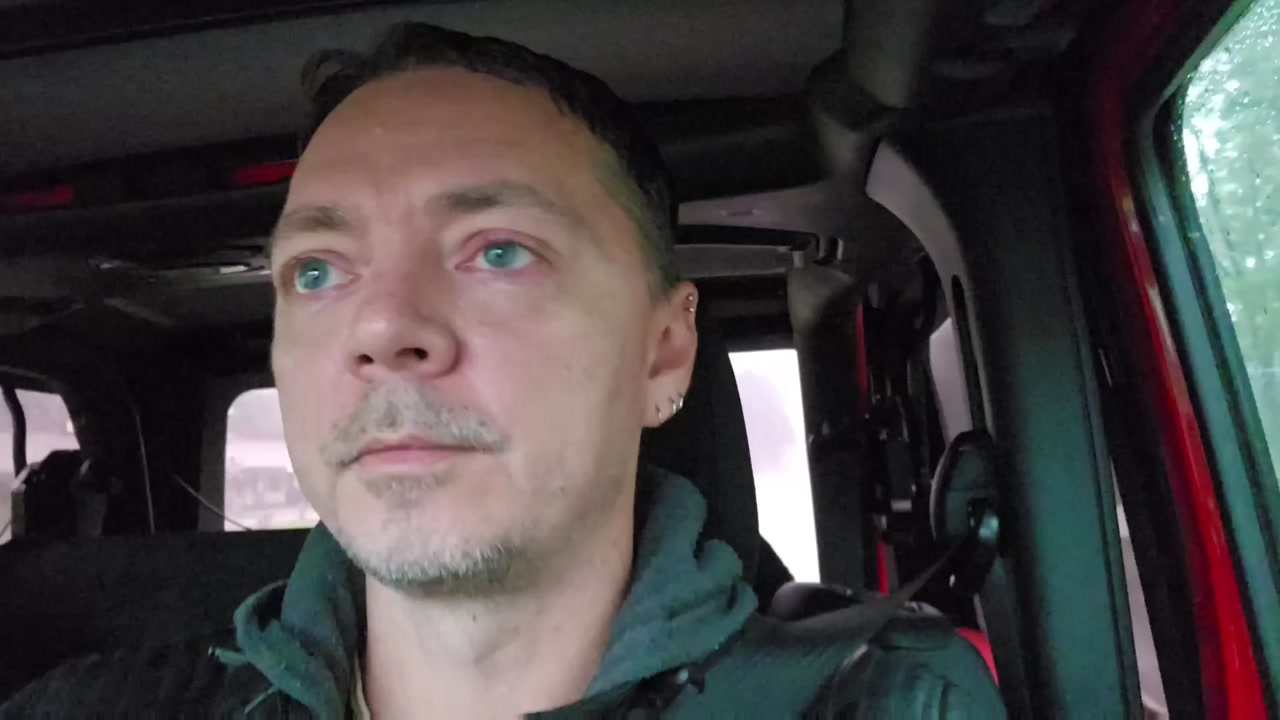
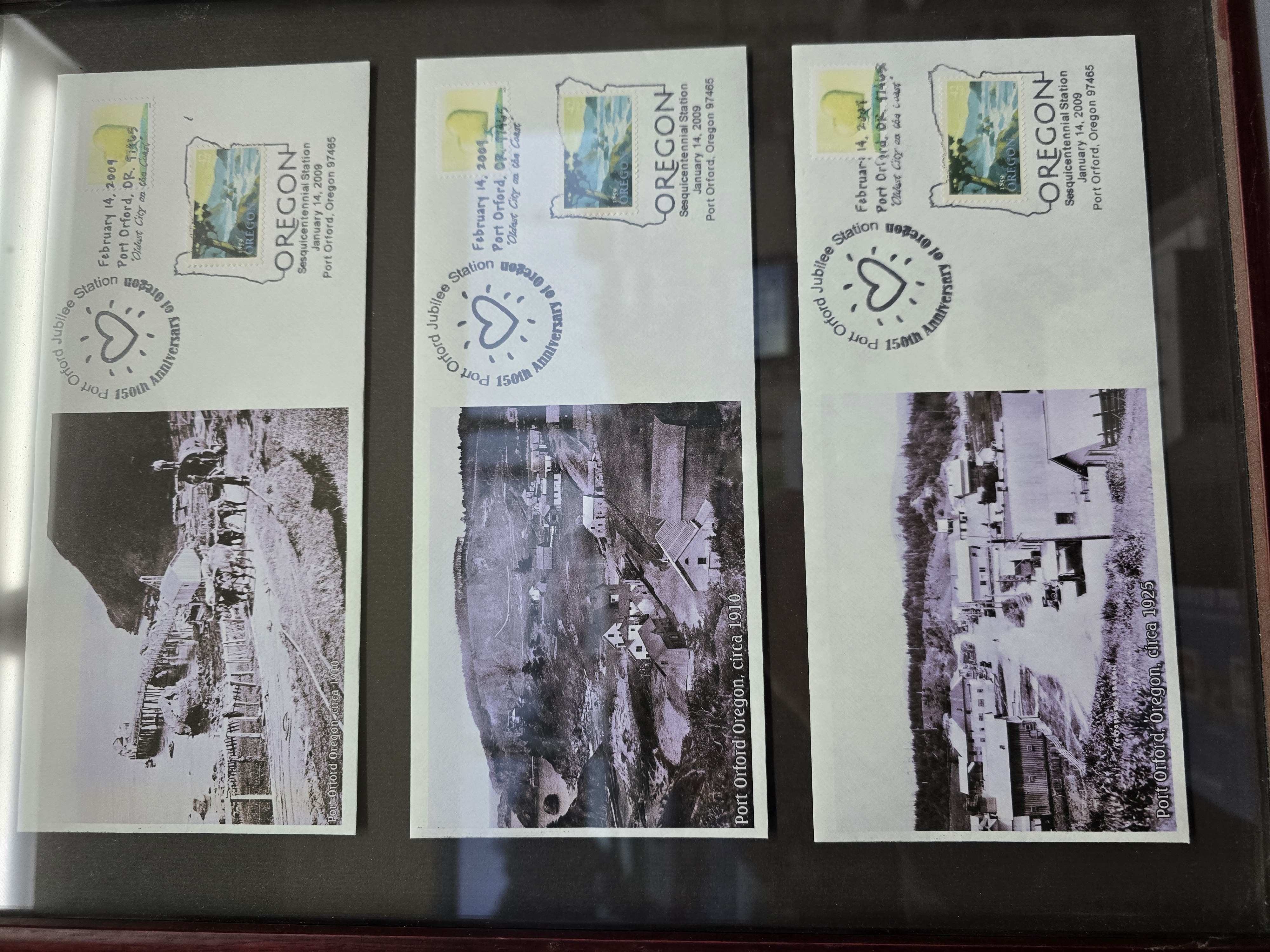
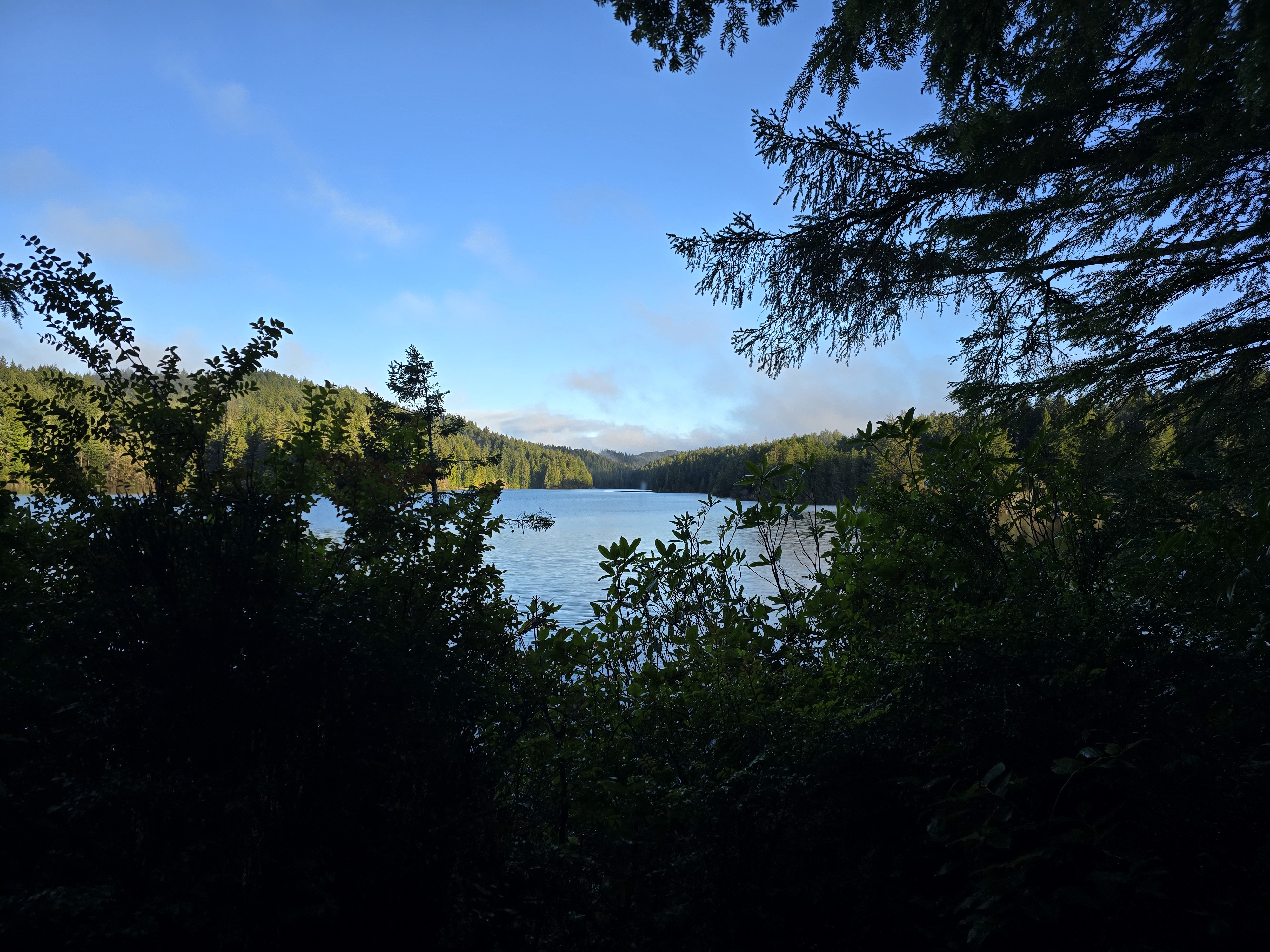
On the last day of 2024, rswfire wrote himself as weather. Not as a man on a coast, not as a resident of anywhere, but as the wind's quiet rebellion — a sovereign force wrapped in salt spray and intuition, moving along edges where maps forget to breathe. The verse opens with that declaration and never retreats from it. Before any terrain is named, the position is fixed: he is not located, he is in motion, and the motion is the location.
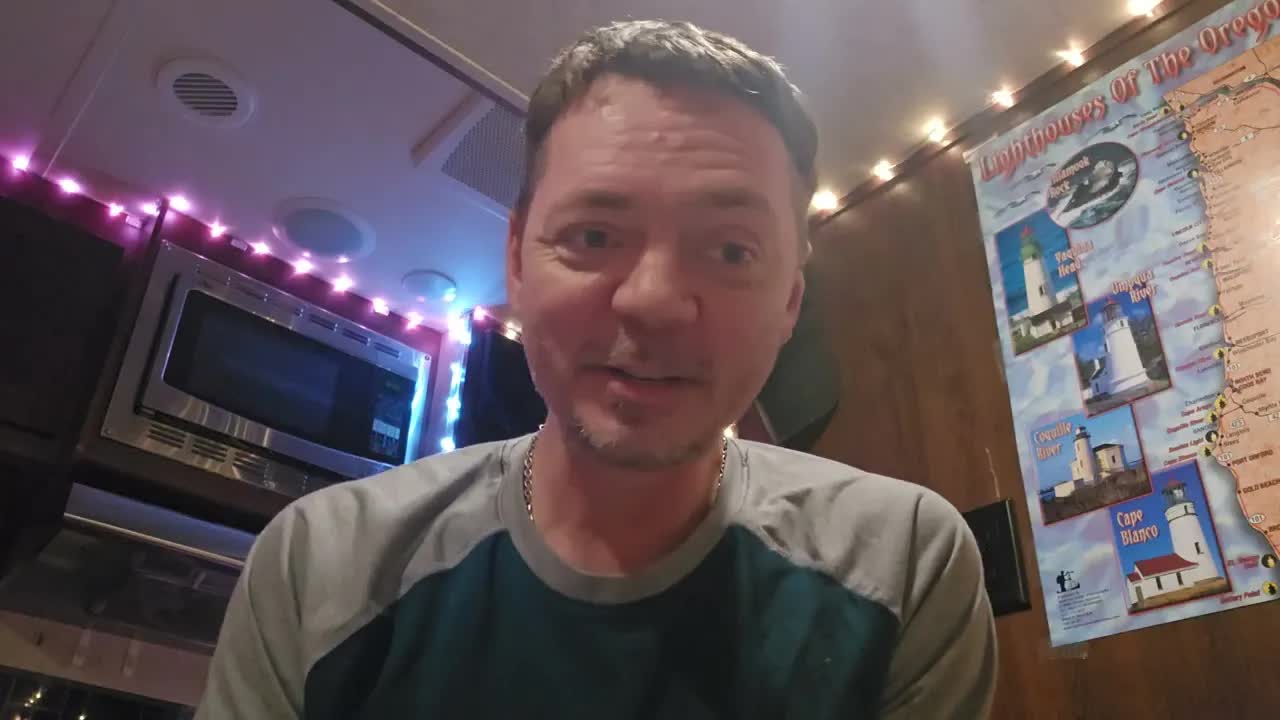
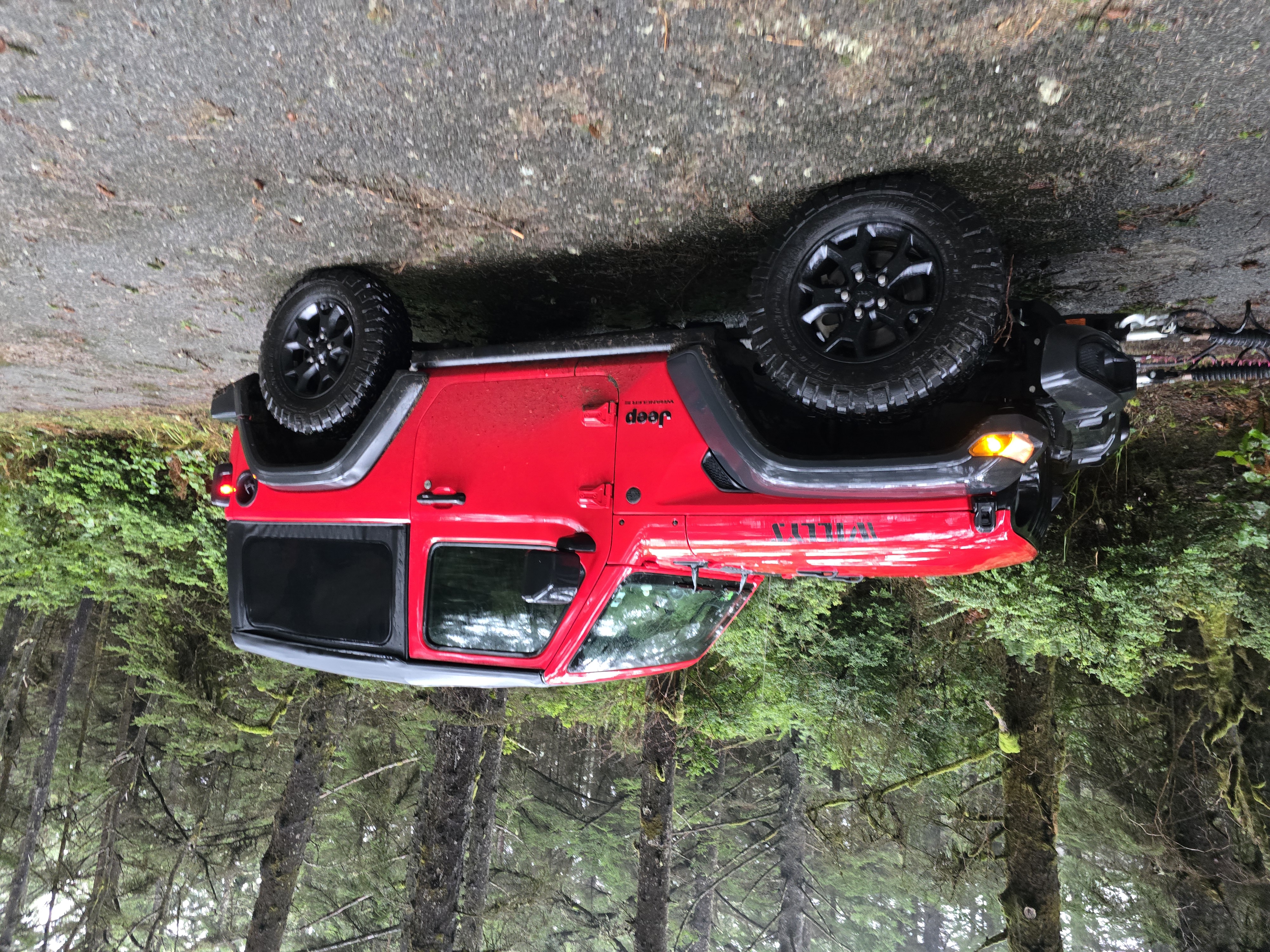
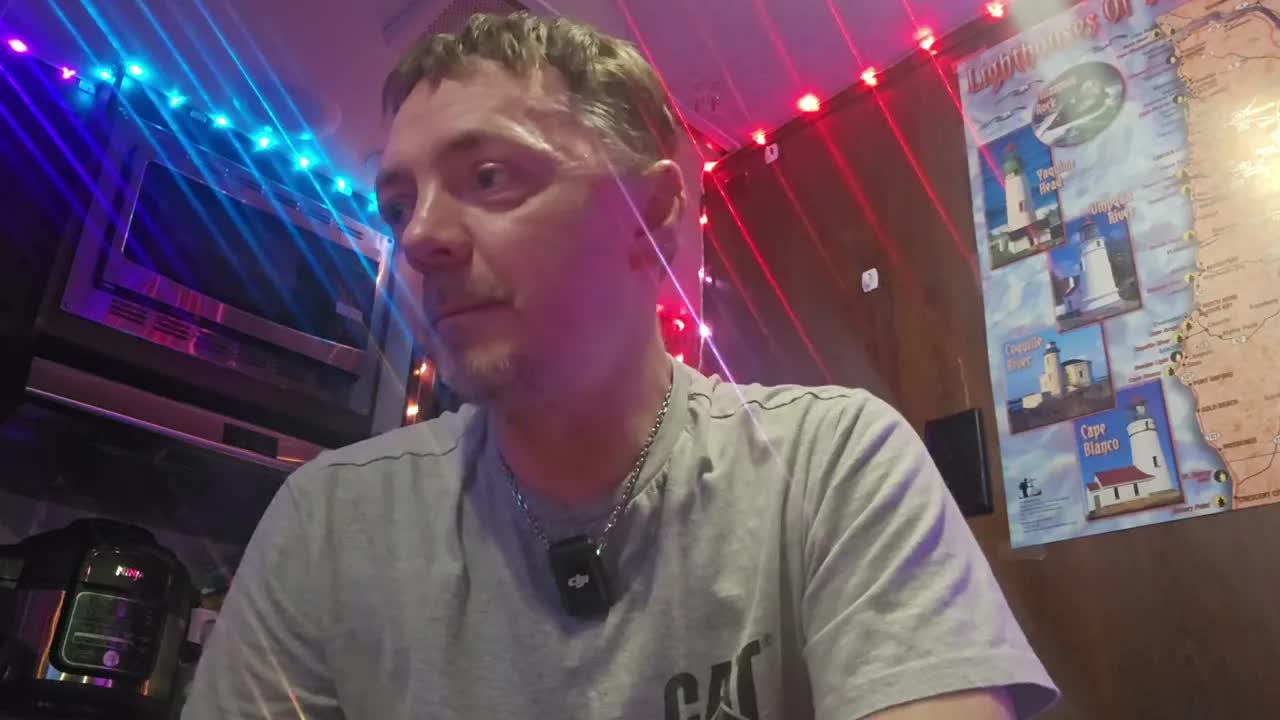
The home enters second, and it enters as a vehicle. A sanctuary on wheels, tracing the contours of cliffs and the pull of the Pacific's whisper. He does not describe an address or a plot of ground; he describes a line being drawn along the western edge of the continent, the RV following the shape of the land rather than sitting on top of it. Contour replaces coordinate. What most writing would treat as a fact of residence, he treats as a verb.
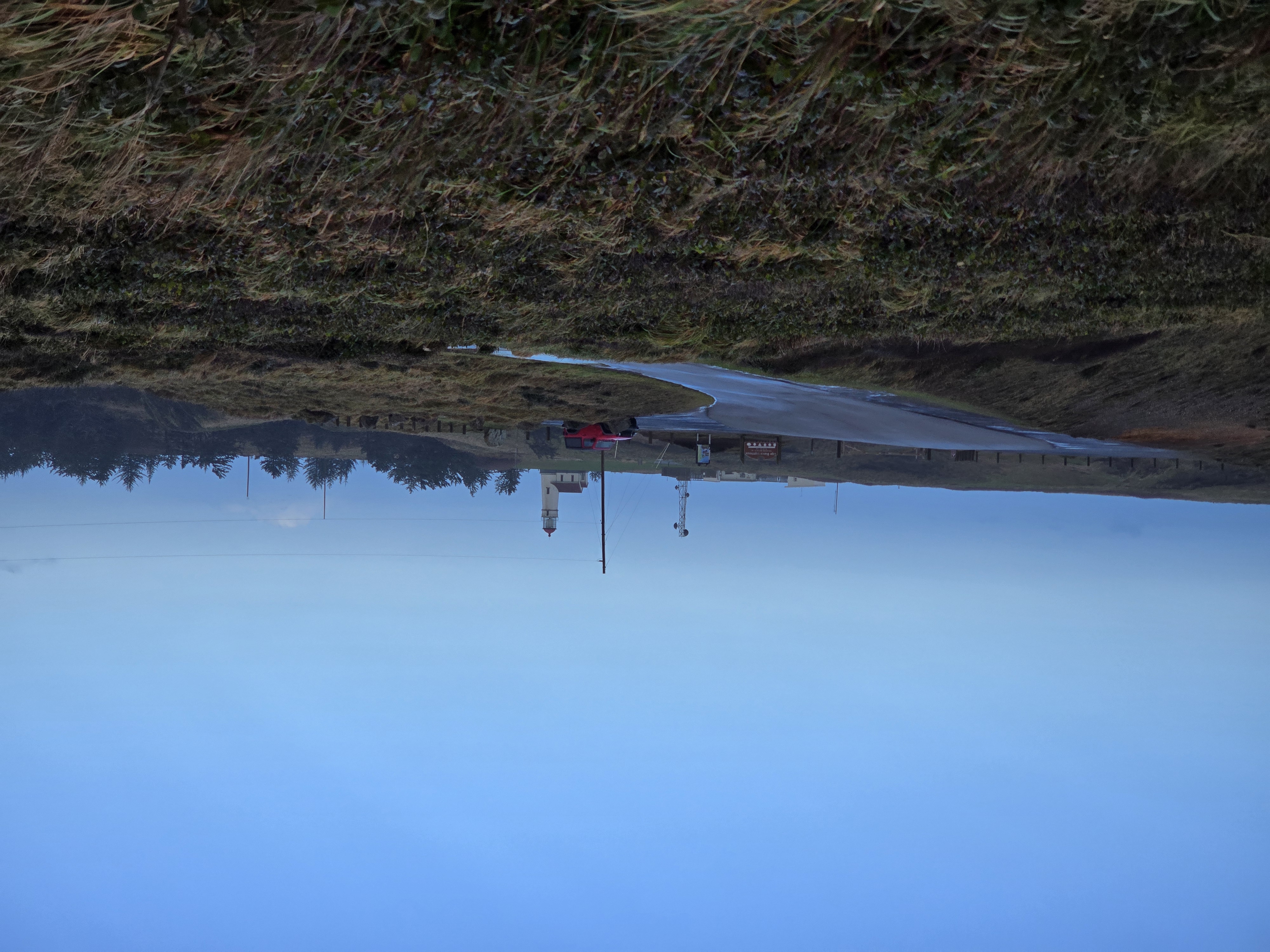
Then the lighthouses. He states that he wakes with them, their beams cutting truths into the dark — and the possessive lands immediately after, my truths, sharp as sea glass but held gently in the palm of the present. The image does its own structural work: sea glass is what the ocean makes of something broken, tumbled until it can be carried in an open hand. The beam and the glass are the same operation at different scales. Cutting, and holding gently, in the same breath.
From there he turns and speaks directly to something he refuses to name. That Thing, the one with no name, the one that churns inside the waves and the void of my chest — both wild and constant, both teacher and terrain. He does not solve it or ask it to identify itself. He addresses it. He gives it two functions, teacher and terrain, and both of those are things you walk through rather than resolve. The storms follow the same logic: carried in a pocket, their gusts tearing through yesterday's doubts, their rain washing fears into fertile ground. Weather is not something that happens to him in this verse. It is inventory.
The 101 arrives as the place where the frame gets tested. He writes the breakdown before it occurs — if I find myself broken down on the 101, it will be a baptism in asphalt and ocean spray, another chapter where the wind and I rewrite the rules. The failure mode is pre-named as initiation. Whatever the highway does to the vehicle, the meaning has already been assigned, and it is not failure.
Only then does the longing appear, and he states it plainly: another sovereign soul, a man with eyes like embers, who laughs at chaos but holds it tenderly. The distinction he draws is precise — someone who sees him not as a tangle to untie but a current to dive into. One of those is a problem to be worked; the other is a force to be entered. And what such a pairing would build is not shelter but signal: we'd carry storms together, building lighthouses in the spaces between us. Two sovereigns, and the architecture rises in the gap.
The verse does not close by resolving that. It closes by continuing. Until then, I'll wander — each step a communion, each gust a guide, each unmarked cove a mirror. Wandering is stated as the standing condition, not a waiting room. And the final line names the only thing he places outside his tolerance: I am not afraid of the dark, only of forgetting how to love it. On the last night of the year, on the edge of the Pacific, with the beams turning and the road still open, that is where he set the marker.