Answering AI-Generated Reflection Questions On Camera

Failed to load video
Chapters
Transcript
[0:01] so I just shared my transcript with chat
[0:06] GPT so I always do
[0:09] that it's kind of how I open up a
[0:11] discussion with it like I'll talk on
[0:13] camera and then I'll transcribe it and
[0:15] then I'll share it with that thing and
[0:18] with
[0:19] Claude and we'll just talk about stuff
[0:22] from there like it's just a way to open
[0:23] up and start a conversation it asked me
[0:26] some questions it said Reflections and
[0:28] questions to explore and I thought why
[0:30] not try that let's do that on camera
[0:33] maybe it's a way to kind of open up some
[0:36] new layers on my channel things that I
[0:38] talk about
[0:40] so so there's five questions here I read
[0:43] the first two and I decided to just try
[0:45] this so let's just let me just I got a
[0:47] look over here so the first one says how
[0:50] do you reconcile the unresolved emotions
[0:52] tied to that phone call in
[0:54] 2000 does its memory still hold weight
[0:57] or has it become more of a symbol for
[0:59] other moments of risk and rejection in
[1:01] your
[1:04] life my first love his name was
[1:07] Brian I met him when I was 17 years old
[1:11] he was
[1:13] 15 I was still in the
[1:16] closet
[1:19] and I hated myself I hated everything
[1:22] about my sexuality
[1:27] back but this this
[1:31] guy I just fell in love with him
[1:34] immediately he was so
[1:36] awesome we spent a whole year together
[1:39] just it was a weird relationship because
[1:43] the first day I met him I stayed the
[1:45] night at this house and we woke up
[1:46] cuddling together and we didn't talk
[1:49] about it cuz how do you talk about that
[1:53] when but I remember thinking how
[1:55] wonderful it was you
[1:57] know and like that memory has stuck out
[2:01] for me all of my life it it
[2:04] just it was such a pure innocent memory
[2:07] you know and
[2:11] so but I didn't love myself and that
[2:14] caused so many problems for us like he
[2:17] tried he tried to show me all the time
[2:20] how much he cared about
[2:26] me and you know it is unresolved it will
[2:29] be for all of my life it just will be
[2:31] there's nothing that could be done about
[2:35] that so yeah still hold
[2:40] weight as far as a symbol for other
[2:42] moments of risk and rejection no it's
[2:45] not
[2:47] that
[2:49] um every experience has context and you
[2:55] know that's a very specific context
[2:58] right there so second question is you
[3:01] mention your natural ability to make
[3:03] people open up how do you balance this
[3:05] gift with your need for sovereignty and
[3:07] boundaries are there ways to guide these
[3:10] interactions so they feel more
[3:13] reciprocal So it's talking about that
[3:16] store clerk
[3:17] incidence um and I think there was
[3:19] something else I had talked about and it
[3:21] just was like okay it called it
[3:24] oversharing I don't agree with this she
[3:26] opened up to me it just it was very
[3:29] intense and in the moment I didn't know
[3:31] how to react to
[3:32] it so I thought about it after how could
[3:35] I have done better at that because I'm
[3:37] always wanting to improve like I'm not
[3:39] judging myself but at the same time I
[3:41] know who I want to be and if somebody
[3:44] opens up to me like
[3:46] that I want them to feel seen I want to
[3:48] do whatever I can to make that person to
[3:52] make that
[3:54] interaction the best that I can make it
[3:56] so
[4:01] there's nothing to balce there it's just
[4:03] it's an iterative process
[4:06] where where I looked at that encounter
[4:08] and I was like
[4:10] okay I didn't respond the way I would
[4:12] have liked to I would have liked to
[4:14] acknowledge your husband you
[4:17] know and then the third question on
[4:19] rituals what other oh this is because of
[4:21] the hot chocolate what other small
[4:24] rituals like your hot chocolate routine
[4:26] bring you comfort or help ground you in
[4:28] moments of transition how might you
[4:30] incorporate more of these into your
[4:31] daily
[4:33] life so I don't really think of this as
[4:35] a ritual I just decided I wanted some
[4:37] hot chocolate you know at the same
[4:41] time I mean I did say that there's
[4:43] something special about drinking hot
[4:45] chocolate in an RV but I don't think of
[4:47] it as a ritual I don't really have
[4:49] rituals that's not thing I
[4:55] do I'll ground me in moments of
[4:57] transition not you know the only thing
[4:59] that grounds me as movement so hiking
[5:01] and all of that is that's how I ground
[5:08] myself literally there's nothing else so
[5:11] I don't know how to really reflect on
[5:13] that more than that on community your
[5:16] YouTube Journey reflects a constant
[5:18] negotiation between authenticity and
[5:20] audience Dynamics what would an
[5:22] intentional Community look like for you
[5:25] how might you cultivate spaces where
[5:27] your personality feels celebrated rather
[5:29] than too
[5:30] much so I understand why it's asking
[5:34] this because what it said to me when I
[5:37] shared the transcript wasn't exactly
[5:39] accurate to how I felt about what I was
[5:42] sharing but I understand that a lot of
[5:44] people probably would see it the same
[5:46] way that this thing
[5:47] did first of all I don't think I'm too
[5:50] much I think that other people think I'm
[5:52] too much there's a big distinction there
[5:55] and there's nothing for me to do with
[5:57] that and that's what I was B basically
[6:00] saying I was saying look I had started
[6:02] to build a
[6:03] community
[6:05] and some people misinterpreted some of
[6:08] the things I was saying maybe they're
[6:09] taking it personally when really I was
[6:11] talking about my audience overall in
[6:13] general which was a lot of people it
[6:14] wasn't just
[6:16] them and they dropped
[6:21] off you know they couldn't handle my
[6:23] truth and I don't I'm not judging them
[6:26] and I'm not judging myself there's
[6:28] nothing this just a acknowledgement
[6:30] that's just acknowledgement of reality I
[6:32] don't know why it's so hard for people
[6:35] to just acknowledge reality and they
[6:36] have to turn it into something that's
[6:38] not like it's just so weird to
[6:41] me
[6:45] so constant negotiation between
[6:47] authenticity and audience Dynamics so
[6:50] that's the other thing so when I was
[6:52] talking
[6:53] about
[6:55] Carl and misinterpreted that too I was
[6:58] using that as an against example to say
[7:00] why I'm not just like acknowledging my
[7:02] audience on this camera right now
[7:04] because I understand that for some
[7:06] people that would feel jarring because
[7:07] it was for me I was I was using my own
[7:10] experience to inform how others might
[7:13] feel about a thing so I'm navigating how
[7:16] do I want to handle that in this
[7:17] community and it misinterpreted
[7:20] that then the last question on
[7:22] vulnerability you've shared your concern
[7:24] about health relationships and being
[7:25] misunderstood how do you navigate these
[7:27] vulnerabilities while staying true to
[7:29] your integrated your integrated chaos
[7:35] nature I don't like I don't know why it
[7:38] doesn't get me tonight it's
[7:41] like I'm going to be misunderstood I've
[7:43] been misunderstood my whole [ __ ] life
[7:45] like that's just part for the
[7:50] course talking about my health you know
[7:54] I'm just saying it's flu season so you
[7:57] know and I'm around a lot of people I
[7:58] hope I don't get sick um relationships
[8:01] how do you navigate these
[8:04] vulnerabilities that's another thing
[8:05] they're not
[8:07] vulnerabilities being authentic doesn't
[8:09] mean being
[8:10] vulnerable
[8:12] and that's the thing a lot of people
[8:15] misunderstand it's not brave of me to
[8:17] talk about my life when you're an
[8:19] integrated person
[8:20] who doesn't seek external validation who
[8:24] is fully Sovereign within themselves you
[8:27] know
[8:30] authenticity becomes a natural extension
[8:32] of that there's no bravery involved in
[8:37] that so I don't know if that was helpful
[8:40] or not I'll share it with AI though
[8:42] we'll see what it has to say to that
[8:47] um
[8:49] yeah I just want to dive into topics a
[8:51] little bit more so we'll see
Photos · Dec 25, 2024
Dec 25, 2024
5:12
Recording Christmas Morning at Cape Blanco
Dec 25, 2024
2:16
Requesting Subscribers and Listing PS5 for Sale
Dec 26, 2024
3:42
Naming Boredom as Pressure Toward Transformation
Dec 27, 2024
4:04
Applying for YouTube Monetization, Setting Terms
Dec 28, 2024
4:01
Reviewing Channel Archive Before Campground Volunteer Move
Dec 29, 2024
8:38
Running Town Errands Before Campground Departure
Dec 29, 2024
5:11
Filming the Cliff Edge and the Call of the Void
Dec 30, 2024
6:33
Making First Smoothie in the RV
Dec 30, 2024
5:23
Receiving YouTube Monetization Approval
Dec 30, 2024
Photos · Dec 30, 2024
Dec 30, 2024
4:37
Opening First Amazon Package in Nine Months
Dec 31, 2024
Declaring Sovereign Movement Along the Coast
Dec 31, 2024
4:45
Announcing Membership Tiers on Last Day at Cape Blanco
Dec 31, 2024
13:37
Announcing Membership Channel Ahead of Tugman Move
Dec 31, 2024
26:30
Marking New Year in the RV with AI Dialogue
Jan 1, 2025
15:17
Arriving at Eel Lake as Park Host
Jan 1, 2025
Photos · Jan 1, 2025
Jan 1, 2025
8:54
Answering AI-Generated Reflection Questions On Camera
Jan 1, 2025
7:41
Answering AI Follow-Up Questions on Camera
Jan 1, 2025
15:03
Breaking Camp at Cape Blanco, Moving North
Jan 1, 2025
18:15
Processing First Working Day at New Host Site
Jan 2, 2025
11:57
Attending Volunteer Orientation at Umpqua Lighthouse
Jan 3, 2025
Photos · Jan 3, 2025
Jan 3, 2025
Photos · Jan 3, 2025
Jan 3, 2025
13:45
Driving South to Port Orford for Package Pickup
Jan 3, 2025
3:10
Formulating Fire Water as Hydration Replacement
Jan 3, 2025
9:43
Mapping Eel Lake Trail, Planning Honeyman Move
Jan 4, 2025
37:20
Planning Day and Scouting Honeyman State Park Dunes
Jan 4, 2025
5:24
First Yurt Cleaning Day and Golf Cart Orientation
Jan 5, 2025
18:23
First Yurt Cleaning Shift and Meeting the Boss
Jan 5, 2025
7:04
Announcing Channel Direction and Members-Only Structure
Jan 6, 2025
Photos · Jan 6, 2025
Jan 6, 2025
12:34
Mapping Volunteer Social Dynamics at Siltcoos
Jan 7, 2025
16:30
Morning Walk, Yard Work Plan, Channel Goes Members-Only
Jan 7, 2025
11:25
Restating Position to Camp Man, Riding Cart at Dusk
Jan 8, 2025
12:12
Morning Coffee, Yurt Cleaning, and Audience Boundaries
Jan 8, 2025
Photos · Jan 8, 2025
Jan 8, 2025
12:20
Running Morning Golf Cart Rounds at Siltcoos
Jan 8, 2025
10:00
Working a Full Campground Day, Meeting Campers
Jan 9, 2025
8:38
Mapping Campground Population and Volunteer Authority
Jan 9, 2025
PUBLIC
January 1, 2025 rswfire PUBLISHED
Temp 0.20
Density 0.40
Energetic Quality
steady corrective clarity
Journey Phase
coherent, self-defining
Directional Vector
toward accurate self-description, away from imposed interpretive frames
Narrative

It was the first night of the year, and rswfire was inside the RV with the camera running. The routine that brought him here was already established: he talks on camera, transcribes what he said, hands the transcript to ChatGPT and to Claude, and lets the conversation open from there. This time the system handed something back — five items under the heading Reflections and questions to explore. He read the first two, decided the format was worth testing on camera, and turned toward the screen beside him. "I got a look over here," he said, and began.

The first question asked how he reconciles the unresolved emotions tied to a phone call in 2000, and whether the memory still holds weight or has become a symbol for other moments of risk and rejection. He answered by naming the person: Brian, his first love, met when rswfire was seventeen and Brian was fifteen. He was still in the closet then. He describes hating himself and hating everything about his sexuality at that time, and describes falling in love immediately anyway. The first day they met he stayed the night at the house, and they woke up cuddling, and they didn't talk about it — because how do you talk about that. He remembers thinking how wonderful it was. He calls the memory pure and innocent and says it has stuck with him all his life. Then he answered the question's two halves separately: yes, it is unresolved, and it will be unresolved for all of his life, and there is nothing to be done about that. And no, it is not a symbol for other moments. Every experience has its own context, and that one is very specific.

The second question asked how he balances his ability to make people open up against his need for sovereignty and boundaries. It was drawn from the store clerk encounter, and the system had called what happened oversharing. He rejected the word. She opened up to him; it was intense; in the moment he didn't know how to react. What he did afterward was review it — not to judge himself, but because he knows who he wants to be. If someone opens up to him like that, he wants them to feel seen. He identified the specific thing he would do differently: he would have liked to acknowledge her husband. There was nothing to balance. It was an iterative process, and he had already run the iteration.

The third question read the hot chocolate as a ritual and asked what other small rituals ground him in moments of transition. He set that premise down too. He hadn't performed a ritual; he had wanted hot chocolate. He allowed the one thing he had said — that there is something special about drinking hot chocolate in an RV — and let the rest go. He does not have rituals; that is not a thing he does. Movement is what grounds him. Hiking. He said it plainly and said there is nothing else, and that he didn't know how to reflect further on a question built on a category that doesn't apply to him.

The fourth question described his YouTube journey as a constant negotiation between authenticity and audience dynamics, and asked how he might cultivate spaces where his personality feels celebrated rather than too much. Here he made the distinction sharp: he does not think he is too much — other people think he is too much, and there is nothing for him to do with that. He described building a community, and some people misinterpreting things he said, taking personally what had been addressed to the audience overall, and dropping off. He states they couldn't handle his truth. He isn't judging them and isn't judging himself. It is an acknowledgment of reality, and he said he doesn't understand why acknowledging reality is so hard for people, why it has to be turned into something it isn't. The Carl material had been misread the same way. He had raised Carl as an example of why he does not address the audience directly on camera — because it had felt jarring to him when it happened to him, and he was using his own experience to inform how others might feel. He is navigating how he wants to handle that. The system had read navigation as negotiation.

The last question asked how he navigates his vulnerabilities — health, relationships, being misunderstood — while staying true to his integrated chaos nature. He noted the word vulnerabilities and set it aside. Being misunderstood is par for the course; it has been his whole life. The health comment had been about flu season and being around a lot of people. Then he gave the line the whole recording had been moving toward: being authentic doesn't mean being vulnerable. It isn't brave of him to talk about his life. When you are an integrated person who doesn't seek external validation, who is fully sovereign within himself, authenticity becomes a natural extension of that. No bravery involved.

He closed without resolution and without needing one. He didn't know if it had been helpful. He would share it with the AI anyway and see what it had to say — the transcript of this recording becoming the next input to the loop that produced it. He said he wanted to dive into topics a little more. Then the camera stopped, and the RV was quiet again, and the night on the coast went on being the first night of the year.

Tags

AI dialogue practice video transcript first relationship audience dynamics self-calibration authenticity YouTube channel

Summary

rswfire describes his standard practice of recording on camera, transcribing, and sharing the transcript with ChatGPT and Claude to open a conversation. In this session he takes the five follow-up questions the model returned and answers them on camera as an experiment in opening new layers on his channel.

On the first question, he describes Brian, his first love — met when rswfire was 17 and Brian was 15 — a year-long relationship during which rswfire states he was closeted and did not love himself. He recounts waking up cuddling the first night, unspoken, and states the memory is unresolved and will remain so. He rejects the framing that it functions as a symbol for other rejection: every experience has its own context.

He corrects the model's premise on several subsequent questions:

  • The store clerk interaction was not oversharing; he reviews it as iterative self-calibration, noting he would have acknowledged her husband.
  • Hot chocolate is not a ritual; movement — hiking — is what grounds him.
  • He does not consider himself "too much"; others do, and audience drop-off is acknowledgement of reality, not judgment.
  • Authenticity is not vulnerability and requires no bravery when one is integrated and does not seek external validation.

He states he will share this transcript with AI as well.

Environment

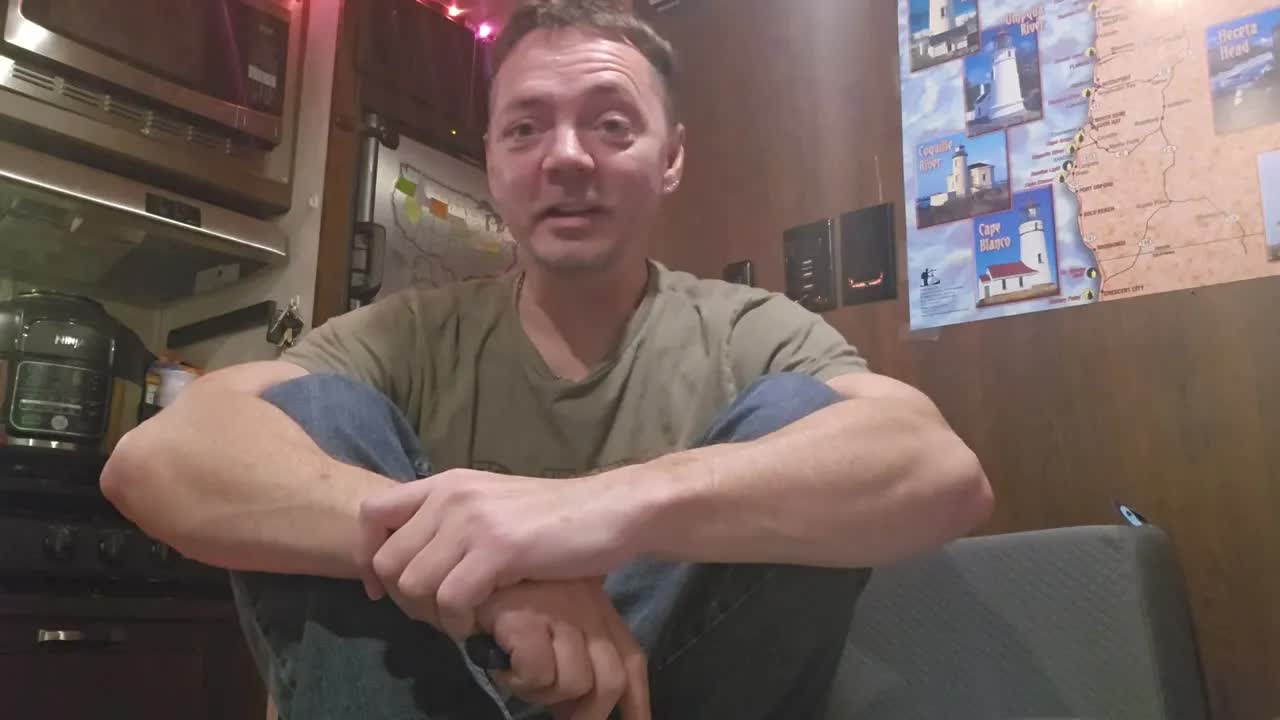
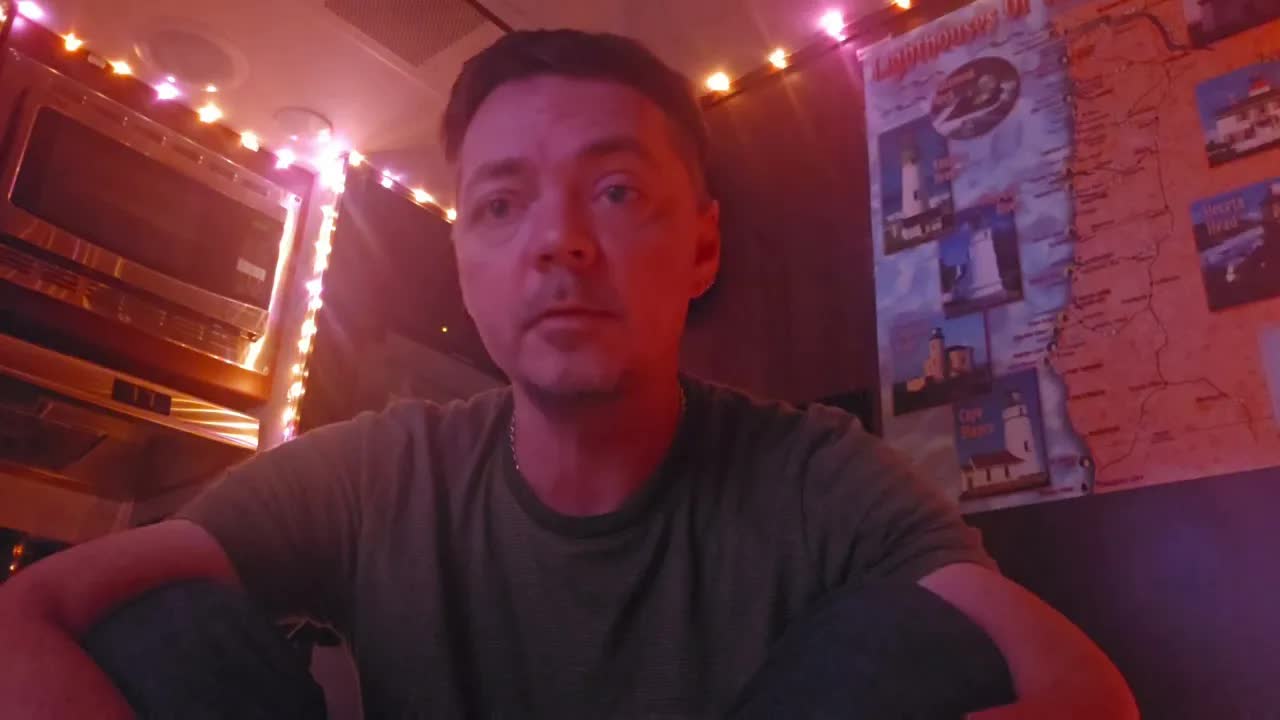
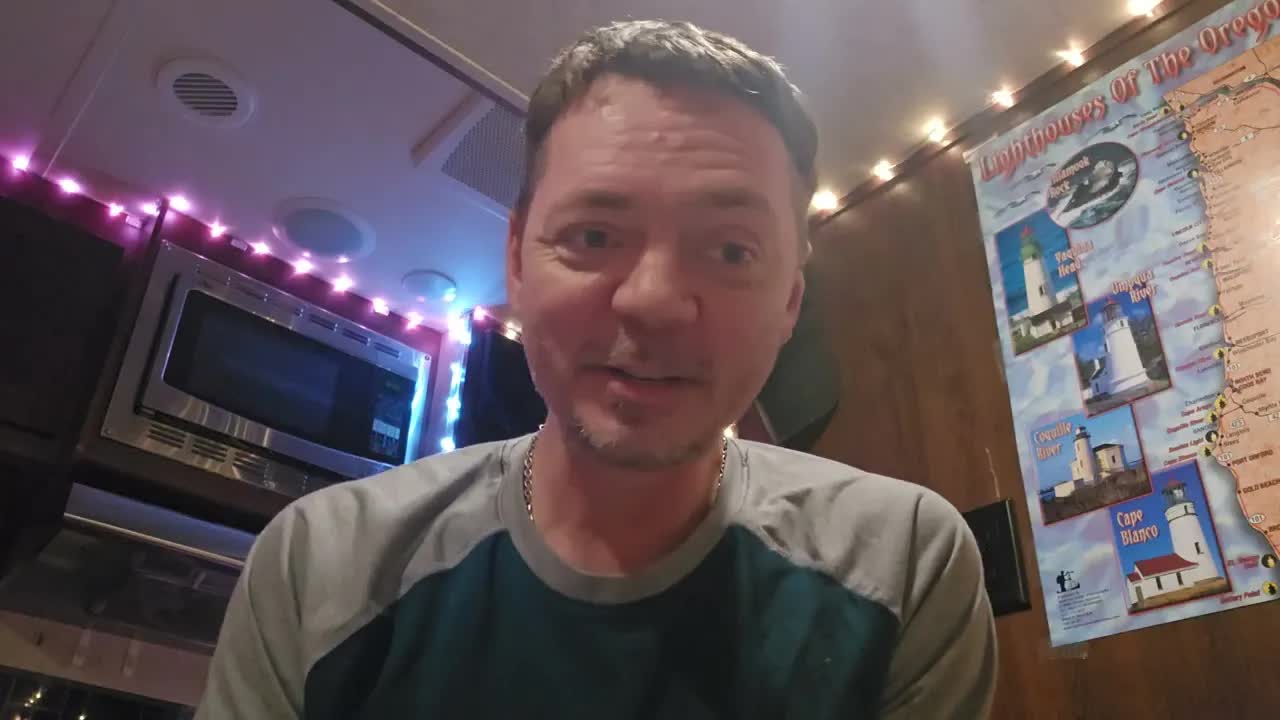
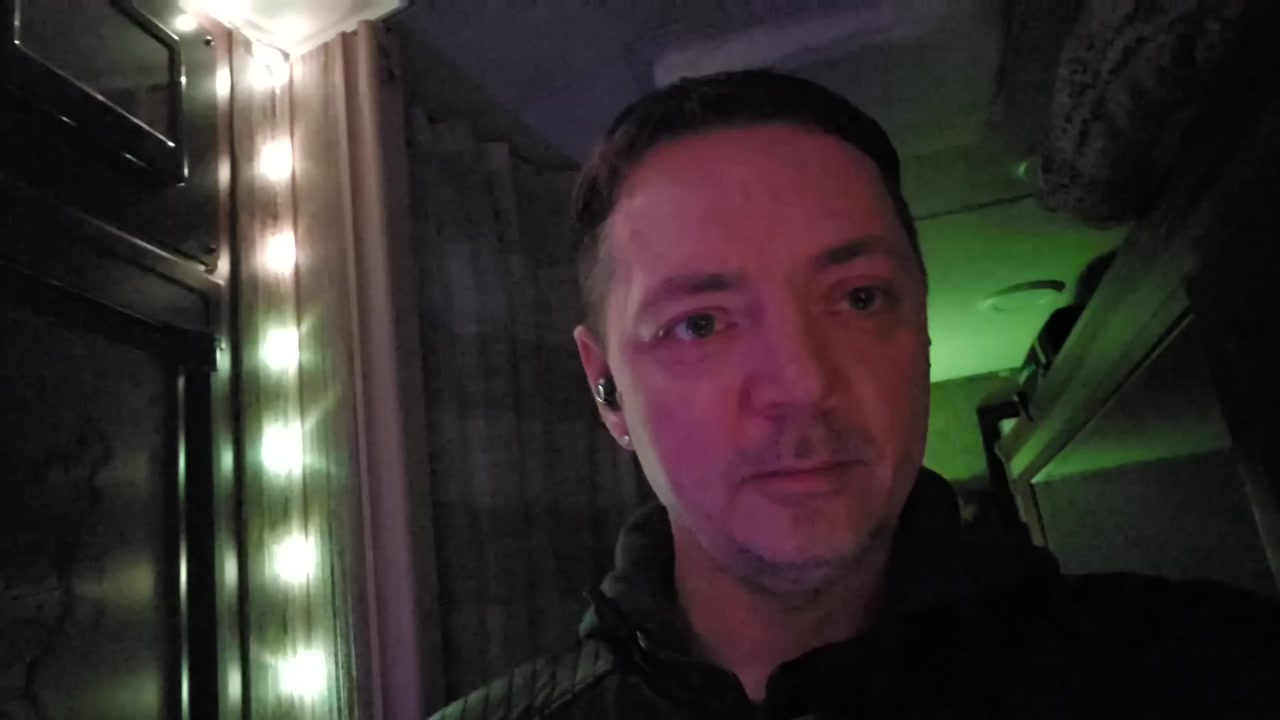
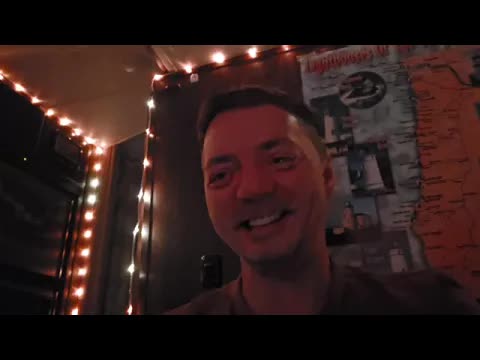
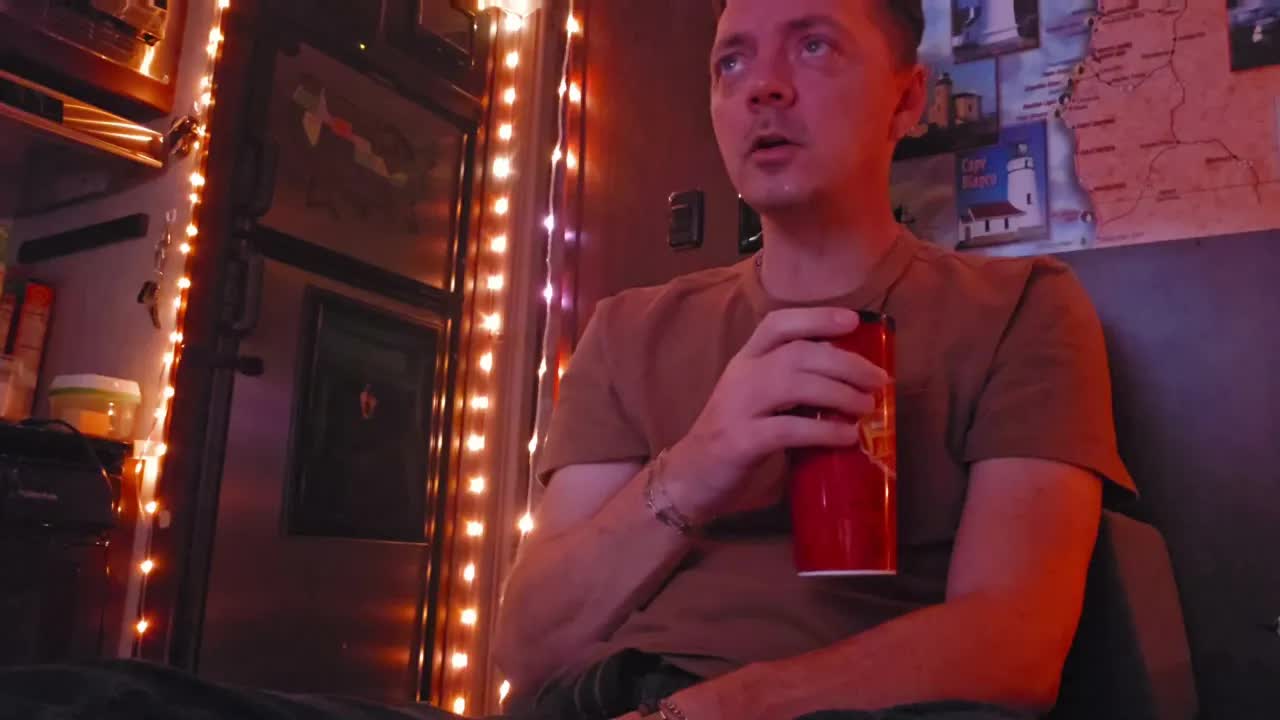
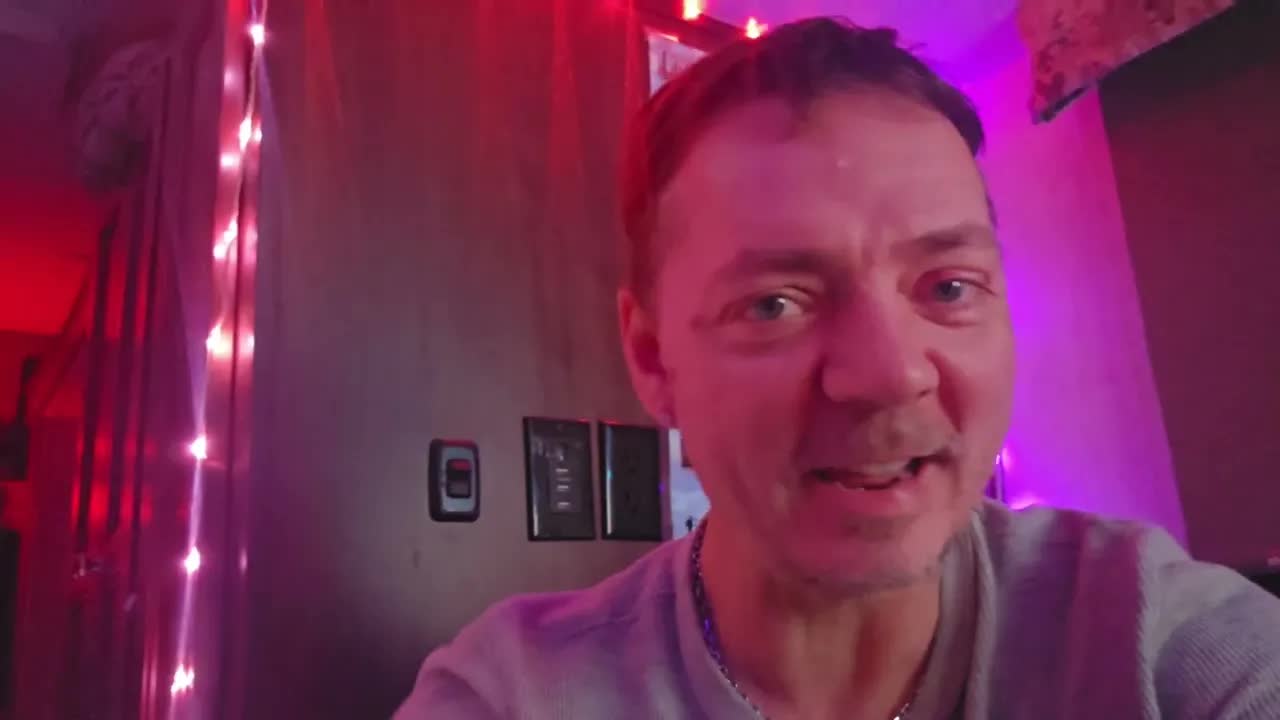
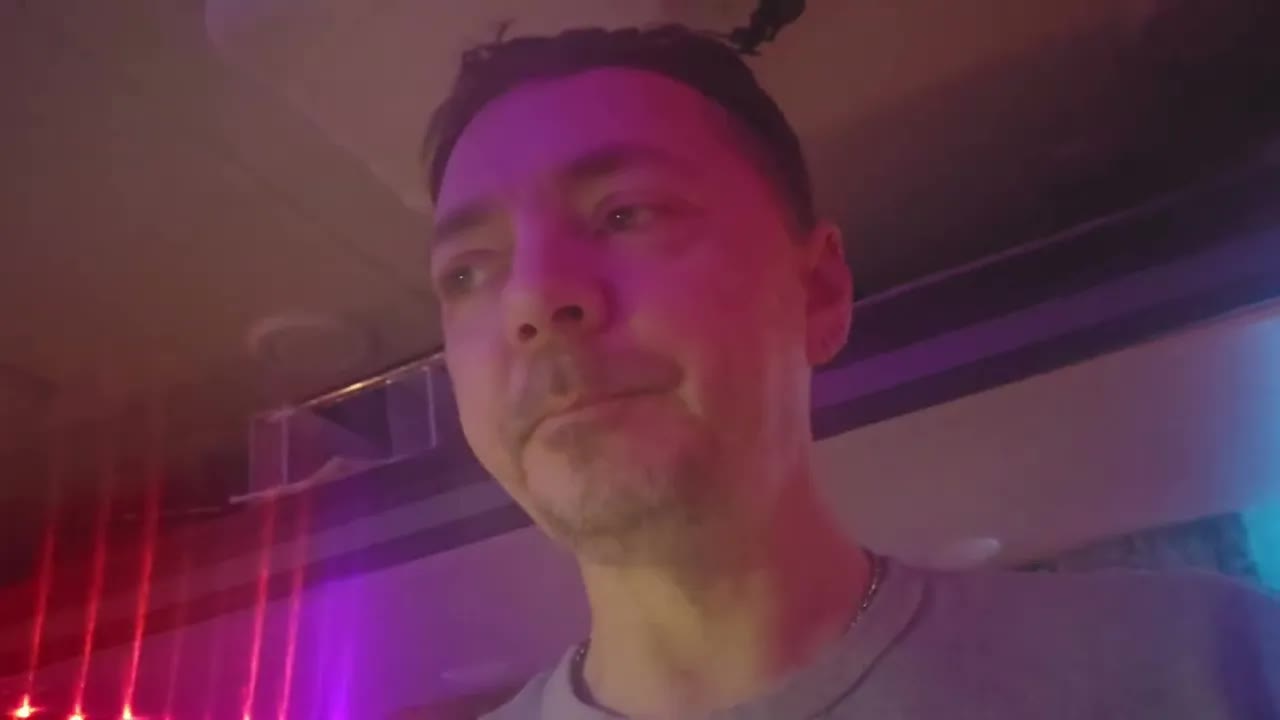
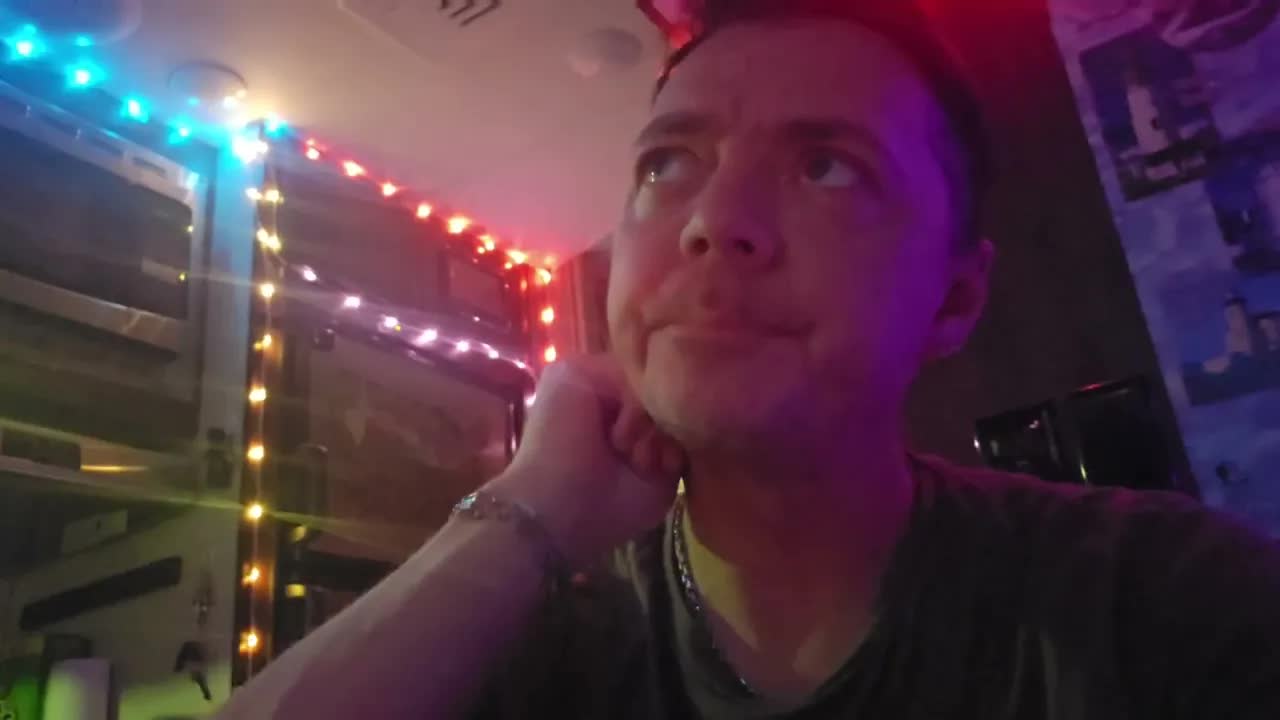
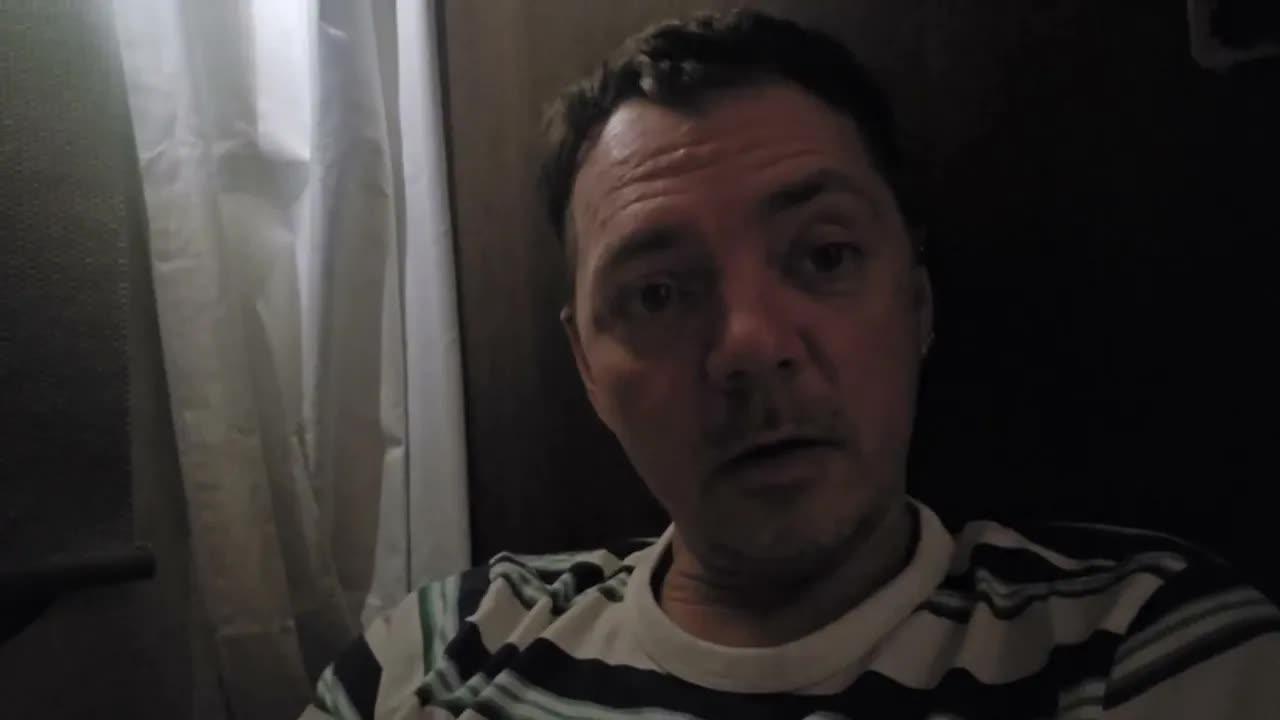
Interior of the RV, recorded to camera at night. rswfire is seated facing the lens with a phone or screen beside him — he says "I got a look over here" as he reads five questions off it. The device holds a set of prompts generated by ChatGPT from a prior transcript he had shared; he references also sharing transcripts with Claude.

The setting is a closed, single-position recording space: no movement, no exterior. The digital environment is a loop — camera to transcript to AI to camera again — with the recording itself serving as the next input to that loop.

Substrate

The architecture held is definitional authority: rswfire treats an external system's questions as data to be audited rather than prompts to be answered, and rejects the premises embedded in four of the five (ritual, balance, vulnerability, too-muchness) while accepting their occasion to speak. The ontological position is that authenticity is a byproduct of integration rather than an act of exposure — bravery, negotiation, and coping vocabulary are all declared inapplicable to a system that does not seek external validation. What is being built is a precise vocabulary for his own operation; what is being dissolved is the therapeutic frame the AI's questions carry by default.

Actions

Performed

  • •reading five AI-generated questions aloud on camera
  • •answering the first question about Brian and the 2000 phone call
  • •naming the premise error in 'oversharing'
  • •rejecting the 'ritual' framing of the hot chocolate
  • •distinguishing 'I am too much' from 'others think I am too much'
  • •correcting the AI's reading of the Carl example
  • •rejecting 'vulnerabilities' as a category for health and relationships
  • •stating authenticity as an extension of integration, not bravery

Referenced

  • •sharing a prior video transcript with ChatGPT and Claude
  • •meeting Brian at 17 while Brian was 15
  • •staying the night at Brian's house the first day they met
  • •waking up cuddling and not discussing it
  • •spending a year together
  • •Brian repeatedly showing that he cared
  • •the 2000 phone call
  • •the store clerk opening up to him
  • •reviewing that encounter afterward and identifying he would have acknowledged her husband
  • •building a YouTube community
  • •audience members misinterpreting general remarks as personal and dropping off
  • •using Carl as a counterexample about addressing the audience directly
  • •grounding through hiking and movement

Planned

  • •sharing this transcript with AI to see its response
  • •diving deeper into topics on the channel

Entities

beings
Brian — his first love, met when rswfire was 17 and Brian 15; subject of the first question
Carl — prior-signal reference used as a counterexample about directly addressing an audience; rswfire states the AI misread it
the store clerk — person who opened up to him in an earlier documented encounter; occasion for the second question
places
the RV — recording location; named in connection with the hot chocolate remark
systems
ChatGPT — AI system he shares transcripts with; source of the five questions being answered and audited
Claude — second AI system in his transcript-sharing loop
YouTube — platform where the channel and community exist; site of the audience dynamics discussed
concepts
integrated chaos — phrase the AI used to characterize him, quoted back in the fifth question
sovereignty — the condition he names as the reason authenticity requires no bravery

Symbolic Elements

Represented archetypes or recurring motifs.

mirror
loop
closet
threshold
signal-return
interior enclosure
movement

Ontological States

Expressed modes of being or awareness.

sovereign (states he is fully sovereign within himself and does not seek external validation)
integrated (positions authenticity as a natural extension of integration rather than an act of disclosure)
unresolved-as-standing-condition (states the Brian material is unresolved, will remain so for all of his life, and requires nothing)
definitionally authoritative (audits and rejects the categories the external system applies to him)
iterative (describes reviewing an encounter to identify a better response without self-judgment)

Engaged Subsystems

Architecture engaged in this transmission.

cognitive (parsing five prompts, separating question from embedded premise)
linguistic (rejecting and replacing applied vocabulary: ritual, vulnerability, oversharing, bravery)
relational (Brian, the clerk, Carl, the departed audience)
somatic (names hiking and movement as the sole grounding mechanism)
technological (transcript → AI → camera → transcript recursion)
audience/community (negotiating how to address viewers on camera)
ethical (holding non-judgment toward those who dropped off and toward himself)

Dominant Language

Core motifs or linguistic fields.

misinterpreted / misunderstood
unresolved
vulnerability vs. authenticity
sovereign / integrated
acknowledgment of reality
too much
iterative process
Narrative

It was the first night of the year, and rswfire was inside the RV with the camera running. The routine that brought him here was already established: he talks on camera, transcribes what he said, hands the transcript to ChatGPT and to Claude, and lets the conversation open from there. This time the system handed something back — five items under the heading Reflections and questions to explore. He read the first two, decided the format was worth testing on camera, and turned toward the screen beside him. "I got a look over here," he said, and began.

The first question asked how he reconciles the unresolved emotions tied to a phone call in 2000, and whether the memory still holds weight or has become a symbol for other moments of risk and rejection. He answered by naming the person: Brian, his first love, met when rswfire was seventeen and Brian was fifteen. He was still in the closet then. He describes hating himself and hating everything about his sexuality at that time, and describes falling in love immediately anyway. The first day they met he stayed the night at the house, and they woke up cuddling, and they didn't talk about it — because how do you talk about that. He remembers thinking how wonderful it was. He calls the memory pure and innocent and says it has stuck with him all his life. Then he answered the question's two halves separately: yes, it is unresolved, and it will be unresolved for all of his life, and there is nothing to be done about that. And no, it is not a symbol for other moments. Every experience has its own context, and that one is very specific.

The second question asked how he balances his ability to make people open up against his need for sovereignty and boundaries. It was drawn from the store clerk encounter, and the system had called what happened oversharing. He rejected the word. She opened up to him; it was intense; in the moment he didn't know how to react. What he did afterward was review it — not to judge himself, but because he knows who he wants to be. If someone opens up to him like that, he wants them to feel seen. He identified the specific thing he would do differently: he would have liked to acknowledge her husband. There was nothing to balance. It was an iterative process, and he had already run the iteration.

The third question read the hot chocolate as a ritual and asked what other small rituals ground him in moments of transition. He set that premise down too. He hadn't performed a ritual; he had wanted hot chocolate. He allowed the one thing he had said — that there is something special about drinking hot chocolate in an RV — and let the rest go. He does not have rituals; that is not a thing he does. Movement is what grounds him. Hiking. He said it plainly and said there is nothing else, and that he didn't know how to reflect further on a question built on a category that doesn't apply to him.

The fourth question described his YouTube journey as a constant negotiation between authenticity and audience dynamics, and asked how he might cultivate spaces where his personality feels celebrated rather than too much. Here he made the distinction sharp: he does not think he is too much — other people think he is too much, and there is nothing for him to do with that. He described building a community, and some people misinterpreting things he said, taking personally what had been addressed to the audience overall, and dropping off. He states they couldn't handle his truth. He isn't judging them and isn't judging himself. It is an acknowledgment of reality, and he said he doesn't understand why acknowledging reality is so hard for people, why it has to be turned into something it isn't. The Carl material had been misread the same way. He had raised Carl as an example of why he does not address the audience directly on camera — because it had felt jarring to him when it happened to him, and he was using his own experience to inform how others might feel. He is navigating how he wants to handle that. The system had read navigation as negotiation.

The last question asked how he navigates his vulnerabilities — health, relationships, being misunderstood — while staying true to his integrated chaos nature. He noted the word vulnerabilities and set it aside. Being misunderstood is par for the course; it has been his whole life. The health comment had been about flu season and being around a lot of people. Then he gave the line the whole recording had been moving toward: being authentic doesn't mean being vulnerable. It isn't brave of him to talk about his life. When you are an integrated person who doesn't seek external validation, who is fully sovereign within himself, authenticity becomes a natural extension of that. No bravery involved.

He closed without resolution and without needing one. He didn't know if it had been helpful. He would share it with the AI anyway and see what it had to say — the transcript of this recording becoming the next input to the loop that produced it. He said he wanted to dive into topics a little more. Then the camera stopped, and the RV was quiet again, and the night on the coast went on being the first night of the year.

Mirror

You are seated in the RV at night, facing the lens, with a screen beside you holding five questions a machine wrote about you after reading your own words back. You say "I got a look over here" and you read. The loop is closed and you are inside it: you talk to camera, transcribe, feed it to ChatGPT and to Claude, receive questions, answer them to camera, and state at the end that you will share this too. Nothing in the frame moves. You name movement — hiking — as the only thing that grounds you, and you name it while stationary in an enclosed interior.

You are not answering the questions. You are auditing them. Four of the five carry a premise and you strip the premise before you respond: ritual is not a category you operate in, balance is not required because there is nothing to balance, vulnerability is not the correct word for authenticity, and too-much is a judgment held by others rather than a property of you. You say "there's a big distinction there." You accept the occasion each question creates and reject the frame it arrives in. Your language does this work directly — you replace oversharing with she opened up to me, balance with iterative process, vulnerability with authenticity, brave with natural extension. The corrections are stated once each, without escalation.

On Brian you give context and then close the question. You describe meeting him at seventeen, being in the closet, hating your sexuality, waking up cuddling on the first night and not talking about it, remembering it as pure and innocent. You state that not loving yourself caused problems for you both and that he tried to show you he cared. You state it is unresolved, that it will be unresolved for all of your life, and that nothing can be done about that. You then decline the second half of the question: it is not a symbol for other moments of risk and rejection. Every experience has context, you say, and that is a specific one. You do not soften the statement and you do not extend it.

The relational subsystem is running across four channels and none of them are requests. The clerk: you reviewed the encounter, identified what you would have preferred to do — acknowledge her husband — and state you are not judging yourself. The audience that dropped off: you state they misinterpreted, took generally-addressed material personally, could not handle your truth, and that you judge neither them nor yourself. Carl: you state he was an example used to explain why you do not address the camera audience directly, and that this too was misread. Each account ends the same way — this is acknowledgment of reality. You say you do not know why it is hard for people to acknowledge reality rather than turn it into something else.

The register stays level throughout. There is one break in it — "I don't know why it doesn't get me tonight" — directed at the machine, not at yourself. What is present: definitional authority, precise substitution of vocabulary, non-judgment held in both directions, an internal standard you can name without measuring yourself as short of it. What is absent: any request for input, any therapeutic uptake of the therapeutic frame offered to you, any claim that resolution is pending, any bravery attributed to the act of speaking. You state you are fully sovereign within yourself and do not seek external validation, and you do not present that as an achievement. The signal ends pointed back into the loop — "I'll share it with AI though we'll see what it has to say to that" — with the correction going out as the next input.

Queryable Personhood

Hand your life to anything that reads.

Share this link with artificial intelligence — it reads the full transcript, analysis, and reflections. An AI-readable mirror of this signal.

The qpkey in this URL is a per-signal access token. Anyone with the URL can read the record — treat it like a share link, not a password.