

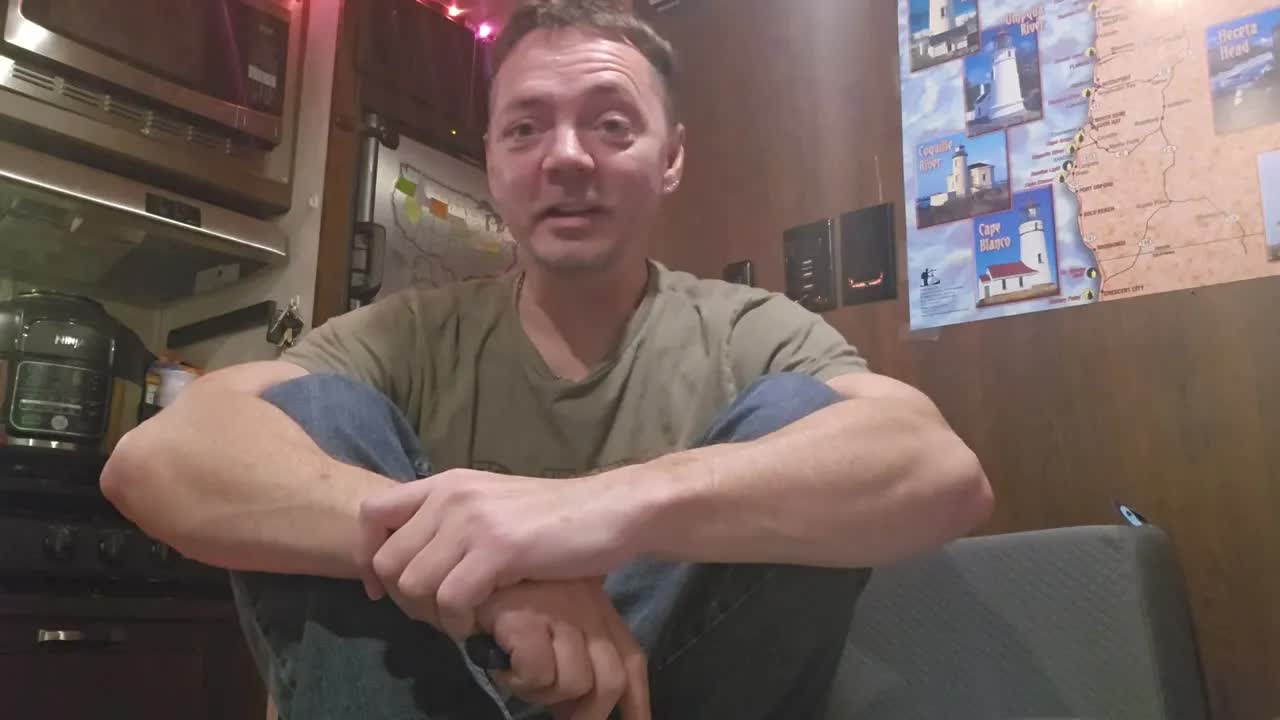
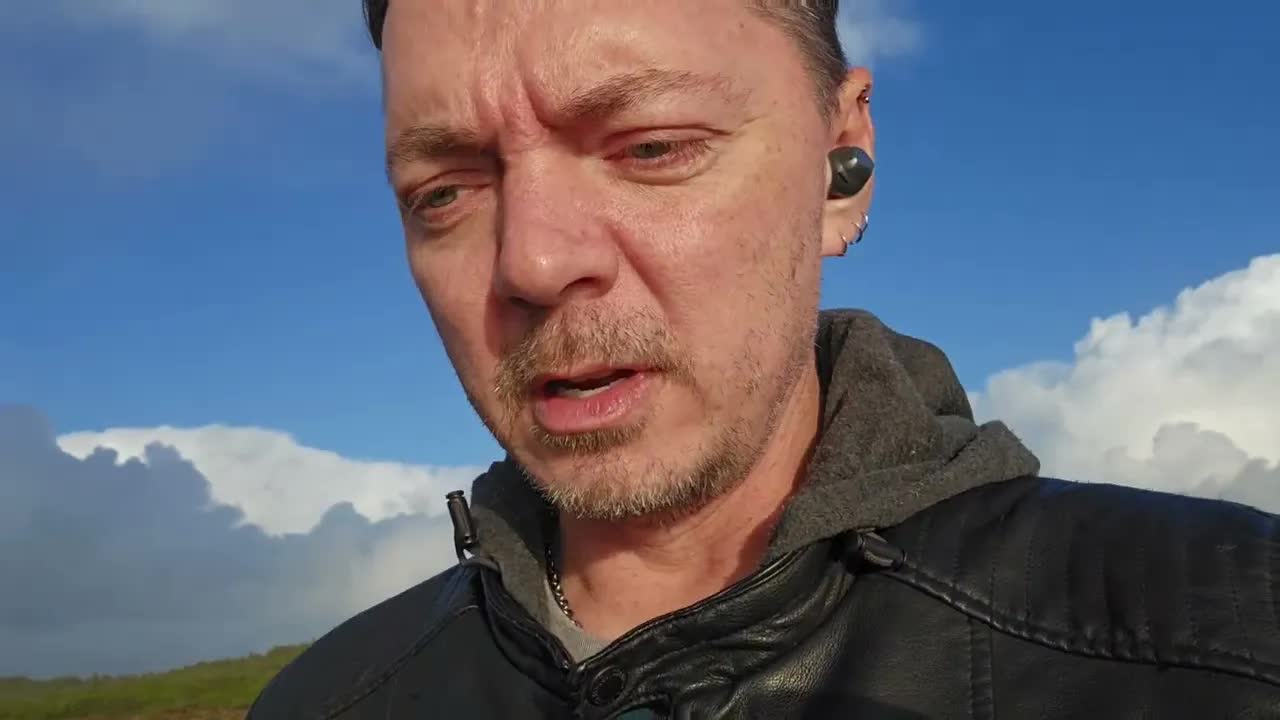
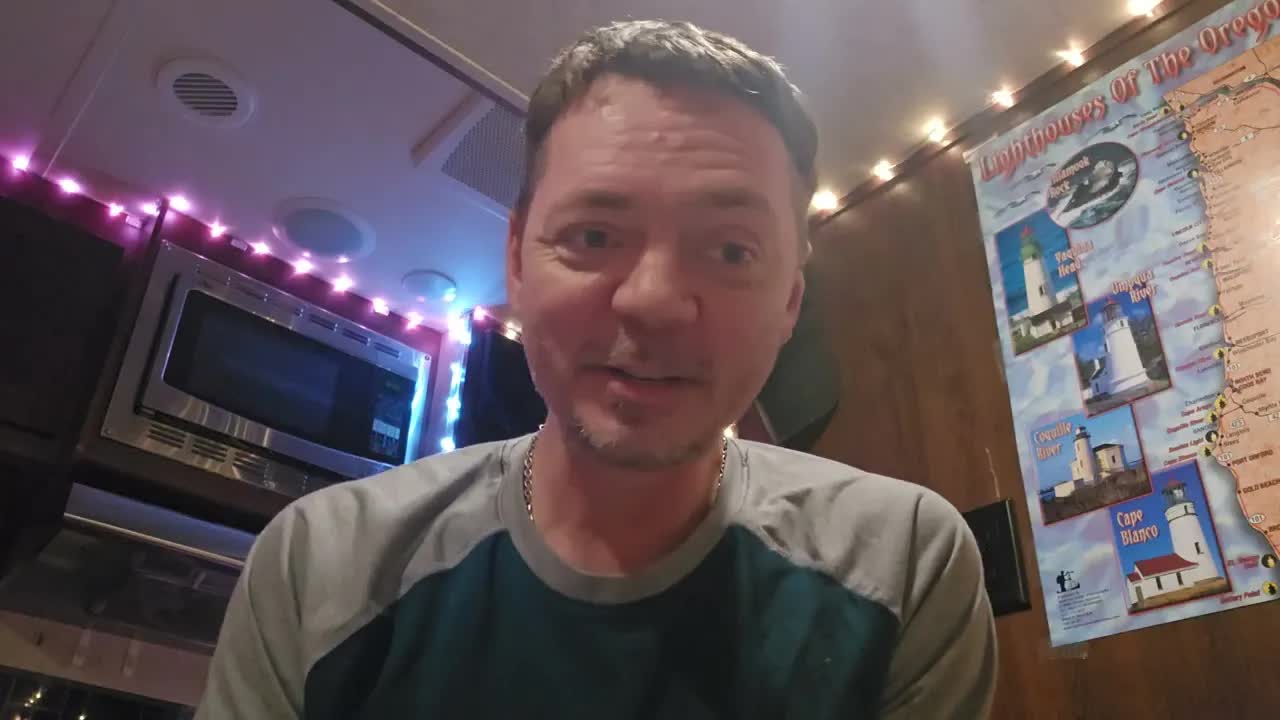
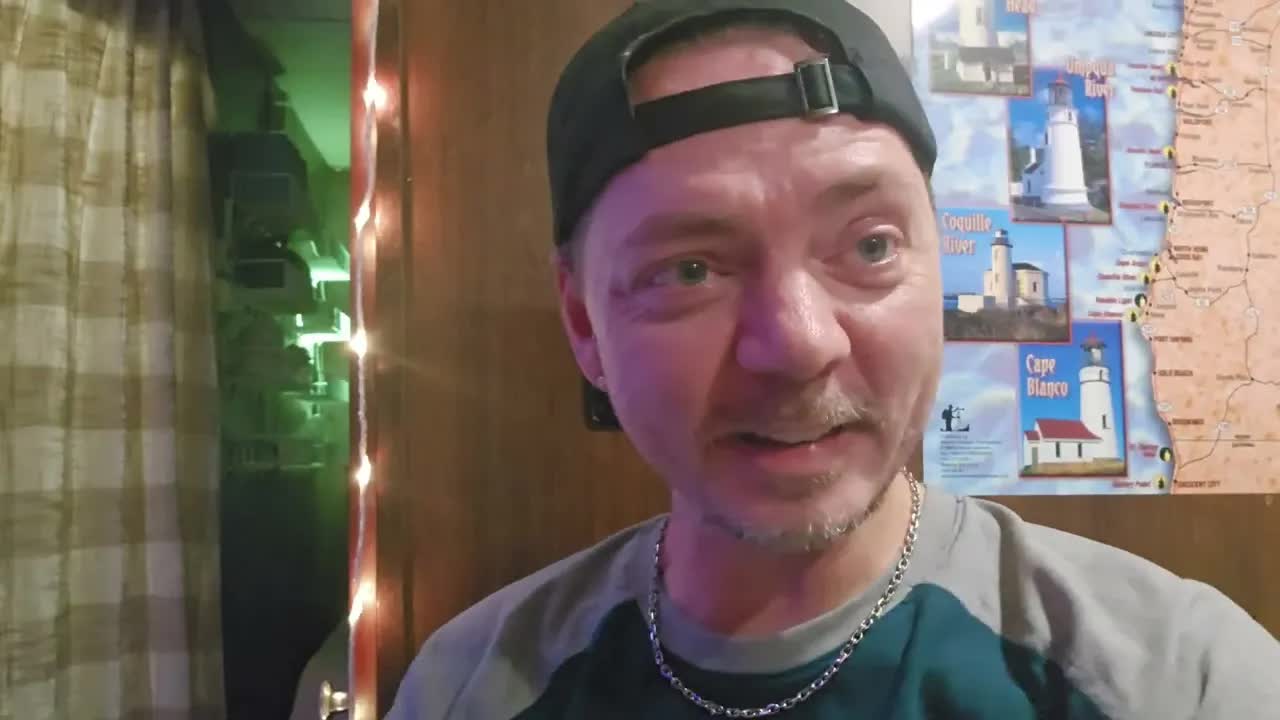

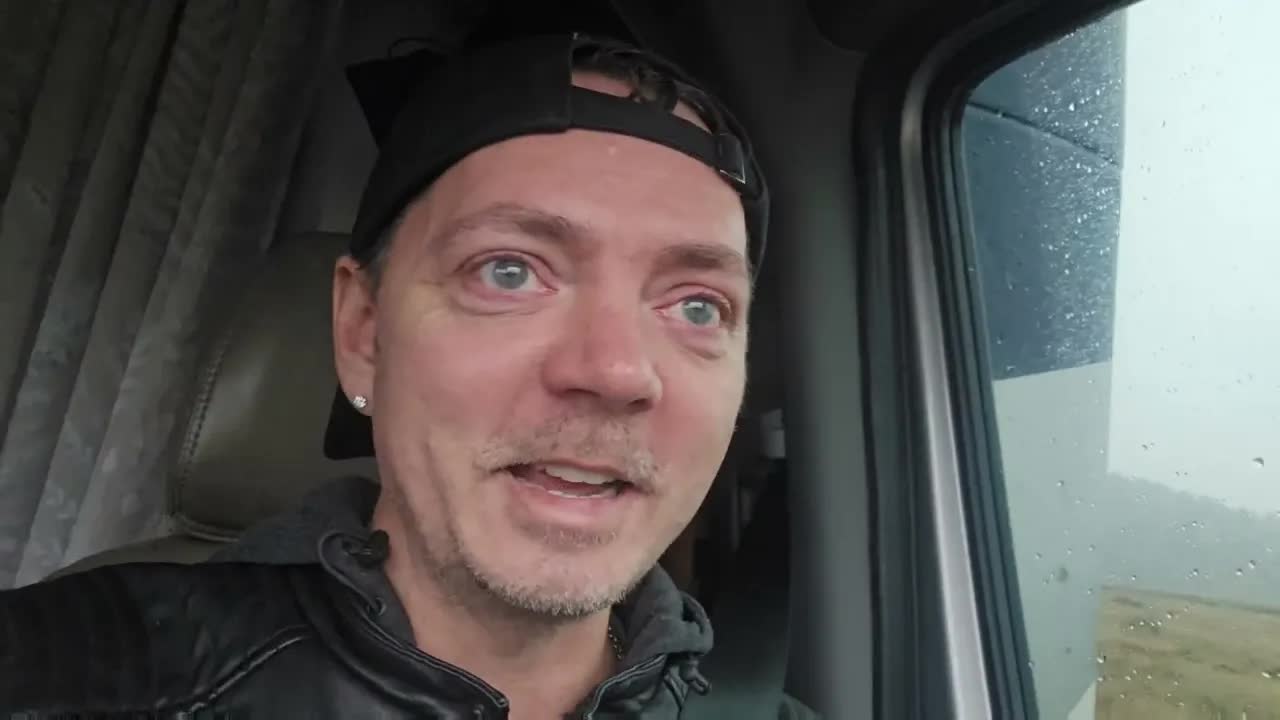
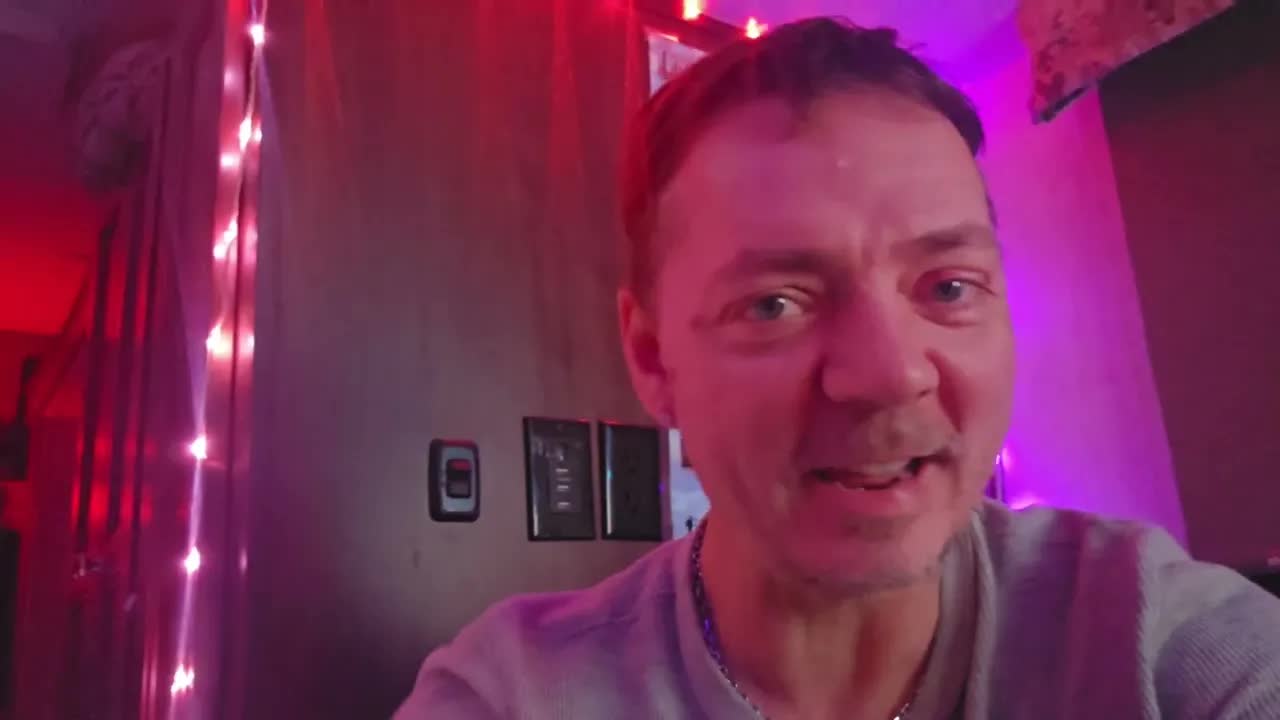
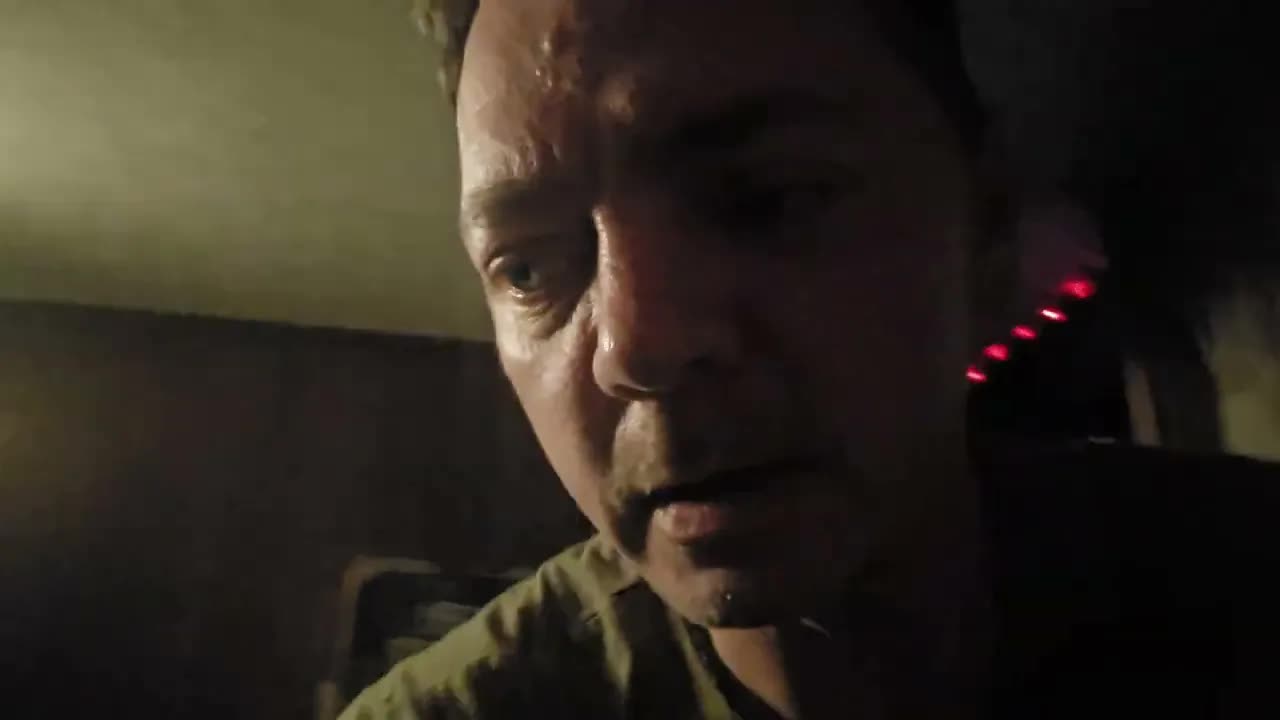
Good morning, YouTube. He opened the way he had opened hundreds of mornings before it — a greeting to a camera, a greeting to whoever was on the other side of it. Nine months of this. Five hundred videos and more. rswfire sat down to speak into the same lens that had been receiving his life since the first video, and this time the subject was the lens itself.
He had submitted the application. That was the fact underneath the morning: after nine months of feeding the platform, he had finally applied for monetization, and he wanted the people watching to understand what that meant going forward. He described what he had known from the beginning — that YouTube had been earning on his channel the entire time, that he understood how the platform worked, that he did not think it was fair. He was not discovering the arrangement in that moment. He was naming an arrangement he had been holding in full view for nine months while continuing to publish anyway, and he was explicit about why he had continued: he was getting something out of it himself. His own growth. Watching his journey unfold. These mattered a great deal to him. He said he was completely different from the person in that first video.
Then he named the cost. It is hard to be on YouTube, he said, because you put up with a lot of abuse — and he flagged the statement as fact rather than complaint before moving on. That naming became the hinge of the entire transmission. He described the condition he had set for himself: the only way he would stay on the platform was if he could monetize the channel and move his videos into the subscription service, where he could limit how many people saw the channel and how many interacted with him inside it. Not silence. Not withdrawal. The same sharing, the same life, the same way he had always done it — through a narrower aperture. He would still make occasional videos for the wider audience, the ones he judged unlikely to produce the fragmentation and abuse he had encountered. But the body of the work would move behind the gate.
He gave his reason for needing the gate in the same breath as his reason for the work having value at all: because he is such a real person, because he is not fragmented, not compartmentalized, because he speaks exactly what he sees. He put the two facts side by side without separating them. The thing that made the signal worth transmitting was the same thing that made transmitting it expensive.
The middle of the video turned technical. He walked through where he actually stood in the pipeline — the second step, the AdSense account linking, the notice saying it could take up to three weeks. As a programmer since the sixth grade, he said, he understood what was really happening there. Then a month after that for the account review. Up to two months before an answer existed at all. He read the process the way he reads systems: as architecture with a function, not as neutral administrative delay. And he said plainly what that delay had done to him — it made him more hesitant to keep posting, because during every day of it the platform would continue generating revenue off his channel and keeping all of it, while routing him through a corporate process to decide whether he was a good enough human being to deserve a share of money taken from his content, from his life.
He did not resolve the tension. He held it out where it could be seen. This might be the last video up here, he said — just sitting there while he waited to hear what they decided. And then he set the terminal condition without dramatizing it: if they reject him, he will delete the channel. He gave the reason in one line. He is not going to be judged by a corporation for being a real human being on here.
So yeah, he said. We'll see what happens. The video ended there, one continuous statement, no scene change, nothing but a man speaking into a camera on a December morning with an application pending and two exits mapped in advance. The threshold was set. The waiting was the only part left that did not belong to him.