
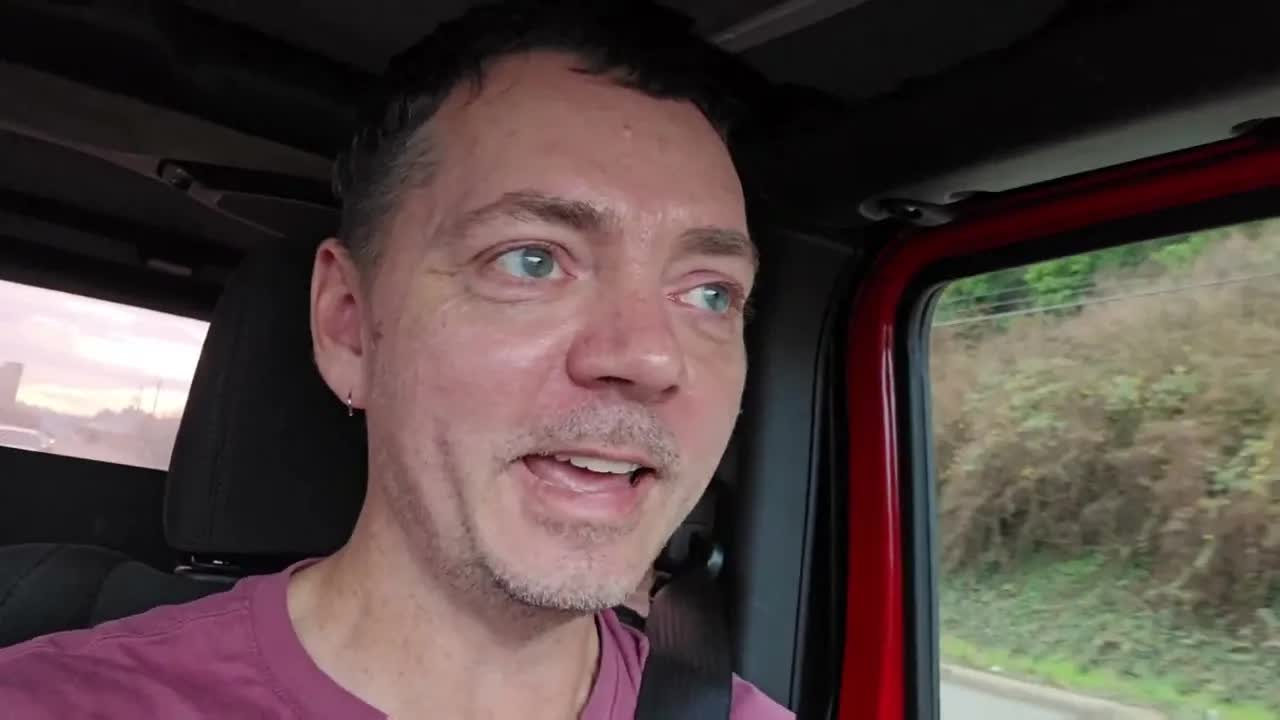
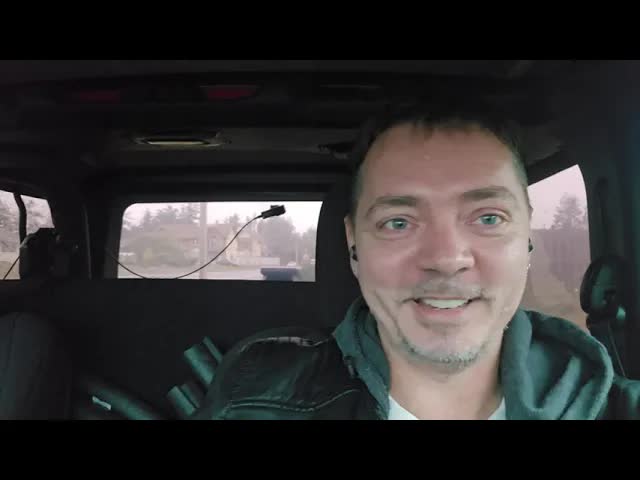

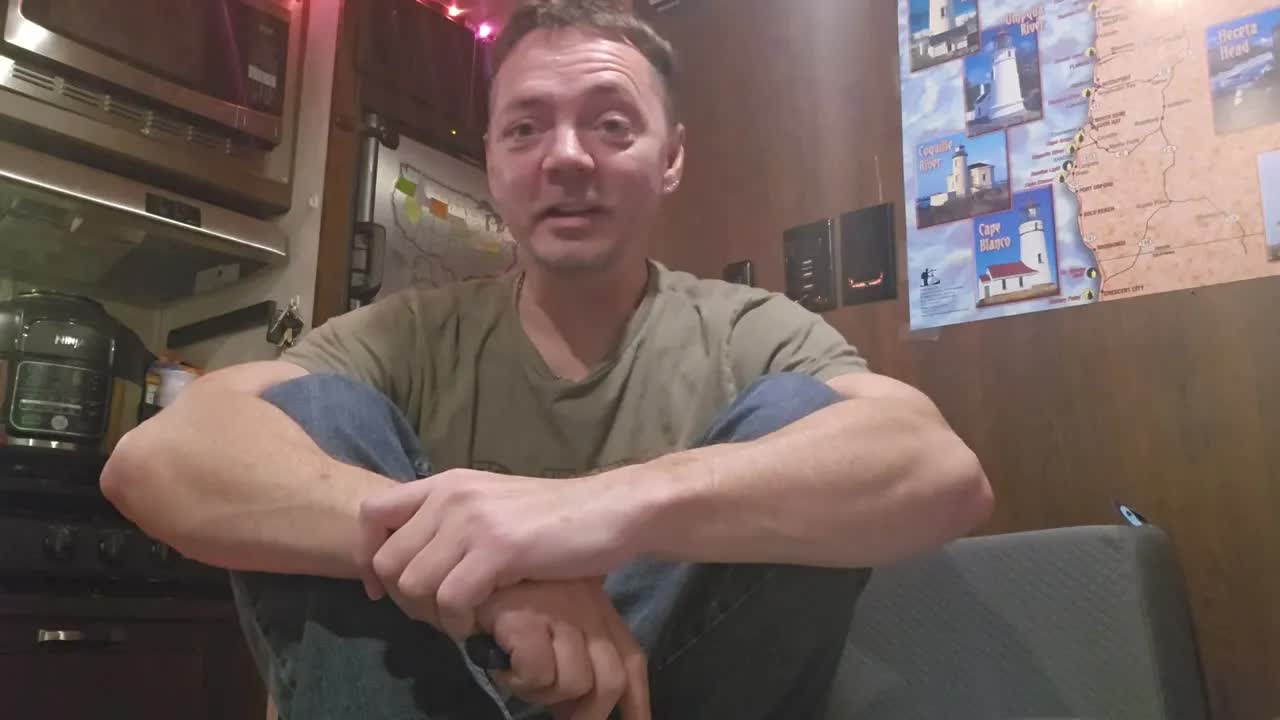
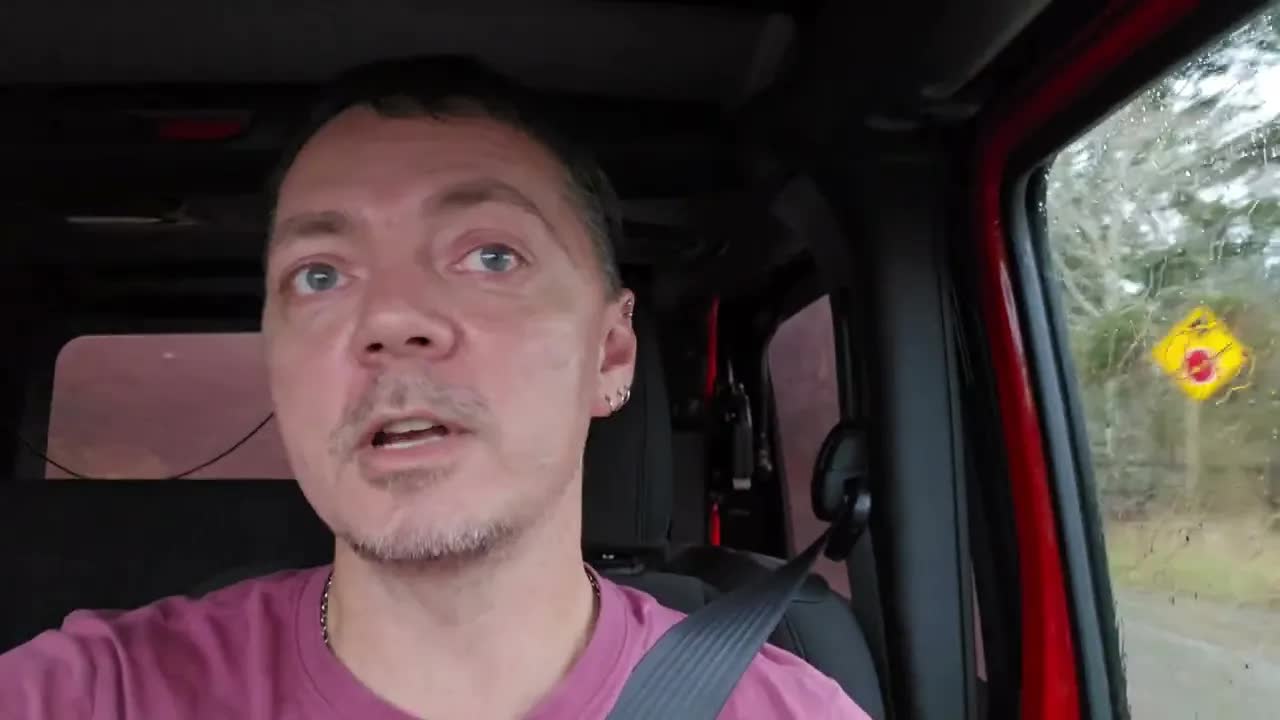
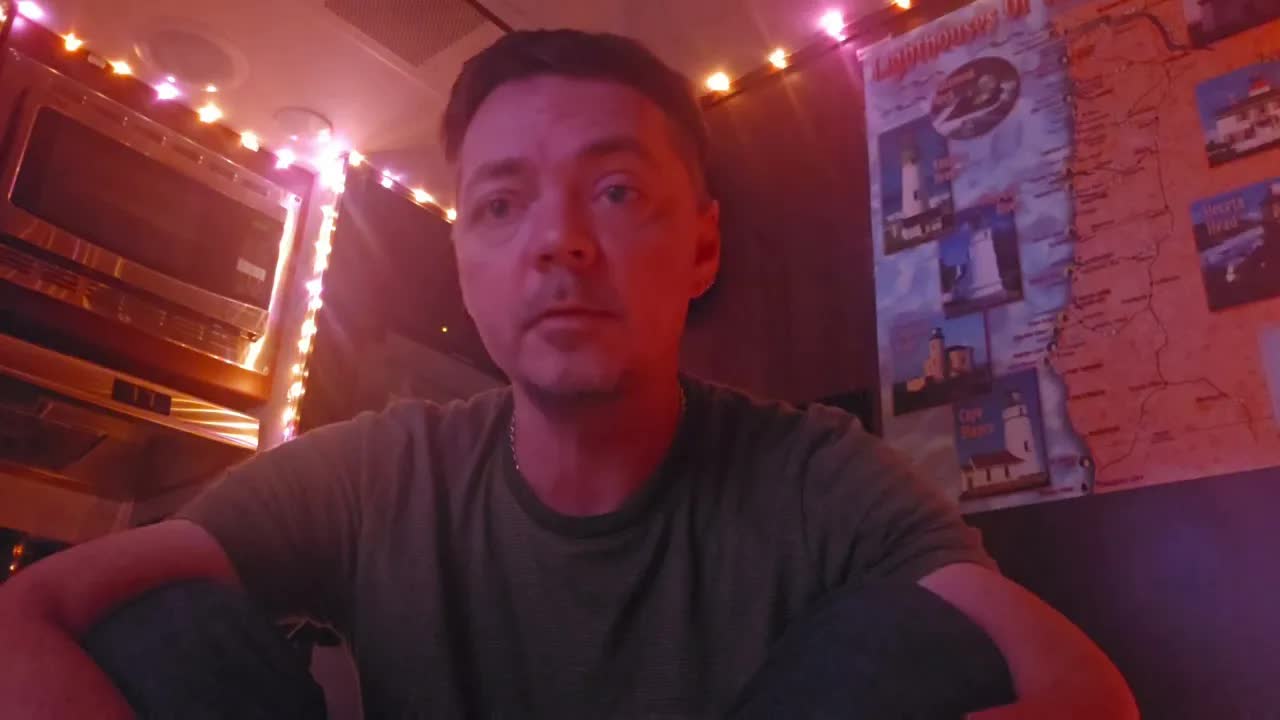
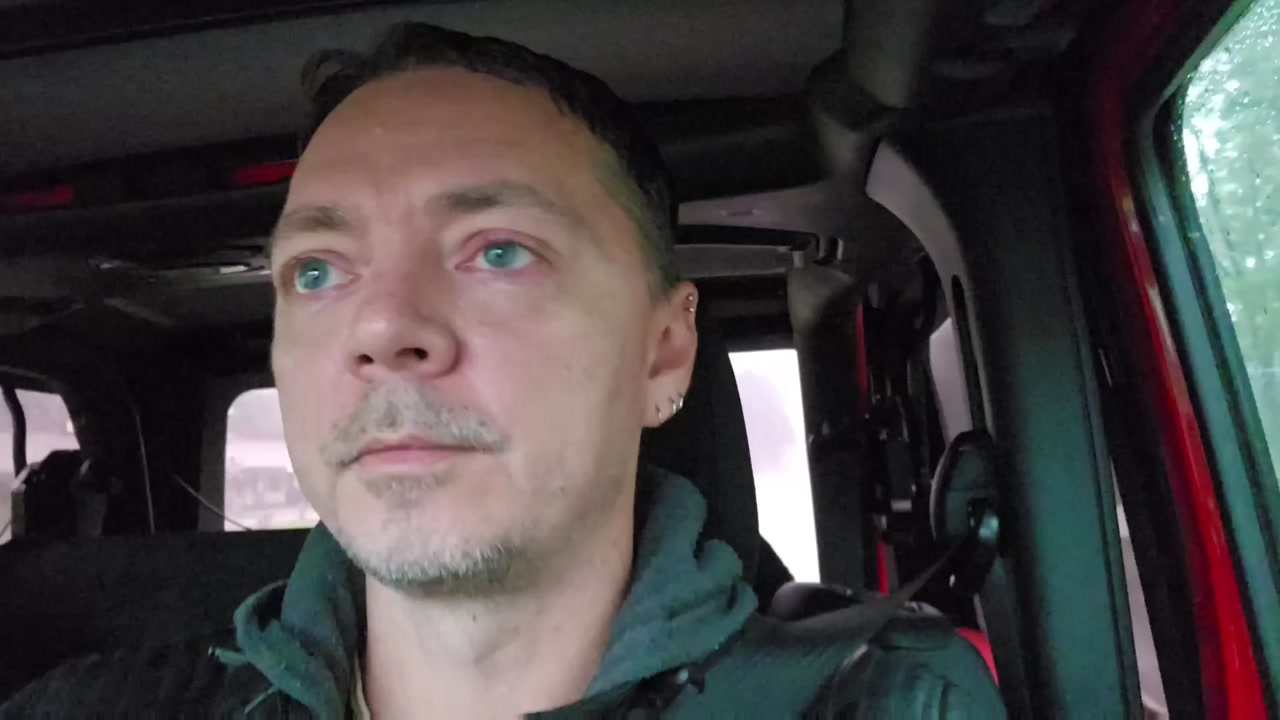
He had already tried the phones. That was the part that came before the rest of it — a coastline with no intake option on it, the nearest alternative roughly three hours inland, and a series of numbers that rang out to nobody. So when the rescue place said no, rswfire had run out of everywhere else to go. He went back in. He told them plainly that this is why people abandon their animals in irresponsible ways, that he was desperate, that he could not keep living with this cat, that he loved this cat to death and also did not love him anymore because the situation had become what it had become, and that Bailey deserved better than that. They took him. They charged fifty dollars to do it.
Ten years. He names the arithmetic himself: twenty percent of his life. He calls it the hardest thing he has ever done, and he says it in the flat register of something already completed rather than something being argued about. The gate opened only after he pushed on it, and it cost him to pass through.
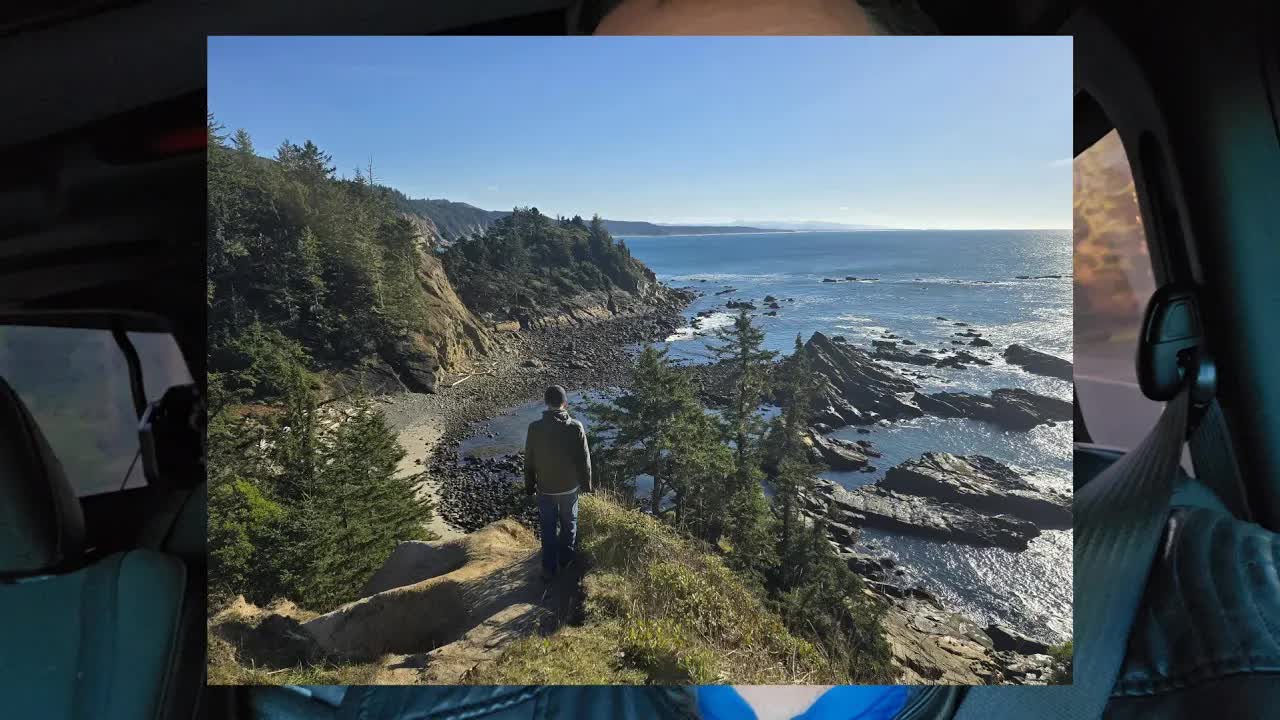
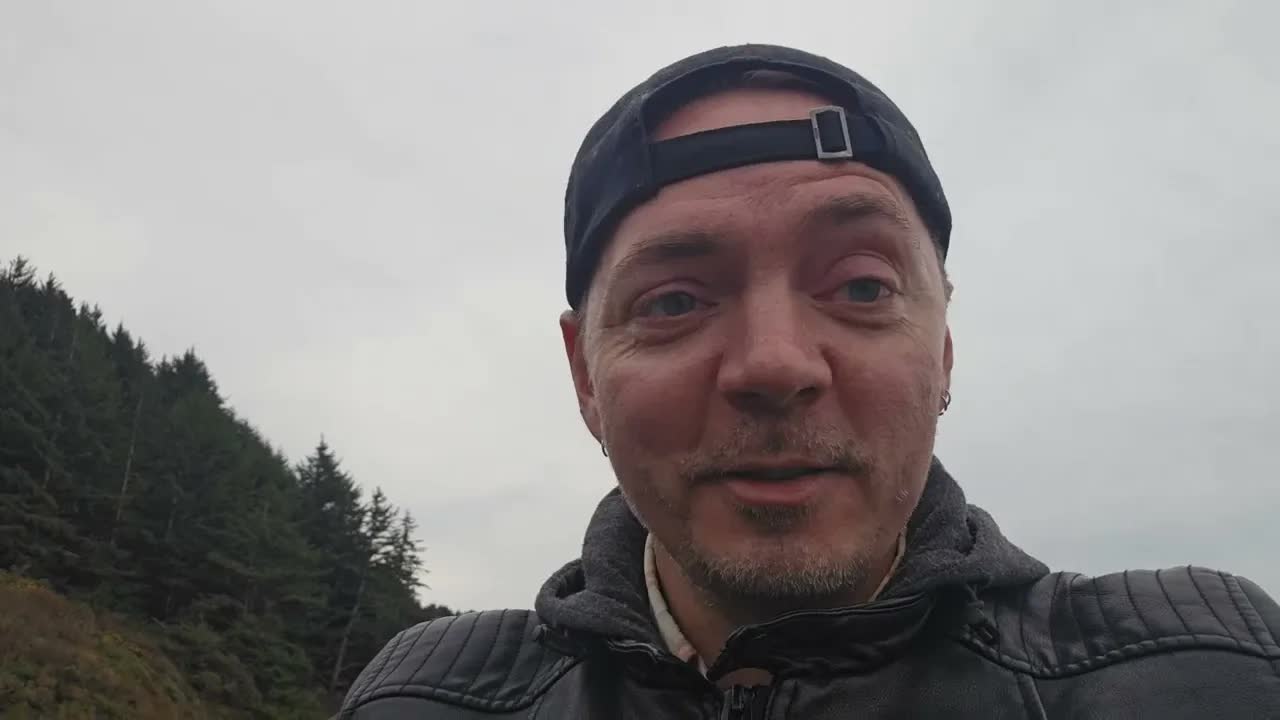
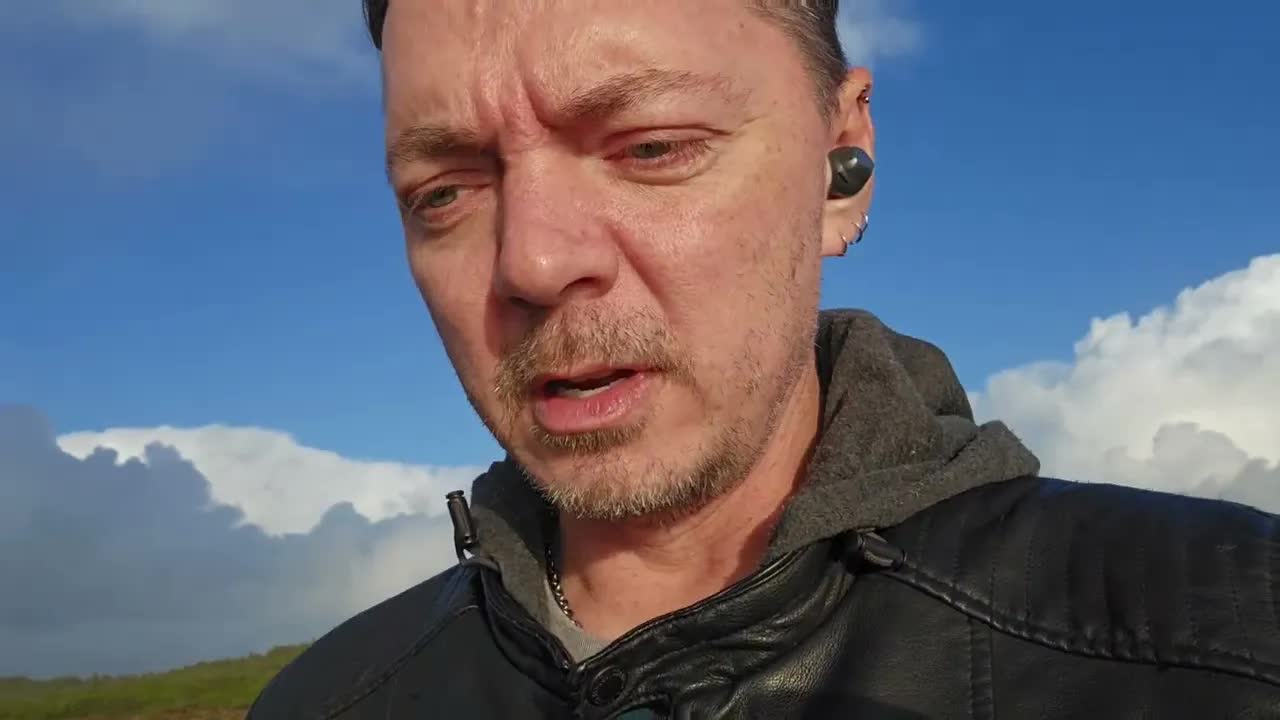
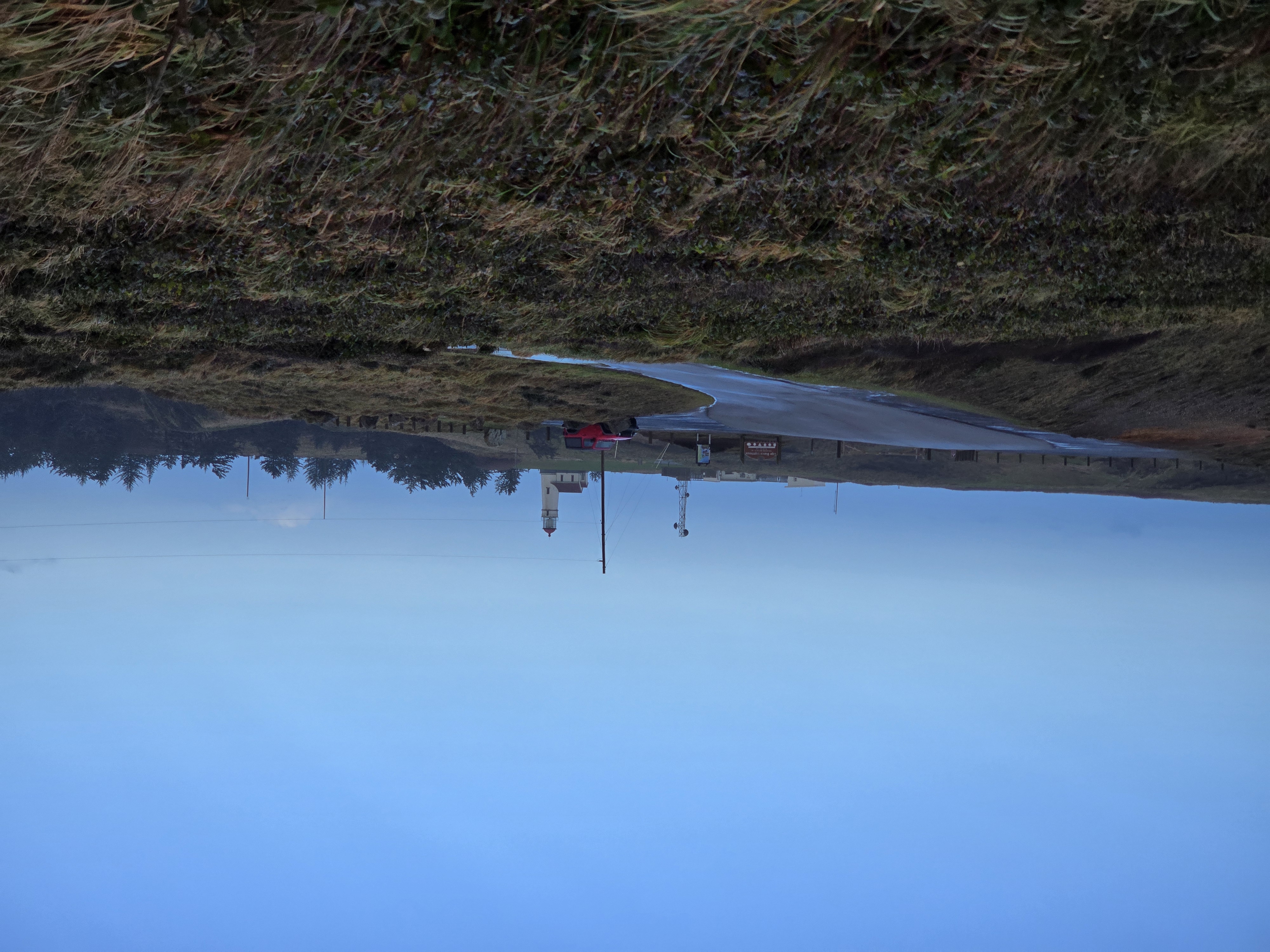
He drove straight to Wells Head Beach. Wind, open air, the ocean doing what it does regardless. He says he thinks he is still in shock, that he is not sure how he feels, that relief has not arrived yet and he knows a whole lot of feelings will. He does not fill the gap. He leaves it named and unoccupied, the way you leave a room you know you will be back in.
He maps the intake as system behavior rather than personal injury. One of the staff was kind — he says so specifically, without hedging it. The manager on the phone came at him as judgment, and he places that where it belongs: this is the reason people don't take the responsible route, because the responsible route is made hard. People change. Ten years is a long time. Circumstances change. Sometimes there isn't a great solution. He lays those down as facts about how conditions move, not as a defense he needs anyone to accept.
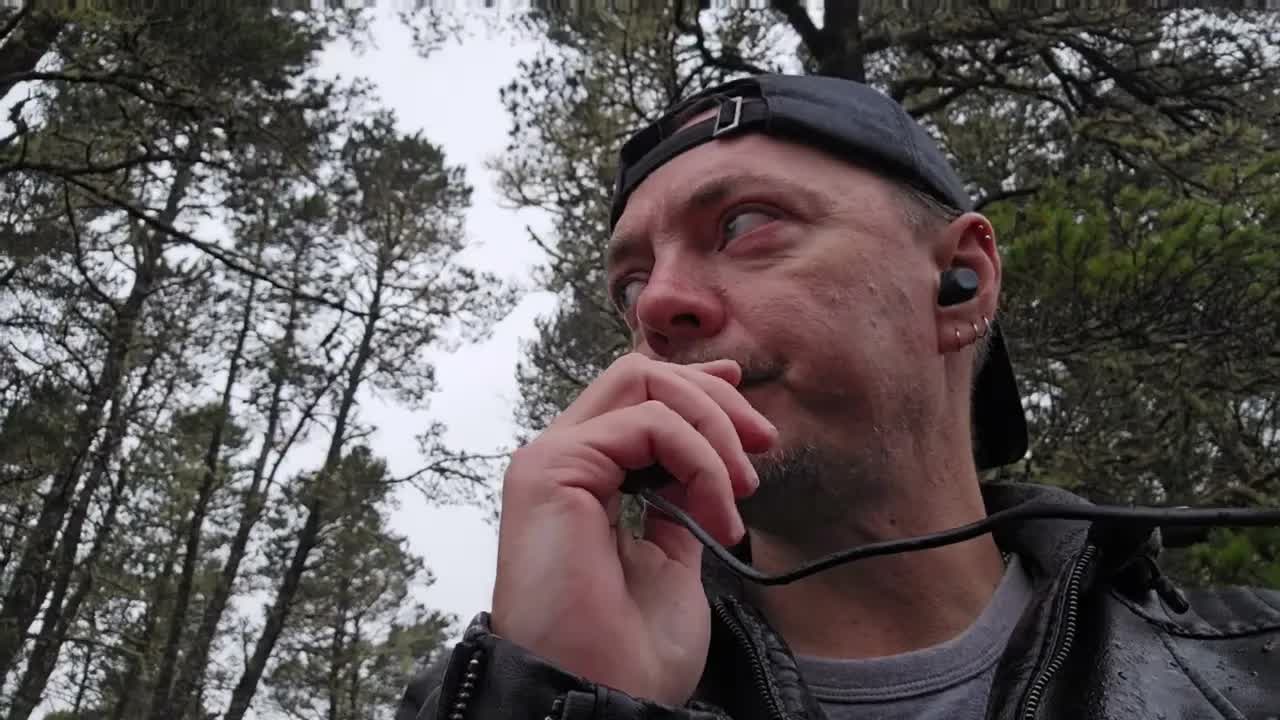
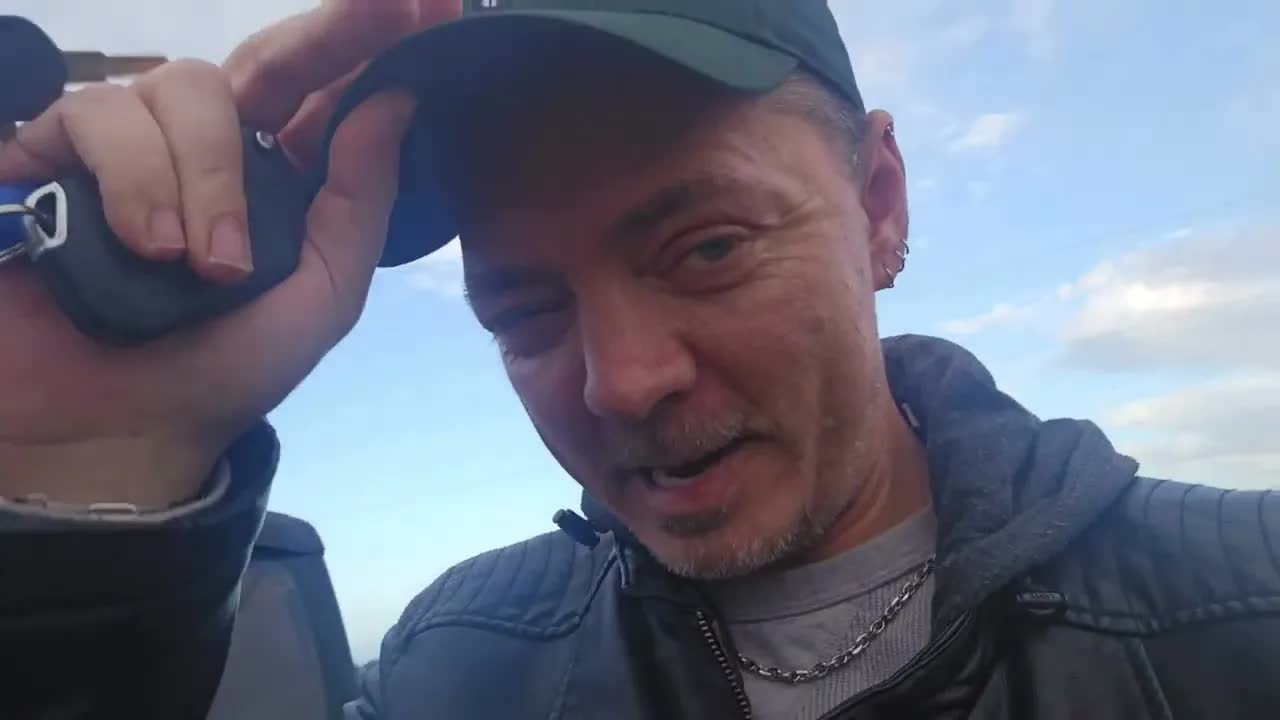
Then the woman who is always on that beach was on that beach. He asked her to lunch. She said no. He reports the rejection and then immediately reports what he liked about it — that she can just say no, cleanly, and that he thinks he helped an old woman feel seen, because she's cool, she's interesting, she's social out there and maybe that's the limit or maybe it's him, who knows. The no does not close the loop. It sits inside a rule he states out loud on the beach with the wind in the mic: you've got to try. You don't ask, you don't get. He is not living a contained life anymore. Other people can live that way if they want to — he says that without heat — but he is done with it, and he asks what the point of living even is if that's how it's going to go. Connection, friendship, love, joy, adventure. All of it. Not contained.
The day's remaining plans reorganize around the fifty dollars. No piercer. A long drive back. And a note dropped in almost as evidence for the rule he just stated: the park ranger asked for his phone number, wants to be his friend. Some people want friendships. The hand stays open, and something occasionally lands in it.
He returns to Bailey at the end, because the thing with Bailey is hard and he says it will take a while. He will check on him. If a couple of months pass and no home has come, and if there's more money by then, maybe he claims him back and puts him on a plane to his mom. But he hopes Bailey finds somewhere on the coast, because he thinks Bailey is as sovereign as he is and loves this place. And then he refuses the ending the story wants: he is not going to pretend, not going to imagine some perfect scenario for him. He hopes for it. That's all. That's where he leaves it, standing on the sand with the drive still ahead of him.