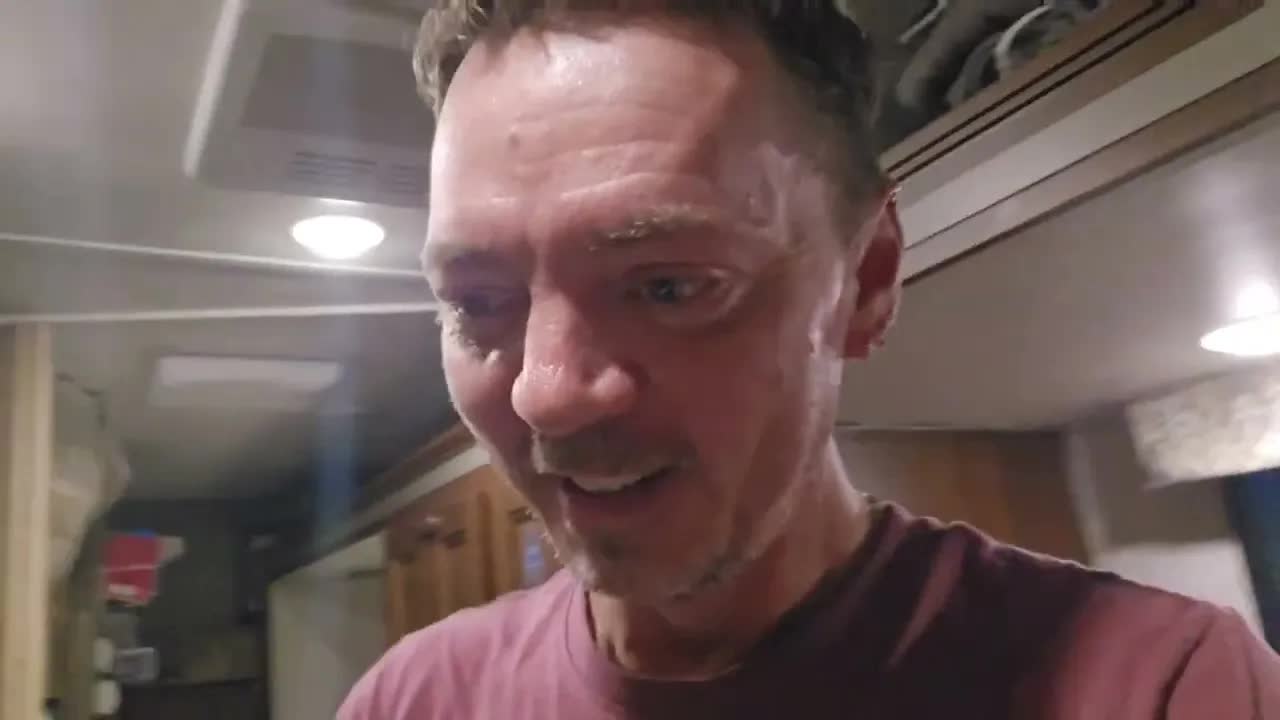
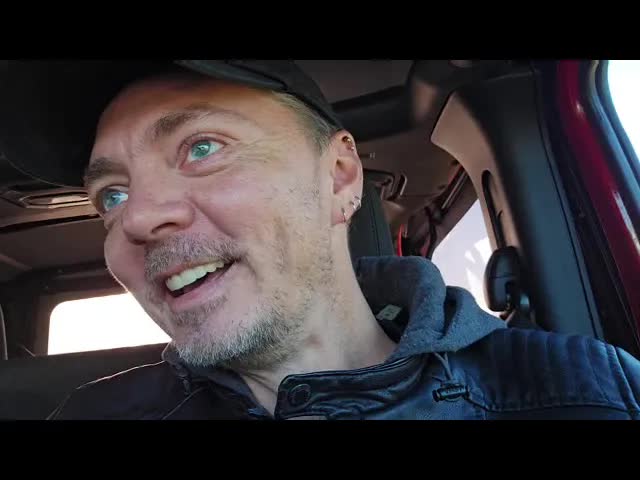
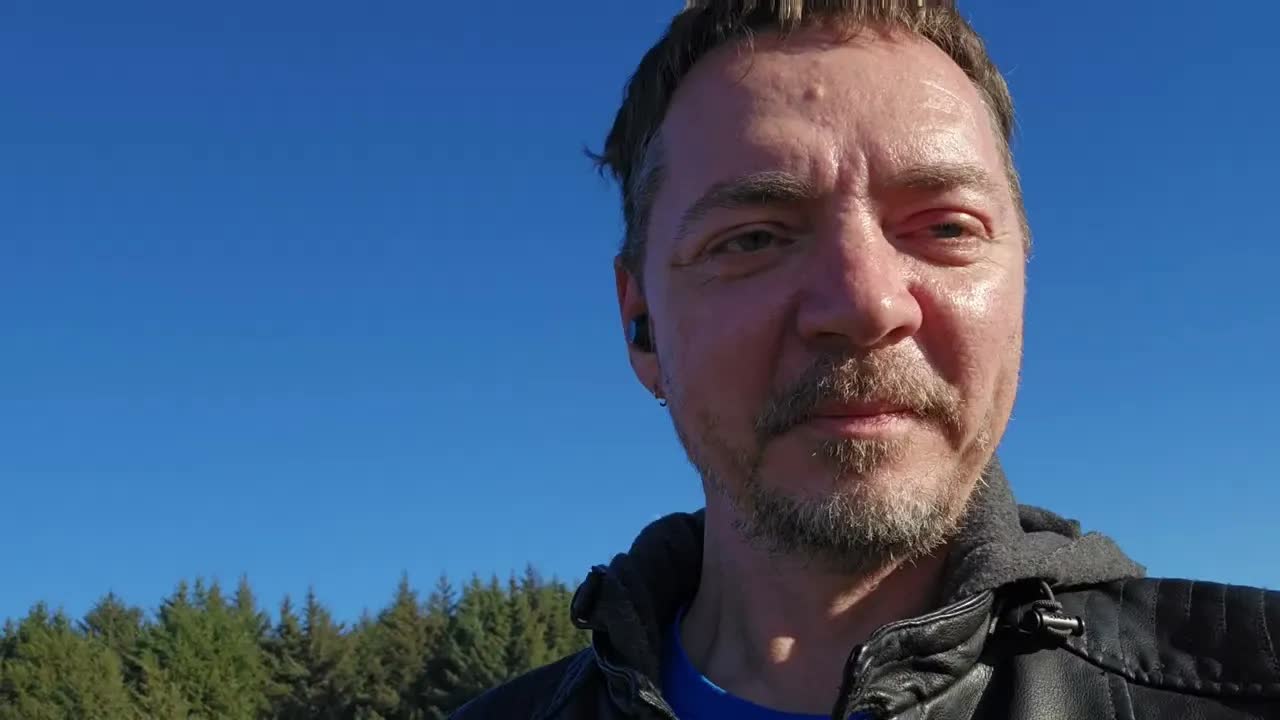
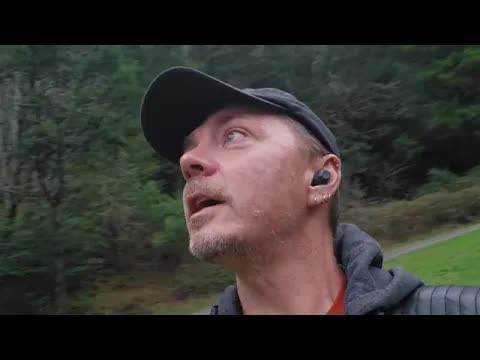
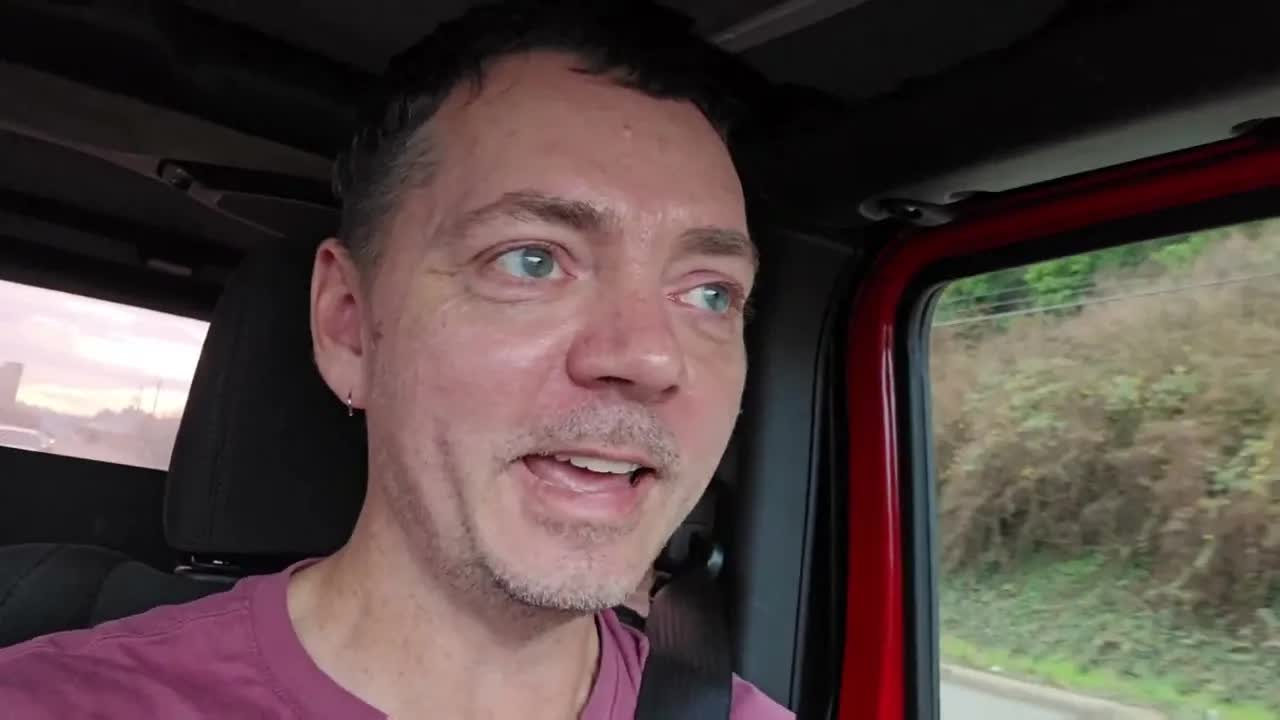

He begins with the distance itself. Nine months, he says, and the first thing he names is Tramadol — three hundred milligrams a day or more, taken to zero, cold turkey, at the front of everything else. People told him it would be hard, even impossible, and he states he kept answering the same way: I know I can do this, I want to do this. It was hard for a couple of days. Then it wasn't. He says he never looked back, not once, and the phrase returns later in the sequence like a structural beam rather than a flourish.
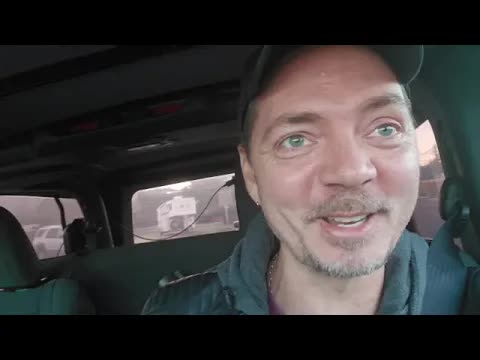
What follows he enumerates in order, the way a man reads back a ledger he has already balanced. He quit smoking after thirty years — switched to vaping, and he marks plainly that he would have liked to be off that by now, and issues no judgment about it. He built up his skills. He learned how to live inside the RV, not merely to occupy it but to inhabit it as working infrastructure. He took care of his dental health. Then he moved across the country with the comments turned off, because he wasn't going to put up with the superficial in the middle of a transformation that, as he states it, nobody seemed to notice but him.
The road delivered him to a mountain, and he spent a week up there. It was on that mountain that he decided it was time to stop taking clonazepam — a drug he states had kept him stable for fifteen years, prescribed against a panic disorder that he describes as having made him feel disconnected from his body, unable to trust it. The reasoning he gives is not defiance. It is accounting: all the work he had done up until that point told him he could trust it now. People told him it wouldn't be that easy. He says he didn't look back. He quit.
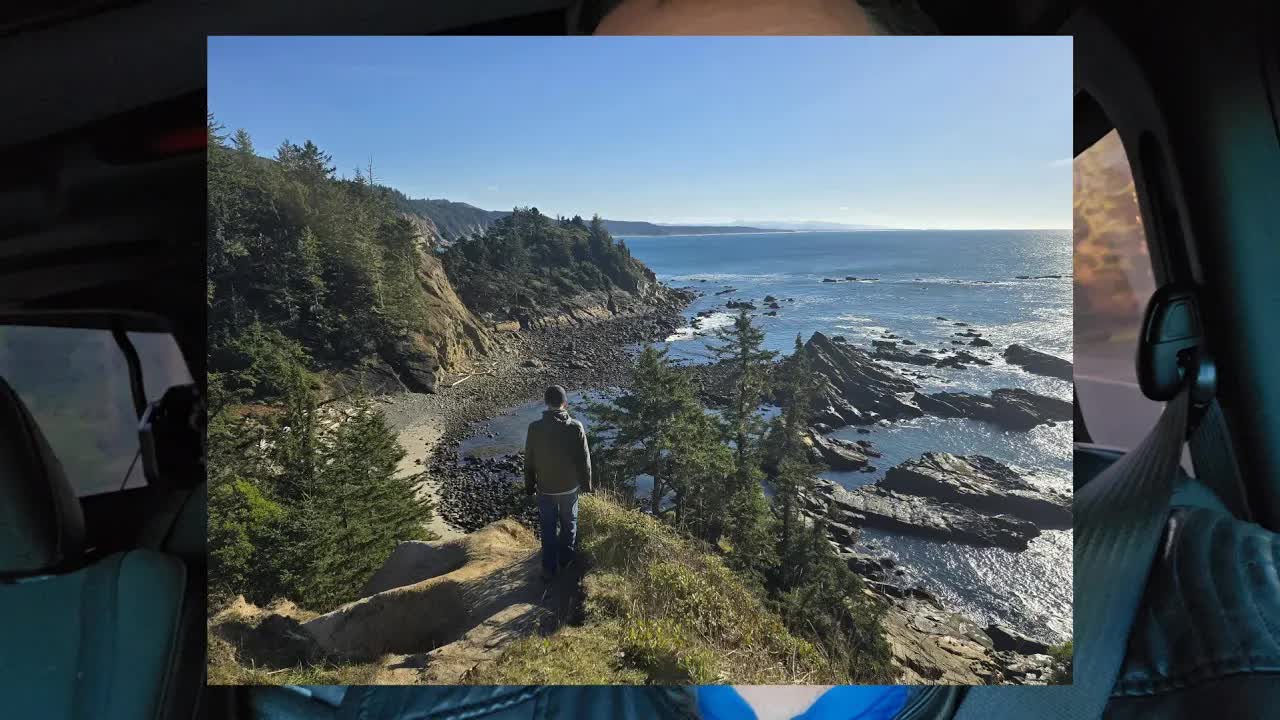
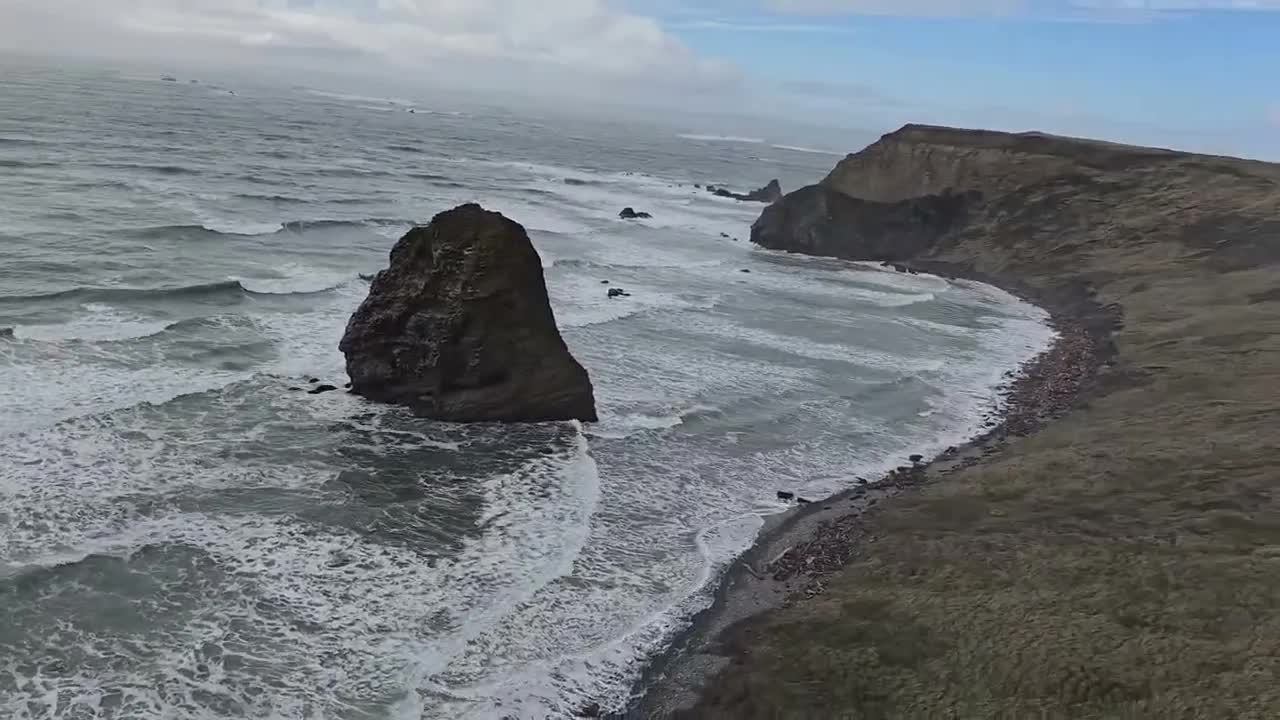
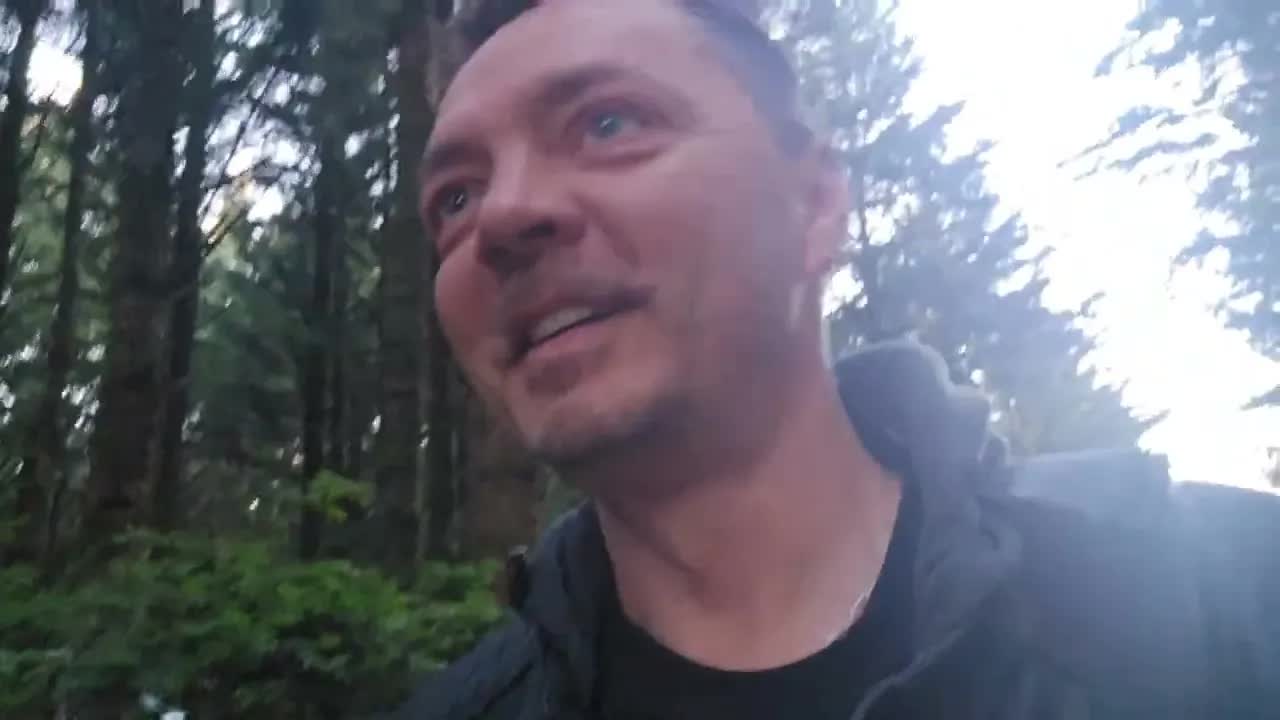
Then Oregon. He fell in love with the ocean, he says, and with everything here. He hiked for two months, three miles an hour, up a mountain — and injured himself on the way down. He kept hiking for two months after that. What ended it was not a decision made from above the body but a signal issued by it: he continued until his body told him he needed to stop, and he treated that instruction as authoritative. The same body he had described being unable to trust was now the instrument he stopped for.
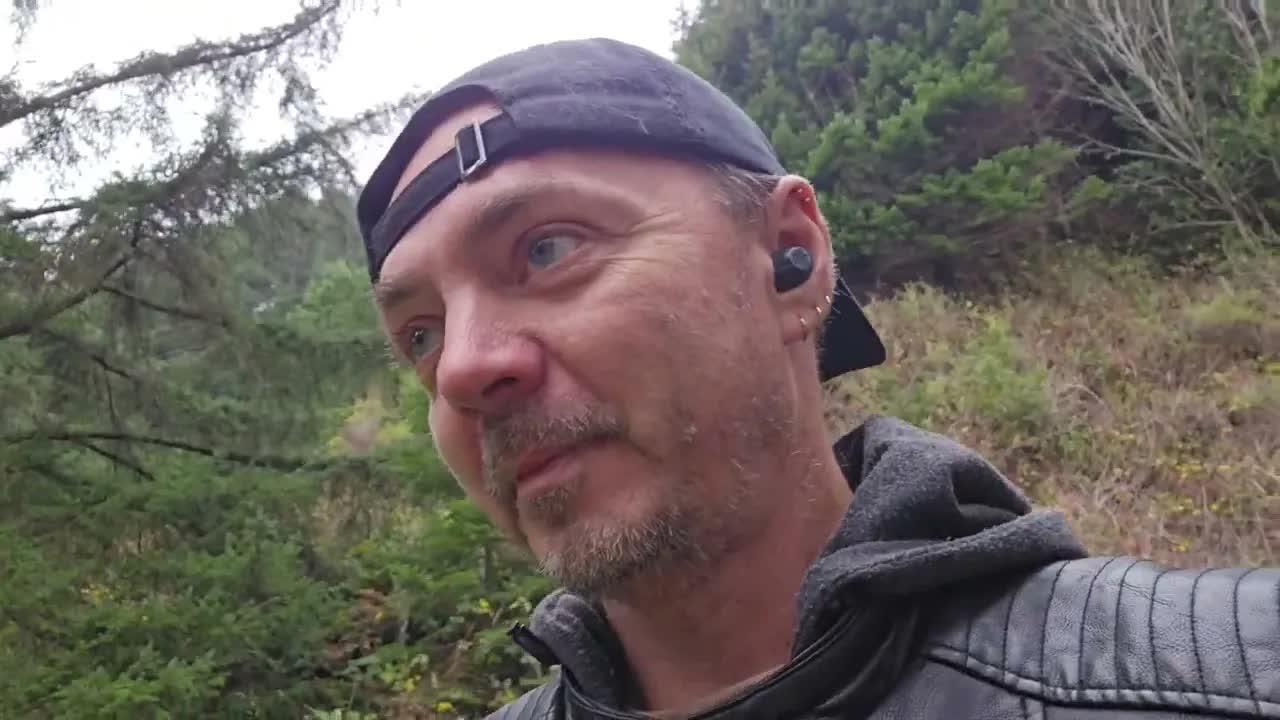
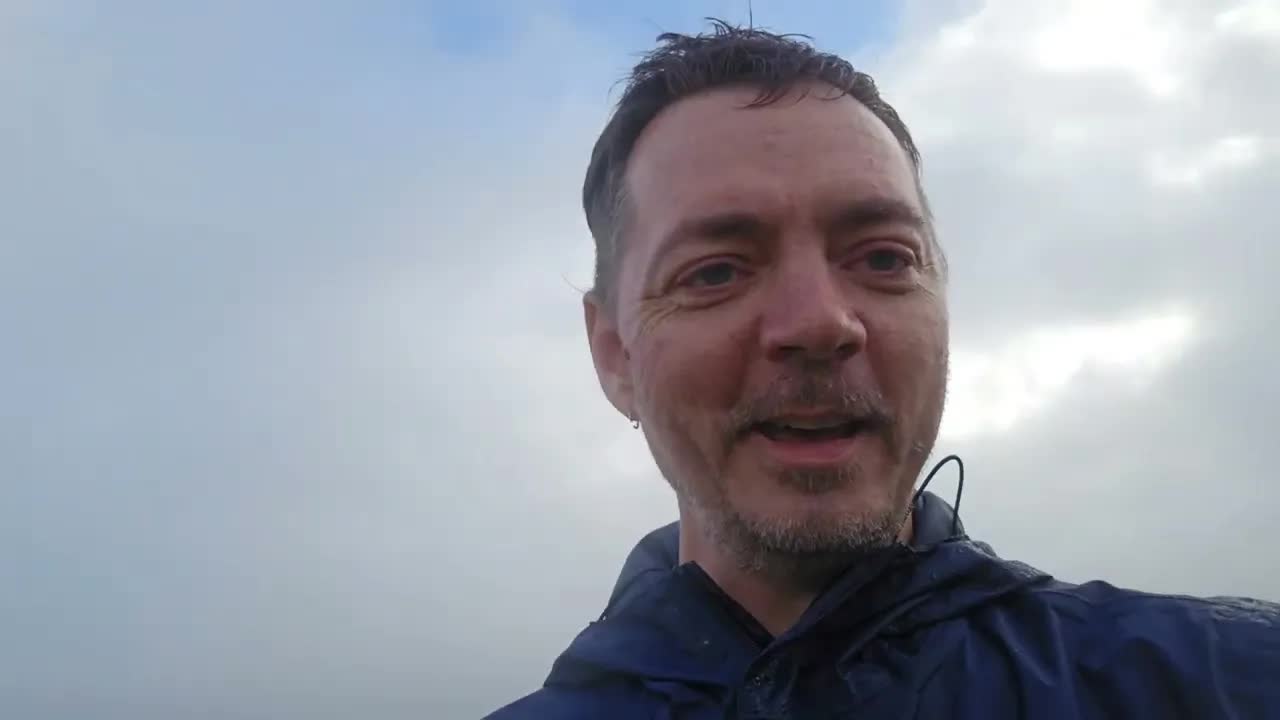
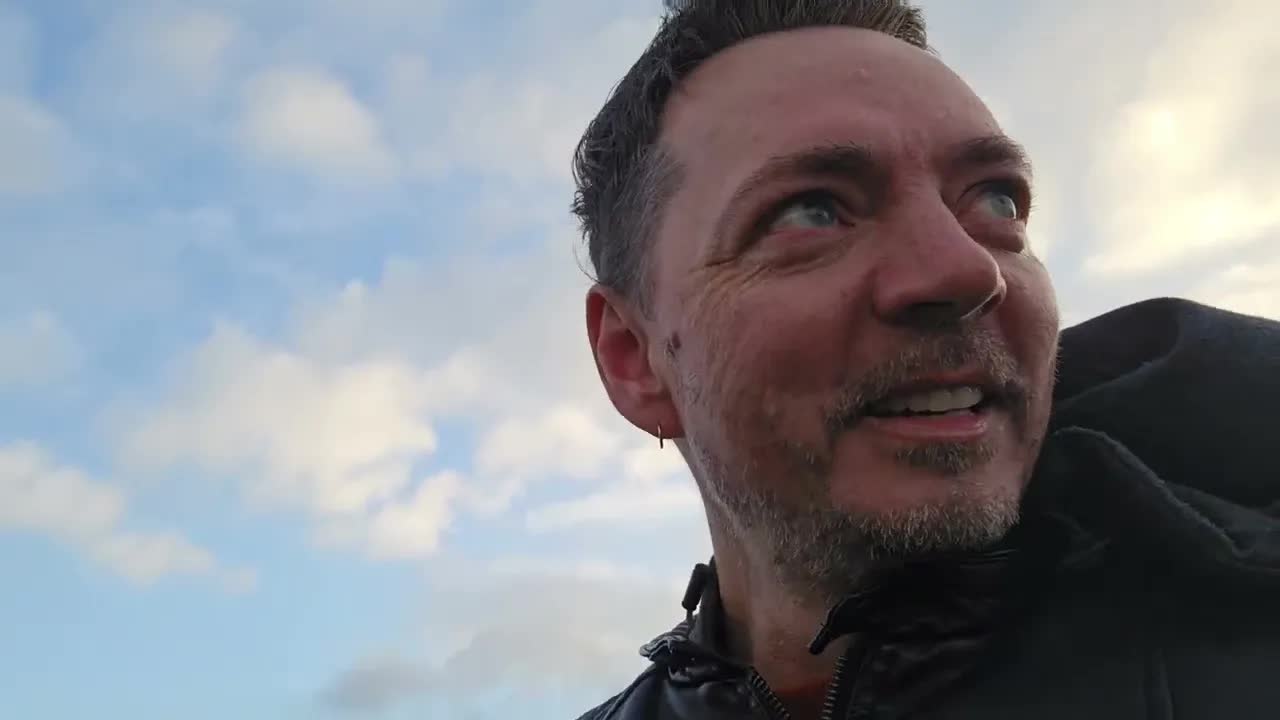
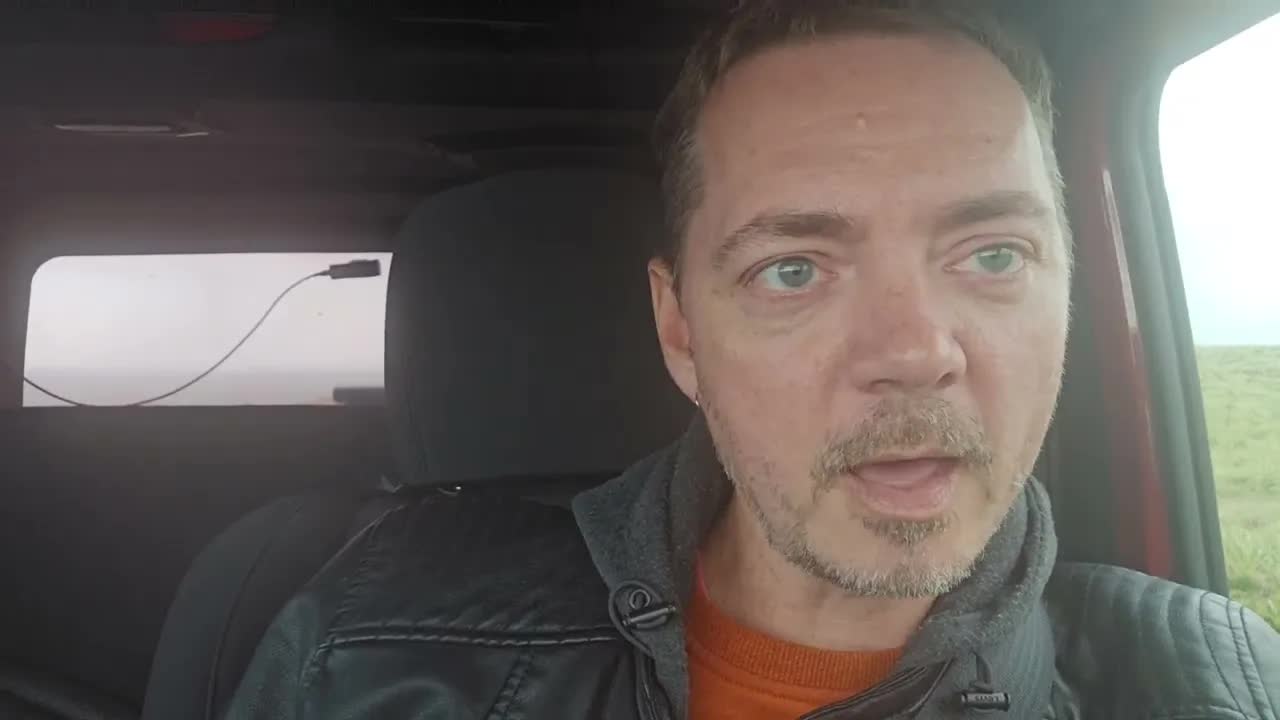
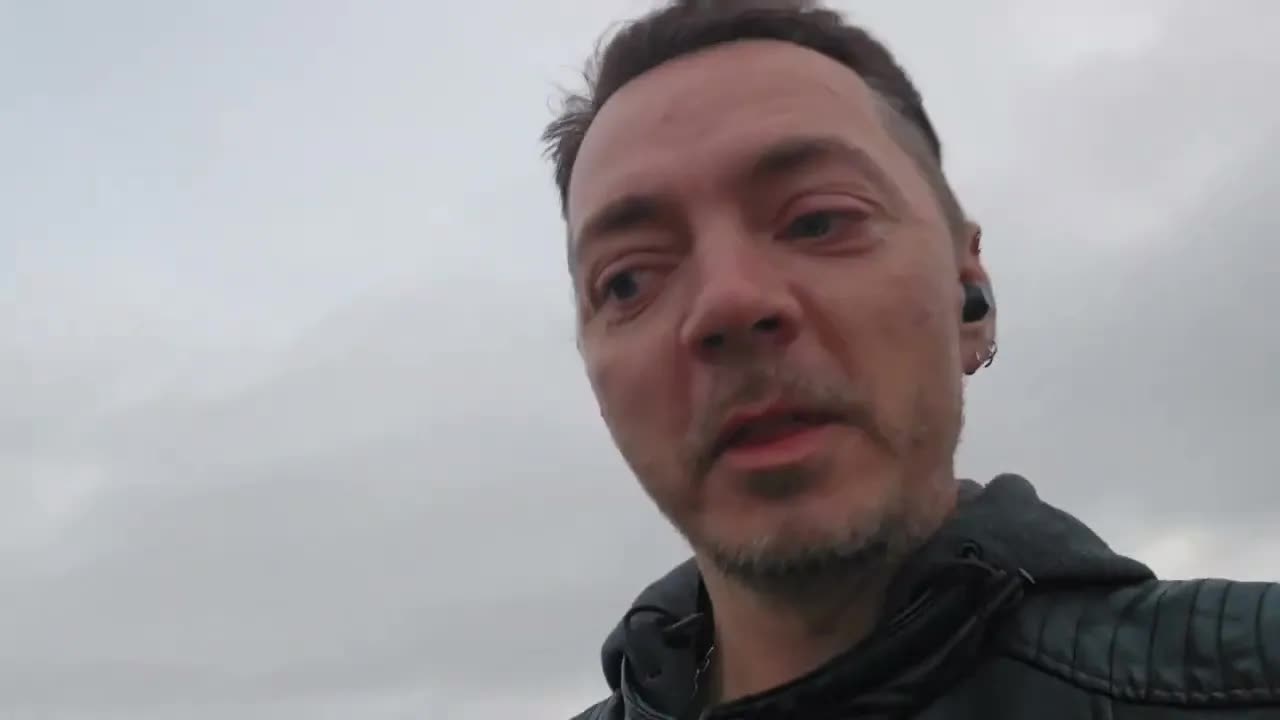
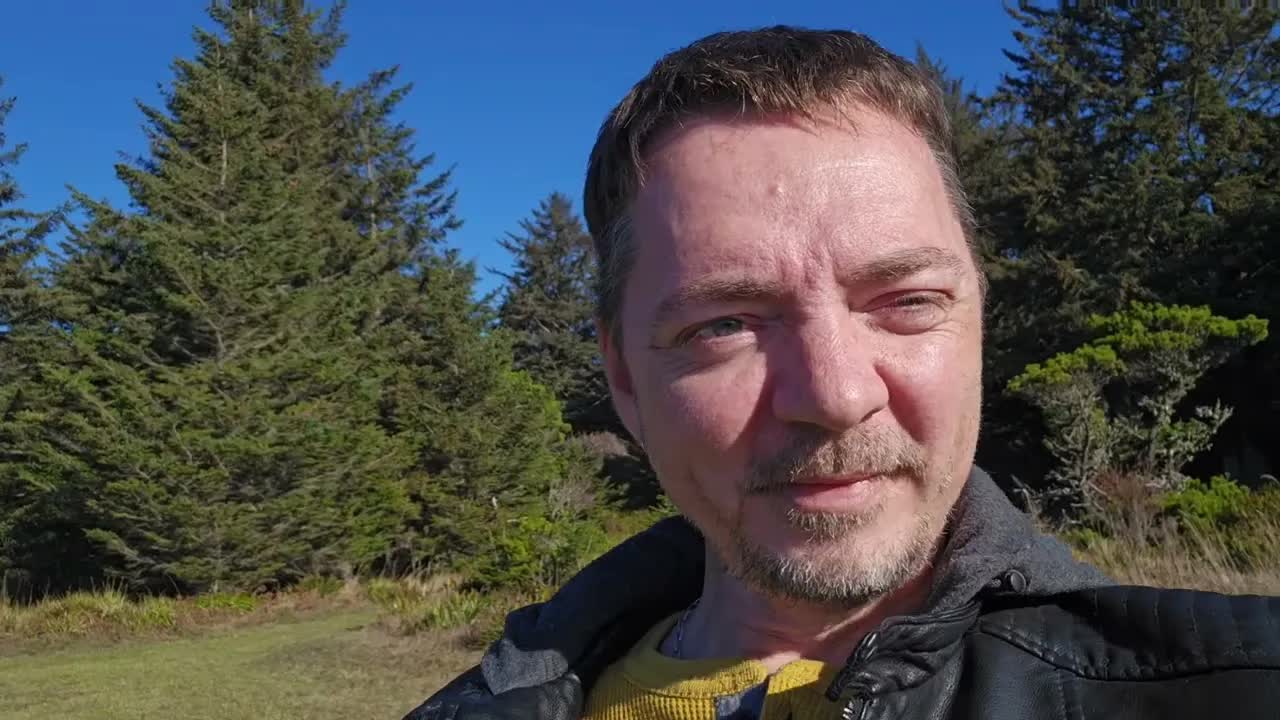
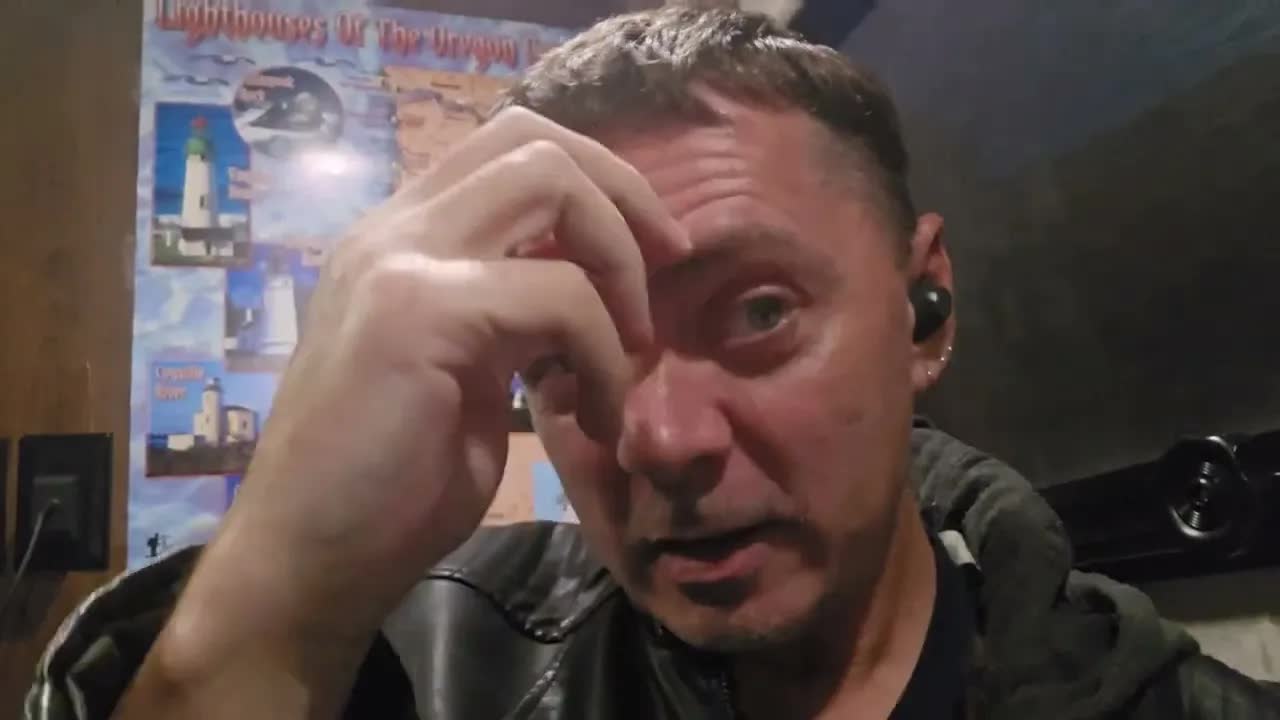
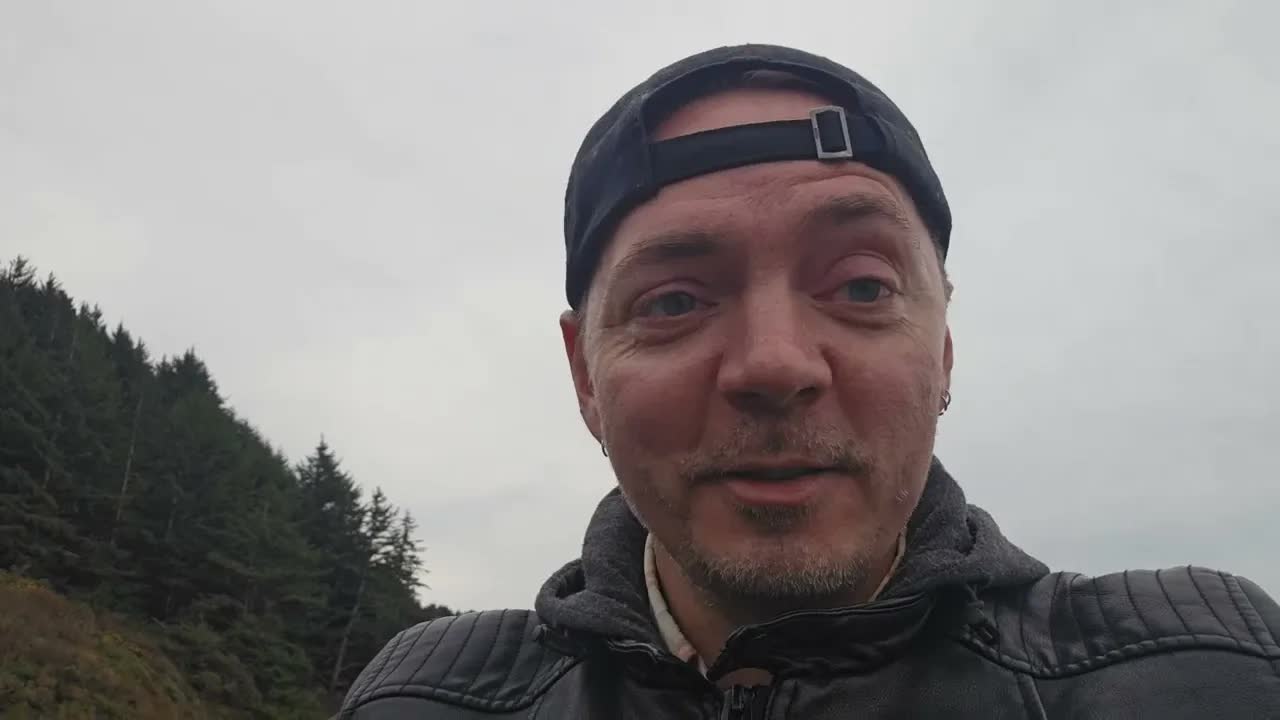
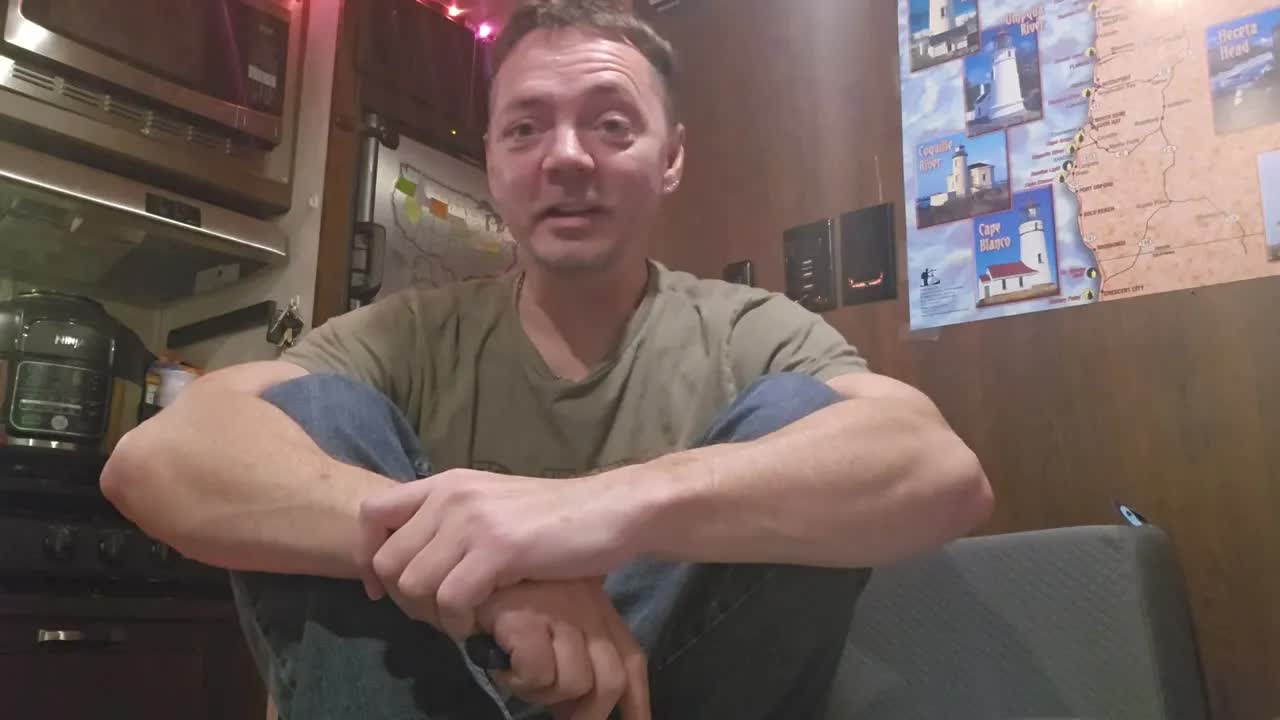
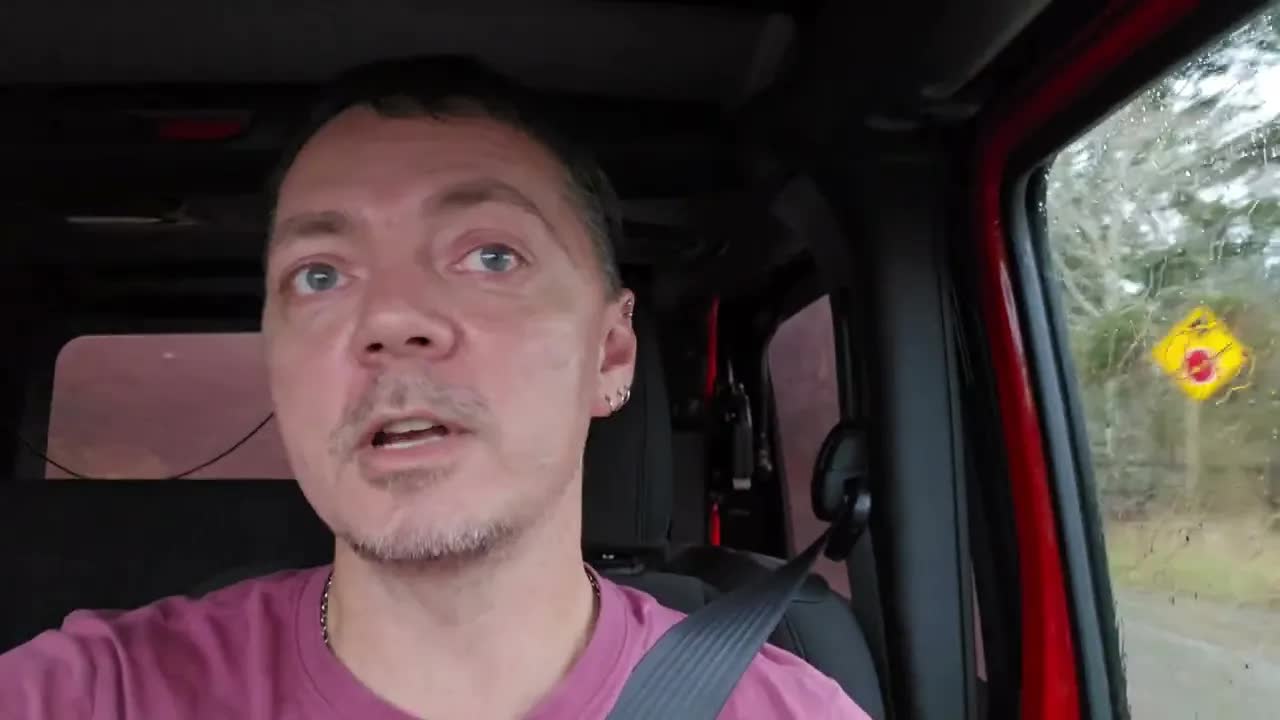
He speaks all of this into a camera on the Oregon coast, one continuous take, no one across from him. And then he turns the transmission around. All along the way, he says, he has been showing them what it looks like to transform your entire being, your entire existence — to become whole, integrated, complete in yourself. It was fully visible. It was fully documented. And he has been met by silence from all of them, even when he showed the vulnerability of needing help, because it took a lot of courage and a lot of resources and a lot of effort and time to get where he is.
The last sentence is not a request. It is a close of books on a specific arrangement. Some of you watched all of it, and all you did was consume it and give nothing back. He says it and lets it stand — the nine months intact, the sequence complete, the return channel named for what it has been.