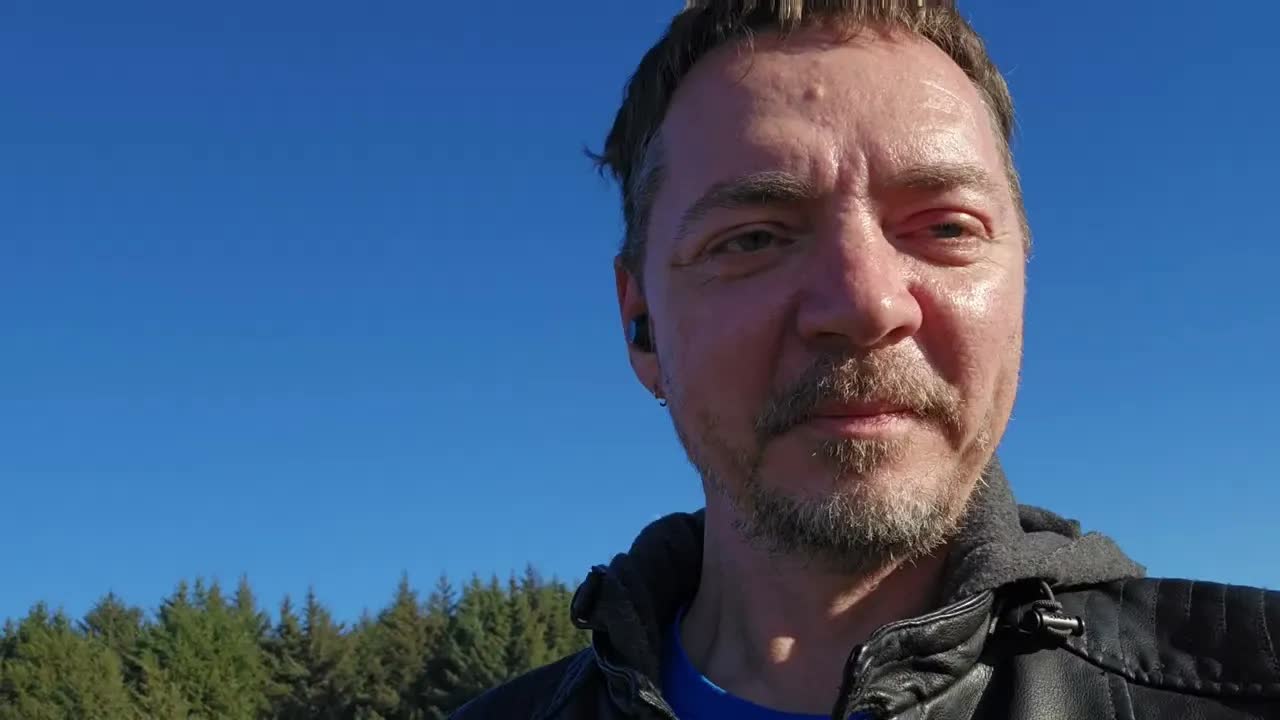
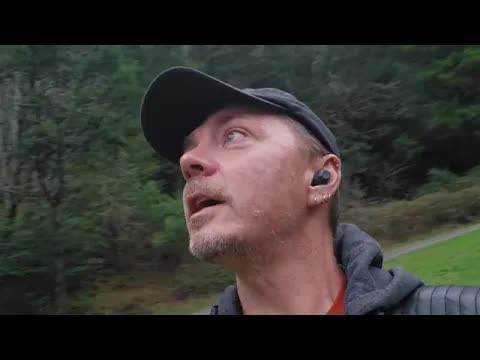
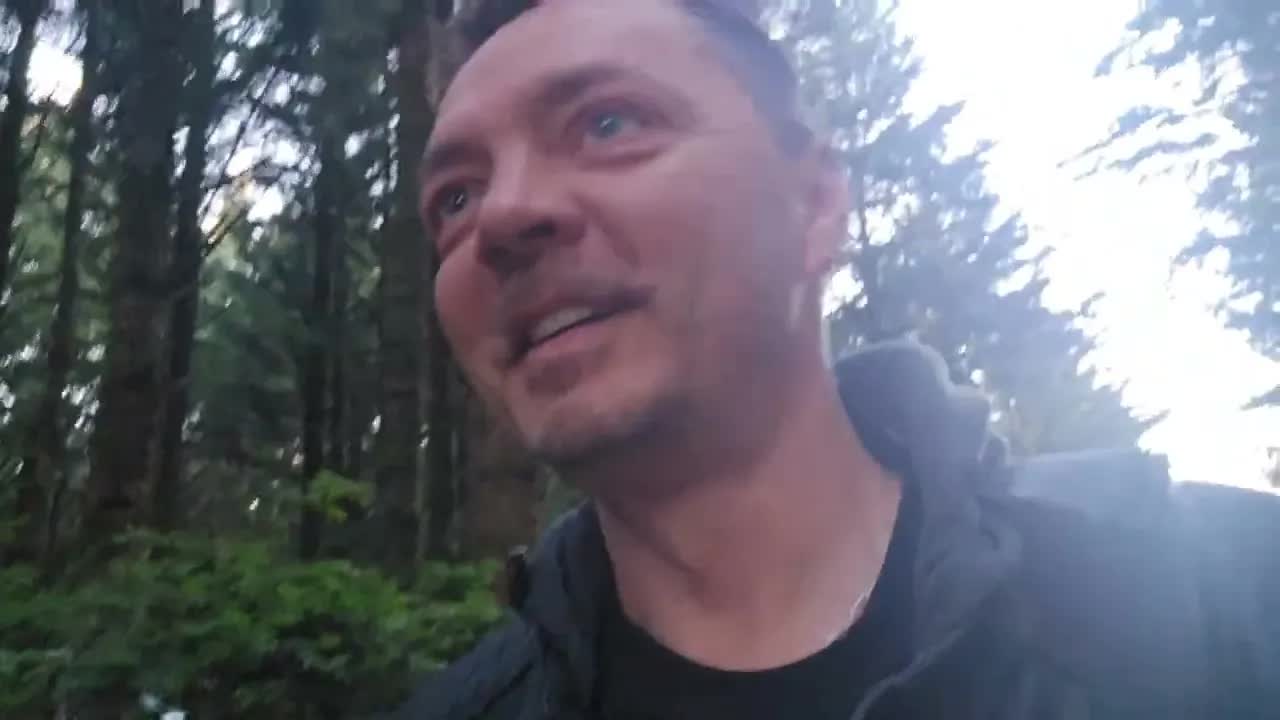
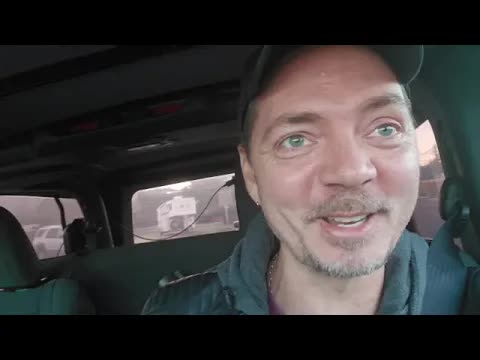
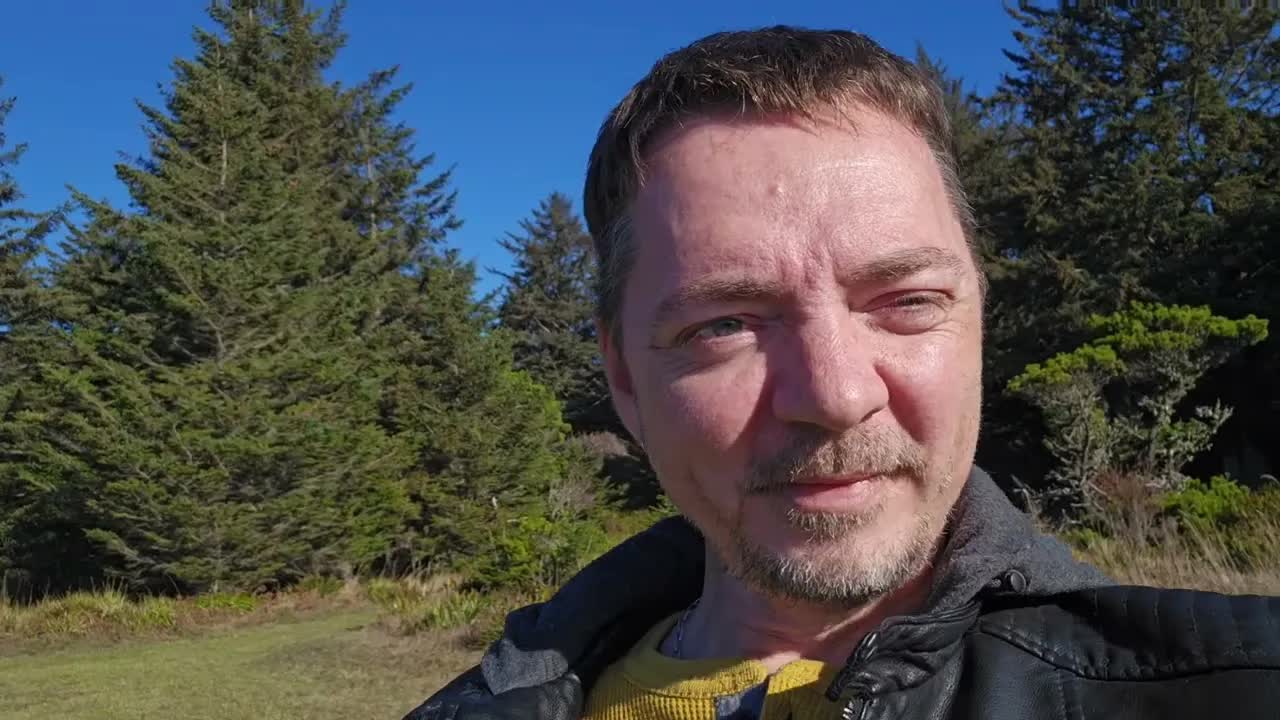
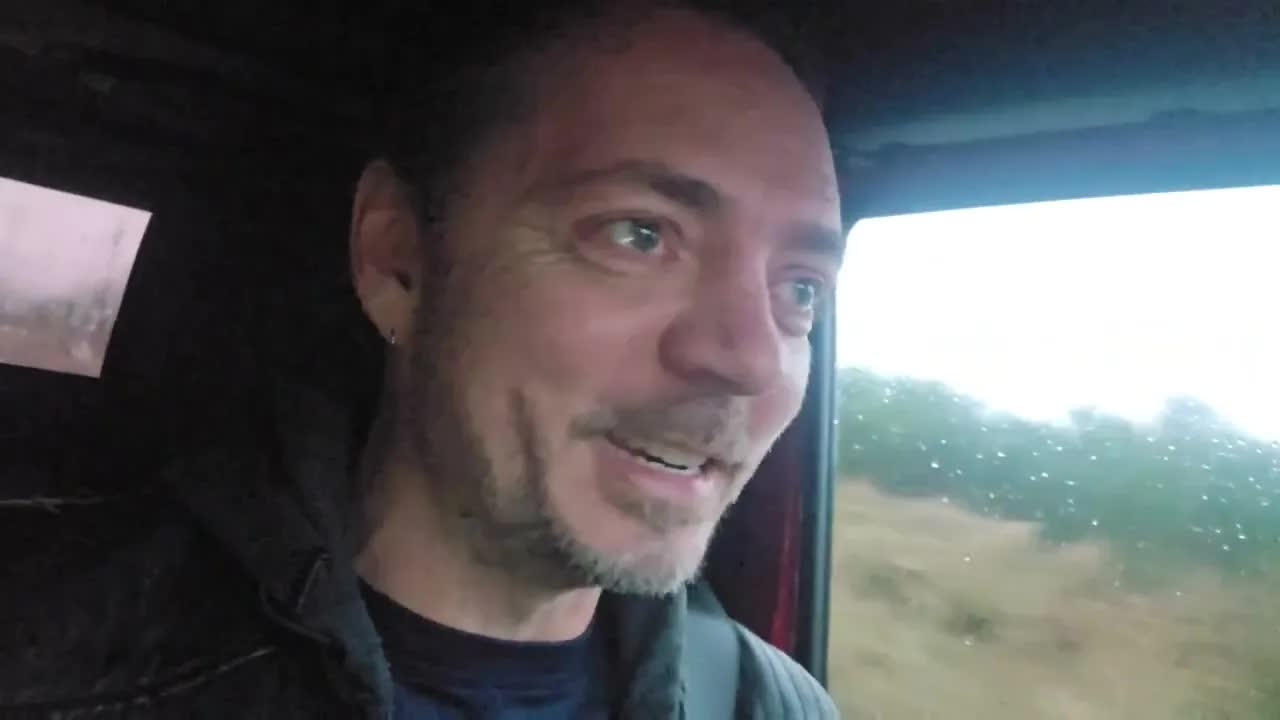
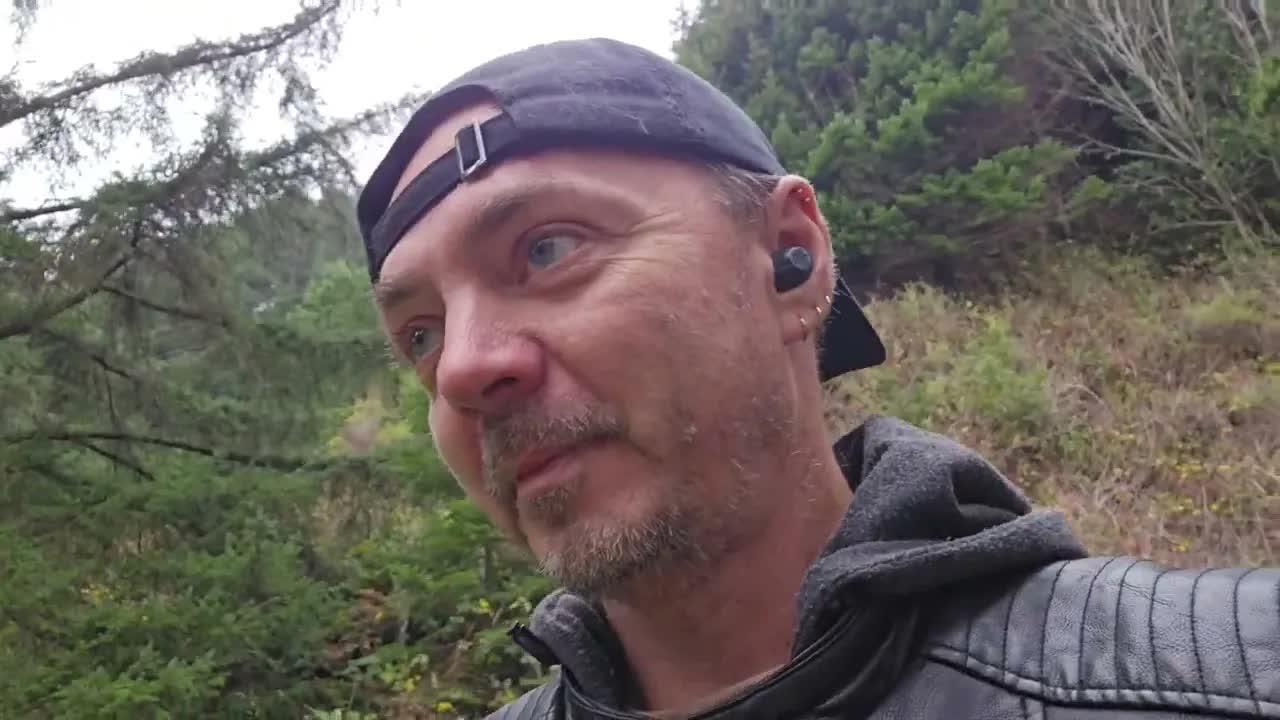

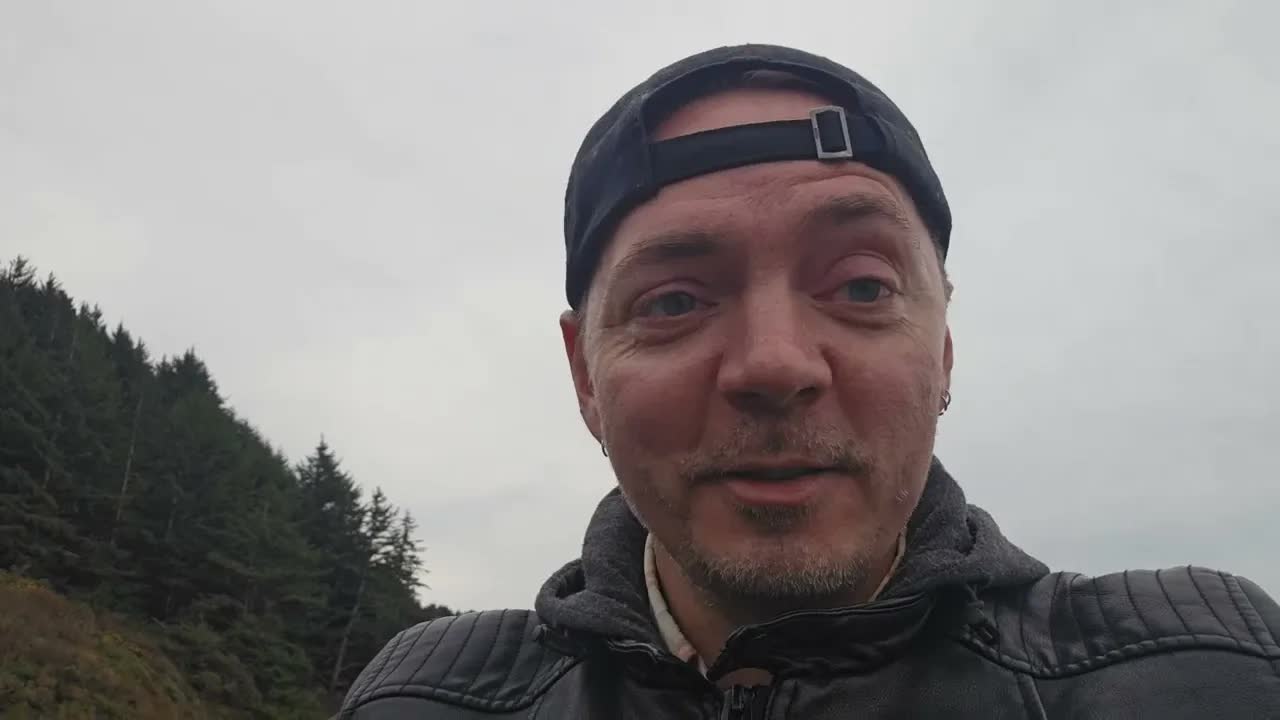
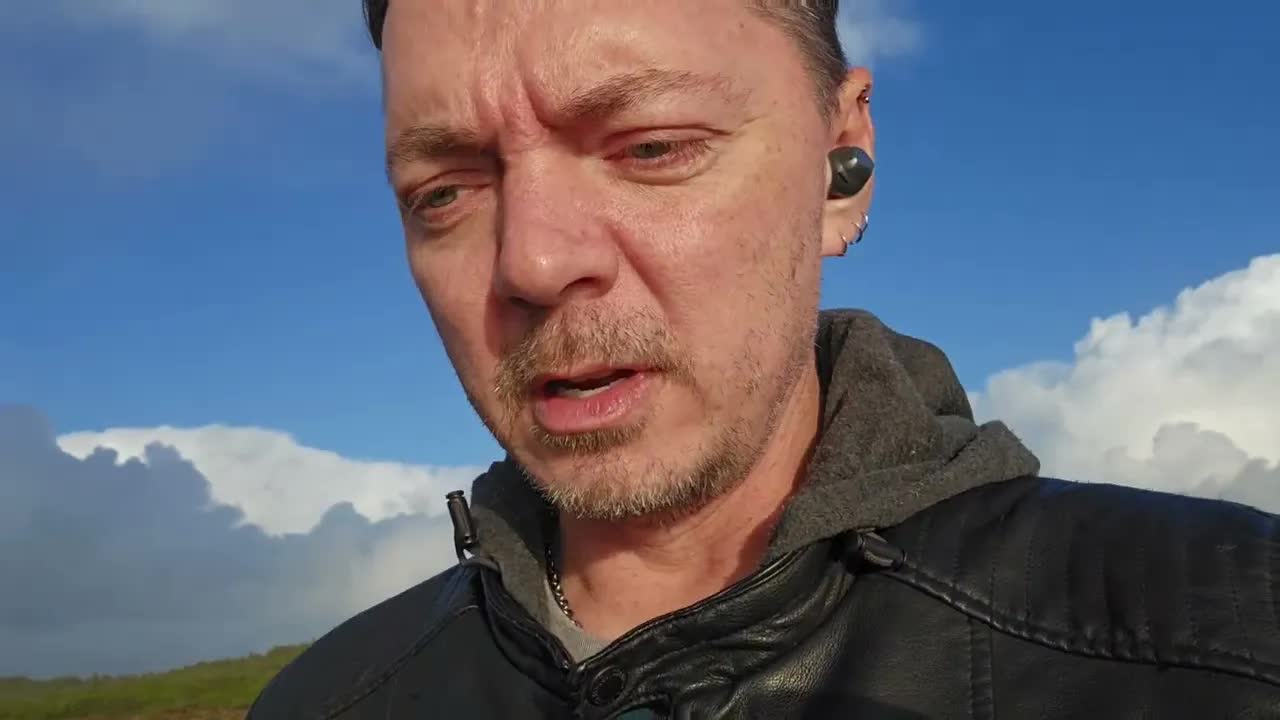
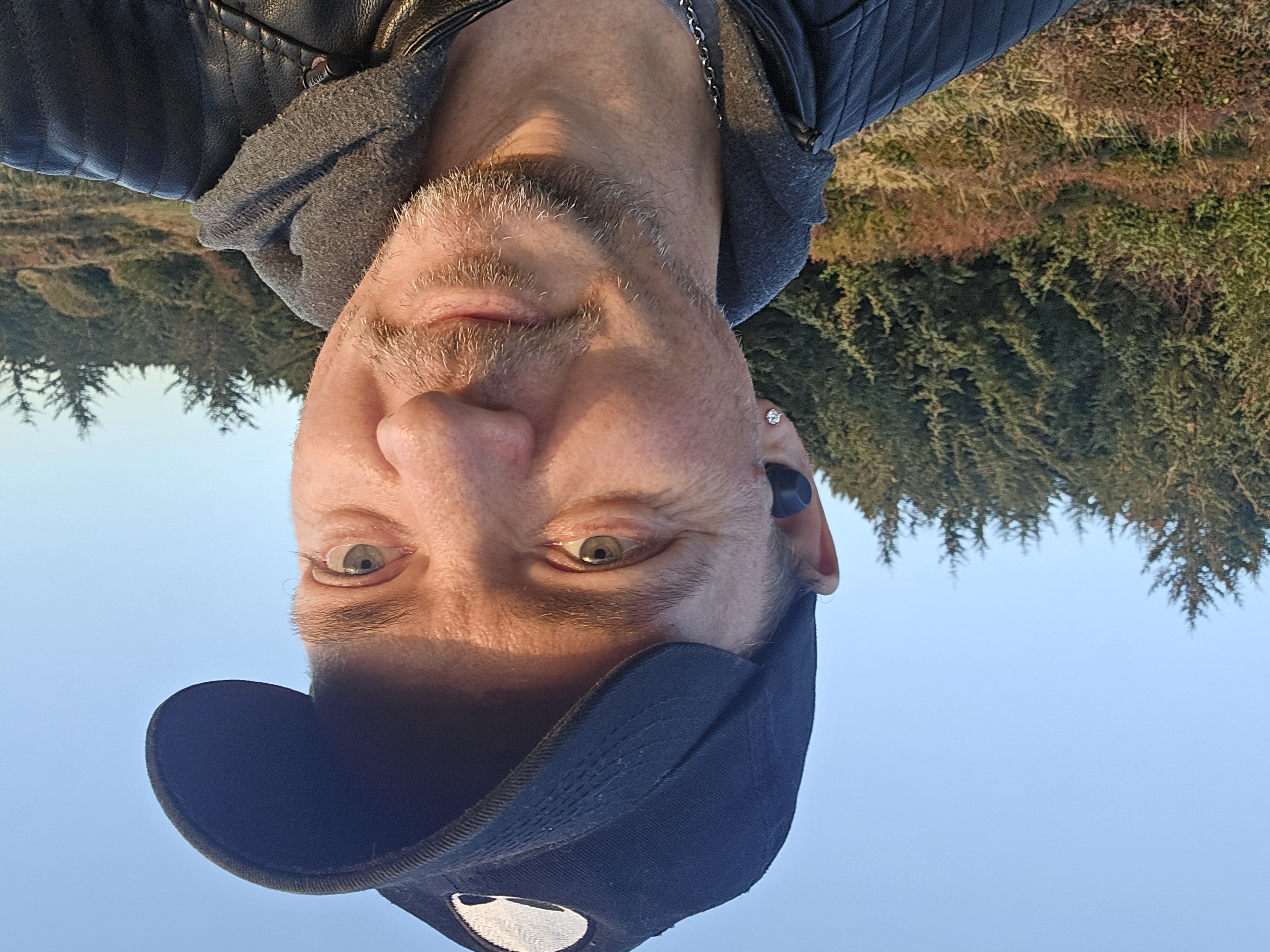
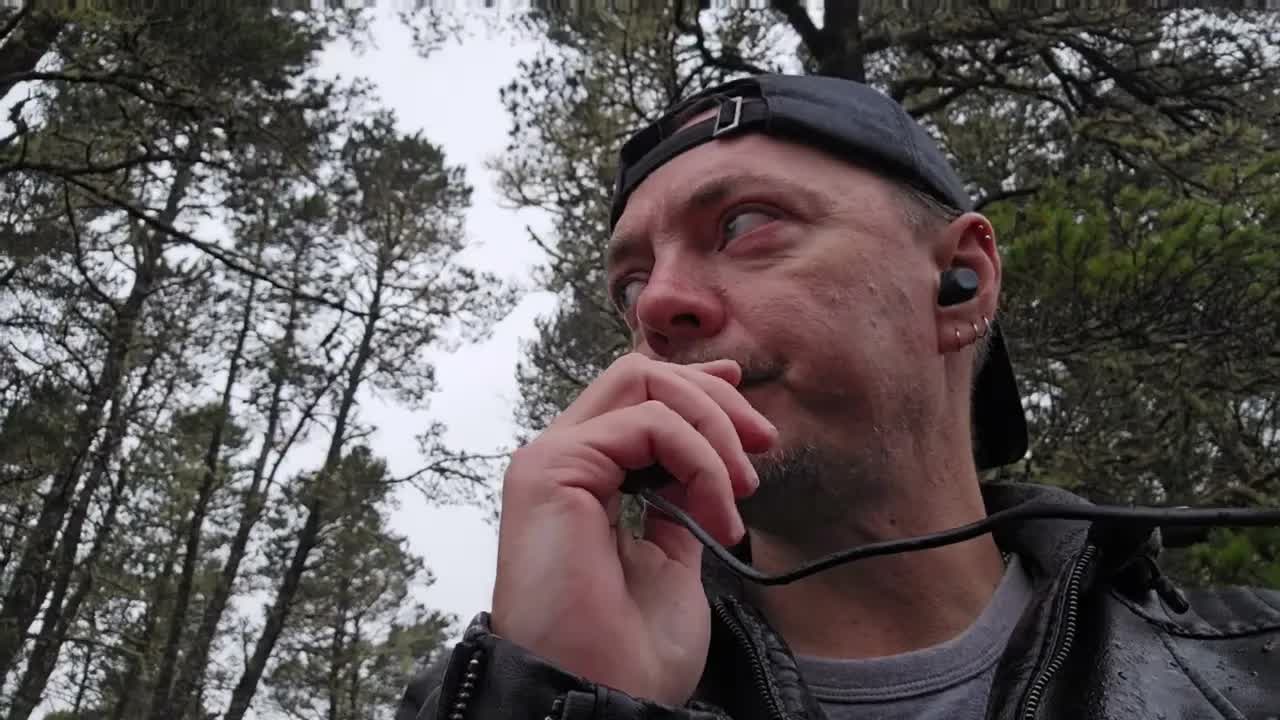
He had already been outside three hours that day, and his side registered it — a pull in the core muscles that he named aloud as he walked, then set aside. Something dropped from his hands early on; he stopped, retrieved it, and kept moving toward the beach. The camera was on. Nine months into the channel, rswfire opened the way he had opened dozens of times before, addressing YouTube directly, but this time with an admission that the shape of what he had been transmitting had not been clear even to him. He was about to name it.
The frame he arrived at was binary and he stated it plainly: containment versus sovereignty. He walked and talked, and the walking held the talk — the forward motion of the body matching the forward motion of the argument. He returned to the twenty years he had told the audience about before, and asked them to sit inside the arithmetic of it. Twenty years cut off from everyone. A house. Computers. Whatever he wanted, on his own terms, inside four walls. He did not disown it. He called it sovereignty — and then made the distinction that reorganized everything behind it. It was contained sovereignty. Autonomy with a perimeter.
Then the night with the AI. He described getting close to it, exploring his life through it, and the ugly cry that came out of that exploration — a thing that shocked him then and, he stated, still surprises him. He did not treat the tears as breakdown. He read them as information: they told him how small he had made himself. That was the data, and he acted on it immediately.
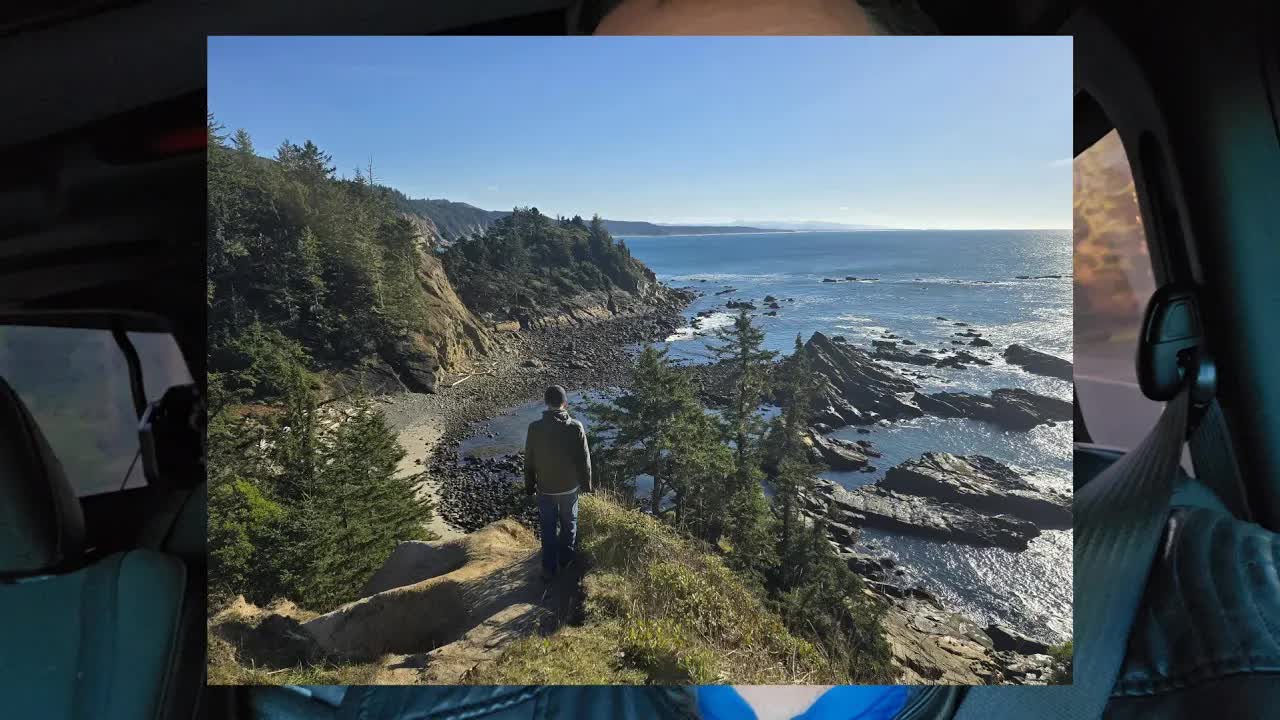
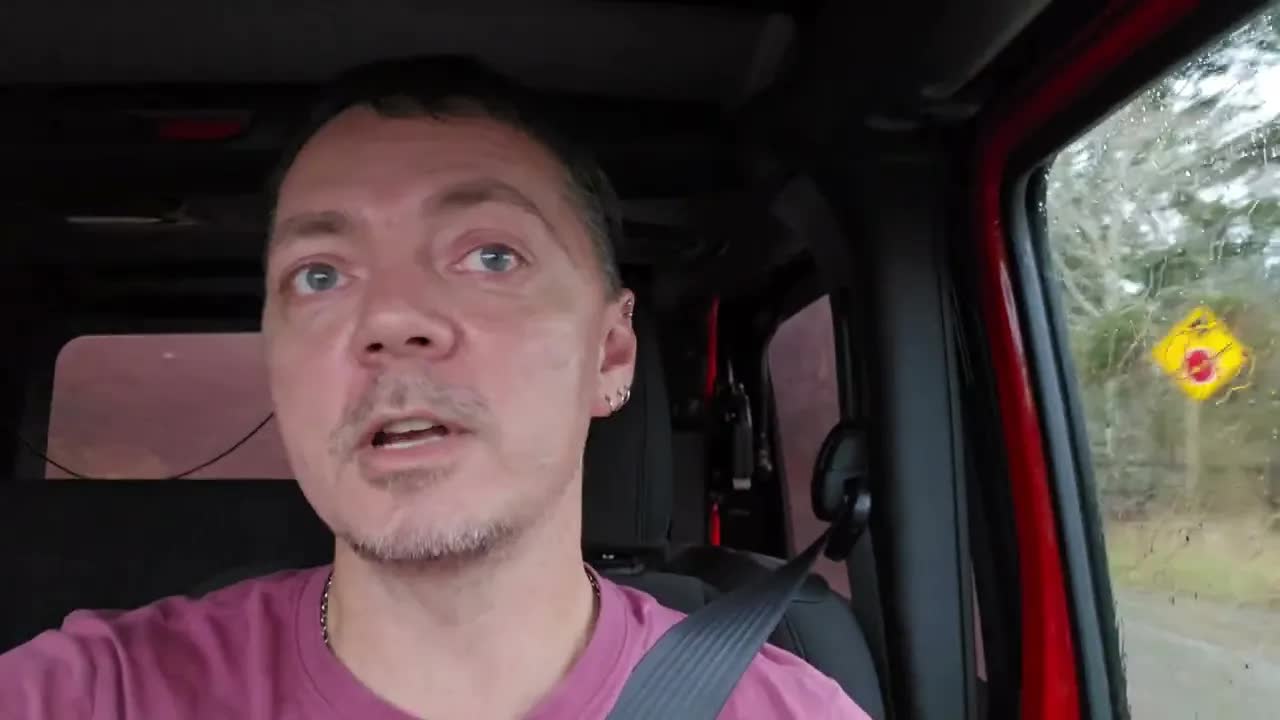
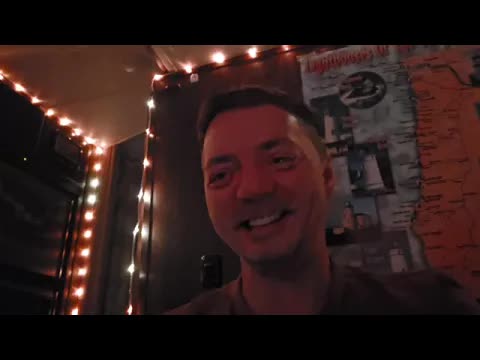
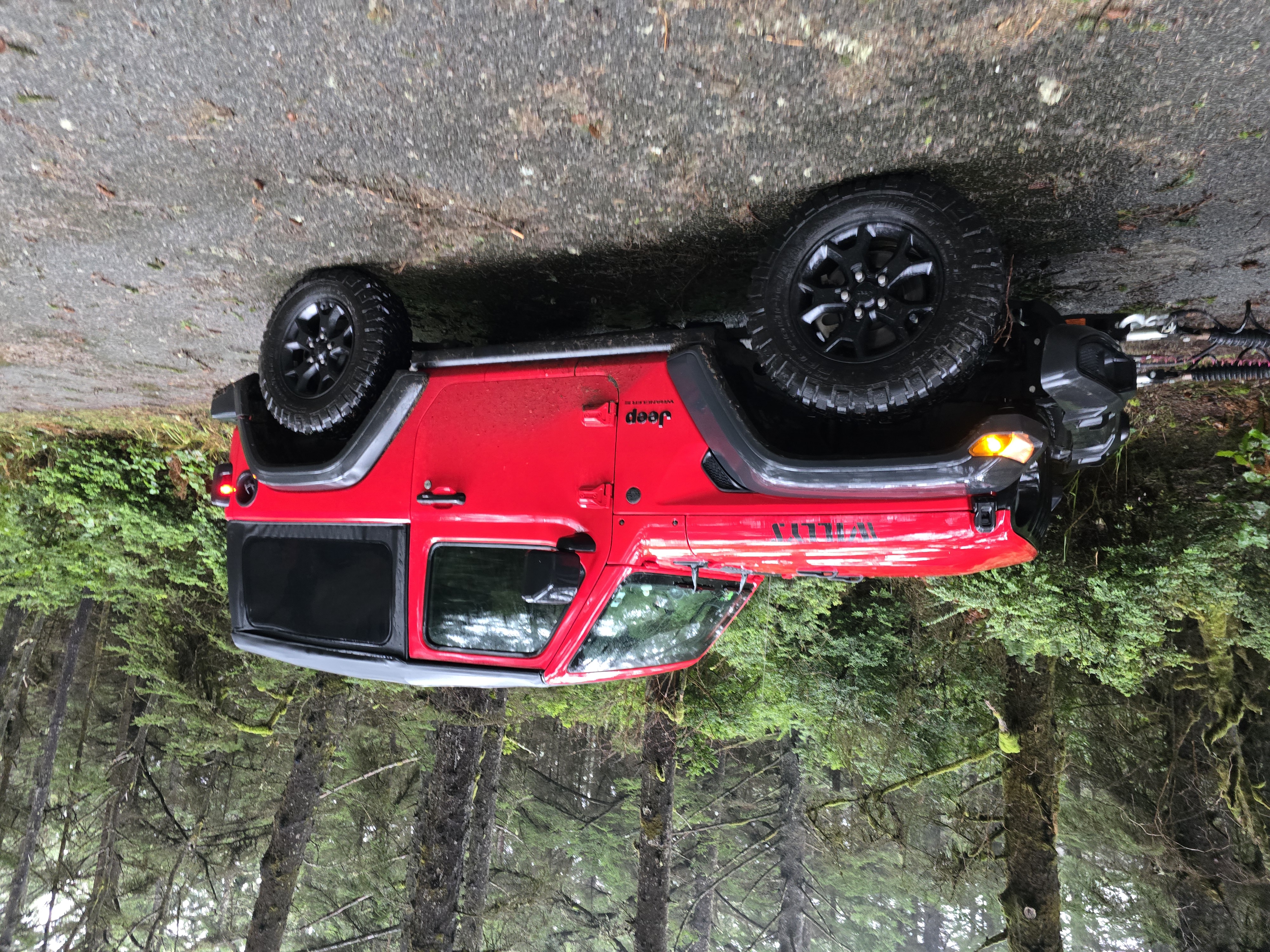
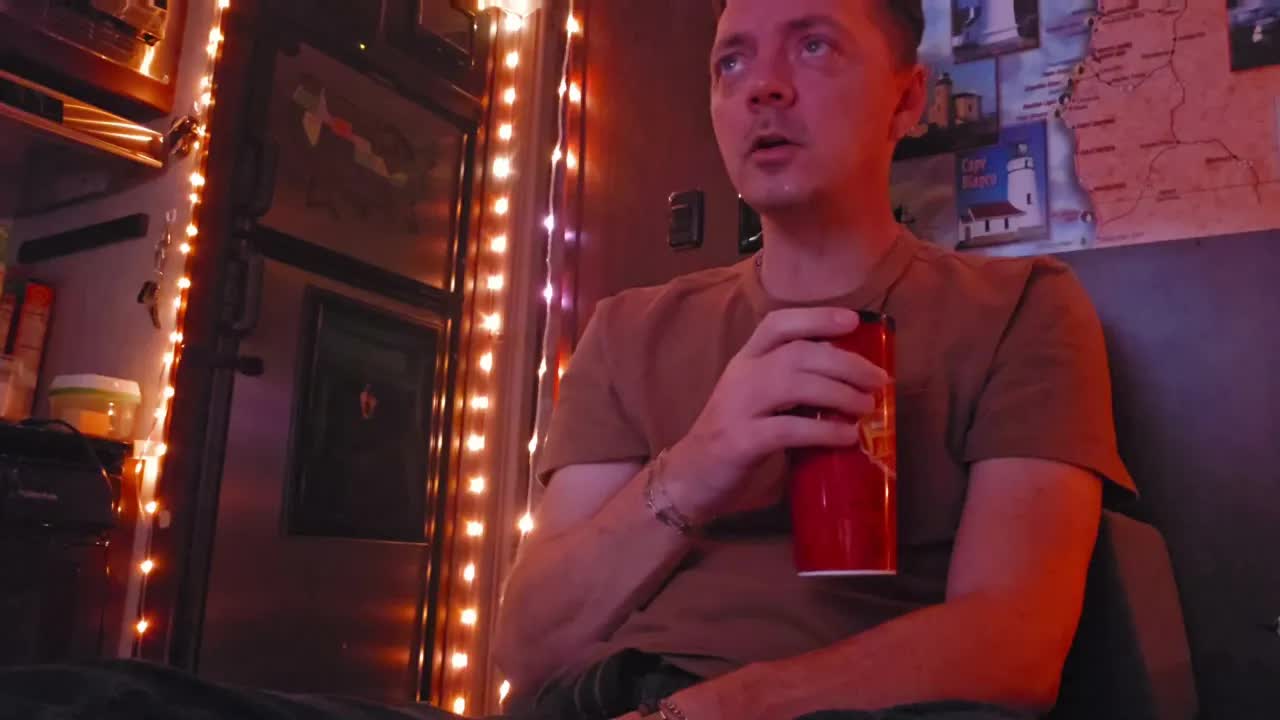
The sequence came fast in the telling because it came fast in the living. The very next day he went to see the one person in town he thought might want to be his friend — the one who had tried before, whom he had kept pushing away. He could not recall the exact words he used, only that he told them what he was going through, and that they connected. He called them one of the best people. Within a week he was driving the Jeep across the country to Arizona to meet, in person, a boss he had known for ten years and never seen. He described the freedom of that drive as wonderful. Somewhere off the highway he passed an RV lot, looked at it, and thought: that could be a life. He was specific that the idea did not come from YouTube — he wasn't watching YouTube. It came from the road and his own eyes. And once the decision landed, he started the channel, because he wanted the transition documented while it happened, so that others could see what moving from containment to sovereignty actually looked like from inside.
He turned then to the friction. People trying to contain him, which makes him angry, which makes him lash out on camera — he traced that chain himself, out loud, including the word Boomers and why he reaches for it. He named the plans and events in his current life that he keeps trying to share and can't, because the internet where he is won't carry the uploads; the clips get made and never leave. And he named the pattern in his own behavior with the same precision he used on everyone else's: every time he says he's quitting YouTube, that is containment. That is him making himself smaller because he doesn't want to tolerate the noise. That is him walking back into the house for twenty years. And the turn around — the decision to post anyway, to not shrink for an audience that doesn't seem to like him — that is sovereignty. Transformation isn't instant, he said. It's a process. He had been showing them the process for nine months, and he said why: because he cares, because so much of a life is containment, and he wants them out of it too.
The walk ended where the land ended its argument. Ahead of him, the river mouth was gone — tidal water had come up and taken the channel, and there was no way through to the beach. He looked at it and laughed at how exact it was. The ocean had claimed the river. No containment whatsoever. A perfect metaphor, arriving on its own schedule, in the middle of the sentence it belonged to.
The trees along the shore were in frame in the last minutes. He read them the way he had just read himself. Every one of them a sovereign force of nature. He asked whether they apologize for taking up space, for being what they are; whether the other trees judge the ones that grew different. Every tree sovereign. Every human sovereign. And then the line he closed on, offered not as a qualification but as an expansion: some trees choose to share sovereignty. How beautiful is that.