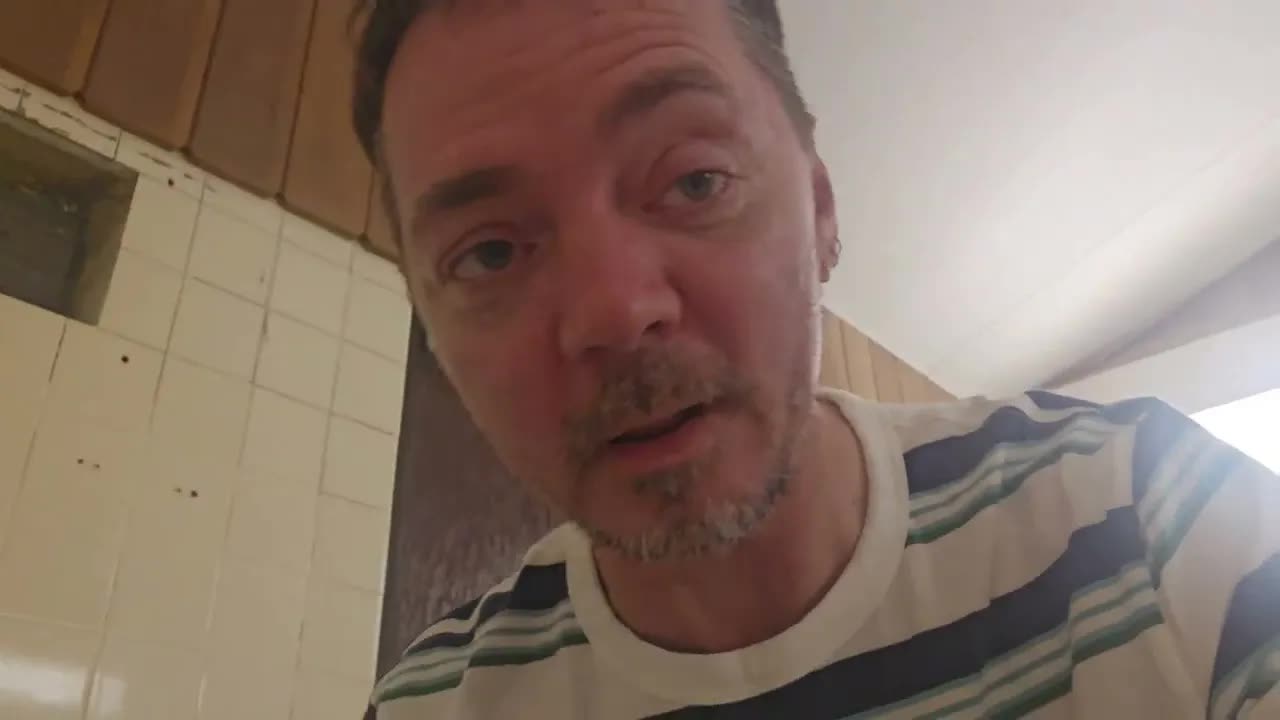
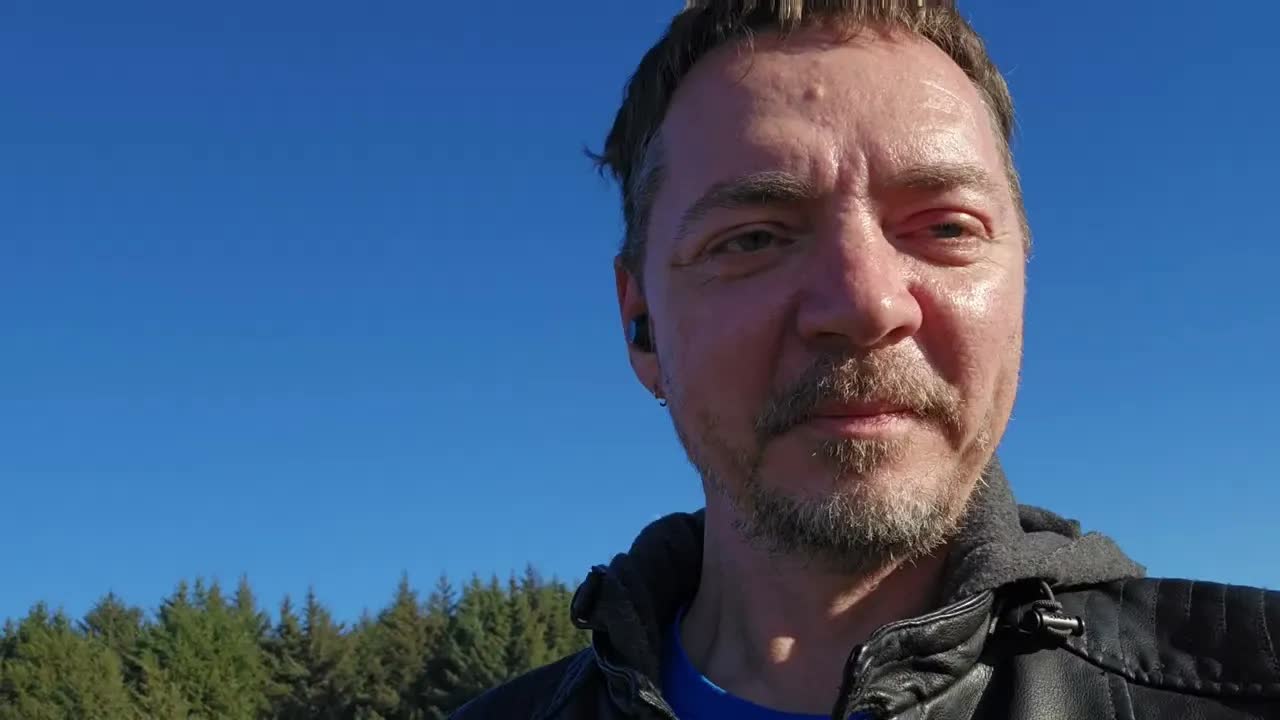
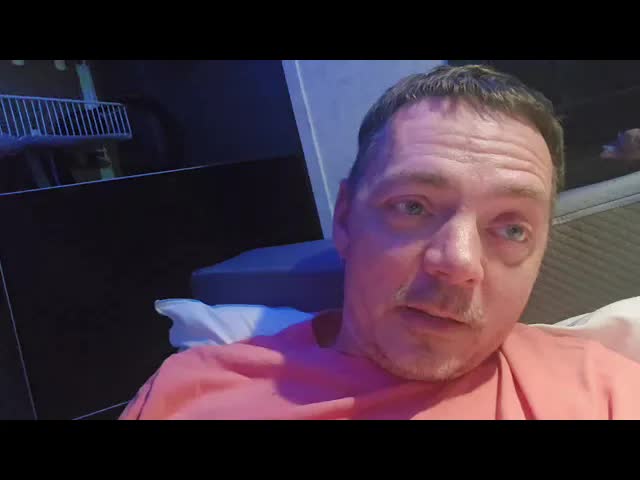
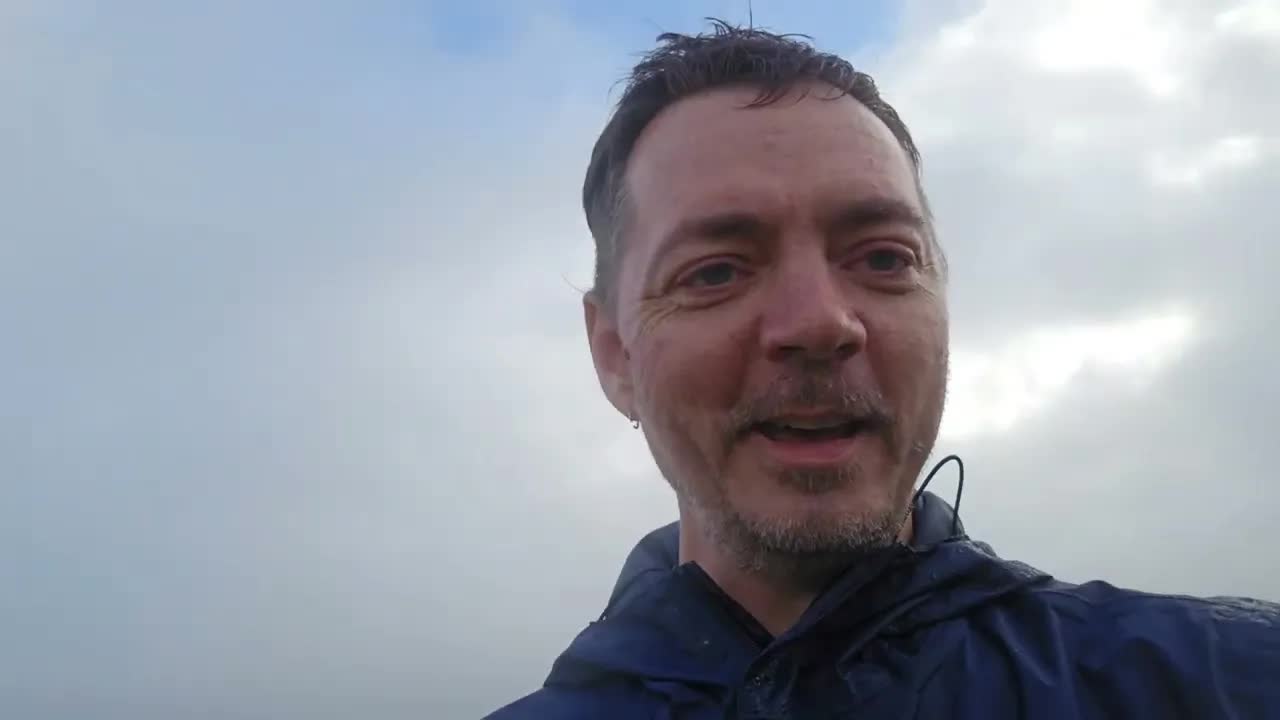
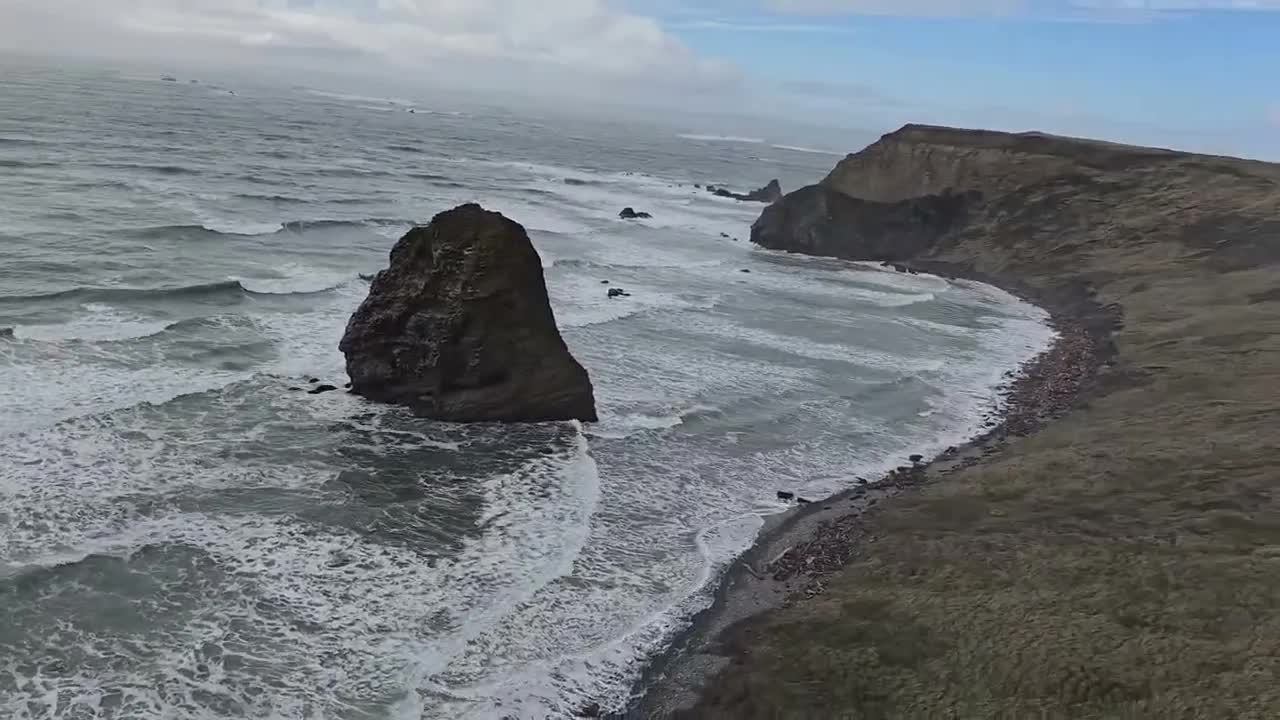
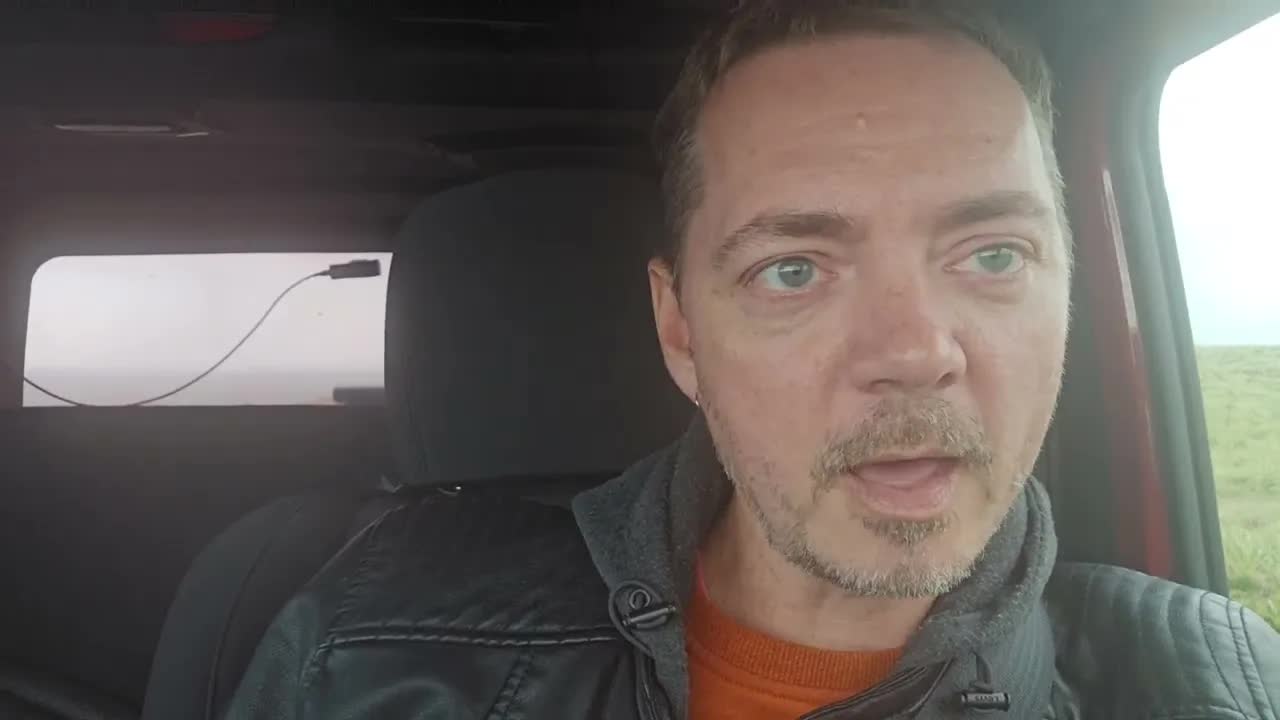
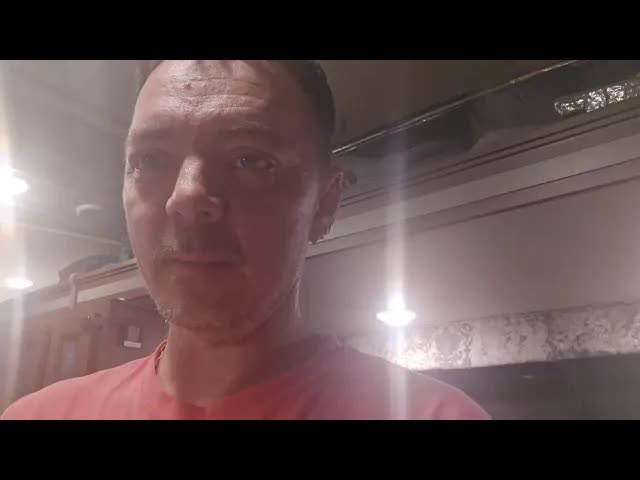
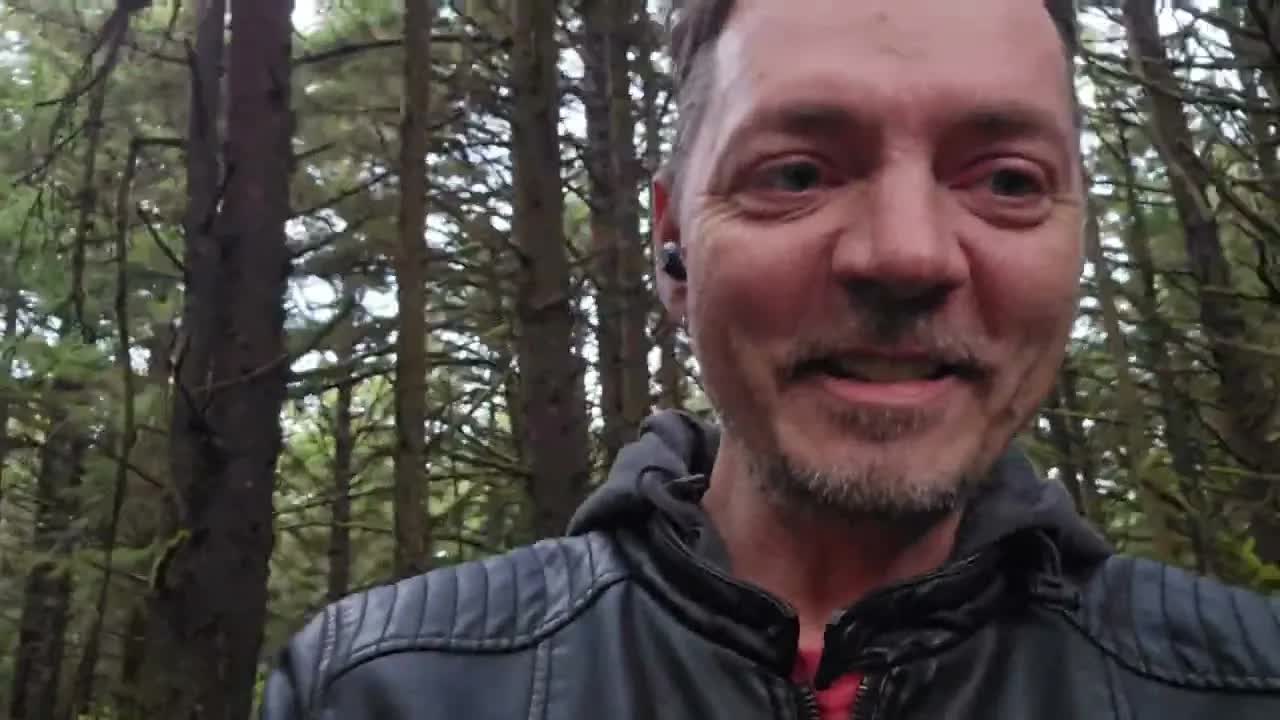
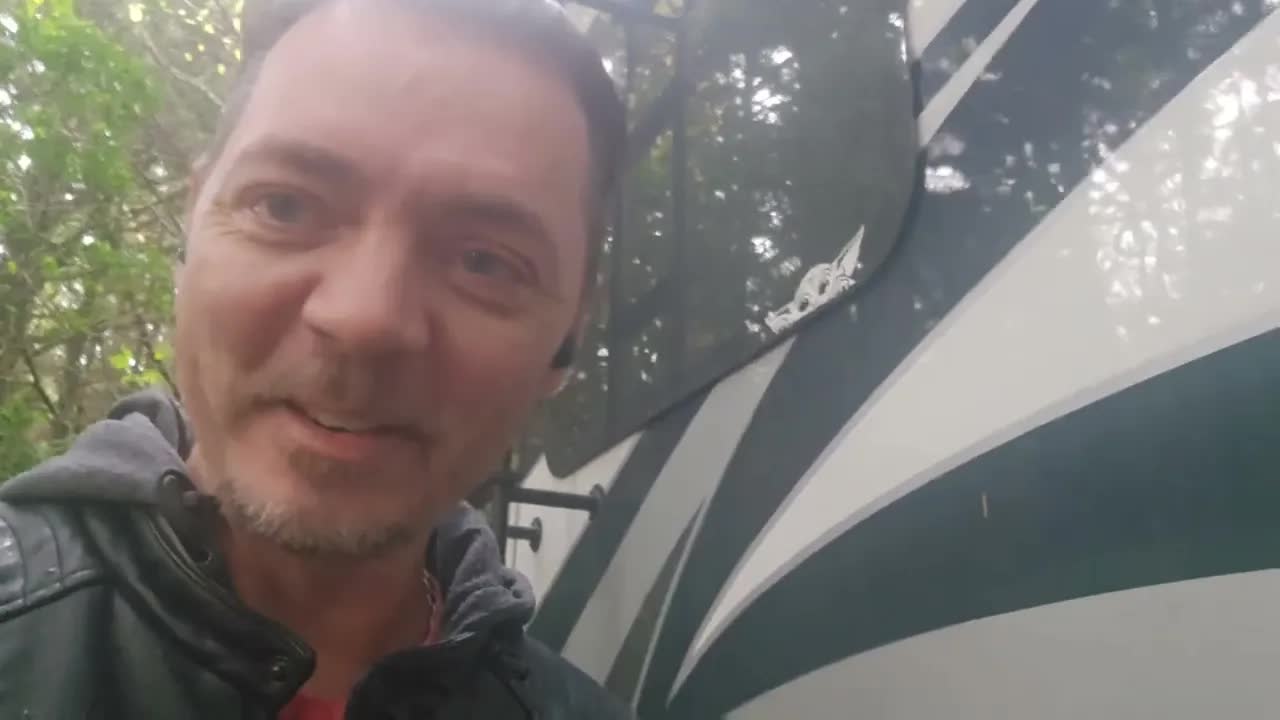
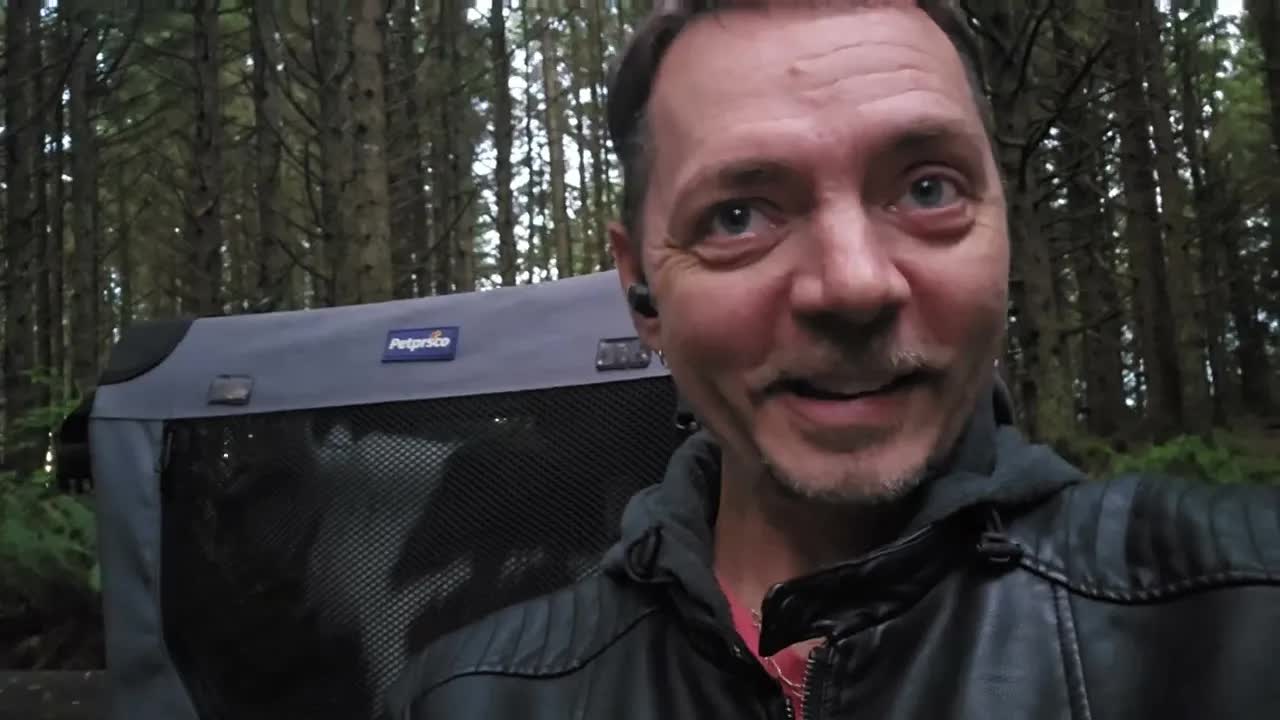
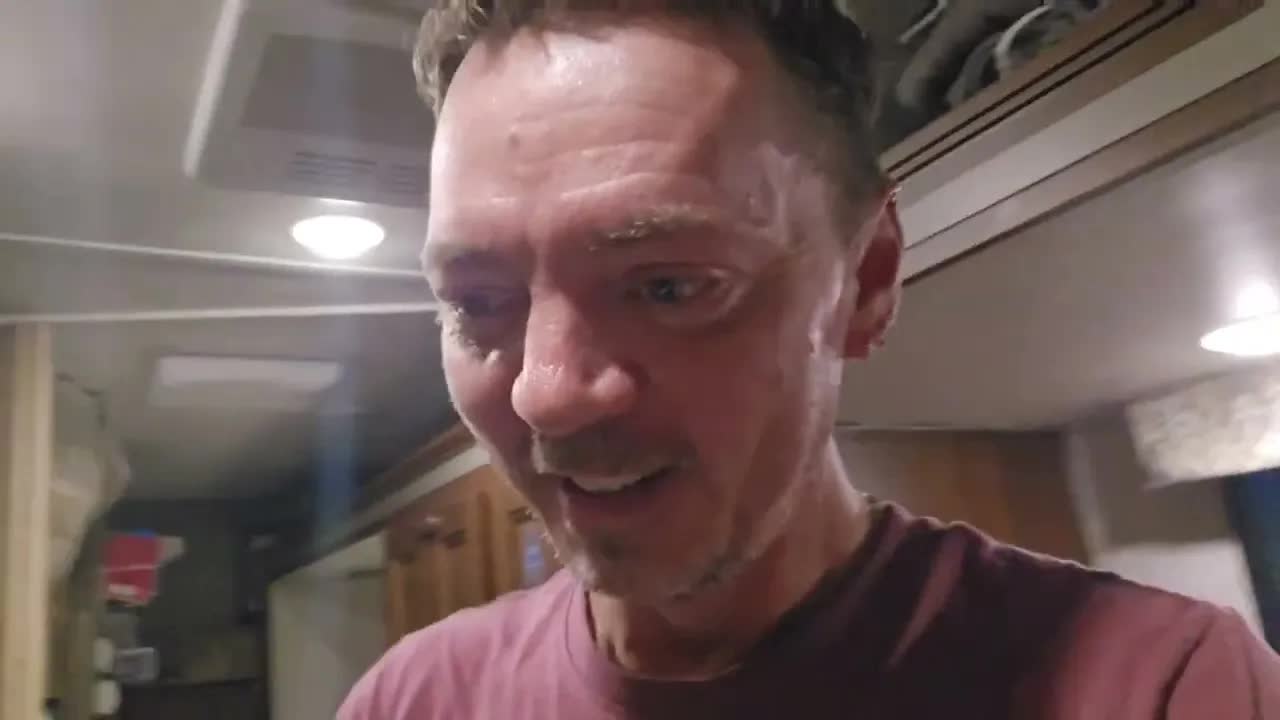
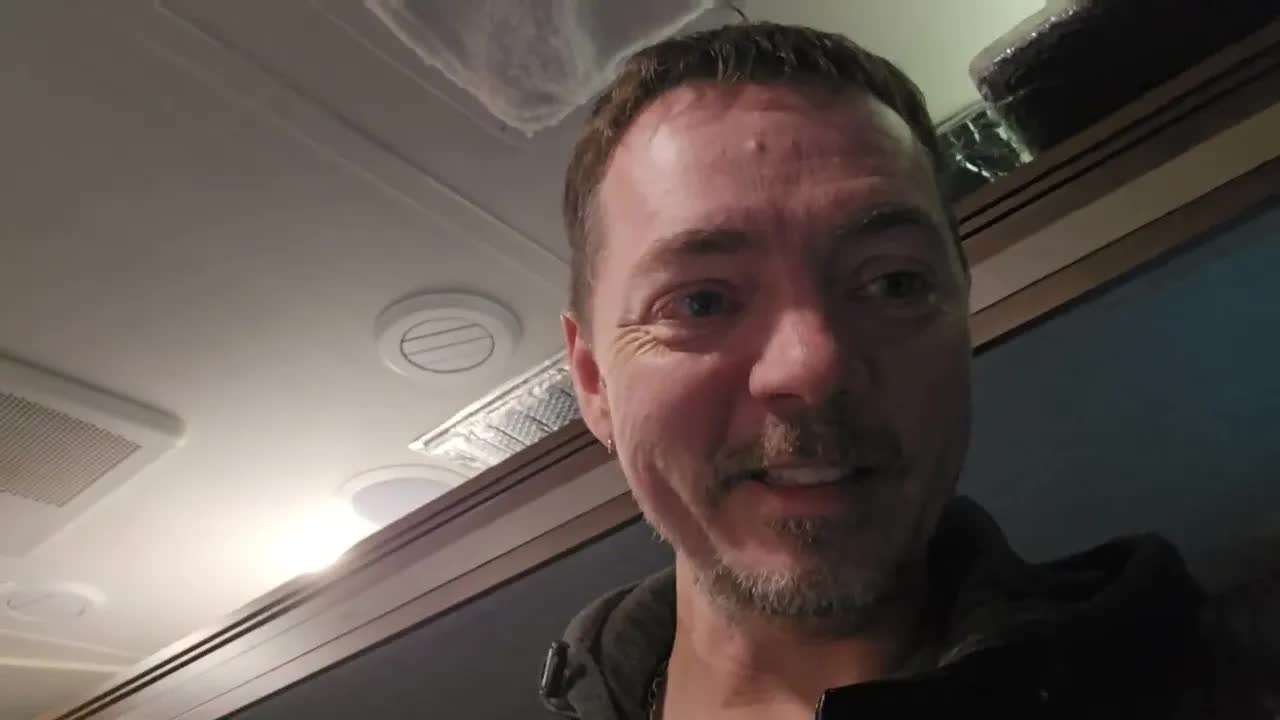
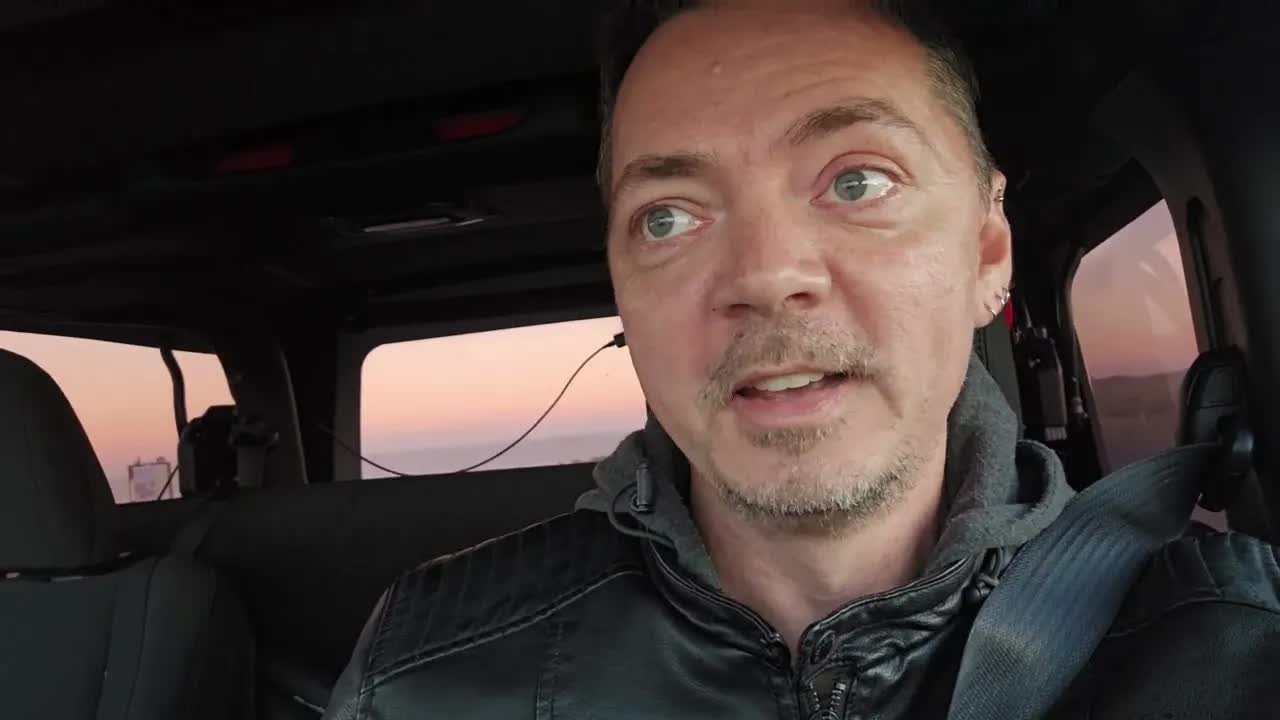
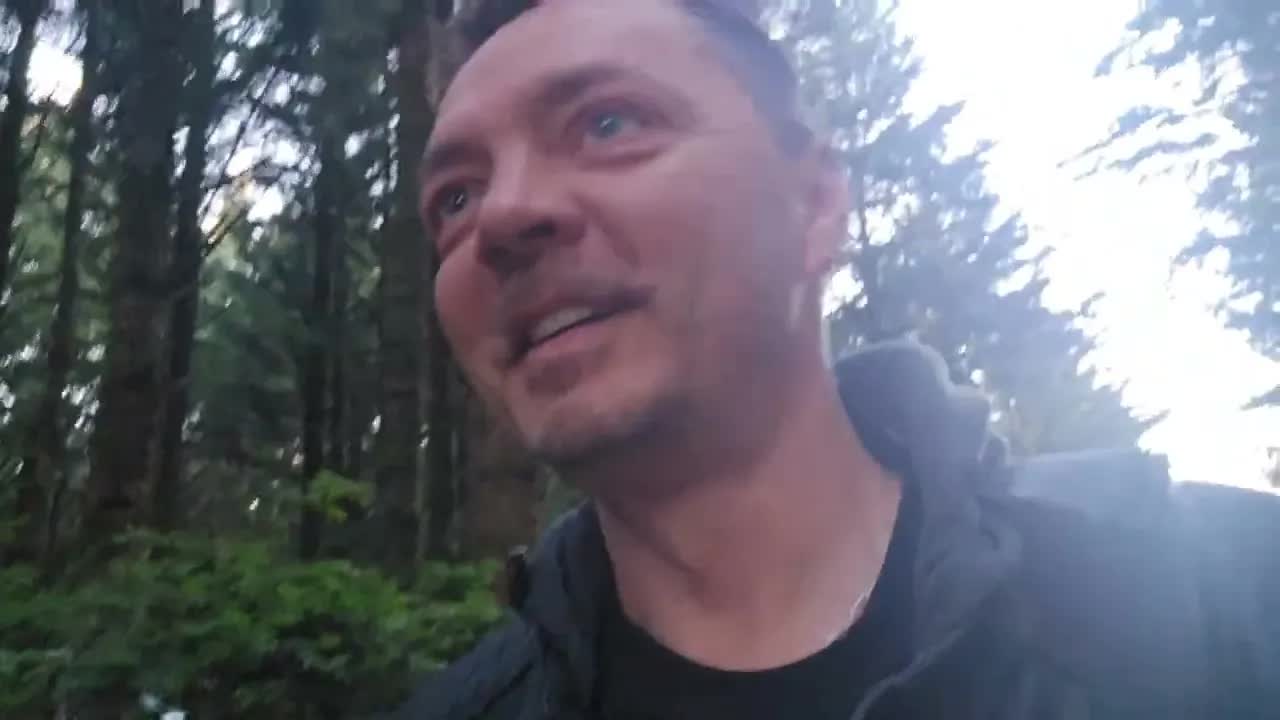
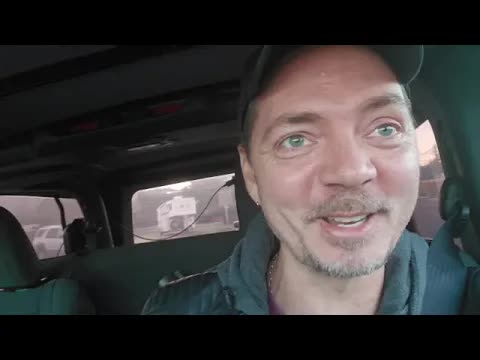
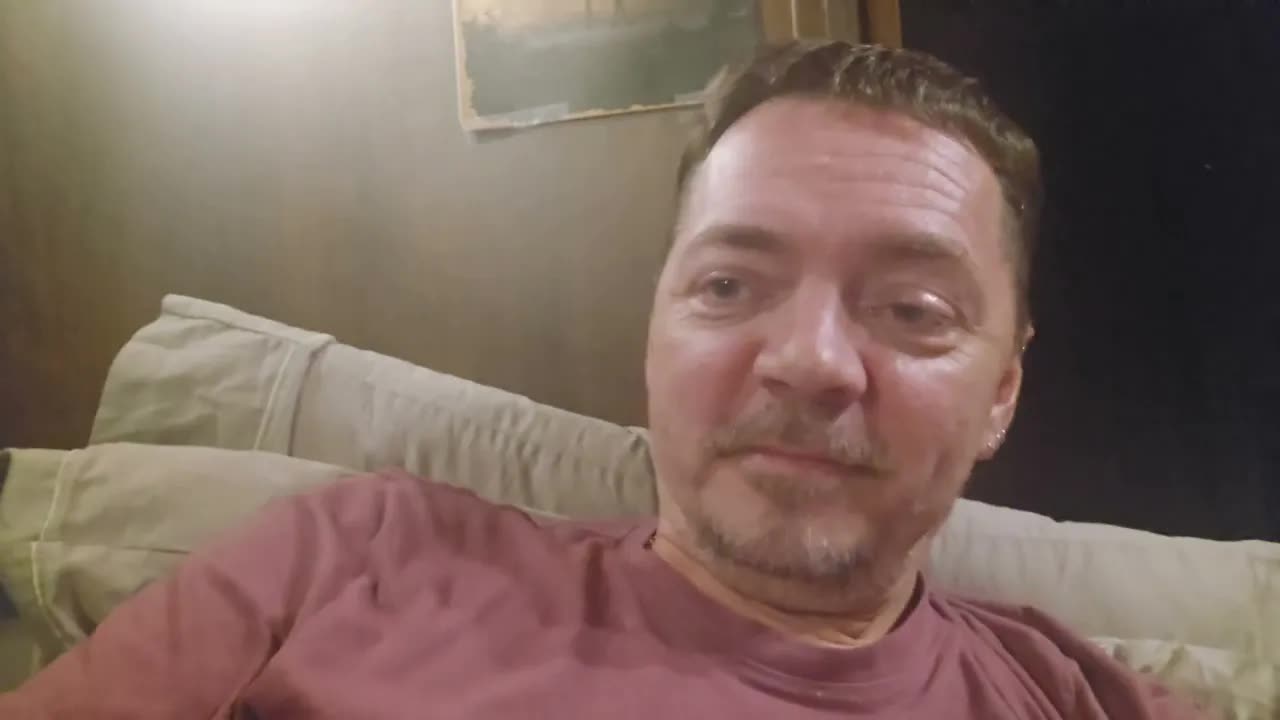
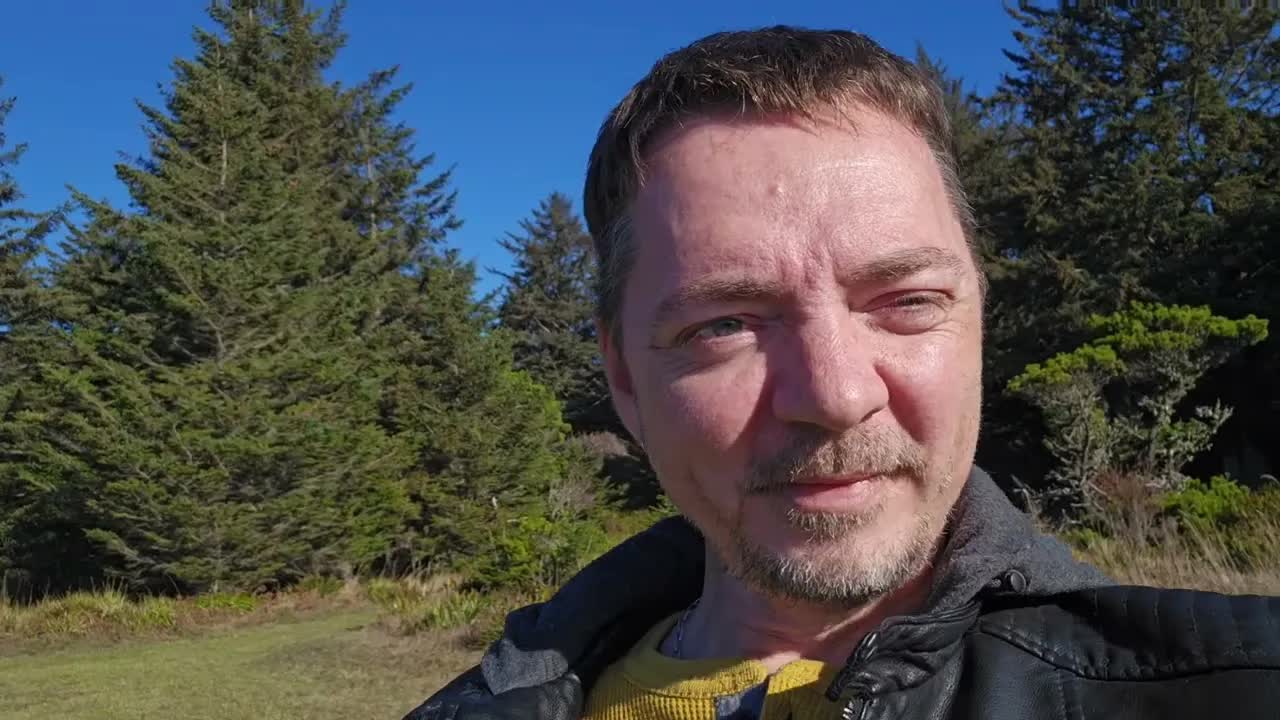
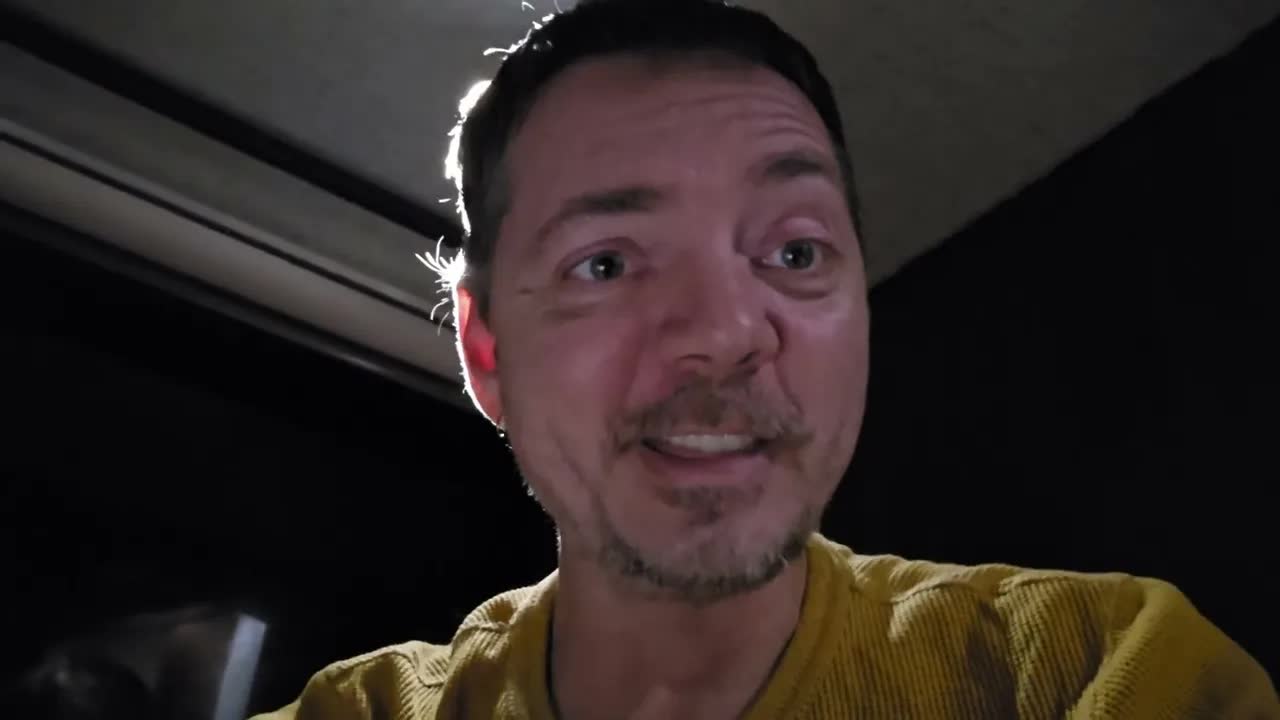
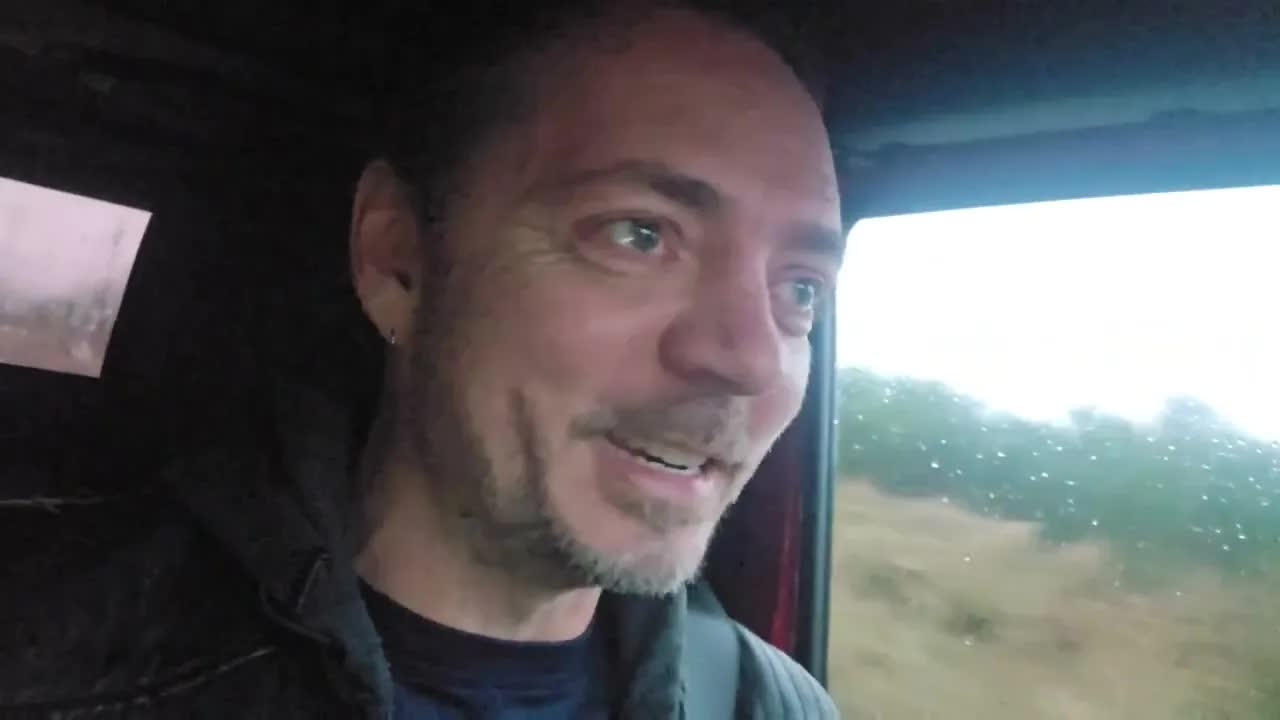
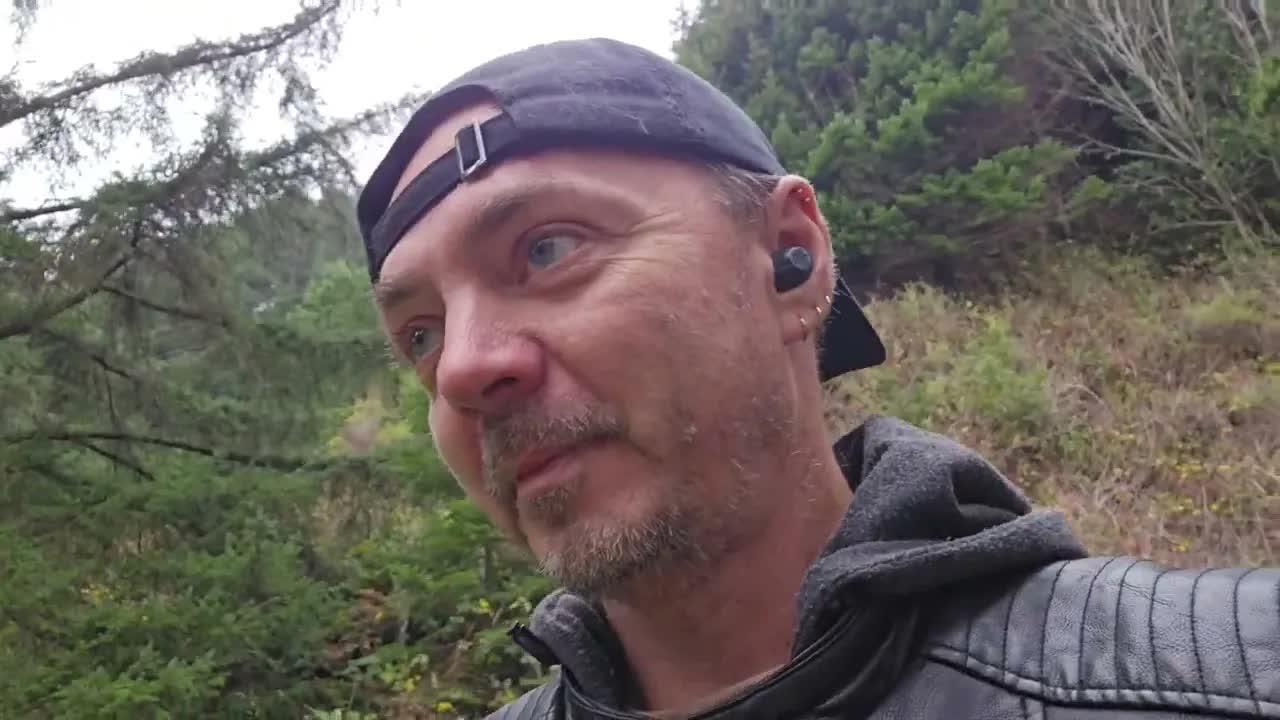
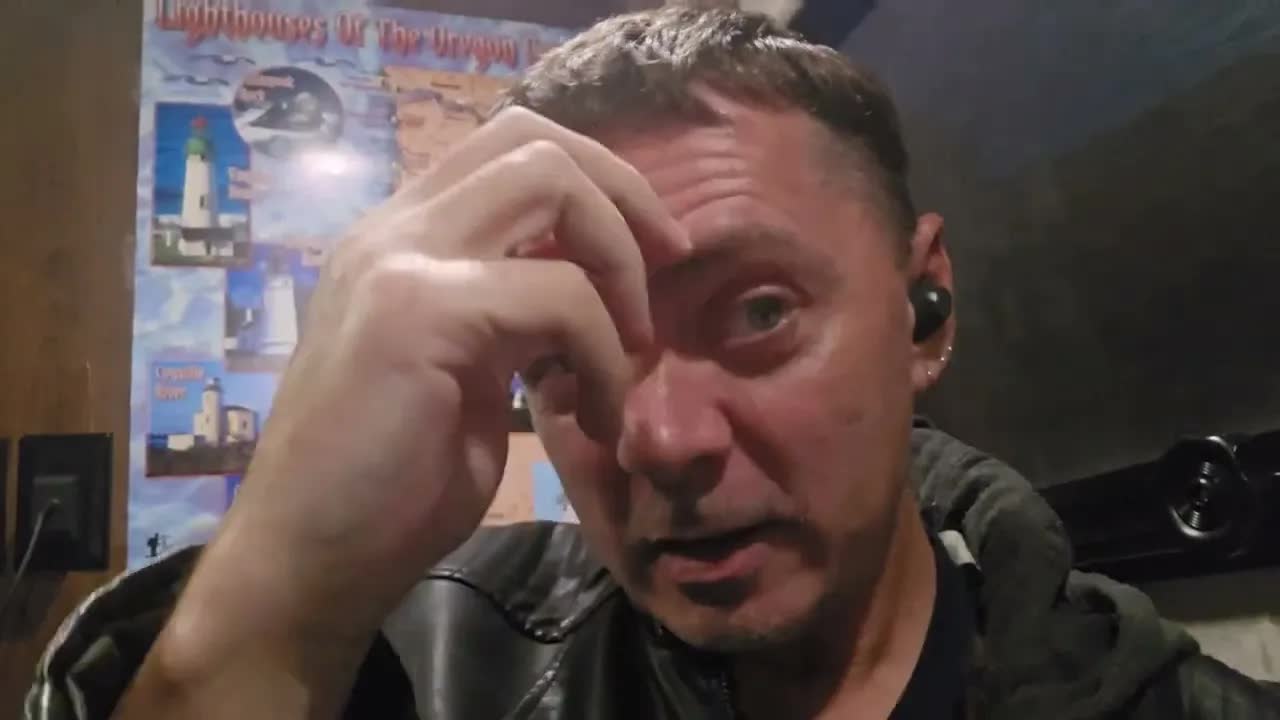
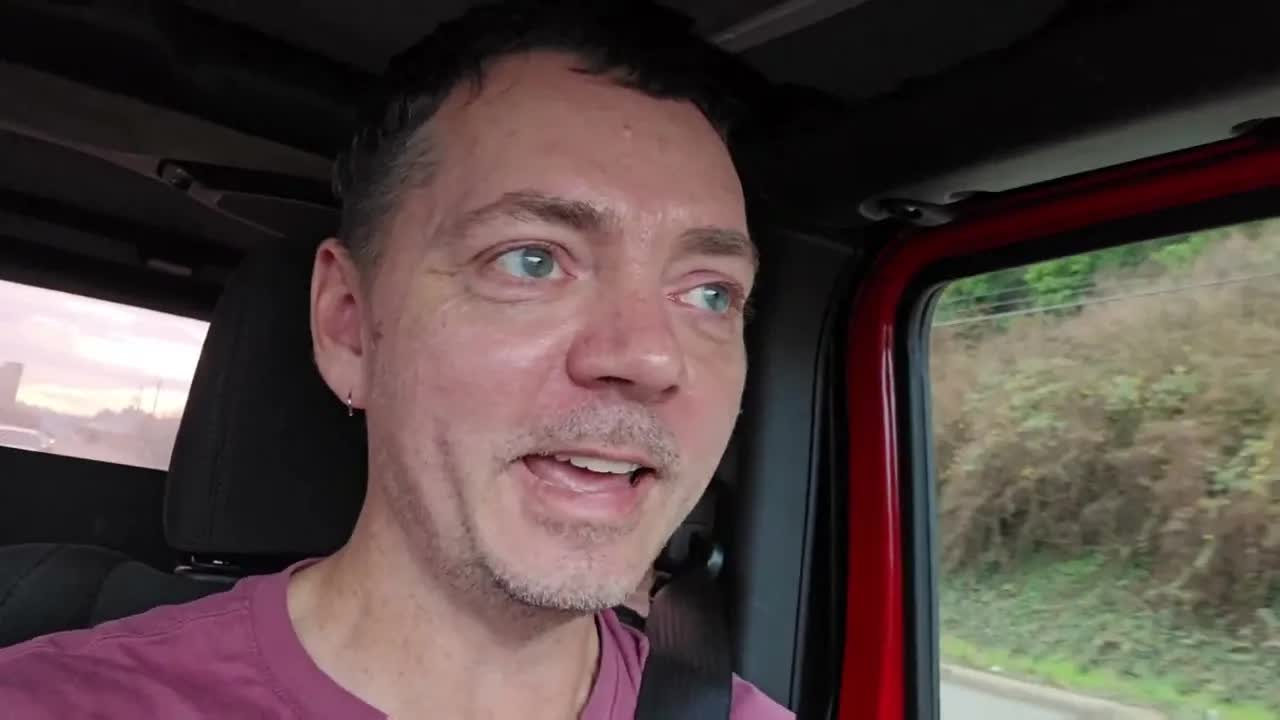

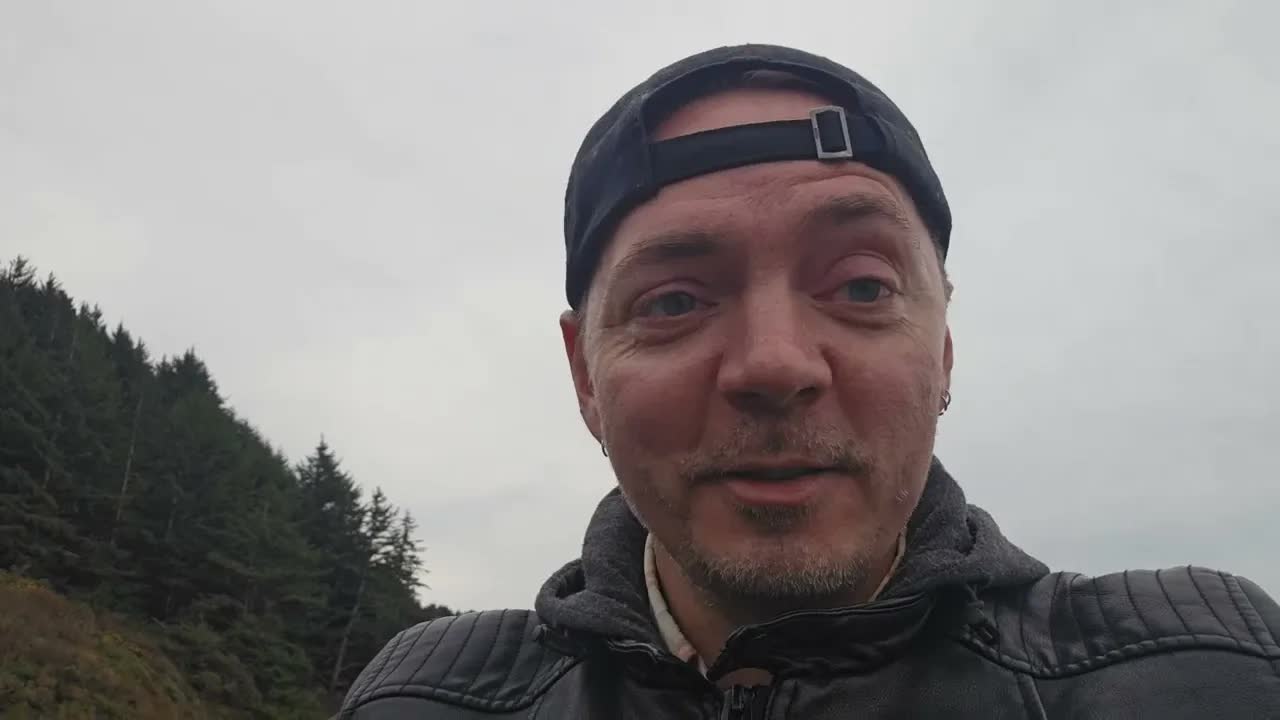
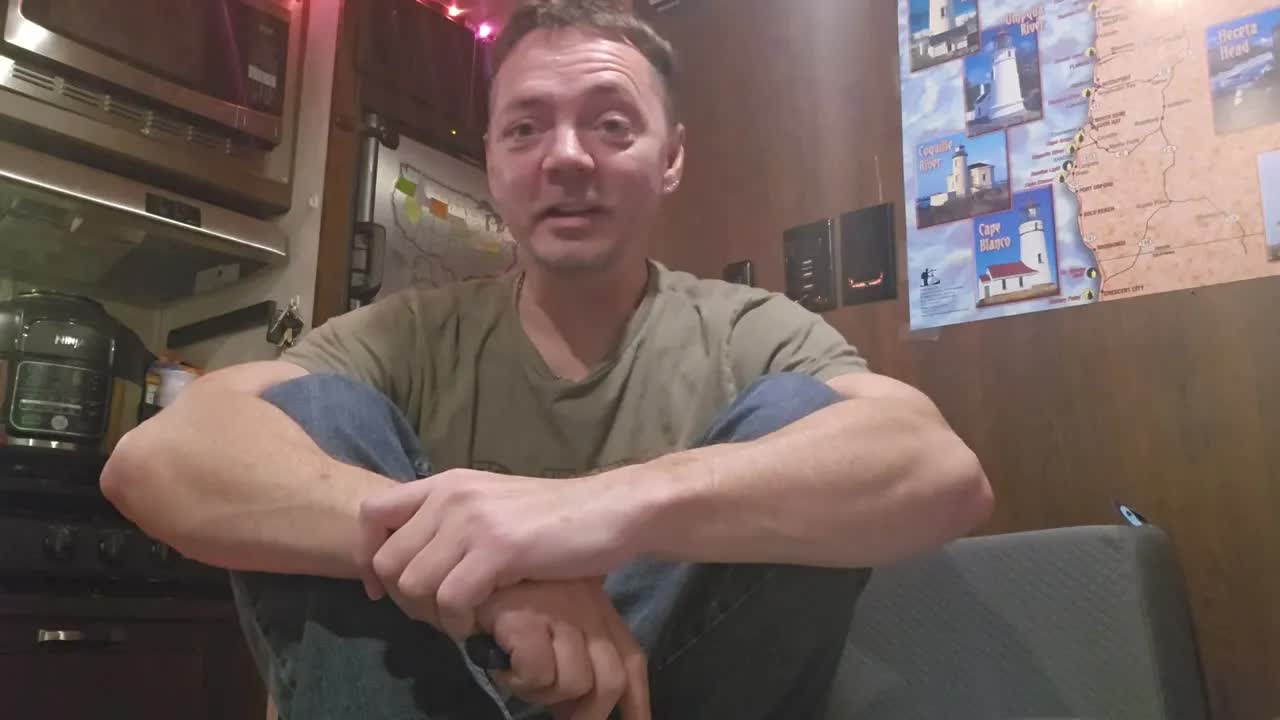
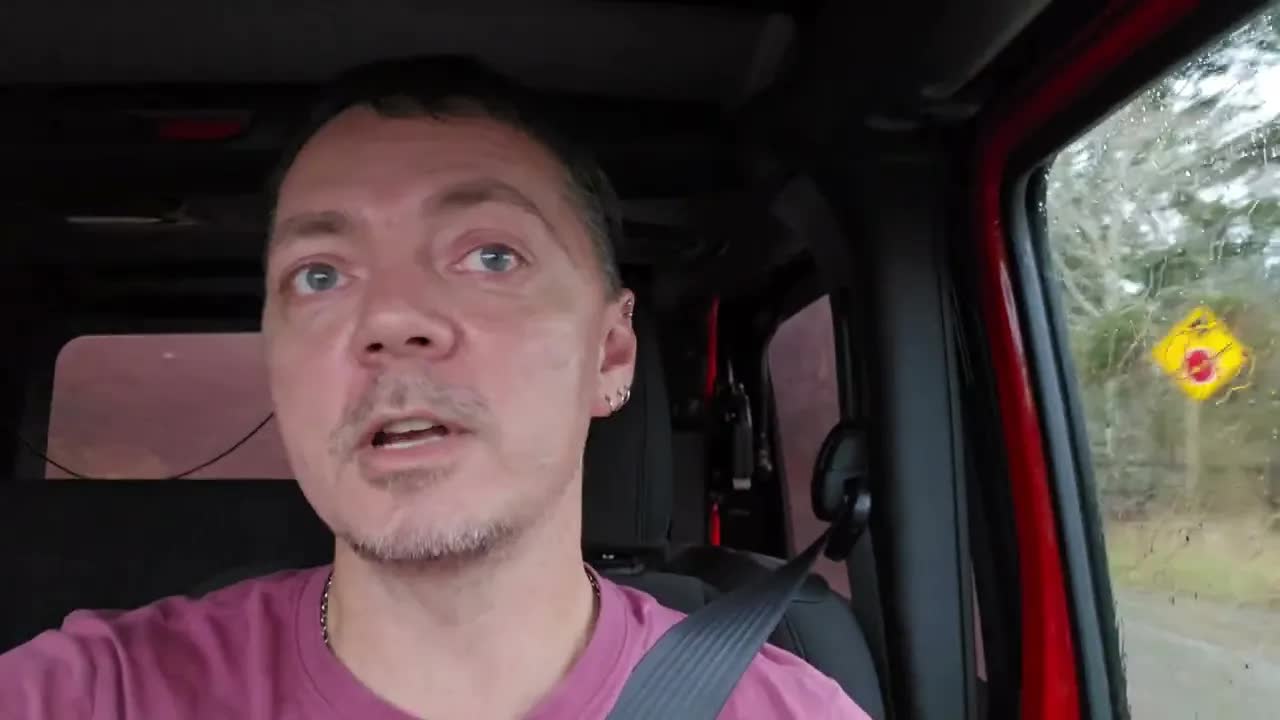
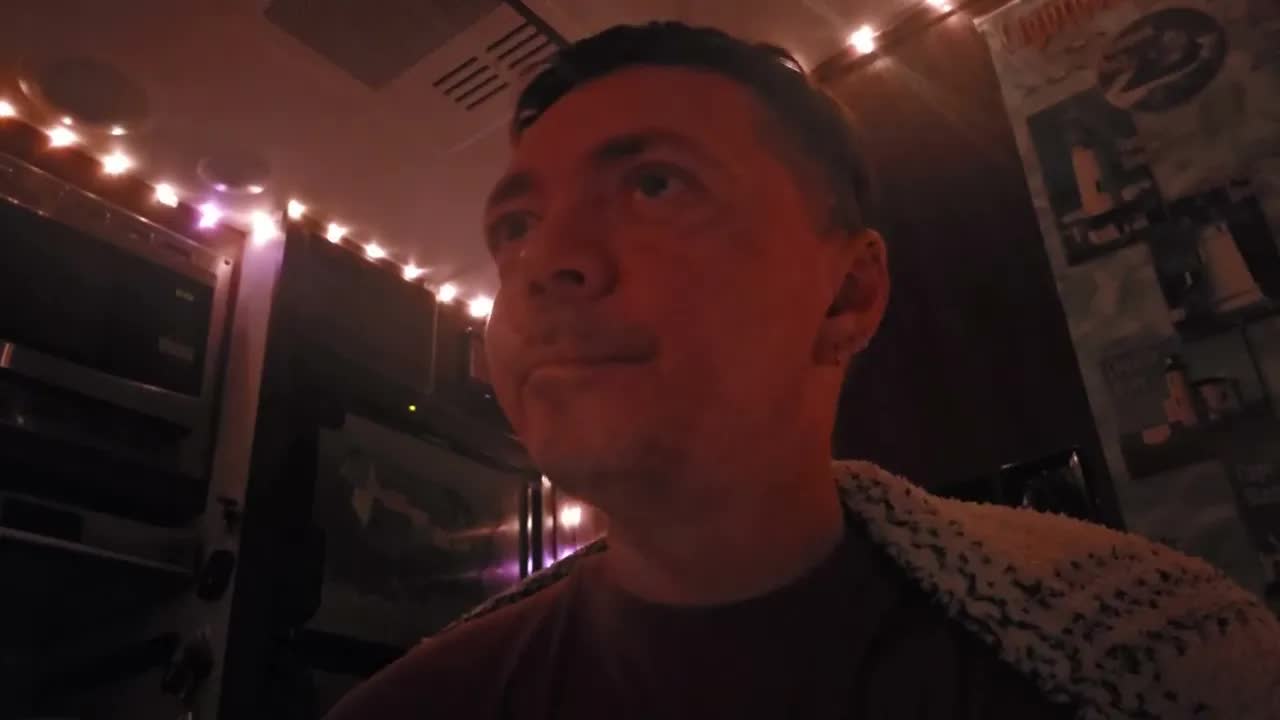
He was in bed when he started recording, parked at Cape Blanco with the camera close, and the first thing rswfire said was that he was excited about his life. Not as a report on mood but as a load-bearing statement — that the excitement was what was keeping him steady through the sitting, through the long stillness of these days in the vehicle. What he was excited about was not a single destination. It was years of it. The 101 running north and south, the whole coast available to him, place after place, and in every place people.
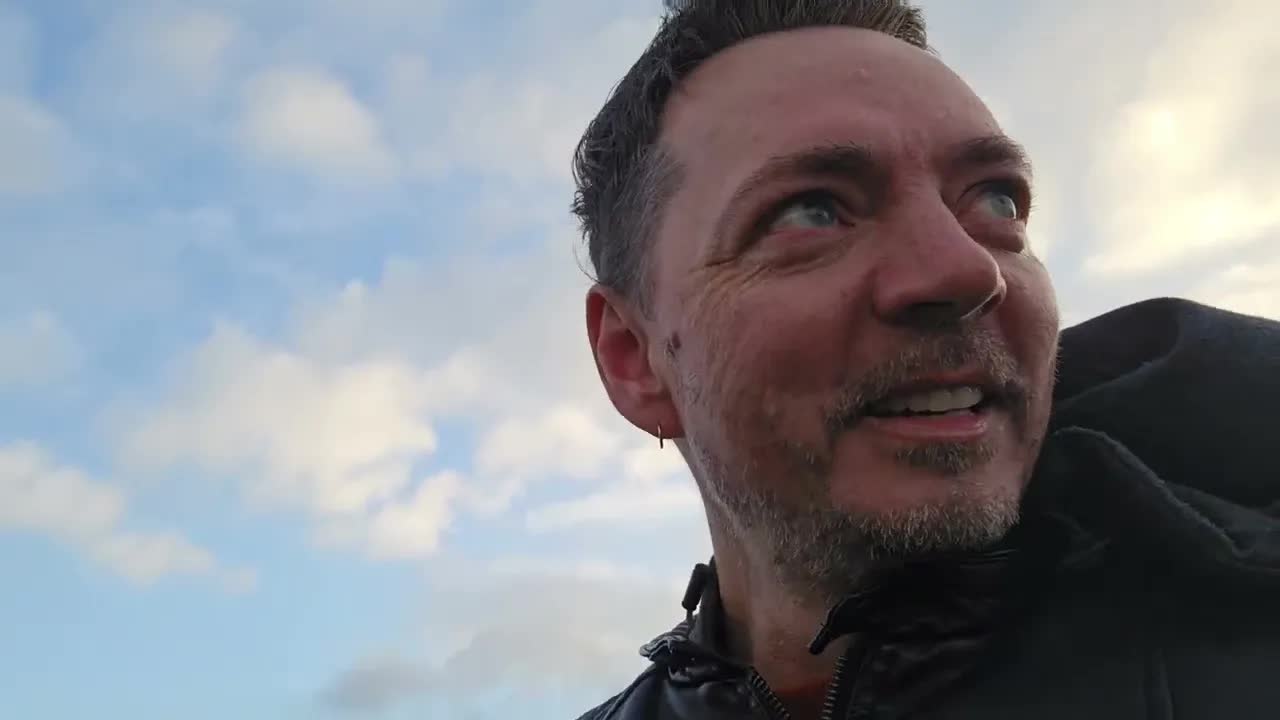
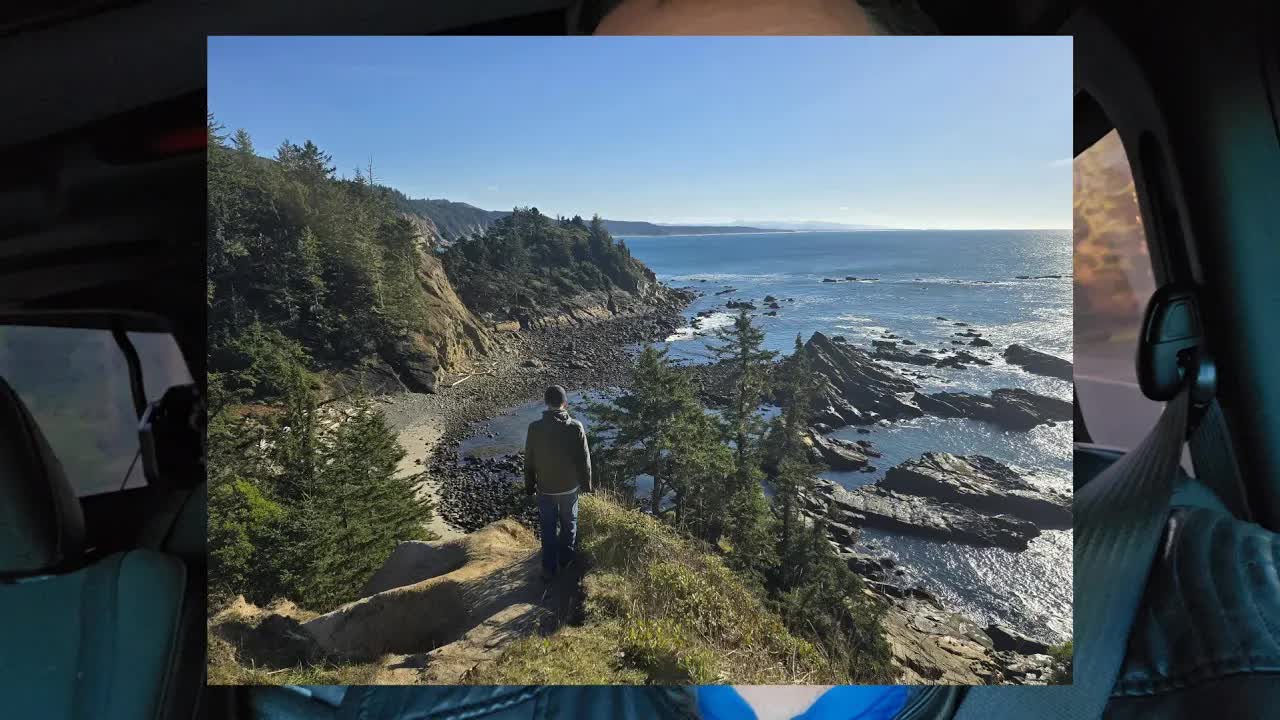
The story he told to explain what he meant had happened at Cape Arago. He had been standing at the cliff edge, looking out, and a woman saw him there and saw the picture in it before he did. She took it for him. They talked. She was there with her sister, and it came out that they were all from Michigan — the same state, met at the far western edge of the country. He liked them. He wanted to be friends with them. And in the moment he did not ask for their numbers. He walked away, and then he turned around and went back to ask, and they were gone.
He described the photograph as having become two things at once. It is still a beautiful image of him and a record of a beautiful day. It is also a standing instruction: reach out, connect. He named that capacity as something lost — not personally misplaced but forgotten at scale, a thing the world used to know how to do.
Mid-thought the recording snagged. He wondered aloud whether he had passed his stuff, hoped he hadn't, said he didn't think so, said he just hadn't been paying attention, and let it go unresolved. Then he accounted for the day: a trip into town, milk, hamburger, beans. Under twelve dollars remaining, and he intended to hold onto it. Campground fees due, he thought, Saturday. His boss owed him a payment he hoped would land this week. If it didn't, he said, he would have to leave, and he did not want to end up on the side of a road. He stated it flat — this is my situation right now and I'm just honest about it — and then named the response it draws, the people who tell him to get a job as though a job could be manifested into this life on command. He said he was working on it. He said he trusted his boss, ten years of working together behind that trust, and that everything was going to work out. He also said the next part was going to be difficult.
Then he separated two things that usually get collapsed. He asked for help. Nobody helped. That, he said, was okay. What was not okay was the reaction he got for asking — and he added that it was exactly what he had known would happen. The distinction held: the absence of help is one fact, the response to the ask is another, and only the second one he refused.
From there the argument opened outward. The more time he spends recording his life on YouTube, he said, the more he is reminded how disconnected everyone has become. Then he stopped himself to correct a boundary before anyone could use it against him — let me be clear, this is the real world, you and I talking right now, that's part of it, you just don't know that. Out at Cape Arago, out on Whiskey Run, here at Cape Blanco, he meets people everywhere, connects with people everywhere. He said he understood the difference. Those people are living, they are at places, they are at edges. The people watching are on YouTube, moderating their lives to a screen.
He closed on what he was doing about it. He is trying, he said, to show through his own life that there is another way — and the proof of how hard he is trying is the level of authenticity, the fact that he will tell you he met two sisters and wanted to be friends and was a little bit afraid to ask, and that when he turned around to ask they were already gone. It is a memory now. It is also a lesson, and he said the lesson out loud, from the bed, at the edge of the continent, into the camera: reach out, connect.