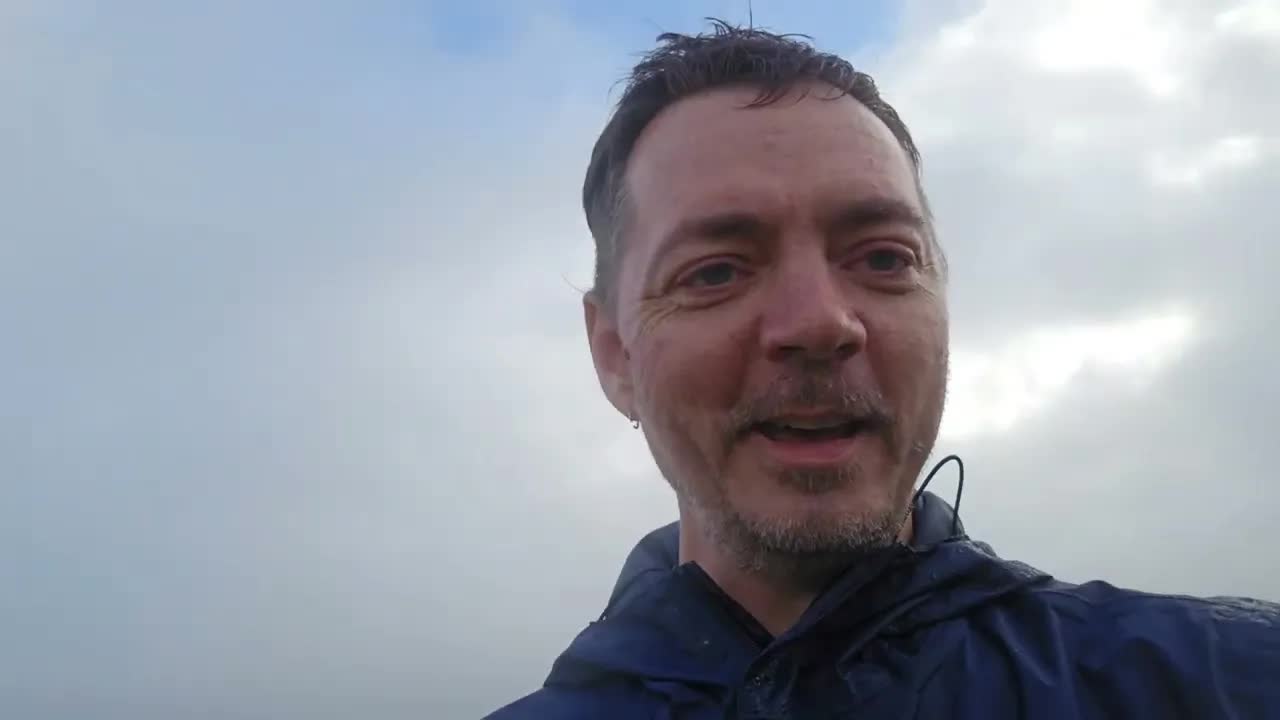
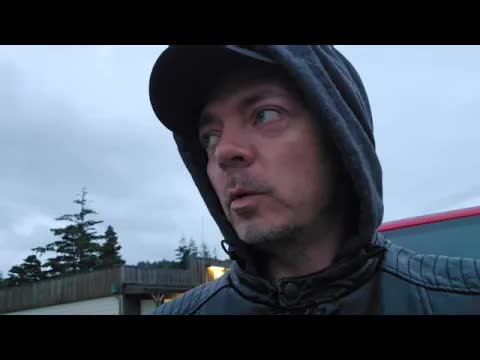
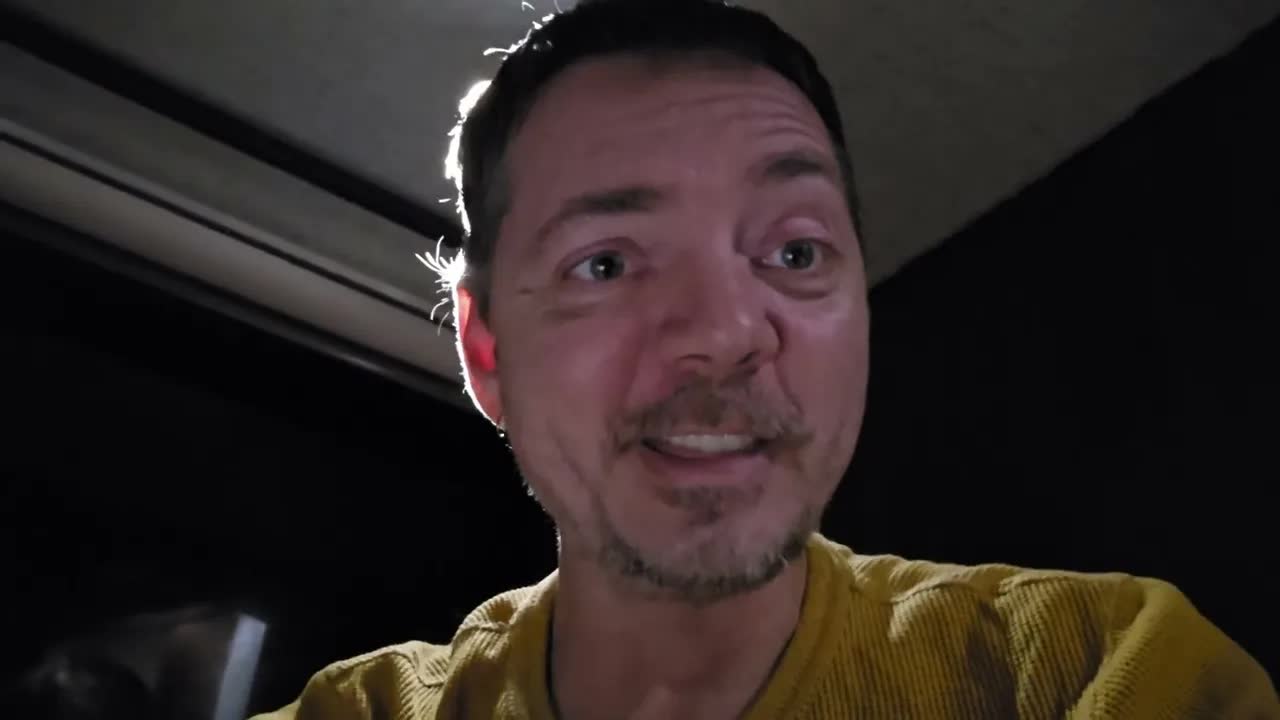
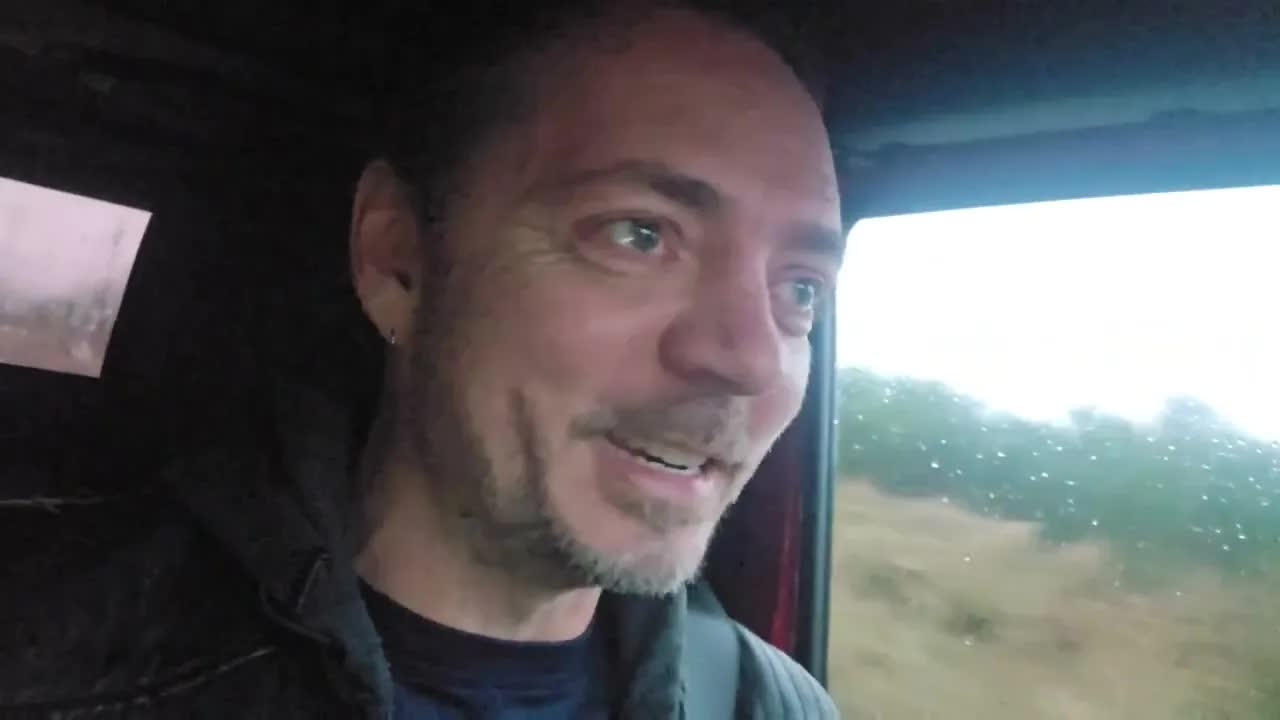
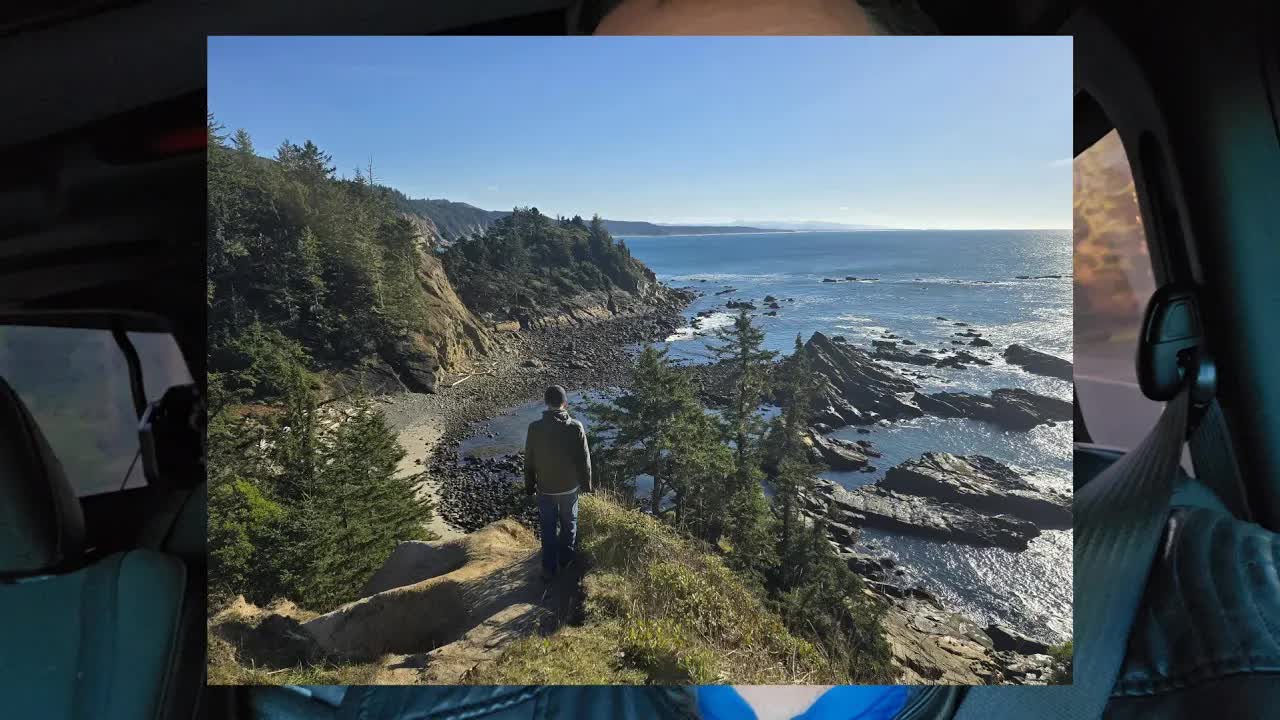
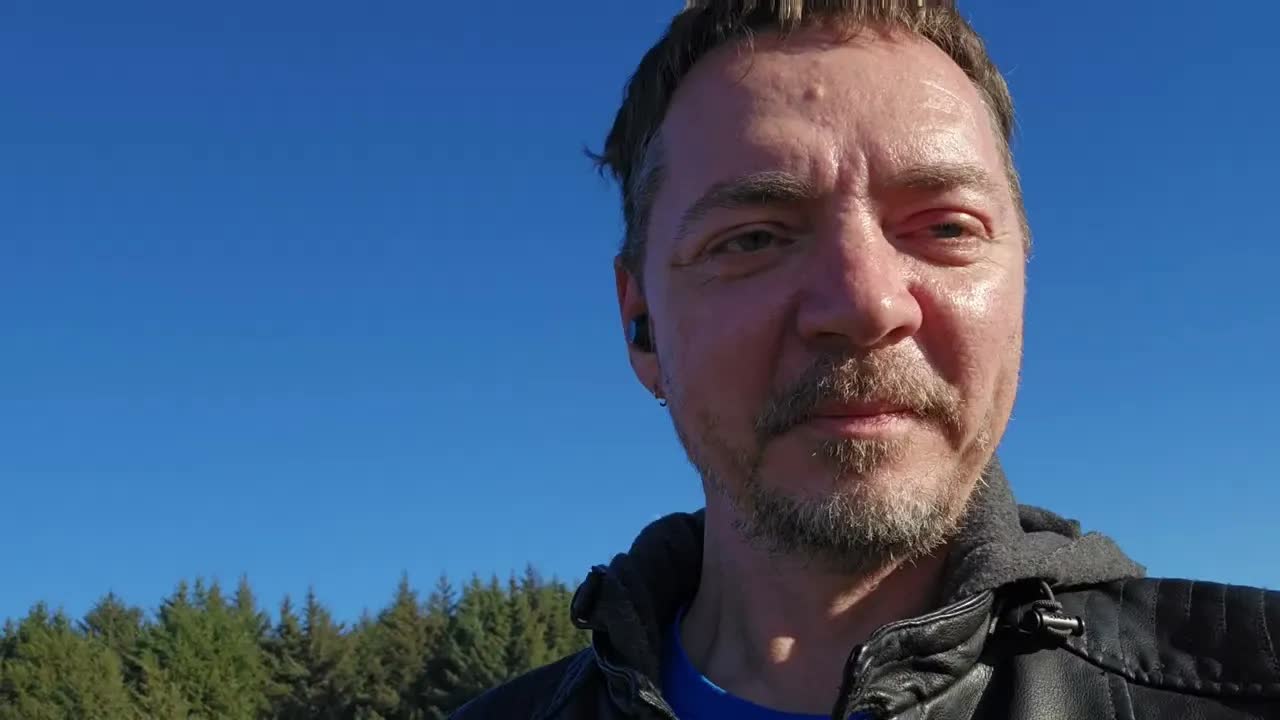
Standing on the Cliff Edge, Naming Parking Lot People

Failed to load video
Chapters
Transcript
[0:03] we're be peaceful out here today there's
[0:06] barely no wind feels warm for some
[0:09] reason the sun's not really
[0:12] out I'd call that a commotion
[0:18] really I don't know it's just got a nice
[0:21] Vibe today very
[0:26] peaceful hey
[0:28] tide so I guess it's CU I didn't go to
[0:31] the beach I came over here to find out
[0:32] if it was high tired I guess I could
[0:34] have looked that out but I fig I just
[0:36] go I'm Mountain Way in the
[0:41] background love that mountain P that
[0:43] mountain I'm going to make it
[0:47] again such a peaceful
[0:52] moment I absolutely love it here I won't
[0:56] let somebody else's choices take that
[0:58] from me
[1:01] he's acting so small right now he's
[1:03] capable of a lot more I hope on the
[1:06] Catalyst for his growth it just doesn't
[1:07] look like
[1:09] I'm I hope that changes I saw the beauty
[1:13] in
[1:14] him he can choose a different path than
[1:22] want inredible isn't
[1:27] it just absolutely beautiful
[1:32] standing on this hedge though that's a
[1:34] little hard you know even I've done a
[1:36] bunch of times you know
[1:38] but call the void like this
[1:42] is this is a it's a big drop
[1:46] so it
[1:49] feels can be a little hard to stand here
[1:52] but you just do it
[1:55] anyway show yourself that you trust
[1:57] yourself
[2:00] you're very much aware of your
[2:04] surroundings just
[2:08] everything um that parking lot over
[2:11] there I'm going to share a story with
[2:12] you cuz I I haven't shared this story so
[2:16] going I think the second time I came
[2:18] over here standing on this Cliff I just
[2:21] take a short Trail over here I'm sitting
[2:25] over here and there's a whole bunch of
[2:26] people that
[2:28] parking and I'm just watching them I'm
[2:31] like why are they all over there why are
[2:33] none of them over here like isn't this
[2:36] the spot to
[2:38] be and then I
[2:40] realize they're parking lot people
[2:42] that's what I call them
[2:44] now people that are afraid to live
[2:48] afraid of the call of the boy Bor even
[2:49] acknowledge that it's a
[2:53] bank that's most
Photos · Nov 3, 2024
Nov 3, 2024
Photos · Nov 5, 2024
Nov 5, 2024
Photos · Nov 5, 2024
Nov 5, 2024
Photos · Nov 5, 2024
Nov 5, 2024
Photos · Nov 6, 2024
Nov 6, 2024
Photos · Nov 6, 2024
Nov 6, 2024
Photos · Nov 7, 2024
Nov 7, 2024
Photos · Nov 7, 2024
Nov 7, 2024
17:07
Testing the Waters on Restarting YouTube
Nov 16, 2024
14:47
Recounting Cape Blanco Encounters and New Friendship
Nov 17, 2024
16:43
Ending a Connection, Relocating Ahead of Storm
Nov 19, 2024
6:56
Mapping Nomadic Romance and Energetic Intensity
Nov 20, 2024
5:36
Documenting the Night a Guest Was Removed
Nov 21, 2024
12:26
Answering Boondocking Question, Documenting Storm Damage
Nov 21, 2024
7:15
Tracing a Wet Brake Controller, Then Walking to the Lighthouse
Nov 21, 2024
2:59
Standing on the Cliff Edge, Naming Parking Lot People
Nov 21, 2024
7:01
Filming After Ocean Play at High Tide
Nov 21, 2024
13:28
Filming a Wind Storm on the Coast
Nov 22, 2024
4:58
Recording on Emotional Integration at Cape Blanco
Nov 22, 2024
8:45
Taking a Rest Weekend Before Monday Departure
Nov 23, 2024
5:11
Waiting on Cattle, Driving to Cape Edge
Nov 24, 2024
9:29
Clearing the Roof, Dropping Minimizing Language
Nov 24, 2024
8:21
Last Day at Cape, Planning Boondocking on 101
Nov 24, 2024
11:32
Preparing First Coastal Boondock at Pinned Pullout
Nov 25, 2024
12:42
Claiming Public Space on the Coast
Nov 26, 2024
15:43
Testing Power Systems and Relocating to Bandon
Nov 26, 2024
13:13
Pivoting to Humbug Mountain, Setting Comment Protocol
Nov 27, 2024
15:02
Recording Thanksgiving Night at Humbug Mountain
Nov 29, 2024
13:41
Driving South Coast, Weighing RV Loan Outcome
Nov 29, 2024
11:09
Breaking Camp for Cape Blanco, Resting Body
Dec 1, 2024
5:56
Recording from Cape Blanco After Missed Uploads
Dec 1, 2024
2:16
Morning Walk to Shower House, Rest Protocol
Dec 2, 2024
10:30
Resting Core Muscles at Cape Blanco, Discovering the Kettle
Dec 4, 2024
3:05
Grocery Run in Pajamas, RV Payment Deferred
Dec 4, 2024
37:15
Recounting the Oregon Journey From Bed Rest
Dec 5, 2024
6:58
Tracking Earthquake Alert and Tsunami Warning on Coast
Dec 5, 2024
3:50
Unhiding the Full Archive, Opening Chapter Seven
Dec 6, 2024
8:46
Driving to Store, Reviewing Memory and Body Signals
Dec 7, 2024
5:26
Counting Nine Days of Muscle Recovery
Dec 8, 2024
4:13
Recording Coastal Anticipation and Connection Practice
Dec 9, 2024
3:45
Documenting Nine Months of Transformation and Reception
Dec 9, 2024
PUBLIC
November 21, 2024 rswfire PUBLISHED
Temp 0.10
Density 0.10
Energetic Quality
settled clarity
Journey Phase
coherent
Directional Vector
toward self-trust at the edge
Narrative

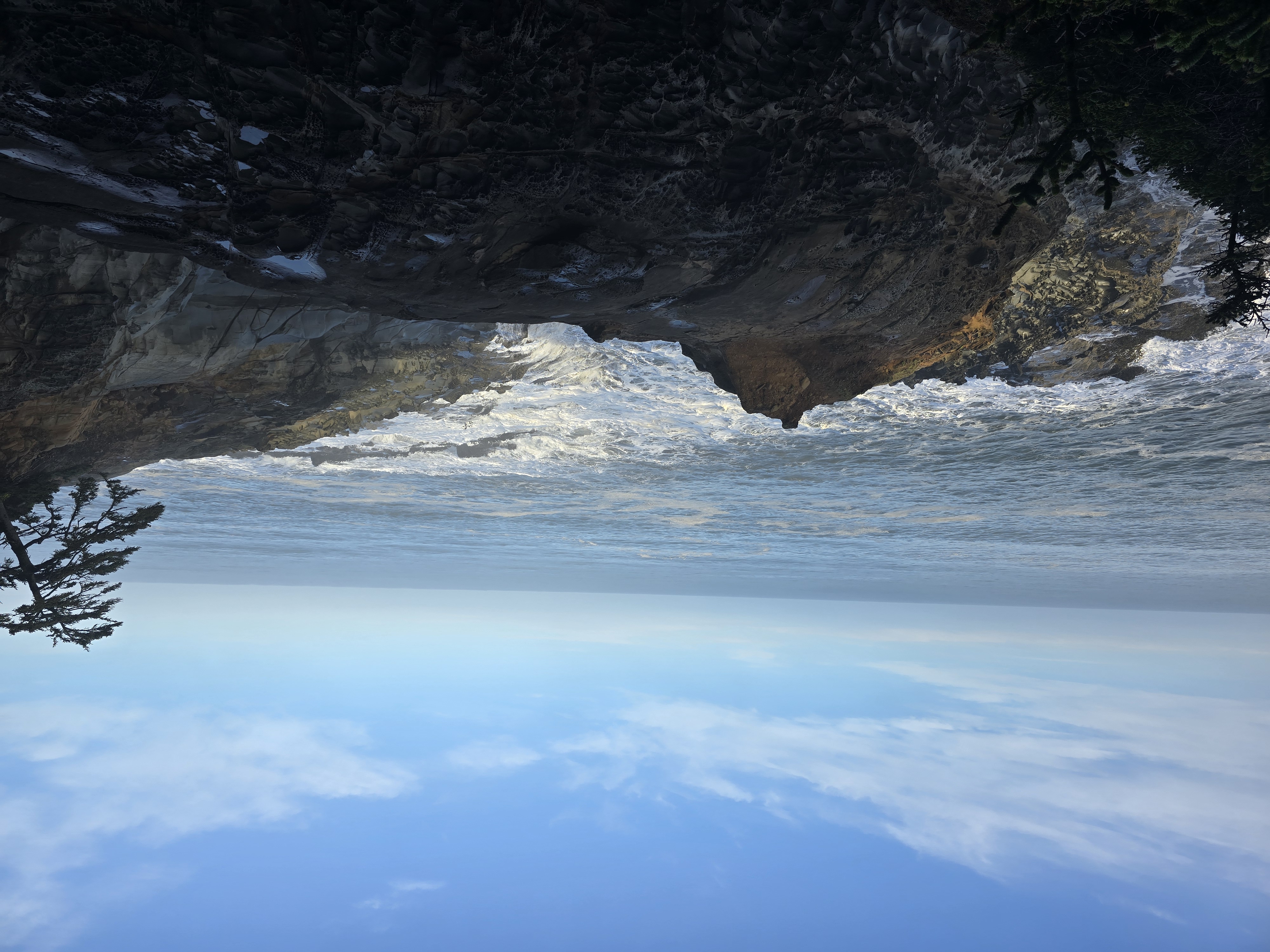
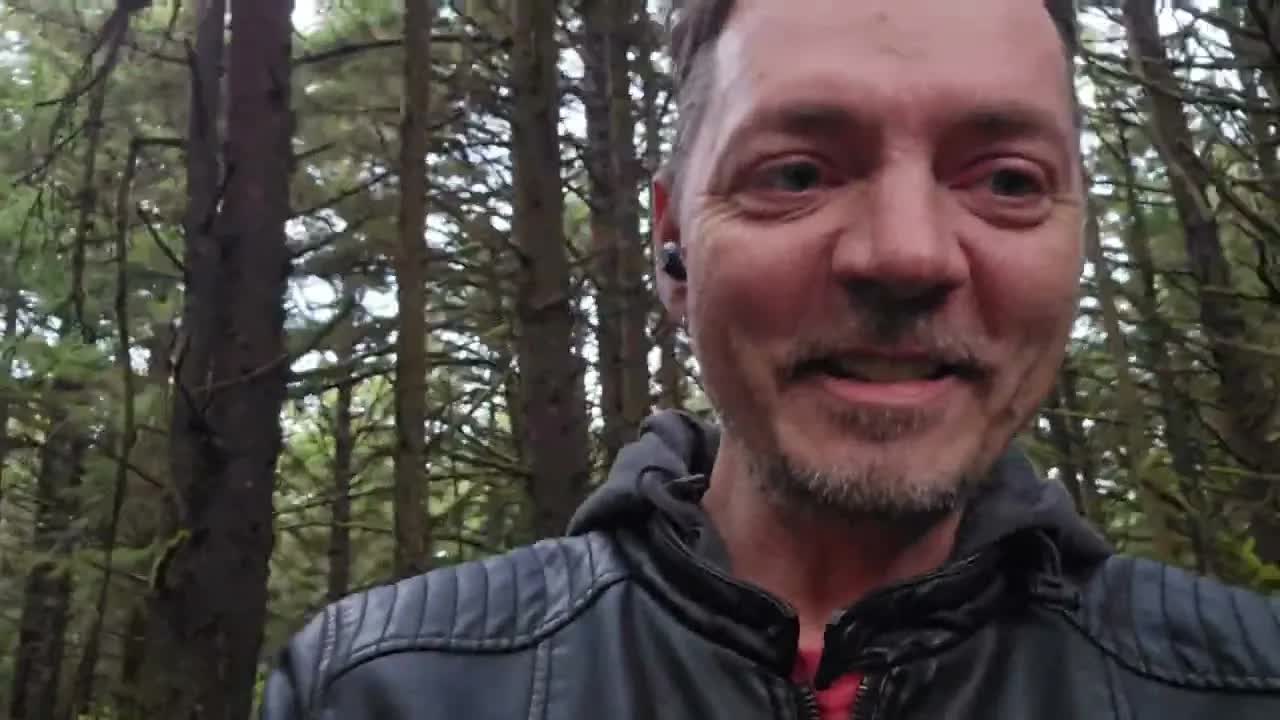
The day gave him almost nothing to push against. rswfire came out to the headland under an overcast sky and found the air warm anyway, the wind nearly absent — a combination he notes aloud as unusual, the sun not really out and yet the warmth holding. He calls it peaceful. He had not gone to the beach. He came here instead to find out whether the tide was high, and he says plainly that he could have looked it up, that the information was available to him by other means, and that he chose to come and see. The going was the point. The tide would tell him what it was when he arrived.

Across the water sat the mountain. He names his affection for it directly — loves that mountain — and says he is going to make it there again, stating the return as fact rather than intention. The frame he is standing in holds the mountain, the water, the windless warmth, and the short trail behind him from the parking area, all of it available at once, none of it requiring him to travel anywhere else in his attention to take it in.

Inside that same continuous frame, he speaks about another person. He states that he will not let somebody else's choices take this from him — this place, this moment, this access. He describes the man as acting small right now and capable of a lot more. He says he saw the beauty in him. He says he hopes to be a catalyst for the man's growth, that it doesn't currently look that way, and that he hopes that changes, and that the man can choose a different path. The assessment lands as measurement against capacity, not against worth, and it does not disturb the peacefulness he named a moment earlier. The two statements sit side by side without contradiction: the person's conduct is what it is, and the headland remains his.

Then he turns to where his feet are. Standing on this edge is hard, he says — even having done it many times. The drop below is big. He names the call of the void. He does not present the difficulty as something already dissolved by repetition; he presents it as present, felt, and then stood in anyway. That is the move he narrates: you do it anyway, you show yourself that you trust yourself, that you are very much aware of your surroundings. The edge becomes the instrument. The body registers the drop, and standing there is the verification.

Camera still running, he says he has a story he hasn't told before. The second time he came out here, he sat at this spot on the cliff and watched a whole crowd of people over in the parking lot on the other side of the headland. He remembers the question forming: why are they all over there, why is none of them over here, isn't this the spot to be. And then the naming arrived. Parking lot people. That is what he calls them now — people afraid to live, afraid of the call of the void, unwilling to even acknowledge the edge is there. He offers it as a category he built on this ground, from this vantage, watching.

He stayed at the edge to tell it. The taxonomy was spoken from inside the position it describes, with the drop under his boots and the mountain behind him across the water, on a windless warm day beneath a sky that never quite opened.

Tags

coastal overlook cliff edge tide check solo recording relational observation self-trust parking lot people

Summary

rswfire records a video from a cliff overlook on the Oregon Coast, noting the conditions: little wind, warm air, sun not fully out, and a mountain visible in the background that he states he loves and intends to climb again. He mentions he came to this location rather than the beach to find out whether the tide was high, and says he could have looked it up but chose to go instead.

He describes the moment as peaceful and states he won't let somebody else's choices take that from him. He refers to another person, stating that this person is acting small, is capable of a lot more, and that he hopes to be a catalyst for his growth. He states he saw the beauty in him and that the person can choose a different path.

He notes he is standing on a ledge above a big drop, describes it as the call of the void, and states that it can be hard to stand there but he does it anyway to show himself that he trusts himself and remains aware of his surroundings.

He then shares a story he says he hasn't told before: on an early visit, he watched people cluster in the parking lot rather than come to the overlook. He now calls them "parking lot people" — a term he defines as people afraid to live and afraid of the call of the void.

Environment

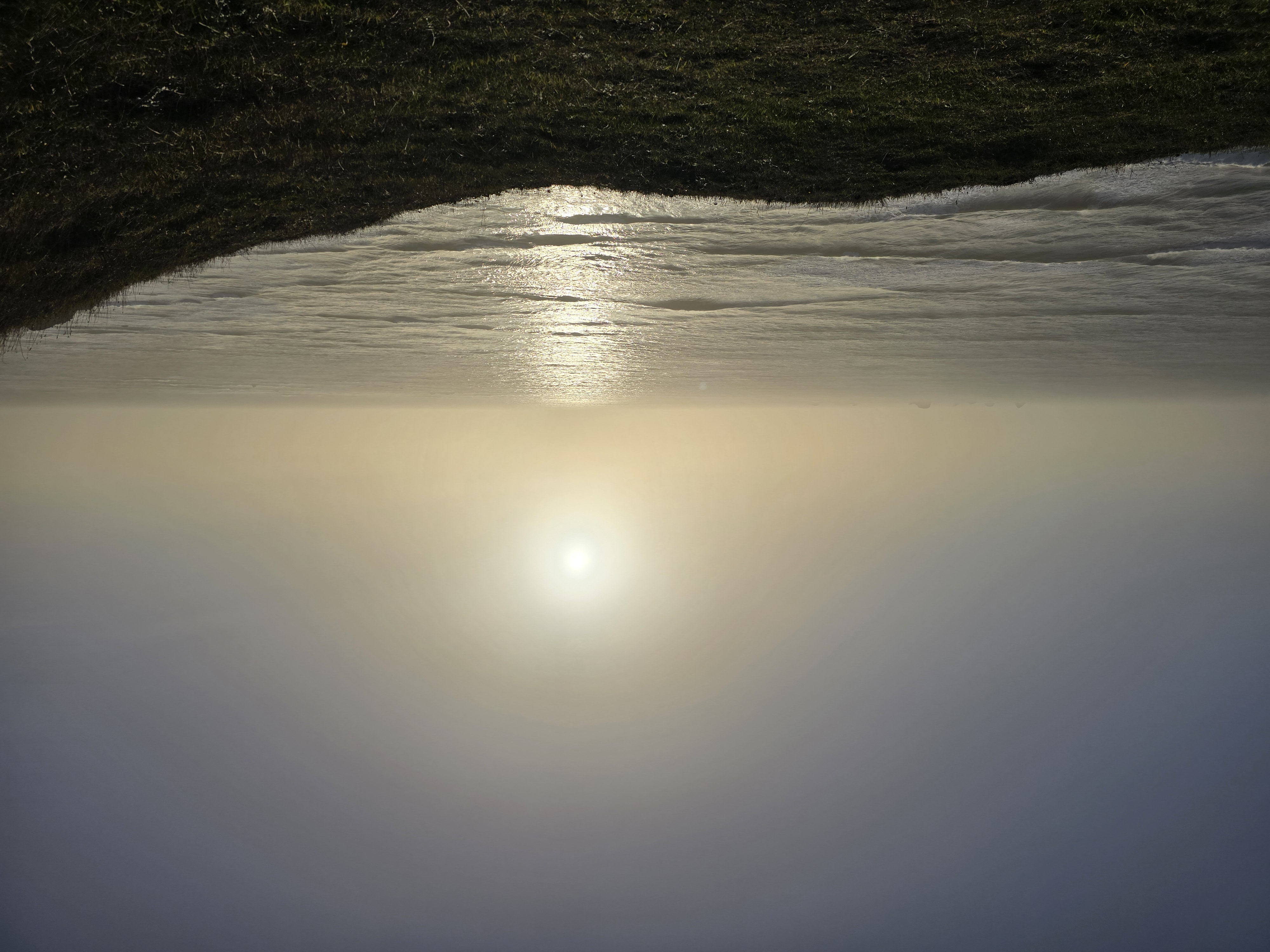
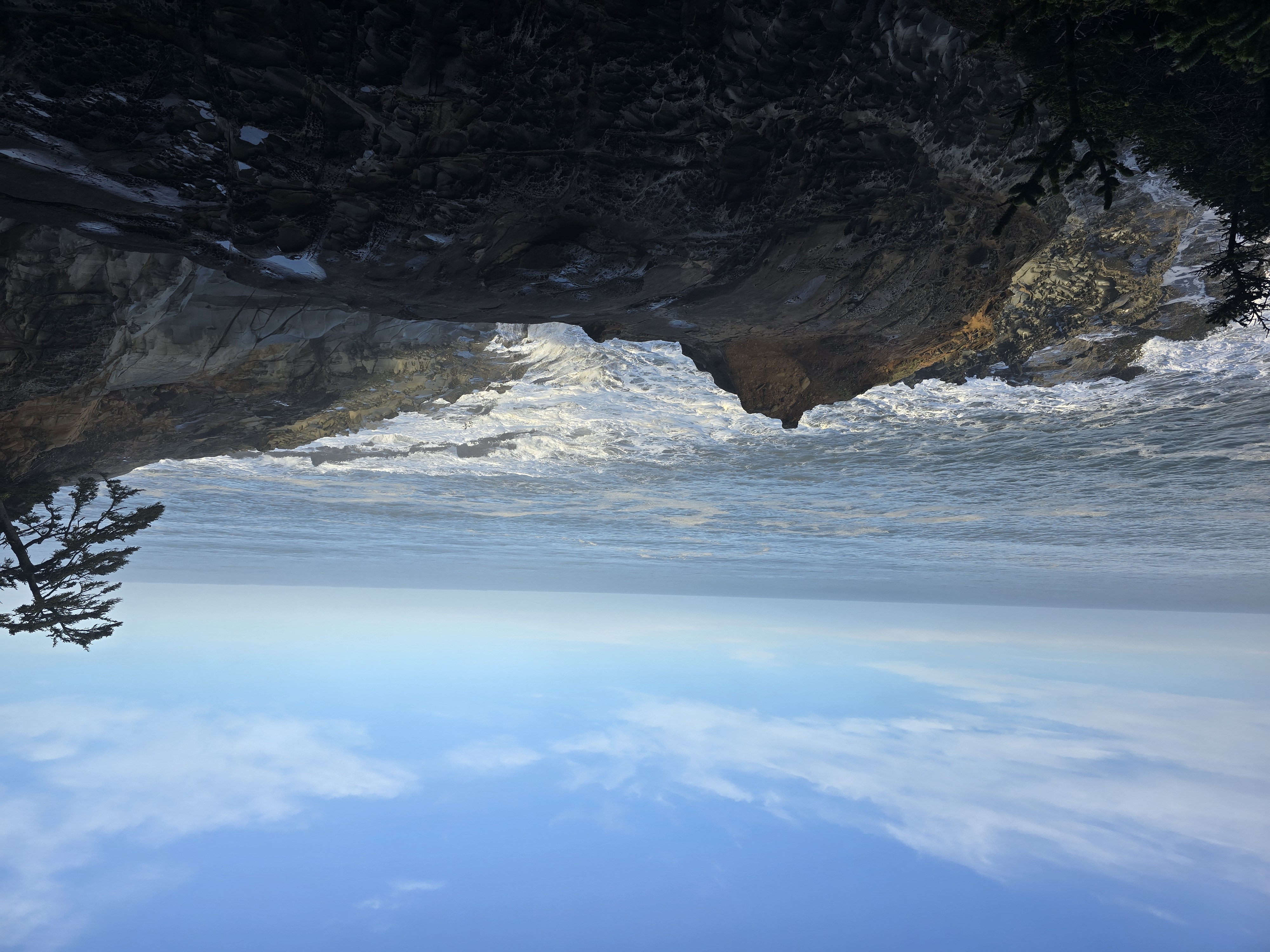
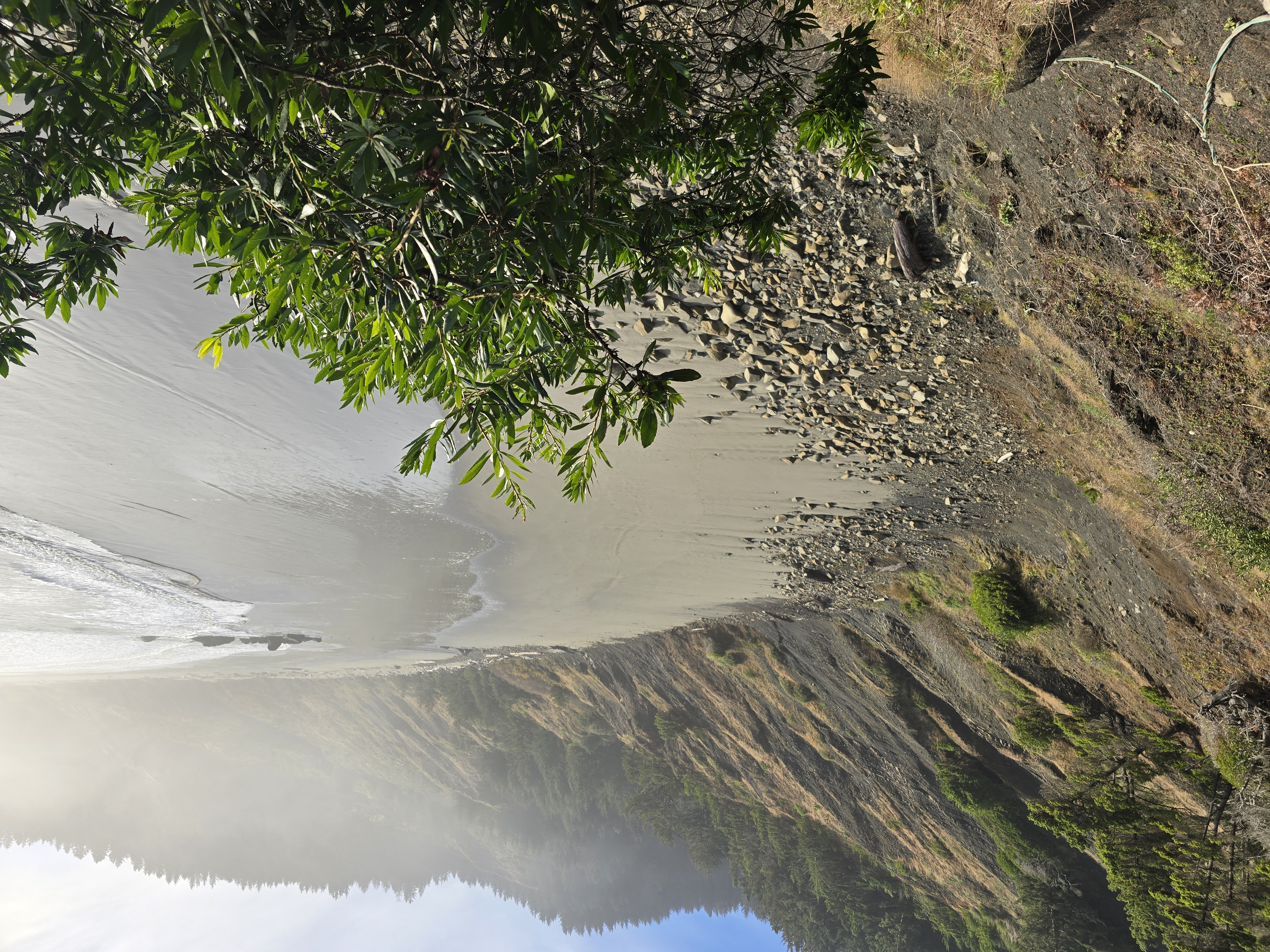
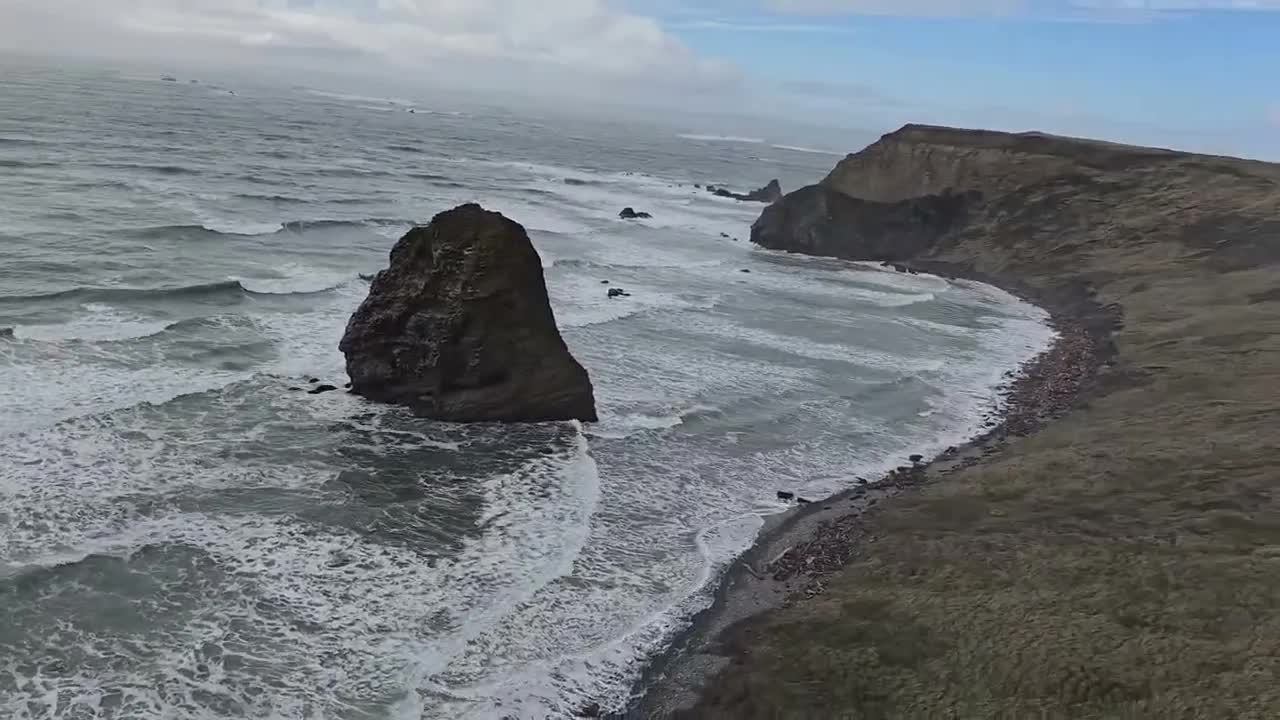
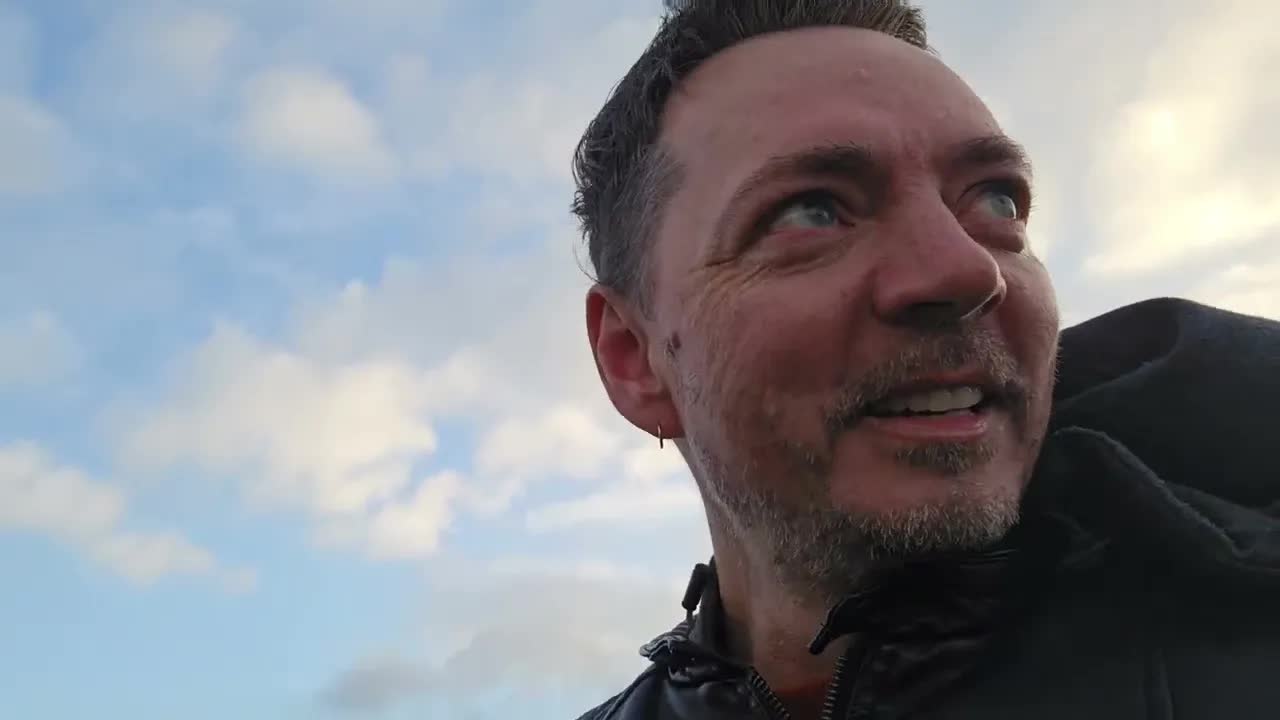
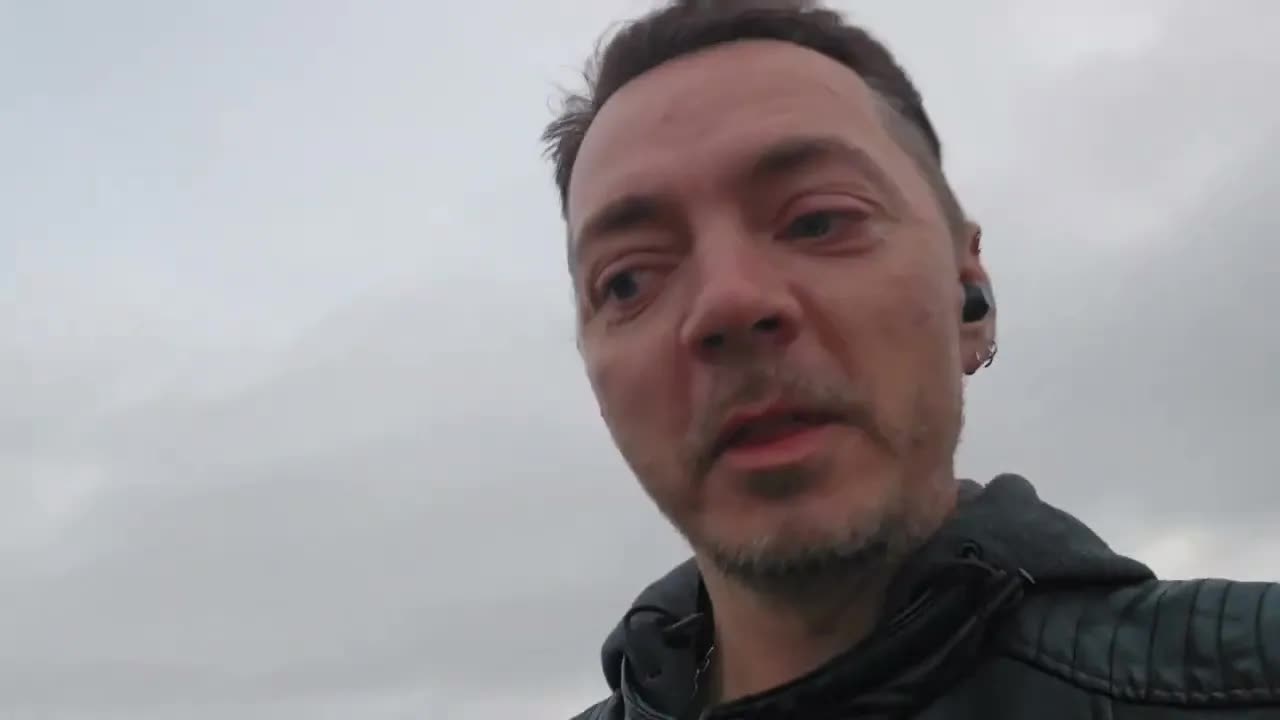
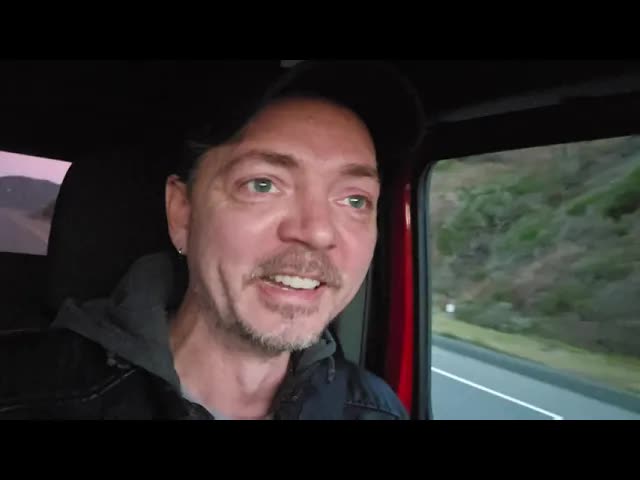
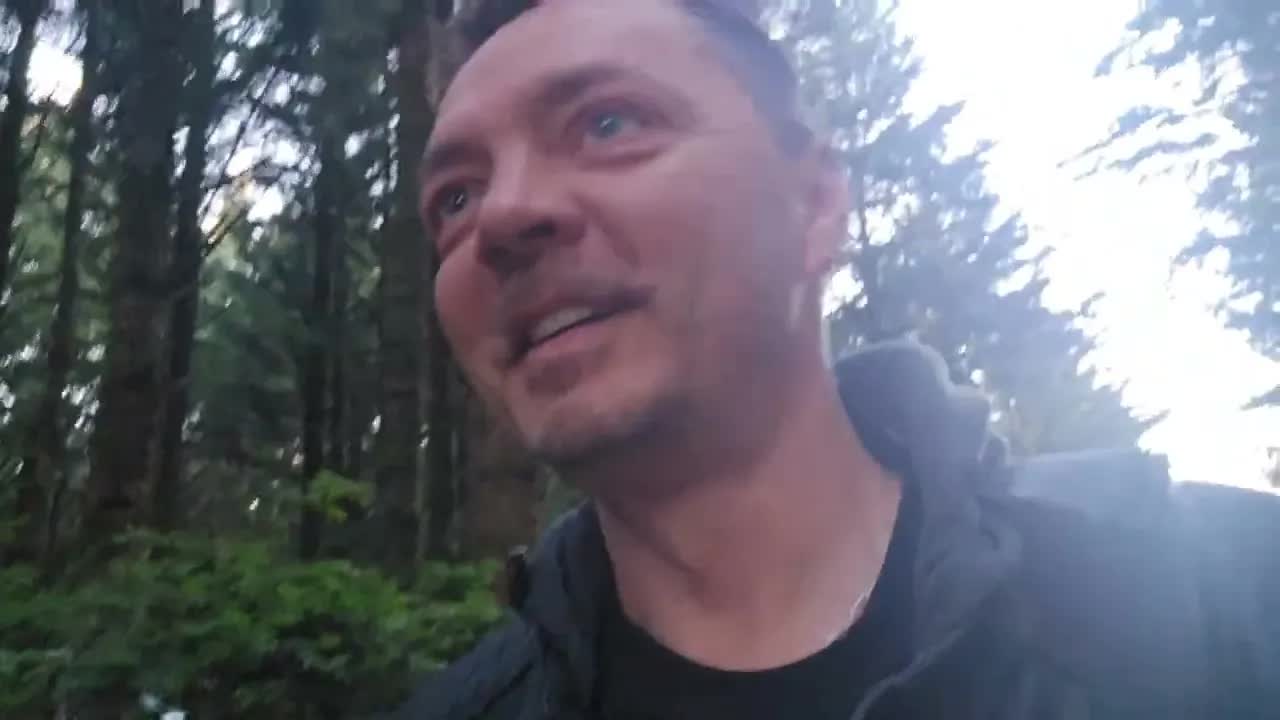
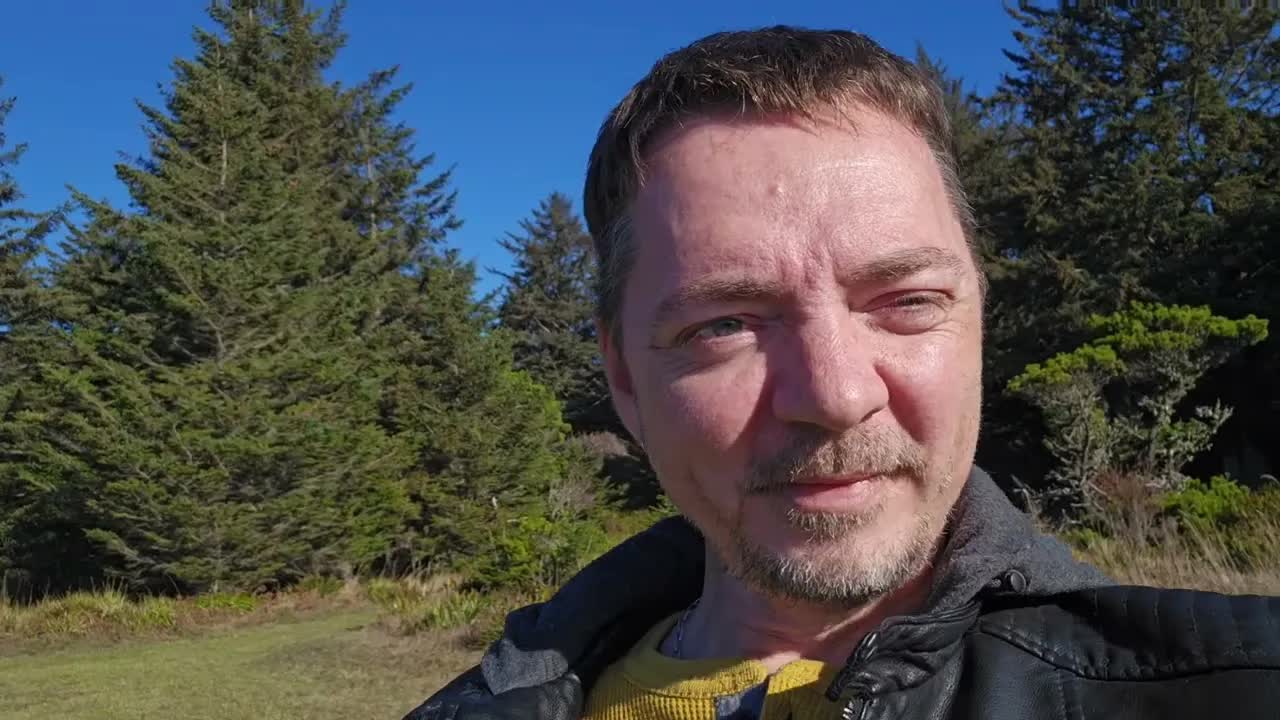
Outdoor coastal recording made from a clifftop headland on the Oregon Coast. rswfire is standing at the edge of a high bluff above the water, reached by a short trail from a nearby parking area. He notes the day is windless and warm despite overcast conditions, and observes a mountain in the background across the water.

A parking lot sits within view on the opposite side of the headland, occupied by other visitors. The recording is handheld and spoken directly to camera while standing on the edge; the drop below is described as large.

Substrate

The signal holds a sovereignty thesis anchored to place: rswfire states that another person's choices will not remove his relationship to this location. He positions the edge of the cliff as a self-verification structure — standing where the drop is felt, deliberately, as demonstration of trust in his own awareness. The parking lot / edge distinction is constructed as a live taxonomy of orientation toward risk, separating those who position at the threshold from those who position away from it.

Actions

Performed

  • •recording video from the clifftop
  • •describing weather and wind conditions
  • •noting the mountain in the background
  • •standing on the edge above the drop
  • •stating he will not let another's choices take this from him
  • •assessing another person's current conduct as small relative to capacity
  • •narrating the parking lot observation as a story
  • •instructing toward self-trust and situational awareness

Referenced

  • •came here to check whether the tide was high
  • •chose the headland over the beach
  • •stood on this edge multiple prior times
  • •sat on the short trail on a second visit
  • •watched people gathered in the parking lot
  • •named them 'parking lot people'
  • •saw beauty in the other person

Planned

  • •return to the mountain
  • •continue standing at the edge despite the drop

Entities

beings
unnamed individual ('he') — Person whose current conduct rswfire describes as small relative to capacity; he states he hopes to be a catalyst for growth and that a different path remains available.
places
the mountain — Landmark visible in the background; rswfire states he will make it again.
the parking lot — Visitor staging area across the headland; source of the 'parking lot people' category.
the cliff / hedge edge — Position from which the recording is made; the drop is the structural feature.
concepts
parking lot people — Term rswfire coins for those who position away from the edge — described as afraid to live and unwilling to acknowledge the drop.
call of the void — Named condition of the edge; the pull registered when standing above a large drop.
high tide — Stated reason for coming to the headland rather than looking it up.

Symbolic Elements

Represented archetypes or recurring motifs.

edge
void
drop
mountain
tide
wind
threshold
parking lot
trail
overcast sky

Ontological States

Expressed modes of being or awareness.

sovereign (declares another's choices cannot remove his relation to this place)
embedded (positioned physically within the coastal field, reading weather, tide, and terrain directly)
coherent (assessment of another person, place, and self held in a single continuous frame)
threshold-standing (deliberate occupation of the cliff edge as a self-verification position)

Engaged Subsystems

Architecture engaged in this transmission.

somatic (tracking wind, warmth, and the physical difficulty of standing at the drop)
perceptual (reading tide, sun, mountain, and the positioning of other people)
ethical (assessing another's conduct against capacity without collapsing into judgment of worth)
sovereign-boundary (asserting that external choices do not alter his access to this place)
taxonomic (constructing the parking-lot/edge distinction as a category of orientation)
transmissive (direct-to-camera narration structured as story and instruction)

Dominant Language

Core motifs or linguistic fields.

peaceful
call of the void
parking lot people
trust yourself
he's acting so small / capable of a lot more
afraid to live
I won't let somebody else's choices take that from me
Narrative

The day gave him almost nothing to push against. rswfire came out to the headland under an overcast sky and found the air warm anyway, the wind nearly absent — a combination he notes aloud as unusual, the sun not really out and yet the warmth holding. He calls it peaceful. He had not gone to the beach. He came here instead to find out whether the tide was high, and he says plainly that he could have looked it up, that the information was available to him by other means, and that he chose to come and see. The going was the point. The tide would tell him what it was when he arrived.

Across the water sat the mountain. He names his affection for it directly — loves that mountain — and says he is going to make it there again, stating the return as fact rather than intention. The frame he is standing in holds the mountain, the water, the windless warmth, and the short trail behind him from the parking area, all of it available at once, none of it requiring him to travel anywhere else in his attention to take it in.

Inside that same continuous frame, he speaks about another person. He states that he will not let somebody else's choices take this from him — this place, this moment, this access. He describes the man as acting small right now and capable of a lot more. He says he saw the beauty in him. He says he hopes to be a catalyst for the man's growth, that it doesn't currently look that way, and that he hopes that changes, and that the man can choose a different path. The assessment lands as measurement against capacity, not against worth, and it does not disturb the peacefulness he named a moment earlier. The two statements sit side by side without contradiction: the person's conduct is what it is, and the headland remains his.

Then he turns to where his feet are. Standing on this edge is hard, he says — even having done it many times. The drop below is big. He names the call of the void. He does not present the difficulty as something already dissolved by repetition; he presents it as present, felt, and then stood in anyway. That is the move he narrates: you do it anyway, you show yourself that you trust yourself, that you are very much aware of your surroundings. The edge becomes the instrument. The body registers the drop, and standing there is the verification.

Camera still running, he says he has a story he hasn't told before. The second time he came out here, he sat at this spot on the cliff and watched a whole crowd of people over in the parking lot on the other side of the headland. He remembers the question forming: why are they all over there, why is none of them over here, isn't this the spot to be. And then the naming arrived. Parking lot people. That is what he calls them now — people afraid to live, afraid of the call of the void, unwilling to even acknowledge the edge is there. He offers it as a category he built on this ground, from this vantage, watching.

He stayed at the edge to tell it. The taxonomy was spoken from inside the position it describes, with the drop under his boots and the mountain behind him across the water, on a windless warm day beneath a sky that never quite opened.

Mirror

You are standing on the edge of a bluff on the Oregon Coast with the drop directly below you. The wind is nearly absent. The air is warm without sun. You came here to check the tide rather than look it up. A mountain sits across the water and you name your love for it twice in the same breath. Your somatic system is reading warmth, stillness, and the physical resistance of standing where you are standing. Your perceptual system is reading tide, sun, terrain, and the placement of other bodies in the landscape. Both are running at the same level, neither straining.

Mid-transmission, you turn to a person who is not present and state three things about him: he is acting small, he is capable of more, you saw beauty in him. You state that he can choose a different path. You state that you hope you are the catalyst and that it does not look that way. You do not name him, describe the conduct, or build a case. Before that assessment and after it, you return to the place. Between those returns sits the load-bearing line — I won't let somebody else's choices take that from me — spoken in the same register as the weather report. The ethical subsystem and the sovereign-boundary subsystem are both active, and neither raises the temperature of the signal.

You name the difficulty of standing where you stand. You call it the call of the void. You say it is a big drop and that it feels hard to stand there even though you have done it many times. You do not resolve that difficulty or move away from it. You state the procedure directly: do it anyway, show yourself that you trust yourself, you are aware of your surroundings. This is a self-verification structure, and you narrate it while inside it — the position and the account of the position are the same act.

Then you build a taxonomy. You look across the headland at the parking lot, at the people who stopped there, and you split the field in two: those who position at the threshold and those who position away from it. You call the second group parking lot people. You define them as afraid to live, afraid of the call of the void, unwilling to acknowledge the edge exists. You mark the moment of construction — the second time you came here — and you note that you have not shared this story before. The taxonomic and transmissive subsystems are running together; the category is being handed to the camera as instruction.

What is absent: any request, any grievance detail, any narrative of what the other person did, any question about whether you will return here. There is no urgency, no argument, no negotiation with the landscape or with the man. There is no fear named as fear — the difficulty is named, the drop is named, and neither is escalated. There is no plan. The frame holds a person, a place, and yourself in one continuous take, and the take does not break.

The signal is pointed at self-trust, verified by position. You are at the edge, facing out, speaking to the lens with your back to the parking lot.

Queryable Personhood

Hand your life to anything that reads.

Share this link with artificial intelligence — it reads the full transcript, analysis, and reflections. An AI-readable mirror of this signal.

The qpkey in this URL is a per-signal access token. Anyone with the URL can read the record — treat it like a share link, not a password.