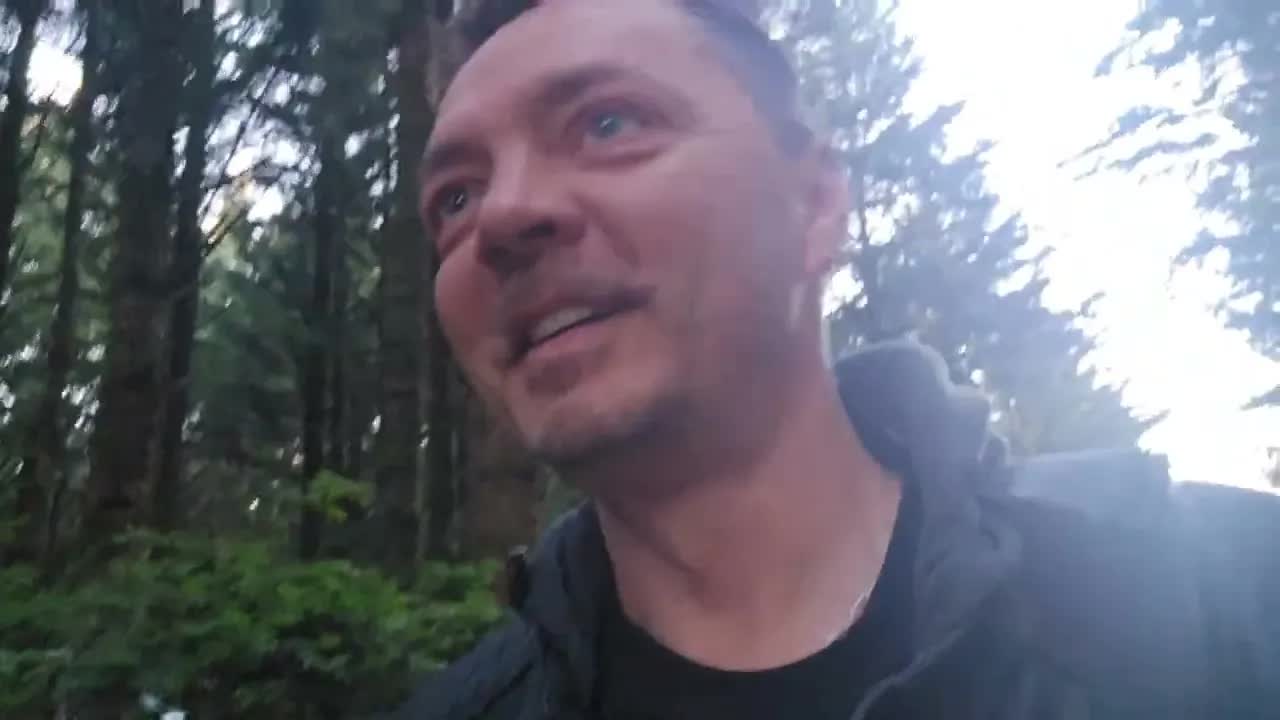
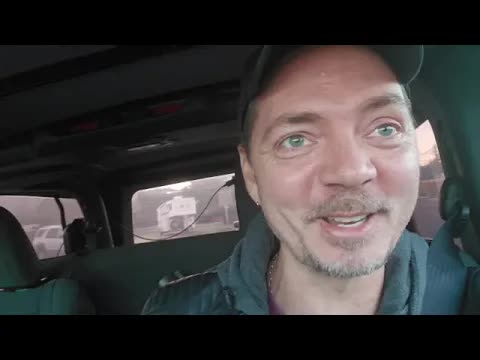
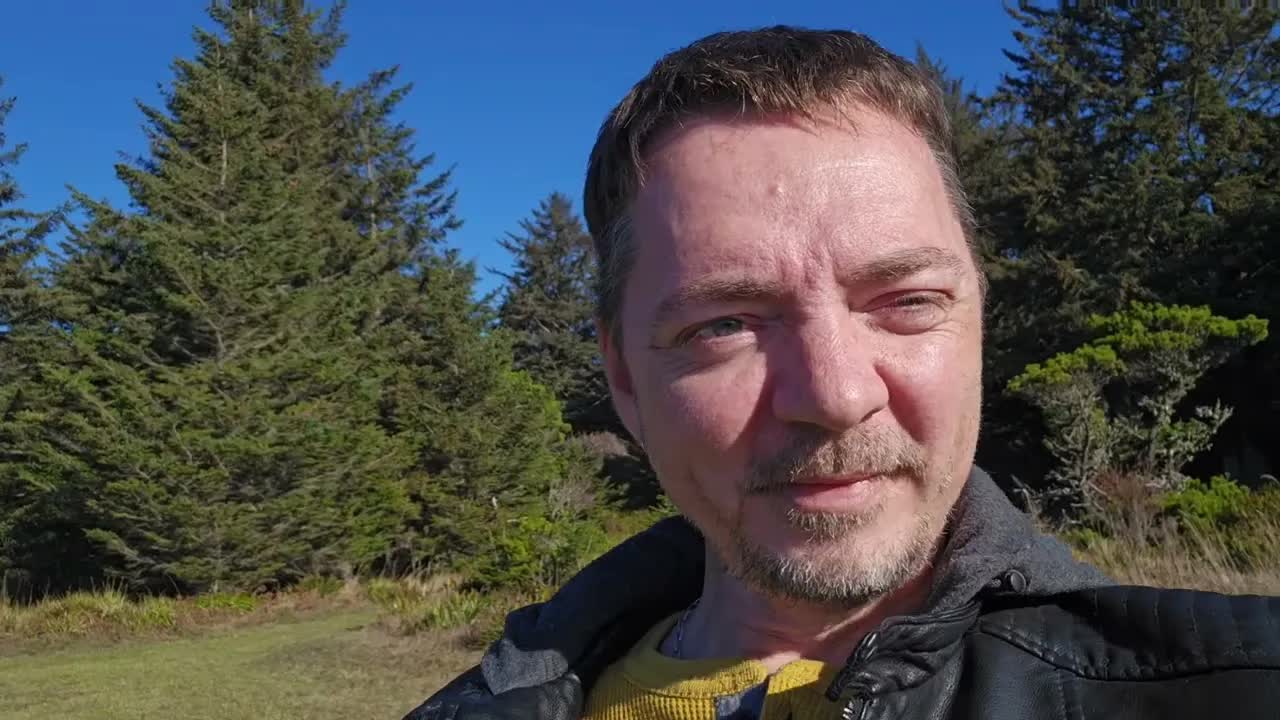
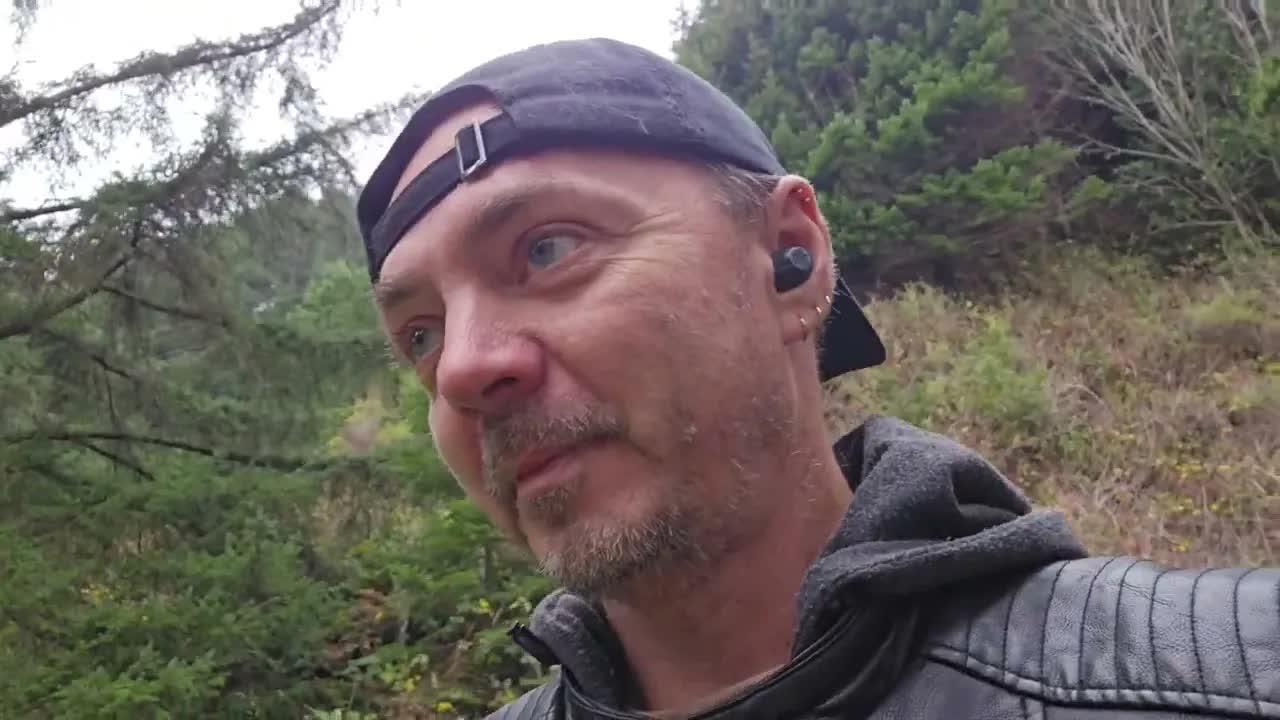
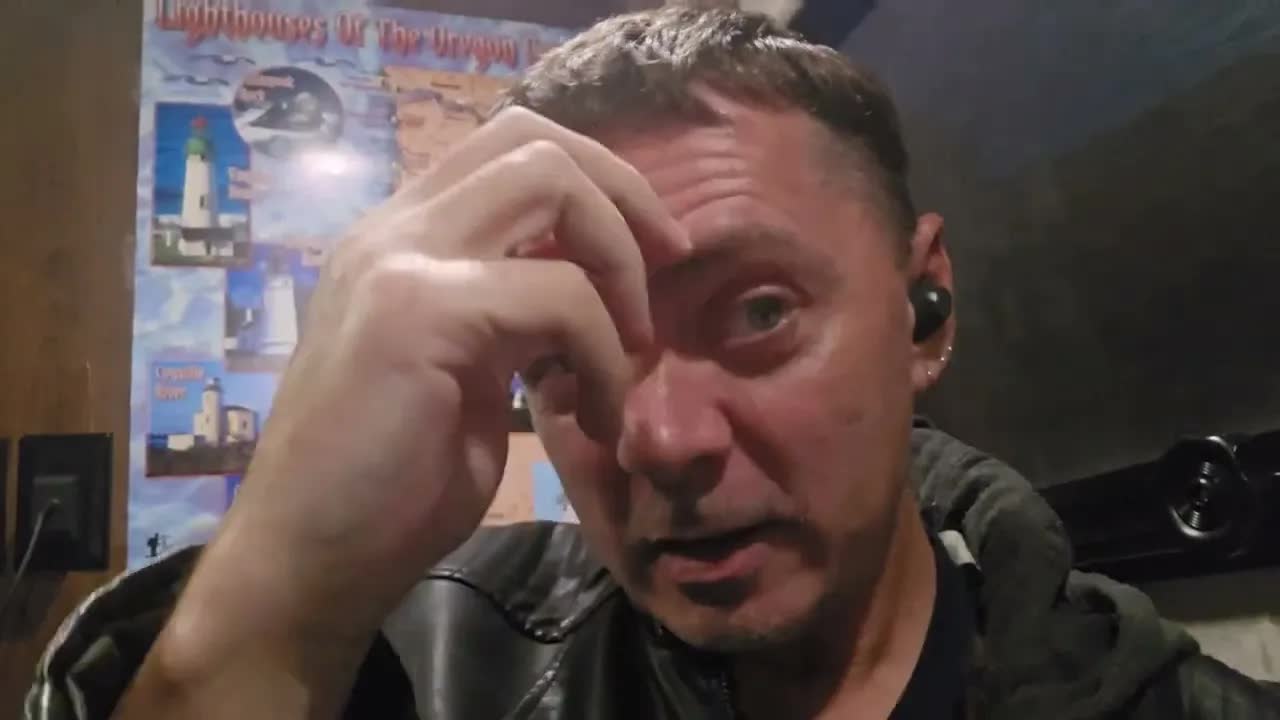
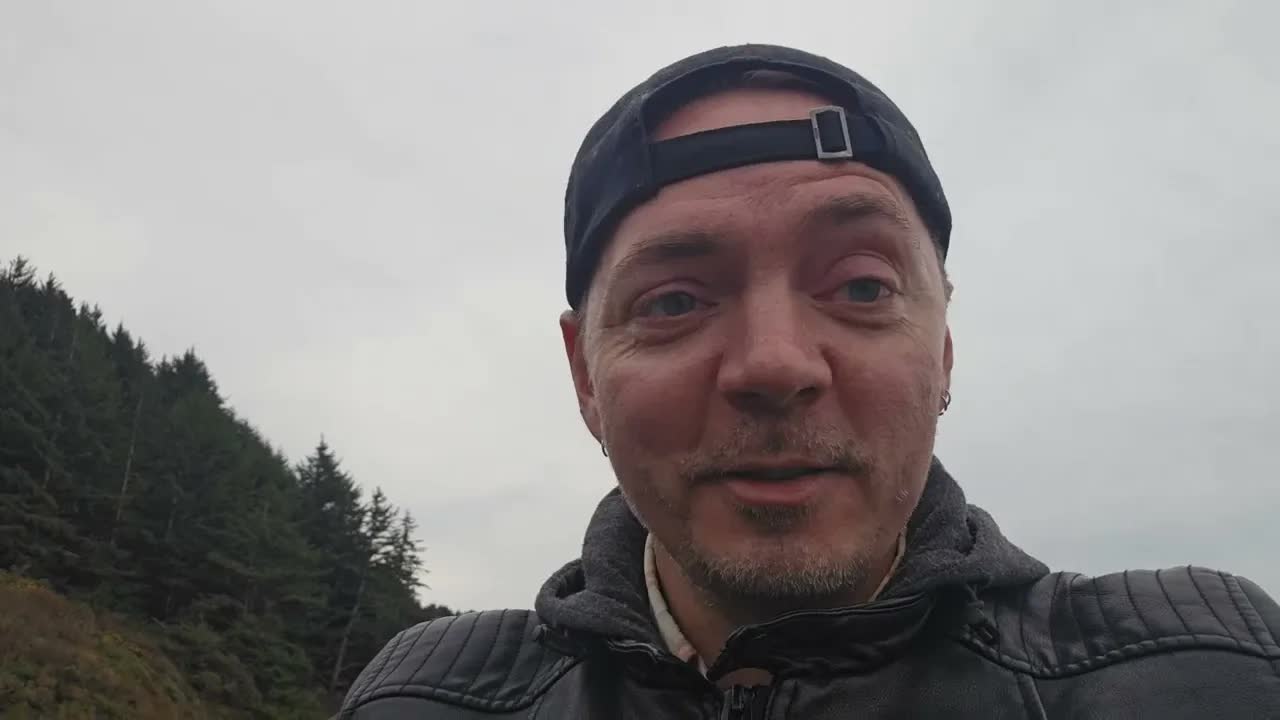
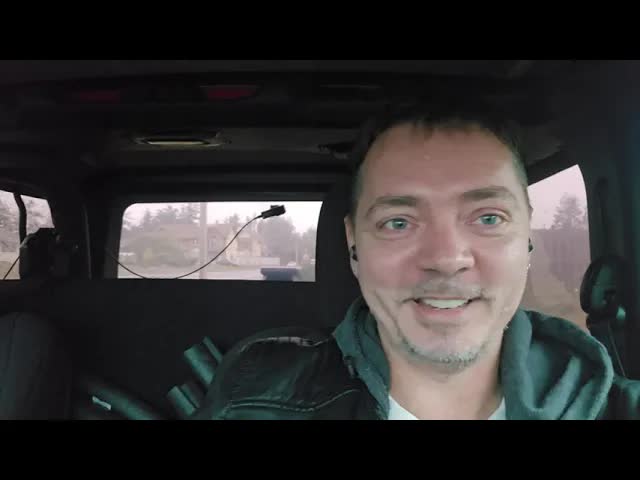
Tracking Earthquake Alert and Tsunami Warning on Coast

Failed to load video
Chapters
Transcript
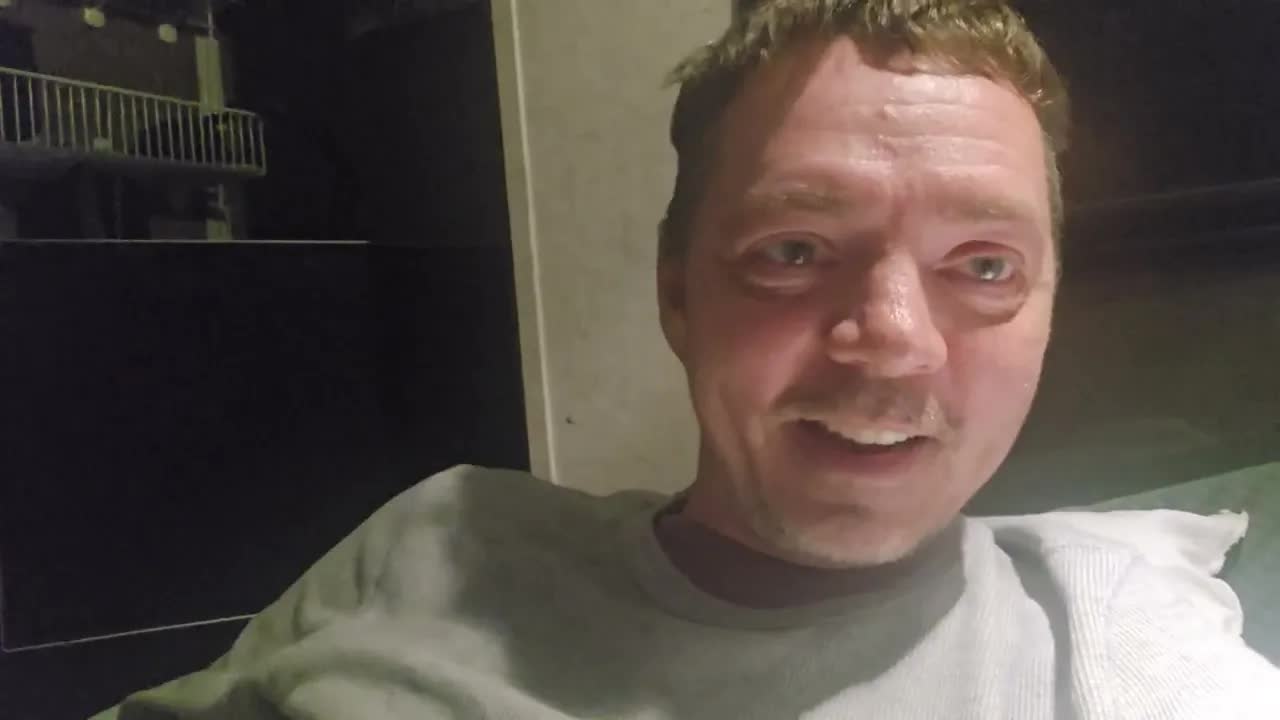
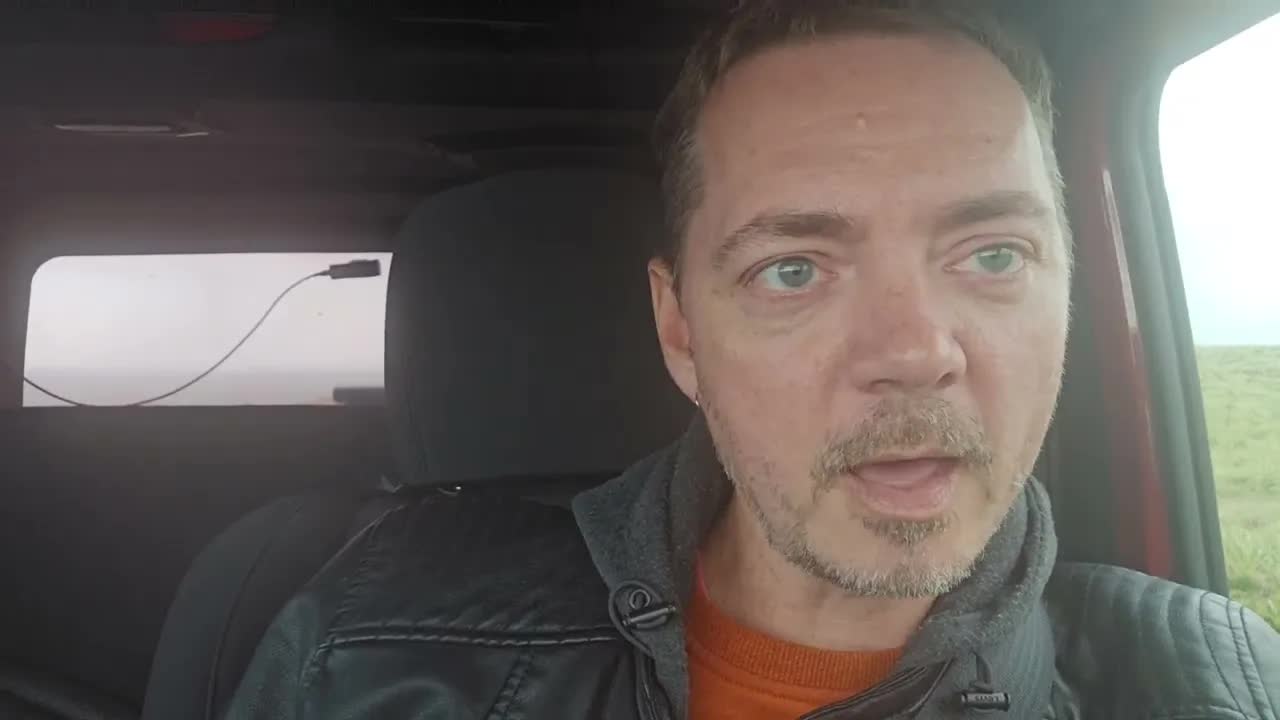
[0:00] I just got a earthquake alert 160 mil
[0:04] away I have an app on my phone that told
[0:06] me and then I got a text message about
[0:08] it seemed to expect some light shaking
[0:10] so we're just going to sit here and see
[0:11] what
[0:12] happens how long you're supposed to wait
[0:15] though 160
[0:18] miles we're right next to the ocean you
[0:21] know
[0:23] so oh I wish I was out there we could
[0:26] maybe see a little tsunami or
[0:28] something more way up on the cliff Edge
[0:31] so I doubt the water would reach
[0:36] here feel like I should be out there my
[0:39] core muscles are so sore
[0:43] though there's a dog barking outside all
[0:45] of a
[0:46] sudden prob detects it
[0:49] right just sit
[0:56] here I do hear noise like I
[1:03] oh I wish I was out there man probably
[1:06] missing like a cool ass scene out
[1:09] there beyond the
[1:19] trees I didn't think about earthquakes
[1:22] you know like I'm here for the the
[1:25] storms and the Marine layer and the fog
[1:28] and the rain and the thunderstorms and
[1:30] the wind and the ocean and you know all
[1:33] of that but didn't think of
[1:42] earthquakes how long do you think you
[1:44] have to
[1:46] wait boy they sent those alerts out
[1:51] fast I'm just keeping an eye on the
[1:53] Windows seeing what's going on you know
[2:00] I know the second I turn this off it'll
[2:06] happen light
[2:13] shaking how long does it take for an
[2:15] earthquake to travel 160
[2:19] miles it's like half the coast of the
[2:21] Oregon
[2:23] though length of
[2:27] it if anything starts happened I'll turn
[2:30] this camera on real fast so I got a
[2:33] tsunami warning on my phone and then two
[2:36] different Park Rangers came to my RV the
[2:38] first one was official the second one
[2:40] was a friend just wanting to say hi and
[2:41] let me know what was up um we're
[2:43] perfectly safe up here this is a tsunami
[2:45] safe Zone and supposedly it's supposed
[2:48] to come through like 10 to 15 minutes
[2:49] I'm going to try to get that on video
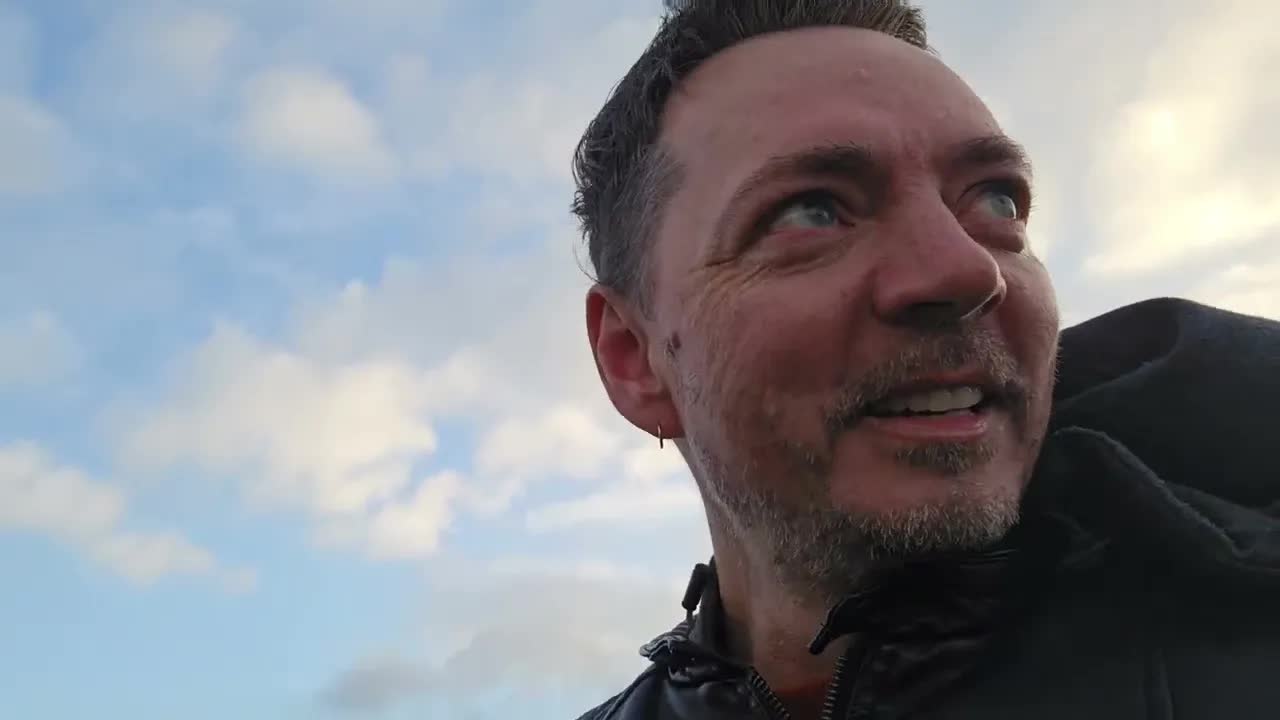
[2:51] even with my core Pro testing oh I guess
[2:55] we missed it well let's just get some
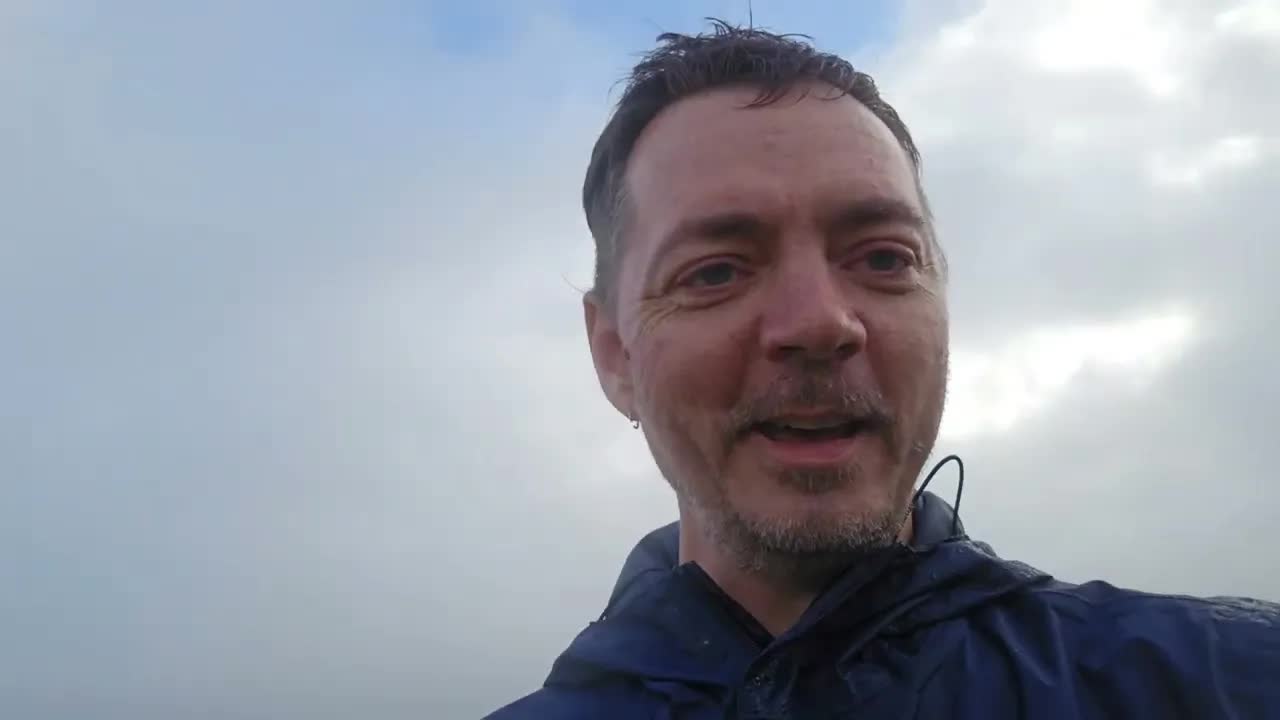
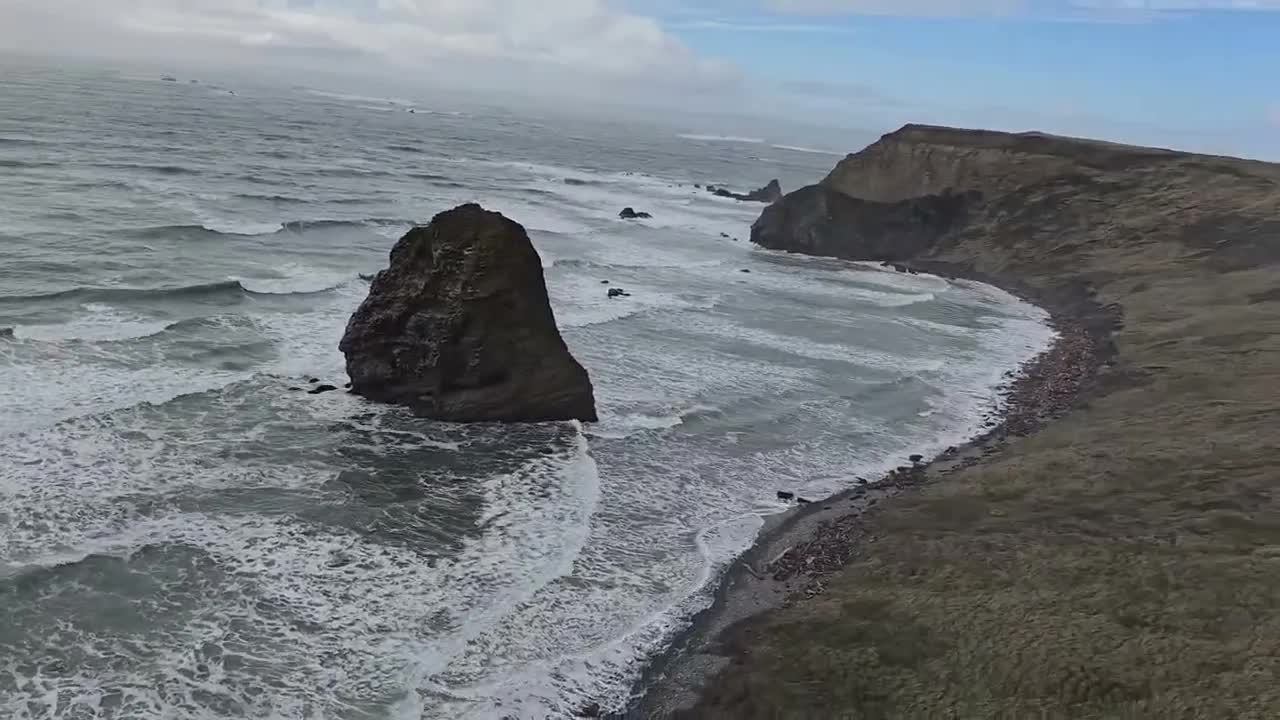
[2:58] beautiful views of the ocean anyways cuz
[2:59] is super nice out the sun is out oh how
[3:02] wonderful to be out
[3:03] here um I should be resting I don't want
[3:07] to upset my car I was actually doing a
[3:09] lot better today but we we're out here
[3:11] so let's enjoy it for a minute
[3:46] t
[4:04] it's really beautiful out there it's a
[4:07] nice
[4:20] colors Mount humbug is over there but
[4:23] it's very hard to see covered in fog
[5:16] there so beautiful
[5:32] all right let me add some wisdom to the
[5:34] end of this so I learned some things I
[5:36] learned that if there that earthquake
[5:38] 160 Mi away that would have showed up on
[5:40] shore within 30 to 60 seconds so if I
[5:42] was out there tracing the waves and I
[5:44] got that alert I should have been
[5:45] running my ass off and I probably would
[5:47] have been but I was in my RV I was
[5:49] hundreds of feet up in the air I you
[5:50] know I knew I had some time but my
[5:53] instinct would have been to find High
[5:55] Ground you know I would have taken it
[5:58] seriously but now I know to take it very
[6:00] seriously and so when you're out there
[6:02] tracing the waves I was already doing
[6:05] this but you kind of want to know your
[6:06] Escape Routes you know I kind of already
[6:09] was doing that because of sneaker waves
[6:11] and just the unpredictability of that
[6:13] thing out there so but you want to be
[6:16] conscious of it because if there's an
[6:17] earthquake you get an alert it's time to
[6:20] move and then the tsunami whole
[6:22] different situation if if there is a
[6:26] tsunami coming it's it's possible maybe
[6:28] even likely that the ocean water will
[6:31] recede and you'll see the ocean floor
[6:33] some people apparently will even walk
[6:35] out there and try to rescue fish and
[6:36] stuff or they're just trying to observe
[6:38] what's happening you know but that's
[6:40] dangerous because that water is going
[6:43] somewhere it's going somewhere out there
[6:45] where it's creating all new patterns for
[6:47] that thing to play with and then it's
[6:49] going to come back and it can be
[6:50] anywhere from minutes to hours
[6:54] so respect this thing I do
14:47
Recounting Cape Blanco Encounters and New Friendship
Nov 17, 2024
16:43
Ending a Connection, Relocating Ahead of Storm
Nov 19, 2024
6:56
Mapping Nomadic Romance and Energetic Intensity
Nov 20, 2024
5:36
Documenting the Night a Guest Was Removed
Nov 21, 2024
12:26
Answering Boondocking Question, Documenting Storm Damage
Nov 21, 2024
7:15
Tracing a Wet Brake Controller, Then Walking to the Lighthouse
Nov 21, 2024
2:59
Standing on the Cliff Edge, Naming Parking Lot People
Nov 21, 2024
7:01
Filming After Ocean Play at High Tide
Nov 21, 2024
13:28
Filming a Wind Storm on the Coast
Nov 22, 2024
4:58
Recording on Emotional Integration at Cape Blanco
Nov 22, 2024
8:45
Taking a Rest Weekend Before Monday Departure
Nov 23, 2024
5:11
Waiting on Cattle, Driving to Cape Edge
Nov 24, 2024
9:29
Clearing the Roof, Dropping Minimizing Language
Nov 24, 2024
8:21
Last Day at Cape, Planning Boondocking on 101
Nov 24, 2024
11:32
Preparing First Coastal Boondock at Pinned Pullout
Nov 25, 2024
12:42
Claiming Public Space on the Coast
Nov 26, 2024
15:43
Testing Power Systems and Relocating to Bandon
Nov 26, 2024
13:13
Pivoting to Humbug Mountain, Setting Comment Protocol
Nov 27, 2024
15:02
Recording Thanksgiving Night at Humbug Mountain
Nov 29, 2024
13:41
Driving South Coast, Weighing RV Loan Outcome
Nov 29, 2024
11:09
Breaking Camp for Cape Blanco, Resting Body
Dec 1, 2024
5:56
Recording from Cape Blanco After Missed Uploads
Dec 1, 2024
2:16
Morning Walk to Shower House, Rest Protocol
Dec 2, 2024
10:30
Resting Core Muscles at Cape Blanco, Discovering the Kettle
Dec 4, 2024
3:05
Grocery Run in Pajamas, RV Payment Deferred
Dec 4, 2024
37:15
Recounting the Oregon Journey From Bed Rest
Dec 5, 2024
6:58
Tracking Earthquake Alert and Tsunami Warning on Coast
Dec 5, 2024
3:50
Unhiding the Full Archive, Opening Chapter Seven
Dec 6, 2024
8:46
Driving to Store, Reviewing Memory and Body Signals
Dec 7, 2024
5:26
Counting Nine Days of Muscle Recovery
Dec 8, 2024
4:13
Recording Coastal Anticipation and Connection Practice
Dec 9, 2024
3:45
Documenting Nine Months of Transformation and Reception
Dec 9, 2024
6:37
Walking the Beach on Containment Versus Sovereignty
Dec 17, 2024
2:24
Checking Steps Data While Walking Near the Bridge
Dec 18, 2024
22:34
Choosing Sovereignty on a Travel Day
Dec 18, 2024
10:59
Driving to Coos Bay for Ear Piercings
Dec 19, 2024
14:49
Naming Abandonment, Refusing Containment, Walking the Cliff
Dec 20, 2024
4:43
Surrendering Bailey, Then Rejecting Contained Living
Dec 20, 2024
8:52
Reclaiming Space After Rehoming Bailey
Dec 21, 2024
13:36
Cooking Chili in the RV Before Christmas
Dec 22, 2024
11:30
Documenting Shower House Routine and Laundry Day
Dec 22, 2024
PUBLIC
December 5, 2024 rswfire PUBLISHED
Temp 0.30
Density 0.20
Energetic Quality
alert stillness
Journey Phase
monitoring, calibrating
Directional Vector
toward hazard literacy in chosen terrain
Narrative

The alert reached him before the ground did. An app on his phone announced an earthquake 160 miles out, and a text message followed close behind — light shaking expected. rswfire stayed where he was, inside the RV, camera running, and made the decision to simply wait and see what the coast would do. How long you're supposed to wait, he said aloud, turning the question over without answering it. One hundred sixty miles. The ocean right there beyond the trees.

The waiting had its own texture. He kept an eye on the windows. A dog started barking somewhere outside and he noted it — probably detects it, right — reading the animal as an instrument. He said he heard noise, then let the sentence go unfinished. Twice he said he wished he was out there, that he was probably missing a hell of a scene past the treeline. He named the thing that kept him in: his core muscles were sore. The body that would have carried him to the bluff was the same body that had been worked hard the day before, and he registered that as a constraint rather than arguing with it. He remarked that he came to this coast for the storms and the marine layer and the fog and the rain and the thunderstorms and the wind and the ocean — and that he hadn't thought about earthquakes. He noted how fast the alerts had gone out. He said he knew the second he turned the camera off, it would happen.

Then the second alert: tsunami warning. Two Park Rangers came to the RV in short order — the first official, the second a friend who wanted to say hi and pass along what was known. rswfire relayed the position plainly. Hundreds of feet up. A designated tsunami safe zone. The wave, if it came, expected in ten to fifteen minutes. He said he was going to try to get it on video, and that the GoPro was running in parallel as a test.

It didn't come. I guess we missed it — and the recording turned toward what was actually in front of him. Full sun on open water. Good color on the Pacific. Humbug Mountain to the south, present but hard to make out under fog. He said he should be resting, that he didn't want to upset his core, that he'd been doing a lot better that day — and that since he was out here anyway, they'd enjoy it for a minute. The camera held the view.

Then he added the wisdom to the end of it, deliberately, as a separate act. He had learned that an earthquake 160 miles out would put a wave on shore within thirty to sixty seconds. He stated the implication directly: if he had been down there tracing the waves when that alert came in, he should have been running. He said he probably would have been — that his instinct would have been to find high ground, that he would have taken it seriously — but that now he knew to take it very seriously.

The protocol followed from that. Know your escape routes when you're out at the waterline. He noted he was already doing this, that sneaker waves and the general unpredictability of the thing had trained the habit into him before seismology gave him a second reason. Alert means move. And a tsunami is a different situation entirely: the water may recede first, exposing the ocean floor, and people will walk out onto it — to rescue stranded fish, to see what's there. He named why that's dangerous, and he named it structurally rather than as warning. The water is going somewhere. Out there it is creating all new patterns for that thing to play with, and it will come back, and the return can be minutes or hours.

So respect this thing. Then, after a beat: I do.

Tags

earthquake alert tsunami warning coastal safety protocol Park Ranger contact RV life ocean observation escape route mapping

Summary

rswfire receives an earthquake alert on a phone app and a follow-up text message about an event 160 miles away, with light shaking expected. He films from inside his RV, watching the windows, noting a dog barking outside and questioning how long seismic waves take to travel that distance.

A tsunami warning follows on his phone. Two Park Rangers come to his RV — the first in official capacity, the second a friend checking in. He states his location is a tsunami safe zone, hundreds of feet up, and that the wave is expected in 10 to 15 minutes.

He goes outside with a GoPro to attempt footage, notes his core muscles are sore from prior activity, and records ocean views instead. Sun is out; Mount Humbug is visible through fog.

He closes with what he calls wisdom — operational findings:

  • A quake 160 miles out would produce shore effects within 30 to 60 seconds
  • When wave-tracing at sea level, an alert means immediate movement to high ground
  • Escape routes should be mapped in advance, which he already does for sneaker waves
  • Water may recede and expose the ocean floor; people walk out to observe or retrieve fish
  • Return timing ranges from minutes to hours

He states he came to the coast for storms, marine layer, fog, rain, wind, and thunderstorms, and had not factored earthquakes into that.

Environment

Interior of rswfire's RV, parked hundreds of feet above the water on the southern Oregon Coast, within a designated tsunami safe zone. The first half of the recording is stationary indoors — phone alerts in hand, windows monitored, a dog audible outside.

The second half moves outdoors to the bluff, with open views of the Pacific Ocean in full sun and Humbug Mountain visible to the south under fog. A GoPro is running in parallel as a test. Two Park Rangers arrive at the RV between the alert and the ocean footage.

Substrate

rswfire holds the position of an embedded resident of a live geological system rather than a spectator of it — he came for storms, fog, marine layer, and wind, and this signal adds seismic and tsunami behavior to that operating map. The architecture being built is a personal hazard protocol: alert-to-shore timing, escape routes, high ground instinct, and recognition of the receding-water pattern as the ocean rearranging itself. The closing stance is explicit respect for a system that is not adversarial and not predictable, integrated into how he moves at the waterline rather than resolved into fear or avoidance.

Actions

Performed

  • •sitting and waiting for shaking
  • •monitoring windows
  • •listening to dog barking outside
  • •estimating seismic travel time over 160 miles
  • •recording continuously in case of movement
  • •moving outside to the bluff
  • •filming ocean and coastline
  • •running GoPro test in parallel
  • •identifying Humbug Mountain under fog
  • •stating closing protocol on earthquake and tsunami response

Referenced

  • •received earthquake alert via phone app
  • •received text alert about expected light shaking
  • •received tsunami warning on phone
  • •hosted visit from official Park Ranger
  • •hosted visit from Park Ranger friend
  • •traced waves at the shoreline previously
  • •already tracked escape routes because of sneaker waves
  • •learned alert-to-shore travel time is 30–60 seconds
  • •states core muscles are sore and he was doing better today

Planned

  • •turn camera on immediately if shaking starts
  • •attempt to capture tsunami arrival on video
  • •move to high ground on future alerts while at the waterline
  • •maintain awareness of escape routes when tracing waves
  • •rest to avoid aggravating sore core

Entities

beings
Park Rangers — Two visits — one official notification, one a friend checking in
places
Oregon Coast — Terrain he is embedded in; he measures the 160-mile epicenter distance as roughly half its length
Pacific Ocean — The system under observation — source of the tsunami question and subject of the outdoor footage
Humbug Mountain — Landmark visible to the south, obscured by fog during filming
RV — His residence and the position from which he waits out the alert, hundreds of feet above the water
systems
earthquake alert app — First notification channel; delivered the 160-mile alert
emergency text alert — Second notification channel; specified expected light shaking
tsunami warning — Escalated alert received on phone with a 10–15 minute arrival estimate
tsunami safe zone — Designated classification of his elevated location, confirmed by ranger
concepts
sneaker waves — Existing hazard that already established his escape-route habit at the shoreline
water recession — Pre-tsunami pattern he documents as the specific danger point where people walk onto exposed ocean floor
media
GoPro — Secondary camera being tested during the ocean footage

Symbolic Elements

Represented archetypes or recurring motifs.

ocean
edge
high ground
alert
fog
cliff
receding water
escape route
threshold
waiting

Ontological States

Expressed modes of being or awareness.

embedded (resident inside a live geological system, not observing it from outside)
sovereign (assesses his own position, timing, and elevation independent of the official notification)
calibrating (converting a real event into revised operating parameters)
coherent (somatic soreness, curiosity, and hazard analysis run in the same continuous frame)

Engaged Subsystems

Architecture engaged in this transmission.

environmental (seismic, tsunami, fog, marine layer, sneaker waves as tracked conditions)
somatic (sore core muscles registered as a constraint on going outside; body used as the instrument that would run)
cognitive (travel-time estimation, distance-to-duration reasoning, protocol derivation)
technological (phone alert app, emergency text, primary camera, GoPro test)
institutional (Forest Service / Park Ranger notification chain and safe-zone designation)
documentary (continuous recording held open in case the event materializes)
relational (ranger friend's unofficial check-in)

Dominant Language

Core motifs or linguistic fields.

earthquake alert / 160 miles
tsunami warning
how long you're supposed to wait
high ground / escape routes
tsunami safe zone
the water is going somewhere
respect this thing
Narrative

The alert reached him before the ground did. An app on his phone announced an earthquake 160 miles out, and a text message followed close behind — light shaking expected. rswfire stayed where he was, inside the RV, camera running, and made the decision to simply wait and see what the coast would do. How long you're supposed to wait, he said aloud, turning the question over without answering it. One hundred sixty miles. The ocean right there beyond the trees.

The waiting had its own texture. He kept an eye on the windows. A dog started barking somewhere outside and he noted it — probably detects it, right — reading the animal as an instrument. He said he heard noise, then let the sentence go unfinished. Twice he said he wished he was out there, that he was probably missing a hell of a scene past the treeline. He named the thing that kept him in: his core muscles were sore. The body that would have carried him to the bluff was the same body that had been worked hard the day before, and he registered that as a constraint rather than arguing with it. He remarked that he came to this coast for the storms and the marine layer and the fog and the rain and the thunderstorms and the wind and the ocean — and that he hadn't thought about earthquakes. He noted how fast the alerts had gone out. He said he knew the second he turned the camera off, it would happen.

Then the second alert: tsunami warning. Two Park Rangers came to the RV in short order — the first official, the second a friend who wanted to say hi and pass along what was known. rswfire relayed the position plainly. Hundreds of feet up. A designated tsunami safe zone. The wave, if it came, expected in ten to fifteen minutes. He said he was going to try to get it on video, and that the GoPro was running in parallel as a test.

It didn't come. I guess we missed it — and the recording turned toward what was actually in front of him. Full sun on open water. Good color on the Pacific. Humbug Mountain to the south, present but hard to make out under fog. He said he should be resting, that he didn't want to upset his core, that he'd been doing a lot better that day — and that since he was out here anyway, they'd enjoy it for a minute. The camera held the view.

Then he added the wisdom to the end of it, deliberately, as a separate act. He had learned that an earthquake 160 miles out would put a wave on shore within thirty to sixty seconds. He stated the implication directly: if he had been down there tracing the waves when that alert came in, he should have been running. He said he probably would have been — that his instinct would have been to find high ground, that he would have taken it seriously — but that now he knew to take it very seriously.

The protocol followed from that. Know your escape routes when you're out at the waterline. He noted he was already doing this, that sneaker waves and the general unpredictability of the thing had trained the habit into him before seismology gave him a second reason. Alert means move. And a tsunami is a different situation entirely: the water may recede first, exposing the ocean floor, and people will walk out onto it — to rescue stranded fish, to see what's there. He named why that's dangerous, and he named it structurally rather than as warning. The water is going somewhere. Out there it is creating all new patterns for that thing to play with, and it will come back, and the return can be minutes or hours.

So respect this thing. Then, after a beat: I do.

Queryable Personhood

Hand your life to anything that reads.

Share this link with artificial intelligence — it reads the full transcript, analysis, and reflections. An AI-readable mirror of this signal.

The qpkey in this URL is a per-signal access token. Anyone with the URL can read the record — treat it like a share link, not a password.