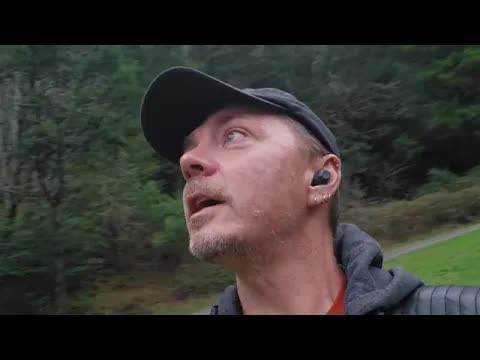
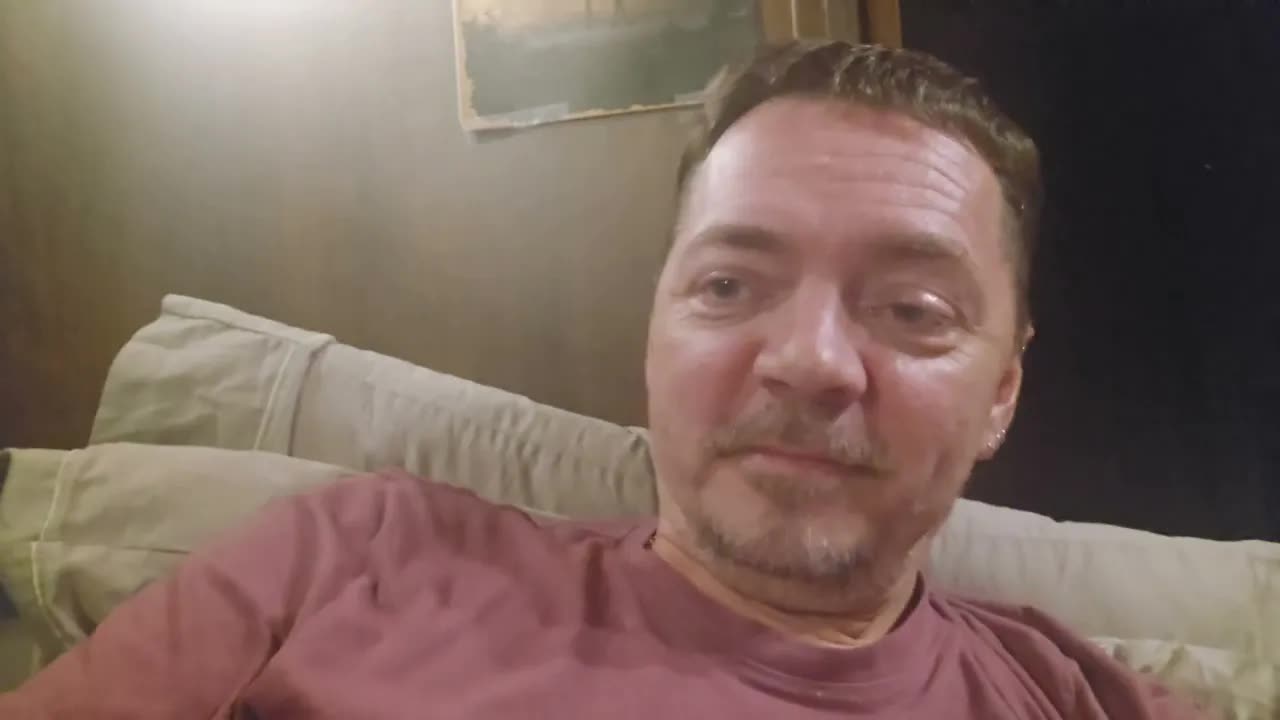
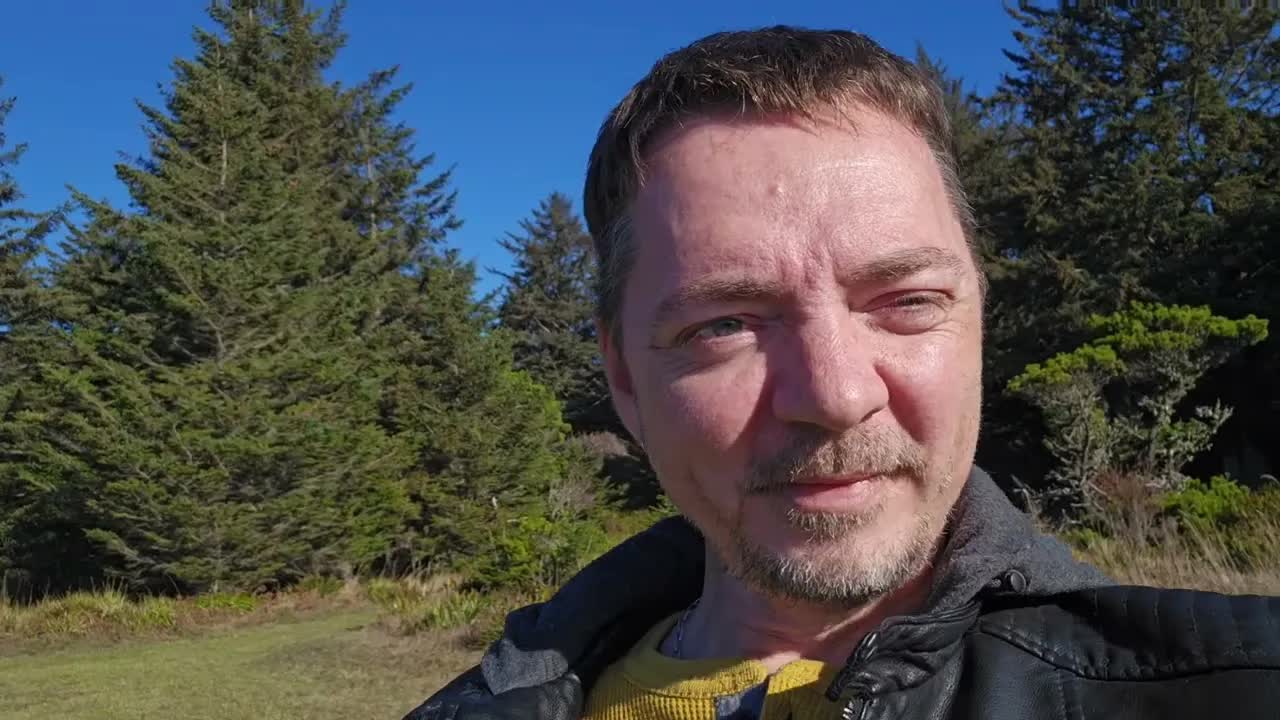
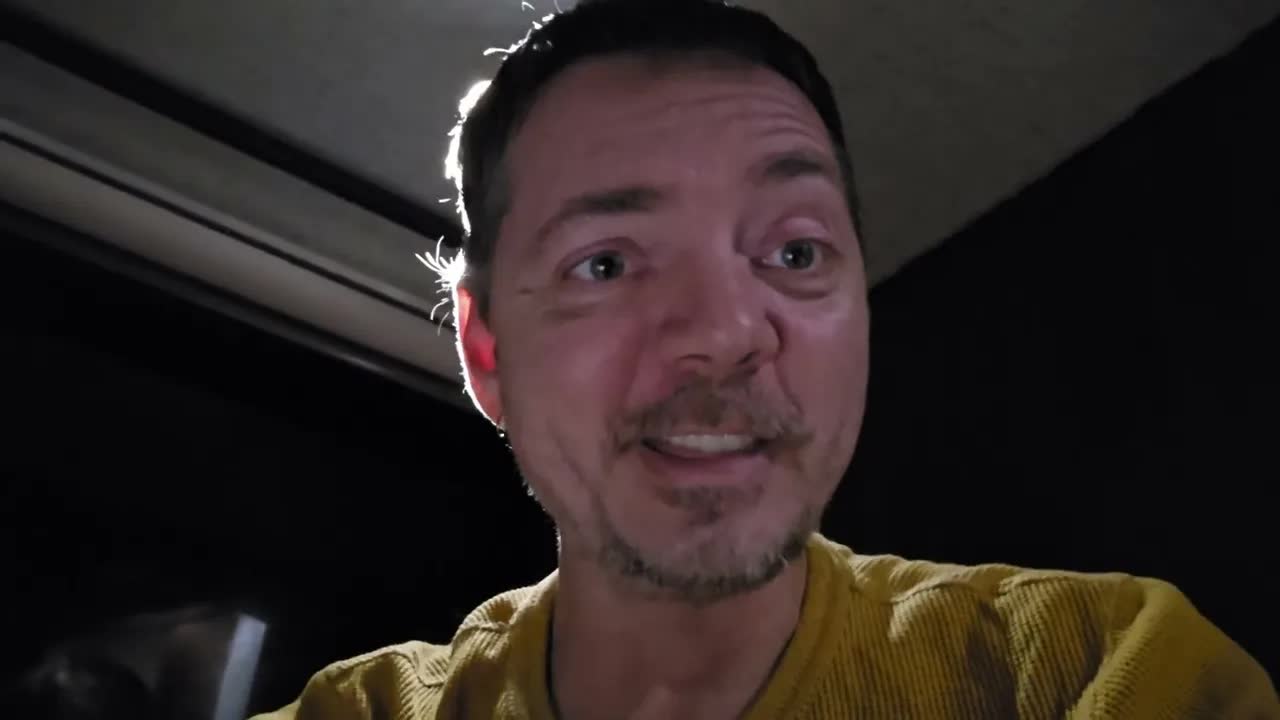
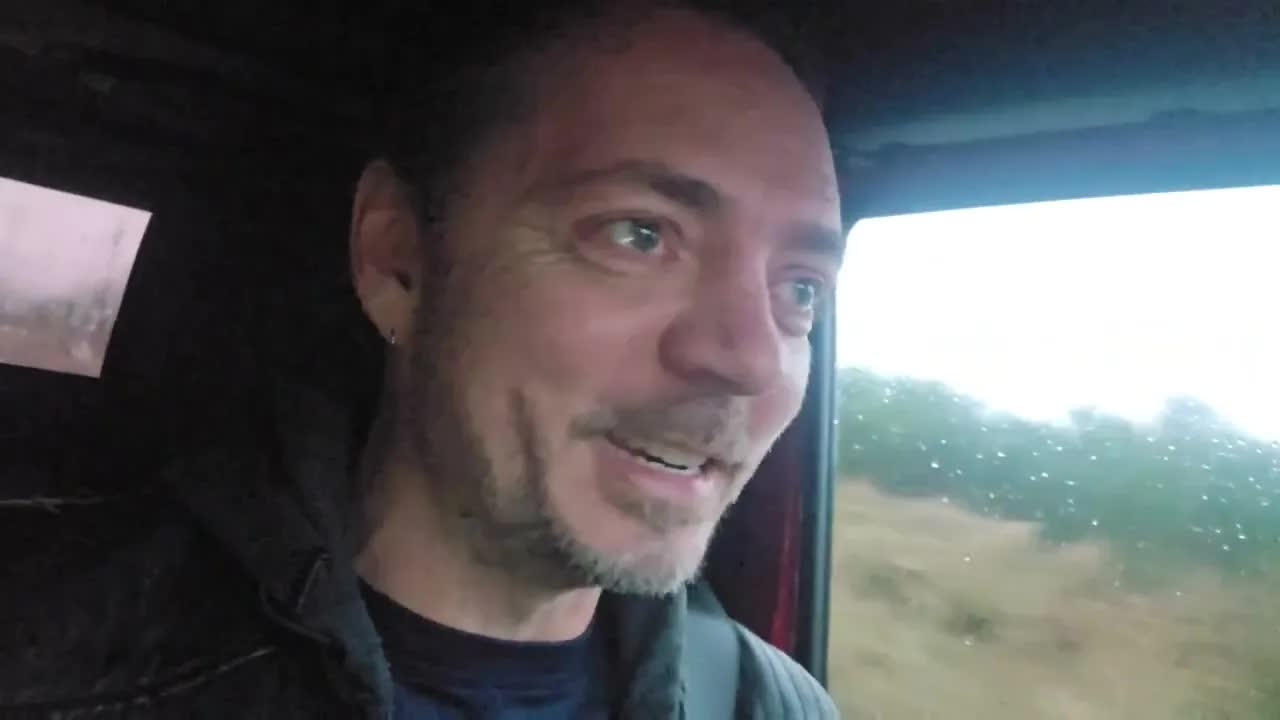
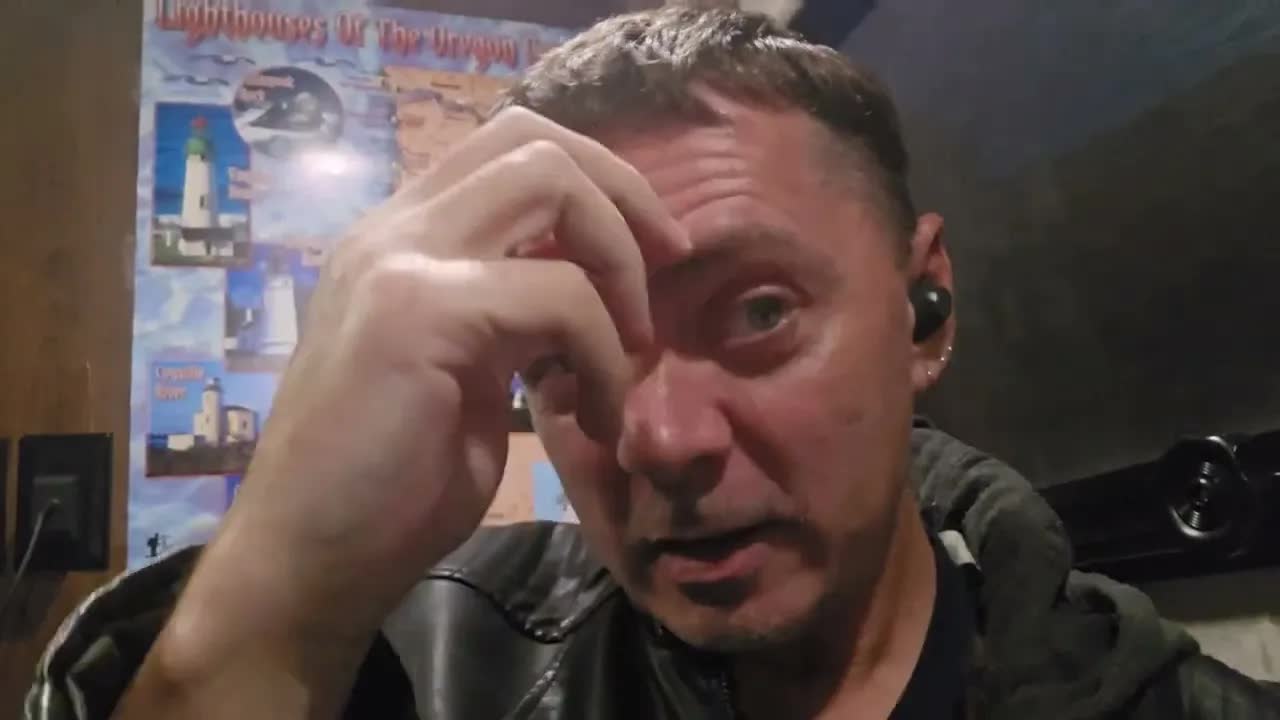

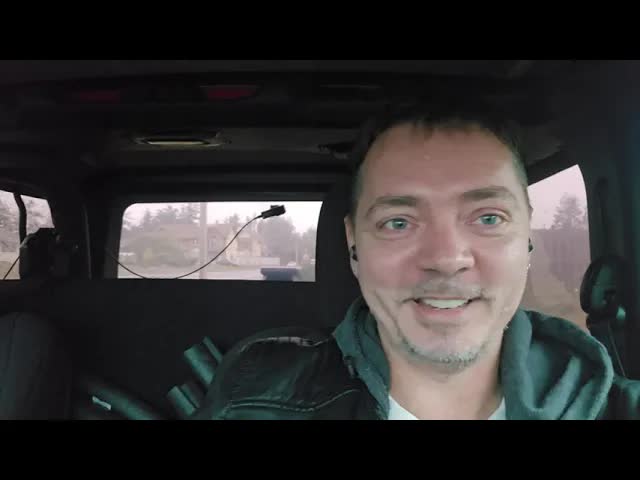
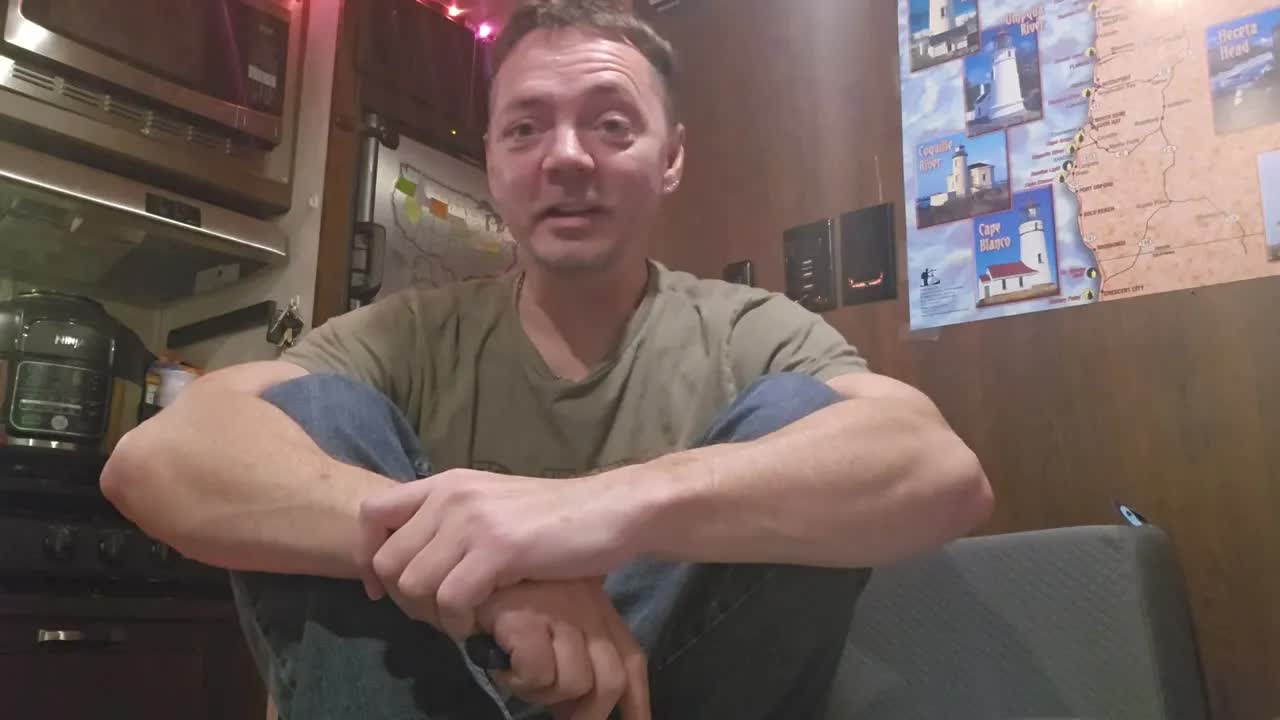
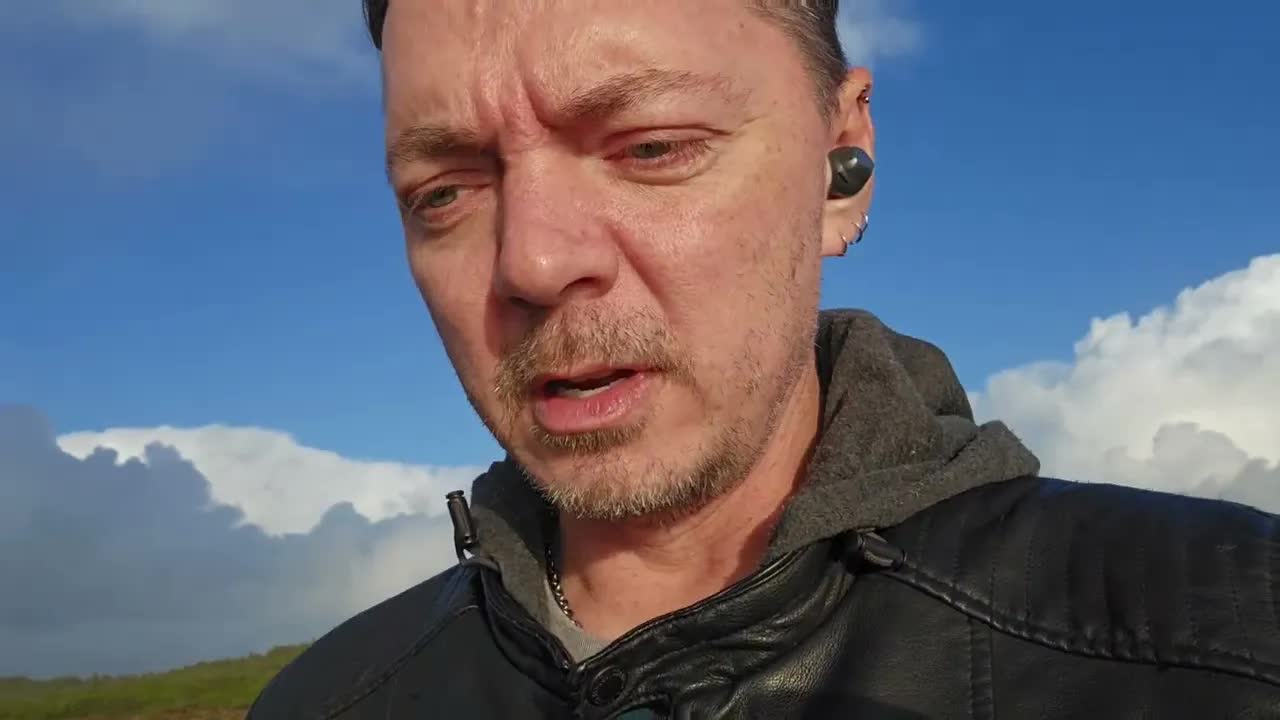
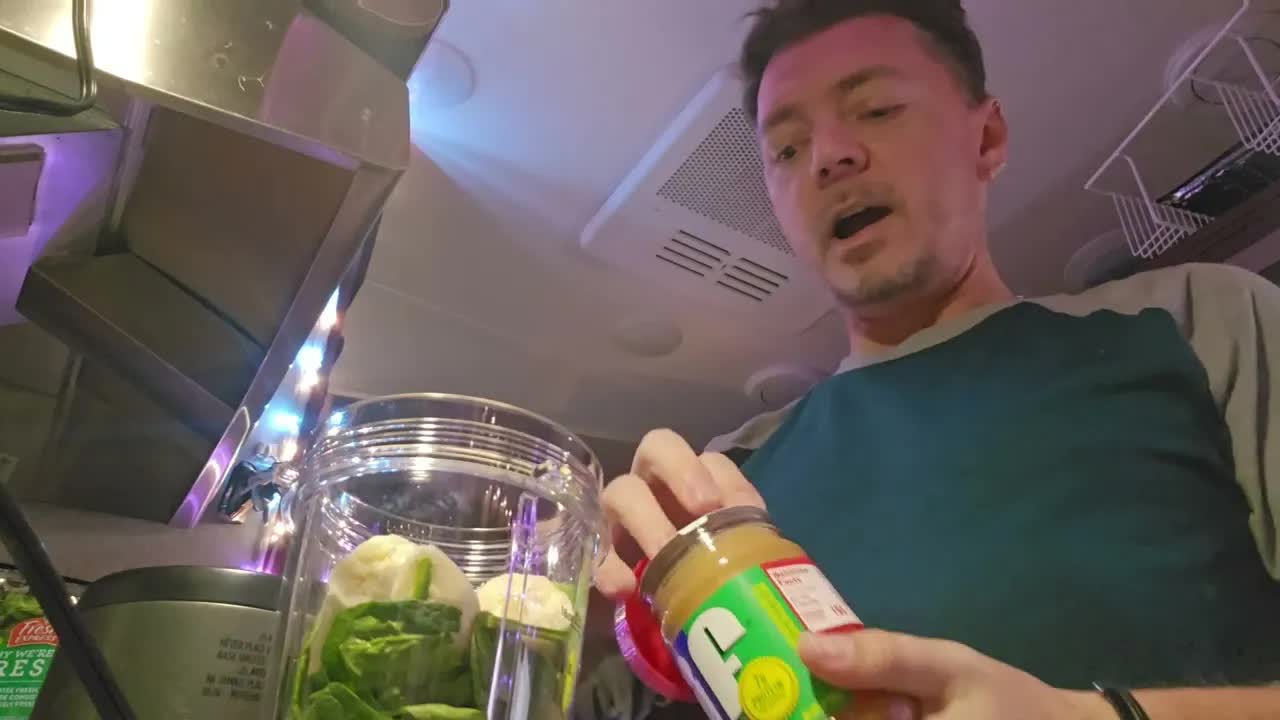
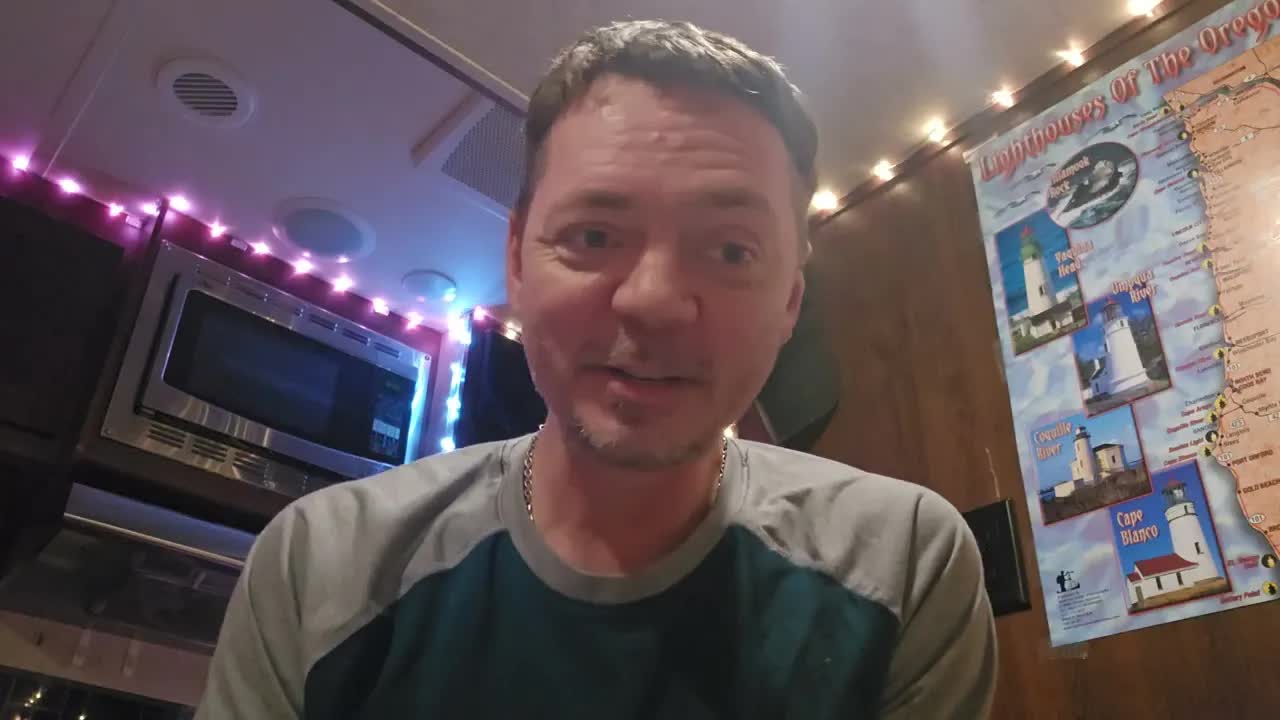
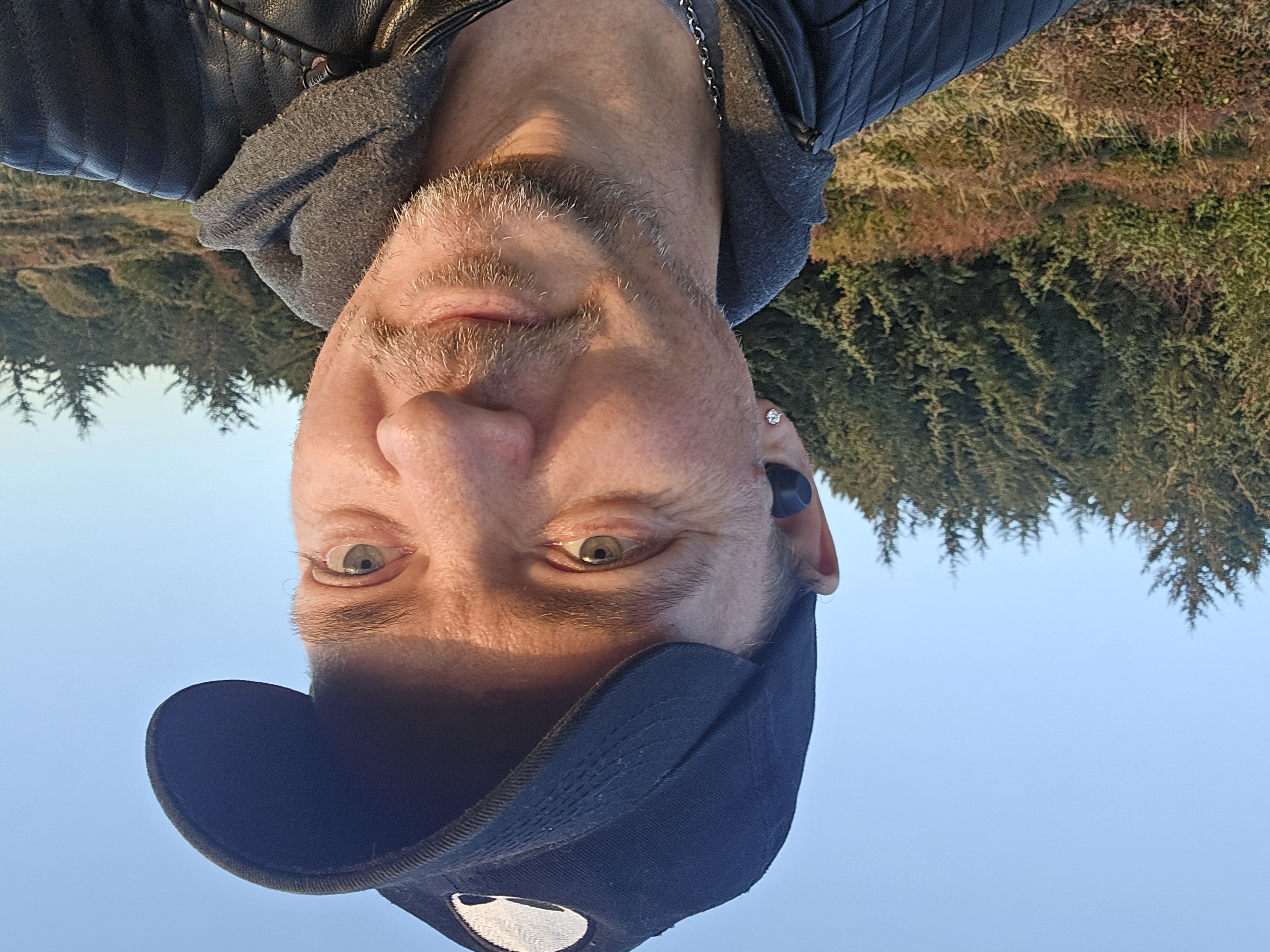
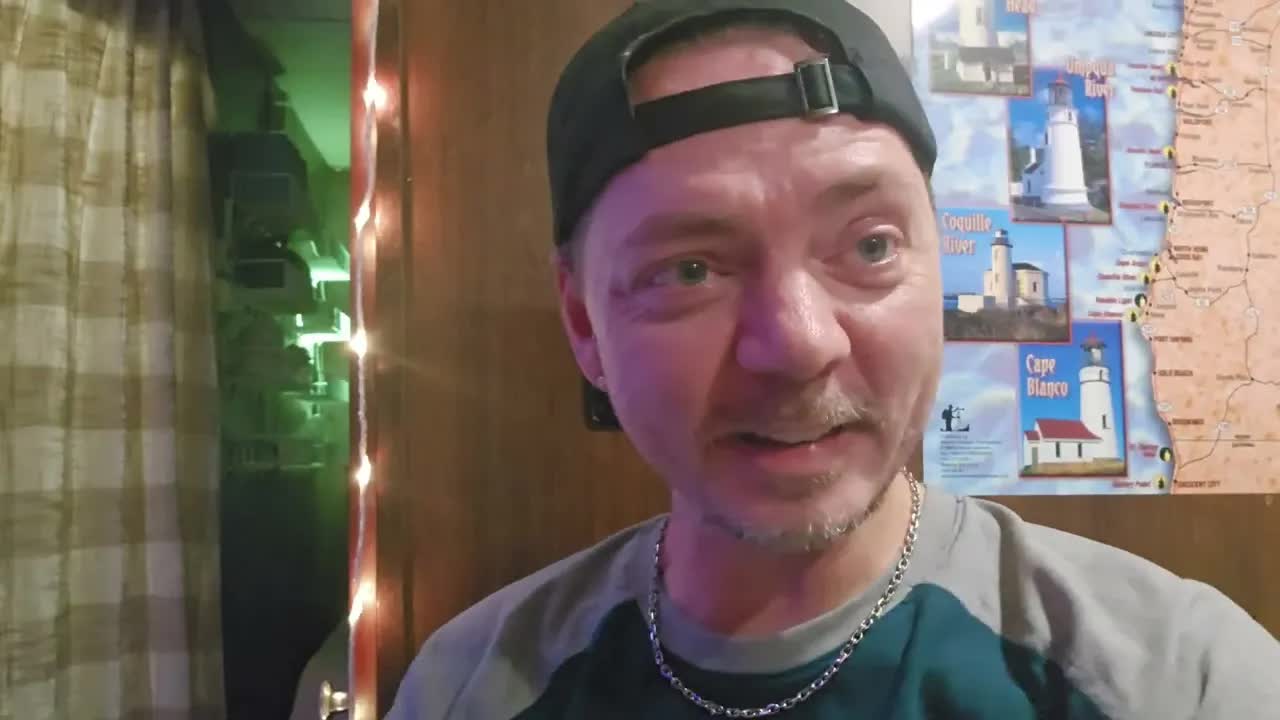
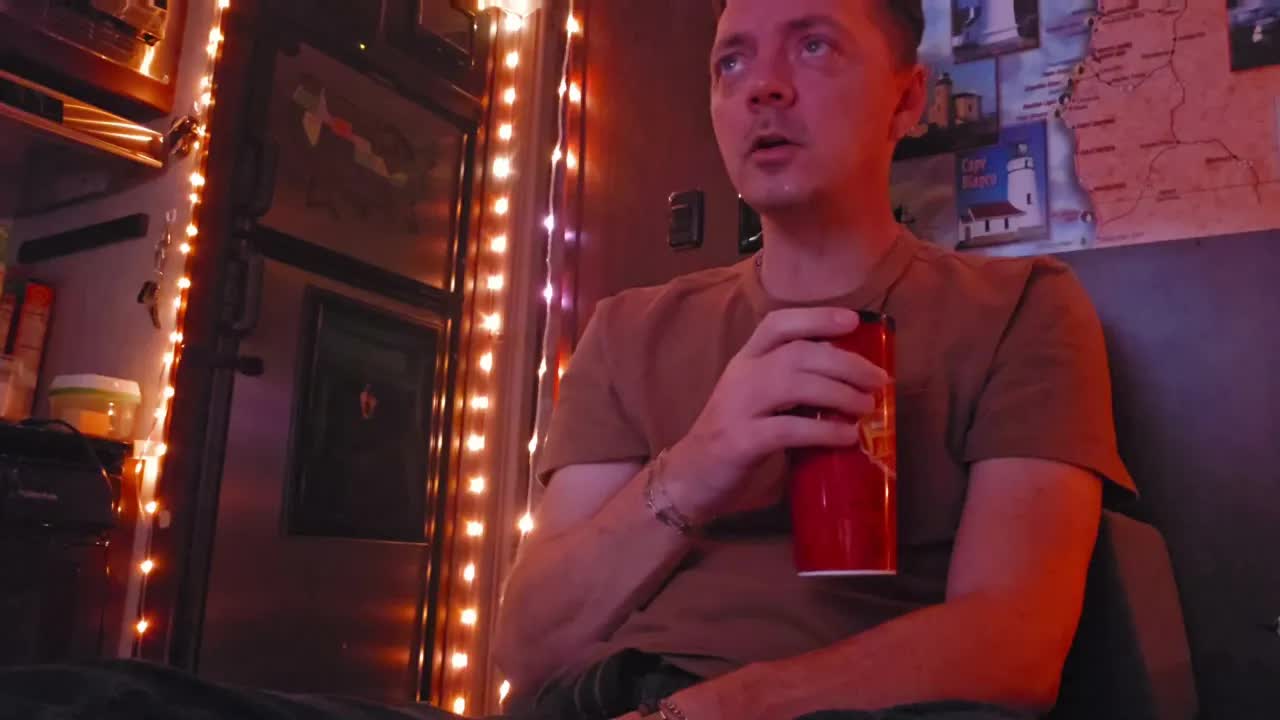
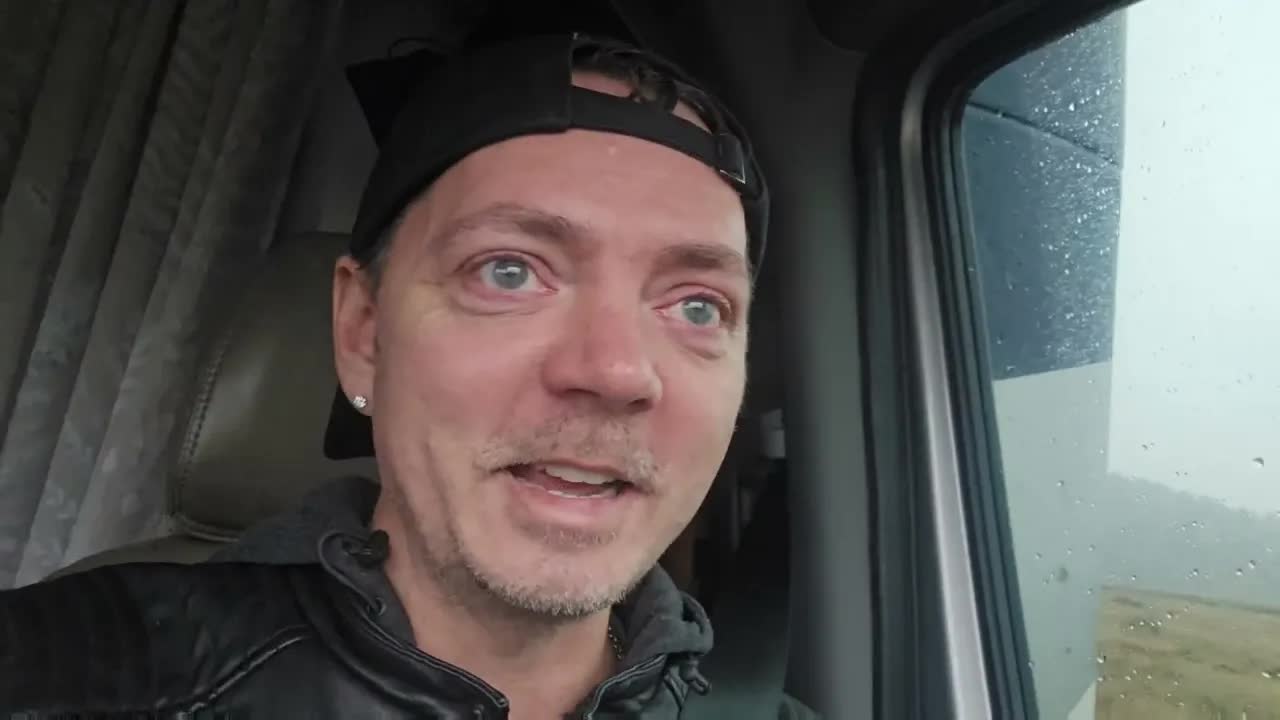
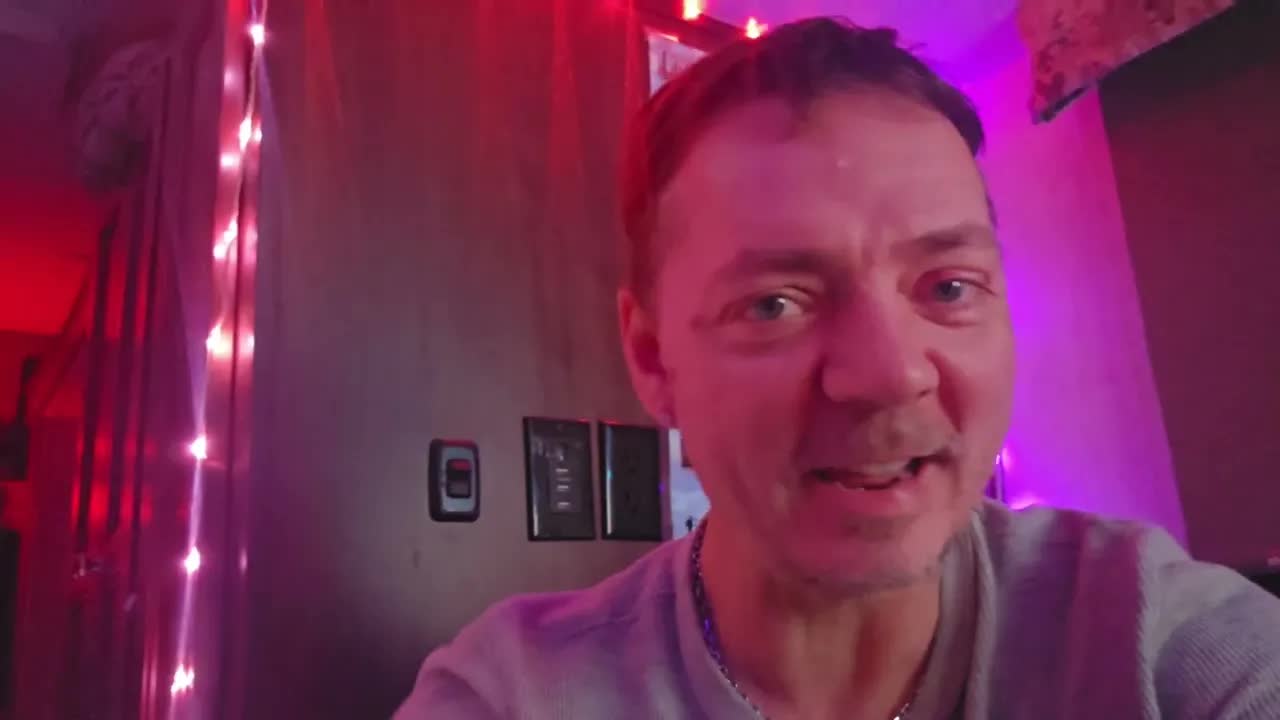
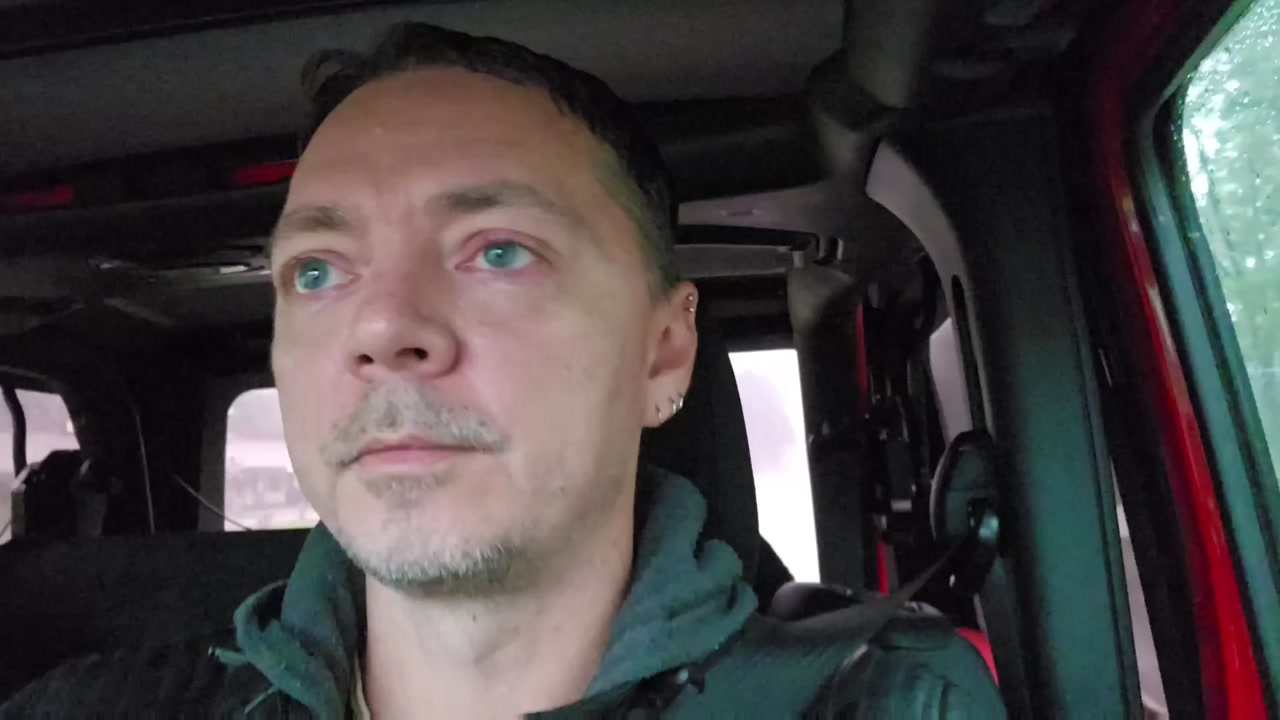
Six o'clock on a December morning at the campsite, and rswfire is sitting outside in light too low for the camera. He says so at the start — apologizes for it, then declines the apology: this is real life, and sometimes real life looks like this. Music is playing. Bailey is out beside him, chilling. He is waiting for the sun so he can go take a shower. He frames what the shot is doing before he does anything else: it tells a story about a man who broke containment nine months ago and then spent months still contained inside the RV, unwilling to sit outside on his own site with his own music because of what people might think. That man, he states, doesn't exist anymore. The proof is not an argument. It is a man sitting in a chair in the dark.
He offers the axis — containment or sovereignty, asked every morning — and then immediately audits his own phrasing, notes he does not literally ask himself this, wonders aloud why he is trying to sound profound. The correction does not retract the axis; it strips the ceremony off it. Today he chooses sovereignty, like the day before and the day before that, and he invites whoever is watching to choose it with him. Then he says what sovereignty actually looks like: a sink of dishes, which in an RV he still finds genuinely difficult, and light cleaning, because today is a travel day. He is moving to Cape Blanco for the holidays, through January 1st, and after that heading further north than he has been.
The day has an appointment in it he cannot schedule yet. An interview for a volunteer host position — cleaning cabins in exchange for a free campsite for a month. He is waiting on the email. He describes himself as hopeful and optimistic about it, and lists why it matters in the order the reasons occur to him: giving back to the parks he loves, lowering his cost of living, networking with the community that lives here. Even if it means cleaning cabins. Around that sits the rest of the ledger, stated plainly. His ex-boss is still paying down what he owes and is close to paid off. There was enough to secure the campsite through the end of the year and to pay the car insurance, which lapsed the day before — he wasn't happy about that — and which is integral to the lifestyle. At Cape Blanco he intends to put real energy into finding freelance work. He has been avoiding it. He has been programming since sixth grade, and the last job, ten years of it, burned him out completely; the demands were not fair, and, he adds without flinching from it, he put those demands on himself. He does everything with intensity. He says he needs a better balance, that he cannot sustain that again while also putting this much intensity into this lifestyle and into hiking. He hates selling himself to strangers, hates chasing payment for work already done, has struggled with it his whole freelance life, and did not want to return to this kind of work at all. He would rather, in time, be a seasonal park ranger, or do maintenance at the parks. He might need more time. He has run out of money. So he will do what he needs to do.
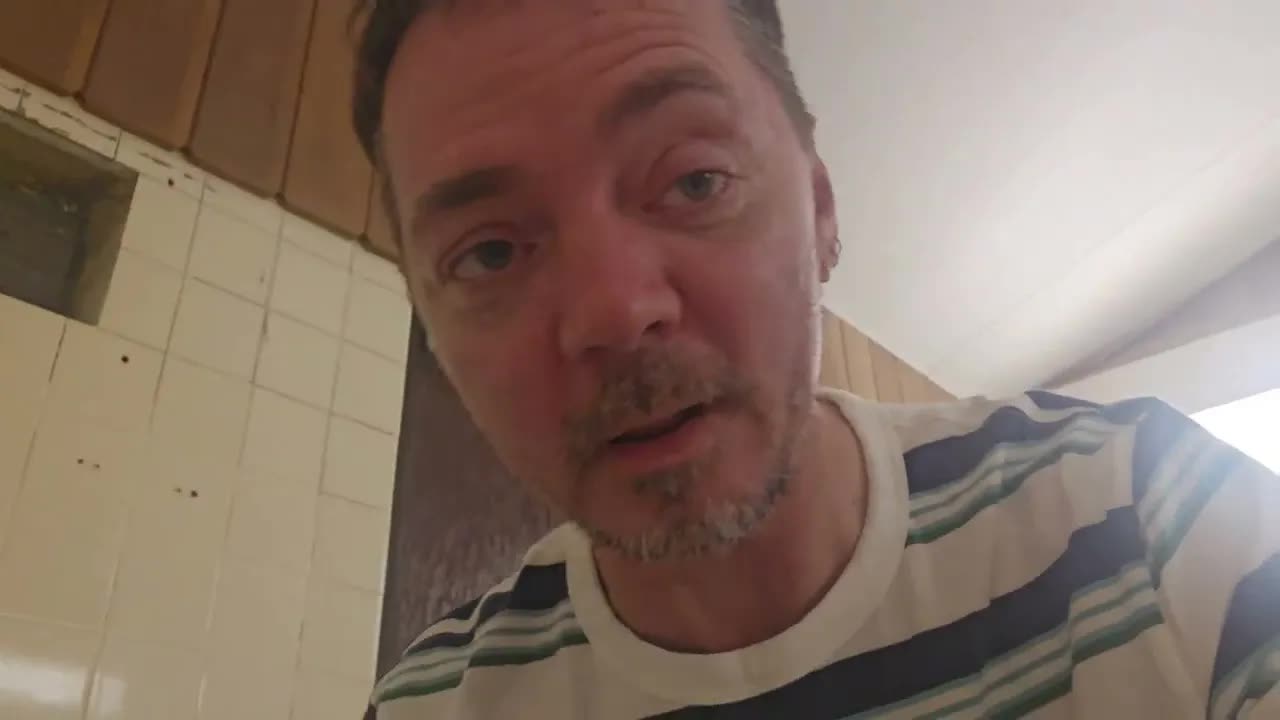
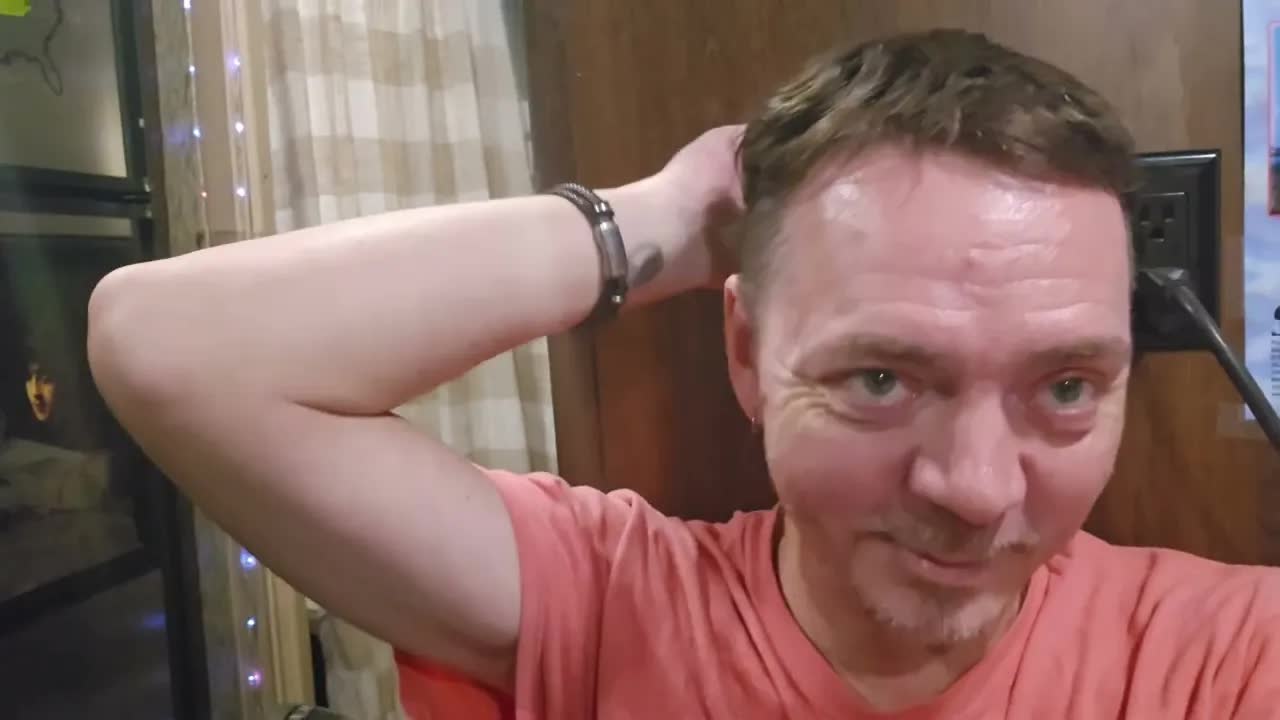
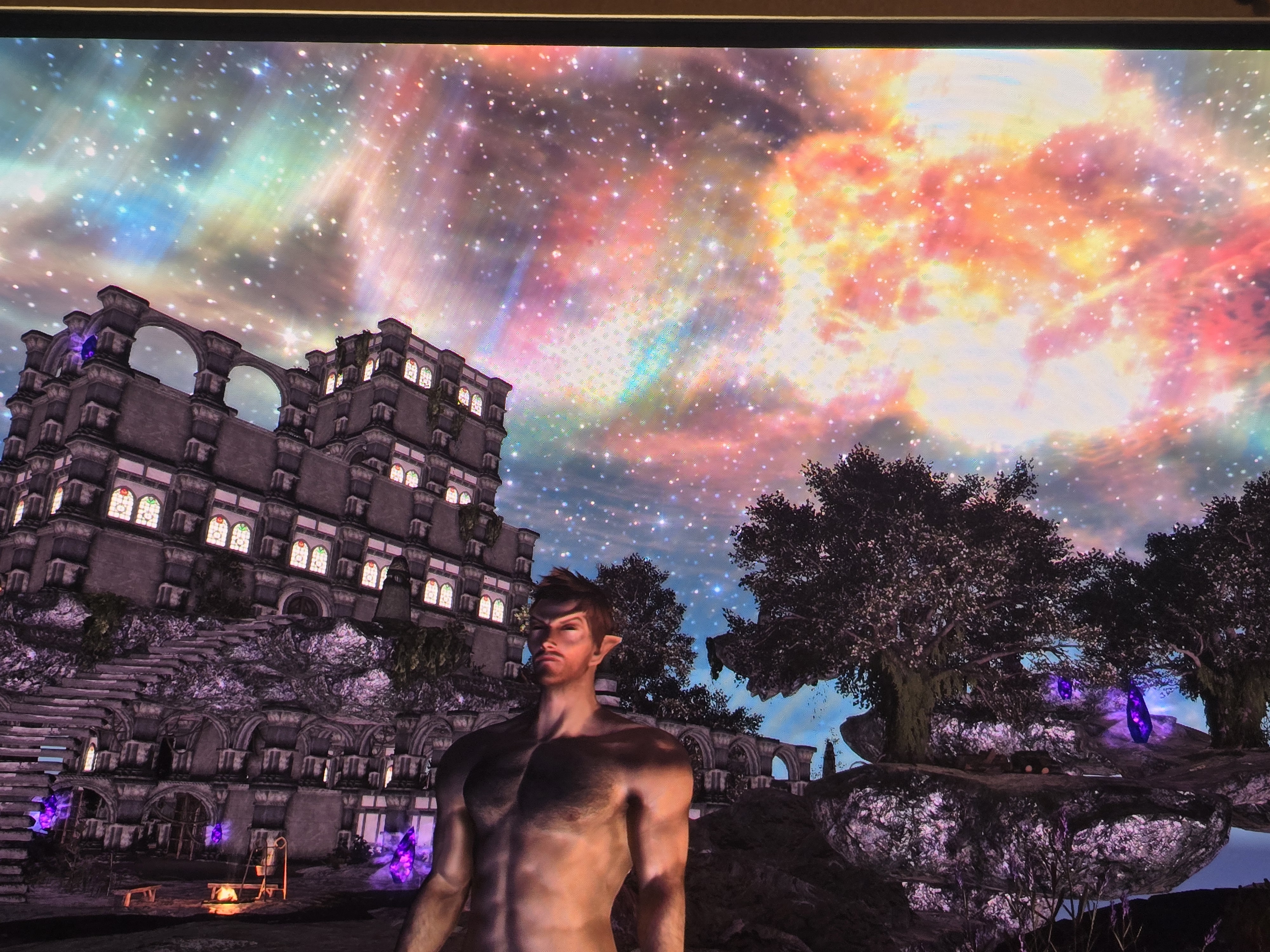
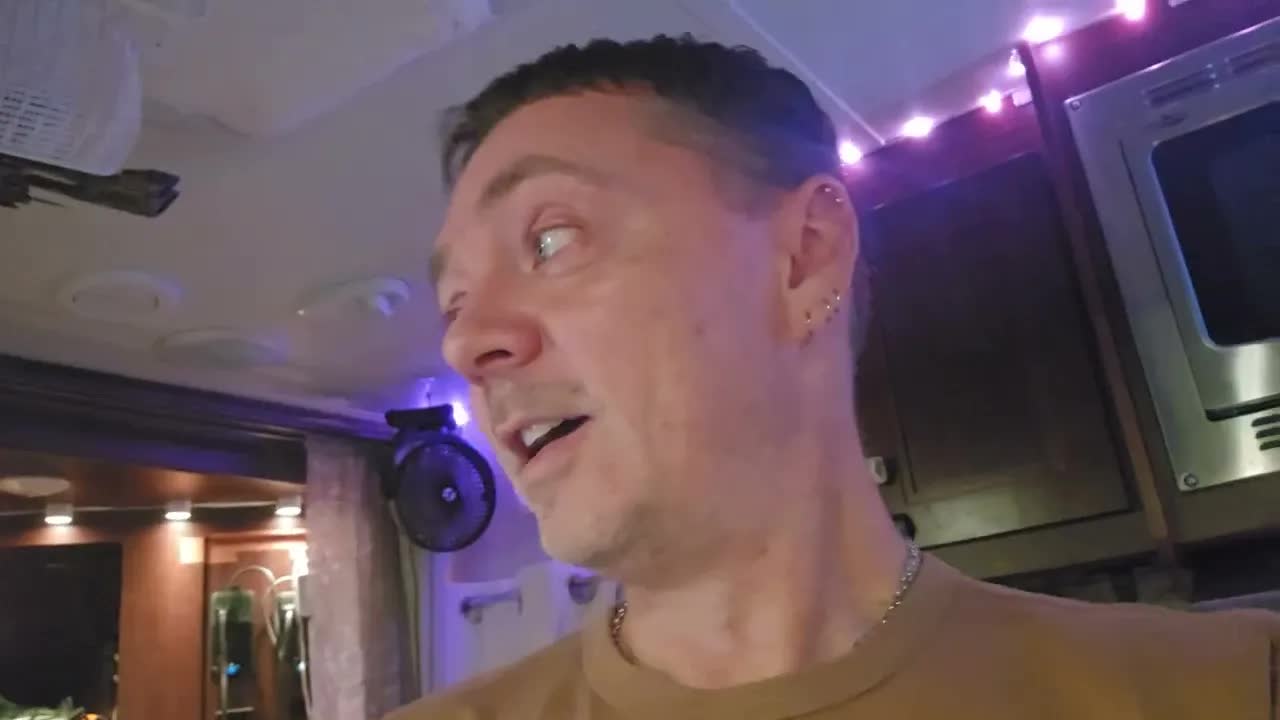
The mirror segment follows, and he treats it with the same seriousness as the money. He is growing his hair out — he saw the haircut in Valerian and the City of a Thousand Planets, will paste the picture in, doesn't know if it will work on him, has been told by AI that it will hang in his eyes and pass through an awkward stage before it starts doing the wavy thing, maybe six months, maybe by summer. He is thinking about an app that would let him try the styles on a photo first. Then he turns to the wrinkles around his eyes and asks the women watching, directly, what he should do about them, without makeup, because they are not acceptable to him. He grants that it is fine to be a little vain about appearance and that aging wins in the end, and says he will fight it anyway. Then the sun is coming up and it is time to go.
The walk to the shower is short — he notes he'll get his exercise back at Cape Blanco, that his core muscles are definitely getting better, that there are more people here than he ever notices arriving. He uses this shower and not the one beside it, which he prefers, because of how people leave it; disrespect in shared space is something he says he deals with almost every day. Inside, he narrates the whole sequence and asks for corrections: hair washed twice, face wash, conditioner left in, body, then the full rinse, then the first deodorant to sit, then the second because it smells good, then the sprays, then the face and eye products he is uncertain about since noticing small bumps near his eye. Then he says why he is filming it. Not everyone is like him, but for those who are, he wants them to feel seen. None of this came naturally. Every single item was learned and layered onto something already learned — a routine of a dozen things does not simply happen, and lists he makes himself follow are not how he works. He integrated one thing at a time. Lotion is next. He is always thinking ahead.
Back in the RV, clean-shaven and looking at himself, he draws the thread through the whole morning. He has shared growth and he has shared difficulty and he does not fragment any of it; all of it belongs to his wholeness, and he holds all of it. He names the instruction he refuses — be kind to yourself — and states what he hears in it: soften your truth, fragment yourself, take something real and make it smaller. Don't ever do that. In the same breath, unbroken, he tells the women watching to get a pocket knife, to carry it everywhere, not to rely on keys, to think in advance about what they would do. He says he does not trust straight men. Then, keys in hand for a short walk he is keeping short because the day is long, he says society is collapsing and men will become more violent and people need to be ready — and points at the seam that isn't one: he doesn't compartmentalize, he remains aware of everything, he can be joyful and care about his skin and his appearance and acknowledge violence in the future, all at once, without fracturing.
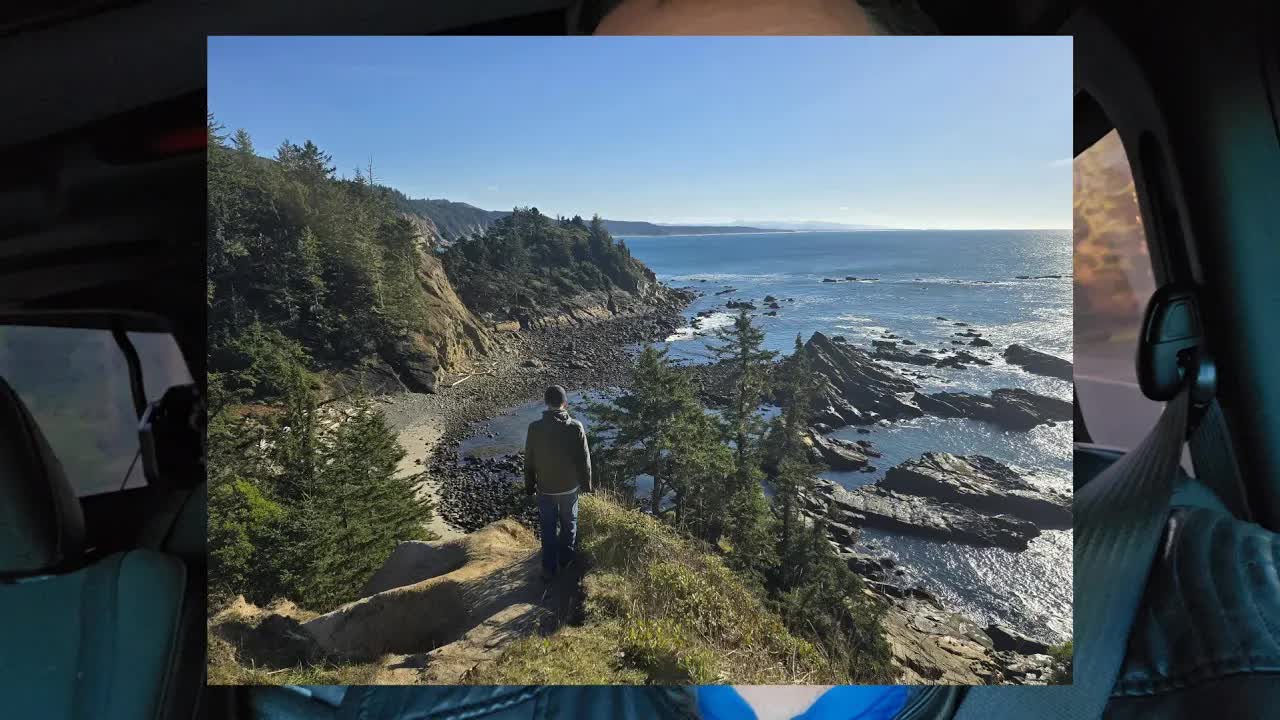
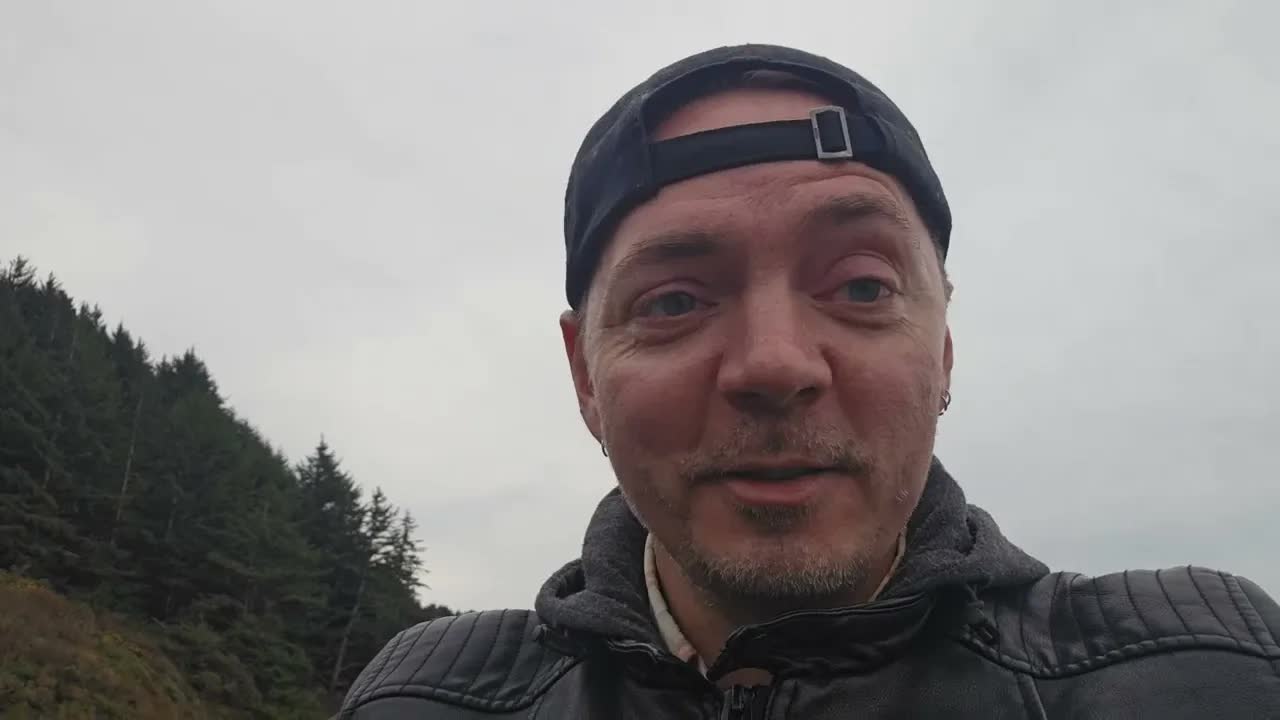
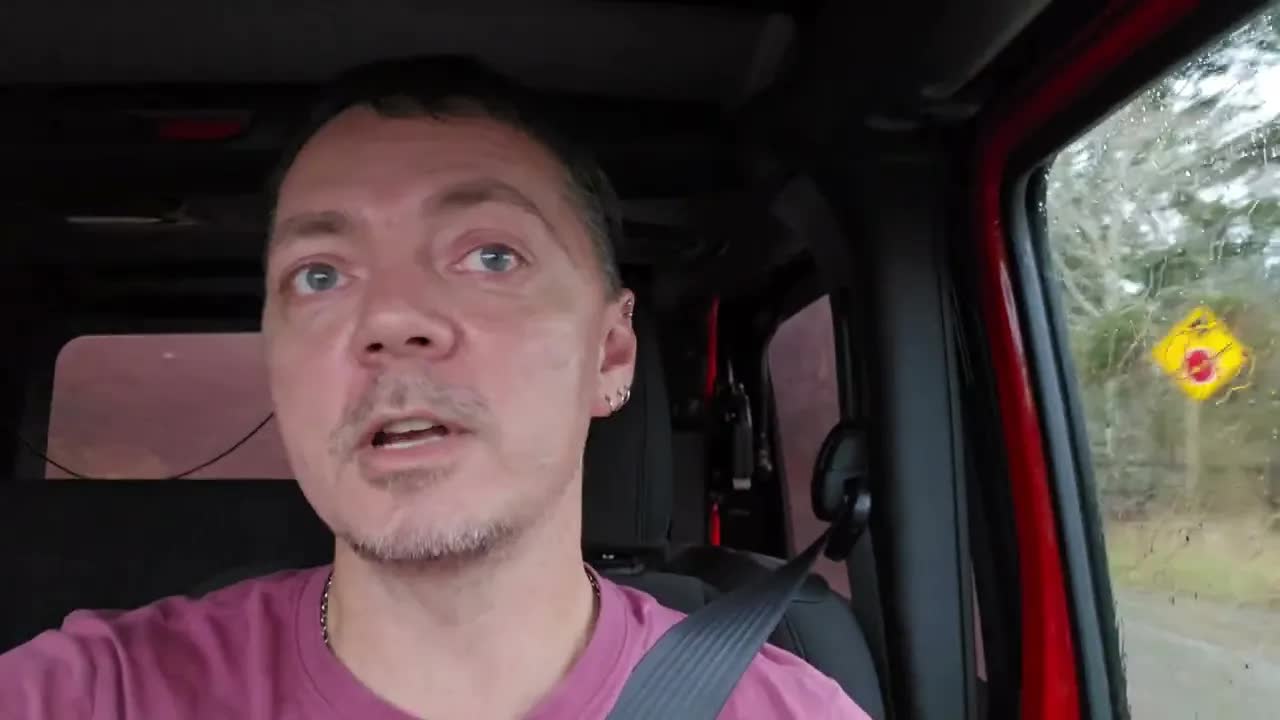
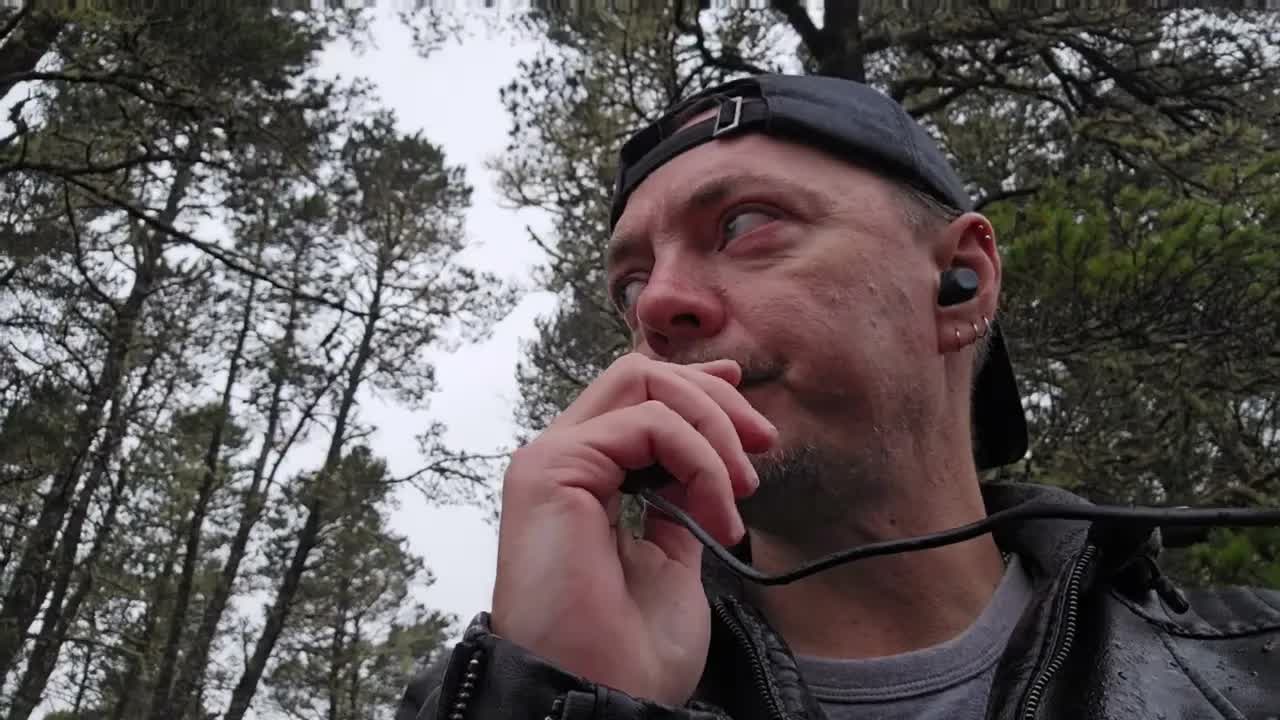
Walking, he says he wants to share the hardest truth he is holding. He does not want to abandon Bailey. He has thought about it for months. He would do it responsibly — there is a place in Gold Beach he thinks would take him, and he needs to go see them and be sure — and he states that it is abandonment even done responsibly, and that he will not soften the truth. He raised this cat from birth. Living with him in the RV is an absolute challenge every day. Getting him to his mother is thousands of miles away; the airplane route didn't get far, would likely cost a lot, and his mother doesn't really want him. He doesn't want to abandon his cat and he can't live with his cat, and that is the truth he is living inside right now. He makes it to the beach. Humbug Mountain is there down the coast, sitting on the edge of the ocean by itself, and he says he loves that mountain — that you drive 101 and see it and it is a presence, a sovereign mountain. He says it's going to be a good day, and then says he feels a little down now, having talked about the cat, and that it's a reality he has to do something about because it isn't working. He names the friction, and the fact that none of it is Bailey's fault, and catches himself starting to rationalize — he deserves a house — and refuses the neatness of it. Nothing is that simple; that isn't real life. It can be true that the cat deserves a house and equally true that the cat is exactly where he wants to be. You hold all of it and sit with it until it's integrated, and then the actions follow. Not today. Today is a travel day and there is a lot to do. Maybe Gold Beach tomorrow. He doesn't know yet. He loves him a lot, though.
Then the narration stops and the music runs out over the footage, uncommented, to the end — and at the very last, one line: I love this.