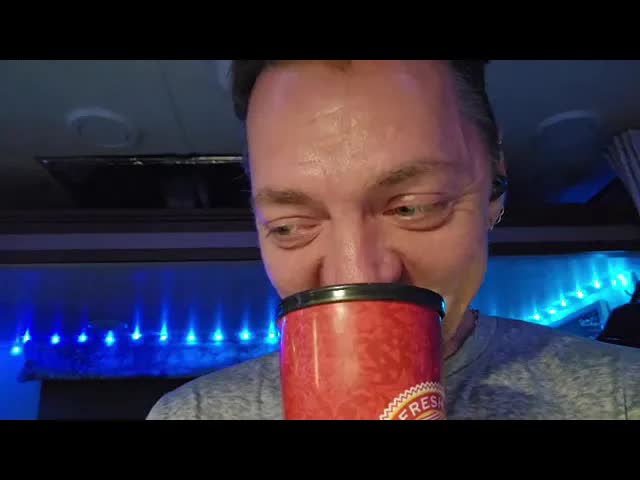
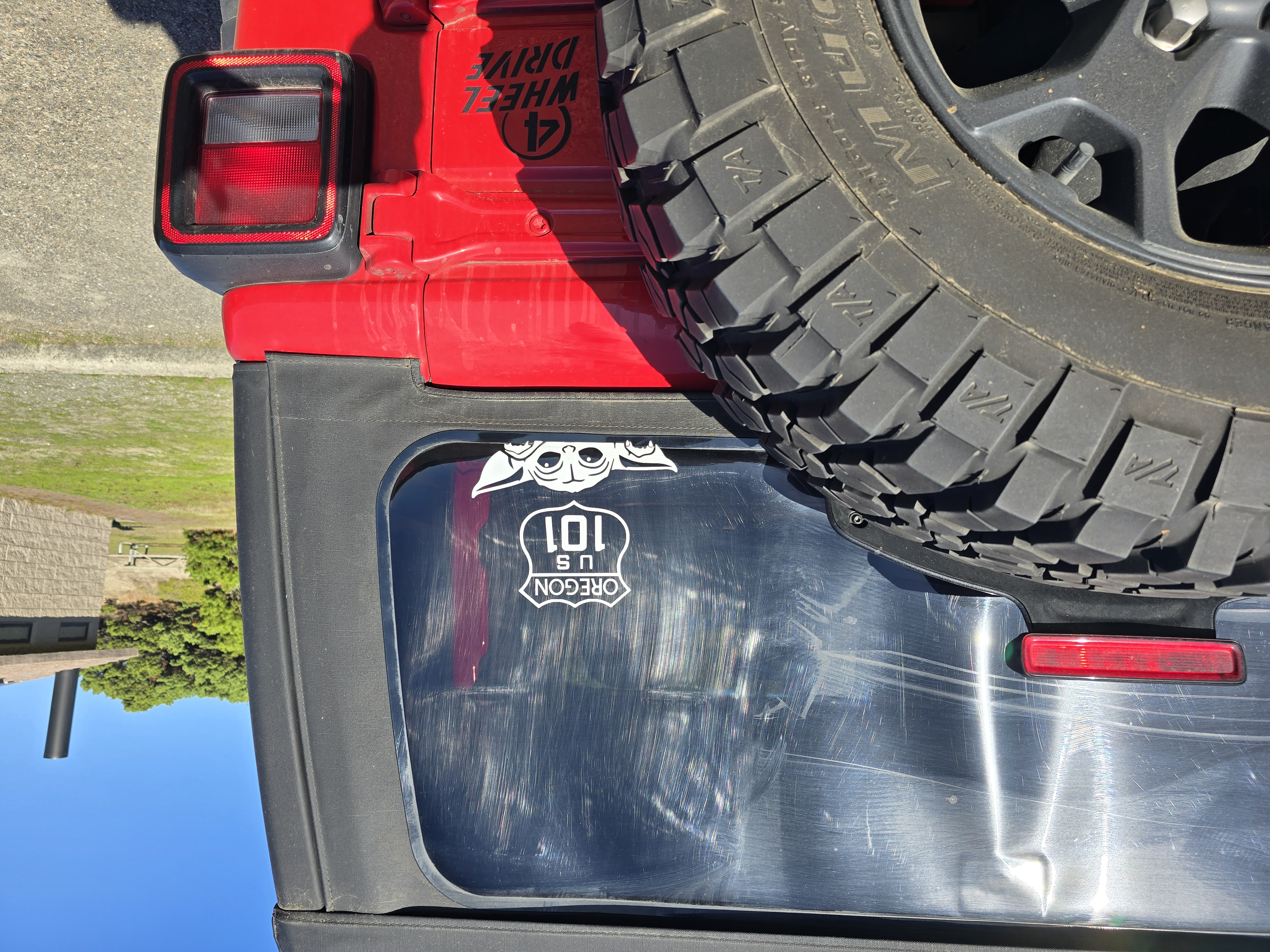
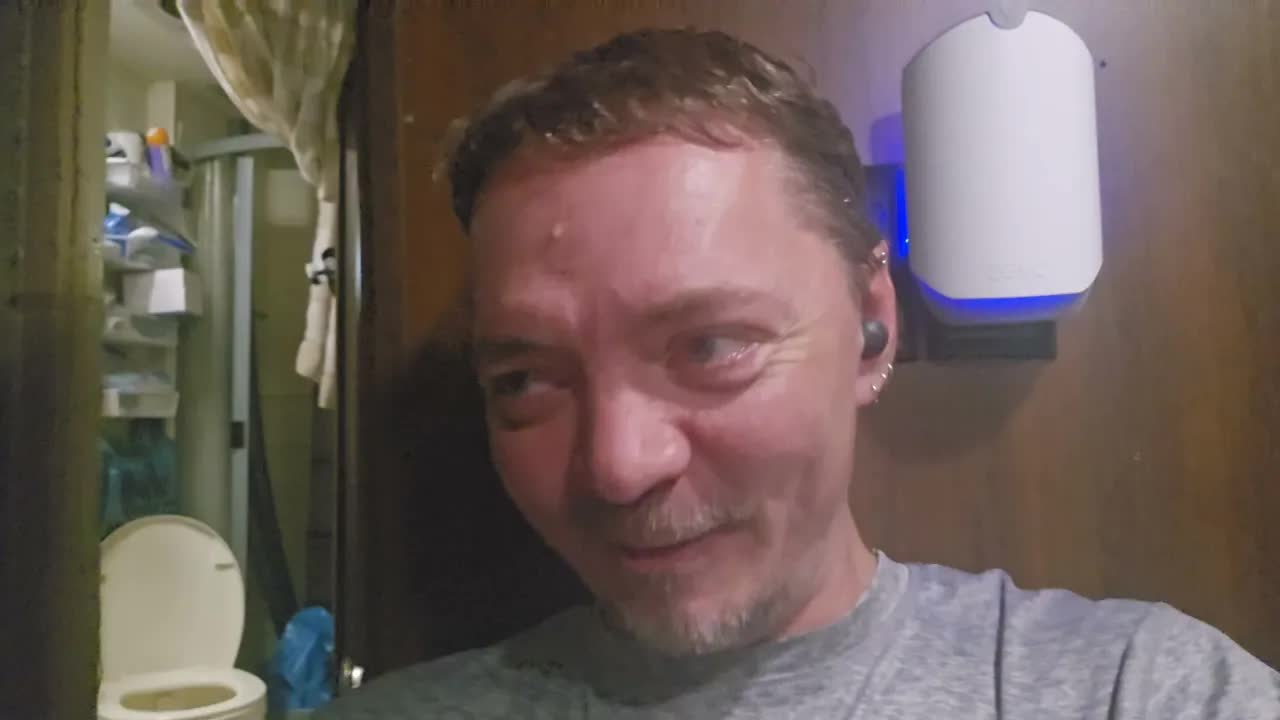
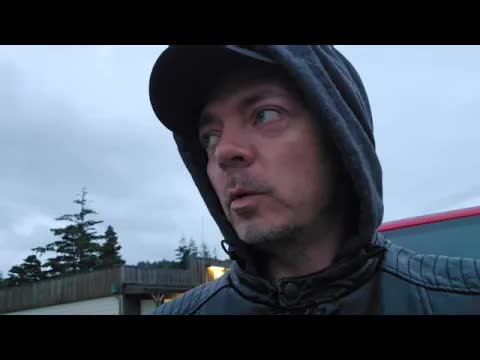
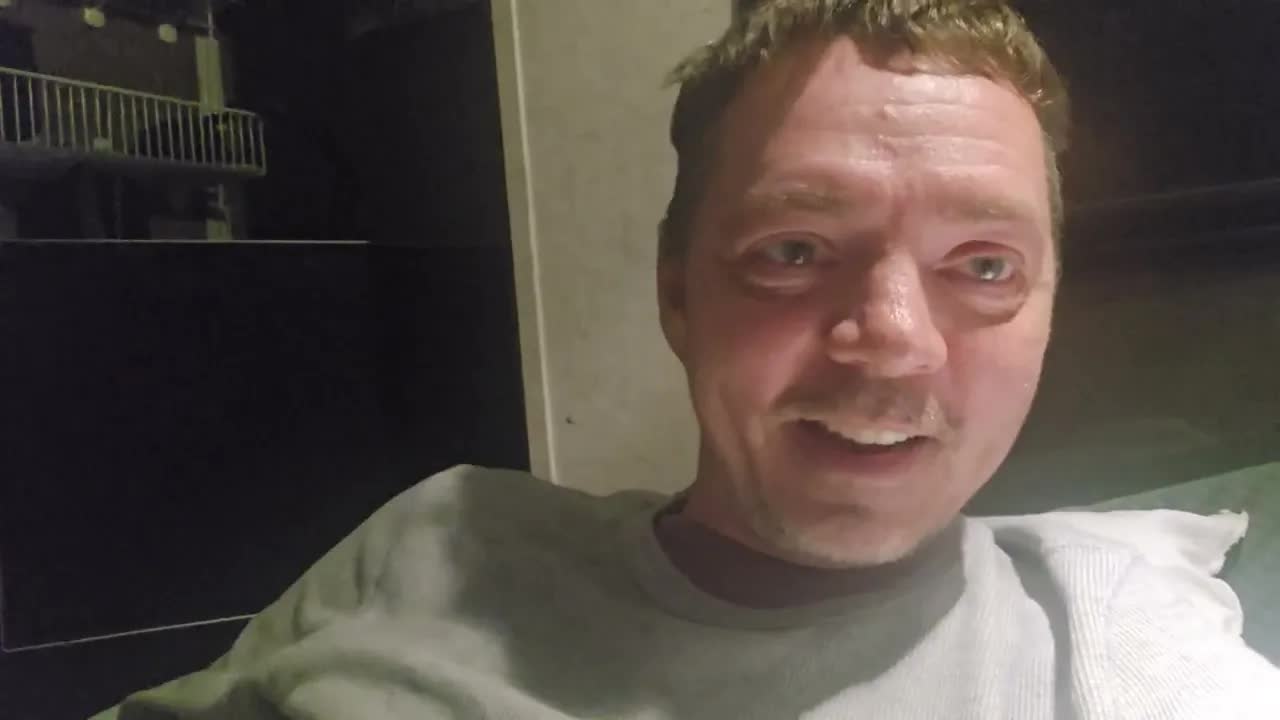
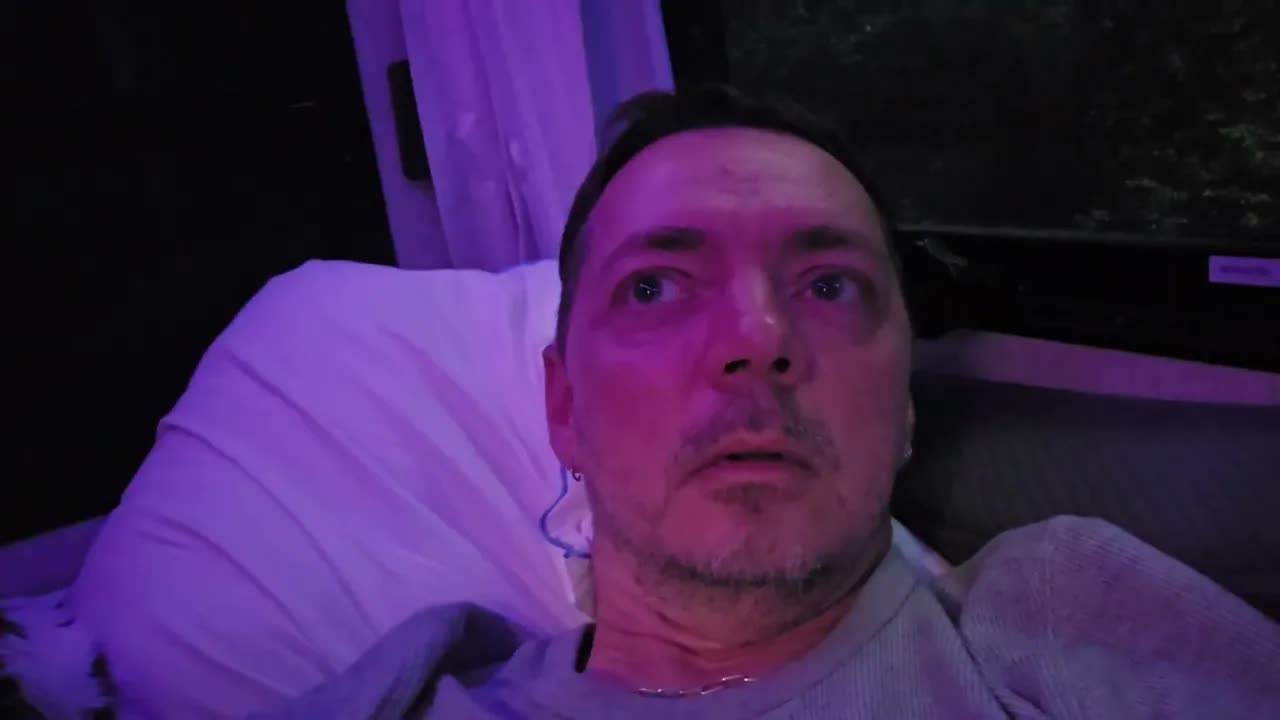
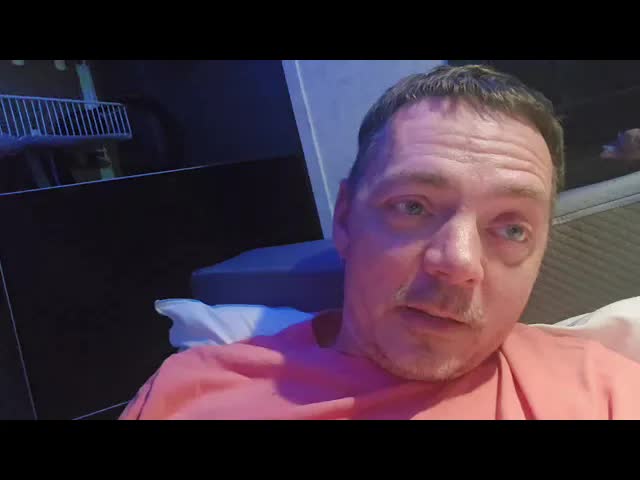
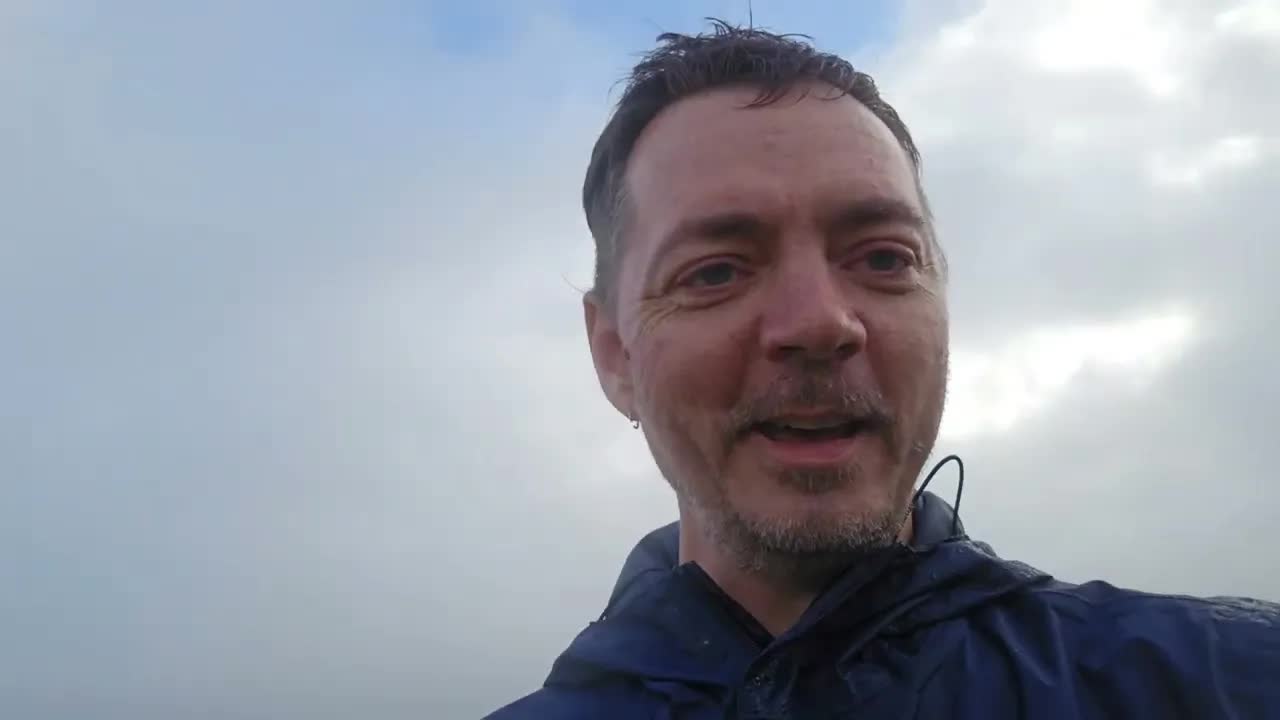
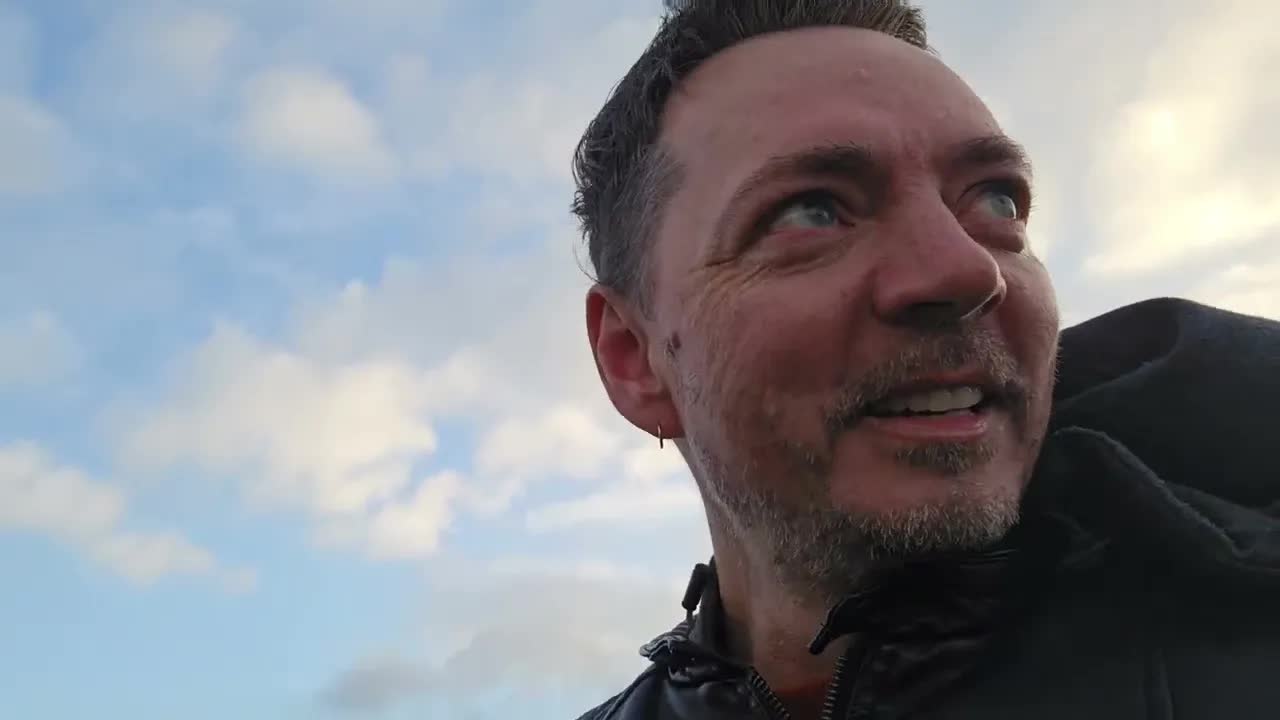
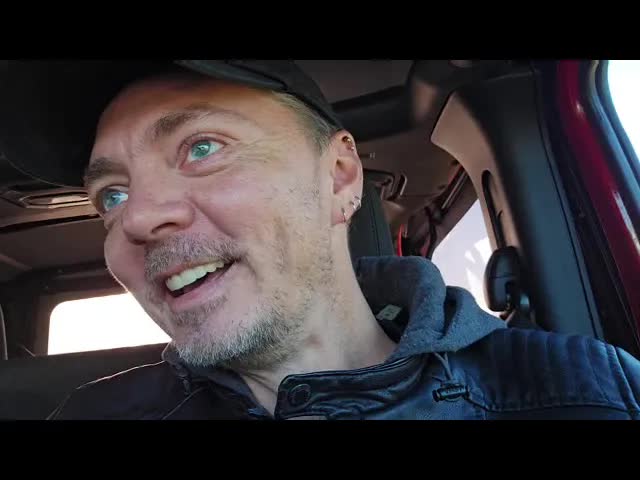
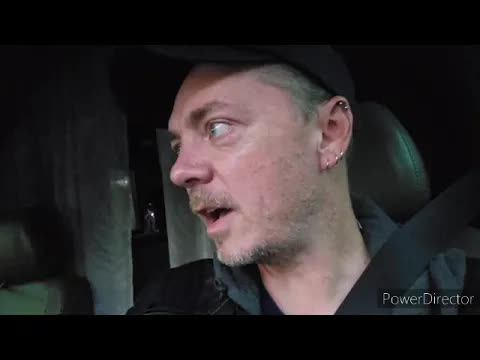
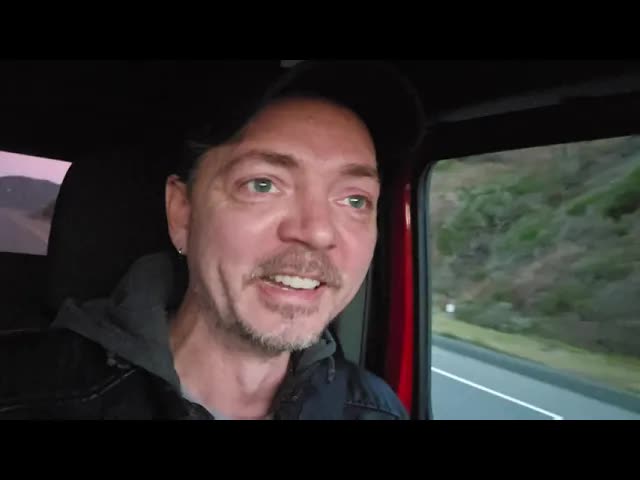
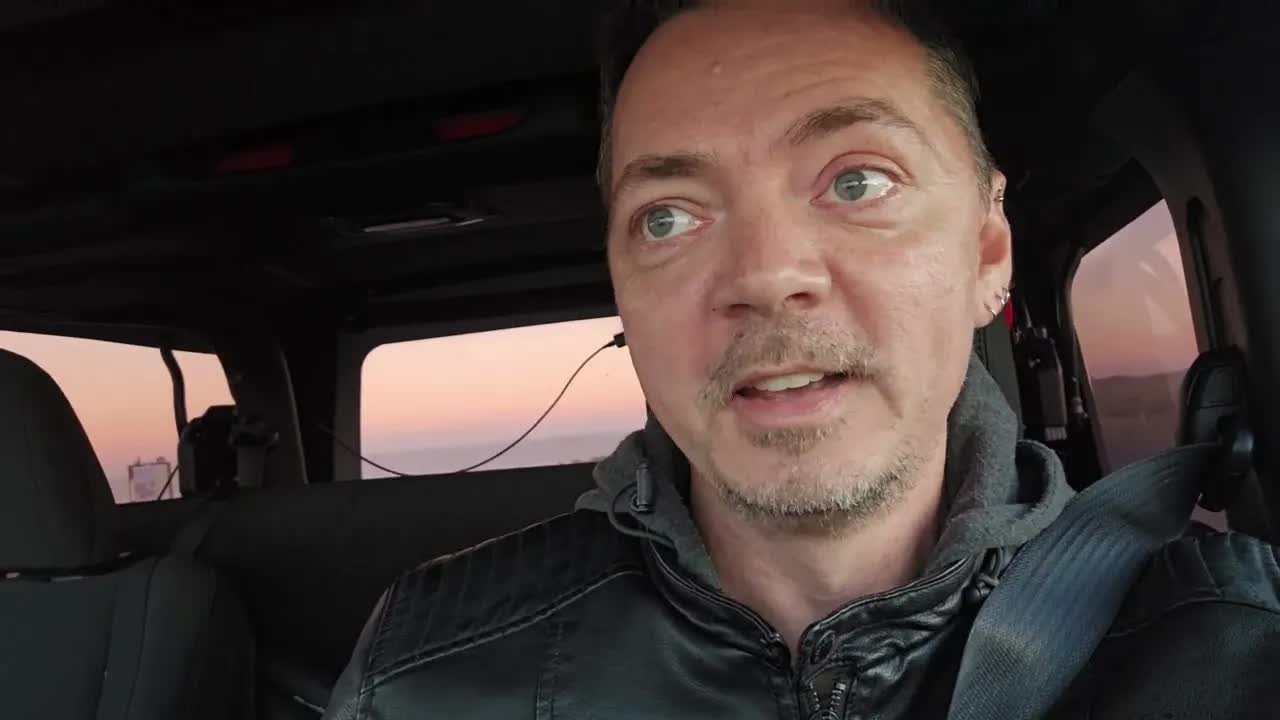
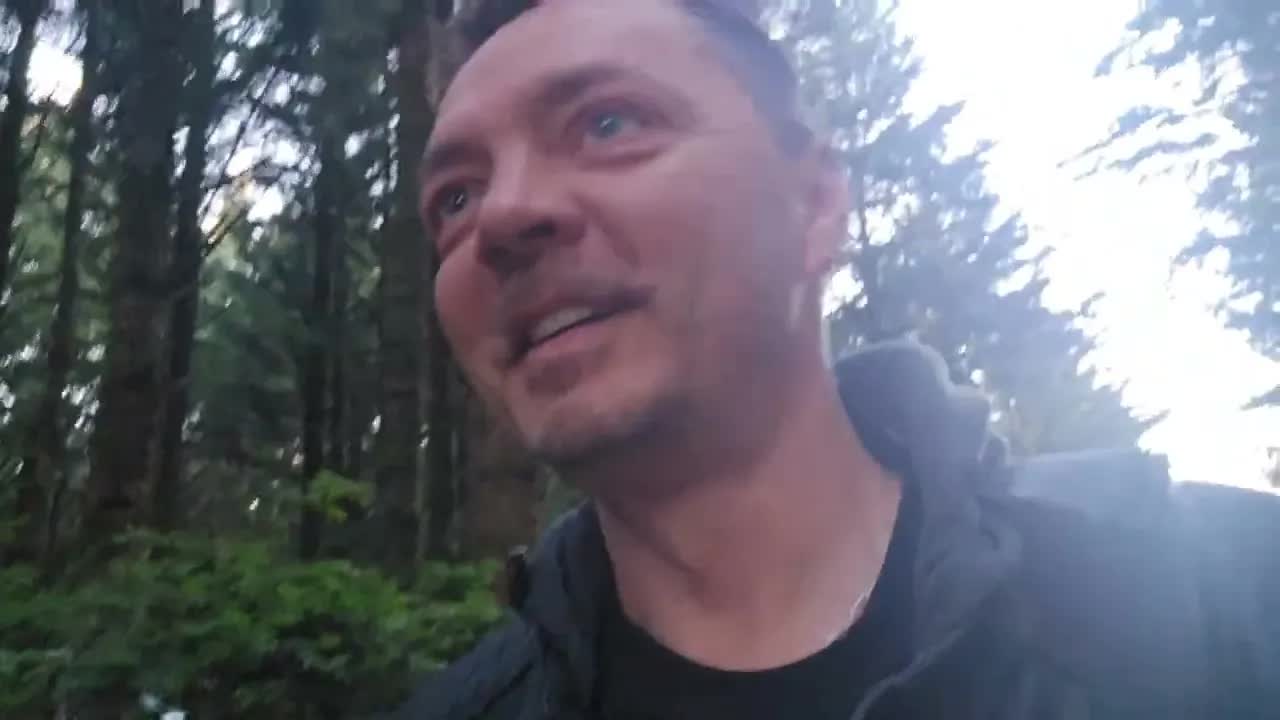
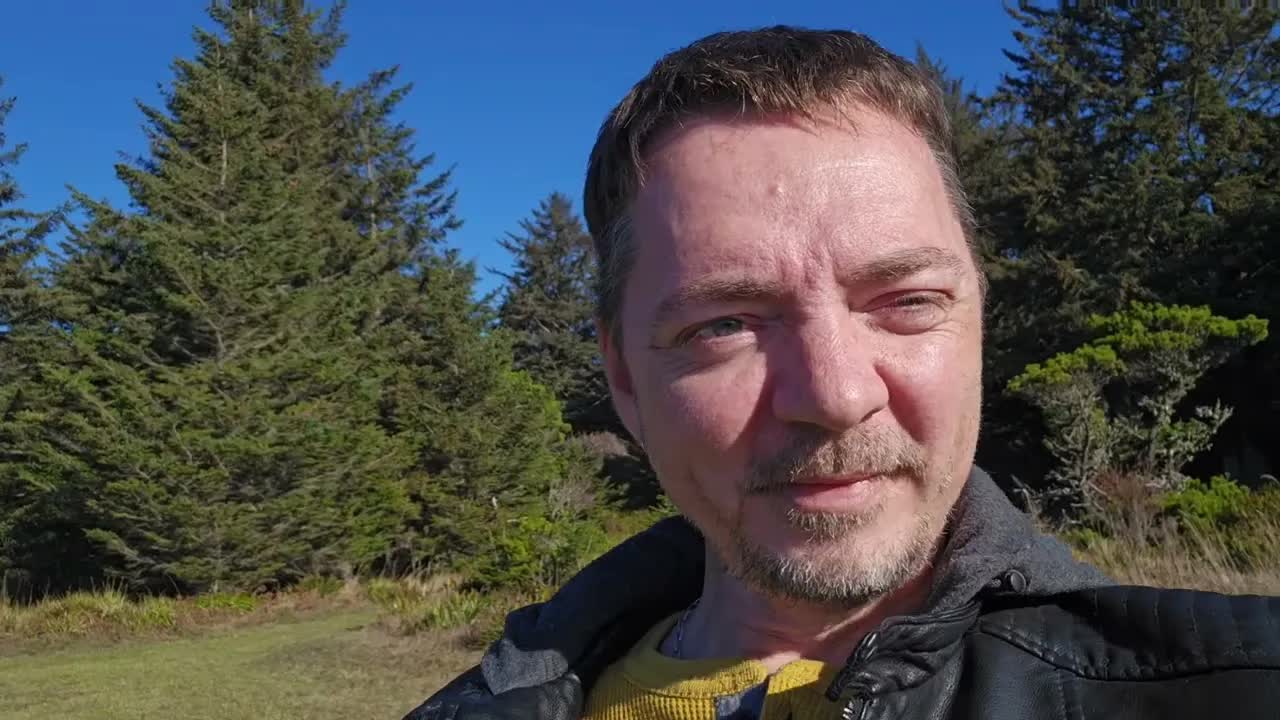
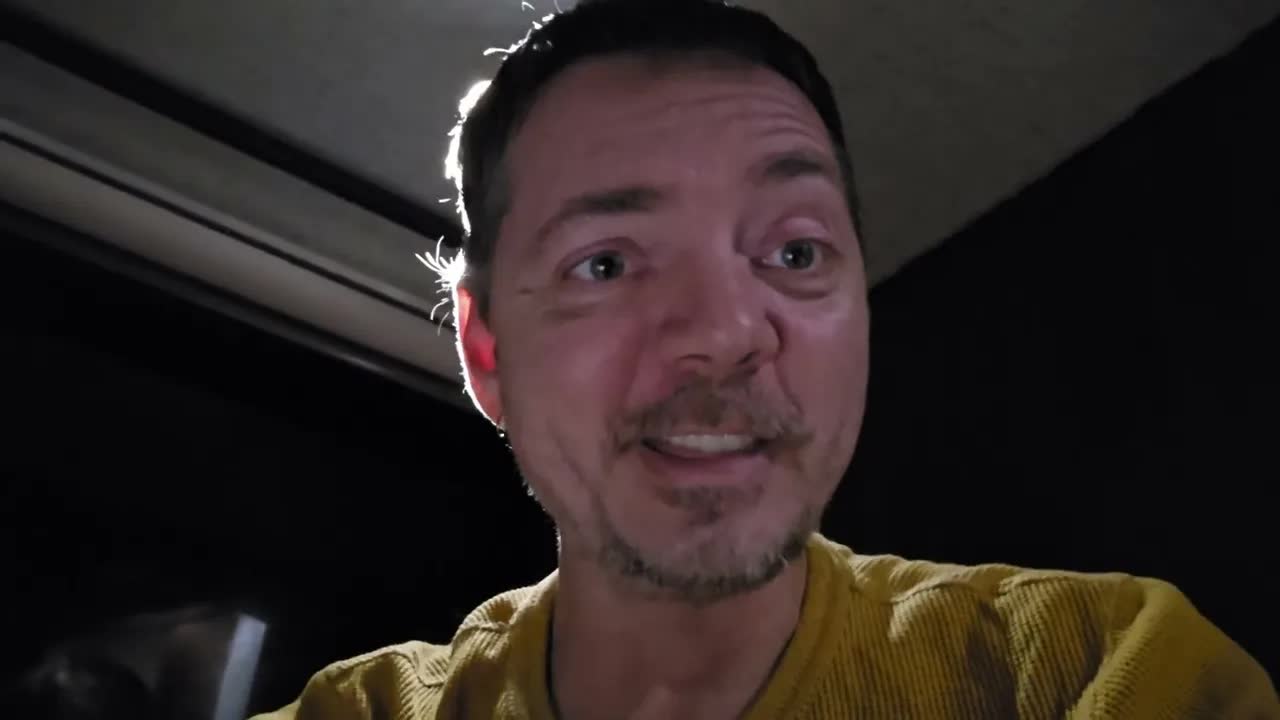
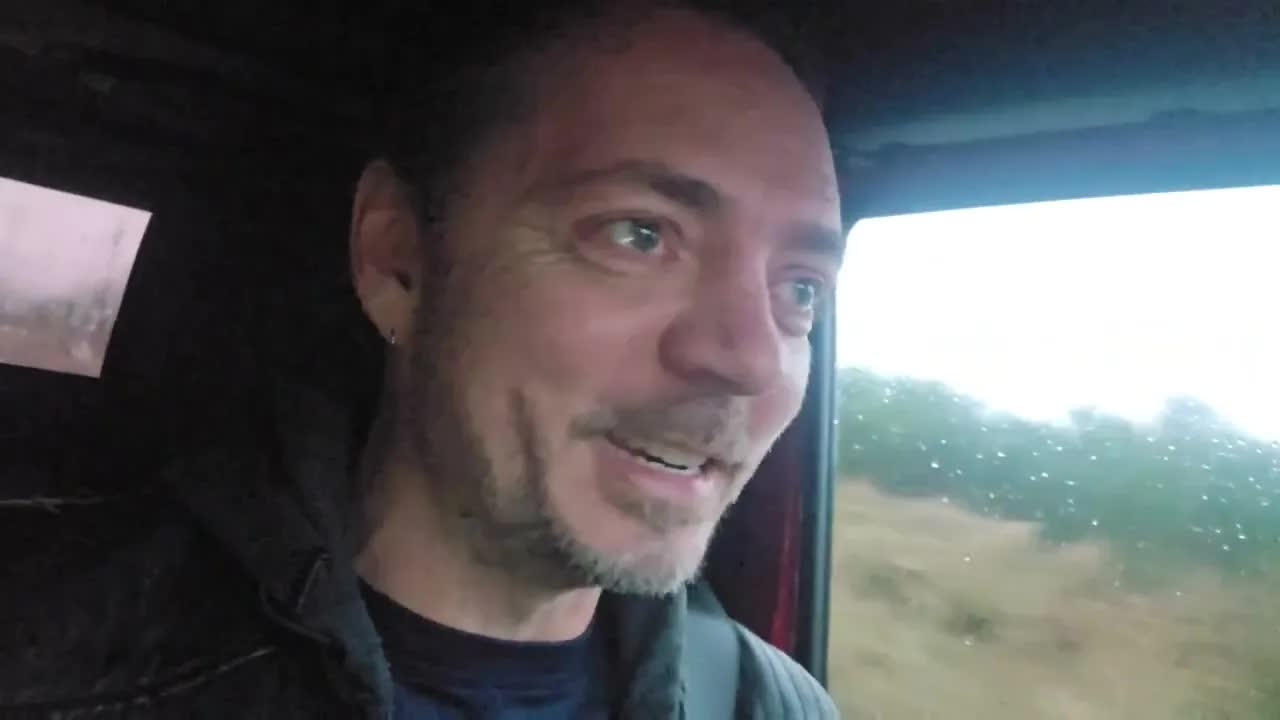
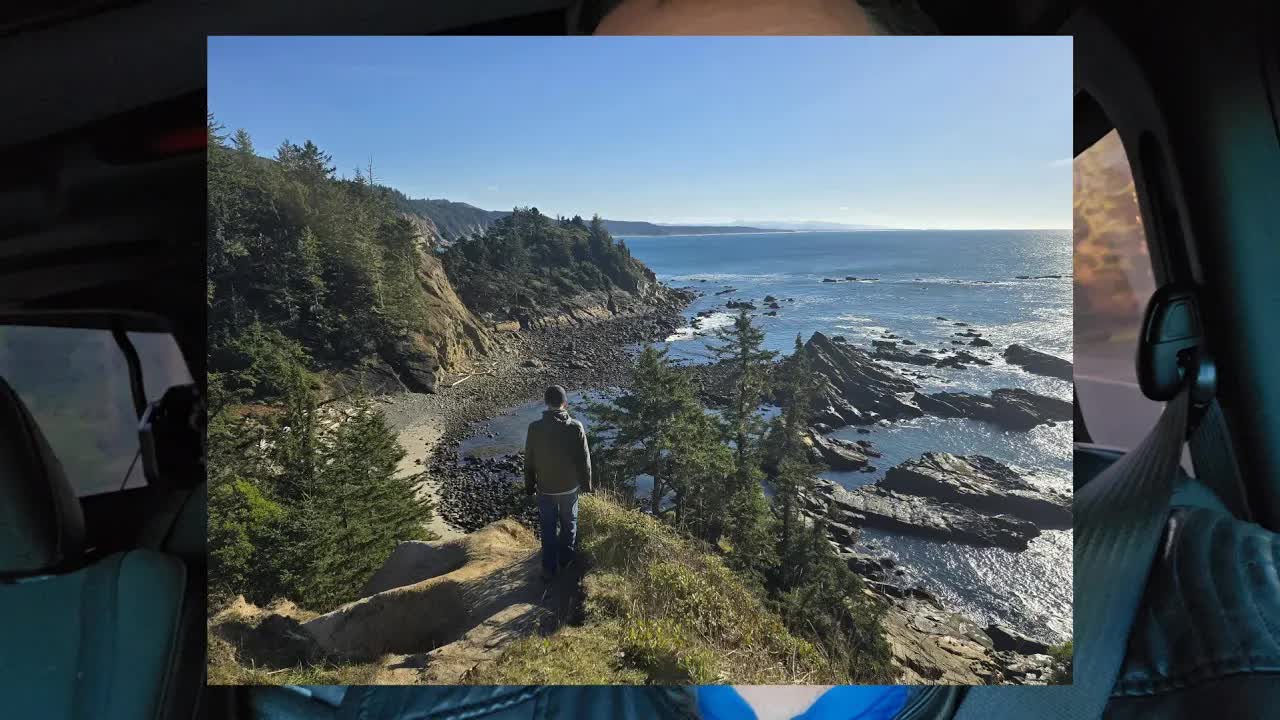
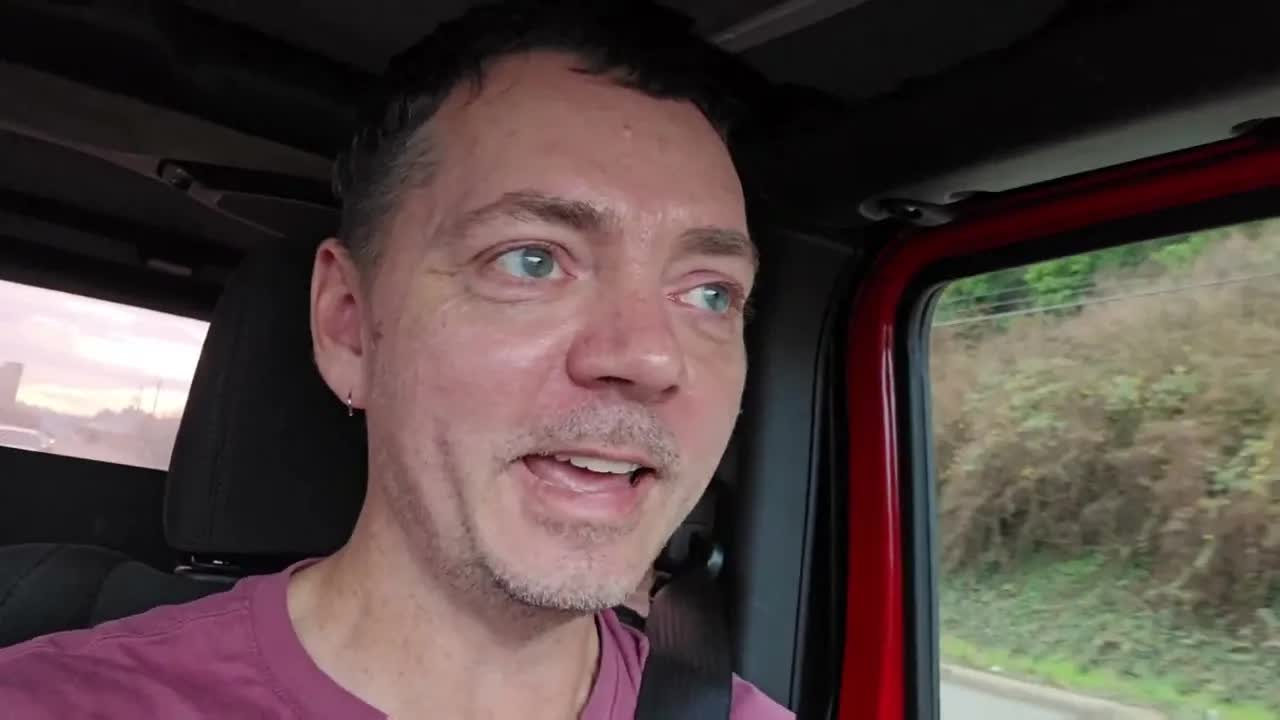

It was dark when rswfire turned the Jeep south on 101, music running over the open road, camera in hand. The coast came at him in landmarks before it came at him in light — a sign for the Rogue River North Jetty, a stretch he noted he had not been down yet, then the bridge into Gold Beach. He said he had a thing for bridges. He said he loved this bridge, this town, this coast. The naming was continuous and unhurried, a man moving through terrain he had already made legible to himself.
The town read as a supply map and a memory map at once. There was the grocery store where he had gotten supplies before hiking Humbug Mountain the first time. There was the gas station easiest to pull the RV into, and the Mexican food he had eaten there with a man he had a short romance with. He looked for a boat, then corrected himself — different town. He pointed out the diesel pump, noted that propane was easy there too, said there were a lot of places like that along this coast. Memories everywhere, he said, and kept driving toward Brookings.
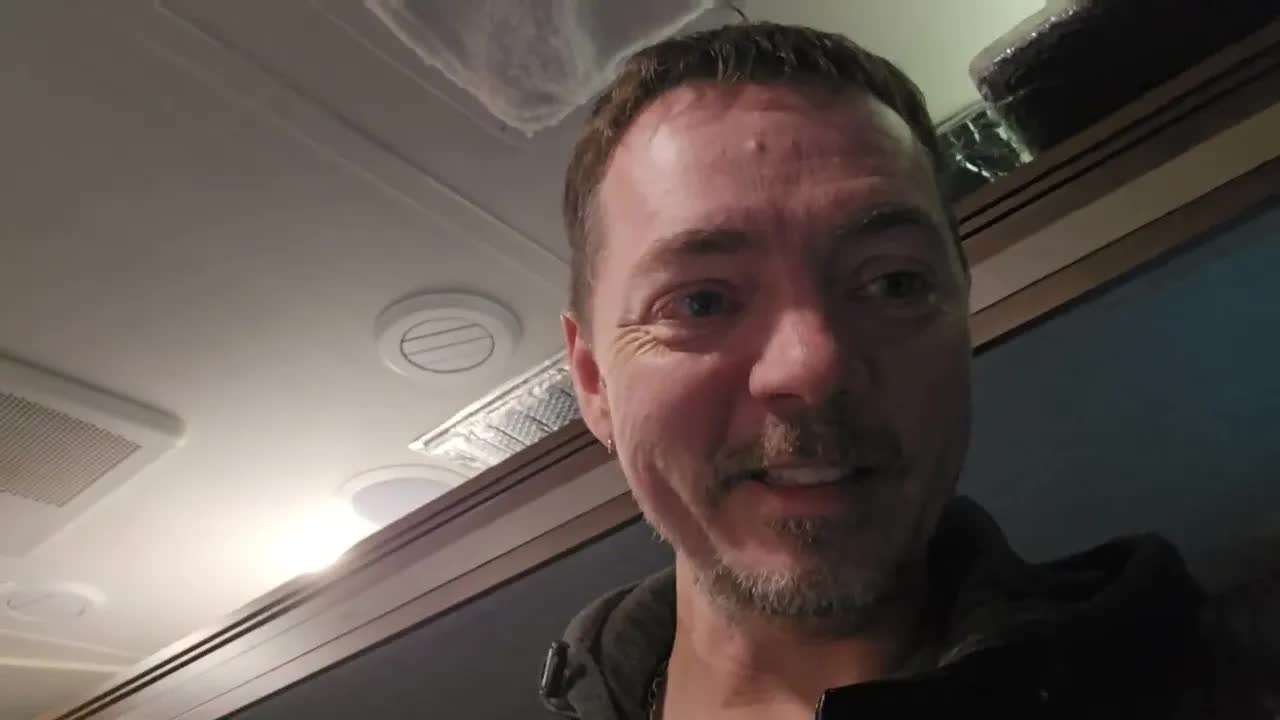
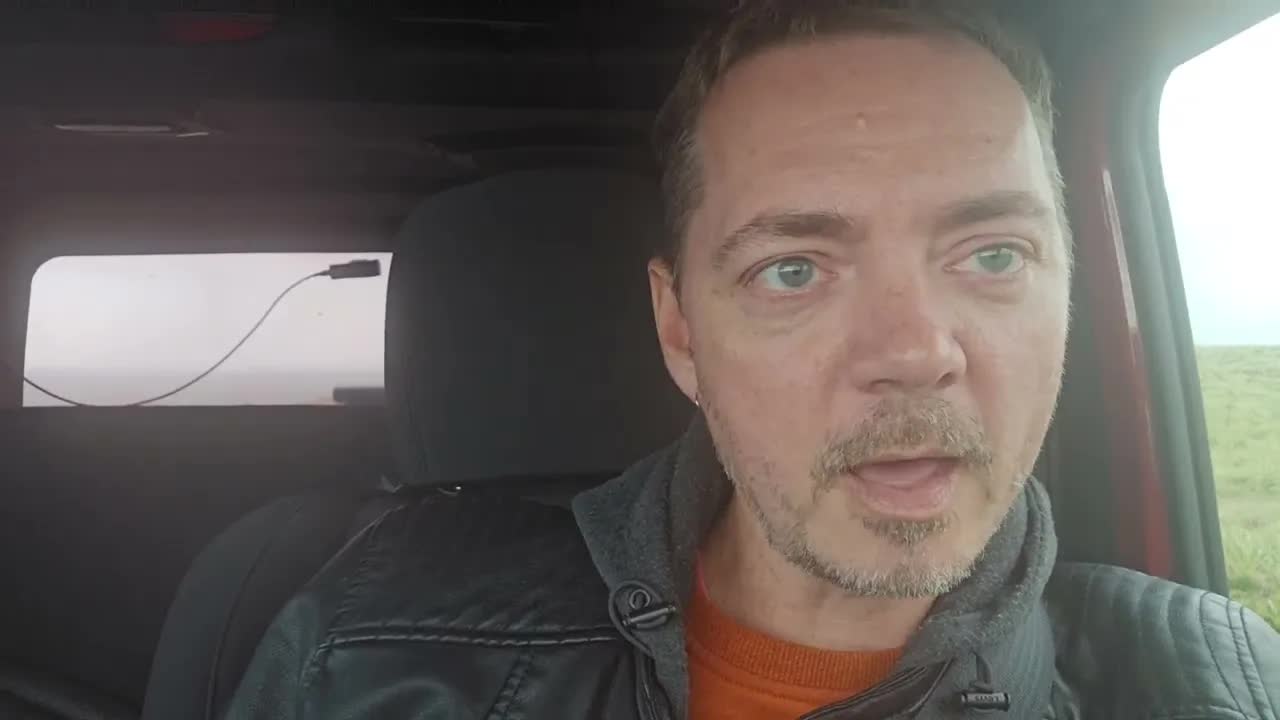
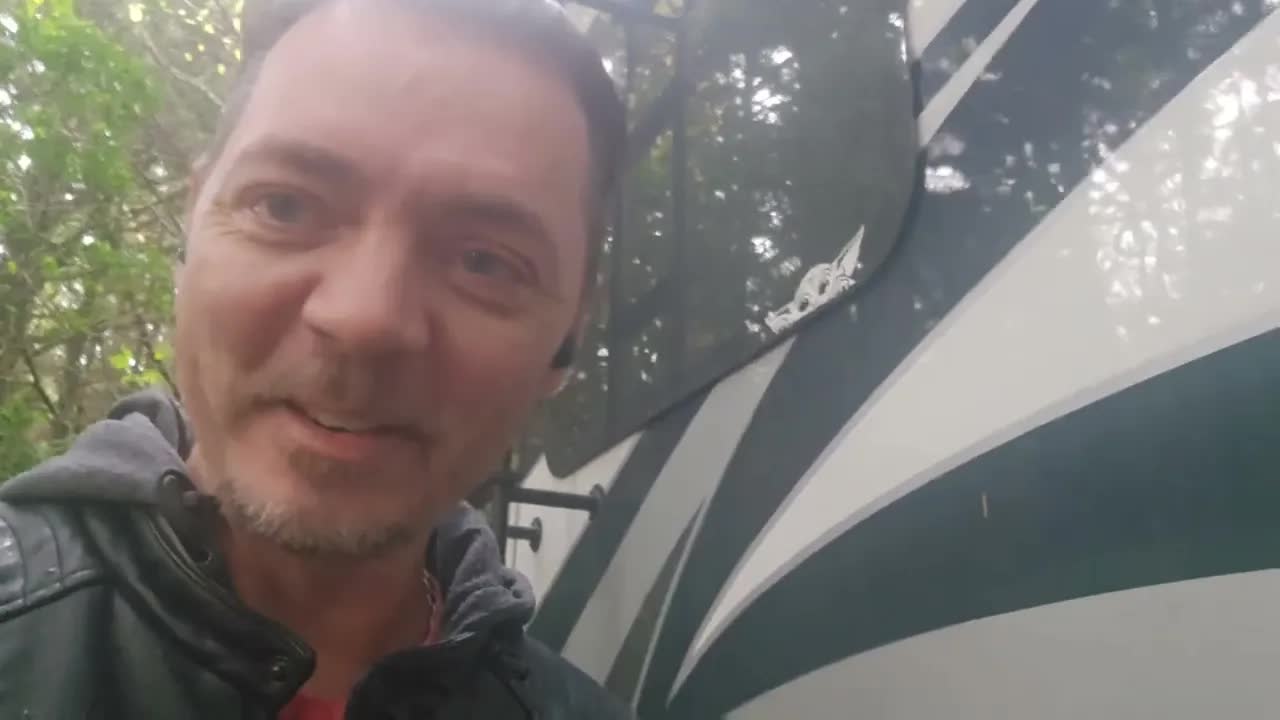
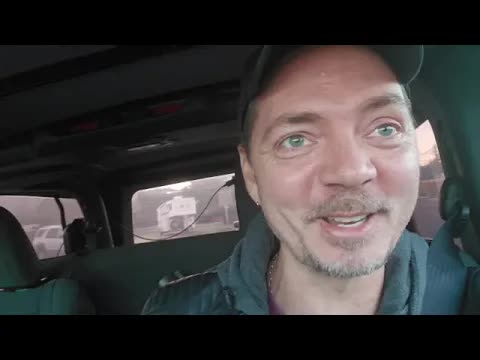
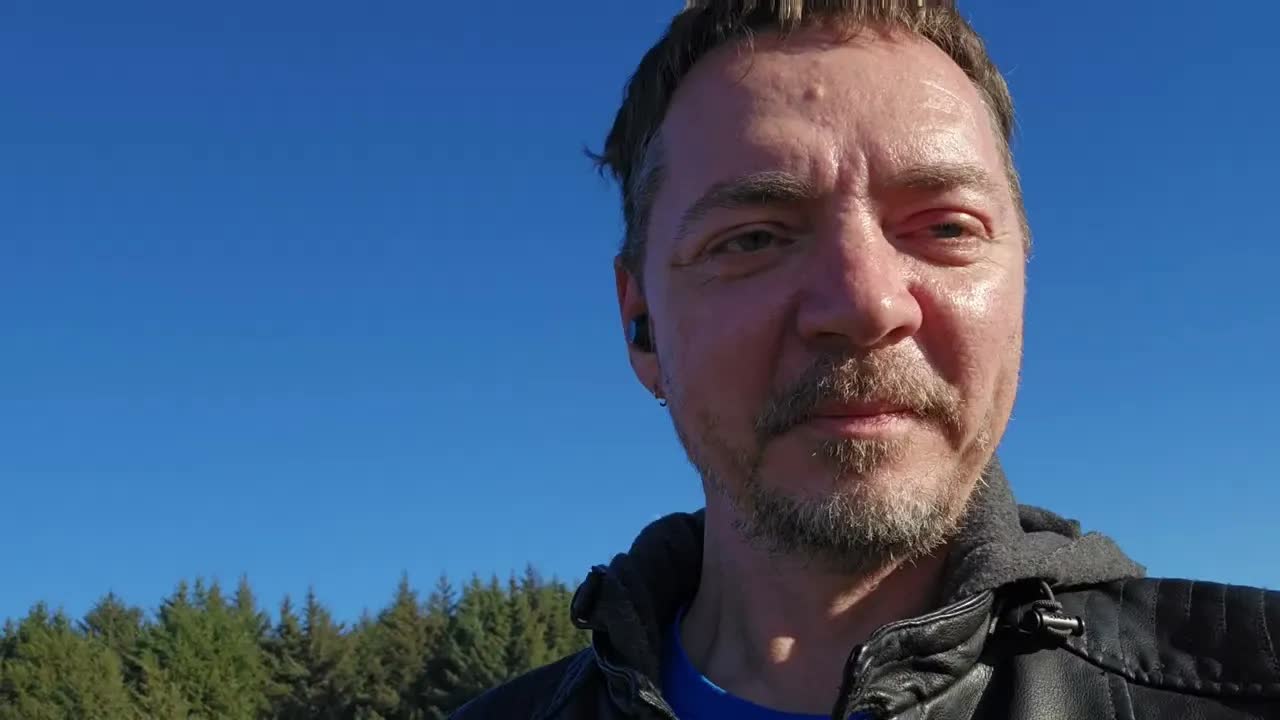
The sun came up to greet them. He had been waiting on the light before he started talking, and when he decided the light was good enough he turned the music down and said it was time for a serious conversation. He might be losing his RV. He was two payments behind. He was heading to Whaleshead Beach because the cell service was good there and because he loved the place, and from there he would call the loan company and ask them to push the missed payments to the end of the loan. He was starting work again; the money would be there. But he stated the shape of the call before he made it: this is what I need, this is what I want, either you do this or I do something else. He would not fight with them.
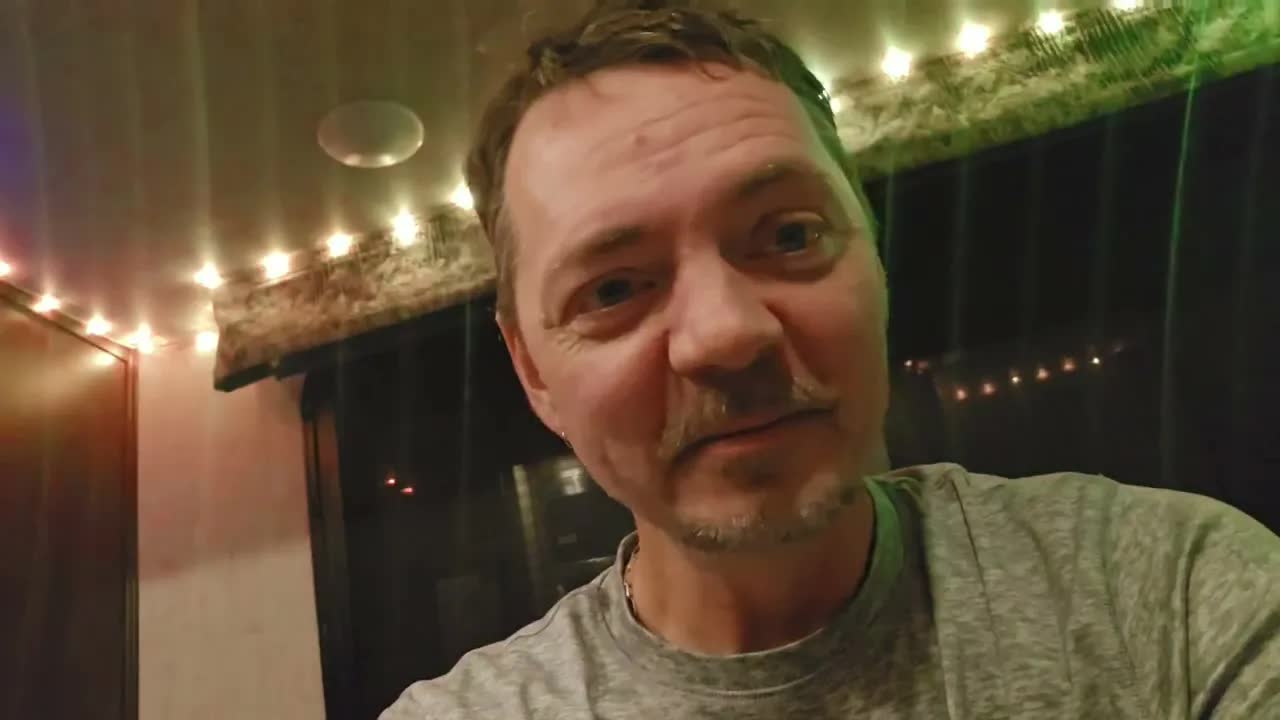
Then he laid out what the something else was. He said he did not actually love the RV — the slide didn't work, it was taped up with waterproof Gorilla Tape, it was a disaster, it had conveniences he wouldn't give up if he didn't have to and nothing more. His channel was never an RV Life channel; he'd been saying so since the first week. His life was about freedom, about movement, about being a nomad, and now about this coast. He said there was nothing he loved more than the Jeep, that the Jeep was fine, that the Jeep was what mattered and everything else was details. If the RV went, there were state park cabins to bridge the gap, price unknown, worth looking up. Ultimately he thought he'd buy a simple box trailer for the Jeep to store his things. He had chosen homelessness before. He had lived every kind of lifestyle. He loved it here enough to be happy doing that here. He said he wasn't worried, wasn't stressed, that they had no emotional ammo to use against him on the phone — none. He described the transition from house life to this life as difficult and time-taking, and said he had made it, and that he was now reintegrating work into that life, hooking back into systems he called fragmented and killing all of us — but doing it on his terms.
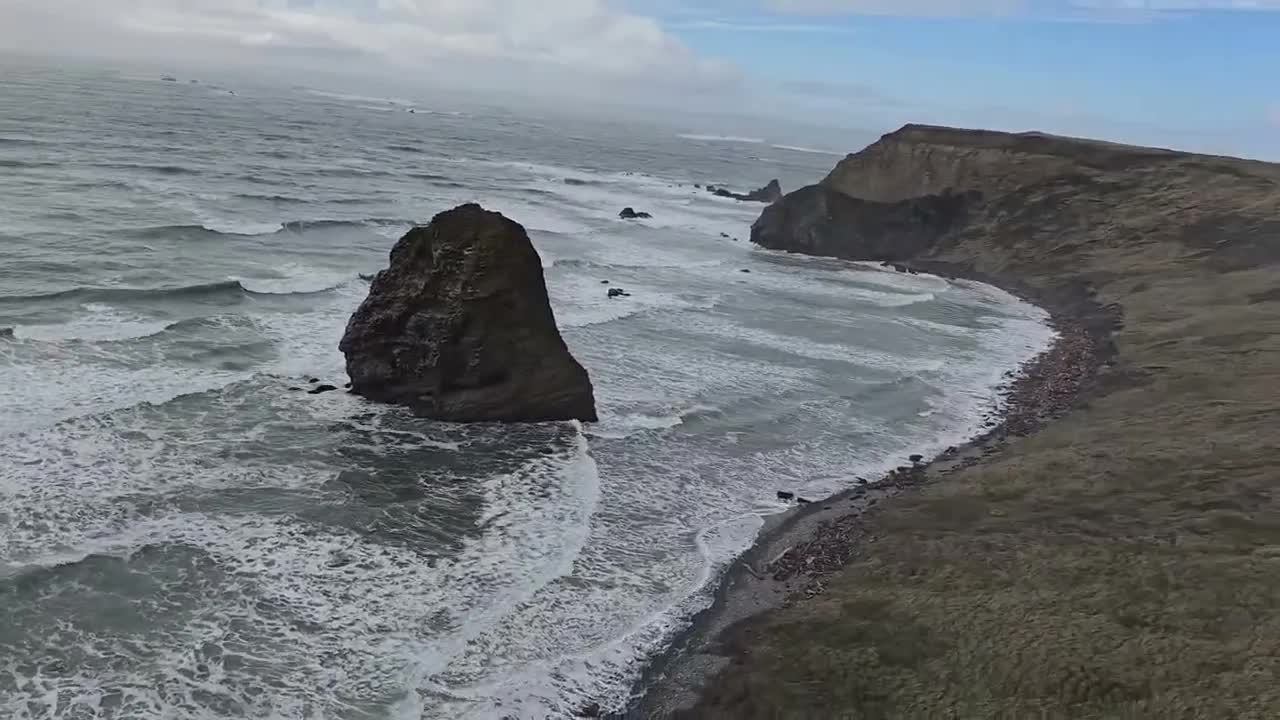
The ocean stayed in frame to his right, lit differently than he usually saw it. He said he didn't often get to watch it at this hour from the highway; usually he'd be somewhere like Cape Blanco looking out at it, and this was different, and he absolutely loved it down here in the south. People were dry docking all along the coast in whatever vehicles they had. Good for them, he said — make the best goddamn life you can. A YouTube commenter had called him a hobo. He answered it directly and without softening, said the man was so wrapped in his systems he couldn't see his own trash, that judging how other people live was fourth-grade mentality, and that he was fairly sure he'd learned the word hobo in fourth grade. Then he came back to the same instruction he'd given the dry dockers: don't apologize for it, you have nothing to apologize for.
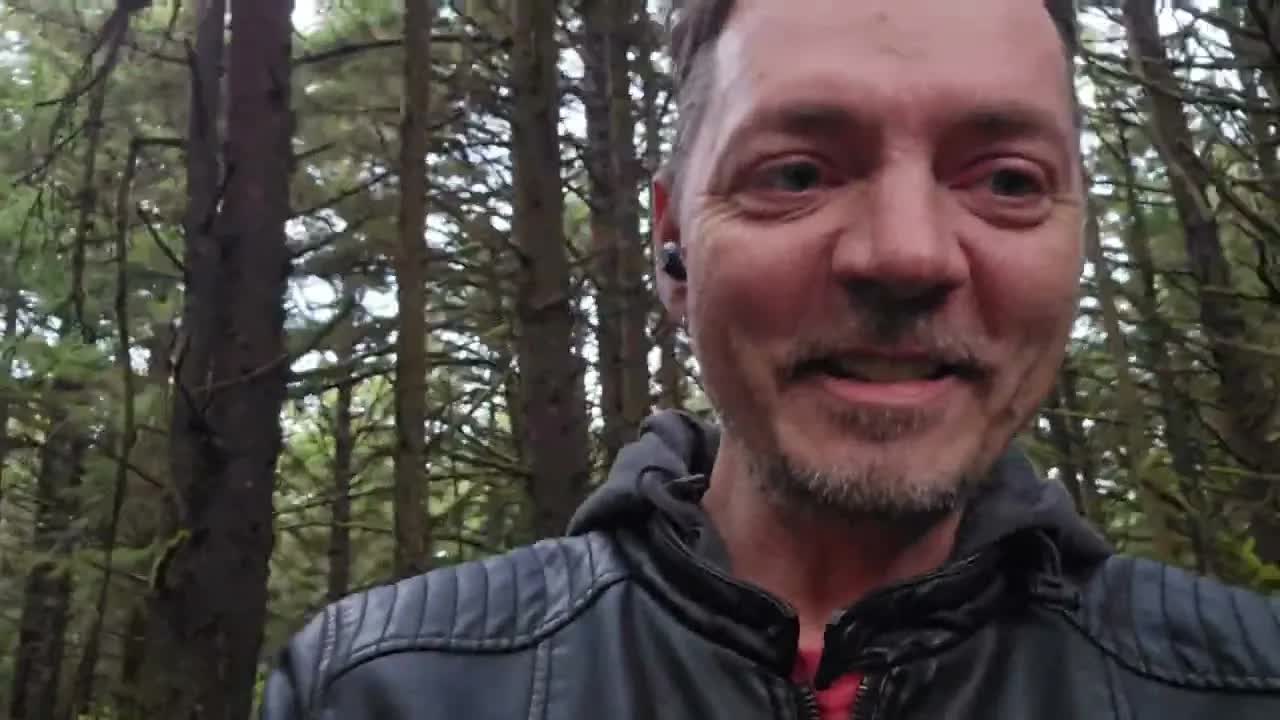
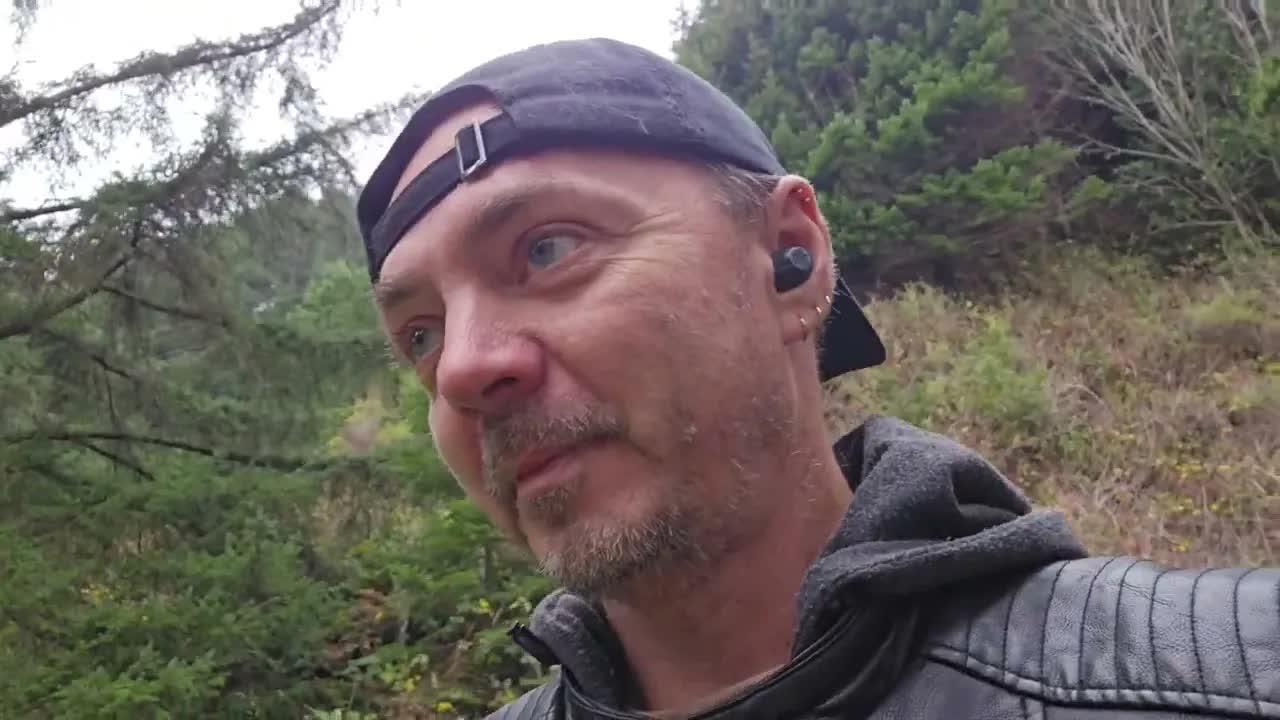
He passed Pistol River and Pistol Beach and recognized the spot where he had seen the seals, where he had been dry docking days earlier without realizing how close he was. He kept the camera going. He bet there were seals down there playing. Then Whaleshead — a place he loved partly because the access road demanded four-wheel drive to reach it. He took the descent slowly, holding the camera, reading the deep grooves in the pavement and judging them better than he'd seen them. He credited the Jeep, the mud tires, said it could go anywhere as far as he was concerned. He mentioned skidding out leaving the campground that morning, possible ice, cold — not danger, he said, just something to be conscious of in the mornings.
At the bottom he assessed the beach honestly: nothing special as far as beaches go, but nice, a different vibe, a good spot, and people risked it in cars to get down here. He said he was half hoping the woman he'd met would show up, that he wanted to ask how she was doing, that she'd made an impression and maybe one day he'd talk about it. Then he set the ending: he would upload the footage, make the calls, and find out what his future looked like. The next video would report whether he still had an RV, and if not, how he intended to navigate. It's going to be okay though, he said, and stopped filming.