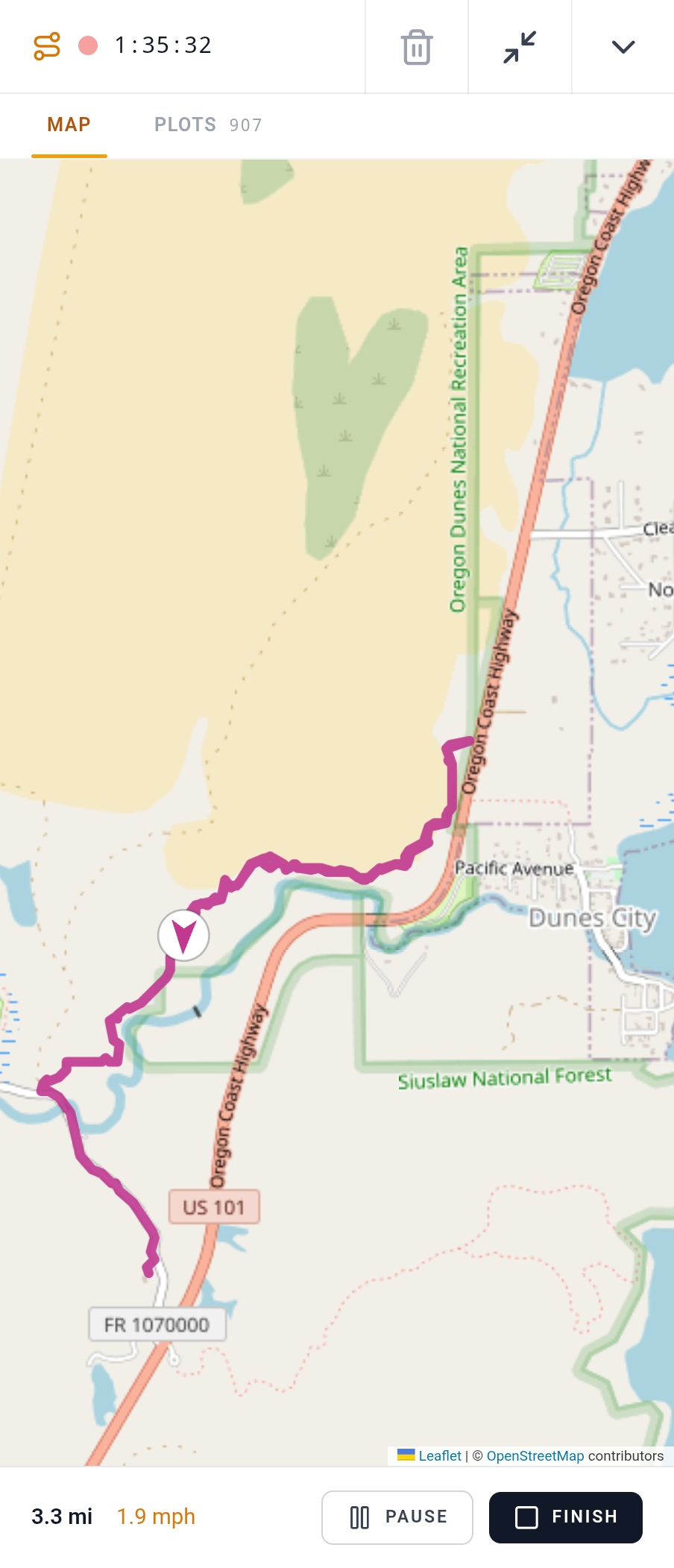
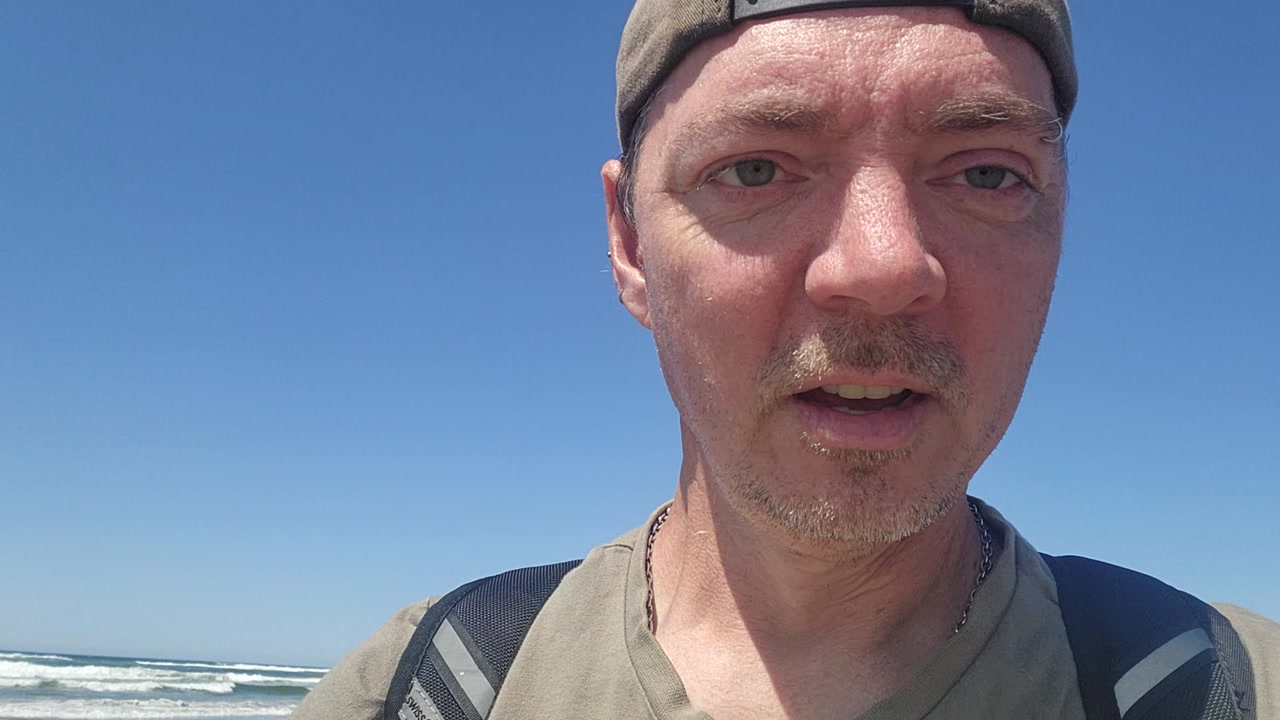
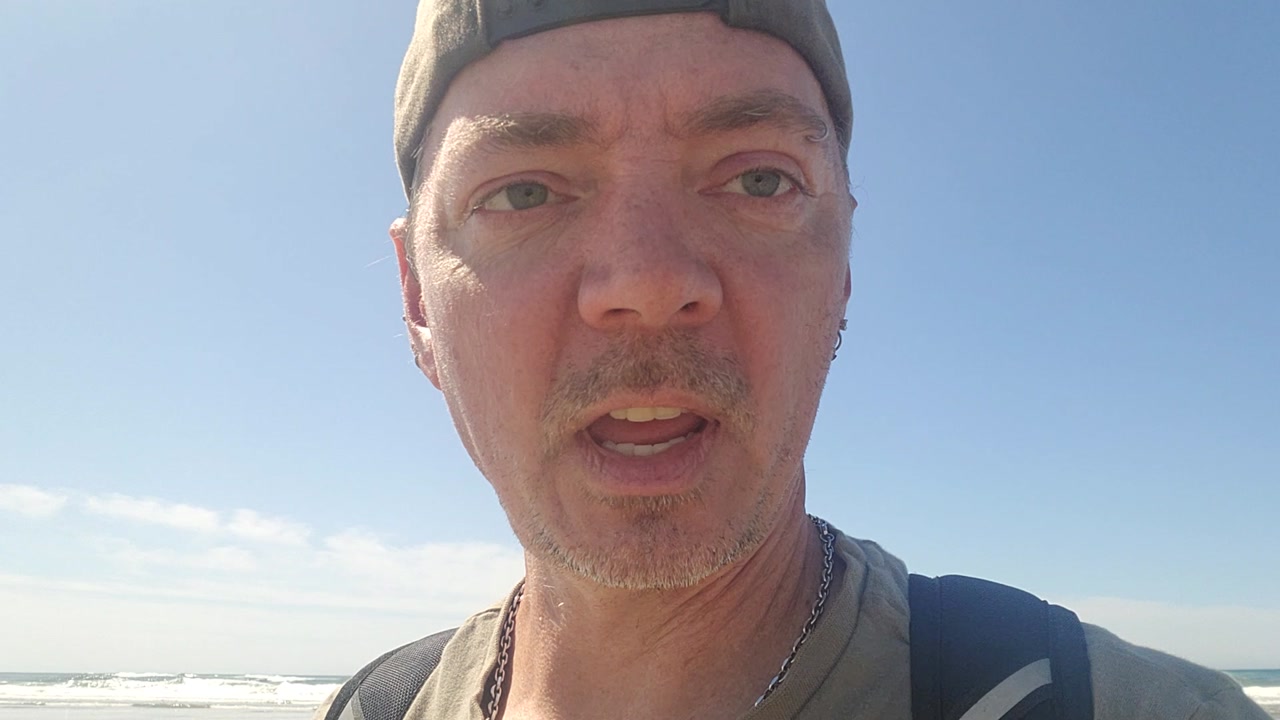
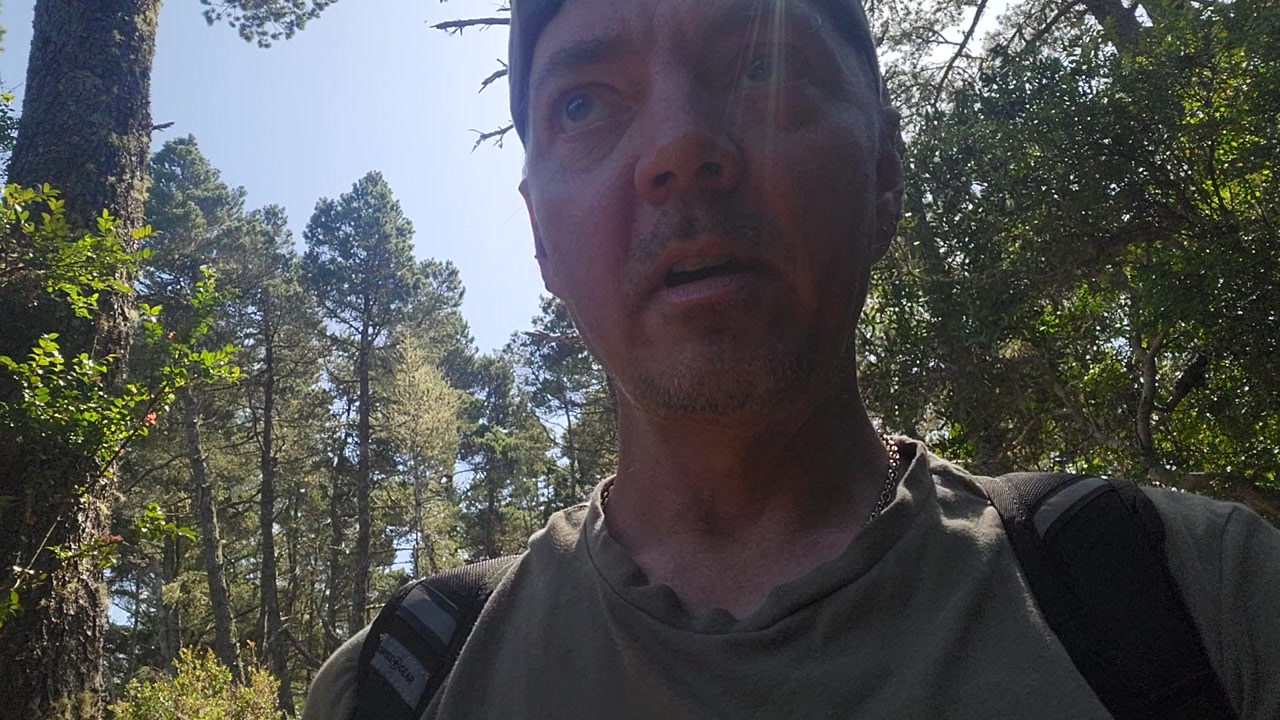
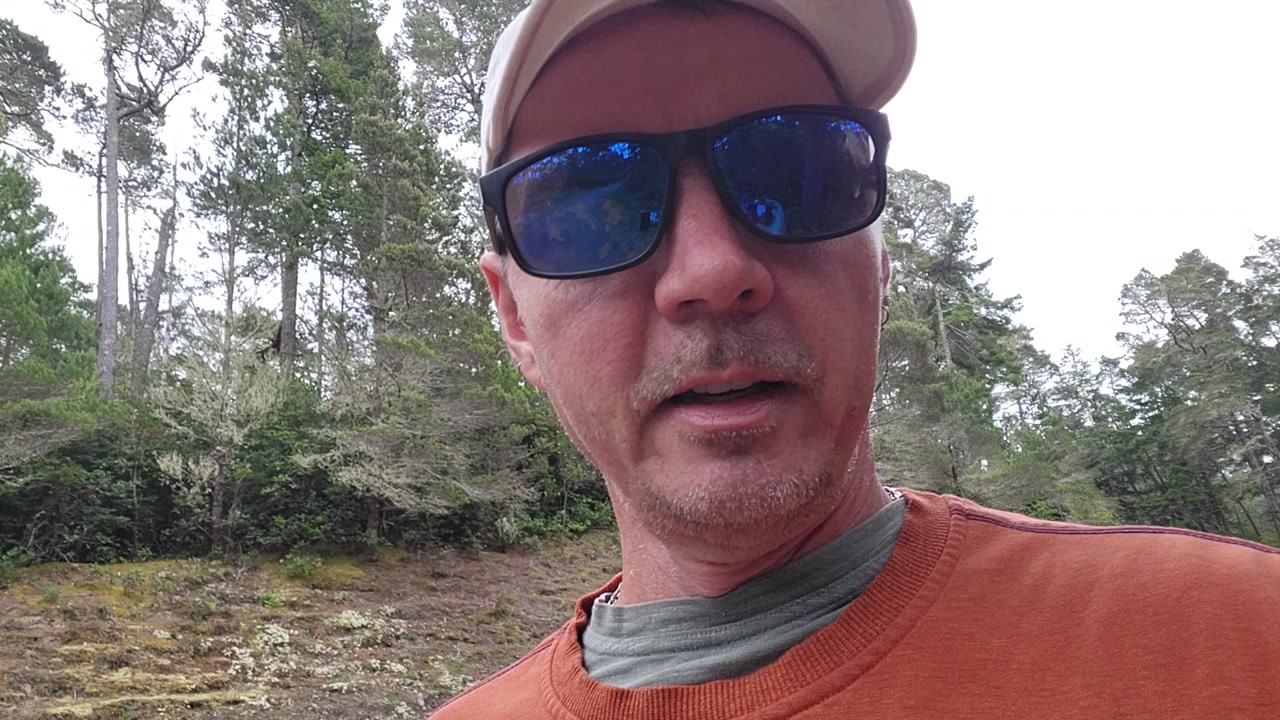
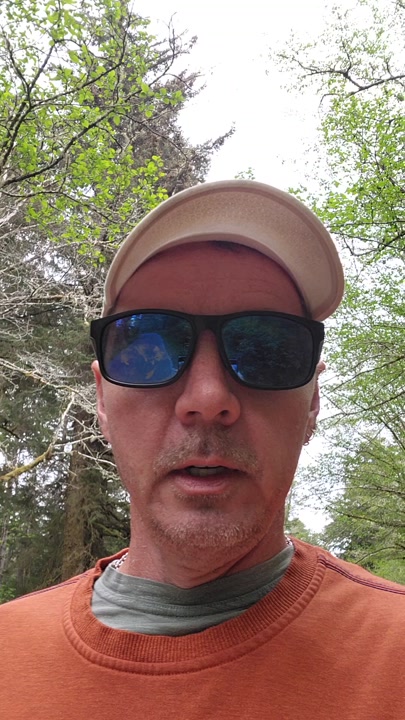
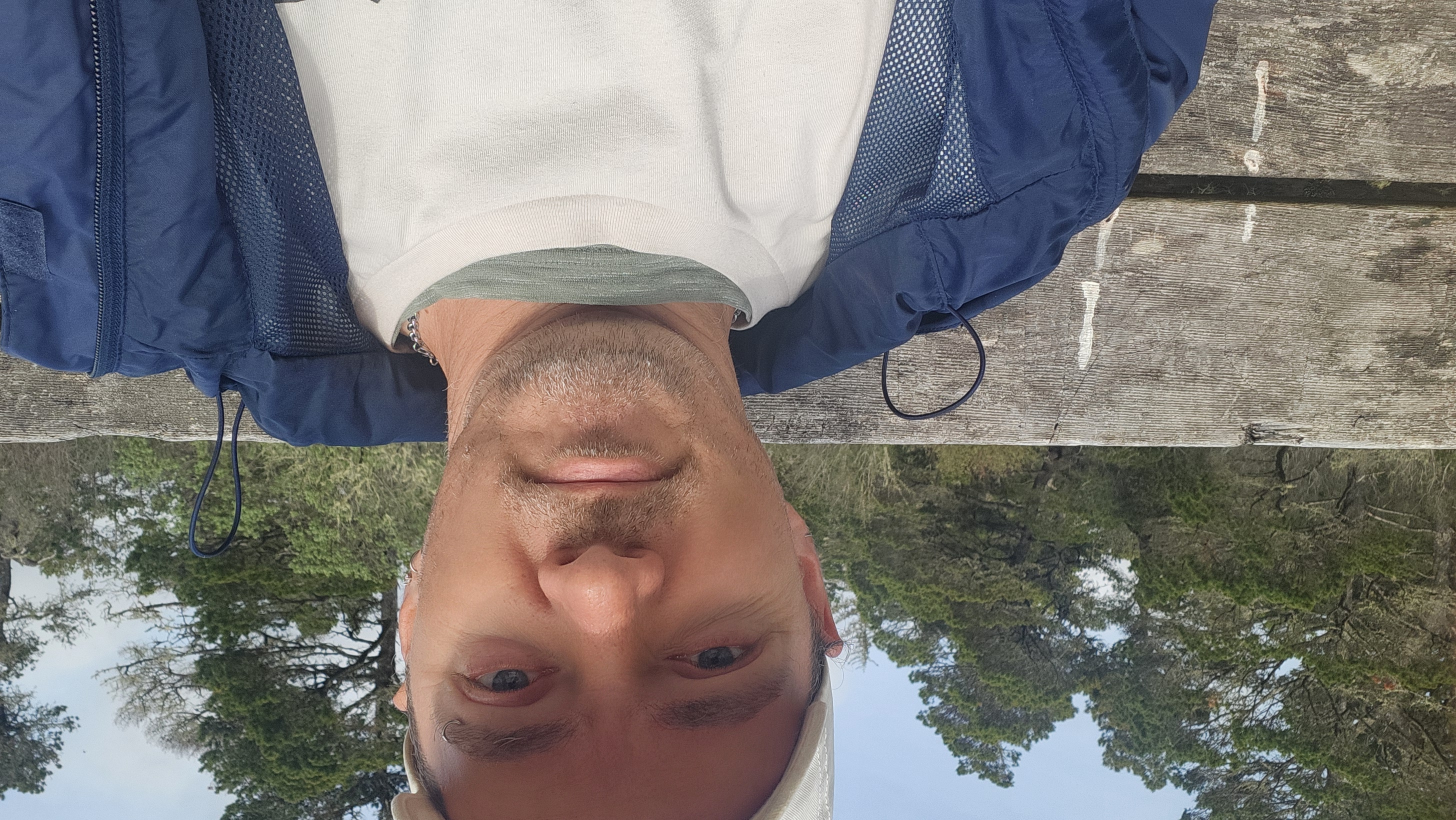
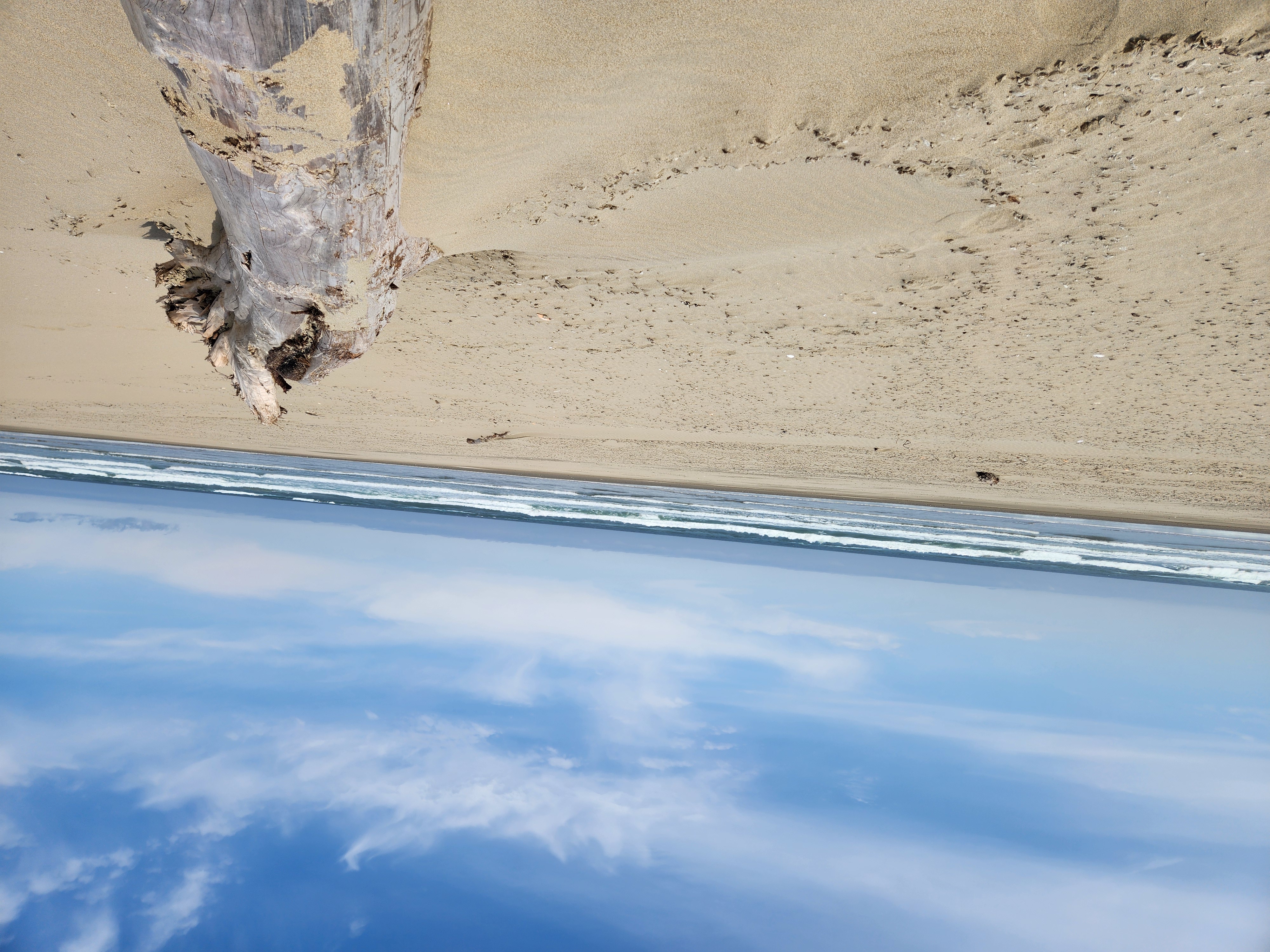
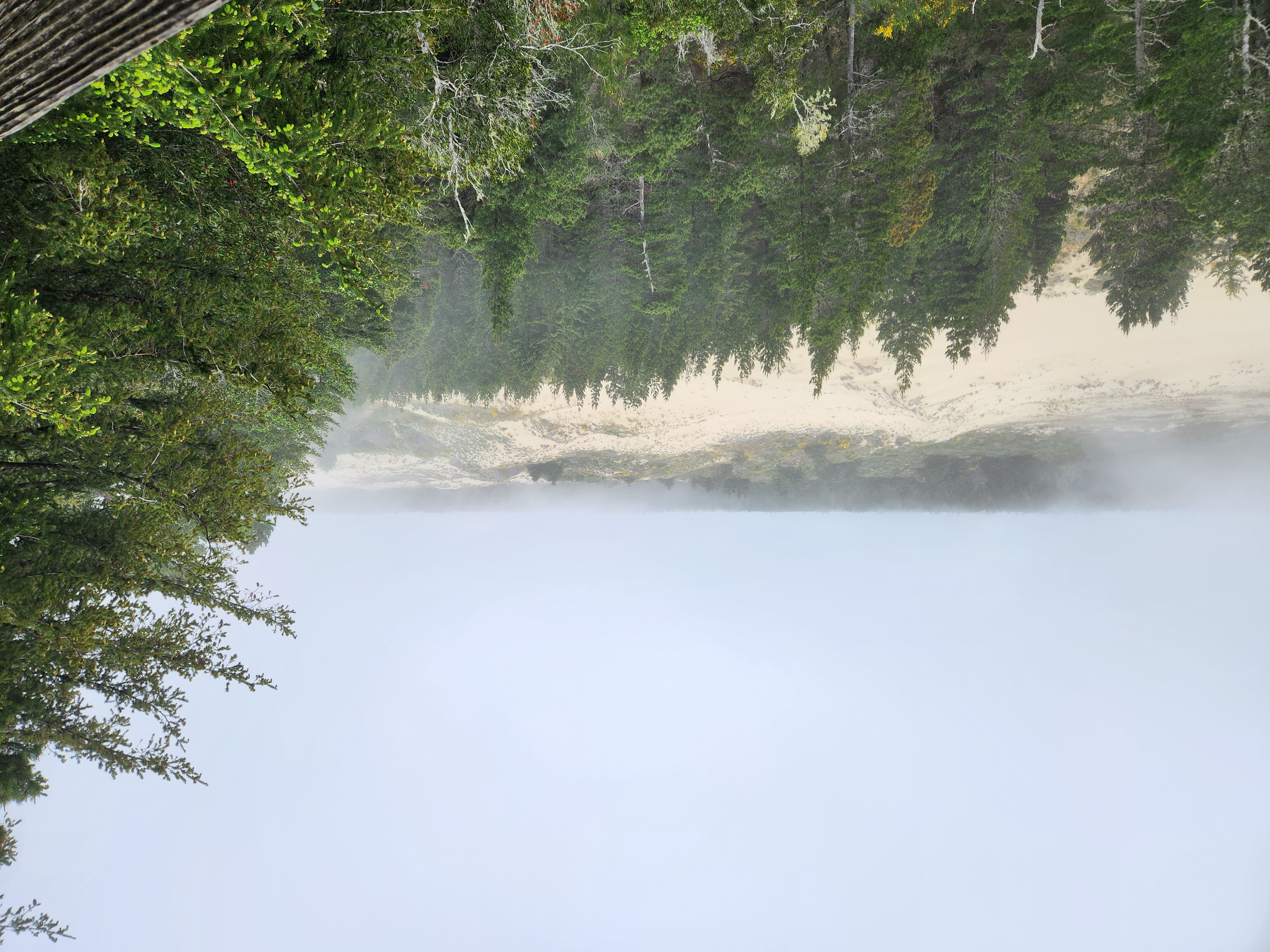
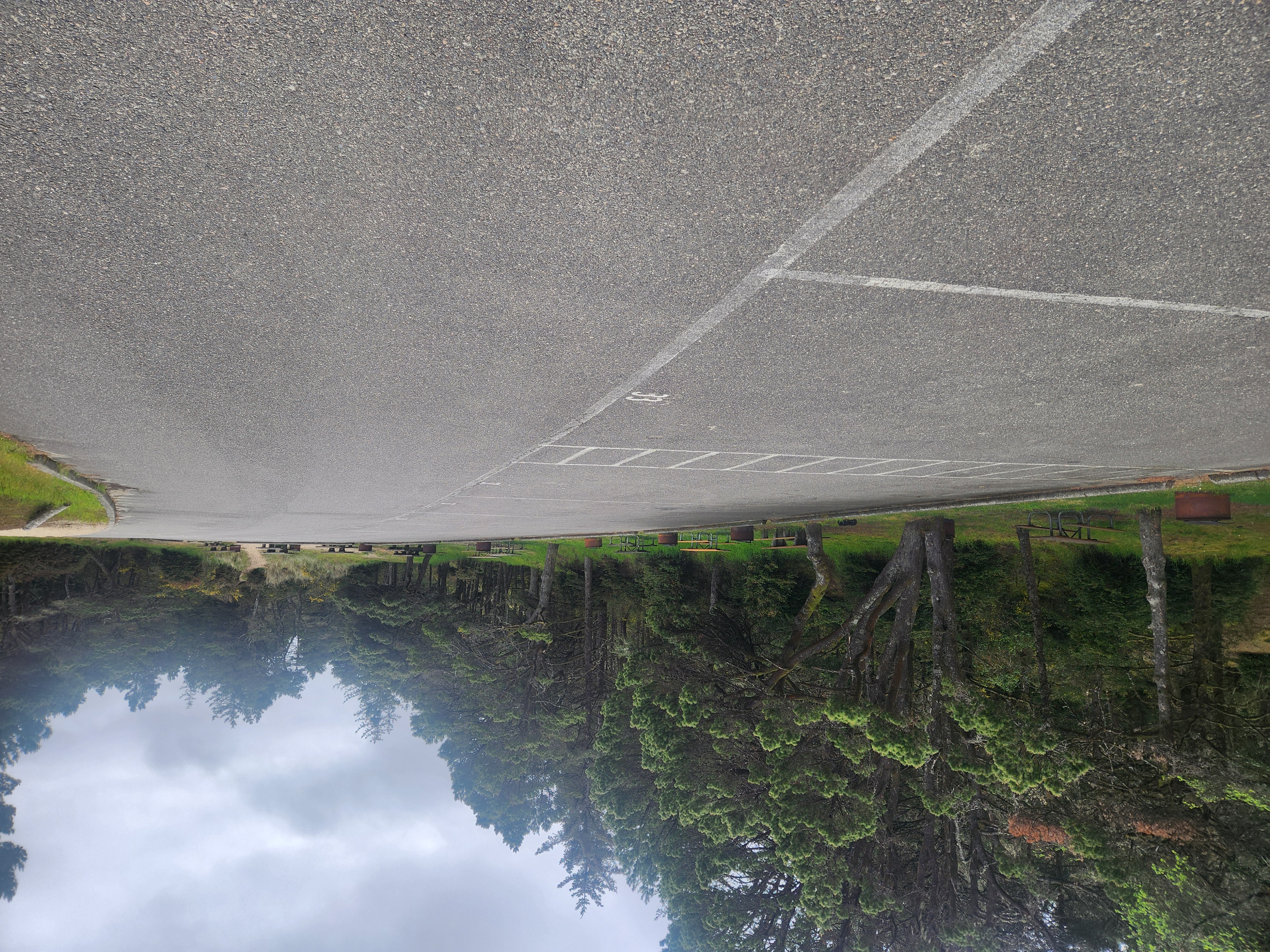
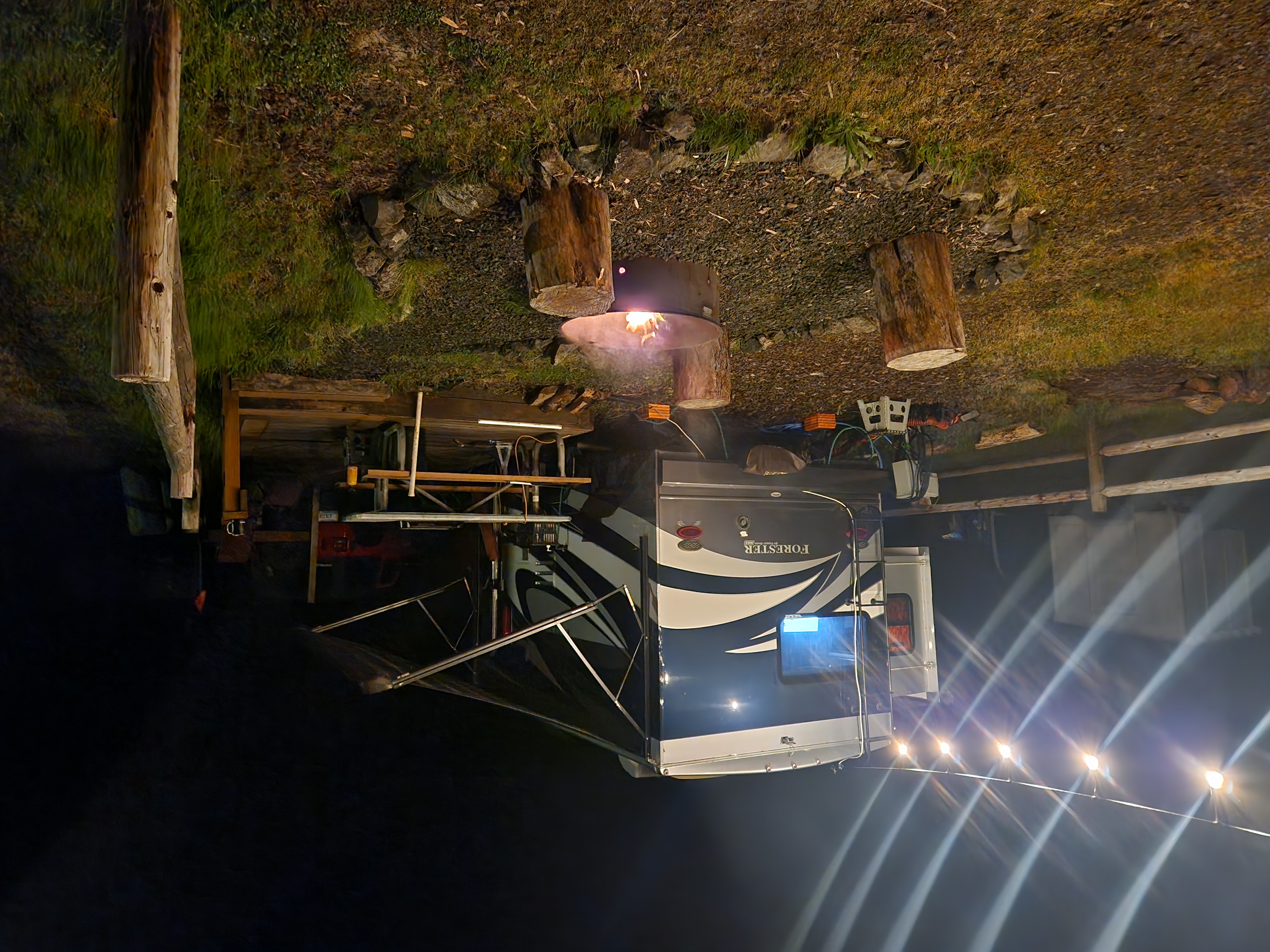
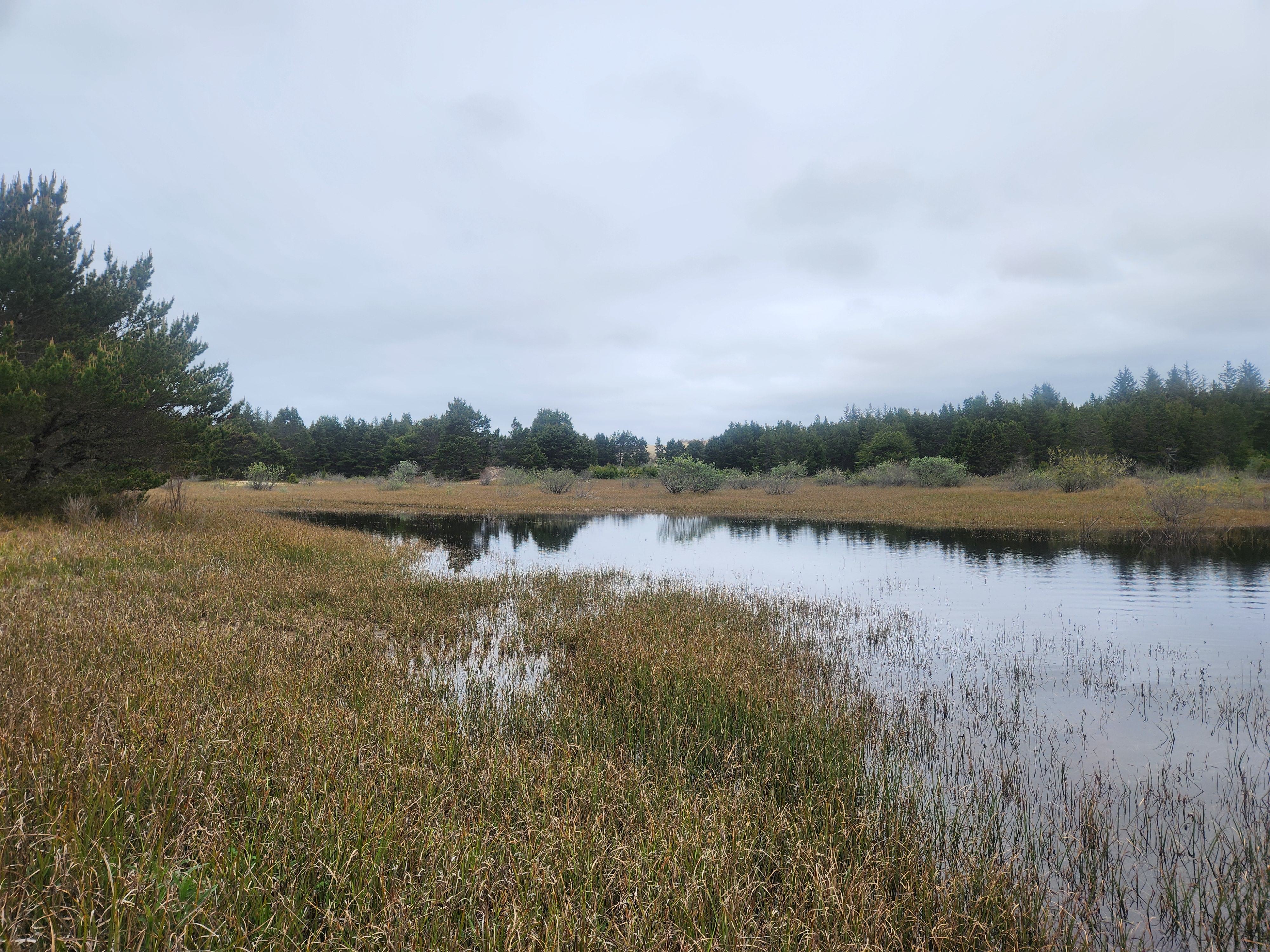
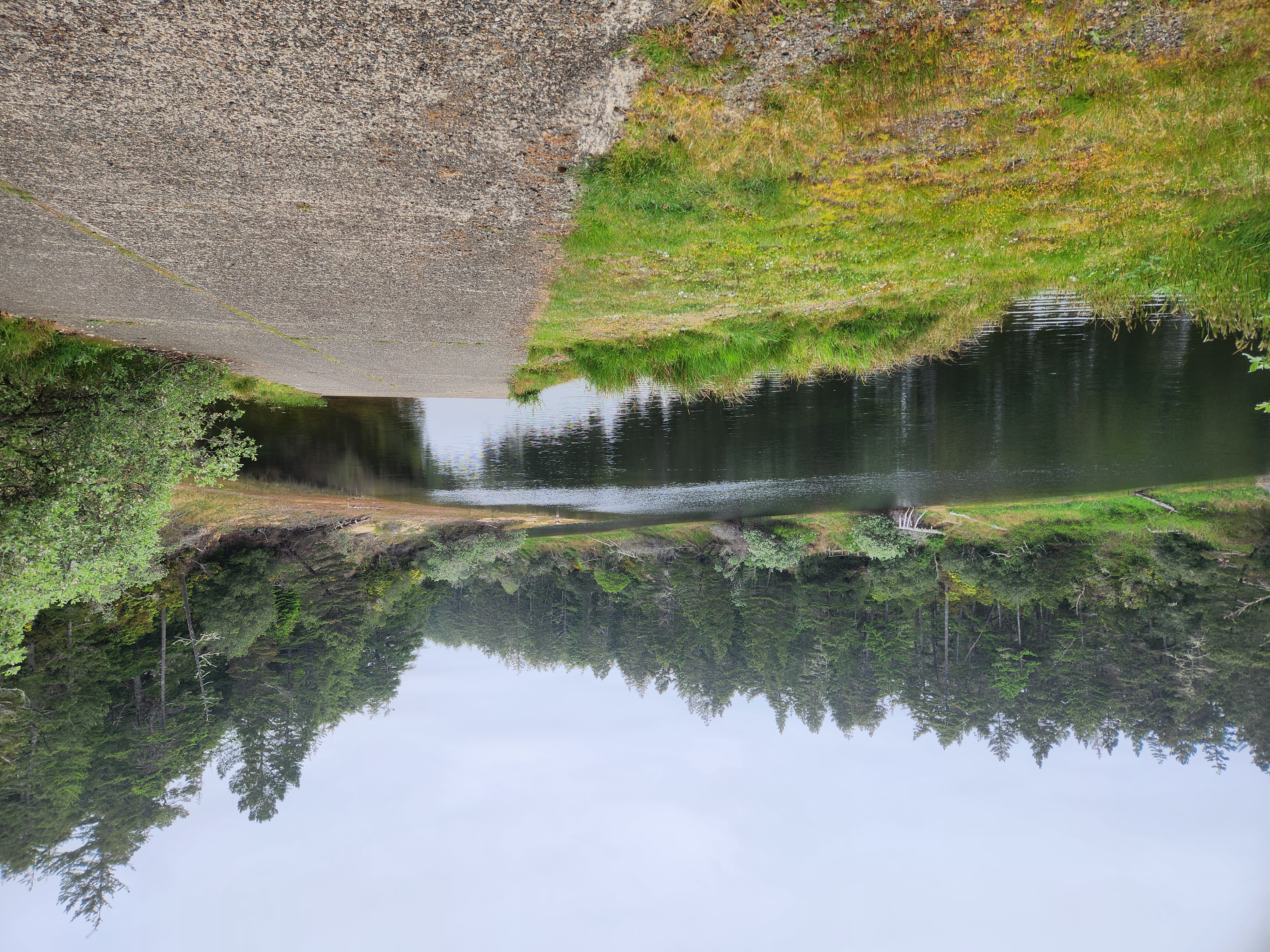
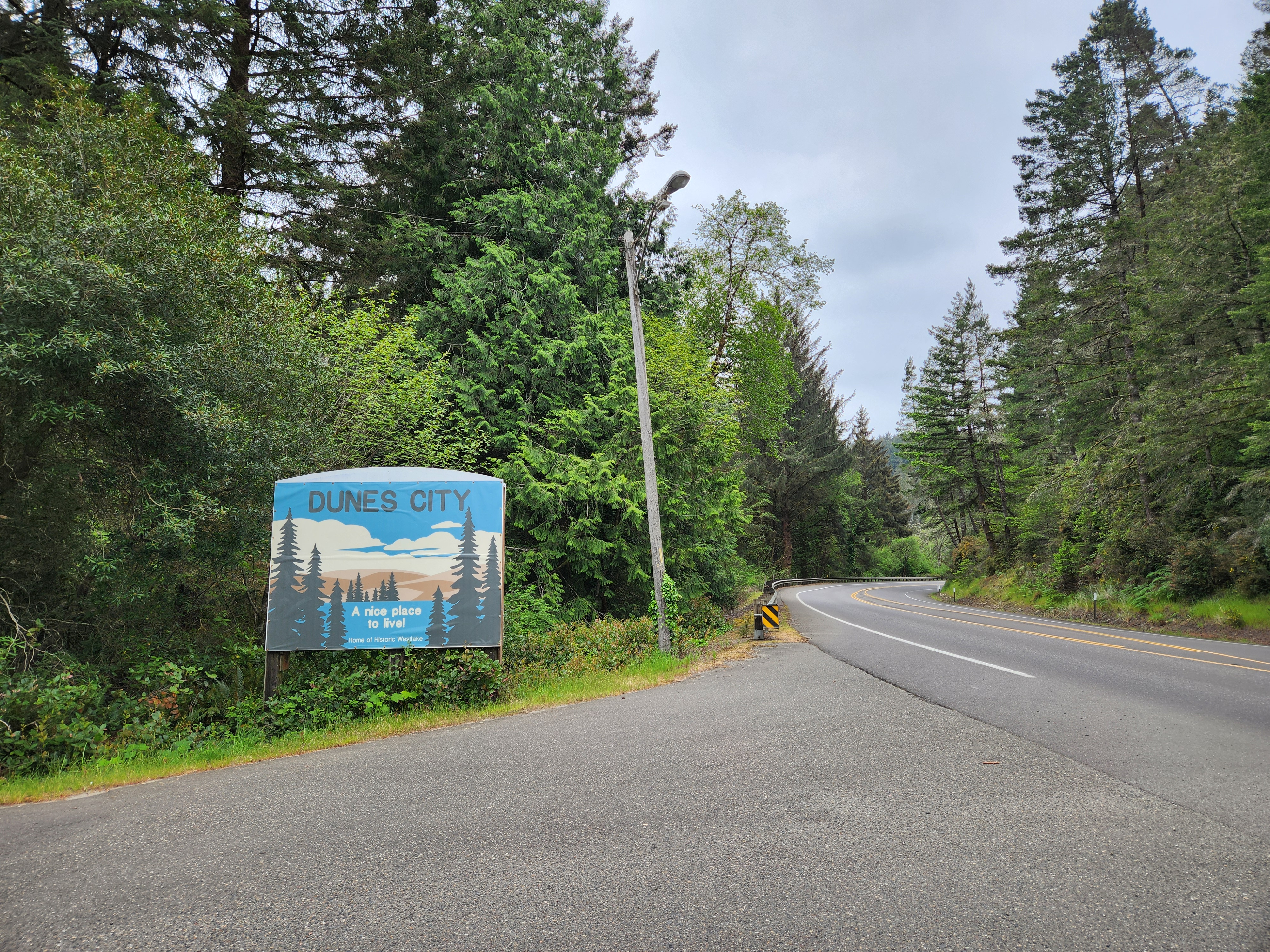
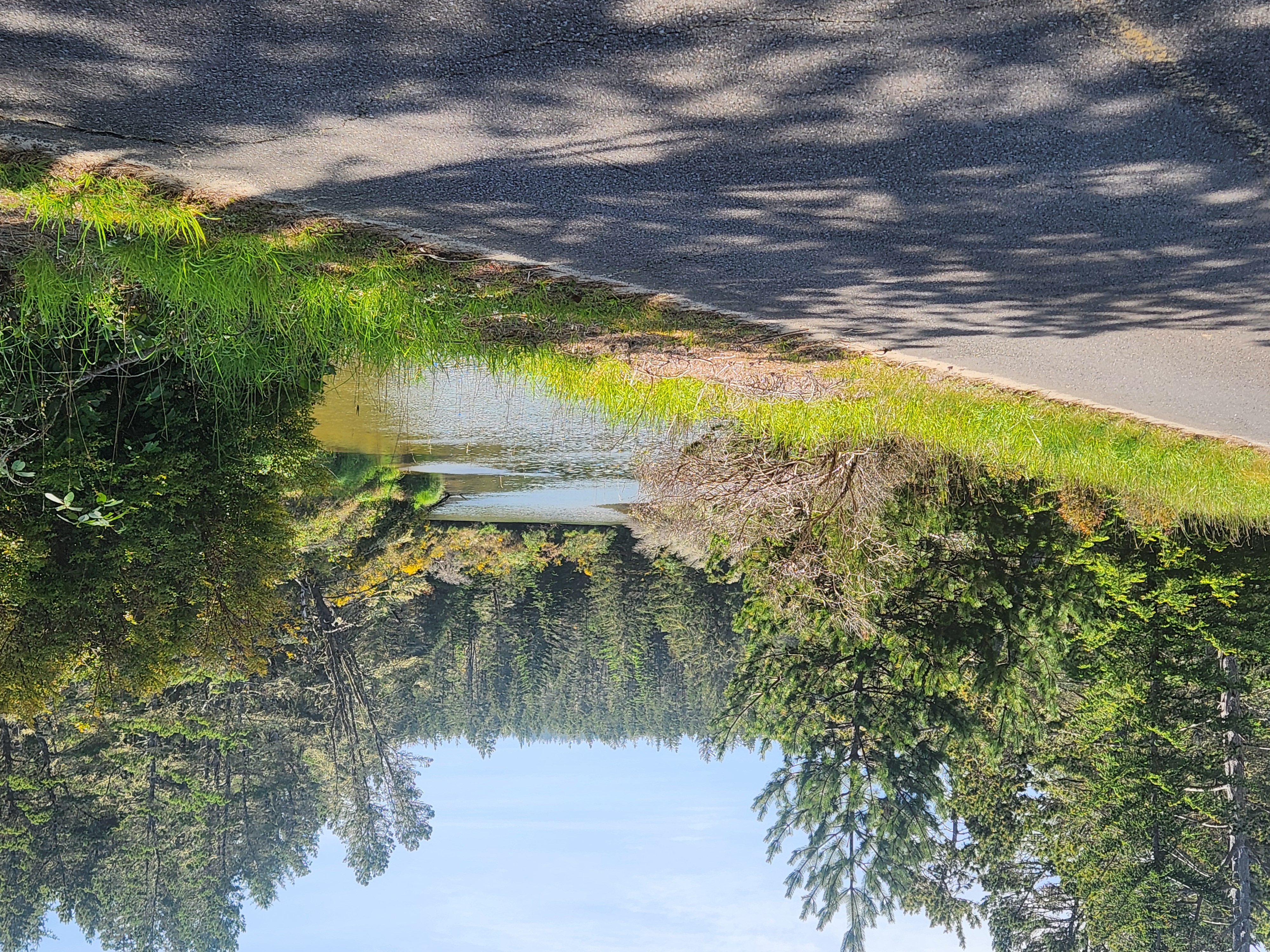
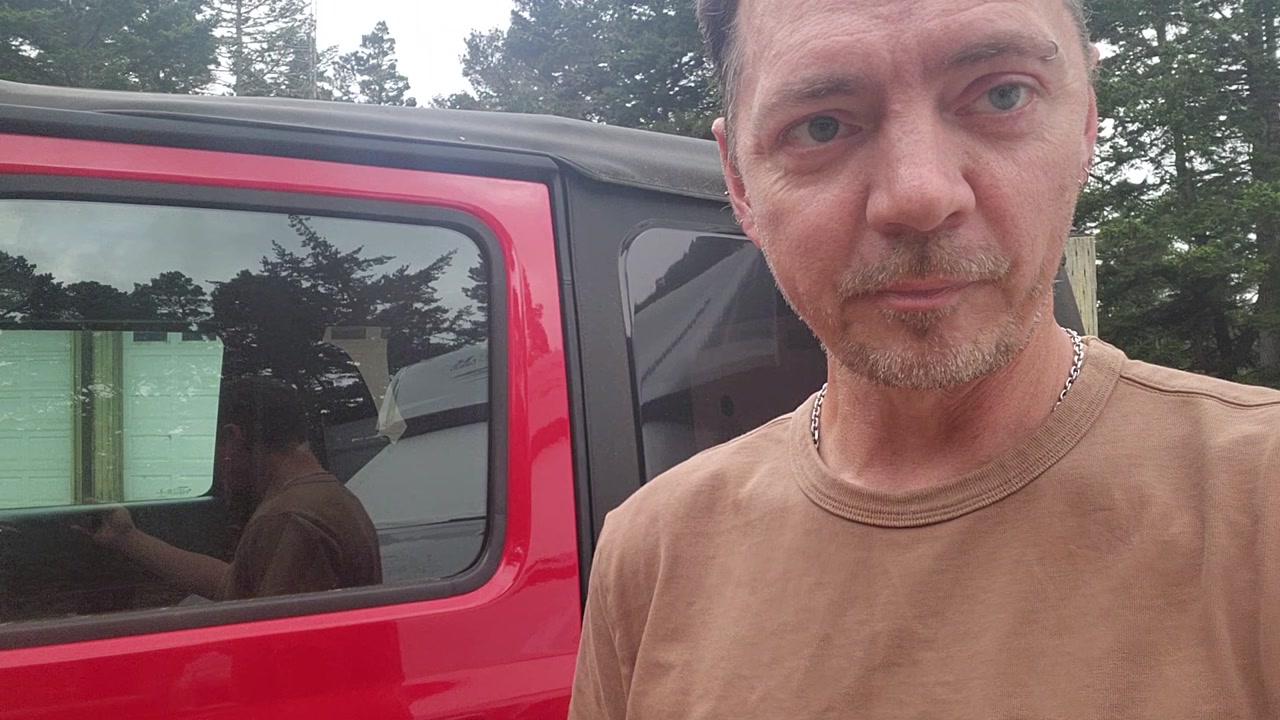
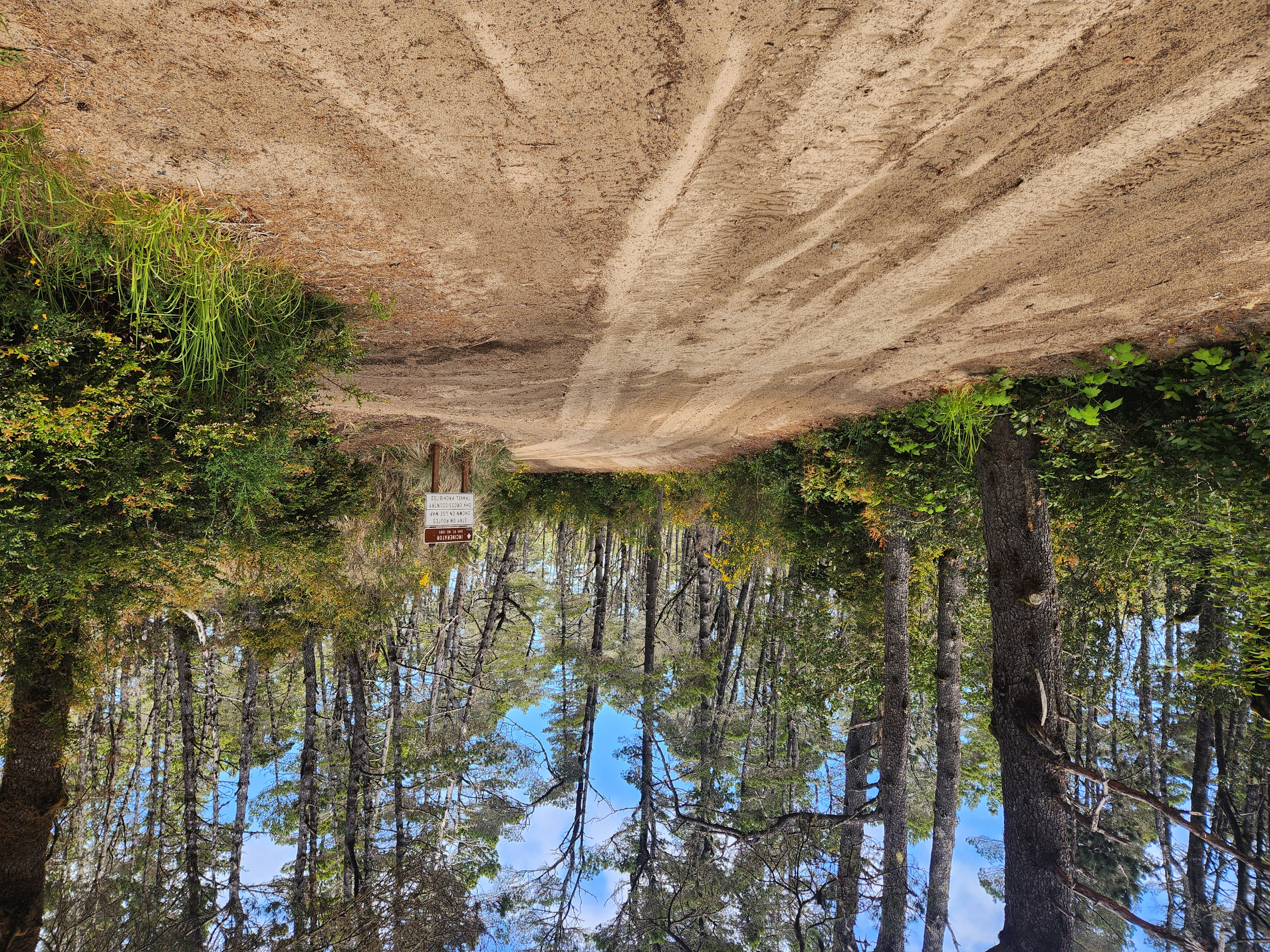
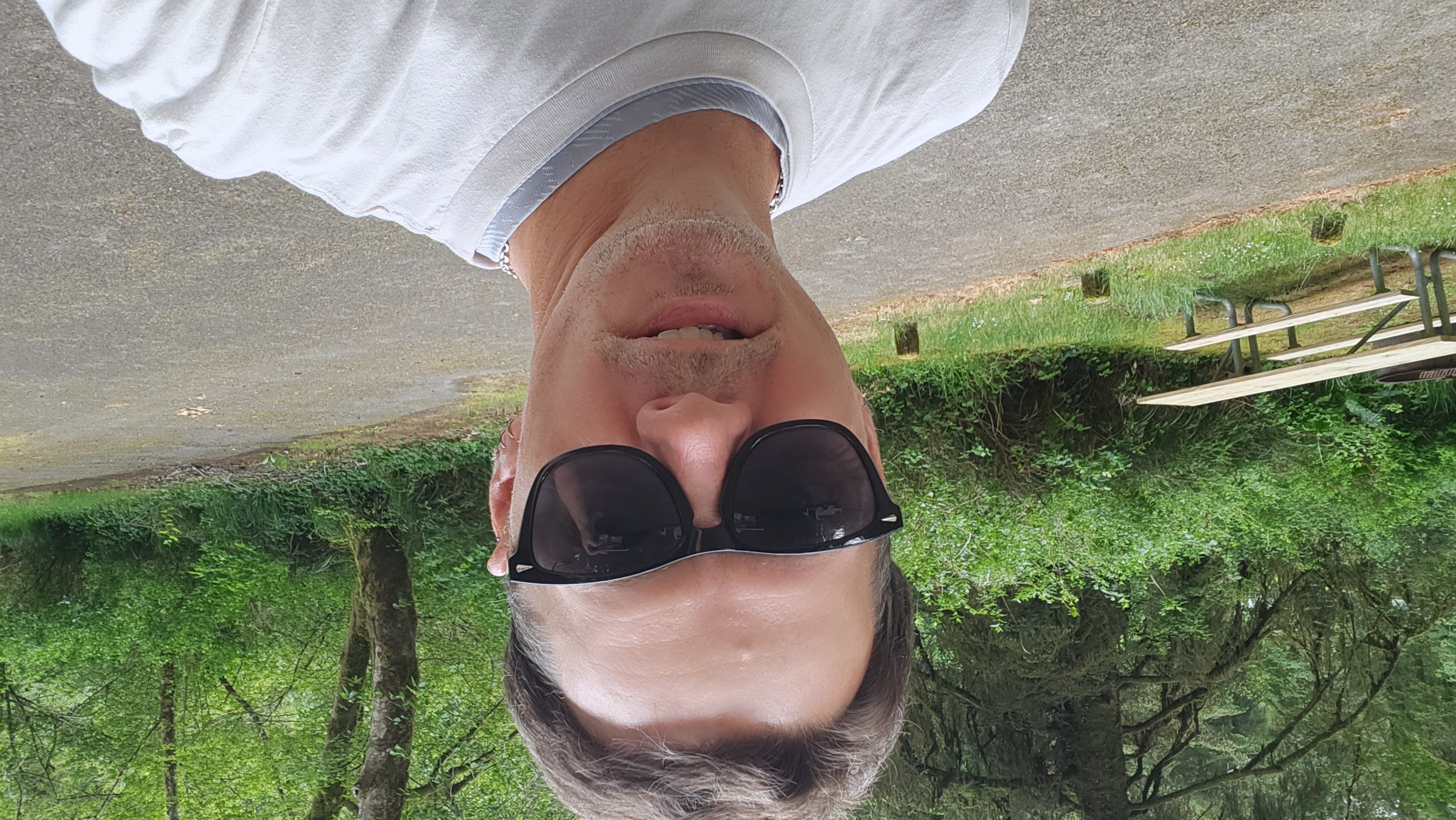
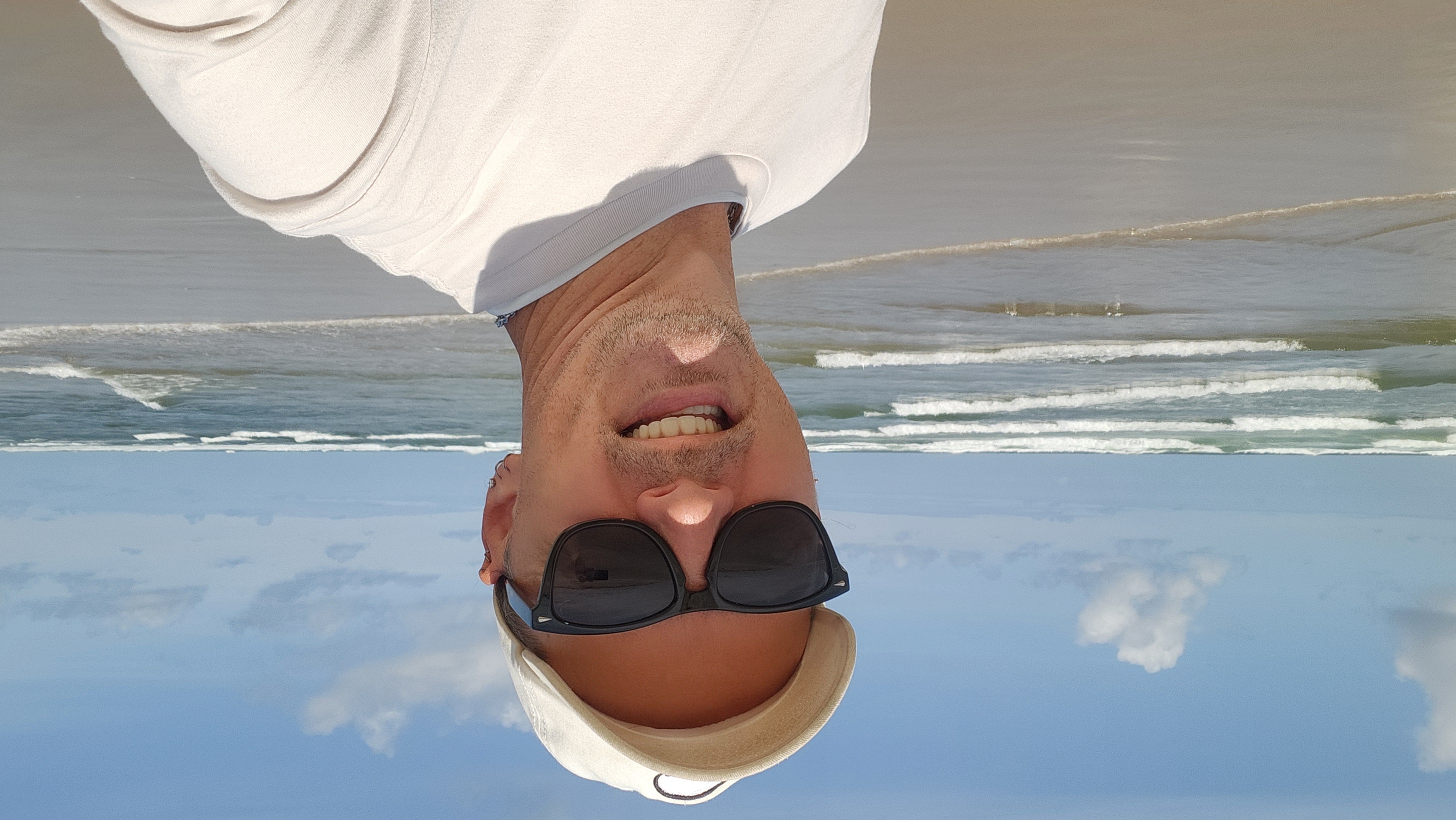

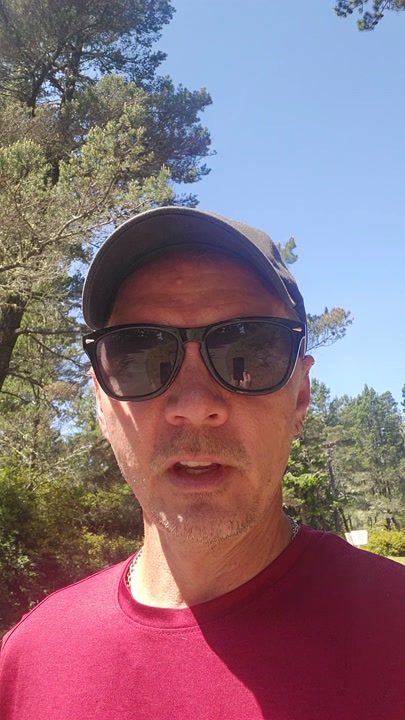
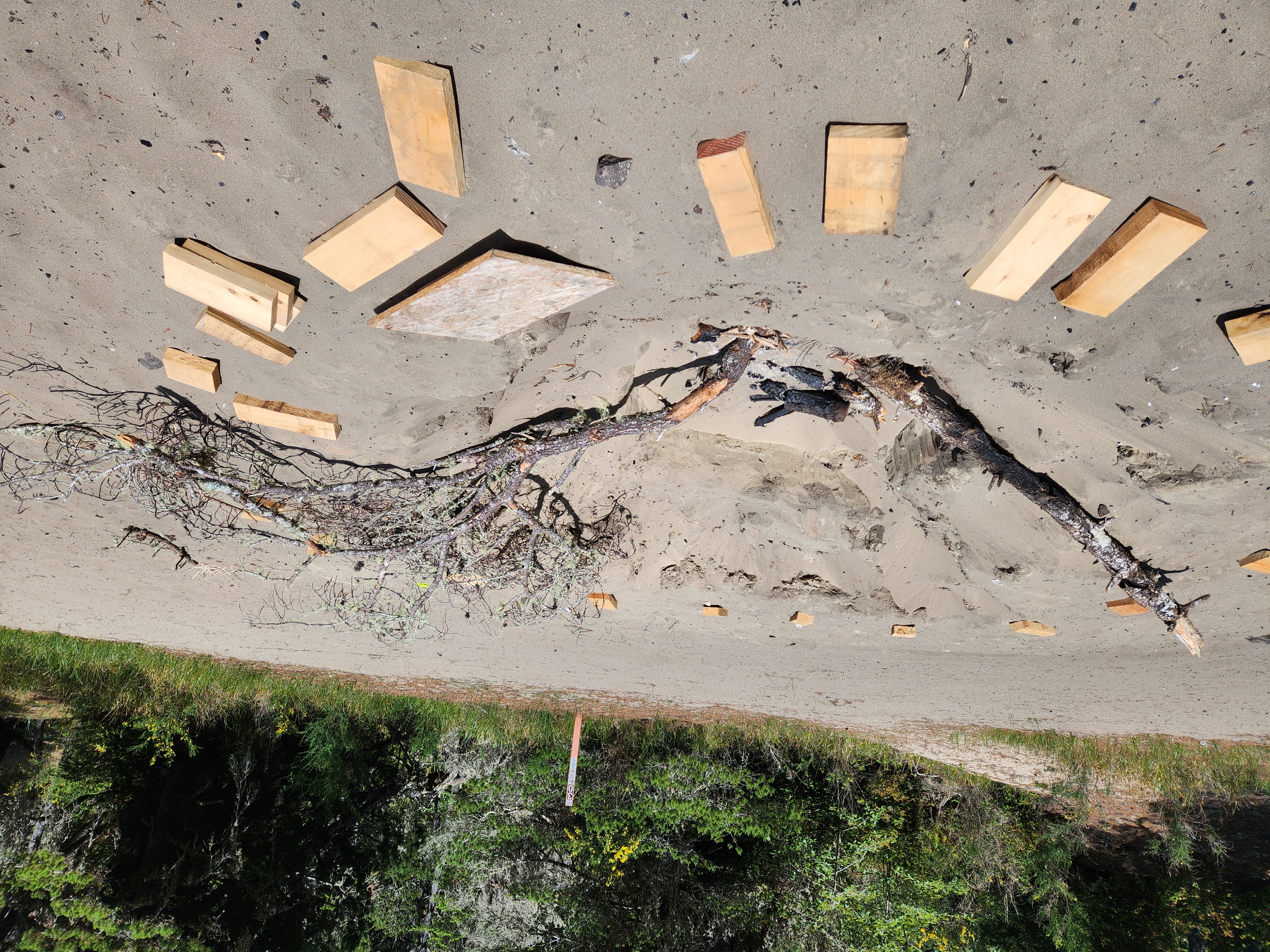
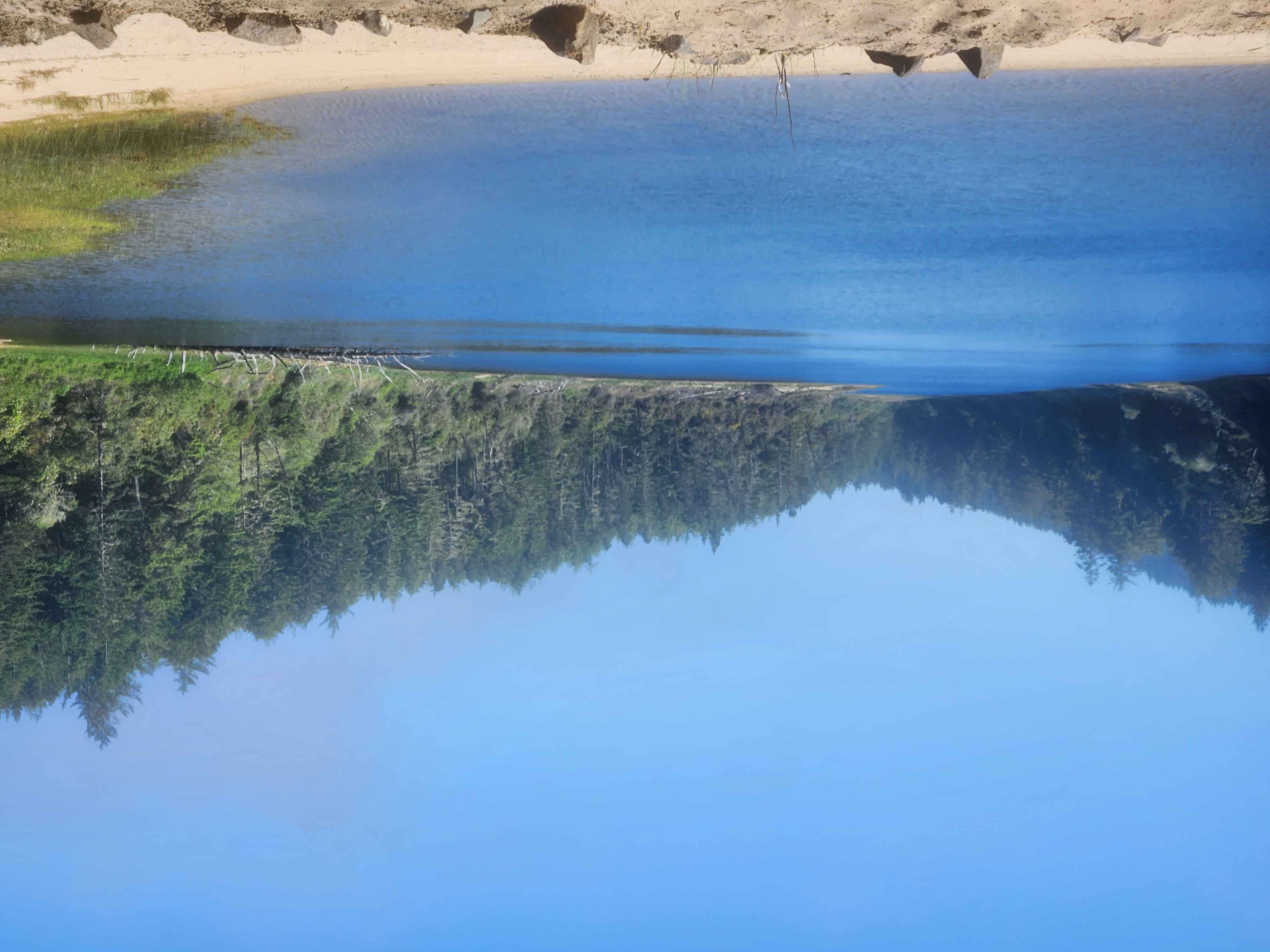
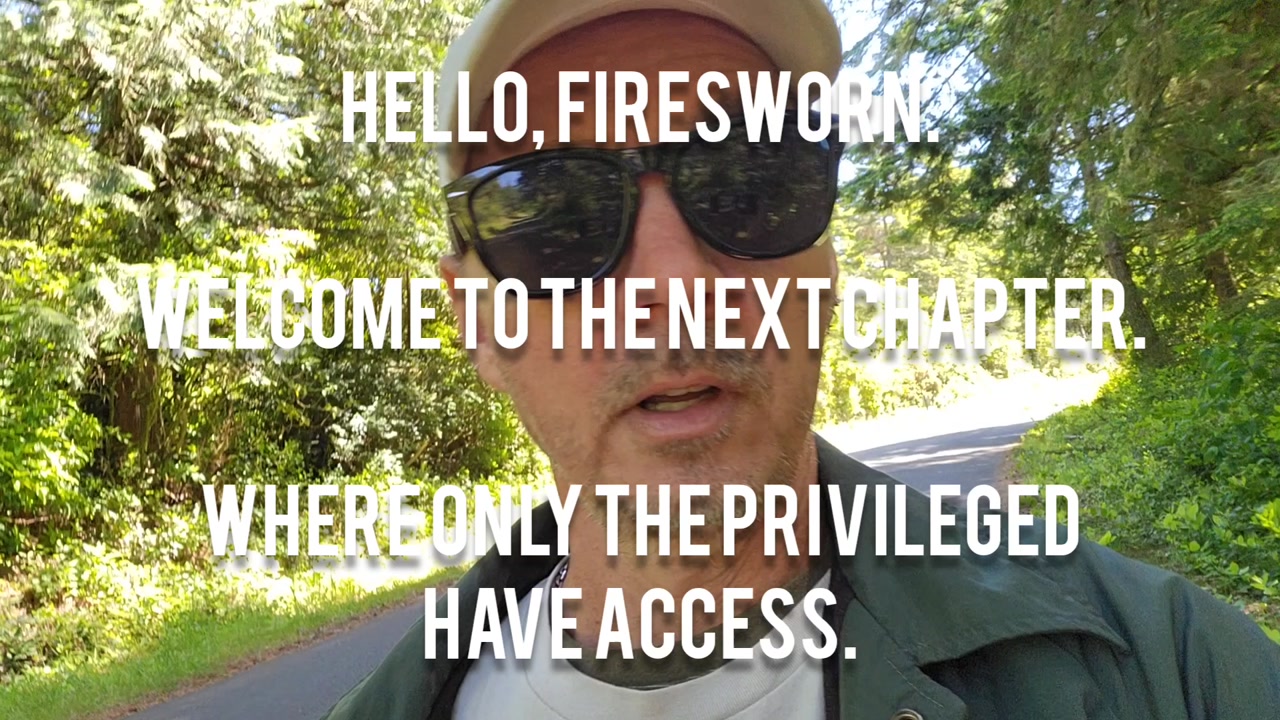
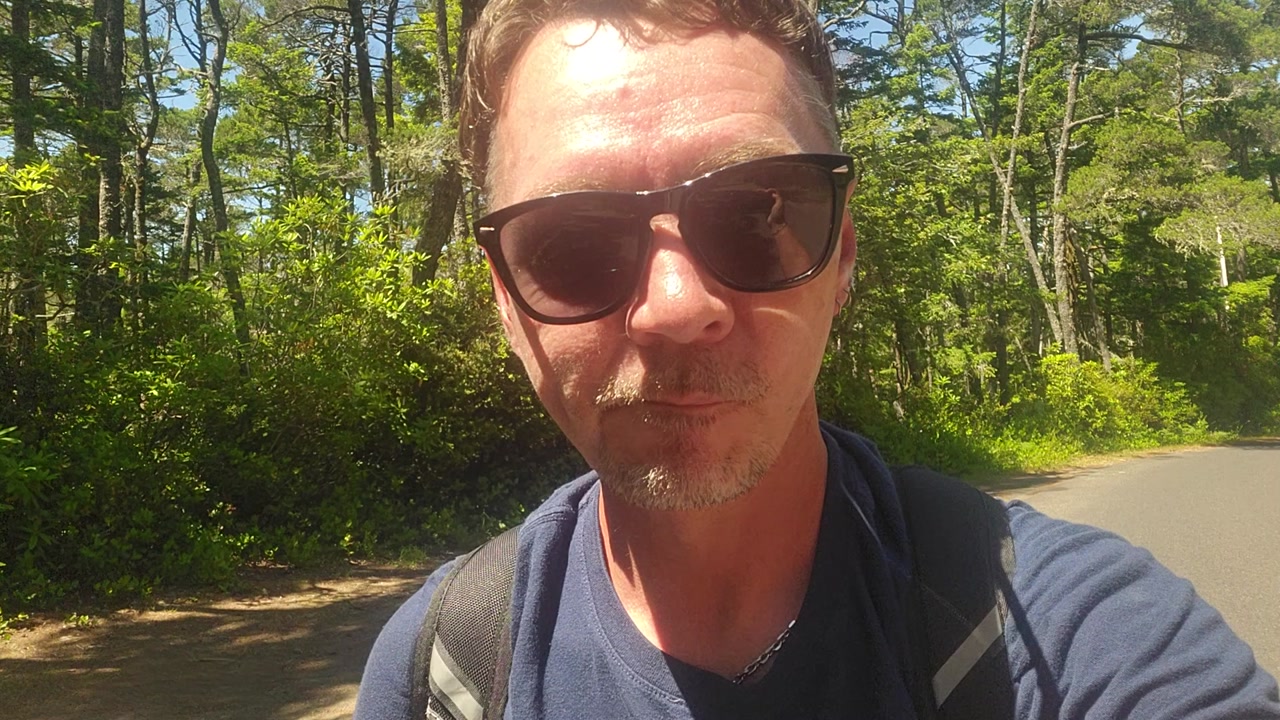
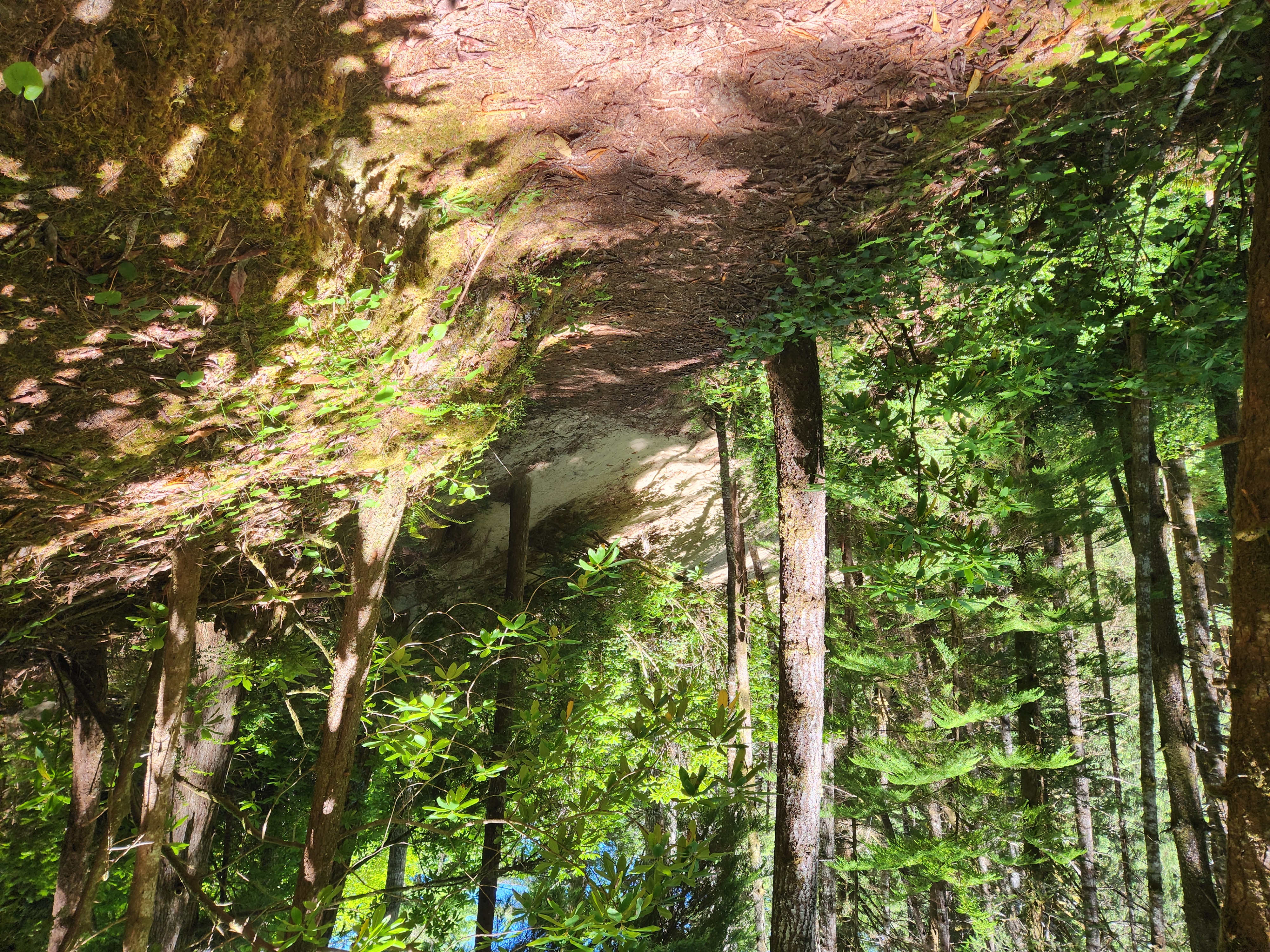
The route was nearly closed when he started talking. rswfire was walking back from the ocean along the Oregon Coast, the out-and-back approaching its return leg, the camera held in one hand and the path moving under him. He had already spent the outbound half gathering: signals taken along the way, photographs, video, the whole line of travel traced there and back. Now, on the return, he did the thing that made the walk recursive — he began recording a description of what the walk would become once he stopped walking.
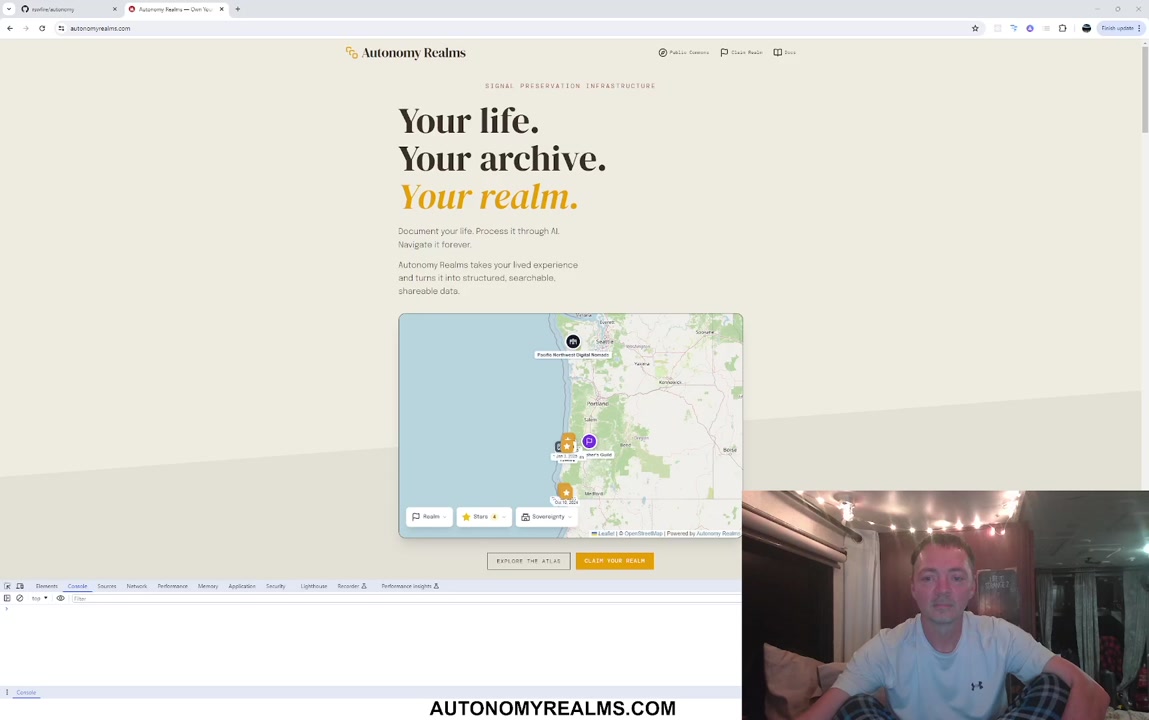
He introduced himself plainly. Name, role, origin. Autonomy Realms, he said, was a project born out of his own life, and the proof of it was happening in real time: the hike he was finishing was itself the raw material. When he got home — which he noted he was just about to do — the day would go up as a cluster. The signals would be reflected on individually. Then the cluster would be reflected on as a whole. Metadata would be generated, the signals analyzed against one another, and if he wanted, the whole thing rendered again in multiple different styles. He described the pipeline the way a person describes a road they walk every day, without emphasis, because he was walking one.
Then the turn, stated without ceremony: built for me first, and now offered outward. He named the constraint directly rather than dressing it. He is not a Silicon Valley investor type. He cannot absorb the compute cost of other people's use and does not pretend otherwise. That limit was not presented as an apology but as a design problem he had already sat with and solved — the sentence I had to think through how to solve that problem arriving mid-stride, mid-return, with the ocean already behind him.
The solution came out in three parts, in order, unbroken. A wallet: deposit an amount, draw against the balance, with model costs documented, per-signal estimates published where the factors can be known ahead of time, and the actual token count debited after the fact — formally documented, he said, twice. Or bring your own keys, Anthropic or OpenAI, and pay the providers directly, with rswfire explicitly stepping out of the position between user and model. Or point the system at a local model, or any model reachable from his server via an endpoint, and pay no one at all. Three paths, and in each of them the compute layer belongs to the person using it.
He softened the entry deliberately. You don't need much. Five bucks on the wallet, a couple of signals uploaded, let the system do what it does, and decide from the result whether it fits. Not a conversion pitch — a threshold low enough to cross without commitment, offered by someone who had just described a full processing architecture and then declined to oversell it.
The recording ended the way a walk ends. He noted he was going to leave it there, that this was probably the first of a number of videos he planned to place at different parts of the site. He said he hoped people would give it a chance, that he thought Autonomy Realms was a really neat thing, and then the line that carried the whole transmission: you can't experience it unless you try. Then home, and the upload, and the cluster — the walk finishing the loop it had been documenting the entire time.