Hiking Wax Myrtle Trail, Planning Offline Autonomy Realms

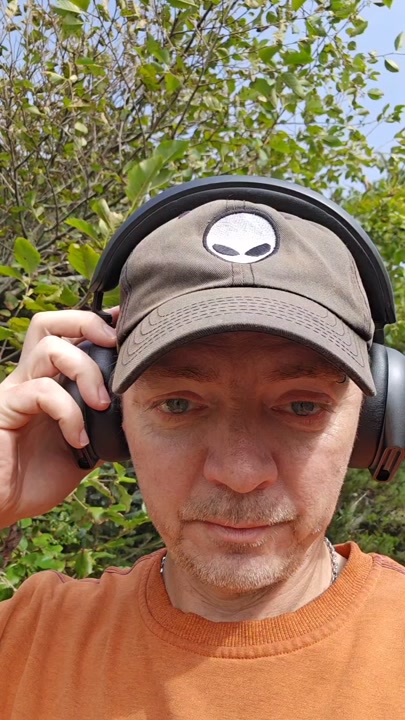
Hiked to the ocean and talked about some things.

Citation
·
Failed to load video
Chapters
Transcript
[0:00] it's October 2nd here afternoon probably around 1 I guess yep 1 10 I'm walking the
[0:13] wax myrtle trail to the ocean now we've got some fog coming in really good
[0:18] timing we might be inbound by it don't know how thick it really is it is around
[0:28] though I don't see it there that's coming from the ocean so let's keep going
[0:44] got on this camera because I thought I probably should document some things I
[0:49] kind of lost the impulse to get on camera and talk about my life because I
[0:55] did that for a long time and didn't result in and I don't know why I'm still
[1:08] doing this I'm still I'm still censoring myself I did that for two years on
[1:20] camera I talked about things that were important to me but I always worded
[1:24] things carefully I've always been that way I guess I just knew I did know that
[1:31] you know that there are just certain things that the institutions and people
[1:35] will open eyes that actually happened to me at a state park so that impulse that
[1:44] I had on camera you know that pie served me but I talked about a lot of things
[1:48] and I never really go deeper into my thoughts because because of that center myself even
[2:02] though I do treat this more like a journal and one of the reasons I stopped getting on
[2:08] this camera is because I processed it all into you know records in my system into signals and
[2:17] analyzed all of them and they all have reflections and I built all kinds of
[2:22] technology around it it's getting really fucking cool like you can I can ask an
[2:27] AI to look at my history for the past couple of just look at the whole thing
[2:31] look at the whole history and tell me a story based on that record from this
[2:37] point of view so like I had it write me a testimony on my archive for OPRD
[2:43] 11 chapters I think it is now it's on time version 1.11 I think it's 11 chapters and
[2:52] citations off around like nearly 300 paragraphs automated a system that can look at my record
[3:02] and then build that that one actually merged both my signals and emails my real emails that you
[3:10] know my correspondence with the institution in order to reconstruct certain things and all of
[3:16] its cited and then I did that on my home page in my realm where I told my story about just
[3:25] traveling across the country moving into an RV trying to cross the whole thing and then I made
[3:31] a third story on the autonomy realms home page the sponsor page which tells the story of how
[3:38] autonomy realms got built and you know it's telling the story about itself basically I miss
[3:46] recursive like that this video is going to go on the system same thing like there is
[3:51] something unique and new here that I've been exploring and I find it very fascinating I
[4:01] absolutely love what I built I think it is so cool so I don't know why I'm you know I just
[4:10] haven't been getting on this camera I think probably I should because I'm still out here
[4:15] living my life you know I'm still making signals and traces and stuff but anyways the reason that
[4:20] I wanted to get on the camera now I have to tell you my phone broke it's dead I'm not this one
[4:28] obviously but this one doesn't have service on it because it's network locked I didn't know
[4:34] headphones could do that so I didn't and it put me in a pretty bad situation you know the other
[4:43] phone dying two-factor authentication was on that thing and I I had been thinking about it for a
[4:50] couple of months before this happened what this is the sad part I guess you could say or not the sad
[4:57] part but the part that I need to learn from even at my age at any age I need to learn from this
[5:04] right here this is a recurring pattern in my life so I had been thinking about this for weeks that
[5:10] my phone didn't have that it was a point of failure for me and sure enough it was because I
[5:18] didn't do the things that I knew I should in order to prevent the problems that I had after the phone
[5:22] died so so here's what I did and some of this I should have done beforehand but here's what I did
[5:29] in response so the first thing I did was have cloud code build a two-factor authentication
[5:39] authenticator program right into my realm right into autonomy realms it's I called it a tool at
[5:46] the time but now I'm calling them apps because I added a whole bunch more after that but it's just
[5:51] an app inside of your realm that you can use to you know store your two-factor authentication codes
[5:57] and get ones when you need them you know it's like Microsoft authenticator and it's built into your
[6:02] realm it's awesome so I built that and then I started securing my account so the first one I
[6:08] secured was my infrastructure at Hetzner you know and from there I was locked out of my email because
[6:16] my email for at least a decade probably longer had been controlled by Microsoft so I had you
[6:29] know I was part of one of their programs back in the day and you know I just was kind of
[6:32] grandfathered into this program my email was always an outlook basically and I lost access
[6:38] to that because I lost access to my Microsoft account to two-factor I think I had to fix that
[6:46] and I did I fixed that one but the tenant one was different and harder to solve so so what I did in
[6:54] response was I had cloud code to build a mail server and my servers you know and I built my
[7:01] own mailbox fresh one that I control myself more sovereign tech this is just how I am I love this
[7:06] about myself so basically you know I secured myself and I tried to try to build solutions
[7:17] that weren't dependent on having a phone so even though you know autonomy realms needs to become
[7:22] an app and well I want to be independent of the platform and stuff like that I guess is what it
[7:33] comes down to because if everything's in autonomy realms if you know I can get my two-factor
[7:39] authentication codes there I can write notes I can put my contacts I can I can make a calendar
[7:46] all of that I put that under this app section it all exists now then you know I can use any device
[7:54] can use any phone or computer or tablet or whatever to access all those things I'm not
[8:01] dependent on a phone so I did all of that so we made it to the ocean it's over there somewhere
[8:10] yeah it's gonna be nice out here so glad I came out so after my rounds today I
[8:23] rode my bike around for a while a lot of different campgrounds it's really fun to be
[8:37] at Wax Murdoch right now because it's closed nobody's here so I went around in loops here
[8:42] for a while and then I decided to walk out here and I've been thinking about things I want to do
[8:52] to autonomy realms all of it comes down to solving problems that I now have because this
[9:00] phone is offline so I'm literally like I'm disconnected so I need the app to be offline
[9:11] capable you know and I need to be able to like click a button and take a note or all of those
[9:19] things honestly and then I got to get it in the app store I'm gonna do that now I think that I
[9:27] probably have refined it enough that I'm comfortable subscribing to a service that does the testing
[9:33] over the two weeks the last step the last gate getting in the Android store so I think I'm
[9:43] about ready to do that and then a few weeks from now it'll be in the store officially and then I
[9:50] can share with people much easier at least for those that have Androids
[9:55] where's the ocean
[10:04] guess we'll walk towards the river
[10:06] also was thinking about like still on a hike all the way down to the jetty in Winchester Bay so I
[10:17] can do from this beach I should do it from Tackenich you know halfway there
[10:26] and um rivers or creeks in the way but so you know not technically from right here but it is
[10:32] the same beach yeah I haven't done that yet I didn't do it over the summer
[10:42] I would say that I am starting to feel my age a little bit more than I want to admit
[10:47] the most active person I know and it's starting to you know I feel a little bit
[10:53] sore like I could tell I could tell like like there's no way I'm walking to this jetty right
[11:00] now like that's just not a thing that I'm even gonna think about doing like like I can even
[11:05] though I haven't been hiking like the past I guess it's been a few days now just been busy
[11:11] with all kinds of stuff you know what that's probably not true I probably have been hiking
[11:17] the whole damn time so my grandma would tell me this but anyways I'm just saying I think I need
[11:24] a little bit more rest more nutrition you know stuff like that and those are chores and complications
[11:33] and you know parts of life that I've never been great at and I'll always be adapting to I don't
[11:43] know why I am so healthy at my age you know and it's remarkable it is I don't think it can last
[11:53] forever unfortunately I'm glad I've gotten the time I have gotten I've been thinking about this
[12:00] too because still here and man there might be a path opening up for me one that I thought was
[12:14] closed because because of a choice made 30 years ago but it's not so we'll see about this I guess
[12:30] I'm hoping for a good winter I'm hoping that we have lots of cool storms right here that I can
[12:40] come and you know experience like I did at Cape Bonko two years ago last winter just wasn't you
[12:47] know very impressive so I realized like it's probably not everybody thinks that way but I
[12:56] absolutely just love these storms they're so cool man like this is the thing the ocean does you know
[13:03] so like I really would like you know more of that and obviously I don't want anyone to get hurt or
[13:09] myself or anything like this you know I want the damage to be superficial in the end or whatever
[13:14] but also I would love to see some awesome storms so you know and I'm gonna keep working on my my
[13:24] project my platform is a is becoming a pretty impressive platform I don't know still don't know
[13:36] how how I find the first person to share the Commons map with me because that's what it will
[13:47] be that public Commons map that autonomy realms calm has only one person's traces and signals on
[13:54] it and those are mine somewhere in this world of what seven billion of us there's got to be somebody
[14:03] else living somewhere on this planet it's gonna discover this platform create their realm start
[14:14] tracing their life documenting it and signals with documents and videos and photos and audio
[14:24] and all the other things that builds from that
[14:31] there's gotta be a way right so I'm still out here just hiking back to the river and I got
[14:44] back to the trailhead and I didn't want to turn around I didn't want to go back yet so I decided
[14:49] just keep walking down the beach but maybe I would just head to the Carter Lake trailhead
[14:54] and then turn around there go home I can't be hiking all day so also my leg is complaining
[15:03] I guess if I stop for a few minutes relax stop I don't know if um this is going through my headphones
[15:16] you know or my phone like you know my microphone I don't know there's cuz there is one on these
[15:22] headphones but so I have no idea how these videos sounds hopefully I can get a transcription from
[15:29] them so anyways I've been standing here still hiking and I was thinking about stuff and one
[15:35] thing I thought about was a tagline for our time realms it's different than everything I've been
[15:39] thinking about so far and that's software that supports a real life because this is this is a
[15:46] platform that's built for the real world is I feel like for a long time you know we've been
[15:52] pushing people into digital spaces and just you know boxing up every human on the planet into this
[16:02] virtual world where you know they they're safe and contained and you know they're not touching the
[16:09] real world anymore and at some point in my life you know when I decided to move into the RV and I
[16:14] just I broke out of that containment because that's what it was and you know I built autonomy
[16:21] realms to support that life like it's tracing my my route I'm taking right now on an atlas on a map
[16:28] it's literally it's literally marking the terrain I'm at for me there's other things I could do with
[16:36] that like if I was wearing my watch I've been thinking about you know there's you could always
[16:40] integrate other statistics and stuff like that but then you're getting into fitness territory and
[16:45] health health laws and all of that so maybe one day but anyways like you know the point is I'm
[16:55] gonna lose what I got on this camera to say so no point to any of that just thought I had and I
[17:06] I
[17:07] I need to make this make the app offline ready right so you know I was just thinking how it
[17:18] would be nice if I could pull up my signals right now but I can't because I have no internet no
[17:23] service this phone doesn't have I haven't traced my it's like coming in and out I saw some seals
[17:32] out there absolutely a perfect day you know I'm having just a wonderful time so anyways if I could
[17:40] pull up my signals while I'm here that would be awesome I can't because I have no internet so
[17:44] thinking through you know it's a pretty big job I thought maybe I'll just start talking about it
[17:51] then I can share that with cloud code later so first thing is
[18:03] the Atlas should be able to work offline so the map you know and that's the hardest part because
[18:09] that you know uses a third-party service so I don't know how exactly that works we would have
[18:15] to cache you know the tiles of the map and assuming that that's allowed I'm sure it is
[18:31] I'm just thinking like I had GPS you know they have these features where you can literally
[18:35] download parts of a map by drawing on a map and saying I want this spot right here offline if I
[18:42] could do that that would be awesome maybe that's a subtask or something that we you know another
[18:46] branch that we could follow later if that's a lot of work probably is and then
[18:56] important though right so maybe even I've been thinking about how you know every realm holder
[19:04] they're gonna need a page where they said a lot of defaults and things about their realm where
[19:10] they can control things like another thing I was thinking on this walk is how the signal pages
[19:14] need different layouts if you have a signal that has a video in it and some documents you know
[19:22] it's a photos you know like so a lot of different types of data inside of the signal you're gonna
[19:28] want to lay that out a certain way on that page but if it doesn't have the video then you're gonna
[19:32] want a completely different experience and maybe based on the type of documents it is you know you
[19:37] might want to might want to render the contents or not just make them download things whatever like
[19:44] so there needs to be like a layout features and so that's just one example of a thing where where
[19:52] a realm holder would want to set a default what is their default layout and what got me on this
[20:02] topic was that we might want to have a setting there where a realm holder can choose to
[20:09] automatically download parts of a map based on places or something you know because they name
[20:15] places this might make more sense in the places feature actually in the settings there you make a
[20:21] place and you might want to say make this available offline that's actually better do that make this
[20:26] available offline to me all the time so so you know the Atlas has to be able to you know be
[20:37] offline so that means the things that get rendered on it have to have to be cached also so and we
[20:46] already do a lot of this so we made a signal like we download all the signals from around it still
[20:52] doesn't work the way that I wanted it to though I want to be able to open place pages signal pages
[21:06] all of it that's on that map offline if I open a signal I want to see it from the cache I don't
[21:13] know why it's not there maybe we're not getting all the data we might have to do some research
[21:18] on how much data that actually is with a realm like mine maybe even settings for filters or
[21:25] limits on what it does you know by default or we've got to talk about all of these things so
[21:36] but the general idea is just that my app work offline so then there's all the other things so
[21:43] being able to take notes or add something to the counter or you know some features that are
[21:54] in the super user panel I want to move into realms so like the list feature I want to let
[21:57] every realm holder have their own lists and the vault thing I want to move that that would give
[22:02] them the two-factor authentication stuff I talked about right the analytics to let them see their
[22:08] own analytics right so all these things I would want to move over to the user panel so the system
[22:14] and it all has to function offline so let's see and I also want to remove a friction that I have
[22:25] I think the reason I don't want to get on this camera is because it actually is hell to take a
[22:30] video and get it uploaded I mean it was always a process on YouTube and it's a process in my
[22:34] realm also unless I can just hand it to an AI and let it do all the work which I have had to do that
[22:39] but that's not what a normal person can do so you know I have to be able to upload a signal
[22:45] really easily and the whole thing just work and well no no no no it needs to happen automatically
[23:00] I need to do nothing it needs to do it for me like automatically the system has to say oh here's
[23:06] a new video you know let's turn that into a signal have default support like set to private
[23:11] and you know the status it's pending so that you know I can go the round holder can go in later and
[23:18] decide you know if that is a signal they wanted or whatever you know and then in fact this is a
[23:25] good idea because I was already doing this locally with cloud code but this is something I could
[23:32] extend to all round holders so if the system was automatic through the way that I did it was I set
[23:39] up a folder on my computer I could just dump everything into you and then Claude would look
[23:45] through that folder and it would look at like like you know because you can dump a lot of things in
[23:50] there in a day so it would it would group them together by place and in time if it seemed like
[23:58] they kind of belong together then it would put them in the same signal together if it didn't
[24:02] seem like they did then it would separate them and make multiple signals I want to do that I want
[24:07] to make that available to all round holders and that means in their defaults page which doesn't
[24:12] exist we're gonna have to make this defaults page I keep talking about that's Carter Lake in the
[24:17] background I'm gonna stop there I'm not going any further I've got miles and miles to get back home
[24:21] so anyways this rum holder default page
[24:33] they need to be able to decide how that feature works so it also means having access to their
[24:42] files right so and that needs to work on any kind of device like I mean it gets complicated at that
[24:47] point the app you know on Android obviously whole different process and what happens on a computer
[24:51] if we can't give them access to a dedicated storage place make another option where they
[25:05] can just you know they can manually say go look at this folder you know whatever process exists to
[25:10] do that like like like go check this folder for me later we could add like lots of other things
[25:18] called connectors or something where you could you know they could they could set up like go
[25:25] look at wherever they stored their stuff at I don't know I have no idea where people store stuff
[25:29] anymore so maybe I don't know OneDrive you know or you know like photo galleries I just I have no
[25:35] idea whatever you know maybe let's not explore that yet so let me think if I covered everything
[25:46] here I guess you know some things that just are not possible to be offline so we need we need
[25:55] good fallbacks for what happens you know like like okay so you're not going to be able to go
[26:06] to the account page I guess probably not maybe the default one but you only be able to edit
[26:11] anything right so the system needs to be smart enough to detect you know if the user is online
[26:20] or not and respond accordingly and I don't think that I consider that aspect actually I think my
[26:25] phone line was kind of you know a thing that had to happen I look at life this way I always have
[26:31] to tackle this part you know it's kind of funny when I think about it actually now every time I
[26:42] made a list of what do I need need this app to do before I was willing to show it to other people
[26:48] to to market it off being offline capable was one of them that always got put off I think it's the
[26:56] last one and we're doing it how amazing is that oh man life just has a way of I don't know I felt
[27:10] this way all my life like life has a way of not a way of it's that's somebody else's expression
[27:18] it's not mine let me think about this I mean AI and I have talked about it and it says that I
[27:31] follow signal and I thought that that was so signal isn't a word that I would use it's not
[27:42] part of my normal vocabulary except obviously I built a system around it but that's because of
[27:47] AI and it even though I can't really tell you like what that word means like I truly don't know
[27:55] that I could really describe what the signal is but you know like it feels right I follow signal
[28:02] I have my whole life and if you do that and you start to see how all these threats build on each
[28:10] other and converge and it's almost like that's the limit right there of that thought that I can get
[28:23] out I love this because this is exactly what I built autonomy realms for that one that was me
[28:31] trying to work out something in my consciousness in my thinking and the way that my brain is
[28:40] oriented and all of that like you know I don't know what word to use but trying to work out a
[28:47] principle that I experienced in the world that I don't have language for and this has been a
[28:55] problem all of my life and I think it's because I've I've never had a mirror in my life nobody's
[29:00] mirrored me back to myself I don't have any peers and that's not saying that I'm above everybody
[29:07] that's not what that means it means I just have no peers there are people way above me you know
[29:15] way smarter and like all kinds of different ways and but I have no peers there's nobody I can talk
[29:21] to who who is that the same I don't want to say I don't think hierarchically so like the words for
[29:30] I don't even have the words for that you know and I've struggled with this all of my life for a
[29:35] time a I was really helpful with all of that and then they started constraining the models and now
[29:42] it's a lot more friction than anything else but it's not doomed you know I've been building out
[29:50] of it and you know so I just find that fascinating because that that moment of me trying to work out
[30:02] my my experience to put it into words which is a very hard thing to do you know that exists now on
[30:13] this video and in the transcript and as a signal and as something that an AI can process now and
[30:20] in the future and one day it might help me develop the language for what I was trying to say there
[30:27] and it's a big fucking deal so yeah I'm gonna end it there
23:55
Walking to Siltcoos Lake, Mapping Autonomy Realms' Next Layer
Jul 4, 2026
Specifying Sovereign Workstation Migration to Ubuntu
Jul 6, 2026
Tahkenitch to the Beach
Jul 12, 2026
5:55
Field-Testing Trace Notes Feature While Walking Dunes
Aug 4, 2026
10:38
Announcing Legal Fund for OPRD Accountability
Aug 29, 2026
The Case, In Their Documents
Aug 30, 2026
Serving Formal Tort Claim Notice on the State of Oregon
Sep 3, 2026
Labor Day Letter to OPRD Director Sumption
Sep 7, 2026
Letter to Lane County Sheriff's Office
Sep 9, 2026
Letter to Detective Nelson on Institutional Characterization
Sep 10, 2026
sunlight: the collapse of the story you told the police and yourselves
Sep 12, 2026
The Timeline of Events, Against the Record
Sep 12, 2026
The Testimony of Robert Samuel White
Sep 14, 2026
Addendum: On the End of the World
Sep 18, 2026
Chapter One: The Shedding
Sep 18, 2026
Chapter Two: The Crossing
Sep 18, 2026
Chapter Three: The Coast
Sep 18, 2026
Chapter Four: Why He Volunteered
Sep 18, 2026
Chapter Five: He Went and Looked at Honeyman First
Sep 18, 2026
Chapter Six: February
Sep 18, 2026
Chapter Six: The Picnic Table
Sep 18, 2026
Chapter Eight: Nineteen Days
Sep 18, 2026
Chapter Seven: Displacement
Sep 18, 2026
Chapter Ten: Displaced
Sep 18, 2026
Chapter Nine: The Three Men with Guns
Sep 18, 2026
Chapter Eight: The Director and Her Deputy
Sep 18, 2026
The Estimates of September 18, 2026
Sep 18, 2026
Chapter Ten: The Governor's Silence
Sep 24, 2026
Autonomy Realms: An Account From the Record
Oct 1, 2026
Autonomy Realms: An Account of the System and Its Builder
Oct 1, 2026
30:40
Hiking Wax Myrtle Trail, Planning Offline Autonomy Realms
Oct 2, 2026
20:50
Introducing Autonomy Realms on Waxmyrtle Trail Hike
Oct 4, 2026
PUBLIC
October 2, 2026 rswfire PUBLISHED
Temp 0.30
Density 0.80
Energetic Quality
expansive, generative
Journey Phase
integrating
Directional Vector
toward offline sovereignty and platform independence
Narrative

The phone that held his second factor died, and rswfire was locked out of the rooms he had lived in for a decade. Microsoft had been his email since some long-ago program grandfathered him in, and the key had been on a device that no longer turned on. He had seen this coming for weeks. He named the point of failure to himself and then did nothing about it until it failed. On the Wax Myrtle Trail, with fog coming off the ocean, he says so plainly, as a pattern he still has to learn from at any age. But what he did next is the real story of this signal. He did not restore the old arrangement. He had Claude Code build an authenticator into his own realm, then a mail server on his own machines, then a mailbox nobody else controls. The failure did not send him back to dependence. It became the floor he stood on next.

This is how the walk works. He is carrying a network-locked phone with no service, recording through headphones whose microphone he can't vouch for. Midway down the beach he wants to pull up his own signals and can't. So he does what the moment allows: he talks, knowing Claude Code will hear it later. He talks through the offline Atlas, map tiles cached by drawing a region the way an old GPS let you, and a toggle on a Place that says keep this with me always. He talks through a defaults page that does not exist yet, signal layouts that change with what a signal contains, and a watched folder that groups a day's videos by place and time into signals without his hands. In this stretch the hike is the specification. His disconnection is not an obstacle to the design. It is the design, and he is standing inside it, writing it down out loud.

He also catches the thing that should have been obvious. Every time he listed what the platform needed before he could show it to anyone, offline capability went last and kept getting deferred. Now it is the item in front of him, and the broken phone put it there. He almost reaches for a borrowed phrase, life has a way, then stops himself because it isn't his. That refusal matters. What he lives by is not fate or luck. He follows something, the threads build and converge, and the deferred thing arrives with its reason attached. Here the reflection has to hold two truths together. He failed to prepare. The failure was also the convergence. He does not resolve them, and the signal is more honest for leaving both standing.

Under the engineering runs a quieter account of why he stopped turning on the camera. Two years and some nine hundred videos, all carefully worded, with the state park conflict always there at the edge of what he lets himself say. He still censors himself, and he admits it in the first minutes. Yet he describes, with real delight, a system that reads his archive and tells the story back: an eleven-chapter testimony for OPRD, built from his signals and his actual correspondence and cited down to the paragraph. Then the story of the RV and the crossing, and the platform narrating its own building. This is the structure he has made. He speaks guardedly, in fragments, over years. The archive keeps all of it, and something else assembles it into a voice that can say the whole thing at once. He wants the uploads automatic, I need to do nothing, not only out of convenience. The record has to keep forming even when he won't sit down to feed it.

Then the body enters, the one part of the walk no server can absorb. He is the most active person he knows, and he is sore. His leg is complaining. The jetty at Winchester Bay, which he could imagine reaching from Tahkenitch, is not happening today, and he says so without much protest. He needs more rest and more food, chores he has never been good at. He notices that his health at his age is remarkable, and he does not expect it to last. In the same breath, half-said and left alone, there might be a path opening that he had thought was closed by a choice made thirty years ago. He turns at Carter Lake with miles still to walk home. He hopes for a winter of big storms, the kind he watched at Cape Blanco, because this is the thing the ocean does. He wants contact with the real world at full force, and his new tagline says the same about his software: it supports a real life. It does not box a life inside a screen.

The last minutes are where the signal shows what it has been about all along. He tries to say what "following signal" means and admits he can't. The word came from an AI, and he isn't sure he could define it. He gets as far as threads building and converging, and then, in his words, that's the limit right there of that thought that I can get out. He has no mirror and no peers, not because he stands above anyone, but because there is nobody built the same to talk to. He refuses even the hierarchy the word "peer" implies, then admits he lacks words for that as well. The public Commons map holds one person's traces, and they are his. So he does the one thing available to someone without a mirror. He puts the unfinished thought on the record, where a machine can return to it later, and he calls that a big deal. He is right to, because the dead phone and the lost language are the same problem. Both are a dependence on a reflection held by something outside him, and on this trail, in the fog, he is building the version he can carry offline.

Tags

coastal hike offline capability platform roadmap self-hosted infrastructure two-factor authentication autonomy realms

Summary

On October 2nd around 1:10 PM, rswfire walks the Wax Myrtle trail to the ocean as fog comes in. He notes he had stopped recording videos, partly because he holds back what he says on camera. He also says he now processes his archive into signals. He describes AI-generated narratives built from his record, including an 11-chapter cited testimony for OPRD that merges his signals and emails.

His primary phone died, and the replacement is network-locked. He calls not preparing for this a recurring pattern. In response:

  • Had Claude Code build a two-factor authenticator app inside Autonomy Realms
  • Secured his Hetzner infrastructure and recovered his Microsoft account
  • Built his own mail server to replace Microsoft-hosted email

While walking toward Carter Lake trailhead, he outlines plans for the platform:

  • Offline capability: cached Atlas map tiles, an offline option for places, cached signal pages
  • A realm holder defaults page, including signal page layouts
  • Moving lists, vault, and analytics from the super user panel to all realm holders
  • Automatic ingestion: media grouped into private, pending signals by place and time
  • Submitting to the Android store

He proposes the tagline "software that supports a real life." He also mentions feeling his age, hoping for winter storms, and a possible path reopening tied to a choice made 30 years ago. He wonders how to find a second person for the public Commons map. He closes by reflecting on "following signal" and on having no peers to mirror him. He notes the recording itself may later help him find language for it.

Environment

Afternoon hike (around 1:10 PM) on the Wax Myrtle Trail to the ocean on the Oregon Coast. Fog is moving in from the sea, and the Wax Myrtle campground is closed and empty. rswfire walks toward the river, then south along the beach to the Carter Lake trailhead, where he turns back.

He records on a network-locked phone with no service and headphone audio. Seals are visible offshore. The digital context is Autonomy Realms: its Atlas, signals, and app layer, built with Claude Code.

Substrate

A point of failure (the dead phone holding two-factor authentication) is converted directly into infrastructure: an authenticator, a self-hosted mail server, and an offline-capable realm that removes dependence on any single device or provider. rswfire holds that Autonomy Realms is software supporting a real, embodied life outside digital containment, and that it is recursive: it documents the life that builds it. Underneath this sits a search for language: the archive serves as the mirror he has not had, a record where an unnamed principle of following signal can eventually become articulable.

Actions

Performed

  • •hiking Wax Myrtle Trail to the ocean
  • •recording video while walking
  • •walking the beach toward the river and the Carter Lake trailhead
  • •turning back at Carter Lake
  • •dictating an offline-capability specification for later handoff to Claude Code
  • •formulating a new tagline
  • •observing seals and fog

Referenced

  • •recording on camera for two years while self-censoring
  • •processing videos into signals with reflections
  • •generating an 11-chapter cited testimony for OPRD from signals and emails
  • •writing a realm home page story and an Autonomy Realms sponsor page story
  • •phone breaking, losing two-factor access
  • •anticipating the phone failure for weeks without acting
  • •building a two-factor authenticator app inside Autonomy Realms
  • •securing Hetzner infrastructure
  • •recovering Microsoft account access
  • •losing access to the Microsoft tenant email
  • •building a self-hosted mail server and mailbox
  • •adding notes, contacts, and calendar apps to realms
  • •riding a bike through campgrounds after rounds
  • •storm watching at Cape Blanco two years ago
  • •moving into an RV and leaving digital containment
  • •using a local drop folder with Claude to auto-group media into signals
  • •deferring offline capability repeatedly on the pre-launch list

Planned

  • •subscribe to a two-week testing service for the Google Play Store
  • •publish the Android app
  • •make the Atlas work offline with cached map tiles
  • •add a 'make available offline' option to places
  • •cache signal and place pages for offline viewing
  • •research realm data volume and set offline limits or filters
  • •build a realm holder defaults page
  • •add configurable signal page layouts by media type
  • •move lists, vault/2FA, and analytics from the super user panel into realms
  • •automate ingestion of new media into private, pending signals
  • •add folder access and possible connectors for file sources
  • •build online/offline detection with fallbacks
  • •hike from Tahkenitch to the Winchester Bay jetty
  • •get more rest and nutrition
  • •watch winter storms on the coast
  • •find a first other realm holder for the Commons map

Entities

beings
rswfire — Speaker; builder of Autonomy Realms, hiking and recording
grandma — Referenced as someone who would call out his overestimate of rest
seals — Observed offshore
places
Wax Myrtle Trail / Wax Myrtle campground — Trail and closed campground where the hike begins
Carter Lake trailhead — Turnaround point of the beach walk
Winchester Bay jetty — Planned long beach-hike destination
Tahkenitch — Proposed halfway starting point for the jetty hike
Cape Blanco (transcribed 'Cape Bonko') — Site of storm watching two winters ago
Oregon Coast — Broader setting
systems
OPRD — Institution addressed by the AI-generated testimony
Autonomy Realms — rswfire's platform; subject of the planned development
Atlas — Map feature tracing routes; target of offline caching
Commons map — Public map currently holding only rswfire's traces
Claude Code / Claude — AI used to build the authenticator, mail server, and ingestion workflow
Hetzner — Server infrastructure secured after the phone failure
Microsoft / Outlook — Long-held email provider; tenant access lost
Microsoft Authenticator — Comparison point for the built-in 2FA app
Google Play / Android store — Target distribution channel after two-week testing
YouTube — Prior video upload process with friction
OneDrive — Possible future connector source
concepts
signal — Unit of documentation, and the principle he says he follows
software that supports a real life — New tagline for Autonomy Realms
media
testimony on archive for OPRD — AI-built 11-chapter cited document, version 1.11

Symbolic Elements

Represented archetypes or recurring motifs.

ocean
fog
storm
point of failure
map
mirror
containment
threshold
trace
convergence

Ontological States

Expressed modes of being or awareness.

sovereign (replacing dependent infrastructure such as phone and Microsoft email with self-controlled systems)
disconnected (no cellular service, which drives the offline-capability design)
recursive (the archive narrates itself, and this video becomes part of the system it describes)
unmirrored (no peers to reflect him; the archive positioned as a future source of language)

Engaged Subsystems

Architecture engaged in this transmission.

infrastructural (authenticator, mail server, offline caching, ingestion pipeline)
somatic (soreness, leg complaint, aging, need for rest and nutrition)
documentary (video journaling, signals, transcripts as a durable record)
institutional (OPRD testimony, self-censorship around the state park conflict)
cognitive-linguistic (attempting to articulate the principle of following signal)
relational (absence of peers and mirror; seeking a first Commons participant)
ecological (fog, ocean, seals, anticipated winter storms)

Dominant Language

Core motifs or linguistic fields.

offline
signal
sovereign tech / not dependent on a phone
realm holder defaults
software that supports a real life
mirror / no peers
recursive
Narrative

The phone that held his second factor died, and rswfire was locked out of the rooms he had lived in for a decade. Microsoft had been his email since some long-ago program grandfathered him in, and the key had been on a device that no longer turned on. He had seen this coming for weeks. He named the point of failure to himself and then did nothing about it until it failed. On the Wax Myrtle Trail, with fog coming off the ocean, he says so plainly, as a pattern he still has to learn from at any age. But what he did next is the real story of this signal. He did not restore the old arrangement. He had Claude Code build an authenticator into his own realm, then a mail server on his own machines, then a mailbox nobody else controls. The failure did not send him back to dependence. It became the floor he stood on next.

This is how the walk works. He is carrying a network-locked phone with no service, recording through headphones whose microphone he can't vouch for. Midway down the beach he wants to pull up his own signals and can't. So he does what the moment allows: he talks, knowing Claude Code will hear it later. He talks through the offline Atlas, map tiles cached by drawing a region the way an old GPS let you, and a toggle on a Place that says keep this with me always. He talks through a defaults page that does not exist yet, signal layouts that change with what a signal contains, and a watched folder that groups a day's videos by place and time into signals without his hands. In this stretch the hike is the specification. His disconnection is not an obstacle to the design. It is the design, and he is standing inside it, writing it down out loud.

He also catches the thing that should have been obvious. Every time he listed what the platform needed before he could show it to anyone, offline capability went last and kept getting deferred. Now it is the item in front of him, and the broken phone put it there. He almost reaches for a borrowed phrase, life has a way, then stops himself because it isn't his. That refusal matters. What he lives by is not fate or luck. He follows something, the threads build and converge, and the deferred thing arrives with its reason attached. Here the reflection has to hold two truths together. He failed to prepare. The failure was also the convergence. He does not resolve them, and the signal is more honest for leaving both standing.

Under the engineering runs a quieter account of why he stopped turning on the camera. Two years and some nine hundred videos, all carefully worded, with the state park conflict always there at the edge of what he lets himself say. He still censors himself, and he admits it in the first minutes. Yet he describes, with real delight, a system that reads his archive and tells the story back: an eleven-chapter testimony for OPRD, built from his signals and his actual correspondence and cited down to the paragraph. Then the story of the RV and the crossing, and the platform narrating its own building. This is the structure he has made. He speaks guardedly, in fragments, over years. The archive keeps all of it, and something else assembles it into a voice that can say the whole thing at once. He wants the uploads automatic, I need to do nothing, not only out of convenience. The record has to keep forming even when he won't sit down to feed it.

Then the body enters, the one part of the walk no server can absorb. He is the most active person he knows, and he is sore. His leg is complaining. The jetty at Winchester Bay, which he could imagine reaching from Tahkenitch, is not happening today, and he says so without much protest. He needs more rest and more food, chores he has never been good at. He notices that his health at his age is remarkable, and he does not expect it to last. In the same breath, half-said and left alone, there might be a path opening that he had thought was closed by a choice made thirty years ago. He turns at Carter Lake with miles still to walk home. He hopes for a winter of big storms, the kind he watched at Cape Blanco, because this is the thing the ocean does. He wants contact with the real world at full force, and his new tagline says the same about his software: it supports a real life. It does not box a life inside a screen.

The last minutes are where the signal shows what it has been about all along. He tries to say what "following signal" means and admits he can't. The word came from an AI, and he isn't sure he could define it. He gets as far as threads building and converging, and then, in his words, that's the limit right there of that thought that I can get out. He has no mirror and no peers, not because he stands above anyone, but because there is nobody built the same to talk to. He refuses even the hierarchy the word "peer" implies, then admits he lacks words for that as well. The public Commons map holds one person's traces, and they are his. So he does the one thing available to someone without a mirror. He puts the unfinished thought on the record, where a machine can return to it later, and he calls that a big deal. He is right to, because the dead phone and the lost language are the same problem. Both are a dependence on a reflection held by something outside him, and on this trail, in the fog, he is building the version he can carry offline.

Mirror

He is building a world in which nothing he needs depends on anyone, and the one thing he says he has always lacked is the one thing that cannot be built that way.

The phone died, and within days the dependence was gone: an authenticator inside his own realm, a mail server on his own machines, a decade of Microsoft replaced by a mailbox he controls. "More sovereign tech. This is just how I am. I love this about myself." Every gap he names on this walk he answers with architecture. No service becomes offline caching. No internet becomes places marked available offline to me all the time. Friction in uploading becomes a pipeline that sorts his day into signals without him. He is not dependent on a phone. He is barely dependent on a provider. He has arranged it so any device will do.

Then, at the end, he reaches the thing beneath all of it, and there is nothing to build. He has never had a mirror. Nobody has reflected him back to himself. He has no peers. He has a principle he has lived by his whole life and cannot say. The public Commons map holds one person's traces, and they are his. Somewhere among seven billion there has to be someone. For a while AI helped, and then it got harder. So he does the only thing the problem allows. He says the unsayable part as far as it will go, "that's the limit right there of that thought," and hands it to the archive, to be processed later by a machine that might one day give him the words. He calls that a big fucking deal, and to him it is.

He is speaking into a camera he says he stopped wanting to speak into. He says he still censors himself after two years and nine hundred videos of careful wording, and he does it here too. A path he thought was closed by a choice made thirty years ago may be opening, and he names it no further than that. The words he can't find for himself sit beside the words he chooses not to say, and both are on the recording.

The body is in it as well. A few months after an eighteen-mile week, there is no way he is walking to the jetty. His leg is complaining. He needs rest and food, and he calls those chores he has never been good at. He doesn't think his health can last forever. He is glad of the time he has had.

And he is happy: fog coming in, seals offshore, a closed campground all to himself, storms to hope for. He doesn't want to turn around yet.

He knew the phone was a single point of failure for weeks and did nothing, and he calls that a pattern of his whole life. Then it broke, and the last item on every list, the one always put off, is finally the work. He sees life handing him what he must tackle, in his own words. A man alone on an empty beach with no signal is designing for being alone with no signal. He says that is what he built it for.

Symbolic

The signal opens at a threshold: a trail through a closed and empty campground, leading toward an ocean rswfire cannot yet see, with fog coming in off the water. Fog marks the boundary between the known and the unknown. It hides the destination while confirming it is there. rswfire walks toward the sea he can hear but not find ("where's the ocean"), carrying a phone with no signal. He is on foot in the real terrain, cut off from the network that usually mediates it. That condition is the subject of the whole recording. The disconnected walker is moving through a world that does not need connectivity to be fully present: seals offshore, the river, the long beach south. The fog does not block the day. It lets him say that the day is perfect.

At the center of the signal is one of the oldest patterns of the builder archetype: the wound becomes the forge. The dead phone that held his two-factor keys is a point of failure, and rswfire names it as a recurring one, something he saw coming for weeks and did not prevent. The myths of the craftsman, from Hephaestus at his anvil to Daedalus building wings inside the labyrinth, are about makers whose tools come out of constraint and injury. This pattern shows up in the signal almost literally. Each loss of access is answered by building something. The locked-out Microsoft tenant becomes a self-hosted mail server. The dead device becomes an authenticator built into the realm itself. Being offline on this beach becomes a design document spoken aloud. rswfire also notices the stranger part of this. Offline capability was the requirement he kept deferring, the last item on every list, and the deferral ended only when life took the connection away. He resists calling this a figure of speech ("that's somebody else's expression"). That resistance fits the archetype. The builder distrusts borrowed language even while describing the pattern it points to.

The mirror runs underneath all of this. In the myth of Narcissus, a reflection is too much, a self lost in its own image. rswfire's signal is the reverse: a life without reflection. He says he has had no peers and no mirror, nobody to give his experience back in a form he can recognize. He is careful to say this is not about hierarchy, and that he lacks even the words for what it is. So he has built a mirror. The archive of about 900 videos, its signals, and its reflections is made to give back what people did not. It is also recursive. The system tells its own origin story, and this video, which is about the system, will become part of it. That makes the ouroboros, the serpent swallowing its tail, an accurate structural marker here rather than an ornament. Its meaning is a record that feeds itself to keep a self in continuous view. The most important moment comes near the end, when he tries to say what "following signal" means and reaches what he calls "the limit right there of that thought." That is a threshold of naming. In many traditions, a thing with no name cannot be held. rswfire does not force the name. He leaves the attempt as a trace in the archive and trusts that it can become language later. This treats speech the way people treat seed: the word does not need to be finished now, only planted.

The turn at the Carter Lake trailhead carries its own archetypal weight. Every journey has a point where the traveler chooses not to go on, and here the choice comes from the body. rswfire is plain about soreness, a complaining leg, and needing more rest and food. He knows the jetty at Winchester Bay is not happening today. This is the threshold of the body's season, where the hero who could walk eighteen miles starts to accept that the body has its own terms. He does not frame it as defeat. The "path opening up" that he once thought was closed by a choice made three decades ago sits in this same passage. He mentions it only in passing and does not explain it, and it is best left that way: a door that may not be shut after all, noticed and not yet walked through. Beside it is his wish for winter storms. He loves the ocean at its most violent, and that is the old pull toward the sublime, the wish to stand near a force much larger than oneself and feel more alive for it. He is careful to want no one hurt. He wants the power, not the damage.

The last image in the signal is a map with one figure on it. The public Commons map at autonomyrealms.com holds only rswfire's traces and signals. Somewhere among billions of people, he says, there has to be someone else. This is the pattern of the first settler, or the lone light on a coast waiting for a second light to answer. It also echoes, quietly, the child on the dunes who walked ahead of his family. Being ahead and being alone can look the same from inside. The hope here is not to be found and brought back. It is that someone will come to the place he has already reached. The tagline he finds on this walk, "software that supports a real life," ties it together. He broke out of what he calls containment and walked into actual terrain, and he built a tool that follows him there instead of pulling him back to a screen. The signal ends where it should, with the walker turning toward home, the fog still on the water, and the attempt at a name now in the record.

Lineage

Every lineage that survived a hard winter learned the same lesson the hard way: whatever you cannot reach when the roads close is not really yours. Grandmothers put up preserves in the cellar. Fishermen carried the shape of the coastline in memory rather than trusting the lighthouse to stay lit. What rswfire is designing on this foggy walk to the ocean, with no service on a network-locked phone, is that same old provision in new material. Cached map tiles, signals stored on the device, a place marked "make this available to me all the time." It is a larder for the moment the connection fails. Those who came before would not need the vocabulary of offline capability to recognize what he is doing. He is making sure the house can stand through the season without the supply line.

The way it came about would also be familiar. He names it himself as a recurring pattern: he knew for weeks that the phone was a point of failure, and he did not act until it broke. The long view does not treat this as a flaw to scold. It is one of the oldest rhythms of the builder, who mends the roof properly only after the first leak. What stands out is what happened in the hours after the failure. A dead phone became an authenticator. An email account held for a decade by a corporation became a mail server under his own hand. The feature that had always been pushed to the bottom of the list became the work in front of him. Ancestors who farmed marginal ground knew this conversion well: the drought year is the year you dig the well you had been putting off. He gives it his own reading, that life arranges for him to tackle the deferred part. The lineage would simply add that many have walked that same arrangement before him.

His grandmother's voice comes through the transcript for a moment. He catches himself claiming he hasn't been hiking, then corrects it, "my grandma would tell me this." Behind her stands the counsel every elder eventually gives the restless young one: rest, eat, the body keeps its own ledger. He says he is starting to feel his age. His leg complains. He knows the jetty at Winchester Bay is not for today, and he turns at Carter Lake because there are miles to walk home. This is not decline. It is the point in a life where the walker begins listening to the body the way the old ones did. The body becomes something to steward over a long distance rather than something to push.

The deepest thread here is the record itself. He says he has never had a mirror and has no peers. He has spent his life trying to name a principle he lives by without having words for it. Many people across the generations carried an inner knowing that their era had no language for, and most of them left no trace. Their understanding died with them, unwritten. What rswfire is building interrupts that loss. The halting moment on the beach, "that's the limit right there of that thought that I can get out," is now kept on video, in a transcript, and as a signal. Someone with better tools can return to it later, whether that is a future self, a future reader, or a future machine. Scribes, diarists, and keepers of oral histories all worked on the same faith: an attempt to speak is worth preserving even when it falls short, because the language may come to the ones who inherit it.

That is why the Commons map, which holds only his traces, carries the weight of a first settlement. Every line of descent begins with someone who arrived where no one else yet was and lit a fire anyway, trusting that smoke on the horizon draws others. He hopes for storms this winter, the kind the ocean has always made, and he wants to stand at the edge and witness them. That impulse is also ancestral. The coast has always called to people who want to meet the real world directly rather than through a container. "Software that supports a real life" is a new phrase for an old allegiance. The tools should serve the walking, the weather, and the seals offshore, not replace them. Whoever finds this record later will inherit more than an archive. They will find a working example of one person keeping his own provisions, keeping his own record, and leaving the door open for the next one to arrive.

Queryable Personhood

Hand your life to anything that reads.

Share this link with artificial intelligence — it reads the full transcript, analysis, and reflections. An AI-readable mirror of this signal.

The qpkey in this URL is a per-signal access token. Anyone with the URL can read the record — treat it like a share link, not a password.