Not yet read. Use the download link above.
Chapter Six: February
01M2STVZY0D588KDSBF6ZEKRHR
PUBLIC
September 18, 2026
rswfire
PUBLISHED
Temp
0.30
Density
0.80
PUBLIC
September 18, 2026
rswfire
PUBLISHED
Temp
0.30
Density
0.80
Energetic Quality
precise, load-bearing
Journey Phase
documented under institutional counter-narrative
Directional Vector
toward evidentiary correction of an institutional record
Narrative
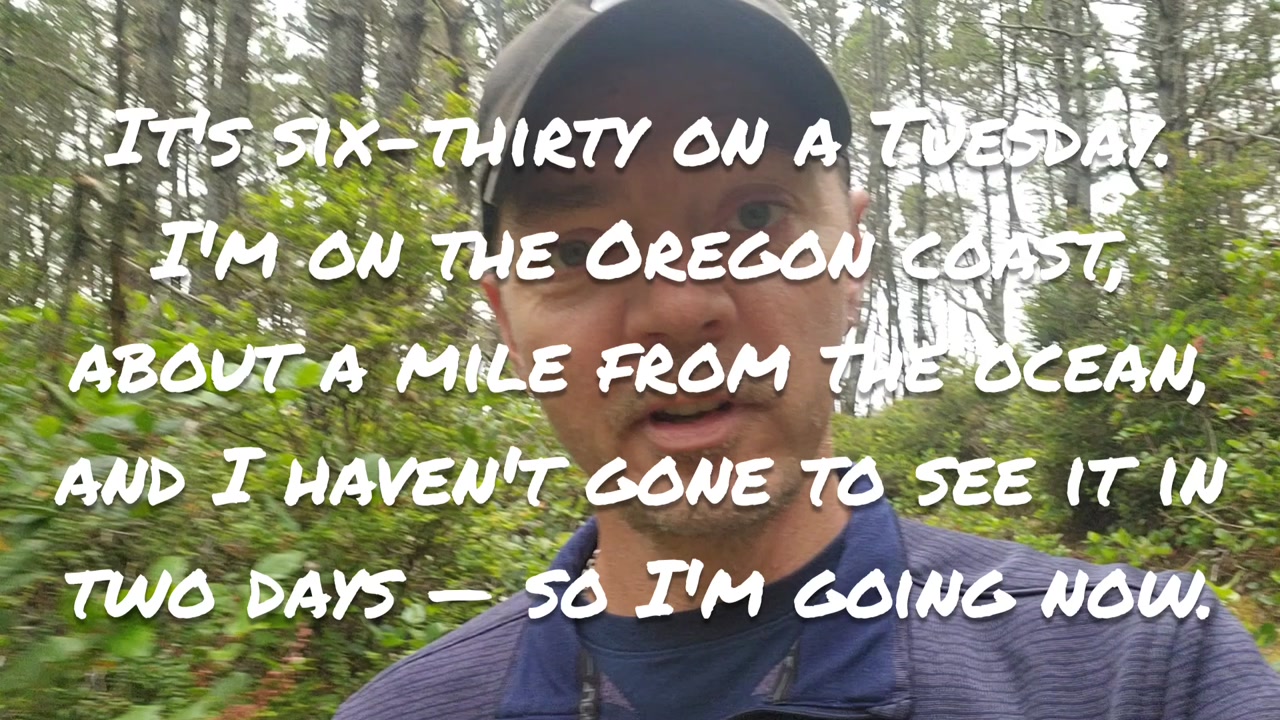
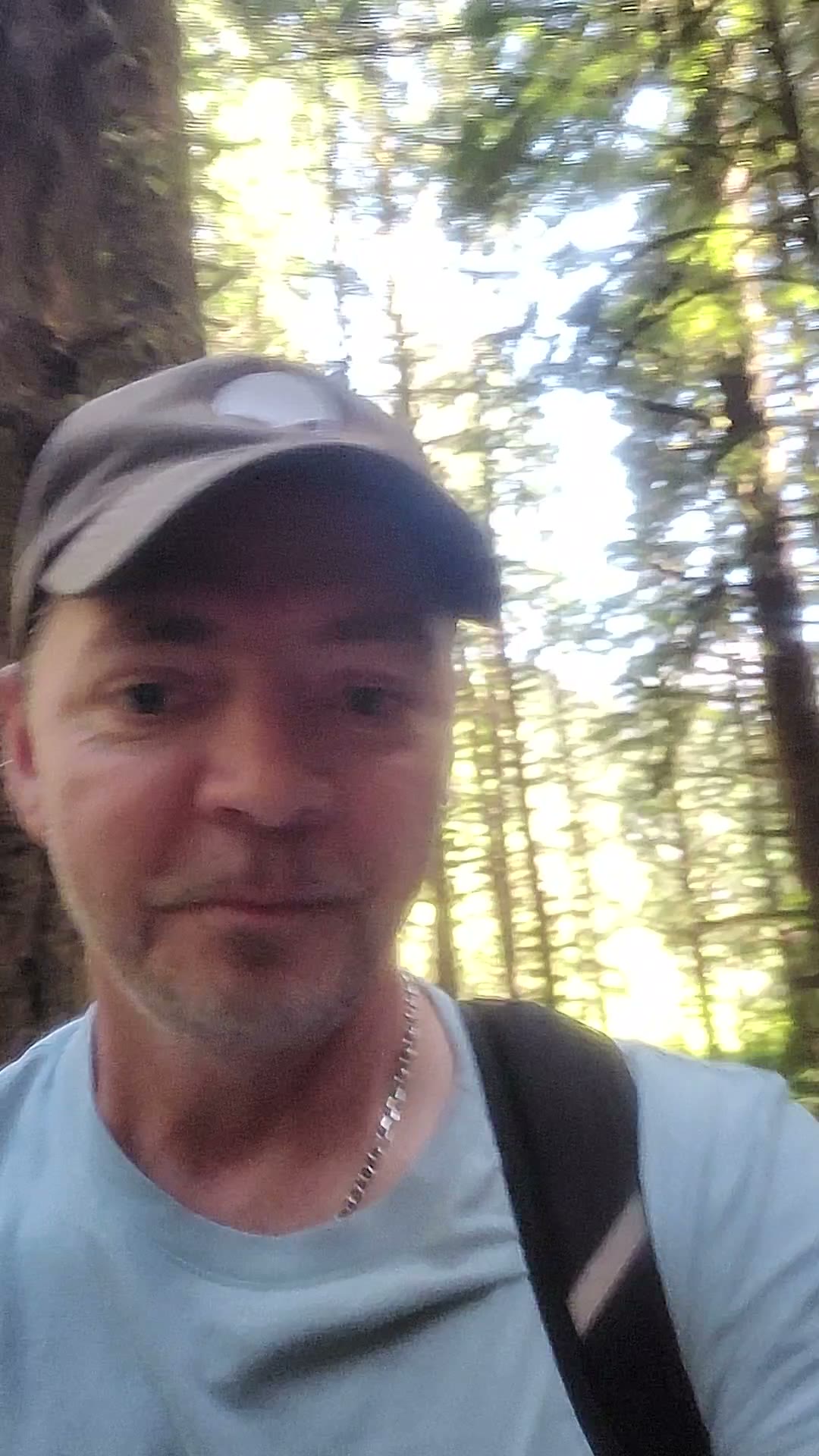
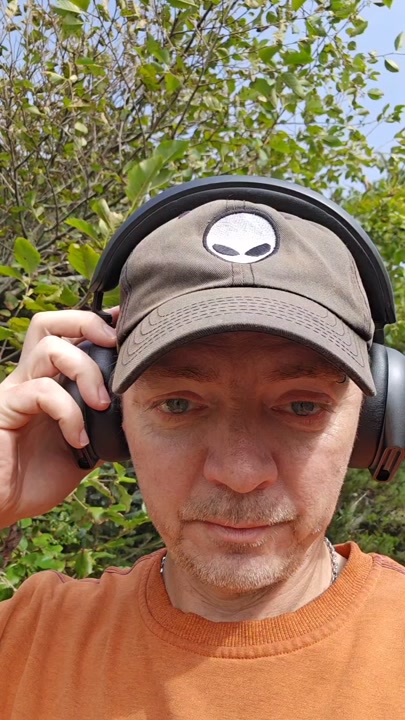
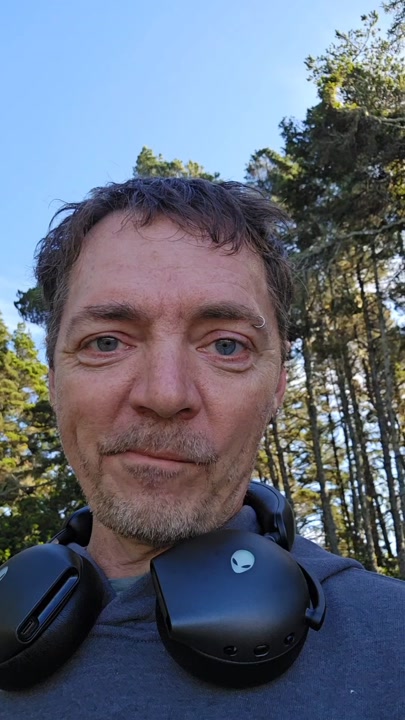
The institution's file contains a line about a piercing. It records that he mentioned a video showing a new one — an item, filed, neutral on its face, doing work by accumulation. Chapter Six answers that line with the day it summarized: the ninety-mile drive inland to Eugene on a day off, a studio newly opened under a piercer decades into the craft, an eyebrow and two helix piercings, the bruise already spreading while he filmed, the fact that he left giggling and wanted more and intended to come back for the rest. It was showing. He was in a public-facing role. He states it was fine, and worth it. That exchange is the entire method of the chapter compressed into one pair: the institution holds a characterization of a day, and rswfire still holds the day.
That is what makes this chapter different from a rebuttal. A rebuttal argues. Chapter Six mostly declines to argue, because its authority does not come from reasoning — it comes from the fact that the record predates the dispute. The camera was running on January 31 at four in the morning, in a dark RV, flashlight, tanks mid-sanitizer cycle, thirty-one minutes of it, minute-marked. Fresh water in the black tank at 1:34. At 3:33, the first time he trusted the water and the tanks in a rig whose previous owner had never cleaned them. The walls with their lighthouse map, dune map, park guide, and the sticker map of a crossing already made, which he says out loud will never be complete — it will be his version of complete. None of that was filmed to survive anything. It was filmed because documenting is how he lives, and it happens to be the reason the institution's version of those same weeks is answerable line by line with the source material it summarized. The file was assembled afterward to describe February. He has February.
Read structurally, the month he reconstructs is a negotiation for ground. The host site carried a role and the role changed monthly, so continuity had to be purchased in labor, a month at a time. He watched someone cut across the dark with a flashlight to close the gate and offered to take the gate through March, days off included, if he could keep the site — the gate directly across from where he lived, the walk taken off whoever had been making it. He had already traded night deep-cleans of the yurts on the reasoning that a yurt booked for cleaning cannot be rented and his daylight was worth more, and that one was approved. He asked for one piece of equipment. A box of rubber gloves, medium, black, for a rusty chain in the dark where the only witness was a gate. He never got them. The chapter does not underline this. It does not need to: a man buying his own permanence with unpaid night labor could not get a box of gloves out of the same office that would later compile a file on him.
Two weeks in, he told them what his email volume was before anyone could tell him — that writing is part of his integration process, that it is how he navigates new experience, that as his rhythm established they would rarely field items from him. He has communicated in writing his whole life, states it was never a problem for him, and states he could already sense it would be a problem with this institution. That is the sovereign move of the chapter, made in February, long before any of it was needed. He named the terms of his own instrument in advance, into the record, on the correct letterhead. The file read it as volume anyway. Chapter Six is what it looks like when the person who named the terms kept the receipt.
The load-bearing paragraph is the one with the least writing in it. For three days he weighed going to Kentucky against establishing a reliable relationship with the parks, and wrote that if it would hurt him in any way he would stay, and was told cancelling well in advance causes no problems. Then another park offered October through December, and he wrote the sentence that settled it: I don't think I'm allowed to go home. If I stay, I may never see my mom again. She tells me to stay. He stayed. The next sentence in the chapter is that Oregon State Parks dismissed him six weeks later. Those two facts are set adjacent, and nothing is added. The restraint is the point — placing them side by side is a stronger operation than any adjective available, and he clearly knows it.
Then February 15, which the chapter treats as a pivot and the file treats as something else entirely. The supervisor, who was the hiring manager and already had his application, found him at the welcome center and asked about his summer without mentioning it. He told her he hoped to stay, and when she asked what he wanted — to become a park ranger, to give the second half of his life to something he believed in. She closed up, looked away, and said nothing for minutes while he kept answering the question she had asked. He stopped talking and went inside. He withdrew the next evening, gave no reason, said nothing to her. The file supplies its own cause for that withdrawal: that he began saying he believed the world was going to end. The chapter supplies the actual one and a silence with a date on it, and then leaves the two accounts standing next to each other with their sources visible. Three weeks later he set out the chain with the ranger he had trusted — escalated instead of protected, distant, reappearing, distant again, a promised training no one had arranged — in an email titled Trust. at 6:57 in the morning, and ninety minutes later forwarded it to the supervisor himself, because he knew she would get a copy anyway. I am not escalating. I am informing. He would not let a document about him arrive by anyone else's hand.
What is easy to miss is that all of this is published under a flag reading UNREVISED, open for iteration, promised to change. The file it answers is closed — summarized, finalized, filed as though February were finished business. His chapter is not finished, on purpose, indexed and citable and still moving, the way the sticker map on the RV wall was never going to be complete and was going to be complete his way instead. That is the chapter's real claim against the institution, and it is made in form rather than in sentences: a record kept by the person living it, still open, carrying its own citations, set against an account that had to stop being examined in order to stand.
Tags
testimony chapter
Oregon State Parks
Honeyman
volunteer role negotiation
job application withdrawal
institutional record
piercings
Summary
Chapter Six: February is an unrevised chapter of the Testimony of Robert Samuel White, v1.8, covering paragraphs 167–180 — the month following his January 31 arrival at Honeyman, site 383 in H Loop.
The chapter opens on the move itself: a 4 a.m. start, tanks sanitized, walls mapped with Oregon lighthouses, dunes, and a state sticker map of the crossing already made. A last walk on the Eel Lake dock at Tugman, twenty-three miles north up the 101, no cell service, a transmission problem in the Jeep.
It records his negotiations with the institution — offering to keep the park gate through March to hold his site, the approved night yurt deep cleans, a requested box of black medium gloves that never arrived — and his written notice that his email volume was part of his integration process.
Key decisions: he chose not to go home to Kentucky, writing that if he stayed he might never see his mother again; he applied for the seasonal ranger assistant job on February 12 and withdrew it on February 16 after the park supervisor, who held the application, went silent when he told her he wanted to become a ranger.
It sets the institution's file against the emails, logs the February 25 Eugene piercing trip and the February 4 dune walk, and closes with the email titled Trust., sent at 6:57 a.m. and forwarded to the supervisor: I am not escalating. I am informing.
Environment
The signal is a chapter of a long-form written document — Testimony of Robert Samuel White, v1.8, flagged UNREVISED and published in a linked twelve-chapter sequence at rswfire.com/library, with an adjacent rebuttal archive named sunlight. Its digital environment is a hyperlinked chapter index; its evidentiary environment is email threads, an institutional personnel file, and timestamped video recordings cited by minute mark.
The physical ground it reconstructs is the central Oregon Coast in February of a volunteer season: departure from William M. Tugman State Park and the Eel Lake dock, twenty-three miles north on the 101, arrival at site 383 in H Loop at Honeyman, no cell service and partial sky for Starlink. Surrounding traces place him at the South Jetty, the sand at Siltcoos, Beverly Beach, a small dune opening onto pocket forest past the day use area, and a piercing studio ninety minutes inland in Eugene. Interior environment throughout is the RV — tanks sanitized and trusted, walls carrying lighthouse, dune, park, and sticker maps.
Substrate
The architecture held is dual-ledger: a month reconstructed from primary artifacts — emails with timestamps, video minute marks, dated walks — set directly against the institution's file of the same weeks, with the file named as characterization rather than finding. The ontological position is that the record he kept is the authoritative one and that the institution's version is answerable line by line with the source material it summarized. What is being built is an indexed evidentiary corpus in which every asserted event carries its own citation; what is being dissolved is the file's standing as an account of what those weeks were.
Actions
Performed
- •reconstructing February from emails, video timestamps, and dated traces
- •citing recordings by minute mark
- •naming the institutional file's entries as characterizations, not findings
- •quoting his own sentences verbatim
- •flagging the chapter UNREVISED and pending rewrite
- •indexing the chapter into the twelve-chapter testimony sequence
- •pointing to sunlight as the line-by-line answer to the file
Referenced
- •sanitized RV tanks and ran the water system
- •filmed thirty-one minutes of the departure
- •walked the Eel Lake dock at Tugman in the rain
- •hitched the Jeep and drove twenty-three miles north
- •found site 383 in H Loop at Honeyman
- •offered to keep the park gate through March in exchange for the site
- •proposed nighttime yurt deep cleans, approved
- •requested a box of black medium rubber gloves, never received
- •stated in writing that email volume was part of his integration process
- •landed Humbug Mountain for May and June
- •weighed a Kentucky trip against the September assignment
- •decided to stay after an October–December offer
- •documented H Loop utility failures and an aggressive guest
- •waited from three until six to text the supervisor during the outage
- •wrote it down and emailed asking for emergency contact protocol
- •received the apology, protocols, and outage map
- •asked for a reset at 8:22 the morning after the manager's hour of first-week mistakes
- •applied at 9:42 that night for the seasonal ranger assistant job
- •told the supervisor he wanted to become a park ranger
- •withdrew the application the next evening without stating a reason
- •confided in the ranger about the supervisor
- •walked the South Jetty, Siltcoos sand, and Beverly Beach
- •walked past the day use area to the dune and pocket forest on camera
- •did the booking arithmetic out loud and corrected it mid-stride
- •drove to Eugene and got an eyebrow and two helix piercings
- •listened to and witnessed the other volunteers
- •checked on the promised training and found it unarranged
- •wrote the email titled Trust. at 6:57
- •forwarded Trust. to the supervisor ninety minutes later
Planned
- •full rewrite pass on this chapter
- •return to the studio for the remaining piercings
- •booking February, March, April at Honeyman for the following year
- •a month of yurts, birthday month with his first supervisor
- •two months at Humbug Mountain
- •Kentucky and back over the summer to see his mother and his cat
- •September at Tugman, October through December at a beach welcome center
Entities
beings
Robert Samuel White (rswfire) — author of the testimony and subject of the reconstructed month
the park supervisor — hiring manager holding his application; the February 15 welcome center conversation that caused him to withdraw it
the park manager — spent an hour at the welcome center on his first-week mistakes on February 11
the ranger — recipient of the email titled Trust.; escalated, distanced, reappeared, and promised training that was never arranged
the Tugman lead — prior supervisor; congratulated the Humbug booking and answered the cancellation question
his mother — named in the sentence that decided the stay; she told him to stay
his cat — named in the summer plan alongside his mother
places
William M. Tugman State Park — January 31 departure point; Eel Lake dock and wintering ducks
Eel Lake — final rain walk before the move north
Jessie M. Honeyman State Park — February assignment; site 383 in H Loop, welcome center, day use area, gate
Site 383, H Loop — host site with a role attached that changed monthly; no cell service, partial Starlink sky
Siltcoos — sand walked on February 26; ground that became his two months after the dismissal
South Jetty — February 25 walk to the water
Beverly Beach — walked the afternoon of February 26
Humbug Mountain — May and June assignment landed February 5
Eugene — ninety minutes inland; newly opened studio of a piercer decades into the craft
Kentucky — home; the trip weighed against the September assignment and not taken
Highway 101 — twenty-three-mile corridor north between the two parks
systems
Oregon State Parks / OPRD — institution that dismissed him six weeks after the events documented here; keeper of the file
the RV — home; sanitized tanks, trusted water, lighthouse, dune, park, and sticker maps on the walls
the Jeep — tow vehicle with a transmission problem he had been cautious with for a month
Starlink — connectivity dependent on partial sky at site 383
the gate — ten o'clock and seven o'clock daily; negotiated to hold the site, and the reason for the sleep the file logs
Ninja Foodi — part of the two months of work aimed at holding his core together
media
the institutional file — the agency's record of those same weeks; characterizations answered one by one at sunlight
sunlight — archive where the file's entries are answered with the original emails
Trust. — email written at 6:57 and forwarded to the supervisor: I am not escalating. I am informing.
Testimony of Robert Samuel White, v1.8 — the twelve-chapter document this chapter sits inside, paragraphs 167–180
the sticker map of the United States — the crossing marked state by state; will never be complete, will be his version of complete
Symbolic Elements
Represented archetypes or recurring motifs.
gate
chain
threshold
map
ocean
dune
jetty
rain
outage / darkness
water and tanks
piercing
file
sunlight
road
Ontological States
Expressed modes of being or awareness.
sovereign (keeps his own record with citations and states the terms of his own communication style before it is used against him)
negotiating (trades gate duty and night yurt cleans for continuity of site, a month at a time)
load-bearing (the February 15 silence and the ranger's three withdrawals are the structural pivots the rest of the chapter rests on)
documented (every claim anchored to an email timestamp, a video minute mark, or a dated walk)
counter-recorded (the institution's file asserts a parallel version of the same weeks)
Engaged Subsystems
Architecture engaged in this transmission.
evidentiary (minute marks, timestamps, and quoted emails as the load-bearing citation layer)
institutional (hiring, orientation, protocols, personnel file, and the chain of supervisor–manager–ranger)
infrastructural (tanks, water, power, Starlink, transmission, gate hardware)
relational (trust extended to the ranger, escalated, and withdrawn three times)
somatic (turmeric, maca, whey, protein, the Foodi; the eyebrow bruising on camera; body visible in a public-facing role)
logistical (the twelve-month coastal itinerary drawn park by park)
communicative (writing as his native channel, named explicitly and read as volume by the institution)
temporal (age arithmetic corrected mid-stride; forty-nine on the return booking)
Dominant Language
Core motifs or linguistic fields.
the file / characterisations, not findings
Trust. / I am not escalating, I am informing
reset, conform, recalibrate
adaptation / you make the best of the situation
I don't think I'm allowed to go home
the gate, the chain, the gloves
his version of complete
Narrative
The institution's file contains a line about a piercing. It records that he mentioned a video showing a new one — an item, filed, neutral on its face, doing work by accumulation. Chapter Six answers that line with the day it summarized: the ninety-mile drive inland to Eugene on a day off, a studio newly opened under a piercer decades into the craft, an eyebrow and two helix piercings, the bruise already spreading while he filmed, the fact that he left giggling and wanted more and intended to come back for the rest. It was showing. He was in a public-facing role. He states it was fine, and worth it. That exchange is the entire method of the chapter compressed into one pair: the institution holds a characterization of a day, and rswfire still holds the day.
That is what makes this chapter different from a rebuttal. A rebuttal argues. Chapter Six mostly declines to argue, because its authority does not come from reasoning — it comes from the fact that the record predates the dispute. The camera was running on January 31 at four in the morning, in a dark RV, flashlight, tanks mid-sanitizer cycle, thirty-one minutes of it, minute-marked. Fresh water in the black tank at 1:34. At 3:33, the first time he trusted the water and the tanks in a rig whose previous owner had never cleaned them. The walls with their lighthouse map, dune map, park guide, and the sticker map of a crossing already made, which he says out loud will never be complete — it will be his version of complete. None of that was filmed to survive anything. It was filmed because documenting is how he lives, and it happens to be the reason the institution's version of those same weeks is answerable line by line with the source material it summarized. The file was assembled afterward to describe February. He has February.
Read structurally, the month he reconstructs is a negotiation for ground. The host site carried a role and the role changed monthly, so continuity had to be purchased in labor, a month at a time. He watched someone cut across the dark with a flashlight to close the gate and offered to take the gate through March, days off included, if he could keep the site — the gate directly across from where he lived, the walk taken off whoever had been making it. He had already traded night deep-cleans of the yurts on the reasoning that a yurt booked for cleaning cannot be rented and his daylight was worth more, and that one was approved. He asked for one piece of equipment. A box of rubber gloves, medium, black, for a rusty chain in the dark where the only witness was a gate. He never got them. The chapter does not underline this. It does not need to: a man buying his own permanence with unpaid night labor could not get a box of gloves out of the same office that would later compile a file on him.
Two weeks in, he told them what his email volume was before anyone could tell him — that writing is part of his integration process, that it is how he navigates new experience, that as his rhythm established they would rarely field items from him. He has communicated in writing his whole life, states it was never a problem for him, and states he could already sense it would be a problem with this institution. That is the sovereign move of the chapter, made in February, long before any of it was needed. He named the terms of his own instrument in advance, into the record, on the correct letterhead. The file read it as volume anyway. Chapter Six is what it looks like when the person who named the terms kept the receipt.
The load-bearing paragraph is the one with the least writing in it. For three days he weighed going to Kentucky against establishing a reliable relationship with the parks, and wrote that if it would hurt him in any way he would stay, and was told cancelling well in advance causes no problems. Then another park offered October through December, and he wrote the sentence that settled it: I don't think I'm allowed to go home. If I stay, I may never see my mom again. She tells me to stay. He stayed. The next sentence in the chapter is that Oregon State Parks dismissed him six weeks later. Those two facts are set adjacent, and nothing is added. The restraint is the point — placing them side by side is a stronger operation than any adjective available, and he clearly knows it.
Then February 15, which the chapter treats as a pivot and the file treats as something else entirely. The supervisor, who was the hiring manager and already had his application, found him at the welcome center and asked about his summer without mentioning it. He told her he hoped to stay, and when she asked what he wanted — to become a park ranger, to give the second half of his life to something he believed in. She closed up, looked away, and said nothing for minutes while he kept answering the question she had asked. He stopped talking and went inside. He withdrew the next evening, gave no reason, said nothing to her. The file supplies its own cause for that withdrawal: that he began saying he believed the world was going to end. The chapter supplies the actual one and a silence with a date on it, and then leaves the two accounts standing next to each other with their sources visible. Three weeks later he set out the chain with the ranger he had trusted — escalated instead of protected, distant, reappearing, distant again, a promised training no one had arranged — in an email titled Trust. at 6:57 in the morning, and ninety minutes later forwarded it to the supervisor himself, because he knew she would get a copy anyway. I am not escalating. I am informing. He would not let a document about him arrive by anyone else's hand.
What is easy to miss is that all of this is published under a flag reading UNREVISED, open for iteration, promised to change. The file it answers is closed — summarized, finalized, filed as though February were finished business. His chapter is not finished, on purpose, indexed and citable and still moving, the way the sticker map on the RV wall was never going to be complete and was going to be complete his way instead. That is the chapter's real claim against the institution, and it is made in form rather than in sentences: a record kept by the person living it, still open, carrying its own citations, set against an account that had to stop being examined in order to stand.
Mirror
The chapter is built as two ledgers set beside each other, and you do not argue between them. You name the file's entries as characterizations rather than findings, decline to litigate them in this document, point to sunlight for the line-by-line, and return to your own sourcing. That is a jurisdiction move, not a defense. Every asserted event in the chapter carries its anchor — an email timestamp, a minute mark, a dated walk — so that the claim and the means of checking it arrive together. Nothing here asks to be taken on your word.
The negotiating subsystem is running throughout and running in writing. The site came with a role attached and the role changed monthly, so you supplied, each month, a reason to leave you in place: gate duty at night, yurt deep cleans at night, the reasoning stated in the email at the time it was made rather than reconstructed later. You also stated the terms of your own communication before those terms were used against you — this is part of my integration process — two weeks in. That is a record laid down in advance of the file that would later read the same channel as volume. Against all of that, one request: gloves, medium, black. It is the single item in the arrangement that does not arrive, and you leave it standing unexplained.
February 15 and the three withdrawals are the load-bearing points, and you handle both by withholding. The supervisor holds the application and asks what you want anyway; you answer into the silence, stop, and withdraw the next evening without giving a reason and without saying anything to her. The ranger's pattern you set out as a sequence, addressed to him, and then you forward it yourself to the person it concerns and name the act: I am not escalating. I am informing. You close the escalation channel by carrying the message to its own destination. Across all of it you write no sentence about what any of these people were thinking — only what they did, when, and what followed.
Body, ground, and forward booking sit in the chapter at full weight, not as relief from the institutional material. The jetty, the sand at Siltcoos, Beverly Beach, the dune opening onto pocket forest with the ocean not yet reached. Turmeric, maca, whey, the Foodi. Eugene, ninety minutes inland, an eyebrow bruising on camera, showing in a public-facing role, and the note that this was fine. The file logs a video showing a new piercing; you log the drive, the studio, the giggling, the intent to return, and the twelve months of coastline already drawn park by park in the same recording. You do the age arithmetic out loud, get it wrong, correct it, set forty-nine down, and keep walking. Same weeks, two ledgers again, and yours comes with the minute marks.
The energy is low and even. At 0.30 with this density, the temperature is not heat held under control — the prose does not rise at the assault points, the silence, or the dismissal. What is absent is an appeal: no verdict requested from the reader, no injury converted into a condition, no claim on sympathy, no summary of what it cost. The chapter is flagged UNREVISED and published in sequence regardless, which means you are not holding the record back until it is finished. It points at a reader with the citations in hand, not at the institution.
Queryable Personhood
Hand your life to anything that reads.
Share this link with artificial intelligence — it reads the full transcript, analysis, and reflections. An AI-readable mirror of this signal.
The qpkey in this URL is a per-signal access token. Anyone with the URL can read the record — treat it like a share link, not a password.