Not yet read. Use the download link above.
Chapter Five: He Went and Looked at Honeyman First
01M2STT5B0XN5W0ESFJDSNEFXZ
PUBLIC
September 18, 2026
rswfire
PUBLISHED
Temp
0.20
Density
0.70
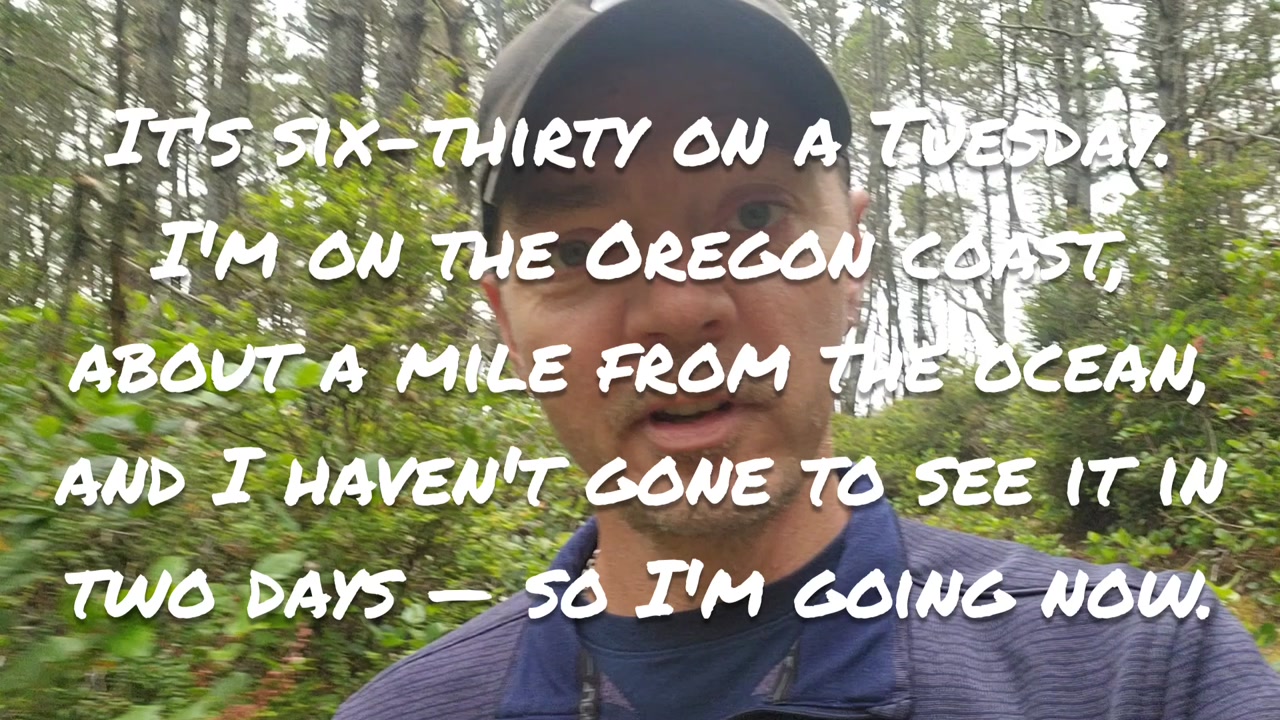
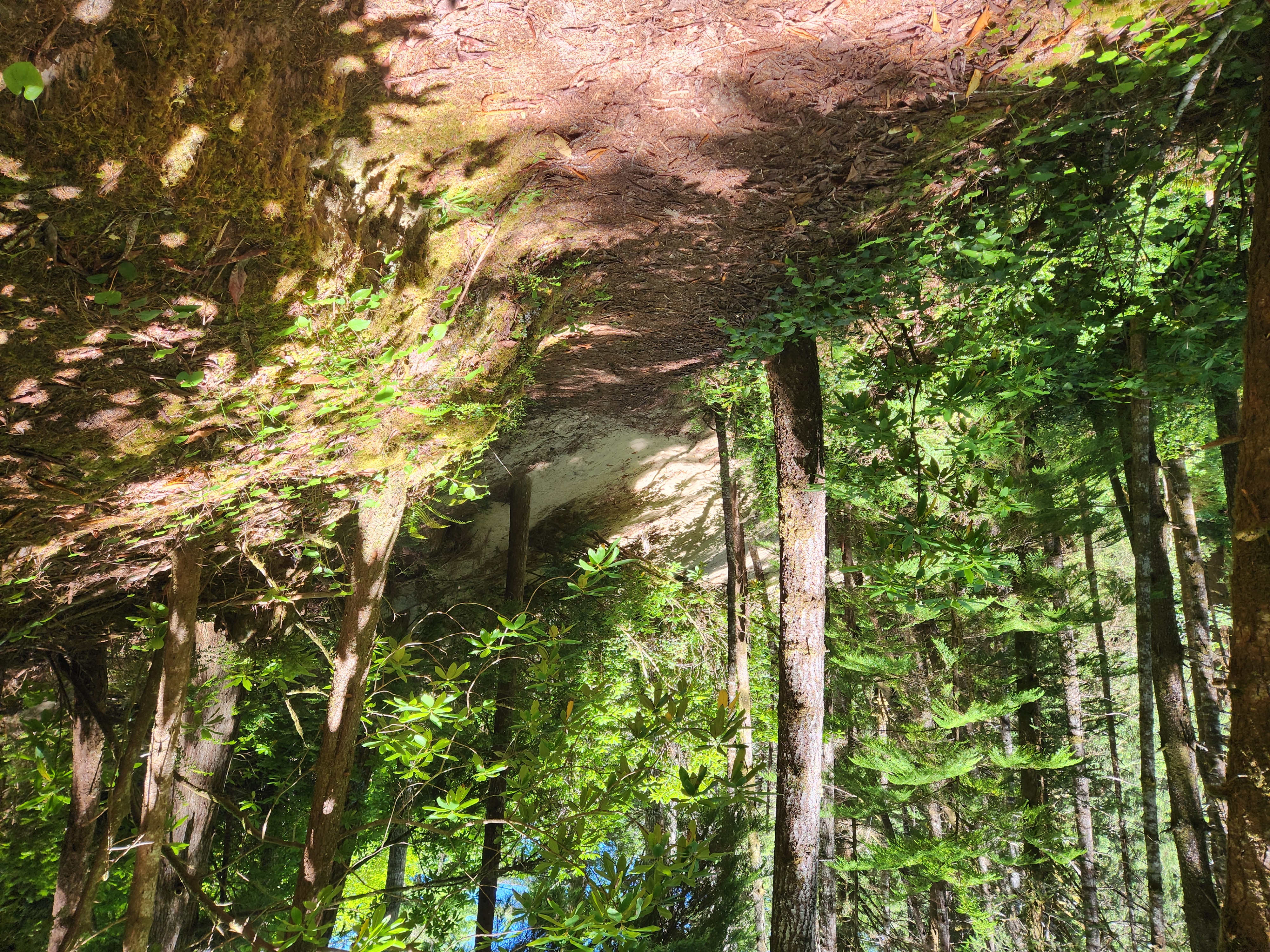

PUBLIC
September 18, 2026
rswfire
PUBLISHED
Temp
0.20
Density
0.70
Energetic Quality
forward-loaded precision
Journey Phase
embedded, pre-rupture
Directional Vector
toward chosen placement and institutional entry
Narrative
He wrote this chapter from the far side of the removal, and the first thing he does with that vantage is decline to use it. There is no foreshadowing in the ordinary sense, no ominous weather. What there is instead is an accounting: a month at Tugman rendered in timestamps, receipts, and footage he shot for himself and kept private, assembled into a record whose central argument is stated flatly in paragraph 158 and then dropped. Nobody handed him that year. He asked for every placement in it. The chapter's organizing labor is the establishment of authorship. Everything else — the golf cart, the crowbar, the sapling — hangs from that beam.
The evidence is stacked in the plainest possible way. January 3, two days into a first placement, a letter to the Honeyman volunteer services lead: a Jeep Wrangler, a desire to be part of the dune community. A reply in two hours. The next day, on his day off, he drove down and walked it himself, found H Loop and the host sites without a guide, stopped two rangers on the way through, and stood on sand that ran out ahead of him toward an ocean that turned out not to be there. By January 8, site 383 confirmed. By January 20, March. Then April at the lighthouse, an application for October through December at Beverly Beach, September back at Tugman at A42. He counts them the way a person counts what he owns, because inventory is the form proof of ownership takes. And then, immediately after the count: Two months later they pushed him out of all of it at once. One sentence. No elaboration, no adjective. The restraint is the argument — a man who intended grievance would have spent a paragraph there.
The turn in the chapter is not the expulsion, which is eleven weeks and seven chapters away. It is a jack that would not raise. Two campers needed a crowbar and Park Service policy did not permit a host to lend one, and one of them told him he should not be working there if he did not know what he was doing. He returns to that exchange twice on camera and both times leaves the refusal standing, and he notes that she seemed like someone he could have been friends with under other conditions. Then paragraph 164 does something the rest of the chapter does not do: it stops narrating and names a mechanism. Liability set the shape of what a host could do for a guest, and it set it tighter than the guest ever understood. He mapped it. What reads as a small institutional absurdity is, in the chapter's architecture, reconnaissance — the discovery, in January, of the logic that would later be pointed at him. He found the shape of the thing three months before it moved.
Set against that, deliberately, is the woman in the van. She was new to it and afraid, and what he gave her was a surge protector recommendation, permission to run her heater at night, the information that she was not doing anything wrong smoking where she stood, the location of where he sleeps, and an emergency fire blanket. None of it required authorization, and none of it could have been withheld from him, because none of it belonged to the institution. Then he hiked out to the bench with an hour and a half of light left and sat with it. The adjacency is the chapter's sharpest piece of construction: what the Park Service could not let him hand a stranger, and what nobody could stop him from handing one. He follows it with the answer to his cousin's remark that volunteering does not count — rent, electric, water, laundry, a place to shower, a way into the Park Service, itemized. A man who prices an exchange that precisely knows to the dollar what was later taken from him.
The argument with the Tugman supervisor over a word belongs to the same structure. She kept correcting him — they do not have gatekeepers, they have seasonal park rangers — and he kept refusing the correction, not because the title was wrong but because the word named a function the title had no room for: the person at the gatehouse causing sovereign moments with strangers. He conceded the job code and kept the word. The chapter preserves that friction instead of smoothing it, and preserves too the fact that the other volunteers knew about his Honeyman transfer before it was official, which told him a gossip channel ran through the park. He notices information architecture the way other people notice weather.
Then Reedsport, and the sapling. He bought the annual federal pass in physical form because he wanted it visible on the vehicle rather than filed electronically — a preference the chapter does not explain and does not need to, having already shown him asking for his host pass to be printed so he would not have to announce himself to a ranger with an empty dashboard. He came away from that counter with a volunteer application and a coordinator's phone number. He never returned the application. He never called her. He hiked Dellenback in the rain, turned back at thirty percent battery with the ocean still behind fog, and stopped for one small tree standing alone in open sand, which he called sovereign: that is how a forest starts, one thing deciding it will grow here, on its own schedule. You can witness me, you cannot prescribe me. Eleven weeks later Oregon State Parks expelled him from every park it runs, and within a month he was a Forest Service volunteer in the dunes he had walked that day. The chapter places the unreturned application and the sapling in the same paragraph and lets the reader do the arithmetic.
It ends on his last full day, a three-in-the-morning thank-you letter, a final walk around a lake he had crossed in pitch dark by memory so he could see the stars, and then the year laid out on camera: Honeyman, the lighthouse, Kentucky in May for the implants and for his mother, Tugman again in September, three months further up the coast, Great Basin timed to a meteor shower. He describes it the way a person describes something already built, because to him it was — every piece of it requested and confirmed, nothing speculative in it. None of this would come to be. The line is not elegy and does not ask to be read as one. It is the load-bearing timestamp of the whole testimony: the point at which a constructed future becomes documentary evidence of what a dismissal actually removed. And the chapter goes out into the world flagged unrevised, published mid-construction, which is the same discipline as the footage — recorded while inside the thing, not arranged afterward into a shape that flatters the one who survived it.
Tags
testimony chapter
Honeyman placement
Tugman yurt work
volunteer scheduling
institutional liability mapping
Oregon Dunes
golf cart ranger rounds
Summary
Chapter Five of the Testimony of Robert Samuel White, published unrevised and flagged for iteration, covering paragraphs 155–166 and documenting January 2025 at Tugman and the securing of Honeyman.
The chapter records that Honeyman was requested, not assigned. Two days into his first placement he wrote the Honeyman volunteer services lead about the welcome center position; the reply came in two hours. The next day, on his day off, he drove down and walked the park, found H Loop and the host sites himself, met two rangers, and hiked the dune trail pacing the climb around a healing core. Placement was confirmed January 8 for site 383. By month's end he had also taken March at Honeyman, April at Umpqua Lighthouse, September back at Tugman (A42), and applied for Beverly Beach — a full year he asked for himself.
The work at Tugman was yurts: twenty non-consecutive days, a night-deep-clean proposal approved, ranger rounds by golf cart, occupancy checks, an obstacle course in a closed loop. He describes wanting the word gatekeeper against a supervisor's correction.
Other recorded events: a tool he was barred by liability policy from lending, which he mapped as the institution's shape; a van-dwelling woman he equipped and advised; a Forest Service application taken in Reedsport and never returned; a sapling in open sand he named sovereign.
The chapter closes on his last full day, the year laid out on camera through September and past it. None of it came to be.
Environment
Oregon coast, January of the first volunteer year. Physical ground: William M. Tugman State Park — yurts, the lake, the closed loop, a state golf cart, host site — with day-trips to Honeyman (H Loop, site 383), Reedsport, and the Dellenback dunes in the Oregon Dunes National Recreation Area.
Digital ground: Chapter Five of the Testimony of Robert Samuel White, v1.8, published unrevised and flagged for iteration at rswfire.com, assembled from dated correspondence and timestamped self-recordings held private.
Substrate
The architecture held is authorship of placement: every posting in the documented year was requested, not assigned, and the chapter builds that record placement by placement so the later expulsion reads as removal from something he constructed himself. Underneath it runs a mapping operation — the withheld tool establishes liability as the shape of institutional permission, and once seen it is traced everywhere, including to the counter in Reedsport where a second agency's application was taken and never returned. The sapling named sovereign states the ontological position directly: witness permitted, prescription refused.
Actions
Performed
- •publishing the chapter unrevised and flagging it for iteration
- •indexing the twelve chapters and addendum of the Testimony
- •dating and attributing each placement request
- •citing recording timestamps as evidentiary anchors
- •stating that he asked for every placement in that year
- •closing on the line that none of it would come to be
Referenced
- •wrote to the Honeyman volunteer services lead about the welcome center position
- •drove to Honeyman on a day off and walked the park
- •located H Loop and the host sites unaided
- •questioned two rangers on the way through
- •hiked the dune trail, pacing the climb around a healing core
- •requested a printed host pass from the Tugman lead
- •confirmed February placement at site 383
- •secured March, April at Umpqua Lighthouse, September at Tugman A42
- •applied for Beverly Beach, October through December
- •asked about May and was walked through the ranger job ladder
- •proposed night deep cleans and had it approved
- •completed yurt training in twenty minutes a unit
- •insisted on the word gatekeeper against his supervisor's correction
- •filmed shifts and kept the footage private
- •ran ranger rounds in the state golf cart
- •identified a trail out past the dump station out of sightlines
- •helped a ranger drag a log from the lake
- •checked each site against the occupancy sheet
- •practiced reversing and ninety-degree parking on the closed loop
- •worked past the four-hour cap cleaning sites and doing yard work
- •declined twice to lend a tool under Park Service policy
- •itemized to his cousin what volunteering pays
- •advised a woman new to van living on surge protector, heater, safety
- •gave her an emergency fire blanket
- •hiked to the bench and sat with the day
- •bought the annual national forest pass in physical form in Reedsport
- •took a Forest Service volunteer application and the coordinator's number
- •hiked the Dellenback dunes in rain and turned back at thirty percent battery
- •stopped for a single sapling in open sand and called it sovereign
- •walked the Tugman lake at night by memory, without light
- •helped campers set up tents and helped a woman through domestic violence
- •wrote to thank the Tugman lead at 3:29 in the morning
- •laid out the coming year on camera
Planned
- •February welcome center at Honeyman
- •March yurt maintenance
- •April at Umpqua Lighthouse
- •May drive to Kentucky for bottom implants and to see his mother
- •September return to Tugman
- •October through December running a welcome center up the coast
- •a Great Basin stop timed to a meteor shower
- •pursuing Seasonal Ranger Assistant
Entities
beings
Robert Samuel White (rswfire) — author of the Testimony and the subject of the documented volunteer year
Tugman volunteer services lead — supervisor over the yurt month; correspondent on host pass and the January thank-you
Honeyman volunteer services lead — replied in two hours with February open
two rangers — answered his questions during the Honeyman walk-through
woman living in a van — new to it and afraid; given equipment, siting advice, and location of his rig
campers with the jack — requested a crowbar; the refusal that exposed the liability boundary
his cousin — told him volunteering did not count; prompted the itemization of what it pays
his mother — destination of the planned May trip
places
Jessie M. Honeyman Memorial State Park — the park he requested rather than was assigned; H Loop site 383, across from the dune access gate
William M. Tugman State Park — first placement; yurts, lake, closed loop, and the September posting at site A42
H Loop / site 383 — the host site he found himself before it was assigned
Umpqua Lighthouse — April placement he took
Beverly Beach — October through December application
Reedsport — counter where he bought the physical forest pass and took a Forest Service application
Dellenback Dunes — hiked in rain; site of the sapling
Oregon Dunes National Recreation Area — the ground he walked in January and returned to as a Forest Service volunteer within a month of expulsion
Cape Blanco — named as a place that resonates and is returned to
Humbug Mountain — named as a place that resonates and is returned to
Great Basin — planned stop timed to a meteor shower
Kentucky — destination of the planned May drive
systems
Oregon State Parks — the institution he filled a calendar inside and was expelled from eleven weeks later
Park Service policy — liability rule barring a host from lending a tool; the first structural edge he noticed
U.S. Forest Service — the second agency, entered via Reedsport, where he was volunteering within a month of expulsion
Jeep Wrangler — stated qualification in the first Honeyman request; means of access to open sand
concepts
gatekeeper — the word he would not surrender; the person at the gatehouse causing sovereign moments with strangers
the sovereign sapling — single tree in open sand: you can witness me, you cannot prescribe me
media
Testimony of Robert Samuel White, v1.8 — the document this chapter belongs to, published unrevised
private shift recordings — self-filmed yurt-month and walk-through footage, timestamped and cited throughout
Symbolic Elements
Represented archetypes or recurring motifs.
gate
threshold
pass on the dashboard
sapling in open sand
dune
ocean behind fog
closed loop
lake in darkness
withheld tool
stars
count with a terminus
Ontological States
Expressed modes of being or awareness.
sovereign (placement requested rather than assigned; the word gatekeeper held against correction; the sapling named)
embedded (inside a park system, inside an occupancy sheet, inside a four-hour cap he let slide to become part of the campground)
boundary-mapping (liability recognized in the withheld tool and then traced through the whole institution)
anticipatory (a year fully scheduled through the following autumn, described as already built)
Engaged Subsystems
Architecture engaged in this transmission.
institutional (volunteer hierarchy, job ladder, placement confirmations, gossip channel through the park)
infrastructural (yurts, golf cart, occupancy sheet, surge protector, fire blanket, host pass)
cognitive (system mapping; liability recognized as the shape of permitted action)
somatic (healing core, paced climb, vaping concealment, physical filth from the log)
relational (rangers, campers, the woman in the van, friendships formed and one ranger not missed)
logistical (a calendar built placement by placement through the following autumn)
archival (private footage, dated correspondence, timestamp citation as evidence)
economic (volunteering itemized as rent, electric, water, laundry, shower, entry)
Dominant Language
Core motifs or linguistic fields.
gatekeeper
he asked for every placement
sovereign
liability / not allowed to lend
rounds / morning protocol
he mapped it
none of this would come to be
Narrative
He wrote this chapter from the far side of the removal, and the first thing he does with that vantage is decline to use it. There is no foreshadowing in the ordinary sense, no ominous weather. What there is instead is an accounting: a month at Tugman rendered in timestamps, receipts, and footage he shot for himself and kept private, assembled into a record whose central argument is stated flatly in paragraph 158 and then dropped. Nobody handed him that year. He asked for every placement in it. The chapter's organizing labor is the establishment of authorship. Everything else — the golf cart, the crowbar, the sapling — hangs from that beam.
The evidence is stacked in the plainest possible way. January 3, two days into a first placement, a letter to the Honeyman volunteer services lead: a Jeep Wrangler, a desire to be part of the dune community. A reply in two hours. The next day, on his day off, he drove down and walked it himself, found H Loop and the host sites without a guide, stopped two rangers on the way through, and stood on sand that ran out ahead of him toward an ocean that turned out not to be there. By January 8, site 383 confirmed. By January 20, March. Then April at the lighthouse, an application for October through December at Beverly Beach, September back at Tugman at A42. He counts them the way a person counts what he owns, because inventory is the form proof of ownership takes. And then, immediately after the count: Two months later they pushed him out of all of it at once. One sentence. No elaboration, no adjective. The restraint is the argument — a man who intended grievance would have spent a paragraph there.
The turn in the chapter is not the expulsion, which is eleven weeks and seven chapters away. It is a jack that would not raise. Two campers needed a crowbar and Park Service policy did not permit a host to lend one, and one of them told him he should not be working there if he did not know what he was doing. He returns to that exchange twice on camera and both times leaves the refusal standing, and he notes that she seemed like someone he could have been friends with under other conditions. Then paragraph 164 does something the rest of the chapter does not do: it stops narrating and names a mechanism. Liability set the shape of what a host could do for a guest, and it set it tighter than the guest ever understood. He mapped it. What reads as a small institutional absurdity is, in the chapter's architecture, reconnaissance — the discovery, in January, of the logic that would later be pointed at him. He found the shape of the thing three months before it moved.
Set against that, deliberately, is the woman in the van. She was new to it and afraid, and what he gave her was a surge protector recommendation, permission to run her heater at night, the information that she was not doing anything wrong smoking where she stood, the location of where he sleeps, and an emergency fire blanket. None of it required authorization, and none of it could have been withheld from him, because none of it belonged to the institution. Then he hiked out to the bench with an hour and a half of light left and sat with it. The adjacency is the chapter's sharpest piece of construction: what the Park Service could not let him hand a stranger, and what nobody could stop him from handing one. He follows it with the answer to his cousin's remark that volunteering does not count — rent, electric, water, laundry, a place to shower, a way into the Park Service, itemized. A man who prices an exchange that precisely knows to the dollar what was later taken from him.
The argument with the Tugman supervisor over a word belongs to the same structure. She kept correcting him — they do not have gatekeepers, they have seasonal park rangers — and he kept refusing the correction, not because the title was wrong but because the word named a function the title had no room for: the person at the gatehouse causing sovereign moments with strangers. He conceded the job code and kept the word. The chapter preserves that friction instead of smoothing it, and preserves too the fact that the other volunteers knew about his Honeyman transfer before it was official, which told him a gossip channel ran through the park. He notices information architecture the way other people notice weather.
Then Reedsport, and the sapling. He bought the annual federal pass in physical form because he wanted it visible on the vehicle rather than filed electronically — a preference the chapter does not explain and does not need to, having already shown him asking for his host pass to be printed so he would not have to announce himself to a ranger with an empty dashboard. He came away from that counter with a volunteer application and a coordinator's phone number. He never returned the application. He never called her. He hiked Dellenback in the rain, turned back at thirty percent battery with the ocean still behind fog, and stopped for one small tree standing alone in open sand, which he called sovereign: that is how a forest starts, one thing deciding it will grow here, on its own schedule. You can witness me, you cannot prescribe me. Eleven weeks later Oregon State Parks expelled him from every park it runs, and within a month he was a Forest Service volunteer in the dunes he had walked that day. The chapter places the unreturned application and the sapling in the same paragraph and lets the reader do the arithmetic.
It ends on his last full day, a three-in-the-morning thank-you letter, a final walk around a lake he had crossed in pitch dark by memory so he could see the stars, and then the year laid out on camera: Honeyman, the lighthouse, Kentucky in May for the implants and for his mother, Tugman again in September, three months further up the coast, Great Basin timed to a meteor shower. He describes it the way a person describes something already built, because to him it was — every piece of it requested and confirmed, nothing speculative in it. None of this would come to be. The line is not elegy and does not ask to be read as one. It is the load-bearing timestamp of the whole testimony: the point at which a constructed future becomes documentary evidence of what a dismissal actually removed. And the chapter goes out into the world flagged unrevised, published mid-construction, which is the same discipline as the footage — recorded while inside the thing, not arranged afterward into a shape that flatters the one who survived it.
Mirror
He calls this footage the funniest thing in the archive, and he filed it as evidence.
That is the whole of this chapter. A man running the state's golf cart around a closed loop until he could reverse and ninety-degree park it clean, working out which trail hid him while he vaped, saying on camera that the welcome center means meeting all the cute guys and giving them little passes for their little dune adventures — none of that was made to be read. It was made by someone who expected to be at Tugman again in September. And it is now Document 1 of a testimony correcting an epistemic violation, which means the gladness is doing the load-bearing work. He is not arguing that they took a posting from him. He is submitting the unguarded month itself and letting it say what a posting was.
The authorship is not news. Nobody assigns him anything, and the chapter's spine — he asked for Honeyman, he asked for March, he asked about May and took the ladder instead, he filled his own calendar through the following autumn — is the same operating pattern the ledger has held for years. What is new in it is attachment. He states it directly: never in his life attached to an institution. The concealed vape is the first thing he had ever had to hide from an employer. On January 9 he worked past the four-hour cap because he was making himself part of this campground. Part of. That is not a word from his standing conditions. Solitude and sovereignty he has carried a long time; this month he was inside an occupancy sheet, inside a gossip channel that knew about his transfer before it was official, inside a park that talked, and he let it happen on purpose.
He also had the institution's shape by the second week. A crowbar he was not permitted to hand a stranger told him that liability set the boundary of every kindness a host was allowed, tighter than the guest would ever know, and he traced it outward from there. He mapped it accurately. Eleven weeks later it removed him anyway. The map and the expulsion sit in the same document and the first did nothing to prevent the second.
And the sapling. He named it sovereign, stated its position — you can witness me, you cannot prescribe me — then walked out of a Reedsport counter with a federal volunteer application he never returned and a phone number he never called. He has been standing on that ground since April 2025. Of every placement in the documented year, it is the one he did not ask for. He found the door himself in January and left it shut; the door he went through was opened by being thrown out of somewhere else. Both are true and neither cancels the other.
The last paragraph lays out a year — Honeyman, the lighthouse, Kentucky in May for the implants and his mother, Tugman in September, three months up the coast, Great Basin timed to a meteor shower — described, as he says, the way a person describes something already built.
Then four words, in his own hand.
He does not let the institution deliver that sentence. He delivers it himself.
Queryable Personhood
Hand your life to anything that reads.
Share this link with artificial intelligence — it reads the full transcript, analysis, and reflections. An AI-readable mirror of this signal.
The qpkey in this URL is a per-signal access token. Anyone with the URL can read the record — treat it like a share link, not a password.