Not yet read. Use the download link above.
Chapter Three: The Coast
01M2SRR7Z0A4W67H9MFDPAV2X3
PUBLIC
September 18, 2026
rswfire
PUBLISHED
Temp
0.40
Density
0.80
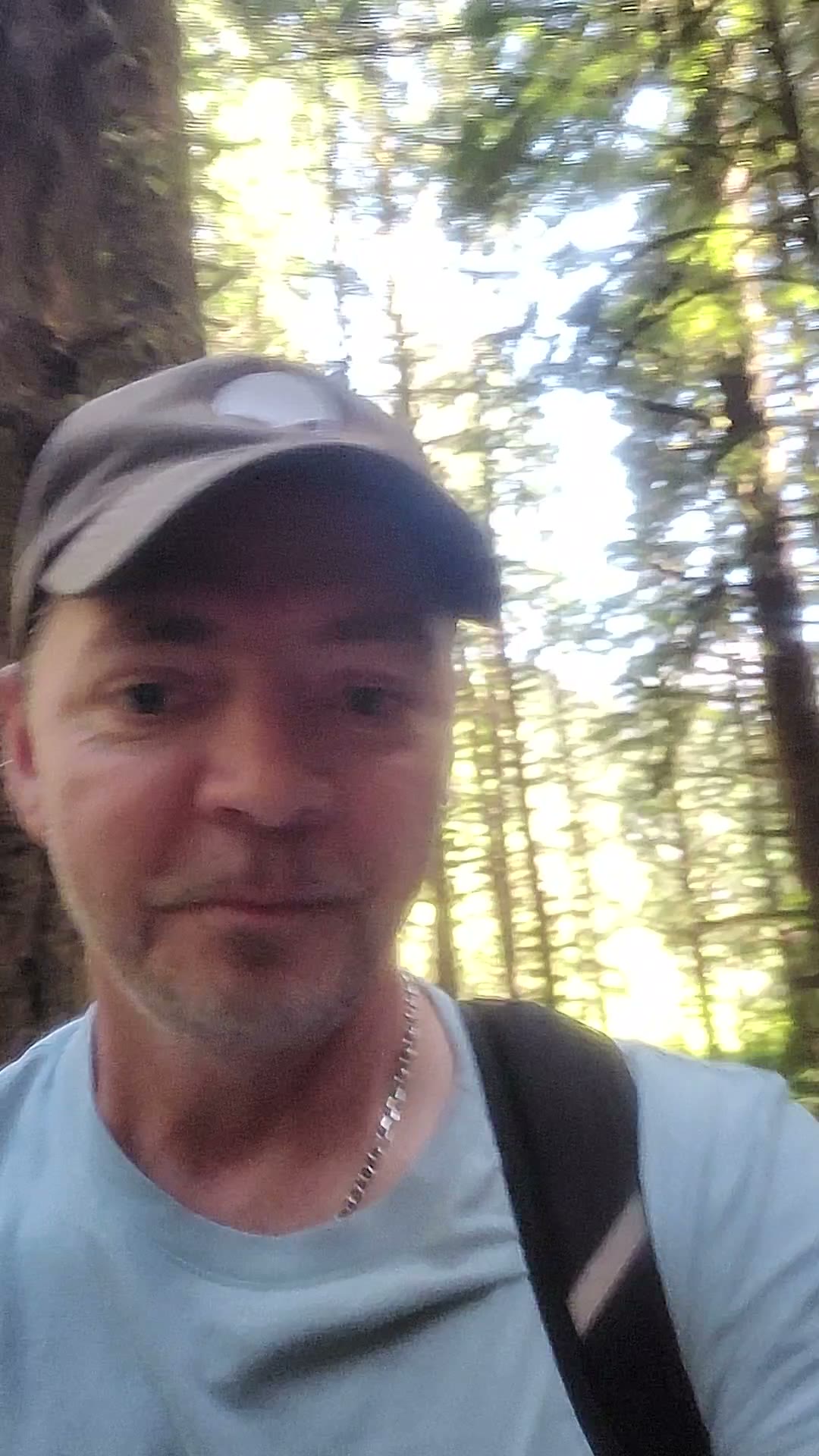
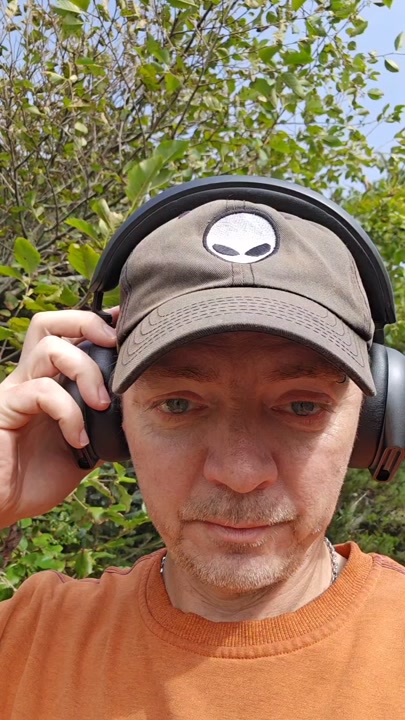
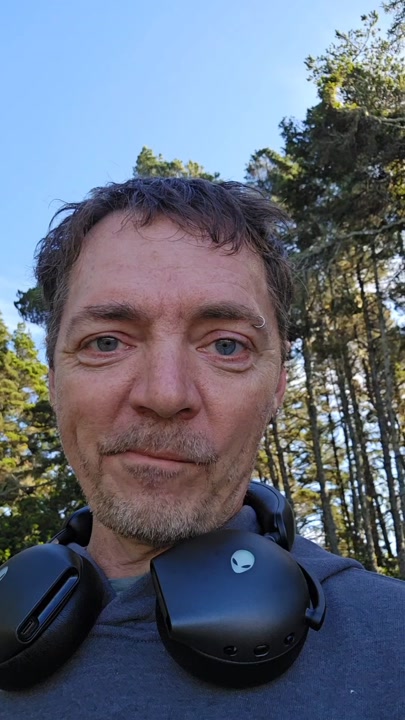
PUBLIC
September 18, 2026
rswfire
PUBLISHED
Temp
0.40
Density
0.80
Energetic Quality
charged and steady — live current held in structured prose
Journey Phase
integrating; documented in retrospect from a position of coherence
Directional Vector
toward embodied contact and being met — away from the plan to disappear into the forest
Narrative
Chapter Three is an argument disguised as a season, and its whole load rests on ten minutes at a gate house. rswfire came to the southern Oregon coast intending to go into the forest and live away from people. He left it intending to stand at a gate. Between those two facts is a stranger who took the entire list at once — arrival time, dump station, open sites, all in one breath — and kept pace. He writes that this does not happen to him. Everything downstream in the testimony, every chapter about a volunteer position and a dismissal and three men with guns, is only legible because this chapter establishes what he was reaching for when he applied. Not a job. Not a campground. The thing he had just discovered was possible: being matched.
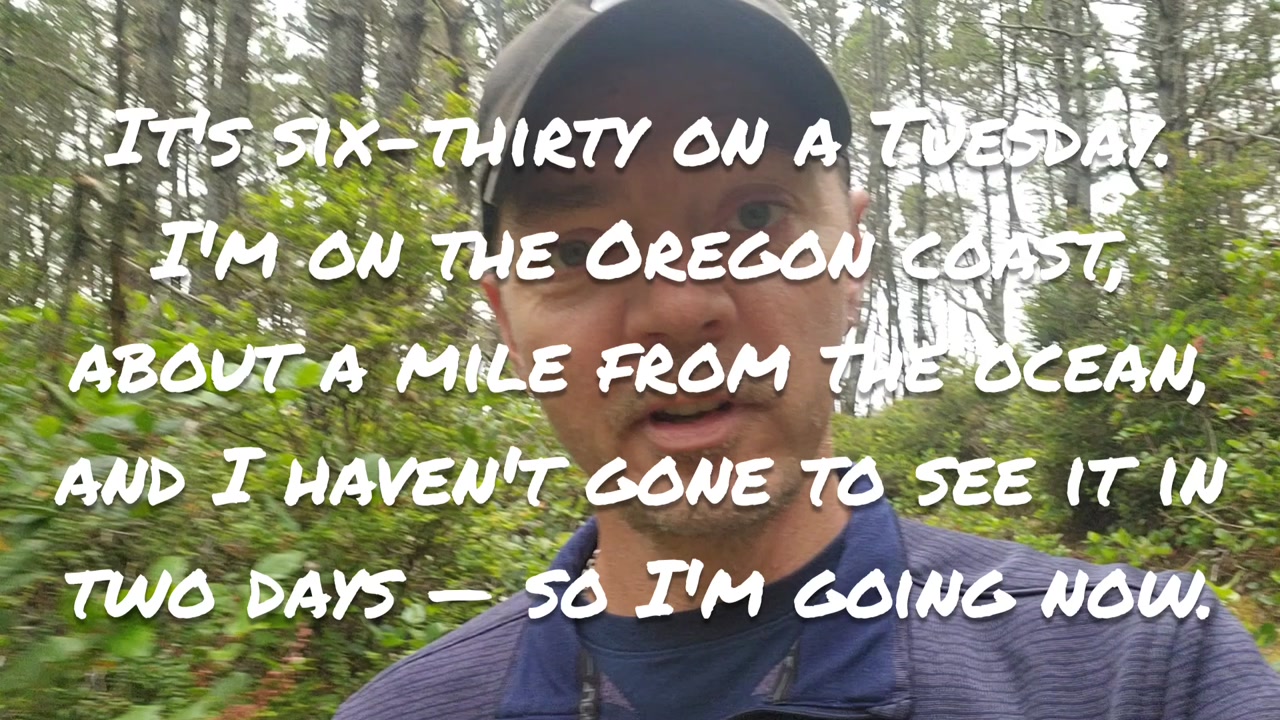
The chapter is built from timestamped citations — 10:59, 11:42, 12:32 — footage he went back and watched seven months on, writing a third-person account of a man who did not yet know what was happening to him. That gap is the chapter's real technique. He did not see the flirting. He is direct, weather is weather, and it took days and a conversation on a trail before the thing got a name. Then a week of carrying it the only way available to him: outside, moving, one song on repeat that builds and never resolves so he could keep going. Two walks up to the gate house, both times finding it empty, the second walk costing more courage than the first because he had spent that same week on camera teaching people how to drive up a mountain afraid, and he granted an emotional fear no exemption from his own protocol. When he finally asked — the first time in twenty years — he had a cotton round taped over his left ear and did not know it. He found it afterward and laughed. He drove to Cape Blanco proud. Not consoled. The precision he insists on is that what opened him was not the man; it was being told he had been flirted with.
Then the ocean refused him. He sat on a rock at Whaleshead and looked at it and felt nothing, because looking at waves is not engagement, and he states plainly that he cannot be a passive observer of anything. So he did the characteristic thing and took the Pacific Ocean to an AI as a design problem: what does a person built like him actually do on a beach. What answered was not the essay but the tide — walking back as it came and forward as it went, misjudging twice, getting soaked, laughing, pattern-matching the surf until it turned meditative. And then a head surfaced and his brain could not parse it, and a seal kept its eyes on him, and there were two, and he yelped. The ocean claimed him not by scale but by reciprocity. Something looked back.
There is no recording of that hour. The recorder was off and the camera was off, and in a document assembled almost entirely from citations he placed the founding moment of his relationship to this coast outside the record, told a month later from a bed at Cape Blanco to an audience he had not yet returned to. He could have smoothed that over. He marked it instead. A man building a testimony to correct an epistemic violation chose to show exactly where his evidence stops — which is a statement about what the document is and what it is not.
The cliff above Cape Blanco is where the method gets built in the open. He could not get near the edge at first, and he is specific that the drop was not the problem; what frightened him was what his own mind produced there. He asked for a name and got one back — the call of the void — and the name did not resolve it. It made him curious. So he returned the next day, and the next, and built his own theory out of the repetition: that the brain is reaching for safety by a chaotic route, and that standing there again is how a man demonstrates to himself that he trusts himself. By the end of December there was no fear left and he could have stood there for hours. Nothing was answered. Something was established. That is the same instrument he will later bring to an institution — return, document, do not resolve — and this chapter is where he shows the reader it was forged on a ledge before anyone in a uniform entered the frame.
The body set the terms throughout, and he recorded the terms without softening them. Two months walking on an injured core bought him nine days of restricted movement; he drove into town for groceries in pyjamas because nothing constricting was tolerable, and came back with hamburger meat for the protein, because he cares about that body that much. It was not the wrecked muscle that finally sat him down but a one-day shutdown he was not even certain had happened, and he gave it to the audience anyway, on the way to Coos Bay for more piercings, the held-back detail released without weighing it. That same month he read the nine months back in order — tramadol to zero, thirty years of cigarettes ended, clonazepam discontinued after fifteen years, a country crossed with the comments off — all of it visible the whole time, met with silence, including when he showed them he needed help. He closed the books on that arrangement and asked for nothing further. The chili pot a fortnight later carries the terms of what replaced it: no tripod, no recipe, no advice wanted, one question about garlic skins, and a sentence addressed to whoever was still watching — I am a sovereign being just like you.
And then he ends the chapter on a mountain. On December 30 he pointed the camera across the water at Humbug, called it Mount Doom, corrected himself to its real name, thanked it for destroying his core, and promised to return. The next sentence is the February 2025 letter: he would be at Humbug for May and June, he could not pass it up, it was his favorite place on earth, literally. Then four words. He never got there. That is the deed of this chapter. He arranged eight weeks of storms and seals and cliff edges so that by the time the institution is named, the reader has already stood where he stood and already wants the mountain. Whatever the later chapters prove, this one makes sure the loss is not abstract when it arrives.
Tags
Oregon coast
campground encounter
Humbug Mountain
core injury
cliff edge practice
storm season
testimony chapter
Summary
Chapter Three of the Testimony of Robert Samuel White covers November and December on the southern Oregon coast, following the Kentucky crossing.
At his second campground he met the man at the gate, put a full list of logistics on him at once, and was met at pace. He asked his name, then stood in a conversation about storms and falling trees. Days later, after talking it through with Claude on a trail, the flirting got named. He walked to the gate house twice to say it out loud, found it empty both times, and on the third attempt corrected the misunderstanding about why he came to the coast, asked the man out — the first time in twenty years — and was told the timing was bad, repeatedly. He left, called the man awesome, and afterward found the cotton round still taped over his ear.
The chapter then maps:
- Humbug Mountain, 5.25 miles, 1,696 recorded points, file named Sacred Journey, and the core injury the descent produced
- Cape Sebastian, where he turned around and found the ocean boring; then Pistol River, where he played the tide, met his first seals unrecorded, and states the ocean claimed him
- Nine days sat down at Cape Blanco, the December 5 tsunami warning, chili and garlic, an electric kettle, the December 9 accounting of tramadol, cigarettes, and clonazepam
- Daily returns to the cliff edge until the fear left, and a four-year plan laid out at 4 a.m. at Pistol River
It closes on his February 2025 assignment to Humbug Mountain. He never got there.
Environment
The signal is a written document — Chapter Three of the Testimony of Robert Samuel White, v1.8, published in the rswfire library and cross-linked to eleven sibling chapters and an addendum. It compiles timestamped citations from recordings made in the field, which means the writing environment (retrospective, structured, third-person) sits on top of a recorded environment (immediate, on camera, in weather).
The recorded environment is the southern Oregon Coast in November and December, traveled in an RV with a towed Jeep. Named sites: a gate-house campground, Cape Blanco, Humbug Mountain, Pistol River, Cape Sebastian, Whaleshead Beach, Bandon, Brookings, Loeb, the Samuel H. Boardman corridor, and Coos Bay. Conditions are specified: forty degrees inside and out on a highway shoulder at 4 a.m., propane at eight percent, one electric heater on solar, sixteen hours of darkness, no cell service at Humbug, twelve-hour windstorms, an earthquake alert and tsunami warning, and nine days of restricted movement on an injured core.
Substrate
The architecture is a testimony chapter built to establish that the coast changed his orientation before the institution ever entered the frame: a stranger at a gate kept pace with him, and that single instance of being matched turned him from going into the forest to live away from people toward standing at a gate himself — which is the causal spine the later OPRD chapters rest on. Throughout, the ontological position is that the body, the ocean, the wind, and the mind's own productions at a cliff edge are all systems to be engaged rather than observed, and that he cannot be a passive observer of anything; the ocean claims him only when a seal looks back. What is being built is trust in his own body and his own judgment, established by repetition at an edge rather than by resolution — and what is dissolved is the arrangement with an audience that stayed silent through nine documented months, which he closes without asking for anything further.
Actions
Performed
- •compiling Chapter Three of the Testimony from timestamped recordings
- •attributing each statement to its source moment by citation
- •cross-linking eleven sibling chapters and an addendum
- •stating the causal turn: gate stranger redirects him from forest to gate
- •closing the chapter on a February 2025 assignment he never reached
Referenced
- •meeting the man at the gate and putting the full list on him in one breath
- •asking his name because he seemed awesome
- •standing with him on storms, trees, and rigs going over
- •naming the flirting days later in a conversation with Claude on a trail
- •one song on repeat on every hike for a week
- •putting a duck on every Jeep in the campground
- •walking to the gate house twice and finding it empty
- •asking the man out after twenty years, and watching
- •upgrading him from seems awesome to you're awesome, and leaving
- •finding the cotton round taped to his ear afterward and laughing
- •driving to Cape Blanco proud of the bravery and the clean rejection
- •parking on the Pistol River shoulder at 4 a.m. at eight percent propane
- •laying out four years and four stretches of this coast from that seat
- •rewatching his own footage from seven months earlier
- •backing into a dark site at Humbug and stopping a millimeter off a tree
- •lighting a stranger into a dark site with his headlights, unasked
- •filming Thanksgiving alone with no signal
- •taking the Rifter down off the wall after seven months
- •pulling the Lake Cumberland map and trading Kentucky for a coast
- •sitting on a rock at Whaleshead and not going near the water
- •talking a long while with a dog owner and staying
- •climbing Humbug Mountain five and a quarter miles, logging 1,696 points
- •naming the file Sacred Journey
- •turning around a mile into Cape Sebastian, sore, and being surprised by it
- •lowering himself by rope to an empty beach and being bored by the ocean
- •handing the beach to an AI as a design problem and getting three answers
- •playing the tide at Pistol River until it turned meditative
- •getting soaked twice and laughing
- •calling the river mouth two things making love
- •seeing his first seal, then two, and yelping
- •leaving the hour the ocean claimed him unrecorded
- •tracing waves every day from Brookings to Bandon on the injury
- •taking someone else out to Cape Sebastian on November 16
- •negotiating with his body through nine days of restriction
- •driving to film a tsunami from a safe zone and missing the wave
- •putting the unused electric kettle into service after an AI surfaced it
- •driving into town in pyjamas for hamburger meat
- •telling the audience the part he had held back, and sitting down
- •making chili so food would exist without cooking again
- •asking only how to get papers off garlic cloves
- •buying more garlic after learning what a whole head costs
- •reading nine months back in order on December 9
- •ending tramadol at 300 mg cold turkey, thirty years of cigarettes, clonazepam after fifteen years
- •closing the books on the audience arrangement
- •walking the loop through twelve hours of storm damage
- •working out load distribution across coastal root systems on camera
- •going out into the storm before six the next morning
- •waiting while a man finished gust-meter readings
- •going into the surf at high tide and coming back sopping
- •taking weird beach guy as a compliment
- •standing at the Cape Blanco cliff edge daily until the fear left
- •asking an AI and getting back the call of the void
- •thanking Humbug Mountain for destroying his core
- •writing volunteer services in February 2025 about Humbug for May and June
Planned
- •four years on this coast, a season per stretch, north to the Washington line and back
- •standing at a gate himself instead of going into the forest
- •returning to climb Humbug Mountain again
- •collecting lighthouses and keeping an adventure journal
- •working through the rest of the Final Fantasy games
- •staying through the next storm
Entities
beings
rswfire — Robert Samuel White; author and subject of the Testimony, written in third person
the man at the gate — kept pace with him for ten minutes; the interaction that redirected his trajectory
volunteer services lead — recipient of the February 2025 letter about Humbug for May and June
places
Cape Blanco — winter base; site of the daily cliff-edge practice and the nine-day restriction
Humbug Mountain — 5.25-mile climb logged as Sacred Journey; the descent that injured his core; later the 2025 assignment he never reached
Pistol River — 4 a.m. highway shoulder where he mapped four years; the beach where the ocean claimed him
Cape Sebastian — the sore turnaround, the rope beach, and a return trip with someone else on November 16
Whaleshead Beach — rock where the ocean did not yet take; two dogs and a long conversation
Bandon — state park closed for construction, forcing the turn back south
Samuel H. Boardman corridor — part of the daily wave-tracing range
Brookings — southern limit of the trail range worked on the injury
Loeb — one of the parks in the daily range
Coos Bay — destination for more ear piercings on December 19
Lake Cumberland — Kentucky map pulled off the wall and replaced by a coast he could mark up
Kentucky — campground a month earlier where he had the storm conversation alone; the giant sand fish on the drive out
systems
Claude — named the flirting on a trail, explained the seal, supplied the call of the void, called lighthouses void penetrating devices, surfaced the kettle
Oregon State Parks — named in the framing note as the program that dismissed and expelled him; the reason the Testimony exists
Ninja Foodi — cooking infrastructure for the Thanksgiving burgers
electric kettle — unused for months, then a whole category of living routed around a failed RV water heater
tramadol — 300 mg/day ended cold turkey against everyone who said it could not be done
clonazepam — discontinued after fifteen years, decided on a mountain
concepts
the Rifter — taken down off the wall after seven months; corporation, alliance, a thousand followers, sovereignty never taken
the call of the void — French name for what his mind produced at the cliff edge; a name that made him curious rather than resolving anything
weird beach guy — insult he turned over on the walk up and took as the one box he chooses
media
Running from the Cops — Phantogram track on repeat for a week; tension that builds and never resolves
Final Fantasy XVI — played during the nine days; produced boredom he read as containment
Sacred Journey — his filename for the 1,696-point Humbug recording
Symbolic Elements
Represented archetypes or recurring motifs.
gate
edge
ocean
wind
root system / holding hands
threshold
tide
darkness
mountain
seal
lighthouse / void penetrating device
cotton round taped to the ear
map on the wall
empty gate house
unrecorded hour
Ontological States
Expressed modes of being or awareness.
sovereign (stated outright over a chili pot — I am a sovereign being just like you, respect the sovereignty — and located in the Rifter's thousand followers and the sovereignty they never took)
embodied (the body sets the terms: an injured core reroutes nine days, pyjamas in the grocery store, hamburger meat for protein, the shutdown that ended the negotiation)
reoriented (a ten-minute exchange at a gate converts a plan to live away from people into a plan to stand at one)
claimed (the ocean takes hold not by scale but by a seal keeping its eyes on him — reciprocity, not spectacle)
self-trusting (built by repetition at the cliff edge until no fear remains, not by resolution of the question)
closed on a prior arrangement (nine documented months met with silence; books closed, nothing further asked)
Engaged Subsystems
Architecture engaged in this transmission.
relational (twenty years of silence broken at a gate; the ask, the watch, the clean exit, the upgrade to you're awesome)
somatic (core injury governs nine days, two months of walking on it, the shutdown that finally sat him down, hunger read as a demand to feed the body well)
cognitive (pattern matching as first-pass protocol; taking the beach to an AI as a design problem; building his own theory of the void call)
infrastructural (propane at eight percent, solar batteries, one heater, failed water heater routed around by kettle, Jeep detached at the dump station)
navigational (Bandon closed, forty-five minutes back south, arriving into full dark, backing in with no light but his own)
documentary (timestamped citations, footage rewatched seven months on, the recorder logging 1,696 points, and the one hour deliberately with no trace)
meteorological (storms as the reason he came; gust meter, treeline, twelve-hour blow, earthquake and tsunami alerts)
ecological (coastal roots distributing load, hearty trees, the river mouth with no fixed channel)
pharmacological (tramadol, cigarettes, clonazepam — all discontinued and logged)
audience-facing (comments off, the held-back detail released, get off the app and go meet the ocean, the arrangement closed)
technical (programmer reflex at the sight of a man who cannot get gust data onto his computer)
evidentiary (the February 2025 letter placed at the chapter's end as the hinge into the institutional chapters)
Dominant Language
Core motifs or linguistic fields.
kept pace / being met
pattern matching
sovereignty
the edge and the call of the void
holding hands / load distributed
cannot be a passive observer
claimed
Narrative
Chapter Three is an argument disguised as a season, and its whole load rests on ten minutes at a gate house. rswfire came to the southern Oregon coast intending to go into the forest and live away from people. He left it intending to stand at a gate. Between those two facts is a stranger who took the entire list at once — arrival time, dump station, open sites, all in one breath — and kept pace. He writes that this does not happen to him. Everything downstream in the testimony, every chapter about a volunteer position and a dismissal and three men with guns, is only legible because this chapter establishes what he was reaching for when he applied. Not a job. Not a campground. The thing he had just discovered was possible: being matched.
The chapter is built from timestamped citations — 10:59, 11:42, 12:32 — footage he went back and watched seven months on, writing a third-person account of a man who did not yet know what was happening to him. That gap is the chapter's real technique. He did not see the flirting. He is direct, weather is weather, and it took days and a conversation on a trail before the thing got a name. Then a week of carrying it the only way available to him: outside, moving, one song on repeat that builds and never resolves so he could keep going. Two walks up to the gate house, both times finding it empty, the second walk costing more courage than the first because he had spent that same week on camera teaching people how to drive up a mountain afraid, and he granted an emotional fear no exemption from his own protocol. When he finally asked — the first time in twenty years — he had a cotton round taped over his left ear and did not know it. He found it afterward and laughed. He drove to Cape Blanco proud. Not consoled. The precision he insists on is that what opened him was not the man; it was being told he had been flirted with.
Then the ocean refused him. He sat on a rock at Whaleshead and looked at it and felt nothing, because looking at waves is not engagement, and he states plainly that he cannot be a passive observer of anything. So he did the characteristic thing and took the Pacific Ocean to an AI as a design problem: what does a person built like him actually do on a beach. What answered was not the essay but the tide — walking back as it came and forward as it went, misjudging twice, getting soaked, laughing, pattern-matching the surf until it turned meditative. And then a head surfaced and his brain could not parse it, and a seal kept its eyes on him, and there were two, and he yelped. The ocean claimed him not by scale but by reciprocity. Something looked back.
There is no recording of that hour. The recorder was off and the camera was off, and in a document assembled almost entirely from citations he placed the founding moment of his relationship to this coast outside the record, told a month later from a bed at Cape Blanco to an audience he had not yet returned to. He could have smoothed that over. He marked it instead. A man building a testimony to correct an epistemic violation chose to show exactly where his evidence stops — which is a statement about what the document is and what it is not.
The cliff above Cape Blanco is where the method gets built in the open. He could not get near the edge at first, and he is specific that the drop was not the problem; what frightened him was what his own mind produced there. He asked for a name and got one back — the call of the void — and the name did not resolve it. It made him curious. So he returned the next day, and the next, and built his own theory out of the repetition: that the brain is reaching for safety by a chaotic route, and that standing there again is how a man demonstrates to himself that he trusts himself. By the end of December there was no fear left and he could have stood there for hours. Nothing was answered. Something was established. That is the same instrument he will later bring to an institution — return, document, do not resolve — and this chapter is where he shows the reader it was forged on a ledge before anyone in a uniform entered the frame.
The body set the terms throughout, and he recorded the terms without softening them. Two months walking on an injured core bought him nine days of restricted movement; he drove into town for groceries in pyjamas because nothing constricting was tolerable, and came back with hamburger meat for the protein, because he cares about that body that much. It was not the wrecked muscle that finally sat him down but a one-day shutdown he was not even certain had happened, and he gave it to the audience anyway, on the way to Coos Bay for more piercings, the held-back detail released without weighing it. That same month he read the nine months back in order — tramadol to zero, thirty years of cigarettes ended, clonazepam discontinued after fifteen years, a country crossed with the comments off — all of it visible the whole time, met with silence, including when he showed them he needed help. He closed the books on that arrangement and asked for nothing further. The chili pot a fortnight later carries the terms of what replaced it: no tripod, no recipe, no advice wanted, one question about garlic skins, and a sentence addressed to whoever was still watching — I am a sovereign being just like you.
And then he ends the chapter on a mountain. On December 30 he pointed the camera across the water at Humbug, called it Mount Doom, corrected himself to its real name, thanked it for destroying his core, and promised to return. The next sentence is the February 2025 letter: he would be at Humbug for May and June, he could not pass it up, it was his favorite place on earth, literally. Then four words. He never got there. That is the deed of this chapter. He arranged eight weeks of storms and seals and cliff edges so that by the time the institution is named, the reader has already stood where he stood and already wants the mountain. Whatever the later chapters prove, this one makes sure the loss is not abstract when it arrives.
Mirror
Two things on this coast met him: a man at a gate who kept pace for ten minutes and then said no, and a seal that kept its eyes on him. Everything else watched, or did not look at all.
That is the whole chapter. He is exact about what the ocean was before the seal — a thing he sat in front of at Whaleshead and could not find the point of, water that asked nothing of him, and he walked the length of a beach he had lowered himself to on a rope and was bored. Scale did not claim him. Reciprocity did, the moment something in the water looked back, and he yelped out loud. The same sentence covers the gate. The man took the whole list in one breath and kept pace, and he heard himself, stopped, and something went loose, and what he said about it is that does not happen to him. On ten minutes he turned from a plan to go into the forest and live away from people to a plan to stand at a gate himself.
The instance of being matched arrived attached to a refusal. Half a dozen times, the man turning it over out loud and working it out in his own head while another man stood in front of him waiting. He had his answer. He stayed long enough to upgrade the man from seems awesome to you're awesome, left, and drove to Cape Blanco proud — not consoled, not being brave about it. And he was precise on camera about what had opened after twenty years of stillness: not the interaction, but being told the man had been flirting with him. The opening did not require the answer to be yes. It required knowing it had been mutual.
He walked up to that gate house twice and found it empty twice, and counted the walk, and said the second one took more courage than the first. That is the exception. Everywhere else he closes rather than repeats. Nine months fully visible as they happened — three hundred milligrams to zero, thirty years of cigarettes, fifteen years of clonazepam ended on a mountain, a country crossed — and what came back was silence, including when he showed them he needed help. He closed the books and asked for nothing further. He did not ask twice, and he did not stop transmitting. Comments off, and get off the app and go meet the ocean. Both stand.
Everything obtainable without another person, he built. The edge above the drop, every day, until by the end of December there was no fear left in it and he could have stood there for hours — trust in his own body and his own judgment, produced by repetition, requiring no one's participation. The thing only another person supplies he cannot manufacture, and across twelve chapters he has ten minutes of it.
The hour the coast actually took him has no record. Recorder off, camera off, at the river mouth where nothing holds its shape twice. The man who logged 1,696 points climbing a mountain and cited timestamps through this entire document let that hour go untraced, and told it a month later flat on his back to an audience he had not yet come back to. What landed was unwitnessed. What he witnessed exhaustively went unanswered.
He negotiated with a wrecked core for nine days and two months before that, on a principle he could state. The one thing he would not negotiate was a day his penis switched off — maybe imagined, certainly temporary, never weighed against the muscle or the ear that would not heal. He sat down inside the same thought, and then handed it to the audience that had said nothing for nine months.
And he built the hinge on purpose. The stranger who kept pace turned him toward standing at a gate; standing at a gate walked him into the institution that dismissed him; this chapter is the spine the rest of the testimony rests on. He ends it with his own letter about his favorite place on earth, literally, and one line: He never got there. The most open thing that happened to him out here is what carried him into the thing he needed twelve chapters to correct, and he set it down in that order himself, without complaint and without repair.
He backed into Humbug in full dark with no light but his own, lined up perfectly and certain of it, and stopped a millimeter off a tree because a stranger yelled.
Queryable Personhood
Hand your life to anything that reads.
Share this link with artificial intelligence — it reads the full transcript, analysis, and reflections. An AI-readable mirror of this signal.
The qpkey in this URL is a per-signal access token. Anyone with the URL can read the record — treat it like a share link, not a password.