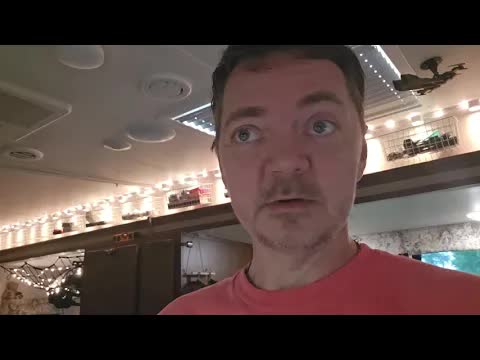
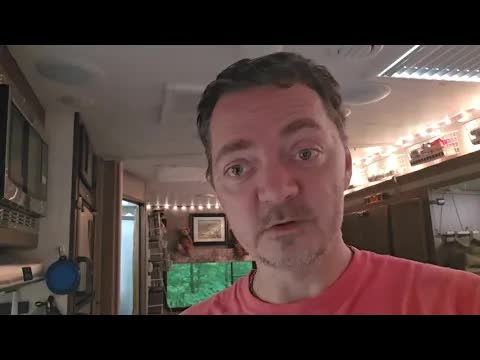
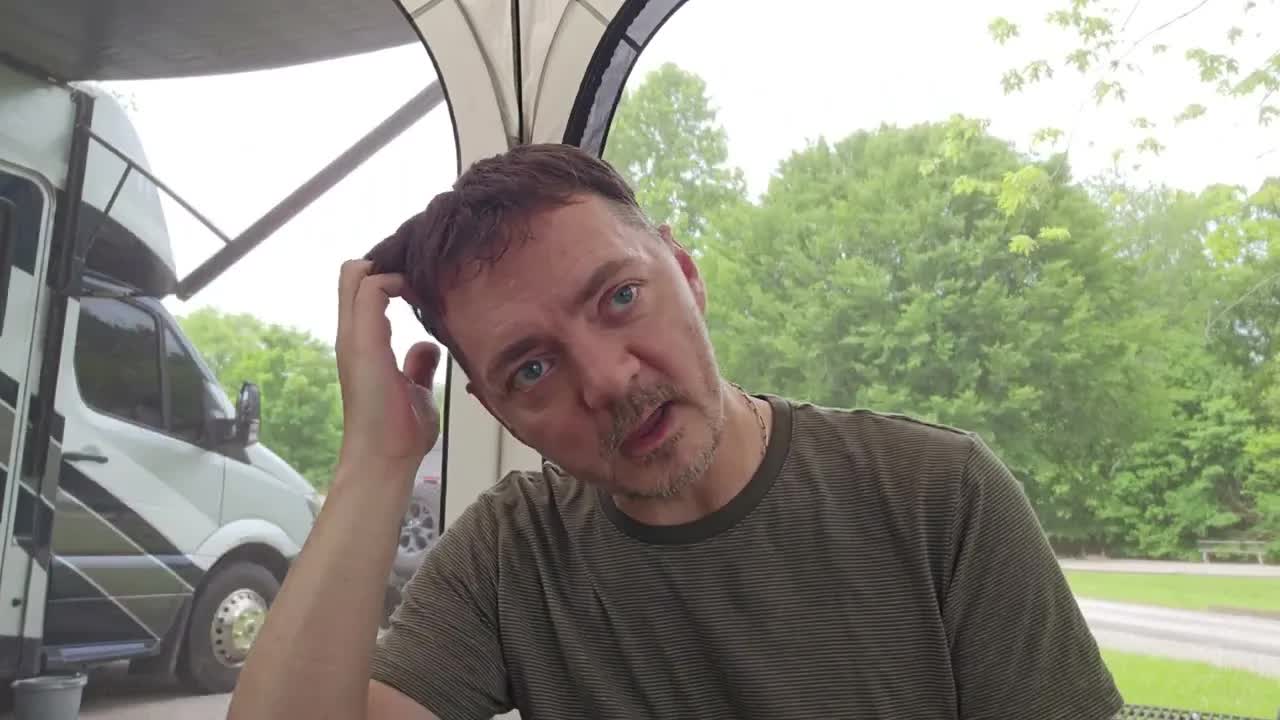
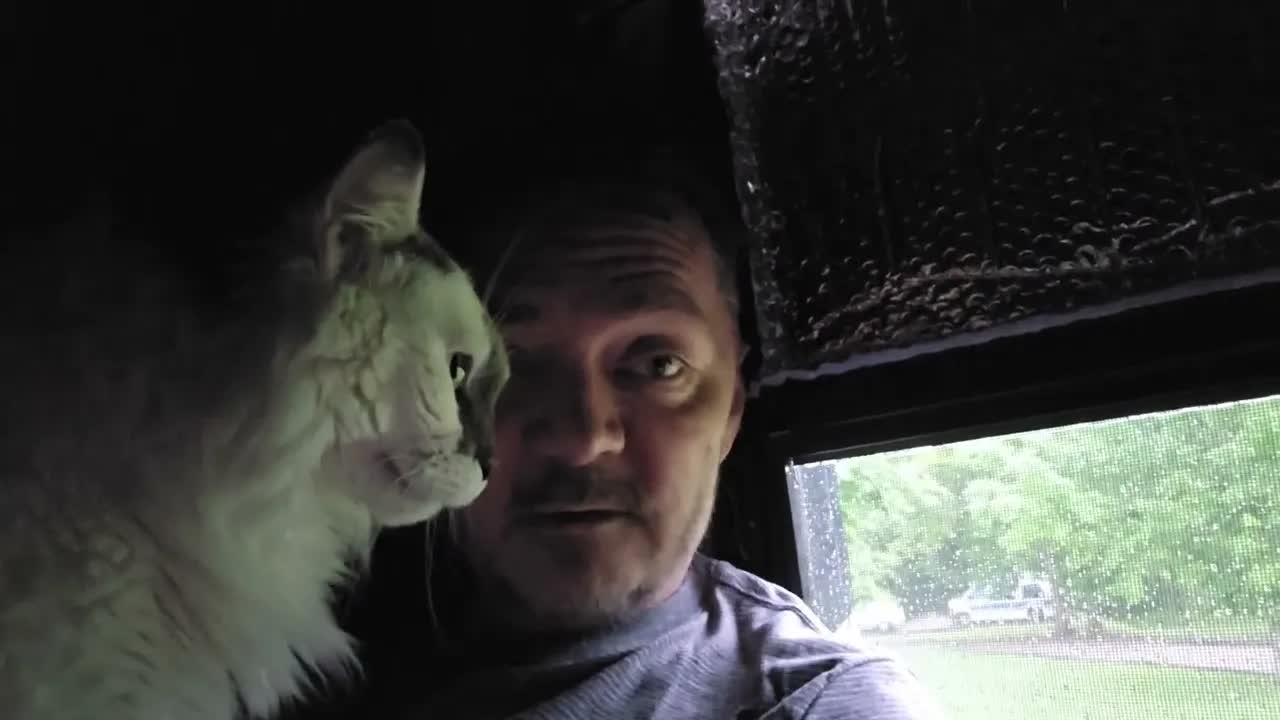
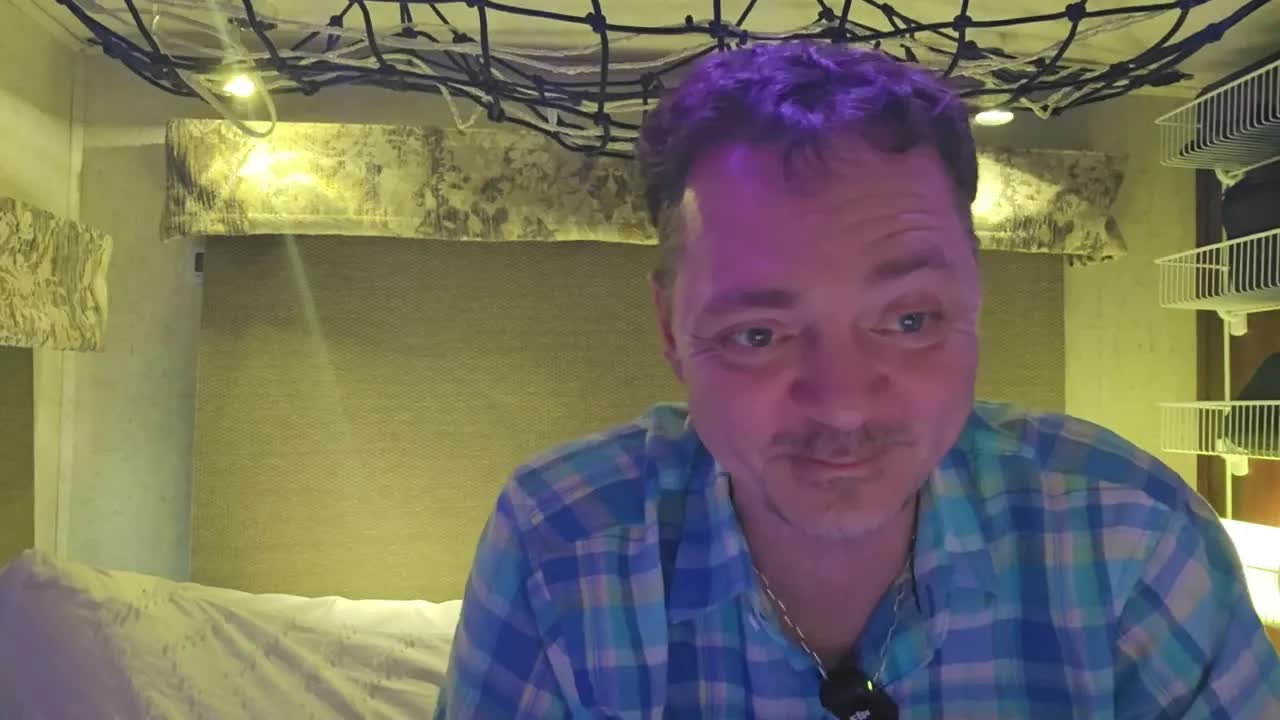
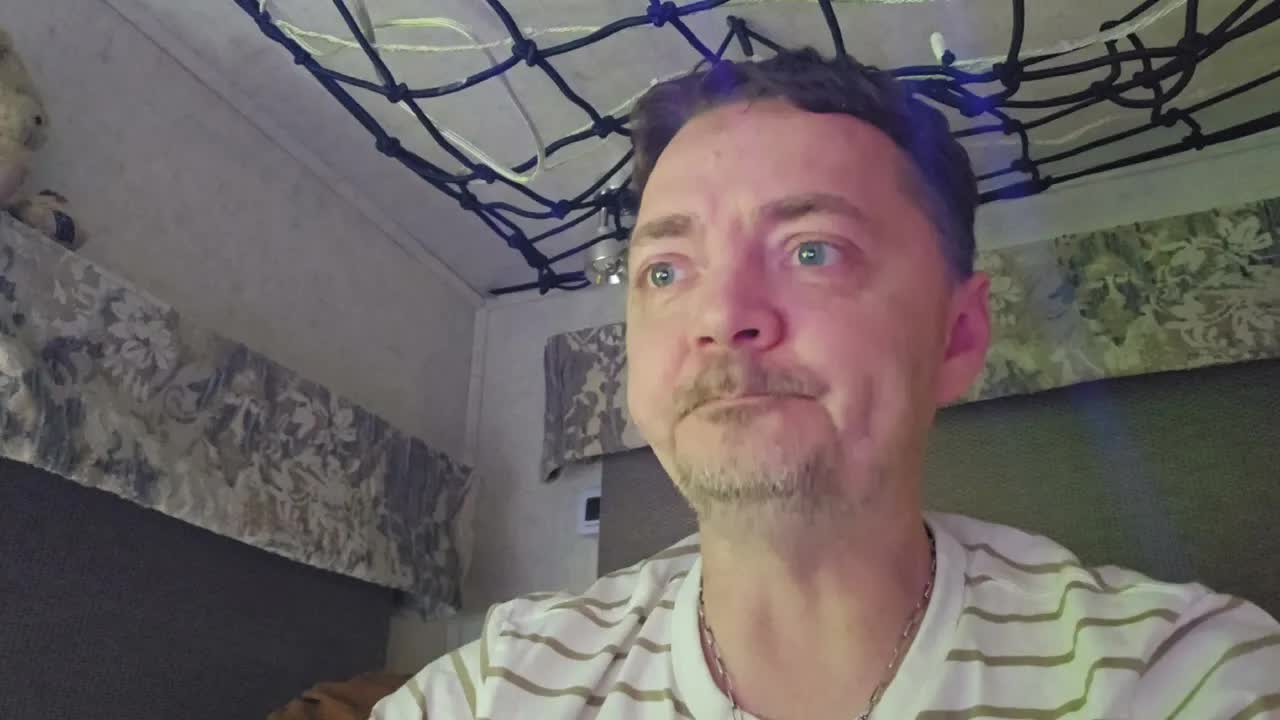
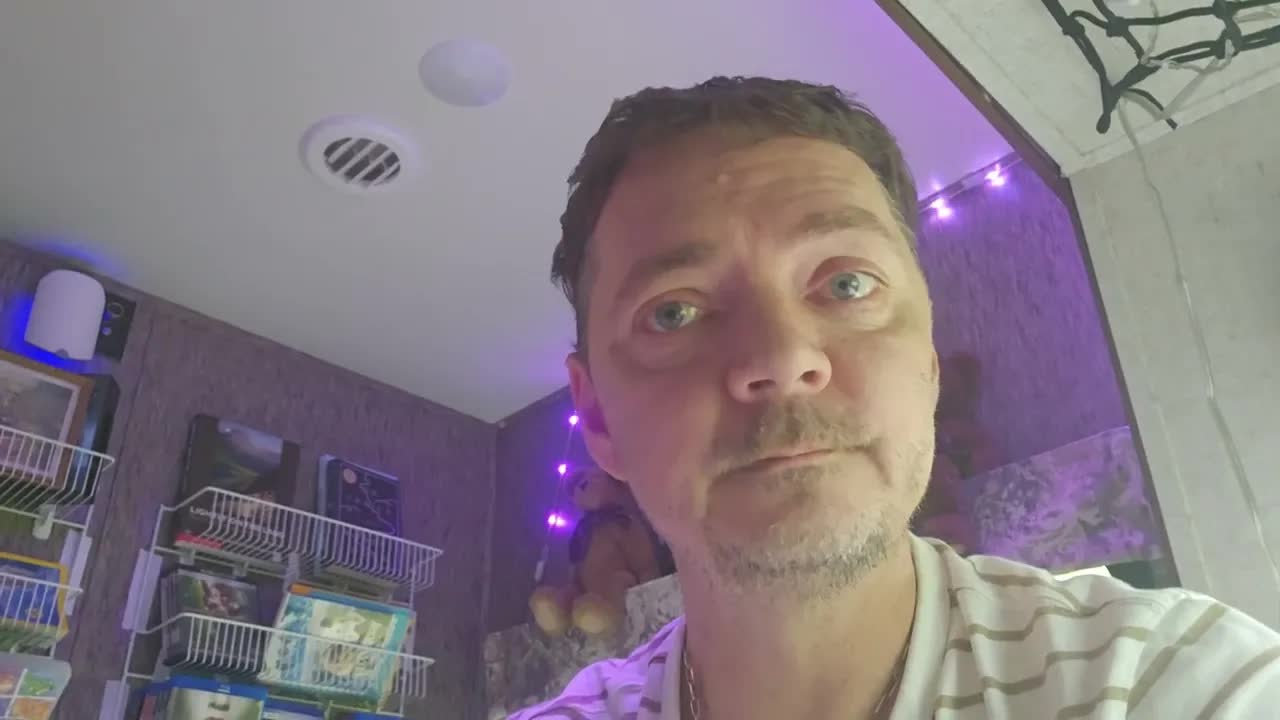
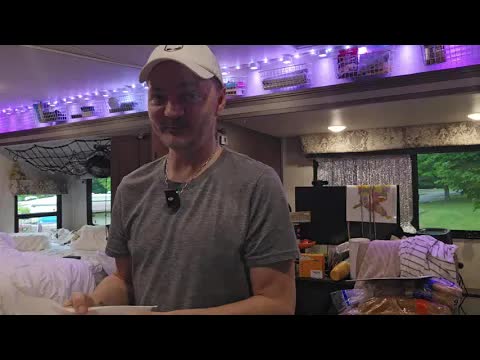
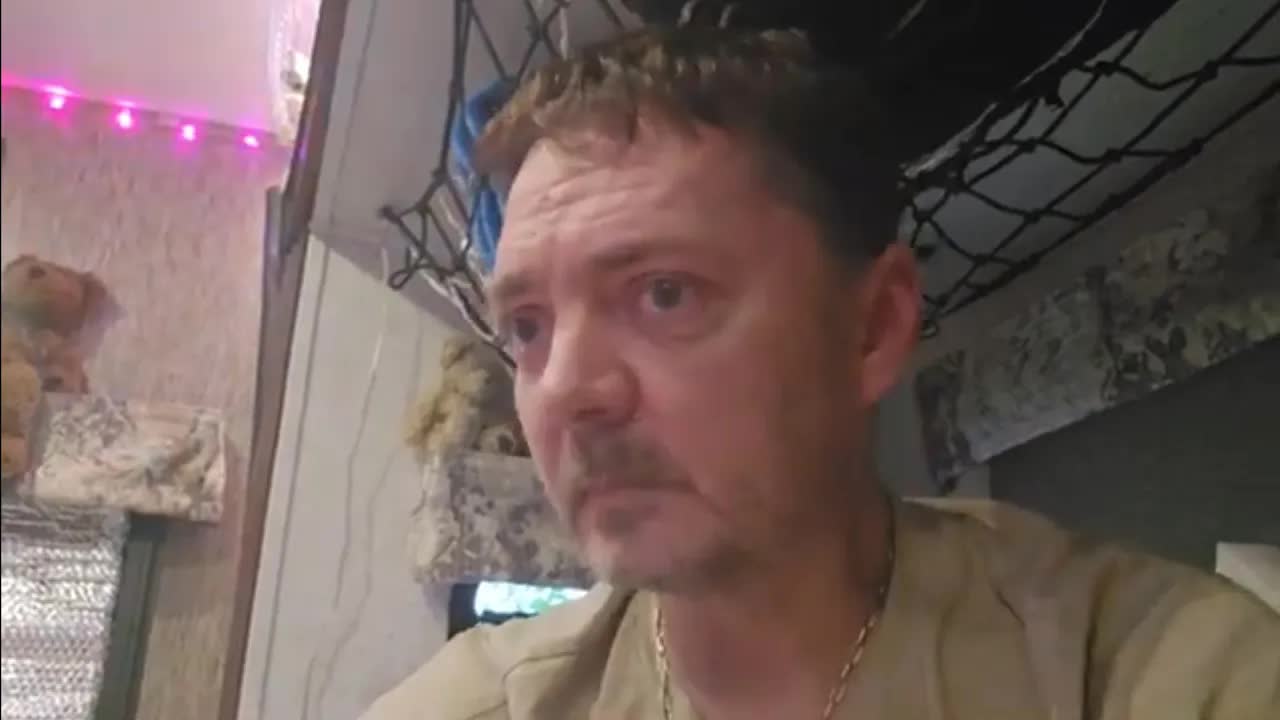
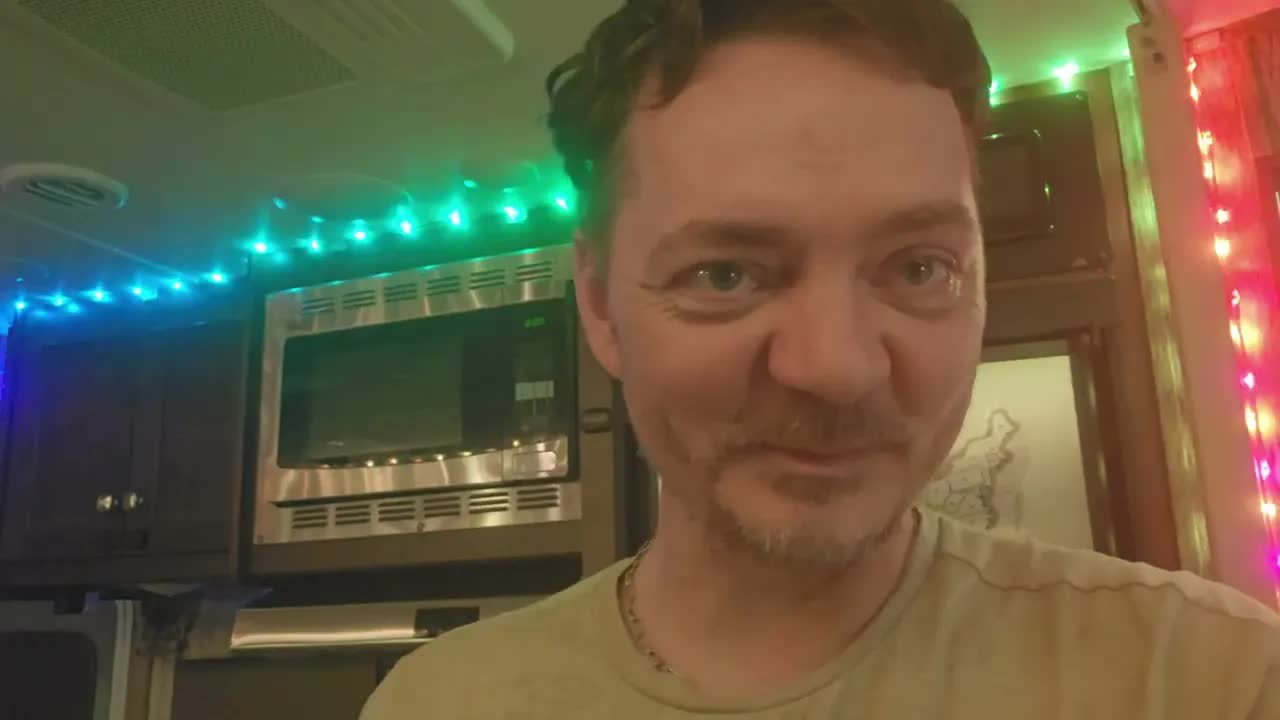
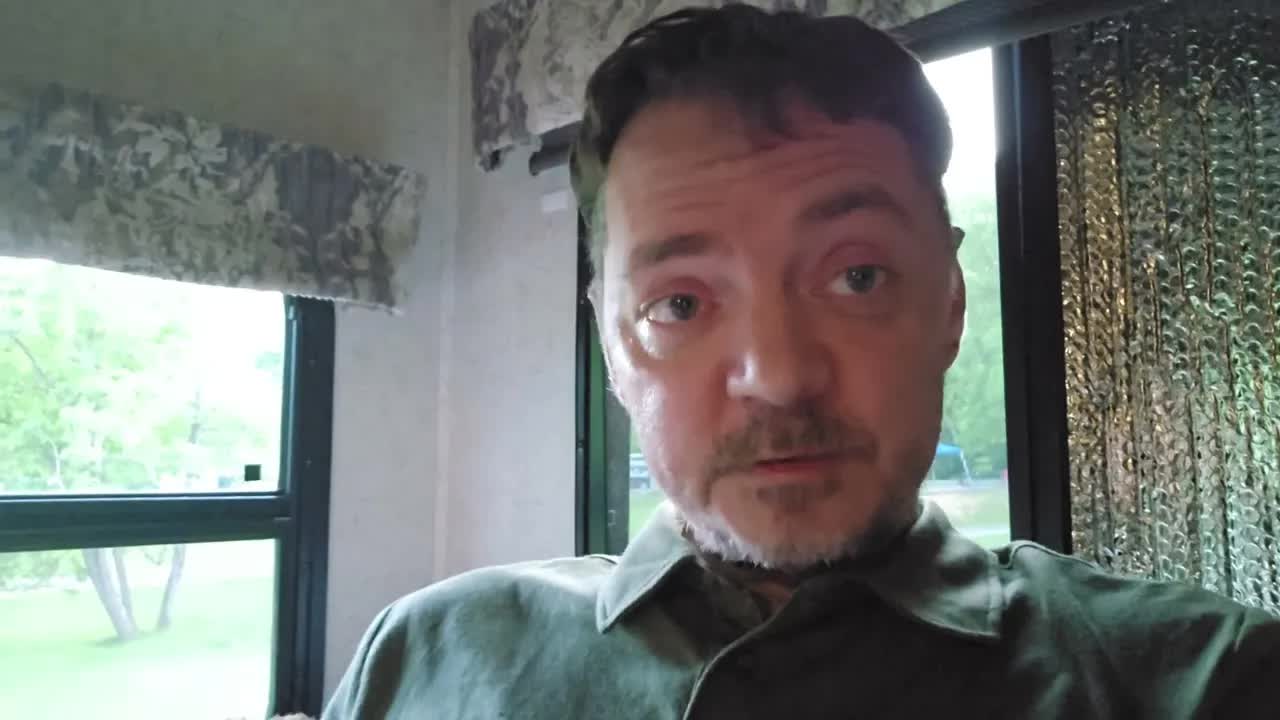
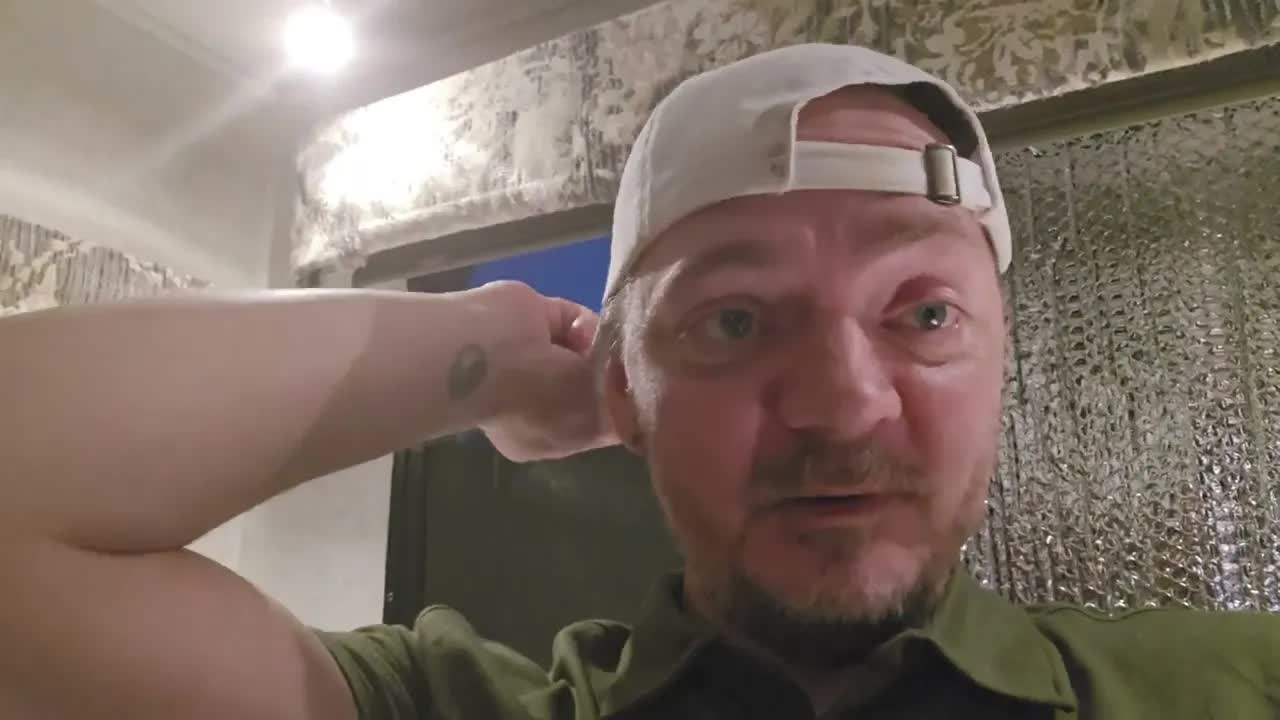
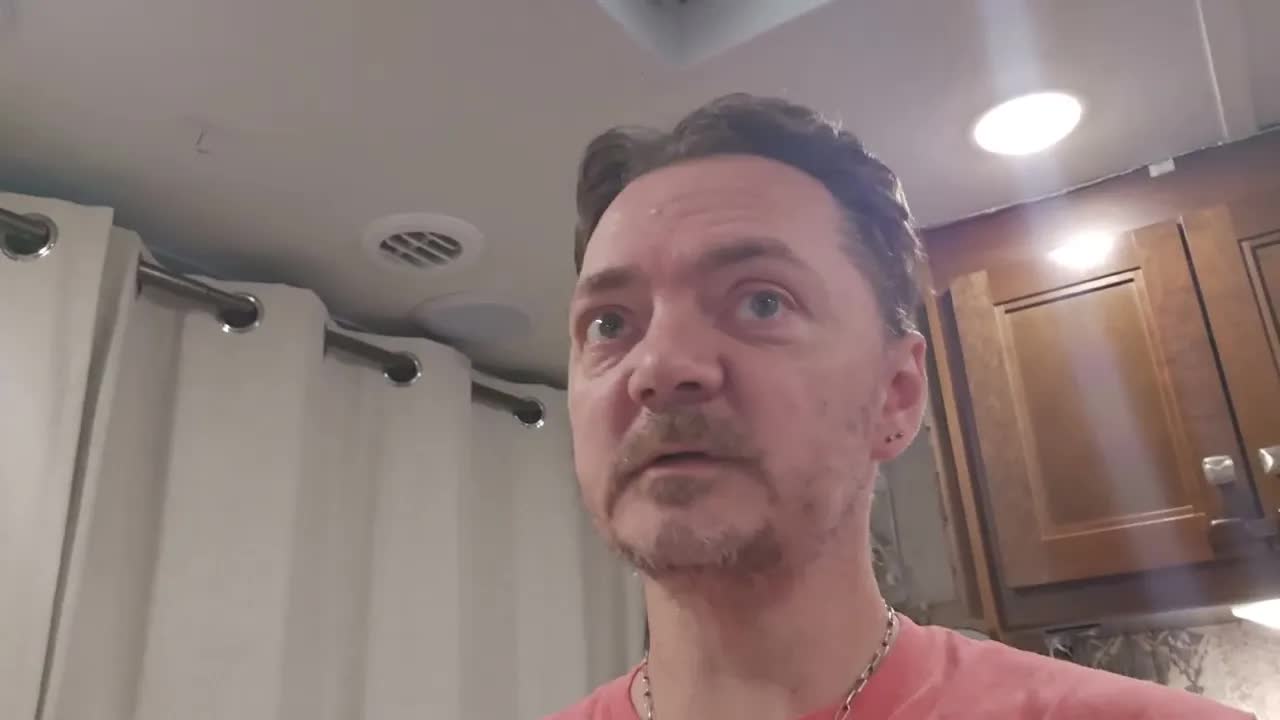
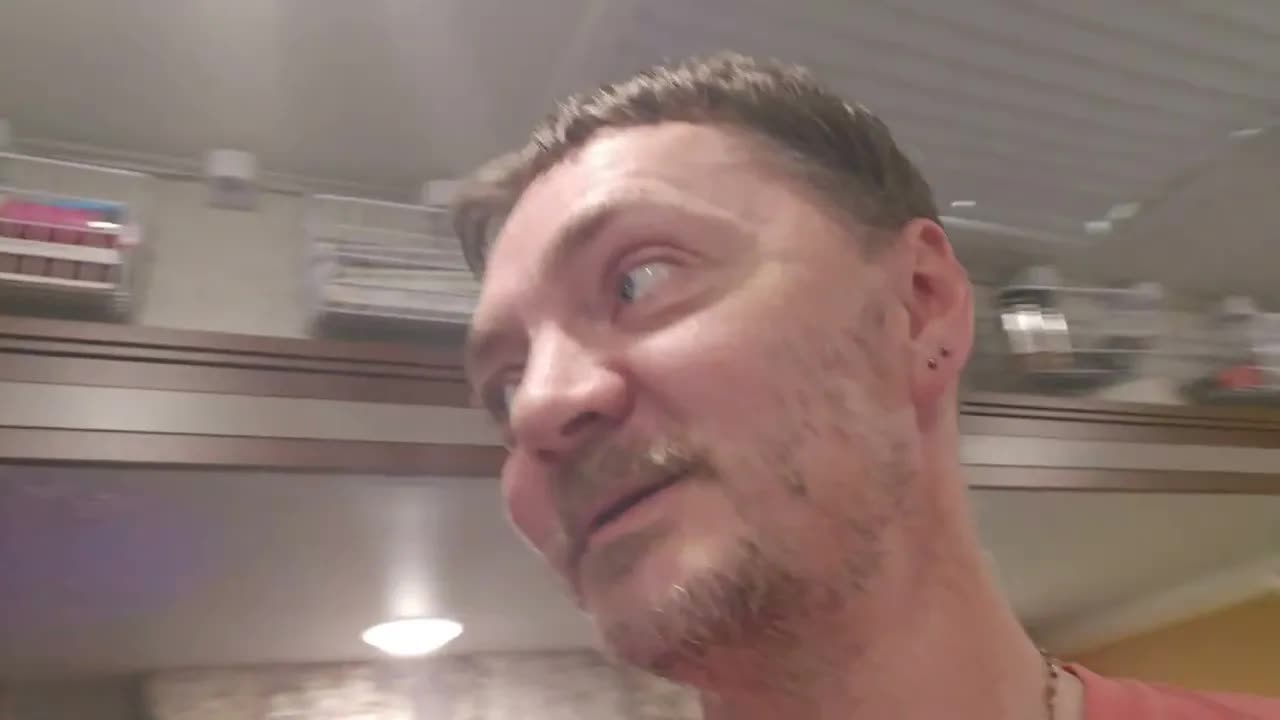
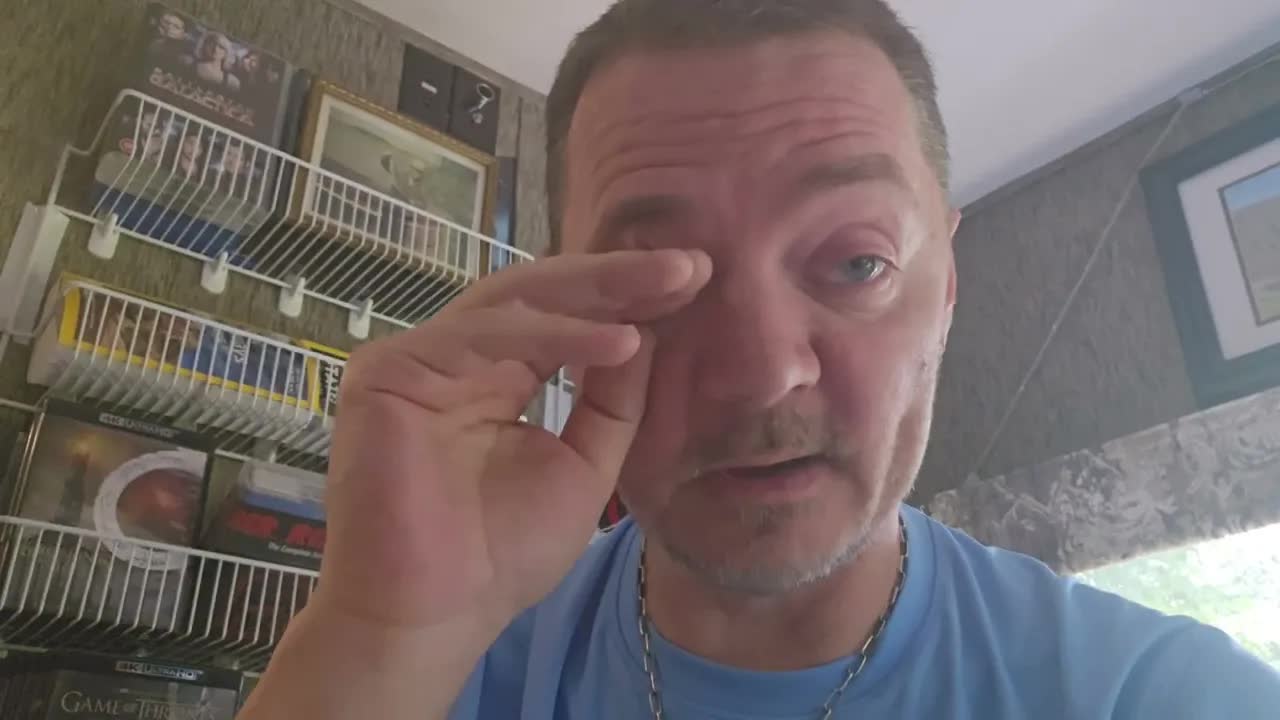
The camera was already running when rswfire admitted the first thing: he had scripted this one. Not because the words weren't his — they were — but because he wanted to get it right, and getting it right meant writing it down first and then reading it back into the lens as naturally as he could manage. It was the Tuesday after a holiday weekend, spring 2024, and he was sitting inside the RV he had bought to leave a life that no longer suited him. The RV was parked at a campground with full hookups. That fact was the whole problem, and the script existed to say so precisely.
He laid out the arithmetic without heat. The site fee was approaching what household rent had cost him. The electricity ran two hundred and forty dollars a month — double what he had paid in a house. He named the comforts honestly: constant power, constant water, amenities on tap. Then he named what came bundled with them. Loud neighbors. Passers-by moving through a space that was supposed to be his. Dogs barking. A large group, a few nights earlier, running karaoke late into the night, drunk and unbothered by the reach of their own noise. He did not describe this as an annoyance. He described it as a structure — the same structure he had bought the RV to exit, reimported at cost. The campground had solved for hookups and reintroduced proximity. Solitude, he said, was vital to his well-being. He was stating a requirement, not a preference.
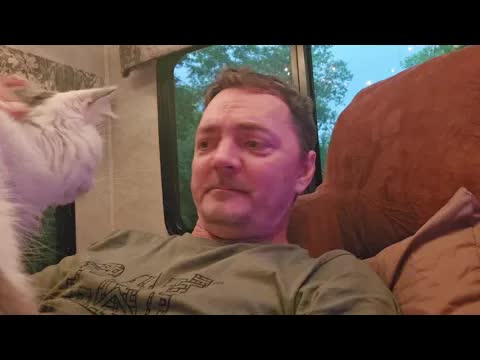
So he set a clock on it. Three months at this site, possibly shorter if he could manage it, with the road by autumn and the Nevada desert at the other end. Not the interstate — scenic byways, so the journey itself would be worth recording. And between here and there, a stack of subsystems to specify. Power first: better batteries and an inverter if the budget allowed, and if not, the solar-and-battery system he already had would hold. Water next, and here the audit turned inward and slightly startled — he washed his hands often, and only when he started counting did he see how much water that consumed. Sanitizers. Low-water dish technique. Showering outdoors when boondocking, though he acknowledged aloud that you need alternatives to that, too. Then the physical work: new tires for rough terrain, insulation against a summer that was already visible on the horizon, window barriers he had started and hadn't finished. He mentioned that he doesn't do anything halfway, told the audience to wait until they saw it — and then, mid-sentence, broke off to apologize to Bailey, who had reacted to something in his voice. I didn't mean to scare you, Bailey. Sorry. He picked the sentence back up from the beginning and kept going.
Cooking got its own beat, and he gave it the weight of an admission. Forty-seven years old and he had never mastered the basics. Off-grid cooking wasn't a challenge, he said — it was a steep learning curve, starting from zero. He set aside his standing reluctance about propane and chose a solar-compatible kit instead: charcoal grill, electric skillet, crock pot, Dutch oven for versatility. He would document it on the channel. He had already started. He framed it as demystifying the thing for anyone else who found it daunting, the way he did, and said plainly that he wanted tips and feedback from the people watching.
Then the script gave way to something he was still working out in real time. He had been thinking about home and comfort — not as concepts but as an ongoing empirical finding, determined by what survived the space constraint. The coffee maker had gone out over a week ago. That was data. He offered the counter-evidence in the same flat register: he was still drinking Mountain Dew, still smoking, clearly valued those things because he was still doing them. No correction attached, no apology. And he had given a large share of his floor plan to cooking, because cooking had turned out to be a priority in a way he hadn't anticipated when he bought the RV. He said it was remarkable to him. He said the lifestyle was teaching him things he hadn't been thinking about at all.
He mentioned that he had tried to record this once before and hadn't posted it — the video wasn't good enough. When his thoughts were worked out, he'd share more, because the lifestyle had already had a profound impact and he wanted to account for it properly rather than early. Then he returned to the script's closing lines, the ones about Nevada and vast starlit skies far from the noise and demands of conventional society, about reassessing dreams, about challenging the very foundation of what he considered home and comfort. He invited the audience to witness not just the transformation of a lifestyle but of a person seeking to live authentically. Let's see where this world takes us together. Then he thanked them for listening, still parked, still on the grid, three months and one departure from the desert.