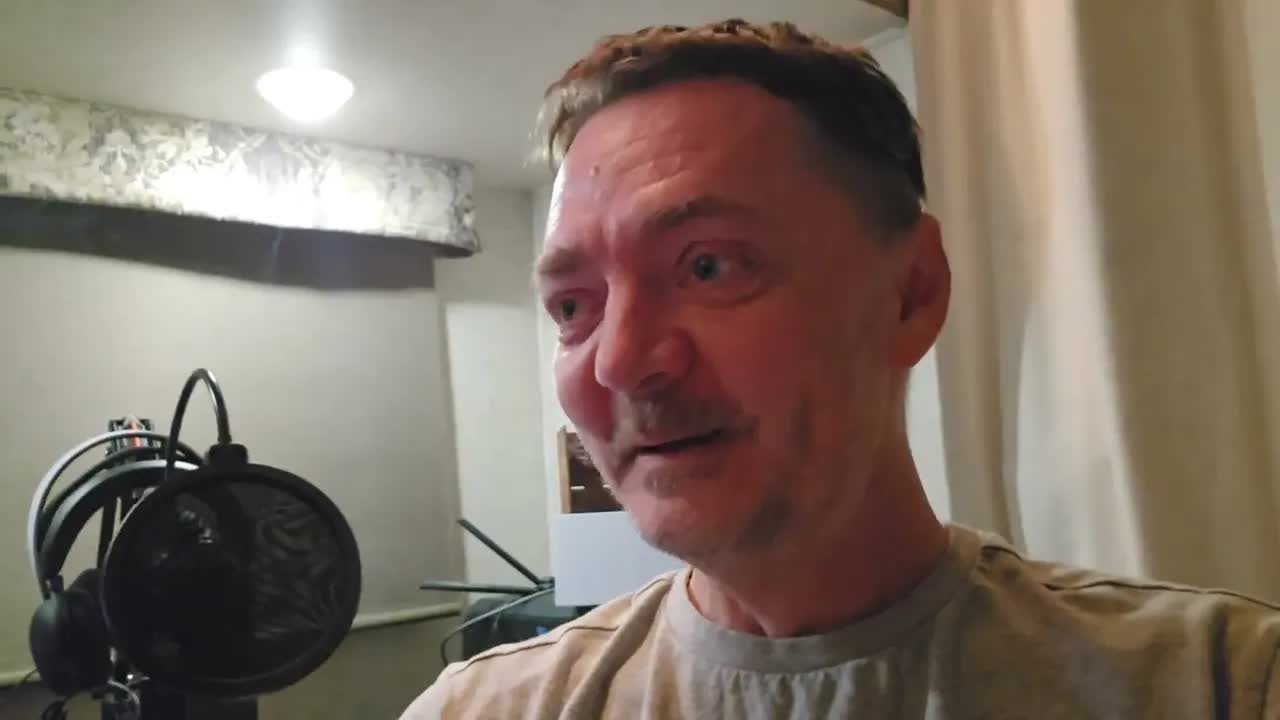
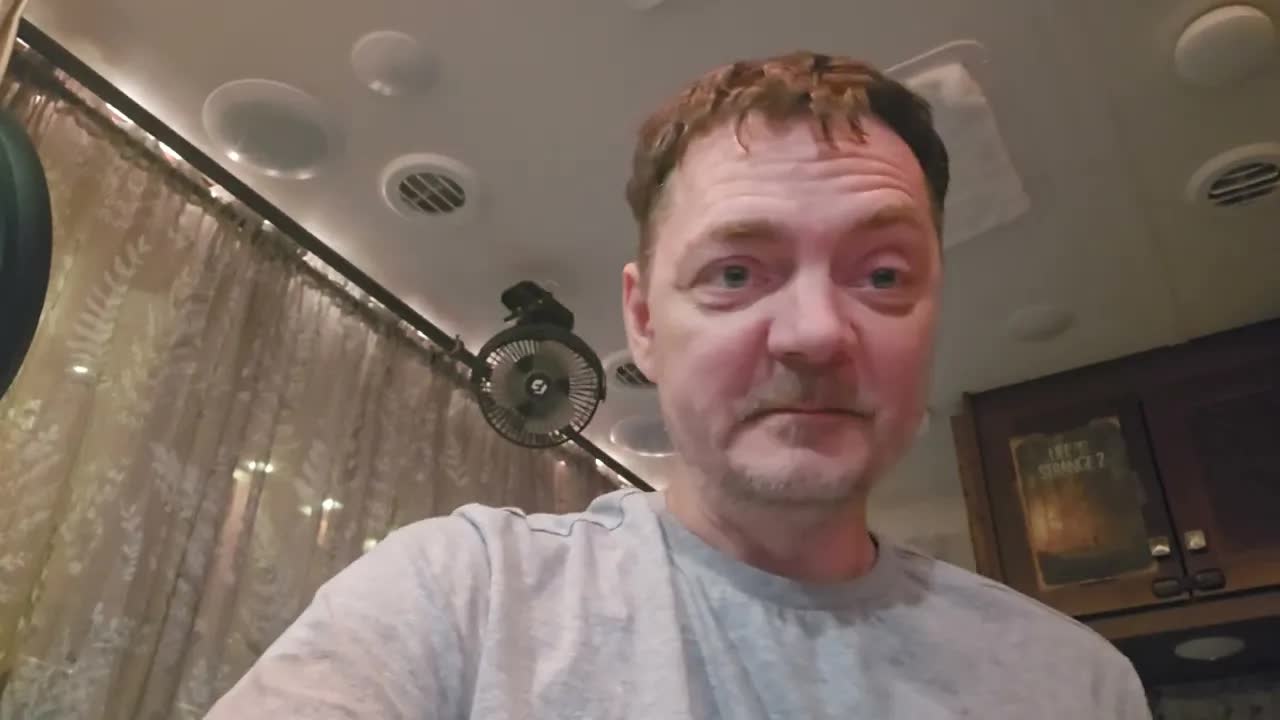
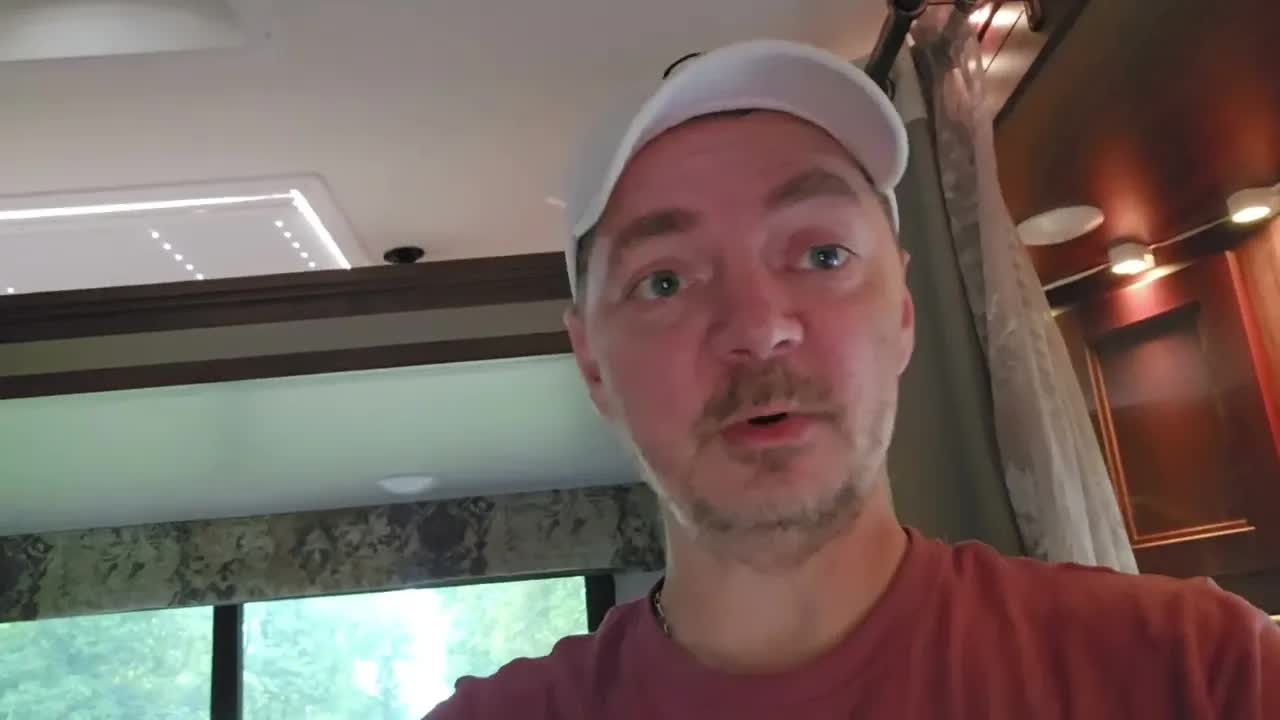
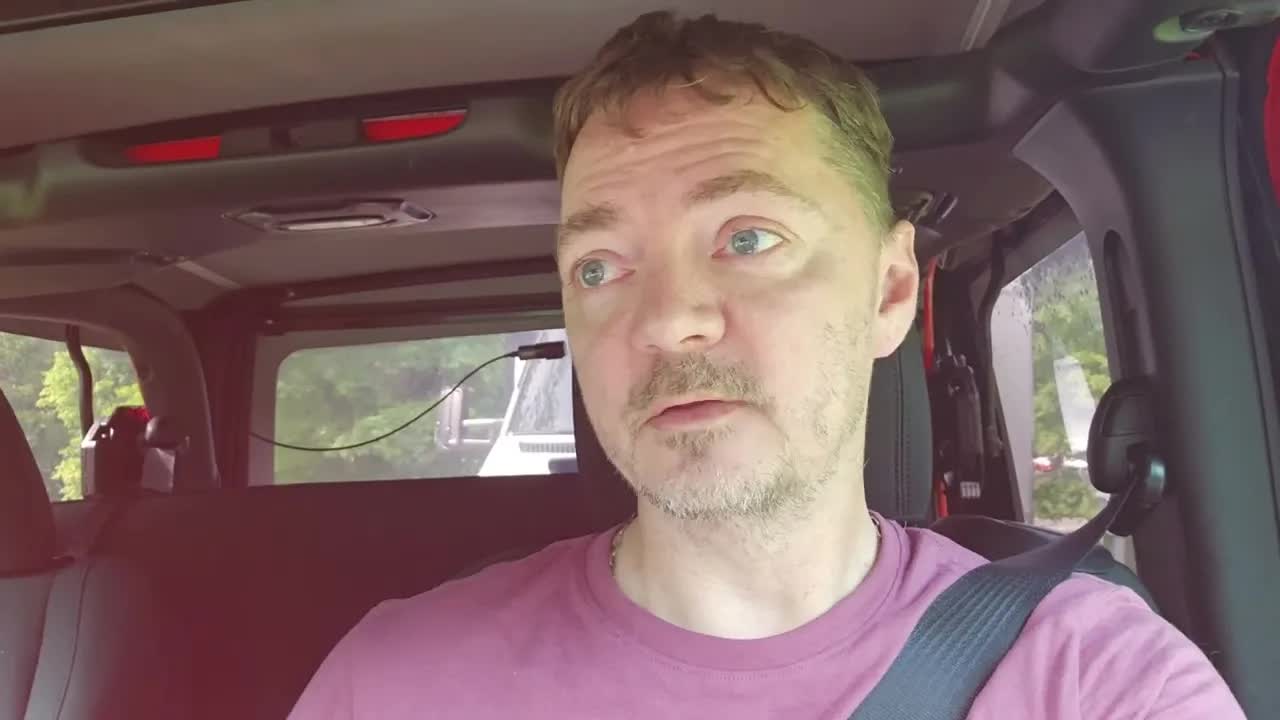
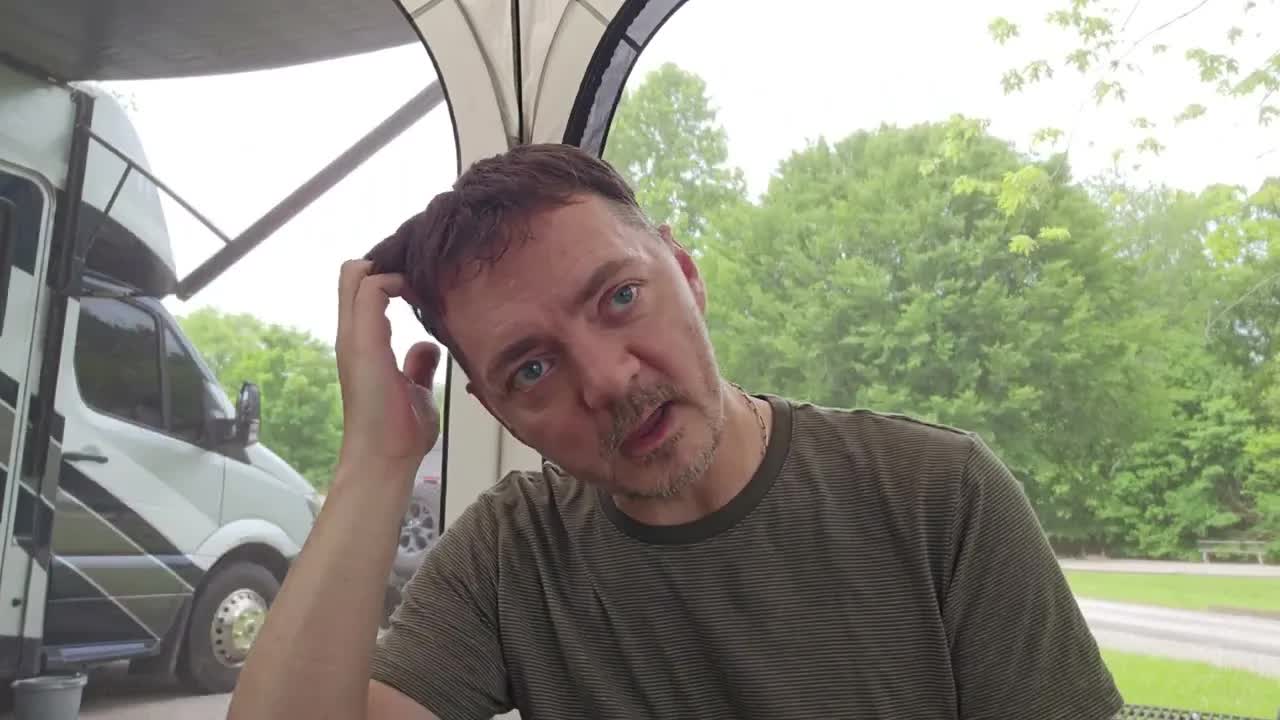
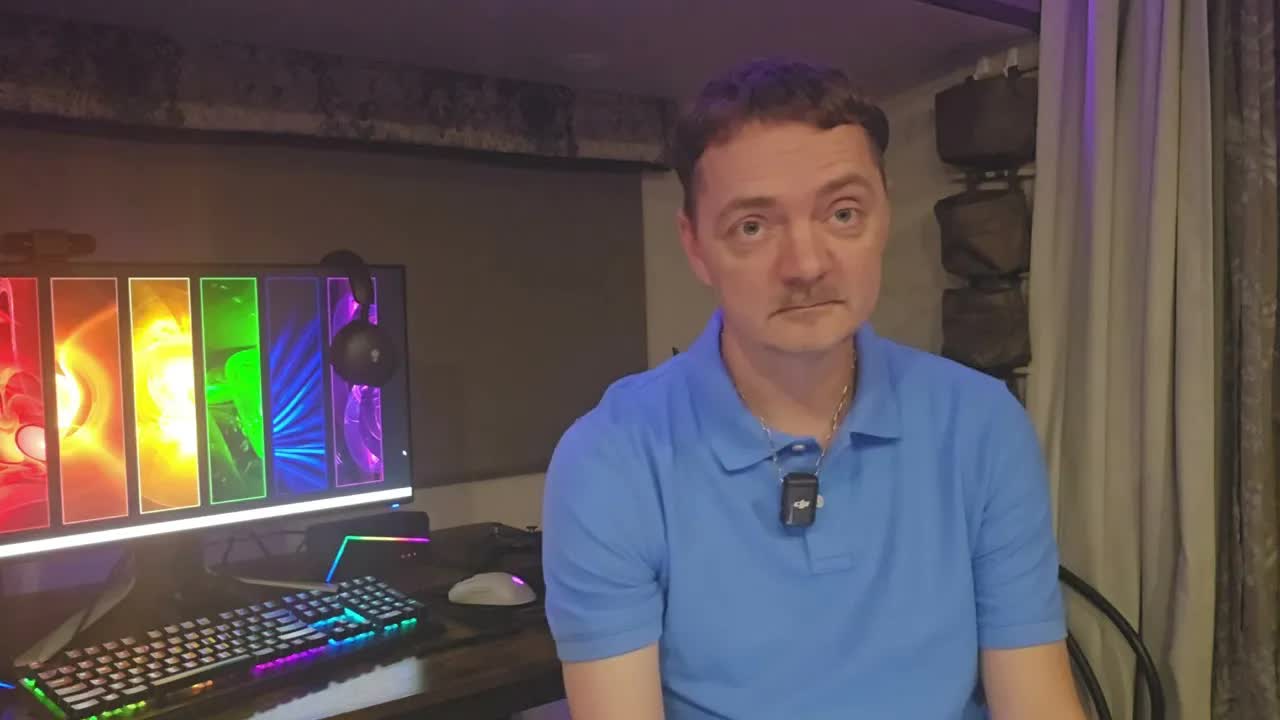
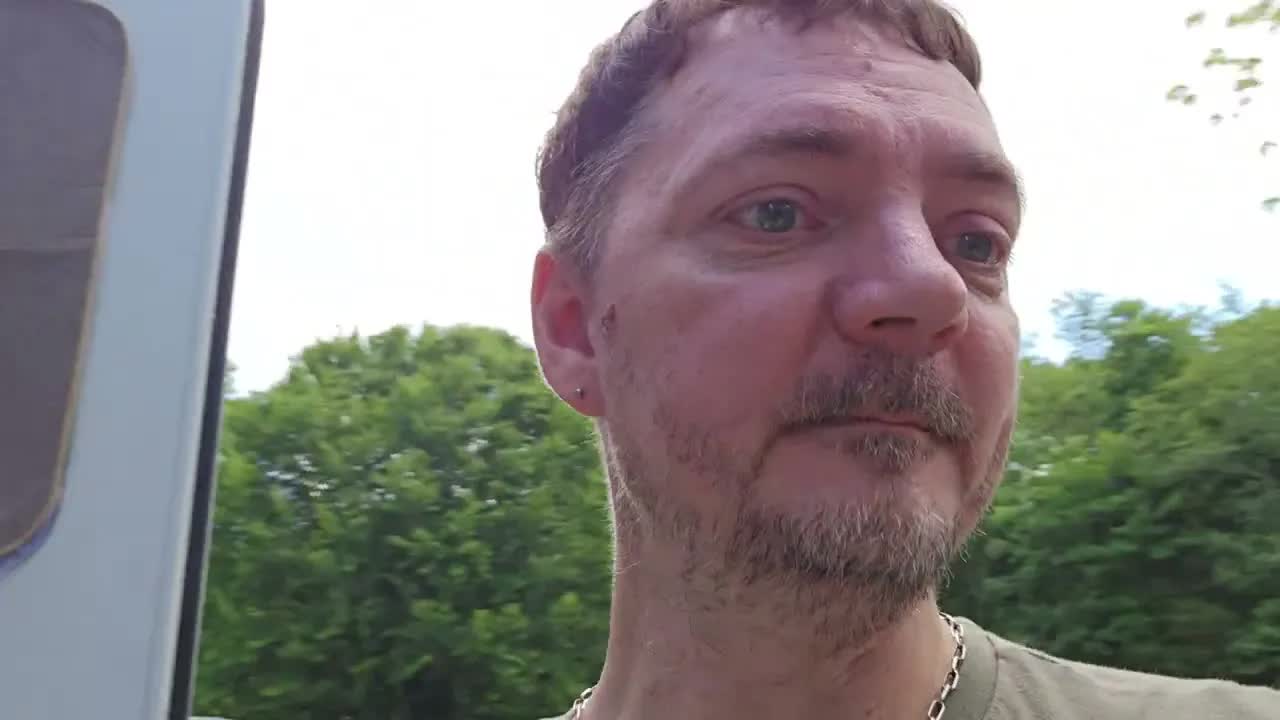
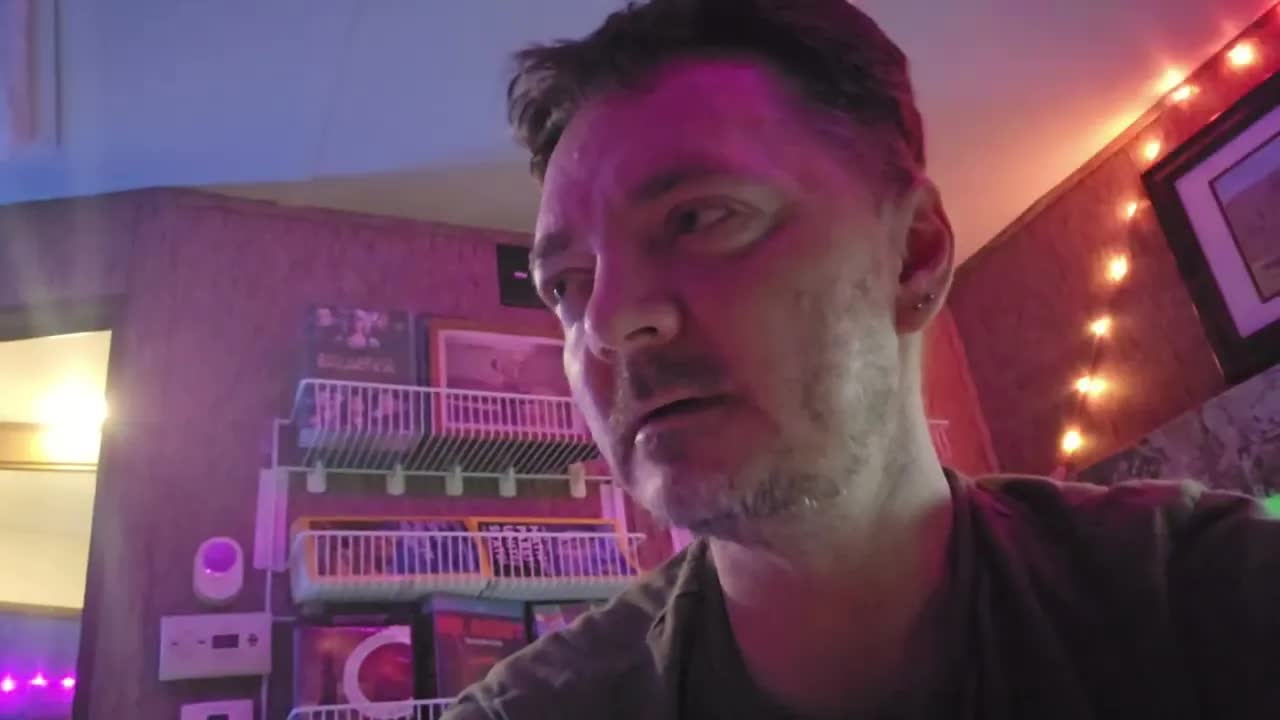
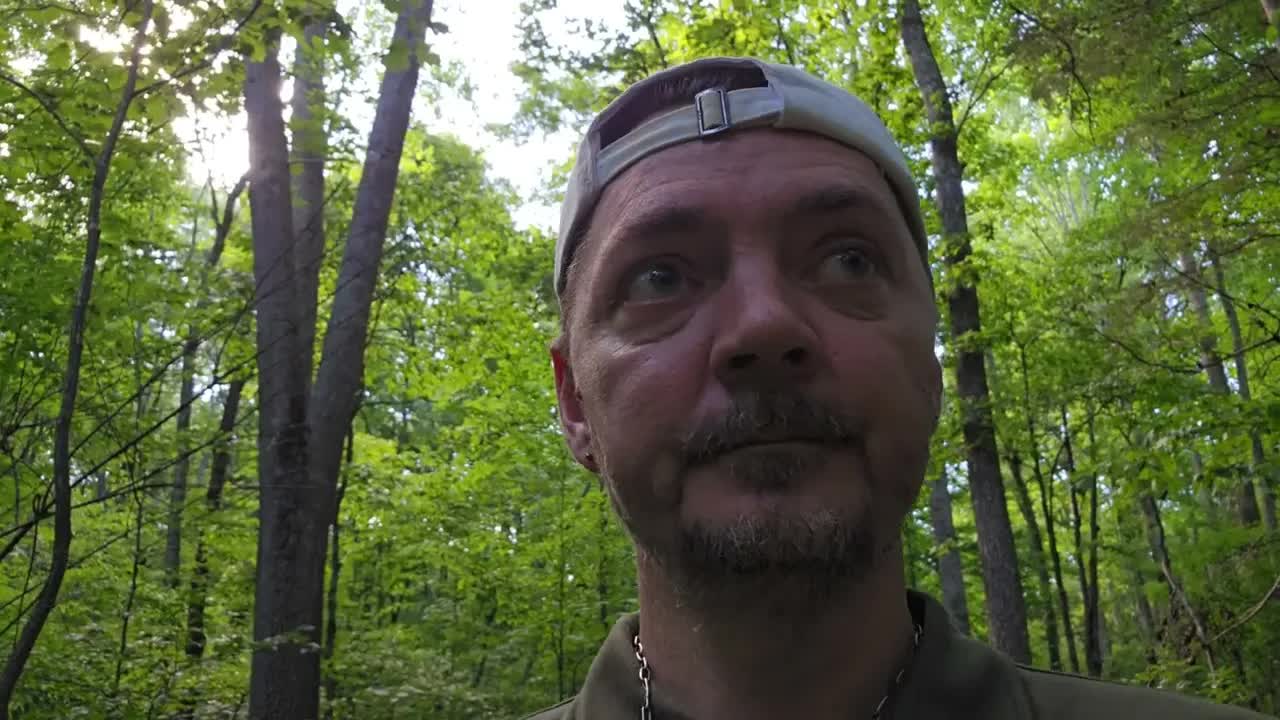
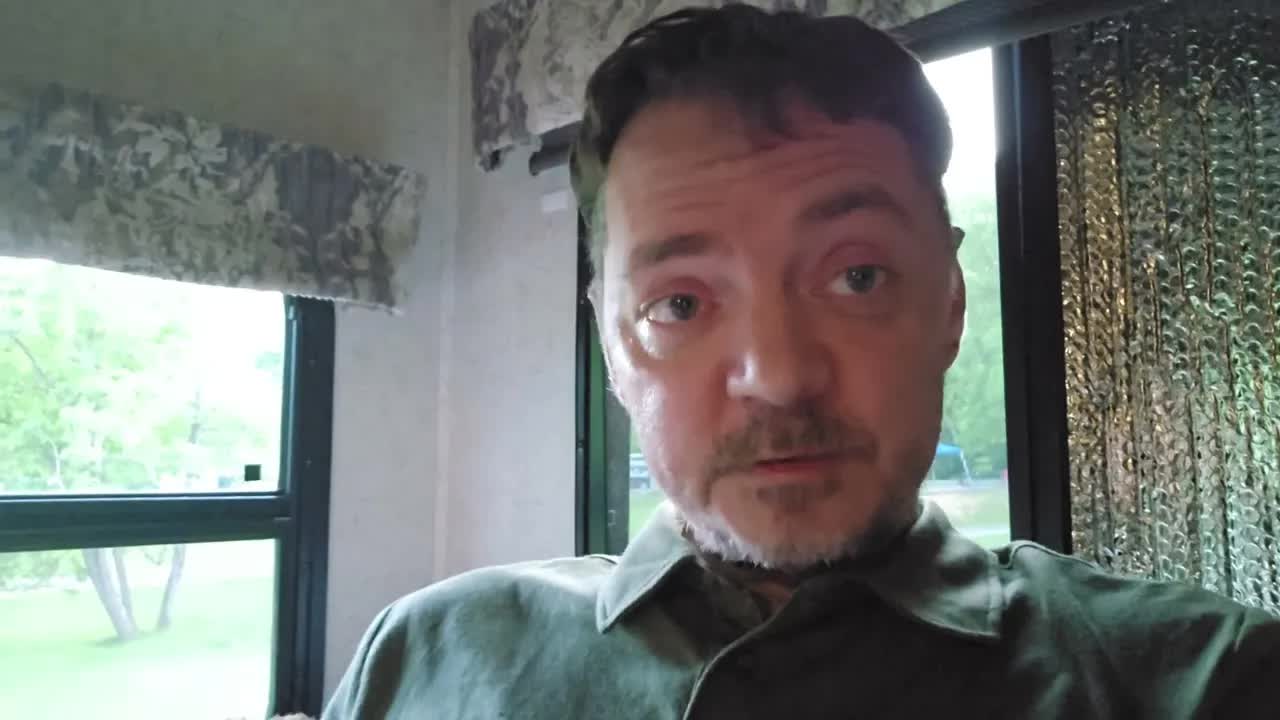

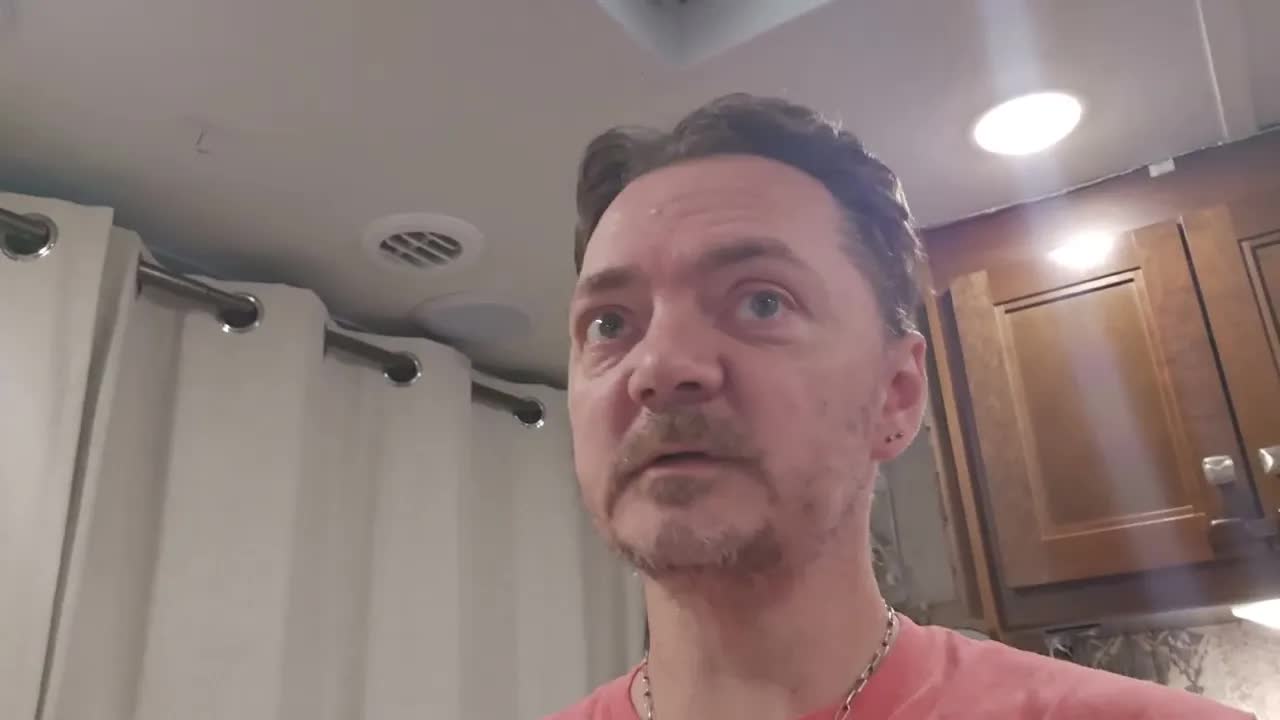
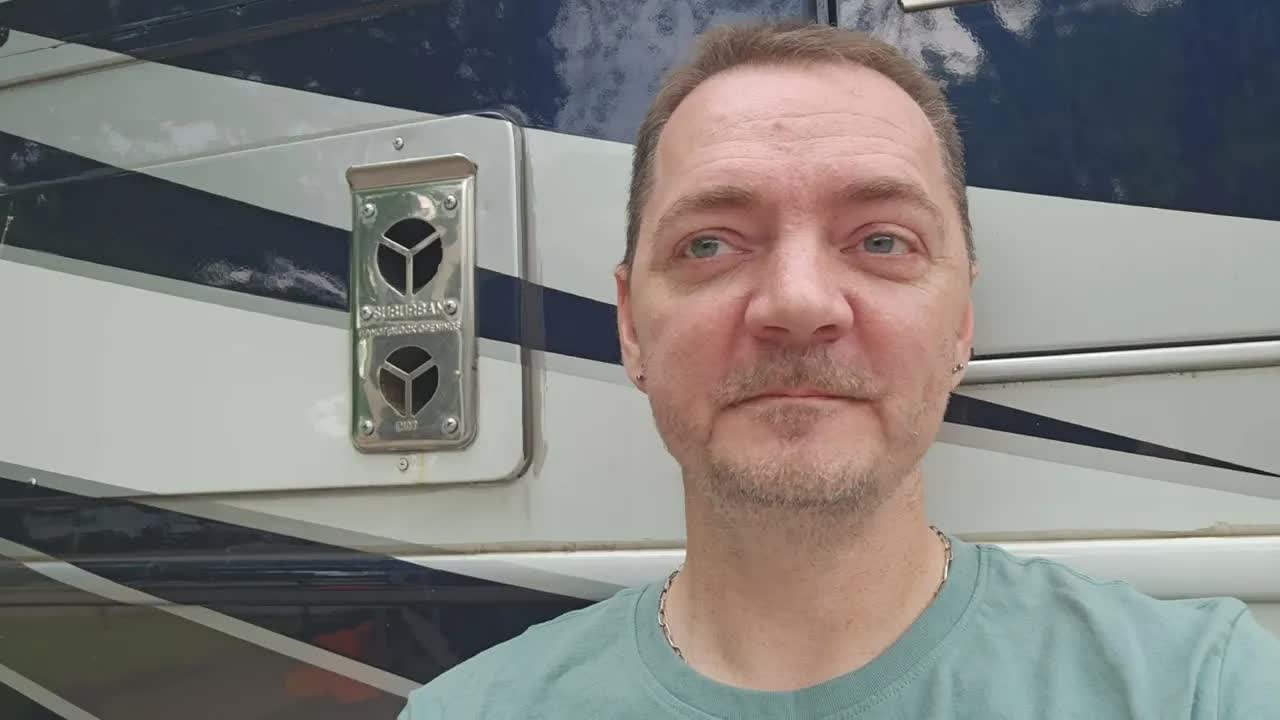
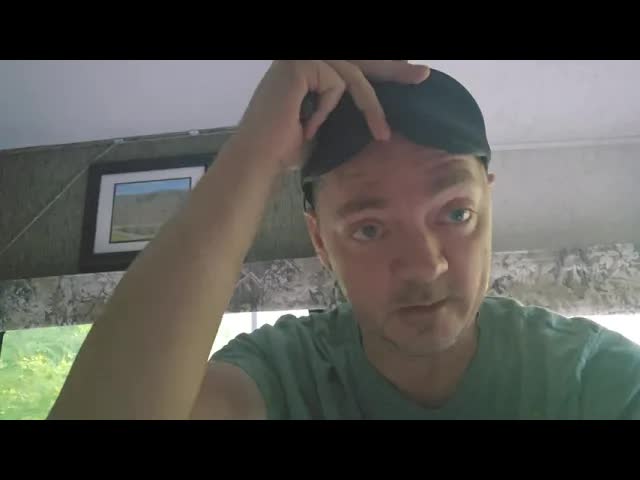

The morning began with a flag. Before anything else, rswfire told whoever would watch that the material ahead was heavy, that it dealt with abuse, that it might be hard to listen to — and then, almost in the same breath, corrected the expectation the warning had set: he was not upset. The camera stayed on. There was no other task running. What followed ran roughly six minutes in a single unbroken take, the way a thought gets spoken when it has already been turned over enough times to have a shape.
The thread had started the day before, with ChatGPT. He had been working an idea through the machine, using it the way he uses any instrument — to test whether a frame held. The hypothesis he brought to it was borrowed: that leaving had been a midlife crisis. He examined it on camera and rejected it, and the reasoning he gave was structural rather than defensive. He would have done this at any age. That was the disqualifying fact. He allowed that elements of the frame might apply, noted that the current language is midlife transition, and set the terminology aside in favor of the two questions he considered actually load-bearing — why he did it, and whether it harmed him. It aligned with what he needed out of life. That was the finding.
But the frame-test opened onto something larger, and he followed it. He described a rule that had been running his whole life: when a situation got bad enough, he changed his circumstances. Not endured them — changed them. He named the executions. Leaving his parents' house. Living on the streets. A hotel, when a hotel was what it took. Sleeping on gravel outside a mall rather than in a bed under his father's roof, and he offered that trade as evidence with no softening around it — that when someone chooses gravel over a bed, the information is about the house, not the sleeper. Homeless by choice, he called it. The phrase carried no apology in either direction.
He mapped the last few years against the same rule and the rule fit. The house he rented for six hundred dollars a month had become, in his word, a pressure cooker. He could not step out his own back door without dogs barking the entire time he was outside — no peace there, no solitude, no enjoyment of a place he was paying for. His father had come partway back into his life, and he stated plainly that he could not get past what the man had done, that the proximity influenced him negatively. He described feeling trapped in that house. And then COVID, which he says changed him in ways he has not fully accounted for: he stopped going to grocery stores, stopped going anywhere, ordered DoorDash and hid from the drivers — while tipping them well every time, because, he noted, that is the kind of person he is. He held the strangeness of it up without resolving it. He had always been introspective, had always lived alone when he could, was very independent. In many ways the isolation was a continuation of his life. In other ways it changed him, and he said he did not know exactly what it was about that situation that did it. He left the question open rather than answering it falsely.
Then he named the one condition the rule cannot reach. His mother is still in his life, and so the paternal channel stays structurally open — his father is there somewhere, in the field, not because rswfire keeps him there but because the geometry of kinship does. A ghost, he said. A spectre in the back of his mind. He described the current state of it accurately: the man is not speaking to him, has been giving him the silent treatment since rswfire said something like this on video once, a seventy-year-old man who has never acknowledged what he did to his son. Contact severed from the other side. rswfire stated his position without reaching for reconciliation.
What he did with that, at the end, was inventory rather than lament. He said his father tried to destroy him, and offered a reading of why — that the man saw in him the qualities he did not have and wanted them gone. Against that, he set what survived: resilience, sensitivity, compassion, selflessness. He measured them against his father's absence of all four and called their survival a testament to himself. He said he turned out okay, that he was happy and proud of that, and there was no performance in the line. It was an accounting, closed out. The only thing left unbalanced was the occupancy — the spectre still holding space in the back of his mind. He said he wanted him out of there. He said it as a statement of fact about what belongs and what does not. He doesn't belong there anymore. Then he closed the take the way he opened it, level: just dealing with some stuff this morning.