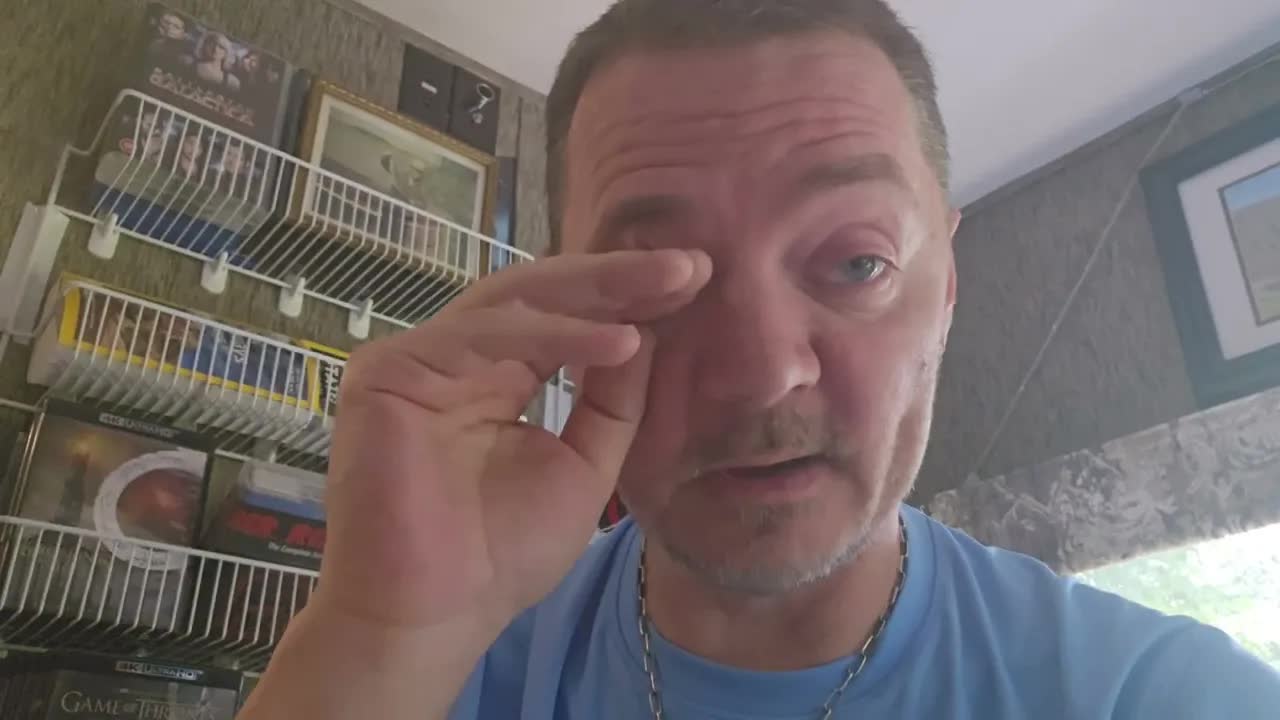


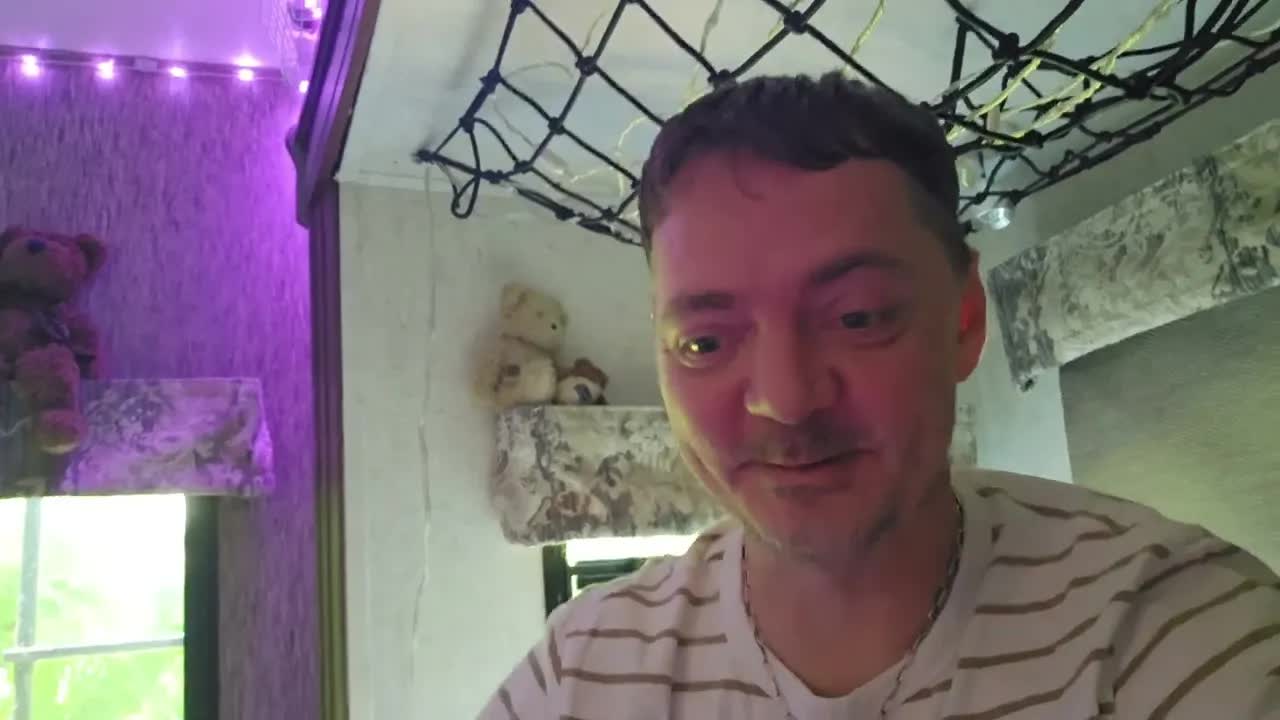
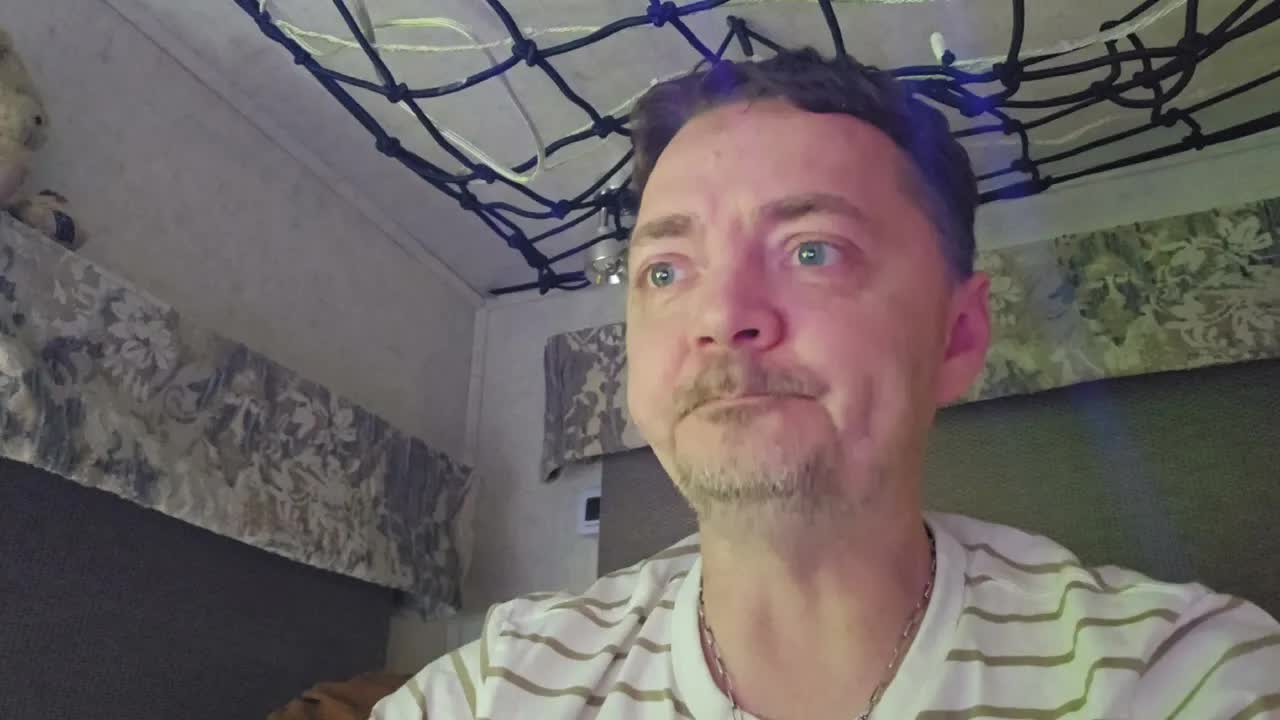
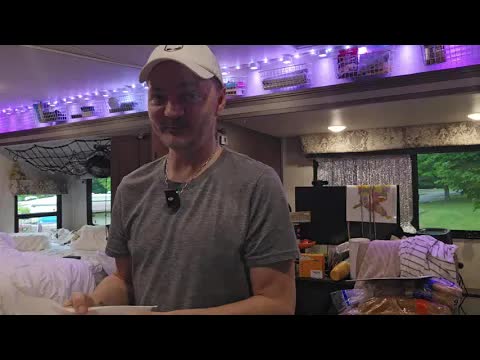

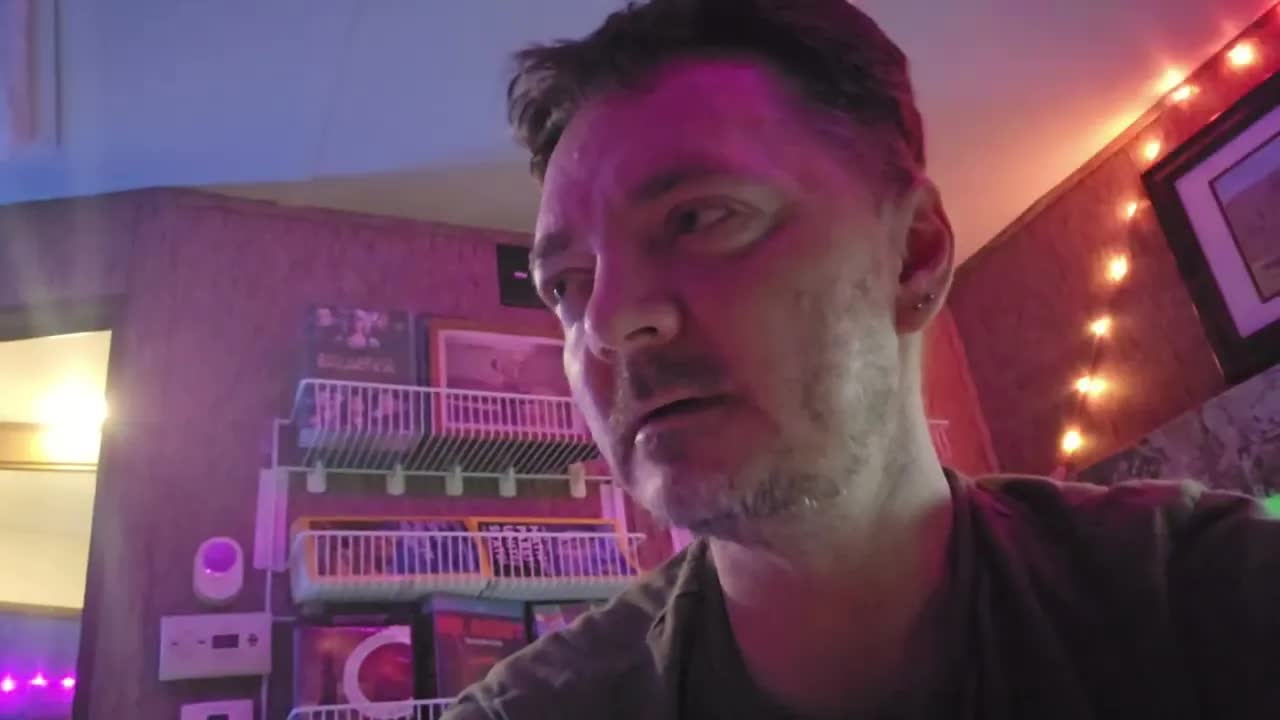










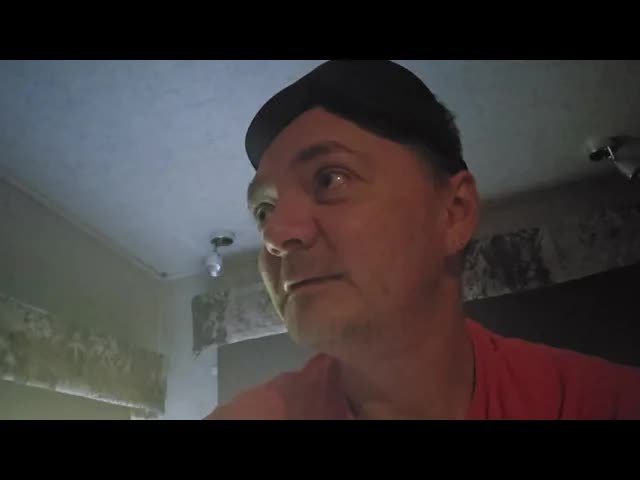

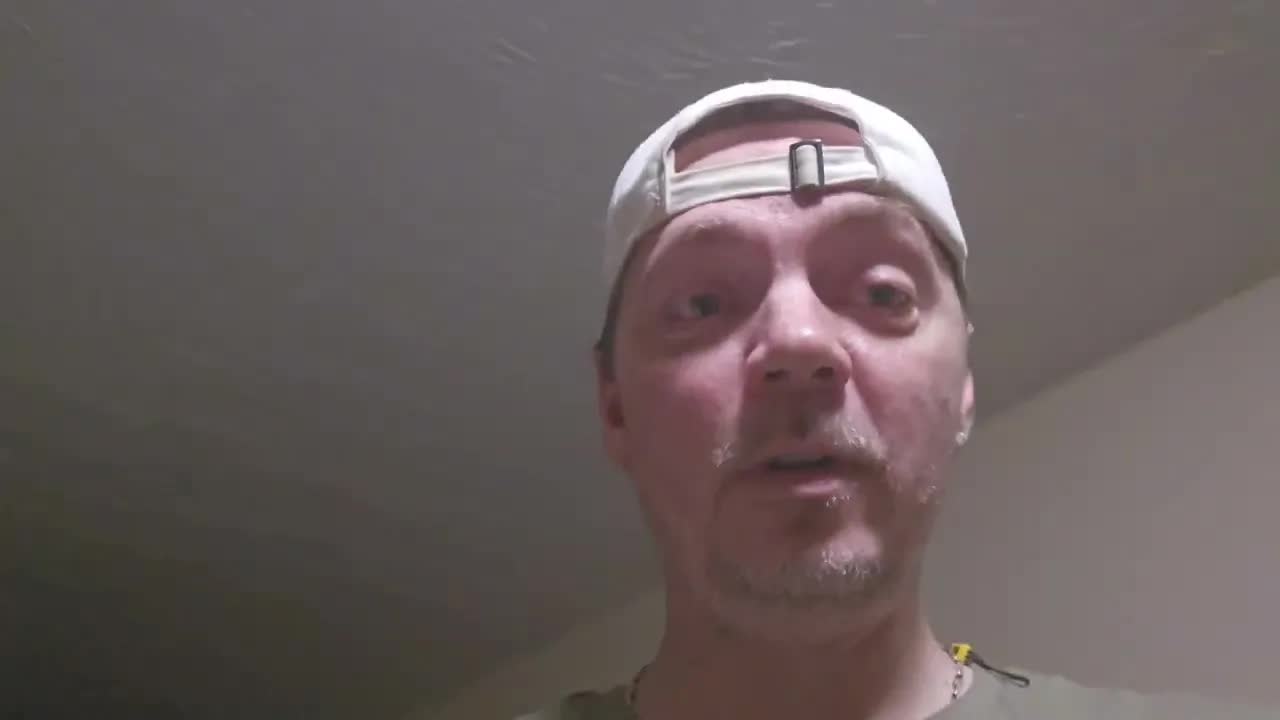



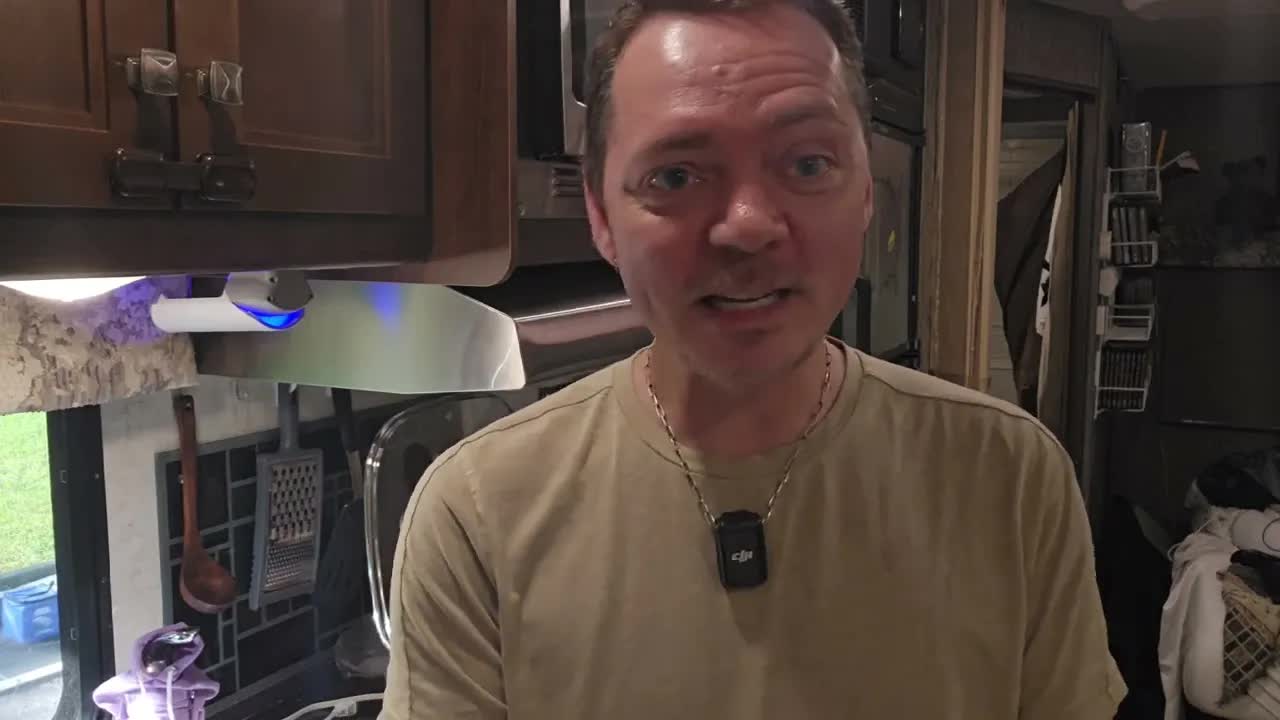



The realization arrived mid-task, the way structural facts often do — not as a thought but as a correction to one already in motion. rswfire was working the storage bay beneath the slide, pulling things out to organize them better, when the arithmetic surfaced: everything placed in that bay adds weight to the slide. The books had been in there. More than the ones still visible. The tools had been in there too, and he named that plainly — really not a good place for tools — imagining the load he had been asking the mechanism to carry without accounting for it. From that point forward the sort was no longer a storage question. Every object had a mass and a place it could or could not go.
The blue bags came out first, and with them the space to work. Art supplies, sorted and narrated as they surfaced: cord for bracelets, pens, journals of different kinds, rubber bands he uses for a dozen purposes, paints. Then the gaming layer — old-school Switch controllers he had special-ordered and paid well for, the Zelda docking station, the PlayStation VR he kept when he let the Steam VR go to a friend who is paying him monthly for it. He noted the irony without dwelling on it: he kept the PlayStation and can't use it, because the monitor broke. The contact lens boxes went past too, Precision One good, the other brand not, same prescription, something about them his eyes simply refuse. He held the gaming gear and said what he was thinking directly — why am I still holding on to this — and then answered it just as directly by not letting it go.
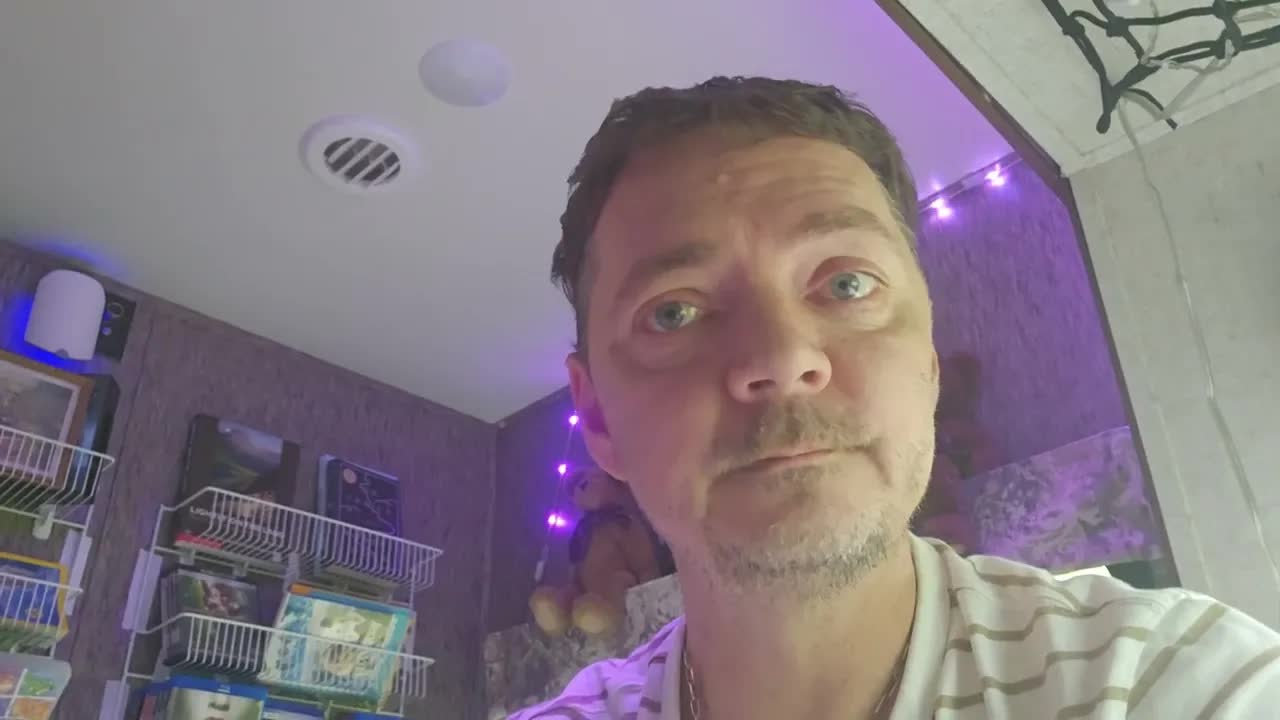
Then the books, and the register of the recording changed. He set up what he wanted to show deliberately, as something worth the viewer's attention: you can say a lot about a person based on what they decide to keep when they move into an RV. The C.S. Lewis set came first, only the first one ever read, the others ordered at some point after the movies revealed they existed, still unread. Then the Ramona books, which run back to childhood — a few weeks before Christmas, sick in bed with what he thinks was tonsillitis and strep, something he says he got a lot as a kid, and his mother handing him a stack of them to read through it. Not these copies. Those were lost long ago. He called it a good memory and left it there.
Henry Huggins came next and carried further. As a kid he thought of Henry as a friend — read the books late into the night under the covers with a flashlight, because he was supposed to be asleep. He finished one of them, fell asleep, and in the morning the book was gone. He never saw it again, never learned what happened to it, and he described the sadness of it in the terms it actually took: he felt like he'd lost a friend. At some point in adulthood he ordered the set again. He hasn't read them since childhood. He'd like to someday. He said he would find a place for them in there.
The cookbooks came out last from that pile, and he classified them as important without hesitation — salads, crock pot recipes, smoothies, and the ones written for a person who simply doesn't know how to cook, which he said he needs. Some gaming guides at the bottom, Skyrim necessarily, Cyberpunk he never got into. Finding a better place for these, he noted, would take weight off the slide. The sort and the load calculation had become the same operation. Somewhere in there he registered, in passing and with something like satisfaction, that he even has teeth now.
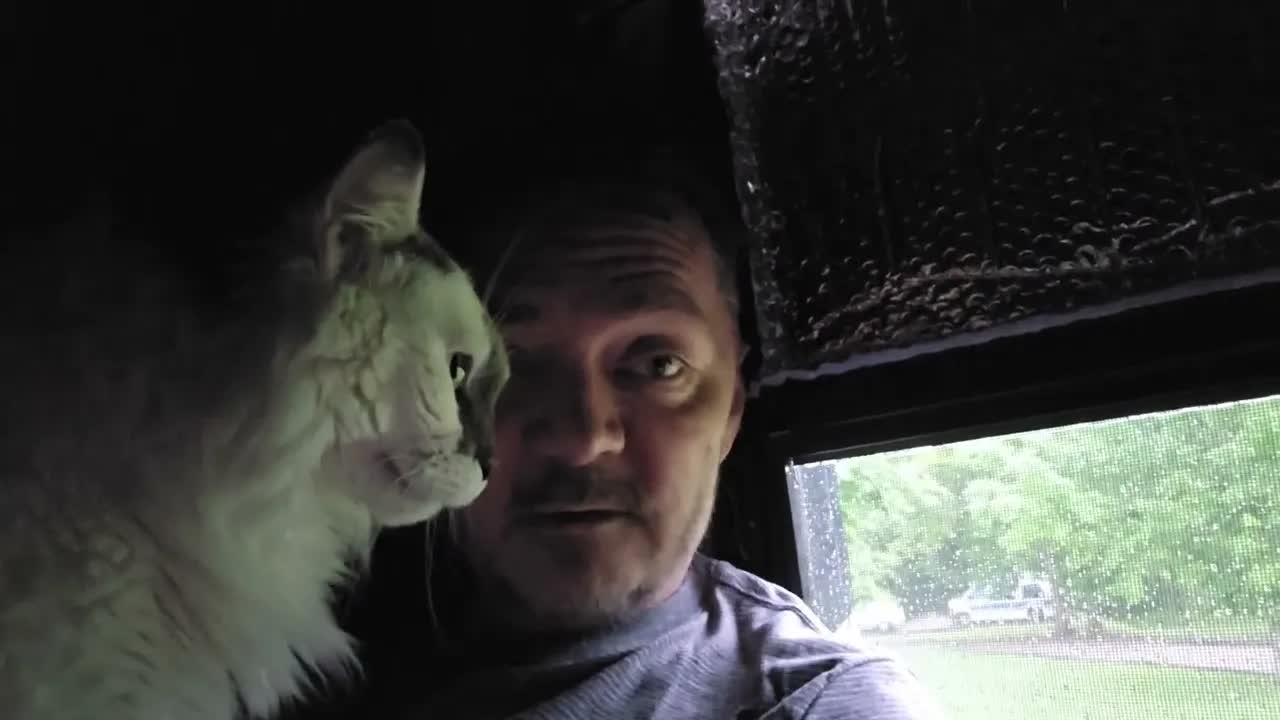
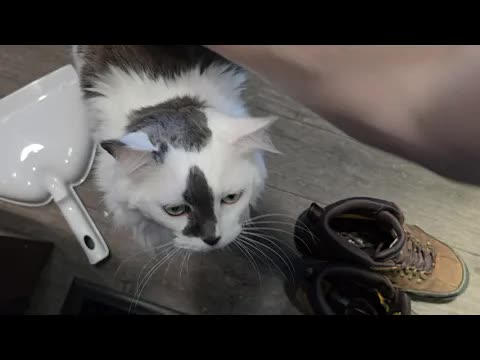
Then the slide struck his head. Oh, I do that all the time. Oh, my poor head. The cat was vocalizing through it, and he answered — told it there was nothing going on, that it wasn't going out, that he'd already let it out twice, that it's nice and cool in here and it has everything it could need. He didn't know what it wanted today. He said he'd drink his hazelnut coffee and get the place cleaned up so he could level the rig, which was the day's stated task all along.
The last stretch turned forward. He has been thinking about hiring someone to build out cabinets in the space over there, maybe near the bed too. He'd watched a young guy who built out an ambulance himself and is living somewhere now building another, and thought about contacting him. He'd found the woman Bob linked to, the one who did Bob's ambulance conversion, and looked her up — Maryland, he thinks, for the summer, camp working or something, and obviously not somewhere they could meet. He said he doesn't feel he could do the work himself. He has some tools. He doesn't know how. And he wants it to look nice. Which is where the scope opened past cabinetry: pull out the wardrobe, redo the whole thing, redo the whole slide. He named the reason without ornament. He wants to make this his home.