
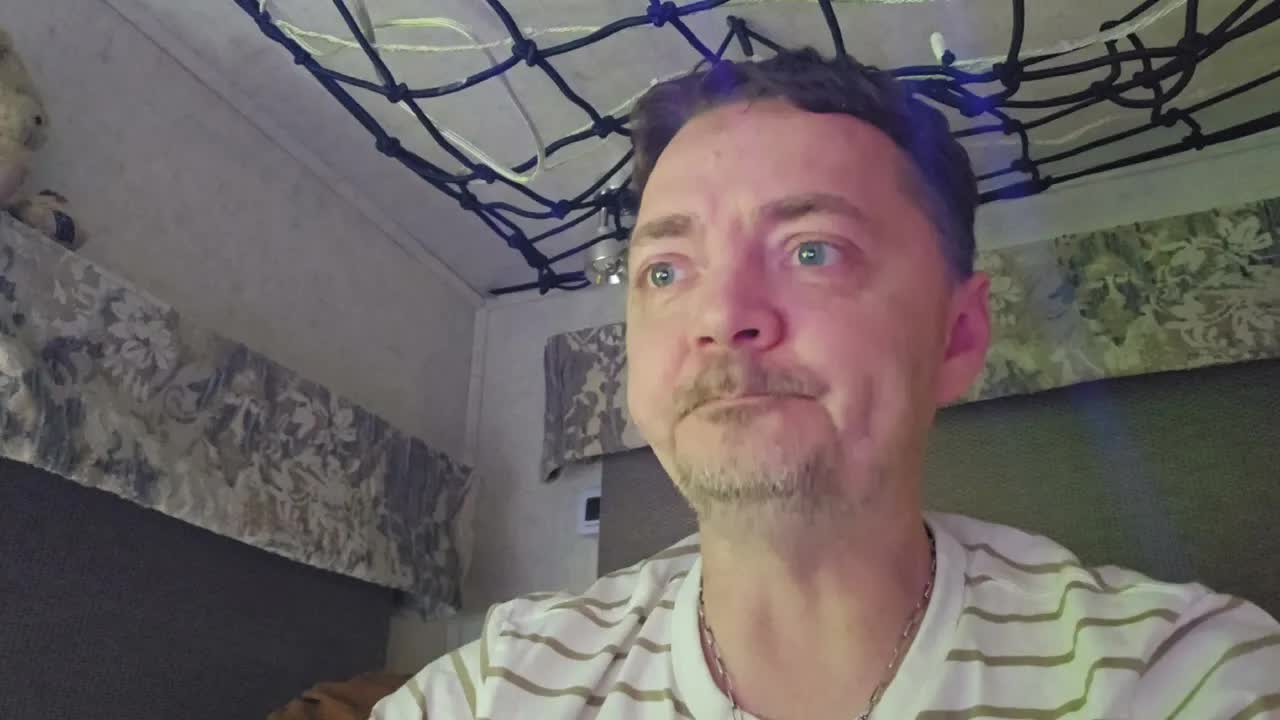
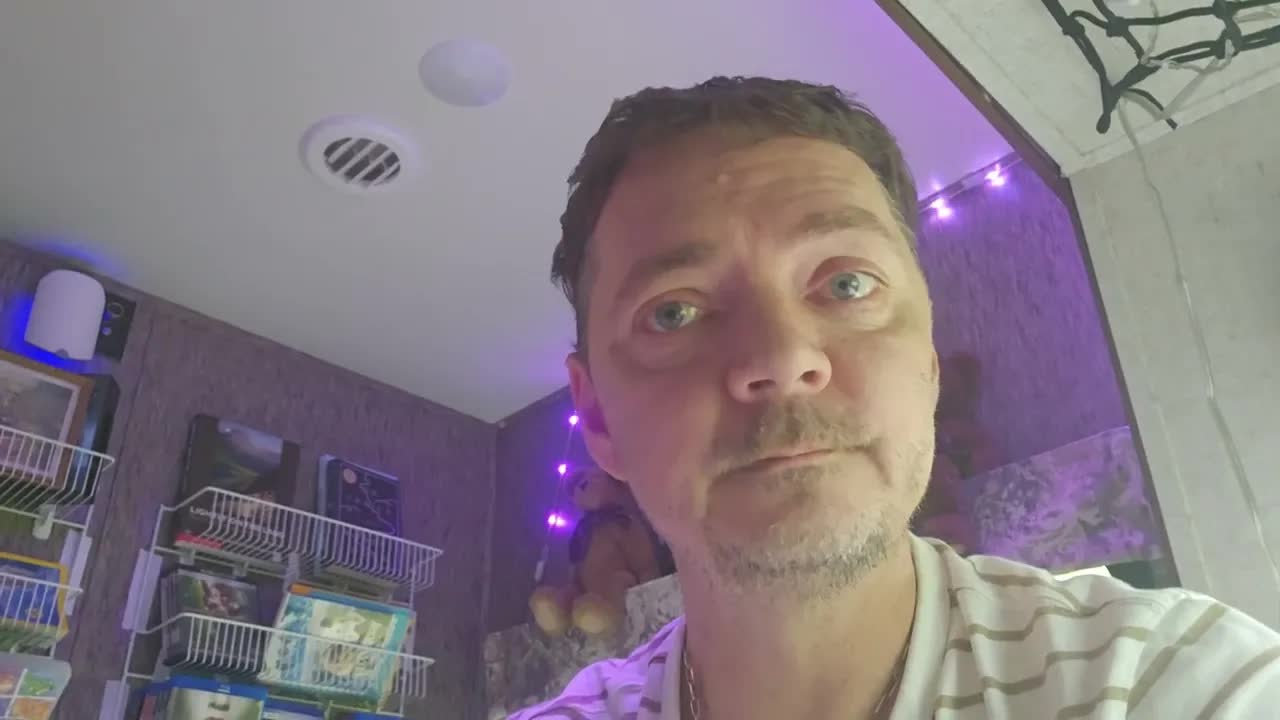
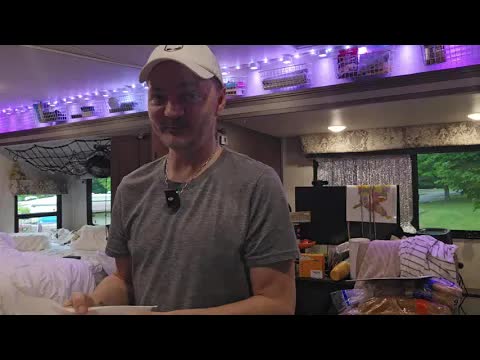



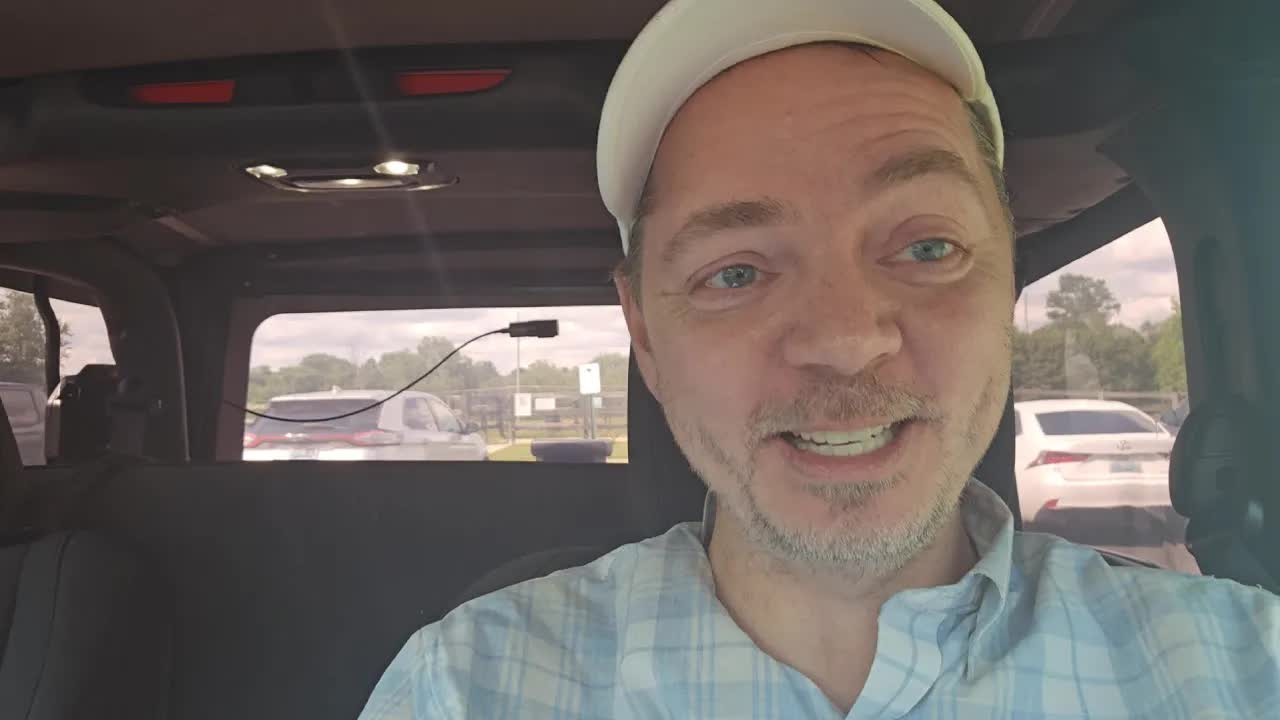
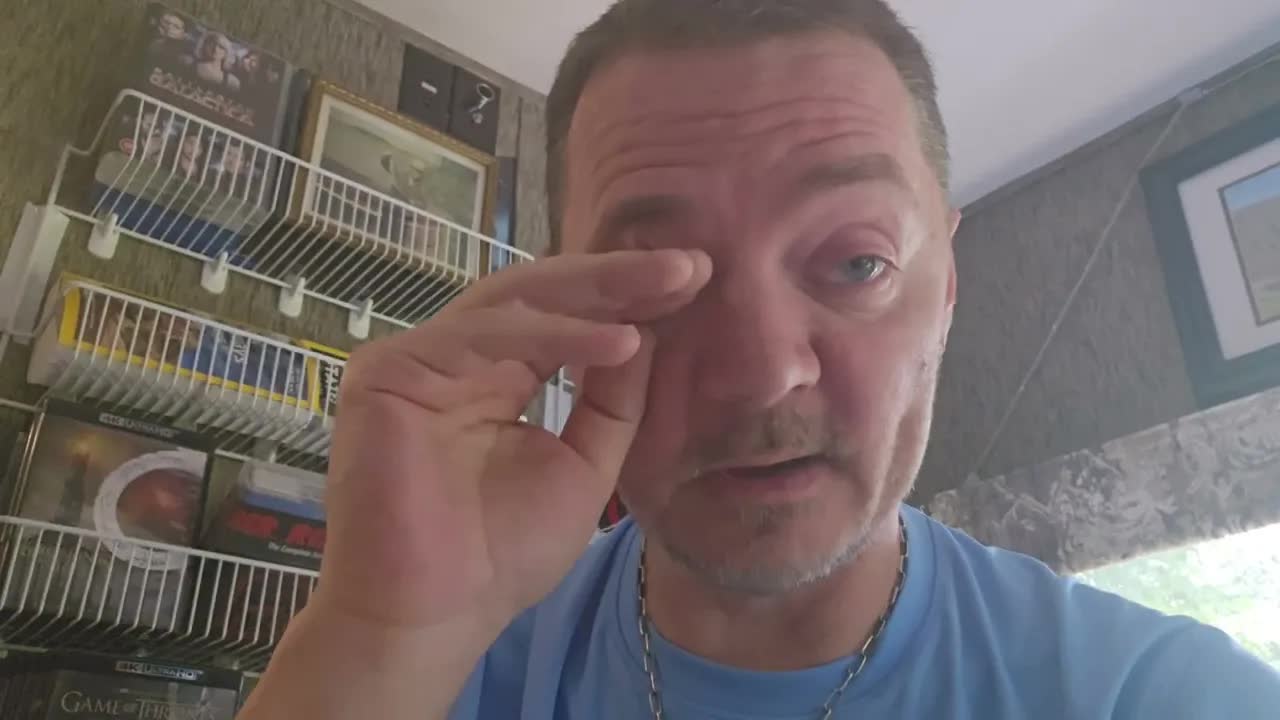
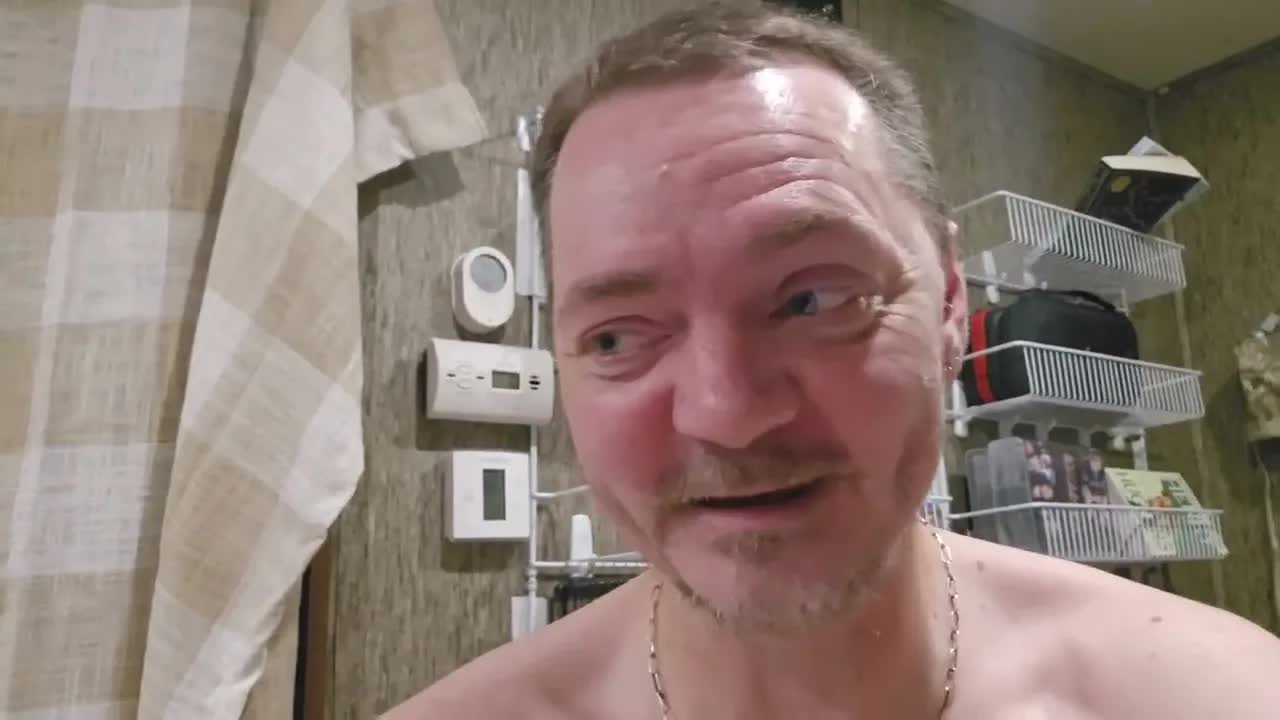







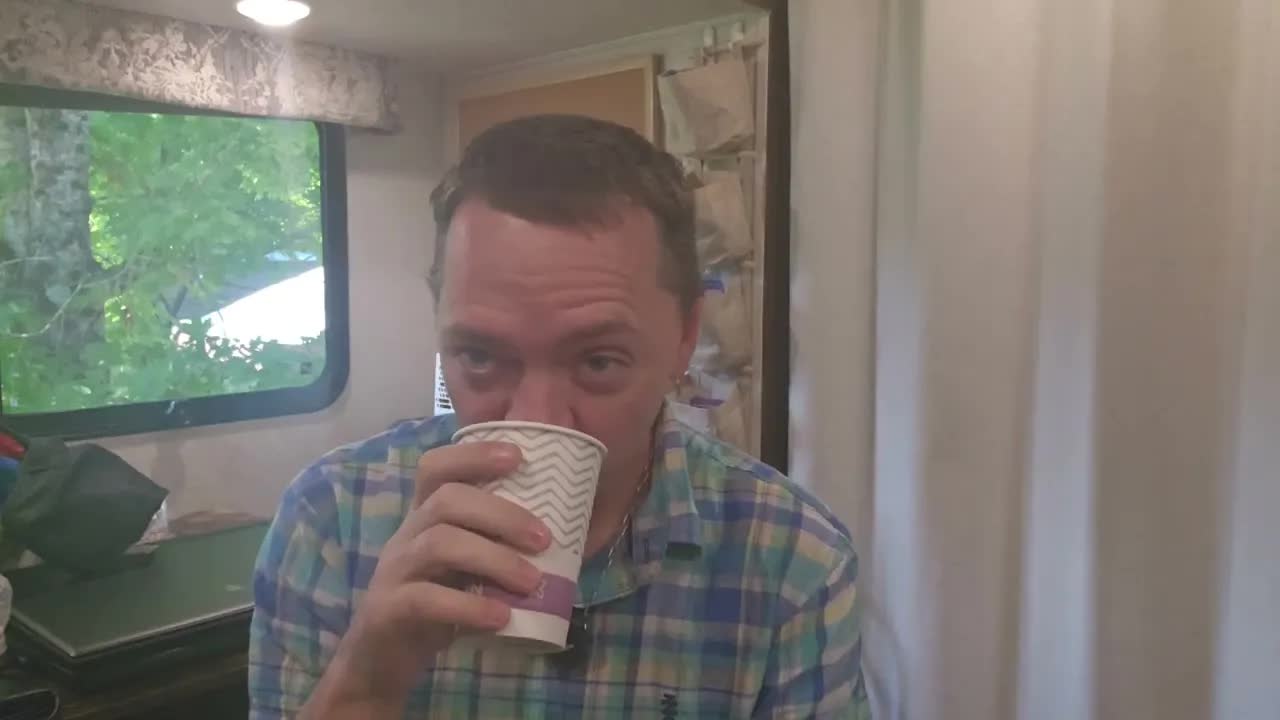
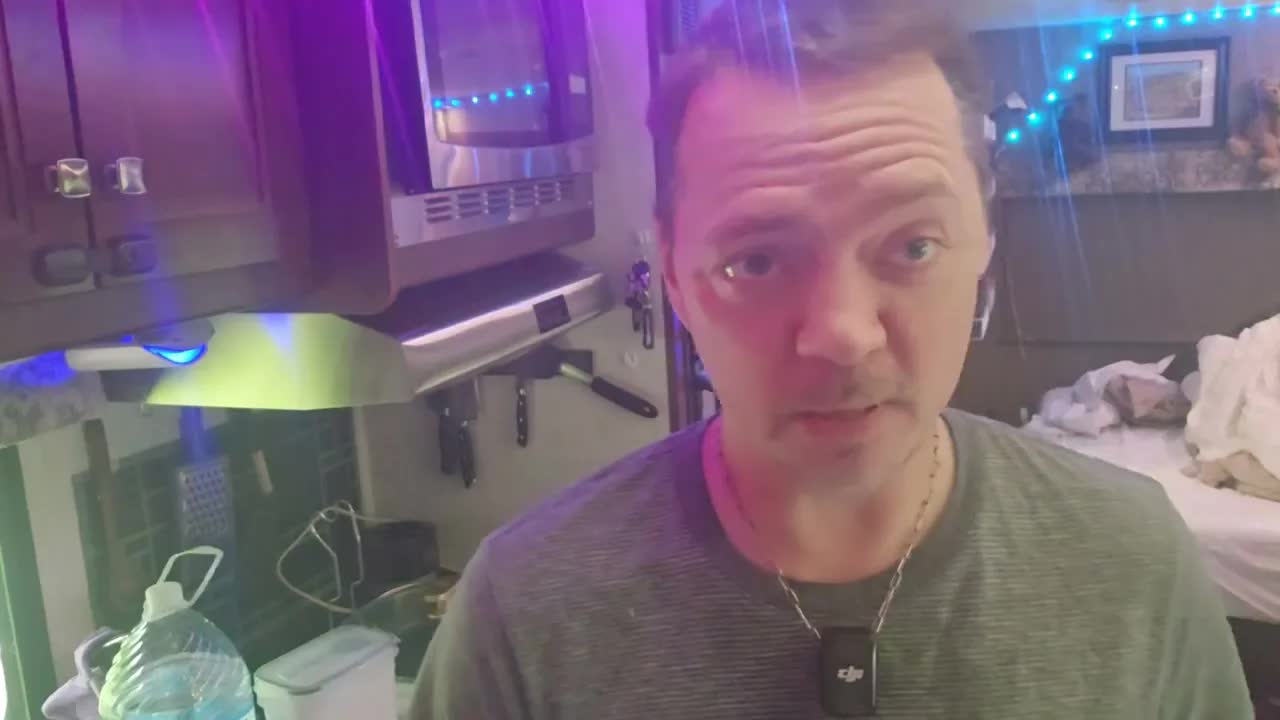
He had been awake a few minutes. That was the whole preamble — no coffee accounted for, no work begun, nothing yet layered over the day. rswfire picked up the camera at the front edge of the morning and started speaking, and the first thing he named was the timestamp of his own waking. Morning everyone. I have been up a few minutes, that's it. The framing was deliberate: what followed was not something he had turned over for hours. It was what he found when he opened his eyes and looked at the field.
The comment was already there, sitting in the network overnight the way comments do, delivered asynchronously into a space that has no door. Someone had written about his teeth. Someone had offered a theory about how he lost them. rswfire held it up to the lens — the artifact itself, made visible — so that the thing under examination was not a feeling he was having but an object that existed, authored by a person who chose to author it.
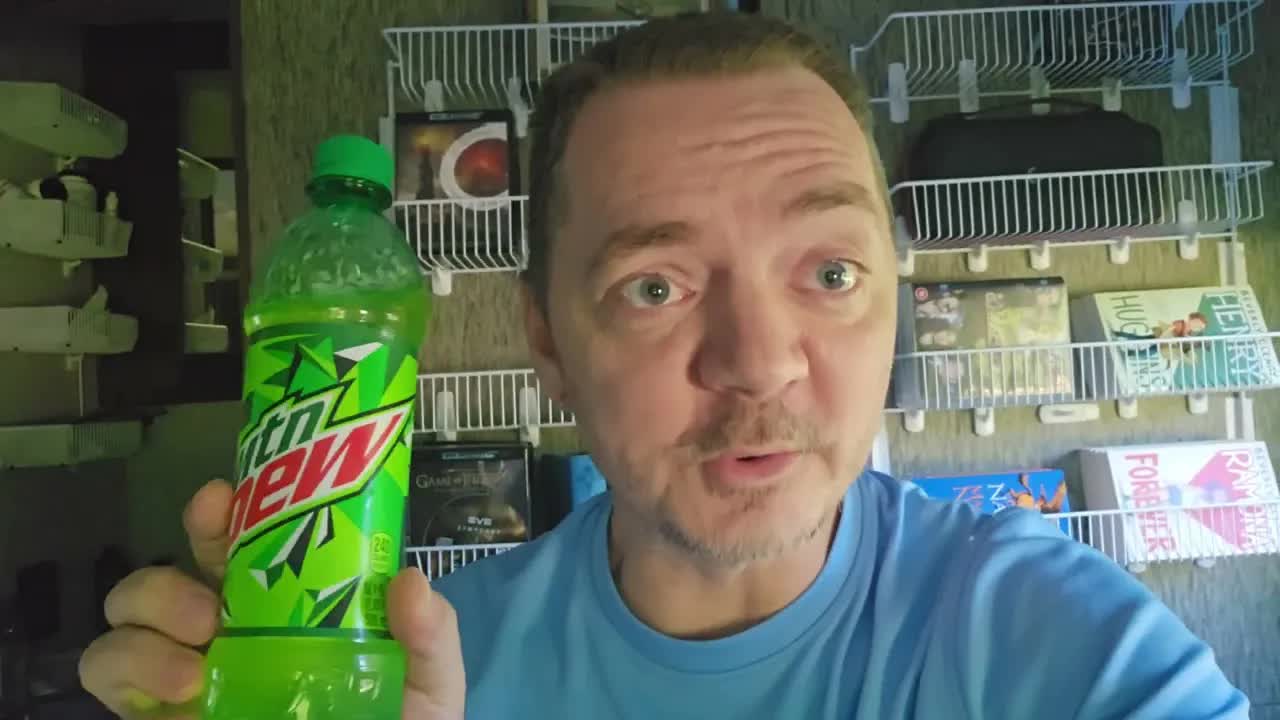
His first move was almost casual, a beat of dry mirroring: it's almost like there's a correlation, right — I wonder how I lost my teeth, could it be Mountain Dew. He handed the commenter's own inference back to them, intact, as if to say the reasoning had already been done and had not required outside assistance. Then he set that aside. The teeth were not the subject. The teeth were only where the comment had landed.
What he addressed instead was the interface — the assumption that a screen creates an exemption. If you wouldn't say something to someone's face, don't say it to them online. He stated it as a flat equivalence, not a request. The obligation that governs speech in a room does not thin out when the room becomes a comment field. He named the conduct plainly: rude, entitled, self-absorbed. Not as diagnosis of a person's character but as a description of what the behavior is, and of the gap between how rude a thing is and how rude its author appears to understand it to be.
Then he set the condition. If you're not my friend, you're not going to make a comment like that to me — with good reason. Friendship as standing. Relationship as the qualifying credential for criticism, and its absence as grounds for refusal. He was not asking to be spared; he was specifying the terms of legitimate entry, which is a different act. Criticism arriving without relationship is not painful input to be metabolized. It is inadmissible input, and he was saying so before nine in the morning, to a camera, on the record.
He closed by turning the examination around. If your first instinct is to criticize and not uplift, I strongly encourage you to take a long hard look at yourself and ask why that is — because that should be your default mode. The structural unit he identified was not the comment but the reflex beneath it: what a person reaches for first, unbidden, when they encounter a stranger's face. He returned the question to its source and left it there. The thesis had held from the first sentence to the last without drift. He had been up a few minutes. He put the camera down and the day began.