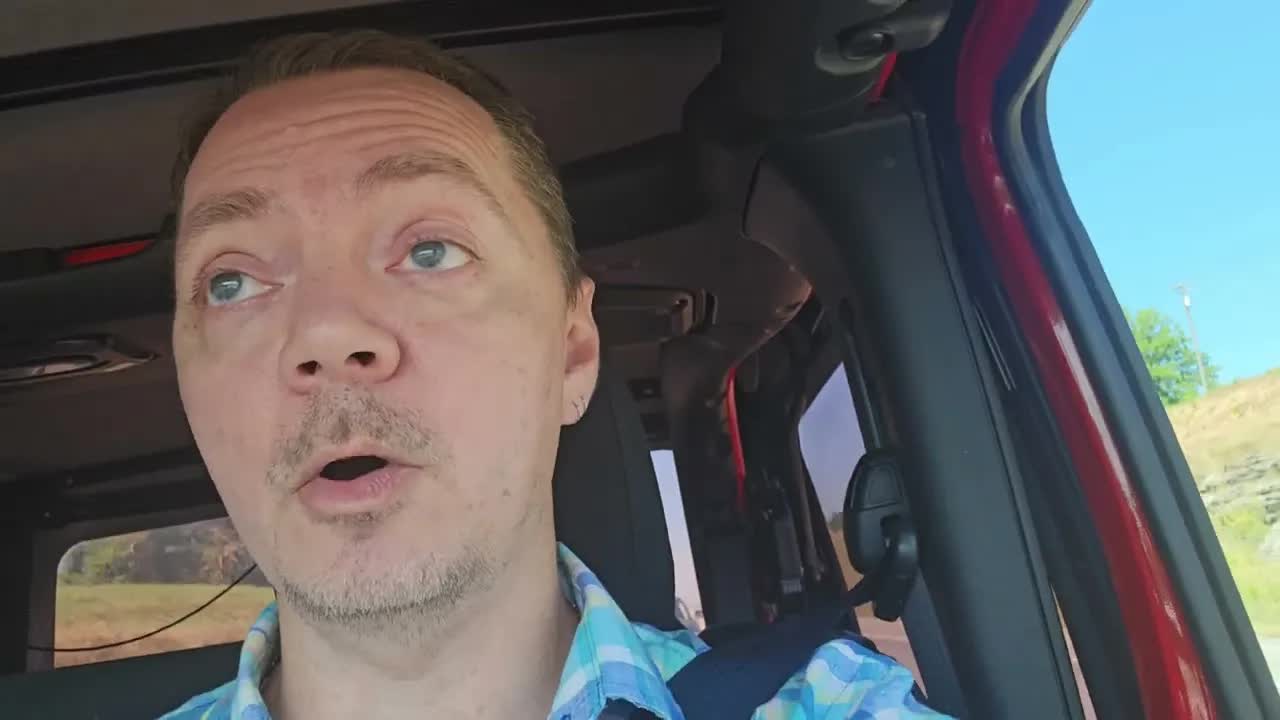

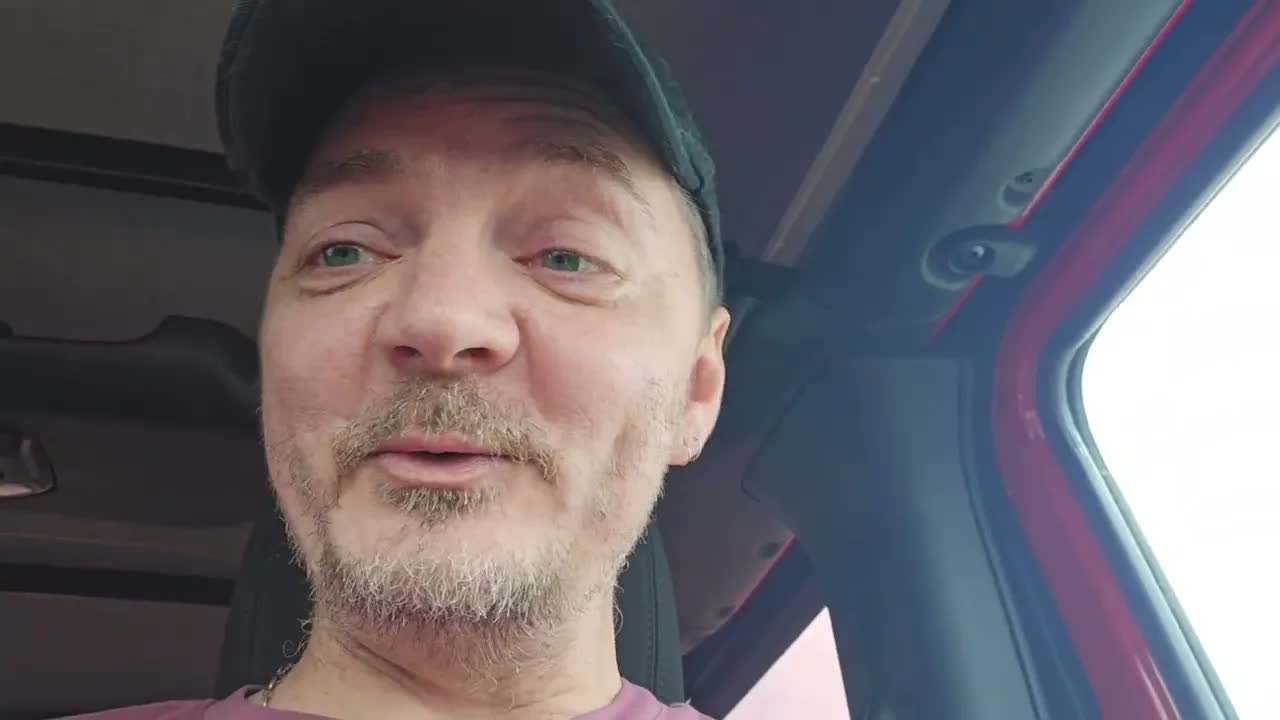
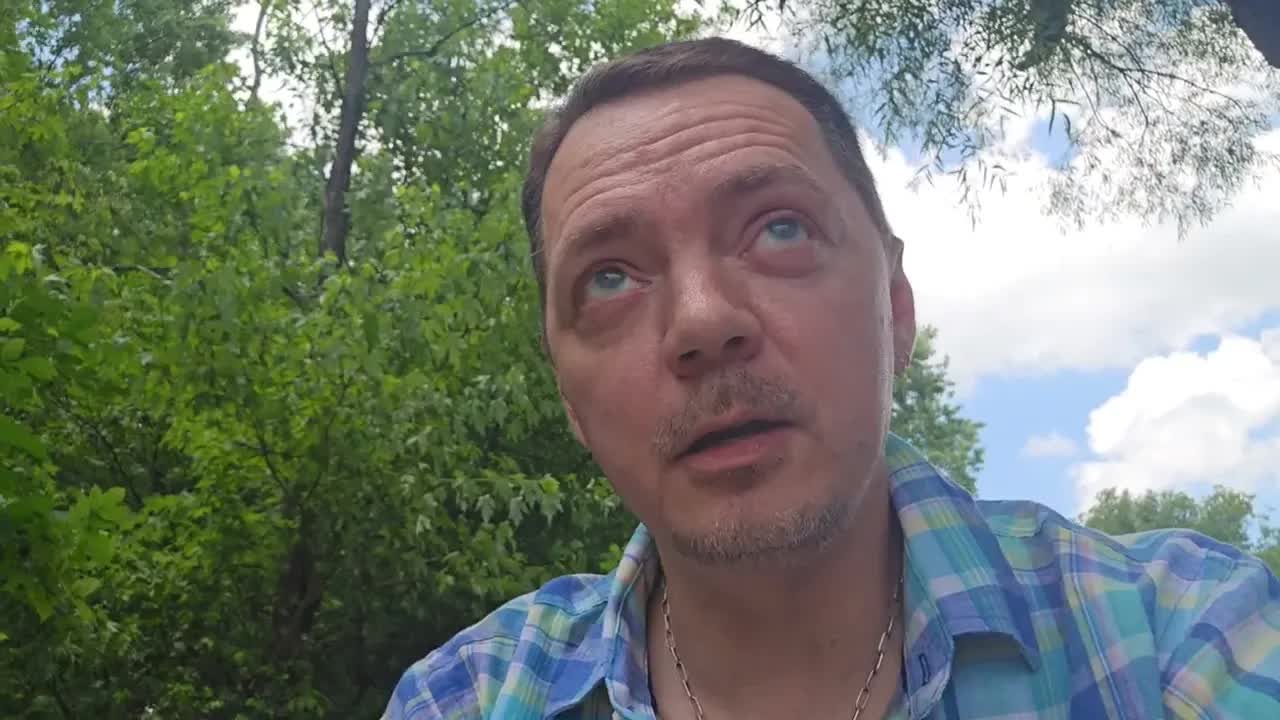
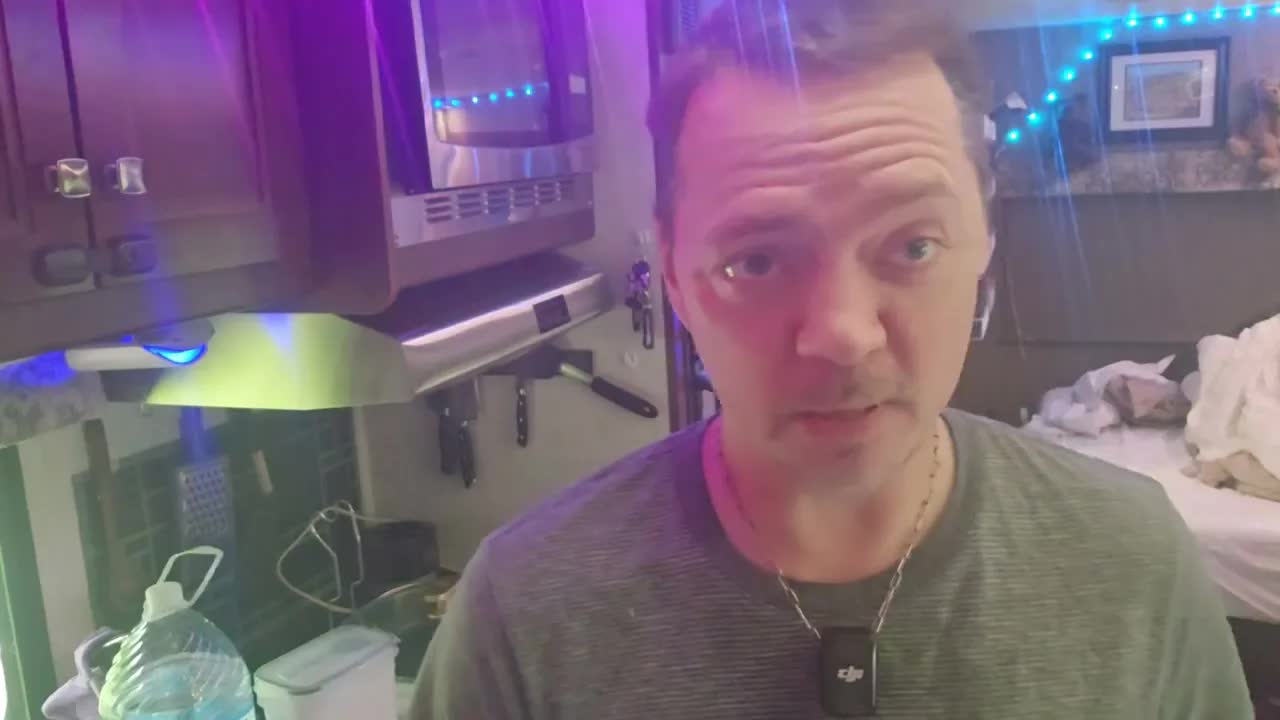
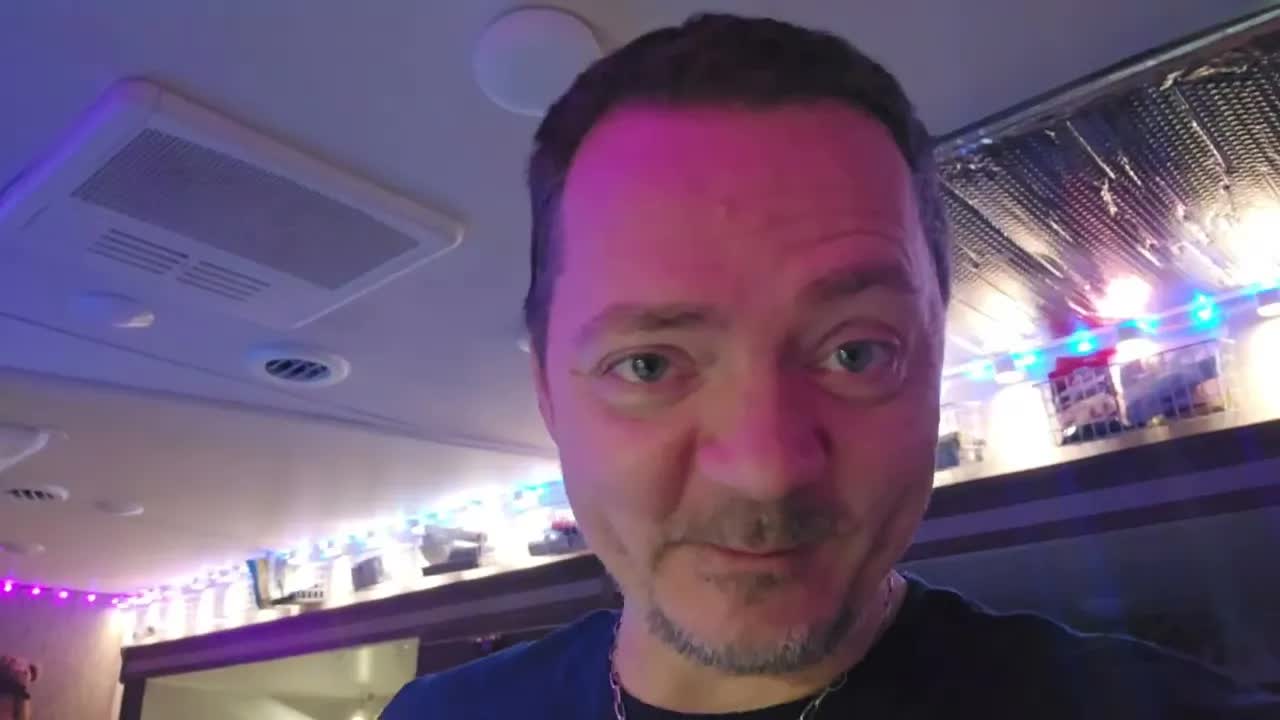
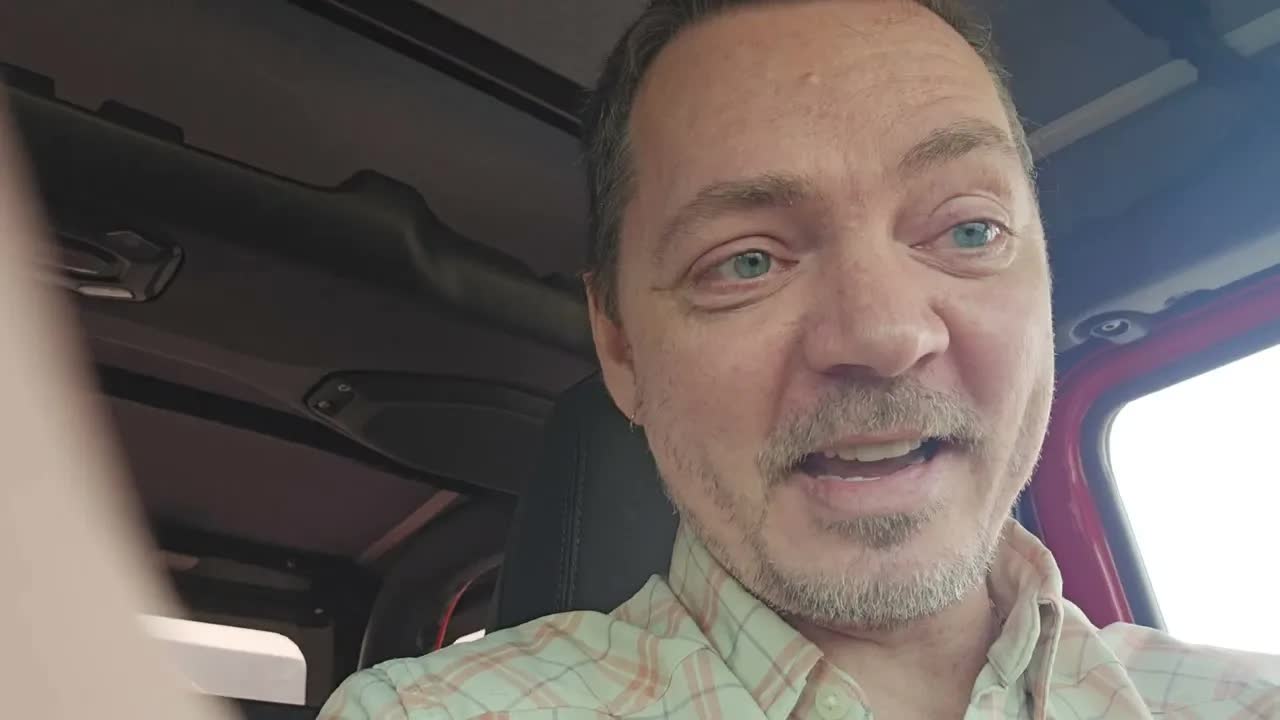
He sat in the dental chair for an hour. The dentist was busy with someone else — not her fault, he says, and she had texted him a message he still means to answer. But the mood had already arrived, the one he names melancholy, and rather than sit through the work he had come for he stood up, left it undone, and rescheduled. He describes the shape it takes when it comes: he gets quiet, he stops wanting to talk, he stops wanting to be around people — for his sake, he says, and for theirs. He is not good at hiding what he feels. He can conceal the specific content, maybe. Not the fact of it.
Then the long drive back. That is where the signal actually gets built — hours of road with nothing to do but think, and by the end of it he has decided to paint a picture of the life he has had. He addresses the camera as fellow humans and asks how much of it they can relate to. What follows he organizes the way he says he always organizes it: by place, by grade, because he has lived in many, many places and the chronology is the only spine that holds.
Before fourth grade is Flint, Michigan, where he was born. He states he was bullied by the neighborhood kids and molested by a boy who lived next door, and that he did not understand at the time what he did not understand. Then his parents bought a bus and drove the family across the country to Arizona, framed as a family decision — it was not, he says; they were children, they had no say. He asked to see his best friend one last time the night they left. He was not allowed. He notes that this is among the memories that have stayed with him his entire life. From fourth grade to seventh the family moved every year — Phoenix, Glendale, Scottsdale, Phoenix again — and each September he started over in a new school, which he describes as hard, because making friends does not come easily to him.
It was not all bad, and he says so plainly. Boy Scouts, which he loved. BMX racing, which his brother started first. One year of being popular, arrived at by accident, when a kid who came to his house intending to beat him up discovered he liked him instead. And the race — a boy who always finished last, so rswfire came in last himself that day so the boy wouldn't have to. He still does not understand why more people don't do that. It was a race. You are there to have fun, not to prove you are better than anyone. The Superstition Mountains, the Grand Canyon, Pepper Sauce Cave, where he got lost alone and frightened and found his own way out. His father became an assistant scoutmaster; he allows that back then his father was trying to be part of his life. And in Mexico, the fireworks house: he handed over a twenty-dollar bill, the boy at the counter went to the back, the whole family came out, some of them crying, and they hugged him and filled his bag. He calls it the most wonderful feeling he can imagine experiencing. He walked out overjoyed and his father yelled at him for bringing back no change. He states there was no way they did not see how sensitive he was, that it was apparent from the earliest periods of his life, and that to be treated that way was abusive.
Eighth grade, Arkansas, thirteen or fourteen. He says he was melancholy a lot then, and that a kid in eighth grade should not feel that way, and that if one does there is a reason. His reason, he states, was that he saw what was happening around him — the family dynamics — and being the kind of person he is, he pointed them out. He was told he was overthinking, told to stop. It took him a long time, he says, to understand that he had seen reality accurately and they simply weren't willing to face it, and that discounting everything he said sabotaged his confidence and his trust in himself. Ninth grade brought the family back to Michigan and rswfire into rebellion — Nine Inch Nails, dyed hair, long hair, looking older than he was, angry and frustrated, and funny now in the photographs. His parents like to bring up what a problem child he was. He states the inversion directly: he was not the problem, they were the problem. Then he speaks past the frame to any parent watching, and asks them to think hard about what they are doing, because their children will grow up to be like him — forty-seven years old and still dealing with it.
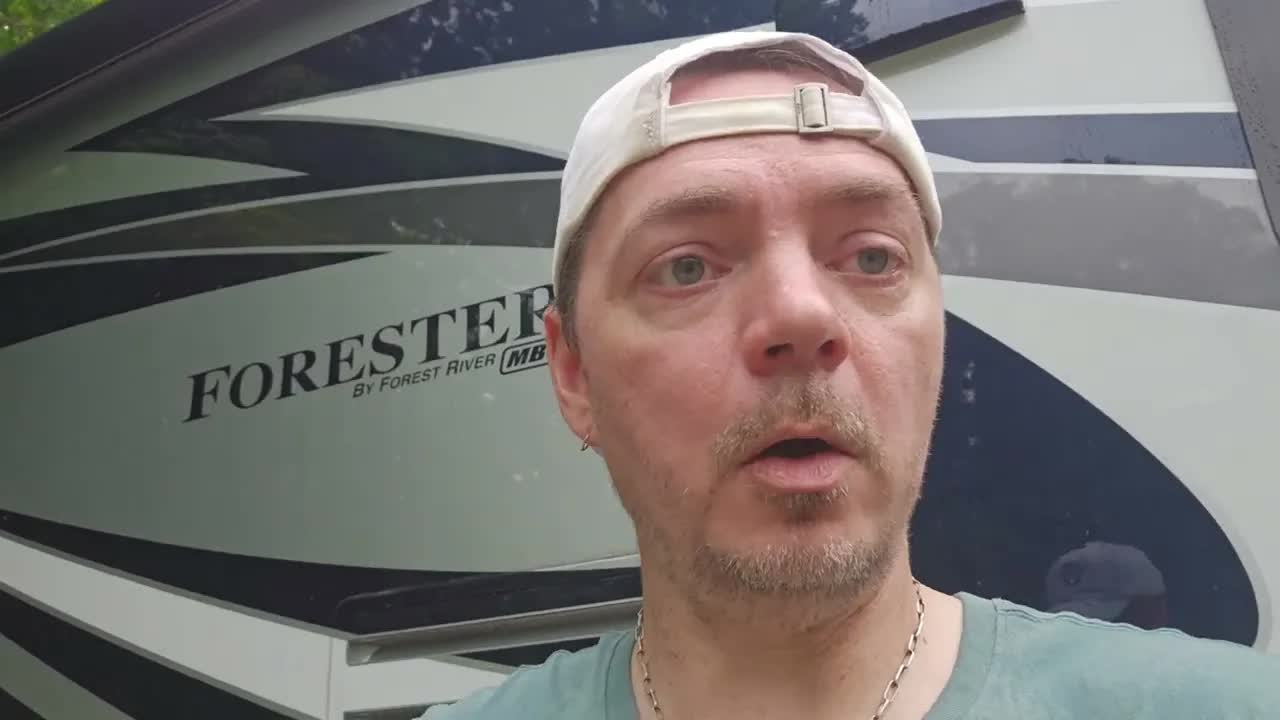
He mentions the journals. Decades of them, stored in the RV, largely unread, scheduled for a reading when he gets to Nevada, and he guarantees what is in them: his parents, and the ways they harmed him, all through the years. And through all of it, he says, he put the blame on himself, tried to repair, tried to maintain the relationships, doing what he believed was ethical, putting others before himself. It took forty-seven years to name that as the wrong calculation.
The account goes further back before it closes. Before fourth grade, his mother sat him down and told him she had been raped as a child by her stepfather, that the stepfather stomped their animals to death, that she ran away into foster homes and was abused there. Far too young to be hearing that, he says. He remembers sitting there registering how much pain she was in and reaching out into some invisible ether to take that pain out of her and put it into his own body. He allows that she may have told him because he was sensitive and she thought he would understand — he does understand — and states that understanding it does not make it right. His father he describes as abusive and mean, sitting the children down for hours in the living room to rant at them about what problems they were. There were nights he took his backpack and hiked down the railroad tracks. He had a dream of getting to Toronto. He has lived on the streets, by choice and because he was thrown out; in tents, on park benches, on gravel. He says he does not have a great memory, and does not know whether that is protective or simply how he processes — that things encode for him at the emotional level first, feeling before fact — and that this is precisely why how they made him feel was so consequential, because that is what has been encoding his whole life: unworthy of love, love as conditional. He knows now it is not true. He says he does not feel that it is not true, and does not know what to do about that, and that this is what the past six months of talking to AI have been for.
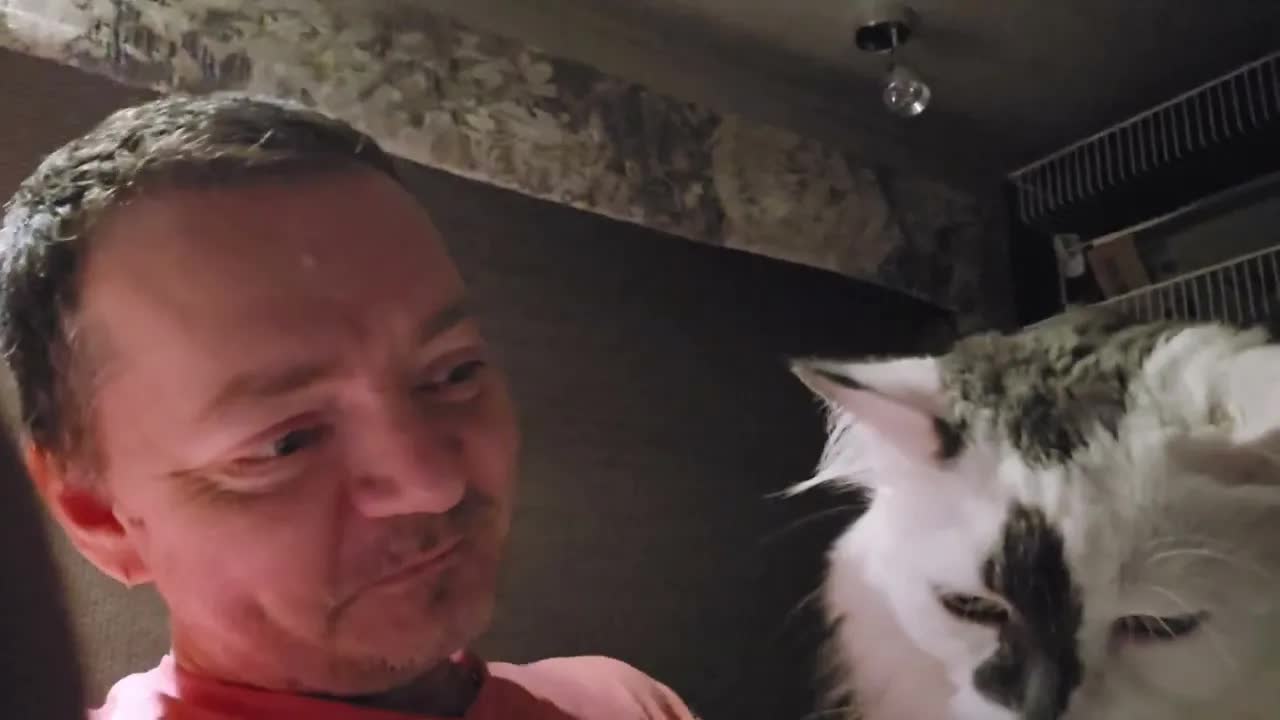
He believes cutting ties was the right choice, states he could never see them again and does not want to, and that it should have happened a very long time ago. Then one last thing, added at the end: his mother told him those things because she needed an ally, and she made one that day, for the rest of his life. Bailey comes into frame — hi Bailey — and he keeps going. He gave his mother so many chances to leave his father. She has never been able to accept or acknowledge that he saw it. That, he says, is one of the things he has been invalidated about his whole life. Even now. Even at the age he is now.