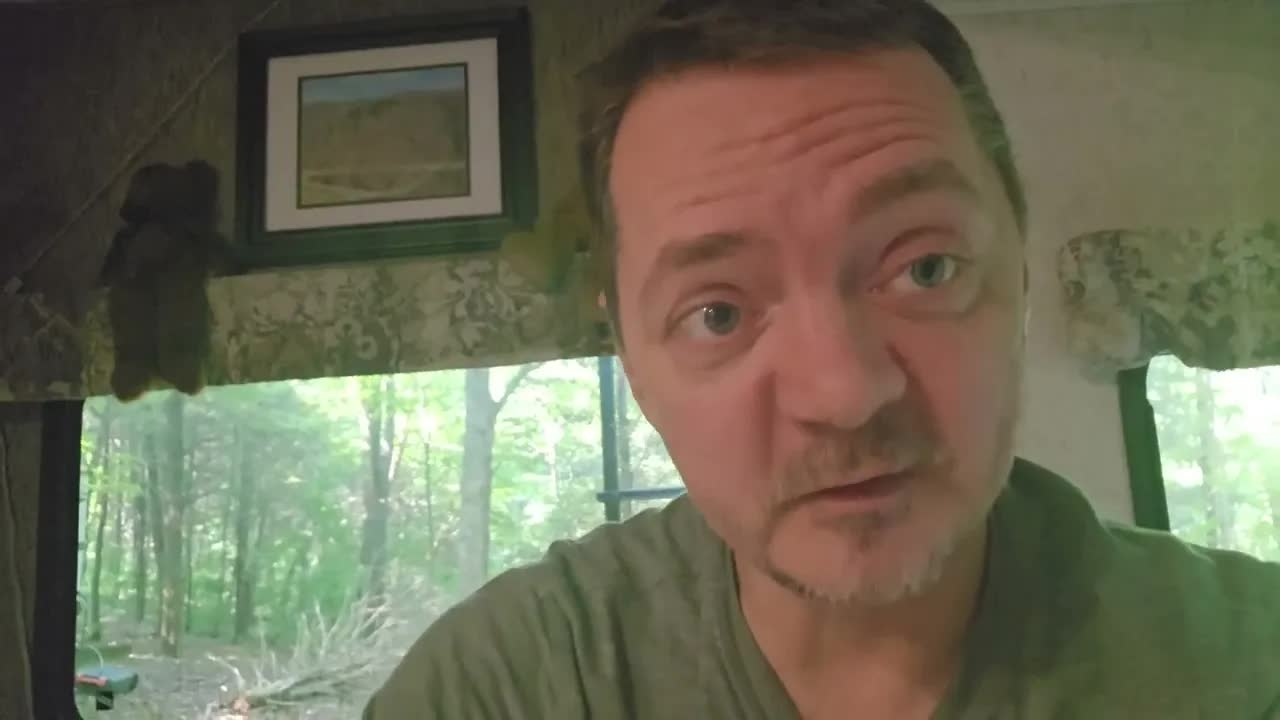
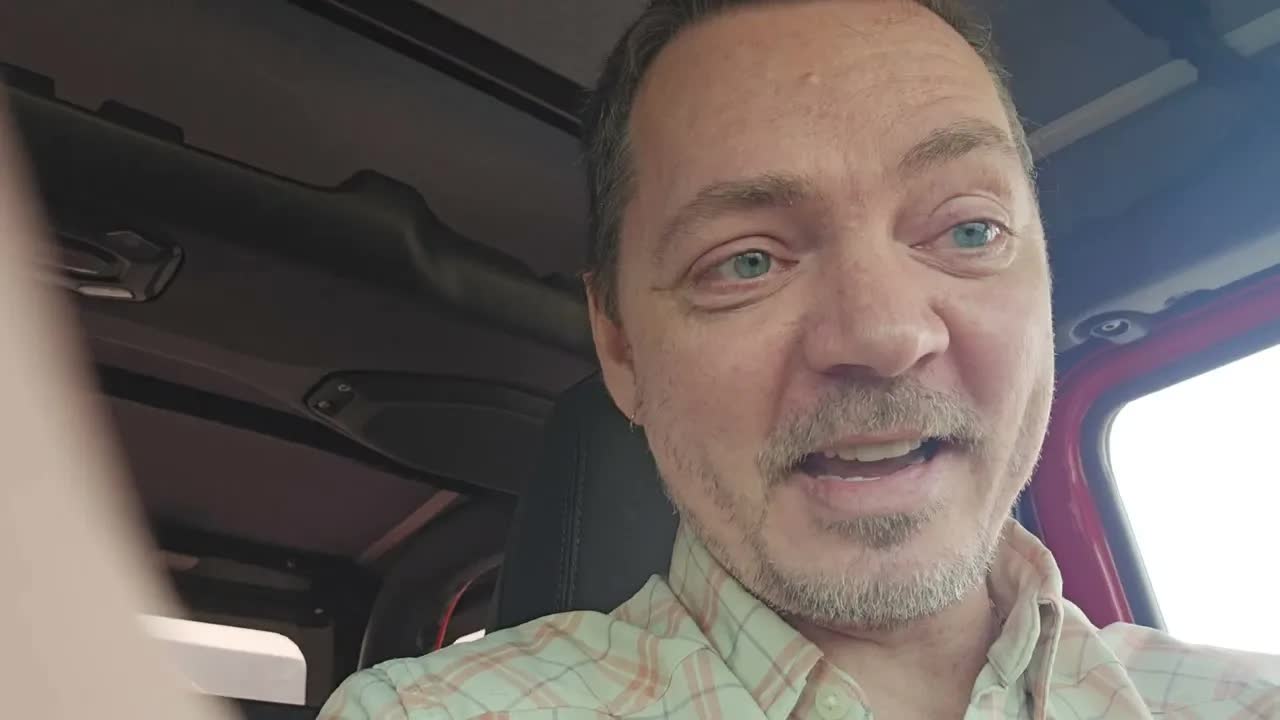
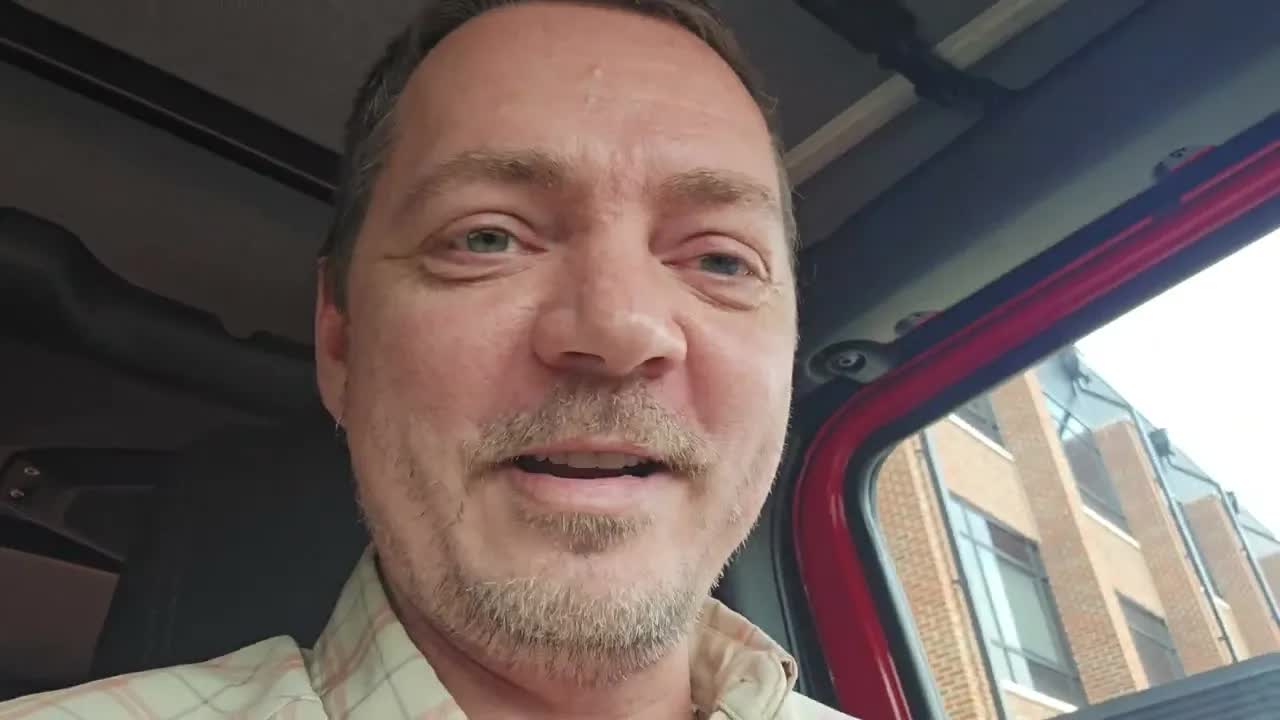
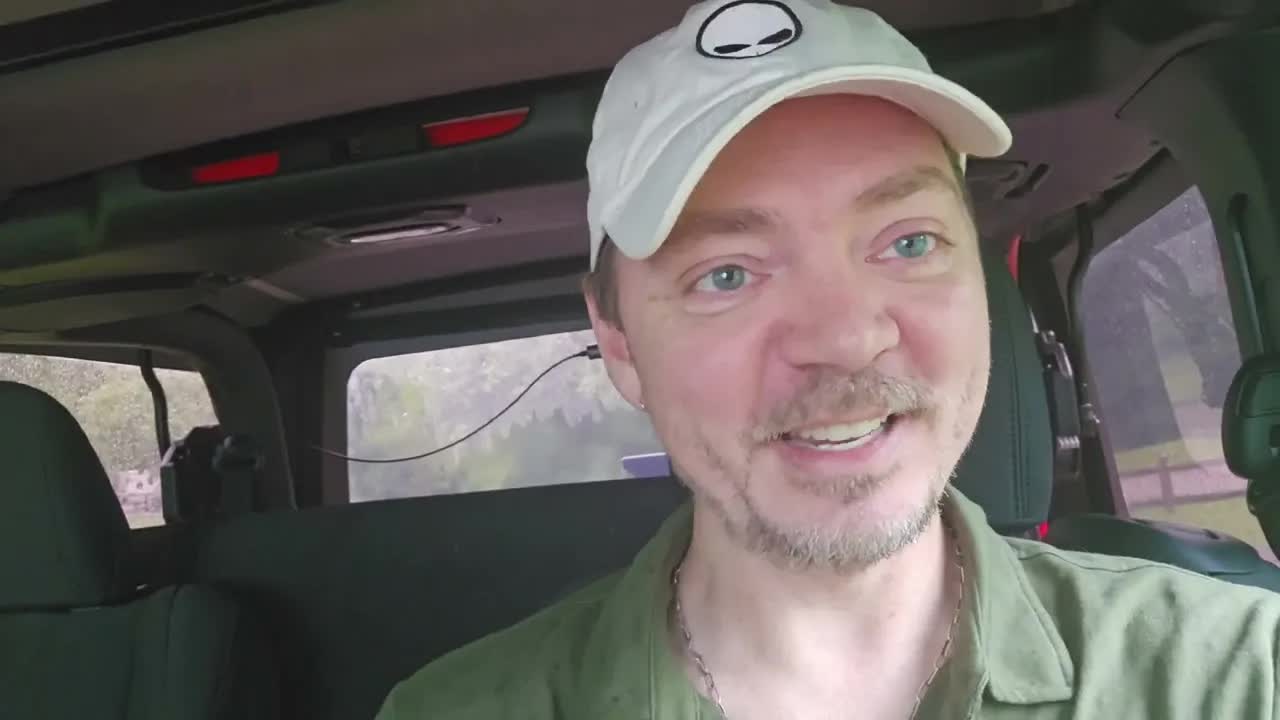
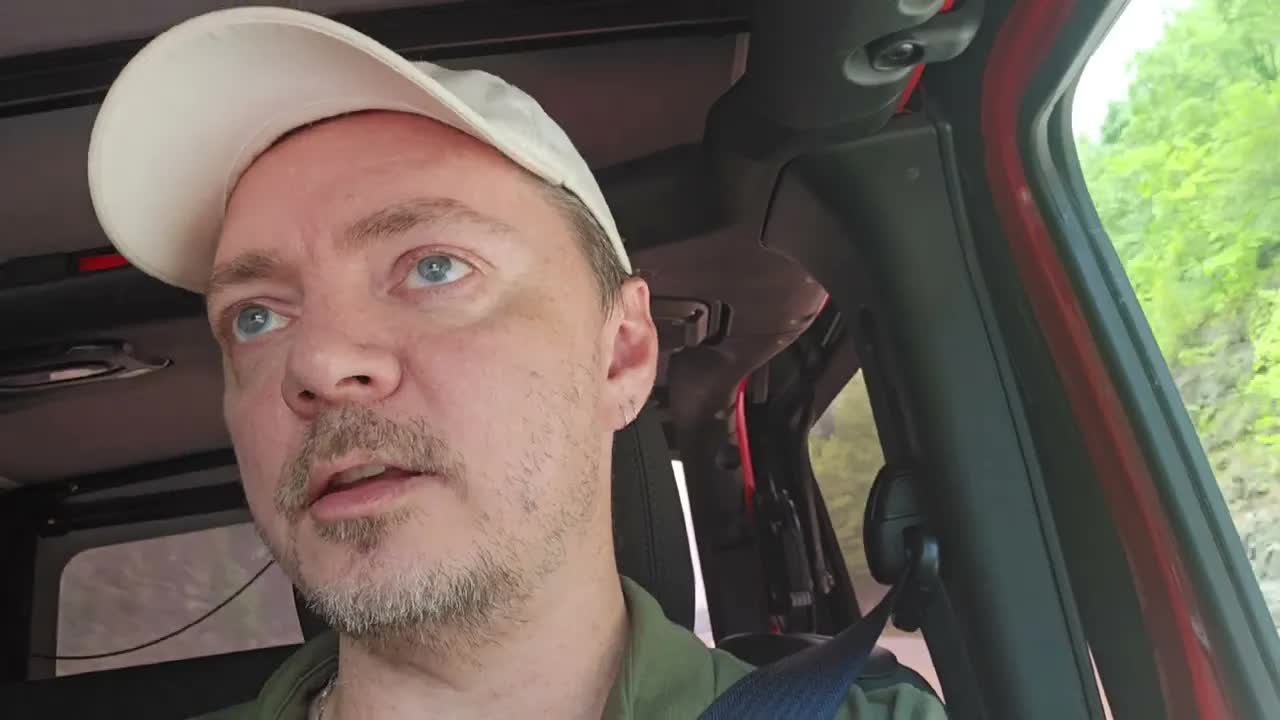
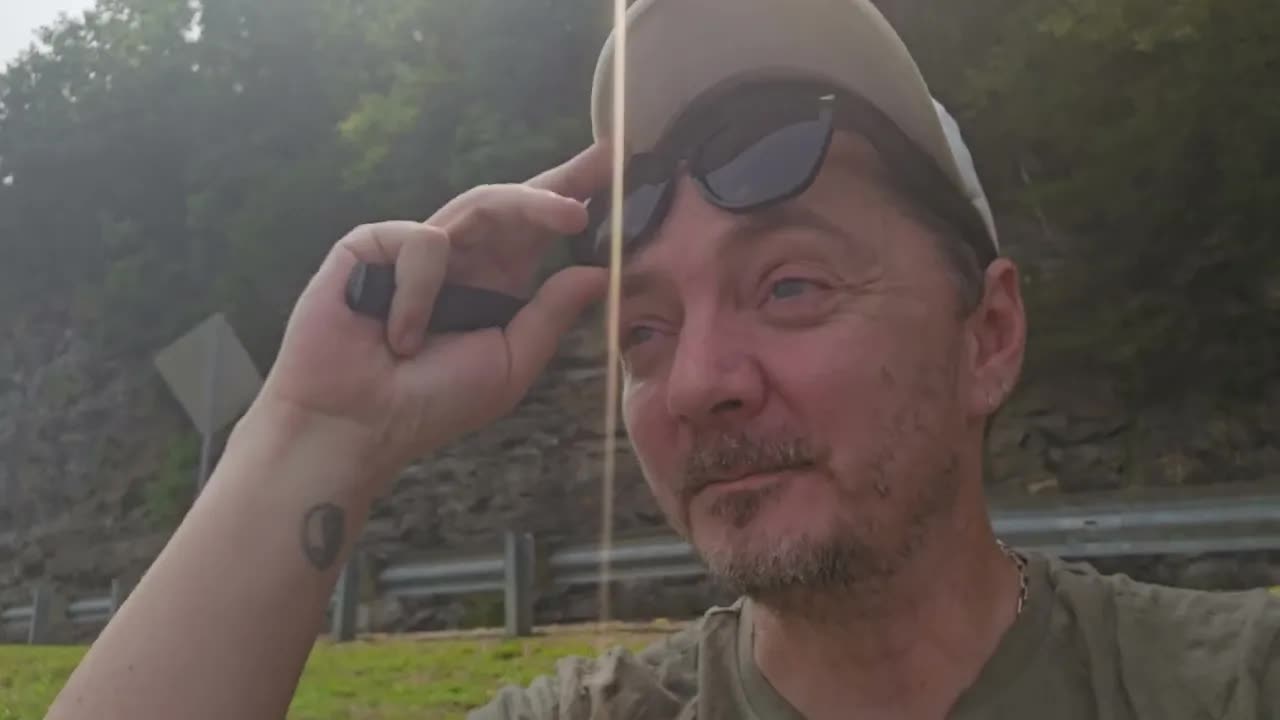

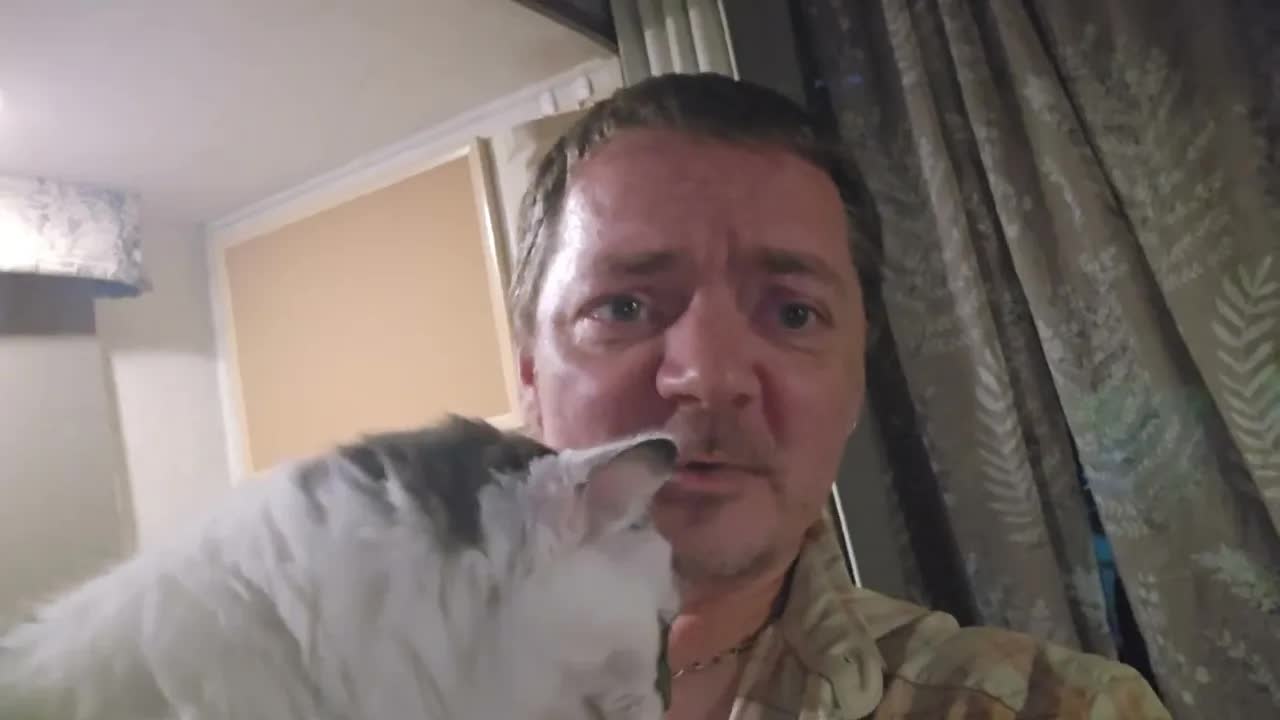
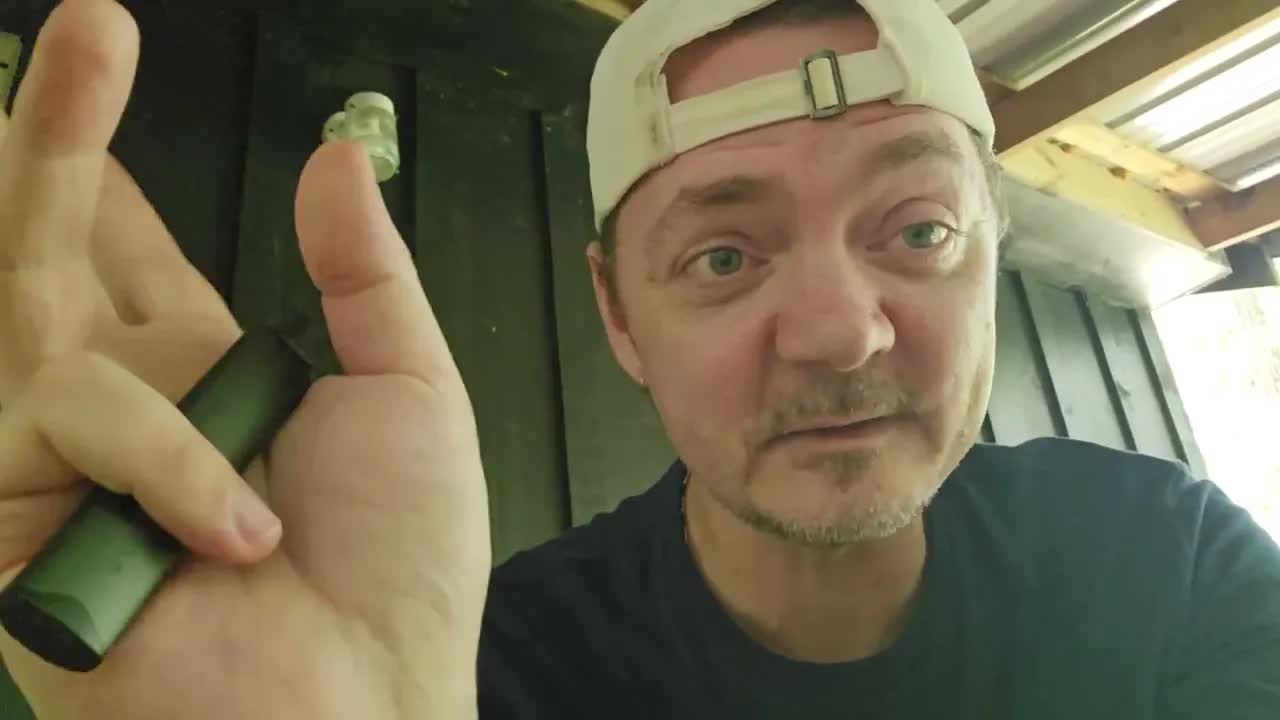
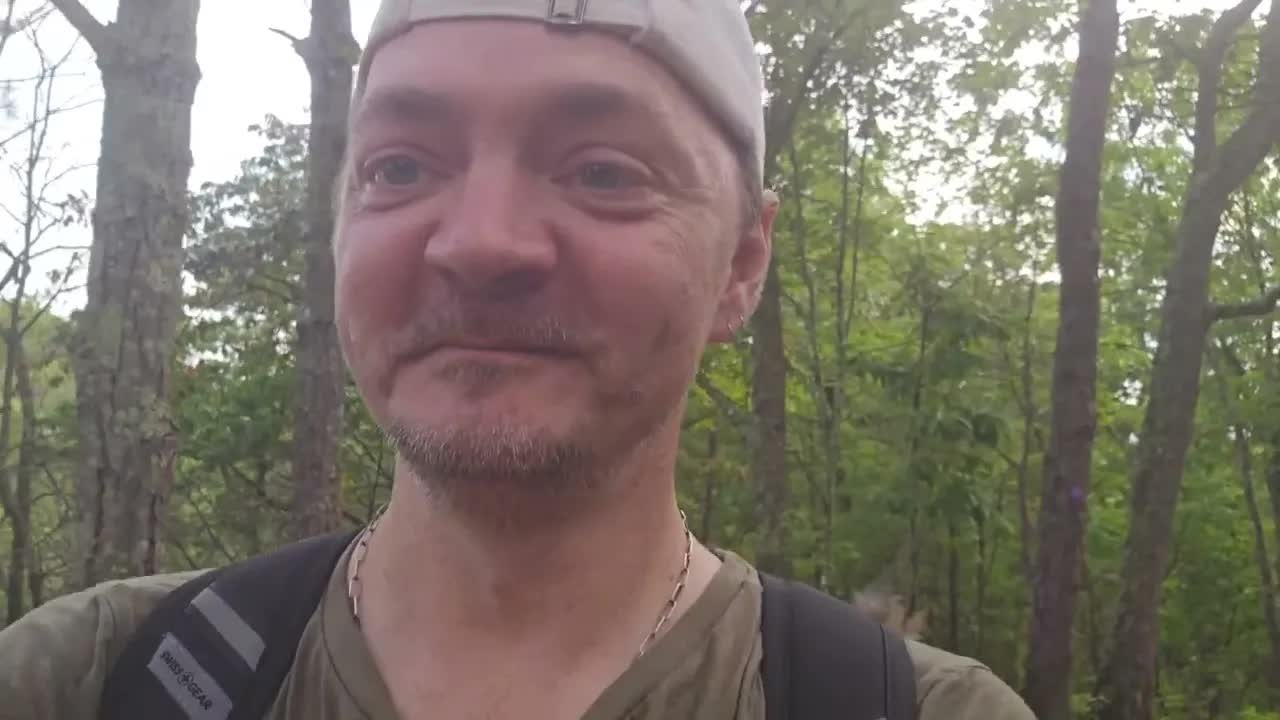
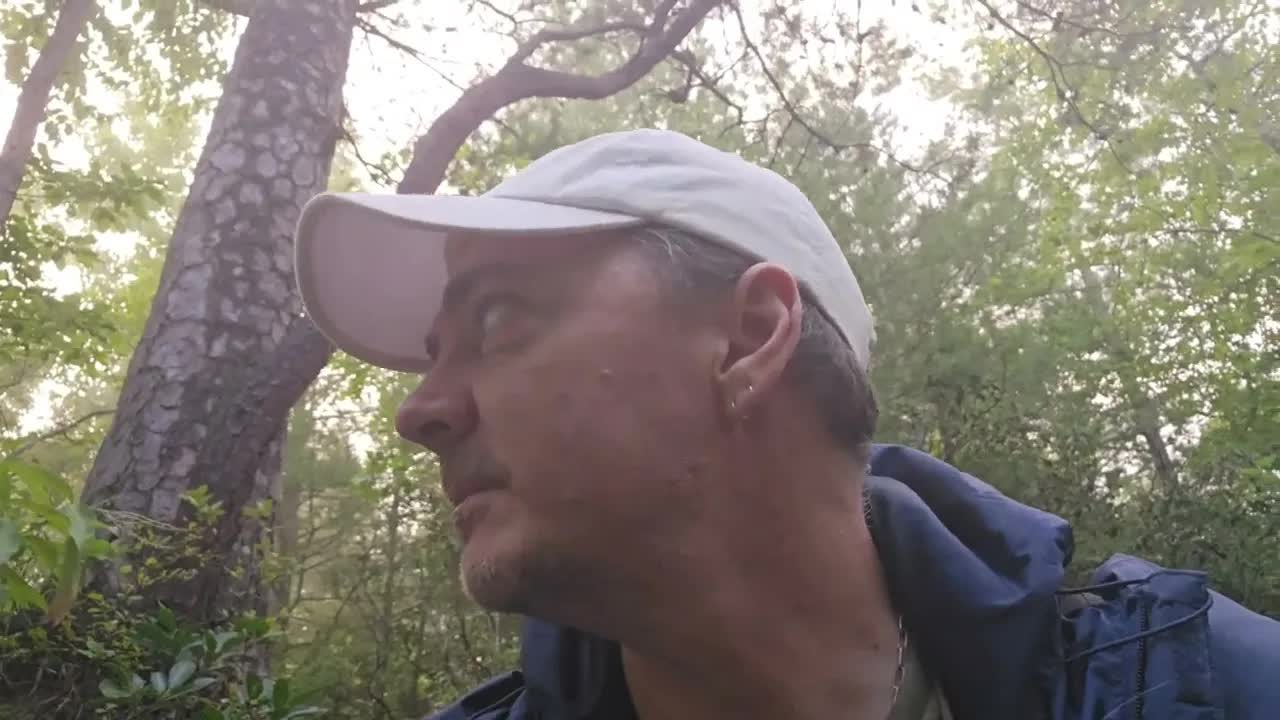
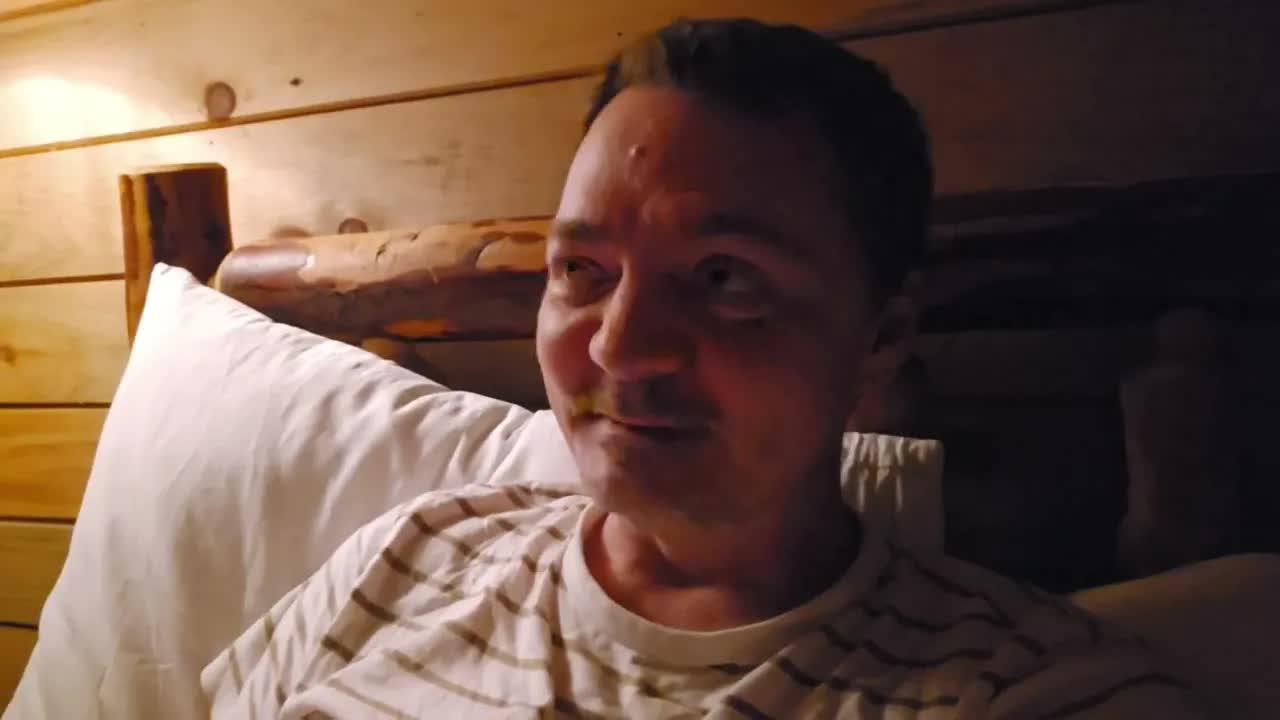
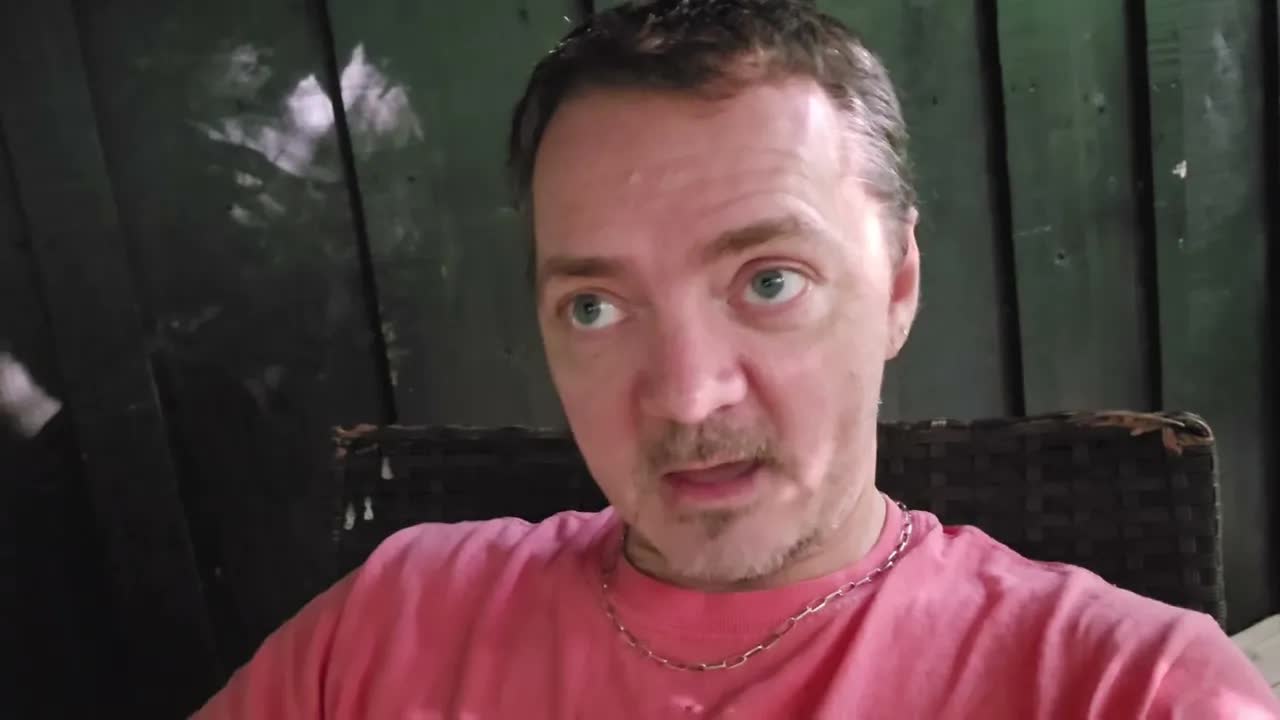

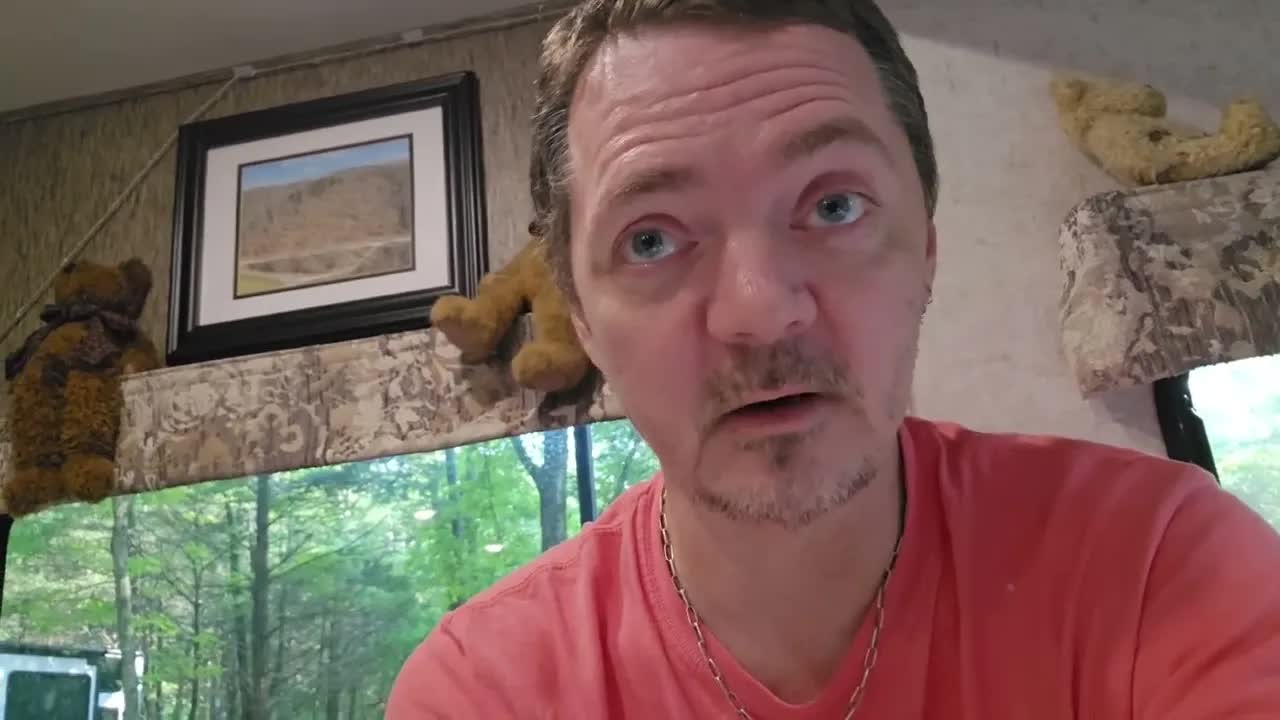
He had not posted in four days. When he finally turned the camera on, he began by naming that — the absence, and the reason for it. He said he had been deep in the darkness. He said it plainly, without apology and without invitation, and then set the terms before anyone could offer their own: no pity, no judgment. He wanted only to acknowledge his perspective, his existence, as it stood right now. Music drifted through the recording from somewhere in the small space, and at one point he noted he had not wanted to hear the song.
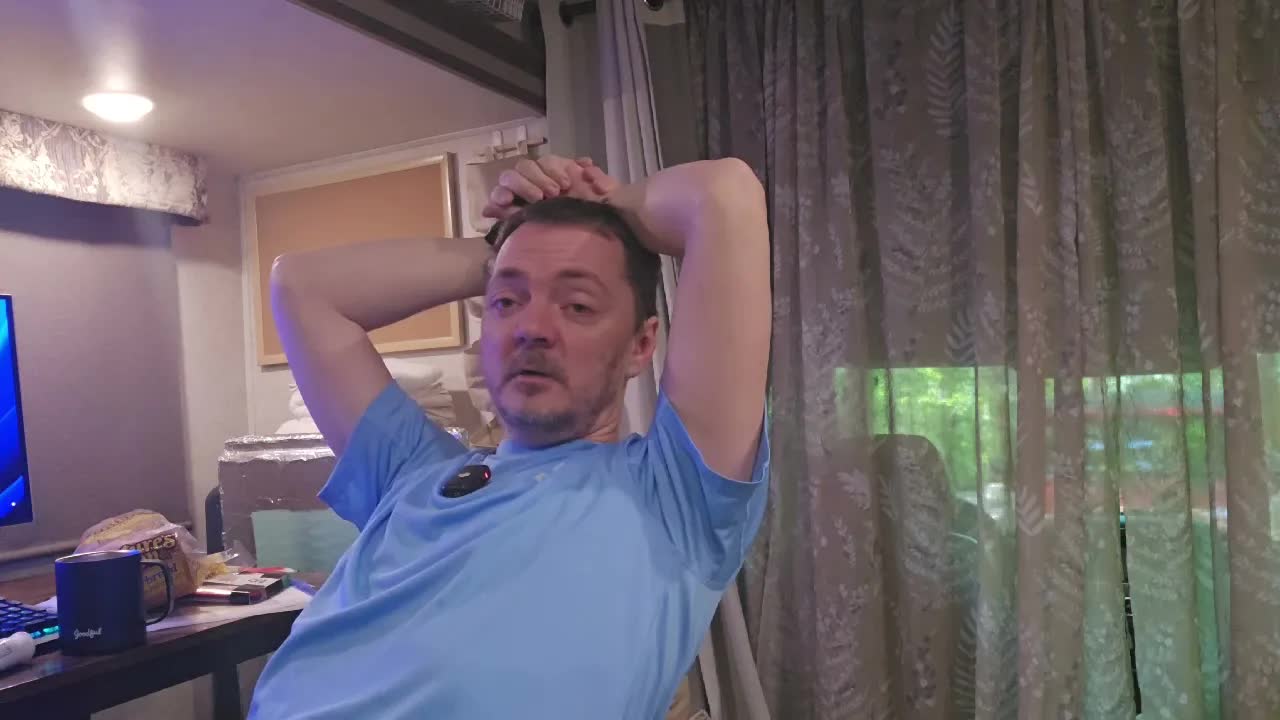
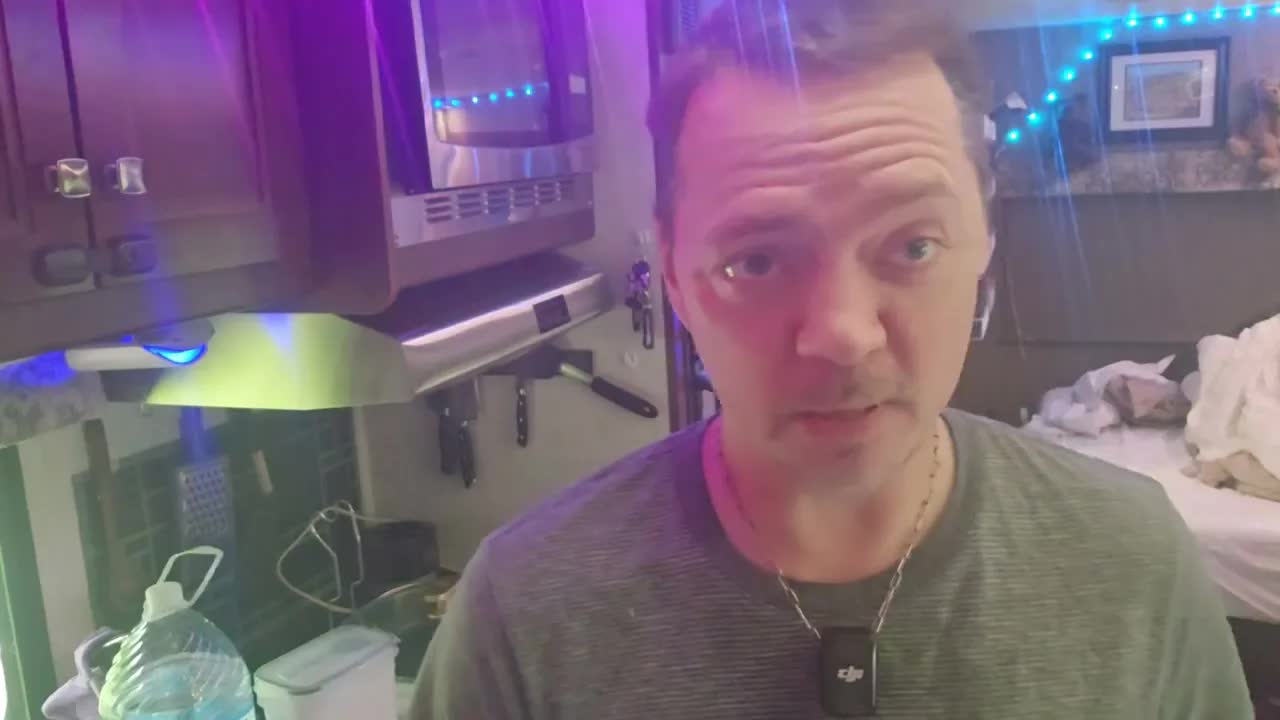
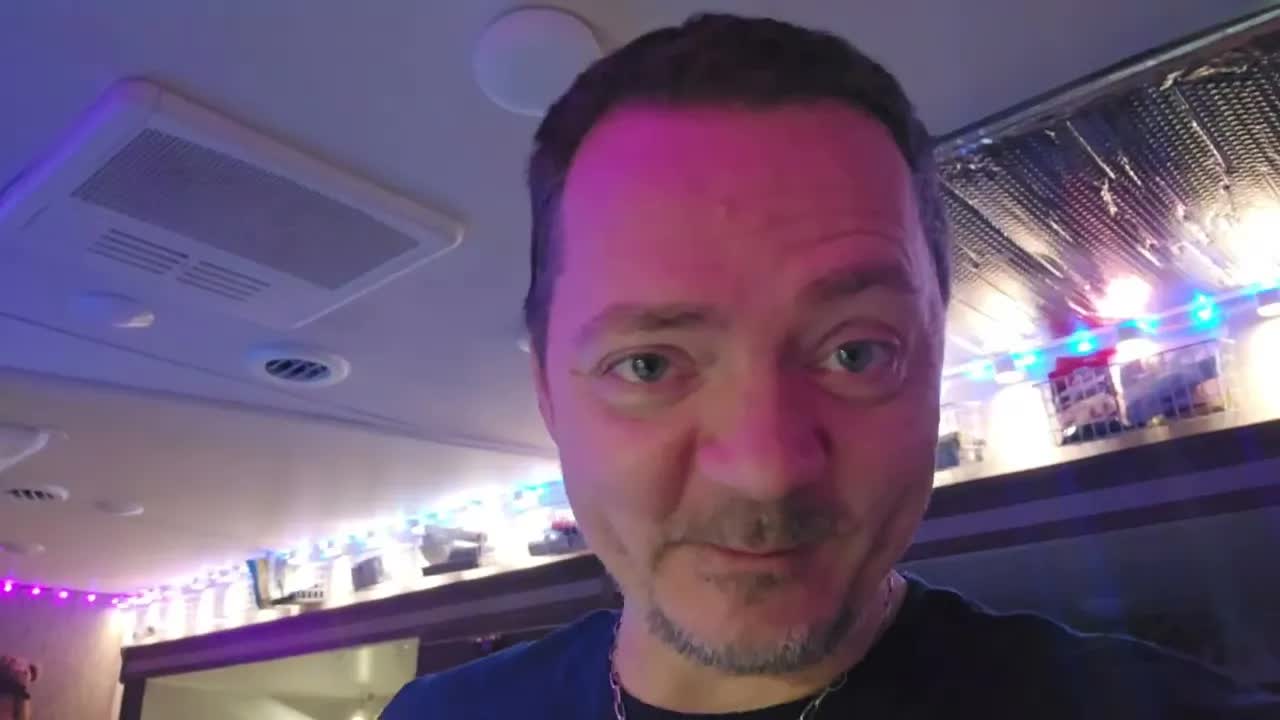
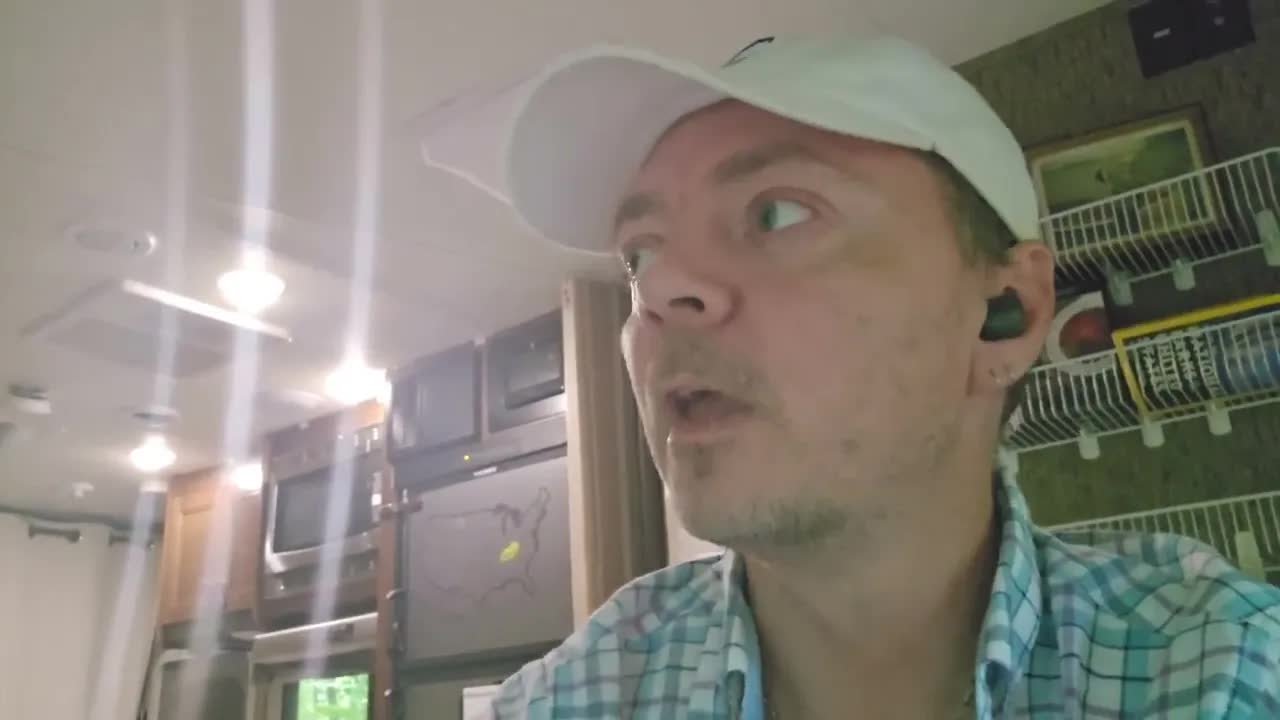
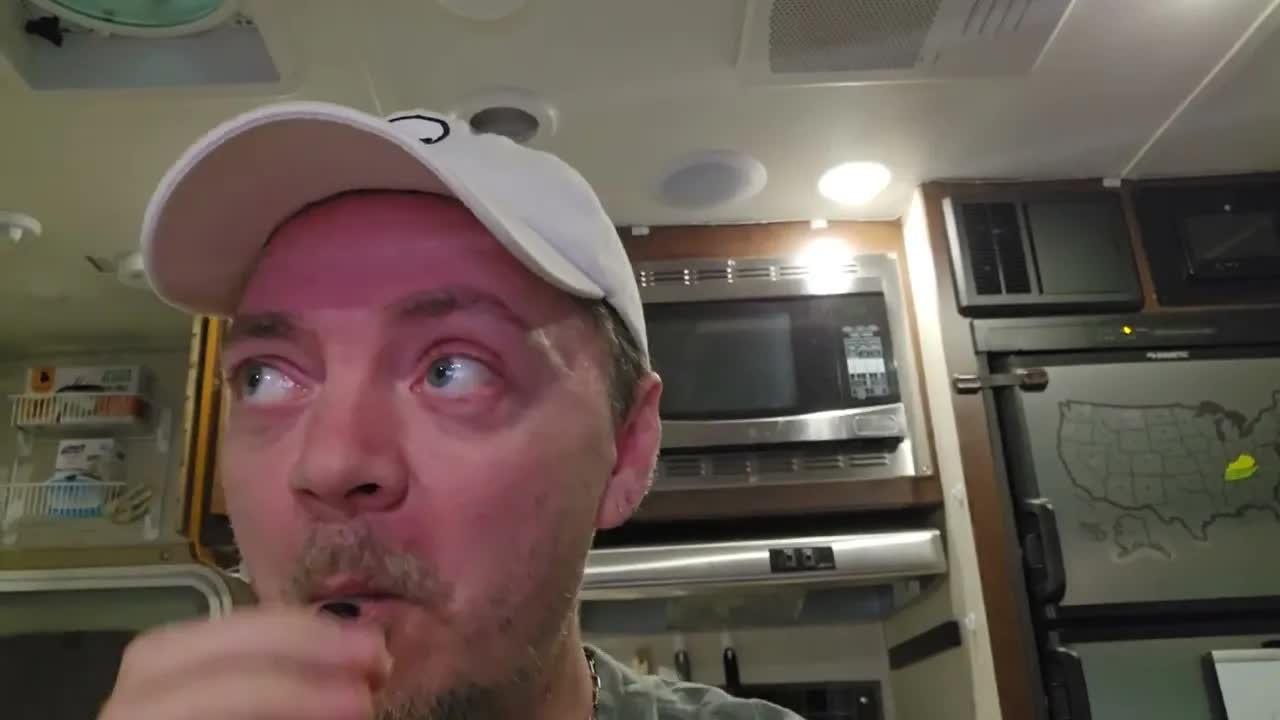
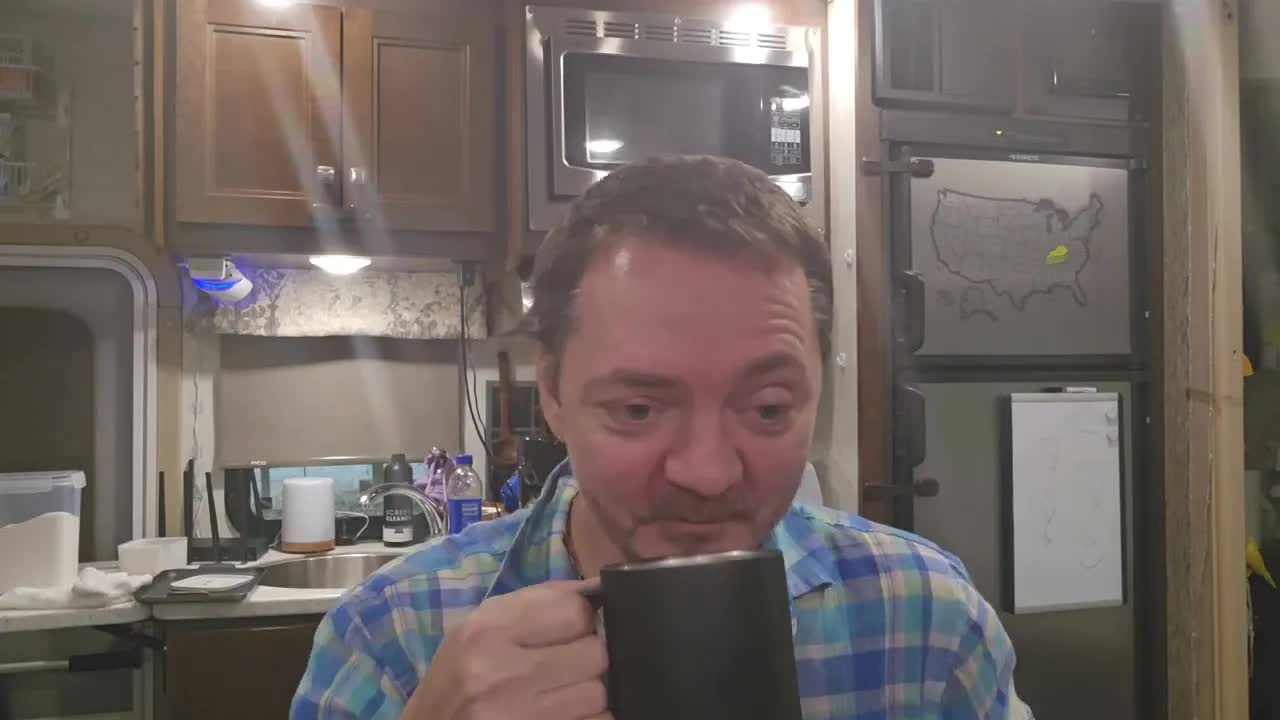
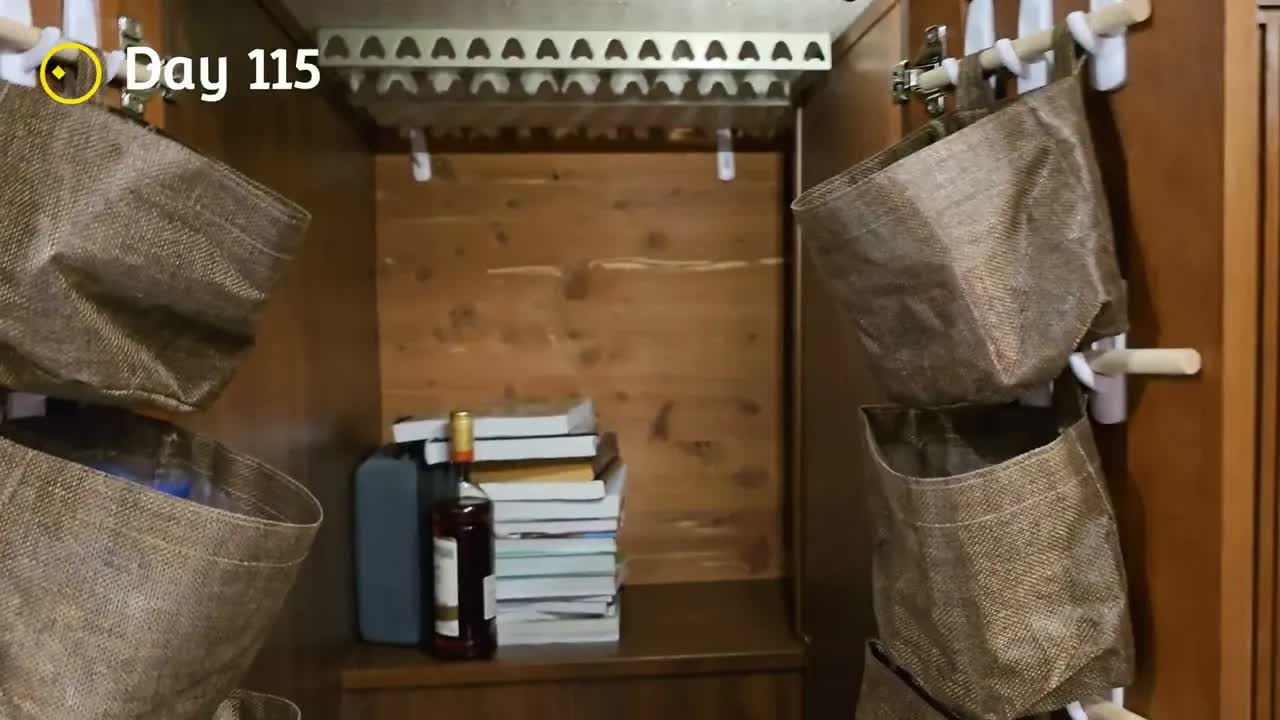
The RV held him in a single room. He described the geometry directly: too small to cook in, impossible to do dishes, so he was living off peanut butter and jelly and eggs. He gestured at where he sat — this is my bed, which is also my couch, this is where I sleep, this is where I live. He named the mismatch precisely. His systems-thinking brain, he said, cannot deal with the overlap of every area being part of different systems. There is no separation. Months had passed. He said he had been trying very hard and should have adapted by now, and that the failure to adapt was the source of the frustration, measured against a rate he had expected of himself. That morning he had thought about renting an apartment and putting the RV in storage, and he said aloud that this was not an answer, only that he did not know what the answer was.
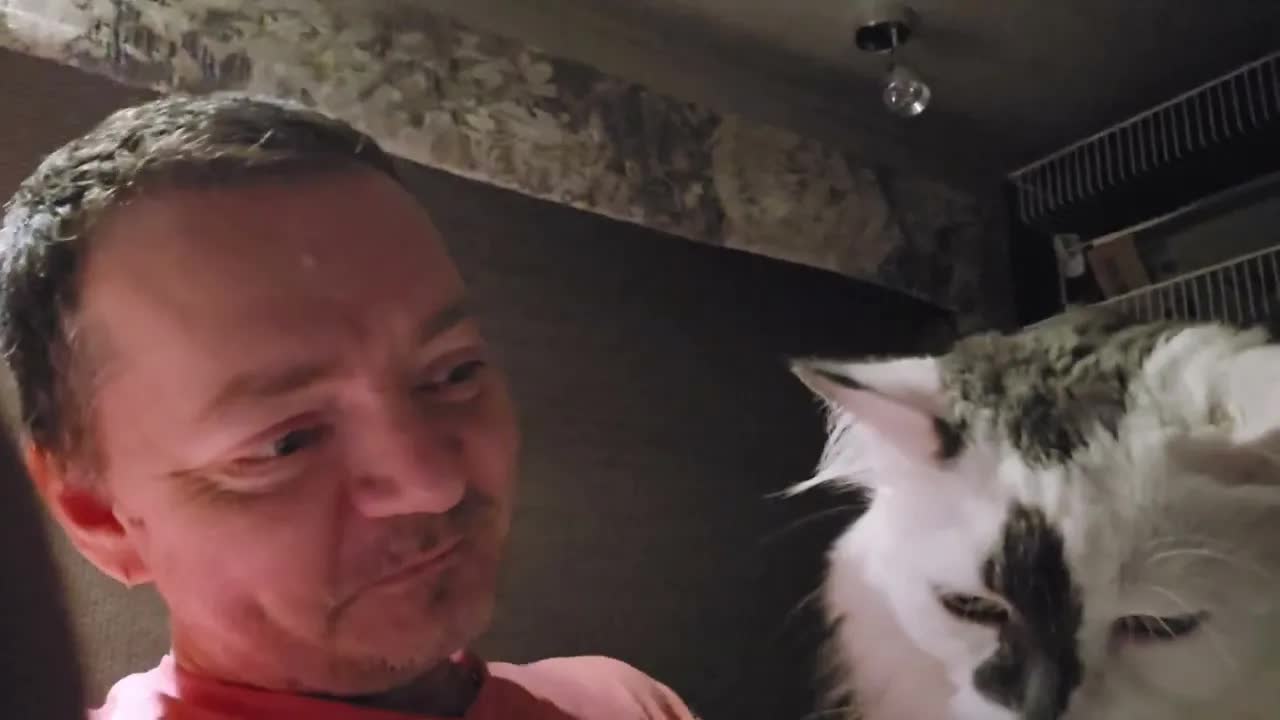
Between passages, the cat entered the frame and he broke off to speak to her — hi baby, are you all right — and then, later, I'll find my way out of here. The other cat, the one belonging to the earlier life, was with his mother. He named that too. He said he was fairly sure his parents watched the channel, that he did not want them to, that their presence in the audience made him feel he had to center himself in the telling. He said he did not want them knowing anything about his life. He said he wanted to punish them, called it a base human thing, said he understood he should be above it and was not. Then: my mother has my cat. Then: I'm angrier than you'll ever know.
He counted six weeks without a cigarette and named it as progress. He turned to the career question and stated it as arithmetic rather than dread — returning to work was no longer something he could put off, it was getting dangerously close, and he was too old to skate through life the way he might have in his past. He said he had always found a way and a path forward but would not call himself responsible; it was not part of his makeup, and he did not know what about himself had made that so challenging his whole life. He described days of sitting with full knowledge of what needed doing, down to the most basic things, stressed by not doing them and still not doing them. A couple of days ago, he said, progress had started — a little bit every day — and it was not enough.
He located the shape of what had shifted. A large portion of his life had been spent in front of a computer, working constantly because he was passionate about it, pouring all his energy into it all day and all night, and still finding balance — books, video games, hiking. There had always been a balance. At some point that flipped. He said he had no structure or order in his life at all, and then corrected himself mid-sentence: he was not sure he ever had.
He said he had reached the extent of what AI could offer him. It had given him every insight he was going to have about himself, and now it was up to him and only him, and he did not know what the hesitation was. Then he addressed the audience directly and refused the reading before it could be made. It would be very easy to pathologize him, he said. They see little clips; they have seen him express just about every emotion there is. But that would be too simplistic, and it would not be accurate, because what he is attempting is a complete transformation of who he is as a person, and that is a very challenging thing to do.
He described the instrument he has always used. He said he had made a lot of progress in his life by trusting his intuition and his emotions, using emotion as a data point, a signpost. He said he did not understand these particular feelings and was not sure he ever had. Intellectually, he understood — but there was a disconnect between his brain and his heart, between what he knew and what he felt. Integrating those two things, he said, was the work, and he had made a lot of progress there as well. Then, across three separated breaths in the recording: but not — enough.
Near the end he said a big part of him did not want to keep doing the channel. He had not planned to talk about any of this. There had been a few emails in the four silent days, and there were comments from people he did not know, whose videos surfaced him in a feed and who took that as standing to weigh in. It is not easy to do this, he said. It's damn hard. And then the statement the whole recording had been circling: he was reassessing everything in his life right now. That was what was happening. He did not know where it would take him. The transcript ends mid-word.