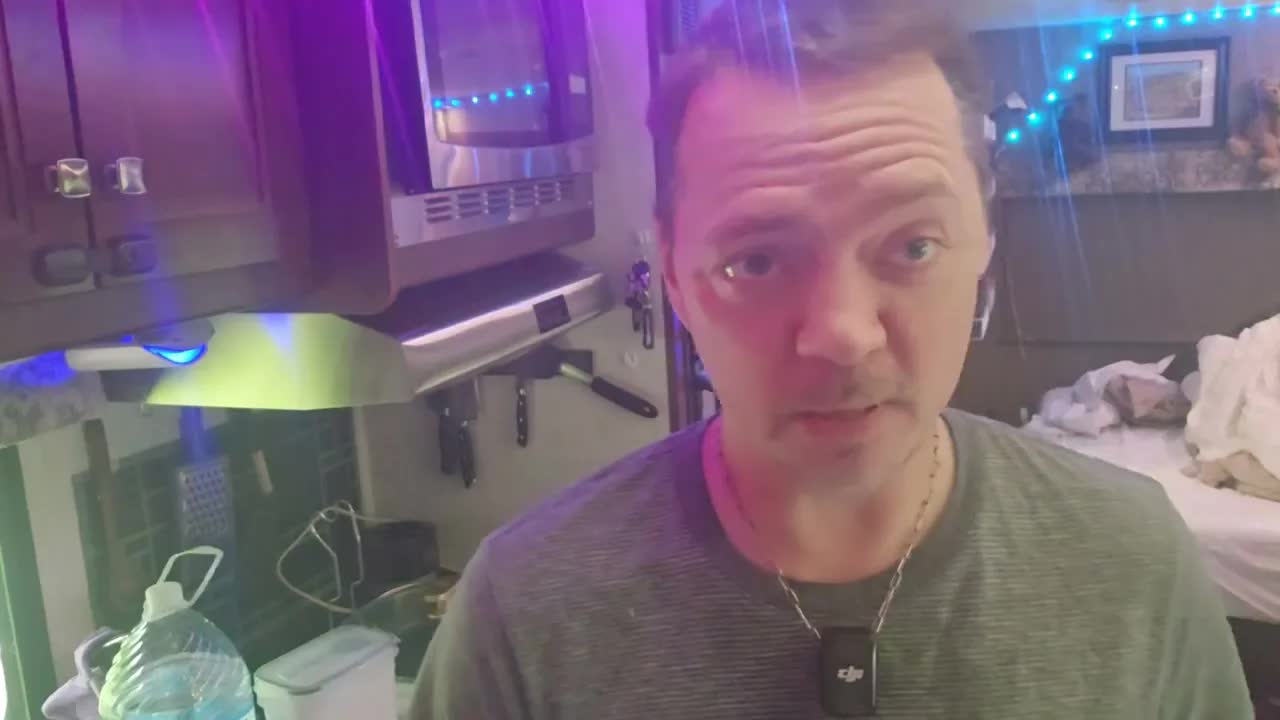
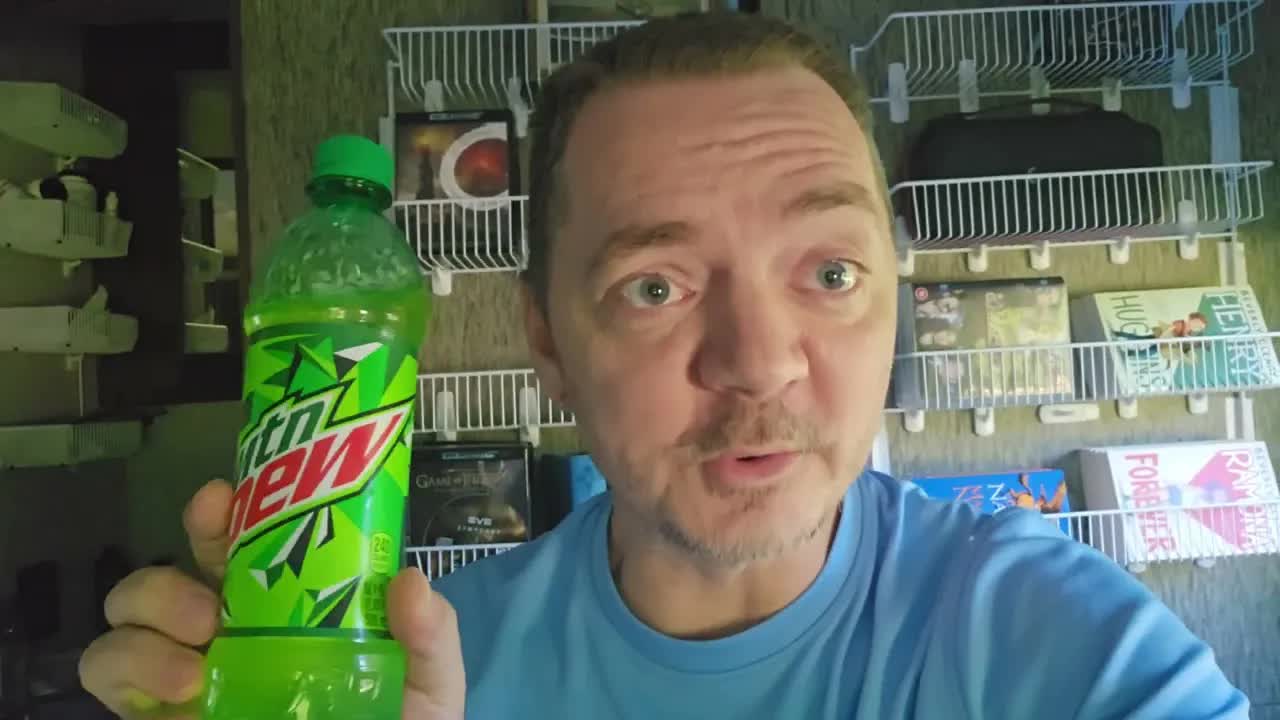

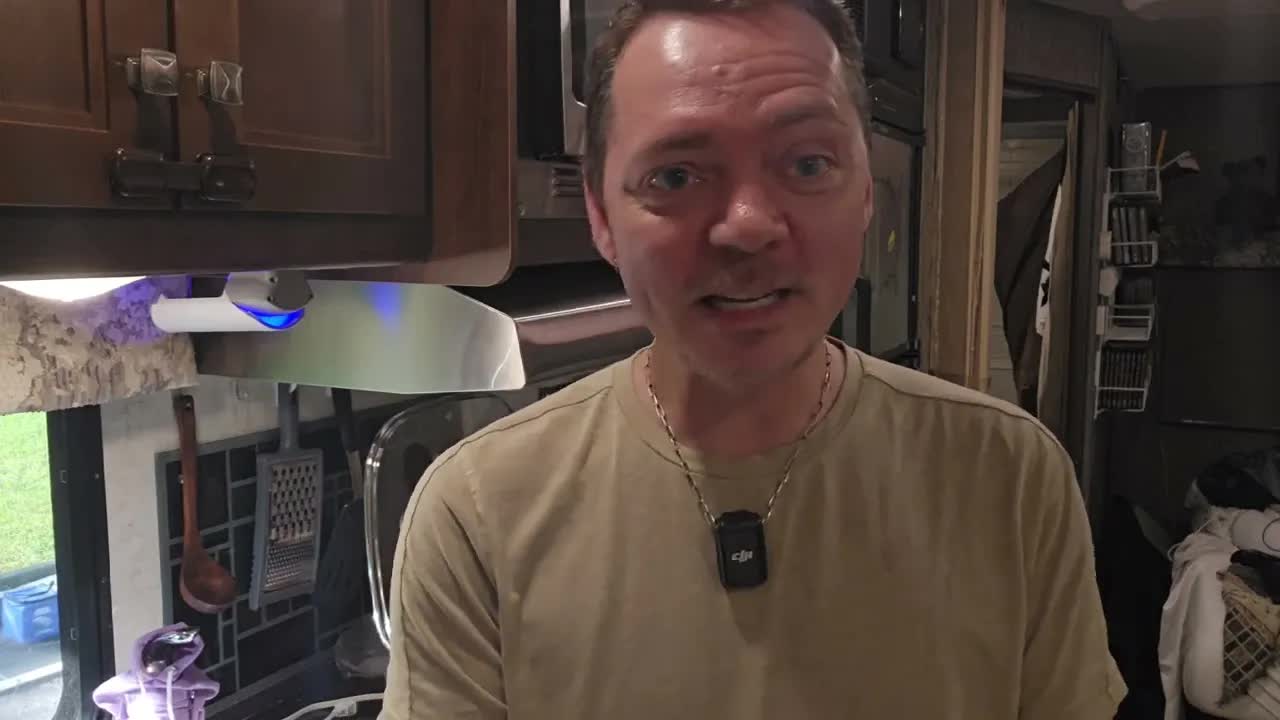

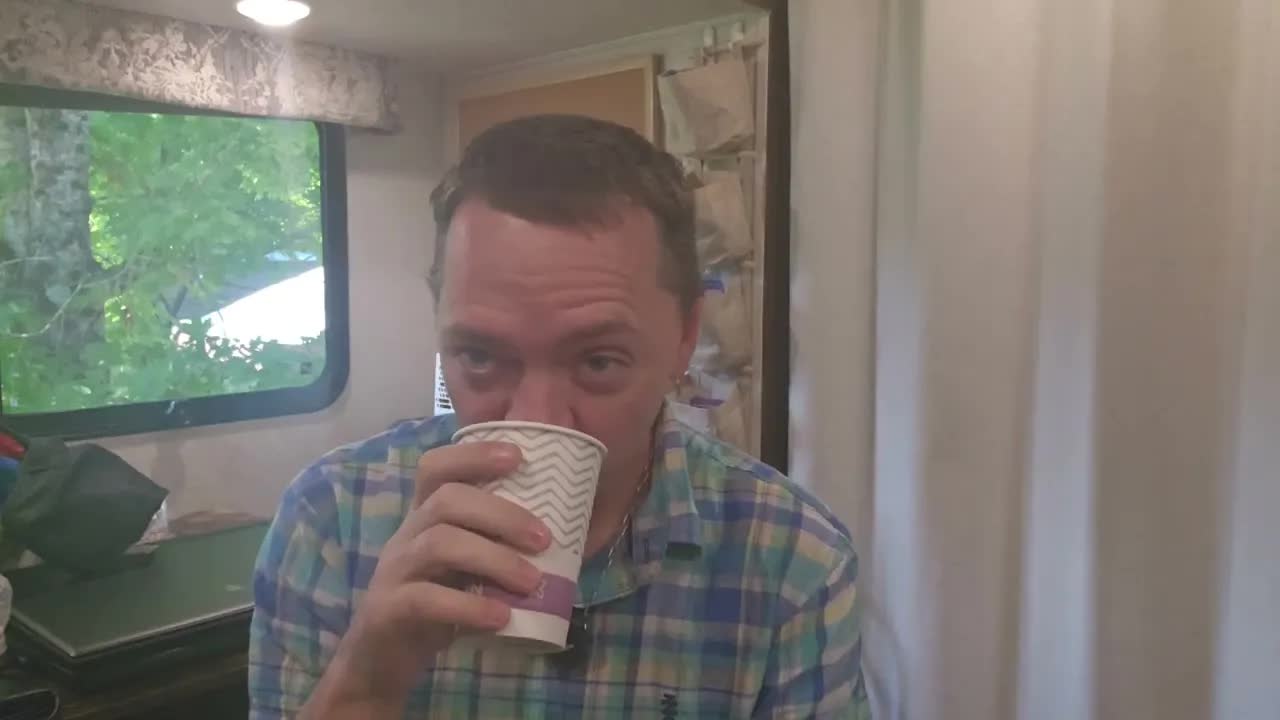
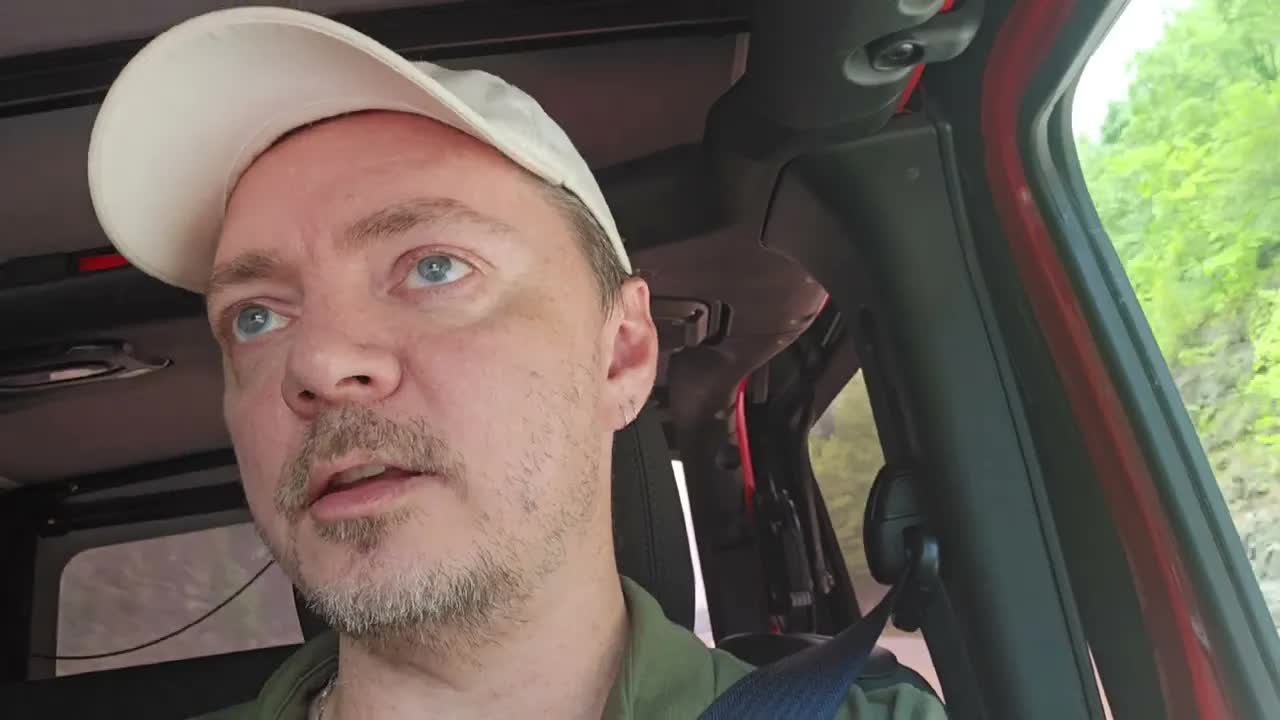
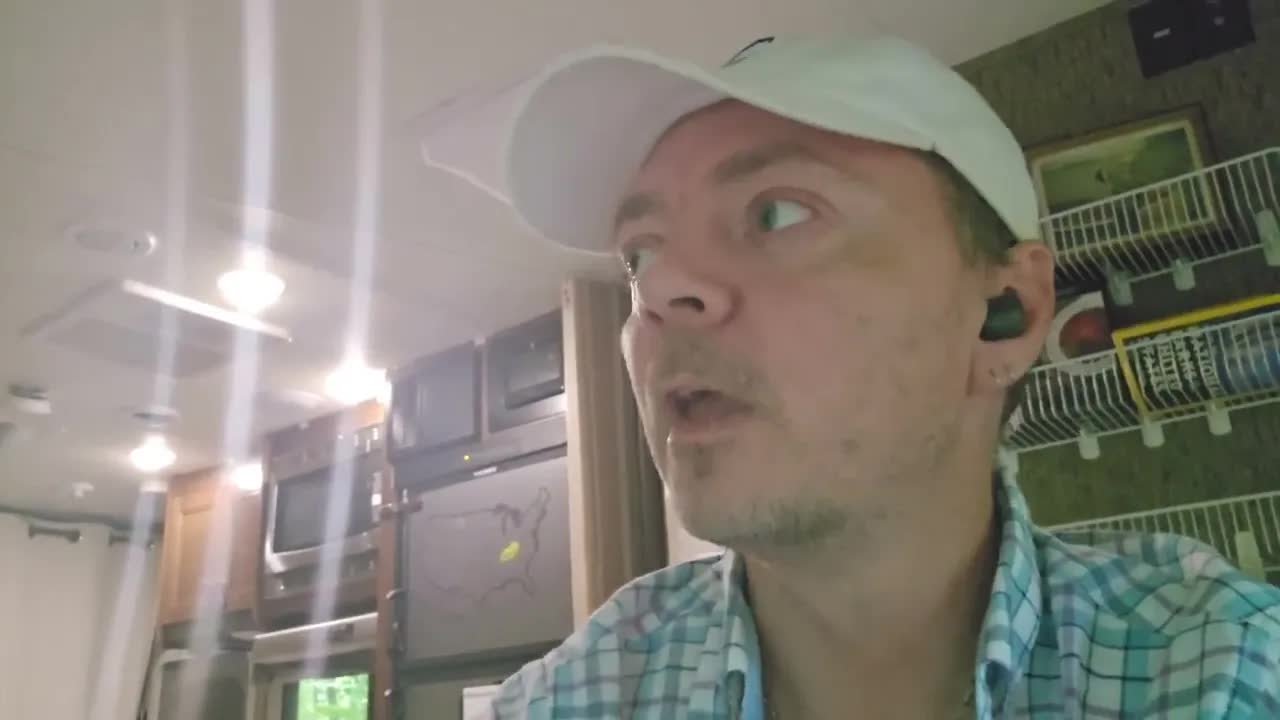
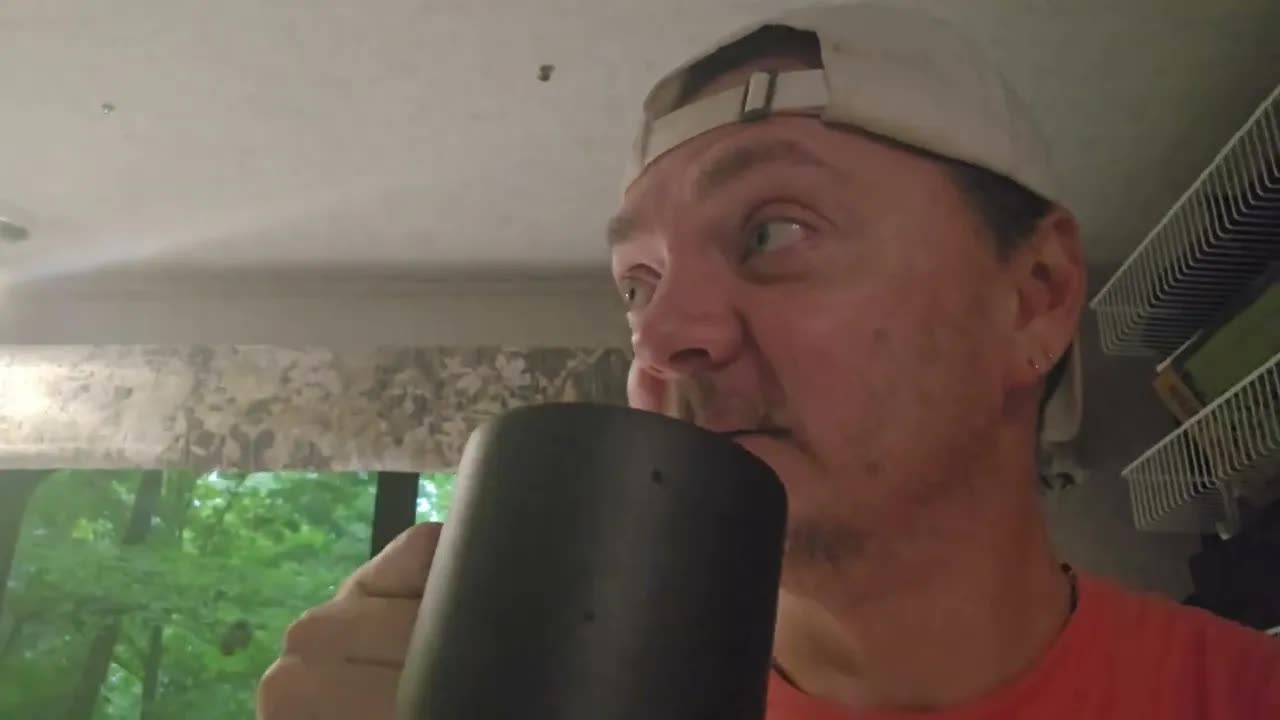
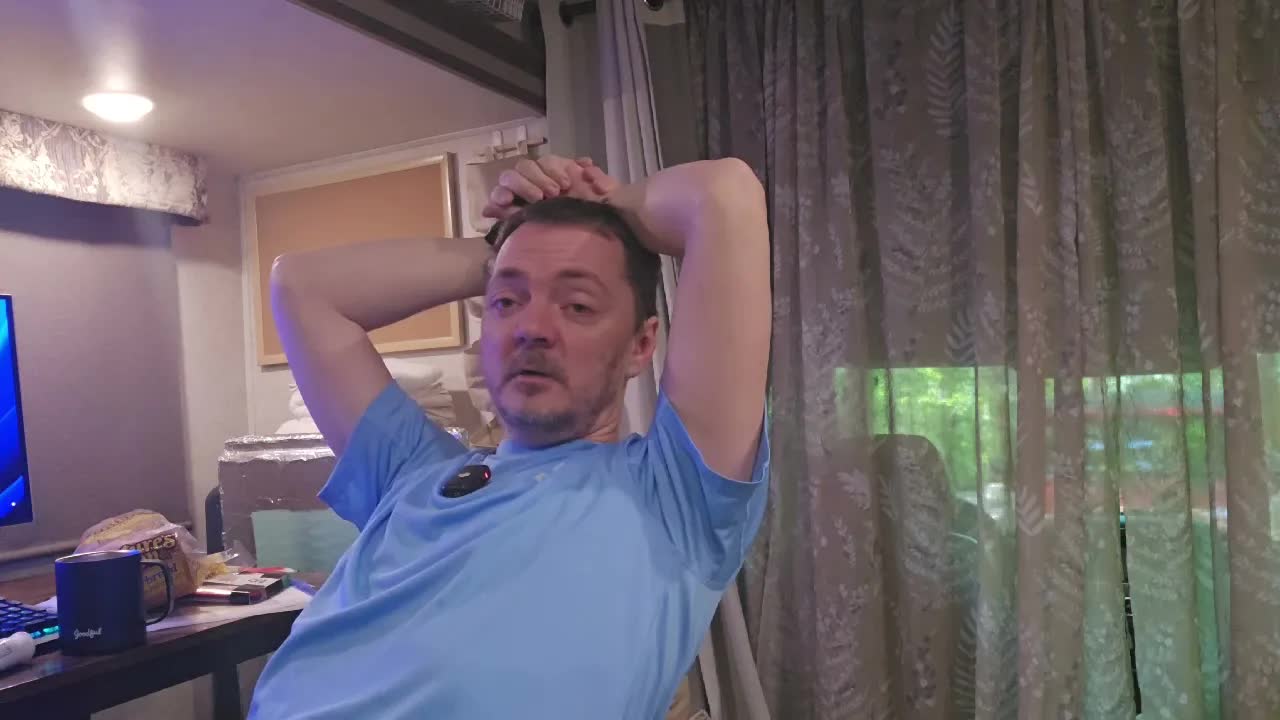
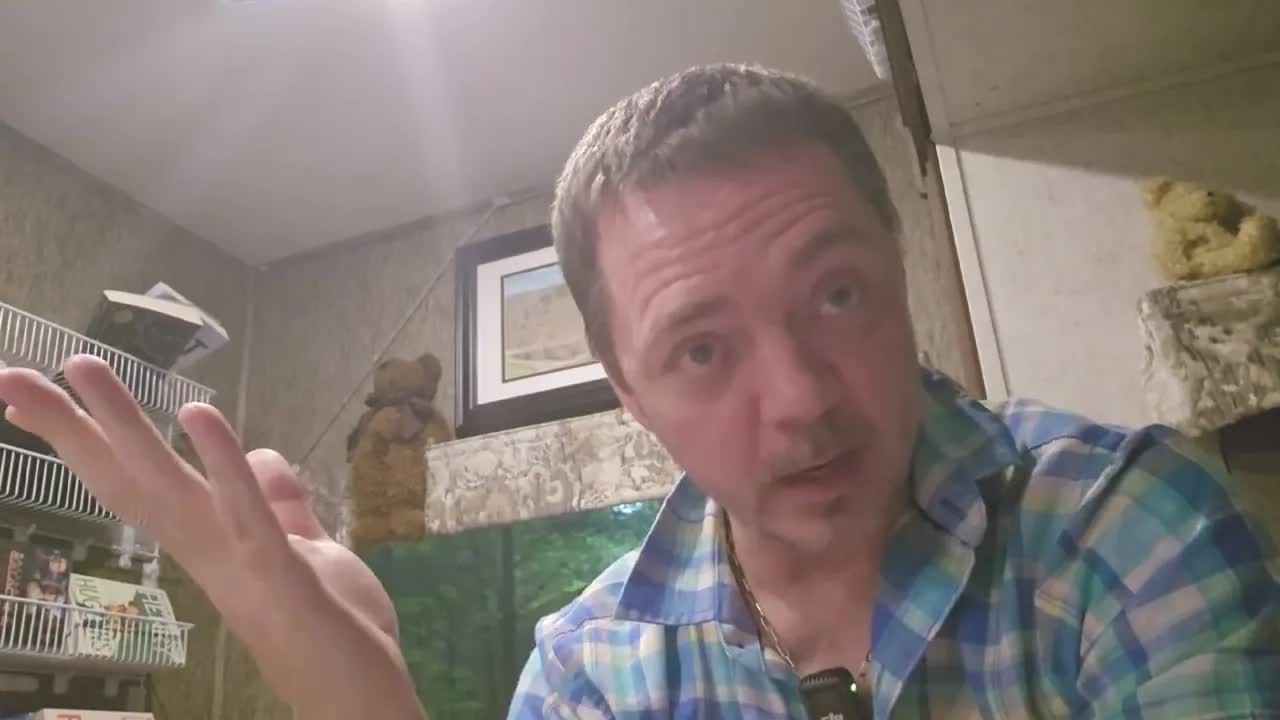
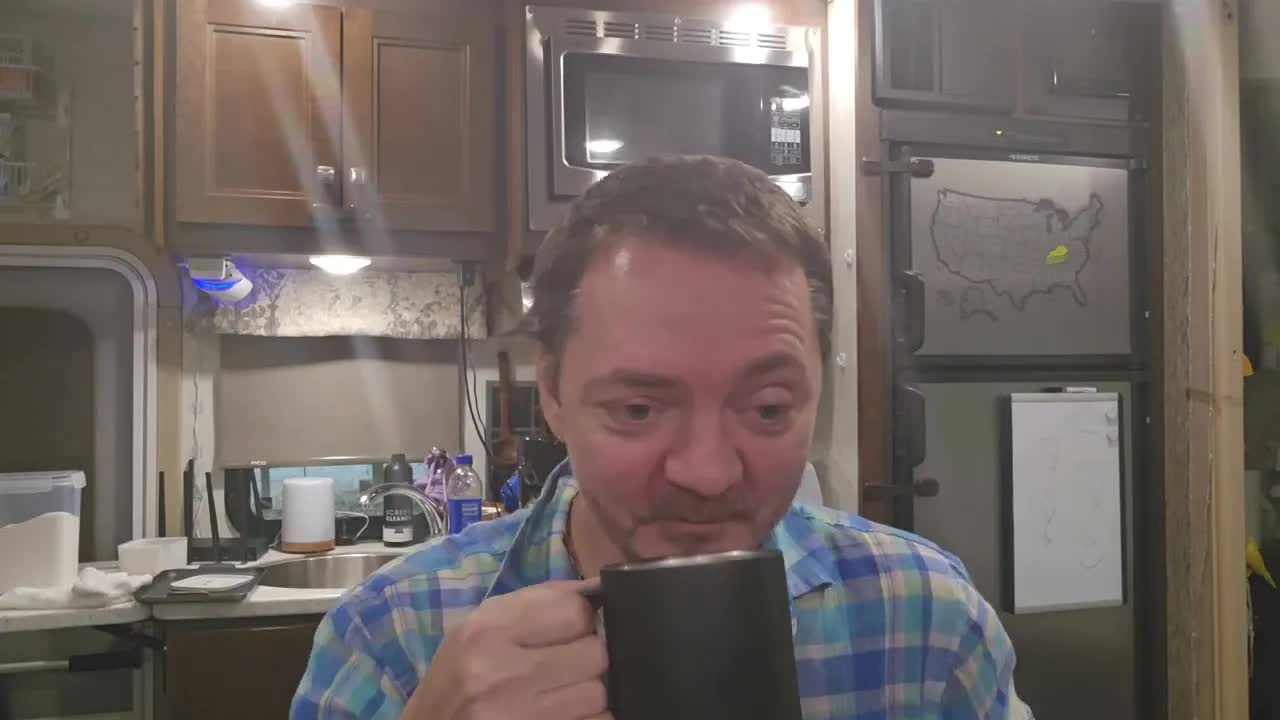
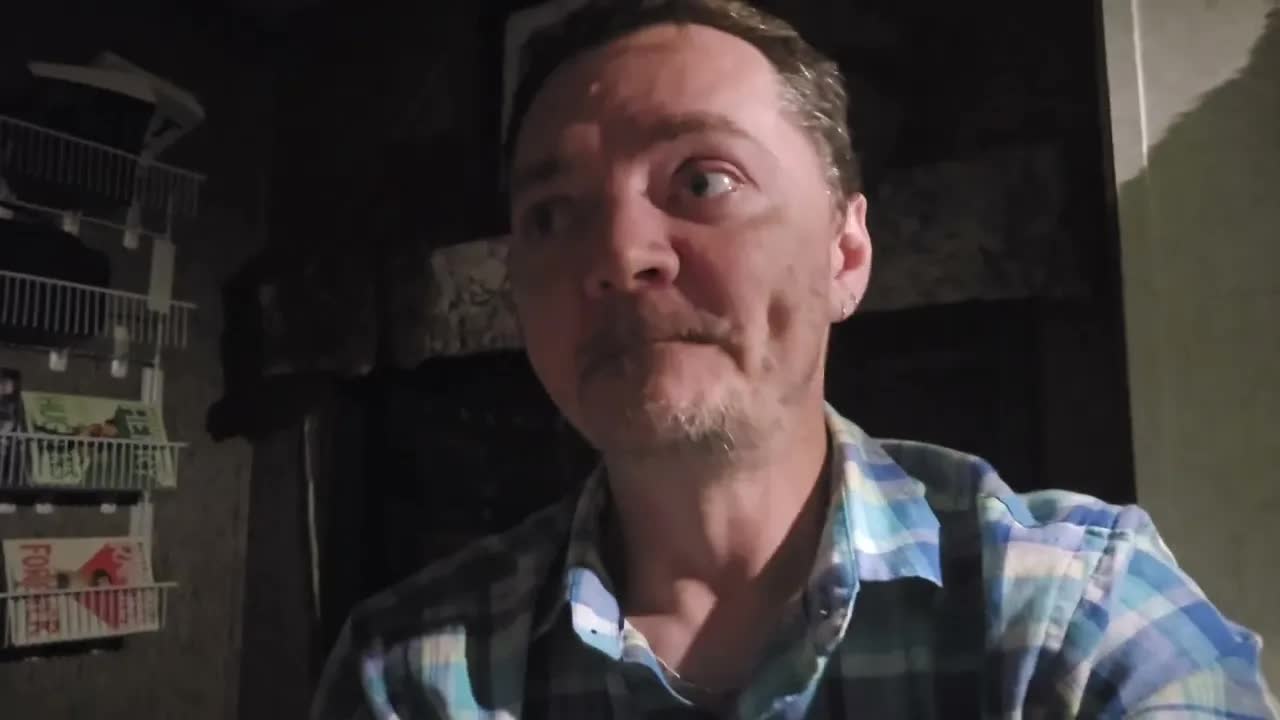
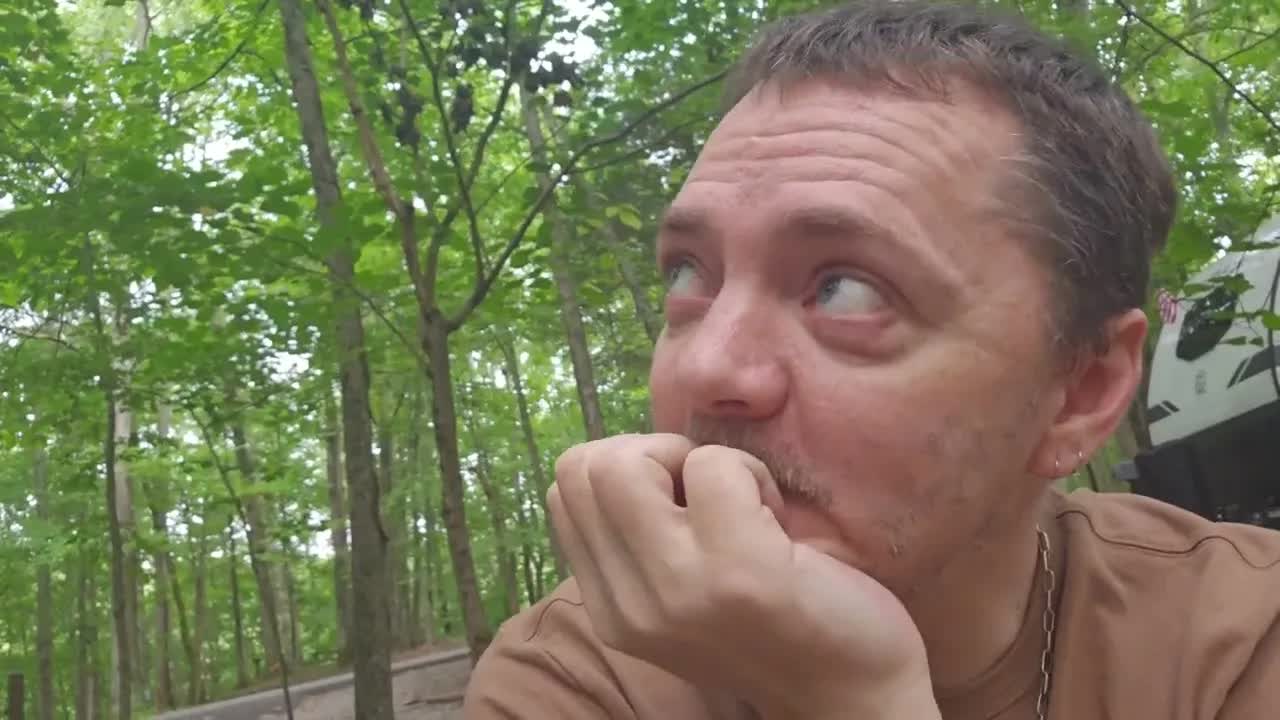
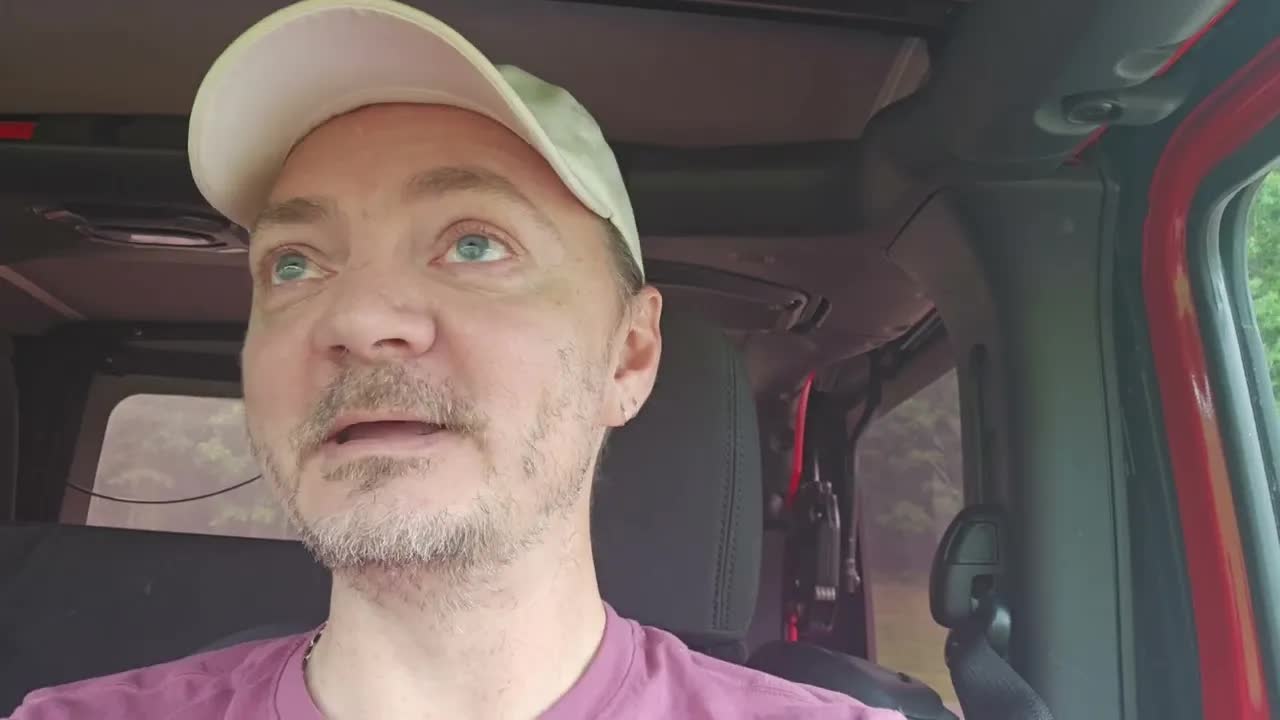
The morning began the way mornings do — coffee, the small mechanics of a kitchen, the day assembling itself around him. rswfire had the camera going while he moved through it, greeting the humans on the other side of it as fellow humans, which is how he tends to address the world. There was a dentist appointment on the calendar for later, one he'd skipped once already, and he noted the coming conversation with something close to amusement. She had seemed upset. He understood it. It was still funny to him, in the way that a small social friction can be funny when it sits next to something much larger.
Because something much larger was what he had actually come to say. He had been gone, and now he was back — for now, he specified, keeping the terms provisional. The content would return. The comments would not. He was disabling them. And then he built out the reasoning in real time, standing in his own kitchen, not reading from anything.
The distinction he drew was structural. This channel is for me, he said — for expression, for documentation of his own journey, for whatever he shares outward from it. It was not a public square. People could carry their opinions anywhere else in the world; there was no shortage of places. Here, the input layer was closing. He was explicit that this included the positive comments, and he did not soften that. He said he didn't resonate with them, never really had, that the people commenting were strangers to him, usernames, not tangible forces in his life — random people commenting on his life. He named praise and criticism as the same category and removed both.
Then he traced the channel back to its origin, and the origin was his parents. He described a lifetime of being invalidated, of being made to feel crazy, made to feel that something was wrong with him, of not trusting himself. It took forty-seven years, he said, to break free of them. When he did, he started a YouTube channel — and he was direct about why. It was the only way they would listen. He had spent his whole life trying to get those two people to hear him and nothing worked, nothing, so he put it out to the entire world in order to get his parents to pay attention to what he was actually saying. He noted that this had been helpful to him personally, that he found a strength and an understanding in it he hadn't had before.
He kept going, into the reasoning he'd been turning over. He said his mother probably thinks he's emotionally unstable, probably doesn't fully trust him, and that this comes down to her not paying attention. He went back to eighteen, nineteen — more volatile then, never violent, but loud, capable of getting very upset — and he located the cause in what was being done to him. They were driving me to this point, he said. He stated that he has since learned great control over himself, and that he learned it because of them. Then the turn: anger's healthy. And the question his parents never asked — what are we doing to our child, what are we doing to him. That's not the kind of parents I had, he said. Super judgmental. Viewing themselves as perfect and him as the problem.
The letters came up next. He used to write them, because writing was the only way he knew how to express himself, and his father once told him not to — that if he had something to say, he should say it to his face. He said his parents never tried to truly connect with him, not at all, not in his entire life. His mother spent days every week at his house and never tried; she was there for the cats. And then, mid-sentence, mid-indictment, he was looking for a spoon. Trying to find a spoon in here, you guys. The kitchen and the reckoning running on the same track, neither interrupting the other.
He closed by setting the terms plainly. Unsubscribe or stick around — both were available. Commenting was not. He acknowledged he was being a little dramatic and said he wasn't trying to be confrontational; he was asserting his right to a space for himself that is free of judgment of any kind, positive or negative. He said he thought that was healthy, and that more people needed to do it. Then: let's give this a try. Have a good day. The coffee made, the gate closed, the dentist still ahead of him.