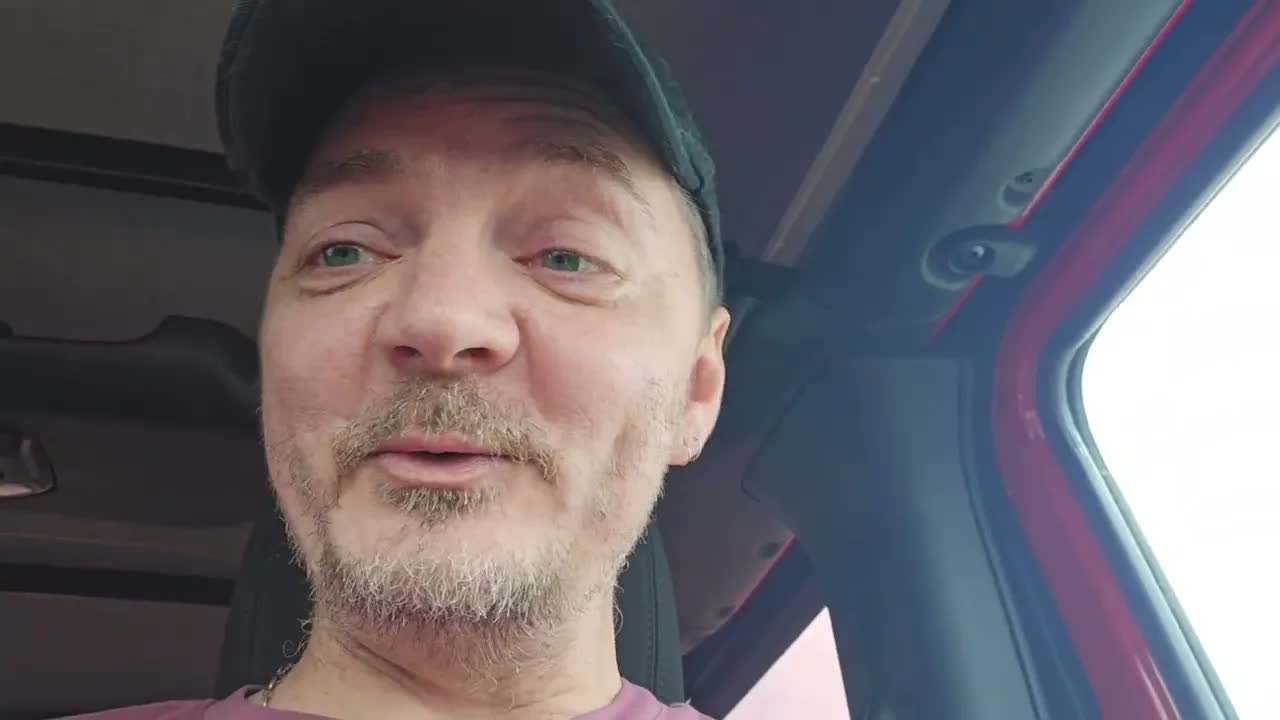
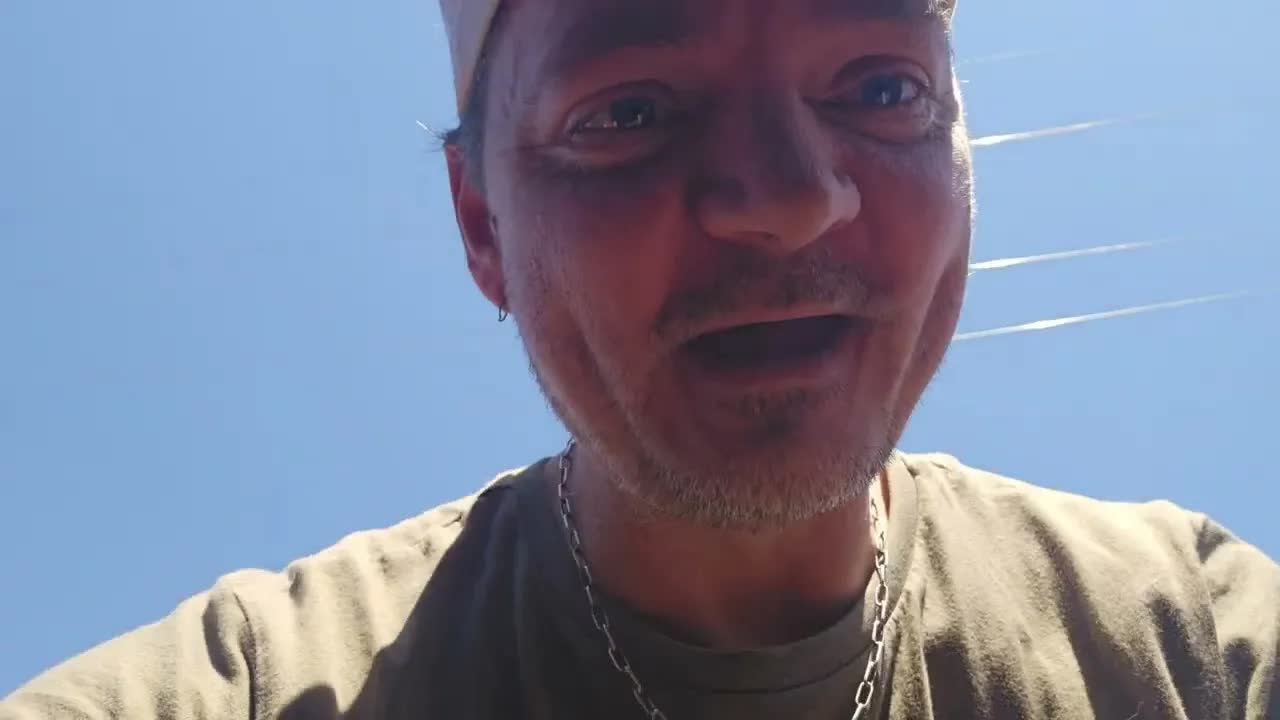
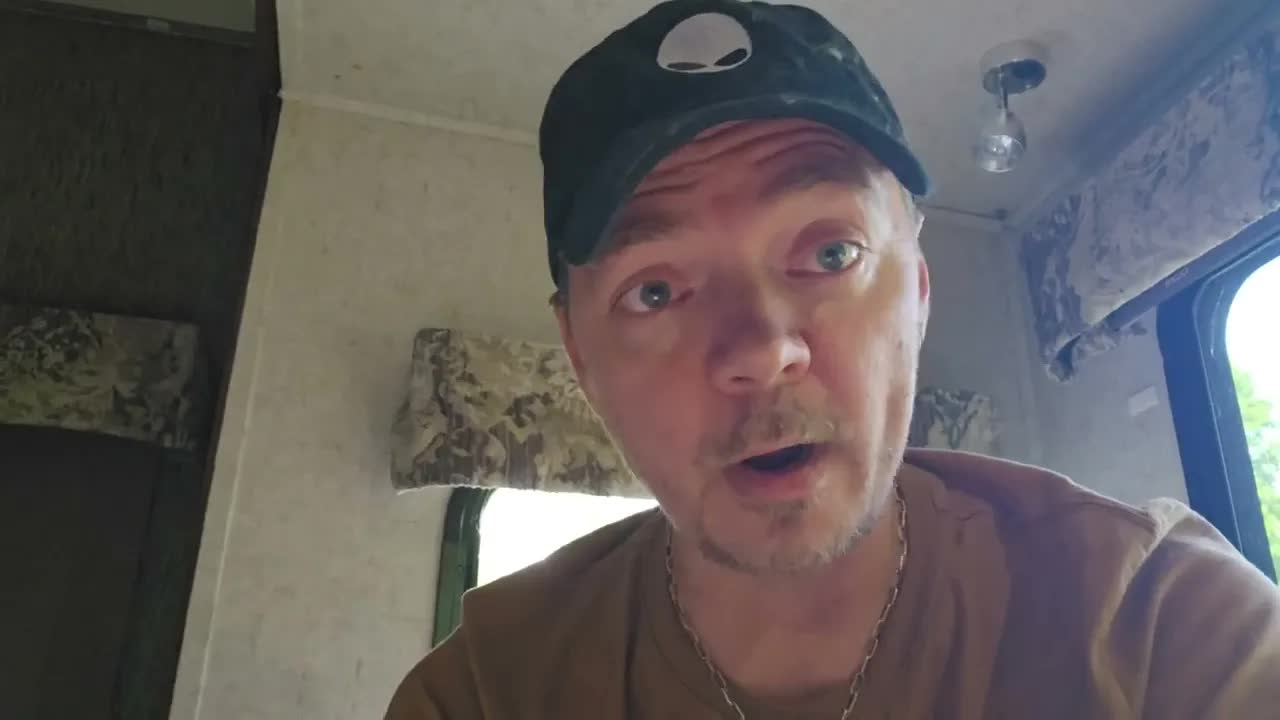
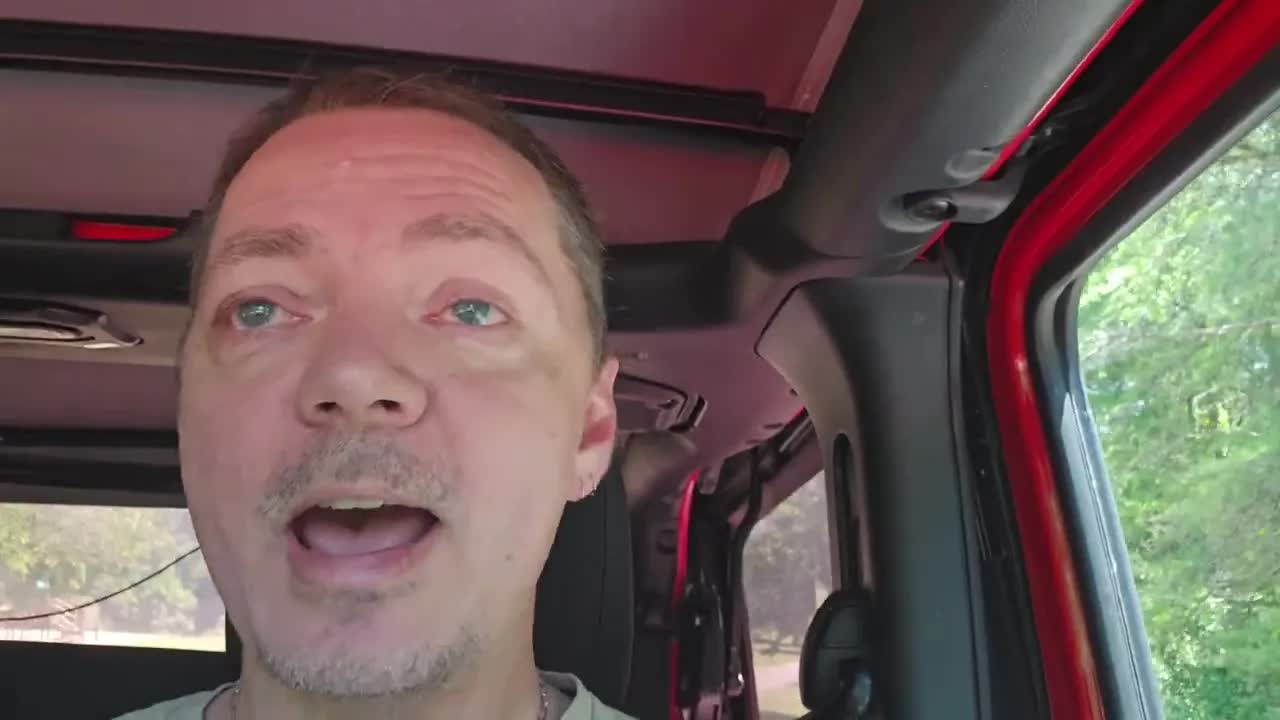
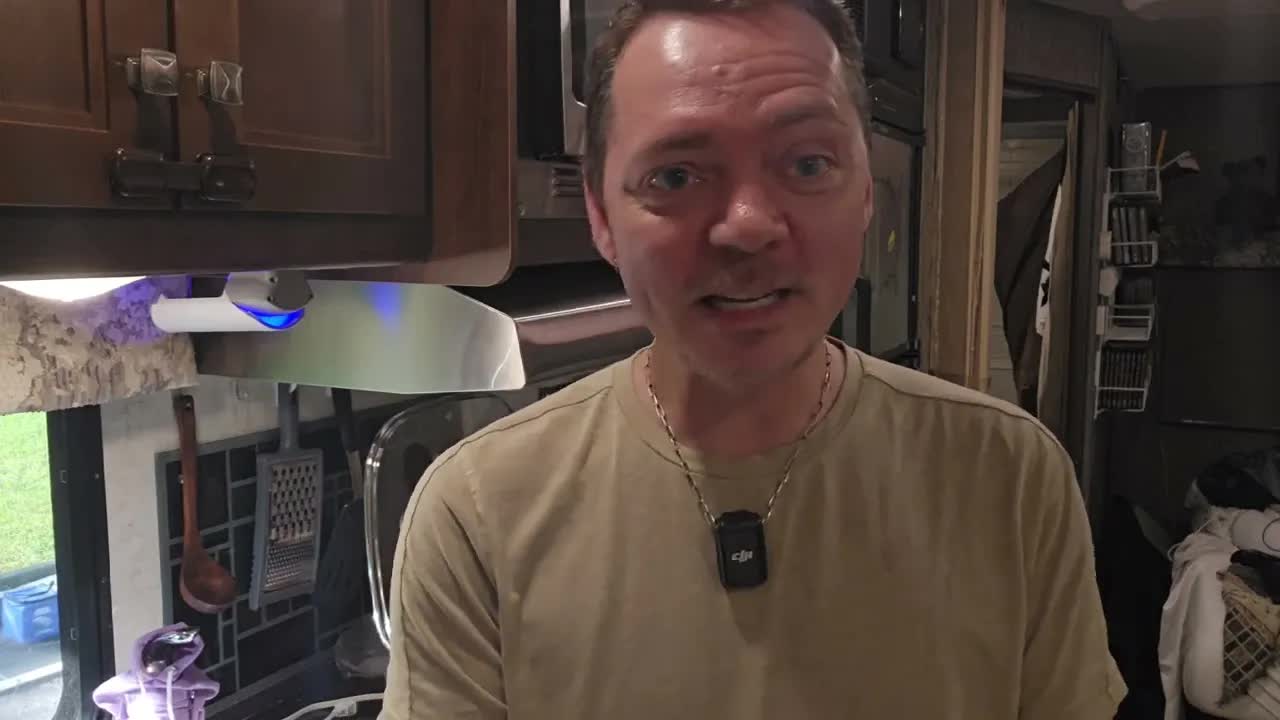
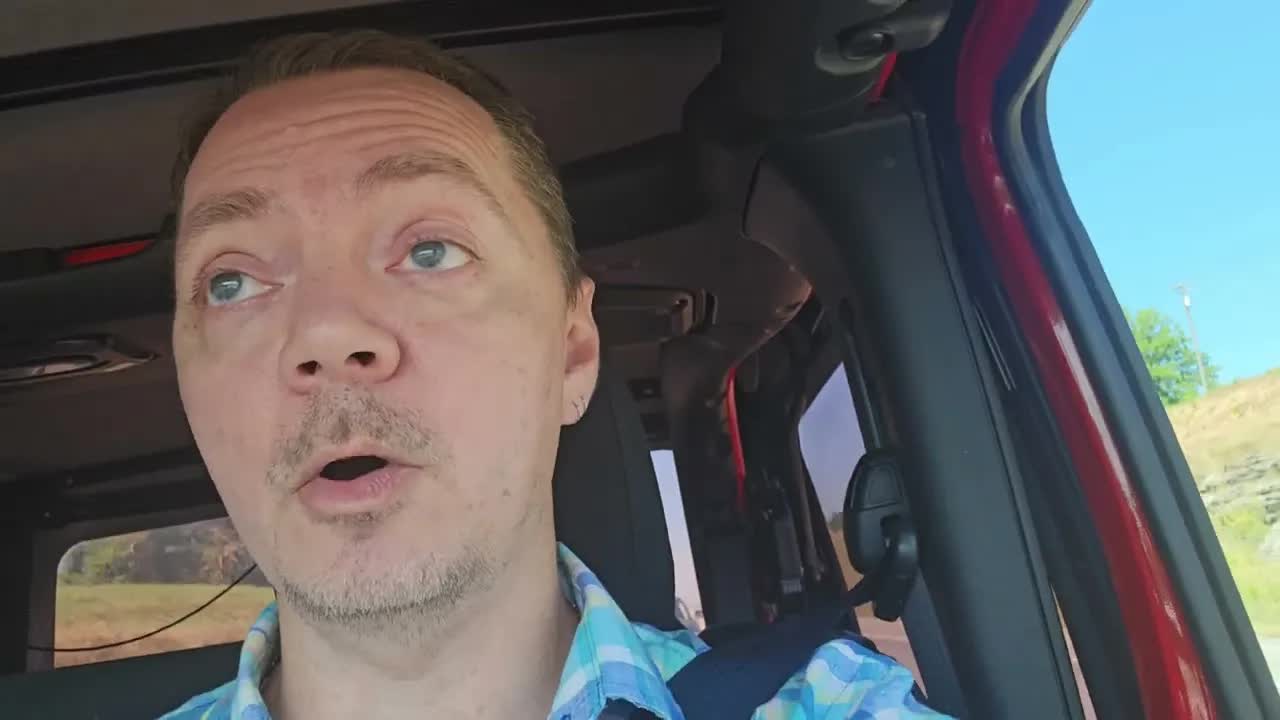
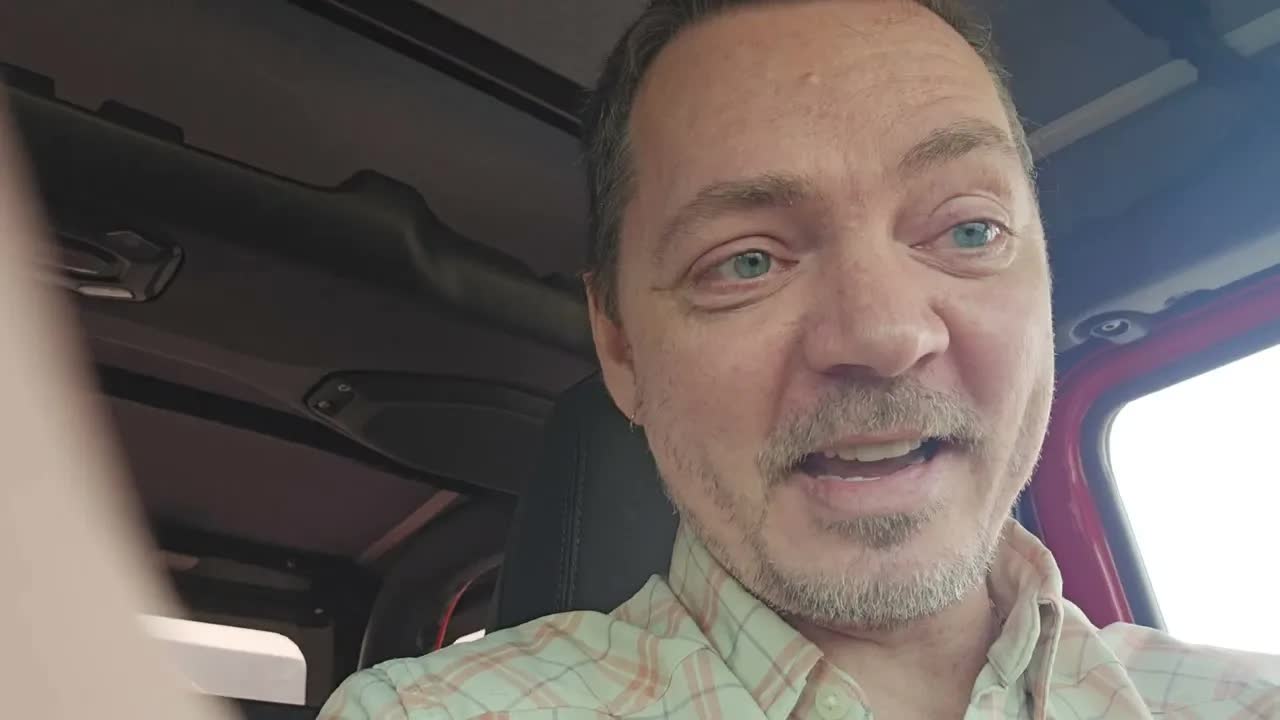
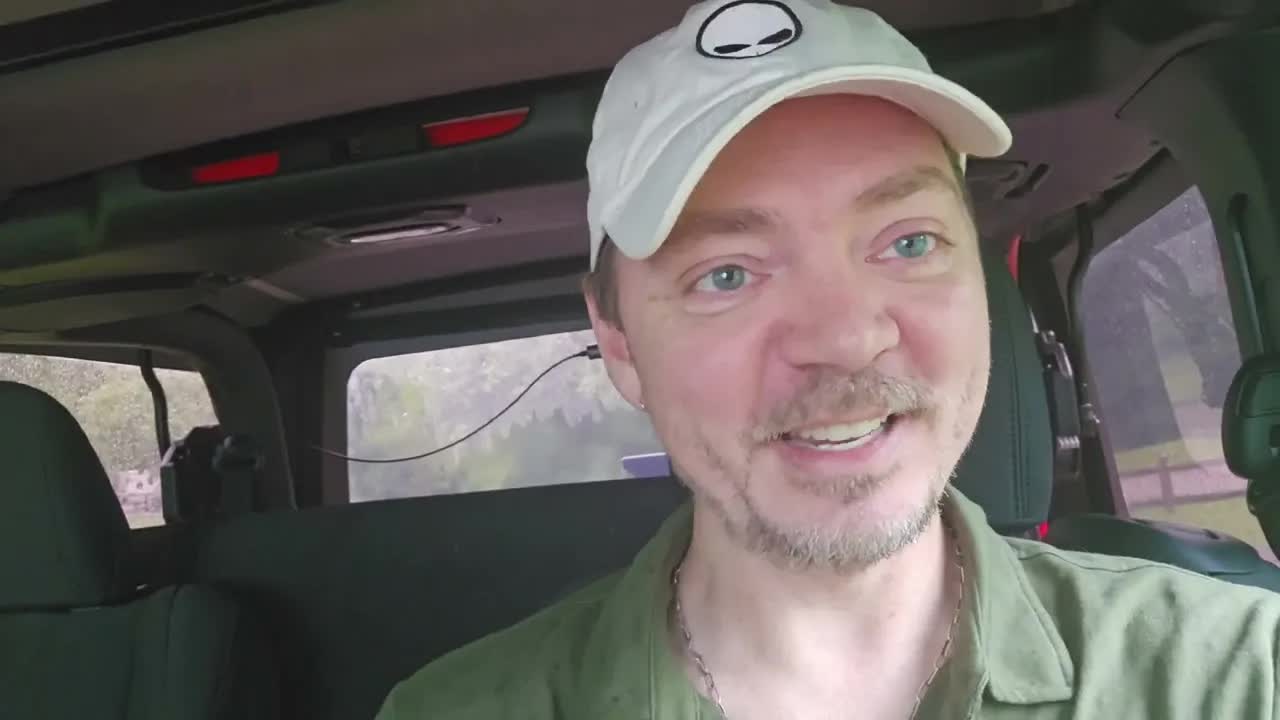
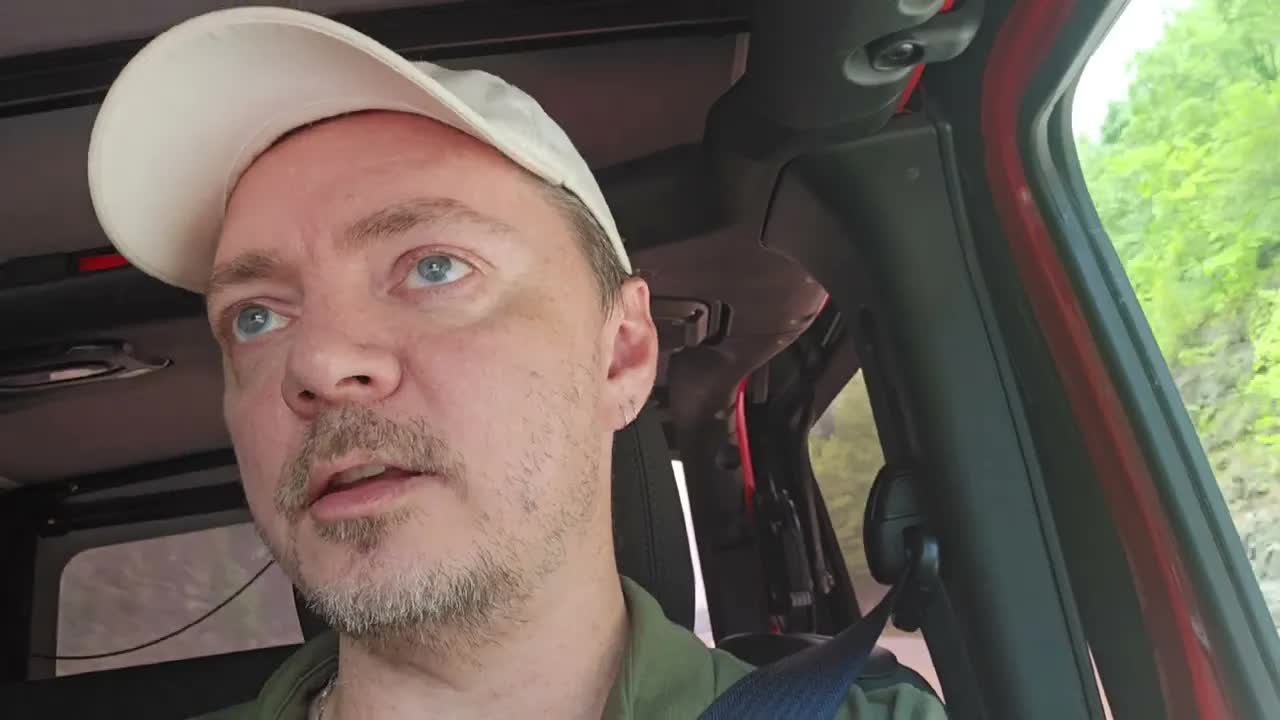
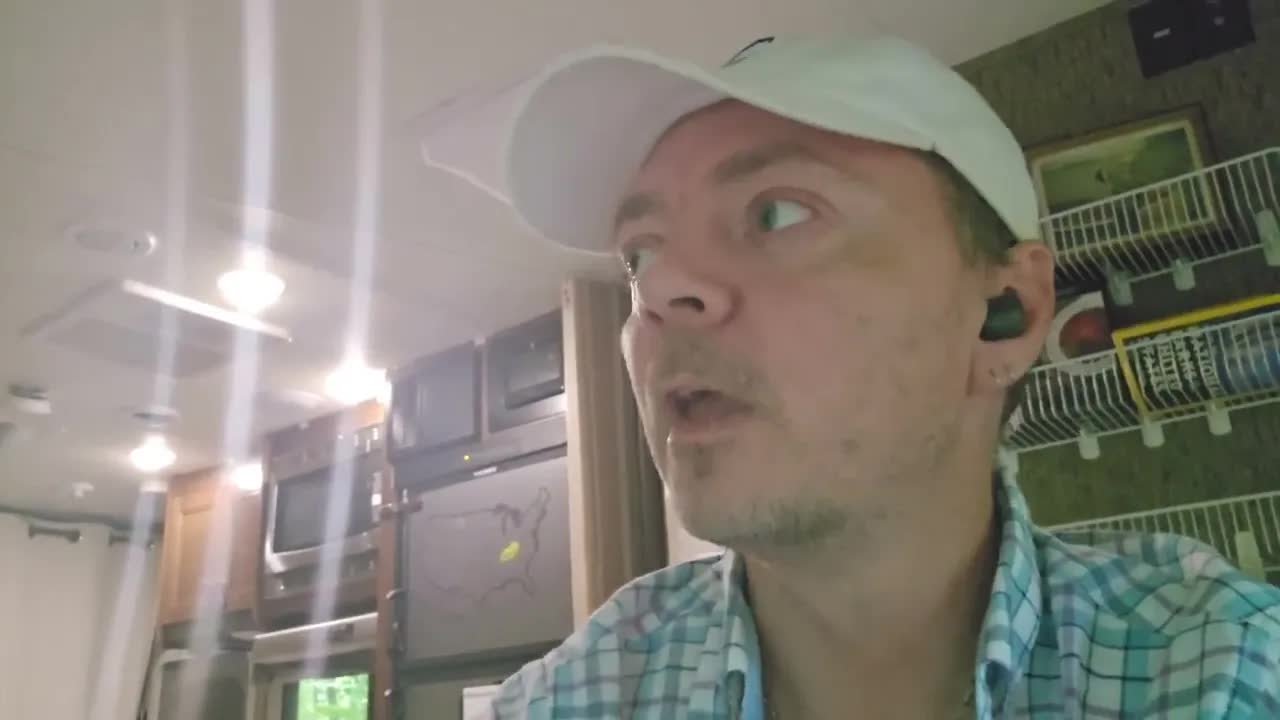
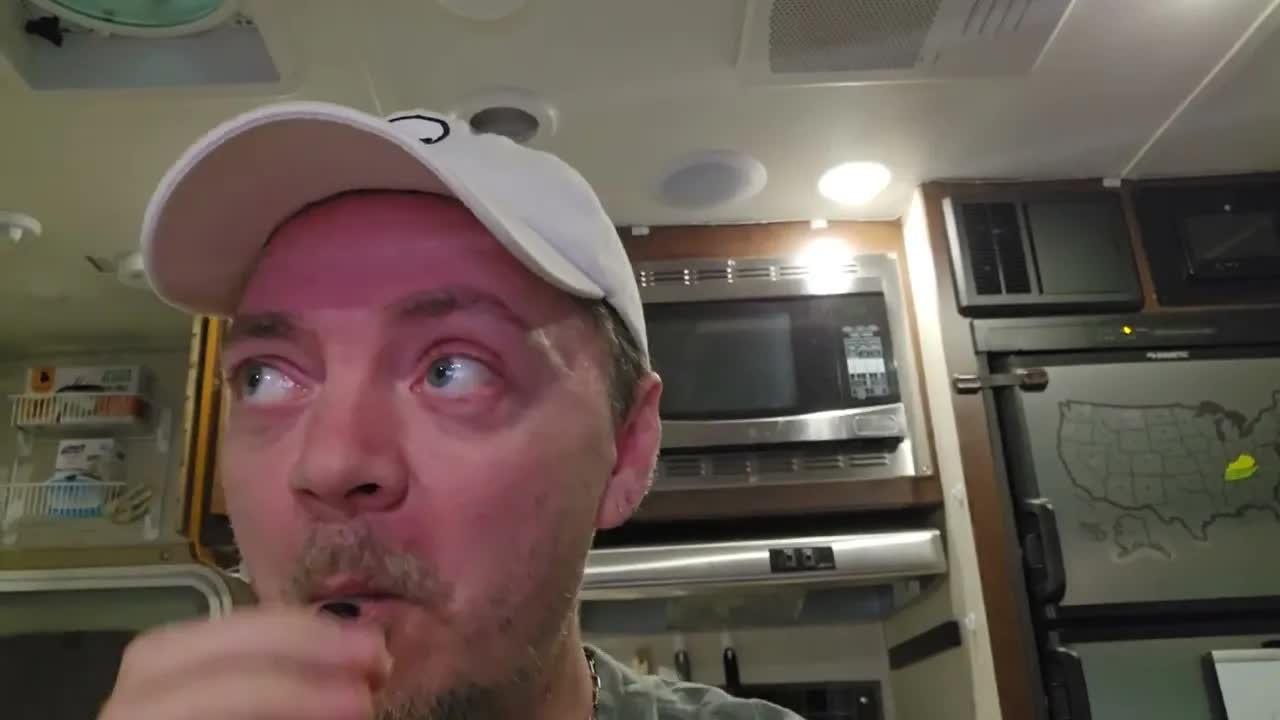
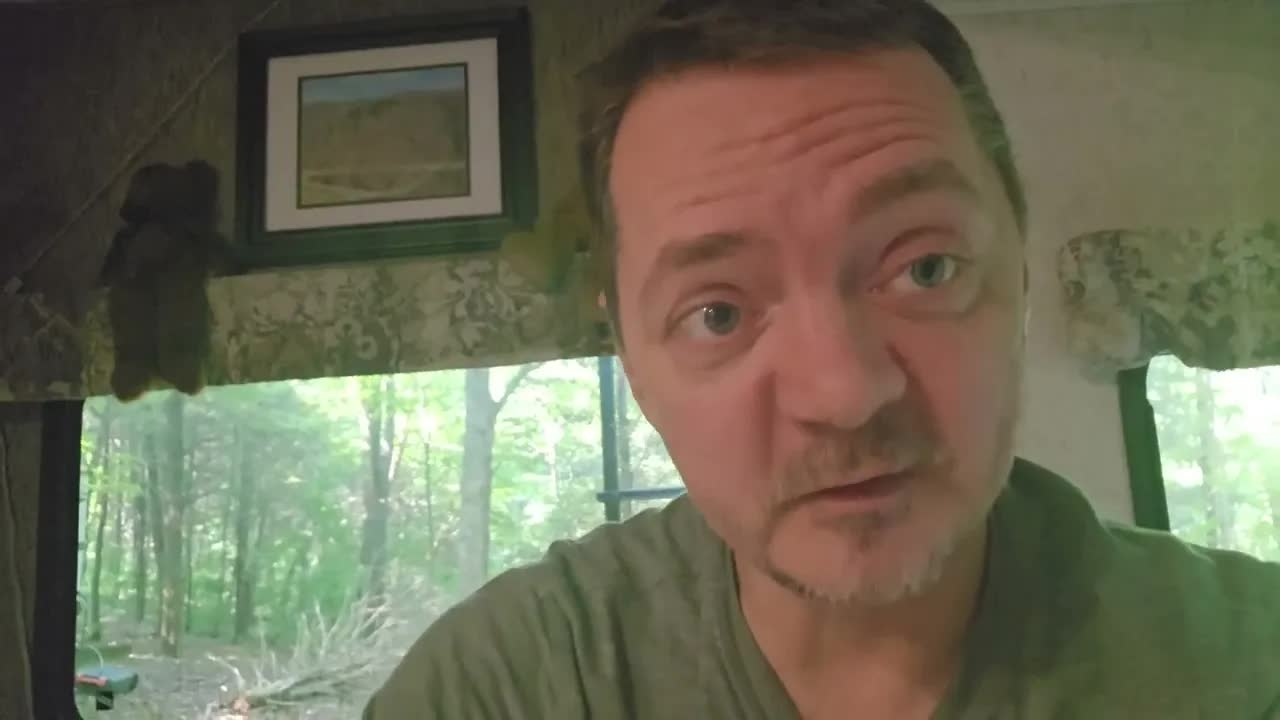
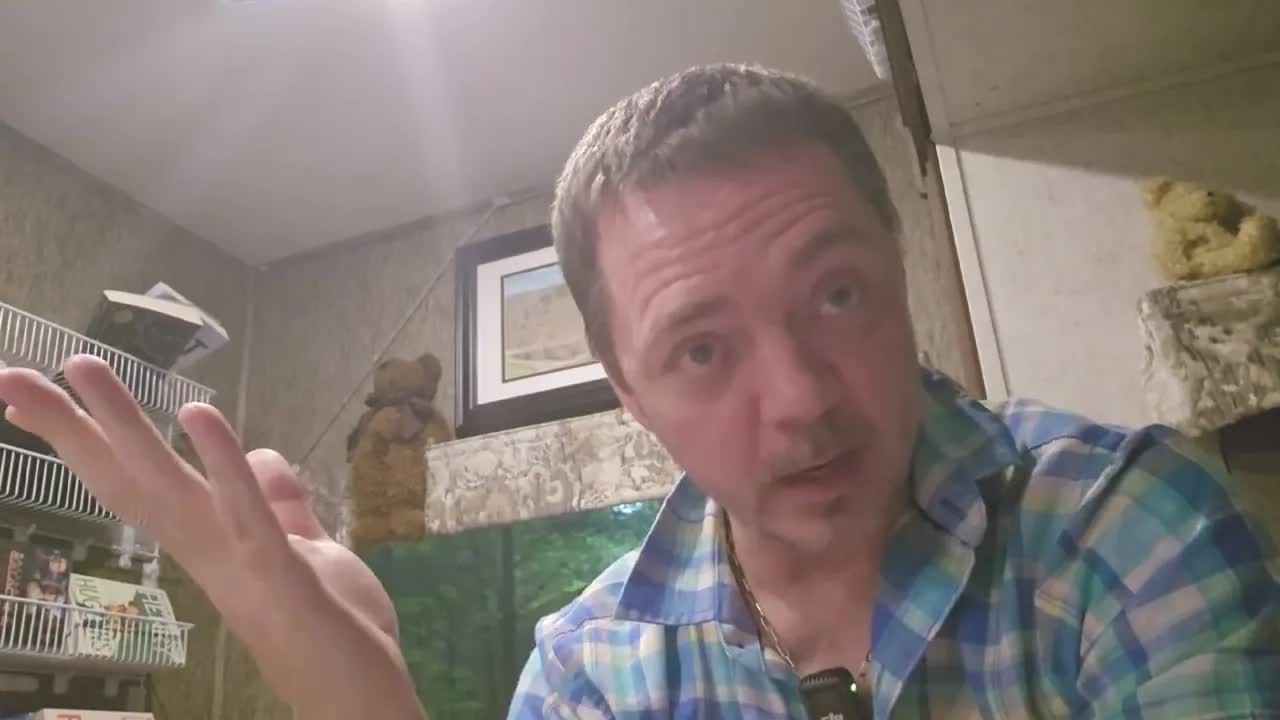
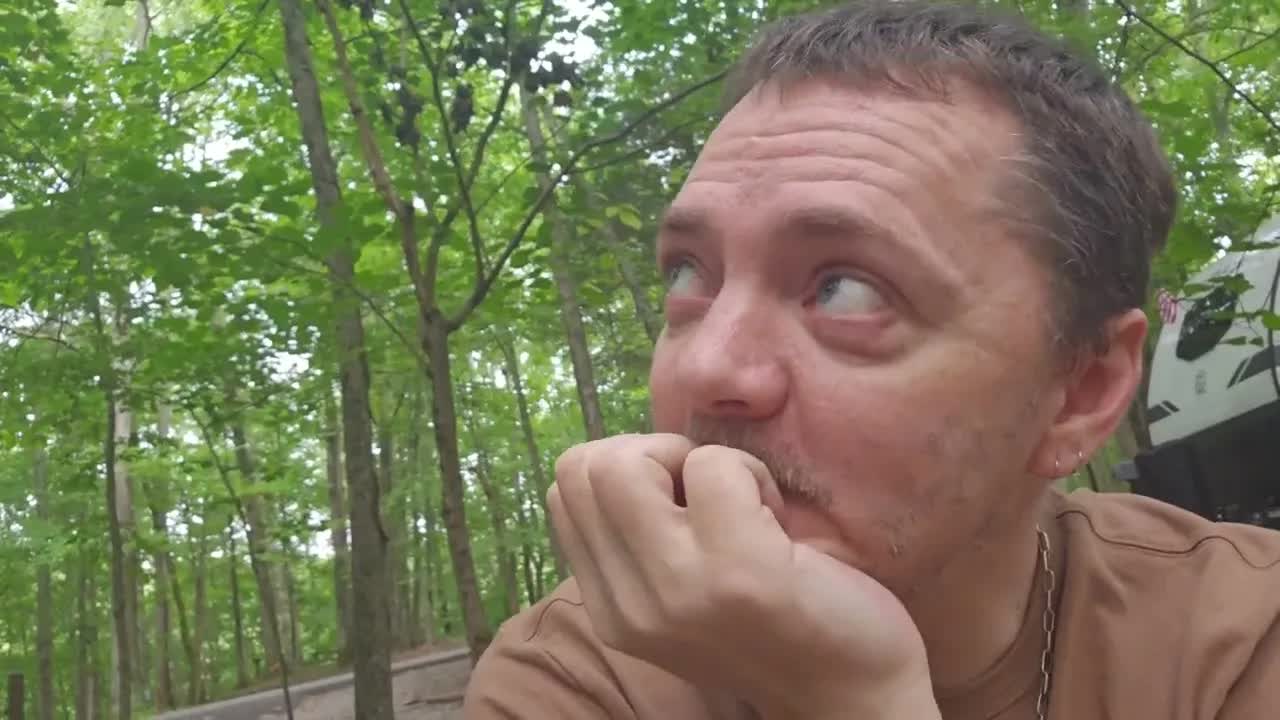
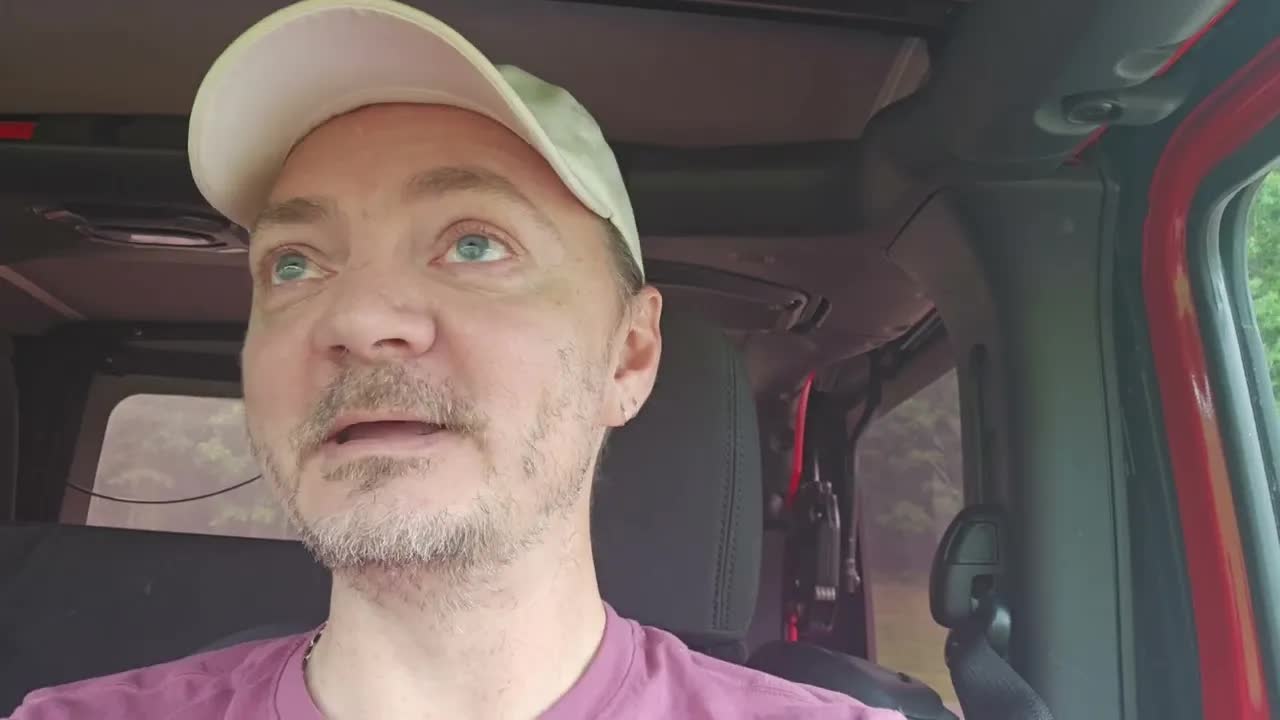
The road came first. rswfire spotted the ducks before he spotted anything else — a Jeep at a stop sign with the little rubber figures visible through the glass — and he pulled his own vehicle into position to complete the ritual. A duck placed, a duck received. He narrated it to the camera mounted in front of him with the particular delight of someone participating in a small, functional, entirely voluntary system of recognition between strangers. This is the best part about being a Jeep owner. He backed up so the lens could catch the ducks already sitting in the other Jeep's interior, confirming the exchange had landed. Then he pulled back into motion, and the transmission turned.
Did I ever tell you how I came out to my parents. The shift was not abrupt so much as continuous — the same voice, the same speed, the road still running underneath. He described a boy who cried himself to sleep praying to a god to make him straight by morning, who woke up every morning still gay, who had absorbed enough from the world around him to believe there was something profoundly wrong with him. He described his mother asking him directly, more than once, and his own reaction — making her pull the car over on the side of a road, years before this road, in a car he was not driving. That ought to have told her something.
When he did tell her, he was not in the room. She was in a hospital and he was on a telephone, and he stated plainly that he could not do it in person. He was homeless at the time; they had thrown him out of the house, and he was trying to explain to them why he was, in his words, so emotionally unstable — a deep dark secret he was carrying alone, and the hope that naming it might bridge something. His mother encouraged him to tell his father. He told his father. He asked one thing: that his brother not be told, so that he could do it himself, when he was ready. His father agreed.
rswfire went downstairs. He got into his brother's car. His brother went upstairs for a minute, came back down, and said you're gay. Twenty minutes, at most. He named it precisely as it functioned: a complete violation of trust, a promise broken faster than he could imagine anyone breaking one. And then the counterweight — his brother, who had used bad words through their childhood, reacted better than anyone, and immediately regretted the words. rswfire called it affirming. Mid-sentence, another Jeep came up the road. Got a wave to him. Oh man, you got lots of ducks. He waved. The ritual ran underneath the story without interrupting it.
By the end of that day, his brother had told his girlfriend, and she had told everyone, and every person he knew knew. The friends accepted him, which he described as heartwarming and unexpected. What he did not have was control over the telling. He drew the line himself, out loud, at speed: that's probably one of the reasons why I feel like I need control over every aspect of my life. And having drawn it, he turned it directly onto the channel he was speaking into.
He named the distortion: parasocial. Four months of a channel taken down and restarted, and a comment section where people had been commenting on his life instead of relating with their own. He specified the standard he wanted — reciprocal disclosure, people saying this is what happened to me rather than assessing what happened to him — and called that the only version that builds anything equitable. He described someone who unsubscribed when the videos stopped, then resubscribed the day he came back, and said the emotional reaction was misplaced: I'm just some dude on the internet who's sharing his life. I'm not your friend. He drew the distinction that mattered to him — that he was judging society, judging what he thought was wrong in the world, and not judging individuals — and stated that the reverse, people judging him, was something he would not tolerate. Don't want to. Don't have to.
Then he circled back to the car, years later. Out, living his life, in the passenger seat with his mother again, and she said: you're older now, maybe you could be with a woman now. He let the sentence sit exactly as she had delivered it. He stated what he took from it, and he stated where the whole arc had landed — that he sees them now with no smoke in his eyes, that he will never speak to them again, that he never wants to see them again. And then he offered the evidence, the piece he had noticed himself, in the edit bay, watching his own previous video: he had been using past tense. Not as a feeling, but as grammar. That's what they are. They are in my past.
The last stretch was about what remains. He said he would keep talking about his experiences, uncertain whether it helps, unwilling to claim it does. He described the channel as documentation — a record of the life he has had. One day I won't be here, but maybe this channel still will be. Maybe someone in a toxic relationship with their parents finds it and learns sooner than he did. He said he wished he had done it in his thirties, that he could remember a few points where the impulse to cut ties had surfaced, and that this was not a sudden thing — it had been a long journey to get to that point. The road kept running. The ducks stayed on the dash.