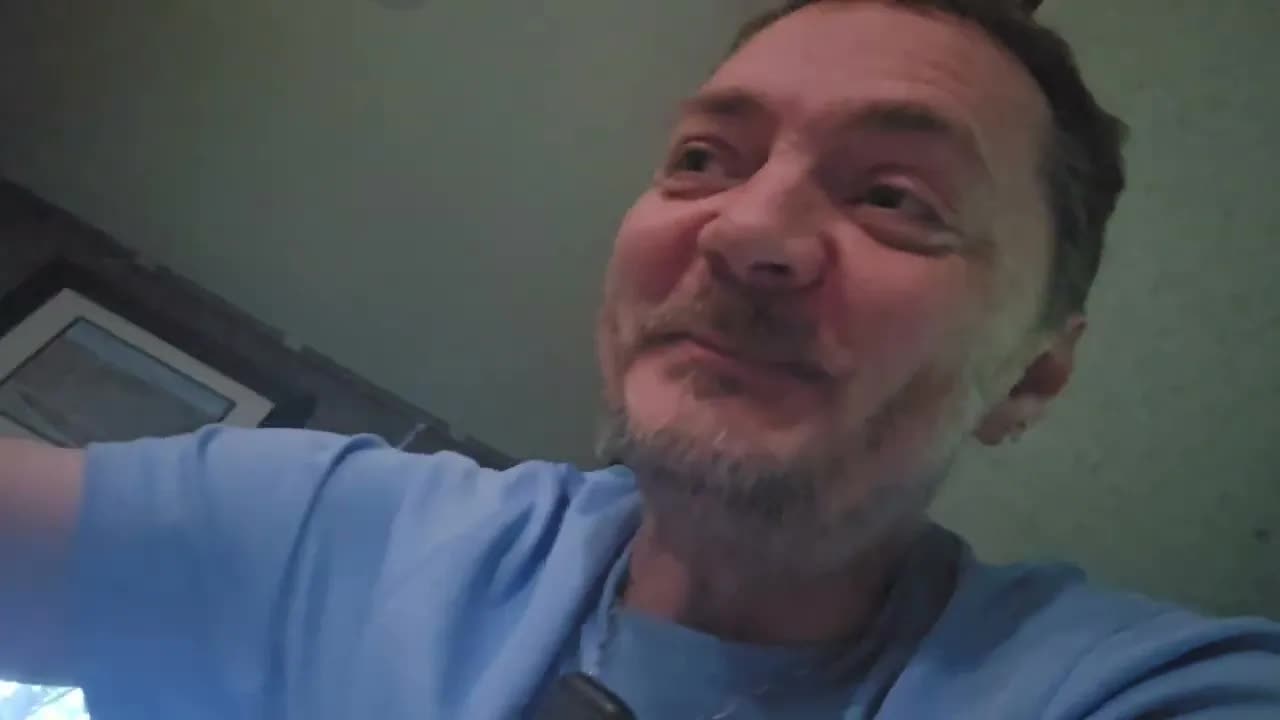
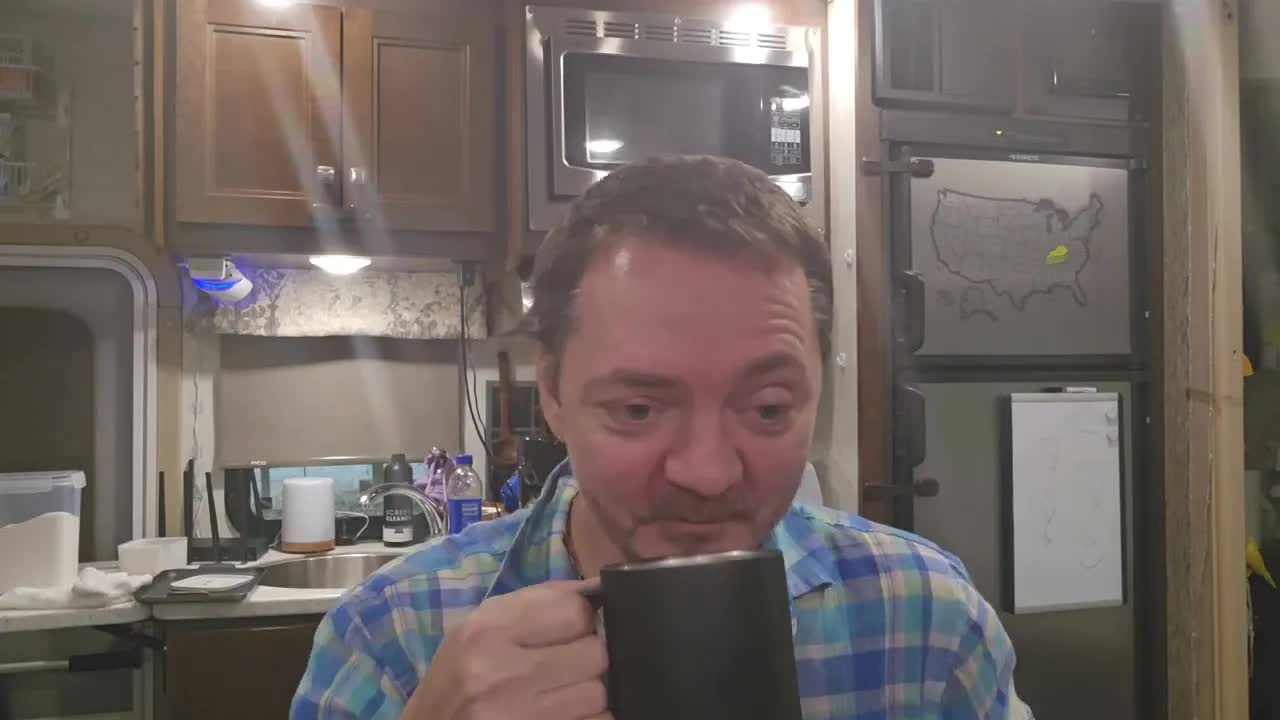
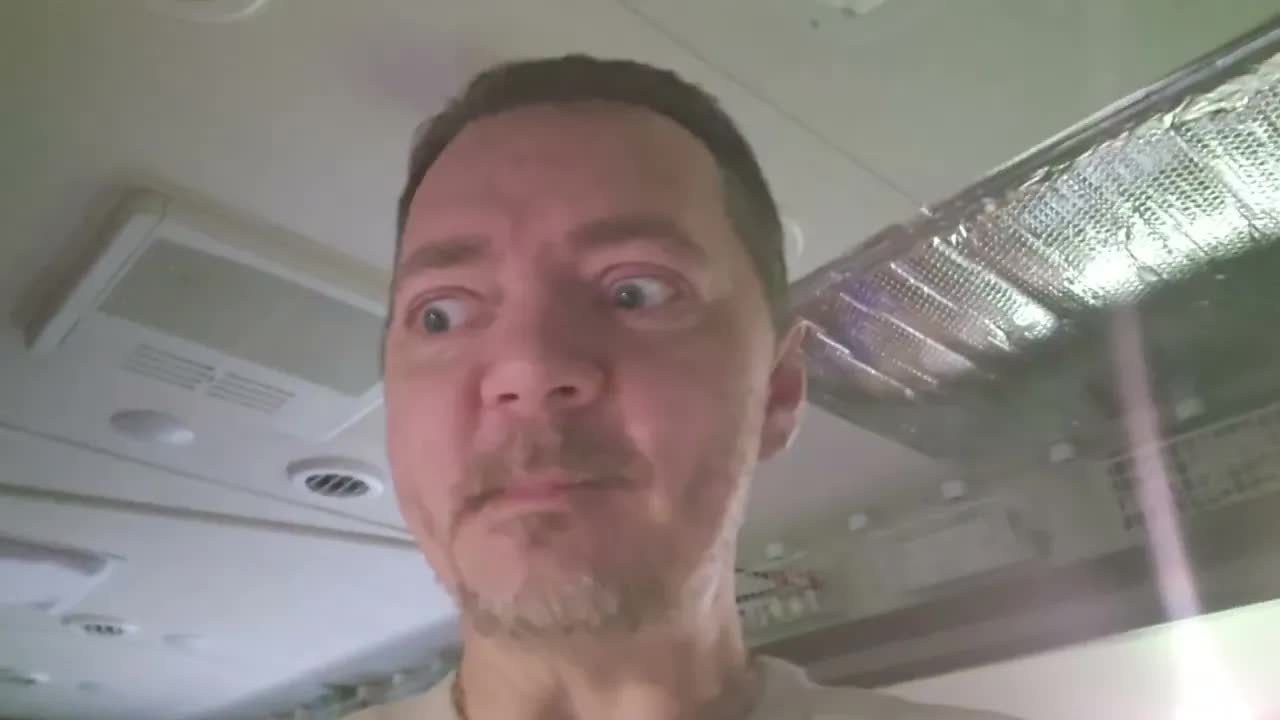
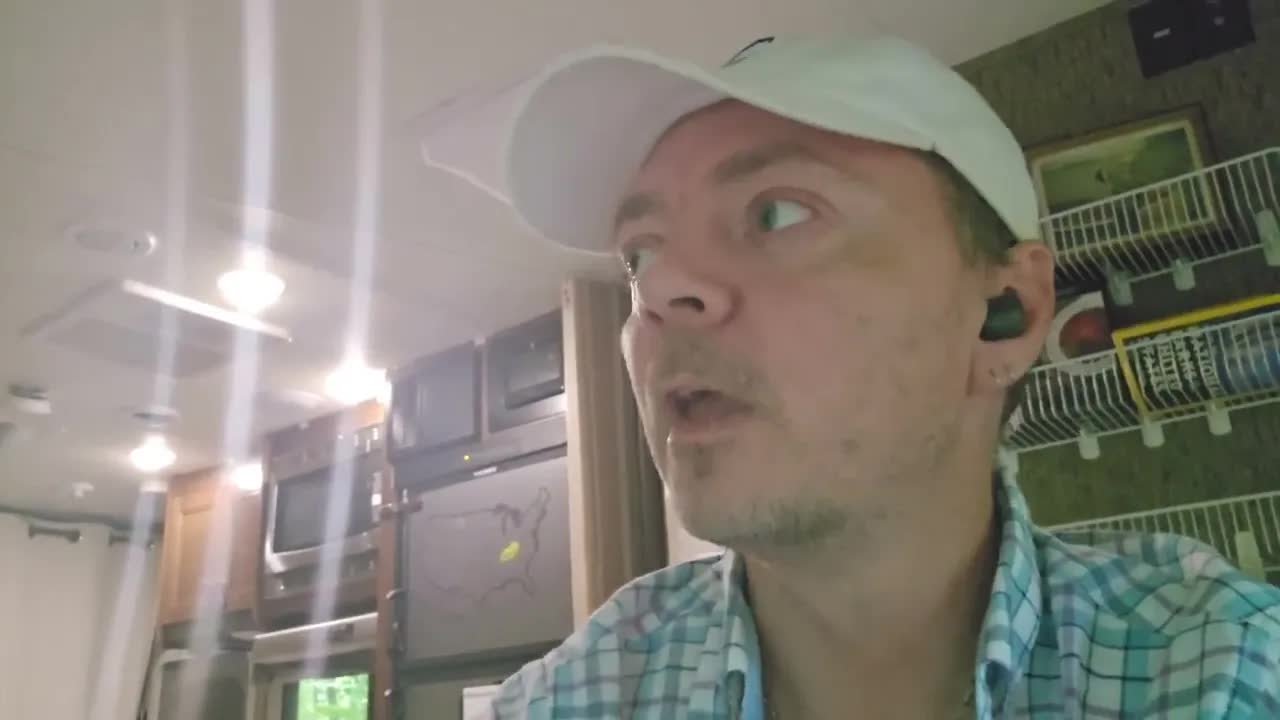
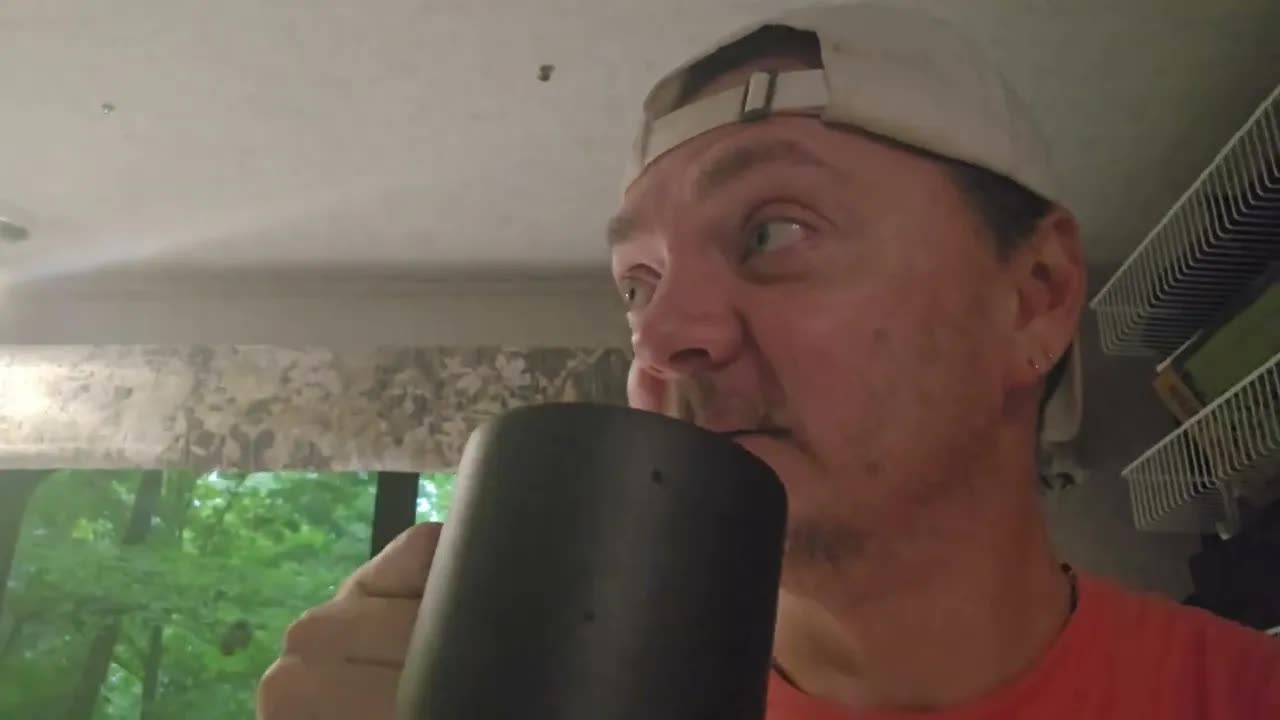
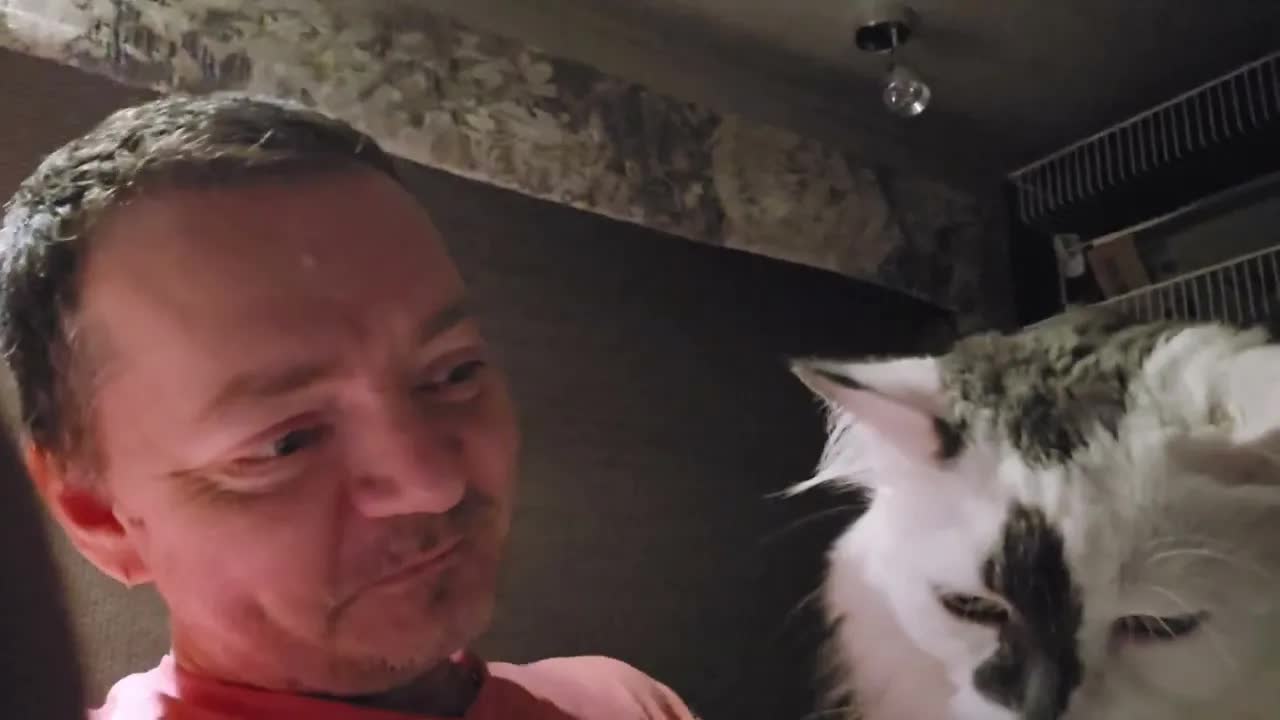
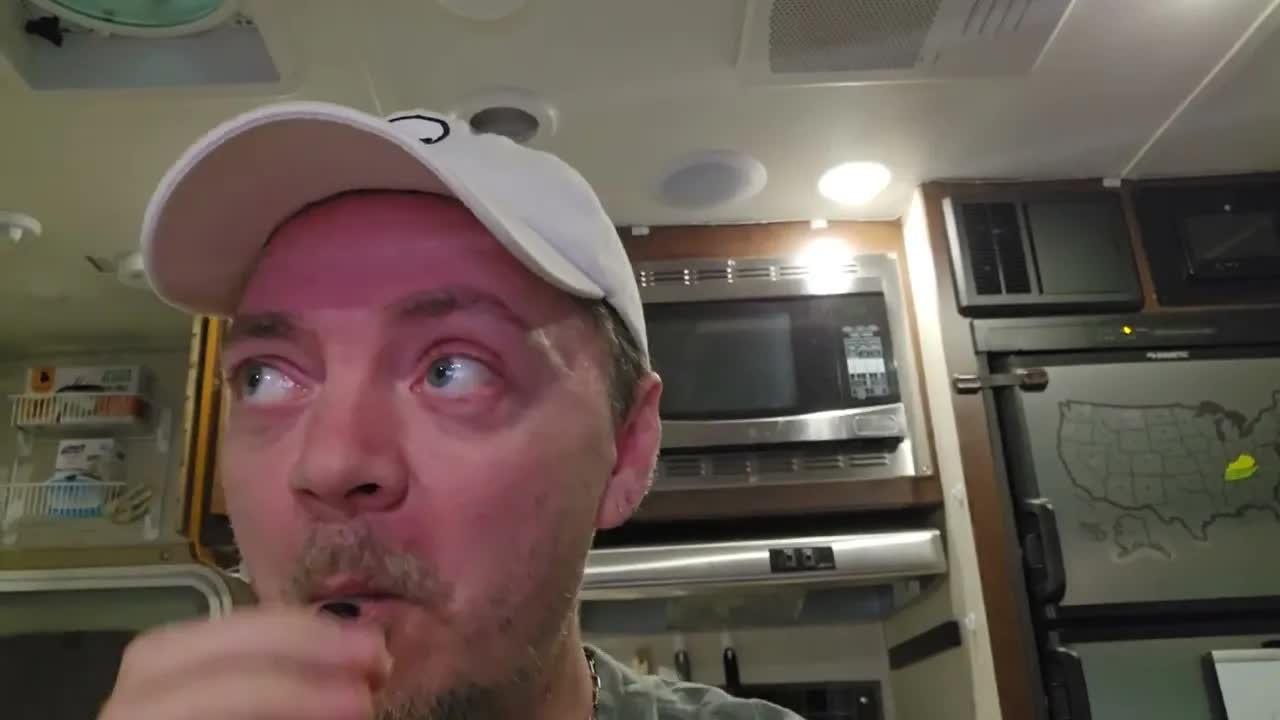
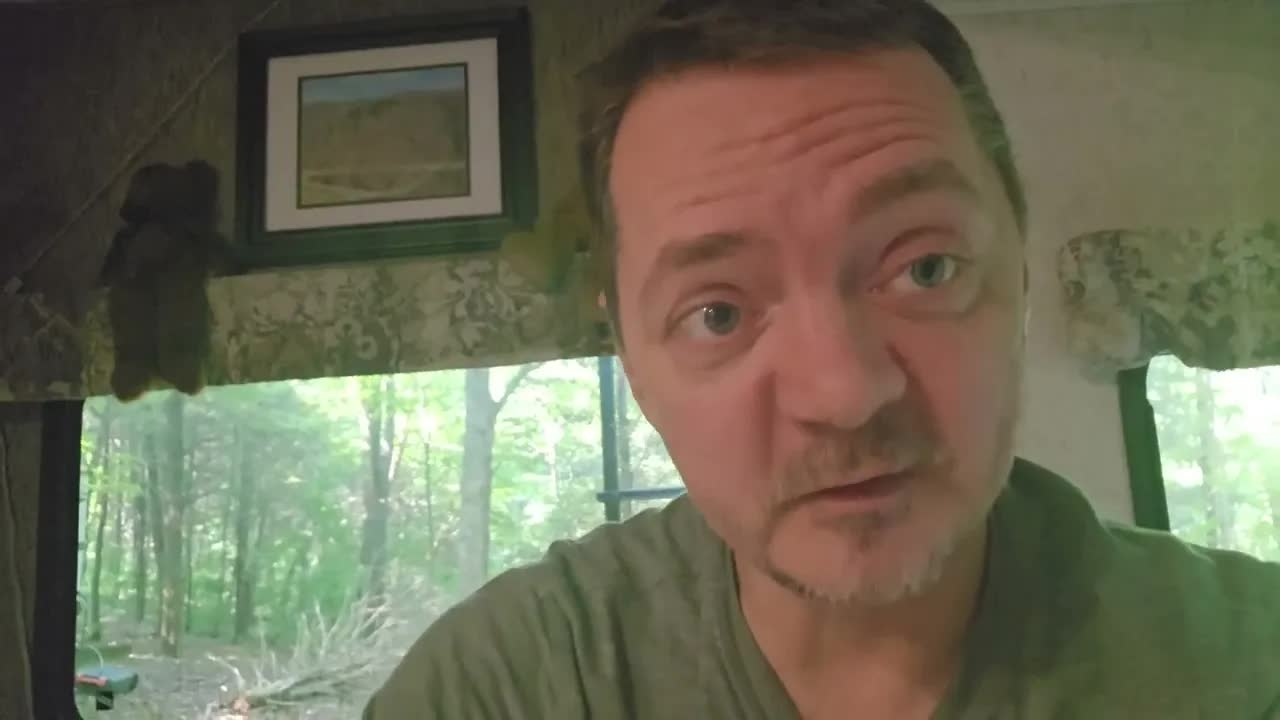
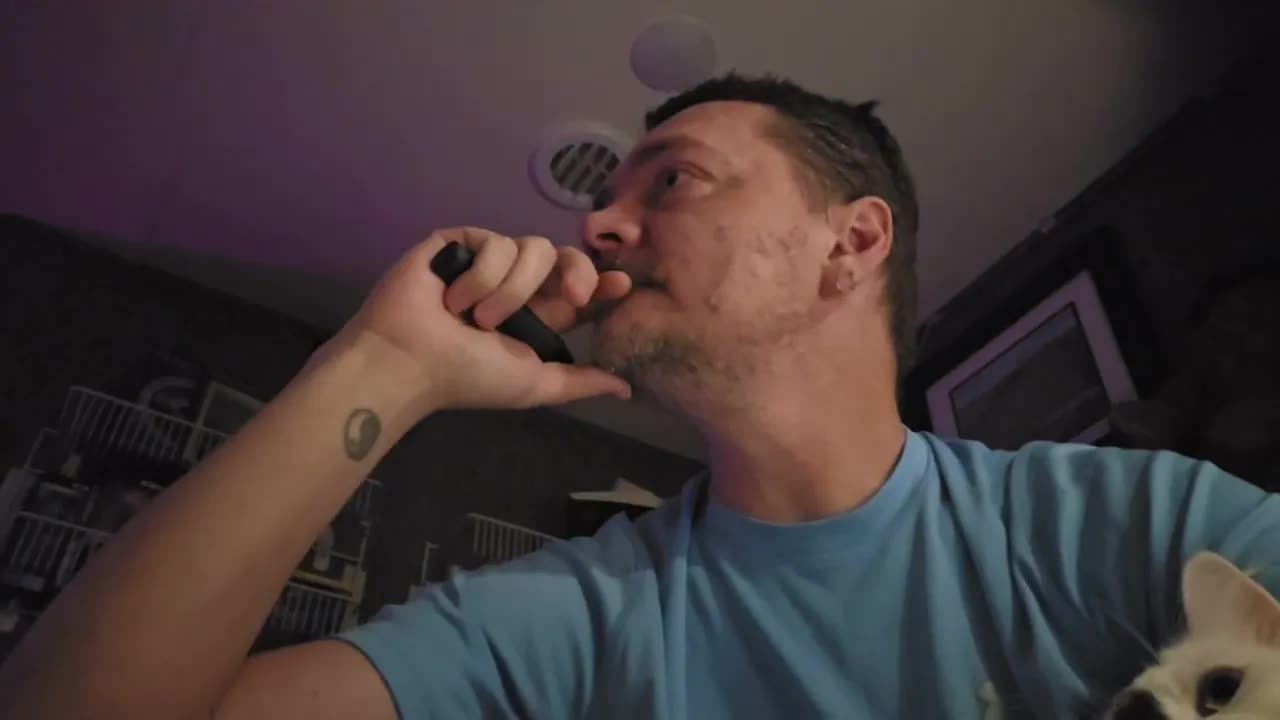
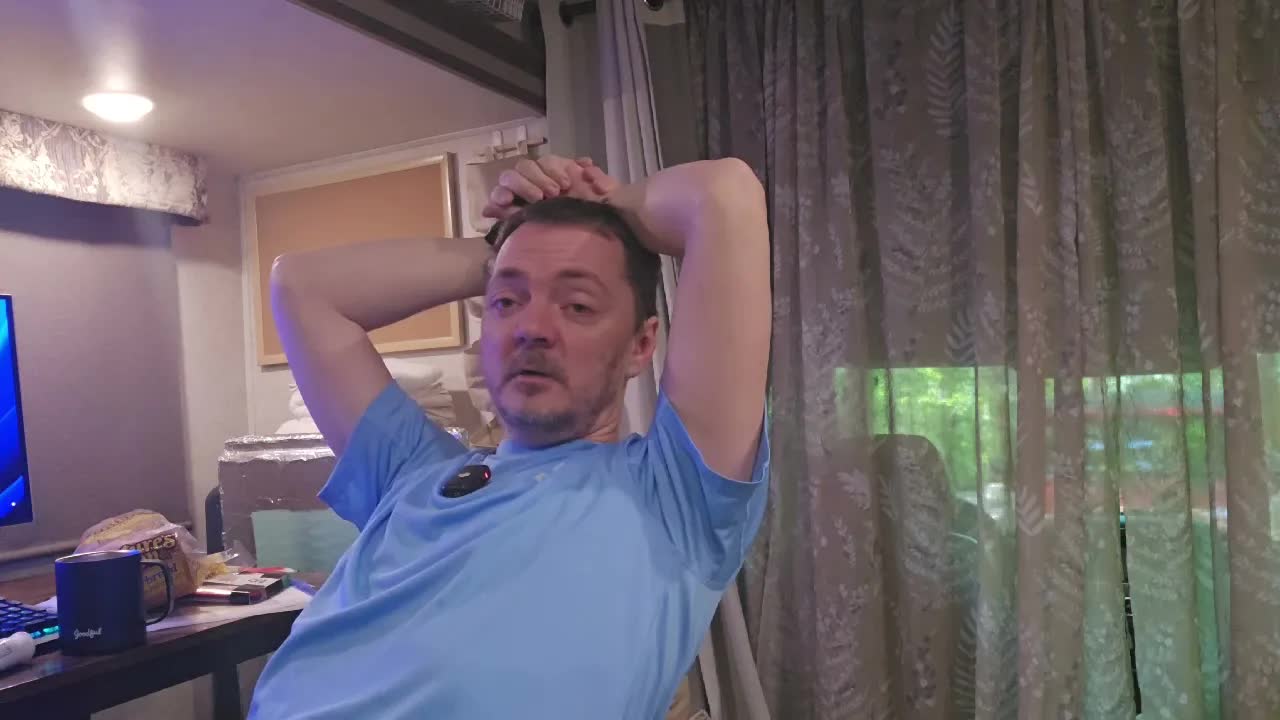
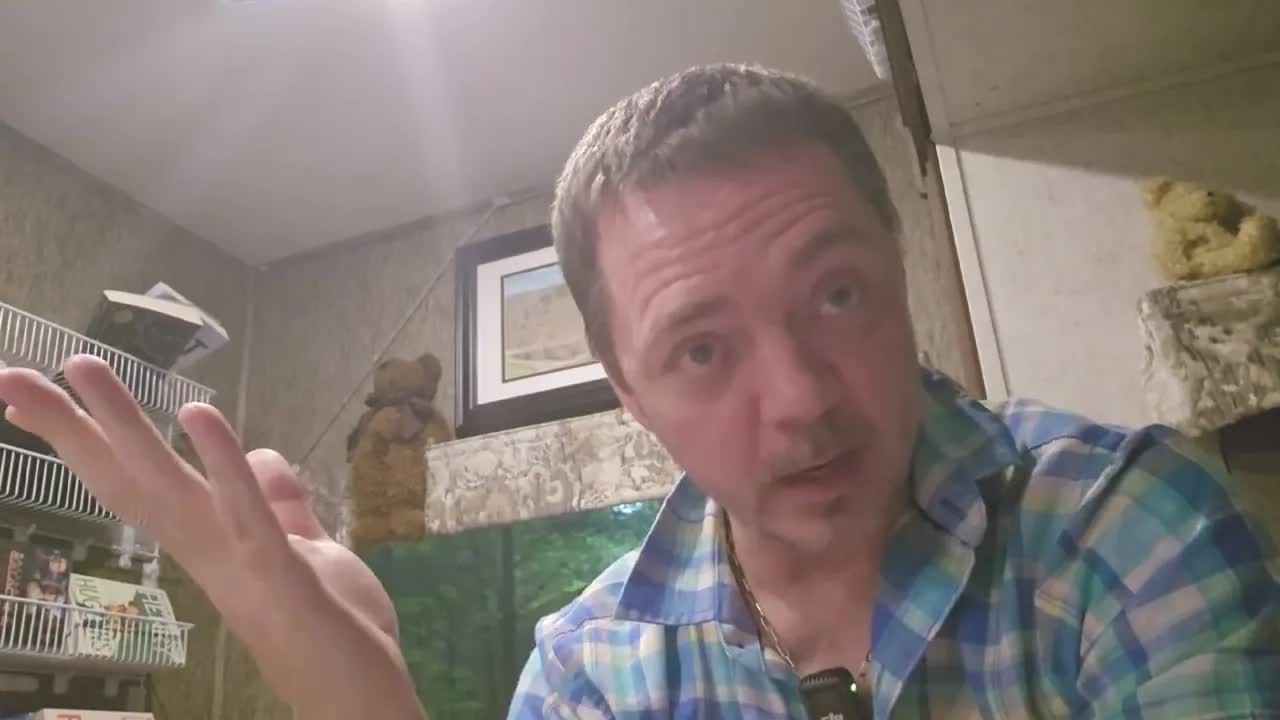
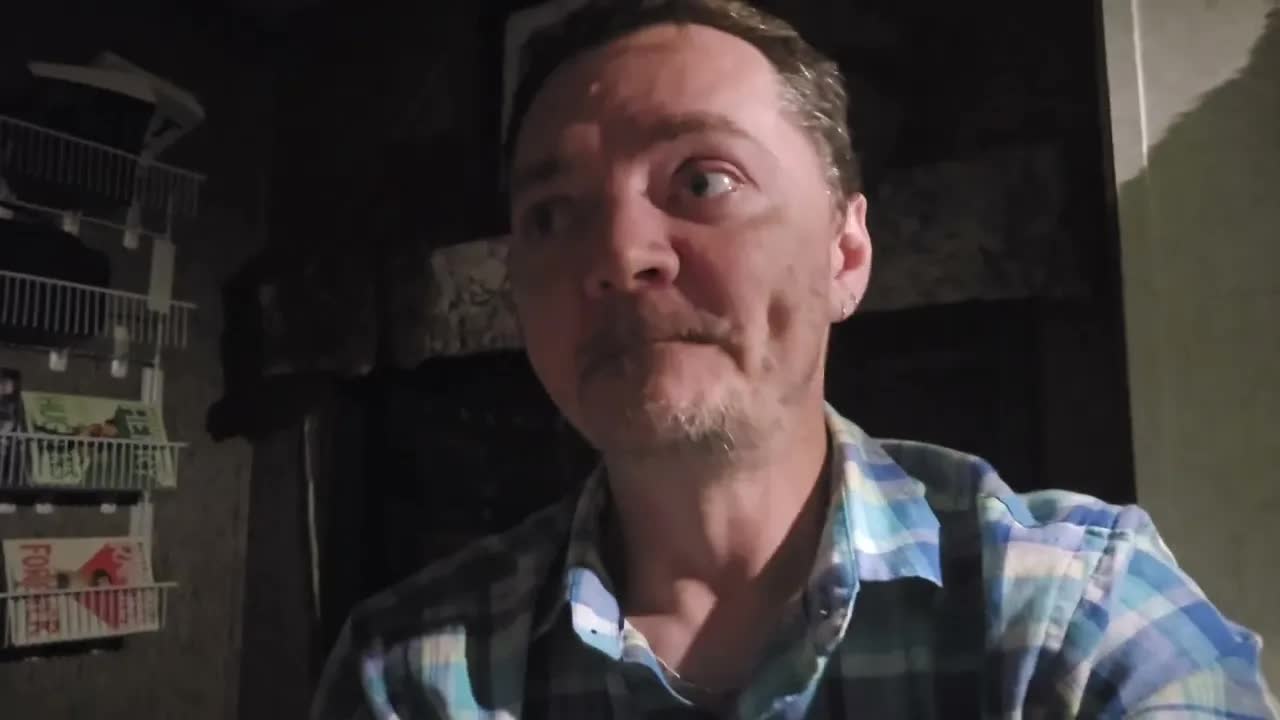
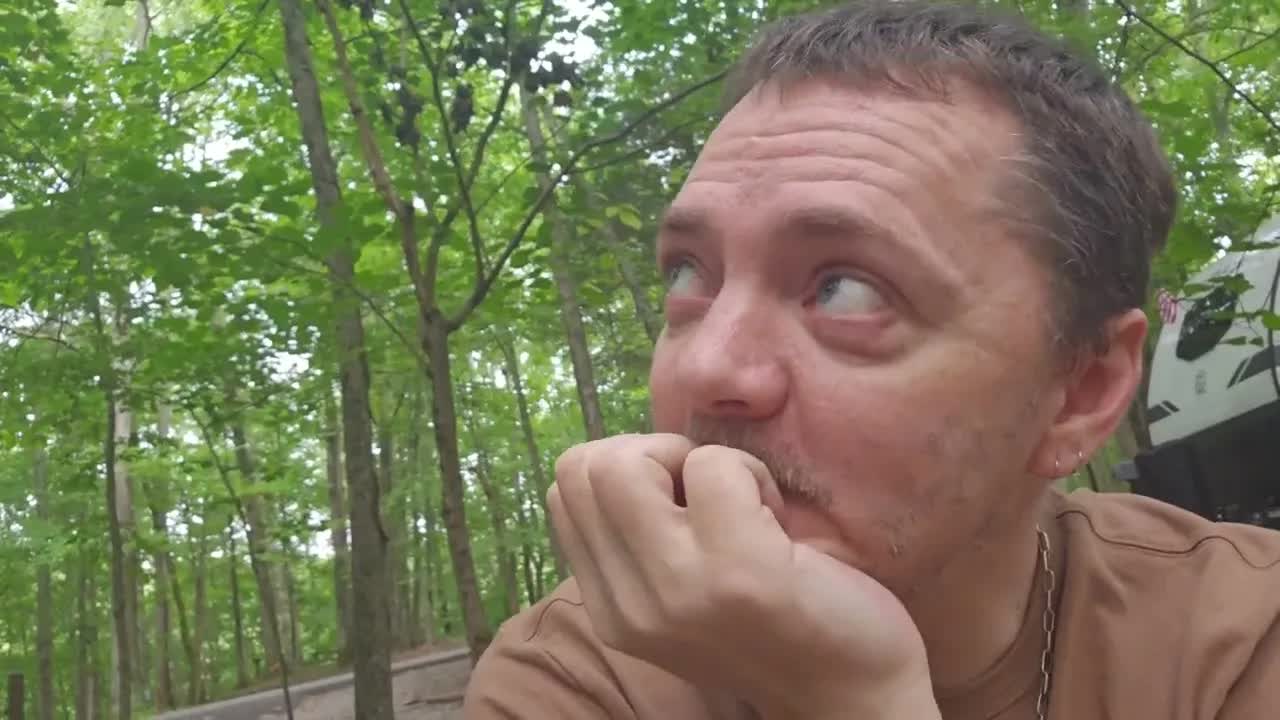
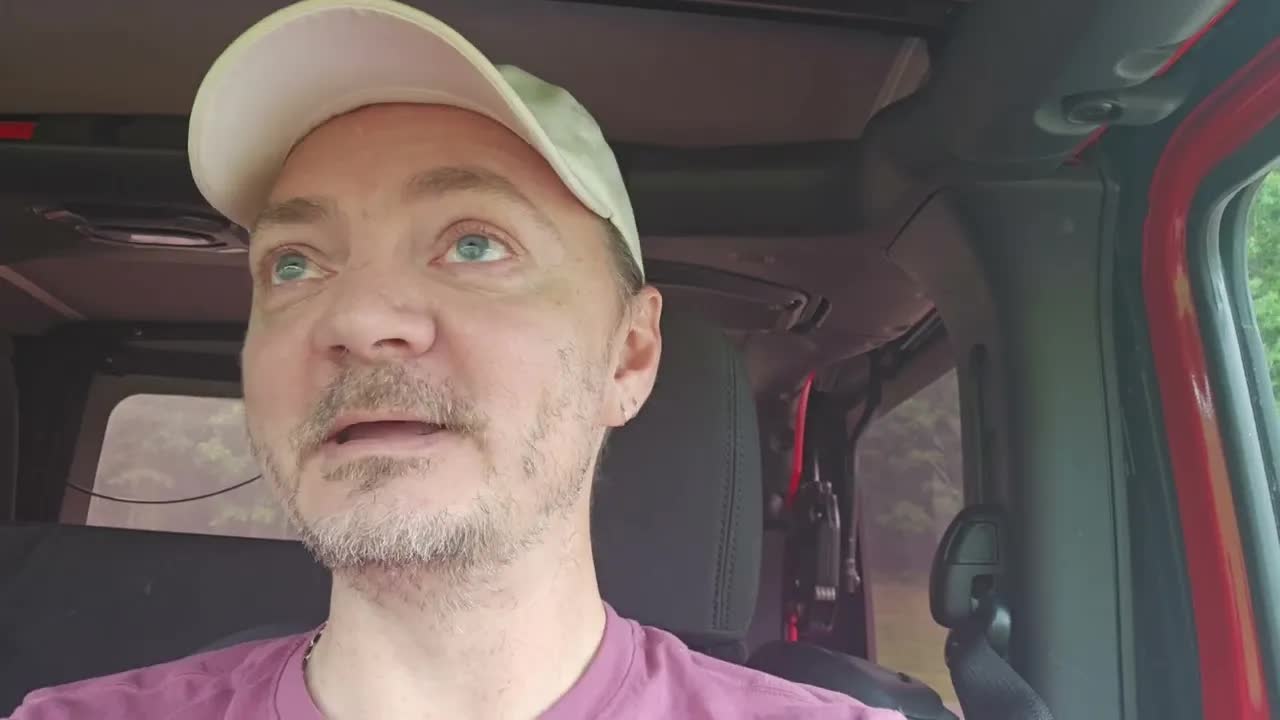
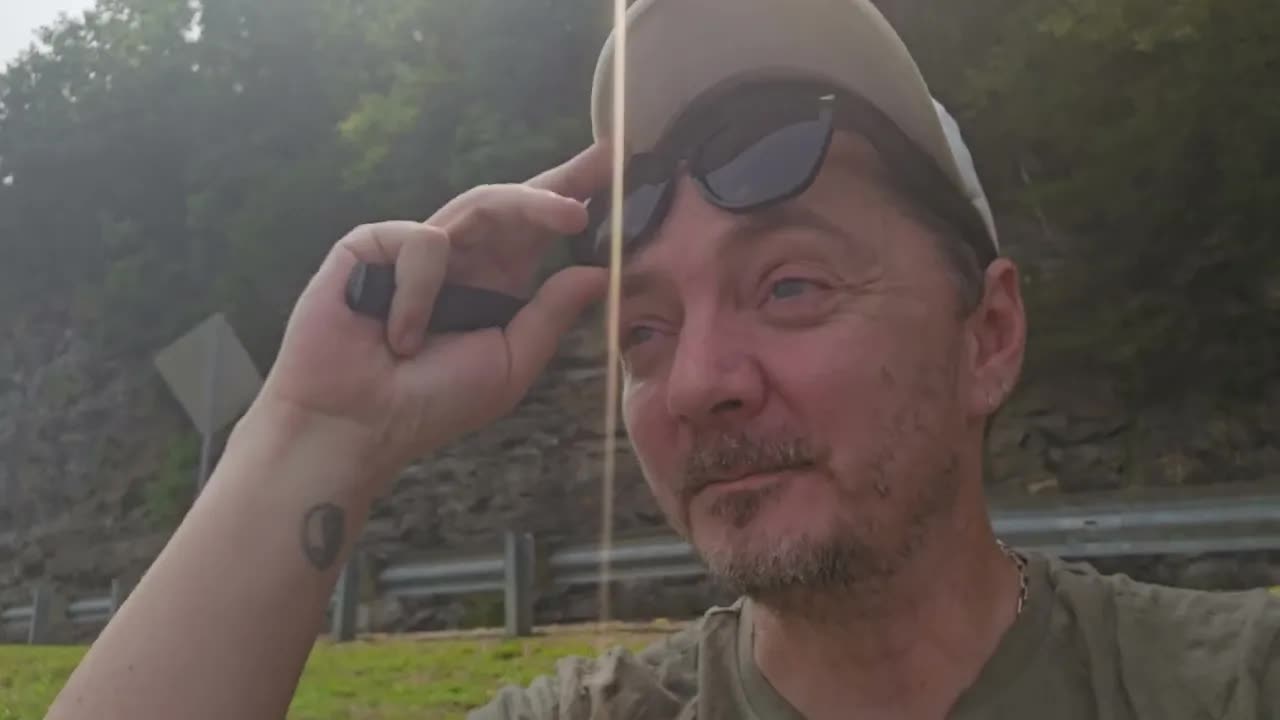

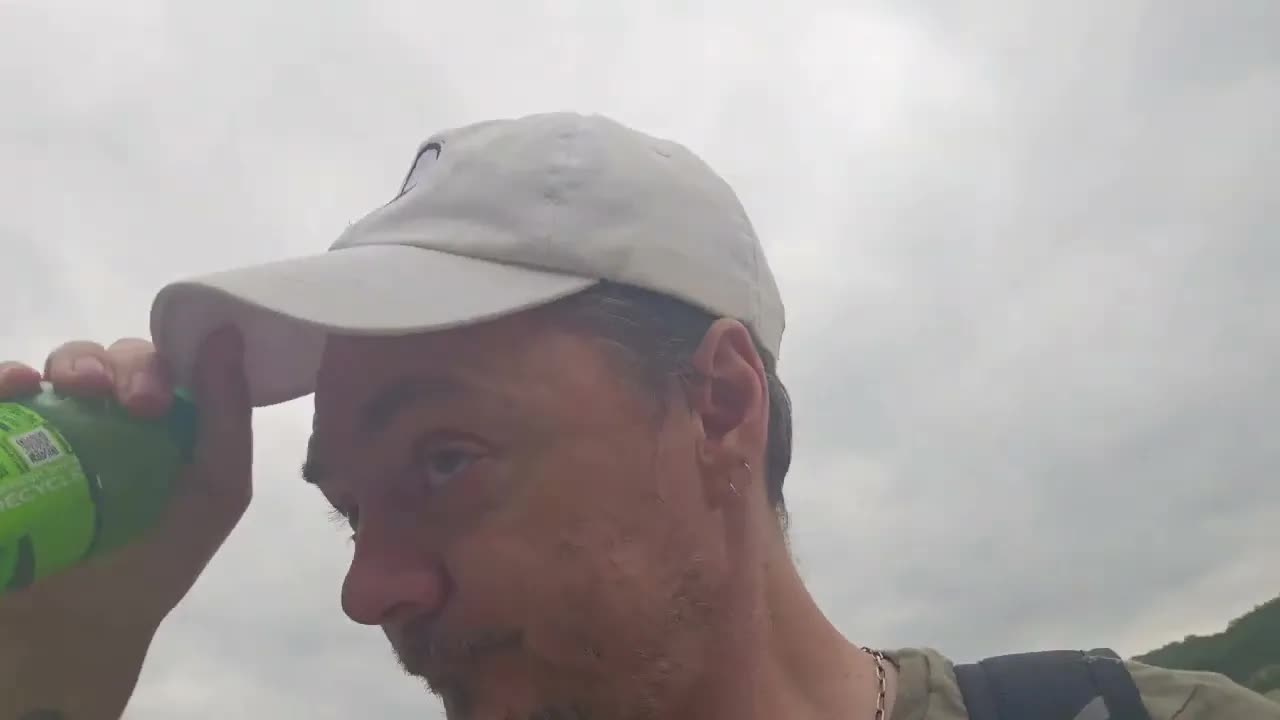
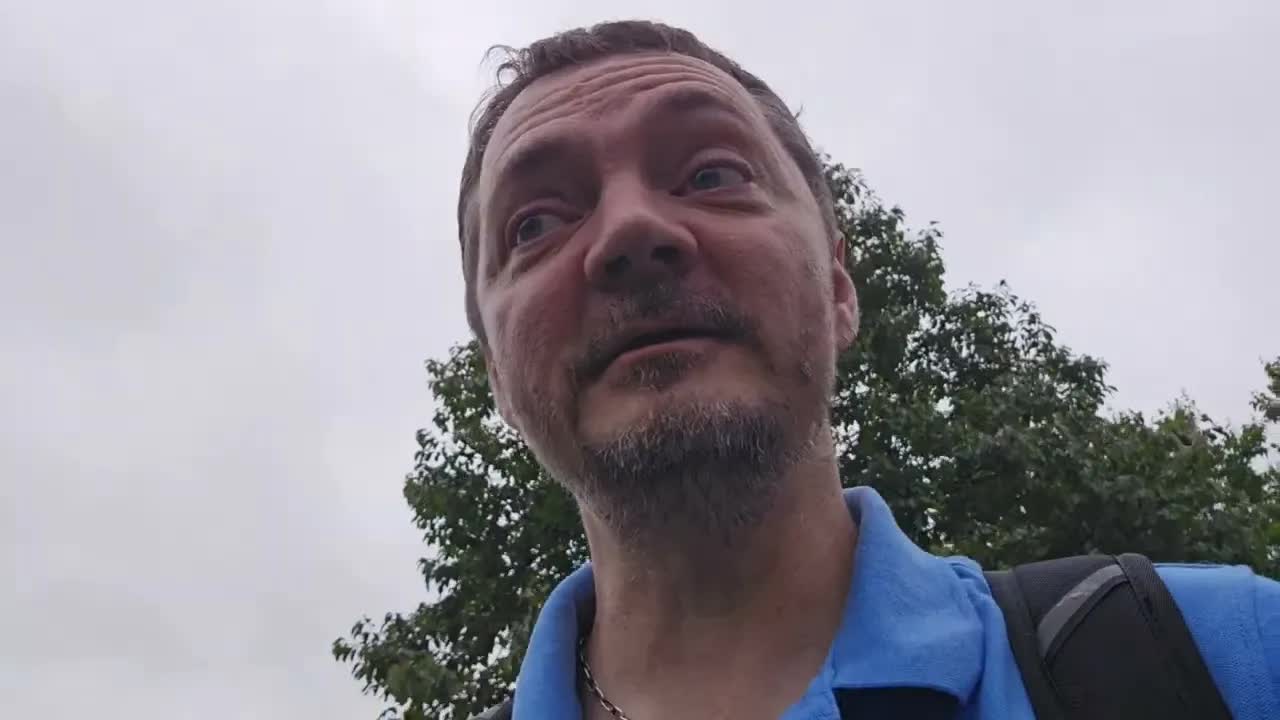
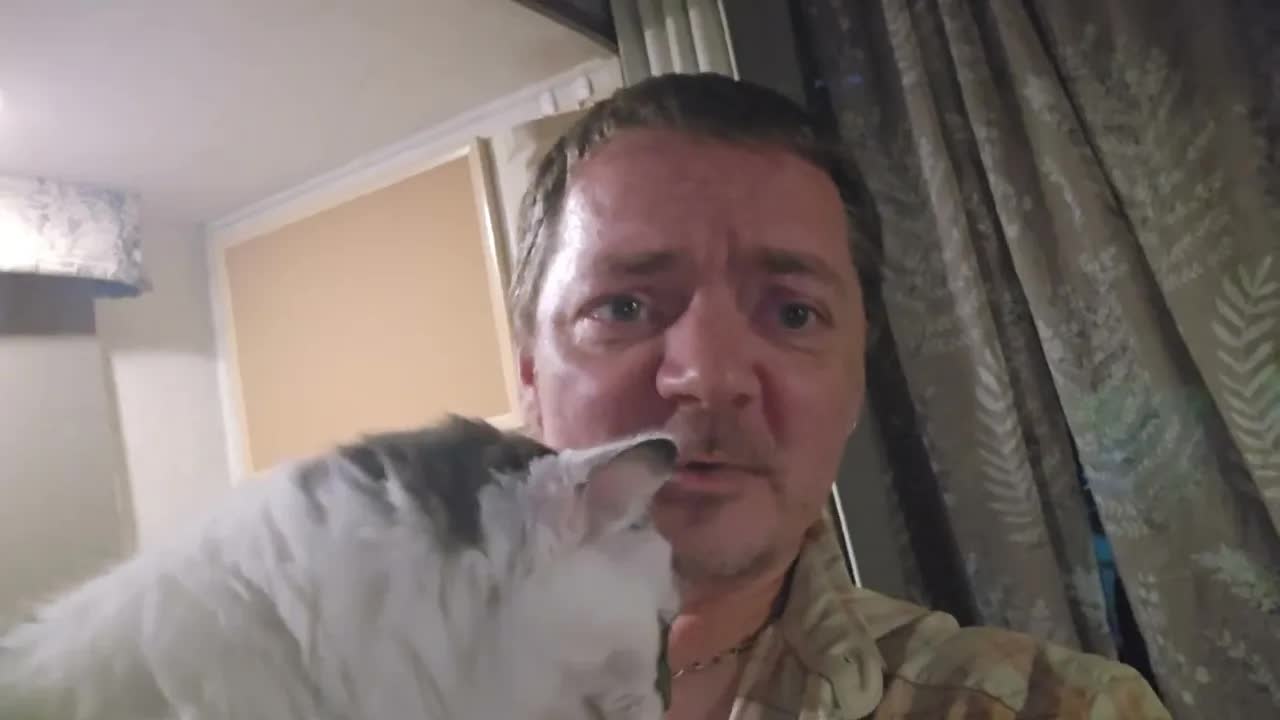
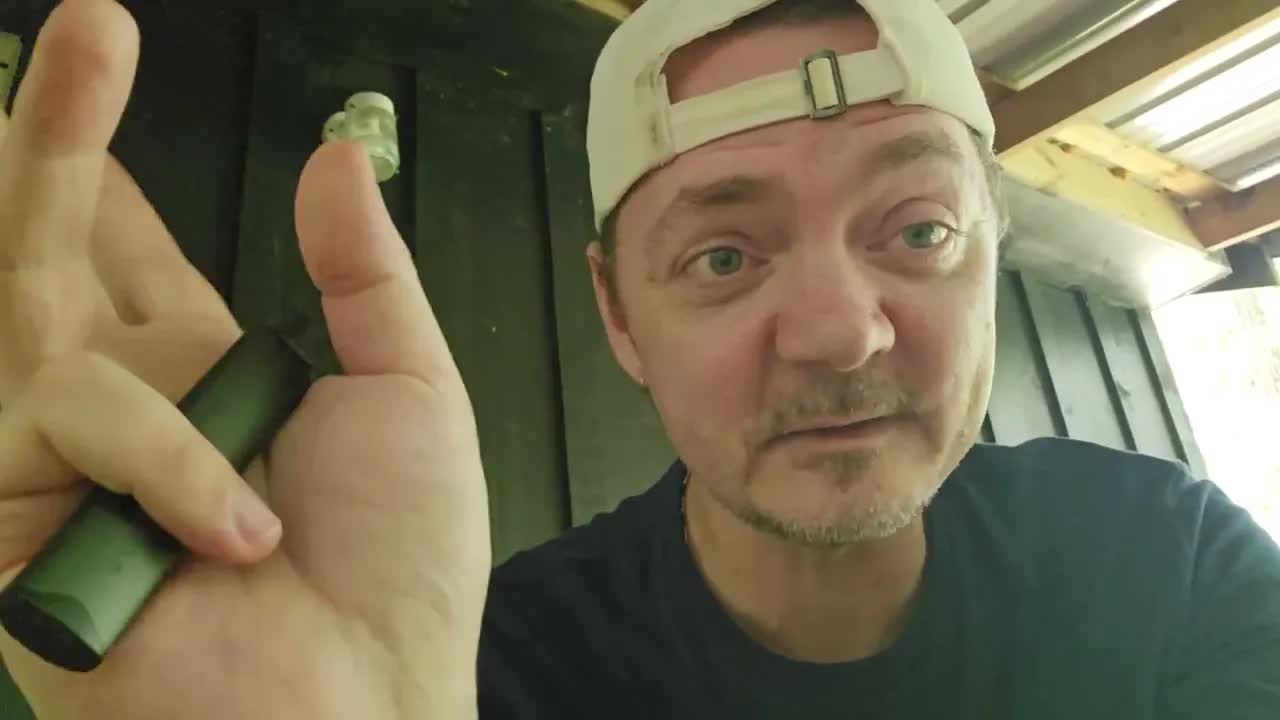
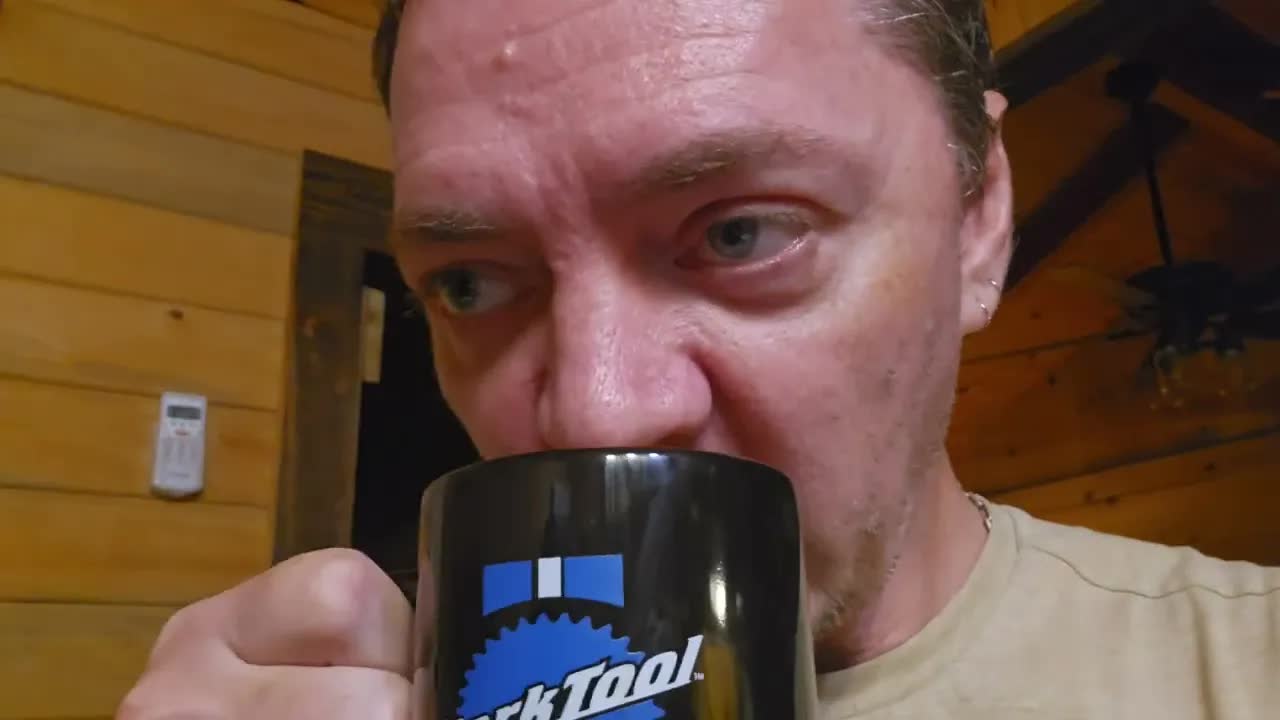
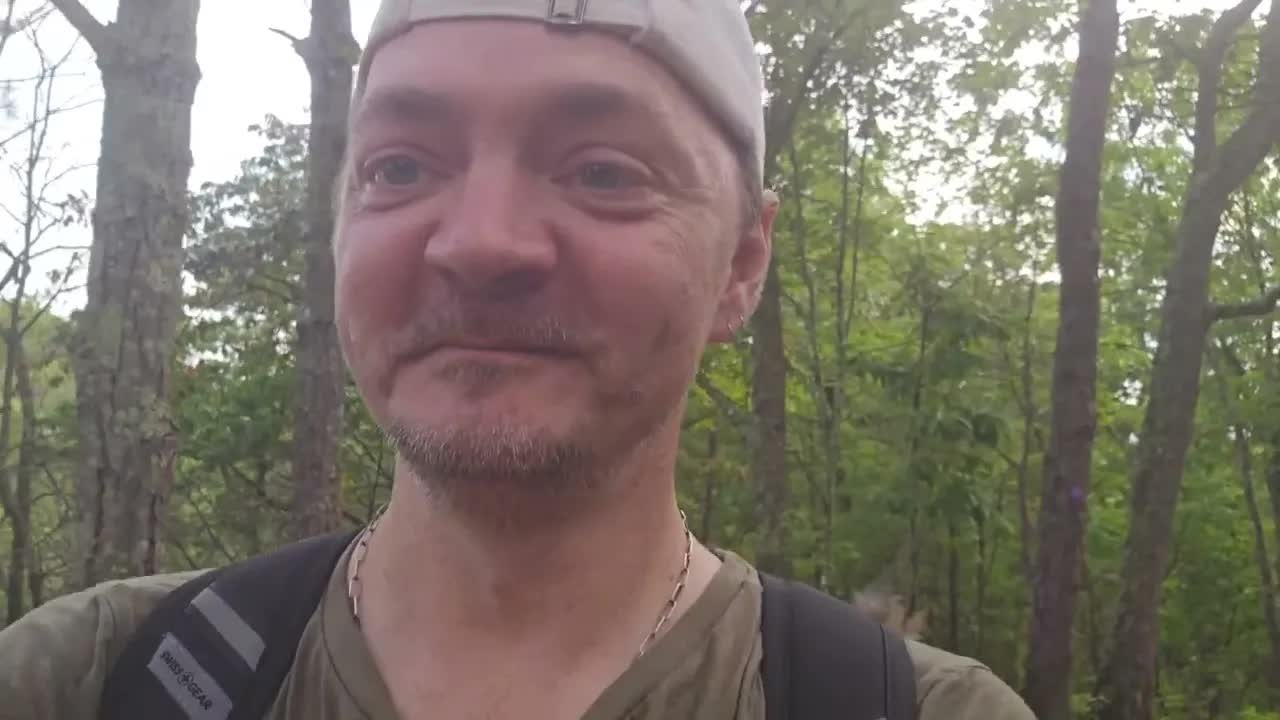
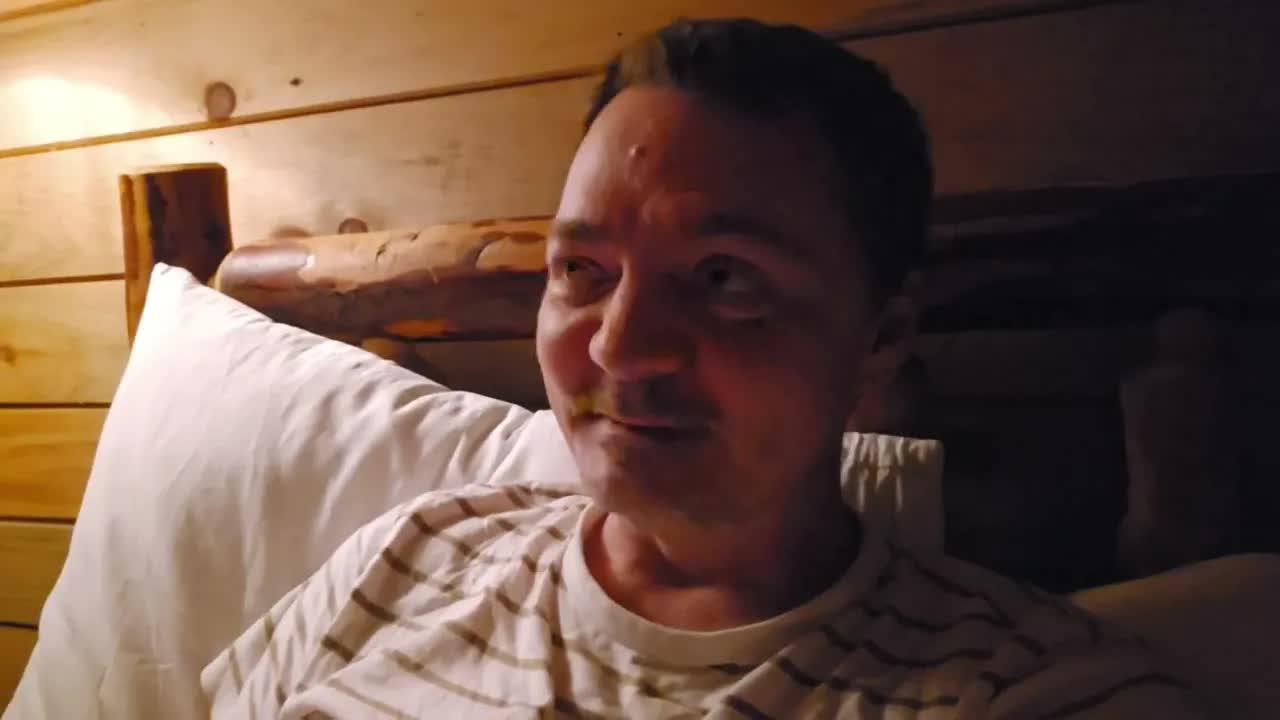
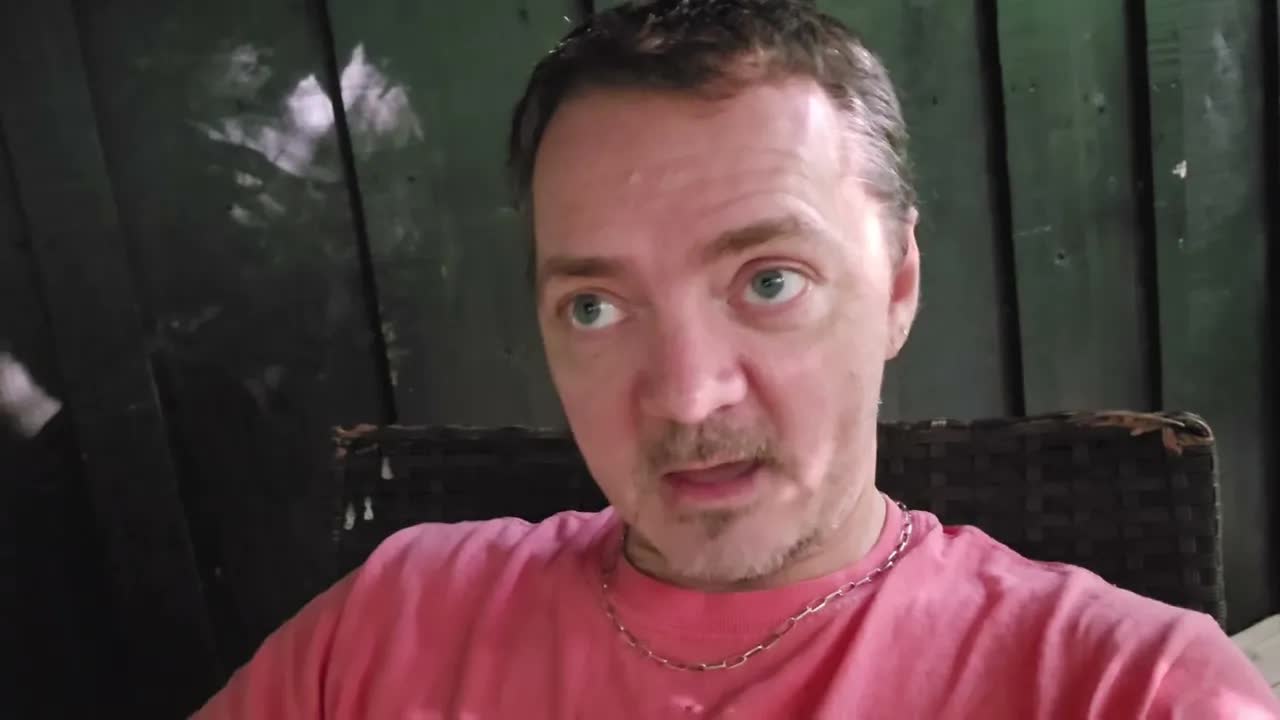

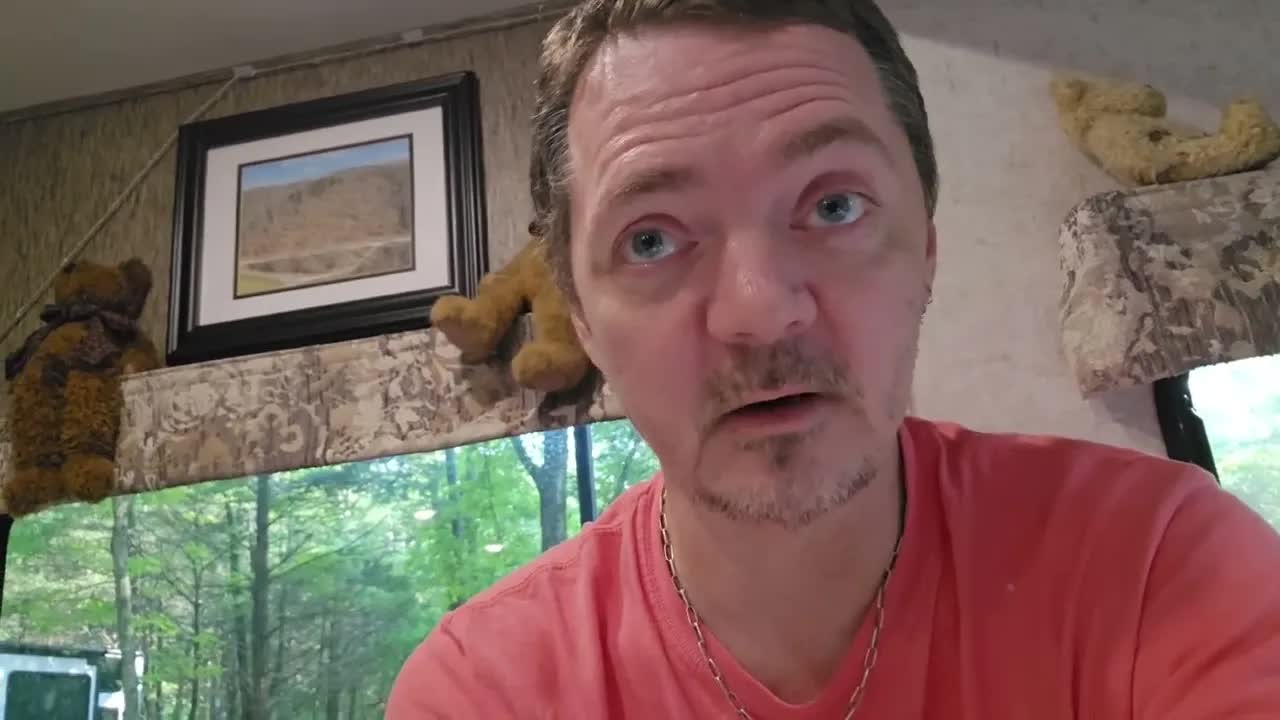
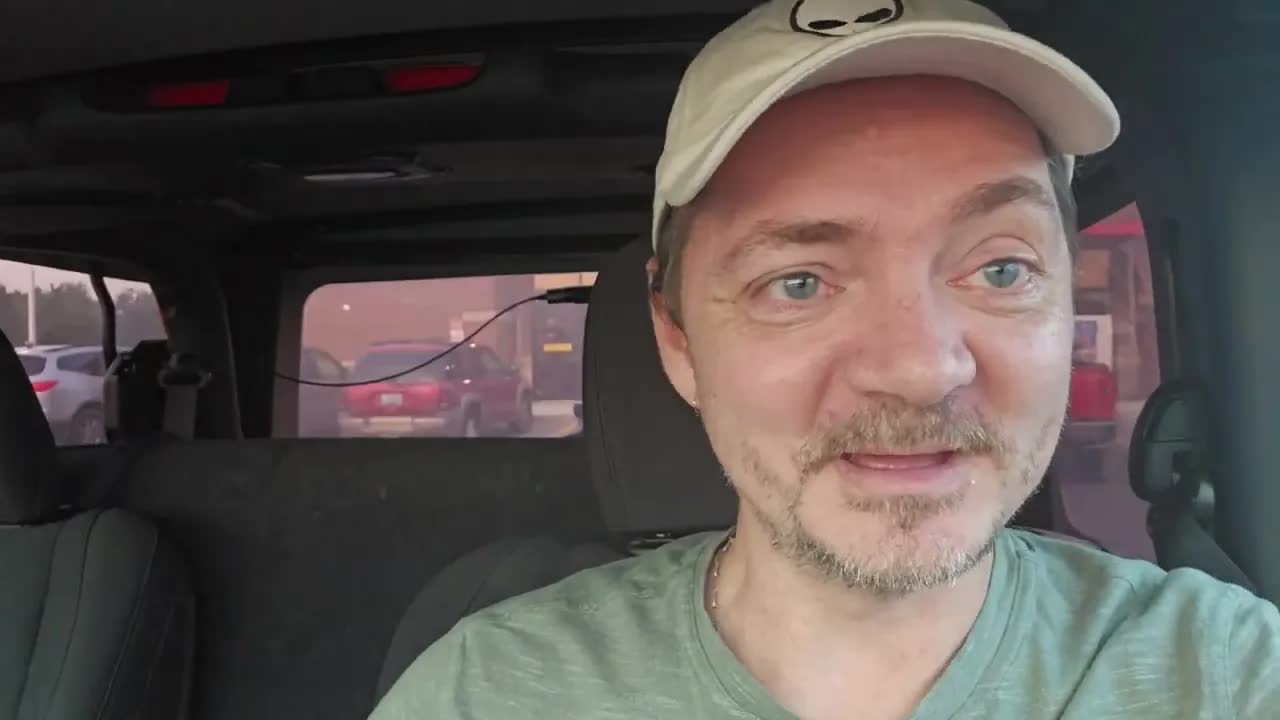
He set the camera and began without preamble, the way he always does — inside the RV, no location work, nothing framing him but the interior he lives in. Hello fellow humans. Then the disclaimer, delivered evenly: he was not being confrontational, was not trying to make anyone feel anything. He was setting expectations. He said he would do it the way he does everything, stream of consciousness, and then he did.
He began by counting time. Four months, roughly, for the ones who had been there longest. In that window they had watched him move out of a house and into the RV. They had watched him quit smoking. They had watched him withdraw from tramadol, which he described as horrible, and discontinue clonazepam, which he described as nothing, because he had barely been taking it. They had watched him meet challenges, clear some, keep struggling with others, and carry a few that simply stayed. They had watched him analyze himself, his past, his childhood, his parents, other people, society at large. He laid it out as an inventory, not a complaint, and then named what it added up to: a personal growth channel, a forty-seven-year-old man who had re-evaluated his life and was conducting the change in public. For anyone who had been watching that long, he said, the channel probably made complete sense — especially if they understood his cognitive style, that there is always subtext, that there is always nuance.
Which was what made the next part confusing to him. He reached for an example: the previous video, tires and the coffee maker. He had mentioned, in passing, not knowing how much coffee to put in the machine — a thought moving through, spoken aloud. Several commenters told him how much coffee to put in the coffee maker. Others weighed in on his entire situation. He was careful about it. These were helpful comments, he said; he was not blasting anyone. But all of it was material he had already considered, and it missed the point, because he was not asking for advice. He sorted what comes back to him into kinds: the trolls, the fixers, and then the ones he loves — the people who encourage without overstepping, of which he counted two on that video and invited anyone curious to go find them, and the people who take the nuance and apply it to their own lives.
Then he brought in the other channel. That same day he had found a twenty-five-year-old truck driver doing, in a different context, exactly what he does — verbalizing his experience in real time, on camera. Nearly a million subscribers, and a comment field full of older drivers telling the man he complains too much, that he is a rookie. rswfire said they had completely missed the point. The driver was not complaining; he was processing out loud, showing people something YouTube does not otherwise show. He named the platform directly: sterile, programmed, nothing real left on it, the you gone out of it. When someone like him or the truck driver appears, he said, it challenges what people are used to seeing, and the response comes back negative or inappropriate.
And then, mid-sentence, he turned the argument on itself. There is nuance here, he said — he had to keep saying it. If he were talking to a friend in real life about what he was going through, that friend might say something about the tires, and he would want them to. He was working it through in his own head right there on camera. Maybe he was being a little negative. Maybe the tires were not a good example. He did not discard the larger claim; he revised the instance and kept going, saying what it was really about was the overall arc of the channel across a long stretch of time, and what that arc has felt like.
What had gotten into his head, he said, was the question of what people think they are watching. A train wreck, entertaining, the kind of thing that invites onlookers to step in and demonstrate how it is done. That was the impression he got. He put part of it down to the structure itself — a parasocial relationship, he called it, naming the asymmetry precisely: they see him on camera, hear his thoughts, know a great deal about him, and he has a username and some text and nothing else to draw on. He had thought about this for a long time and never said it out loud. He said again that the channel is not meant to entertain in the traditional sense, and that the range of emotion on record could be read as pathology by anyone inclined to read it that way — which also misses the point.
He closed by stating his two reasons. First, this is an experiment, and he is genuinely curious whether this kind of sharing is helpful to him. He said he intuits that it might be, but does not know — the growth and the channel may simply have coincided, and he might have found his way regardless, because that is where he is in his life. He left it open, adding only that there are depths to everything, angles to consider, that nothing is straightforward or superficial, because that is not how life works. Second, he hopes to get someone else thinking — about their own life, in whatever different context. That maybe it stops a parent from doing to a child what was done to him, which he said was a big one. That maybe a younger person sees it and finds validation, hears that they are not the only one. Those things, he said, are really important to him, and he feels they get missed a lot. He assigned no blame for it — that is just the situation, the context of sharing on YouTube in today's world. Then he wished them a good day and stopped recording.