



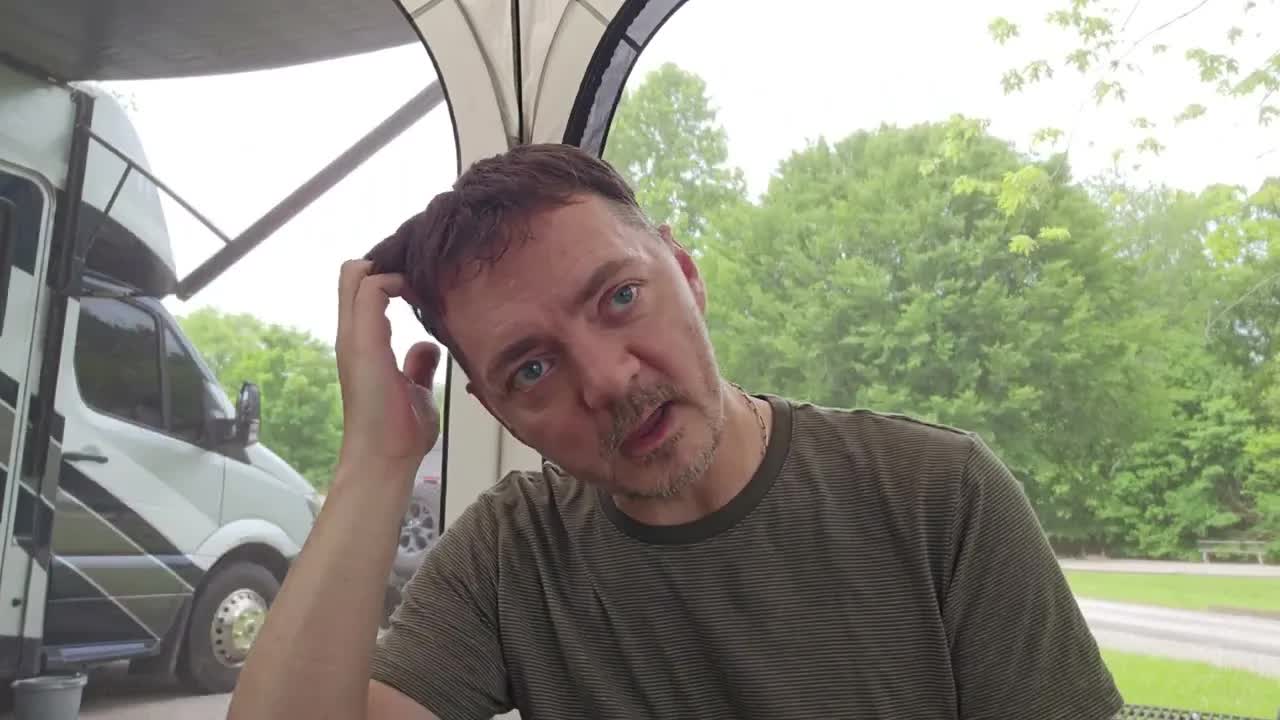
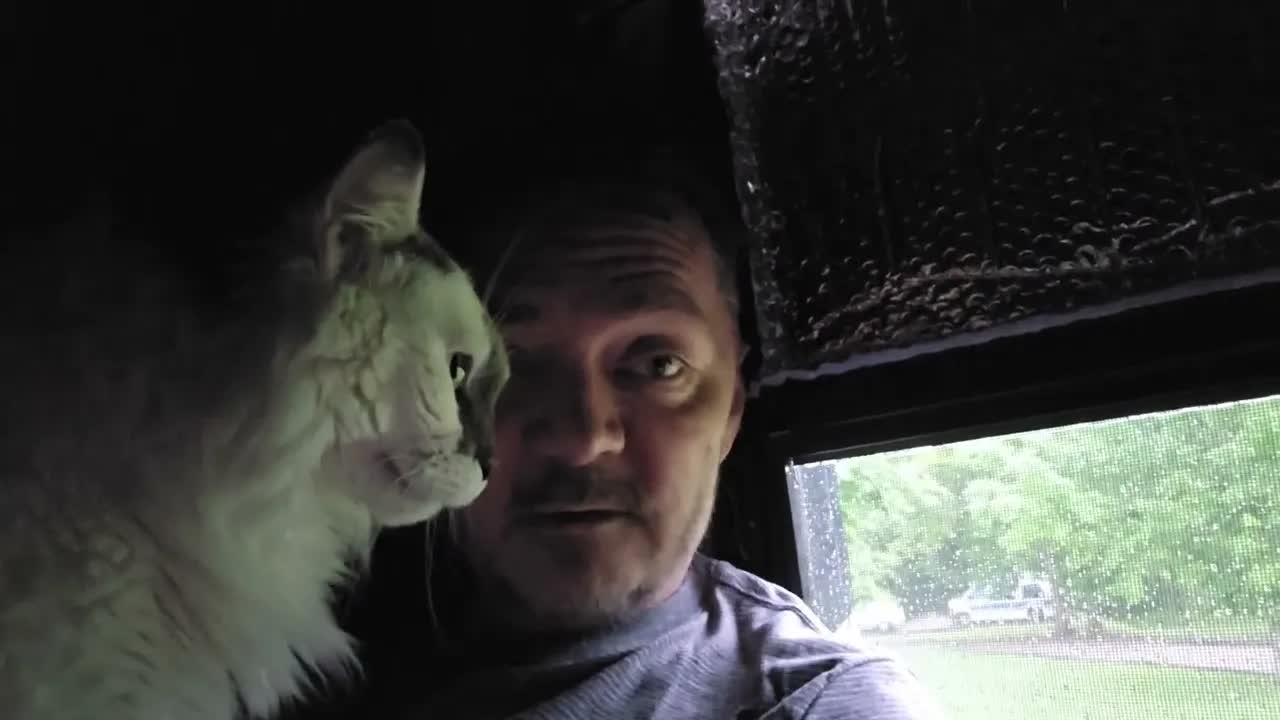




The morning came and the plan was already there. rswfire had not sat down with a map or a calendar the night before, had not worked the problem in any deliberate way. He woke and knew what he needed to do. He says this is how he rolls — the plan arriving whole rather than assembled — and he names it plainly, as a description of standard operating procedure rather than as anything remarkable.
The problem had a date attached to it. Thursday. The campground he was in had a limit and the limit had arrived, and he had not yet arranged where the camper would go next. What he had been carrying instead was a loose idea: another campground nearby, a rotation through sites, moving every few days, stitching together maybe fourteen days out of the place by never staying still. It was a workable improvisation. It was also, by the time he checked, no longer available. The sites had all been booked. He had waited too long, and he states it that way — a fact about timing, not a verdict.
What he found instead was roughly an hour out. A government facility, and when he read the terms he found they allowed stays of up to ninety days. He had not known that was possible. He says he was actually really surprised, and the surprise sits in the recording as the point where the shape of the thing changed — not a rescue from a bind but a wider door than the one he had been looking for. He had already booked two weeks. Standing in the morning with the camper around him, he decided he would book three months.
The ninety days were not, in his framing, a place to wait. They were a structure. Three months stationary meant that the only driving he would do was the short run to empty the tanks, right there at the park, a distance measured in minutes. That was the design: repetition at a scale small enough to be absorbed. Bailey would learn the camper in increments — a few minutes of motion, a stop, a return — before anything longer was asked of him. rswfire would learn it the same way. The campground's own rules, the stay limits and the site policies that had forced the move in the first place, became the frame that held the acclimation in place.
He brought Oliver into it directly, as comparison rather than as story. If he had done it this way with Oliver, he says, it might have worked out differently. Then he closes that line himself — it's a little late for that now, and he doesn't want to put them through it. The sentence turns before it finishes, and what carries forward from it is the design principle, not the reckoning. With Bailey, he says, this is probably the way to go.
And the window held more than the animal. Three months in one place was also time to get used to the camper, to overcome his goals, to get his life together — the phrases stack in the recording without emphasis, one after another, the way a person lists what a given quantity of time is for. He had traded mobility for duration and he knew exactly what he had bought. So that's the plan, he said, and the morning went on.