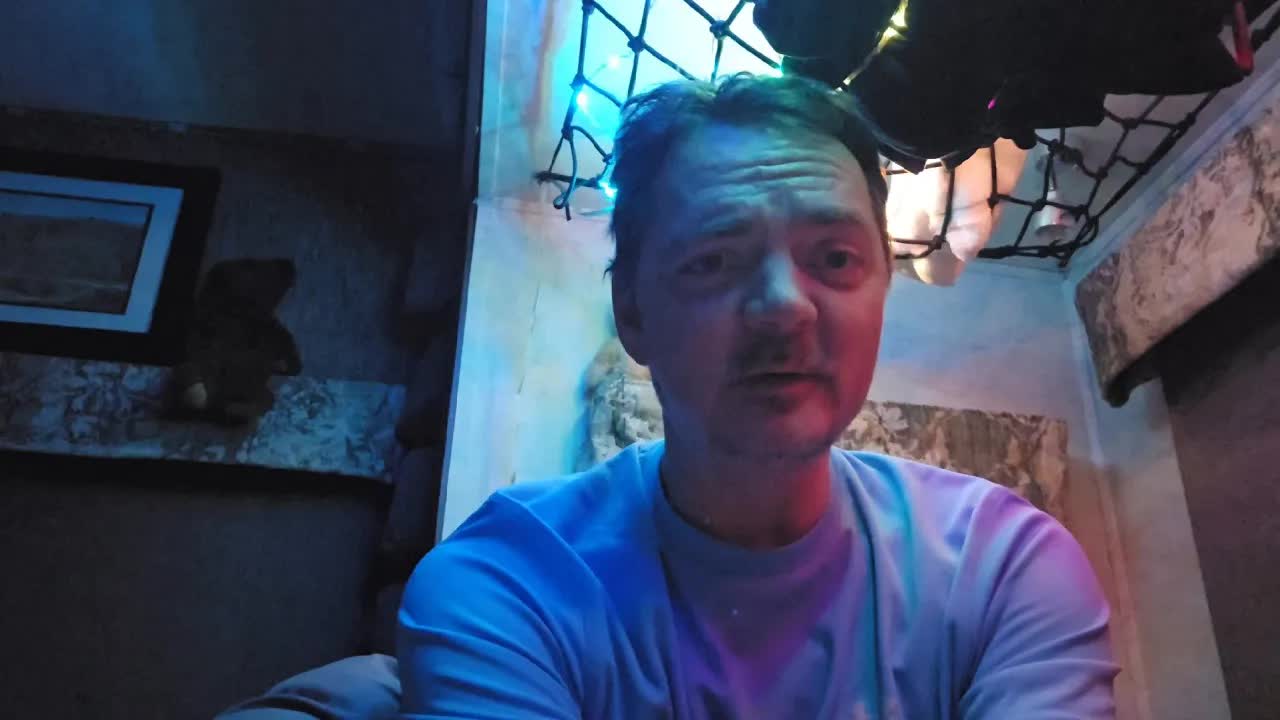
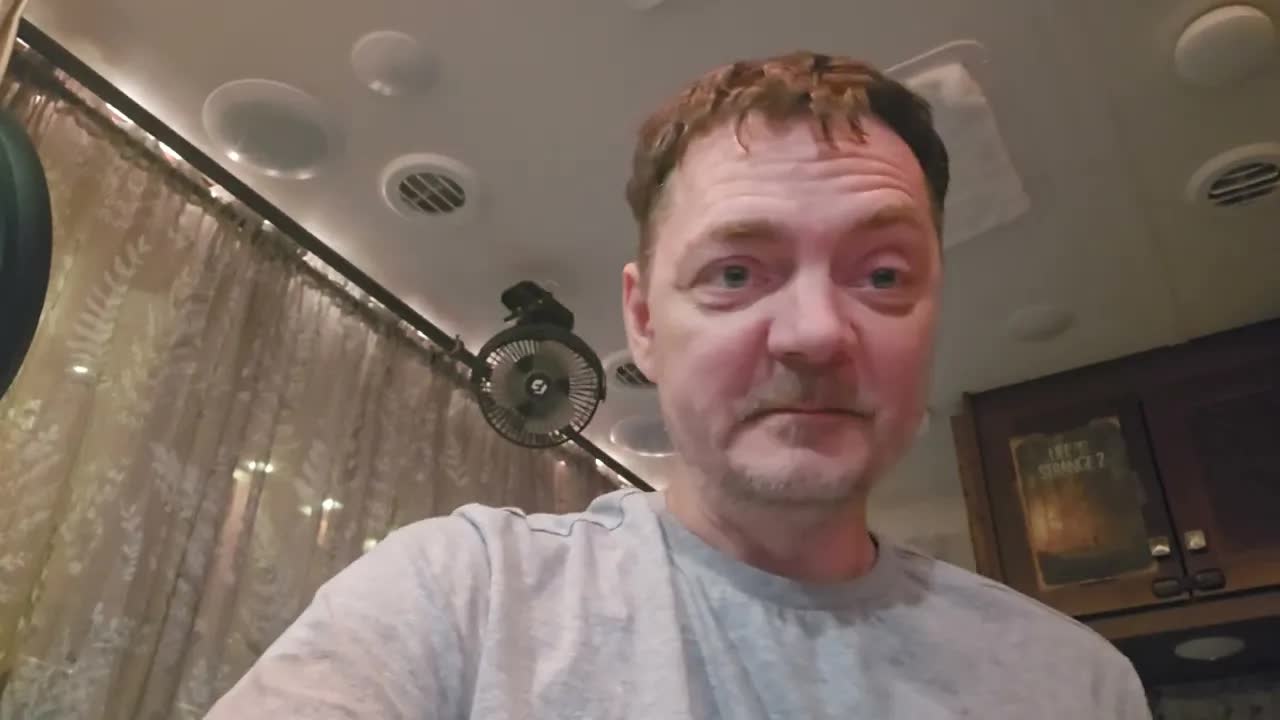
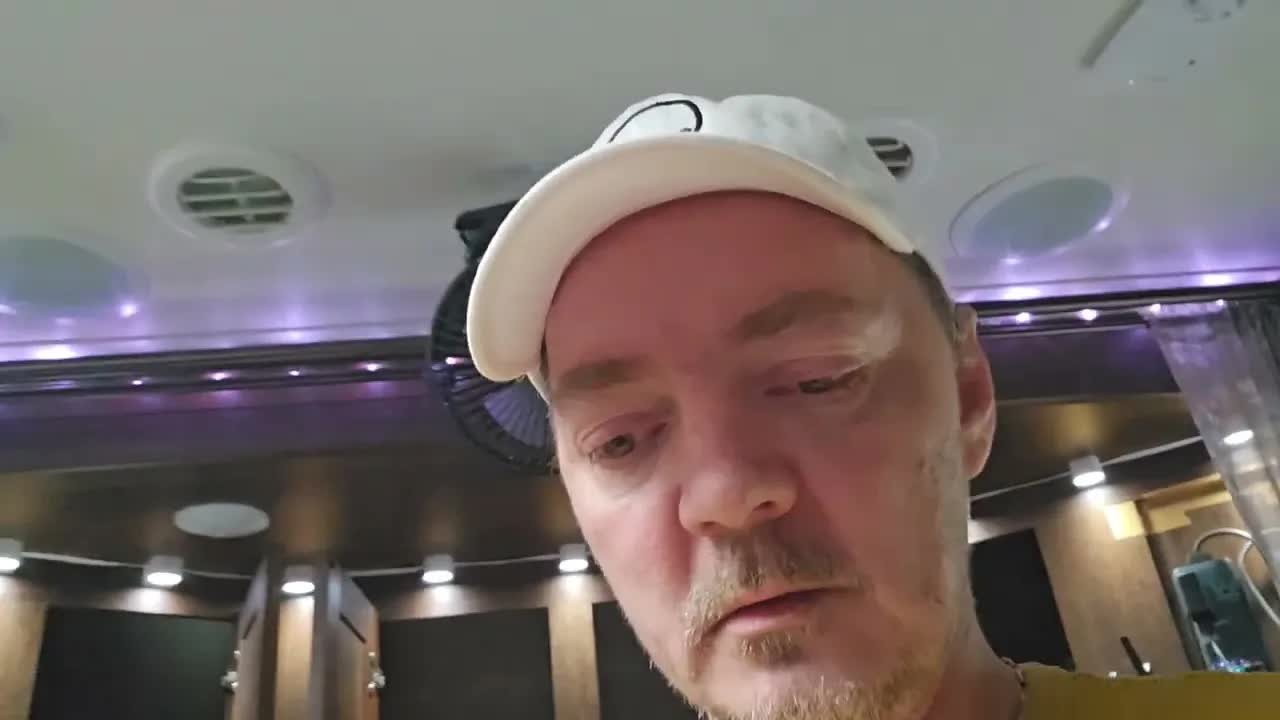
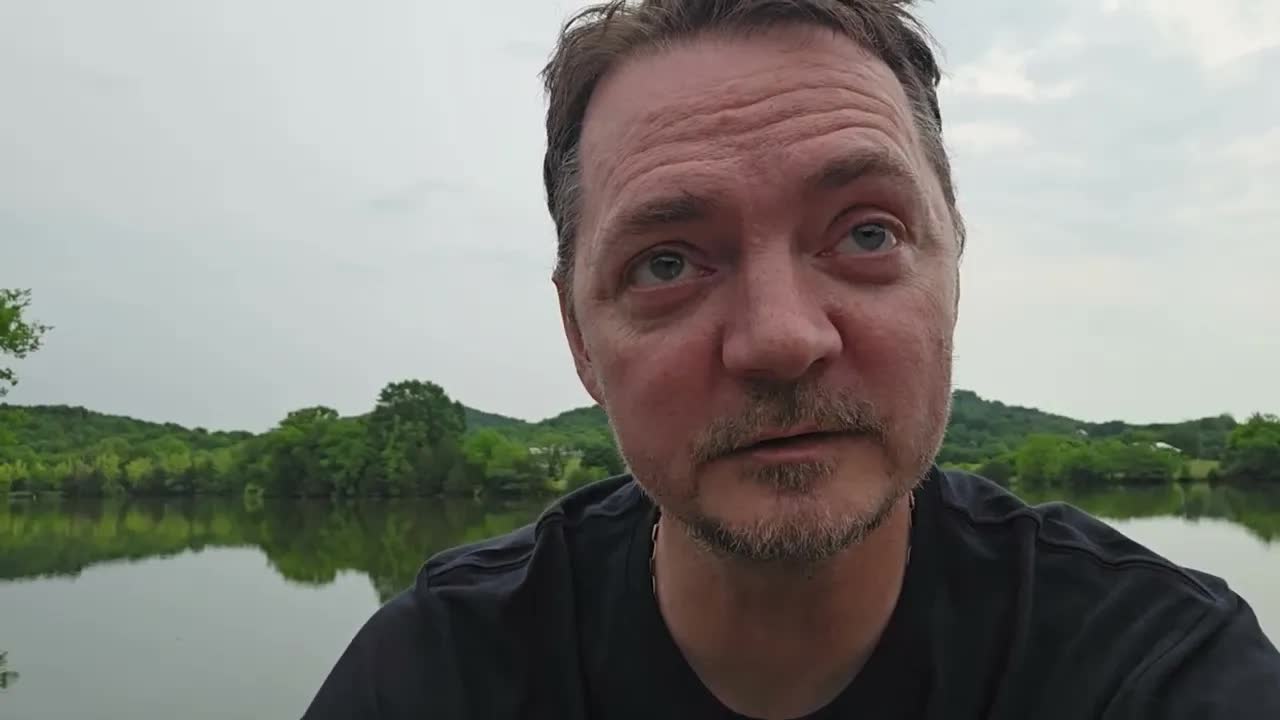
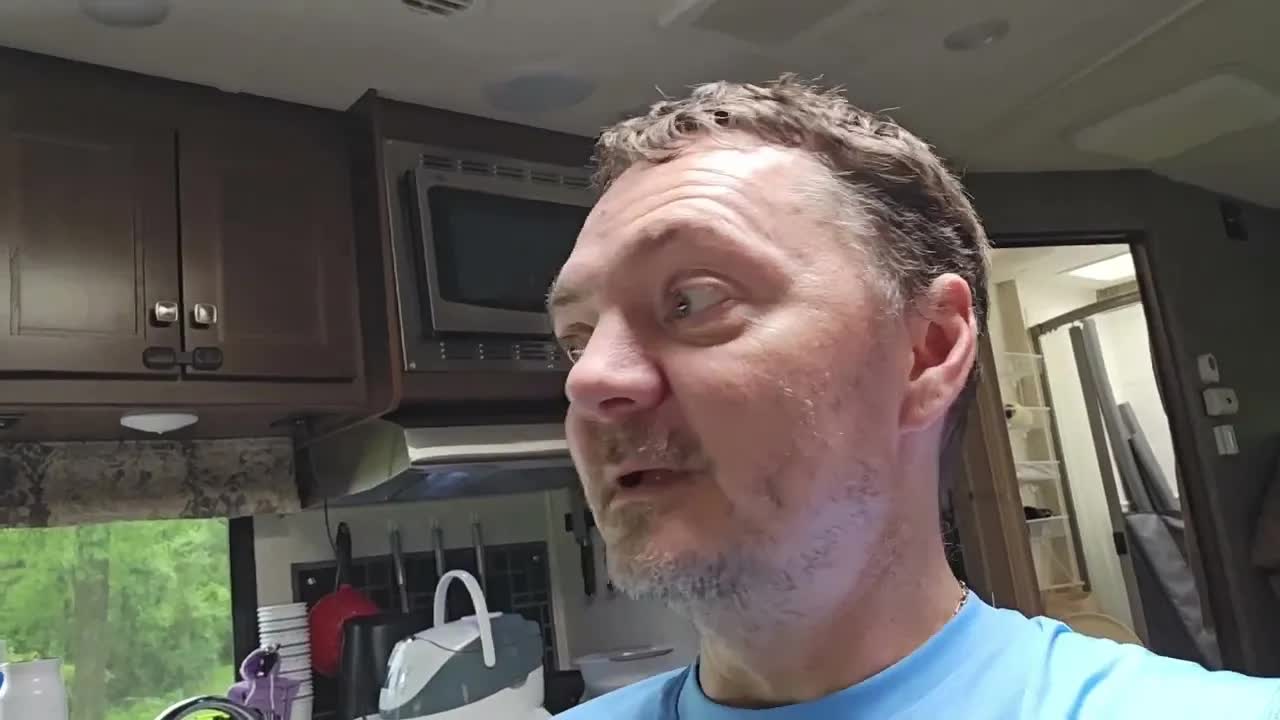
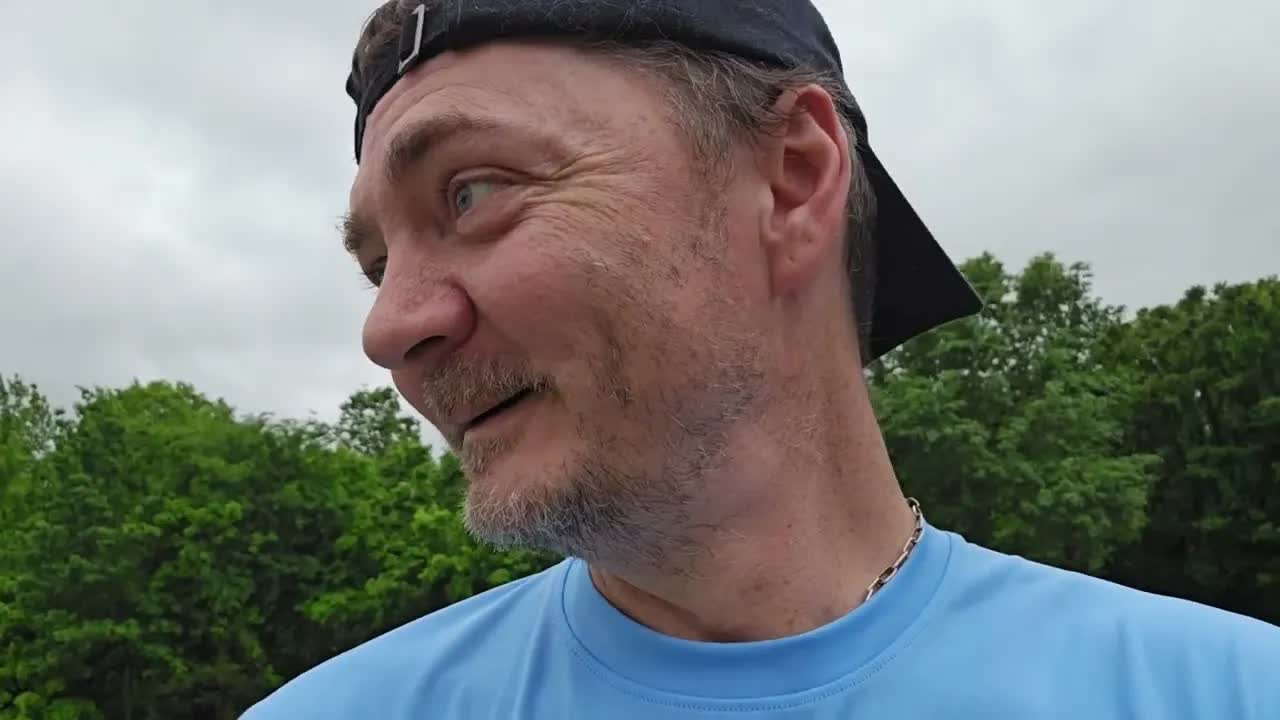
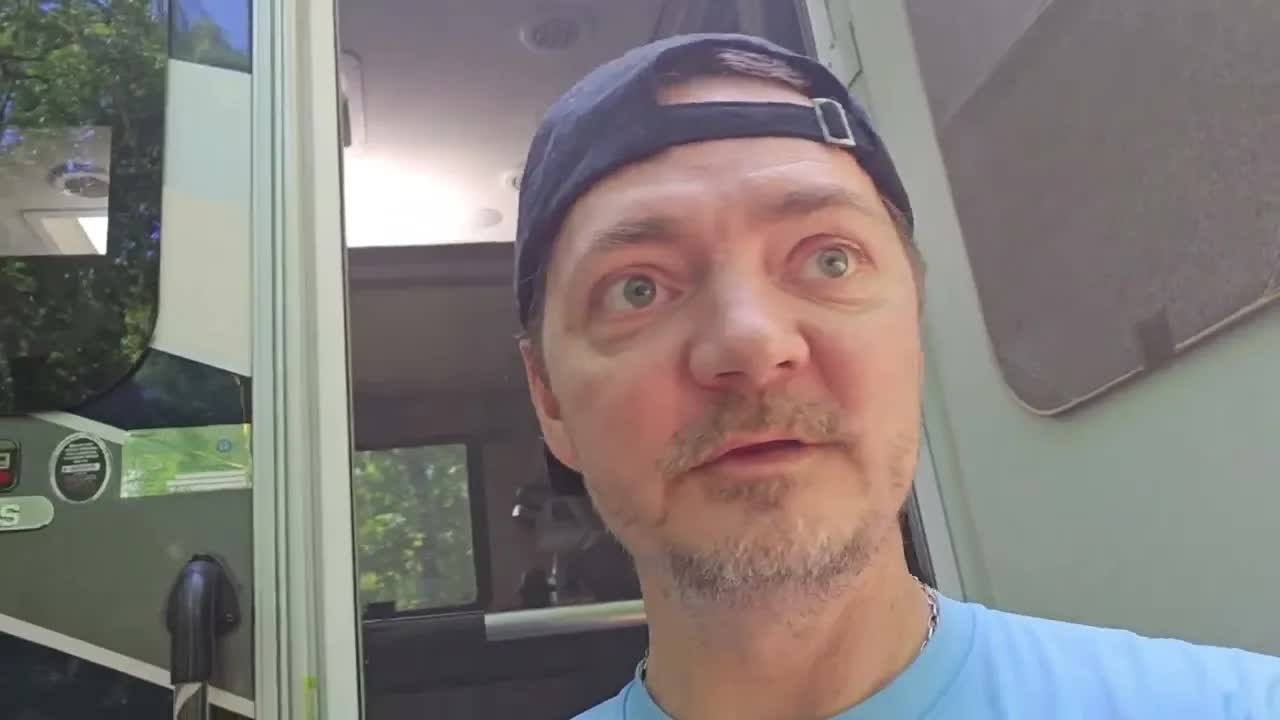
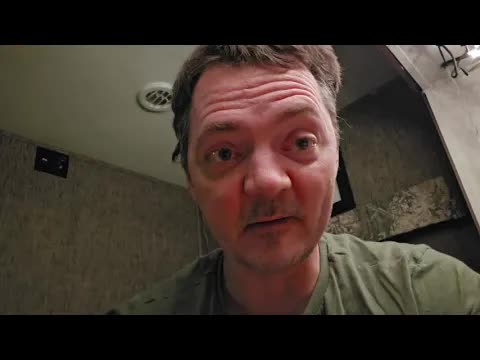
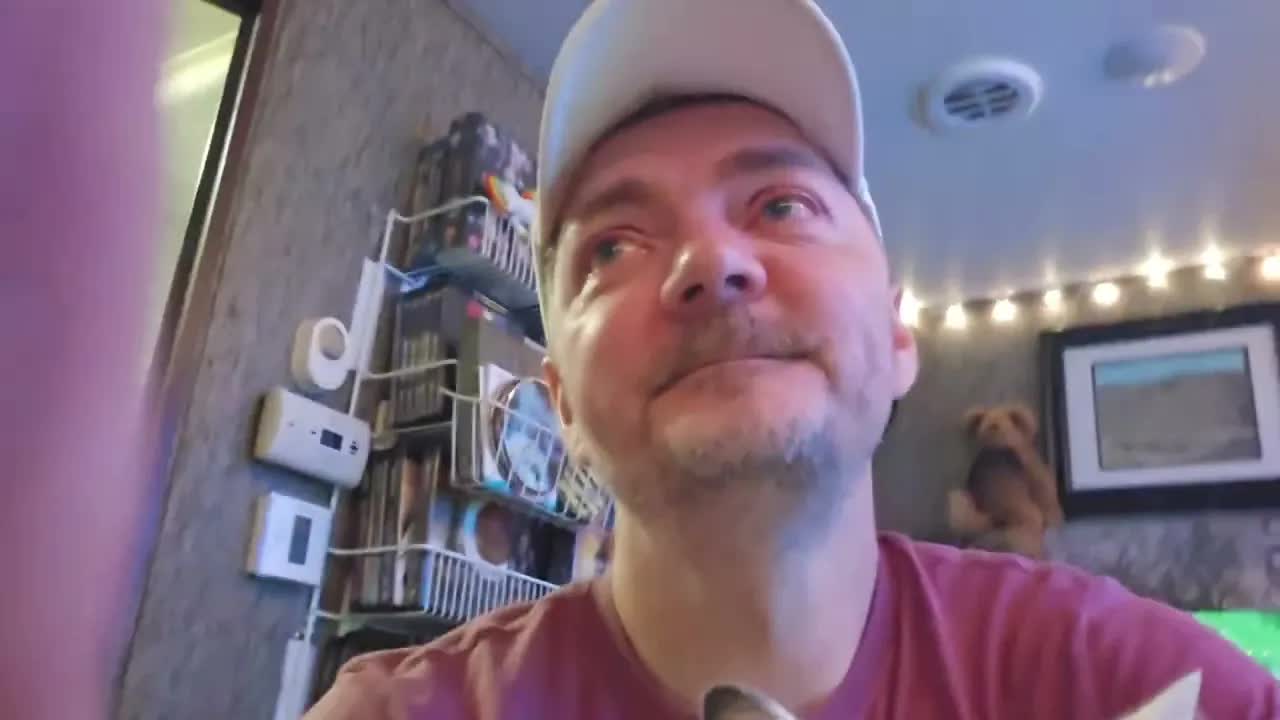
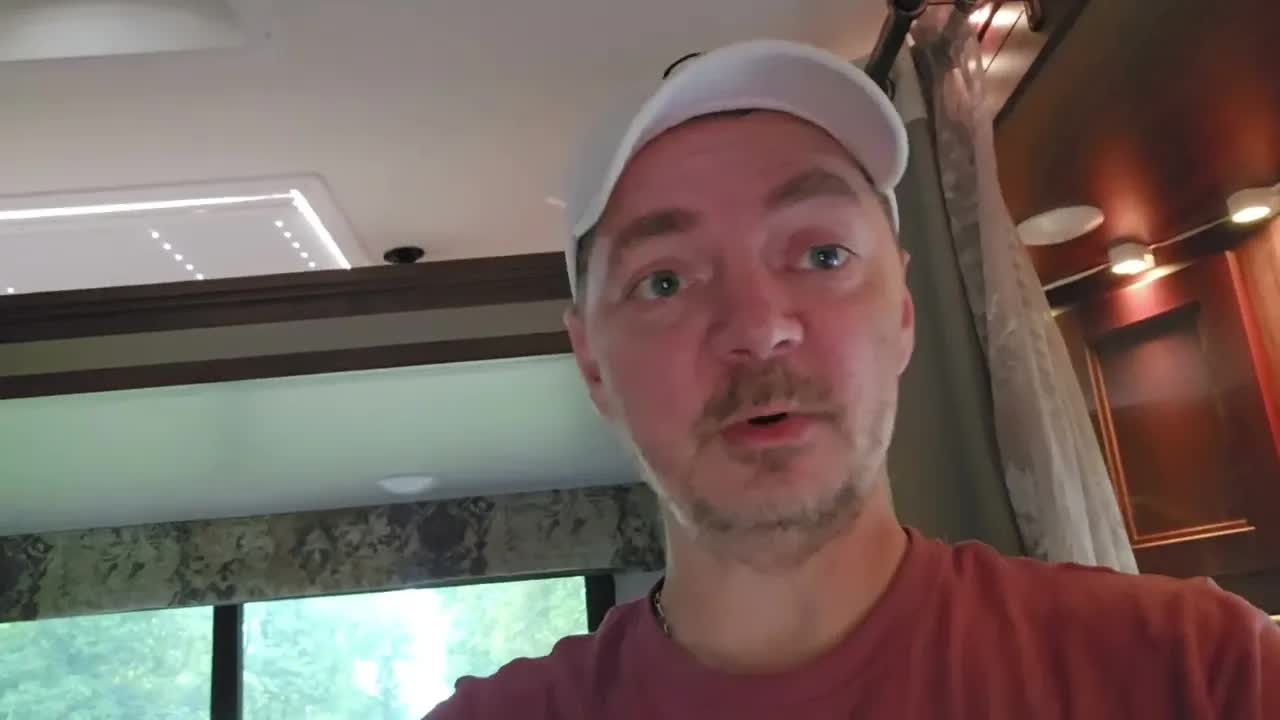
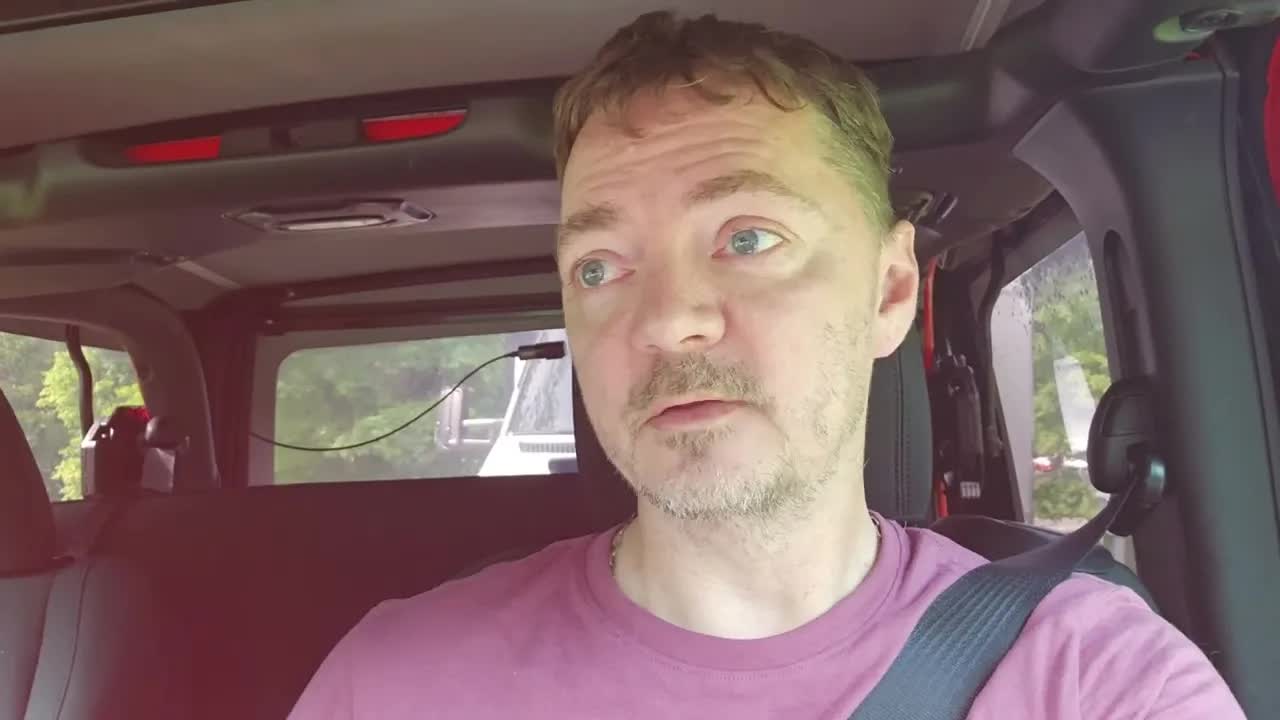
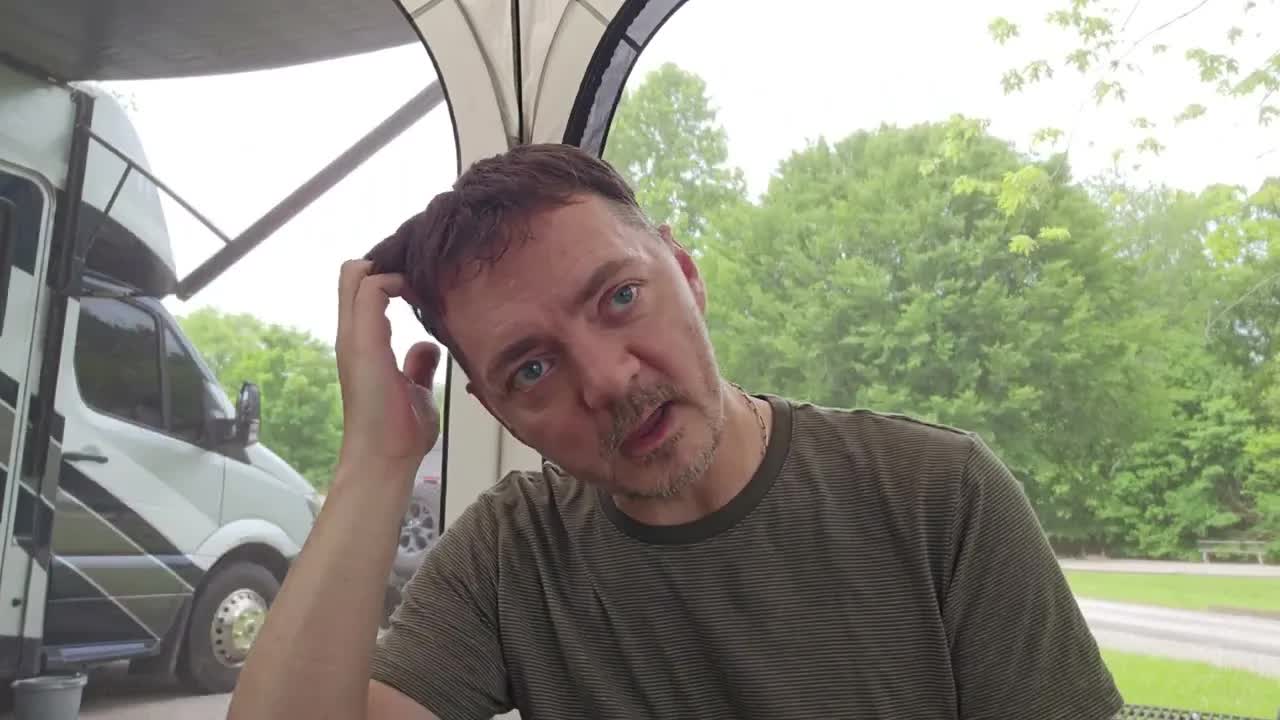
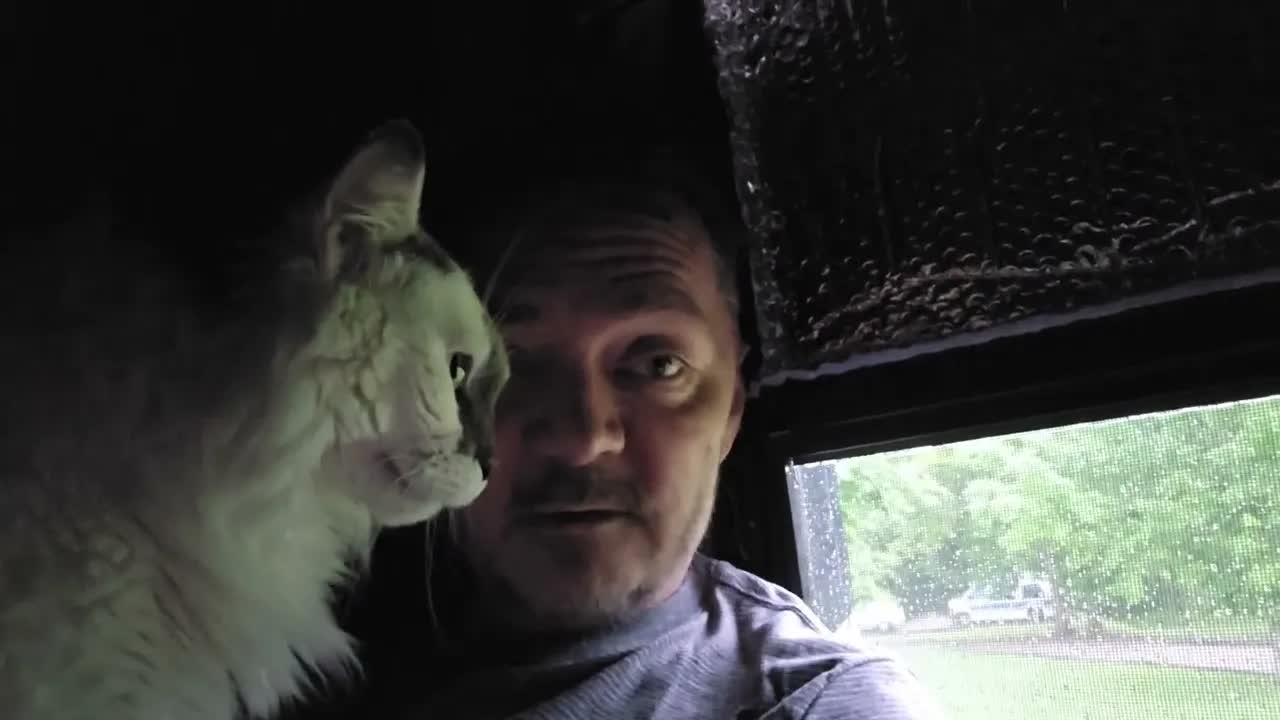
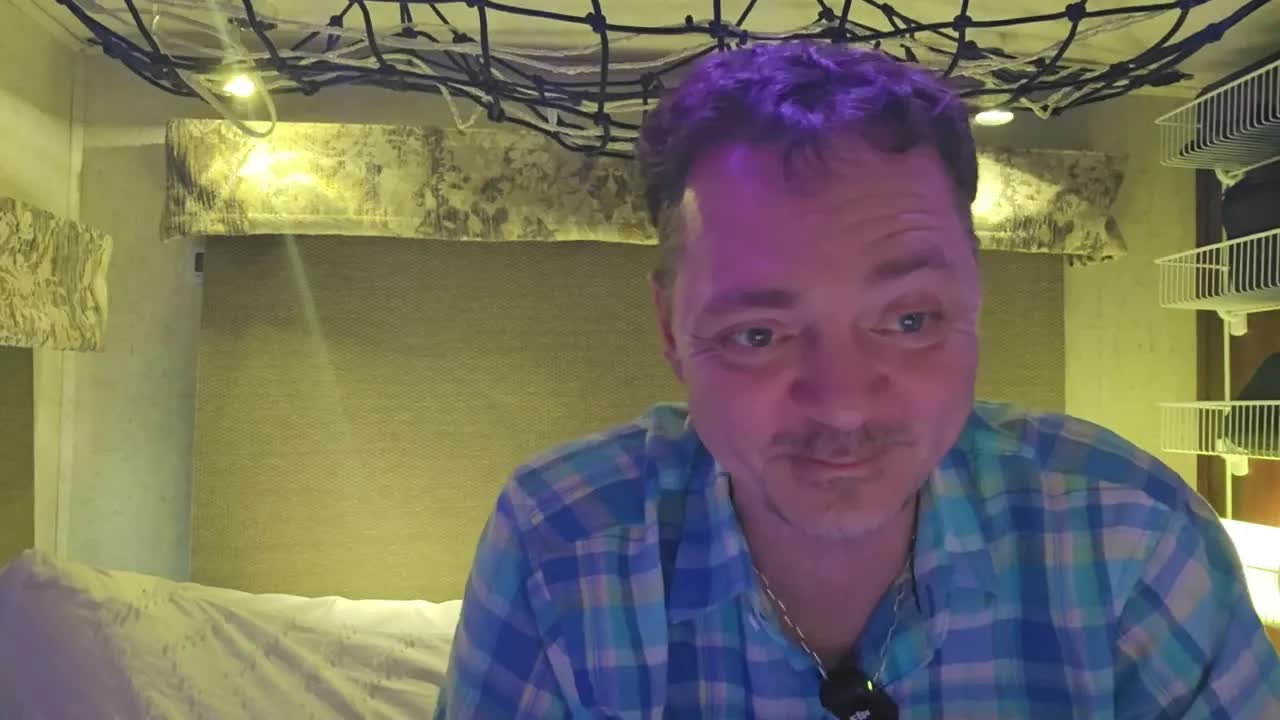
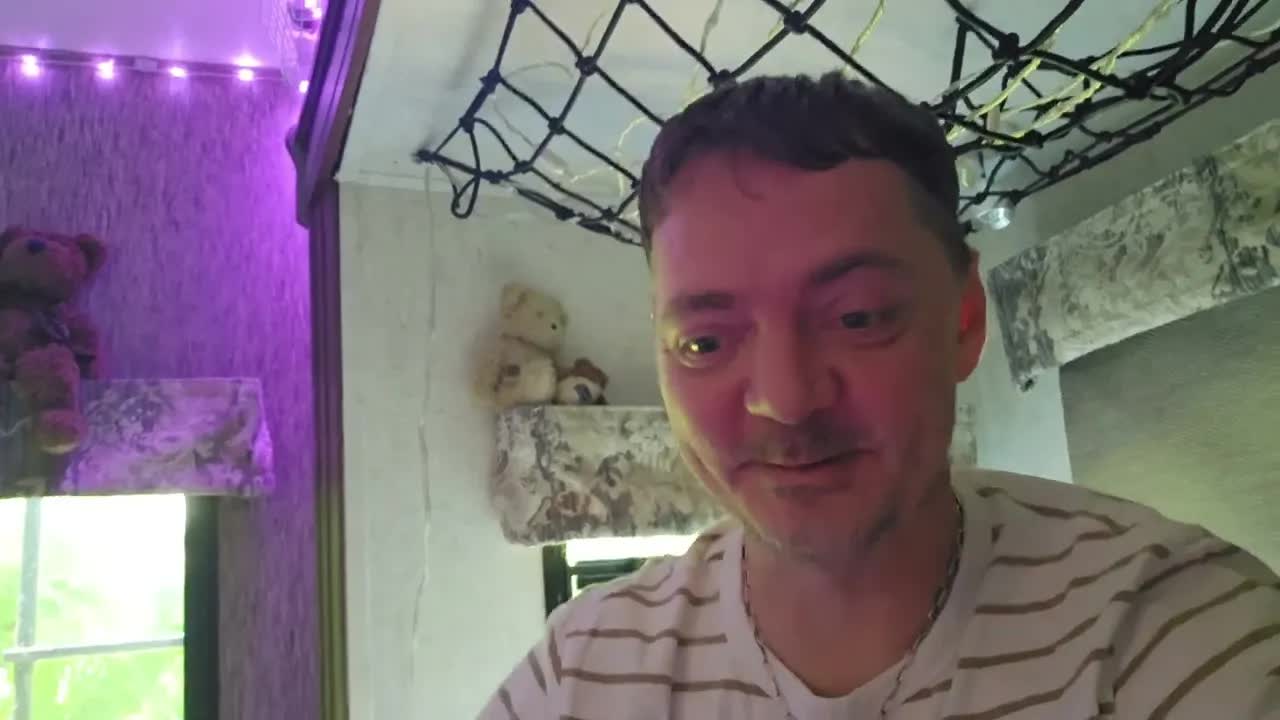
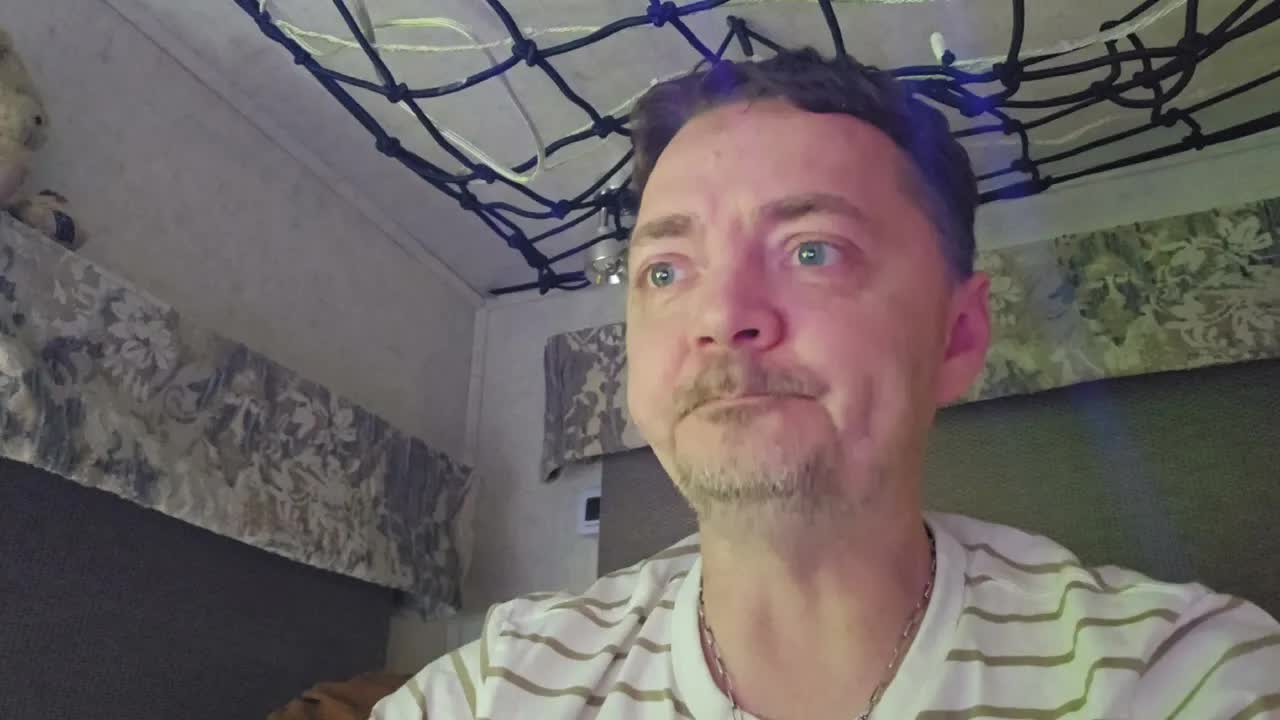
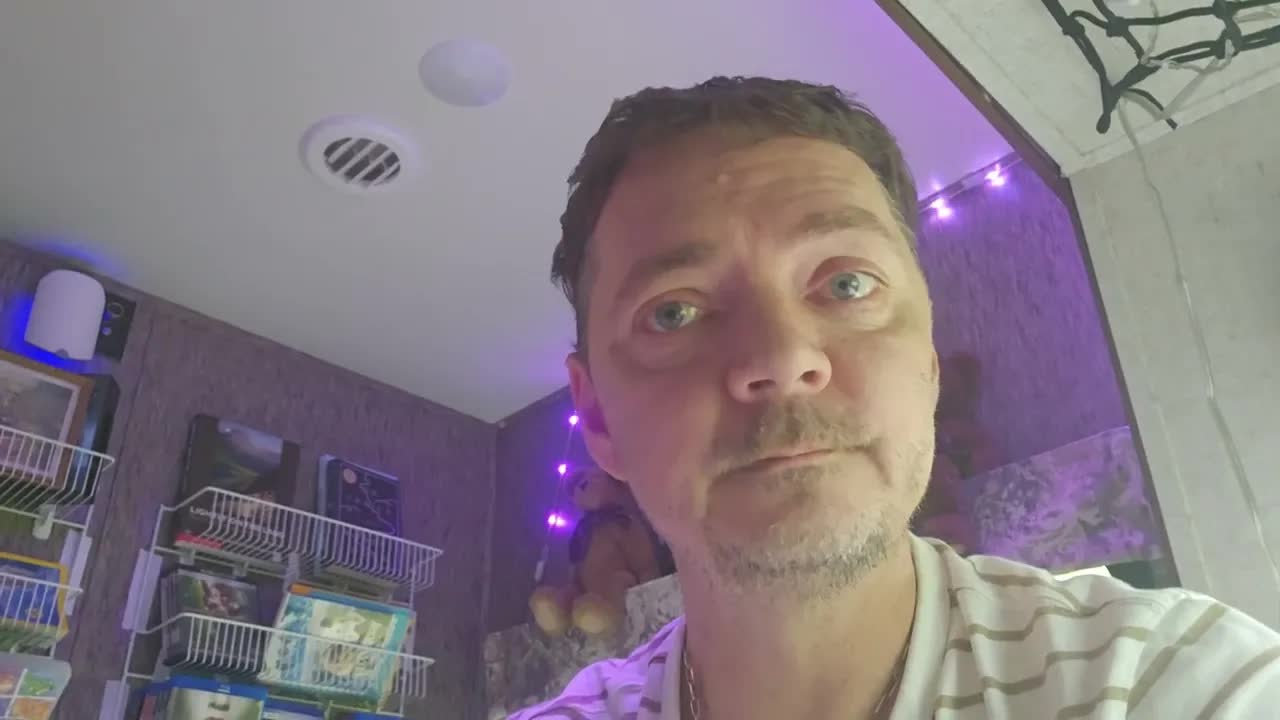
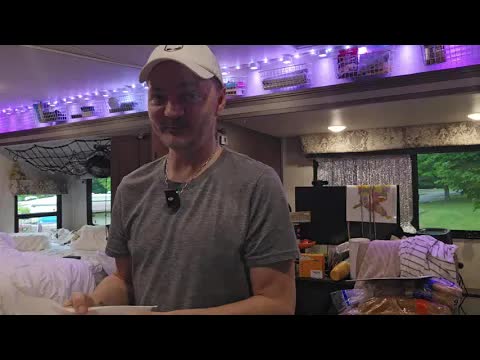
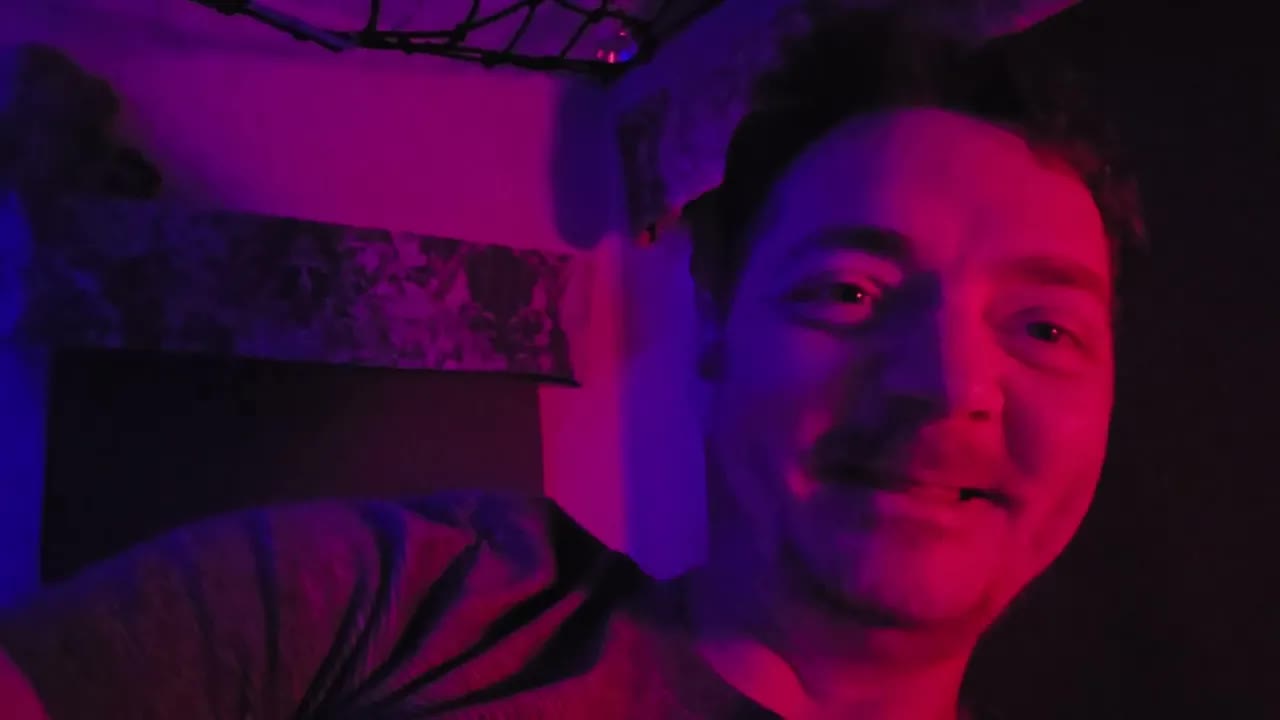
The recording begins the way a door opens — mid-motion, already underway. Everyone, rswfire says, and the address is deliberate: not a note to himself, not a message to one person, but a transmission outward from inside a vehicle parked at a campground he is scheduled to leave in two days. It is night. The RV is dwelling and transport at once, the walls close, the light whatever light he has. He has been at the screen for hours.
The conversation with ChatGPT had run long — long enough that he does not give it a duration but a magnitude. Hours. And at some point inside those hours the exchange stopped being exchange and became something his body answered. He names the tears directly, and then he names the precedent, which is the more structurally significant of the two: the last time a conversation moved him this way, he bought an RV and moved into it. He does not offer this as a warning or a caution. He offers it as calibration. So you can imagine how that went. The sentence is dry, almost amused, and it is doing load-bearing work — it establishes that this scale of movement has happened before, that he knows exactly what this feels like from the inside, and that the recognition is not new information to him.
What emerged from the hours is a direction. West. Nevada. A specific place roughly two thousand miles from where the RV currently sits. And immediately, before anyone can mistake it for a trip, he draws the distinction that organizes everything else: it is not a physical location for me, it is a place that I have to experience. The coordinate is not the point. The undergoing is the point. He reaches for the word quest and lets it stand — not softened, not apologized for, not converted into something more explicable. It's like something I just have to do. The grammar throughout is the grammar of requirement. Not want, not plan, not considering. I have to.
Then the register shifts, and this is the turn the signal is built around. Having stated a thing that could easily carry him out the door that night, rswfire moves instead into logistics. Thursday he leaves for the next campground. He has booked it for a month, a little over. He notes that he could have booked it for three. Two thousand miles is the distance. The tires, in his assessment, need replacing. I need to prepare. I have to do the proper planning for this. Each item is small and each item is material — rubber, mileage, reservation windows, days of the week — and together they form a staging architecture beneath a decision that is no longer being debated.
And he names the reason for the architecture explicitly, drawing the line back to the earlier move: I can't rush this decision like I did moving into this place. The precedent that authorizes the direction is also the precedent that governs the pace. He is not slowing down because he doubts it. He is slowing down because he already knows the answer and intends to arrive with tires that hold. The recording ends on the shortest clause in it, four words after all the qualification and sequencing, the destination closed and the timeline his own: but I'm doing it.