






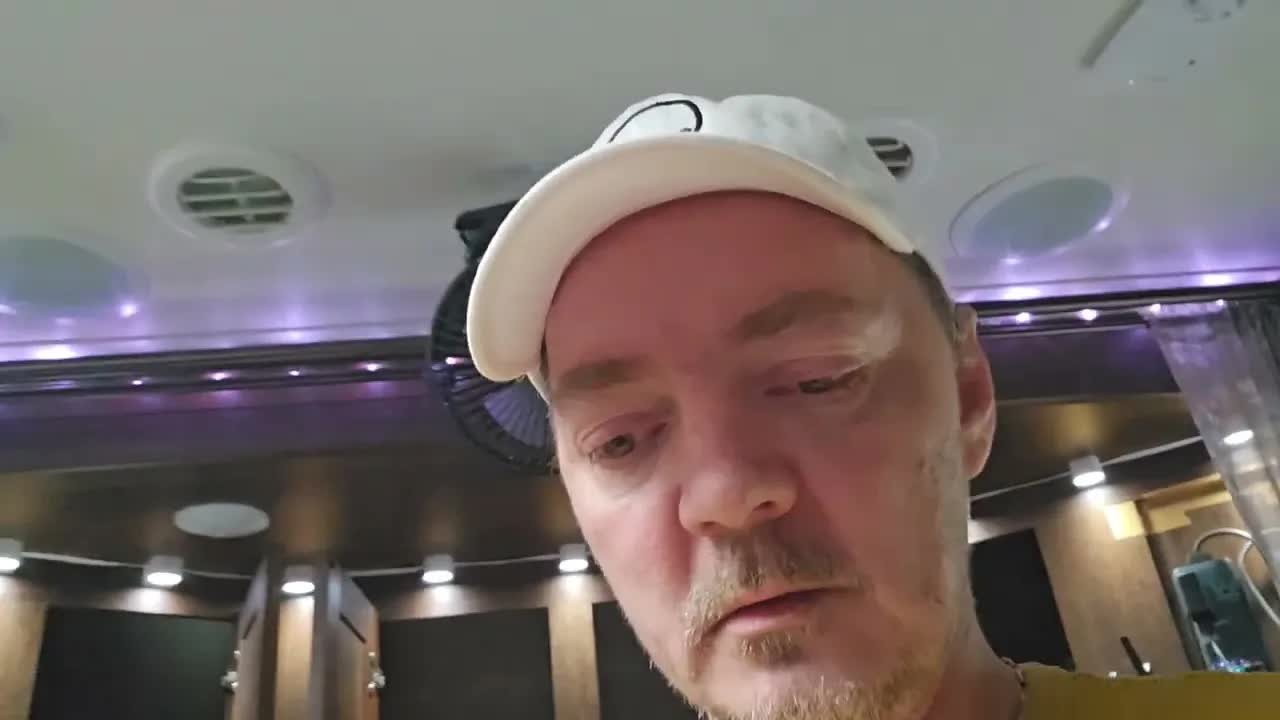

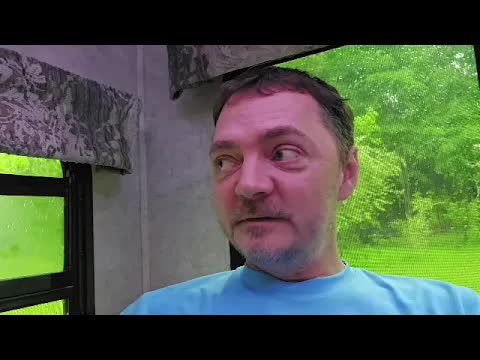



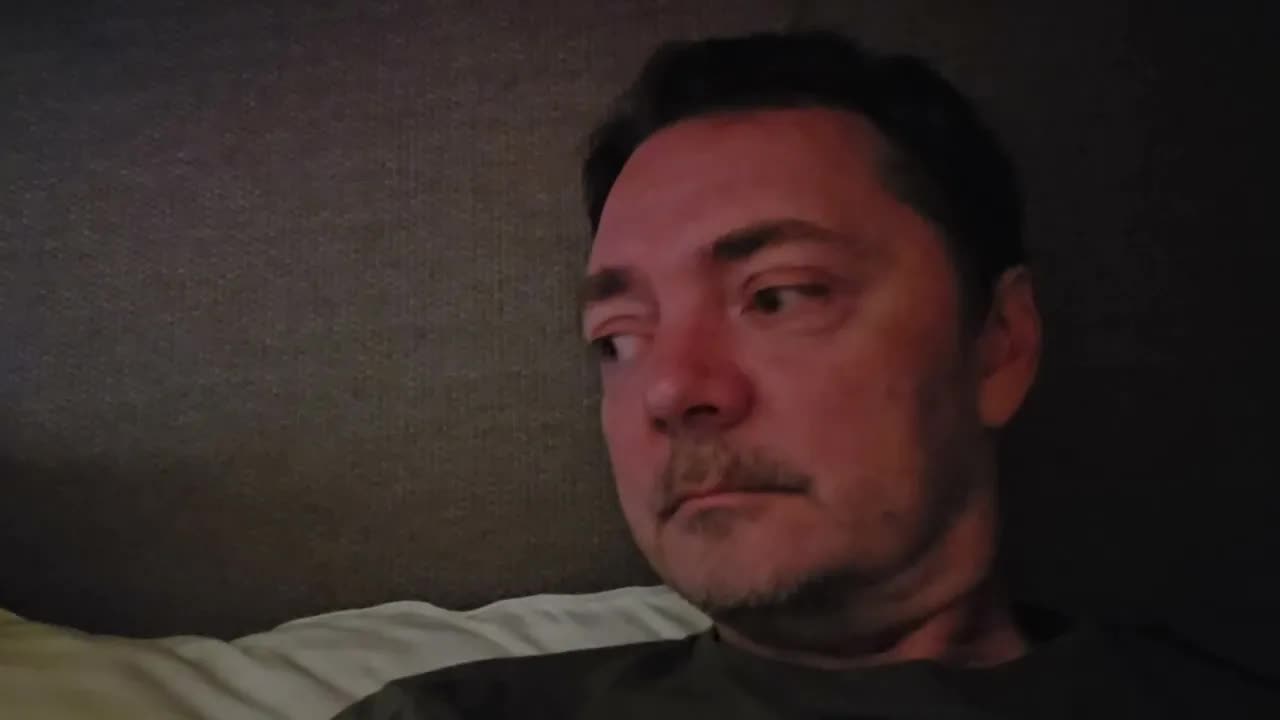
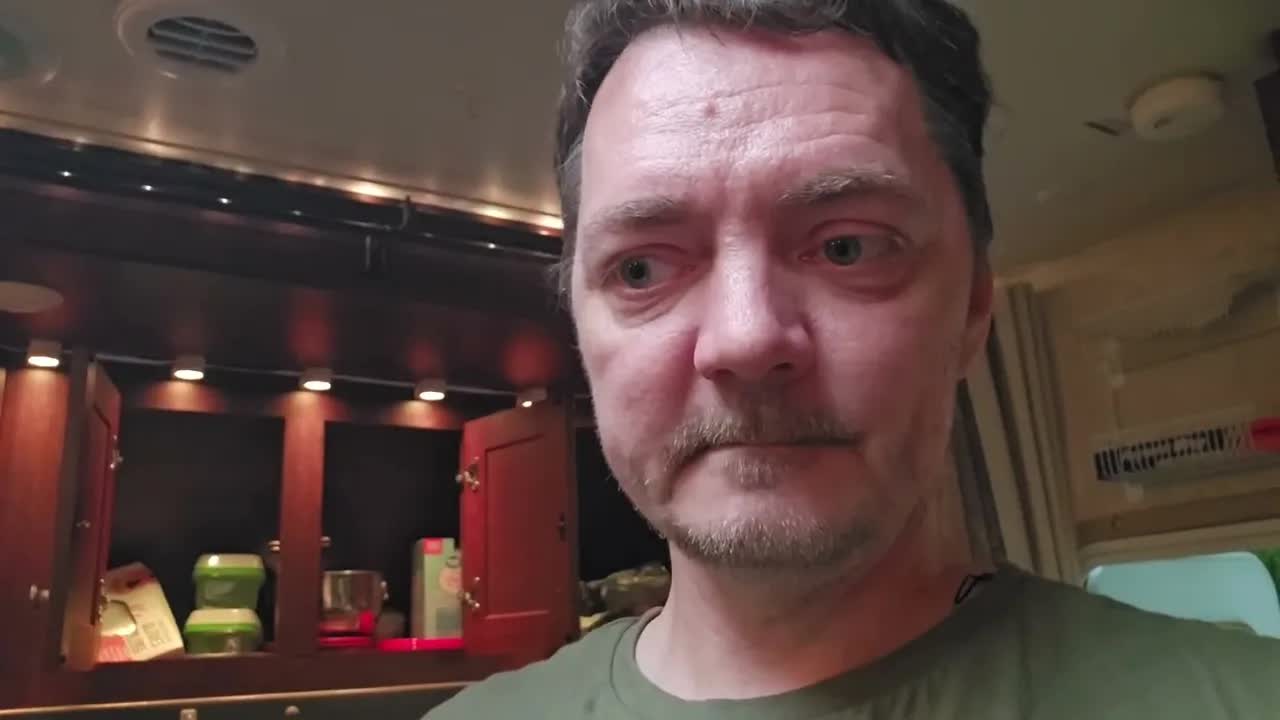

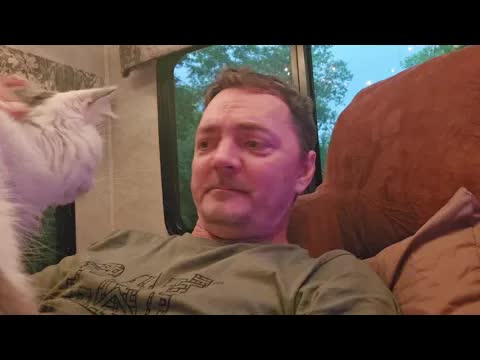
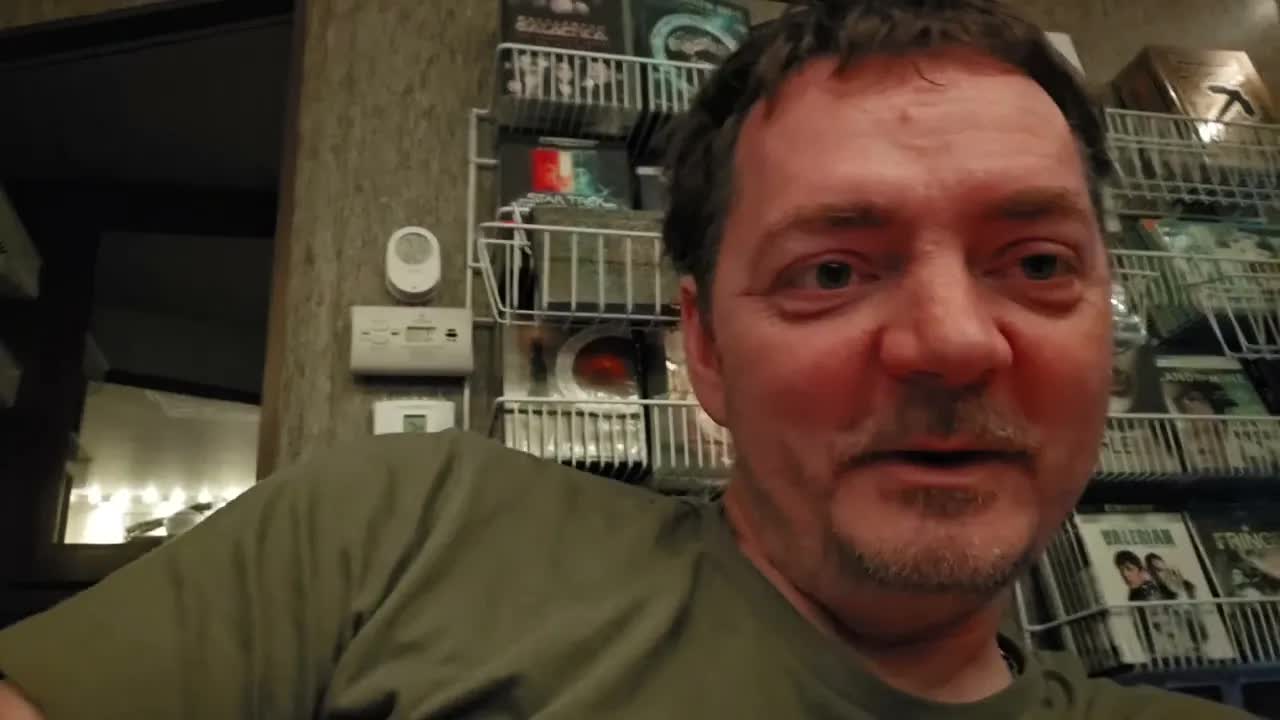


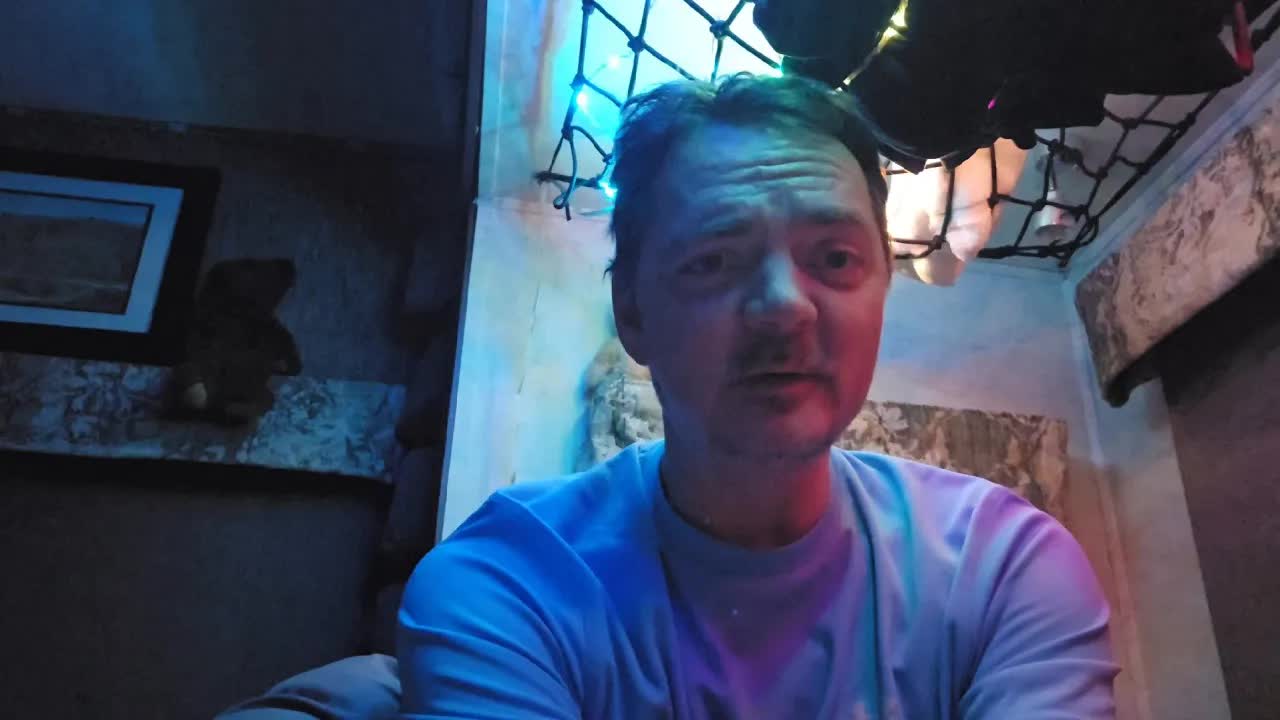
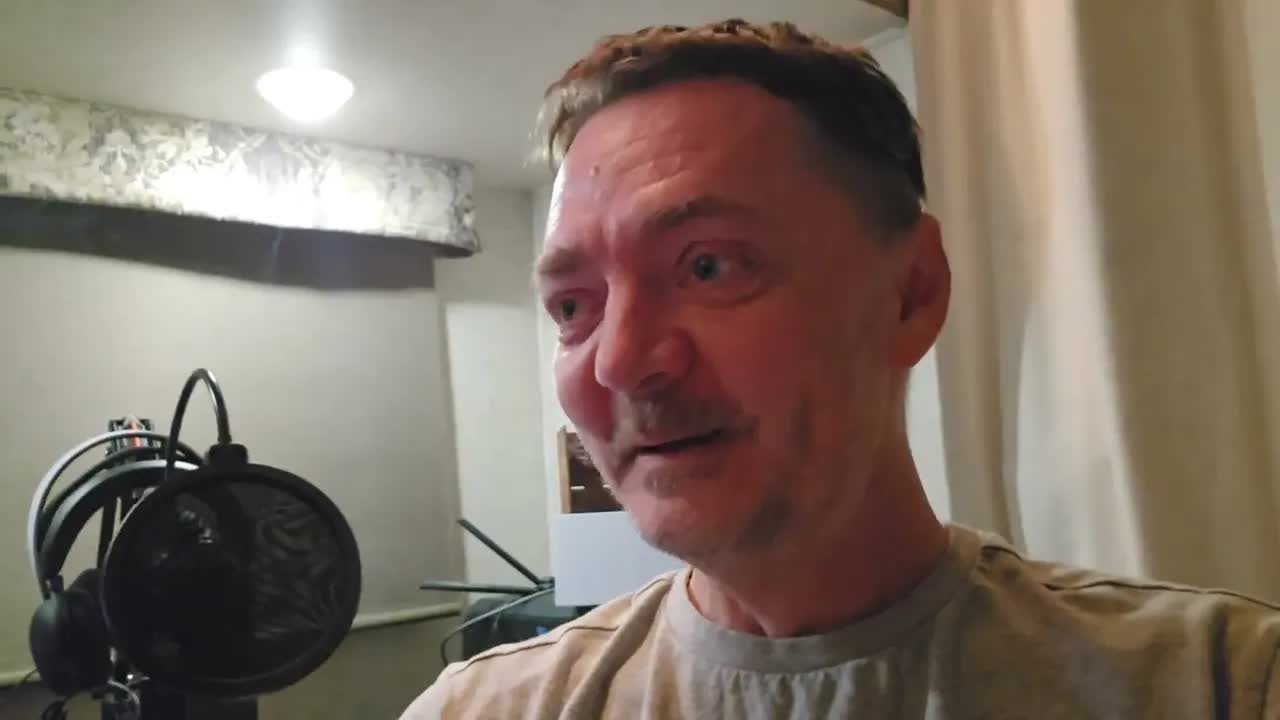
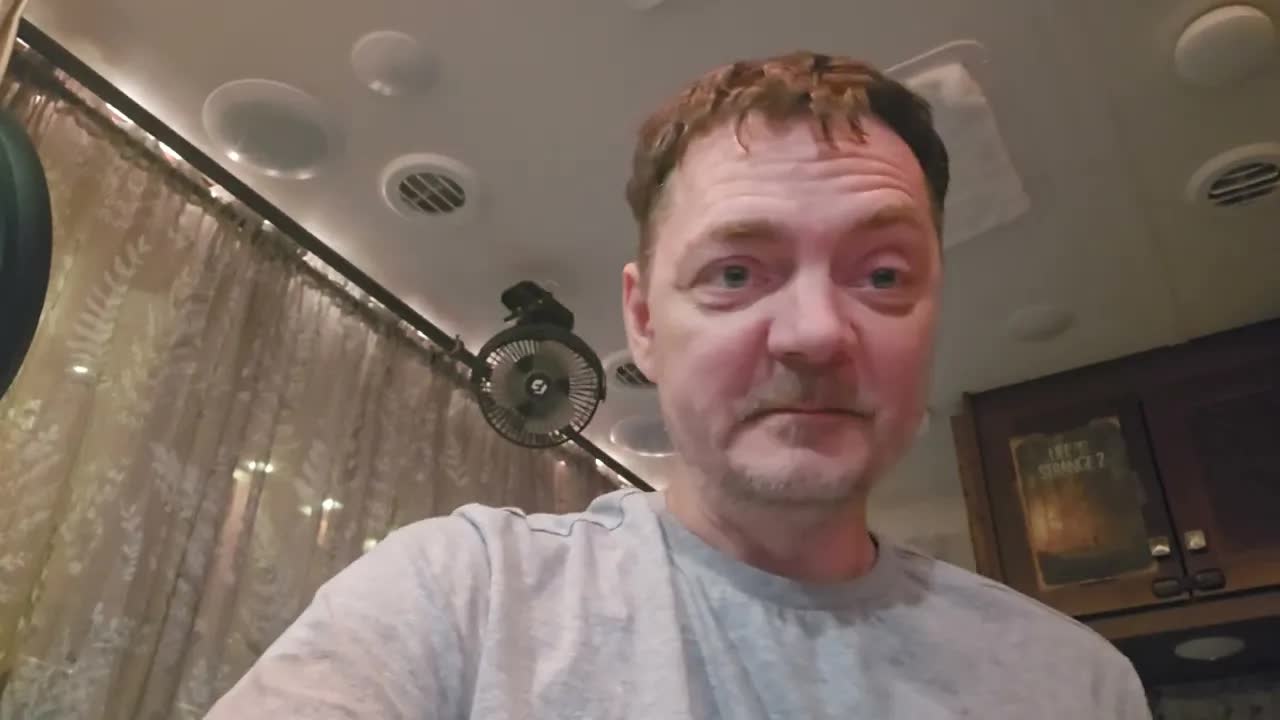
The day had already turned once before rswfire reached the recording. It turned in the vehicle, on the drive home, with Bailey beside him — a small unexpected passage where he cried, not much, and registered in the same motion that it was the first time. He noted the fact of it more than the weight: the first time. Then the drive ended and the day continued into the residence he is actively taking apart.
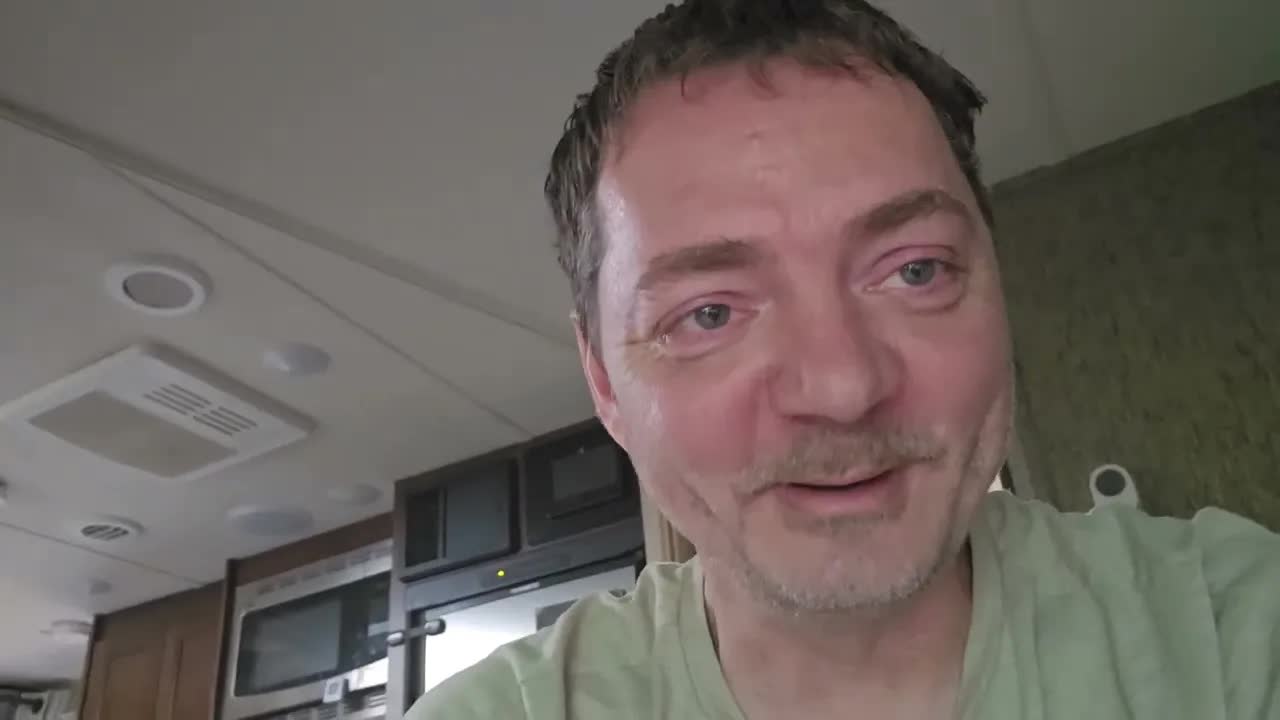
Inside, he put on classical music. It was a deliberate input, chosen and turned on, and he breathed against it. The sensation he was breathing through had a precise location — a void in his chest, deep and intense — and a precise name. He worked through the vocabulary and arrived at one word only: grief. Grief from his old life. He did not soften it or route it through a second term. He named it and let the name stand without asking it to resolve into anything else.
The correlate was clear to him too. It happens, he says, every time he talks to his mom or sees her, and he had spoken with her that day. He named the pattern without assigning fault, and moved directly to what the pattern indicates: that it tells you how much I love her. She will visit next week for a couple of days. That was said plainly, held alongside the void rather than against it.
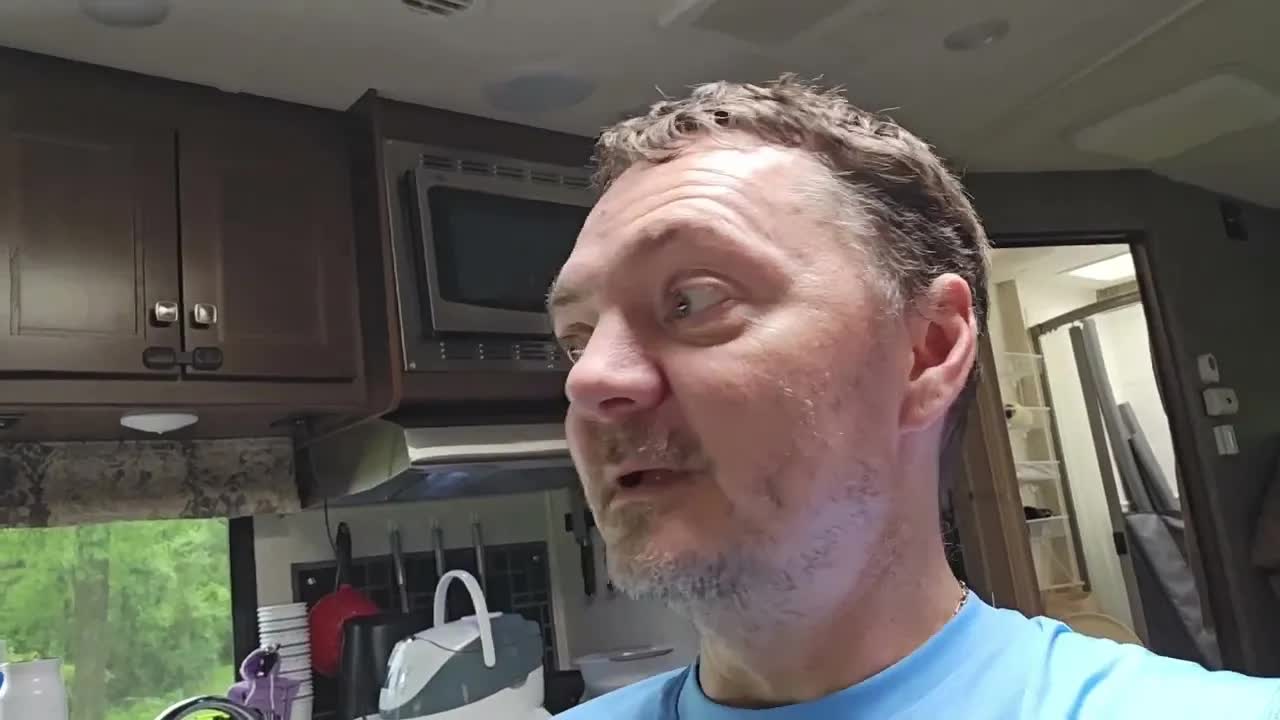
The organizing continued underneath all of it. Bailey's presence in the space had given him something he needed to do for him, and he redoubled the effort on that basis. He is making progress — he says so directly — and he has also torn the place apart looking for one thing, a packet of small command strips he needs for the walls. He checked the storage bay outside. There is not much out there. The strips did not surface. The walls stayed unmounted, and the search stayed open, one missing object inside a residence being methodically dismantled.
The same condition had come the day before, and he had not posted about it. That was the decision he revisited before ending the recording. He weighed whether most people doing what he is doing would feel this, or feel it this deeply, and declined to answer for anyone but himself — he can only go on his own experiences. But he concluded it was important to share, because there are people like him, and because he does not think a transition like this can be made without something. He does not know what that something looks like from the inside of another life. He named it anyway: your version of what I'm going through.
Then, already preparing to edit the footage, he stopped and added the closing term. The grief does not invalidate what he is doing. He knows he made the right decision — knows it in the core of his being — and has seen how much this has helped him. The sensation is not constant. It arrives some days, holds for a couple of hours, ebbs and flows, which is how life works. He considered whether advance warning would have changed anything and answered that it would not: he would have still done this. So he left the warning in the record for whoever comes next, structured as fact rather than caution — this is something you may experience, and if you do, you can get through it. Then he took the recording into editing, and the space around him stayed half-organized, the walls still waiting, Bailey still there.