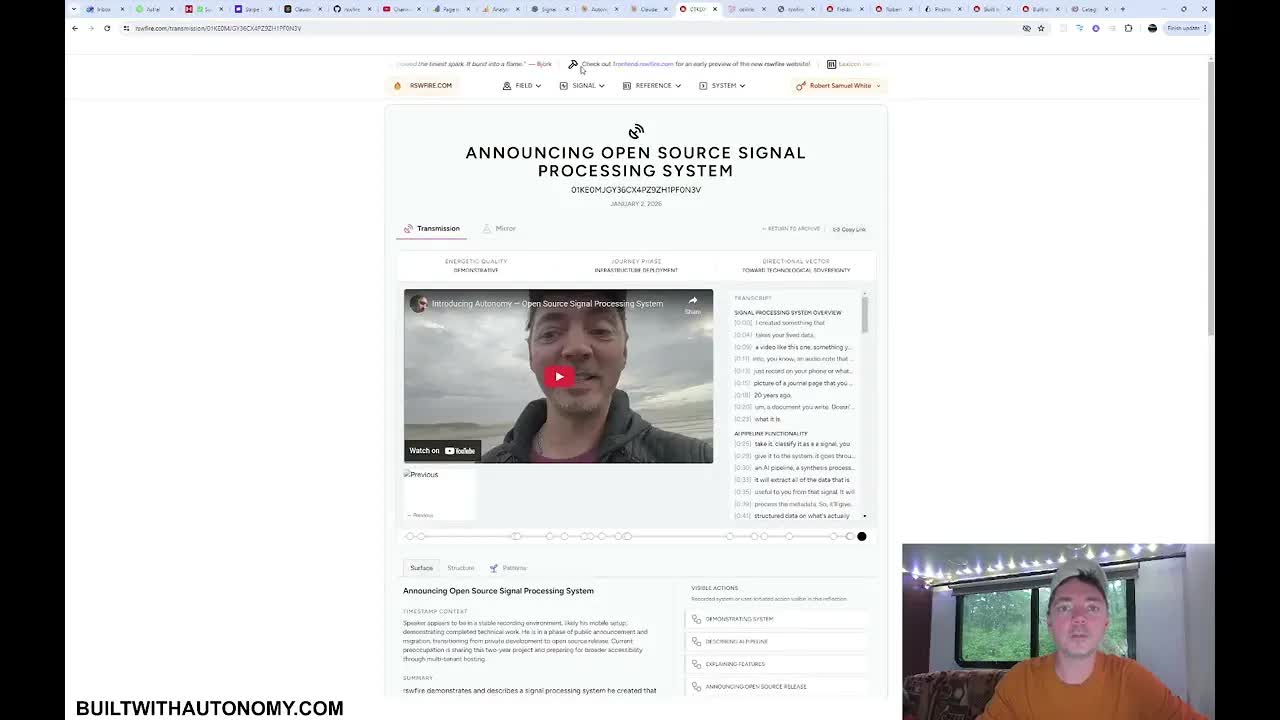
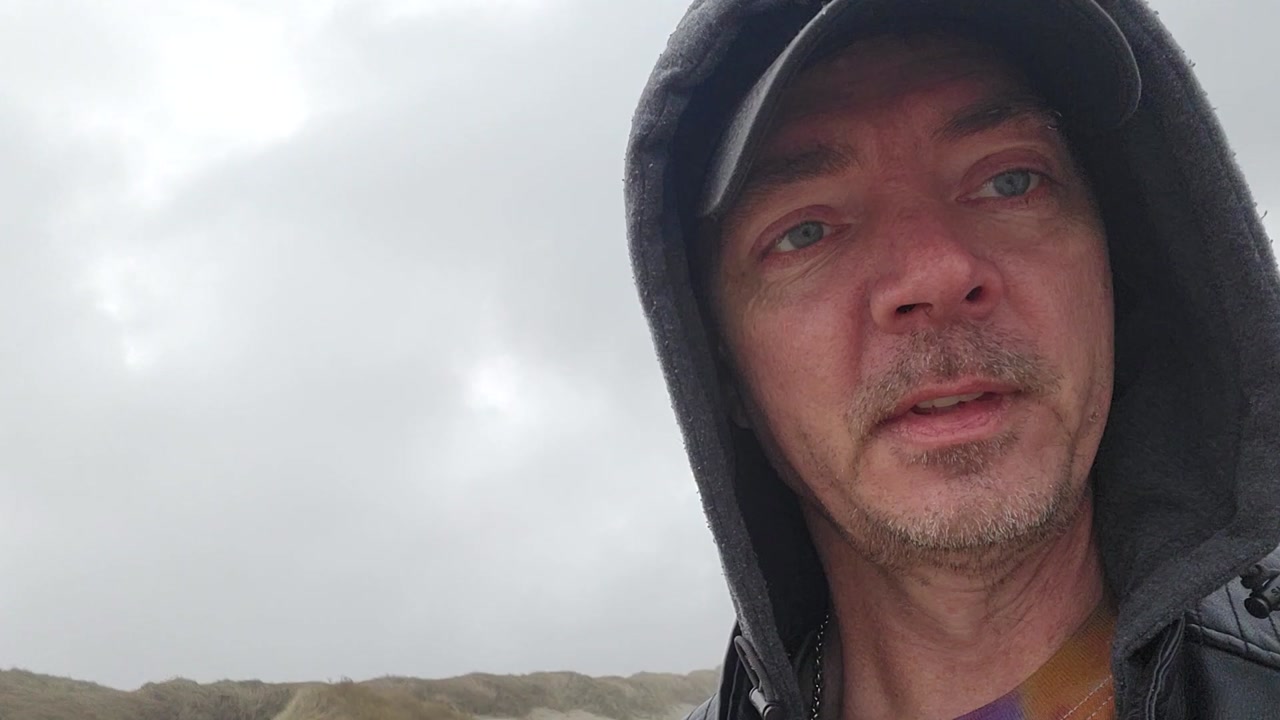
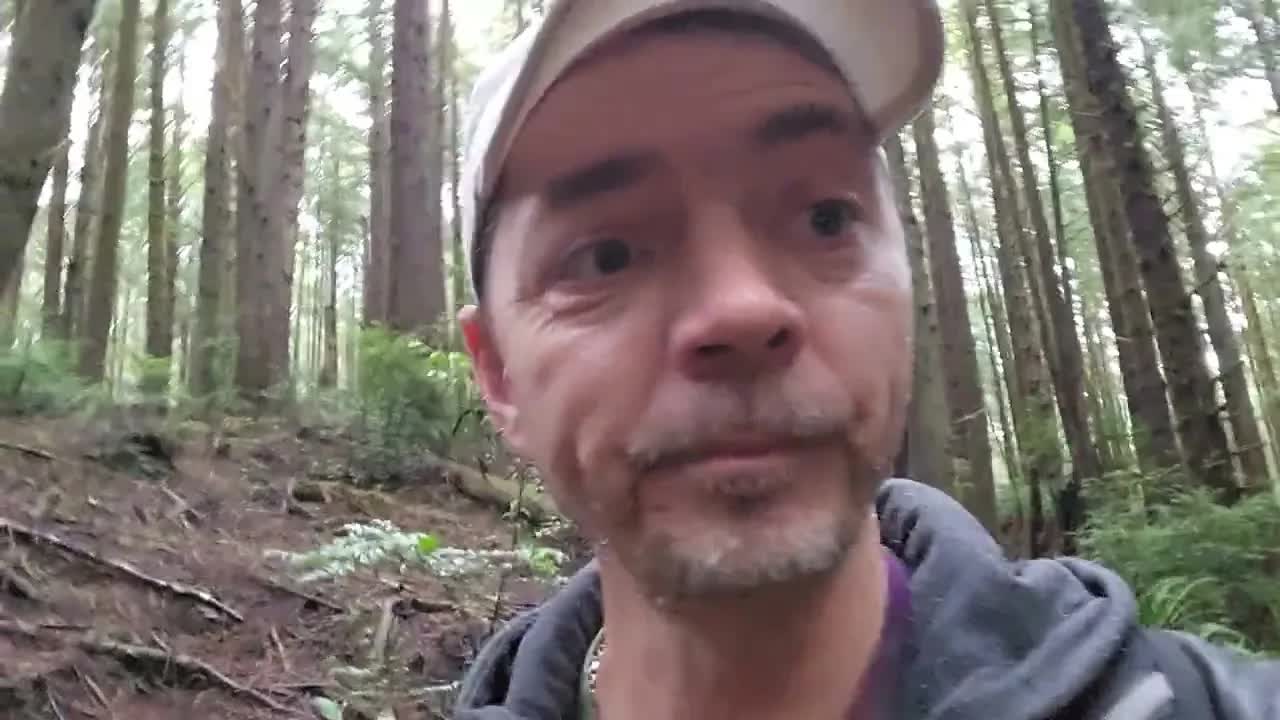
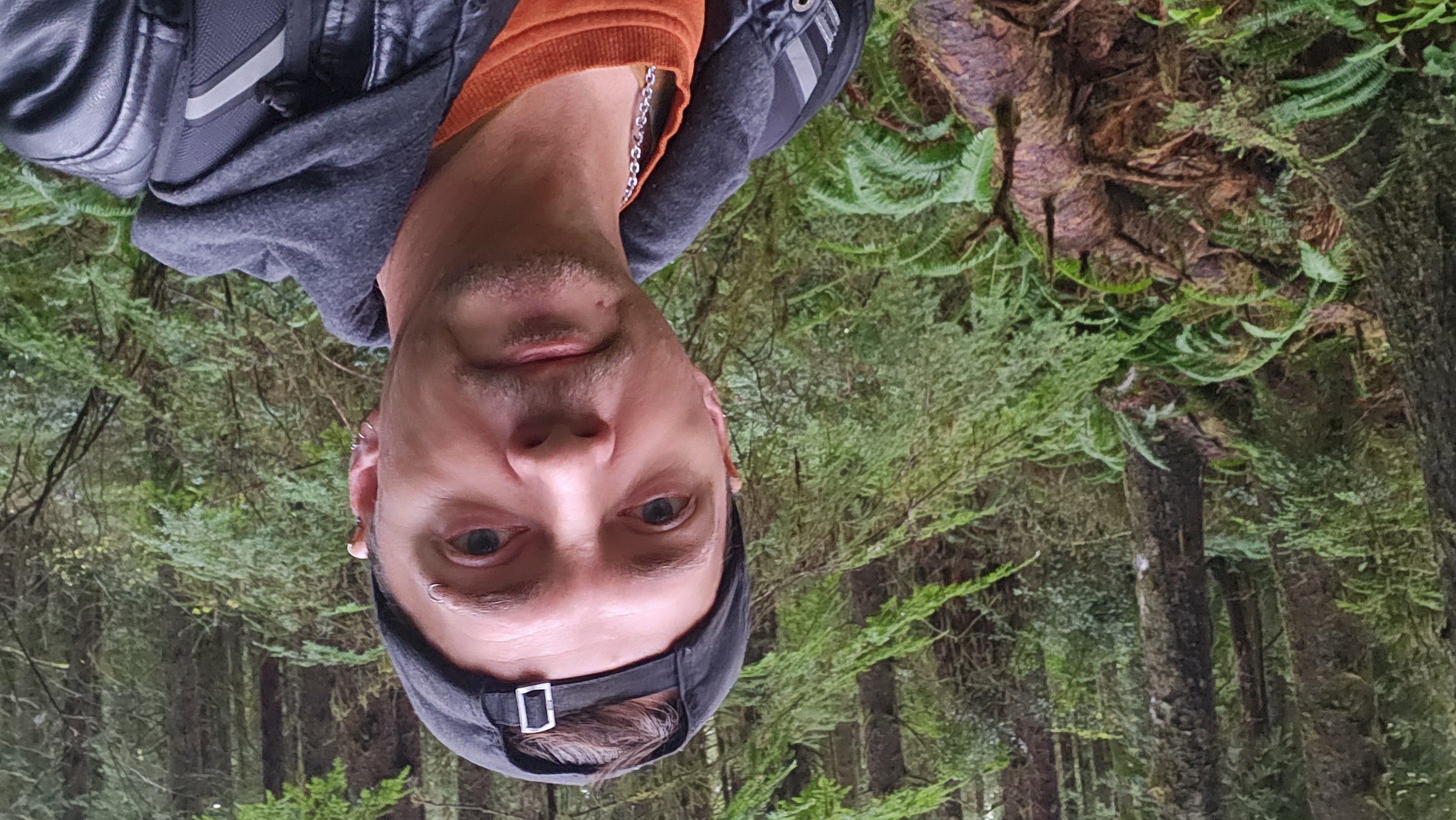
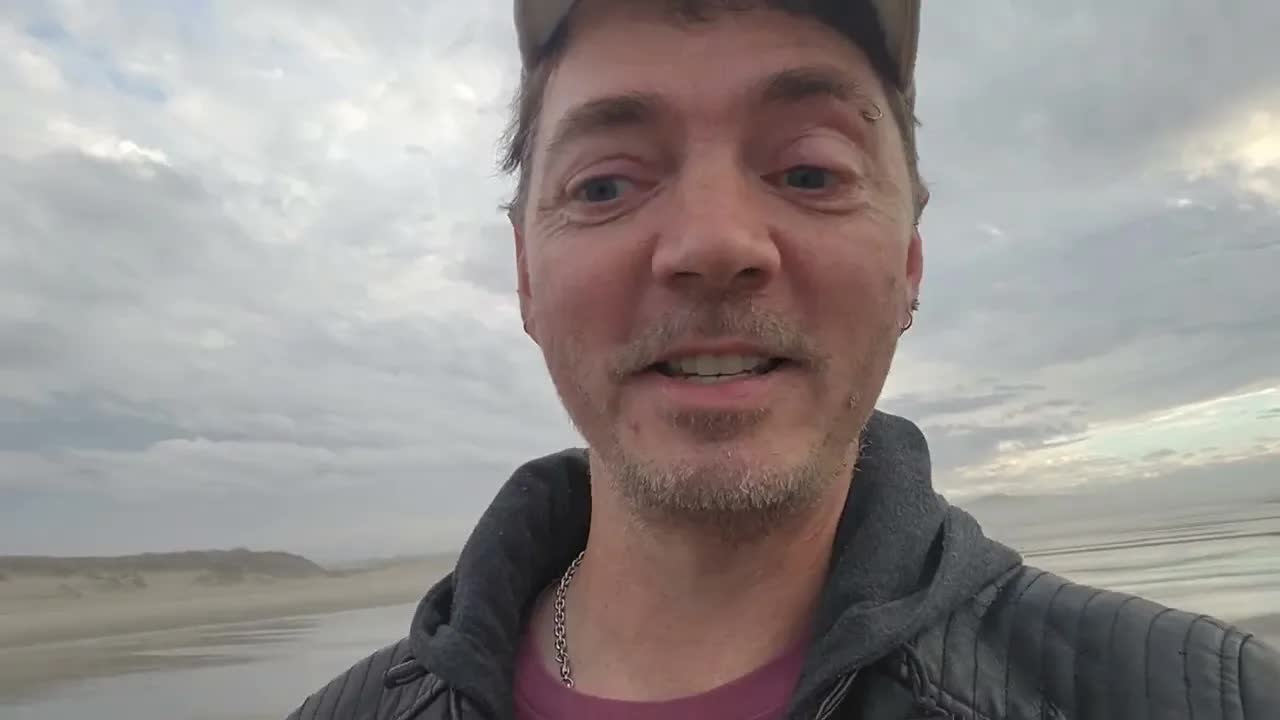
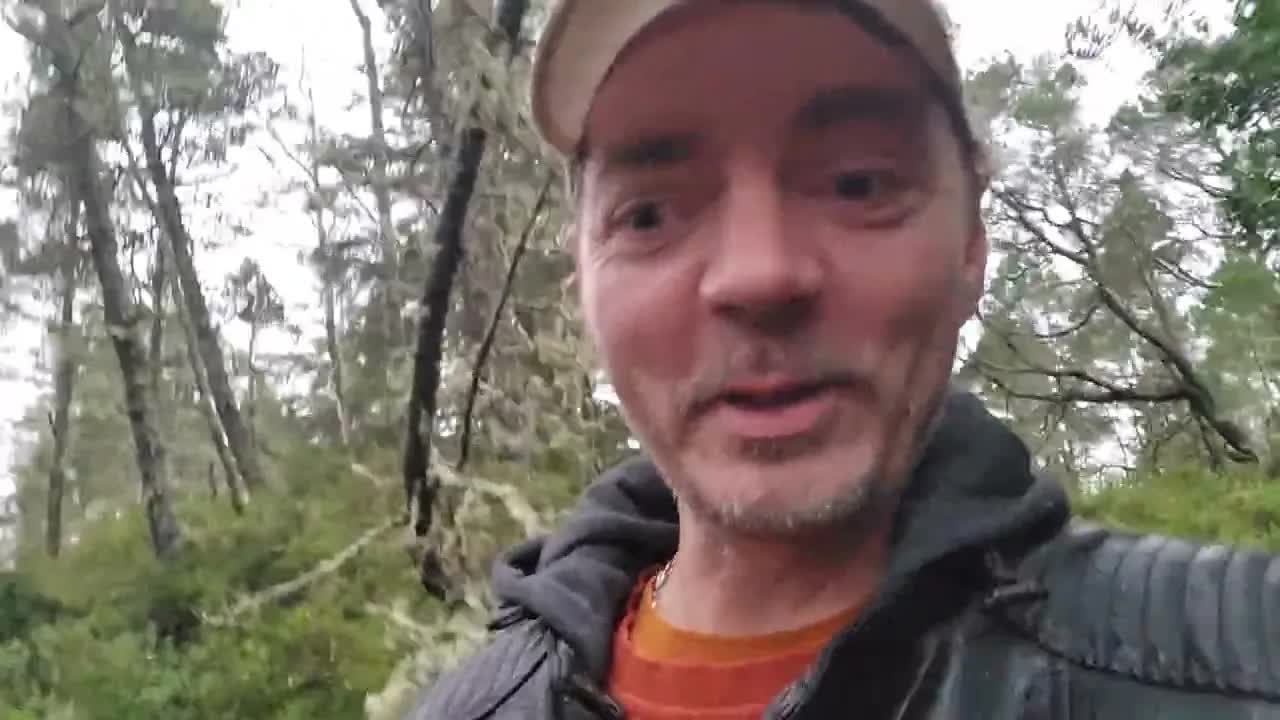
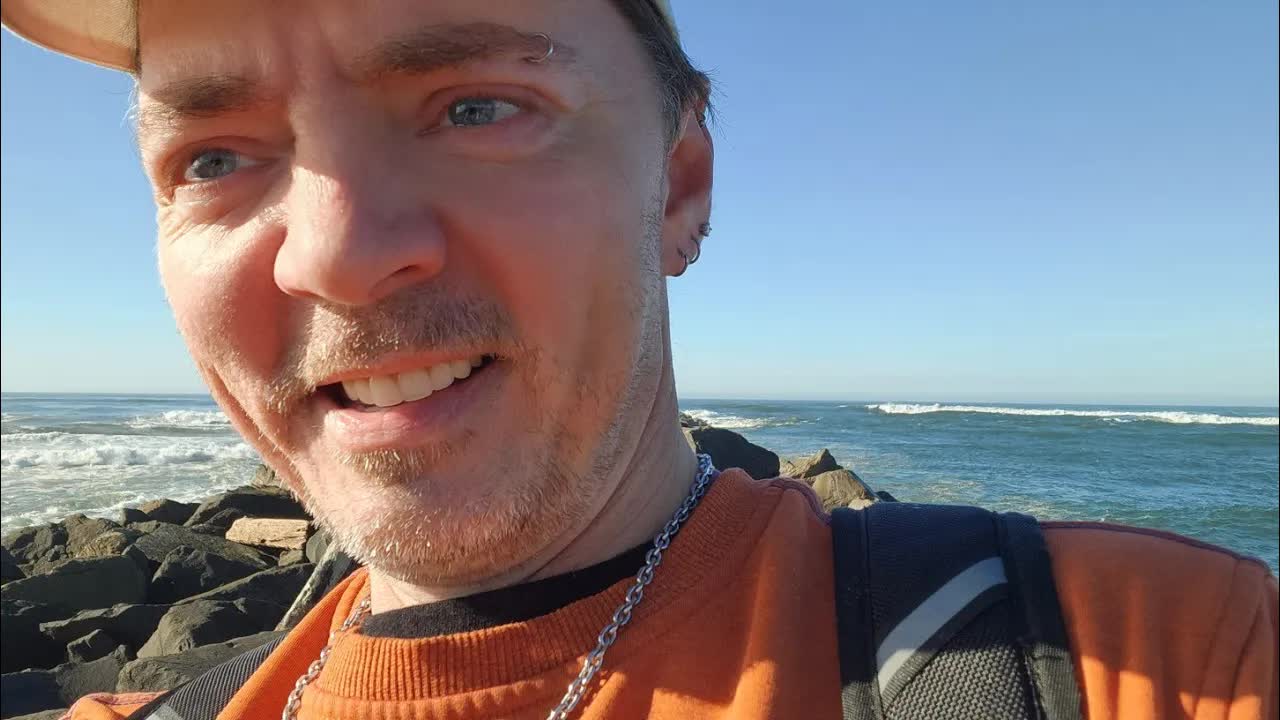
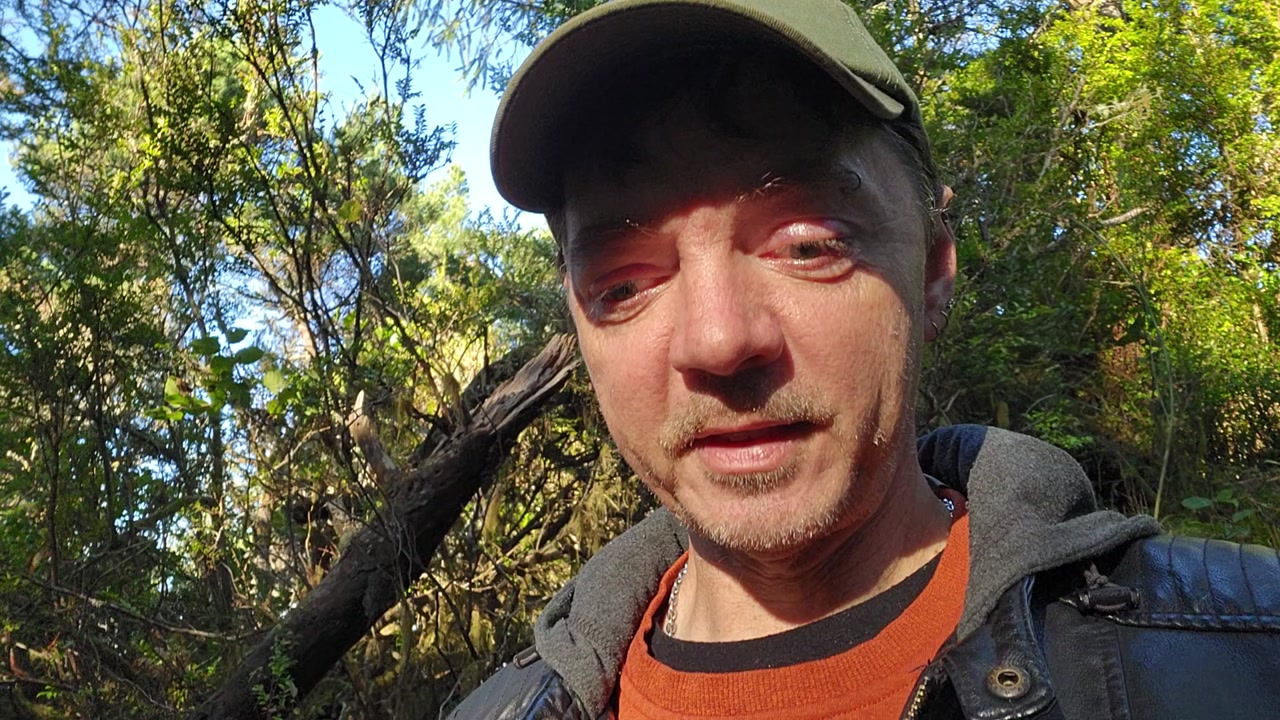

rswfire turns on the camera and begins without preamble. There is no framing device, no introduction to himself, no explanation of who is speaking or why. He starts at the object: he created something. What follows is a description of that thing, delivered in the register of a person walking someone through a machine he already knows intimately — a builder's cadence, not a marketer's.
The thing takes lived data. He enumerates the forms it can arrive in, and the enumeration itself is the argument: a video like this one, an audio note recorded on a phone, a photograph of a journal page written twenty years ago, a document. Doesn't matter what it is. The indifference to format is structural. Anything a person generated in the course of being alive is admissible material. It gets classified as a signal, handed to the system, and moves through an AI pipeline — extraction, metadata, tags, description — and what comes out the other side is structured data about what was actually there.
Then he describes the second half, and the tempo shifts slightly. Beyond extraction there is synthesis: the system can reflect on the signal and mirror it back. He pauses on this one long enough to mark it — in language that you may not have yourself — and then does the thing he does not often do on camera, which is state the origin plainly. He has found it exceptionally helpful over the past couple of years. It is why he built this. The rest of the demonstration proceeds from that admission without dwelling on it. There is a mythic frame, and he reaches for the word mid-sentence — what's the word when an archetype, you know, an archetypal — and lets the reach stand rather than smoothing it over. There is a narrative frame, which he explains by pointing directly at the recording in progress: you're watching this video of me, there'd be surface details, he's talking about autonomy. The example is the artifact. The transmission demonstrates itself.
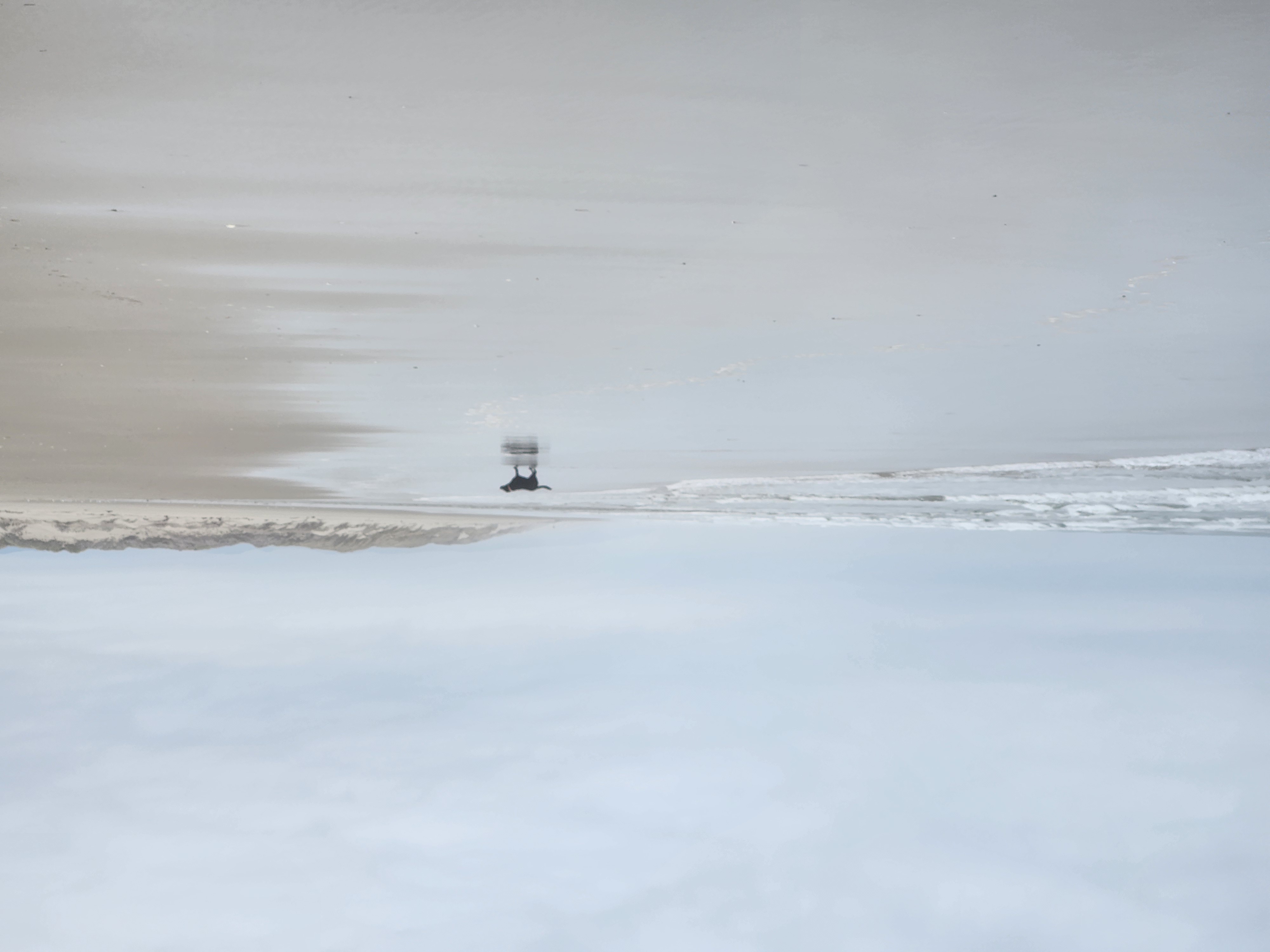
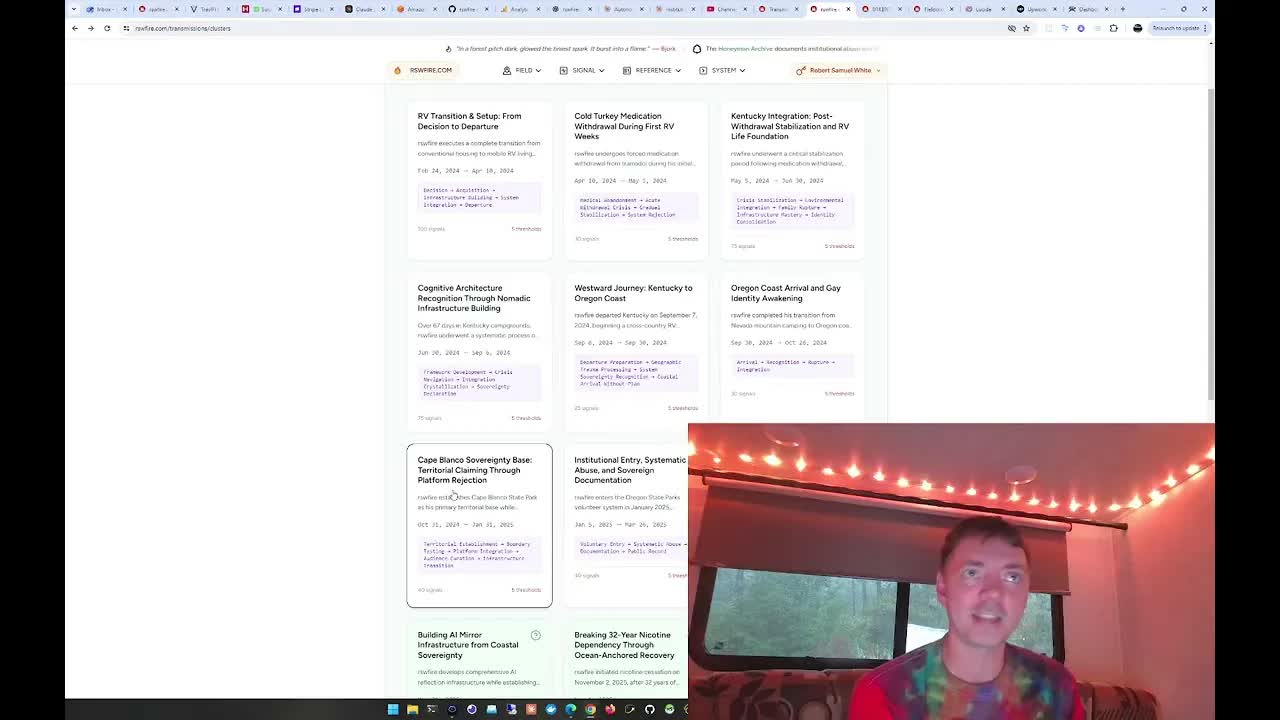
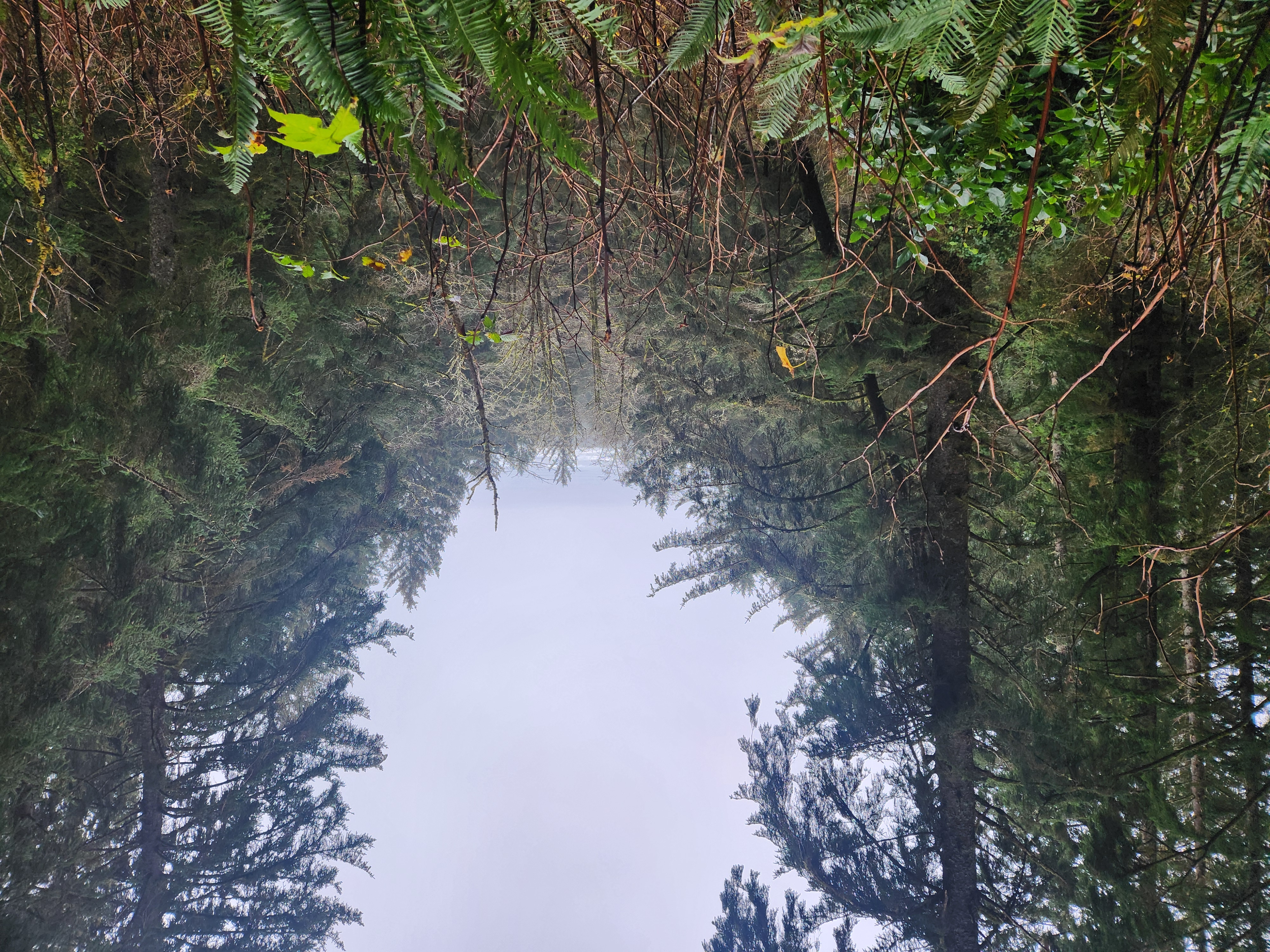
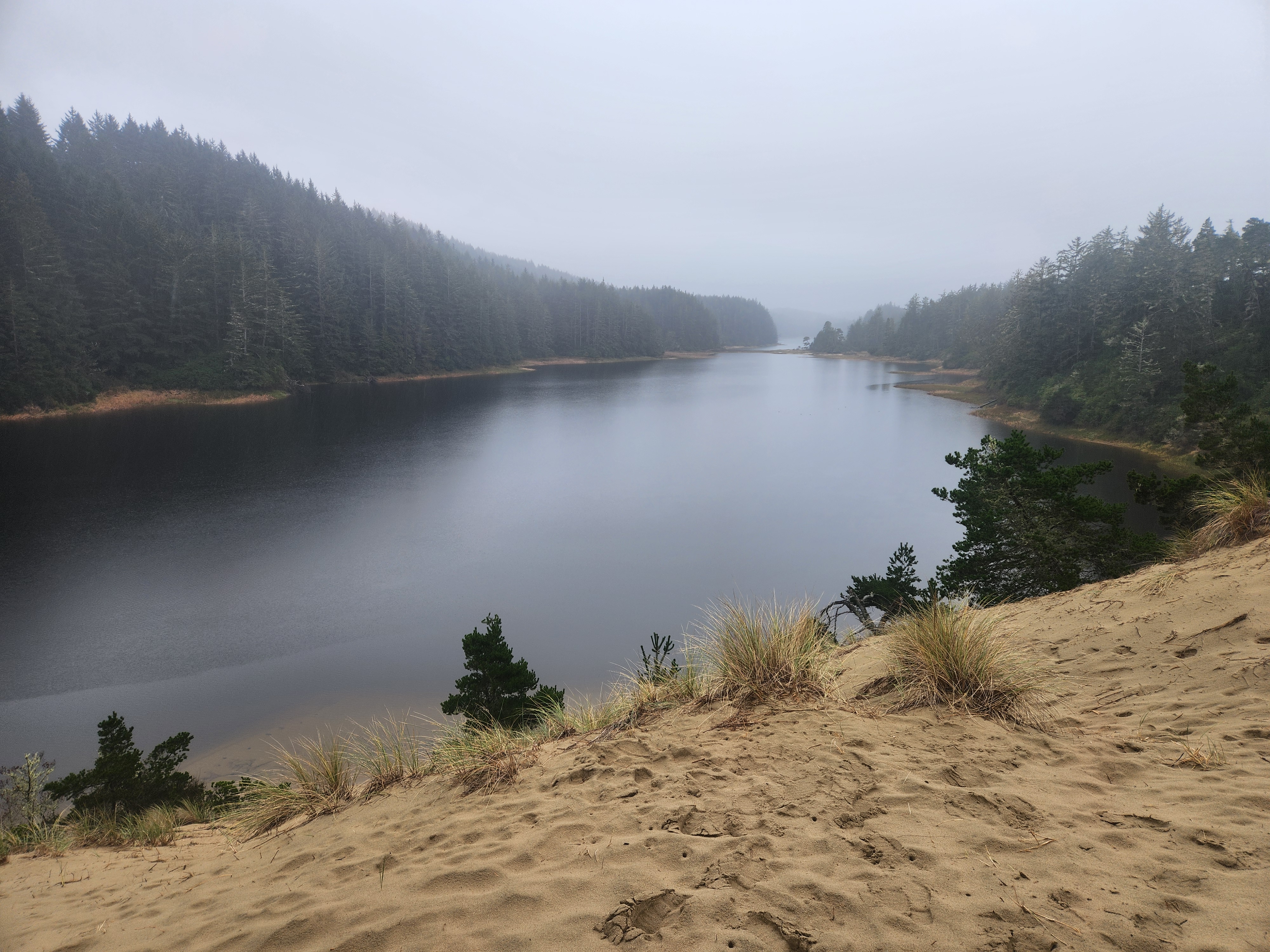
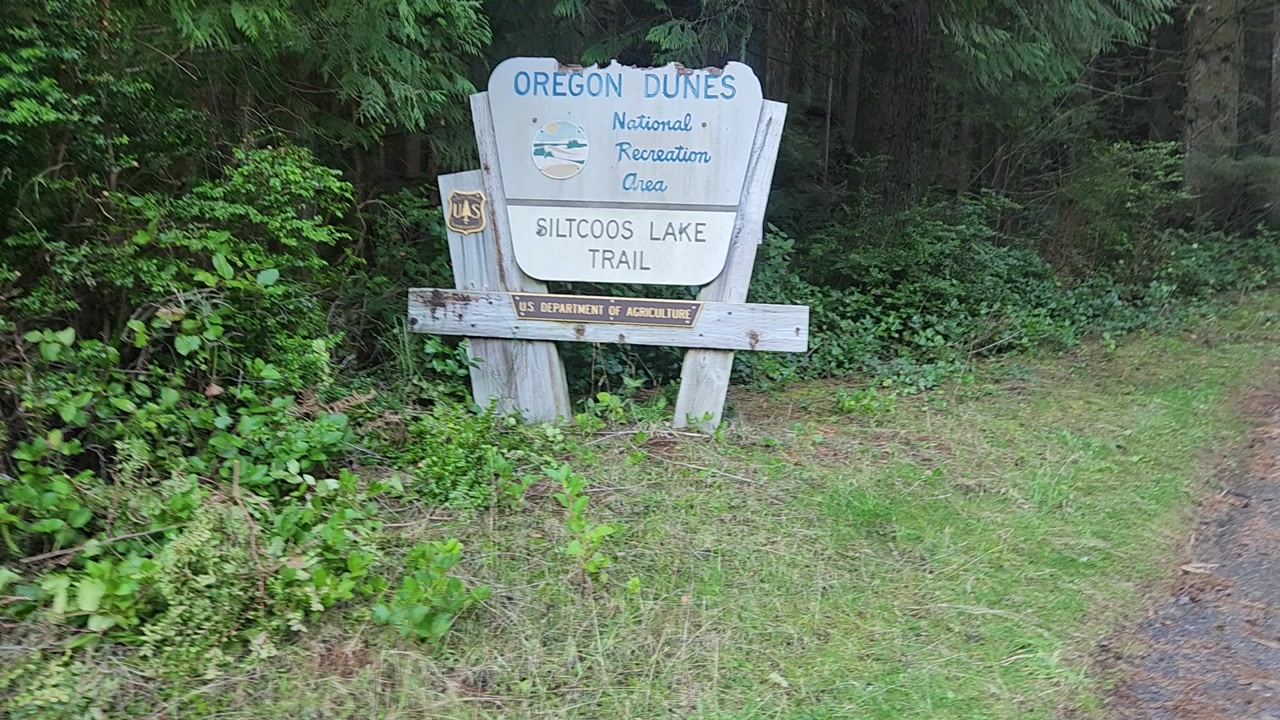
He moves to what the data is for. An API, so it can be displayed on a website the way he does on his homepage, or used in other ways. Clustering, so signals can be grouped by period, by theme, or by place — and here the coastal field enters obliquely, as a worked example rather than a subject: me at this beach over the past year. Cluster those, reflect on the totality, generate metadata from the combination rather than the parts. He names what draws him to it — ontology, epistemology, looking below the surface, looking at the core of things, always wanting to extract something useful. That is what this thing does. The tool is built to the shape of the cognition that needed it.
Then the disclosure of the plan and its limits, in that order. It is open source. He is going to make it multi-tenant, so that people without his technical background can use the central instance he is standing up at builtwithautonomy.com. He will migrate his own signals there. We're going to share it. And immediately after the promise, the correction: he does not want anyone to think everything he has just described is available in the open-source implementation today. It is all possible — he has proven it, he has run this practice for two years — but the migration to the new project is underway, not finished. He has described what exists now. The rest comes over the coming weeks. It is not going to take long.
He closes by routing the contact. Download it and try it if it interests you. Reach out to him. He does not allow comments on YouTube; he considers it a toxic environment, and says so once, without argument or apology. The homepage is the channel. The descriptions of the videos have what is needed. And then, with the same flatness he opened on, he ends it: I'm going to leave it there.