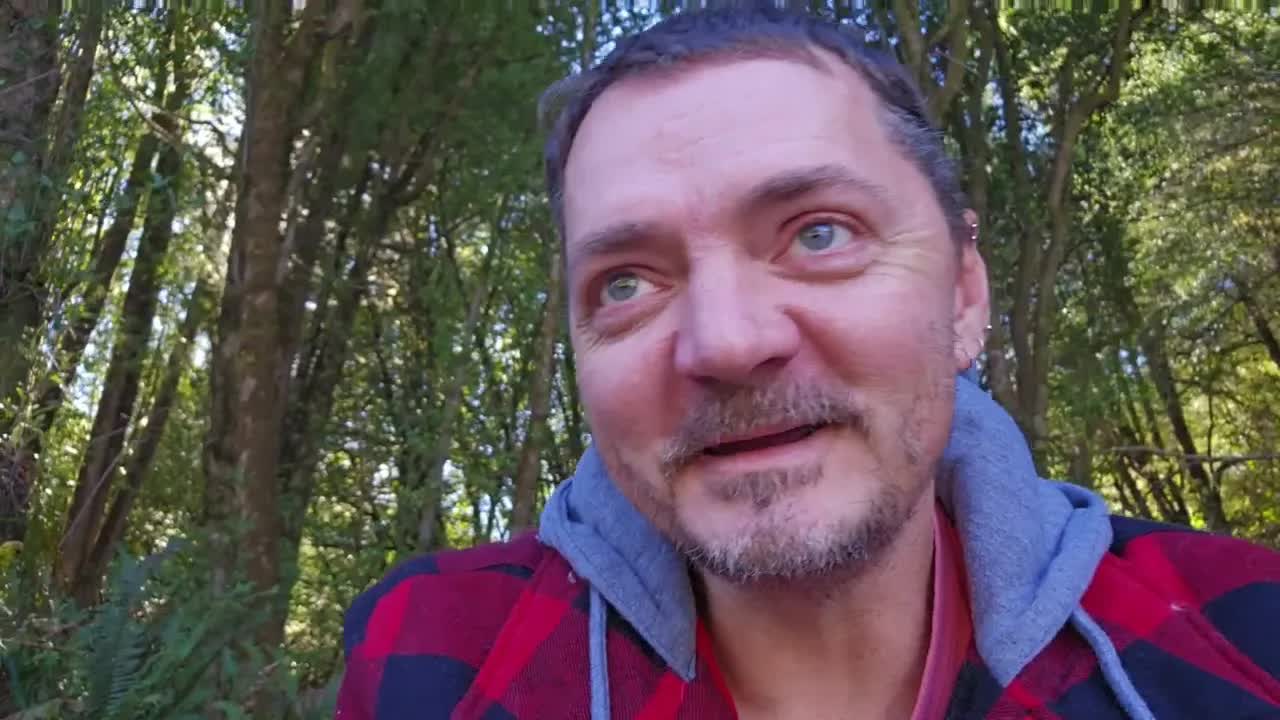
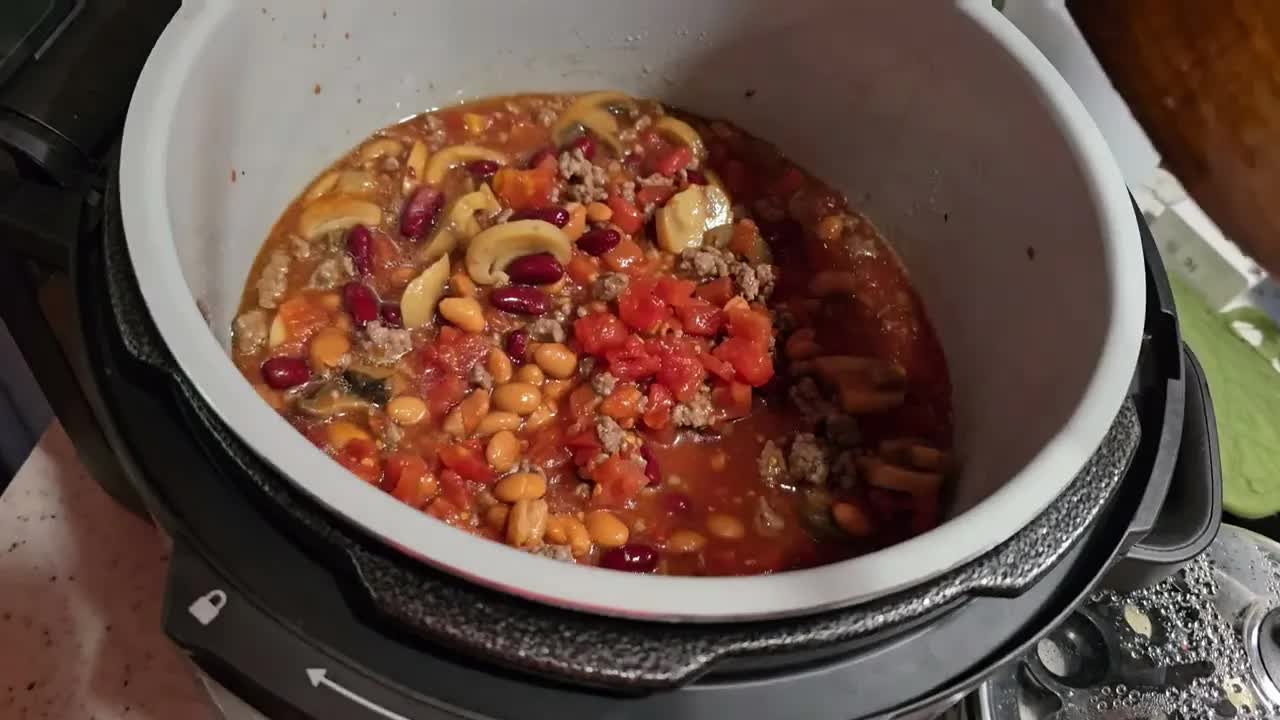

Just before seven in the morning on the southern Oregon coast, rswfire began the day with a weather fact he had only just learned. It would reach seventy-five degrees where he was, but ten or fifteen miles up the coast at Gold Beach — a place whose name he keeps catching himself saying wrong — it would top out around sixty-one. The Brookings effect, he called it, naming the thing he had encountered that morning. He was making a list. Groceries, then chili, then bagels and eggs. That was the extent of it, he said plainly, because he had no money. The new Ninja Foodi would handle most of it; it had replaced several appliances and, he hoped, would simplify things. He was uncertain about seventy-five degrees. He might go to Gold Beach instead.
The store was a different kind of encounter. He came out with a receipt and read it back like an itemized report: fifteen dollars for toilet paper, and that was the cheapest he could find. Eleven for cat litter — that cat. A hundred and twenty dollars from the two hundred he had, and the remainder was already allocated to his profiles on Fiverr and Upwork so freelance work could start moving. He named the stress directly and did not linger in it. It is what it is. He was doing the best he could, like everyone does, like everyone always does.
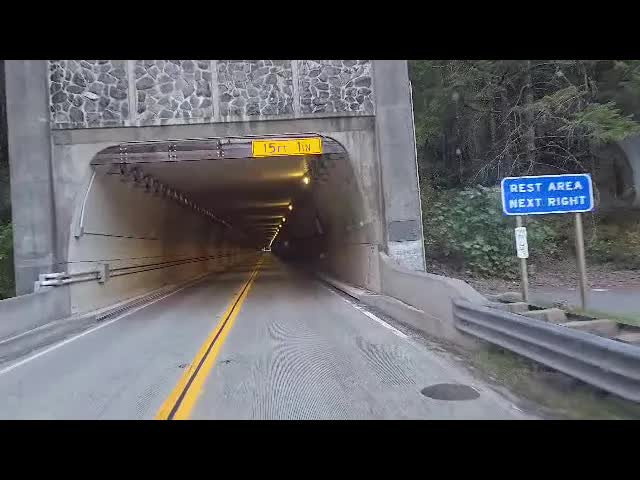
The drive back was quiet in the way early mornings are quiet, before people are up. He passed the local park he passes every day — Zia Park — and said again that he wanted to check it out, that the pictures online show a place that goes all out for the Christmas season, the kind of full-hearted decorating you rarely see anymore, the kind that suggests a community actually holds together. He was looking forward to it. He wondered aloud how snow works on the coast. Then the road crossed the Chetco River, and the cashier's explanation came back to him — the river is why the temperature runs so high here, though the river is low right now and he does not understand the mechanism, so the explanation sat unresolved and interesting.
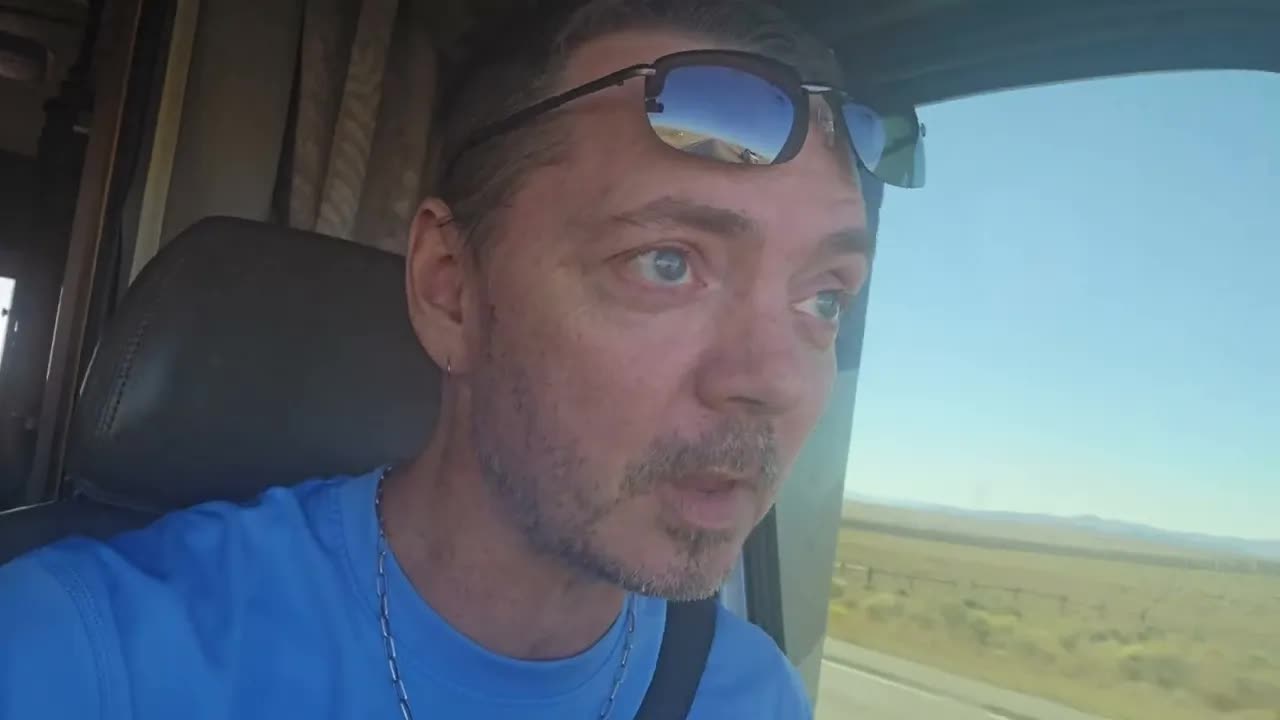
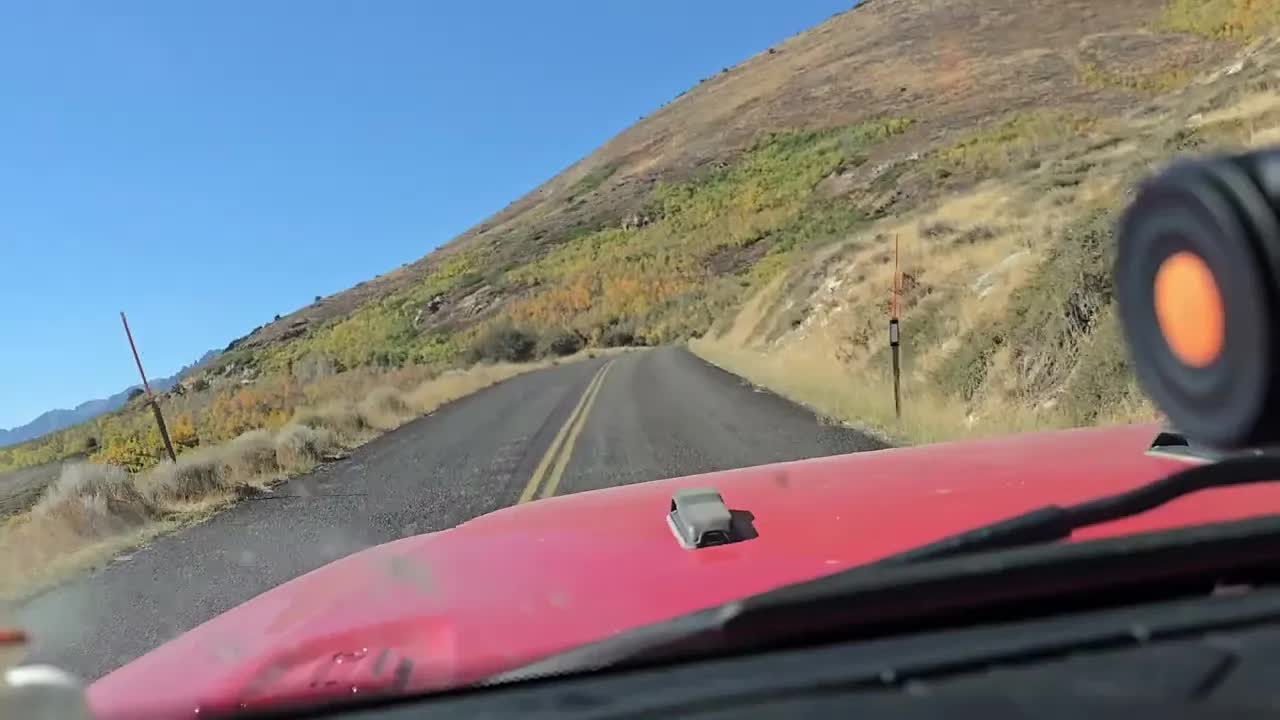
Someone was behind him. He pulled over as soon as he found a spot. Then the tents began — people living along the sides of the road, some in RVs that had been parked in place the entire time he had been there, cement blocks under the tires and stabilizers, unmistakably set up to live. He had seen an entire field of tents somewhere else on his way through. It had shocked him. He said it was sad that we live in a world like that. He stopped again for another driver, and named the frustration underneath: since arriving in Oregon, everyone drives aggressively, tailgating, disregarding speed limits, and he has a twenty-pound propane tank in the Jeep. He does not care how anyone drives as long as they do not do it around him.
Then the first encampment came up on his right, the same one that had been the first thing he saw when he arrived. He hoped they were doing all right. He said he hoped he did not end up being one of them, and that there was a very good chance he could be — he was down to eighty dollars. He could be parked right there. He thinks about it every single time he drives that road. And in the same breath, looking up, it occurred to him that he could drive up into that mountain, that he did not have to be in Nevada for that, that there had to be roads and that the national forest was right there. Which brought him to the mystery of the traffic on this road, constant day and night, when the only thing past the campground is forest. He needed to figure that out.
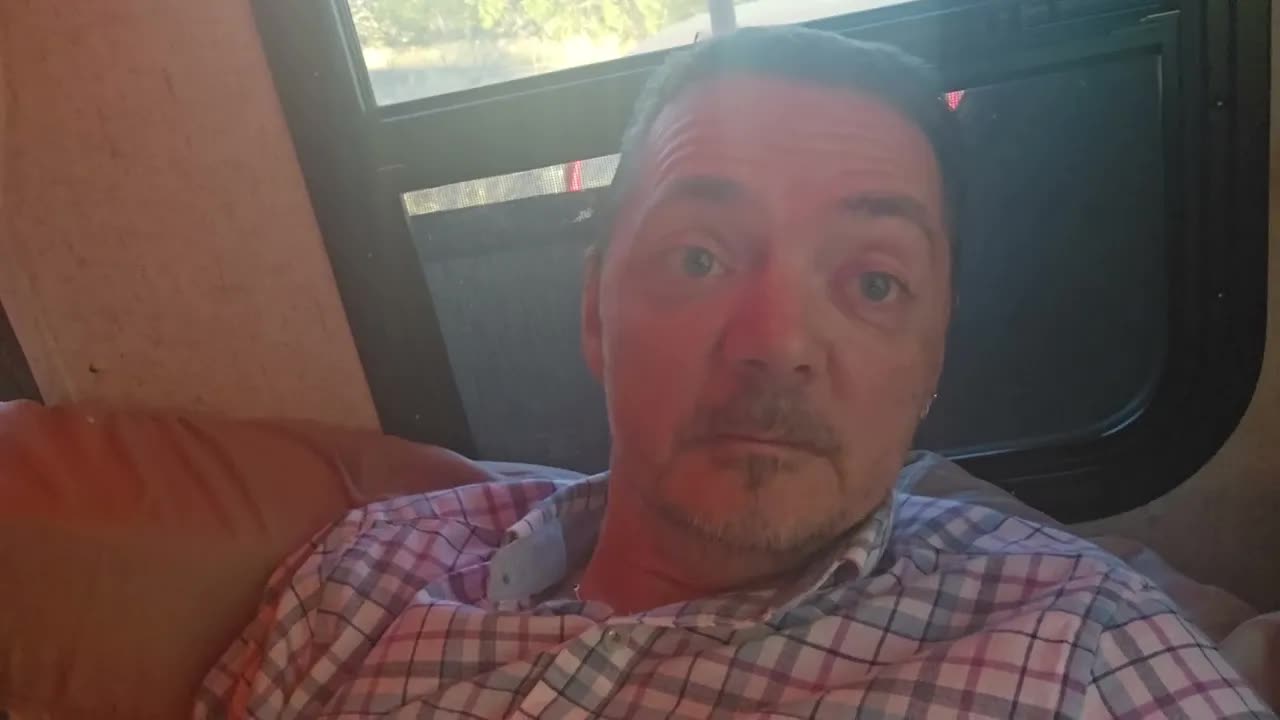
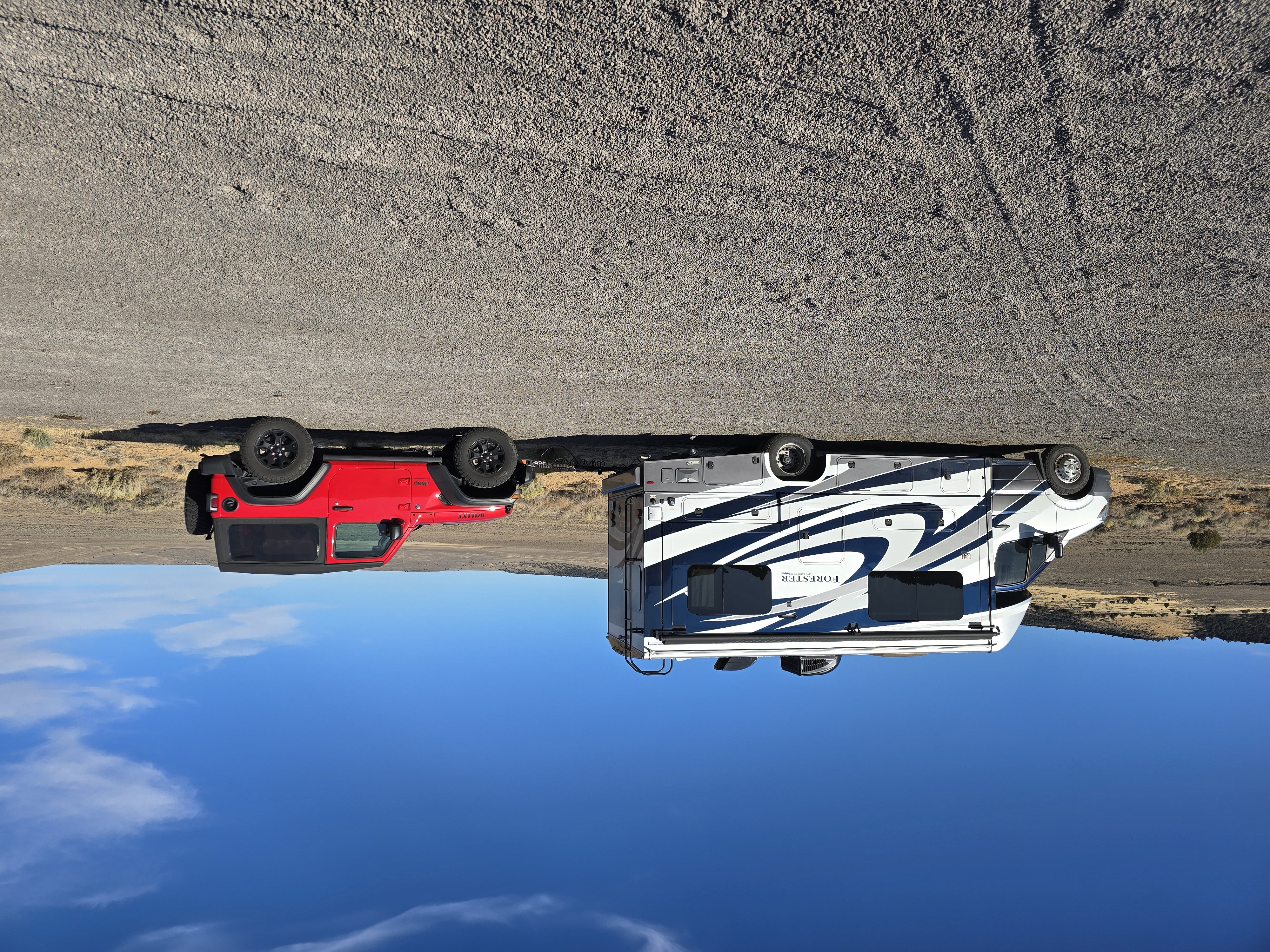
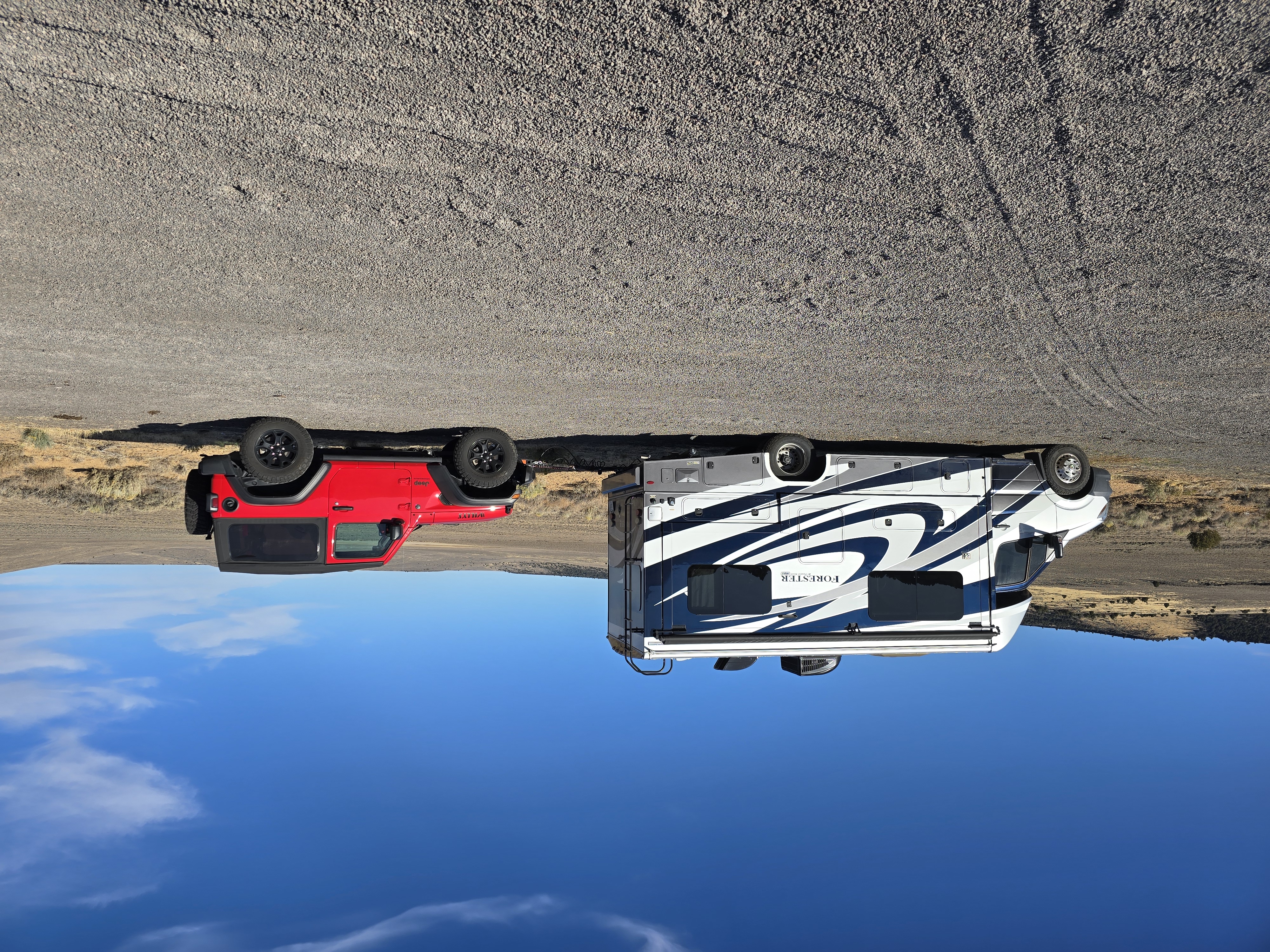
Back at the RV, M was outside doing his morning thing and rswfire was inside doing his. Eggs, coffee, one bottle of water. The solar was charging off the house battery, sitting at one hundred percent, barely drawing — though he knew if he turned the heater on the system would throw a low-voltage complaint. He had not run it plugged in alongside other appliances before. The RV does not have much throughput. They manage. Through the window, the cat looked happy. You look happy.
Then he laid the architecture out. If anyone was surprised he was not more stressed, he was — but he does not compartmentalize anything, so this was simply part of his current reality, something he is navigating. He worked it down to base layers. Rent, which for him is campground fees, paid through November 9, which buys some room. Shelter beneath that: he has a mobile home, so worst case he ends up on the side of a road somewhere and is still largely self-sustaining. Food: he bought basic things and they were still expensive, and everyone knows why. He would make burgers today and chili tomorrow to stretch the supply. He wanted to try the charcoal grill he had never used, and seventy-five degrees would be good weather to practice in. Fuel: no gas money, so no exploring, which meant fuel and energy were their own line in the same field of awareness. He said he navigates it the way he navigates everything, and that approaching problems differently does not mean approaching them wrongly — he would argue the opposite. Worst case, he said, you live on something very cheap and simple until you can afford better. After the chili and the burgers were gone, maybe rice, maybe beans. He would ask AI what the cheapest sustaining food is. He was not going to panic and he was not going to lose hope.
He remembered to flip the eggs — you have to, every once in a while, or they will not scramble. Bagels without a toaster, which a pan solves. Hash browns, for a slightly better breakfast than the three eggs that had lately been some entire days. Then the plate: coffee and eggs, and pepper, a lot of it, because before kindergarten and first grade his mother would pepper the whole bottom of his eggs when he asked her to, and the memory stayed with him his whole life. He said this was his new morning ritual, still developing, and that he did not know what he was doing after this. Then he closed with the one thing he had held for the end. He had reason to believe some people were watching him as hate-watchers, taking pleasure in the struggle. He addressed them directly: that is a reflection of you, it has nothing to do with me, and I will not own it for you. It shows your character. And whoever they were, he told them, he would keep documenting his journey and living his life, because this was never about them.