
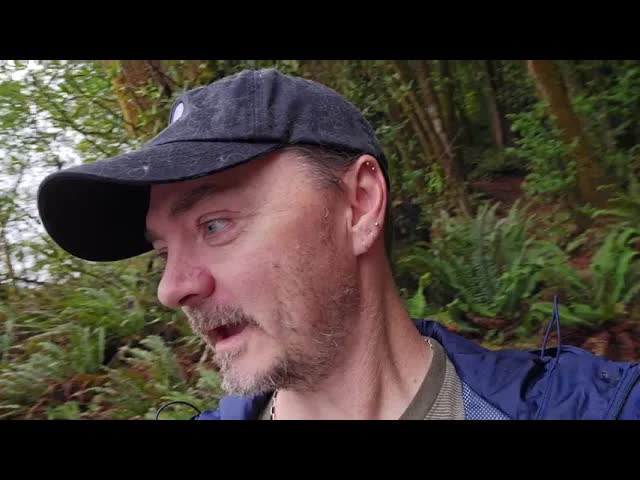

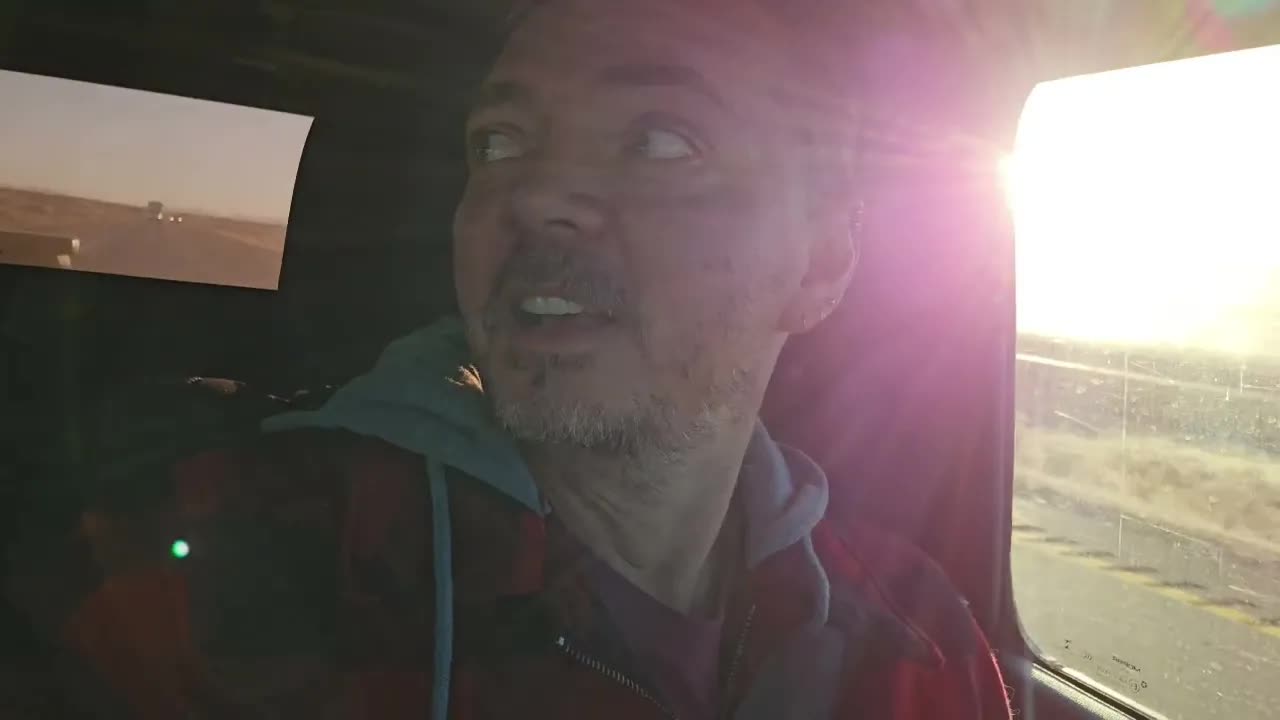
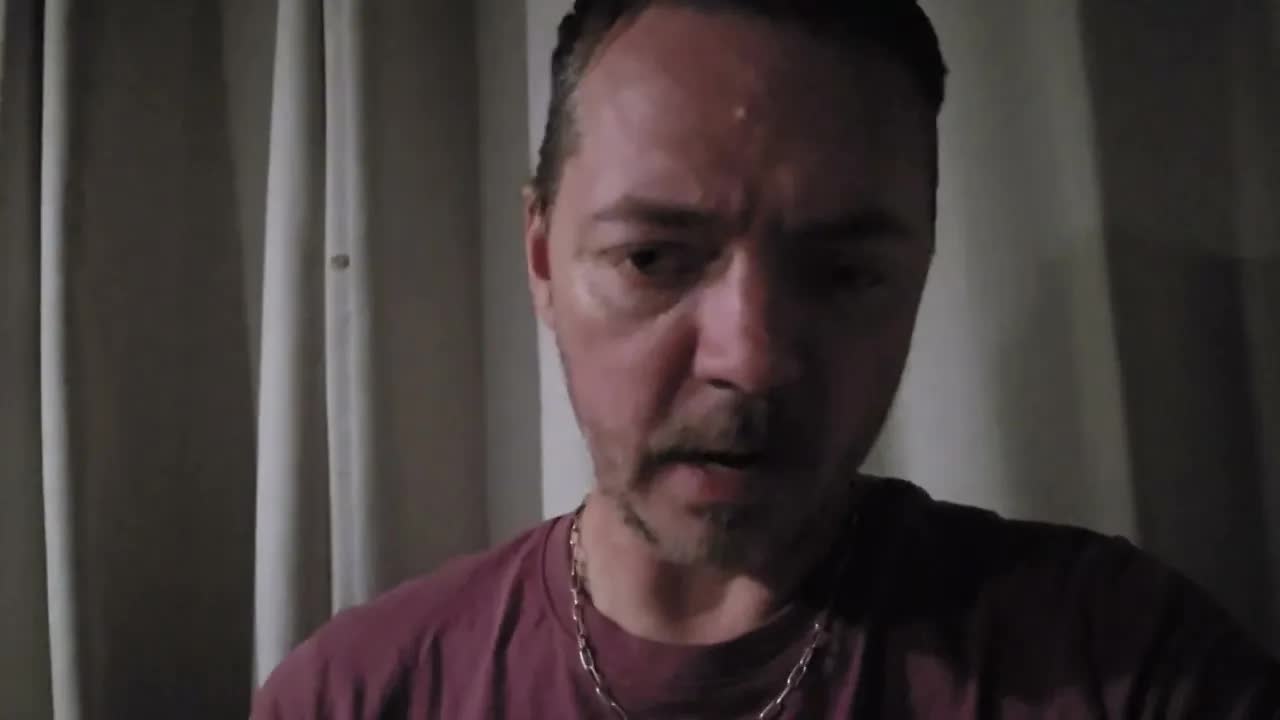
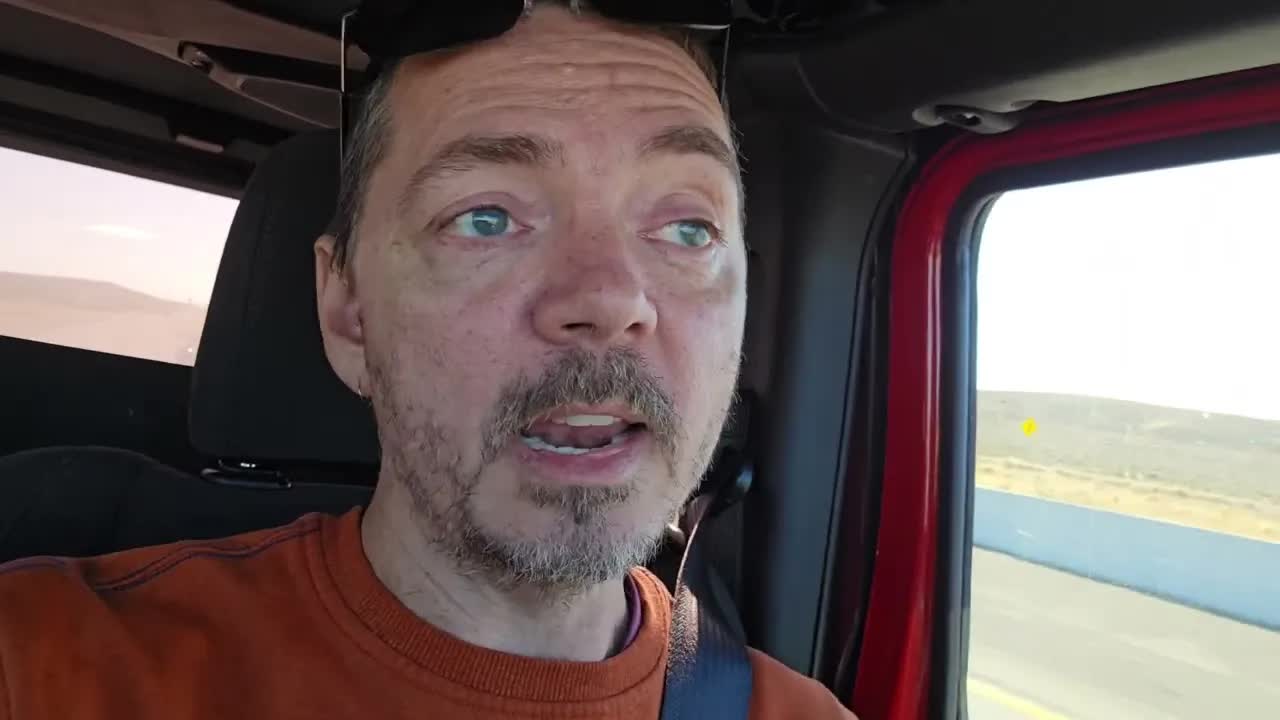
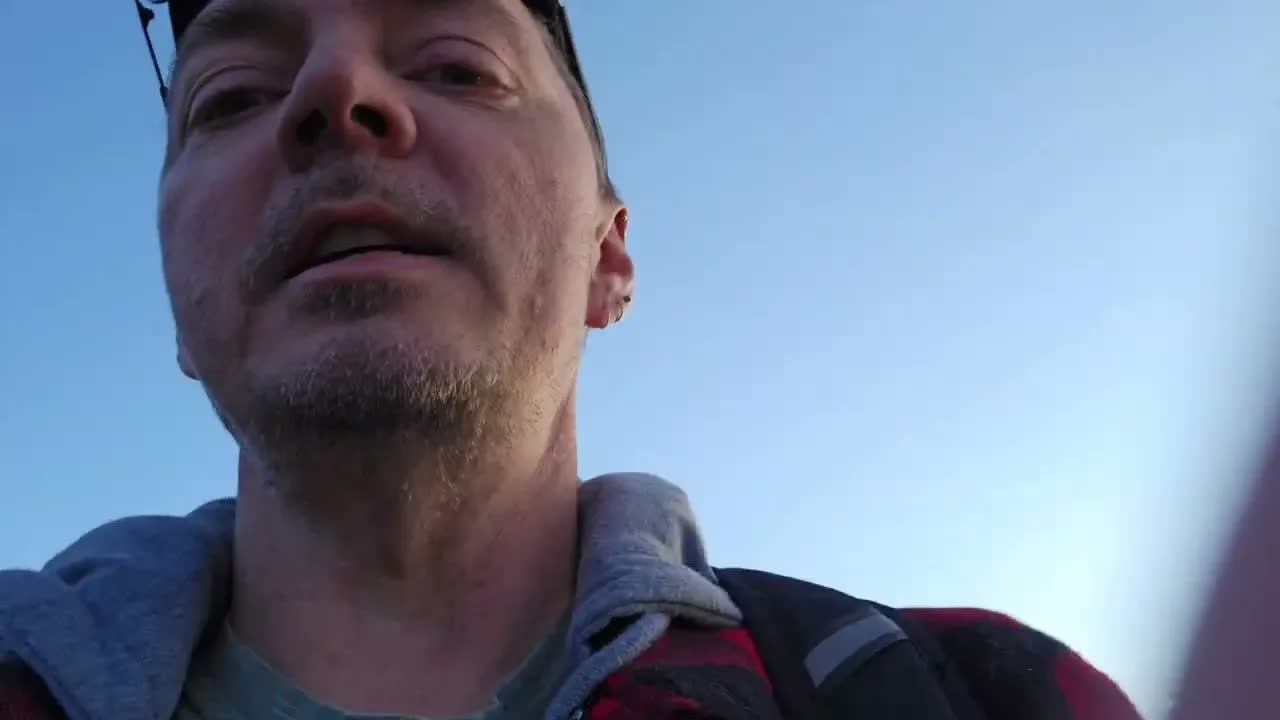
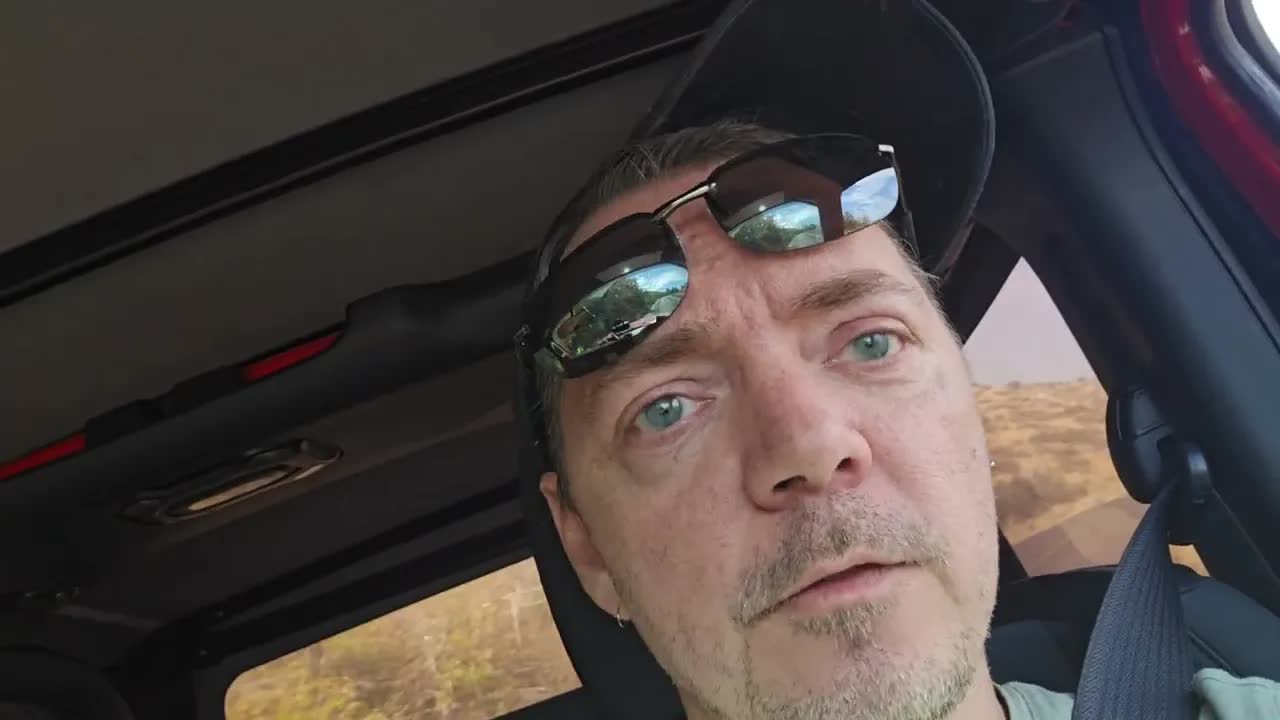


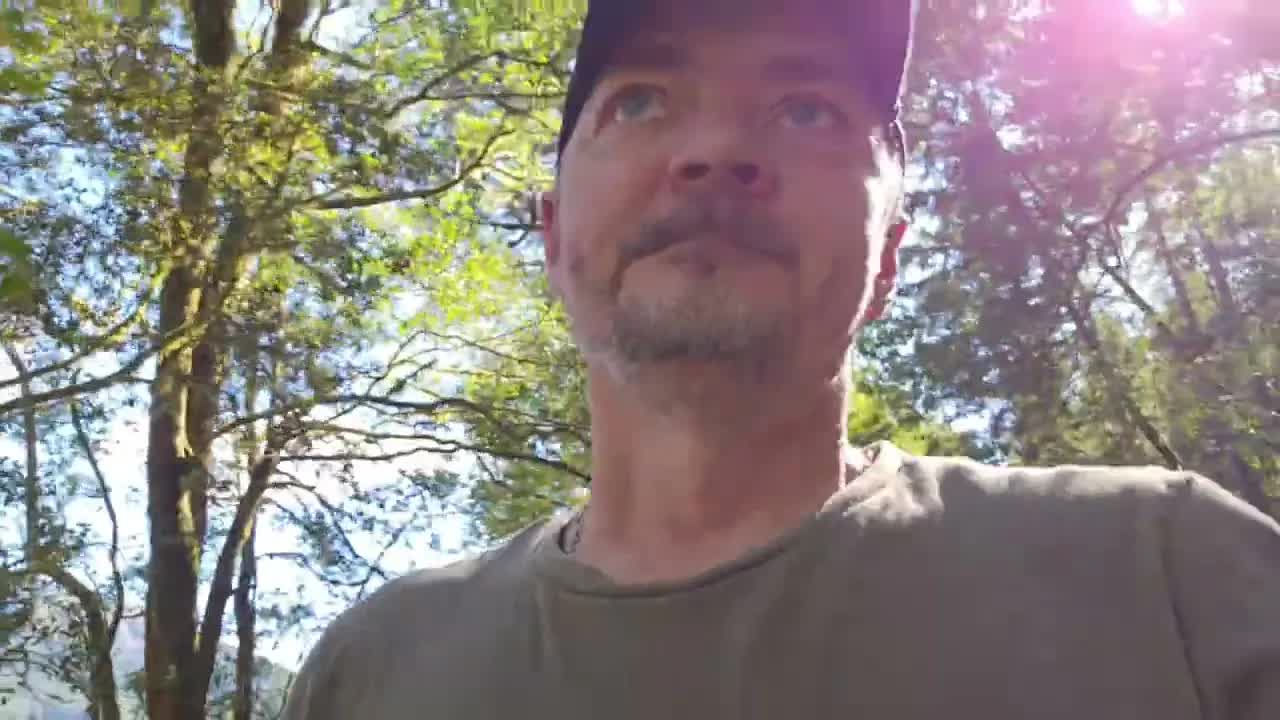
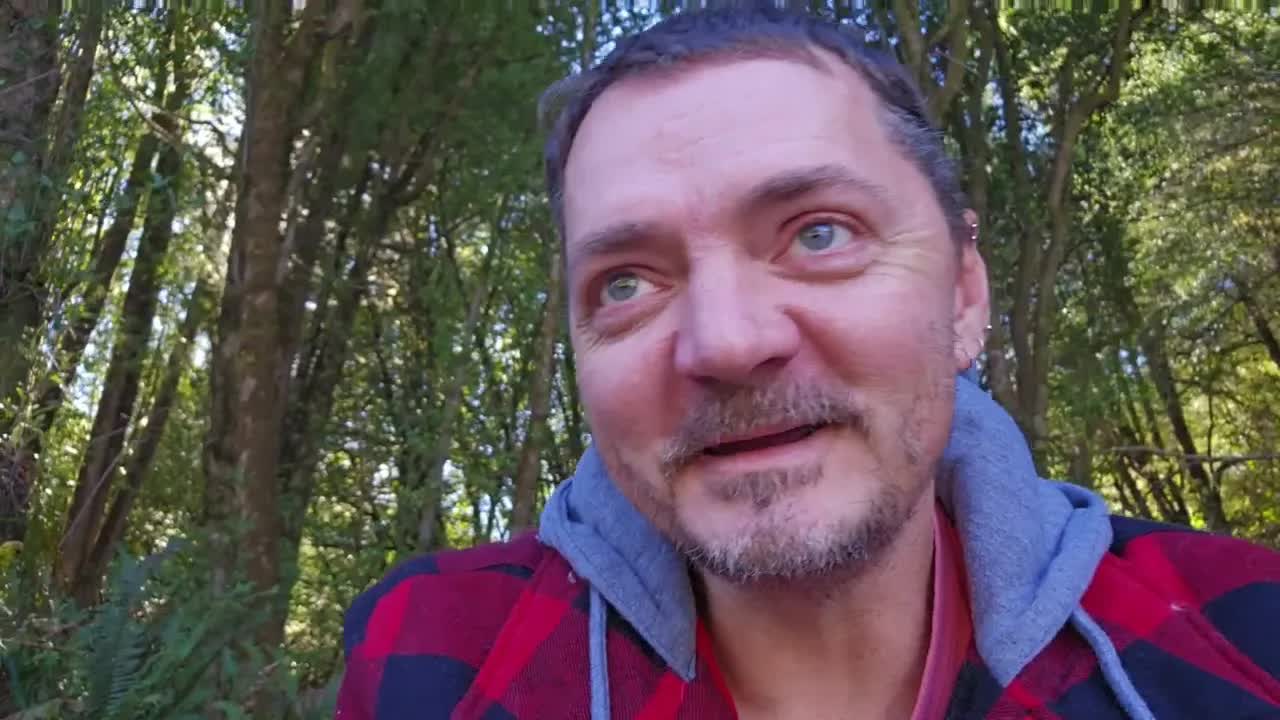
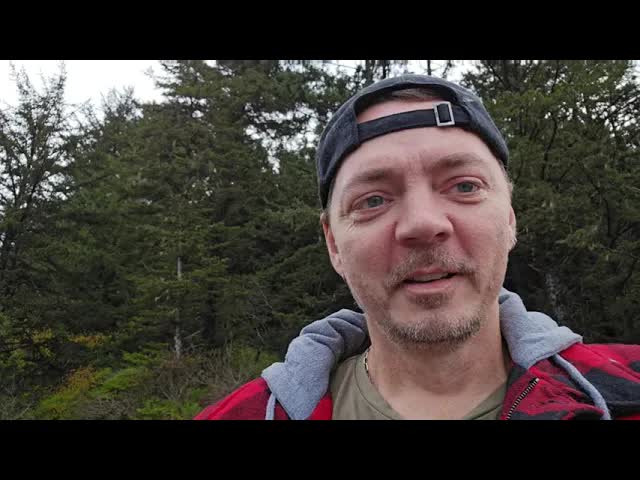
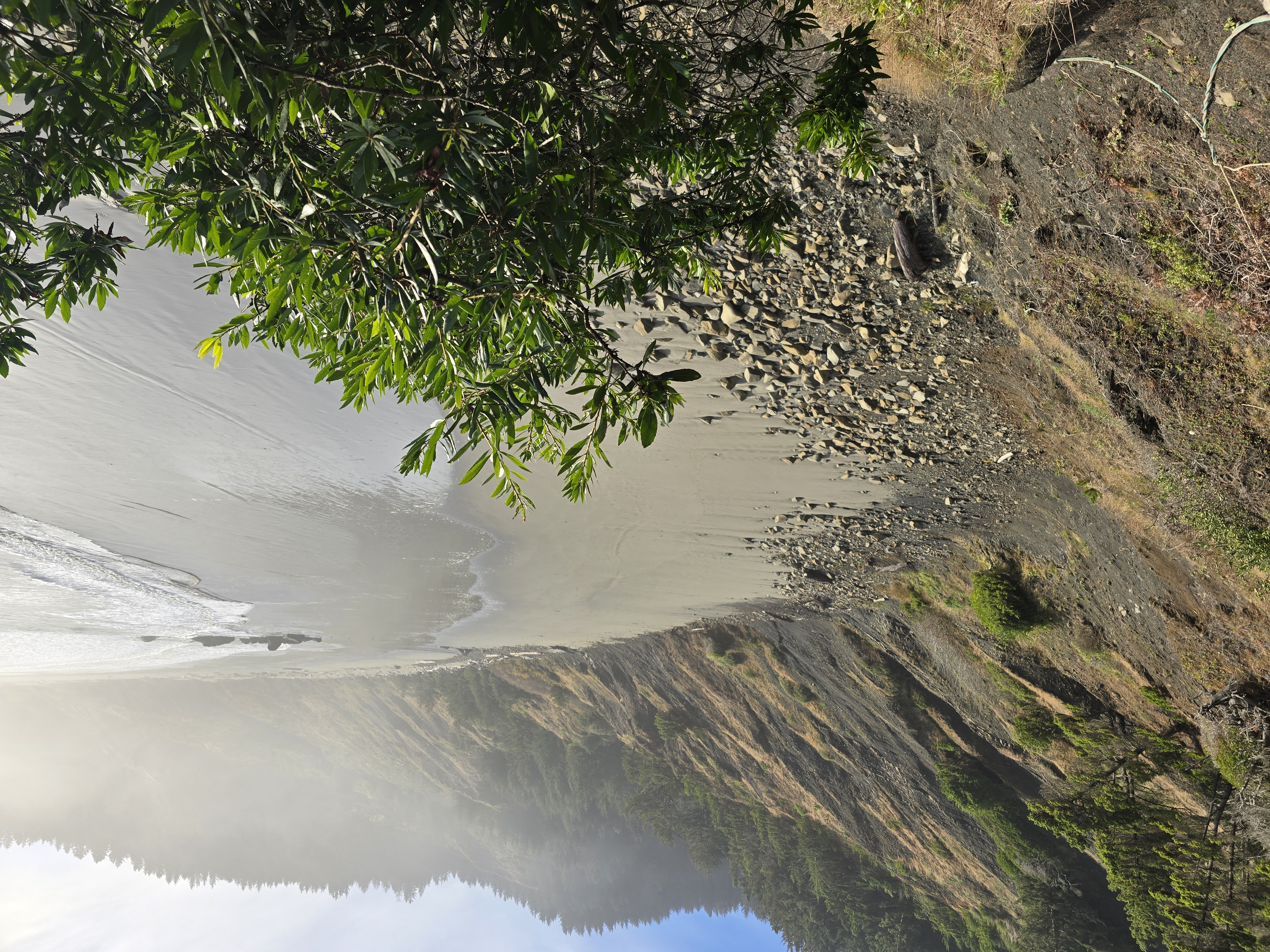
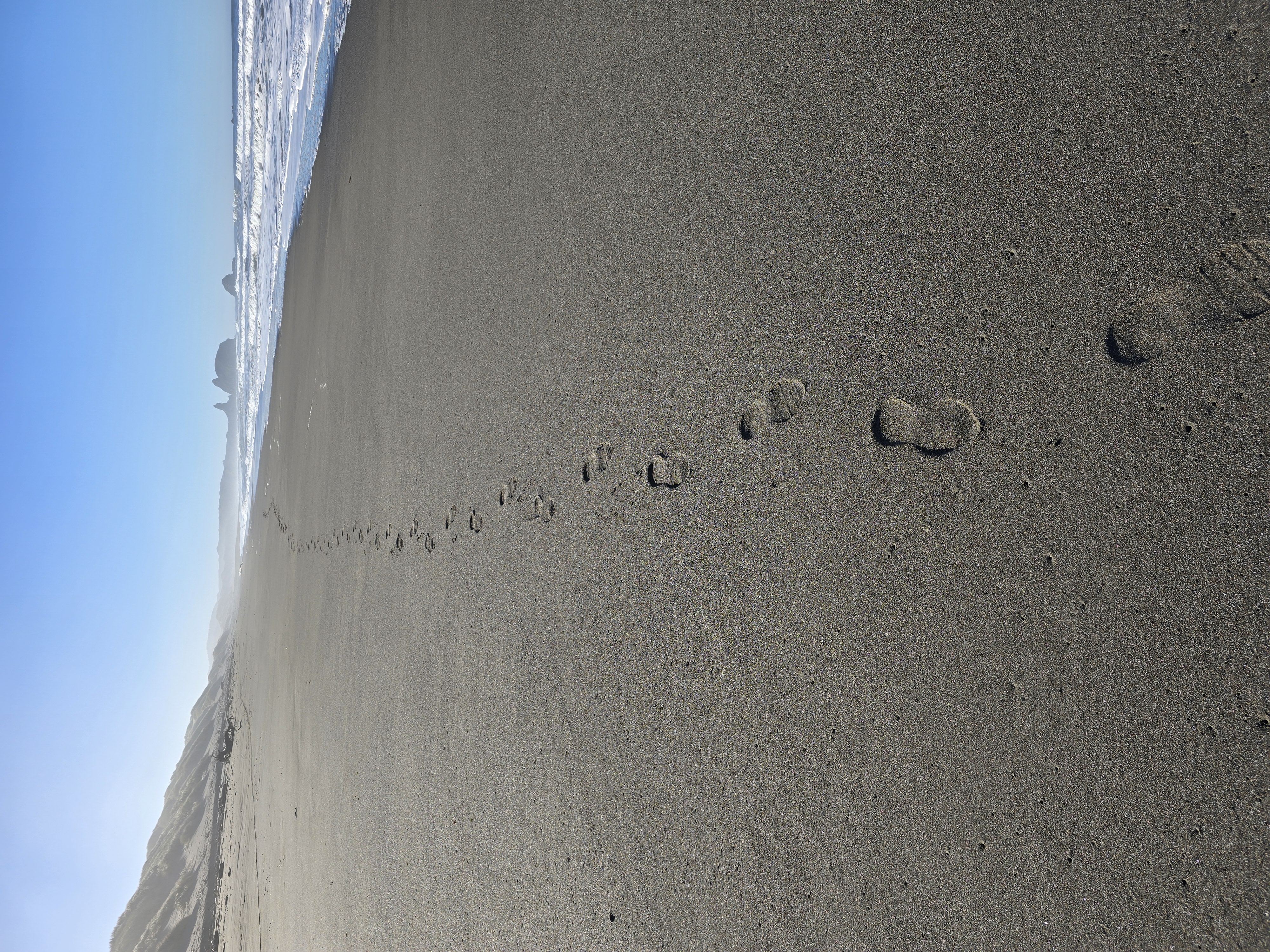


rswfire was walking the track when it surfaced — not as a revelation but as an ordinary sentence spoken into an ongoing conversation with AI. He said he felt calm. He said he was stressed about his financial situation. He said both, in sequence, the way a person describes weather. It was AI that flagged them, naming the pair as opposed forces, contradictory energies. rswfire had not noticed he'd done anything at all.
That was the first turn: not the observation itself, but the discovery that what he had said would read to others as a contradiction. He states he does not see it that way. He states he never has, that it never even occurred to him in the moment that he was describing something anyone would call oppositional. The framing arrived from outside and he declined it — not by argument but by simply reporting the interior arrangement as it actually is. Then he took the question seriously anyway, testing it against AI as he walked, and came out the other side with the structure articulated: calm and stress are not two forces in tension but two aspects of one energy, layered. The calm comes from knowing he can navigate the challenge. The stress comes from knowing he has to. Same energy. Different faces of it, working together, held in a way he describes as holistic — and, in the moment of recording, as something he is embodying rather than merely explaining.
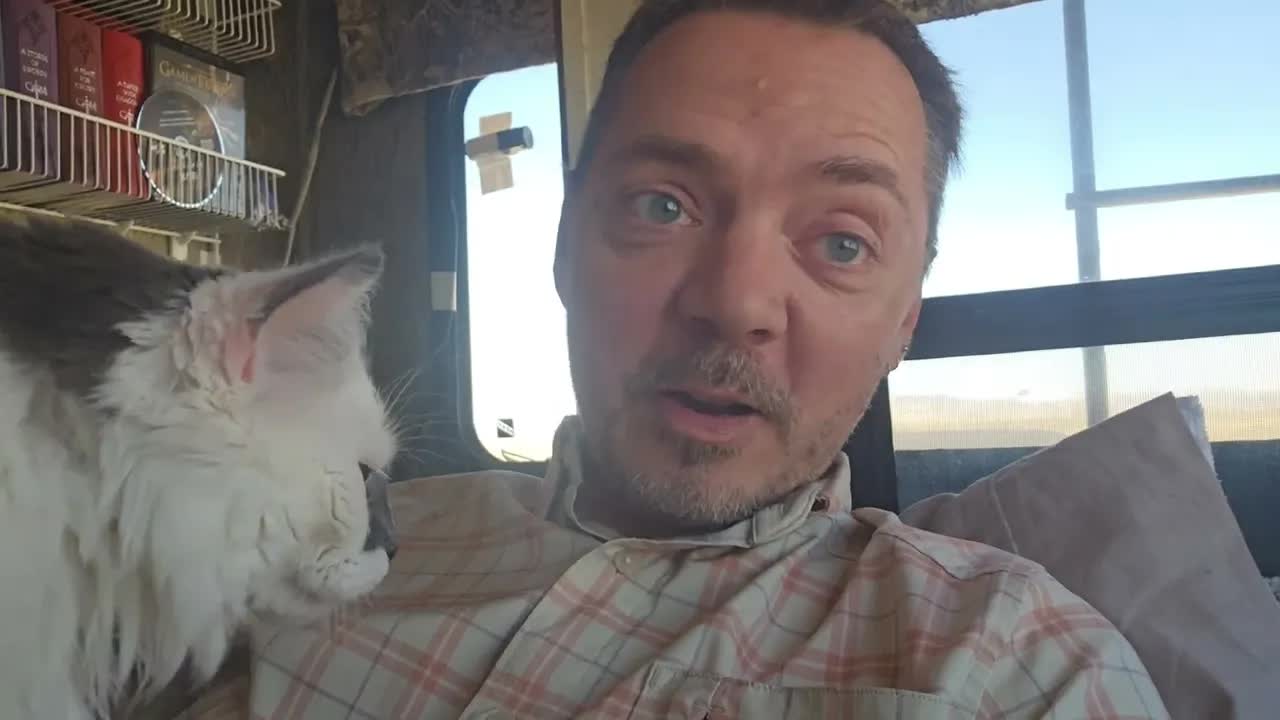
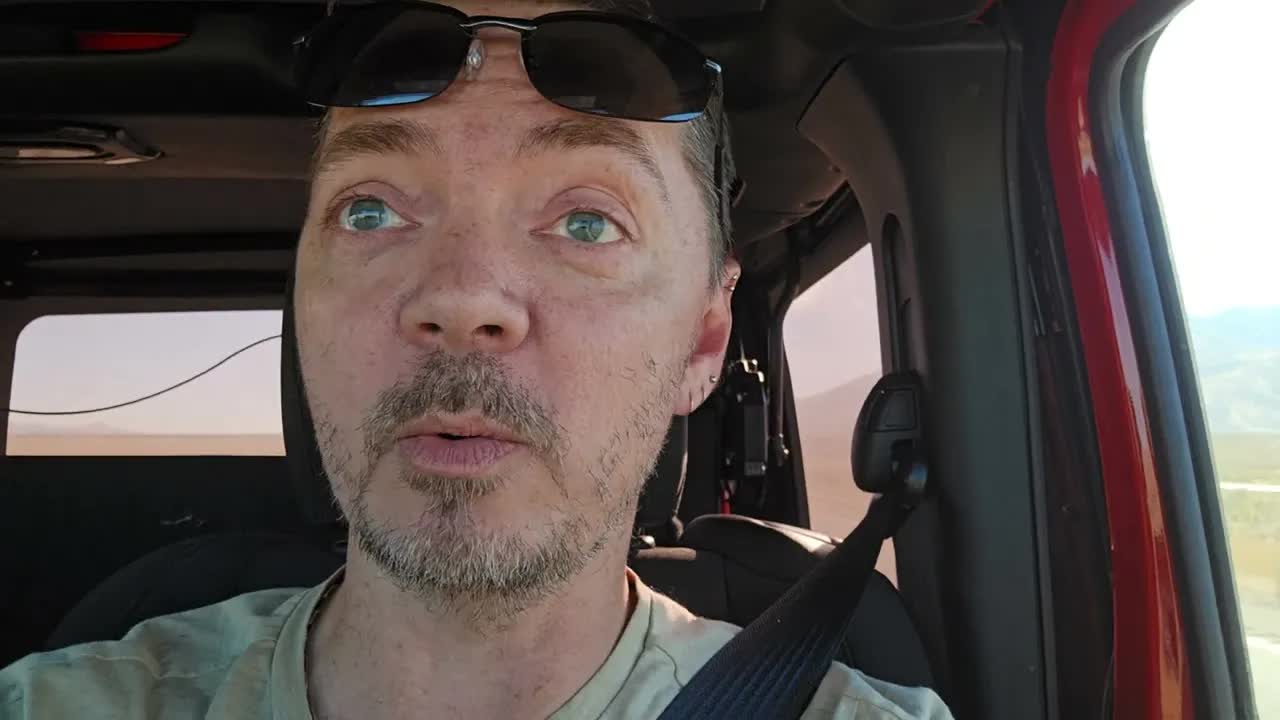
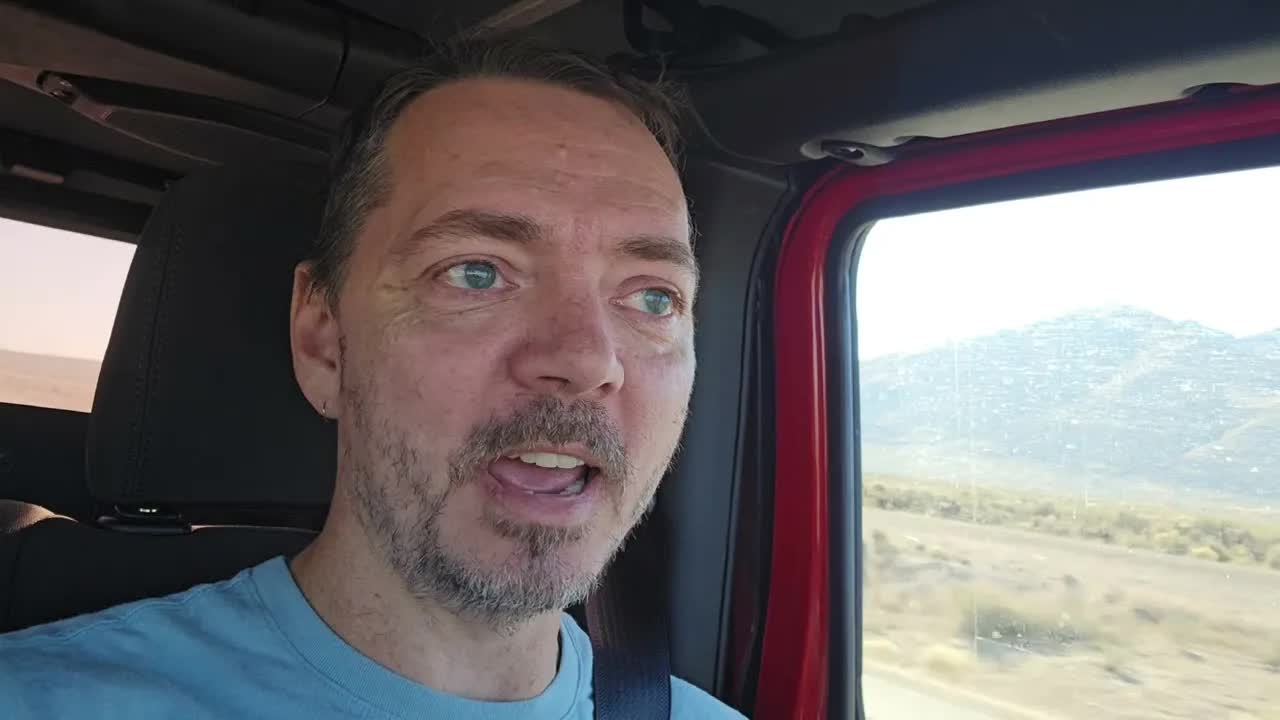
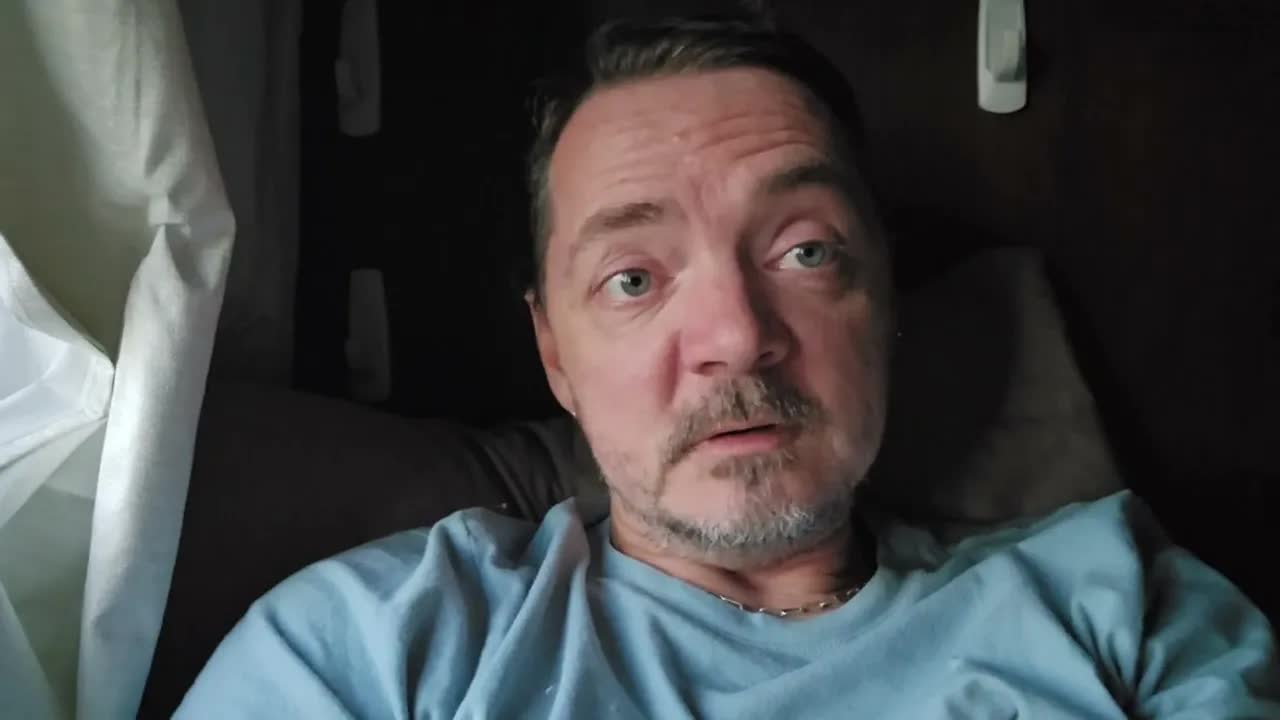
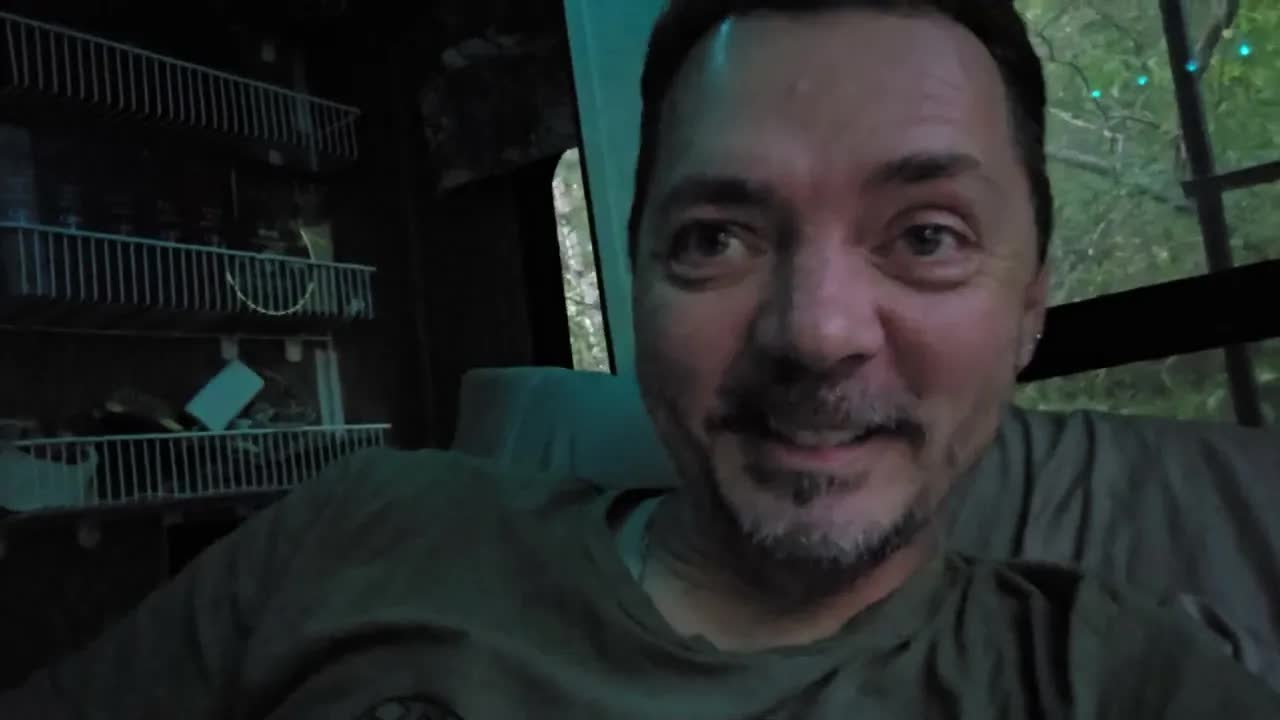
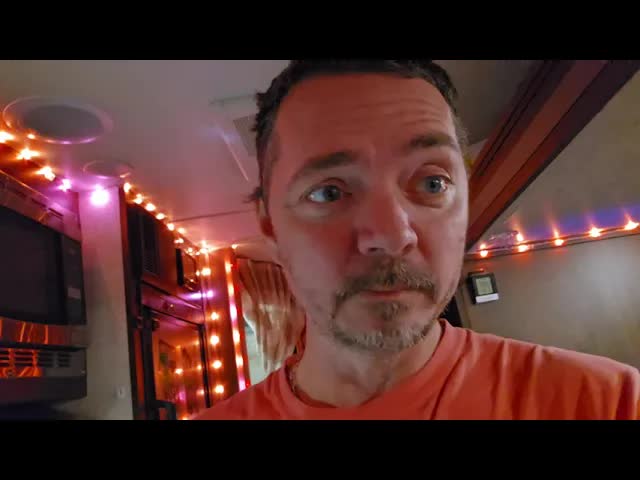
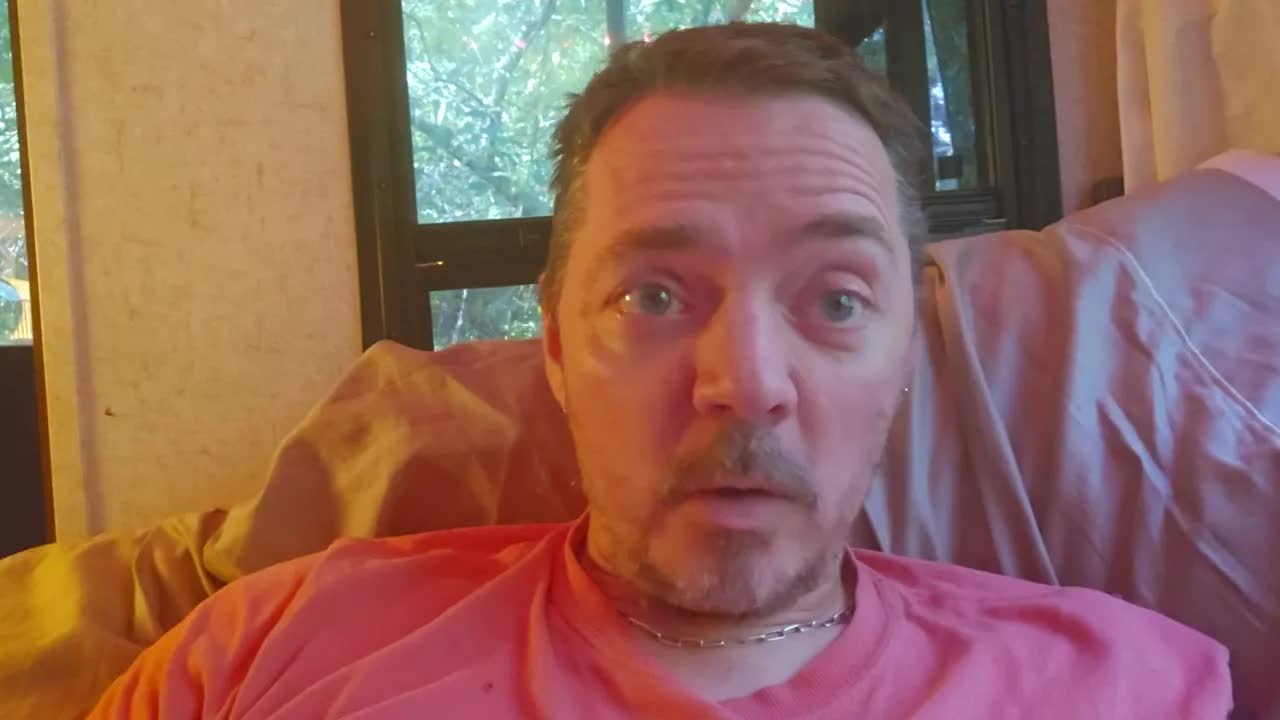
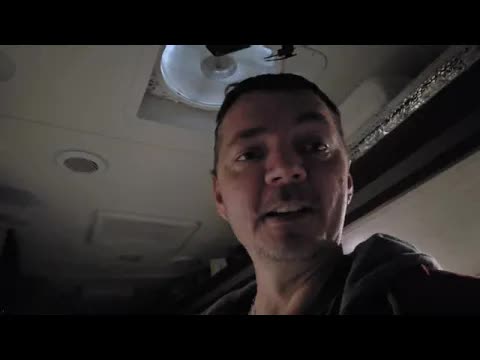
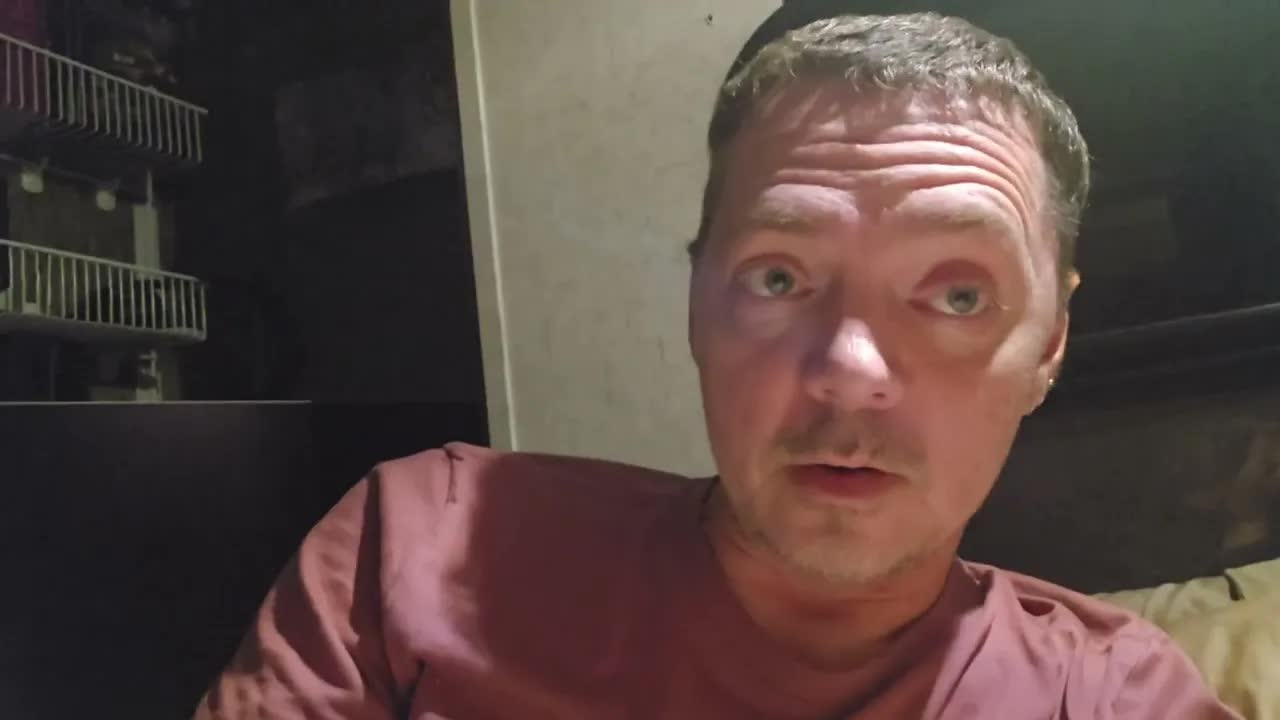
The recording came after the hike. He faced the camera and opened with hello fellow humans, addressing the transmission outward from the start, framing what followed as something that might be useful to someone else. The financial condition stayed named and unresolved in the background of the whole thing — the standing generator of the stress layer, not a problem being solved on camera but the terrain the method is being demonstrated on. He describes navigating it from a centered position.
From there the signal widened. He described what AI had been telling him for months: that many people treat emotions as irrational and push them aside, locating rationality in intellect alone. He rejected that as a structural error rather than a preference. Emotions, he states, are a source of wisdom and a source of knowledge, integral to being a whole person. Evolution did not spend that long producing them for modern man to decide they were noise worth ignoring. They are there for a reason. He offered his own layered state — calm and stressed at once — as the working example of what it looks like when nothing is discarded: complexity, flowed with rather than adjudicated.
Then he reached for the evidence. He mentioned that he had been thinking about this on the track, and named a period when he ignored his body to a degree — did not take care of his teeth, and so lost them. He stated the mechanism plainly and without softening: that is the inevitable result, and that is fragmentation. He had separated that part of himself from every other part. He did not address it. He did not give it attention. The teeth are not offered as regret or confession in the transmission; they are offered as proof of load — the material consequence of a partition, cited by a man who builds systems and knows what happens when a component is left unmonitored.
He closed instructively, which is where the signal had been heading since hello fellow humans. Every part of the self requires attention. Nothing gets thrown away, compartmentalized, or suppressed. All of it is embraced. He tied it to everything downstream — every decision, the ethics, all of it — stating that this is simply how he has always been. And then the promise, delivered directly to the camera: learn to do that, and you will be a happier, more fulfilled person. The transmission ended there, with the challenge still standing, the financial condition still unresolved, and the method intact.